At one time, the rhythmic clatter of the Pittsburgh Courier’s printing presses and the energetic swing of legendary jazz artists in the Hill District carried the pulse of Pittsburgh. Pittsburgh defines itself mainly by the steel, smoke, and iron of it all. But that’s only half of the picture. Black history in Pittsburgh isn’t a separate, tucked-away chapter of our story, it’s the foundation.
In addition to the significant number of international immigrants who came to this city, there was also a large population of Southern Black people who participated in the Great Migration. With the first wave occurring between 1914 and 1945, Black families moved North in search of better opportunities and found them. They found refuge and thrived in neighborhoods like the Hill District. Among this group of new Pittsburghers were a number of Black Americans who contributed to this city of innovators by taking “innovation” to a global scale.
A Historic Start for the Black Community
In the 1940s, the Pittsburgh Courier, one of the first Black newspapers to publish both national and local editions, launched the “Double V” campaign, a civil rights movement to secure a “double victory” for Black Americans fighting in WWII. “Victory over fascism abroad and victory over racism/segregation at home.” This helped spark a national movement for civil rights that changed the course of American history.
In the late 1960s, a group of medically trained Black men from the Hill District formed Freedom House Ambulance Service. Before them, if you had a medical emergency, your best bet was getting a ride in a cop car. Thanks to those men, the modern paramedic was born. This type of progressive thinking became the very soul of the Steel City. Once we understand the many major contributions made by the Black community to this city, we can honor our past while better navigating our future.
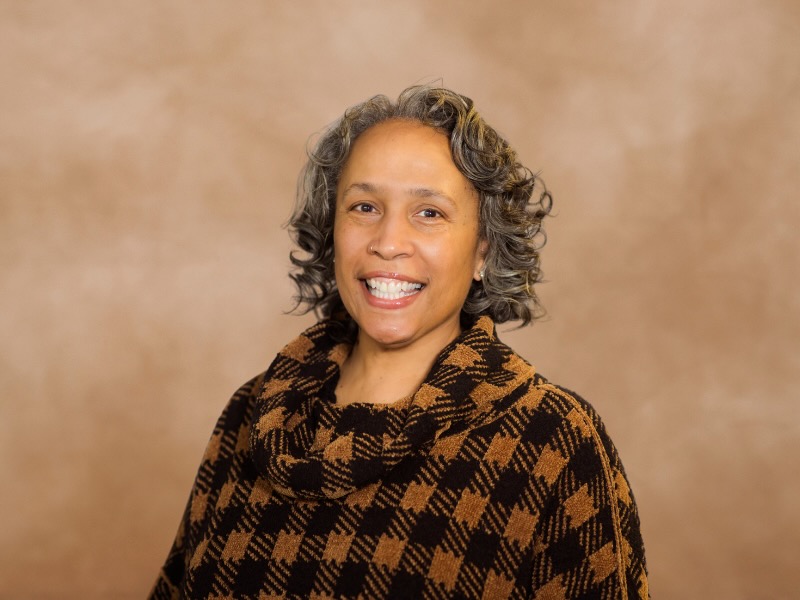
Pastors Cynthia and John Wallace on Black History and Pittsburgh’s Future
Cynthia Wallace has a theory on why these contributions are often missing from the Steel City conversation. The Bible Center Church Executive Pastor and Executive Director of the Oasis Project believes that Pittsburgh’s history of segregated neighborhoods is the cause of so many oral histories being siloed. “I don’t know that we hear as much about what African Americans have done because of that,” Cynthia commented. She continued, “We hear about Andrew Carnegie and all of those that made Pittsburgh famous for steel, but it was really on the backs and the shoulders and the hands of African-Americans who did that work. That isn’t often recognized.”
Investing in Pittsburgh’s Future Through Proper Education
While parts of this country are questioning the importance of making Black history a part of our children’s education, or even a part of adult education through information on display at museums and historic sites, it’s dire that we no longer rely on others to tell our stories. We are in danger of having stories of Black triumph, innovation, artistry, and contributions whitewashed and diminished. John Wallace, Senior Pastor at Bible Center Church and Vice Provost for Faculty Advancement at the University of Pittsburgh, cites the obvious problem as “the attack on telling the accurate history of African people in America.” The loss or distortion of history affects the way we view ourselves. As a community, we must be vigilant in countering negative narratives and in ensuring that we educate young people to be able to envision themselves as leaders and innovators.

John went on to say, “We as a community have to make sure that our children are educated and given the truth about our nation’s history.” The legacy of innovation in Pittsburgh’s Black community is strong and extends far beyond February.
The Black History of Pittsburgh Stands Today
Although much of the physical landscape has changed in Pittsburgh’s historically Black neighborhoods, such as East Liberty, the Hill District, and Homewood, you can still find history as you walk the streets.
In the Hill District, the August Wilson House stands as a living monument to the literary giant’s art and life. Across the river in Homestead, the Negro League legends come to mind every time we cross the Homestead Grays Bridge. Thanks to photographer Charles “Teenie” Harris, who captured over 80,000 images of Black life, we have a visual record of Black life on display at The Carnegie Museum of Art. From the glamour of the Crawford Grill to the quiet dignity of a family Sunday dinner, these memories became the blueprints for a community that has always known how to build its own greatness.
“We’re not only sharing what past generations have gone through, endured, accomplished, but we encourage our young people that their story is valuable,” Cynthia explained. “Talk to people so that your story is not lost because that’s the only way that we are in control of our narrative.”
What Steps Come Next to Preserve Black History?
Preserving Black history in Pittsburgh demands an active, year-round investment in the community’s strength. To truly honor the legacy of our pioneers that came before us, we must support the “modern-day firsts” by moving beyond symbolic gestures and into tangible support. It means patronizing Black-owned businesses like Everyday Cafe, supporting the Greenwood Plan’s mission to empower Black entrepreneurs, and visiting the August Wilson African American Cultural Center with an open mind and a willingness to learn.
There is also major importance in creating your own history through the arts. Cynthia encourages everyone to “chronicle history and to leave that artifact” as well as taking time to record and preserve the stories of our elders. If we don’t support the people actively making history today, we risk leaving the legacy of Black Pittsburgh to someone who doesn’t respect the beauty in it. It’s not just “Black” history. It’s “American” history.
Learn more about what Black History Month means to the city of Pittsburgh here!
Story by Kahmeela Adams
Photo Courtesy of Cynthia and John Wallace
Subscribe to TABLE Magazine‘s print edition.