The generous spirit of a family of new refugees from Afghanistan brings them together with a family of Pittsburghers, showcasing the city as a hub for immigrant care and resources.
Community Connection Through an Afghan Refugee Story in Pittsburgh
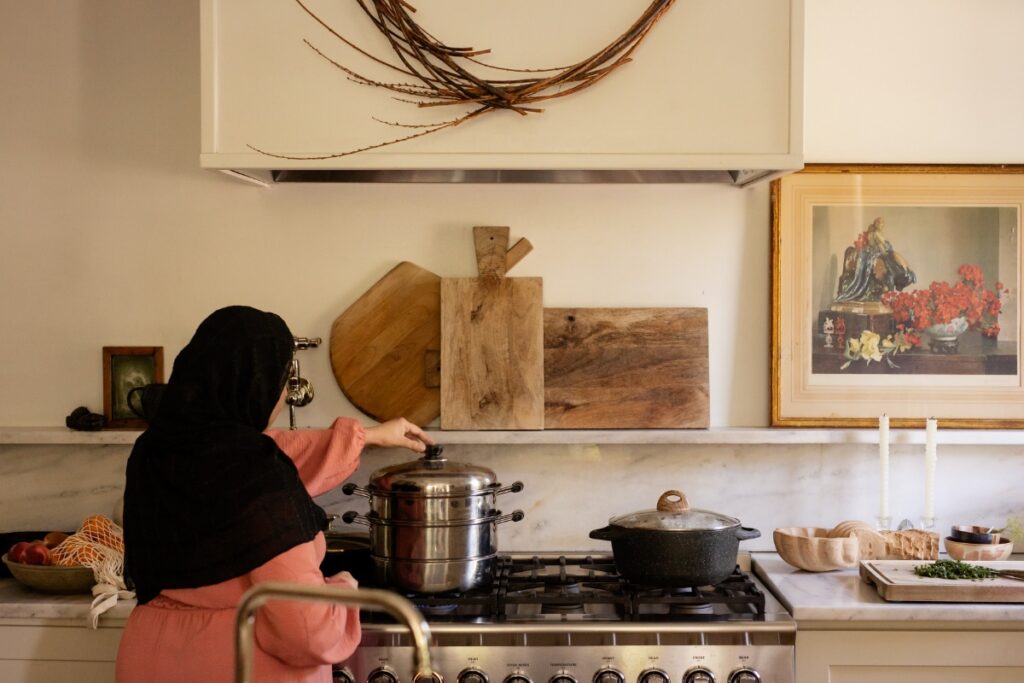
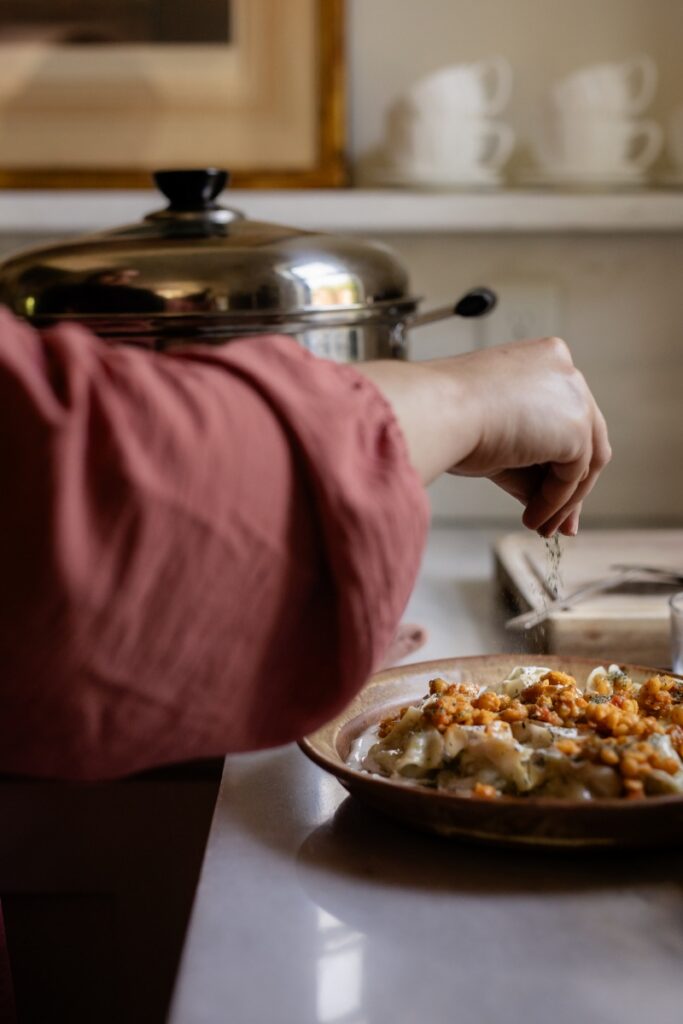
Fatima and Shelley stand in a dimly lit kitchen, their silhouettes partially hidden by a cloud of steam escaping a tiered metal basket on the gas stove. Lifting the lid, the women pause to appreciate the layered aromas of beef, onion, and coriander escaping from a batch of dumplings. Three years ago, their paths converged – Fatima, mother of four, from Kabul, Afghanistan and Shelley, mother of six from Pittsburgh, Pennsylvania.
At the time, Shelley and her eldest daughters were attending a baby shower for recent refugee arrivals with new or soon to-be expected babies. Fatima’s youngest child was two months new at the time. Shelley, whose youngest was two years old, felt a distinct tug to attend. Seated at the same table, the mothers connected through maternal experience alone and despite a language barrier, the two left the event intent on meeting again.
One month later, a reunion happened over a meal – traditional Afghan cuisine prepared at Fatima’s and husband, Zubair’s, new home in Pittsburgh for the two sizeable families numbering fourteen in total. Despite juggling new culture and customs, care for their new Pittsburgh friends remained the focus. While meals in Afghanistan are typically enjoyed seated on the floor – a shared spread placed on a dastarkhan (tablecloth) laid between gatherers – on this occasion, Fatima and Zubair adapted their practice to accommodate their guests with their very first dining table.
Sharing Life Over a Meal
Seated again at a table with Fatima, Shelley was moved by the details of her story. Their family had, after several failed attempts, escaped Afghanistan amid the Taliban takeover. Their long journey took them from Hamid Karzai International Airport, to Qatar, to Germany, and to temporary housing at Fort McCoy in Wisconsin before the family finally settled in Pittsburgh. Zubair now works to support others who have fled their homelands amid war and oppression. A journalist, he previously documented the war in Afghanistan for publications across the world.
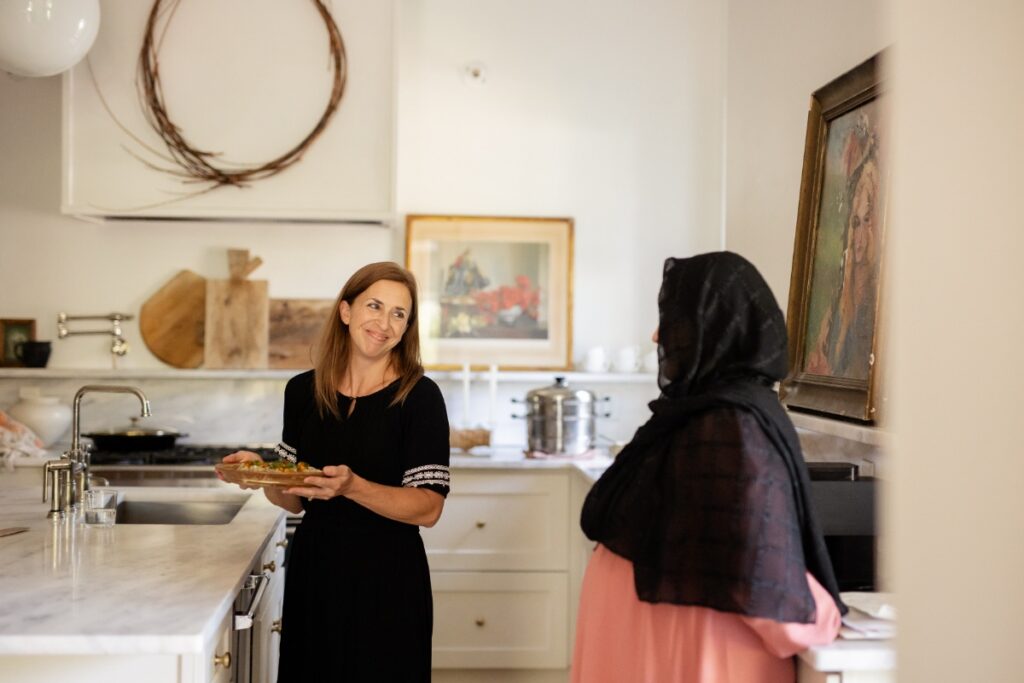
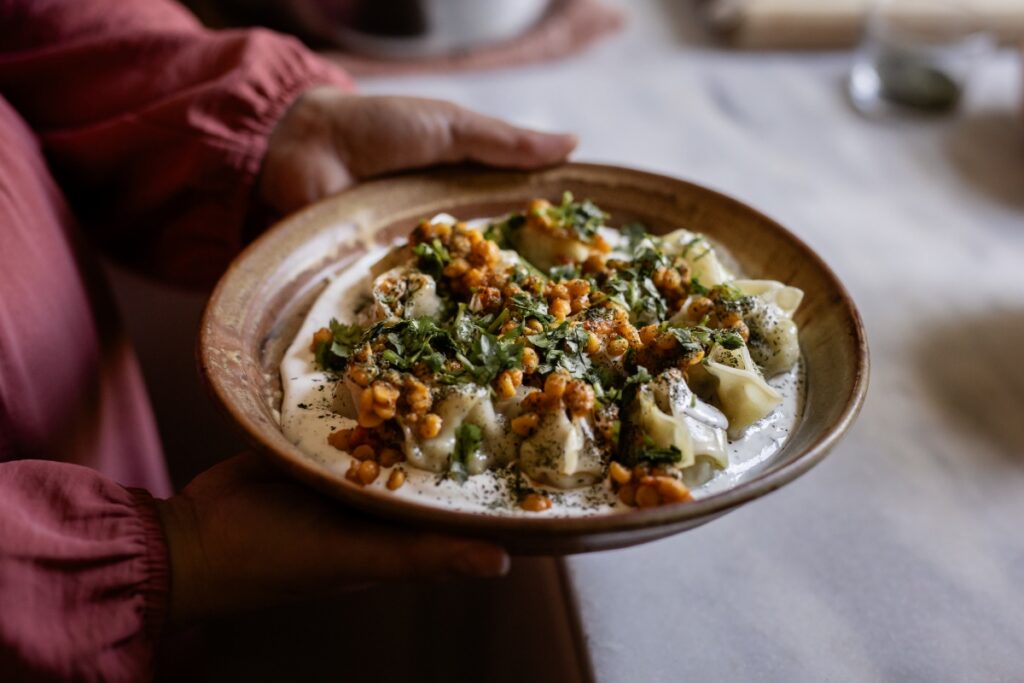
Today in the kitchen, while the women work to recreate their first meal together, Fatima’s now 14-year-old daughter translates from Pashto to precise English (and vice versa) as the occasional cooking conundrum arises. A purposeful Fatima gently tops the steamed mantoo – dumplings filled with minced beef, cabbage and onion – with yellow split peas cooked in tomato paste, yogurt, and fresh coriander.
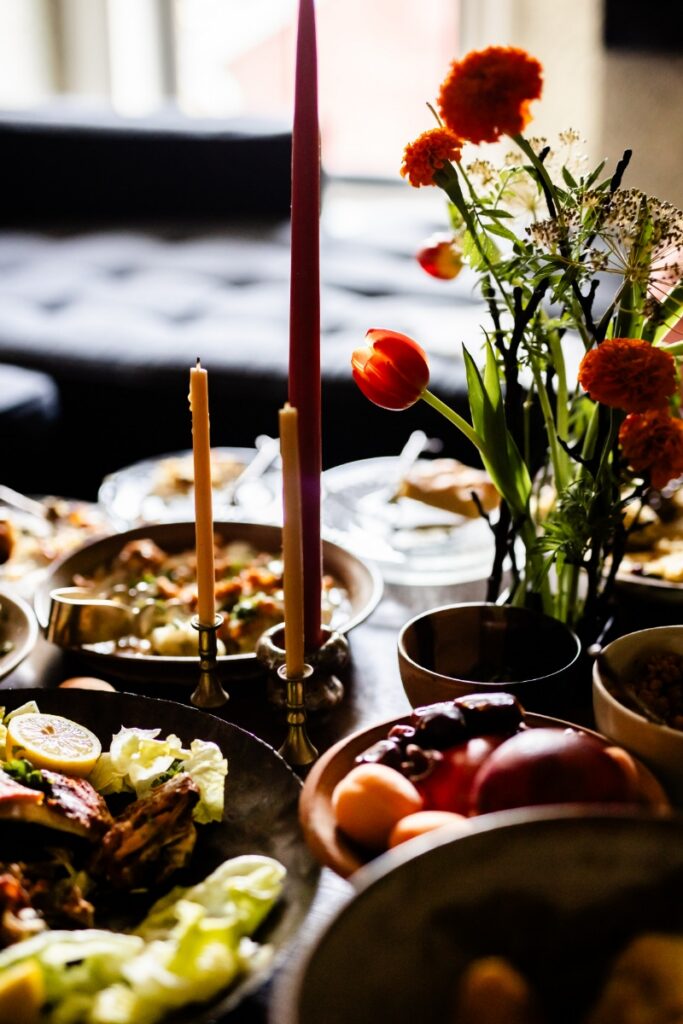
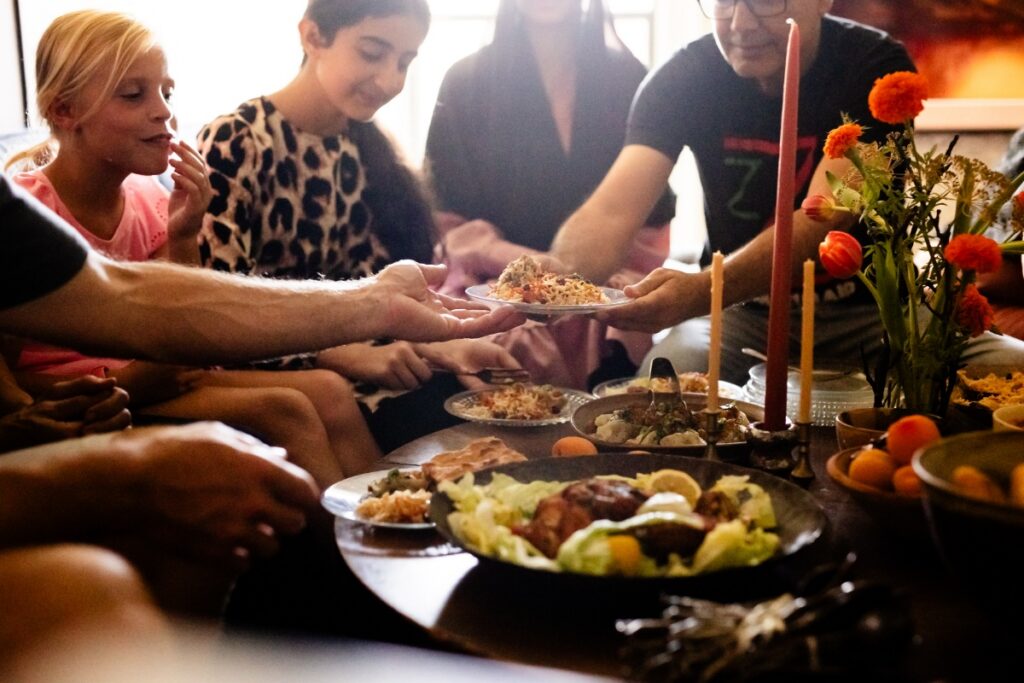
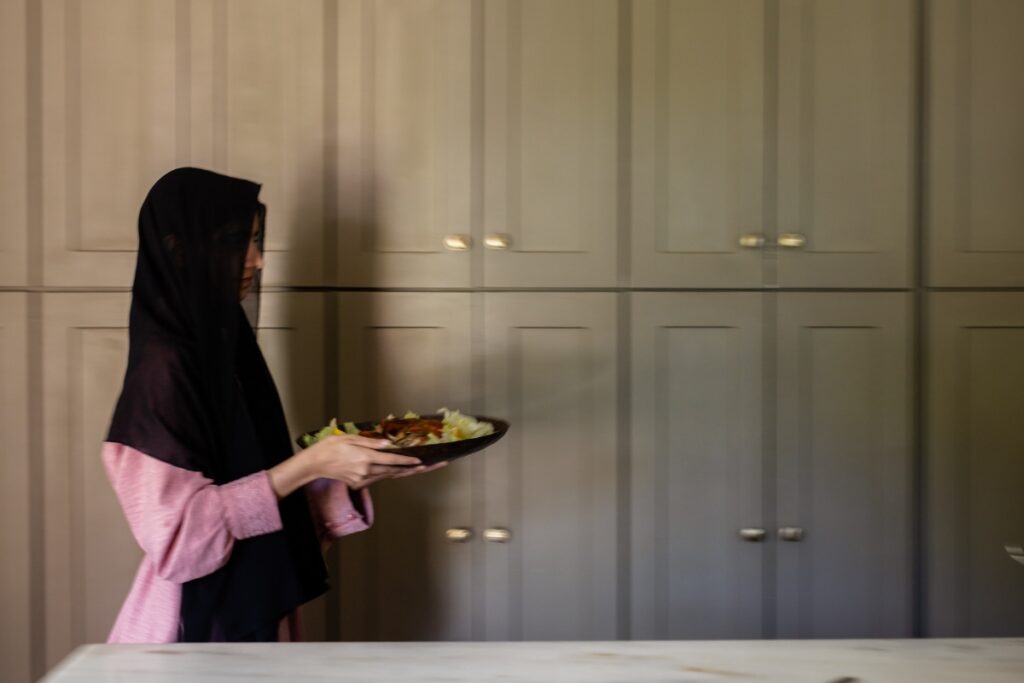
Careful hands carry the finished dish to a low round table and place it alongside the colorful Afghan Kabuli Pulao, a popular Central Asian dish of long basmati rice, lamb shank, red raisins, and matchstick carrots. Flat Bread (naan), Sabzi Chalaw (spinach cooked with onions and garlic) and a tender Chicken Karahi on a bed of greens complete the spread. In the cozy space upstairs, the two families settle in to share slow, careful conversation and Fatima’s feast – each dish like a layered story of its own.
You’re Never Alone
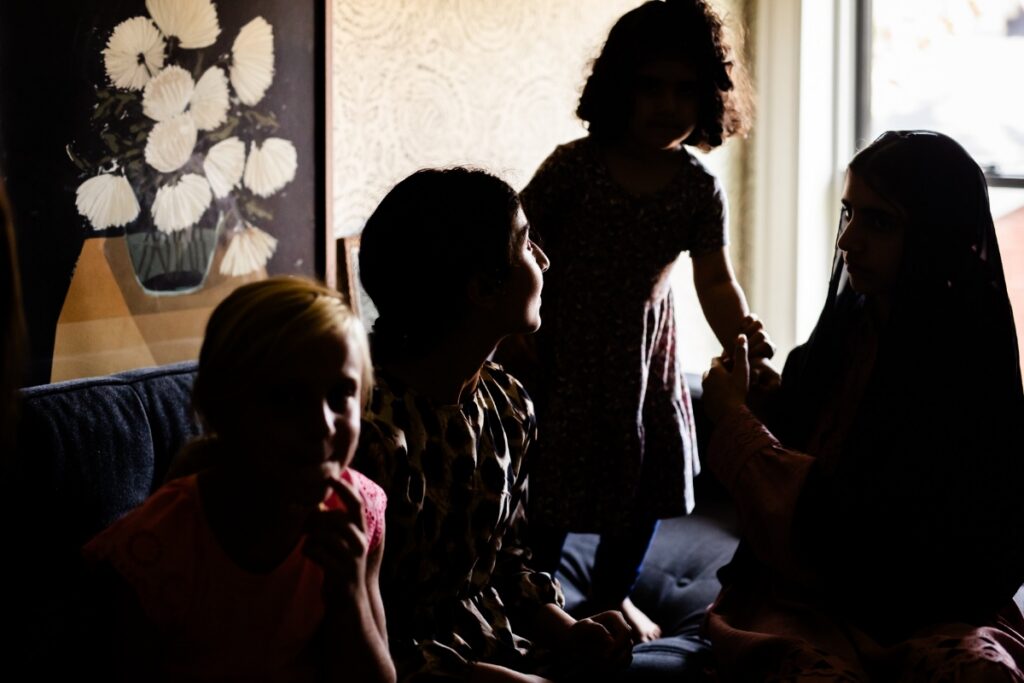
Three years after first meeting, the adults share surprisingly similar challenges and concerns common to large families living in the United States with growing broods. They navigate best educations for their children, public schooling and home schooling, and even have a common bond in the excitement and anxiety that accompanies the parents of new teenage drivers.
Fatima and Zubair’s eldest son, now 16, is working to get his driver’s license in a city that boasts many more hills and bridges than someone who came of age in the terrain of Afghanistan might ever imagine. But Shelley still marvels at the path that brought the Babakarkhail family to Pittsburgh and the strength that continues to carry them. “Seeing [our kids] laughing together, playing together, eating together – if you were an outsider looking in, you would never know how immensely different their lives have been.”
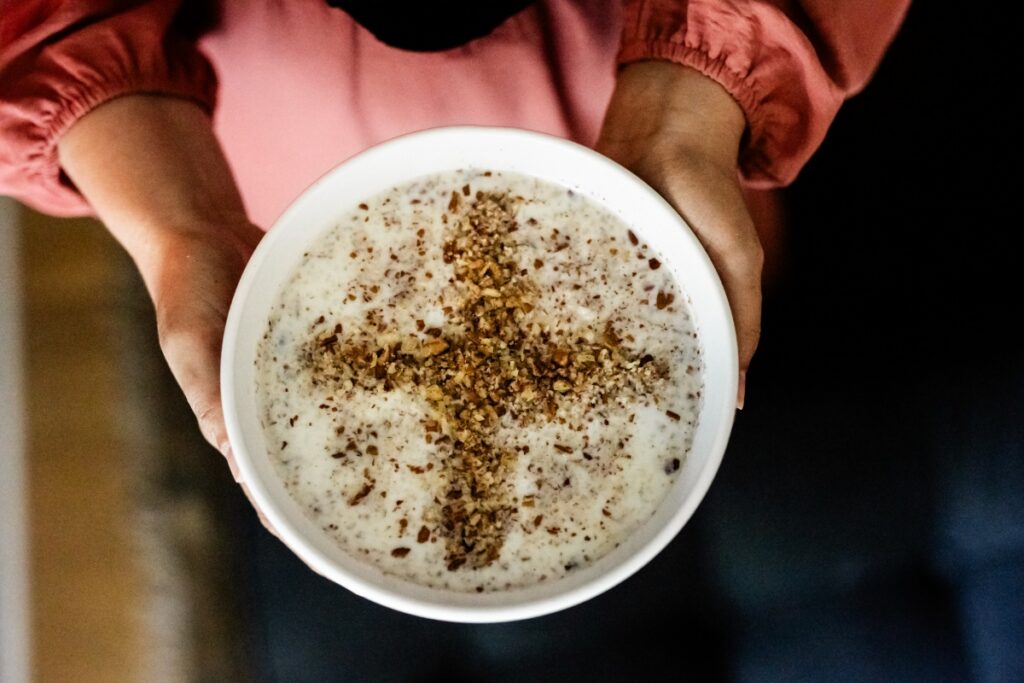
Back around the table, bellies are mostly full but surely satisfied. The youngest two guests -a daughter from each family – share apricots from a bowl of fruit with mahogany-colored dried dates and magenta pomegranates. The adults sample Sheerbrinj, Fatima’s sweet rice pudding topped with flavors from Afghanistan, cardamom, and crushed almonds.
Deeper Than Just a Meal
With a sentiment that mirrors an Afghan tradition of placing the most favored dishes near a guest, the two families demonstrate a selflessness with each other that is inspiring. Shelley visits once a week to encourage Fatima in her learning of the English language. Hospitality deeply ingrained in her, Fatima sets out a big tray of food, and always tea, for her friend. They spend an hour studying, then Shelley shifts to playing card and board games with Fatima’s kids.
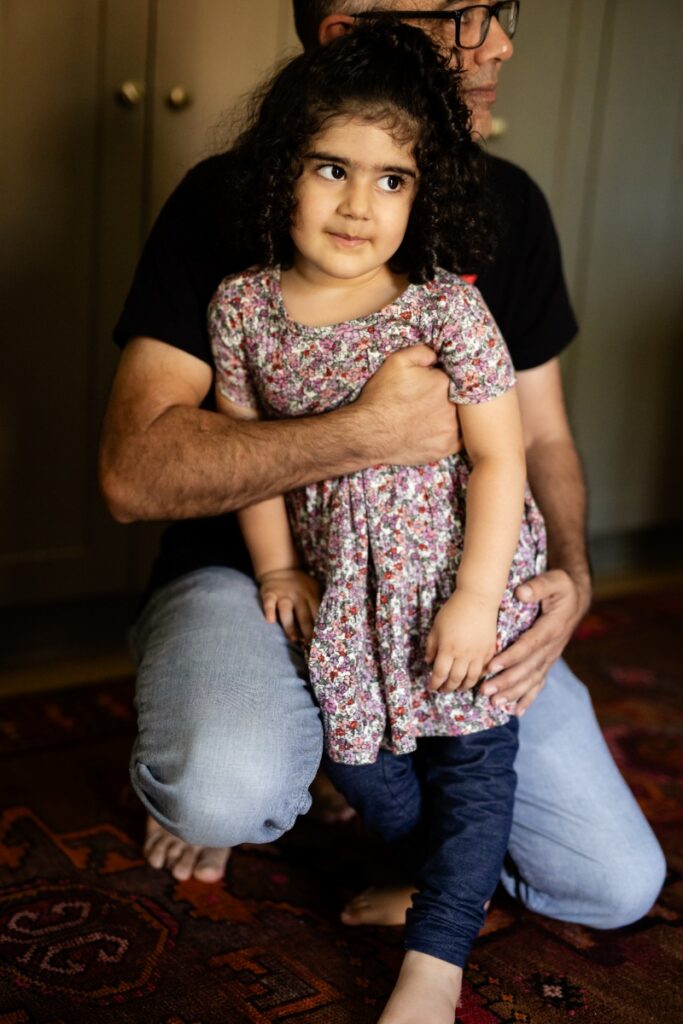
The swift and frightening disruption to Fatima’s life could easily have sent her into survival mode. Instead, she has felt encouraged to lean into her culture, and new friends, for comfort. A shared meal fosters a sense of community and demonstrates honor and gratitude. Her food expresses love. Her hospitality, drawing from an ancient ethos of placing neighbor before self, nourishes the likelihood that each new day holds new possibilities.
Story by Leah Hohman Esser
Photos by Katie Long
Subscribe to TABLE Magazine‘s print edition.