With grocery prices on the rise, feeding a household today can feel like a constant negotiation between health, time and cost. But eating well on a budget doesn’t have to mean deprivation. Often, it’s about identifying the habits that quietly cost families the most and learning how to replace them with smarter strategies.
As a restaurateur married to a chef and a mom of three, I’ve seen firsthand how intentional planning and thoughtful choices can turn ordinary grocery trips into strategic investments in wellness and savings, even on a tight budget.
Here are several effective ways to keep healthy, affordable food on your table.
Tips for Grocery Shopping and Feeding a Family in the 2026 Economy
Consider the Source
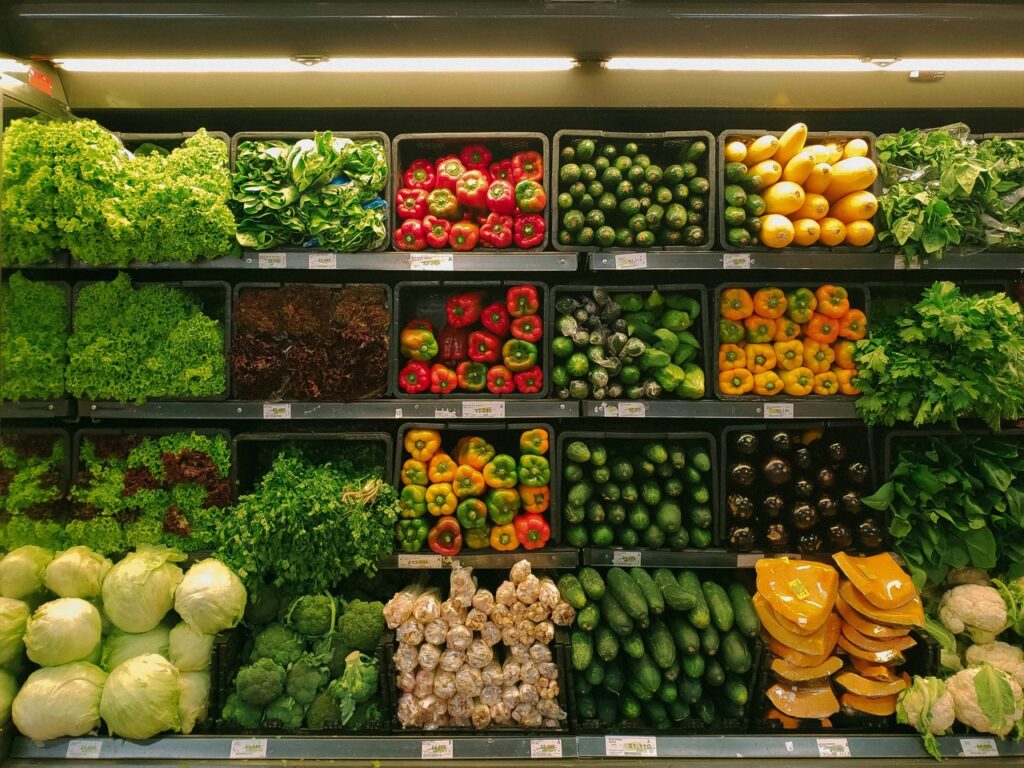
Paying attention to where your food comes from, and how much nourishment it provides often reveals that the “cheap” option offers the least value. Frozen chicken products, for instance, are marketed as convenient shortcuts, but they’re nutritionally costly. At ALDI, you may spend $8 on a 25-ounce package of frozen chicken nuggets with more than 20 added ingredients. The same store sells chicken thighs for $2.29 per pound, with one ingredient. The latter delivers more food, better nutrition and greater versatility.
Plan Ahead with a Weekly Meal Strategy
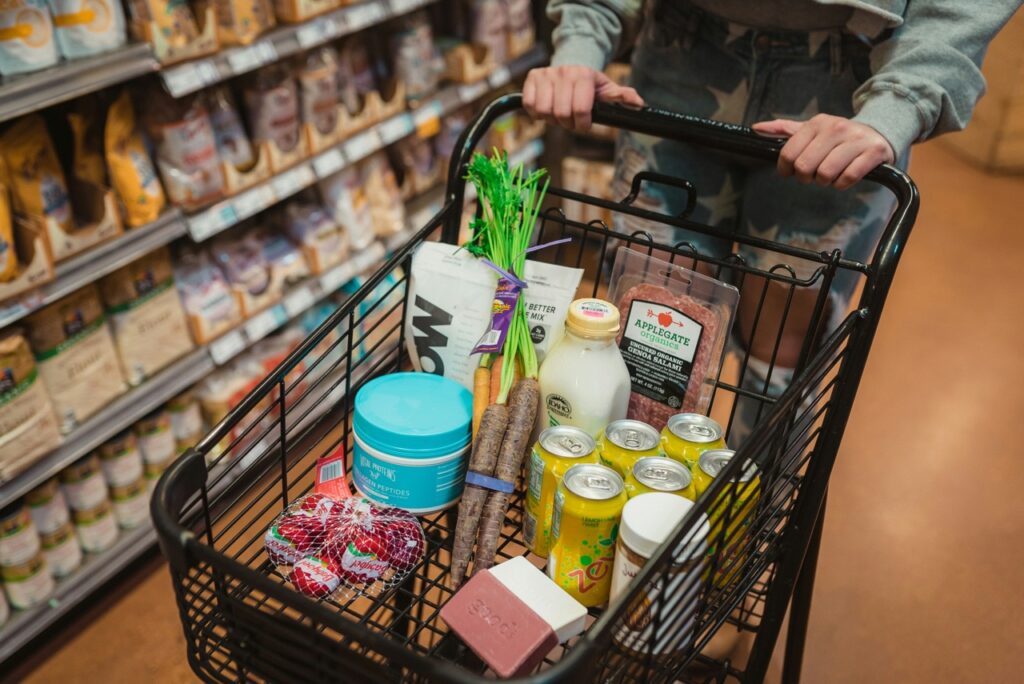
Meal planning is one of the most effective tools for building a healthy, cost-efficient kitchen. Start by outlining meals for the week, then list the ingredients needed. This simple step prevents last-minute decisions that often lead to expensive takeout or fast food (one drive-thru trip for a family of five can easily exceed $50). Instead, put that money towards an intentional family dinner at a local restaurant and work it into your plan so it feels special rather than impulsive.
Use Leftovers Strategically
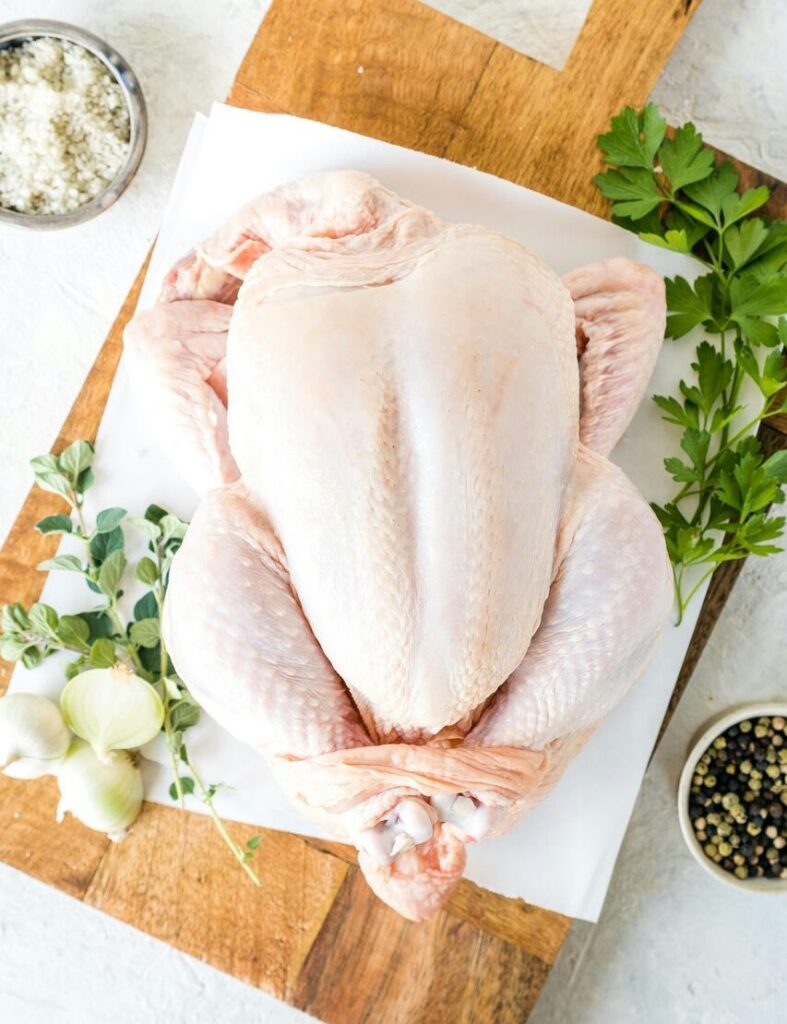
When planning meals, aim to include a minimum of two or three leftover-based meals. In our house, leftovers would die in the back of the fridge if they weren’t labeled, dated and part of the plan. Labeling helps prevent food waste and keeps meals visible. And leftovers don’t need to be repetitive: a batch of Bolognese might appear with penne one night, on slider buns with ricotta the next day and tucked into breakfast tacos later in the week.
Skip Last-Minute Shopping Trips
Impulse purchases are one the biggest budget drains. Shopping without a plan, especially when hungry, makes it more likely you’ll grab high-margin, low-nutrition items. Designate one weekly shopping day and stick to a list. I also use that day as my prep day, washing and chopping ingredients in advance so meals come together quickly when needed.

Look for Bargains Without Sacrificing Quality
Healthy food doesn’t need to come from high-end stores. ALDI often carries comparable products at significantly lower prices.
Explore Our Other Articles on 2026 Food Trends
- Comfort Food
- Beat Grocery Inflation with Budget-Friendly Recipes
- High Quality Protein and Analog Dining
- Dietary Health
- Food as Medicine: Extra Virgin Olive Oil and GLP-1
- Food as Medicine: How to Cook, Sip, and Soothe with Ginger
Story by Katrina Tomacchio (@thenortheastginger)
Featured Photo Courtesy of Boxed Water is Better
Subscribe to TABLE Magazine‘s print edition.