Pittsburgh’s food scene has always reflected the city’s immigrant roots. Once largely continental European, it’s now increasingly global and hyper-specific. In 2026, Pittsburgh diners are discovering not just Mexican food, but Oaxacan molotes and tlayudas; not just Chinese cuisine, but Shanghainese creations; not just the typical European fare, but Nordic seafood and Hungarian-Austrian dishes.
The Multicultural Restaurants Taking Over Pittsburgh’s Food Industry in 2026
This hyper-regional specificity—driven by recent immigration and a generation of chefs eager to tell more authentic, personal stories—is deliciously rewriting Pittsburgh’s food identity while honoring its historic role as a city built by newcomers seeking opportunity.
Recently Opened and Upcoming Globally-Derived Spots
In Squirrel Hill, Nan Xiang Xiao Long Bao brings Michelin-guide-recognized Southern Chinese soup dumplings to a neighborhood already known for its diverse Asian dining scene, while Mike Chen’s team behind Everyday Noodles opened a Shanghainese concept on Forbes Avenue.
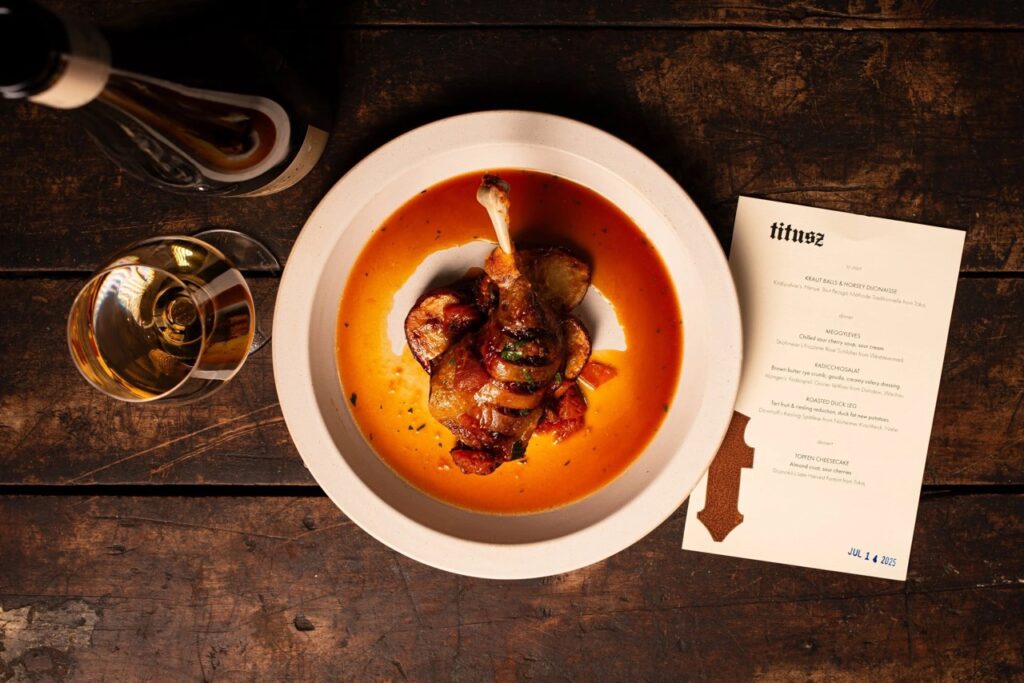
Lawrenceville’s highly anticipated Titusz will offer Hungarian-Austrian cuisine as a tribute to chef-owner’s grandmother. Meanwhile, Mr. Friez is putting a Belgian spin on one of Pittsburgh’s most iconic foods—the french fry—proving that even familiar items can be reimagined through a specific cultural lens. Filipino cuisine is carving out a spot with Amboy Filipino Restaurant opening on the North Side, while Chef Julio Peraza’s Torogoz brings contemporary Latin American fare to Sewickley.
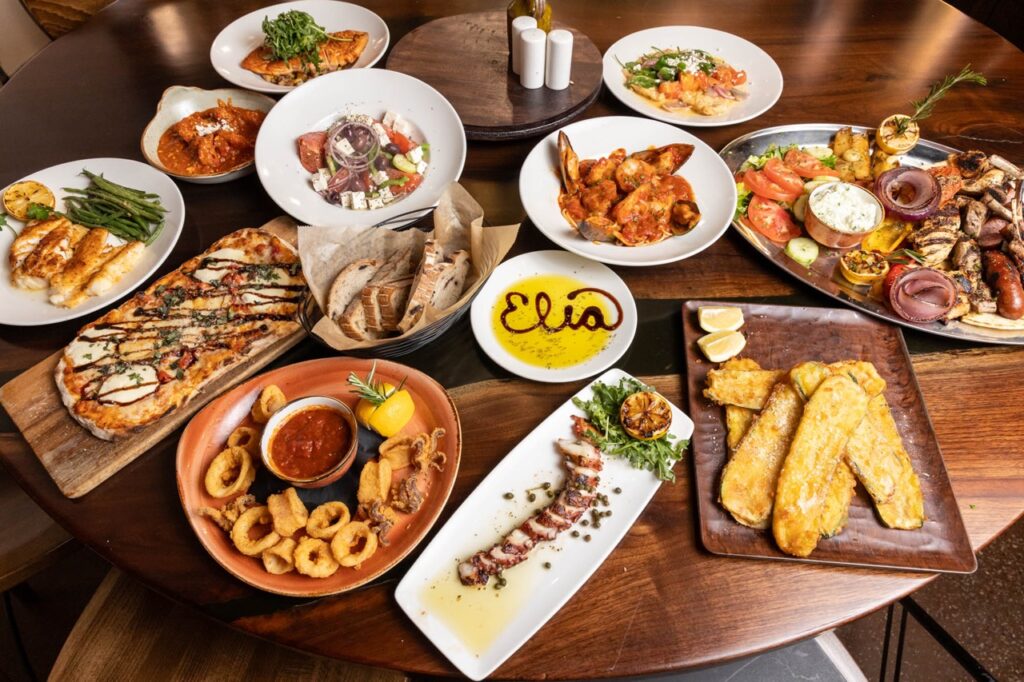
Downtown’s ELIA will add to a growing Mediterranean presence, while Shibam Coffee offers Yemeni coffee traditions, and Piyola’s authentic Uzbek menu expands Pittsburgh’s understanding of Central Asian cuisine with continued strong reviews since its 2024 debut. The thread connecting these diverse restaurants is their refusal to generalize—each offers a deep dive into a specific culinary tradition rather than a broad-strokes approach to international cuisine.
Stands, Trucks, and Pop-Ups in Pittsburgh Serve as Pipeline to Full Service, Awards
Stands, food trucks and pop-ups allow chefs to test concepts with lower overhead while building community followings through social media and word-of-mouth—a strategy that often leads to permanent locations.

One of our favorites is Colombino, which has moved from The Strip District to a permanent location in Lawrencville and represents yet another layer of South American specificity with its distinctly-Colombian sips and bites.
More notable food trucks include Gari Shoyu Sando Co., serving Japanese milk bread sandwiches that showcase its signature soft, pillowy texture, while Sahar’s Food Lab explores Middle Eastern and North African flavors—both of which you can track on Instagram.
Big players once had humble beginnings, too. Bloomfield’s Fet-Fisk (which originally started as a pop-up dinner series in 2019) was named one of ten finalists nationally for Best New Restaurant by the James Beard Foundation in 2025 for its innovative Scandinavian-inspired cuisine.
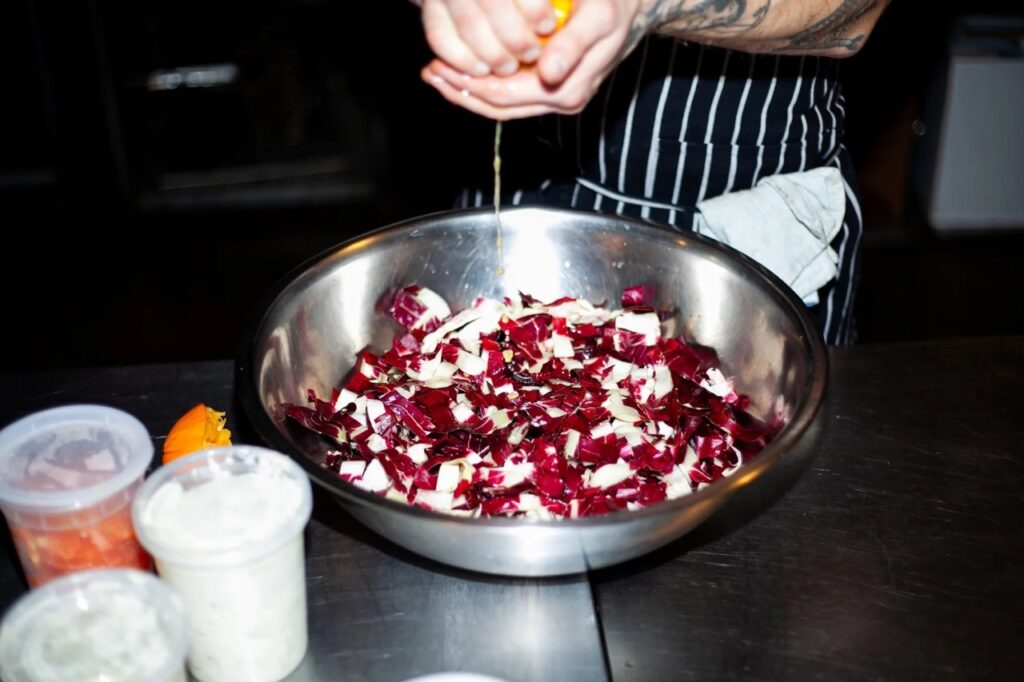
Sustained growth and accolades underscore Pittsburgh’s evolution from a “meat-and-potatoes” town into a destination where specificity, authenticity, and innovation coexist. The city’s restaurant scene is no longer asking diners to settle for approximations—it’s offering the real thing.
Story by Samantha Leon
Featured Photo Courtesy of Nan Xiang Xiao Long Bao
Subscribe to TABLE Magazine’s print edition.