What does it mean to be a woman in today’s world? Does it mean empowerment in each daily task? Does it mean nurturing and kindness in a sea of darkness? Or, does it mean facing every day with a positive attitude and spirit of knowing you can do anything you put your mind to? Being a woman means all this and so much more. In honor of International Women’s Day on March 8, we spoke with women professionals around Pittsburgh to get insight on how their success came to be and take a deeper look at challenges women have to face in an ever volatile working world.
Each of the women below have carved their own path, overcoming tremendous obstacles often because of a gender they cannot help. Business owners, designers, leaders in the community, and so many other women make up a strong force in Pittsburgh that takes the city to greater heights. Every action makes an impact as it’s these women who support the region and help it thrive for ages to come.
Celebrating Pittsburgh Professionals This International Women’s Day
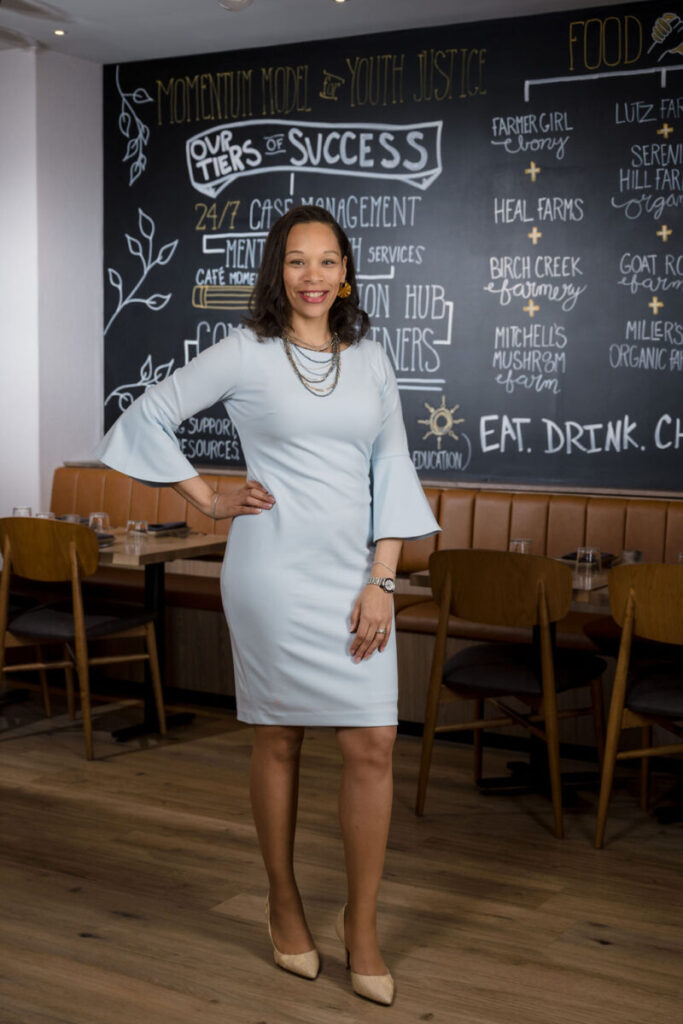
Cheyenne Tyler, Executive Director at Café Momentum
TABLE: What makes you proud to be a woman?
Tyler: Women historically possess an immense amount of strength and literally give life.
TABLE: How do we lift up one another as women, especially in the workplace?
Tyler: It’s important to remember that we’re stronger together, act accordingly by tapping into each other’s expertise. Trust each other to lead.
TABLE: Looking back on your own journey, what’s something you wish young girls knew before starting a career?
Tyler: We exist not to compete but to converse, build community and champion our God given gifts.
TABLE: What lessons have been most important in your life that you’d want to pass on to young women today?
Tyler: Always remember YOU in all your roles, pour into YOU and give yourself grace in the evolution of Womanhood.
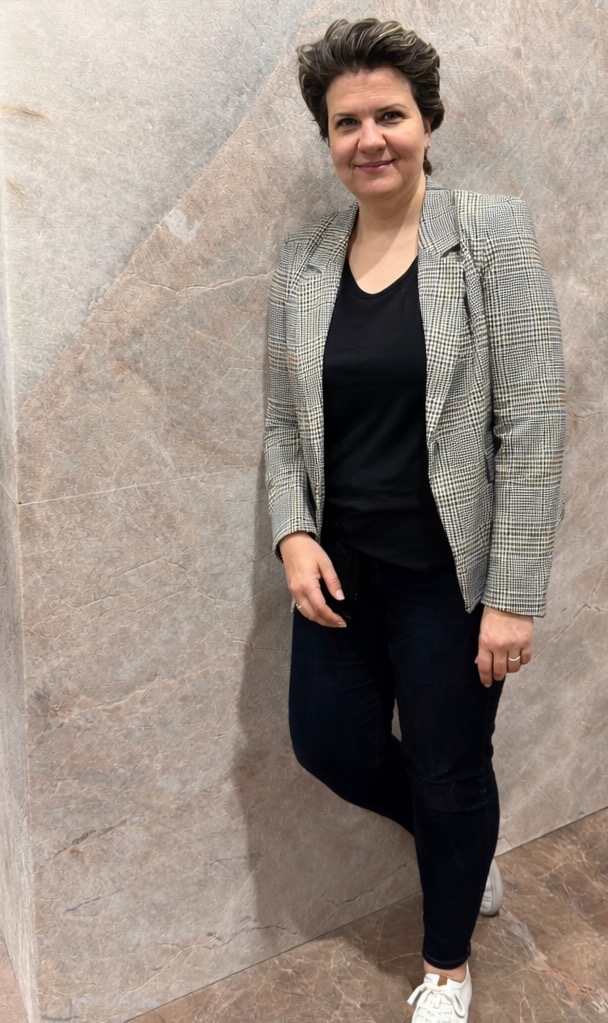
Natalia Dragunova, Owner & Designer at Notion-Design, LLC
TABLE: As a woman leader, what does the world need more of right now?
Dragunova: As someone originally from Europe and now leading a kitchen and bath design firm, I believe that the world needs more leaders who listen first, lead by example, and who elevate others while still holding high standards.
True leadership today isn’t about control, it’s about creating environments where creativity, craftsmanship, and collaboration thrive. Women leaders bring a powerful balance of this to the table, especially in the industries that have traditionally been male-dominated.
TABLE: What’s important about a work-life balance, and how do you maintain yours?
Dragunova: Work-life balance is essential for long term success. In the luxury kitchen and bath world, our projects are complex and deeply personal to each client. My clients expect me to be fully present, focused, and energized – and so does my team. They rely on me for clarity, direction, and leadership, and I take that responsibility seriously.
I maintain balance through structured discipline (a value rooted in my European upbringing). I stay organized, plan ahead, and make sure I’m not constantly reacting but leading with intention. Creating that structure allows me to stay calm under pressure and fully engaged with both my projects and the people around me.
I also constantly remind myself that building Notion, LLC is a marathon, not a sprint. Balance doesn’t mean doing less, it means doing the right things, both in business and at home.
TABLE: How can we foster a stronger sense of belonging for women from diverse backgrounds?
Dragunova: This is something very personal to me! After moving to the U.S and having the opportunity to build a business here, I know firsthand what it feels like to walk into a room where you’re not quite sure you fit in yet. That experience shaped how I lead and how I build my team.
Through Notion, LLC, I focus on mentoring students and offering internship opportunities. When young women from different backgrounds get to see the full process – design, client interaction, decision making, and construction– they start to realize there truly is a place for them in this industry.
Belonging isn’t just about words. It’s about action. It’s opening the door, giving guidance, sharing knowledge to let them grow alongside us.
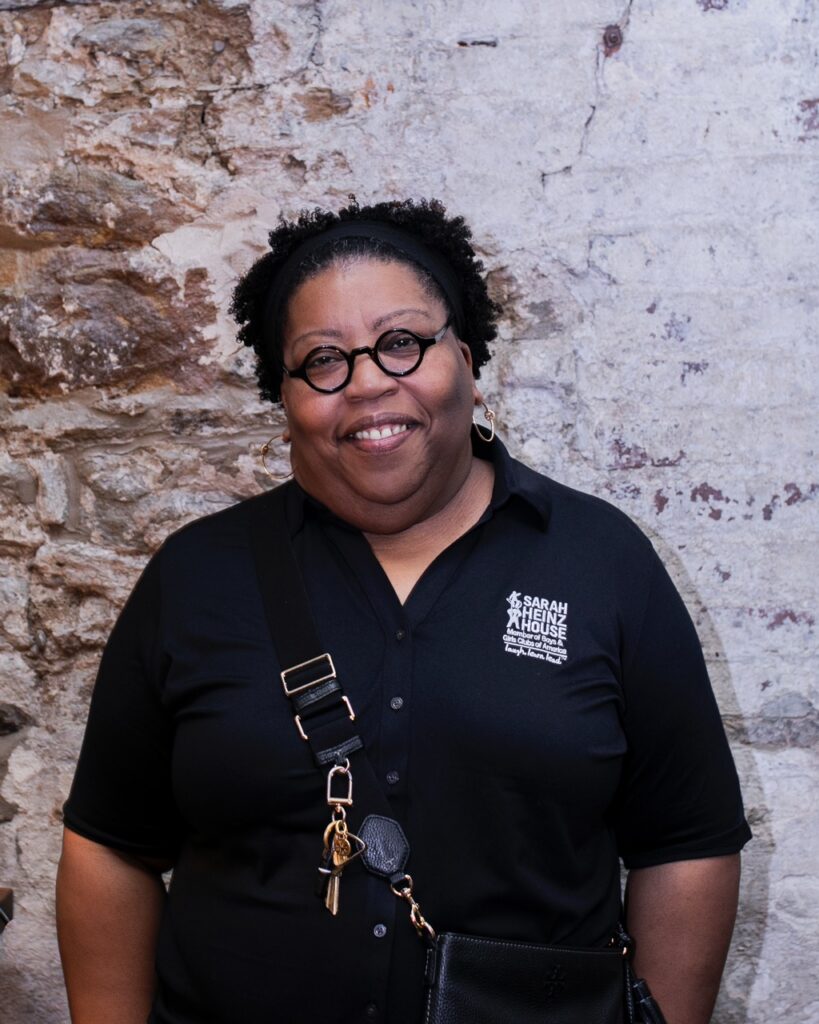
Demeshia Seals, Chief Executive Officer at Sarah Heinz House Association
TABLE: What makes you a confident leader? What obstacles have you had to overcome?
Seals: While I do not consider myself a confident leader, I believe my resilience is the key to my success! I wholeheartedly embrace challenges and see my failures as valuable steps toward growth and learning. Each day presents thrilling opportunities for new beginnings!
Navigating the close-knit Pittsburgh community can be tricky, especially when forming connections. Even though I’ve called this wonderful city home for a long time, it’s been difficult to build deep ties or feel included as a non-native ‘burgher’. I’m excited about the journey and look forward to strengthening our community bonds together!
TABLE: What advice do you have for women in male-dominated workplaces?
Seals: Embrace your unique strengths and talents, regardless of the gender dynamics surrounding you. Competence knows no gender! There will always be individuals eager to point out the ways they believe you are inadequate; you don’t need to be one of them. By being your authentic self, you will naturally earn your colleagues’ respect. Remember, you possess something that no one else has: YOU!
TABLE: Who is a woman in history who’s been a role model for you?
Seals: While my grandmother may not be famous, she is my greatest role model. Her lessons on kindness resonate deeply with me. She believed that if you’re not part of the solution, it’s better to remain silent. Her wisdom taught me that everyone encounters setbacks, but those moments do not define us. She’d often say, “Everyone falls down, but you don’t have to lay down.” Most importantly, she instilled in me a profound understanding of love. She believed self-love is cultivated through the love and guidance of others.
Because of her, I discovered my own worth, and now, I strive to recognize and uplift that same spark in others. Her influence inspires me to embrace positivity and to share love generously!
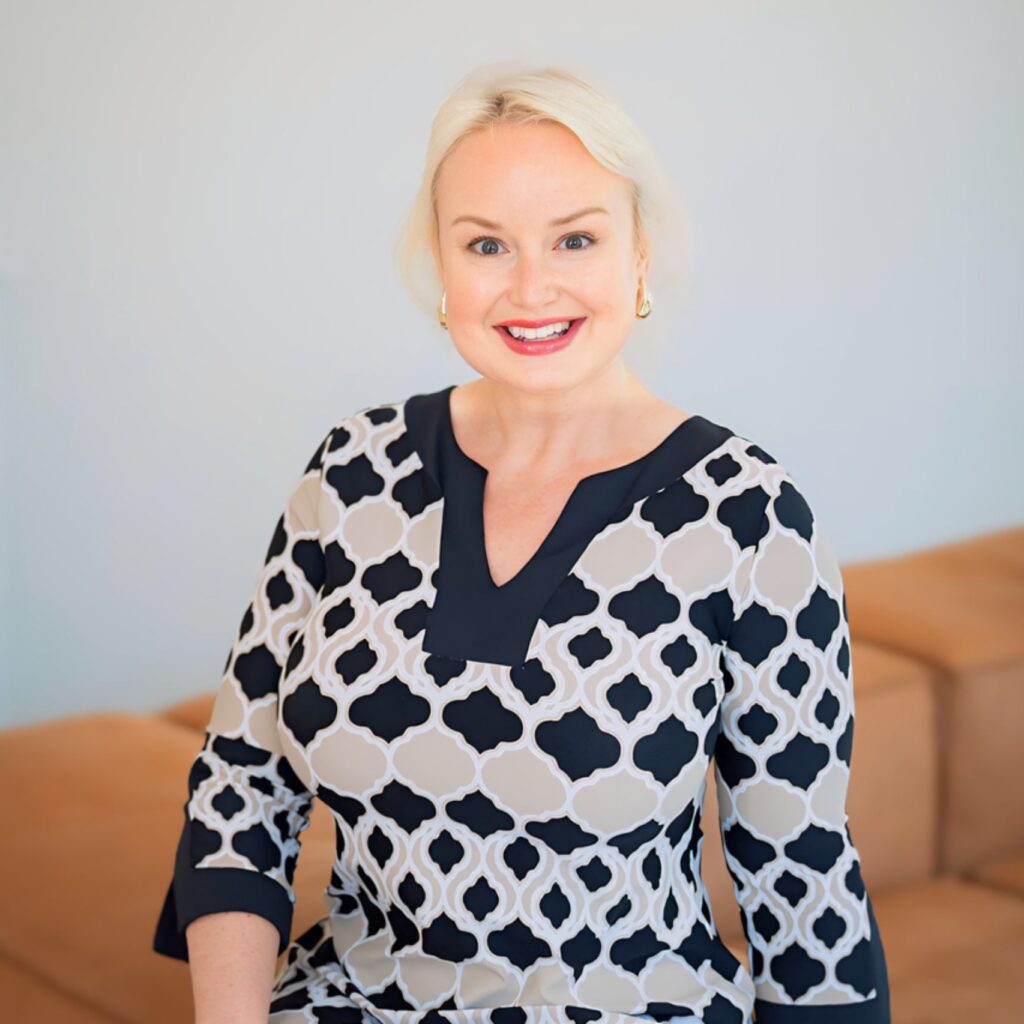
Melissa Reich, Associate at Remax Realty
TABLE: What makes you a confident leader? What obstacles have you had to overcome?
Reich: Confidence, for me, is the result of experience and resilience.
After more than 21 years in Pittsburgh’s luxury real estate market, I’ve navigated shifting economies, complex negotiations, competitive environments, and the evolving expectations of high-level clients. Longevity in this industry requires adaptability and discipline, but it also requires heart.
One of the most defining challenges of my career has been balancing entrepreneurship with motherhood. When my son was born, my perspective shifted. I was building a business while building a family. There were seasons when I felt pulled in many directions – wanting to be fully present at school events while also guiding clients through significant financial decisions. That tension refined me. It forced me to become intentional with my time, protective of my energy, and deeply clear about my priorities.
I believe boundaries are essential, especially as a woman balancing multiple roles. Protecting your time and energy is strategic, not selfish.
TABLE: What advice do you have for women in male-dominated workplaces?
Reich: Early in my career, I served as the Sales Manager for Summerset at Frick Park, a prominent new construction development. I was often the only woman in meetings filled with builders, contractors, architects, and developers. It would have been easy to feel intimidated, instead, I chose to get educated.
I immersed myself in floor plans, building specifications, customization options, and construction timelines. The more fluent I became in the details, the more confident I felt walking into those rooms. I learned quickly that preparation is the great equalizer. When you truly understand your product and your numbers, you don’t need to compete for space, your knowledge creates it.
My advice is simple: let competence be your confidence. You don’t have to change your personality or mirror someone else’s leadership style to command respect. Master your craft. Ask questions. Do the work. Authority follows expertise.
Women bring extraordinary strengths to leadership: emotional intelligence, strategic intuition, and the ability to build deep trust. In all aspects of business, those qualities are invaluable.
TABLE: Who is a woman in history who’s been a role model for you?
Reich: Maybe a bit unconventional here, but I’ve always admired Sara Blakely, founder of Spanx. She reshaped an industry and, quite literally, reshaped wardrobes!
She built a billion-dollar brand through persistence, creativity, and an unwavering belief in her vision. What I find most compelling is her openness about failure. She has spoken about how setbacks shaped her resilience rather than diminished it.
In real estate, especially at the luxury level, not every negotiation is seamless. Not every strategy unfolds perfectly. What defines leadership is the ability to learn, adapt, and continue forward with confidence.
I also respect how she speaks about balancing ambition with family life. That balance isn’t always effortless, but it is intentional. As a business owner, wife and mother, that deeply resonates with me.
Her journey is a reminder that leadership doesn’t require fitting into someone else’s mold. It requires conviction, preparation, resilience, and authenticity.
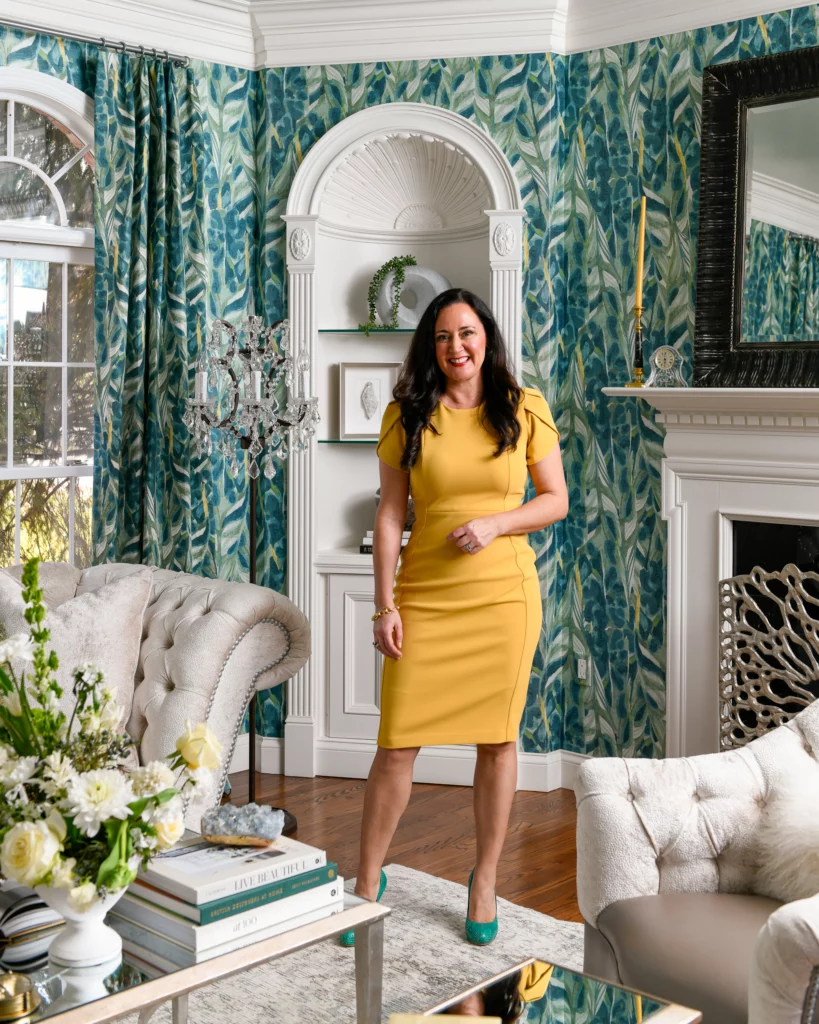
Seashal L. Belldina of Interiors by Seashal
TABLE: What makes you a confident leader?
Belldina: Preparation builds confidence. When you know your material, your numbers, your strategy, or your craft inside and out, you speak differently. I never give an answer unless I have researched the topic enough to speak from a place of knowledge. If I don’t have an answer, I will say so and report back when I do.
TABLE: What have you learned from your career?
Belldina: Before transitioning into interior design, I was a Vice President overseeing the West Coast for a publishing company, managing multiple offices and tens of millions in revenue. I stepped into that leadership role at a relatively young age, in a very male-dominated industry.
I learned quickly that credibility isn’t given; it’s earned. You earn it through preparation, long hours, delivering consistent results, and building strong relationships across the organization. I also sought out mentors — both men and women — who challenged me, advocated for me, and helped me grow as a leader.
That experience taught me resilience, confidence, and how to lead with strength, knowledge and collaboration — qualities I still carry with me today.
TABLE: What advice do you have for women in male-dominated workplaces?
Belldina: Know your value before you walk into the room, and be confident in your expertise. Don’t be afraid to ask thoughtful questions, share your ideas, and collaborate — but also make sure your voice is heard.
I also believe in building strong business relationships with people — both men and women — who genuinely respect your work and are willing to champion you when you’re not in the room. That kind of mutual respect not only elevates you individually, it strengthens everyone’s business. When you surround yourself with people who value what you bring to the table, growth becomes collaborative rather than competitive.
TABLE: Who is a woman in history who’s been a role model for you?
Belldina: Coco Chanel. Raised in an orphanage, she possessed relentless determination to break out of poverty, defy societal roles and build a fashion empire.
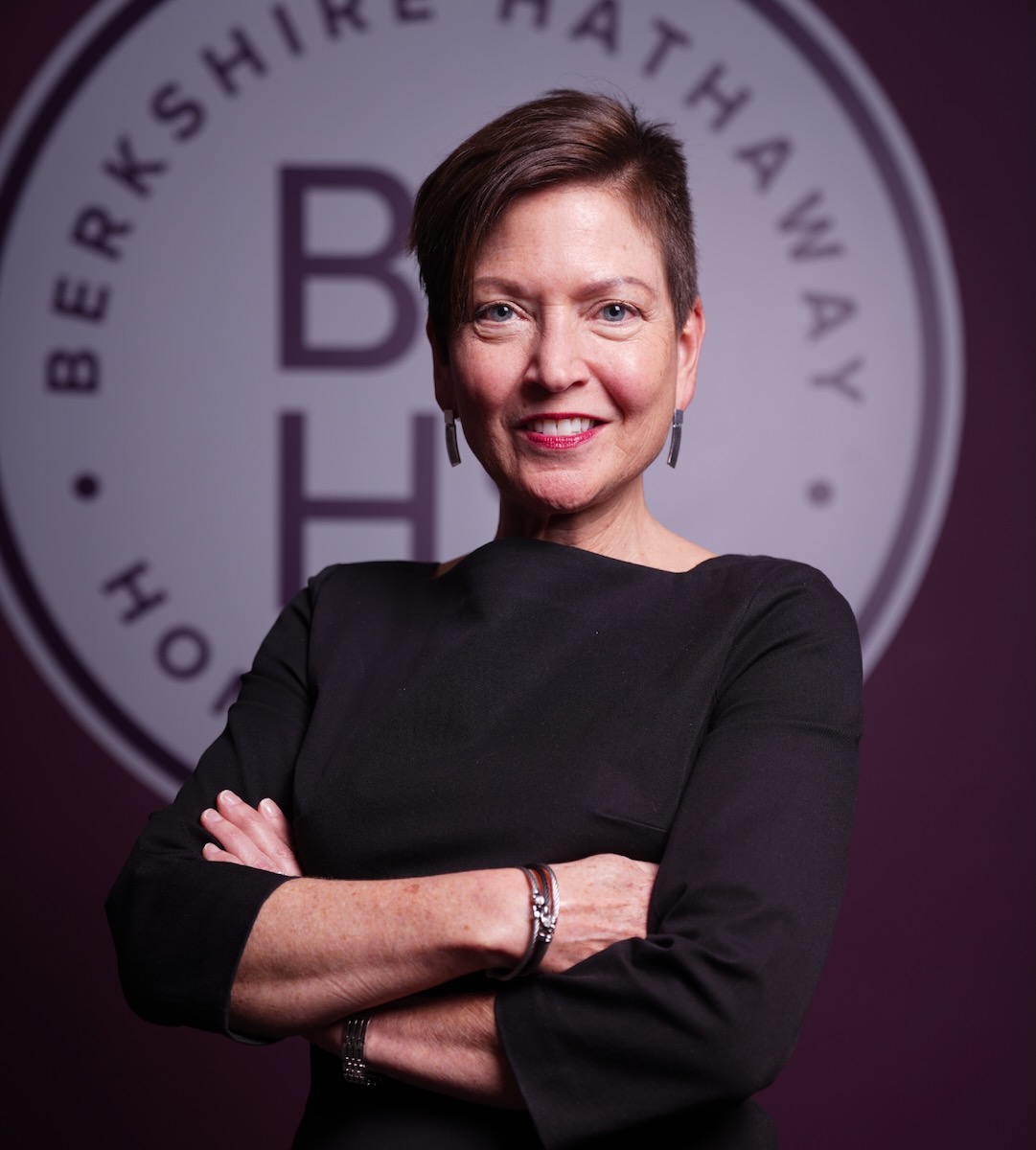
Deb Arrisher, Vice President Marketing at Berkshire Hathaway HomeServices
TABLE: As a woman leader, what does the world need more of right now?
Arrisher: I think the world needs a resurgence of presence and professional commitment. We’ve entered an era of ‘me-first’ attitudes that often prioritizes personal comfort over collective growth. When a young professional chooses isolation over the office, they aren’t just missing a commute; they are missing the ‘invisible curriculum’—the nuance, the mentorship, and the spontaneous learning that only happens when we work alongside one another. A true work ethic isn’t just about checking off tasks; it’s about the desire to learn from those who came before you and the responsibility to contribute to the energy of the team.
TABLE: What’s important about a work-life balance, and how do you maintain yours?
Arrisher: For me, work-life balance isn’t about equal hours; it’s about total presence. At work, my focus is absolute; I believe that to lead effectively, you must be fully ‘in the room.’ This discipline extends to my personal life as well. I maintain my energy by fueling my physical health, which I consider a prerequisite for mental resilience. Once I’m home, I shift from the office to the kitchen and the garden. Cooking and gardening are my ways of practicing ‘quiet leadership’—they allow me to create something tangible and beautiful for the people I love. By keeping work at work and home at home, I ensure that neither side of my life gets the ‘leftovers’ of my attention.
TABLE: How can we foster a stronger sense of belonging for women from diverse backgrounds?
Arrisher: Belonging isn’t something you can mandate; it’s something you build through consistent, mutual effort. I believe in creating a level playing field where every woman, regardless of her background, has the seat at the table—but she also has to take that seat with confidence. When we prioritize a high-performance culture where everyone is expected to contribute and support one another, a natural sense of belonging follows. It’s about meeting each other halfway with respect and a shared work ethic.

Jina O’Neill, Director of Development and Communications at Foster Love Project
TABLE: What makes you proud to be a woman?
O’Neill: Women are leaders and caregivers. Many of us lead with compassion. I am proud to be a woman because it allows me to lead with empathy for others and the people I serve in the community.
TABLE: How do we lift up one another as women, especially in the workplace?
O’Neill: I think we need to encourage women to be themselves in the workplace. I think we need to create space for women to feel empowered and have a voice.
TABLE: Looking back on your own journey, what’s something you wish young girls knew before starting a career?
O’Neill: I wish young girls knew that it’s okay to speak up for themselves and not be afraid to voice their opinions. You are your best advocate.
TABLE: What lessons have been most important in your life that you’d want to pass on to young women today?
O’Neill: I always tell my close friends and family, “Do what makes you happy.”. I have always supported making decisions that prioritize your happiness.
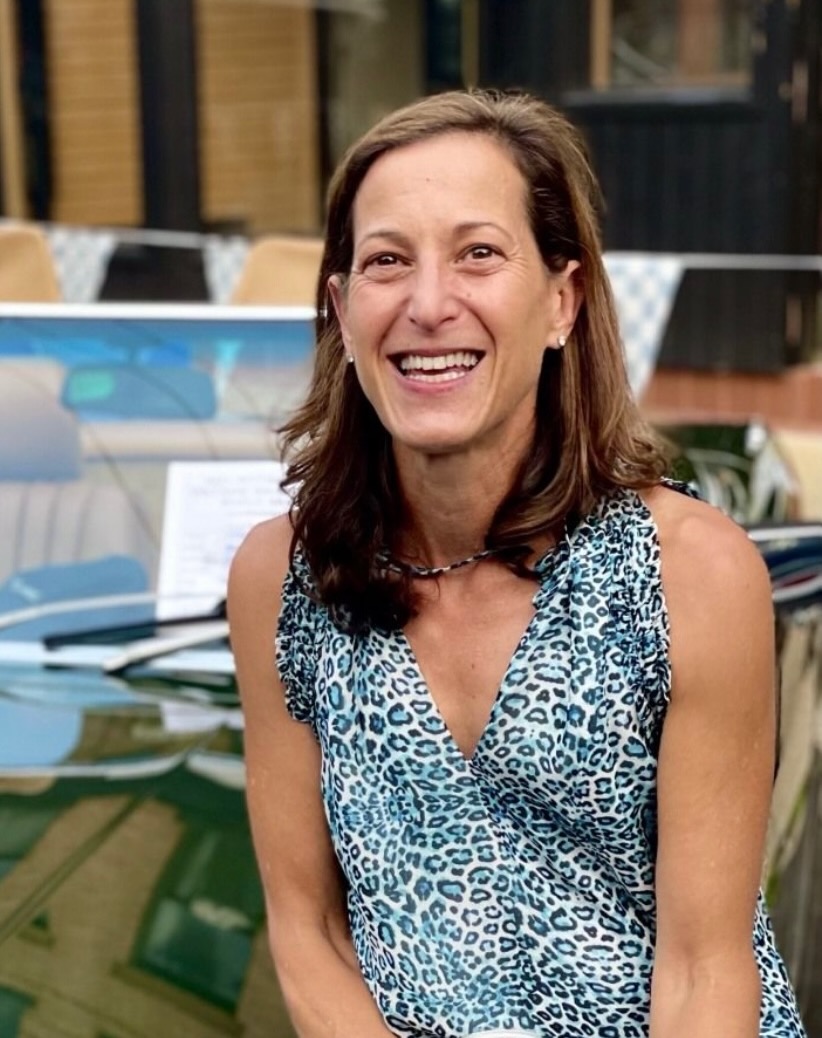
Liz Caplan, Program Manager & Lead Coach at First Tee – Pittsburgh, The Arnold Palmer Learning Center, and Bob O’Connor Golf Course
TABLE: As a woman leader, what does the world need more of right now?
Caplan: The world needs more women who lead with both strength and empathy — women who build community, not just careers. In sports especially, visibility matters. Girls under 18 are one of the fastest-growing segments in golf, yet retaining them through their teen years continues to be a challenge. That tells us something important: access alone isn’t enough. Belonging is what keeps them.
As a leader, I believe we need more intentional mentorship, more visible female role models from diverse backgrounds spaces where girls can see women leading with confidence and authenticity. When girls witness women collaborating, coaching, and supporting one another, they begin to imagine themselves in those roles. Leadership is contagious — and representation fuels it.
TABLE: What’s important about work–life balance, and how do you maintain yours?
Caplan: Work–life balance is essential because sustainable leadership requires renewal. You can’t mentor, teach, or serve others effectively if you’re depleted. For me, balance comes from protecting time for family and friends and carving out space for personal creativity and wellness.
I enjoy gardening, art and playing golf with friends and family. Those moments reconnect me to why I love what I do — building relationships and creating community through shared experiences. Balance isn’t about perfection; it’s about intention. When we model healthy boundaries and self-care, we also give young women permission to prioritize their own well-being.
TABLE: How can we foster a stronger sense of belonging for women from diverse backgrounds?
Caplan: Belonging doesn’t happen by accident — it’s something you choose to build. Introducing girls to the game is important, but what truly matters is how they feel once they’re there. Do they feel comfortable? Do they feel confident? Do they feel like they matter? That’s what brings them back and keeps them growing.
At First Tee – Pittsburgh, the historic Bob O’Connor Golf Course gives us a powerful opportunity to serve a diverse community in a meaningful way. We offer female-only clinics, host Women’s Golf Day each June, and provide LPGA/USGA Girls Golf programming for girls ages 7–18. These experiences create welcoming, supportive spaces where girls can learn the game without pressure, form friendships, and build confidence at their own pace.
What’s especially meaningful is watching that growth continue. We mentor girls as they step into junior coach roles, assist with events and on-course opportunities, and take on leadership through programs like the eLeader initiative. When girls are trusted with real responsibility, something shifts. They start to see themselves differently — not just as participants, but as leaders and role models for the next generation.
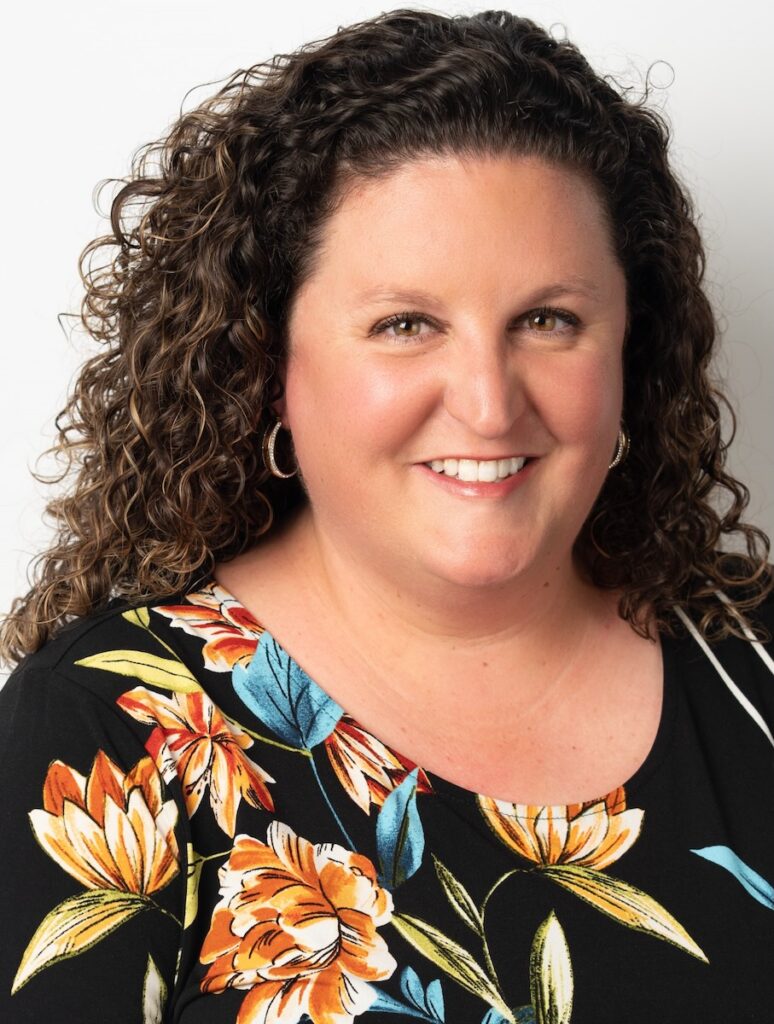
Kristin N. Brown, CFRE Chief Development Officer at Women’s Center & Shelter of Greater Pittsburgh
TABLE: What makes you proud to be a woman?
Brown: Looking back at all of the incredible accomplishments of women in history and within my own network of family, friends, and colleagues, I’m proud to be associated with those who have such incredible strength, courage, and fortitude, often in the face of adversity.
TABLE: How do we lift up one another as women, especially in the workplace?
Brown: I think it’s important to approach relationships with women, especially in the workplace, as collaborative rather than competitive. We all come with unique experiences and perspectives and it’s important that we share those with one another, opening our minds to something new rather than what’s always been done.
TABLE: Looking back on your own journey, what’s something you wish young girls knew before starting a career?
Brown: I wish young girls knew that you don’t have to have it all figured out so early in life and all at once. Where you start won’t necessarily be where you finish. Life is full of growth, change, and opportunity, and your passion and life circumstances may change throughout your career. Embrace it and remember to put your mental health and self-care at the top of your priority list.
TABLE: What lessons have been most important in your life that you’d want to pass on to young women today?
Brown: Don’t make yourself or your ideas small for others. What you have to say matters. Stand up for what you believe in and do what makes you happy. Lastly, you can’t please everyone, and you will constantly exhaust yourself and your energy if you try. Exert your energy in ways that fulfill you!
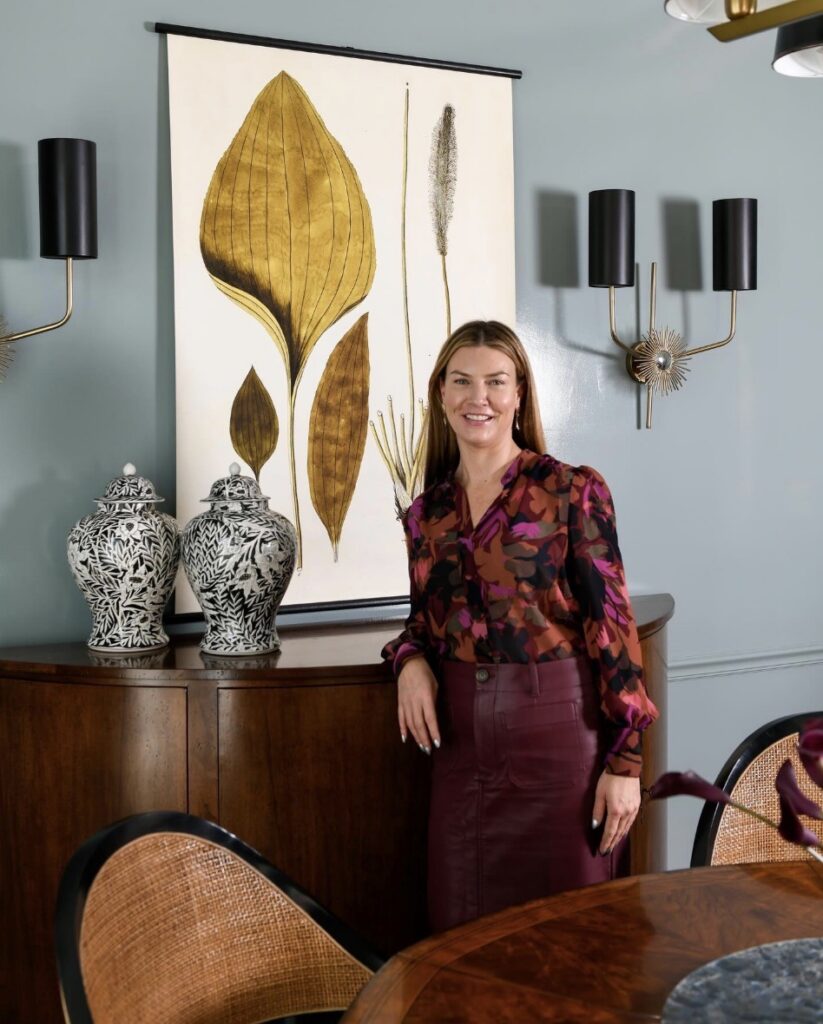
Katie Skocik, Owner and Principal Designer at Hoodridge Design
TABLE: What makes you a confident leader?
Skocik: I’m not sure I’d ever say I’m fully confident — and I actually think that’s a good thing. To me, too much confidence can lead to complacency, and complacency means you’re not growing as a business owner or as a person. I’m always questioning, refining, and pushing myself to do better.
The hardest part of leadership for me has been teaching myself how to run a business and guide a team. My natural strength is design — I can instinctively put materials together, create balance, and see a finished space before it exists. But building systems, managing people, and making business decisions didn’t come as naturally. I had to learn that from the ground up.
What makes me a strong leader isn’t ego — it’s self-awareness. I know what I’m great at, I know where I need to grow, and I’m willing to put in the work to elevate both myself and the people around me.
TABLE: What obstacles have you had to overcome?
Skocik: Transitioning from being purely creative to being a business owner has been my biggest obstacle. Design is intuitive for me — spreadsheets and strategy weren’t. I had to shift from “artist” to CEO without losing the creative spark that built the company in the first place.
Guiding employees has also stretched me. When you’re responsible not just for projects, but for people’s careers and livelihoods, it changes everything. Learning to lead with clarity while still fostering creativity has been a growth process — and one I’m still evolving in.
TABLE: What advice do you have for women in male-dominated workplaces?
Skocik: Be calculated. Be prepared. And build trust.
In male-dominated environments — especially in construction — I’ve learned that reactions matter. I’m very intentional in how I communicate. I focus on building trust first. With contractors, I make sure they understand I respect their expertise and that I’m there to support the execution of the design, not compete with their role.
When people feel respected, they collaborate better. The best projects happen when everyone feels like they’re on the same team. I don’t believe leadership has to be loud to be effective — often it’s strategic, steady, and rooted in mutual respect.
TABLE: Who is a woman in history who’s been a role model for you?
Skocik: Martha Stewart.
She started from a creative place but built a business empire around it. What inspires me most is her ability to constantly reinvent herself and her brand. She was never intimidated by the male-dominated spaces she operated in — she understood her value and expanded it.
She proves that creativity and business acumen aren’t mutually exclusive. You can be both visionary and strategic — and you can evolve over and over again.
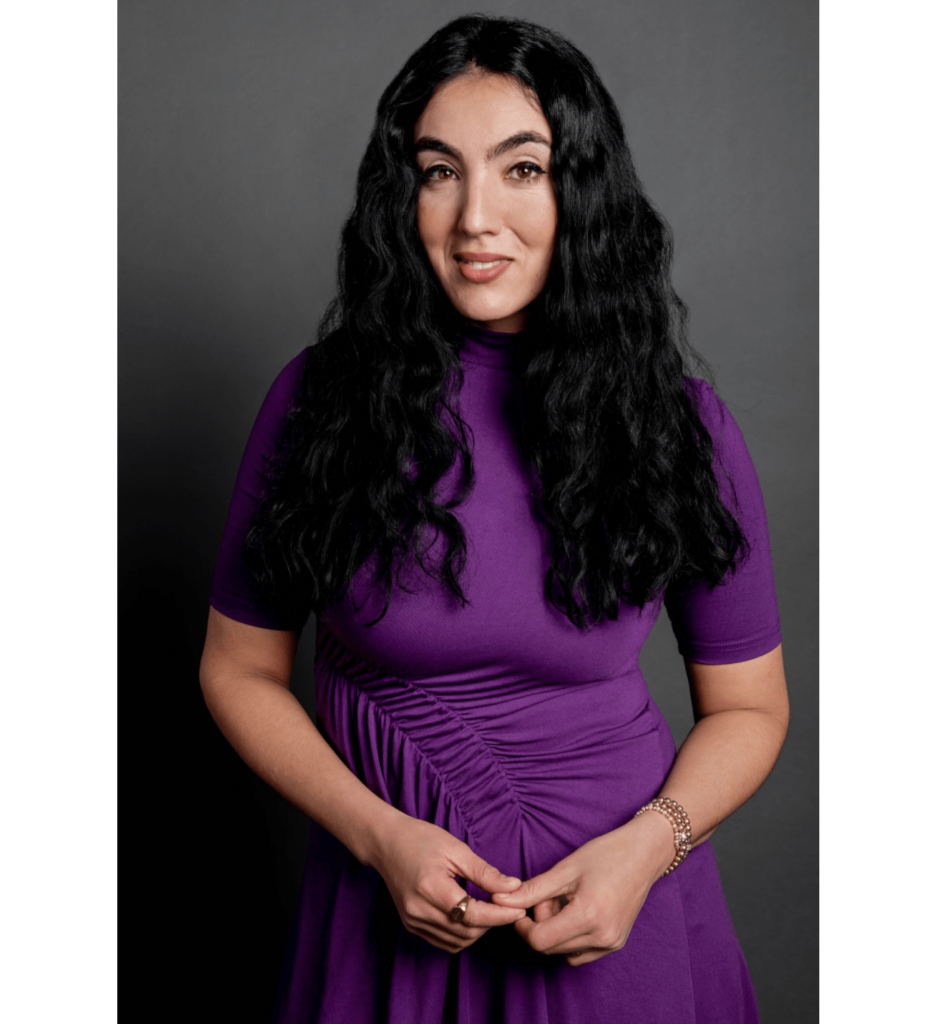
Gisele Barreto Fetterman, Founder of Freestore 15104, Co-Founder of For Good PGH and 412 Food Rescue
TABLE: How do we lift up one another as women, especially in the workplace?
Fetterman: By genuinely rooting for each other and teaching each other what we have learned. There is room for everyone to succeed and what is meant for us will be.
TABLE: Looking back on your own journey, what’s something you wish young girls knew before starting a career?
Fetterman: That your career is only a small part of you and it’s likely the least interesting part.
TABLE: What lessons have been most important in your life that you’d want to pass on to young women today?
Fetterman: That there must always be room for joy – it must be prioritized.

Donna Tidwell, Realtor at Berkshire Hathaway HomeServices
TABLE: What obstacles have you had to overcome?
Tidwell: I’ve spent 41 years in real estate, building my career one client and one transaction at a time, through every kind of market you can imagine. That longevity has taught me that resilience and showing up with integrity matter more than anything else: Those values have become my brand. Along the way, I’ve had to overcome being underestimated and repeatedly proving my expertise in an industry that doesn’t always make it easy. I’ve learned how to balance a demanding career while staying true to myself, trusting my instincts and using my voice. Those challenges didn’t slow me down, they sharpened me and made me a stronger confident leader.
TABLE: What advice do you have for women in male-dominated workplaces?
Tidwell: Be excellent and be ethical. Know your market, your numbers and your clients so well that your preparation speaks before you do. Don’t outsource your confidence. Speak up, claim your ideas and be willing to say, “I see it differently and here’s why.” My mother was a Realtor and Broker who opened her own company when real estate was very heavily male dominated. She raised me to have a strong and ethical mind. Work hard, never give up and not take no for an answer when I knew I was doing the right thing.
TABLE: Who is a woman in history who’s been a role model for you?
Tidwell: Without question, my greatest role model is my mother. Long before it was common to see women leading brokerages, she built her own business and she did it with an unwavering work ethic. I cared for her deeply and watching the way she carried herself in business shaped who I am in ways I still feel every day. When I look at the history of women in real estate, I see my mother as part of a strong, determined wave of women who quietly pushed doors open and created space for the rest of us. Every time I stand my ground, mentor another woman, or insist on doing business the right way, I’m honoring the example and foundation she left behind.
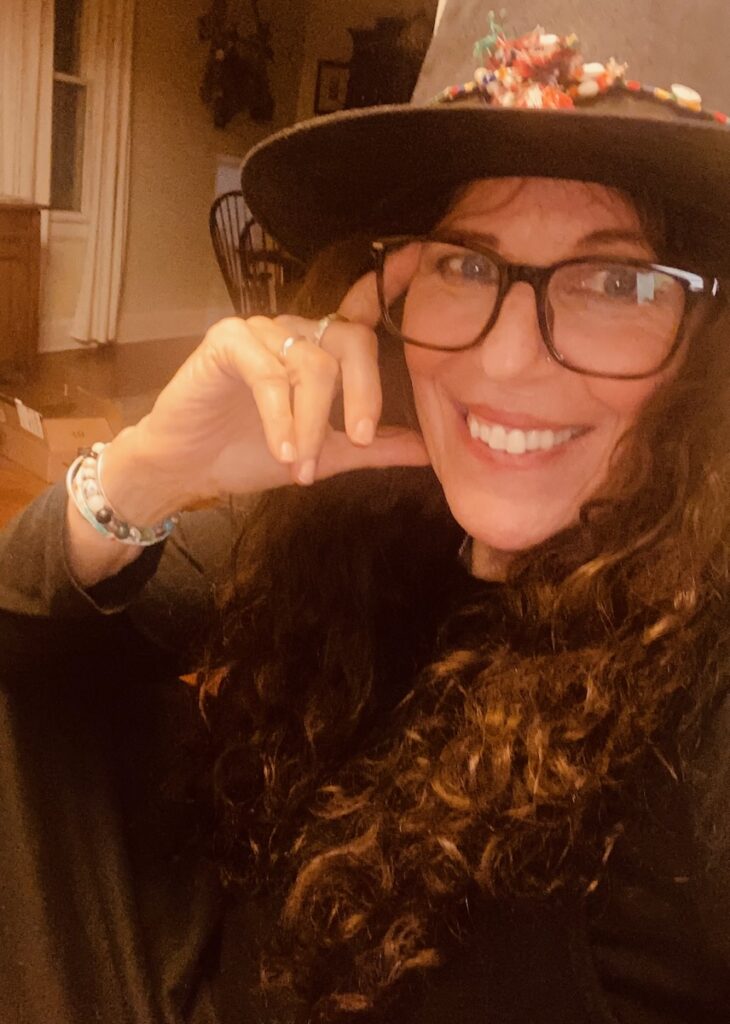
Elizabeth (Liz) Tamburri, Director at Benedictine Sisters of Pittsburgh
TABLE: What makes you proud to be a woman?
Tamburri: We have a rich heritage of strength, brilliance, creative gifts and it is wonderful to see women finally standing like the warriors we are by nature.
TABLE: How do we lift up one another as women, especially in the workplace?
Tamburri: By keeping egos in check. An insecure person is like a bottomless well of need and dissatisfaction. We depend on each other to work hard and in exchange have a responsibility to express encouragement, respect, and appreciation while nurturing talent.
TABLE: Looking back on your own journey, whats something you wish young girls knew before starting a career?
Tamburri: Before you dedicate your life to a career take another look at those quiet talents – writing, painting, photography, whatever. Do what you love and the money will come. If an environment is toxic – leave – there’s another job somewhere. Don’t allow anyone to drain you – step into every room like the Queen or if you prefer the King, or They that you are.
TABLE: What lessons have been most important in your life that you’d want to pass on to young women today?
Tamburri: Stop rushing. The only person you have to prove anything to is you. Don’t ever let fear hold you back – know your courage. You don’t have to fix any partner you didn’t break and most importantly, I’m not sure there is anything more important than truth, love, and genuine kindness.
Story by Kylie Thomas
Photo Courtesy of the Professionals
Subscribe to TABLE Magazine‘s print edition.