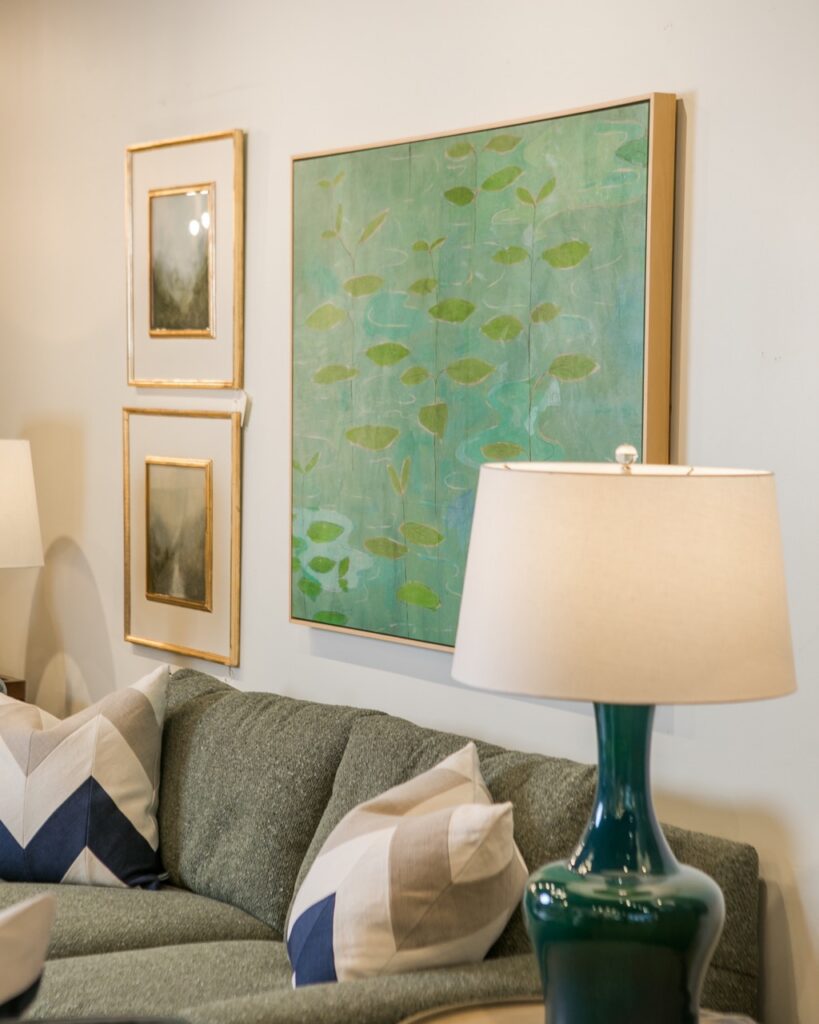
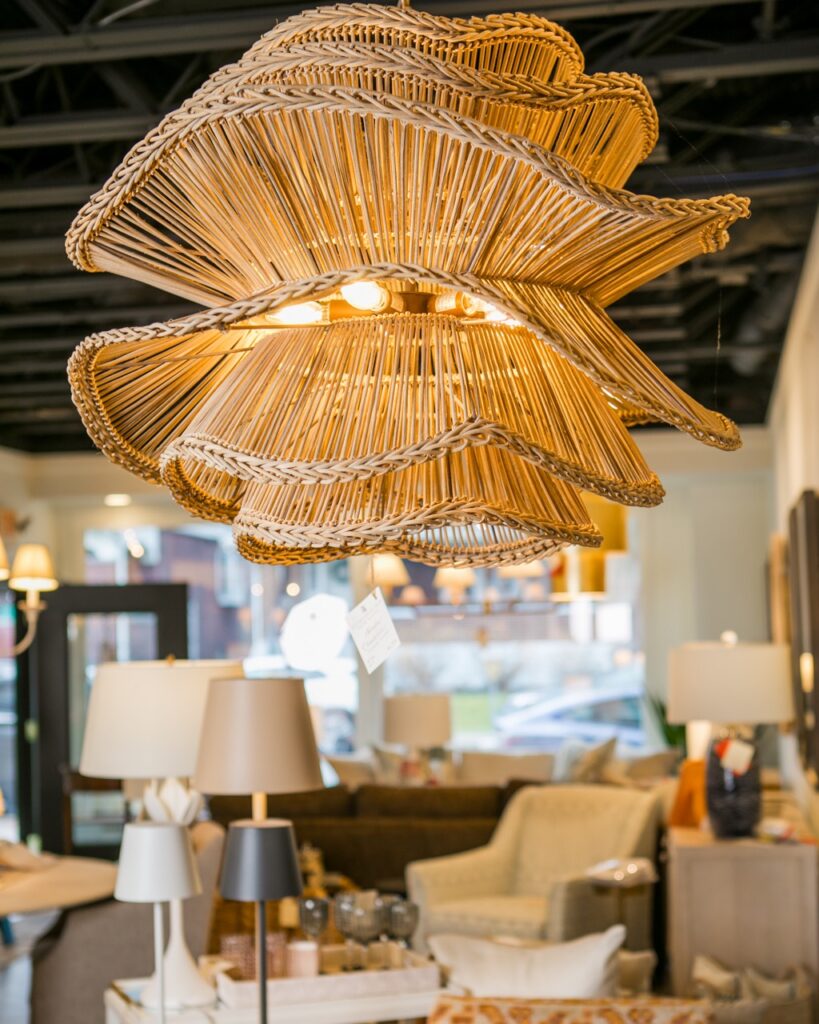
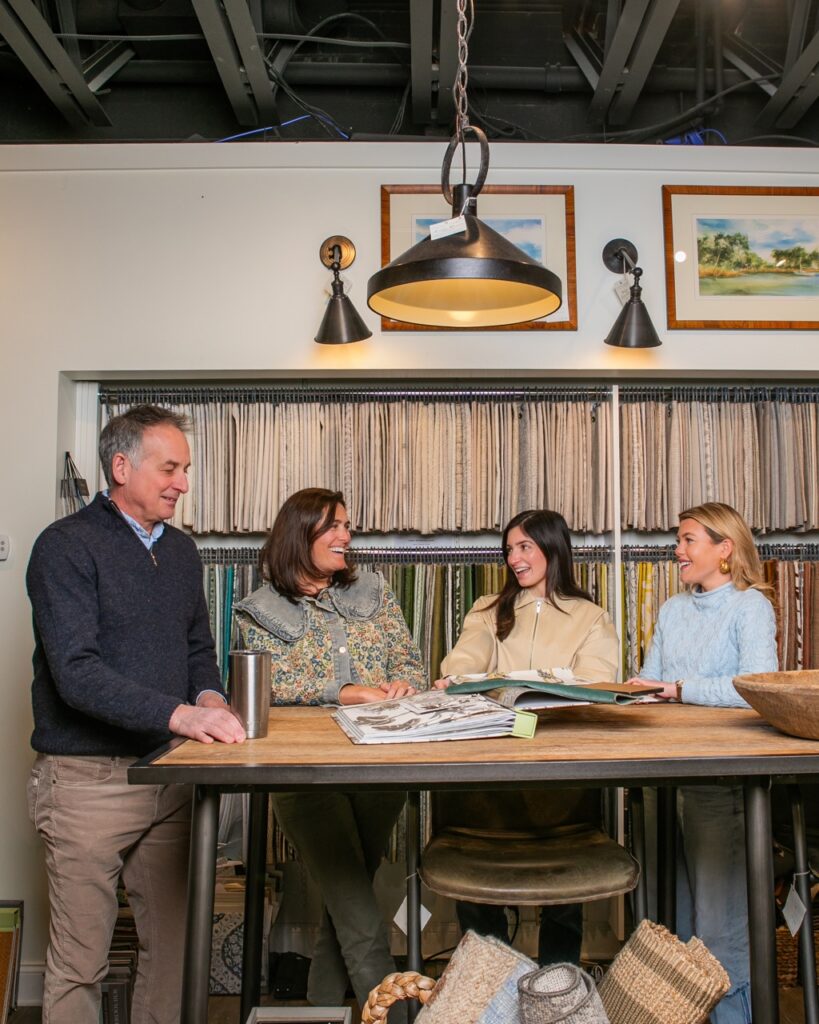
Walk into Jay Miller’s Antiquarian Shop, a 3,500 square-foot furniture store and showroom on Beaver Street in Sewickley, and you’ll notice—despite the name—not a single antique. Instead, you’ll discover one of Pittsburgh’s most carefully curated interior collections, from wing chairs in pea green mohair to sculptural Italian cordless lamps. Miller, who is constantly tweaking the look and layout of the store, believes it all works because he gravitates toward pieces that feel “quietly special”—nothing too fussy, nothing overdone. With five in-house designers, Miller’s wife Holly advising on finishes and textiles, and the occasional tail-wag hello from Cooper the border collie mix, Antiquarian reads less like a traditional retailer and more like a working design studio—a transformation four decades in the making.
Jay Miller Keeps the Antiquarian Shop Legacy Rolling
When Miller started Antiquarian Shop in 1986, it exclusively carried antiques. His grandfather, John Lewis, had spent decades importing character-rich, century-old British furniture—Chippendale chairs, Georgian case goods, all shipped across the Atlantic on the Queen Mary—to his own renowned Sewickley shop.
Even after retiring long prior to 1985, Lewis took his grandson through the English Midlands on one last hurrah of a buying trip. From country estates to dealers’ shops, Miller inspected, scrutinized, and crawled under potential purchases at his grandfather’s direction, checking dovetails and sleuthing out signs of repairs. “I liked the detective work,” Miller recalls, learning to read a piece by what was hidden underneath. The duo came home with a brimming container of authentic period finds, and Miller returned with a new career.
But Miller quickly found the antiques trade to be volatile—its supply inconsistent, its market rife with reproductions masquerading as the real deal. Plus, “you’d sell something and then it was gone,” recalls Miller of those chaotic early days. He also realized he was less interested in chasing rarities than in helping people create beautiful rooms. He pivoted, supplementing antiques with American makers—New England craftsmen producing Windsor chairs and tiger maple farm tables, brands such as Hickory Chair and Baker—which allowed for reorders and customization. The business gradually shifted from an unpredictable treasure hunt to a relationship-driven model built on repeat clients.
Expanding the Family Business
Today, in addition to the Sewickley flagship, there’s a smaller, second Antiquarian in Aspinwall run by daughter Haley. Together, the two Antiquarians carry everything from upholstery and case goods to rugs, lights, artwork, wallpaper, and window treatments. Every month, the stores collaborate with around 40 interior designers, who often bring clients in to test-drive cushion fills and see color swatches in person. More than 80 percent of what Antiquarian sells are through custom orders, with customers able to change up fabric, finishes, and dimensions, a level of flexibility that stands in sharp contrast to big-box retail.
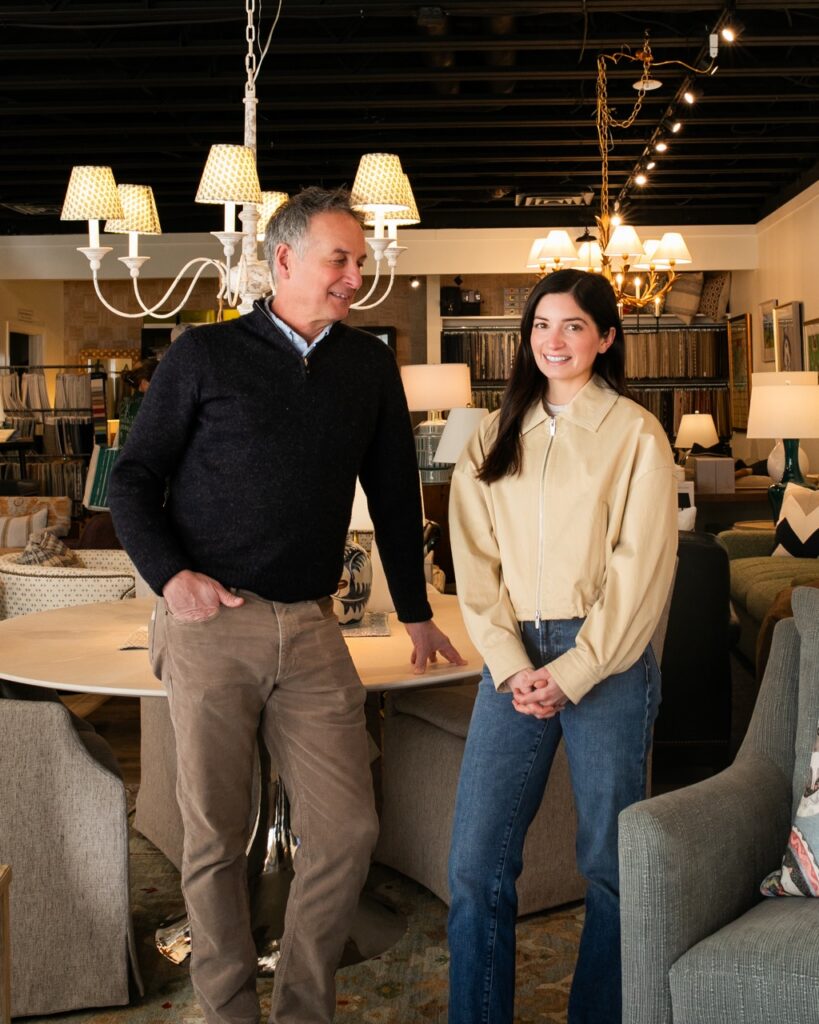
It’s this lean, specialized approach that Miller, now 67, credits for the shop’s longevity. By resisting the urge to over-expand, he found his boutique operation perfectly positioned for a shifting landscape. “All of a sudden,” he says of the post-COVID shake-out that winnowed the giant gallery and department stores, “I became the perfect business model.” The smaller scale means Miller still unpacks boxes himself, helps with deliveries, moves 480-pound bookcases into place to create a room vignette. “It’s a physical job,” he says, “but it keeps me in shape”—and after four decades, it keeps the store feeling personal, too.
Story by Kathleen Renda
Photography by Laura Petrilla
Subscribe to TABLE Magazine‘s print edition.