While I am more than well-versed in the world of wine, the science of spirits is not something that I have yet mastered. To be sure, I’ve enjoyed my fair share of them, and I’ve even engaged in some formal learning on the subject through the London-based Wine and Spirit Education Trust (WSET) Awards in Spirits. That said, whisky – or whiskey, as it’s typically spelled in Ireland and the United States – and Scotch, in particular, isn’t something about which I knew very much. Thankfully, that recently changed after experiencing a guided Scotch sampling at Carmella’s, a landmark establishment on Carson Street.

A Lesson in Scotch and Tasting at Carmella’s Plates and Pints
First thing’s first: what exactly is Scotch, anyway? At the most basic level, Scotch is whisky that comes exclusively from Scotland. It is distilled from malted barley and other grains and aged for a minimum of three years in oak barrels. There are all sorts of additional details surrounding its legal definition covered in the 2009 Scotch Whisky Regulations. Some have age statements, some can be blends – including from different distilleries – and all come from one of the five growing areas recognized by the Scotch Whisky Association. Put simply, all Scotch is whisky, but not all whisky is Scotch.

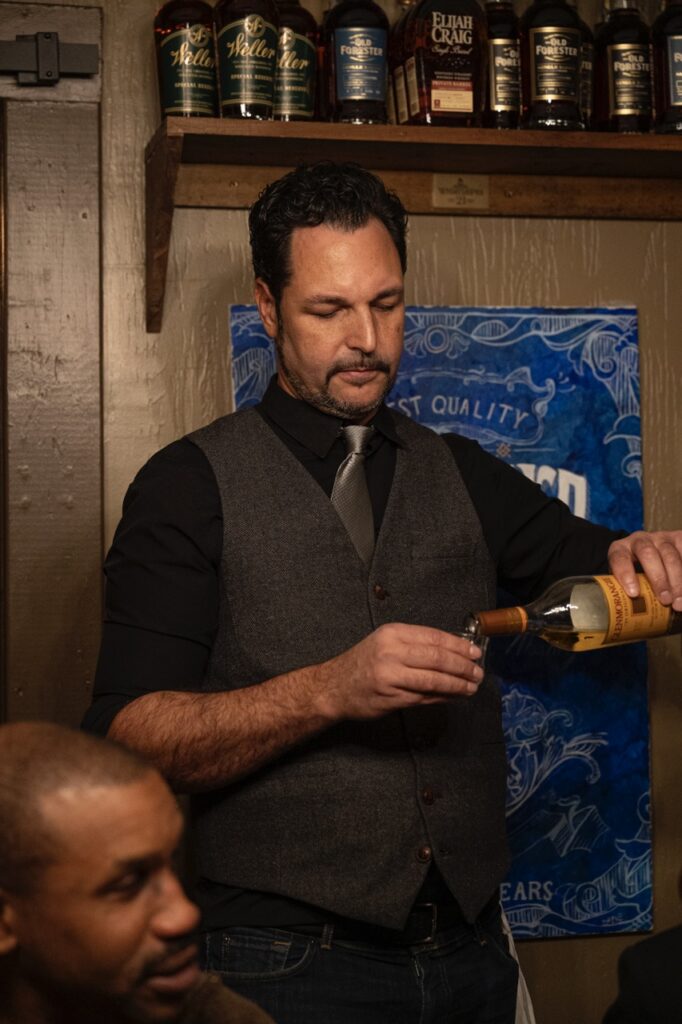
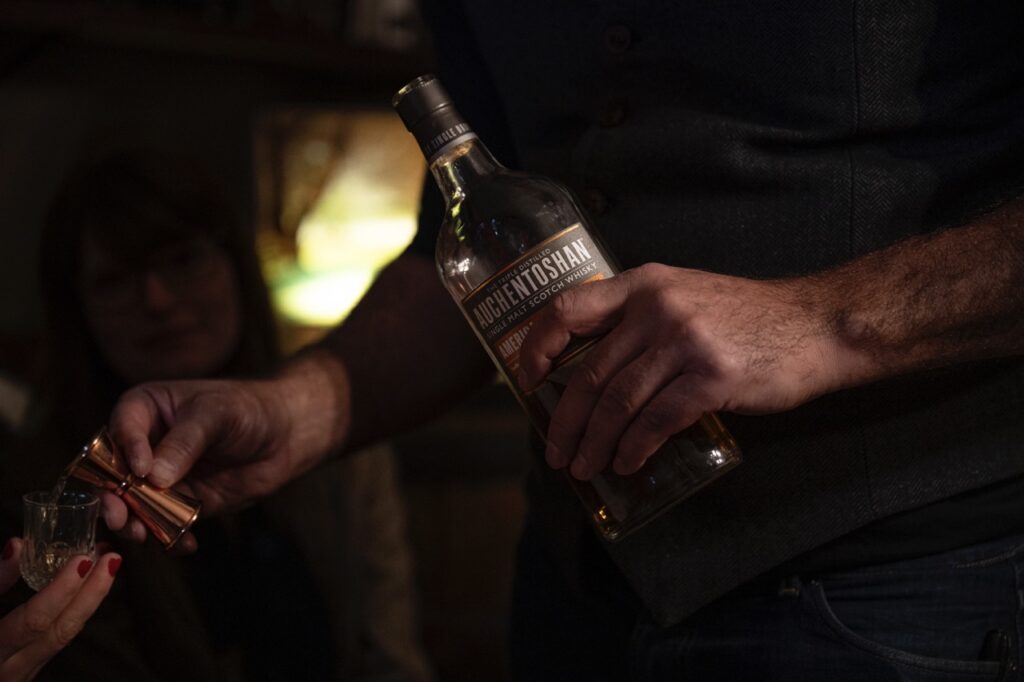
To help those of us in attendance get better acquainted with the nuances of Scotch, Tim Koltonski, our expert guide, selected seven whiskies to illustrate many of the different styles produced.
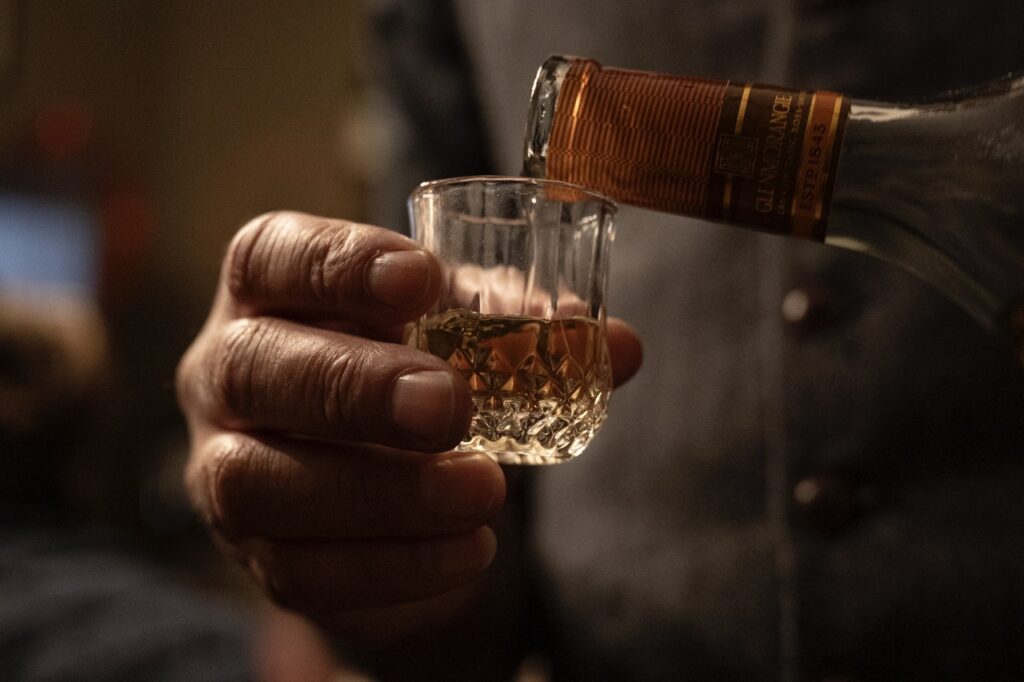
Beginning with Monkey Shoulder, a blended malt Scotch – in other words, a blend of single malts from different distilleries – we embarked on our learning journey. Noting its popularity in cocktails, Tim also filled us in on the whisky’s colorful name: “Monkey Shoulder” refers to an injury affecting maltmen who turned barley by hand.

How to Taste Scotch the Right Way
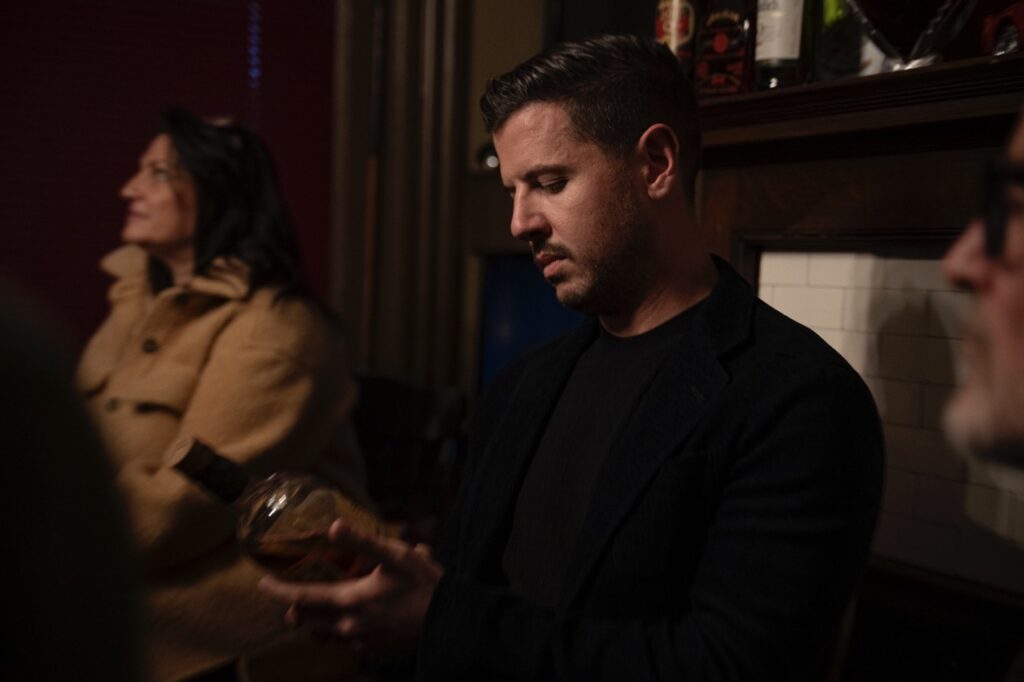
I approached the tasting similarly to the way I taste wines. First contemplating the beverage’s color in the glass, which, for our first pour, was a deep copper, I then moved to the nose by taking deep, brief sniffs (adding some water helps mellow the burn of alcohol and allows you to get a better sense of its aromatic profile). Finally, it would be time to taste – not by simply knocking it back, but instead by carefully swishing it around my mouth and coating all of my palate in order to give it a full evaluation. This was the process that I’d repeat for each of the seven Scotches for the evening, being sure to have a spittoon on hand.

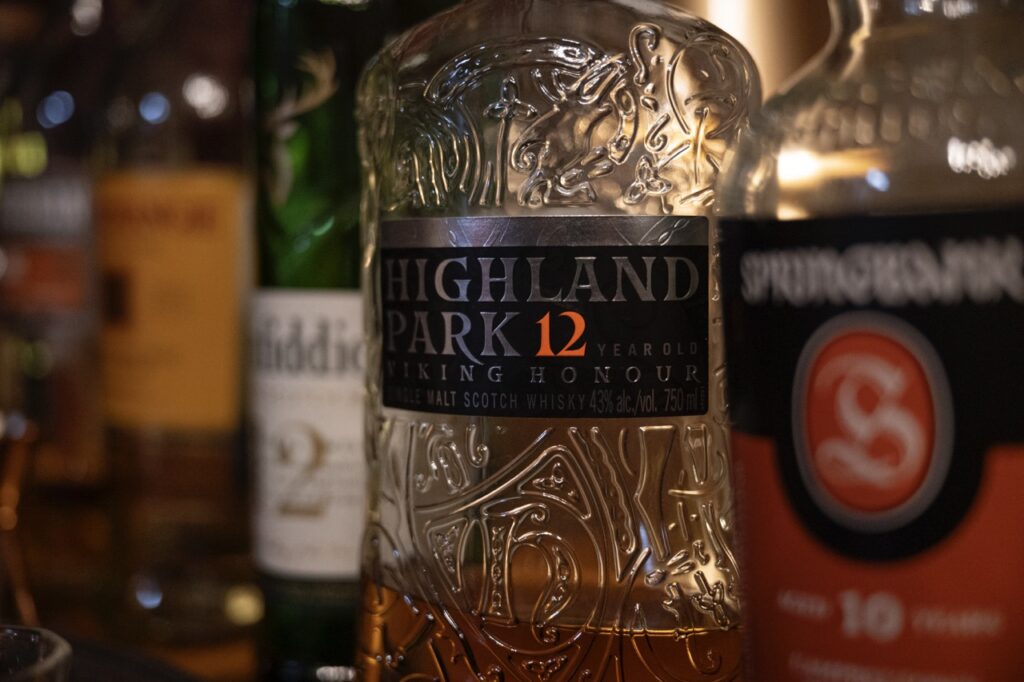
The Monkey Shoulder, like all of the whiskies we enjoyed, was not for the faint of heart. In nearly all samples, aromas and flavors of vanilla and toasted, spicy oak were readily apparent, and they certainly had a warming effect. As we progressed through the bottles, which included 10-year offerings from Glenmorangie and Springbank, as well as 12-years from Glenfiddich and Highland Park, I was struck by noticeable differences in levels of smokiness owing to the influence of peat and peaty water involved in the Scotch production. One bottling in particular, Ardbeg’s Wee Beastie 5-year, had a smoky intensity reminiscent of sitting directly next to a campfire.
Don’t Let the Smell Put You Off
To my nose, there was a peculiar aroma that I found in every single whisky: Band-Aid. When I mentioned this to Tim, he noted that this was a relatively common refrain from some tasters. As it turns out, this smell comes from phenolic compounds, cresols, that release as producers dry barley over peat fires. Not only, then, does this process influence the beverage’s smoky character, but it also contributes to this somewhat medicinal aroma that many tasters notice in Scotch.


What struck me most, though, for a distilled beverage was the way in which different vegetal notes came through, showcasing the agricultural nature of the whisky. With many spirits, neutrality is the goal, but these pot-distilled tipples ooze character, and it’s impossible to forget the base materials used to produce them. Similarly, a certain briny or saline character reveals a true sense of place; you can practically smell the salty breezes of the Scottish coast in many examples.

The Final Consensus
In the intimate setting of Carmella’s upstairs private room, my fellow tasters and I learned a lot about Scotch and expanded our collective horizons. Unsurprisingly, there was no one clear “winner” when it came to preferences; some in the room preferred the more neutral expression of Glenmorangie, for example, and others were more keen on Highland Park’s citrusy and honeyed character, owing to aging in used Sherry casks (I, too, leaned in this direction).
The most important takeaway, though, was that Scotch is far from a monolith. The evening was a delightful reminder that there’s always more to know, more to try, and more to push ourselves outside of our comfort zones. And when the temperatures drop, much like they did the evening of the tasting, it just might be worth considering the warming properties of a smoky, smooth Scotch.
Story by Adam Knoerzer
Photography by Cody Baker
Subscribe to TABLE Magazine’s print edition.