Black History Month still matters in 2026. Possibly more than ever.
What Does Black History Month Mean to Pittsburgh?
In Pittsburgh, Black History Month is far more than a calendar event. In the Hill District, East Liberty, the Strip, inside kitchens, music studios, theaters, and media offices, Black Pittsburghers have shaped the city’s cultural, economic, and social fabric. For these people, the month is an opportunity to reflect, celebrate, and, most importantly to prepare for the future.
Preserving History
In Pittsburgh, we’re especially lucky to have establishments like the Kelly Strayhorn Theater and August Wilson African American Cultural Center that uplift the Black community and showcase Black history.
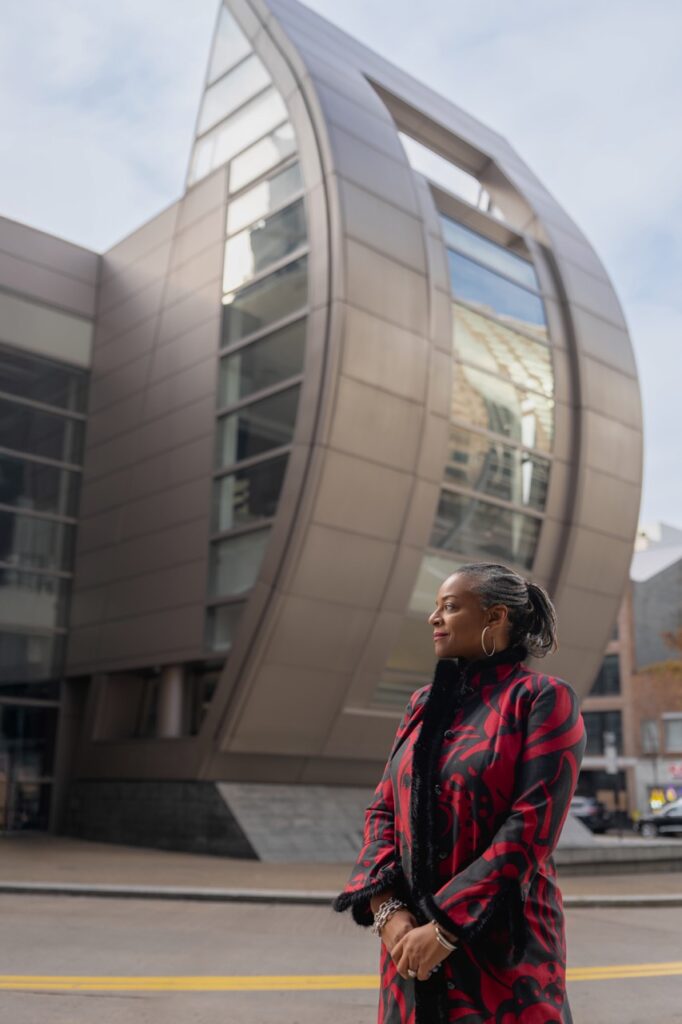
For Janis Burley Wilson, president and CEO of the August Wilson African American Cultural Center, Black History Month is inseparable from August Wilson’s mission of storytelling. “Our mission is to preserve and protect our stories and give a stage for artists to share their journey,” she says. “August Wilson took on the momentous task of telling the stories, amplifying the voices, struggles and triumphs of Black people as they traversed the peaks and valleys of this American life throughout the 20th century. The lessons in the American Century Cycle resonate today, especially now.”
Wilson emphasizes that Pittsburgh’s Black community has contributed not just to art but to the city’s broader cultural landscape as a whole.
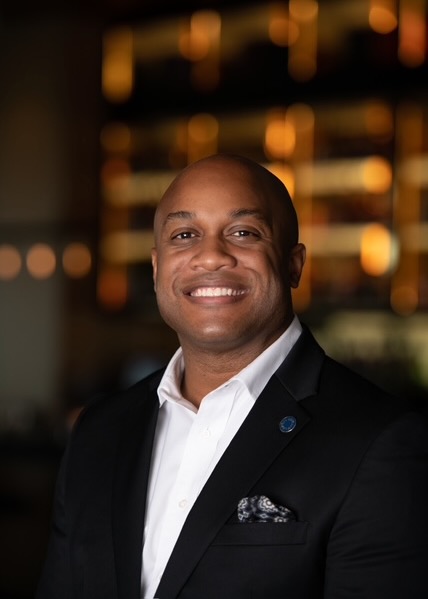
The Black community has been integral to the evolution of hospitality services in the Pittsburgh area. Perry Ivery, General Manager of The Oaklander Hotel, recalls the Ellis Hotel in the Hill District, a key stop on The Negro Motorist Green Book. “The Ellis was a cultural hub where Black artists and visitors felt at home, making it an important landmark in Pittsburgh’s African American heritage,” Ivery explains. “It offered safe accommodations when many others would not, welcoming in Jackie Robinson, Ella Fitzgerald, Duke Ellington, Miles Davis, Nina Simone, and Ray Charles, among others.”
What Can You Learn From Black History Month?
Black History Month is also a chance to correct misconceptions and celebrate accurate representation. Perry Ivery specifically recalls teachers and family members who introduced him to Black history, including his great-great-uncle, Raymond Kemp, the first African American player for the Pittsburgh Steelers. “Those lessons shaped my understanding and appreciation of our history from a young age.” It’s something anyone can take into their life no matter their race.

Jasmine Green, creative director at 1Hood Media, highlights media representation as a cornerstone of civic education. “Black History is American History, but it is treated as though it is not requisite to understanding the complete American story,” she says. Through storytelling, media, and advocacy, Green ensures that Black voices shape the city’s narrative, challenging stereotypes and advancing justice. “As our organization is steeped within the Black community, not much changes internally for us whenever February rolls around. However, the raised mainstream consciousness during Black History Month allows us to shine a spotlight on neglected histories and how they connect to existing obstacles in the current day.”
Pittsburgh’s Black history is foundational to the city itself. Whether that’s the photography of Teenie Harris, the plays of August Wilson, the groundbreaking journalism of the Pittsburgh Courier, or the jazz legacy of the Historic Hill District, Black creativity has long shaped the city’s cultural identity. Yet, as Green points out, Black Pittsburghers have benefited least from the city’s growth, even as they continue to drive its cultural and creative renaissance. Any vision for Pittsburgh’s future, she says, must center its Black residents.
Layers of Living History in Pittsburgh Today
Besides preserving the history around us, Pittsburgh is also a city that incorporates its own dramatic history as well as the heritage of its diverse residents into the texture of a city full of life!

Grace Mrema, founder of Kilimanjaro Flavour, grew up in Tanzania learning recipes from her grandmother. Through her food truck, she introduces Pittsburghers to the flavors of East Africa. “Cooking this food means pride, remembrance, survival, and legacy to me,” she says. “I love introducing a culture and flavors that many people didn’t grow up with. Being able to share a piece of Tanzania with people far from where I was raised means everything to me as a black woman. There are a lot of misconceptions about African food, especially in the U.S., and I want people to understand that each country has its own identity, history, and recipes.”

Chef Tara Jones also highlights Black culinary heritage in her every day life. From Mozambique to Portugal to Pittsburgh, her food reflects centuries of survival, innovation, and excellence. “Peri-peri isn’t ‘having a moment’—it’s been feeding people for centuries, and I’m simply the latest cook to honor it,” Jones explains. Her kitchen honors lineage while creating spaces where culinary mastery meets community. “My food is an inheritance, mapping across continents, centuries, and kitchens where survival and sovereignty were forged with fire and spice.”
Paving the Way for Accessibility
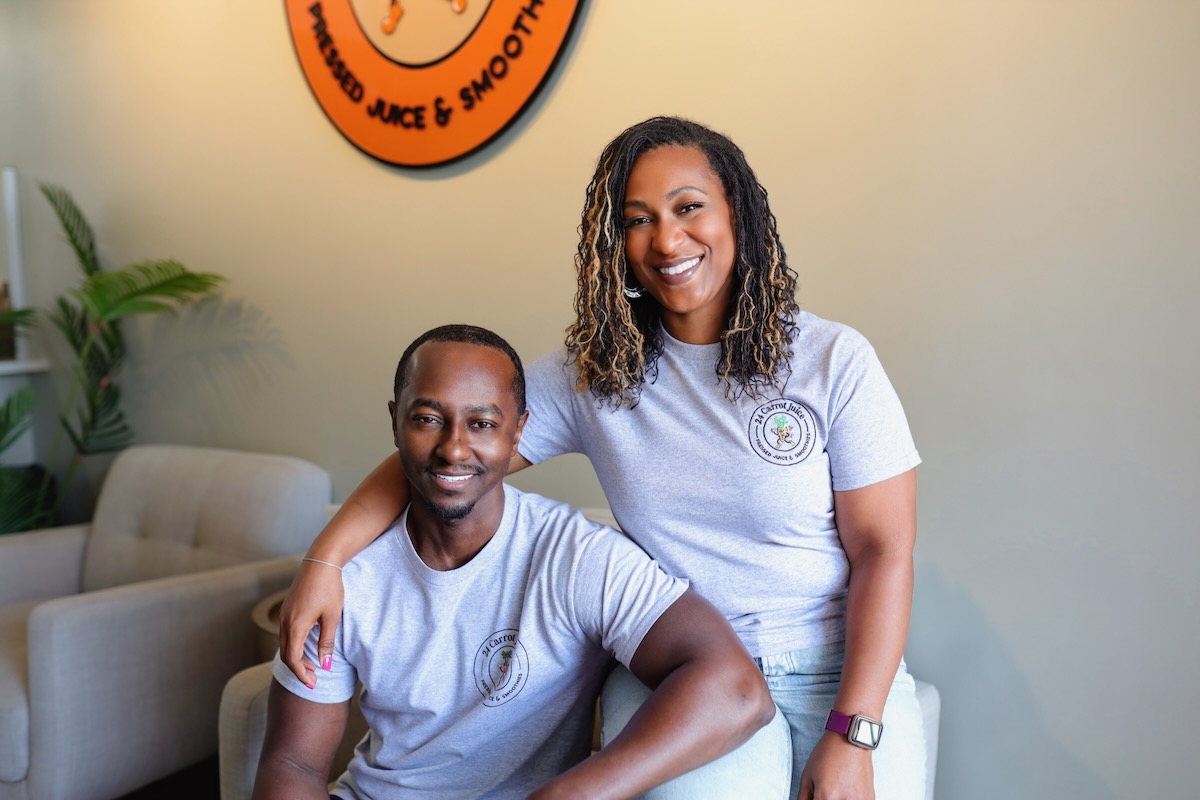
For Darla Timbo of 24 Carrot Juice, healthy living began as a family survival strategy in reaction to the same struggle for survival and grew into a community mission. “Creating healthy alternatives wasn’t about following a trend,” she says. “It was about survival, longevity, and choice.” In a city where systems have not always prioritized Black health, Timbo’s work represents a model rooted in love, care, and generational thinking. “In Pittsburgh’s Black community, we’ve often had to navigate systems that don’t prioritize our health. My husband‘s cholesterol was high and there were not many healthy changes that were encouraged to lower it, but juicing did the trick.”
So, Where Do We Go From Here?
As local rapper Frzy puts it best, the goal is not just individual success, but making sure others can follow. “I promised myself once I got big enough, famous enough, and powerful enough, I would become the role model/artist I needed when I was a young musician,” he says. “That I would pave the road with pillows for artists behind me… not just bust through the doors of these white generationally owned institutions, but knock it off the hinges to make sure more came behind me.”
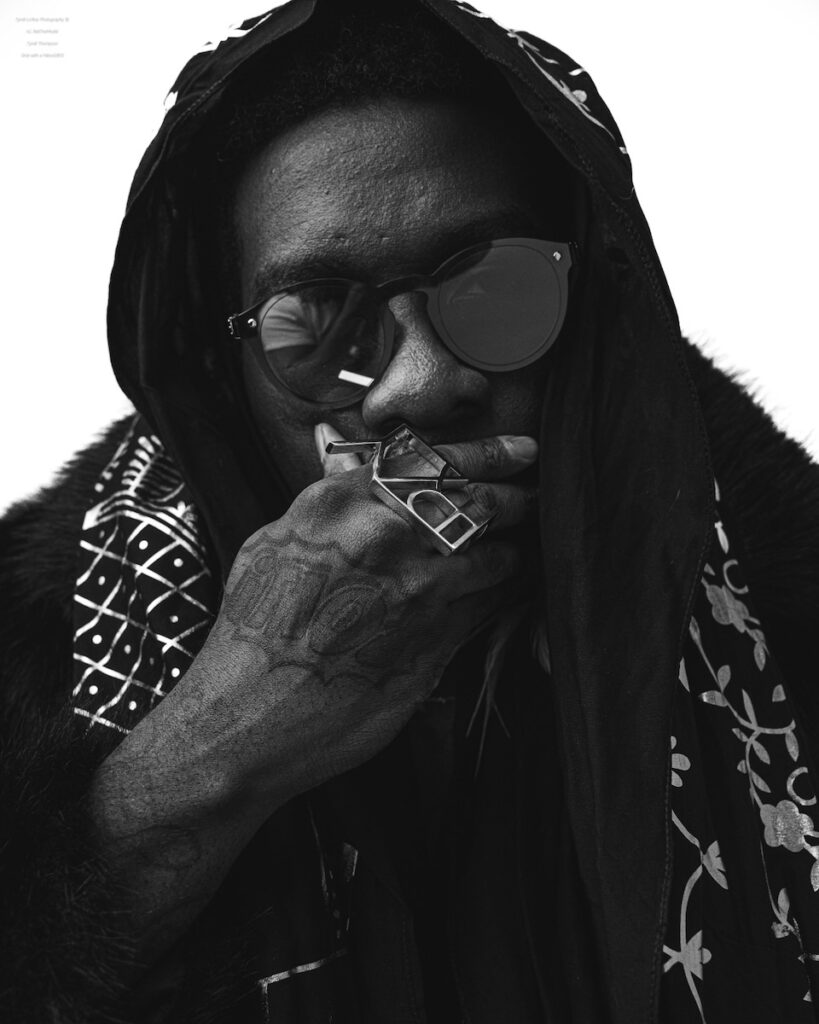
That same call for continuous commitment echoes across Pittsburgh’s Black community.
Jasmine Green of 1Hood Media stresses that the work cannot begin and end with February. “These issues exist prior to February 1st and persist after March 1st,” she says, emphasizing that support for Black-led media and justice organizations “must be a year-round practice” if they are to continue telling the full American story.
How to Support Black-owned Businesses Outside of Black History Month
For Black-owned businesses, consistency is also critical. “Support is about relationships,” says Darla Timbo of 24 Carrot Juice. “Be consistent, show up beyond February… Make Black-owned businesses part of your regular routine.” Grace of Kilimanjaro Flavour echoes that sentiment, noting that “the most meaningful support is consistency,” from repeat customers to word-of-mouth recommendations.
Chef Tara Jones notes too that outside of being a customer there are other ways to uplift Black voices. “Black chefs are often locked out of institutional contracts and corporate partnerships… not because we lack skill but because we lack access to the rooms where those decisions are made,” she says. “You can be the bridge.”
Together, these strong figures of the city make the path forward clear: the future of Black history in Pittsburgh depends on whether the city as a whole chooses to show up. It’s about not just remembering, but also participating. What Pittsburgh does next directly impacts who gets the chance to build what comes after those working in the city today. Frzy reminds us, this work is generational.
“I am made from those before me, to be seen by those around me and remembered by those I’ll never meet.”
Learn more about what Black History Month means to Pastors Cynthia and John Wallace here!
Story by Kylie Thomas
Photo by Laura Petrilla
Subscribe to TABLE Magazine‘s print edition.