There’s a new pair of sisters at the National Aviary — but they’re not birds. And while you might be alarmed to encounter this particular species in your backyard, these two striped skunks are an adorable addition to the nation’s premiere bird zoo.
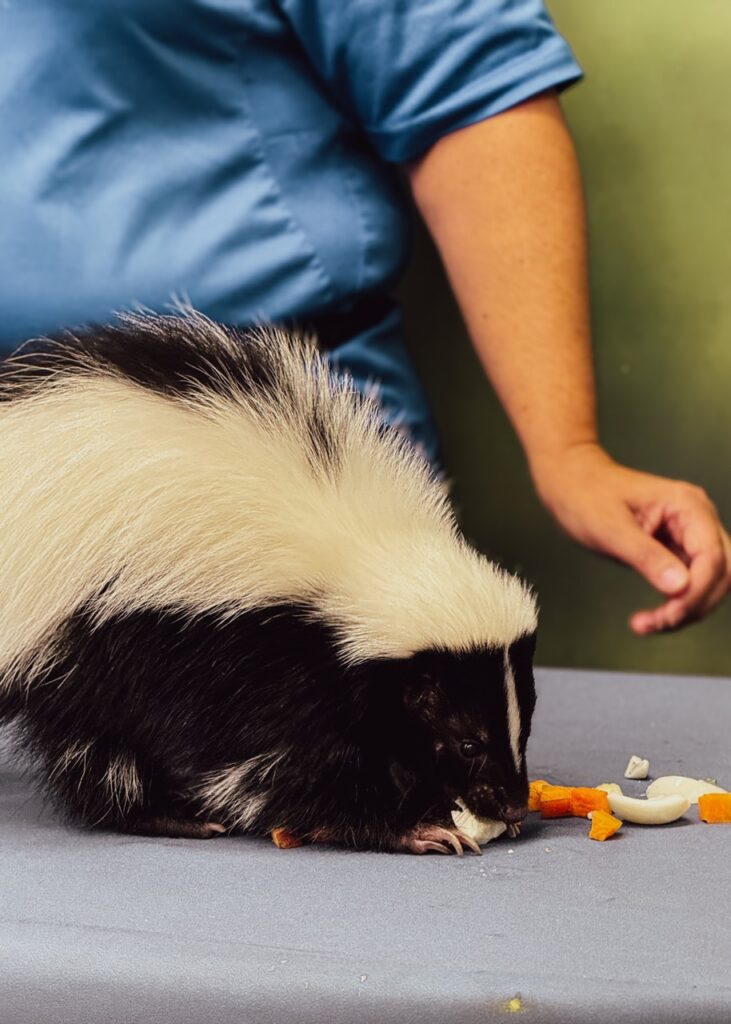
The Official Names Are…
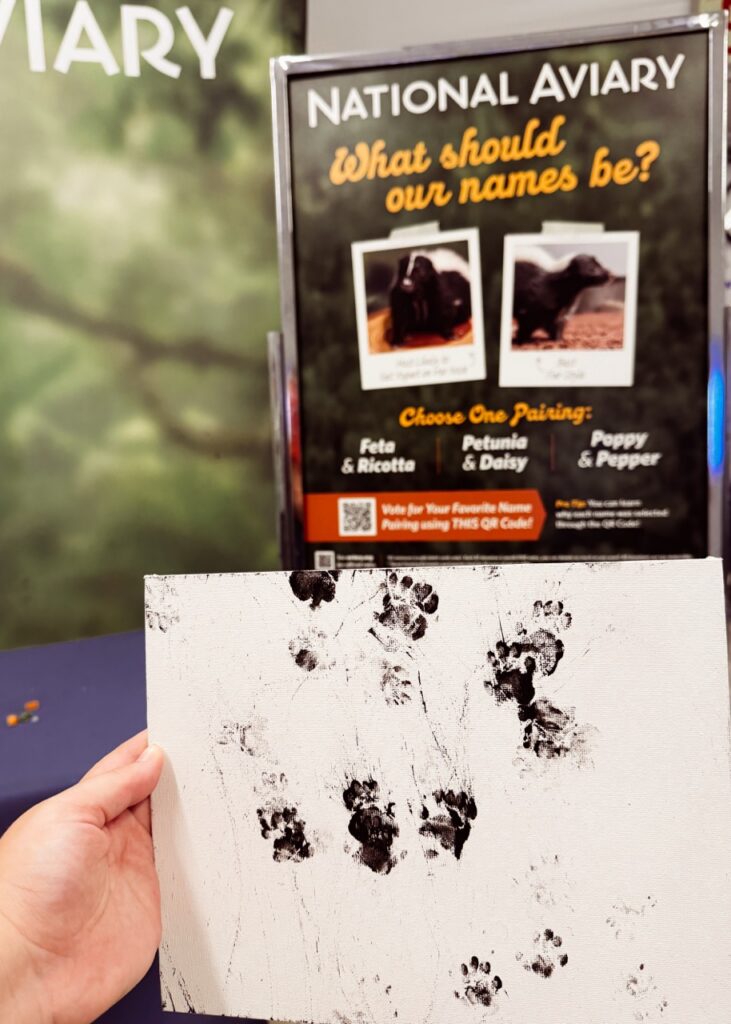
The young skunks finally have their official names after raising $2,500 for the aviary through a public voting campaign. As a reminder, the public submitted over 1,800 pairs of names for the running before aviary staff lowered choices down to the final three pairings, leaving the final decision in your hands. For a $5 donation, voters chose from the names Feta and Ricotta, Petunia and Daisy, and Poppy and Pepper.
After two and a half weeks, the winning names are… (drumroll please) Petunia and Daisy. Petunia goes to the skunk sister who’s a bit spicy, always looking for treats with endless energy while Daisy goes to the sister that is calm, sweet, serenity while the other is a bit spicy, always looking for treats with endless energy.
Striped Skunk Sisters are the Newest Animal Ambassadors at the National Aviary
In a press release, the Aviary explained, “Often misunderstood, skunks play a crucial role in their ecosystems by controlling insect and rodent populations. This natural behavior helps maintain a balanced food chain, which benefits ground-nesting birds and other wildlife.”
In person, the Aviary staff notes that skunks are more solitary creatures so while you may see the two sisters together at times, they’re often kept separate to have their alone time, just like us humans badly need. They’re almost reminiscent of cats: always on alert, loves a nap, food motivated, and utterly adorable.
And, to answer a critical question: As with all skunks at zoos and other institutions, the scent glands are safely removed in infancy.
The skunk sisters come to the National Aviary from a litter at the Cincinnati Zoo & Botanical Garden; their mother, Lily, is an animal ambassador at that institution. Earlier this summer, they were picked up by Aviary staff and took a road trip to Pittsburgh (following several months socializing with their littermates). They’re not the first critters to join the flock at the Aviary; several other species are represented, including the popular two-toed sloth, Vivien.
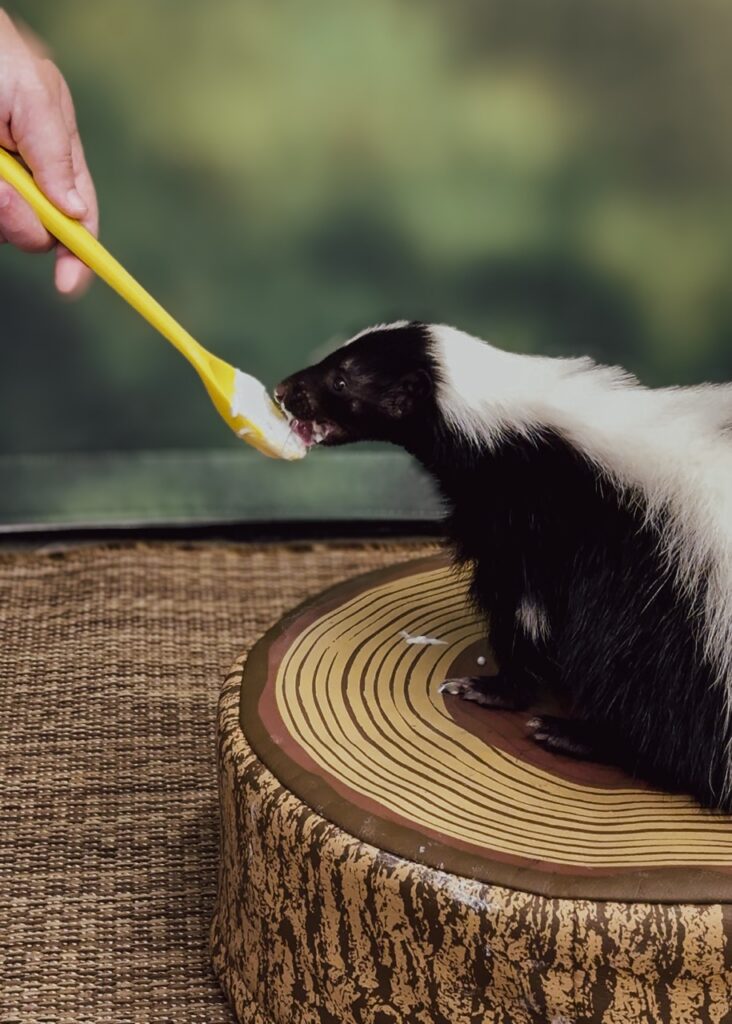
And… Visit the Aviary’s Skunks Yourself, Too!
You do have two different opportunities to see these ladies on display. If you visit the National Aviary around 1 p.m., you can stop by the Forest Friends: Expert Talk to see one of these sister’s in action, included with general admission.
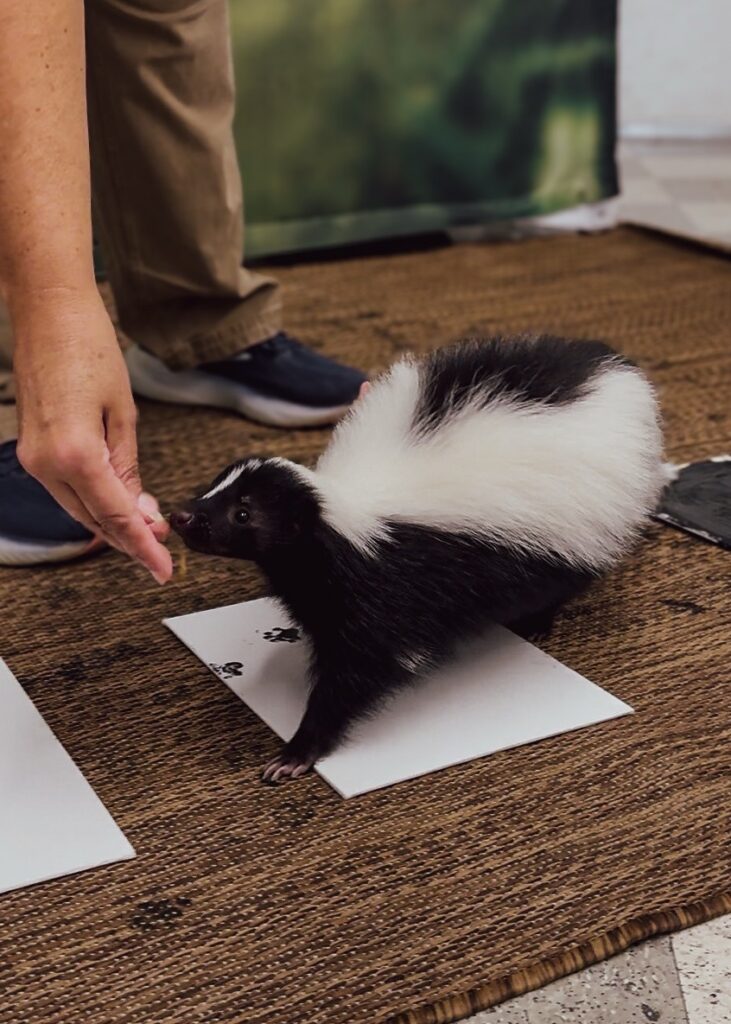
Though, those who are animal lovers, may want to opt for the second opportunity: a Skunk Painting Encounter. You’ll get a meet-and-greet with the other sister skunk where she walks across a canvas to create a painting with her feet and then get to take the painting home after. You’ll also get to feed one of the skunks from a spoon and get a photo with her on her little photo stump. Let us tell you, if you are at all interested in this experience, it’s far worth it. You get up close to the skunks and get to see their little personalities on display. Our own Online Editor Kylie Thomas got to take in the experience and it’s one she’ll never forget.
When you’re done meeting the sisters, check out our guide for Things to Do in Pittsburgh and make the most of your day out.
About the Author
Sean Collier is the editor-in-chief of Shady Ave and the arts and culture editor of TABLE Magazine. Before joining the TABLE Media team, he spent nearly 15 years as a writer, editor and columnist at Pittsburgh Magazine. As the in-house film critic for the top-rated WDVE Morning Show since 2009, he’s been Pittsburgh’s most widely heard voice on movies for nearly two decades. A Pittsburgh native, Sean has since 2020 appeared weekly on KDKA-TV’s popular Pittsburgh Today Live talk show. He’s the co-founder of Vigilance Theater Group and an active stand-up comedian and event host. He can be found on Instagram and Twitter at @seancollierpgh.
About the Author and Photographer
Kylie Thomas is TABLE Magazine’s Online Editor, covering Pittsburgh food, drink, and going out, including the Things to Do in Pittsburgh column. A Point Park University graduate, her work has also appeared on The Takeout, QBurgh, and Empire Extreme. She also runs the photography business Photos by Ky.
Subscribe to TABLE Magazine‘s print edition.