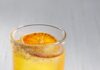
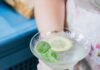
Drew Cranisky went deep into the drinkable shrubbery with Caleb Sisco, formerly Scratch Food and Beverage’s master mixologist. Caleb shared his method with TABLE readers in the hope that we will all explore our own version of this centuries-old traditional mixer.
What is a Shrub?
Cold process shrubs utilize time as the “cooking” method for developing well-balanced, deep flavors with minimal effort and a level of control throughout the process. Making a cold process shrub is something you can do on your countertop at home. No refrigeration, no heat: just a jar and some time.
Print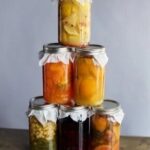
How to Make a Shrub
Description
A great way to use up your leftover produce, too.
Ingredients
- Clean fruit or vegetables (‘meaty produce’ like melons should be peeled, seeded, and cut into smaller chunks; berries can be left whole)
- Herbs, whole spices, or chili peppers
- Vinegar (Bragg’s Apple Cider Vinegar with the mother for berries, or distilled vinegar with citrus for bright flavors)
- Sugar
- Juice (optional): lemon, lime, or cranberry
For the pink peppercorn lemonade:
- 1 egg white
- 1 oz Lemon + Pink Peppercorn Shrub (above)
- 2 oz St George Terroir Gin
Instructions
Step 1: The Steep
- Start with clean fruit or vegetables. ‘Meaty’ produce, such as melons, should be peeled, seeded, and cut into smaller chunks. Berries can be left whole. If desired, add secondary ingredients like herbs, whole spices, or chili peppers.
- Fill a 2 quart mason jar with your chosen ingredients, leaving an inch of headspace. Fill the jar, making sure to completely cover all contents, with your chosen vinegar. Bragg’s Apple Cider Vinegar (with the mother) works great for berries, and distilled vinegar with citrus brings bright, clean flavors.
- Cover jar with cheesecloth and let sit on your countertop for 24 to 72 hours to ferment.
- After initial fermentation, remove the cheesecloth, cover with wax paper and seal tightly. The wax paper protects the metal lid from the vinegar below. Without this step, your shrub will corrode the metal in the lid, which can leech into your shrub and taint its flavor.
- Leave the jar on the counter for 2 weeks, regularly shaking vigorously (the agitation helps extract flavor). Monitor the lid during this process: you may need to replace the the wax paper periodically depending on the shrub.
Step 2: The Strain
- Strain out the solids of your shrub through the finest strainer you have, and weigh the strained liquid. You now have flavored vinegar.
Step 3: The Sweetening
- Choosing your sugar comes down to what flavor you want in the end product. White sugar is good starting point, brown sugar adds a deep caramel component, agave or honey have nice mellow properties, and molasses (in small quantities) can really deepen vegetable shrubs.
- The sweetness of your shrubs is personal preference, but a good place to start is 3 parts vinegar to 1 part sweetener. 1:1 is a common ratio, but some of our shrubs are as low as 6:1.
- At this time you can also add juice. Lemon can brighten flavor, lime is sweeter, and cranberry brings nice acidity.
Step 4: The Wait
- Replace the wax paper and reseal. Shake vigorously until the sweetener is incorporated fully into the vinegar.
- Place on your countertop for 2 more weeks, shaking vigorously whenever possible.
- Your shrub is finding balance at this point. The sugar and vinegar are interacting and you will begin to see bubbles form.
Step 5: The Shrub
- Taste your shrub by itself. If it is not your desired flavor, adjust the taste by adding more vinegar or sugar.
- Your 1 month old baby is now ready to be tasted and enjoyed. You can drink it straight up, on ice with some seltzer, or mix it in a cocktail. Now go make more!
For the pink peppercorn lemonade:
- Combine all ingredients in a cocktail shaker. Dry shake (without ice) for 20 seconds, then add ice and shake for another 20 seconds.
- Fine strain into a goblet, then garnish with a thyme sprig and cracked pink peppercorns.
Notes
For a different take on the shrub cocktail, try this one: Blackberry Gin Shrub
Recipe and Styling by Caleb Sisco
Subscribe to TABLE Magazine’s print edition.