Musical theater offers much more than songs and stage performances; it tells powerful stories through music, emotions, and human connection. Learning how to appreciate a musical can open the door to a wide range of shows, styles, and experiences that make this art form meaningful for every type of audience.
How to Appreciate a Musical: Understanding the Art Form
If your mental image of musical theater is still “Oklahoma!,” you’ve missed quite a bit. (Including, incidentally, a fantastic new update to “Oklahoma!”) While there’s still plenty of song-and-dance spectacle to be found, there’s a musical for everyone, spanning genres, styles, and time periods.
In our new “How to Look at Art” series, TABLE chats with critics and creators about how to engage with a particular form; today, we’ve gathered two producers, one performer, and the most Broadway-friendly members of our staff to share their thoughts.
Look Beyond the Spectacle and Find the Human Story
“People often think musicals are only spectacle or escapism, but the best musical theater is really about humanity … about relationships, struggle, identity, resilience, joy, heartbreak, and hope. The music simply becomes the emotional language of the story.” — Colleen Doyno, Executive Director, Pittsburgh Musical Theater
“The lane that we at Front Porch Theatricals have tried to be in [involves producing] lesser known, meaningful musicals. That in and of itself will frighten away some people who say, ‘I am looking for a night of entertainment.’ We want to give someone something to think about and talk about on the way home.” — Nancy Zionts, Producer, Front Porch Theatricals
Recognize the Depth Behind Musical Theater
“If it’s depth you’re looking for, what about the Nazi backdrop of The Sound of Music? The domestic abuse in Carousel? The class rage and indictment of capitalism in Sweeney Todd? The dissection of the institution of marriage in Follies? There’s plenty of depth if you’re willing to look!” — Keith Recker, Editor-in-Chief, TABLE
Understand Why Characters Sing
“The beauty of musicals is that the song comes from the point in the story where words are no longer enough. They need to go to the next level to express what they’re feeling. Lean into that … see that as an opportunity to express something that you [can’t] in everyday life.” — Melessie Clark, Performer
Experience a Musical Without Expectations
“I remember seeing Come From Away for the first time — a show Front Porch is producing this August, by the way — and not knowing anything about it. When it ended, I leapt from my seat with a roar, completely swept away by the production. Going into a new-to-you show blind always provides a chance at a surprising, even transcendent, experience.” — Sean Collier, Arts & Culture Editor, TABLE
Embrace the Community Experience of Live Theater
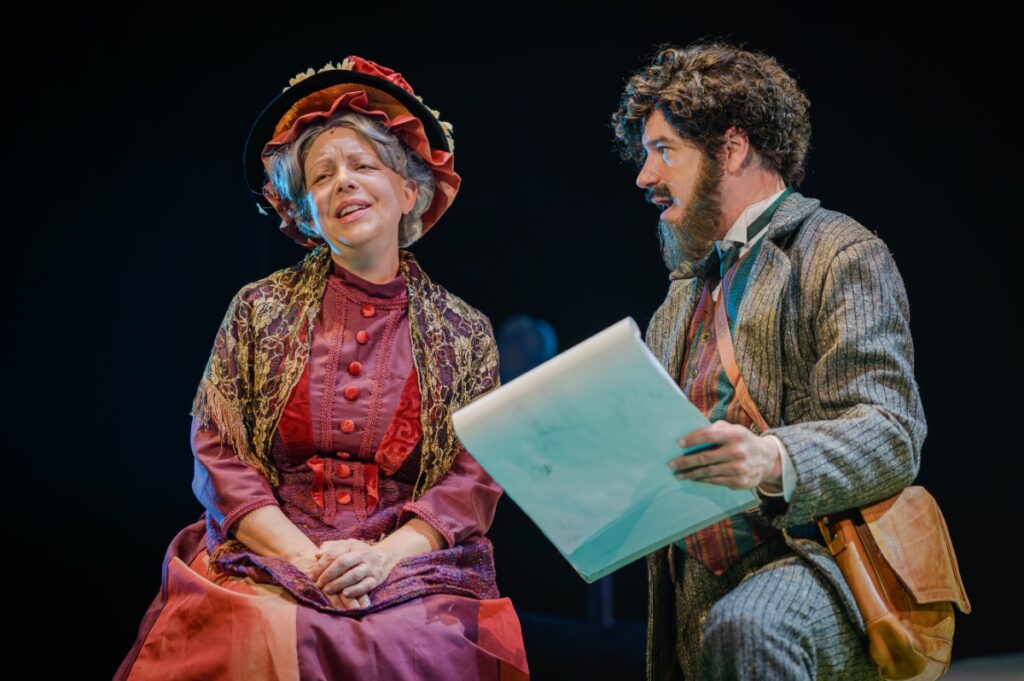
“At Pittsburgh Musical Theater, we often see people come into a production thinking they are simply coming for entertainment — and they leave feeling seen, connected, or changed in some way. There is something incredibly communal about sitting in a theater with hundreds of strangers and collectively laughing, crying, or holding your breath together. In a world that increasingly isolates people behind screens, musical theater creates human connection in real time.”
— Colleen Doyno
“I felt that way recently [at a Pittsburgh Musical Theater show] — I went to see Dear Evan Hansen … the communal aspect of it, too. Theater [can be] compared to religion … All of us are here in this theater, and we hear [one another’s] sniffles … just to get to experience that as people in a room, that’s a beautiful, unique thing. There are very few times when that can happen.” — Melessie Clark
Explore Different Musical Styles and Genres
“There’s something for everyone! Classic Broadway musicals of the 1940s, ’50s and ’60s are known for sweeping orchestration (think of climbing the mountains of The Sound of Music) and/or belting, vibrato-heavy voices (anything Ethel Merman). These don’t fit everyone’s tastes, especially in the advent of rock, hip-hop, or indie music.
But there are rock musicals: think Rent, The Rocky Horror Show or Hair. The blockbuster Hamilton is written in hip-hop style. Spring Awakening, by singer-songwriter Duncan Sheik, slots into an indie vibe.” — Keith Recker
Understand That Musicals Are Not All the Same
“Some people think that all musicals are the same — they’re all that ’50s and ’60s, dance-around-on-the-stage style. Some musicals are like that. And some have a lot of balance.
We’ve done bluegrass musicals, we’ve done swing musicals. There are people who don’t like Shakespeare. There are people who don’t like musicals. And there are people who don’t like immersive theater. That’s okay for them — as long as they don’t say, ‘People shouldn’t do those things.’” — Nancy Zionts
Discover Musical Theater in Different Settings
“You might first encounter a musical with the soaring voices and impressive stagecraft of a national tour. You might see a regional production — often with equally impressive performers — in a more intimate setting, seated feet from the stage.
And sometimes, you first encounter a show at a humble, more community-driven setting … and the passion of the performers still blows you away. Musical theater is everywhere, and even a non-professional production is often worth your time.” — Sean Collier
Find Your Personal Entry Point Into Musical Theater
“A person may come because they love a movie, a soundtrack, a celebrity performer — or even a particular genre like horror, comedy, or rock music. Once they experience the electricity of live theater, they often discover a much deeper appreciation for the art form itself.
At PMT, we believe theater should feel welcoming and accessible to everyone, including audiences who may never have imagined themselves attending a musical. Sometimes all it takes is finding the right doorway into the experience.” — Colleen Doyno
Story by Sean Collier
Photography by Deana Muro
Subscribe to TABLE Magazine‘s print edition.