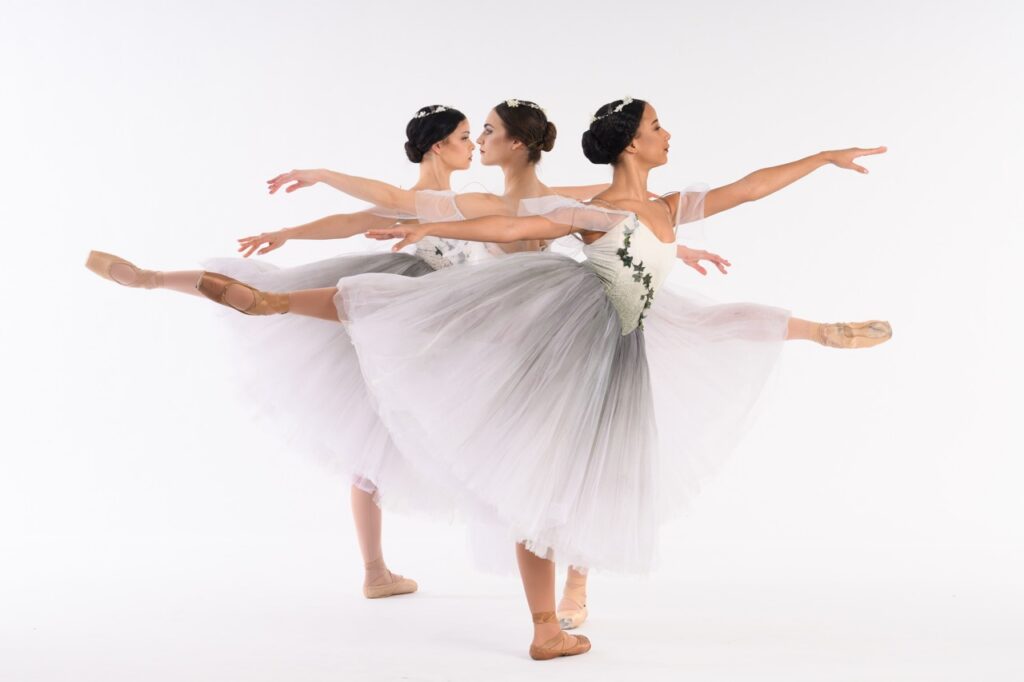
This month, if you’re looking for an appropriately spooky experience to inspire a full-fledged case of the willies, you may be surprised when I suggest you try … the ballet. On October 23, Pittsburgh Ballet Theatre opens its season with Giselle, a masterwork of the classical ballet repertoire composed by Adolphe Adam in 1841. Set against Adam’s lush orchestral score in a new staging by PBT Artistic Director Adam W. McKinney, the story is filled with tragedy, betrayal and—as one might expect—hordes of vengeful ghosts that dance their victims to death. It’s just one of the many spooky performances coming to Pittsburgh during the Halloween season.
Those ghosts, inspired by Slavic folklore, are known as the Wilis: the spirits of jilted, unwed women who died after being betrayed by their lovers. As specters, their sole mission is to kill men, which they do by forcing them to dance until they die of exhaustion. Pretty grim stuff for a ballet.
Why Giselle Sounds So Beautifully Spooky
So why doesn’t Giselle sound like a horror story? To our modern ears, Adam’s lyrical, objectively beautiful 19th-century music may seem at odds with the story’s murderous theme. Today, we typically encounter ghosts and ghouls cinematically, on TV or at the movies, and an eerie soundtrack telegraphs the spookiness. What you hear is somewhere between music and jumbles of sound effects, usually punctuated by jump scares, that sound like someone in the orchestra is whacking an anvil with a hammer. That is, in fact, usually what’s happening.
But scary music isn’t necessarily scary on its own. It’s all about context. In the recent psychological thriller Backrooms, for example, dread is induced by the feeling of getting lost in a featureless labyrinthine—while soothing music you might typically hear at a shopping mall food court pulses atmospherically in the background.
In Poltergeist, the main theme was composed by the incomparable Jerry Goldsmith and is sung by a chorus of innocent children’s voices that somehow manages to turn a gentle lullaby into something foreboding and ominous. If you’re into scrolling through TikTok videos, you may have heard a song from 1941 called I Don’t Want to Set the World on Fire by the Ink Spots. Without changing a single note, it was transformed in recent decades from a romantic pop ballad to a harbinger of doom by the post-apocalyptic video game franchise Fallout.
Then there’s the iconic scene from the movie The Shining, in which Jack Nicholson’s character wanders into a haunted ballroom—yes, more dancing ghosts—while a big band sweetly performs Ray Noble’s 1934 hit, Midnight, the Stars and You, as a precursor to the axe murder.
What John Williams Taught Me About Scary Music
I learned firsthand how much music can shape a story early in my career, when I had the great opportunity to work with John Williams on two of his now-iconic movie scores, Star Wars: Revenge of the Sith and Steven Spielberg’s War of the Worlds. While neither film features balletic dancing ghosts—we don’t even get a full-fledged Force Ghost in the Star Wars universe until The Empire Strikes Back— Williams is a modern master of crafting musical themes that reflect the story on the screen. Since we had five films to live up to for Star Wars in particular, the music needed to be both familiar to the franchise and flexible enough to introduce new characters and concepts.
In contrast, War of the Worlds offered a clean slate to depict the terrors of an alien invasion—much creepier—with new original themes and unconventional instrumentation. Whether reviving an old-timey pop song or composing something entirely new, the music has to serve the story—and the medium.
Listen for the Darkness in Giselle’s Music
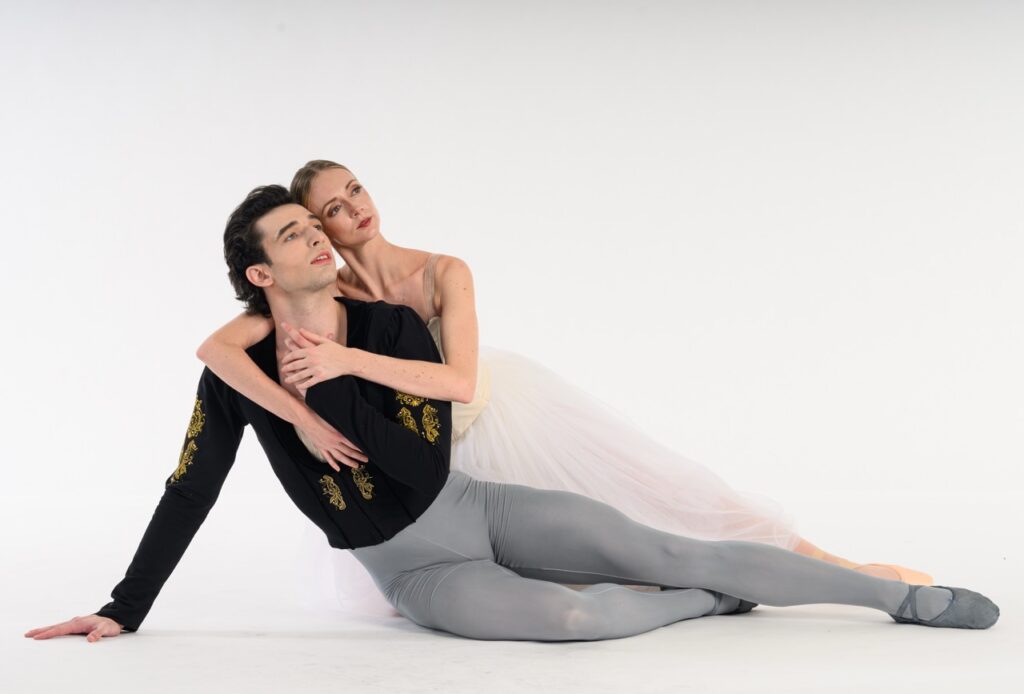
That is exactly what happens in Giselle. It’s a tale about dancing, performed by dancers in a folkish setting, with an underlying love story corrupted by tragic deaths and malevolent spirits. There’s the tragedy of a love gone wrong, and supernatural legends that frame lessons in morality. If you pay particular attention to those themes, you’ll see and hear how Adam pushes the narrative forward as the music and the choreography develop with the story.
For example, when Giselle (spoiler alert!) finally goes mad and dies from grief at the end of Act I, the music takes subtle turns toward portentous, dramatic moments that gradually take over as her theme builds to a tragic, bombastic conclusion. And when the Wilis take the stage in Act II, the ballet’s music takes on an entirely different purpose. When dancing until dawn doesn’t end up killing one such ill-fated character, the gamekeeper Hilarion, the Wilis resort to drowning him in a nearby pond. Again, very grim.
Will PBT’s Giselle give you the willies? Listen closely and you may find that Adam’s beautiful score makes the ballet’s supernatural menace even more unsettling. And, of course, when the Wilis take the stage, the willies are all but guaranteed.
Looking for more performances? Check out our guide to the arts, culture, and entertainment in Pittsburgh.
About the Author
Christian Kriegeskotte is a composer, conductor, and concert producer whose career in the performing arts spans over 20 years. Born and raised in New York, he is a graduate of Carnegie Mellon University School of Music. His career began in Hollywood, where he worked on films and television shows including Star Wars: Revenge of the Sith, Stephen Spielberg’s War of the Worlds, The Simpsons and Family Guy. Currently based in Pittsburgh, Kriegeskotte’s music has been performed by major ensembles including the Pittsburgh, Toronto, Las Cruces, and Houston Symphony Orchestras, River City Brass, eighth blackbird and the American Composers Orchestra.
His arrangements of popular music and Broadway showtunes are performed several times per year at Carnegie Hall by the New York Pops. In 2023 he was music director of The Glorious Succession of Frzy, which was premiered by the Pittsburgh Symphony Orchestra. His new symphonic concert program, George A. Romero’s A Night at the Symphony will premiere in March 2027 at the Byham Theater in downtown Pittsburgh.
Story by Christian Kriegeskotte
Photos Courtesy Pittsburgh Ballet Theatre by Justin Merriman
Subscribe to TABLE Magazine’s print edition.