Travel is all about discovery – seeing new places and meeting new people. But sometimes a bit of magic happens, and you find that you’ve travelled to a place that feels very much like home. Julia Platt Leonard takes us through a travel guide to the Scottish Highlands where we’ll discover Scottish tweed and tips from the locals.
Discovering Small Businesses and Tweed in the Scottish Highlands
Sometimes the place we long to visit most is the one that reminds us most of home. It feels like a kind of true north where we breathe more deeply and see more clearly. It’s a place that seems to recognize our love and loyalty and returns it with the promise that we’ll always be welcome in our home away from home.
For Theresa Baumgärtner, Scotland – and in particular the picturesque Highlands – is that very place. Born in Hamburg, Germany, she now lives with her family east of Luxembourg, and runs Hazelnut House, a guesthouse that welcomes people to a setting that bears more than a passing resemblance to Scotland.
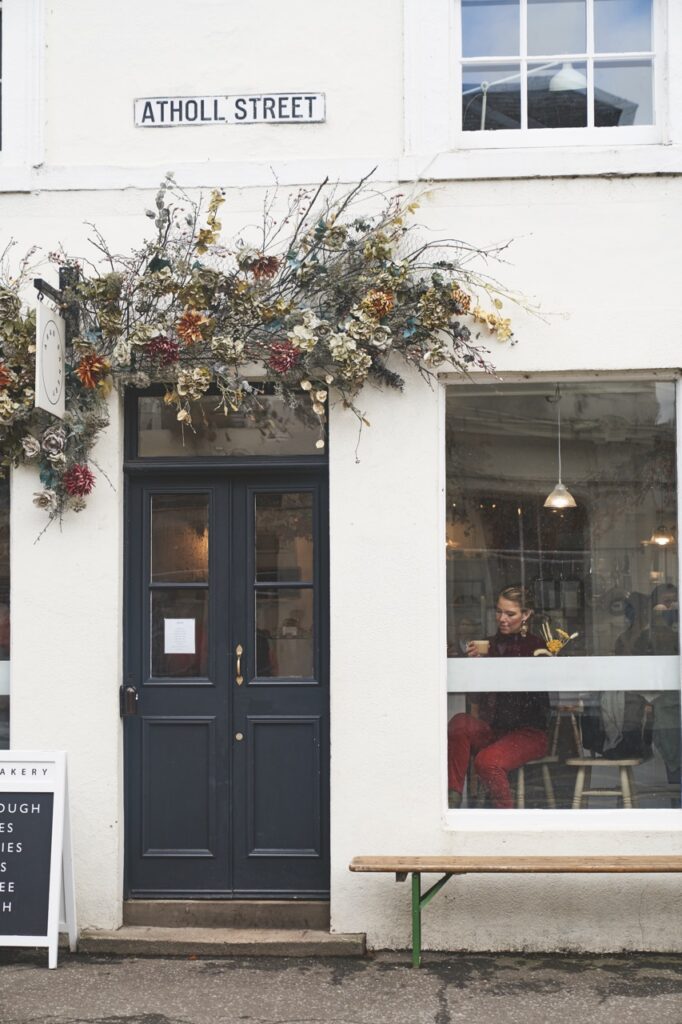
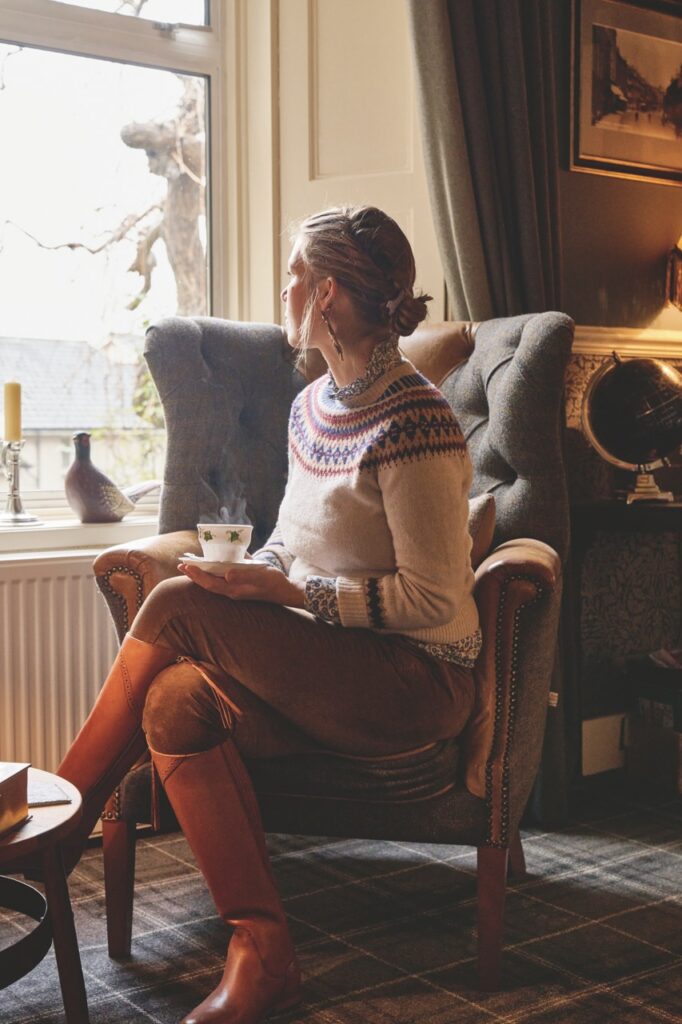
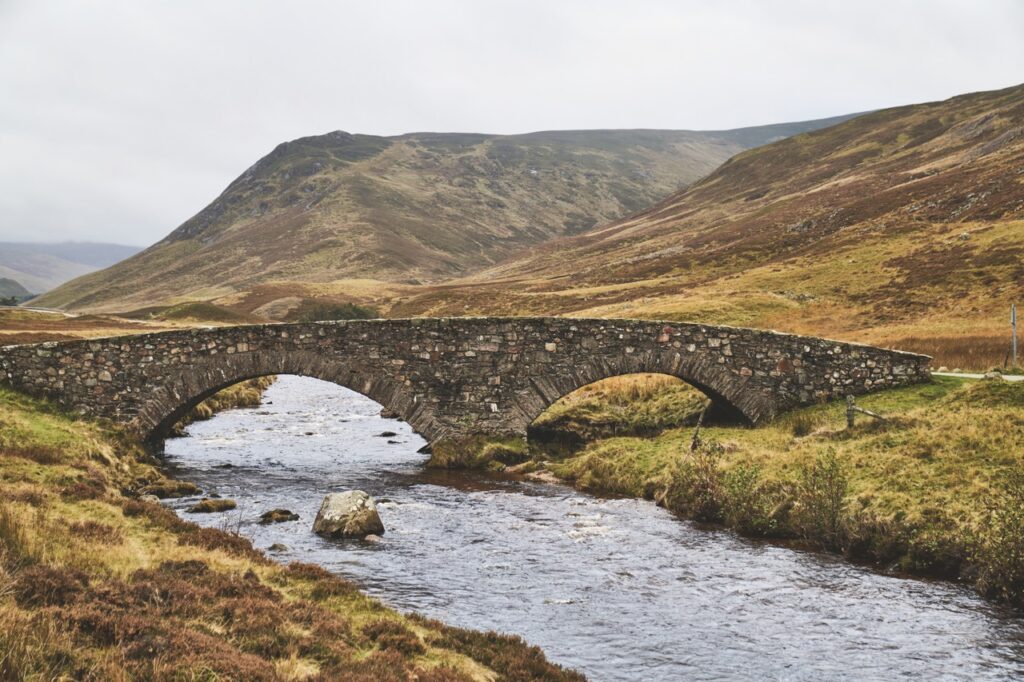
“Just like in Scotland, Luxembourg also offers wonderful opportunities for hiking through the countryside,” Baumgärtner says. “There’s the famous Mullerthal Trail, for example, with its rocky gorges. The region in the north of the country is also known as ‘Little Luxembourg Switzerland’,” she adds.
Start Your Scottish Highlands Journey in Edinburgh
It was a trip to Edinburgh that planted the seed. “This historic city touched my heart deeply: the architecture, the beautiful bookshops and restaurants, and the appreciation for craftsmanship.” Edinburgh became the portal to two passions that continue to draw Baumgärtner back: the Scottish Highlands and tartan. “There are still tailors’ workshops there that make bespoke kilts from the famous tartan fabrics. And from Edinburgh, my journey took me into the fascinating landscape of the Highlands,” she says.
That dual love for Luxembourg and the Highlands is captured in her book Highland Harvest.
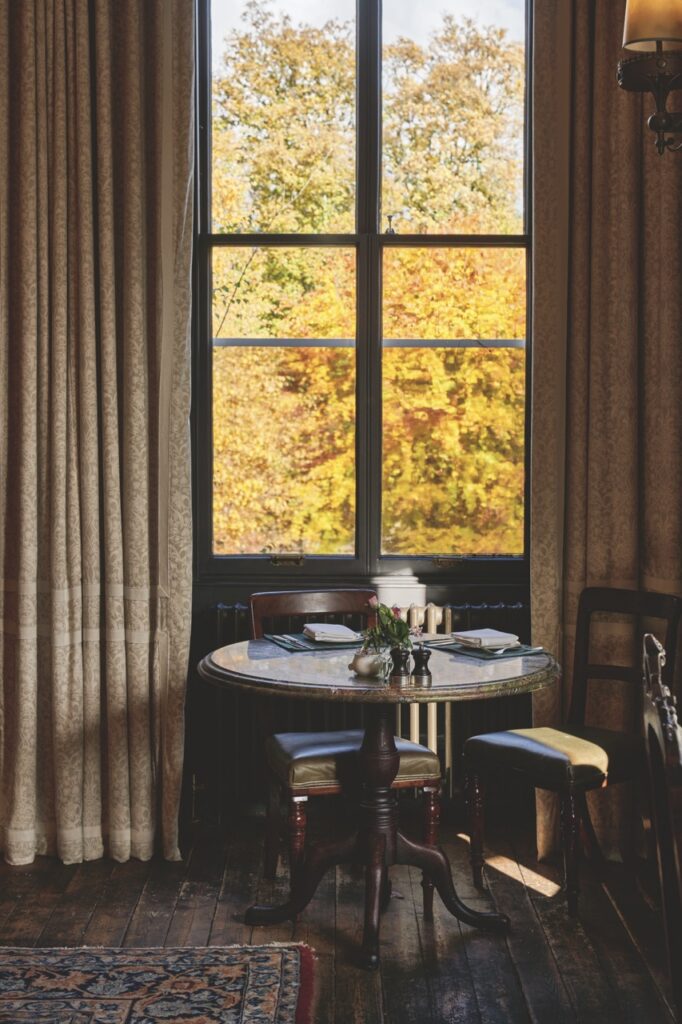
While the first half of this travelcum-cookbook takes us into her home in Luxembourg, the second jets us off to Scotland. She’s our armchair guide, with the insider tips you’d get from a best friend, for a satisfyingly smug feeling that you’ve seen the ‘real’ Scotland.
Where to Stop in Edinburgh
“I would start my trip to Scotland in Edinburgh. Browse in the ‘Golden Hare’ bookshop, drink some Scottish tea, and relax for a while. Then you’ll be ready to take in the beauty of the Highlands with all your senses. I’d allow about 10 days for the Highlands. But be warned: once you’ve been here, you’ll want to come back again and again,” she says.

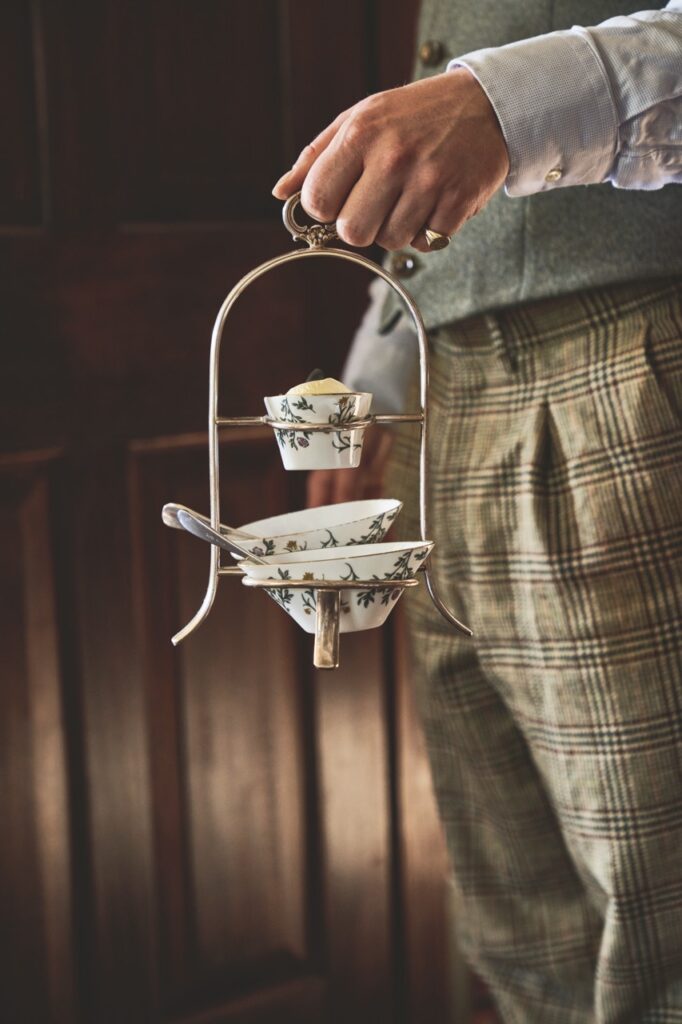
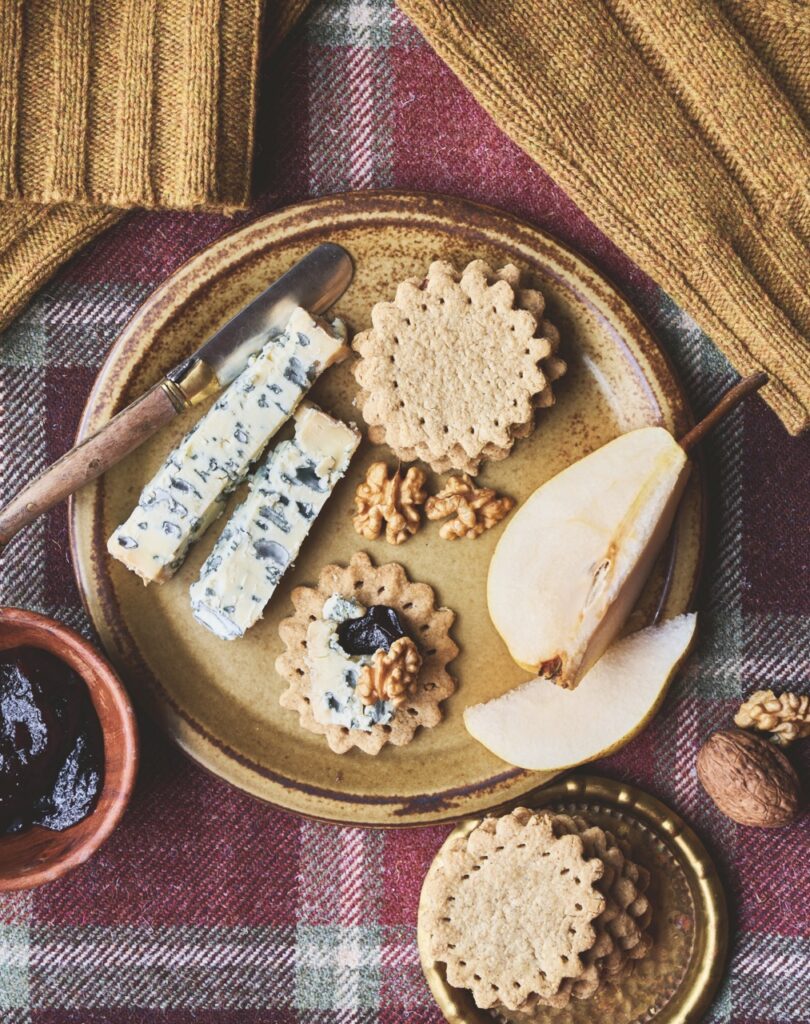
The tour she shares will take you to places with prosaic names like Blairgowrie, in Perthshire. She suggests a stay at Ivybank Lodge – a mid-nineteenth century Victorian villa run by welcoming Gary and Nigel – with its acre of mature gardens and a breakfast to set you up for a day of golf, hiking, and fishing. Your biggest decision is whether to order the Highland Porridge with whisky (optional) or The Full Lodge: a prodigious feast of bacon, sausage, fried egg, haggis, black pudding, mushrooms, tomato, white or brown toast, and preserves.
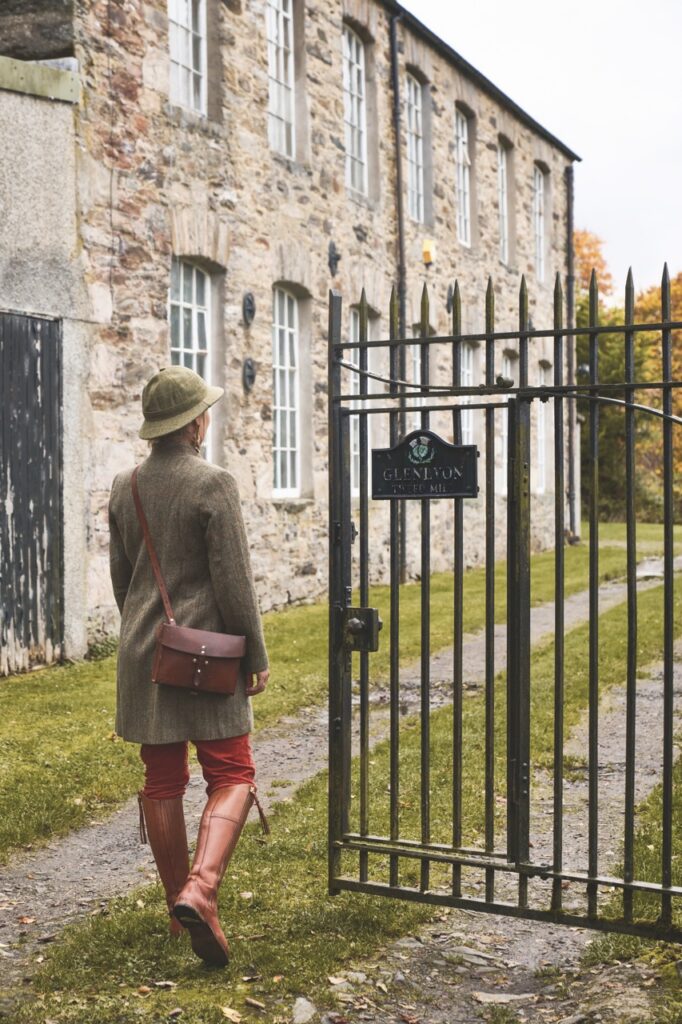
Then there’s afternoon tea at the legendary Fife Arms Hotel in Braemar, coffee at Aran Bakery in Dunkeld, and a visit to Campbell’s of Beauly, as you wend your way along the tartan trail. Campbell’s, a royal warrant holder since 1858, supplies the British royal family and the great and good with tweed fabrics, country clothing, and tailoring. For us lesser mortals, a loden green cape isn’t out of the question.
The Heritage of Scottish Tweed
It’s this tweed thread that draws Baumgärtner back again and again, for Scotland is the home of tweed. A fabric that was born out of practical concerns – the need to stay warm and dry in Scotland’s often windy and wet clime. It’s a fabric that is ridiculously longwearing (a bonus for waste-not Scots) but also incredibly beautiful, tactile, and elegant. Names like Harris, Donegal, Highland, Islay, and Borders speak not only of distinctive fabrics – each with its own personality – but of place and tradition.
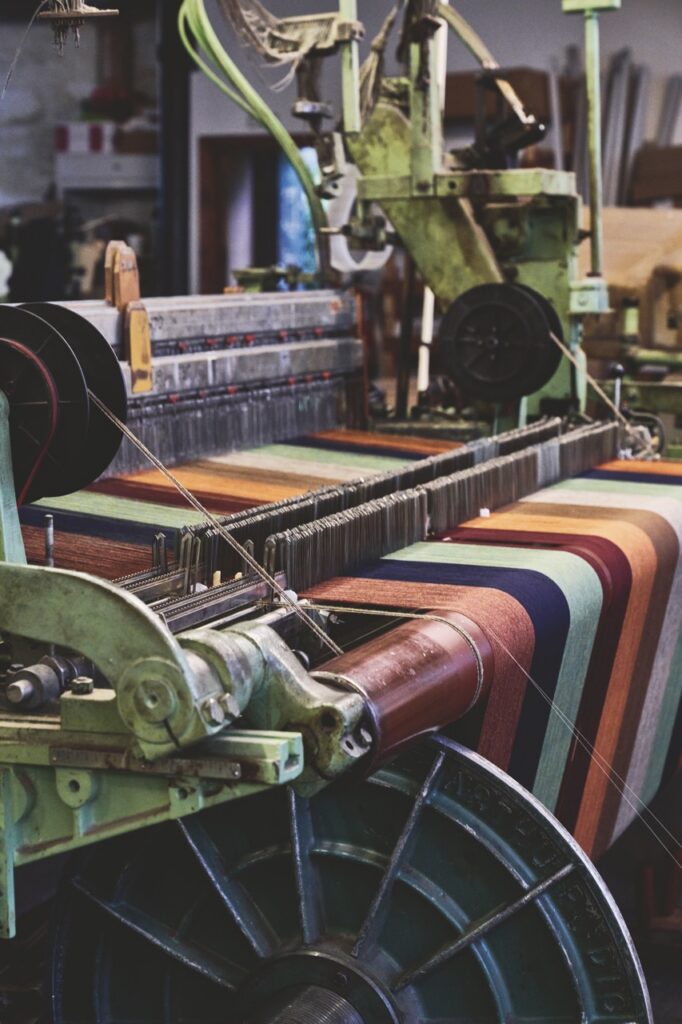
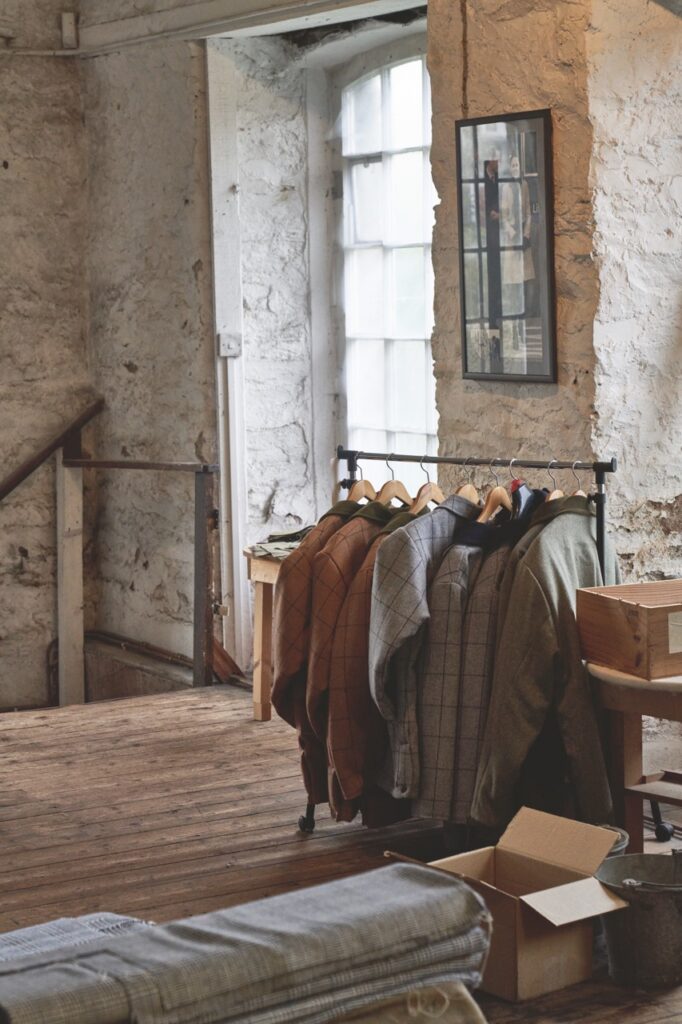
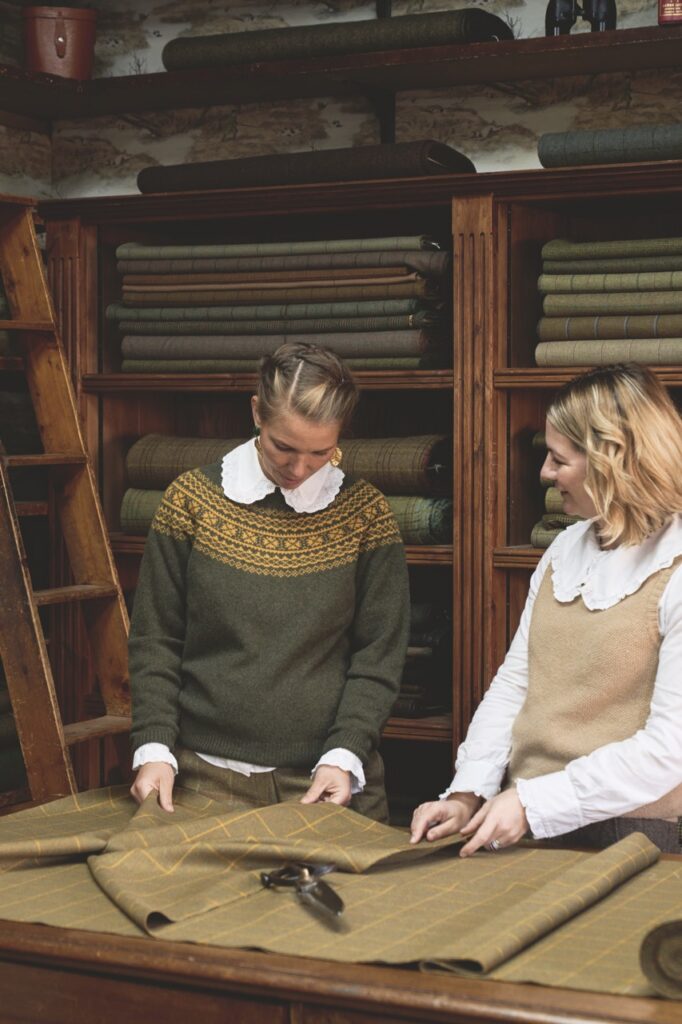
Baumgärtner’s love affair with tweed is clear. “No other fabric is quite so perfect for being out and about. It is robust and warm, and raindrops simply roll off the wool fabric. Hunting clothing in Scotland used to be made from tweed fabrics, and that remains the case to this day.”
In between visits to Aberfeldy and a leisurely afternoon spent at its Watermill Bookshop, Gallery & Cafe, or a floral workshop at Wild Gorse Studio in Belladrum, take a moment to pause. Stand on a stone bridge that looks like it’s been there as long as the hills that surround it. Stop and watch wild geese fly overhead. Or linger by the banks of a stream as the water rushes past – cold and crystal clear. And ask yourself: might this just be your home away from home, too?
Your Guide to Tweed
What Is Tweed?
Tweed is a wool fabric, made from carded yarns. These yarns are not combed, making them voluminous and often mottled with small knots. Along with tweed, other fabrics like loden and flannel are also woven from these yarns.
The Story Behind the Name Tweed
The story goes that the word tweed came about by accident in 1826. The Scottish word for twill fabric is tweel, but a London customer misread it as tweed. Perhaps he had the River Tweed in the Scottish Borders in mind at that moment – who knows?
Tweed Weaving Patterns and Designs
Twill is one of the three fundamental weaving patterns for tweed, alongside plain weave and satin weave. Twill is known for its surface structure of diagonal lines, called twill ribs. The different arrangements of these ribs are what give tweed fabric its pattern. There is an incredible variety of designs. In Scotland, classic tartans are very popular but herringbone tweed with its fishbone pattern is also a favorite. The English name “houndstooth” refers to the elegant checked pattern.
Story by Julia Platt Leonard
Tweed Excerpt from Highland Harvest: Countryside Recipes & Inspiration for Gathering by Theresa Baumgärtner. Published by Tra Publishing.
Photography by Melina Kutelas
Subscribe to TABLE Magazine’s print edition.