For some, the best part of Thanksgiving is the food. Others put family, whether found or biological, at the heart of the holiday. Others, like chef Cory Hughes of Fig & Ash, choose a combination of both as long as the holiday ends with a nap.
“Thanksgiving is our first cold-weather holiday,” the chef says, “and I want warm, nourishing, stick-to-your-ribs kind of food… warm comfort food that is going to give me a nap afterward.”
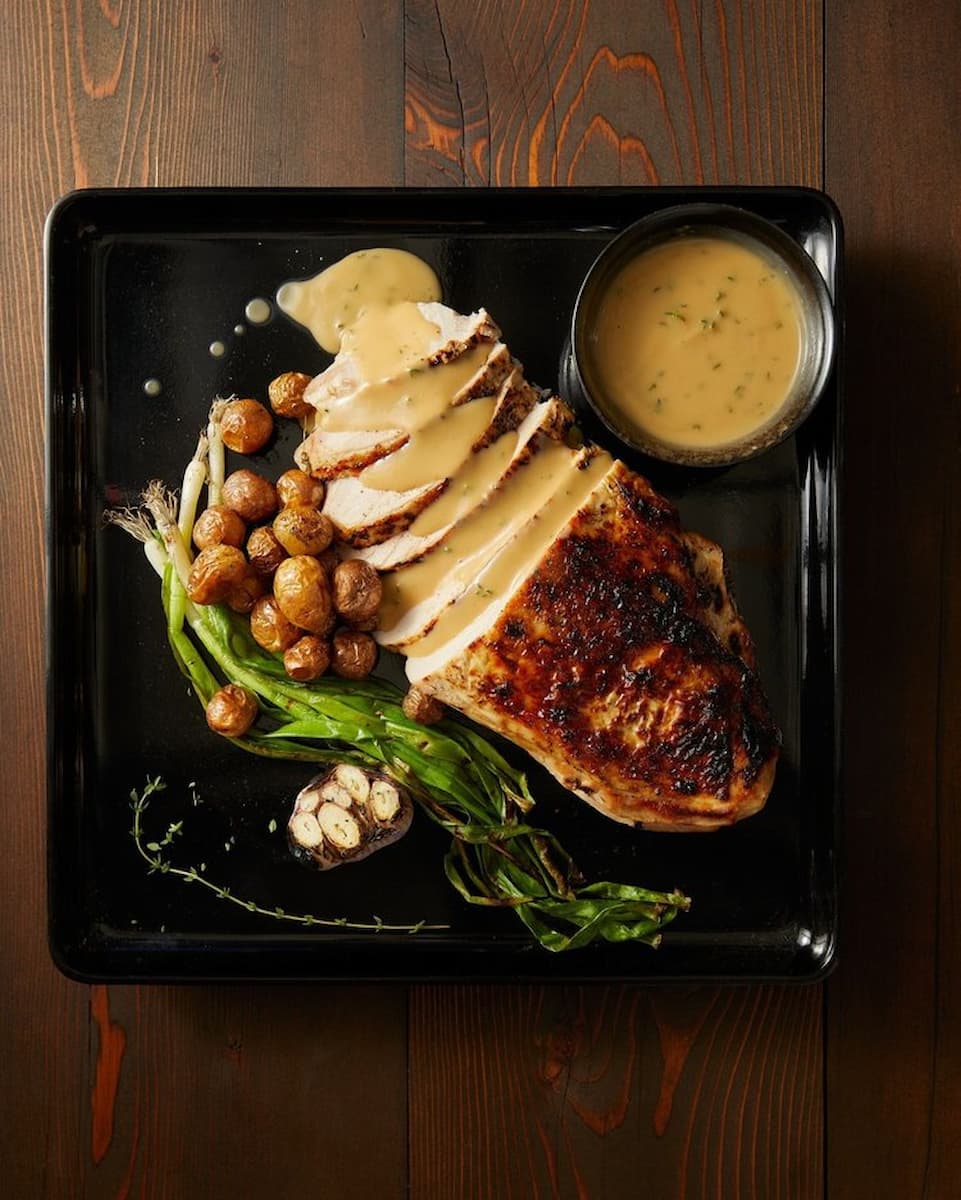
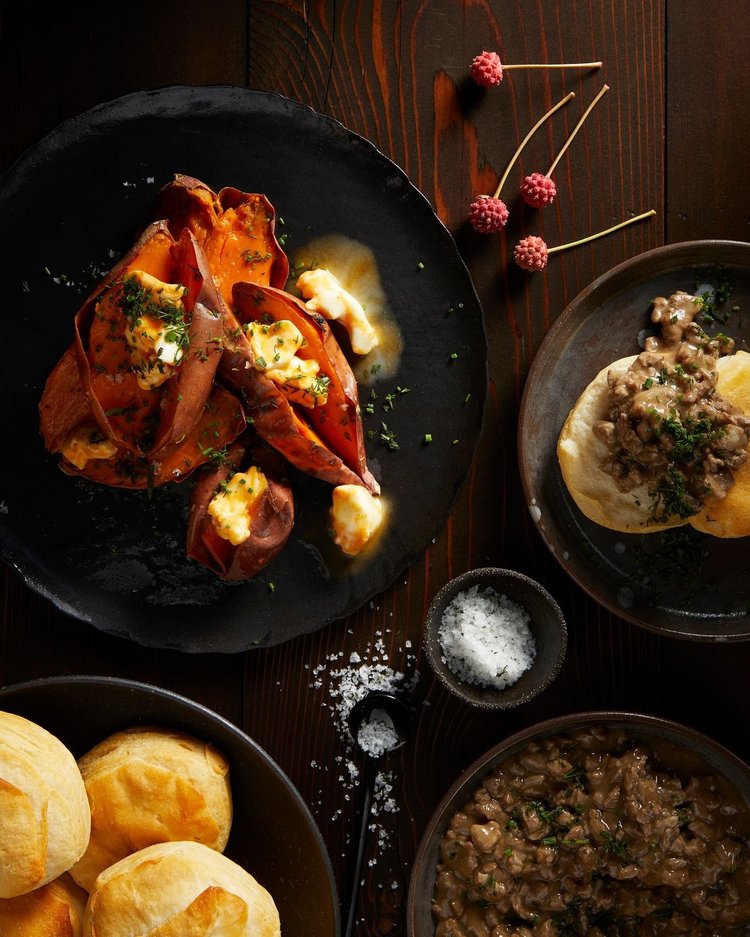
Warm, earthy, delicious food is exactly what you’ll find in the Thanksgiving recipes Cory shares with TABLE readers. His menu of favorites includes classic dishes elevated by sporting twists like the turkey breast that takes a dip in the sous vide or the savory, earthy addition of squash to his turnover riff on apple pie. The chef’s layered flavors shine in delicious, creamy risotto and Brussels sprouts studded with salty, savory bites of venison jerky. A spicy hint of maple-chipotle butter adds a new level of taste to oven-roasted sweet potatoes.
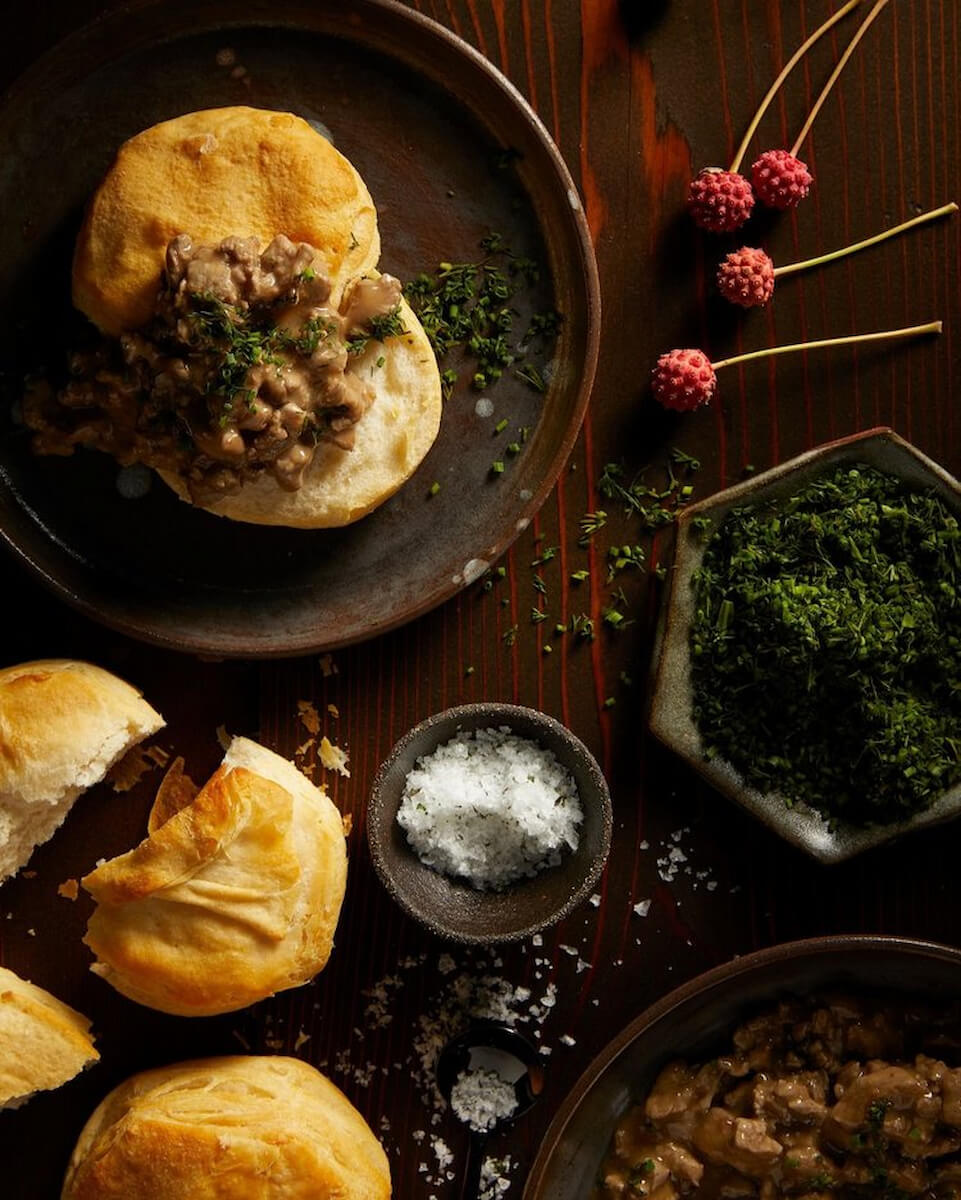
And, Cory says, this menu makes the perfect post-Thanksgiving sandwich. “A little tiny turkey sandwich on a biscuit with gravy and a little cranberry sauce? That’s a dream.”
Next Level Thanksgiving Recipes with Chef Cory Hughes
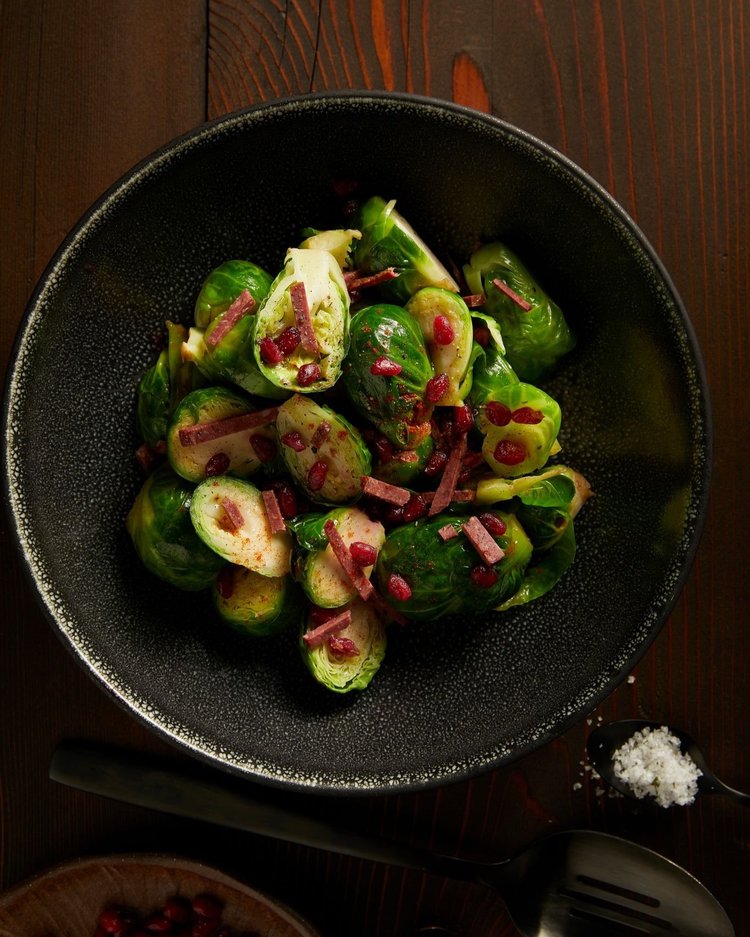
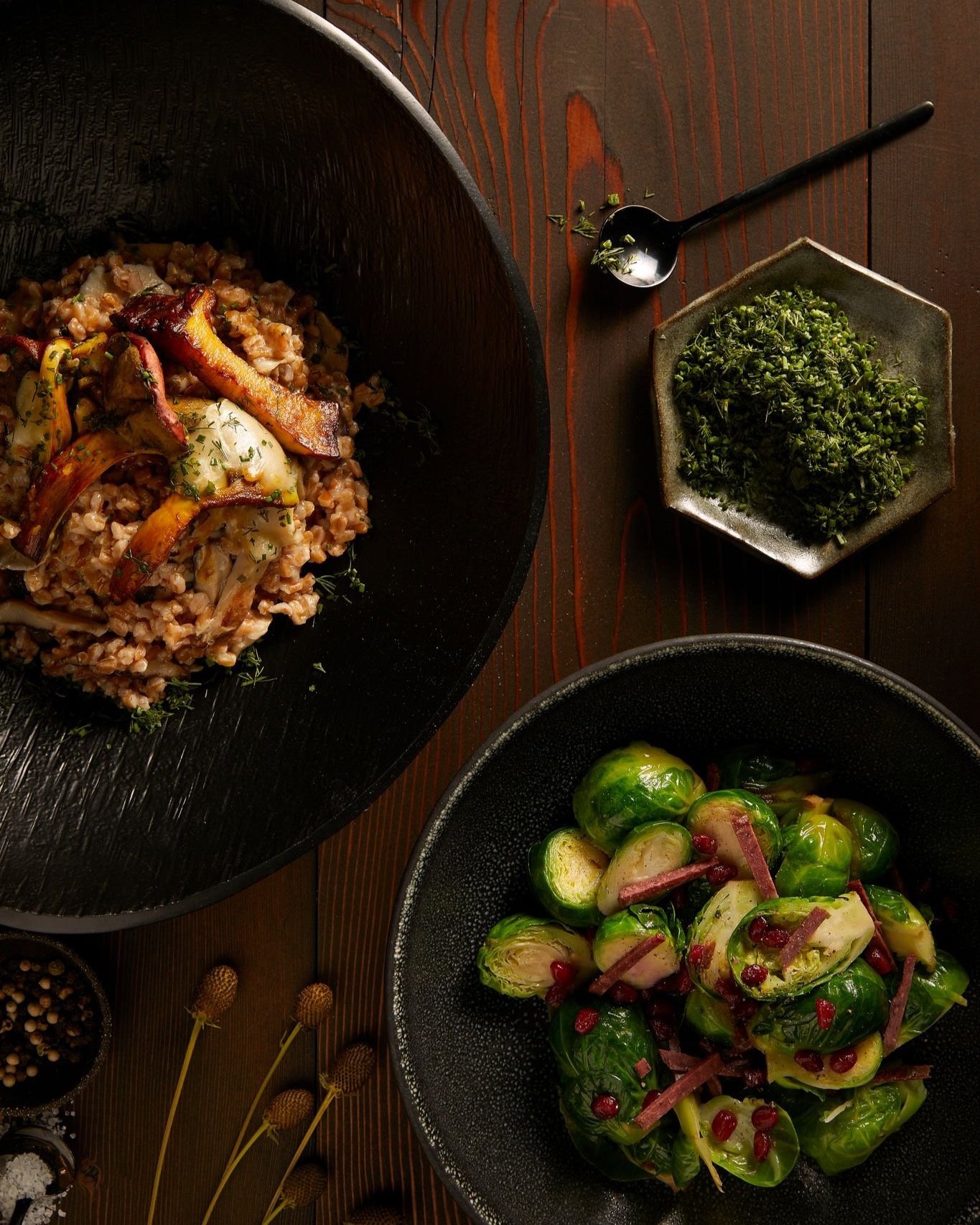
Roasted to perfection, these tender and flavorful Brussels sprouts make a delightful side dish, featuring a harmonious blend of earthy flavors and a hint of sweetness, complemented by a subtle smoky undertone.
A wholesome and farro risotto made with earthy mushrooms, and indulgent Taleggio cheese, creating a delicious and satisfying dish with a rustic and comforting appeal.
Still prepping your Thanksgiving feast? Check out our other recipes to make this holiday the best yet.
Apple cider recipes are the best way to keep the flavor of an autumn orchard going all season. Cider adds a mellow sweetness and a gentle tang to everything from soft muffins to a glazed pork tenderloin to a cozy cocktail. These nine recipes range from breakfast bakes to holiday dinners and drinks, and none of them is complicated or overly time-consuming. Every one has been tested in the TABLE studio and tasted by our crew.
Maybe you can’t drink any more apple cider this season. Or maybe you’re simply looking for recipes to incorporate that wonderful spiced autumn flavor. From a mouthwatering chocolate cake to a somewhat healthy cocktail with kombucha, we’ve selected a few recipes to make use of the season’s abundance of apple cider.
Where to Find Fresh Apple Cider (and What to Look For)
The best cider for these recipes is fresh, and fall is the season to find it. Orchards, cider mills, farm stands, and farmers markets across Western Pennsylvania and other apple-growing regions press cider in the fall, and buying it there puts your money directly into the hands of the people who grew the apples. Apples, pumpkins, cranberries, and fresh herbs are all at their peak this time of year, so a single trip can stock your kitchen for most of these recipes.
Ask about pasteurization. Packaged cider that hasn’t been pasteurized has to carry a warning label, but cider sold by the glass at orchards, roadside stands, and farmers markets doesn’t have to, so ask if it’s unclear. Children, older adults, pregnant women, and people with weakened immune systems are at higher risk from untreated cider. If you’re serving any of them, or making the no-cook drinks below, choose pasteurized cider.
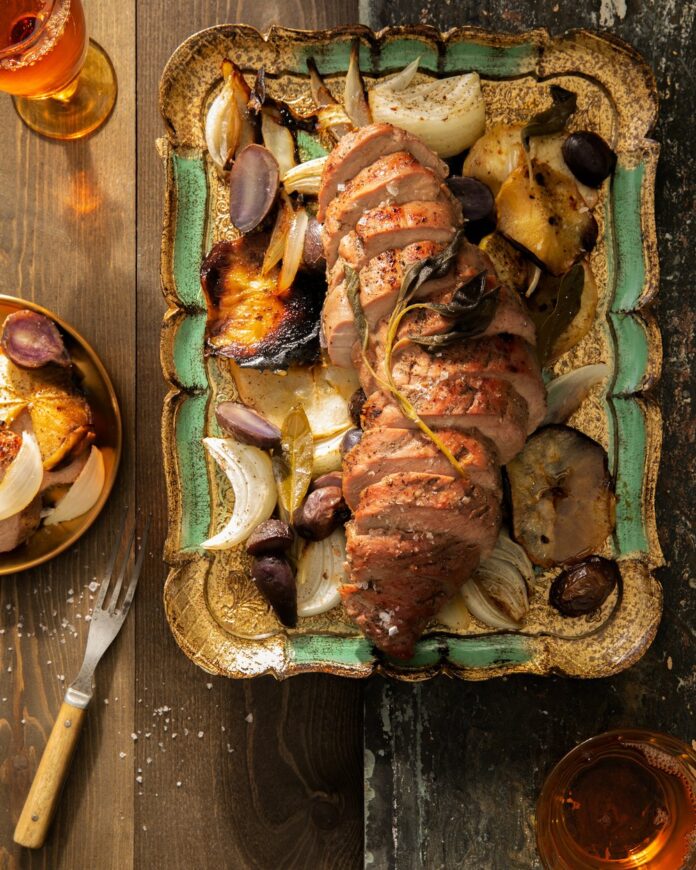
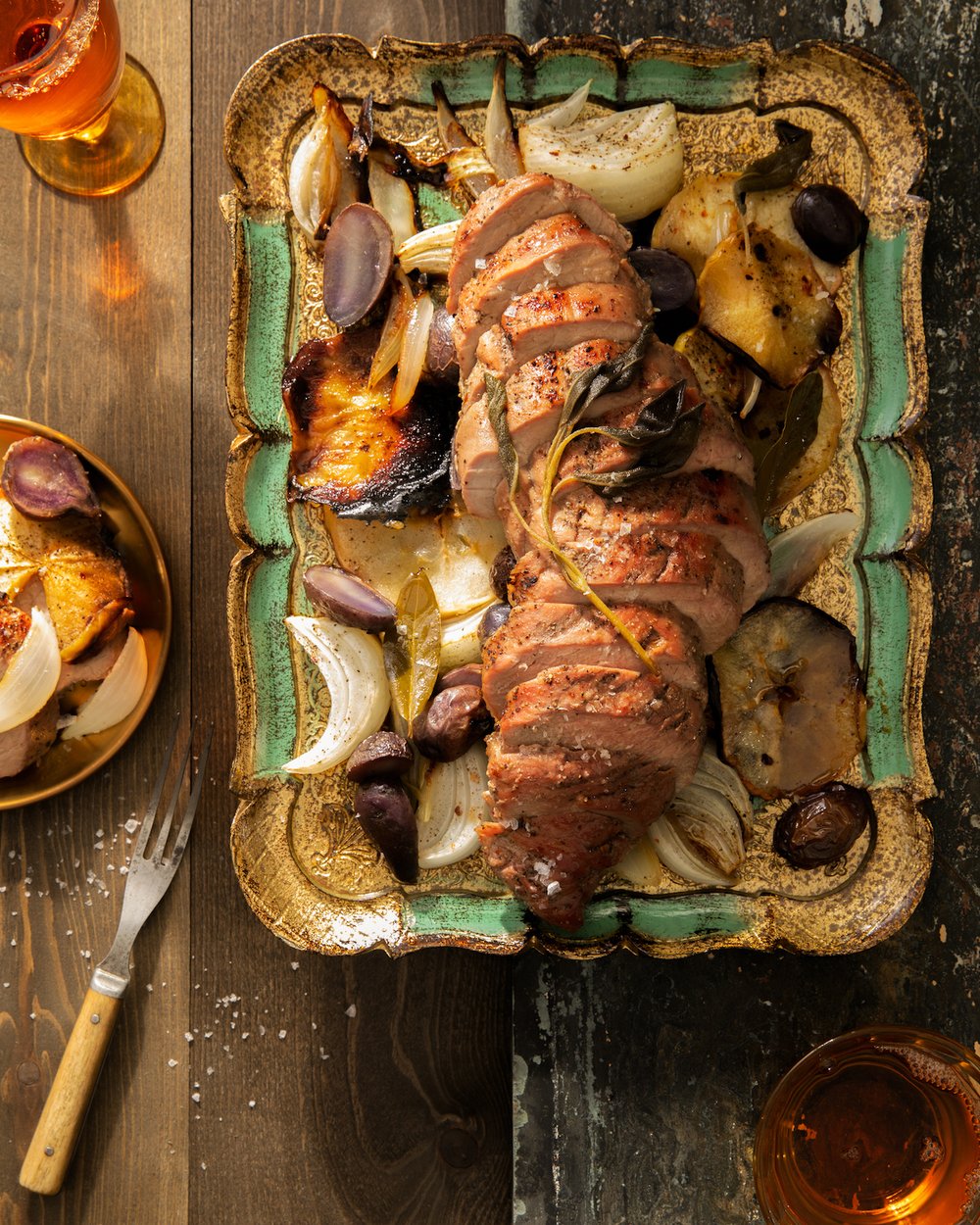
A simple glaze of apple cider, brown sugar, sage, and a bay leaf, reduced until it’s thick like honey, turns pork tenderloin into a dinner that’s easy enough for a weeknight and special enough for Sunday. It roasts alongside sliced Honeycrisp apples, sweet onion, and mini purple potatoes, so it’s a good excuse to fill your basket at the farmers market.
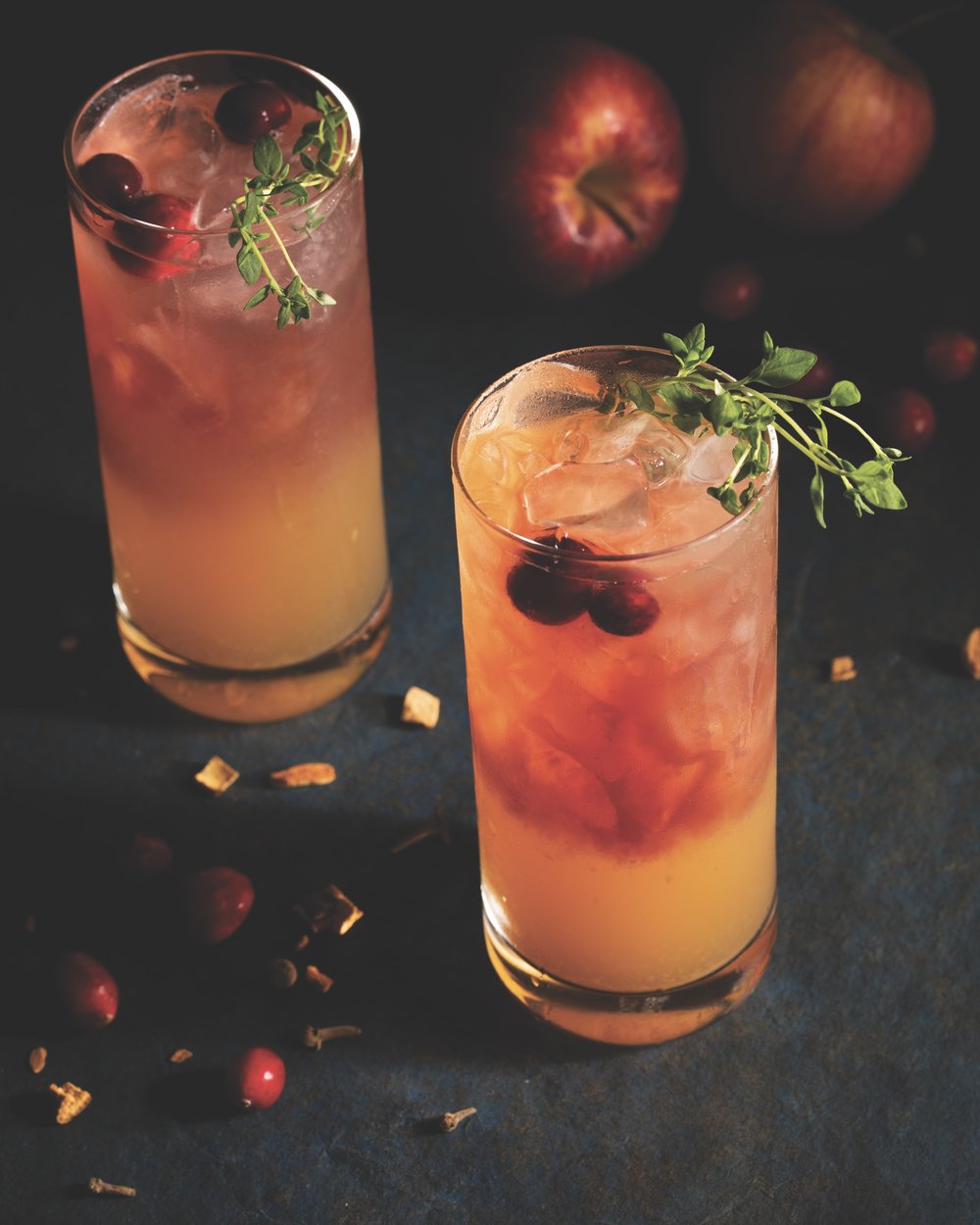
Cranberry, kombucha, apple cider, and rum come together in a colorful punch that livens up the gray of the year’s dimmest season. The layers of color and fresh, lively flavors make it a showpiece for a crowd. Plus, kombucha, so it must be healthy too?
Best for:holiday celebrations and gluten-free guests
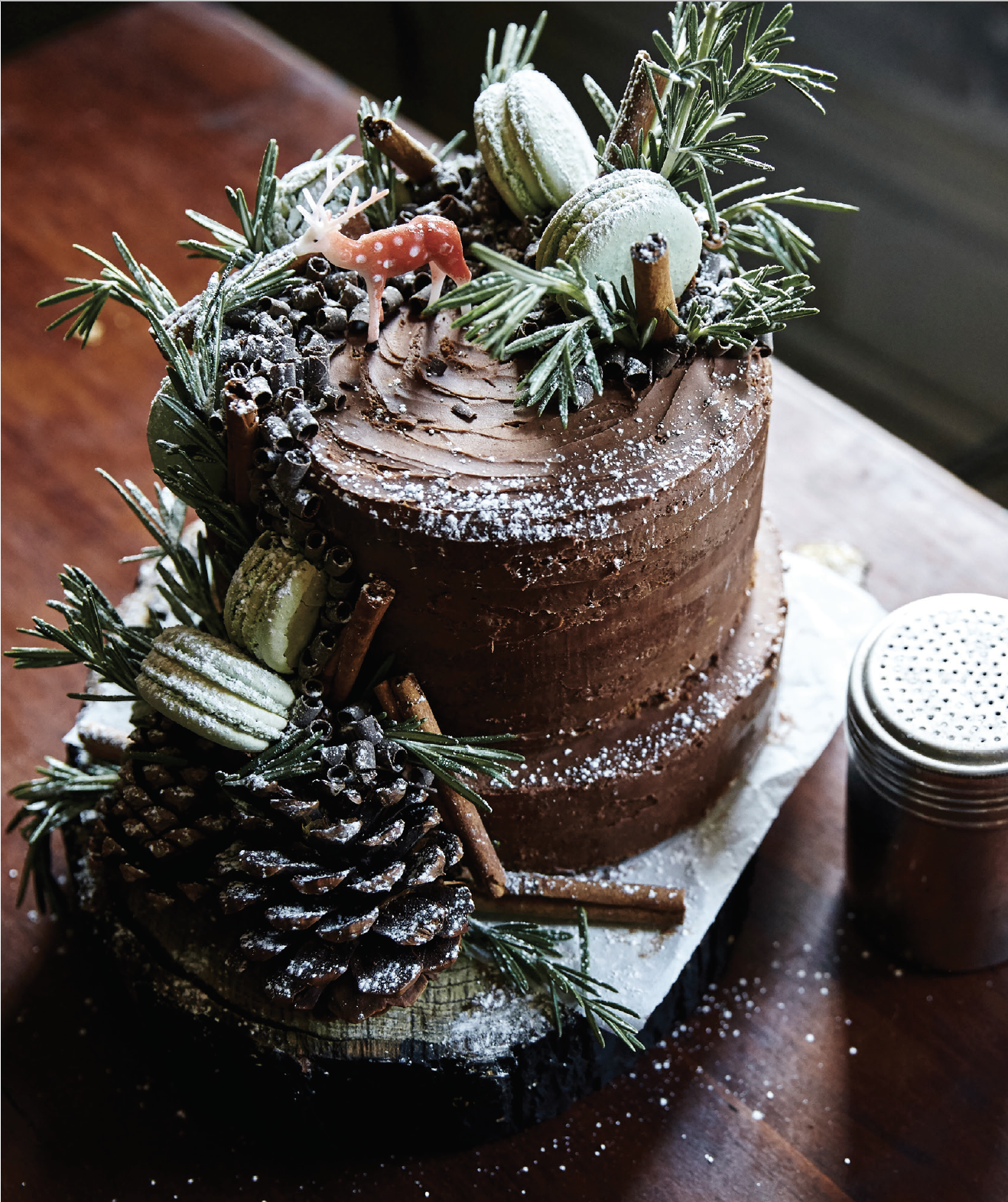
Classic holiday spices and a hint of whiskey meet a moist apple cider cake with a dark chocolate frosting. It’s gluten-free, so it pleases a holiday crowd. The cake in our photo was festive with garnishes, but it stands on its own if you’re not feeling so ornate.
Best for:a holiday side dish or a light dinner for one or two
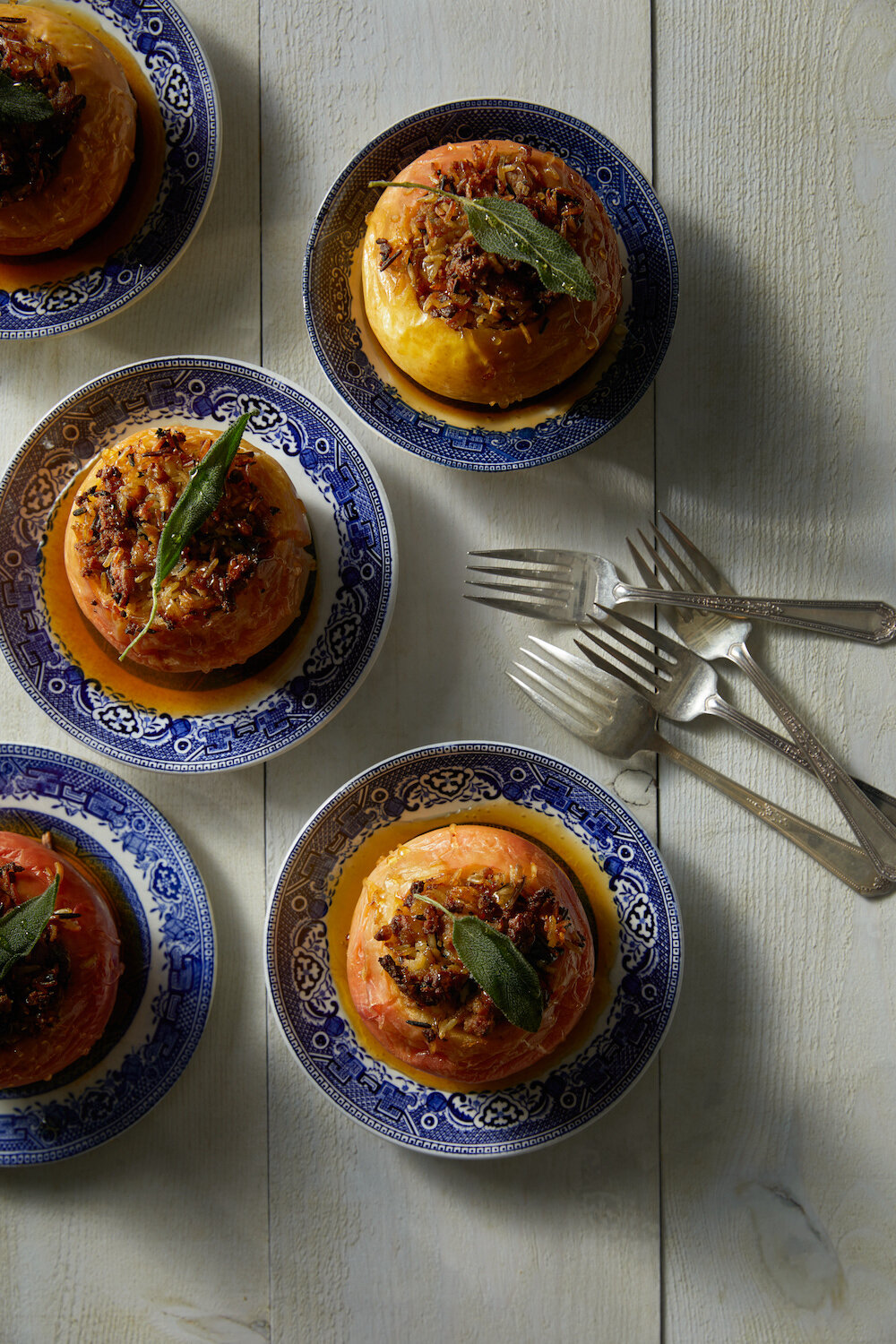
This allergy-free savory stuffed apple recipe works as a side dish for your holiday dinner or as a festive standalone meal for one or two. Traditional Thanksgiving ingredients, including apples, turkey, wild rice, and lots of fresh herbs, make it nostalgic and whimsical, and a cider reduction ties it together. Your guests will feel like they’re getting extra-special treatment.
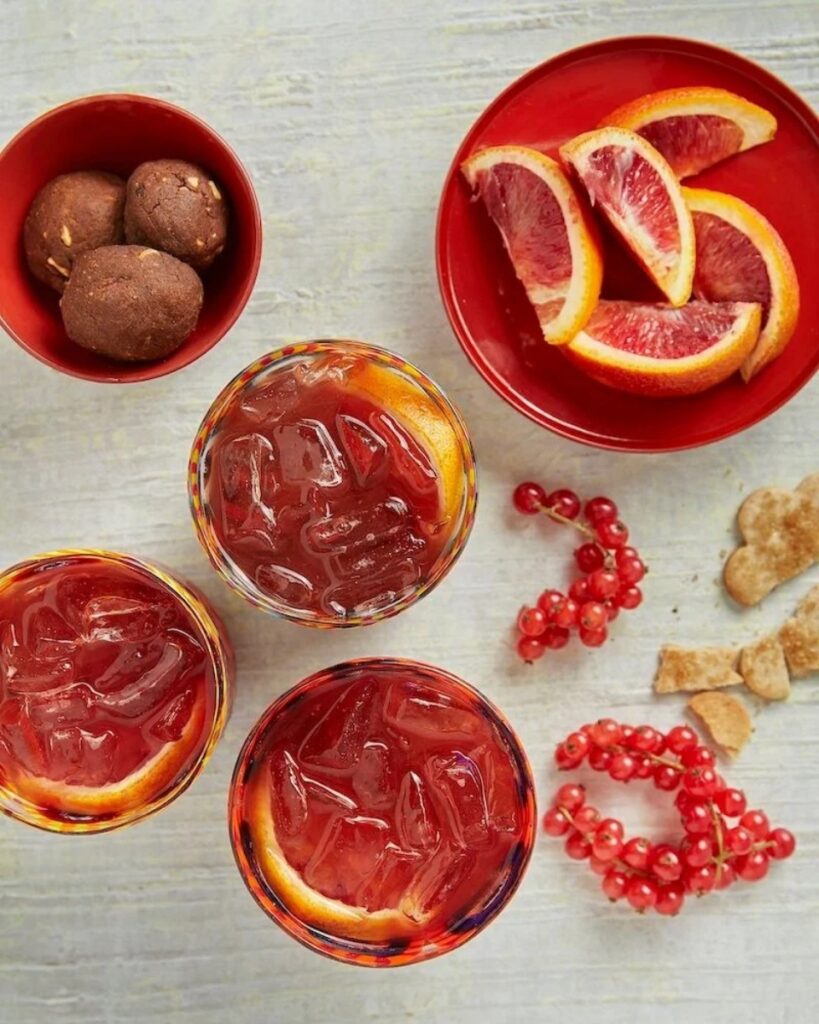
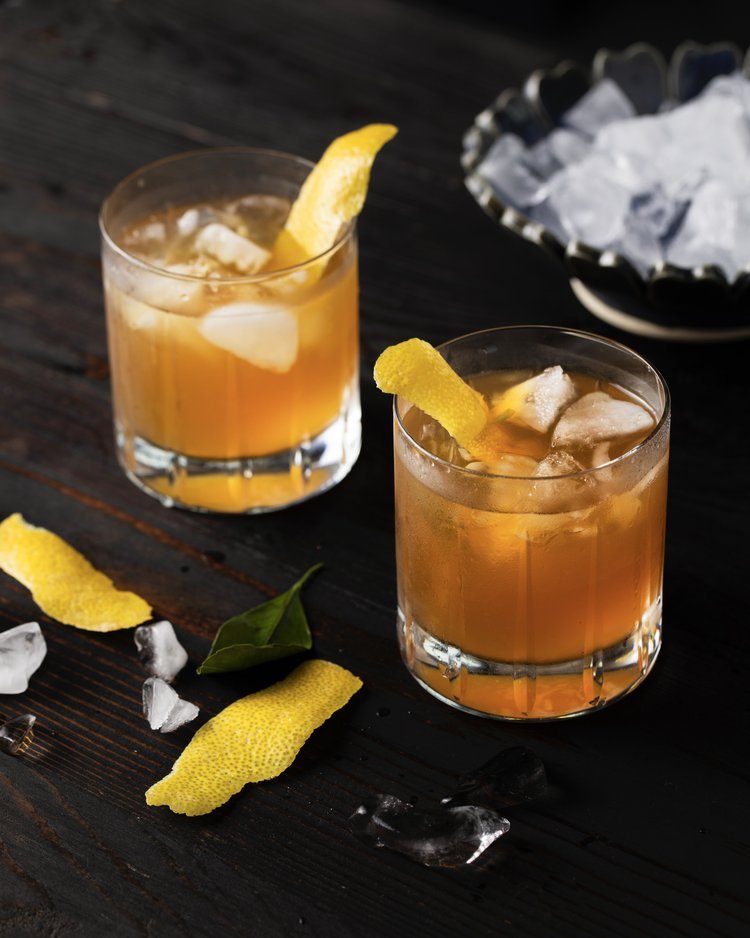
This cozy, bourbon-infused twist on the classic Negroni swaps the traditional gin for bourbon and adds apple cider. The result is a smooth, pleasantly sweet, and slightly smoky cocktail that’s perfect for chilly nights.
Best for:breakfast, brunch, or a fall treat to share
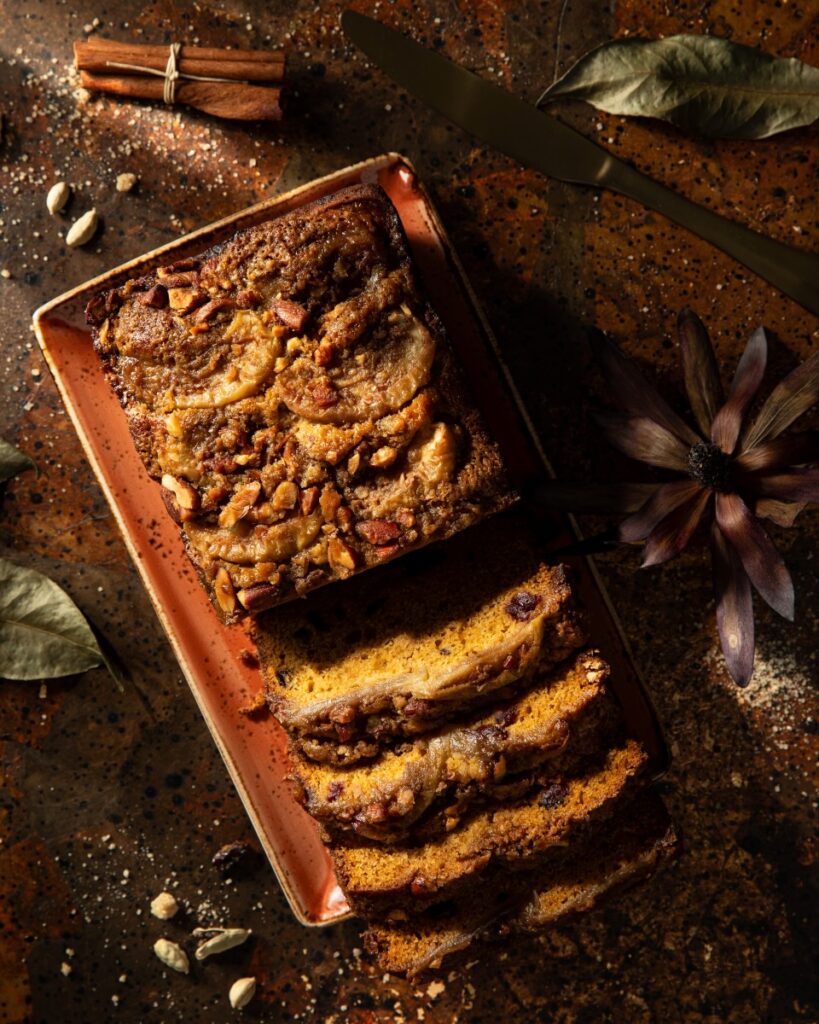
This quick bread combines fresh pumpkin and sweet apple cider and keeps you warm with cinnamon, nutmeg, and ginger. A topping of sliced Gala apples, brown sugar, ginger, and chopped almonds crusts perfectly on top.
The traditional Manhattan gets a new face when fresh apple cider balances the bourbon and winter spices. It combines whiskey, red vermouth, apple cider, fresh lemon juice, and Angostura bitters. It’s a little less potent and a lot more delicious.
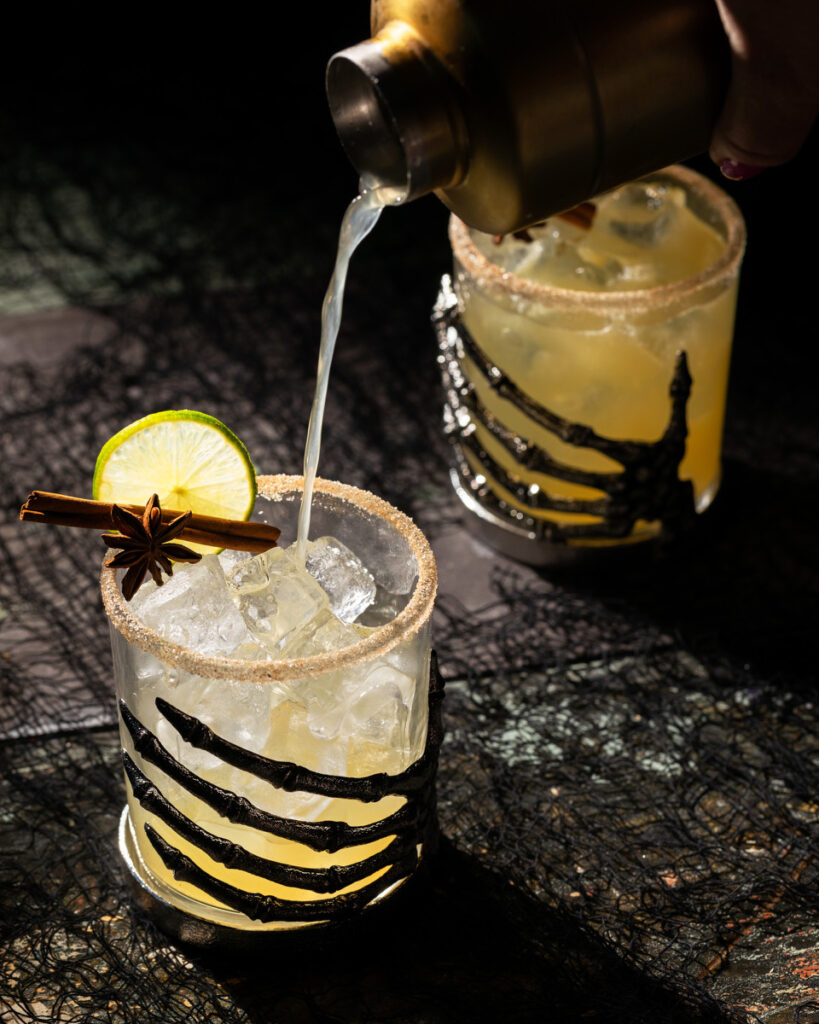
The refreshing tang of lime and the citrus notes of Cointreau are the perfect match for sweet apple cider. Finish it off with tequila, orange juice, and mulling spices, and you get the fall season in a glass.
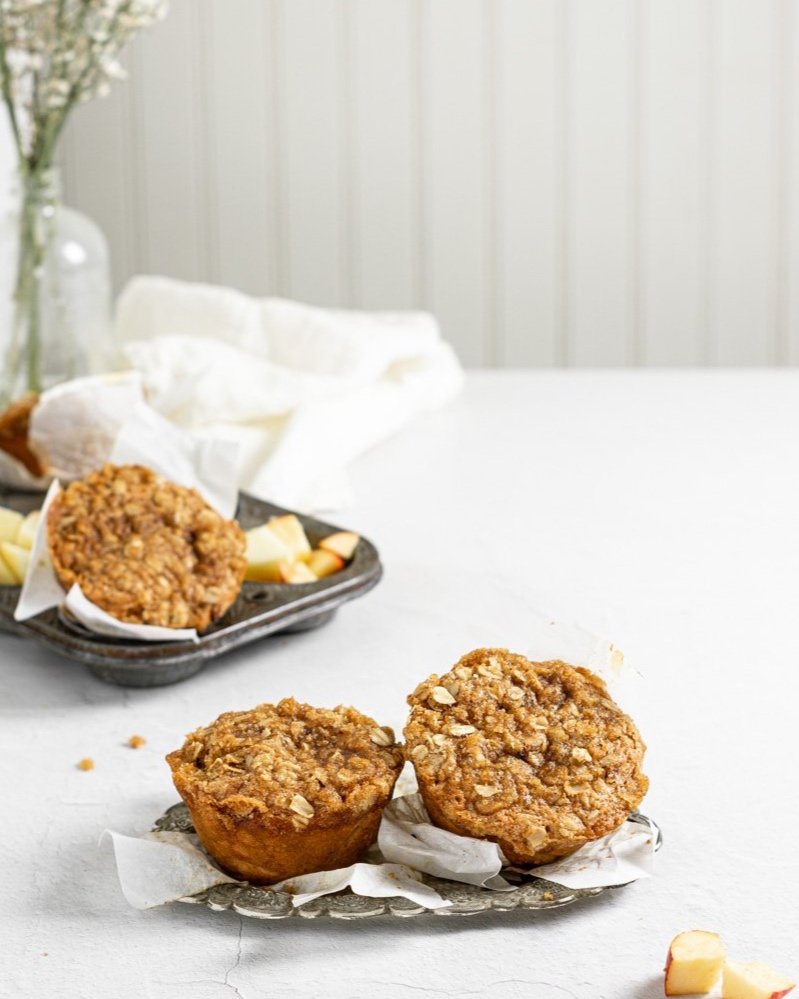
Soft, fluffy, and oil-free, these vegan muffins are full of chunky apples and cinnamon spice, which makes them a natural way to use the apples you bring home from a local orchard. They’re delicious fresh out of the oven and even better finished with a streusel topping.
Tips for Cooking with Apple Cider
Use plain, non-alcoholic cider. Save hard cider for cocktail hour.
Let the cider do the work in glazes and sauces. The pork tenderloin glaze and the stuffed-apple reduction both use the cider’s natural sweetness to balance savory ingredients like pork, turkey, and herbs.
Bake with it. In the muffins, cake, and pumpkin bread, cider adds moisture and a mellow apple flavor, so look for fresh apples and cider from the same farm if you can.
Balance the cocktails. In the Manhattan, cider softens the bourbon and winter spices, and in the margarita, it sweetens the lime and Cointreau.
Ingredient Notes: Cider, Gala Apples, and the Negroni
Apple cider. Fresh cider is typically unfiltered and cloudier than clear apple juice. Cider was once an American staple.
Gala apples. The Gala apple in the pumpkin bread topping came out of New Zealand. Orchardist J.H. Kidd raised it in the 1930s by crossing Kidd’s Orange Red with Golden Delicious. It surpassed Red Delicious as the most-produced apple in the U.S. in 2018.
The Negroni. The most widely told story credits Count Camillo Negroni, who in Florence around 1919 asked a bartender to strengthen his Americano with gin instead of soda water. Here, bourbon and apple cider give it an autumn twist. Like many cocktail histories, the origin is debated.
National Apple Cider Day on November 18
Each year on November 18, you’ll want a jug of cider on hand for National Apple Cider Day. Any of the recipes above makes a delicious celebration.
Apple Cider Recipes FAQs
What can you make with apple cider?
You can bake with it (muffins, pumpkin bread, and layer cake), cook with it (a pork tenderloin glaze and a stuffed-apple reduction), and mix it into cocktails like a Negroni, a Manhattan, and a margarita.
When is National Apple Cider Day?
National Apple Cider Day is November 18.
Should I use pasteurized or unpasteurized cider?
Ask when you buy. Packaged unpasteurized cider carries a warning label, but cider sold by the glass at orchards and farmers markets may not. If you’re serving children, older adults, pregnant women, or people with weakened immune systems, choose pasteurized cider.
Are these recipes hard or time-consuming?
No. Every recipe here has been tested in the TABLE studio and tasted by our crew, and none is complicated or overly time-consuming.
Where can I buy fresh apple cider?
Look for it at local orchards, cider mills, farm stands, and farmers markets in the fall.
Jordan Snowden is a Pittsburgh-based writer and editor and a former Online Editor at TABLE Magazine. She writes The Plot Thickens, a monthly crime fiction column for The Seattle Times, and contributes to Pittsburgh City Paper, where she previously served as Music Editor. She is also Marketing Specialist at Pittsburgh Arts & Lectures and shares her reading life on Instagram as @jord_reads_books.
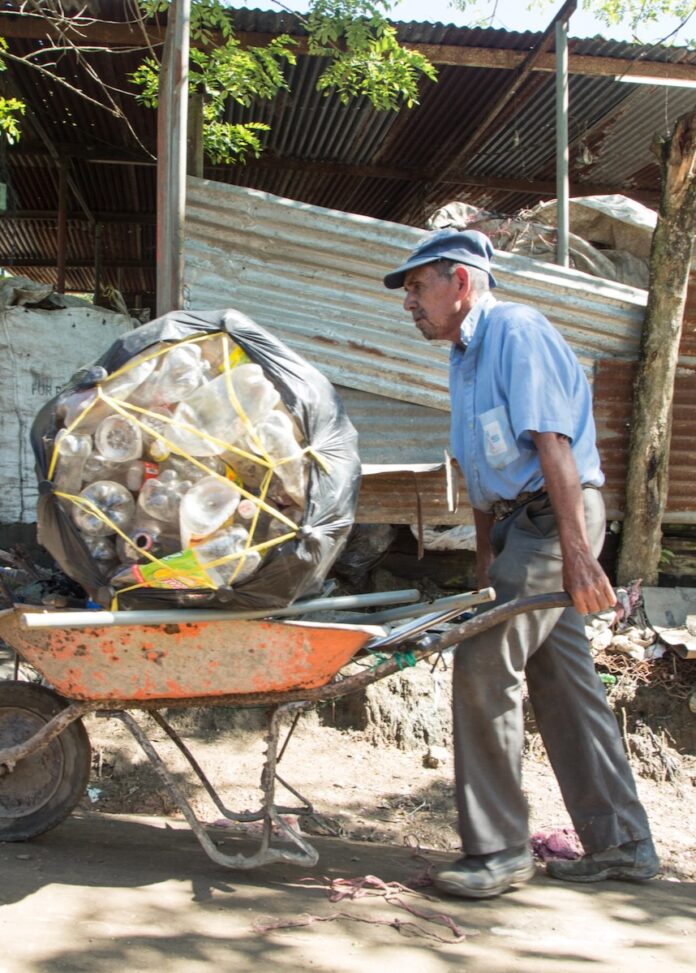
WORK is to accompanies families out of poverty through dignified work, and for good. They start by asking them where their greatest needs lie, and they address these challenges by co-designing solutions. Together, they remove barriers that stand in their way to success and finally, they invest in work for their families that provides a living income. Oftentimes, this is in the format of micro and small businesses that address needs in their communities, eliminating food deserts, enabling access to low-cost transportation and clean energy, and more. It also includes a growing number of small and mid-size recycling centers. What they are most proud of is that each income opportunity is dictated by their families, owned, and operated long term by them.
WORK’s mission is to accompany families in Haiti and beyond out of poverty through good, dignified jobs.
More About WORK
1,637 family members accompanied in their programs and projects, including 190 scholarships for students in landfill communities
52 micro and small businesses received investment and mentorship to improve business performance to provide living wages
93,324,590 pounds of recyclable materials removed from the environment
How You Can Help
Readers can sign up to receive their newsletter and learn more about volunteer opportunities, ways to give and how to join one of their annual giving events such as their Gala, charity marathon teams, or host a DIY fundraiser.
Donations support their collectors and their families to earn livable incomes while dignifying their work through their programs.
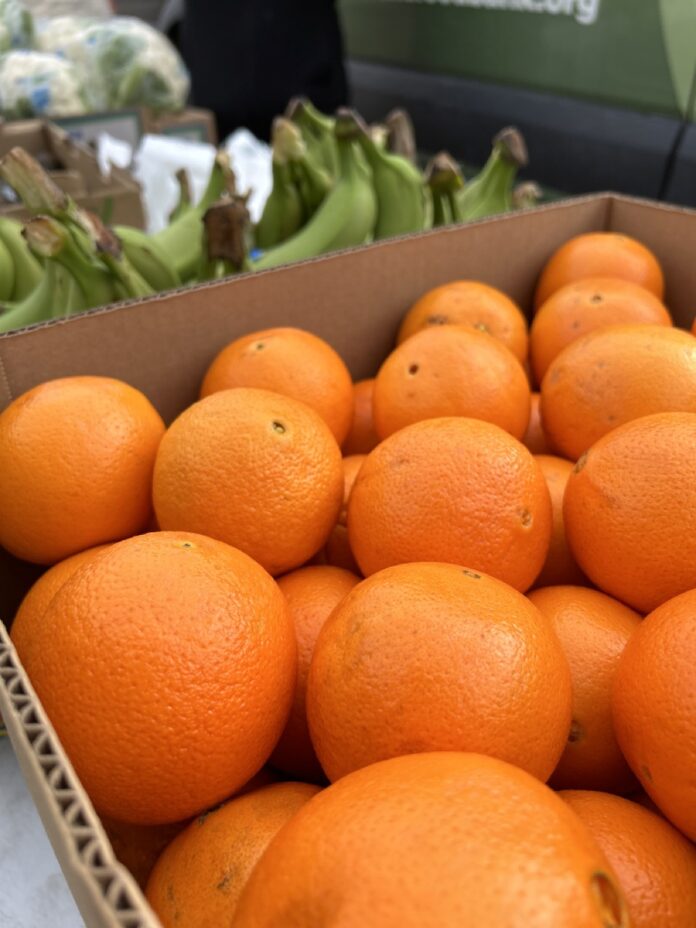
The Westmoreland Food Bank believes in the power of community and compassion to eliminate hunger. Every meal provided is more than just food- it’s a step toward a healthier, brighter future for neighbors in need. The Westmoreland Food Bank staff, partners, volunteers, and supporters work tirelessly to ensure that no one in the Westmoreland community goes without the nourishment they deserve.
The mission of the Westmoreland Food Bank is to enable our neighbors in Westmoreland County to have ready access to food.
More About The Westmoreland Food Bank
The Westmoreland Food Bank works throughout the Westmoreland community to address food needs through direct programming and partnerships–including food pantries, child hunger programs, mobile solutions, and assistance for specialty populations such as seniors and veterans.
How You Can Help
To learn more about how to get involved with the Westmoreland Food Bank visit WestmorelandFoodBank.org for information on donating, volunteering, or hosting a food drive.
Donations to the Westmoreland Food Bank are put to work immediately to ensure that neighbors have what they need to thrive. With your support the Westmoreland Food Bank can help to create a stronger, more resilient community and transform hunger into hope one meal at a time.
On a crisp fall day in 1963, Edgar Kaufmann jr. entrusted Fallingwater to the Western Pennsylvania Conservancy. Since that day, our mission has been clear: to care for this architectural masterpiece and share it with the world as a place of beauty, a unique educational resource and a powerful source of inspiration.
We couldn’t do it without the support of people like you! Fallingwater is part of a private, nonprofit organization, and the revenue from admissions, museum store sales and café purchases cover only day-to-day operational costs.
More About Western Pennsylvania Conservancy
Your gift today will help empower our vigilant care for the house and provide resources needed to keep Fallingwater an exceptional place to learn and explore.
As we count down to Fallingwater’s 90th anniversary next year, we are coming to the end of the most comprehensive preservation initiative since the early 2000s, and one that was needed to protect the integrity of Frank Lloyd Wright’s iconic design.
Support from individuals like you also helps make it possible to offer compelling educational enrichment to elementary, high school and college-aged students. Additionally, you will help support the workshops, residencies, internships and other intensive educational opportunities provided to people of all ages through the Fallingwater Institute.
Edgar Kaufmann, jr. knew the value of Fallingwater. For him, enjoying what Frank Lloyd Wright achieved in the unspoiled setting of Bear Run was a privilege he wanted to share with the larger world. He knew that enjoying the benefits of Fallingwater – “these luxuries of body and spirit” – carried with it an enormous responsibility of stewarding and sharing this masterpiece.
Join us in our efforts to care for and share Fallingwater with the world for generations to come.
Special Olympics Pennsylvania is an inclusive sports organization for people with intellectual and developmental disabilities. Special Olympics fills a critical need in the lives of people with intellectual disabilities by providing opportunities for physical activity and social interaction. Athletes learn developmental and life skills as the benefits of participation translate beyond sports, helping them to live more independent and rewarding lives. Special Olympics also provides a positive venue for families, volunteers, and donors to become part of a caring community, and to become involved in the movement.
The mission of Special Olympics Pennsylvania is to provide year-round sports training and competition in a variety of Olympic-type sports for children and adults with intellectual disabilities, giving them continuing opportunities to develop physical fitness, demonstrate courage, experience joy, and participate in a sharing of gifts, skills, and friendship with their families, other Special Olympics athletes, and the community.
More AboutSpecial Olympics Pennsylvania
For 50+ years, Special Olympics Pennsylvania has used the power of sports to transform the lives of people with intellectual disabilities (ID) and unite everyone by fostering community and building a more acceptable and civil society. In addition to programs that promote physical fitness, competition and leadership skill development programs are offered to empower athletes to assume meaningful leadership roles, influence change within the Special Olympics movement, and create inclusive communities around the world.
Special Olympics also helps to address major challenges facing its athletes: obesity, healthcare and employment. Far too often persons with ID go without medical treatment, not by their choice, but because there are very few physicians, dentists, optometrists/ophthalmologists, and podiatrists that are trained in treating this population.
In response to these health challenges, SOPA provides free athletic training and competition year-round in Olympic-type sports for persons with ID. With sports at the core, Special Olympics directly addresses the problem of obesity by promoting healthy, active lifestyles. In addition, Special Olympics Pennsylvania’s Healthy Athletes® initiative, a program offering free health screenings in the form of eye, ear, dental and podiatry assessments, is provided for athletes during select statewide Games. These screenings are conducted in fun, welcoming environments, and for some athletes, are the first time they have ever seen a doctor.
Additionally, Special Olympics Pennsylvania strives to create a unified world by promoting inclusion, uniting communities, and changing attitudes. Through Unified Sports, Special Olympics Pennsylvania brings together individuals with and without intellectual disabilities as equal teammates in training and competition. This growing statewide program builds fully inclusive schools and communities, promotes respect and acceptance, and facilitates meaningful relationships between people of all abilities.
How You Can Help
You can get involved by joining them at the Pittsburgh Polar Plunge on Feb. 28, 2026 at Acrisure Stadium. The Pittsburgh Polar Plunge has something for everybody – food, music, dancing, games and extremely cold water! Most importantly, every dollar raised helps support vital programming for people with intellectual and developmental disabilities in our community.
Millions of people across the globe support Special Olympics through donations, volunteerism and advocacy. Whether a monthly pledge donor, a volunteer at a local competition or a teacher promoting tolerance and acceptance in the classroom, their individual supporters are vital members of the global movement. They have taken a stand for dignity, acceptance and the human race that ultimately creates a better world for us all.
For over a century, Sarah Heinz House Association has stood as a beacon of opportunity, belonging, and growth in Pittsburgh. Since its inception in 1901, the HOUSE has undergone continuous evolution. Still, its mission remains steadfast: to inspire members of all ages to realize their full potential in a nurturing and inclusive environment.
More About Sarah Heinz House
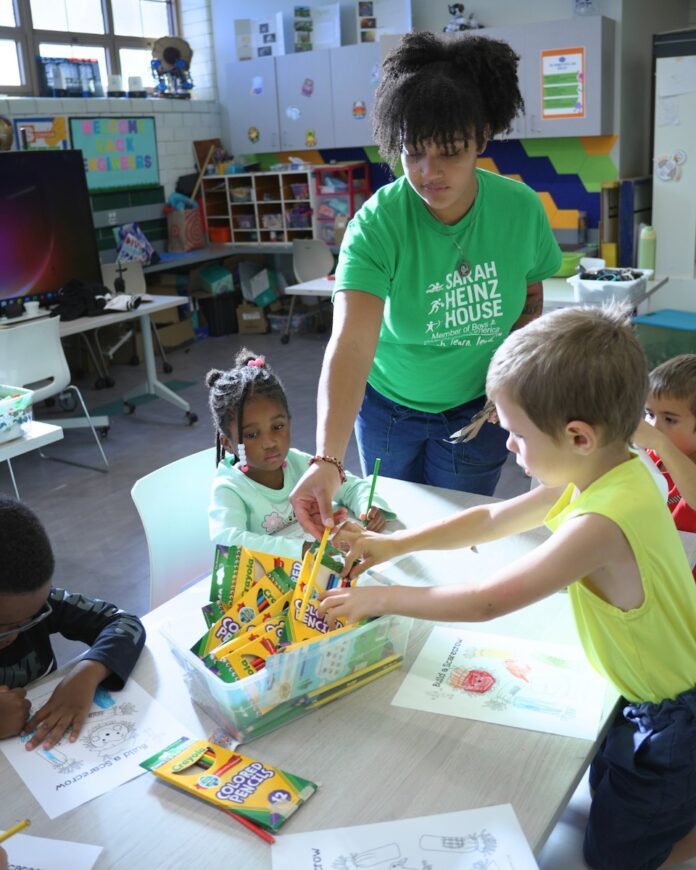
From the moment they walk through the doors, Sarah Heinz House’s goal is to make every member feel welcome. The House has become a space where young people are recognized as valued voices and leaders in the making, becoming an essential part of something greater than themselves. Members as young as preschoolers can engage in programs like robotics, sparking critical thinking and creativity at an early age. Older children and teens can explore STEAM programs, athletics, and leadership workshops, while older adult members participate in wellness classes and service opportunities. Every program is designed to be both engaging and transformative, inspiring all to reach their full potential and leave a lasting impact on the world.
While the organization has an ambitious vision for its members, its impact is felt every day, not just among the youth but also throughout the entire community. The House is a place where adult members can find resources to support their well-being, keeping them active and involved in programs such as gardening and water aerobics. This holistic approach ensures that growth doesn’t stop with age. It’s a lifelong journey, and The House is there every step of the way.
How You Can Help
Sarah Heinz House aims to create a culture where every individual feels safe, respected, and inspired, guided by principles of excellence, belonging, and accountability. The dedicated staff and volunteers play a critical role, encouraging members to explore new interests, embrace challenges, and dream big. In turn, members are realizing their potential and finding joy in their journey.
At its heart, The House is about collective impact. Collaboration with families, schools, and partners amplifies its reach, ensuring that all who walk through its doors can Laugh, Learn, and Lead.
Rooted in a city proud of its history and hopeful for its future, Sarah Heinz House stands as a reminder that when we invest in our community and its people, we invest in the greater good of all that’s around us. For Pittsburgh, that is a legacy worth celebrating and sustaining for generations to come.
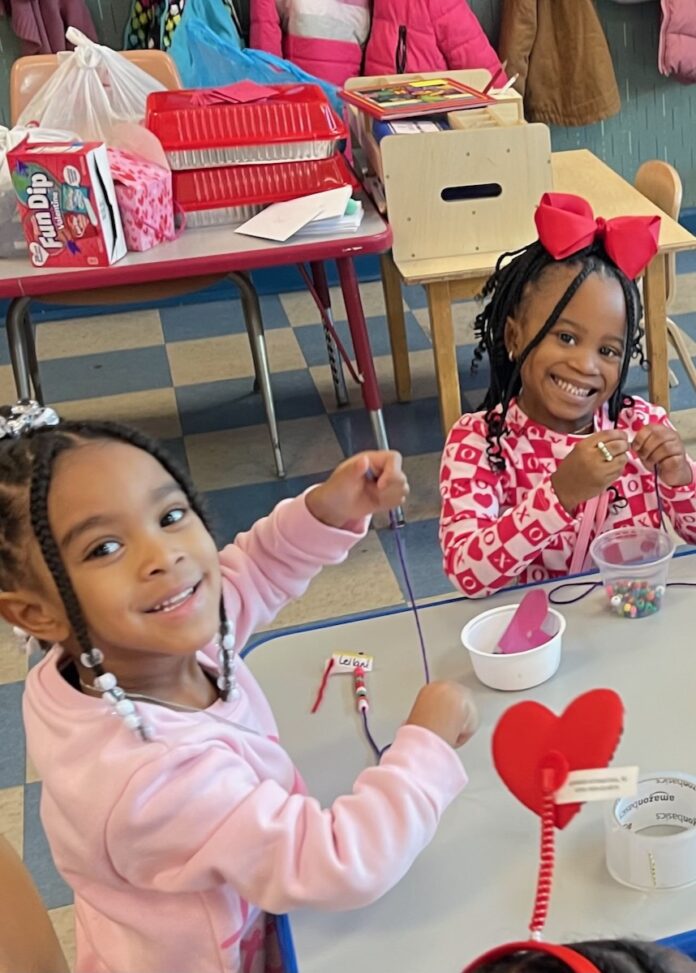
Providence Connections supports Northside families by offering comprehensive education and resources to children and adults through affordable quality childcare, hosting family events and field trips, offering adult education courses, and through initiatives such as their diaper bank and back to school bash.
Providence Connections strengthens families and enriches lives through comprehensive education and developmental opportunities for parents and children.
More About Providence Connections, Inc.
In addition to their childcare center which cares for children ranging from 6 weeks of age through pre-k and includes Early Head Start, Head Start, and Pre-K Counts programs; Providence Connections hosts events throughout the year for families (Easter Brunch, Santa Breakfast) along with family field trips to foster a sense of community and belonging amongst those they serve. Additionally, they have a Diaper Bank in which they provide diapers and formula to parents in need.
For over 30 years, Providence Connections has been a place of safety, learning, and hope for families in Pittsburgh’s Northside. As their programs have grown to meet the needs of their community, so has the wear and tear on the building that houses their work. That’s why they’ve launched a $200,000 Capital Campaign—to fund critical repairs and updates that will keep their center safe, welcoming, and ready for the future.
Your support will help them:
Make essential building repairs
Modernize and improve learning spaces
Ensure a safe, supportive environment for every child and family they serve
The Pittsburgh Parks Conservancy is Pittsburgh’s nonprofit partner for the city’s parks. It restores, enhances, and revitalizes park spaces across the region. From major capital projects to a wide range of educational and recreational programs, the Parks Conservancy ensures that every Pittsburgher can enjoy safe, clean, and welcoming parks.
The Parks Conservancy improves quality of life by enhancing and stewarding Pittsburgh’s parks in partnership with the community.
More About Pittsburgh Parks Conservancy
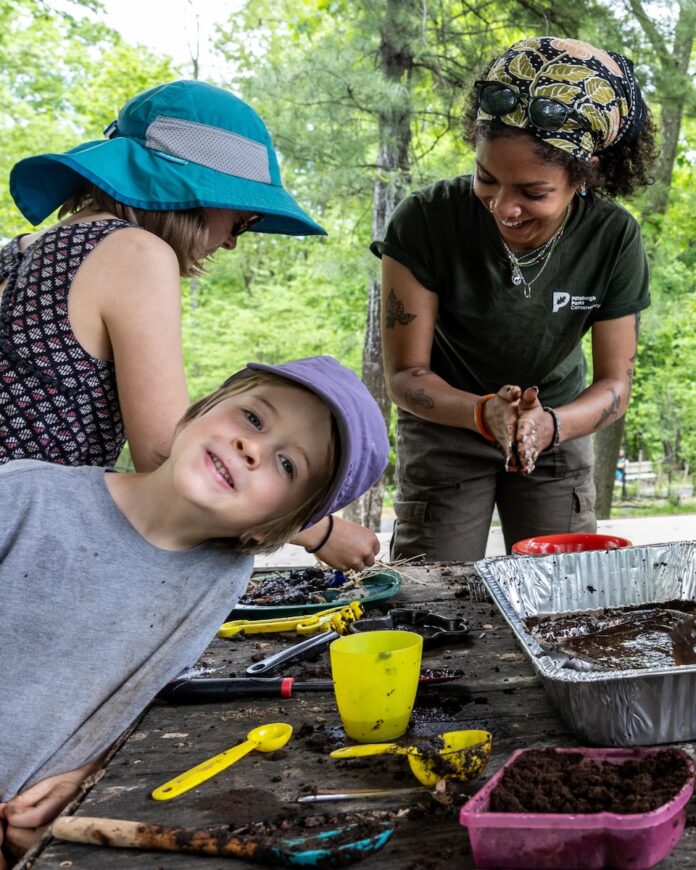
The Parks Conservancy has restored some of Pittsburgh’s most beloved spaces, including Schenley Plaza in Oakland, the award-winning Frick Environmental Center, and the Riverview Park Chapel Shelter—the city’s most rented gathering space. Beyond major capital projects, the Parks Conservancy tends to dozens of garden beds throughout the city and engages thousands of young people each year through environmental education and recreational programs, helping to connect communities to nature and to one another
How You Can Help
Visit the Parks Conservancy’s website to discover upcoming events and programs, find ways to volunteer in a nearby park, and make a gift in support of this important work.
On Giving Tuesday, every gift will be matched dollar for dollar by a generous park supporter—doubling the impact of your contribution. Your support helps the Parks Conservancy:
Create and care for welcoming park spaces that everyone can explore and enjoy.
Offer programs that strengthen communities across the city.
Ensure parks remain safe, inclusive, and vibrant gathering places for all.
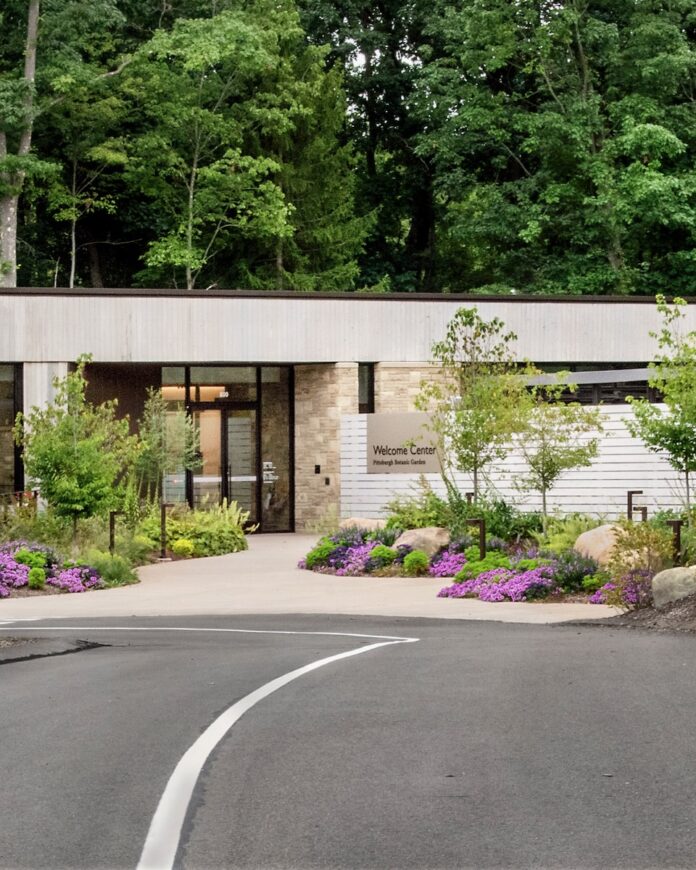
Across 65 acres of gardens and woodlands, Pittsburgh Botanic Garden showcases the natural beauty of the Allegheny Plateau ecoregion through display gardens, nature-based education, and vital conservation projects. Located just 10 miles from downtown Pittsburgh, on the site of a former coal mine, the Garden stands as a shining example of ecological rejuvenation in the region.
Pittsburgh Botanic Garden inspires people to value plants, garden design and the natural world by cultivating plant collections of the Allegheny Plateau and temperate regions, creating display gardens, conducting educational programs and conserving the environment.
More About Pittsburgh Botanic Garden
Due to extensive resource extraction in the past, the property where Pittsburgh Botanic Garden now resides was heavily polluted with acid mine drainage. The Garden helped to develop and implement a unique, award-winning solution to this problem which has completely transformed the landscape. This system now filters over 25,000,000 gallons of water every year and supports a vibrant aquatic ecosystem for both plants and animals in the Lotus Pond.
How You Can Help
Bring friends and family for a visit and become a Garden member for a full year of savings and member-only exclusives. While you’re enjoying the native plant collections and display gardens, be sure to check out the current exhibition Momentum by Patrick Shearn of Poetic Kinetics. To dig deeper into topics like horticulture, home gardening, history or a creative workshop, sign up for an education program! Readers may also join the volunteer program to help the horticulture, education or administration teams, or make a donation in support of the 10 Year Celebration Fund to help usher in the next era of Pittsburgh Botanic Garden.
This year is Pittsburgh Botanic Garden’s 10th year of welcoming visitors. This major milestone also means looking forward to the next 10+ years of the Garden. Supporting Pittsburgh Botanic Garden’s 10 Year Celebration Fund provides direct support for vital horticulture and conservation projects, nature-based education, and helps the Garden continue to grow into the future.