Pittsburghers share a meal inspired by Edna Lewis’s beloved cookbook, The Taste of Country Cooking, celebrating its 15th anniversary this year. The conversation began with Aunt Edna’s childhood in Freetown, Virginia, and quickly grew into a discussion of what our elders have taught us, and what we would like to teach the next generation about food, love, and life.
The Taste of Country Cooking: What Edna Lewis Taught Us
Aunt Edna’s Childhood in Freetown
Nina Williams-Mbengue fondly remembers childhood moments with her Aunt Edna in Freetown, Virginia, picking ripe blackberries from bramble-covered bushes as wasps buzzed nearby. Their family property, less than 30 minutes west of Charlottesville, was home to fruit plants, Uncle Lue’s cattle, and a kitchen that epitomized sustainable, local eating long before the farm-to-table movement had a name.
Her aunt, Edna Lewis, became a renowned author and chef widely known as the grande dame of Southern cooking. Her work grew out of her hometown, an enclave of Black Americans emancipated from chattel slavery. They practiced cooperative agriculture as a path to autonomy and resilience. Gardening, hog butchering, and events like Revival Week brought both labor and joy, instilling an abiding pride and forging bonds that made the Freetown community truly one-of-a-kind.
Edna Lewis and the Great Migration
Before becoming Aunt Edna, she was a teenager grappling with the tension between her present and her future. The Jim Crow South jeopardized economic opportunity for Black Americans like her, so Lewis did what over six million Black Southerners did during the Great Migration: she left. She first moved to Washington, DC, and later to New York City. In 1948, she landed her first chef position at Café Nicholson, where she gained popularity for her unique approach to French cuisine, grounded in her Virginia upbringing. Decades later, at age 70, she was tapped to overhaul Brooklyn’s Gage & Tollner’s century-old menu as executive chef, bringing Southern classics like shecrab soup and spoonbread, and with them the conviction that Southern cuisine is simple ingredients interpreted through technical expertise cultivated across generations.
The Taste of Country Cooking at 50
From the age of twelve, Nina spent four years typing and retyping the manuscript for her aunt’s seminal book. When The Taste of Country Cooking was released in 1976, Lewis carried grief and gratitude onto its pages in equal measure. The original families of Freetown were dying, and their founders’ knowledge was disappearing with them. Beyond Freetown, America’s relationship with the kitchen was rapidly shifting away from family meals and toward convenient, fast options. Lewis’s memories of the home she had left became an urgent argument for what the whole country stood to lose.
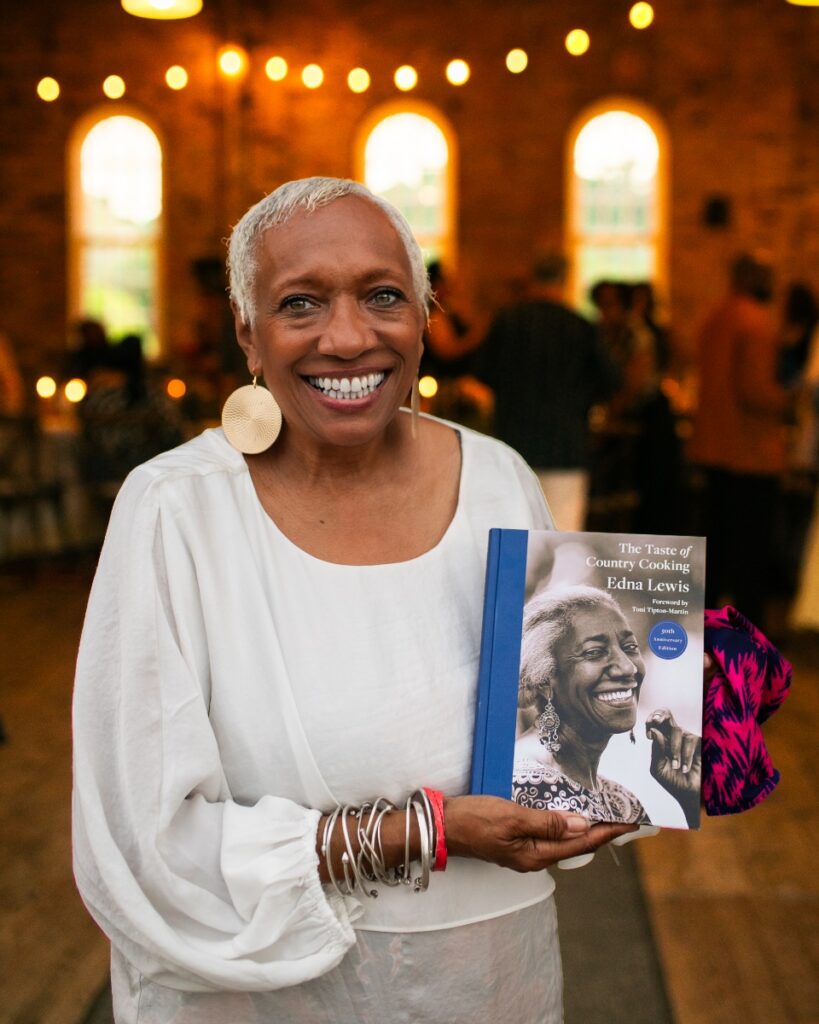
Fifty years later, Nina plays an integral role in the Edna Lewis Foundation, a nonprofit chaired by Mashama Bailey, named North America’s Best Female Chef in 2026. The organization extends Edna’s legacy through programming and scholarships supporting the next generation of Black foodway stewards in the culinary arts, agriculture, and food writing. This year, the Foundation is commemorating the book’s 50th anniversary with dinners and timely dialogue across the country.
Coming Home to Edna’s Table
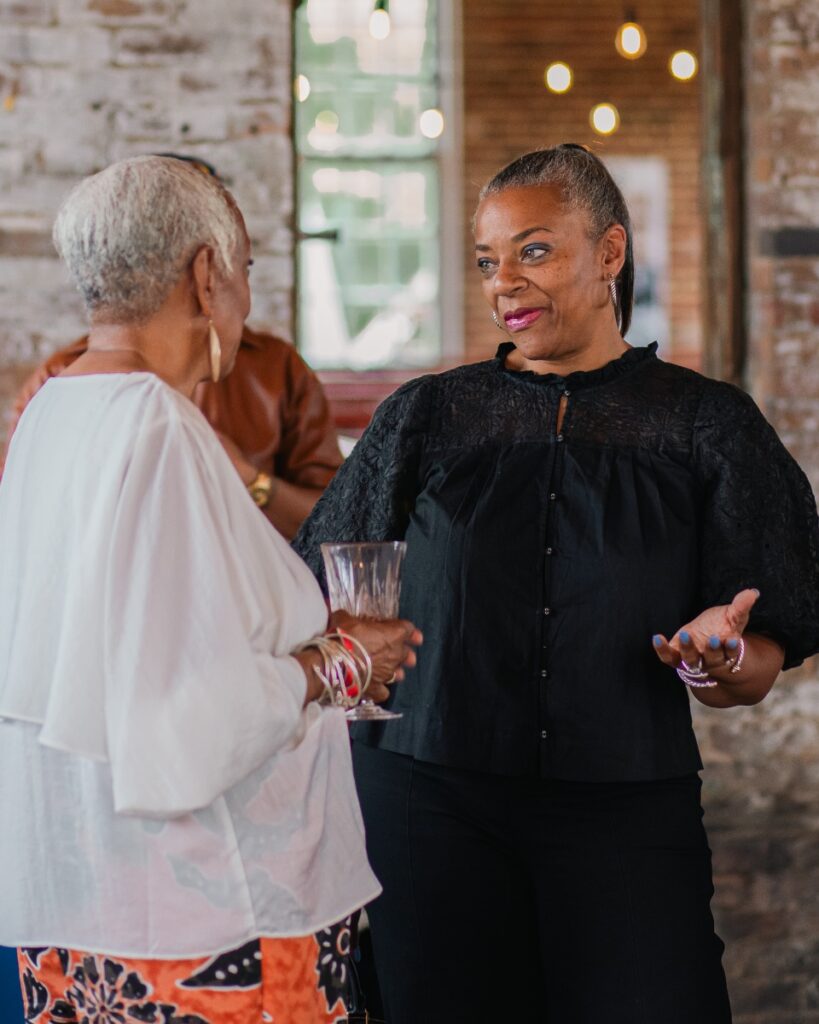
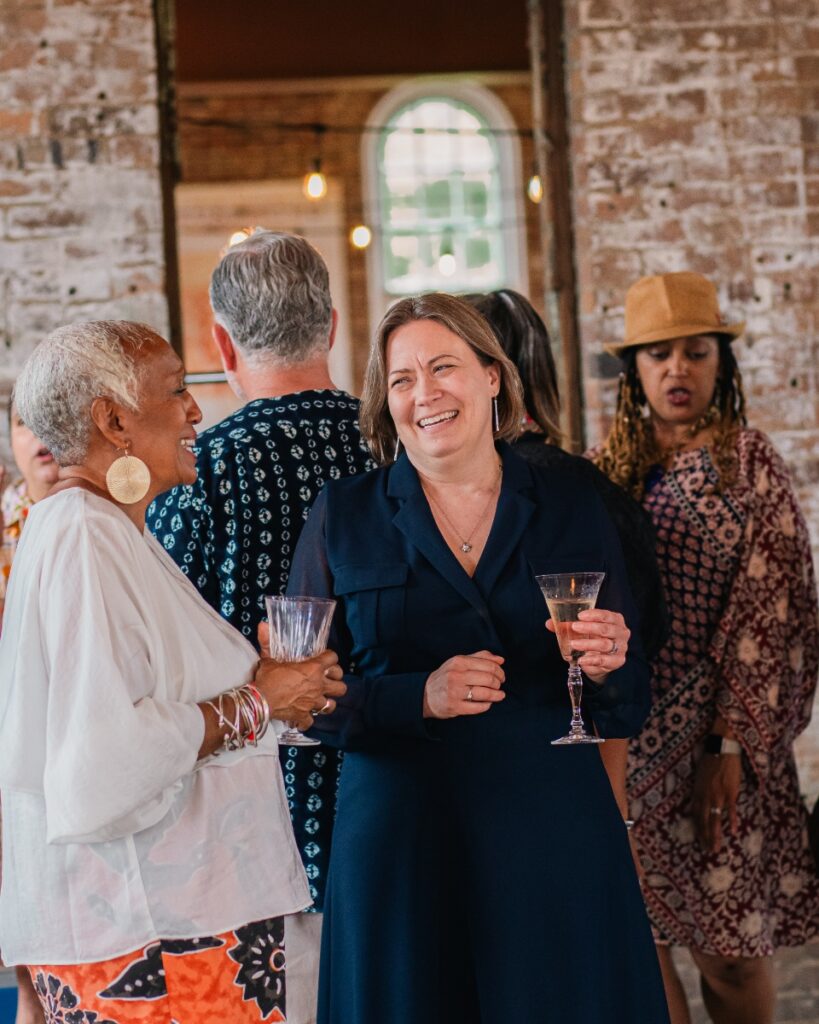
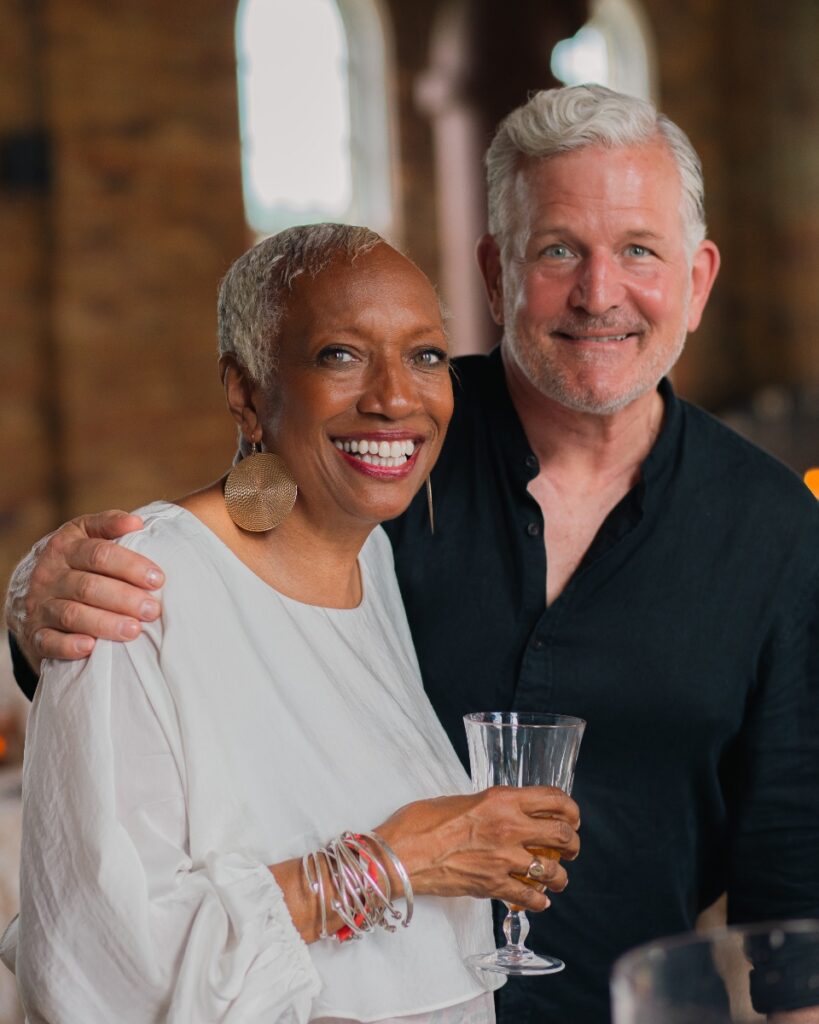
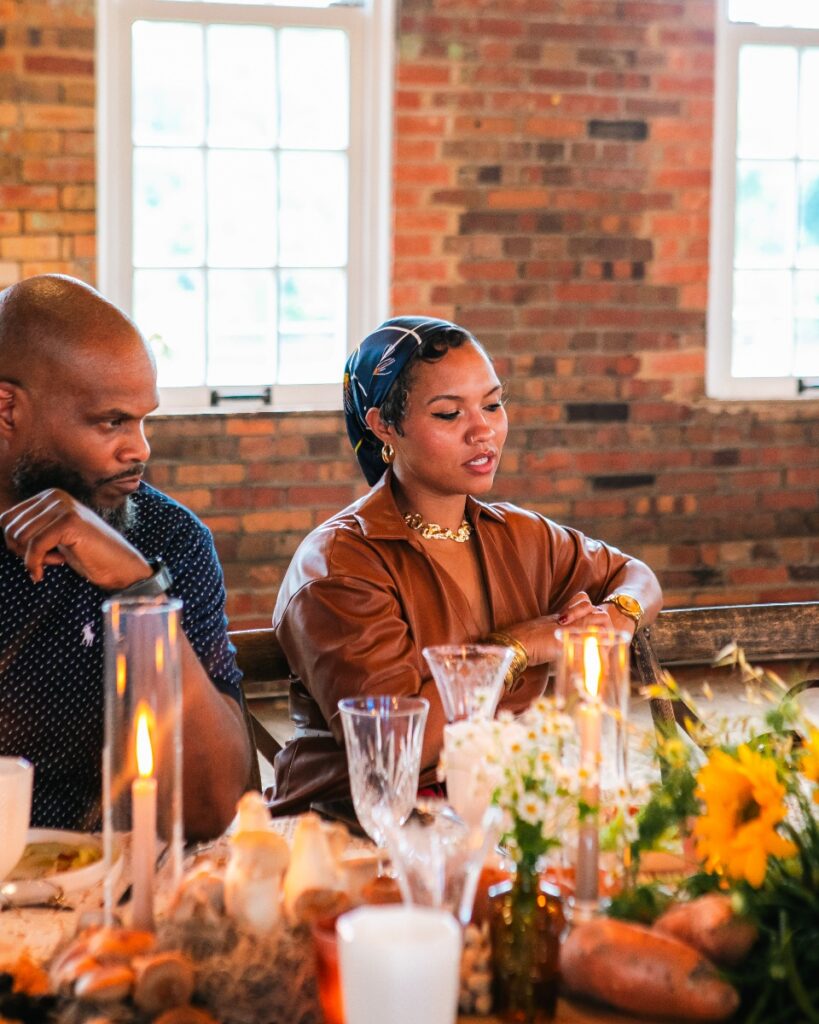
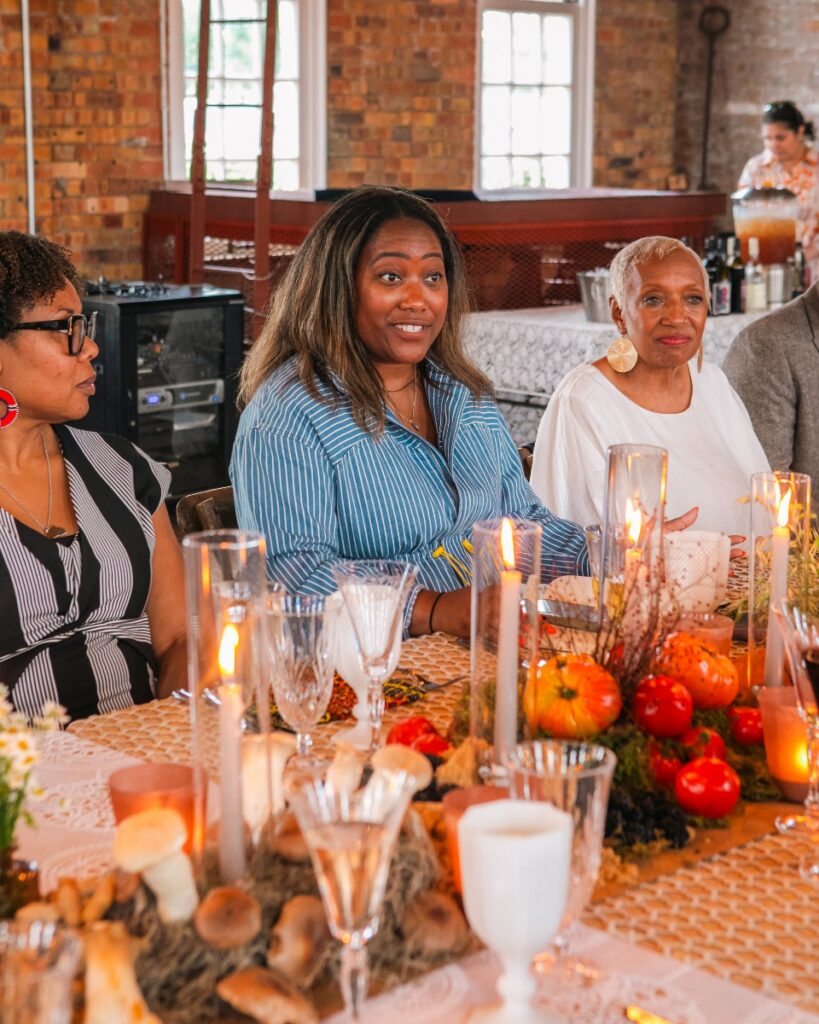
Nina arrived at Rivers of Steel’s historic Pump House on a humid evening, the air carrying the warmth of late spring and the scent of fresh baking. Guests filed into the venue, finding seats around a table beautifully styled by Nathan McCarthy of Hens and Chicks with touches echoing Nina’s childhood summers—blackberries, brown sugar, African prints, heirloom tomatoes, and native flora.
Fourteen prominent leaders gathered to break bread over recipes selected directly from Edna’s book, tackling questions Lewis spent her life exploring:
- What rituals hold us together?
- What do we owe the next generation?
- How do we cultivate tables worth coming home to?
Gathering Kin
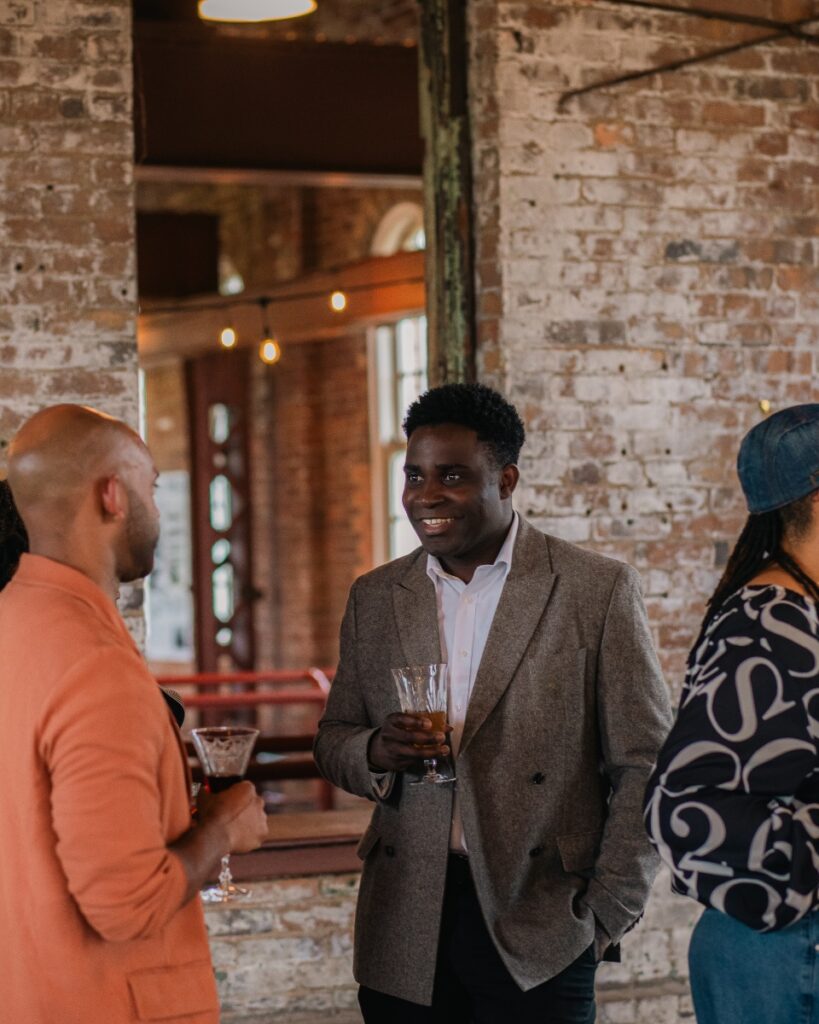
The conversation opened with a Virginia white blend from Blenheim Vineyard in the Monticello region, as TABLE’s Editor in Chief, Keith Recker, set the tone. “We need to return to some of the really precious things we learned from our grandparents,” he explained. Plates of sliced yeast bread with butter and wilted lettuce with hot vinegar arrived on the lace tablecloth, dishes that Edna would prepare ahead of outdoor activities for ease and enjoyment. As introductions continued around the table, family – blood and chosen – became central as everyone reflected on the night’s opening question: What do we need to return to?
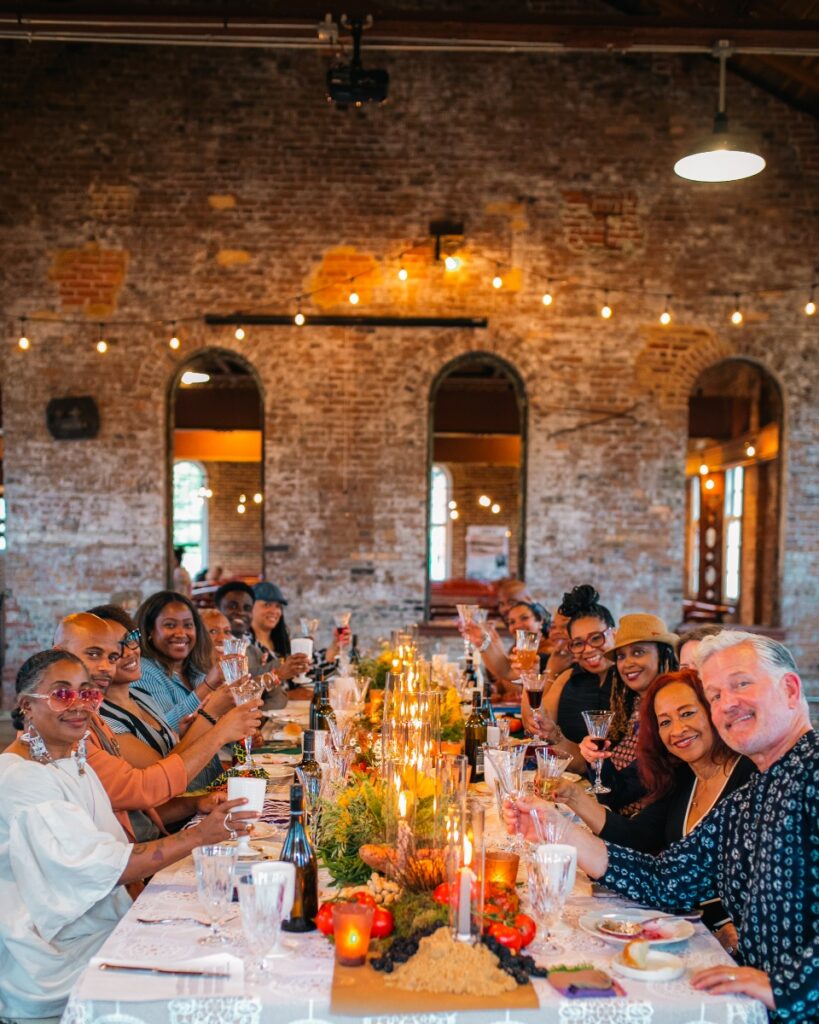
Phillip “DJ Big Phil” Thompson’s role as a family man shines brightest in conversation. “We come up with reasons just to get together because it’s important. I miss some old school tactics.” Those tactics – multigenerational Sunday dinners, reasons that need no explanation – are what Duolingo’s Dr. Kendra Ross longs for. “Everybody just cooked, ate, and was so loud you couldn’t hear anybody,” she replied solemnly. “I kind of miss that.”
The return isn’t without nuance, a point Sony Ton-Aime holds well as the Executive Director of Pittsburgh Arts & Lectures. “I miss wasting time together,” Sony expressed. “We got to know each other really well because we could argue and remain friends.” In losing the gathering, he continued, we’ve lost the capacity for conflict and reconciliation. “Not being able to argue who would win between Batman and Superman makes it very difficult to argue about the important things.”
Dr. Tyi-Sanna Jones, a leader in Special Education, nodded. “Young people need models for how to apologize. Forgiveness is important for building continuous relationships.”
A Menu of Tradition & Witnessing
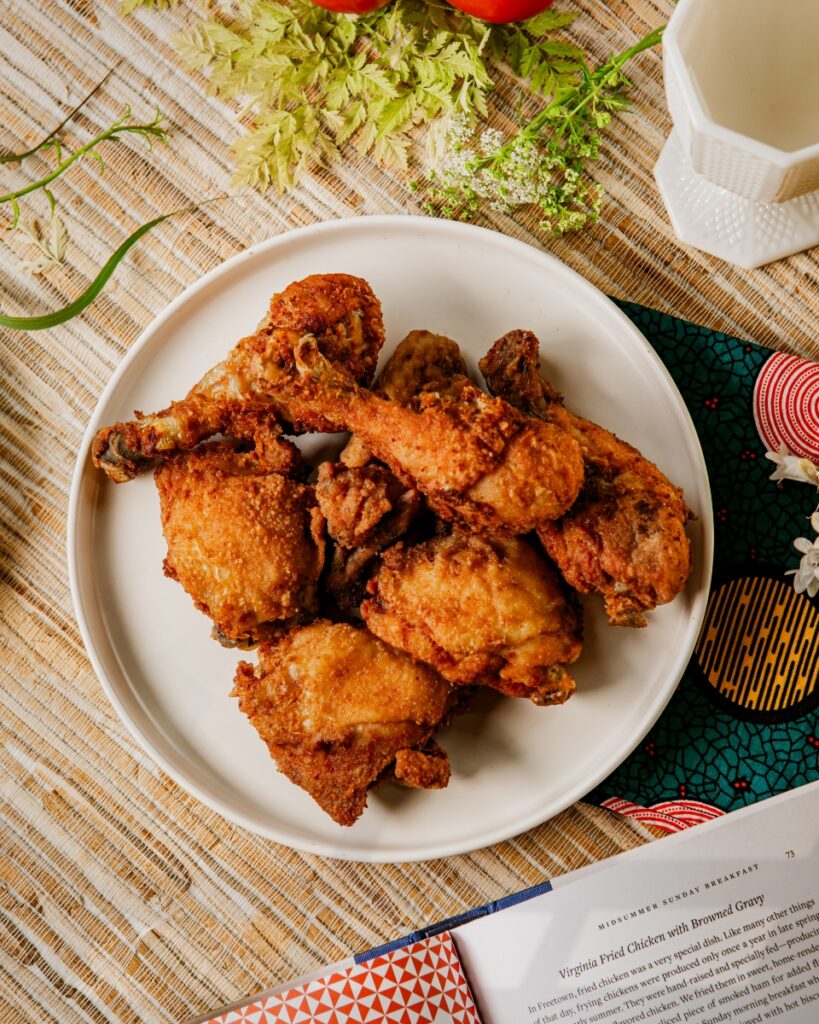
Our next course – Virginia Fried Chicken – was a special treat in Freetown, often served after Sunday morning work. As the friendly Batman versus Superman debate subsided, the table was served succulent thigh pieces topped with browned gravy. Since Edna believed no dinner was complete without red tomatoes, the dish was accompanied by sliced tomatoes with special seasoning and fried squash known as cymlings.
As evening deepened, witnessing emerged as a quiet throughline. For Kendra, this witnessing occurred each summer in Youngstown, Ohio, as she observed how her paternal and maternal matriarchs wielded authority within their families, a dynamic she would spend years understanding and naming.
“I learned a lot about how being soft doesn’t mean you’re not powerful,” she reflects. That lesson became the foundation of her creative practice, which she calls freedom dreaming. “I believe that my life’s work is to show people that it’s not just about what we already see,” she says. “A lot of the ways I’ve moved in the world – as an artist, a creative, and even in corporate spaces – is imagining different ways of being, knowing that other people may not come along, and being okay with people not getting it.”
Responsibilities Toward the Next Generation
If witnessing is a two-way conversation, what responsibilities do we bear toward those who look to us? “We owe them the effort to live in our full truth, whatever that may be, including our failures,” explained Joseph Hall, Co-Executive Director of the Kelly Strayhorn Theater. “Honesty about who we really are and why we’re making decisions that may not be immediately understood.”
Sony leaned forward. “We owe the next generation our faith in them, giving them space to discover and develop their talents.” Space, the table agreed, must include the freedom to fail often and openly. Failure, as Chef Samantha Black explained, adds depth to youth. “It’s how you find the thing you’re supposed to do.”
Building a Table Worth Coming Home To
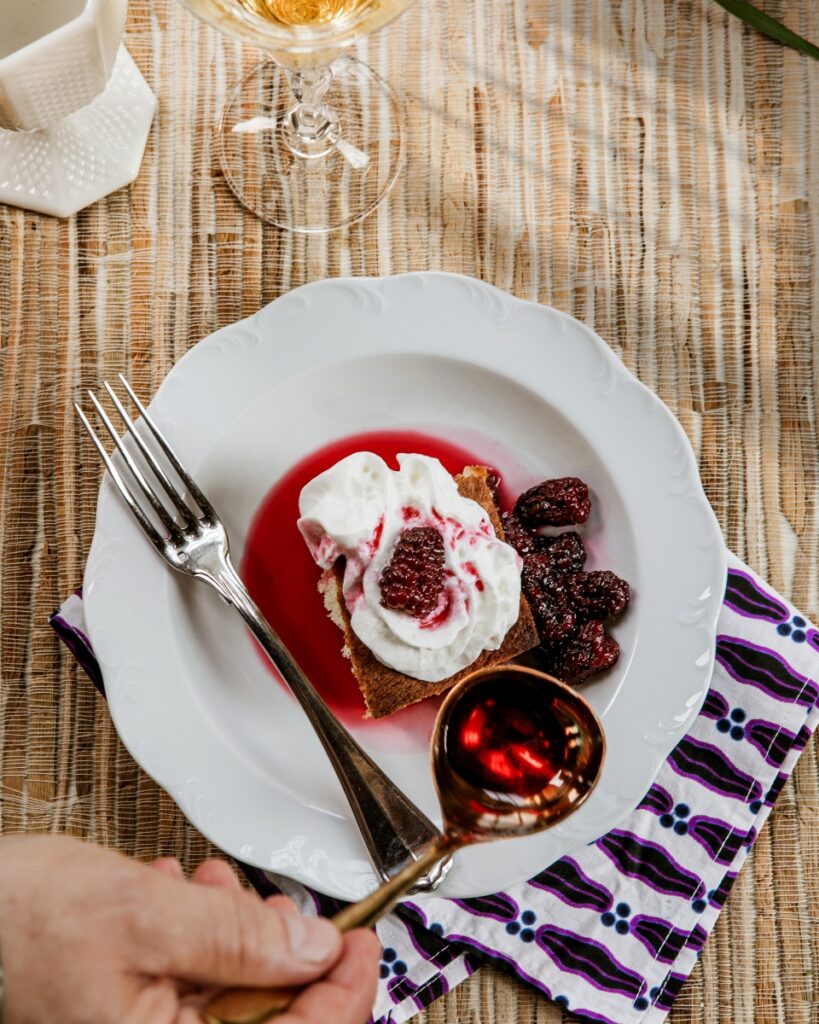
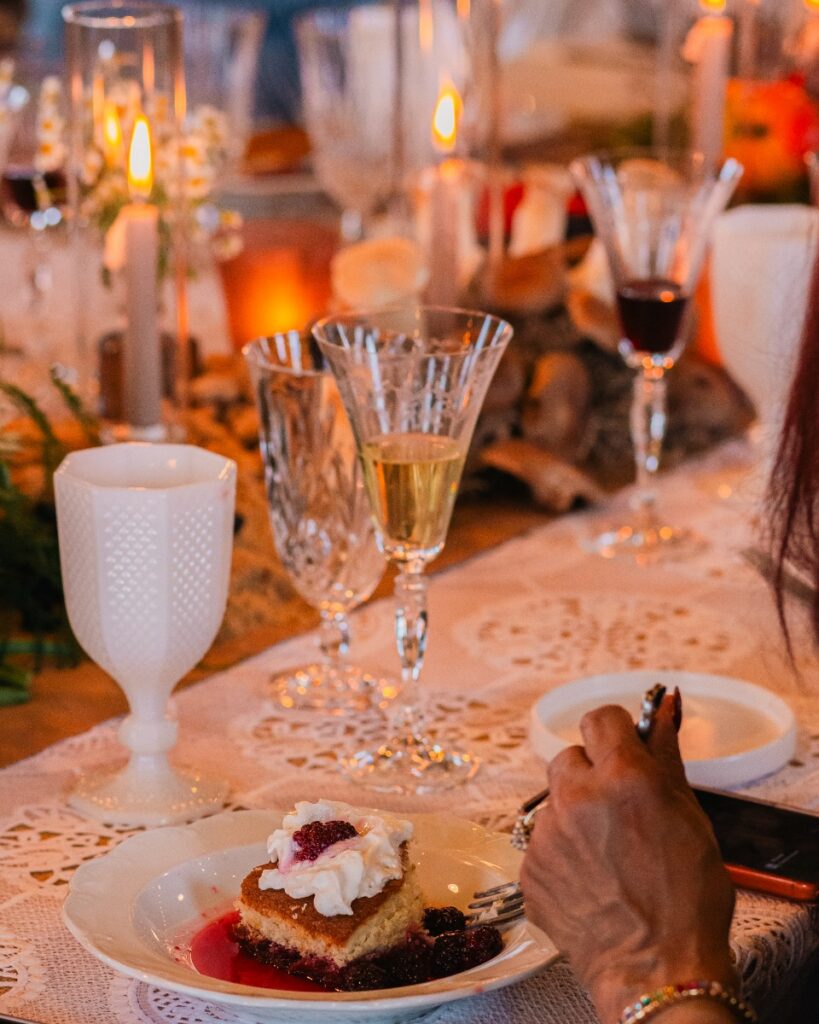
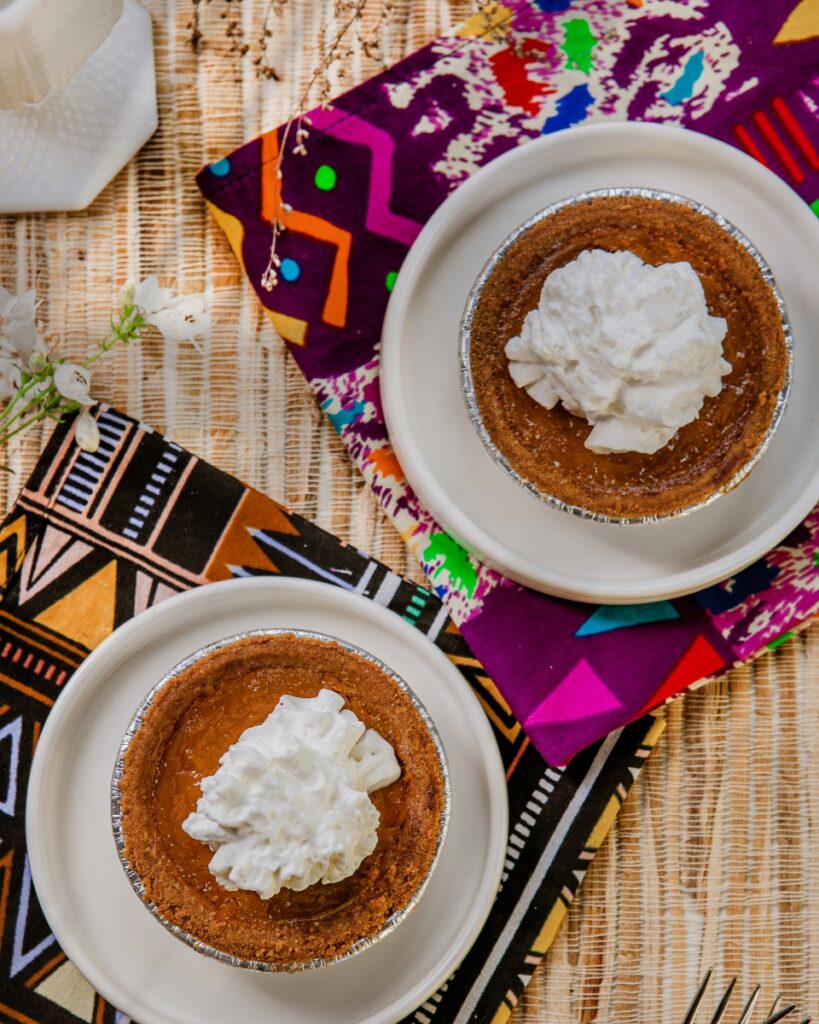
The republishing of The Taste of Country Cooking, fifty years later, arrives like a plate of Edna’s warm squares of Busy Day Cake with stewed blackberries and Aunt Cheryl’s very own Sweet Potato Pie – our final course and sweet reminders of the flavors that await our return if we slow down long enough to cultivate them.
As in 1976, convenience and technology are reshaping our relationships with land, food, cooking, and gathering. As the night ended, those who had held Lewis’s quiet reverence throughout the evening brought their ideas forward.
For fashion designer Tereneh Idia, it begins with growing. “I attended a seed-planting workshop and realized I had never actually planted a seed,” she admitted. Cookbook author Dawn Evans builds on that: involve children early, imperfect efforts and all. “When kids are part of the process, they’re more likely to try new things.”
For radio personality Kiki Jones, it boils down to presence. As a lifelong believer in the togetherness of a good table, she notes, “We need to stop taking life and time for granted.” Janis Burley, President of the August Wilson Center, added that traditions must be passed with permission to evolve. “My grandmother gave me permission to create my versions of our traditions. We must do that for young people.” And Amanda Brandes reminded the table that archiving is its own act of love: “We used to write our stories, not digitally, not texting back and forth to everybody, but letters and journals and cards.”
A Sankofa Moment
This is our Sankofa moment. The West African concept translates simply to “to go back and get.” Not to live in the past, but to carry what was left for you and bring it forward. We ask, what might you go back for?
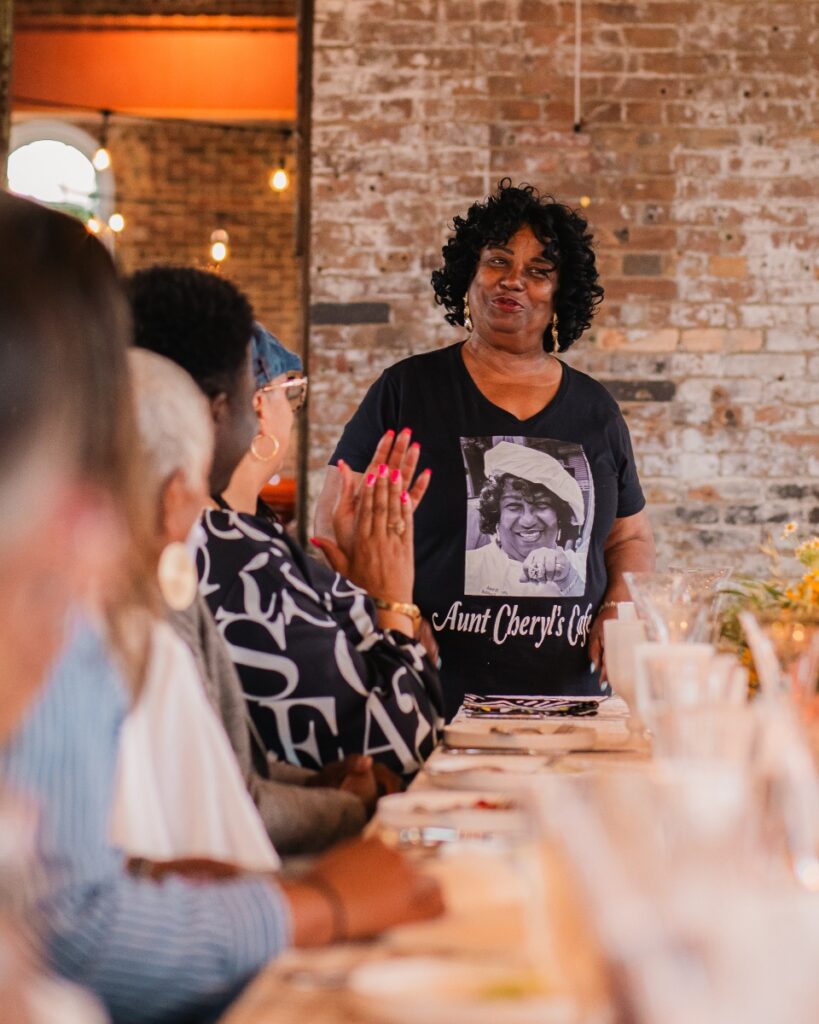
The evening closed with Aunt Cheryl. She and her team emerged into a room filled with gratitude and applause. Samantha was right. Knowing the people behind your food creates a spiritual reverence for what you eat.
“Would Aunt Edna have been proud?” Cheryl asks Nina.
Without hesitation: “Oh my God, yes”
Around the Table
Honored Guests Around the Table
- Janis Burley | President & CEO, August Wilson African American Cultural Center
- Chef Samantha Black | Owner, Tree Haus
- Amanda Brandes | Vice President, August Wilson African American Cultural Center
- Priscilla Clarke | Interim President, Ellington Fund (Duke Ellington School of the Arts)
- Dawn Evans | Cookbook Author & Musician
- Joseph Hall | Co-Executive Director, Kelly Strayhorn Theater
- Tereneh Idia | Fashion Designer
- Kiki Jones | Radio Personality & Podcast Host
- Dr. Tyi-Sanna Jones | Special Education Leader
- Nina Williams-Mbengue | Board Member, The Edna Lewis Foundation
- Keith Recker | Editor-in-Chief, TABLE Magazine
- Dr. Kendra Ross | Head of Social Impact, Duolingo
- Sony Ton-Aime | Executive Director, Pittsburgh Arts & Lectures
- Phillip Thompson | DJ & Documentarian
Celebrating The Taste of Country Cooking (50th Anniversary Edition)
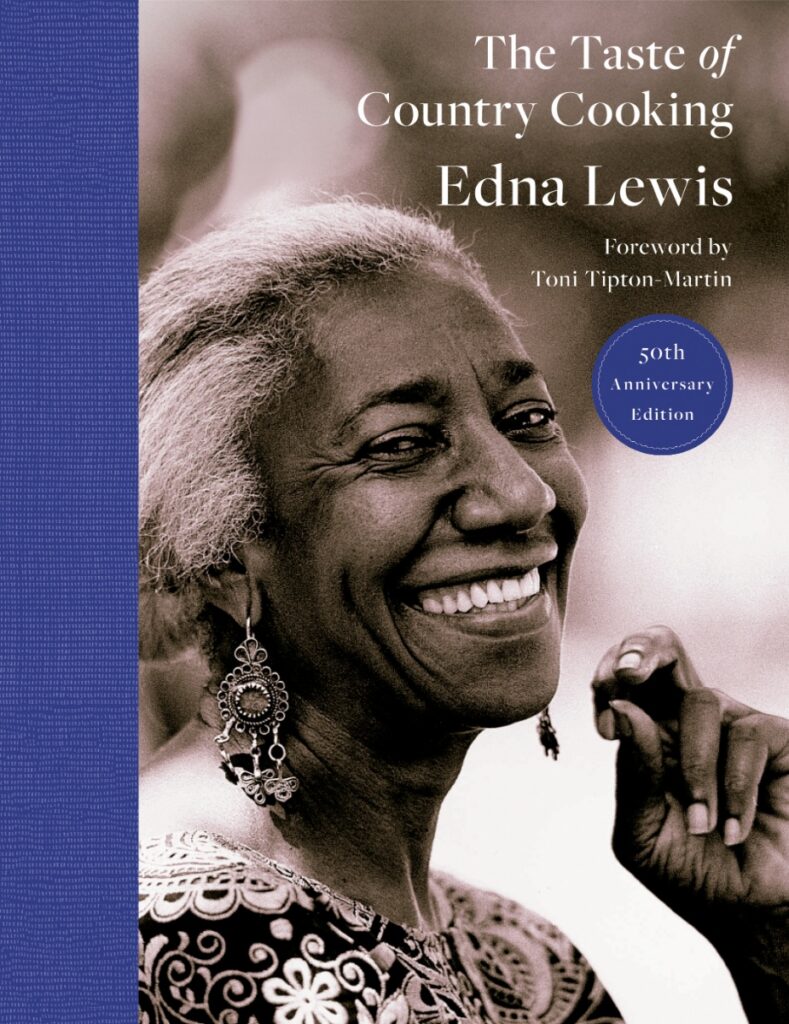
The 50th anniversary edition of Edna Lewis’s timeless classic The Taste of Country Cooking makes a rich addition to any kitchen or personal library. Her recipes are far more than lists of ingredients—they are invitations to reconnect with seasonal rhythms, honor our elders, put down our screens, and appreciate life around the dinner table.
Looking to expand your culinary library? Explore our guide to the best cookbooks of 2025 or grab a copy of Edna Lewis’s classic from Pittsburgh’s booksellers.
Story by Quayla Allen-Comella
Photography by Laura Petrilla
Production by Keith Recker
Event Design by Nathan McCarthy, Hens and Chicks
Catering by Cheryl Johnson, Aunt Cheryl’s Café, | Blenheim Vineyards, and Vino Bello PA
Venue by Rivers of Steel
Rentals by The 1978 Collection
Rugs by Weisshouse
Assistance from Katherine Recker-Mohn and James Mohn
Subscribe to TABLE Magazine‘s print edition.