Textile designer Saana Baker is always crisscrossing the globe, searching for the next big thing in design to publish in The Textile Eye, her quarterly trend report. After surveying the latest textiles, furnishings, and decorative objects, she spotted a seismic shift for 2027: interiors are getting more expressive, more individual, and a lot less afraid of maximalism and decoration. Here, the four trends she predicts will shape interiors in the coming year. Then when you’re done viewing what’s below, check out our guide to interior design trends and experts.
Hottest Interior Design Trends for 2027
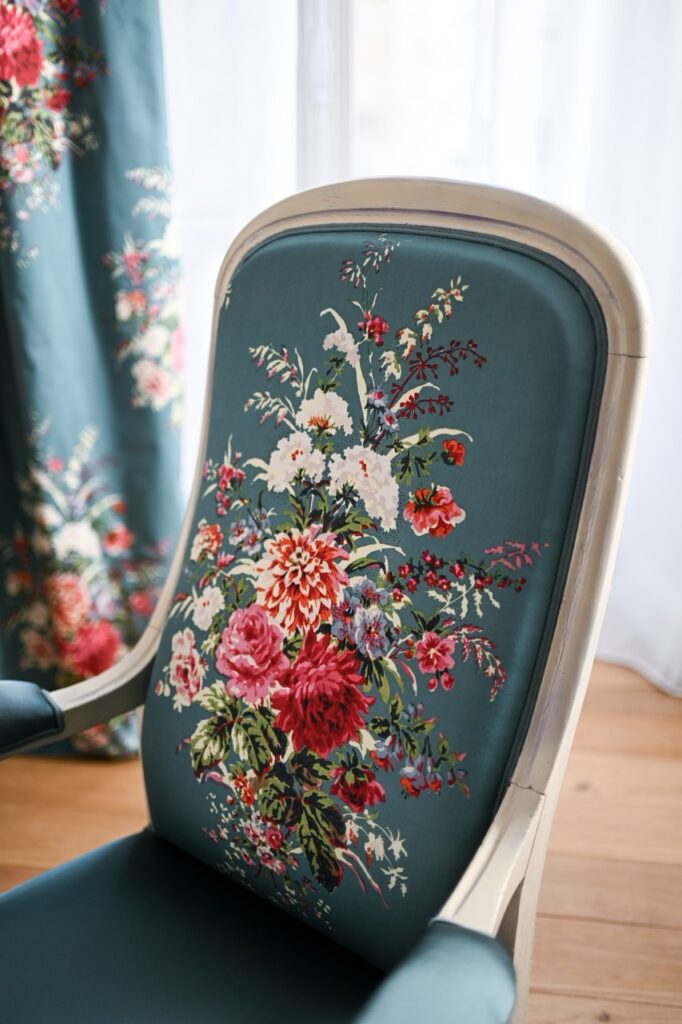
A Custom Look From Ready-Made Textiles and Wallpaper
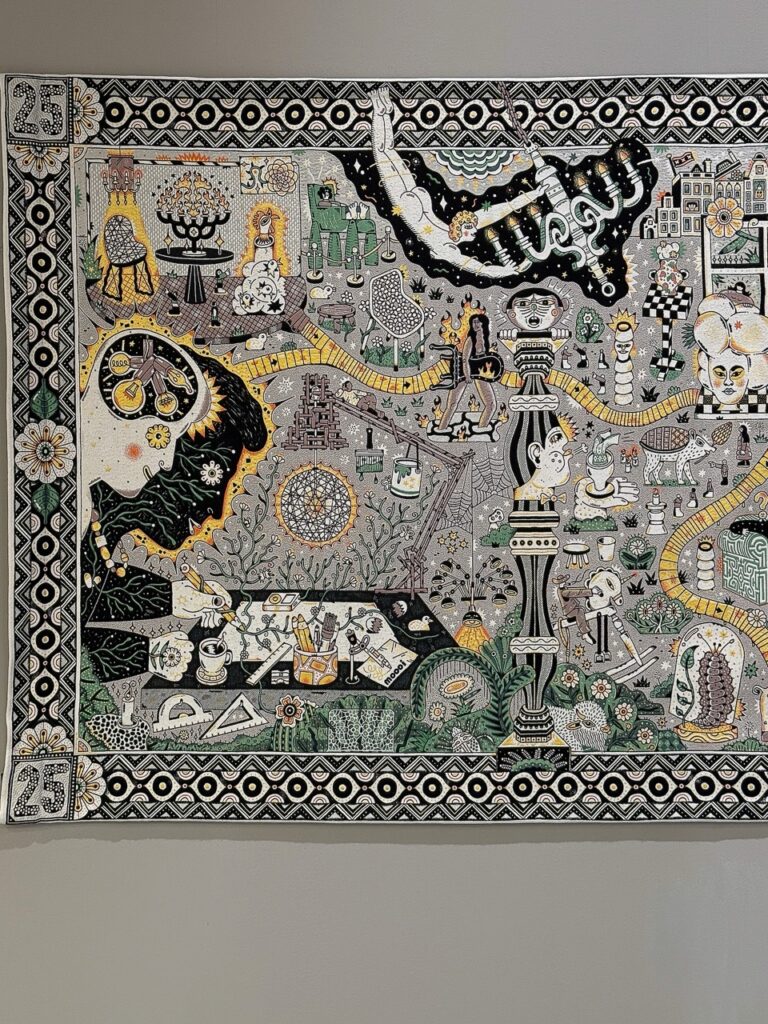
Most textiles are created to repeat seamlessly across a bolt of fabric. A special few are engineered as complete compositions for a chair back, a bed, a curtain, a rug, or even an entire room. While this approach has deep historical roots in tapestry, needlepoint, decorative panels, and bordered textiles, it is appearing with renewed relevance across Europe’s design fairs. Borders, areas of open space, panoramic layouts that unfold across multiple widths, and other carefully planned compositions are built into the textile or wallcovering, allowing the design to respond to furniture and architecture with unusual precision. The result carries the feeling of something made specifically for its setting—a ready-made bespoke approach that imbues a room with identity.
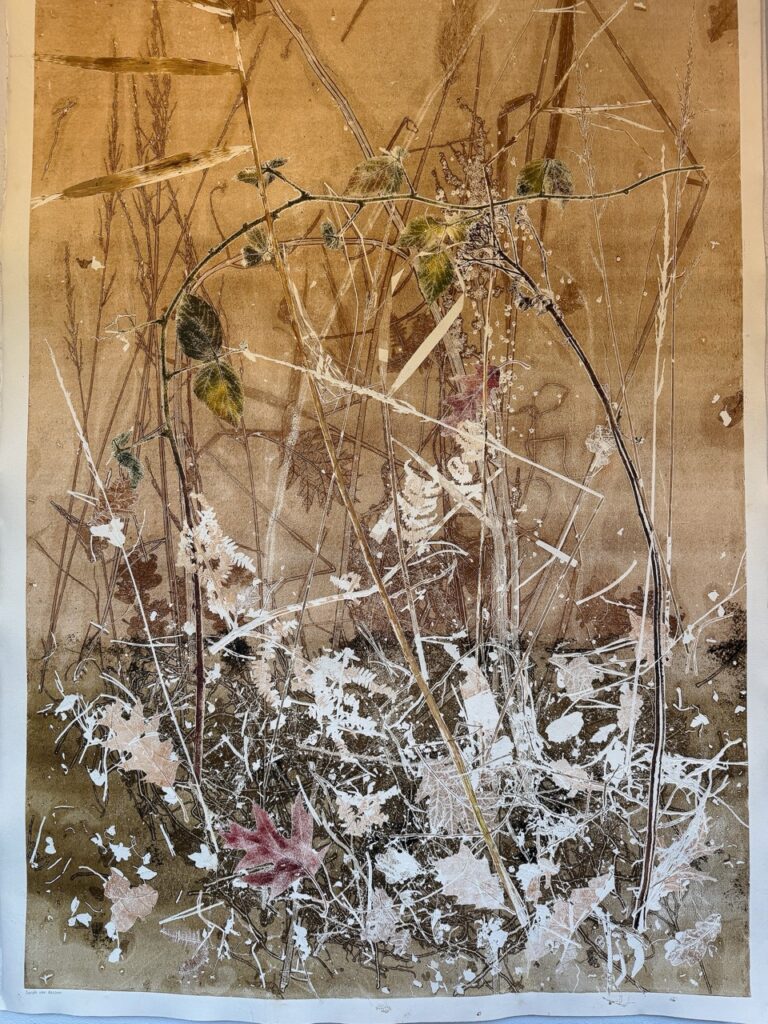
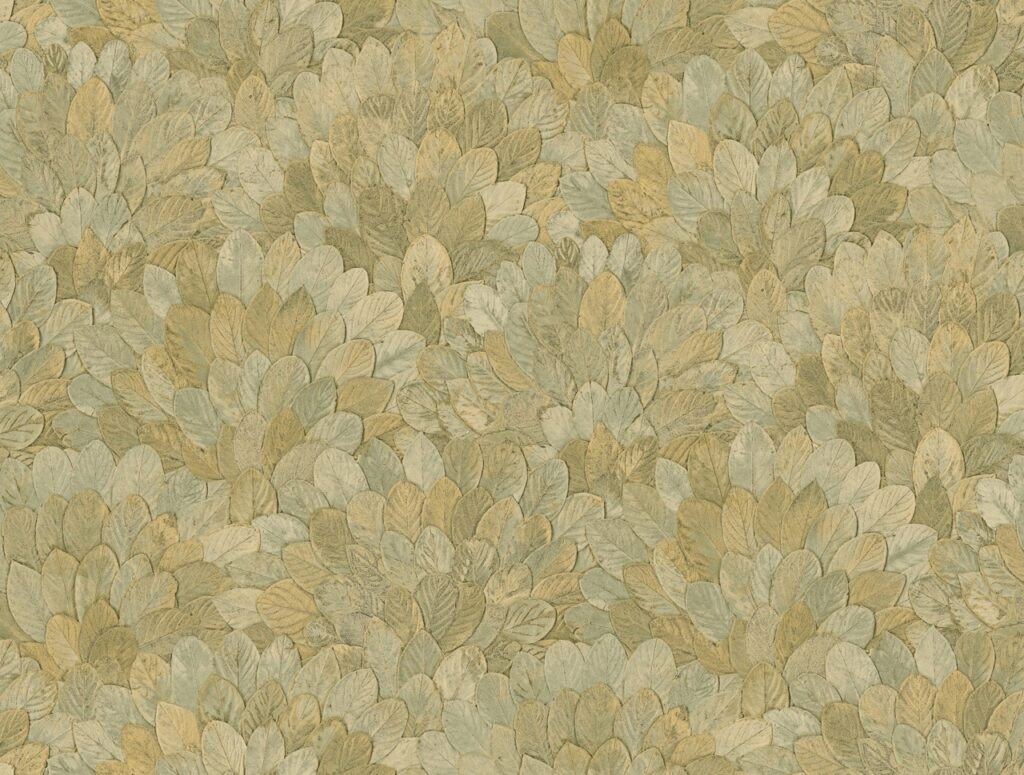
Botanicals Get Unruly With Brambles, Seed Heads, and the Beauty of Decay
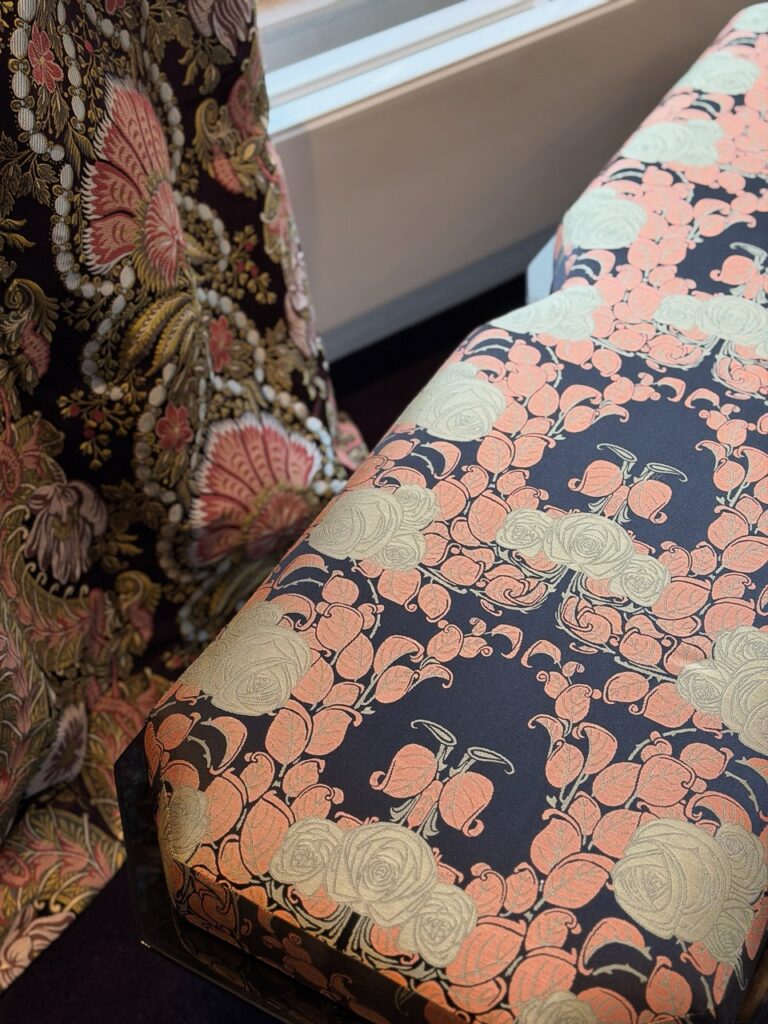
Nature remains one of design’s richest sources of inspiration, but today’s botanical references are expanding well beyond perfect bouquets and idealized gardens. Designers are finding beauty in pressed flowers, dried stems, seed heads, tangled vines, and plants caught at every stage of their life cycle. Botanical imagery is layered, abstracted, faded, and sometimes barely perceptible, rewarding closer observation. These compositions acknowledge that nature is constantly changing, revealing beauty in growth, weathering, and renewal alike. Understanding this shift transforms these patterns from decorative florals into reflections on the rhythms of the natural world—and reminds us that some of nature’s most memorable moments are also its most fleeting.
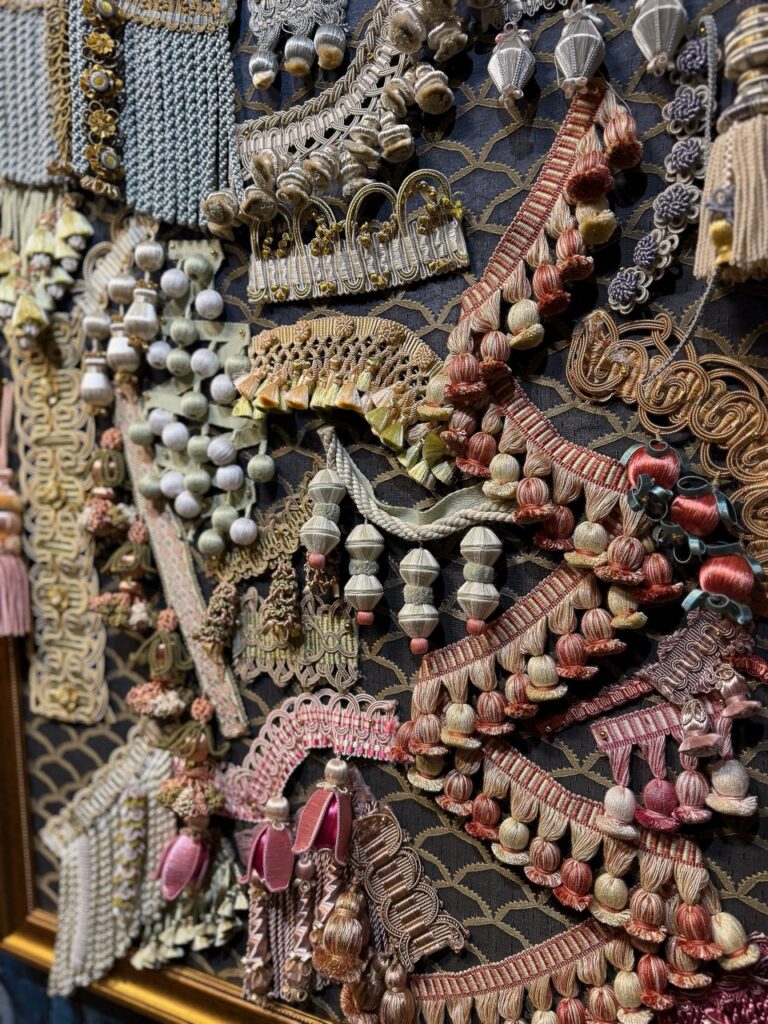
The Return of Decorative Details, From Embroidery to Tapestry
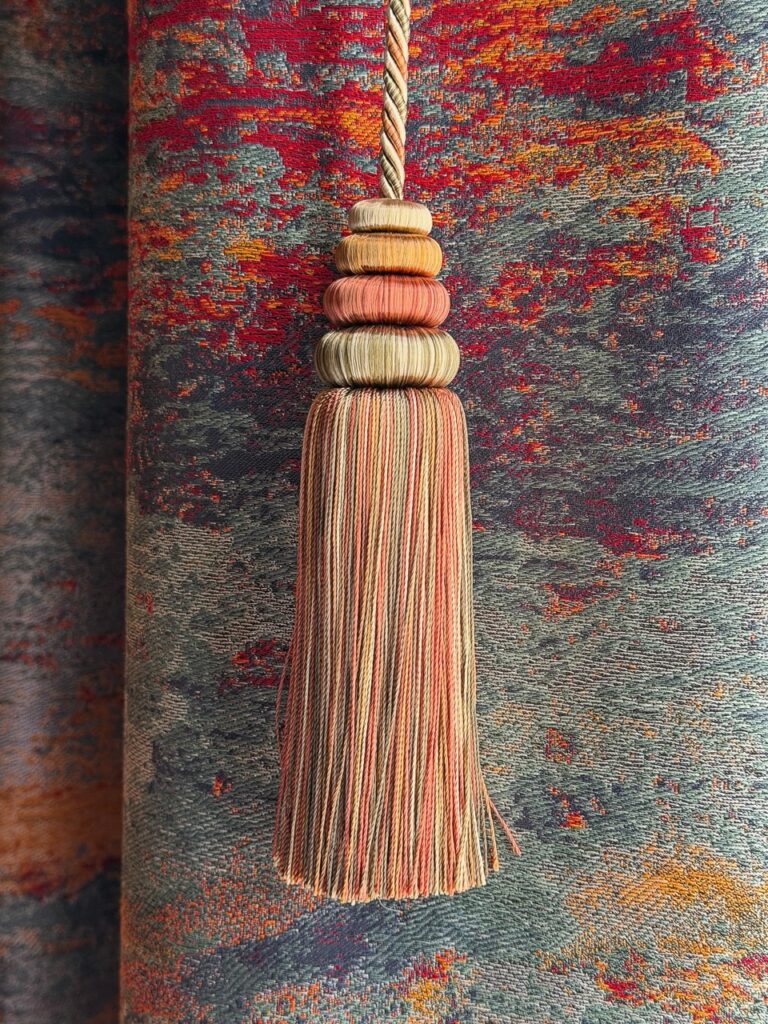
Decoration is once again being celebrated as an art in its own right. Designers are rediscovering the expressive power of ornament, reinterpreting centuries-old traditions through fresh color palettes, contemporary forms, and extraordinary craftsmanship. Passementerie, tapestry, richly woven jacquards, and embroidery continue to evolve while preserving generations of technical knowledge and artistic skill.
Many of today’s most sophisticated patterns are woven, not printed, allowing remarkably subtle shifts in color, texture, and detail that only become more apparent with close looking. Understanding the artistry behind these details transforms them from embellishment into meaningful design choices—and understanding the craftsmanship behind these objects, and the generations of knowledge required to produce them, enhances the pleasure of adorning our homes.
Intricate Patterns That Reveal More Over Time
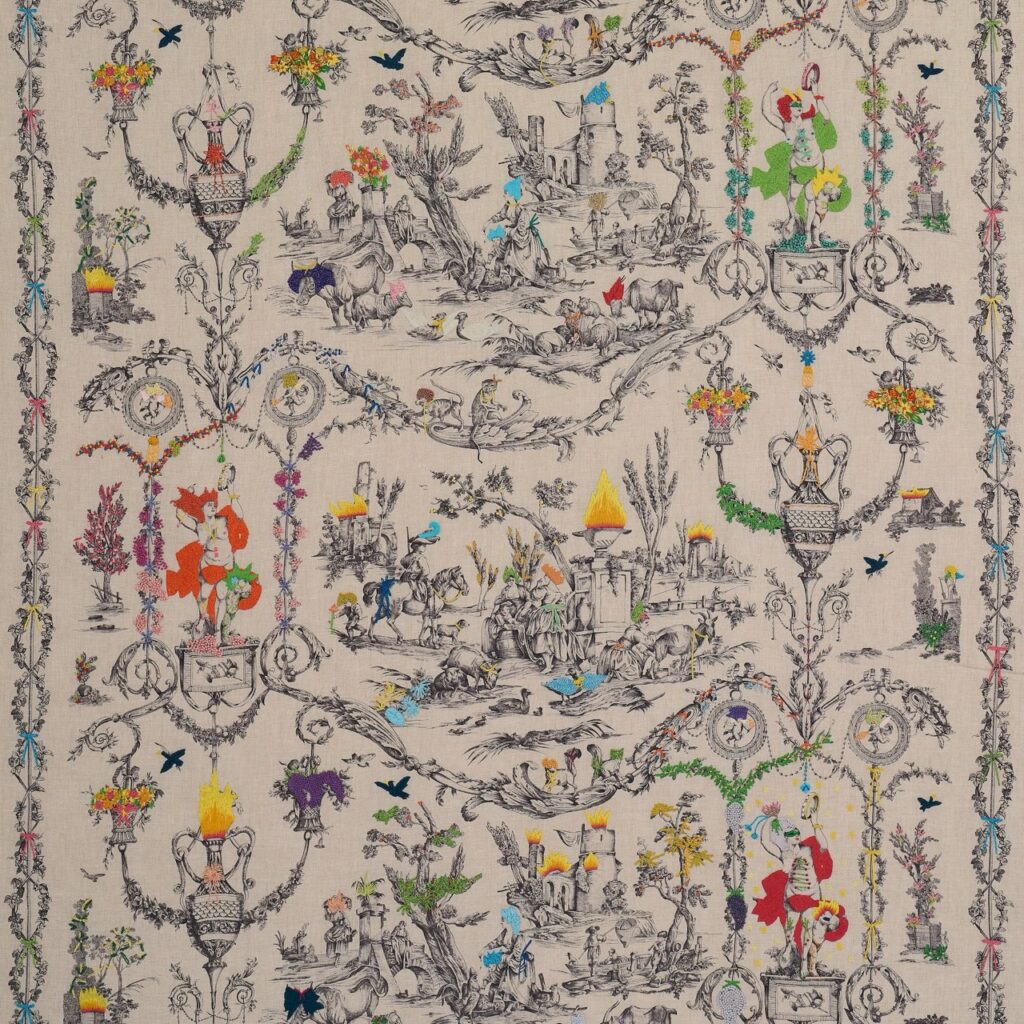
The most compelling decorative objects reward a second look. Designers are increasingly drawing on history, mythology, architecture, maps, manuscripts, and other cultural references to create textiles and furnishings that reveal more over time. Historic motifs are embroidered, reinterpreted, and layered with unexpected interventions, allowing familiar imagery to take on new relevance. These pieces blur the line between design and art, inviting curiosity while giving interiors a richer sense of identity and cultural connection.
Story by Saana Baker
Featured Photo by Sylvie Becquet
Subscribe to TABLE Magazine’s print edition.