Silent films are finding a new audience through the magic of live music, historic venues, and shared moviegoing experiences. The Pittsburgh Silent Film Festival brings these early works of cinema back to life, creating an atmosphere where old stories feel surprisingly fresh and engaging.
Screen Classic Movies During the Pittsburgh Silent Film Festival
Alfred Hitchcock made ample use of sound effects, dialogue, and music across his cinema masterpieces — think of Bernard Hermann’s staccato strings in Psycho, the flapping of wings in The Birds, or simply the sound of Cary Grant’s voice in North by Northwest. Yet he was once quoted as saying that all those noises were somewhat superfluous. “Silent pictures,” Hitchcock said, “were the purest form of cinema.”
Why did Hitchcock feel that the talkies were somewhat impure? “He used long silences to create tension in a lot of his films,” explains Chad Hunter, the founder of National Silent Movie Day and the Pittsburgh Silent Film Festival. “It makes people engage in a more heightened way.”
There’s certainly heightened engagement evident in the rapid growth of the Pittsburgh Silent Film Festival and the surprising attendance for the festival’s screenings. In larger venues, such as Sewickley’s Lindsay Theater and Keystone Oaks High School — home to a 3-manual 19-rank Wurlitzer organ, which is played during occasional screenings of silent favorites — hundreds of fans turn up. Smaller venues, including community screenings in libraries and churches, routinely sell out.
“It’s the combination of the silent film, live musical accompaniment and a live, theatrical setting — with an audience,” Hunter says. “That’s a magic ingredient.”
The Return of Silent Cinema
Hunter, a professional archivist who has worked extensively in preserving film, established National Silent Movie Day in 2021 (along with Brandee B. Cox of the Academy of Motion Picture Arts & Sciences and Steven K. Hill of the UCLA Film and Television Archive). It was swiftly endorsed by Martin Scorsese; “If you’re at all interested in cinema,” the filmmaker said, “then you’re interested in silent cinema, because that’s where the art form originates. That’s where the language of cinema came into being.” The nascent holiday was also embraced by the cable network TCM, who presents an all-silent lineup each September 29.
“I think it might be in part due to the generational shift in interest in older things,” Hunter says. “Analog in particular — I can’t believe that CDs and VHS are coming back — and in film as well.”
What to See at the Pittsburgh Silent Film Festival
Meanwhile, the Pittsburgh Silent Film Festival has grown from a periodic screening series to a single-day event to a full week of film — and it has spread throughout the region. This year’s festival, scheduled for September 27-October 4, will include at least 12 screenings across 11 venues, many with live musical accompaniment.
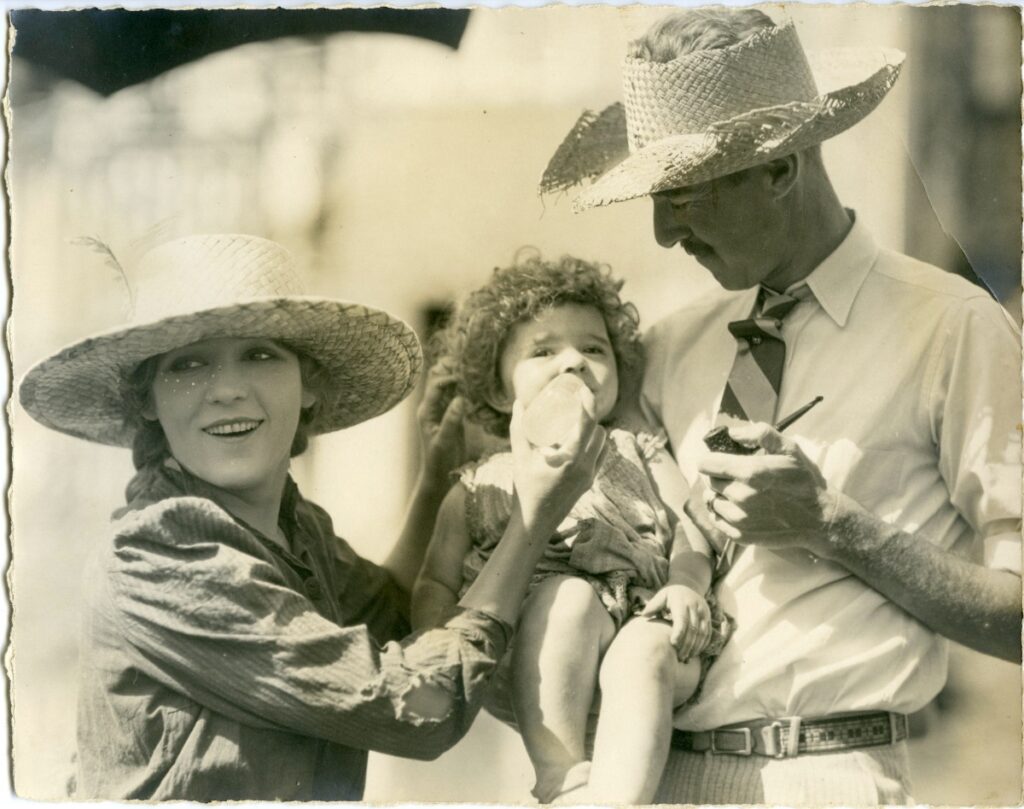
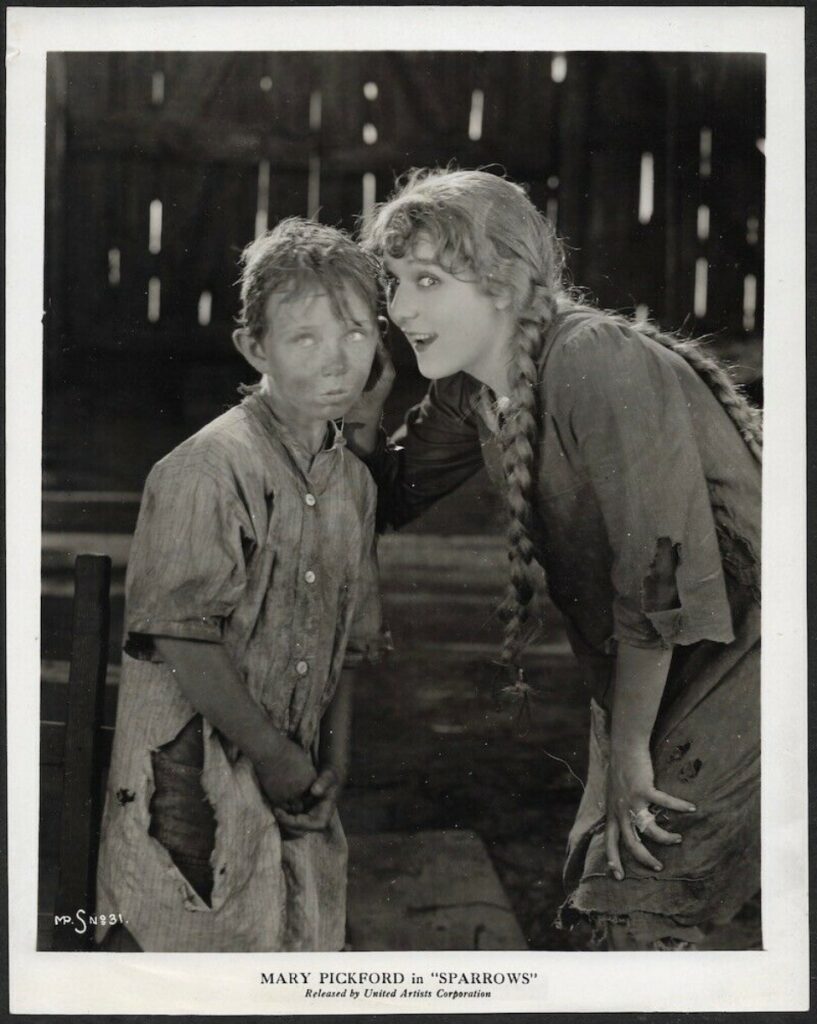
On September 27, a new restoration of the 1926 seafaring adventure The Black Pirate, starring Douglas Fairbanks, will kick off the festival at the Lindsay; on the same day, the Pittsburgh Film Orchestra will accompany the wistful Mary Pickford drama Sparrows at Third Presbyterian Church in Shadyside. Leading Charlie Chaplin expert Dan Kamin will introduce The Kid at the Rangos Giant Cinema on September 30; the landmark German fantasy Faust will play at Row House Hollywood on October 3. Ernst Lubitsch’s comedy So This is Paris will play at the Frick Pittsburgh on October 4, a tie-in to the museum’s French Moderns exhibition.
Featuring Faces of Children
Hunter is particularly enthusiastic about the rarely seen 1925 drama Faces of Children, an early example of both cinematic realism and international co-production (it was made by a French company in Switzerland).
The film will be shown inside Old St. Luke’s Church in Carnegie; it’s a 236-year-old house of worship with a church organ that dates back more than two centuries. That organ, which remains in working order, will be played by accompanist Eric Cook to score Faces of Children.
It’s an occasion, he says, that will demonstrate the power of film to bring distant time periods together.
“The church is small but impeccably preserved. And the little pipe organ is the oldest pipe organ west of the Alleghenies … It feels like you’re looking into a time that has passed, but that setting — watching a film and hearing that organ — connects all those dots.”
If you can’t make it to the Pittsburgh Silent Film Festival, you can always check out what else there is to do across the city in our Guide to Things to Do in Pittsburgh. Or, find out what new movies to see in theaters in our Arts, Culture, and Entertainment Guide.
About the Author
Sean Collier is the editor-in-chief of Shady Ave and the arts and culture editor of TABLE Magazine. Before joining the TABLE Media team, he spent nearly 15 years as a writer, editor and columnist at Pittsburgh Magazine. As the in-house film critic for the top-rated WDVE Morning Show since 2009, he’s been Pittsburgh’s most widely heard voice on movies for nearly two decades. A Pittsburgh native, Sean has since 2020 appeared weekly on KDKA-TV’s popular Pittsburgh Today Live talk show. He’s the co-founder of Vigilance Theater Group and an active stand-up comedian and event host. He can be found on Instagram and Twitter at @seancollierpgh.
Subscribe to TABLE Magazine‘s print edition.