Home Blog Page 123

Seared Scallops with Warm Corn & Chorizo Salsa

0
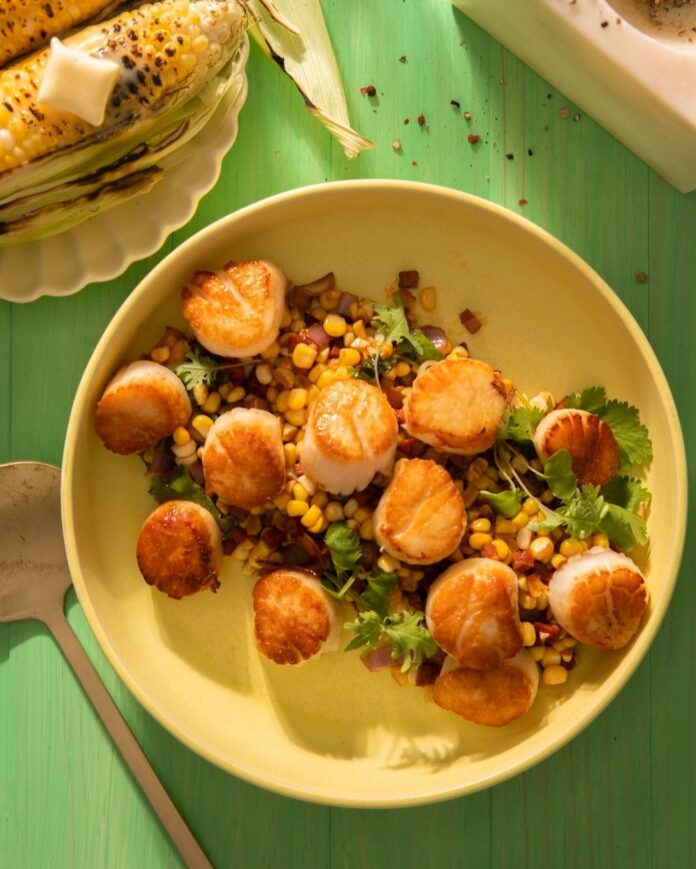
Seared Scallops with Warm Corn & Chorizo Salsa on a yellow dish with green background.

Seared Scallops with Warm Corn & Chorizo Salsa is a delightful summer entrée where the salty sweetness of perfectly seared scallops beautifully contrasts the earthy sweetness of fresh corn. Both flavors get a rich and smoky lift from the spice and fat of chorizo in the warm salsa, creating a harmonious balance that’s both satisfying and vibrant. This dish is easy to prepare but impressive enough to serve at any summer gathering or casual weeknight dinner. During the summer season, many local farms and farm stands offer fresh corn at its peak, which makes all the difference in flavor and texture. If you happen to be near Monongahela, be sure to check out Triple B Farms, known for their exceptional produce and commitment to quality. For more information, visit triplebfarms.com.

Why Chorizo Salsa?

Chorizo salsa adds a bold, smoky depth to any dish, perfectly complementing both seafood and vegetables. Its spicy, savory flavors come from rich, seasoned pork sausage, which brings warmth and complexity to the salsa. This versatile topping enhances summer meals by adding a satisfying kick and hearty texture. Whether paired with fresh corn or seared scallops, chorizo salsa transforms simple ingredients into a flavorful, memorable dish.

Why Scallops Shine in Any Dish

Scallops are one of the ocean’s finest treasures — tender, sweet, and luxuriously buttery when cooked just right. Their delicate flavor makes them the perfect canvas for bold or simple pairings, from bright citrus to smoky chorizo. Whether you’re searing them to golden perfection or trying a new preparation, scallops always impress. Looking for more inspiration? Check out another delicious scallop recipe here to bring even more ocean elegance to your table.

Print
clock clock iconcutlery cutlery iconflag flag iconfolder folder iconinstagram instagram iconpinterest pinterest iconfacebook facebook iconprint print iconsquares squares iconheart heart iconheart solid heart solid icon
Seared Scallops with Warm Corn & Chorizo Salsa on a yellow dish with green background.

Seared Scallops with Warm Corn & Chorizo Salsa


  • Author: Anna Franklin

Description

Seared scallops meet a warm, smoky-sweet corn and chorizo salsa in this easy, summer-perfect dish bursting with fresh, local flavors.


Ingredients

Scale
  • 1 lb scallops
  • 2 tbsp butter
  • 1/2 red onion, diced
  • 2 cloves garlic minced
  • 1/2 cup diced, dry-cured chorizo
  • 2 ears corn, cut off the cob
  • 1 lime, juiced
  • 1/4 cup cilantro sprigs


Instructions

  1. Pat scallops dry with a paper towel, season with salt.
  2. Sear in a nonstick pan over high heat, 3 minutes on first side until a golden crust forms, flip and finish cooking for 1 minute. Remove scallops and set aside.
  3. Add onion, garlic, chorizo, and corn into same pan and toss quickly just until everything warms through.
  4. Put warm salsa on serving platter and drizzle with lime juice. Garnish with cilantro sprigs


Recipe and Styling by Anna Franklin
Story by Keith Recker
Photography by Dave Bryce

With the support of Buy Fresh, Buy Local of Western Pennsylvania and PA Preferred

Subscribe to TABLE Magazine‘s print edition.
Juniper Lemonade Tonic

0
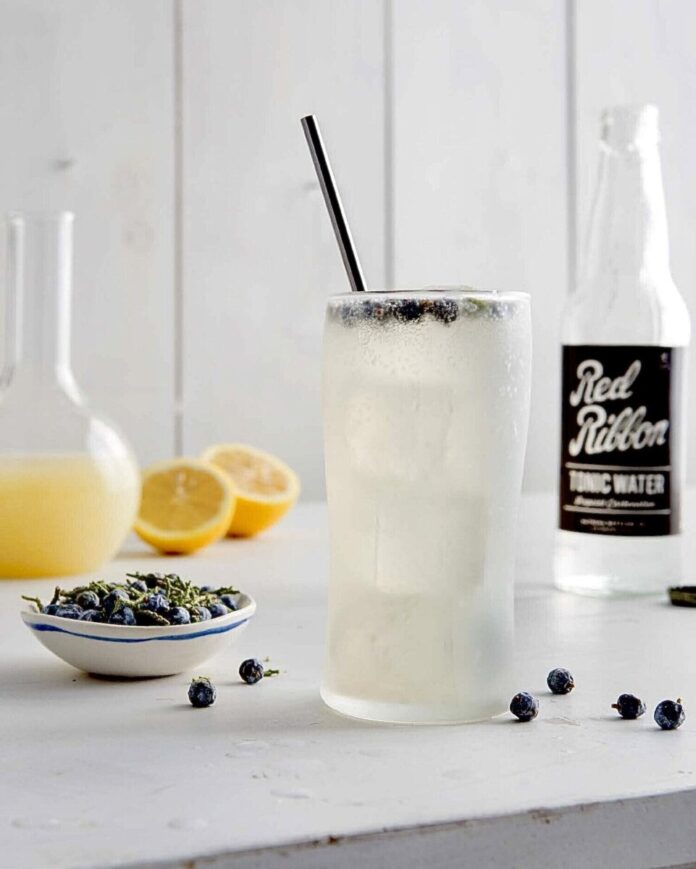
A juniper lemonade tonic sits on a table with juniper berries for a garnish and around it as well as lemons and a bottle of red ribbon soda.

Juniper berries, lemon, and tonic mix in this crafty cocktail created by longtime TABLE contributor Quelcy Kogel. She uses Red Ribbon Tonic Water, which is a bit on the sweeter side (to our benefit!). It’s the perfect tonic to add to any of our favorite spirits, especially when it’s combined with a juniper simple syrup that mimics the flavors of a good, dry gin. Follow the cocktail recipe below and add your favorite gin for a refreshing, fruity happy hour.

How to Have This Juniper Lemonade Tonic as a Mocktail

There are a couple of different ways you can mix up this Juniper Lemonade Tonic to be a mocktail. Simply take out the gin and use only the juniper syrup, lemon juice, and tonic water. Or, another solution is to sub the gin for a zero-proof version, Try adding in Ritual’s Non-Alcoholic Gin Alternative or Monday Zero Alcohol Gin.

Print
clock clock iconcutlery cutlery iconflag flag iconfolder folder iconinstagram instagram iconpinterest pinterest iconfacebook facebook iconprint print iconsquares squares iconheart heart iconheart solid heart solid icon
A juniper lemonade tonic sits on a table with juniper berries for a garnish and around it as well as lemons and a bottle of red ribbon soda.

Juniper Lemonade Tonic


  • Author: Quelcy Kogel

Description

Whether you have this recipe as a cocktail or mocktail we promise it’ll brighten your day!


Ingredients

Scale
  • 2 oz gin
  • 4 oz fresh squeezed lemon juice
  • 1/2 to 1 oz juniper syrup
  • Red Ribbon Tonic Water
  • Juniper berries (optional)

For the juniper syrup:

  • 1 cup granulated sugar
  • 1/2 cup water
  • 3 tsp juniper berries
  • 3 bay leaves, slightly crushed


Instructions

  1. In a Collins glass, combine the gin, lemon juice and syrup over ice.
  2. Top with tonic, garnish with juniper berries, and serve.

For the juniper syrup:

  1. Combine sugar, water, juniper berries, and bay leaves in a small saucepan; stir to disolve sugar. Bring to a boil over medium-high heat.
  2. When mixture boils, reduce the heat to medium and simmer until mixture is slightly thickened, about 5 minutes.
  3. Remove from heat and let steep 15 to 20 minutes. Strain syrup to remove herbs, and transfer to a container with a tight-fittting lid. Cover and refrigerate until ready to use.

Recipe and Styling by Quelcy Kogel
Photography by Adam Milliron

Subscribe to TABLE Magazine‘s print edition. 

Pawpaw Sweet Bread

0
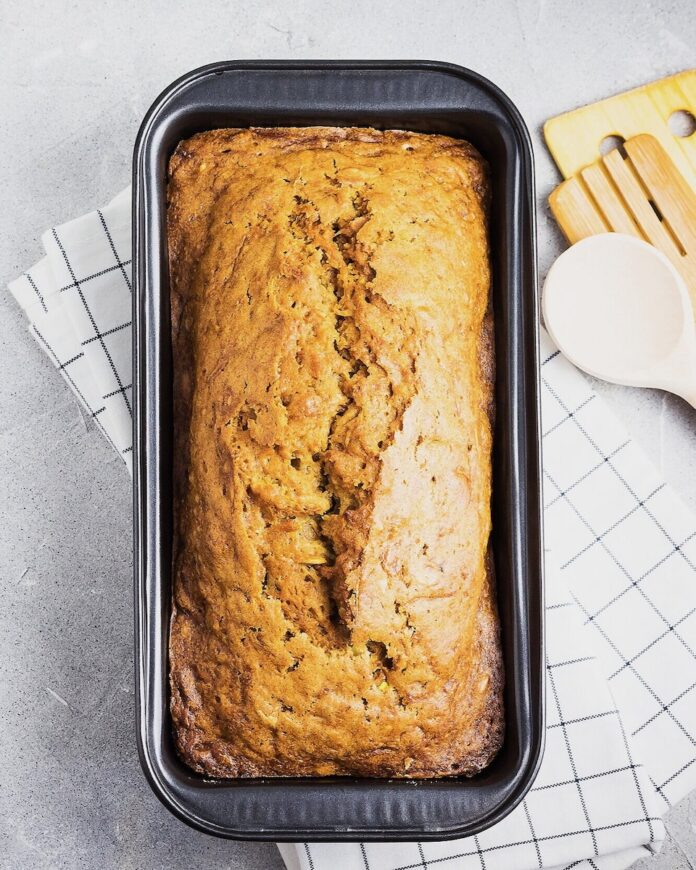
A loaf of Pawpaw Sweet Bread in an orange color sits in a loaf pan on a white towel and counter.

The texture of the pawpaw in this Sweet Bread recipe leads to a moist, custard-like bread reminiscent of bread pudding. As such, it’s delicious with a dollop of fresh whipped cream or our custard sauce.

What Are Pawpaws?

You may have known that pawpaws are a mango-like fruit native to North America, but did you know that they are also a very nutritious fruit option when it comes to mealtime? They are high in vitamin C, magnesium, iron, copper, and manganese with significant amounts of riboflavin, niacin, calcium, phosphorus, and zinc, and a good source of potassium and several essential amino acids.

Mature pawpaw fruit can grow up to six inches in length and resemble a bean-shaped mango with smooth skin that also changes from green to yellow as it ripens. Similar to bananas, dark flecks may appear and the skin may turn brown or even black when very ripe.

Their soft, mango-like texture make for a perfect ingredient in breads, too. Just make sure you let them ripen. Near-ripe fruit will keep up to two weeks in the refrigerator; let sit at room temperature to fully ripen before using.

Print
clock clock iconcutlery cutlery iconflag flag iconfolder folder iconinstagram instagram iconpinterest pinterest iconfacebook facebook iconprint print iconsquares squares iconheart heart iconheart solid heart solid icon
A loaf of Pawpaw Sweet Bread in an orange color sits in a loaf pan on a white towel and counter.

Pawpaw Sweet Bread


  • Author: Local Goodness LLC

Description

This mango-esc fruit melds perfectly with a classic sweet bread recipe.


Ingredients

Scale
  • 3 cups all purpose flour
  • 1 tsp baking soda
  • ¾ tsp salt
  • ½ tsp ground cinnamon
  • ½ tsp freshly ground nutmeg
  • 3 eggs, slightly beaten
  • ¾ cups sugar
  • 1 cup lite unsweetened coconut milk (may substitute with ½ cupvegetable oil)
  • 2 tsp vanilla extract
  • 1½ to 2 cups mashed pawpaw pulp (can use frozen)

For the custard sauce:

  • 1/8 cup sugar
  • 3 egg yolks
  • 1⁄2 cup skim milk
  • 1⁄2 tsp vanilla extract


Instructions

  1. Preheat oven to 350 degrees.
  2. In a large mixing bowl, stir together the flour, baking soda, salt, cinnamon, and nutmeg.  Make a well in the middle of the dry ingredients.
  3. In a separate bowl, beat together the eggs and sugar. Stir in remaining ingredients until well mixed and into the center of the dry ingredients. Stir until incorporated and dry ingredients are moistened, but don’t over mix.
  4. Pour batter into two greased medium-size loaf pans. Bake for 60-70 minutes, or until golden brown and set.
  5. Remove and let cool 20 minutes before removing from pans. Slice and serve with fresh whipped cream or custard sauce.

For the custard sauce:

  1. In a medium saucepan whisk together the egg yolks and sugar until creamy. Stir in the milk and vanilla.
  2. Once all ingredients are combined, cook over low heat, stirring constantly, until the custard thickens and coats the back of a wooden spoon (approximately 7 minutes).
  3. Serve warm or let cool, covered with plastic wrap, in the refrigerator.

Recipe by Local Goodness LLC
Story by Rhonda Schuldt

Subscribe to TABLE Magazine‘s print edition.
Asparagus Ravioli

0
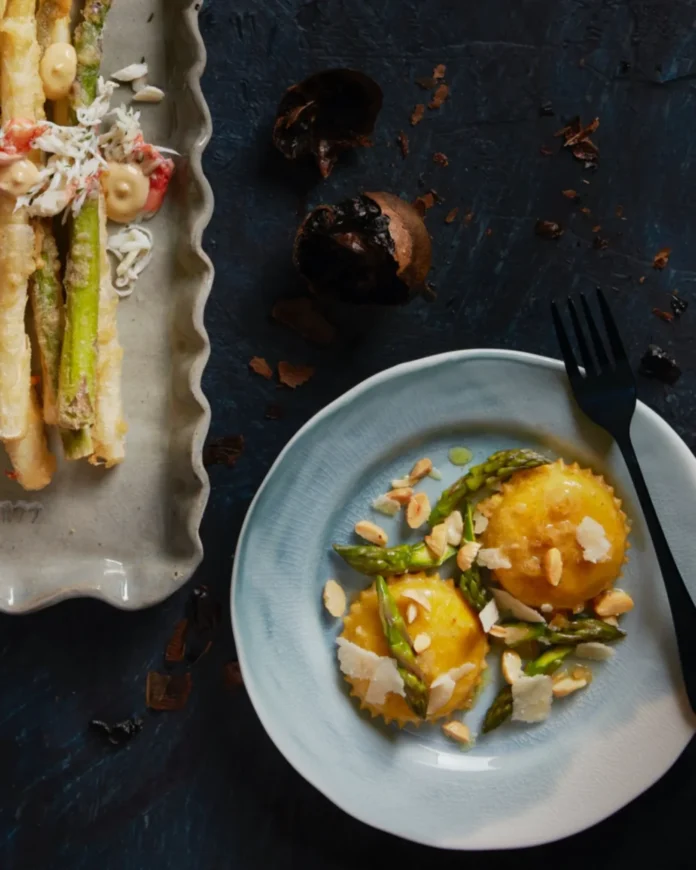
An above shot of Asparagus ravioli on a small white plate.

Celebrate asparagus season in the most delicious way with this handmade Asparagus Ravioli recipe—complete with a zesty preserved lemon vinaigrette that adds a bright, unexpected twist. From kneading silky egg pasta to blending a rich, creamy filling of asparagus, Parmesan, and cream cheese, this dish is a rewarding kitchen project that turns simple ingredients into something truly special. Whether you’re looking for a spring dinner centerpiece or a fresh take on homemade pasta, this Asparagus Ravioli delivers vibrant flavor, impressive presentation, and the satisfaction of scratch cooking.

Print
clock clock iconcutlery cutlery iconflag flag iconfolder folder iconinstagram instagram iconpinterest pinterest iconfacebook facebook iconprint print iconsquares squares iconheart heart iconheart solid heart solid icon
An above shot of Asparagus ravioli on a small white plate.

Asparagus Ravioli


  • Author: Kristin Butterworth

Description

Celebrate asparagus season in the most delicious way.


Ingredients

Scale

Egg Pasta

  • 2 ½ cups 00 farina flour
  • ¾ tsp kosher salt
  • 2 whole eggs
  • 3 egg yolks
  • 1 tbsp olive oil

Asparagus Ravioli Filling

  • 1 lb asparagus, roughly chopped
  • 6 tbsp cream cheese
  • ¼ cup Parmesan cheese
  • ½ tsp minced garlic
  • Salt and pepper, to taste

Preserved Lemon Vinaigrette

  • 1/3 cup olive oil
  • ¼ cup lemon juice
  • 1 tsp Dijon mustard
  • ½ tsp honey
  • 3 tbsp preserved lemon, brunoise-cut or small dice
  • Salt and pepper, to taste


Instructions

Egg Pasta

  1. In a KitchenAid or similar mixer combine the flour and salt. Add eggs, yolks, and oil and run the machine until the dough holds together. If dough looks dry, add another teaspoon olive oil. If dough looks wet, add a little flour until dough is tacky and elastic.
  2. Dump dough onto a work surface and knead briefly until very smooth. Wrap in plastic and rest at room temperature for 40 minutes.
  3. Cut the dough into 4 pieces, keeping them covered with plastic wrap or a dishtowel when not in use. Using a pasta roller, set to the thickest (widest) setting, roll one piece of dough out onto a sheet. Fold the sheet in thirds like a letter and pass it through the machine 2 more times on the same setting.
  4. Reduce the setting, and repeat rolling and folding the dough, passing it through the machine until you reach the “number 2” thickness.
  5. Cut the pasta into desired size for the raviolis. Place cut pasta on a flour-dusted sheet tray and cover with a dishtowel while rolling and cutting the remaining dough. Make sure to sprinkle flour over the cut pasta before you place another layer on top.

Asparagus Ravioli Filling

  1. Bring a medium pot of well-salted water to a boil over high heat. Have ready a bowl of ice water to shock the asparagus to stop the cooking process. Boil the asparagus tips until tender but still bright green, about 2 minutes. With a slotted spoon, transfer to the ice water. When cool, transfer with the slotted spoon to a small bowl and set aside. In a food processor (or by hand), chop the asparagus very finely and transfer to a medium bowl. Add the cream cheese, Parmesan, and garlic to the chopped asparagus; mix well. Season to taste with salt and pepper.
  2. For the ravioli: Arrange your cut pasta on a work surface. Put 1 level tablespoon of the asparagus filling in the center of each piece of dough. Using a spray bottle, moisten the edges of each with water. Top each with another piece of pasta and press the edges firmly to seal, expelling any air bubbles as you seal. If you don’t plan to cook the ravioli immediately, cover them with a damp cloth or freeze until ready to use.

Preserved Lemon Vinaigrette

  1. Combine all ingredients in a small mixing bowl with a whisk. The honey and Dijon should emulsify the vinaigrette but you will need to mix before serving. Feel free to adjust the dressing with salt and pepper and maybe some additional honey if needed.

Recipe and Food by Chef Kristin Butterworth
Story and Prop Styling by Keith Recker
Photography by Dave Bryce

Subscribe to TABLE Magazine‘s print edition.

Watermelon Steak Salad

0
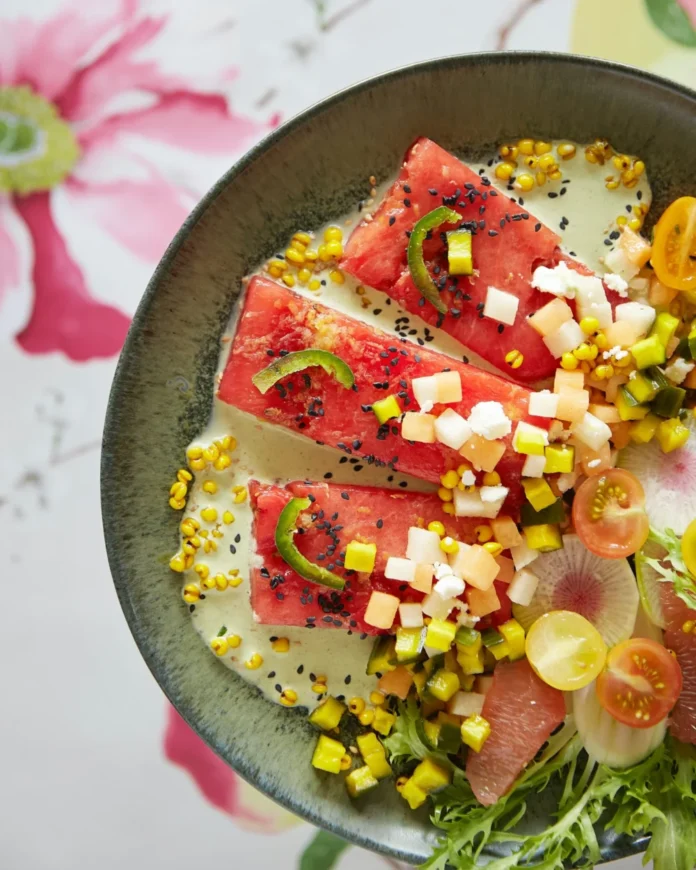
An above shot of a bowl filled with brightly colored fruit, making up a watermelon steak salad.

Watermelon has always been that one fruit that can spark up nostalgia for me: it’s a remembrance of summer evenings or afternoon family picnics. On any given summer night, my mother and father would have a watermelon wedge waiting for me; it was just something that was always there. It’s also one of those ingredients that tends to go well with a variety of flavors. Be it spicy, salty, tart, acidic, or bitter – they all seem to work. This time of year is great for many other fruits and vegetables – tomatoes, radish, bitter greens, and other melon varieties – which, luckily, all complement watermelon very well. This Watermelon Steak Salad dish will show that although watermelon is great on its own, there are many flavor profiles that pair great with it, too.

Story by Maggie Weaver
Photography by Dave Bryce
Food Styling by Veda Sankaran
Prop Styling by Keith Recker
Recipe by Chef Steve Paul
Wallpaper: Guermantes by Manuel Canovas, Courtesy of Cowtan & Tout

Subscribe to TABLE Magazine‘s print edition.
Baba Ghanouj

0
An above shot of a turquoise bowl filled with Baba Ghanouj.

Eggplant is one of my favorites. Growing up, my mom prepared it in rice dishes—cubed, fried, and then cooked in with the rice, or cut into thick rounds and layered at the bottom of the pot below the rice. It seemed to be everywhere, but I never tired of it. It was in the moussaka, maqlooba, and especially in baba ghanouj. This smoky, creamy baba ghanouj recipe remains a staple in my kitchen. Sometimes we’d enjoy eggplant simply fried and served with pita, fresh vegetables, and hummus. But probably my all-time favorite is maqdoos: pickled baby aubergines stuffed with walnuts and garlic. My grandmother made these, and I hope to master them someday too.

Story by Maggie Weaver
Photography by Dave Bryce
Food Styling by Veda Sankaran
Prop Styling by Keith Recker
Recipe by Chef Steve Paul
Wallpaper: Guermantes by Manuel Canovas, Courtesy of Cowtan & Tout

Subscribe to TABLE Magazine‘s print edition.
Vietnamese-Style Chicken Wings

0
An above shot of a baking sheet filled with Vietnamese Chicken Wings.

These Vietnamese-style chicken wings are a mouthwatering balance of sweet, salty, and tangy, with layers of flavor that build from an overnight marinade. Infused with fish sauce, brown sugar, garlic, lemongrass, and ginger, the wings emerge from the oven with a glossy, caramelized coating and irresistible aroma. A final squeeze of fresh lime and sprinkle of cilantro brighten each bite, while an optional dipping sauce—packed with chili heat and umami depth—brings even more complexity to the table. Perfect for game day, dinner parties, or casual snacking, these wings deliver bold Southeast Asian flavor with minimal fuss.

What Makes Something Vietnamese-Style?

When you see Vietnamese-style on a recipe, think bold, aromatic, and balanced. It usually signals a dish built around the signature flavors of Vietnamese cooking—salty fish sauce, sweet caramelized sugar, bright citrus (like lime), fresh herbs, and a little heat from chili. It’s not just about one note, but the interplay between them: savory meets sweet, spicy meets sour. Techniques like marinating meat with lemongrass, garlic, and ginger, then roasting or grilling to lock in flavor, are also hallmarks.

Print
clock clock iconcutlery cutlery iconflag flag iconfolder folder iconinstagram instagram iconpinterest pinterest iconfacebook facebook iconprint print iconsquares squares iconheart heart iconheart solid heart solid icon
An above shot of a baking sheet filled with Vietnamese Chicken Wings.

Vietnamese-Style Chicken Wings


Description

Sticky, Savory, and Full of Zing


Ingredients

Scale
  • 2 pounds small to medium chicken wings
  • 2 whole limes quartered for marinade and serving
  • ½ cup fish sauce
  • ½ cup brown sugar
  • 2 garlic cloves minced
  • 1 ½ tsp grated ginger
  • 1 tbsp finely chopped lemongrass
  • 1 tbsp chopped cilantro for serving

Dipping Sauce (optional)

  • 1/4 cup fish sauce
  • 2 tbsp brown sugar
  • 1 tbsp Thai pepper or other small pepper
  • 1 lime, juiced
  • 1 cup water
  • 2 spring onions chopped
  • 1 tsp sesame seeds


Instructions

  1. Combine fish sauce, brown sugar, garlic, ginger, juice from one lime, and lemongrass in a bowl. Add chicken wings and evenly coat marinade over all the wings. Cover and marinate overnight in the refrigerator. Reserve some marinade for basting during cooking.
  2. Preheat the oven to 400F and place chicken wings and on a baking sheet in a single layer and bake for 40 minutes. Town and baste midway with marinade.
  3. Add fresh lime juice and cilantro before serving warm.

Dipping Sauce (optional)

  1. Add all ingredients to a saucepan. Reduce liquid until slightly thickened (five minutes) Serve.

Subscribe to TABLE Magazine‘s print edition.
Tamales and Tradition

0
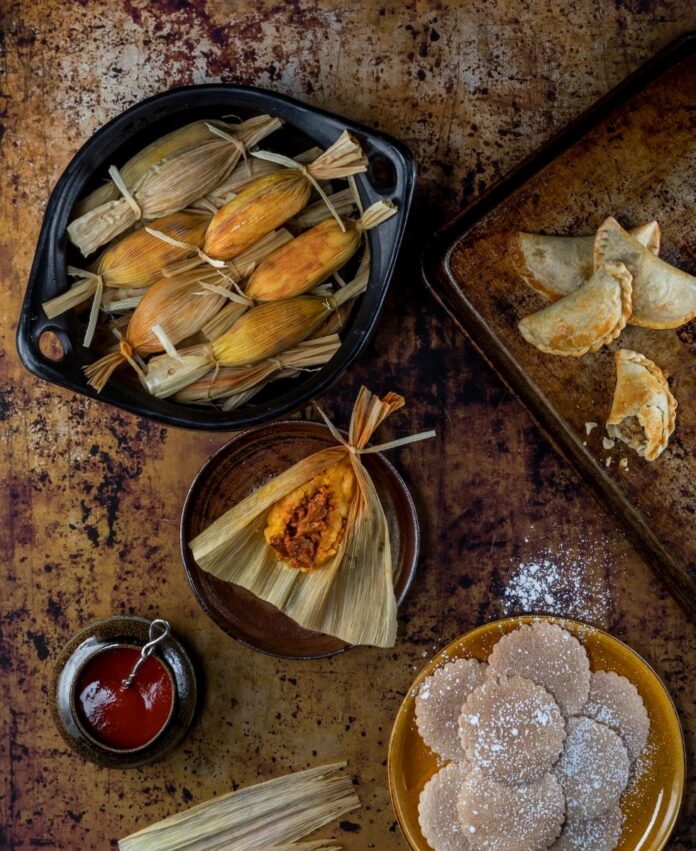
A black bowl filled with traditional tamales wrapped in corn husks, with one unwrapped tamale on a smaller plate showing a rich, red filling. Beside the plates are other New Mexican foods, including empanadas and biscochitos.
Tamales, biscochitos and empanaditas are important holiday traditions for the Martinez family of New Mexico.

To talk about the tamale is to talk about time writ large through food, to recognize interwoven histories across centuries, continents, and generations within families.

The word “tamale” is derived from the word tamalii, an Aztec word meaning, “wrapped food.” This compact creation of corn masa, filled with any combination of meat or vegetables and wrapped in corn husks, has satiated appetites dating as far back as 5,000 BC. Migrating north in the packs of Spanish soldiers, the tamale came to the land now known as New Mexico, where the hardiness and portability of a self-wrapped meal is perfect daily sustenance for the modern-day college student or grandma on the go.

Tamales and the Tradition That Surrounds Them

In Santa Fe, you can find tamales every day of the year. Yet come the winter holidays, tamales serve as more than a mere meal. When made traditionally, this deceptively simple dish is labor and time intensive – an endeavor made easier with many hands. As Christmas draws near, families in New Mexico gather around the kitchen to form a
culinary assembly line, spreading masa, placing the filling, wrapping the corn husks, and steaming the finished tamales.

The tamalada, or tamale-making process can take an entire day, beginning with preparing the corn flour masa. Then there are the fillings, often but not limited to slow-cooked, fall-apart tender chicken or pork seasoned with a sauce made from dried red chili powder (Chimayo Red is a local favorite). Corn husks must be soaked until pliable to wrap and tie. The family circles around, making dozens at a time for the holiday. Try their delicious recipe for Traditional Tamales here.

A Personal Experience

Although she grew up in Pojoaque, just north of Santa Fe in northern New Mexico, Theresa Martinez recalls making her first tamales in her early 20s with a friend. But she had eaten them throughout her childhood when the December tamale “harvest” was a family ritual marking the holidays – a time to make copious amounts of food to share
with family and neighbors alike. Theresa likens the custom to decorating the Christmas tree the day after Thanksgiving – moments that define how a family observes this special season.

Now a mother herself, Theresa makes sure that her daughters, Aurora Martinez-Rivera, 24, and Lola Martinez, 10, make the tamales, together with her mother, Lola Thompson, 72, and even her grandmother, Della Ryobal, 95.

What Else Goes With Tamales?

In addition to tamales, [Theresa’s grandmother] makes her biscochitos – a crisp lard- or butter-based cookie, flavored with cinnamon and anise. Theresa tries time and again to reproduce those cookies, but she thinks that there is something unique to her grandmother Della’s hands — part chemistry, part technique. Try her recipe for New Mexico Biscochitos here.

Theresa feels deeply that for her daughters to carry on this tradition is integral to the future of her family so that her girls can teach their own children. It can be a thorny route to navigate, when personal expressions of gender and gender-specific roles, specifically in the kitchen, are constantly shifting and changing. And perhaps that’s where culinary traditions carry such significance. Theresa’s daughters may dress and dance and even speak far differently from their great-grandmother. But, the smells of the tamales steaming and the cookies baking are senses that will always carry them back to the same place. That is what happens when four generations of women and girls gather together in the kitchen to make tamales as their ancestors have done before them.

Traditions are a pathway not only to the past but a wayfinding route for the future – as the family gathers around the table, telling stories, making the best kinds of messes, sticky fingers, stained aprons, and far-flung dough galore – memories are made for years to come.

Finish off your celebration with Theresa’s recipe for Authentic Empanaditas.

Story and Photography by Gabriella Marks
Styling by Robert Nachman
Food by Theresa Martinez and family

Subscribe to TABLE Magazine’s print edition.

11 Easy, Classic, and Craft Whiskey Cocktail Recipes

0
Three dark blue-purple cocktails in rocks glasses garnished with lemon twists. Blueberry Whiskey Sour Recipe
Photo by Lauren Volo

From smooth, sophisticated sips to spirited, crowd-pleasing mixes, these easy, classic, and craft whiskey cocktail recipes will elevate your home bartending game with ease. We’ve selected 11 of our best whiskey cocktail recipes that celebrate both its classic history and its versatility. Whether in a smash, a sour, or an Old Fashioned, whiskey is one of the best types of liquor to experiment with in home cocktail making.

Tasting Notes to Look for in Whiskey

Just like wine, whiskey has its own tasting notes and flavor profiles. Since whiskey is often aged in barrels, many whiskeys have an oak taste to them. That oak then evolves on the palate to vanilla, caramel, or spice, depending on the whiskey and the type of barrel it was aged in. In Scotch whiskeys, smoke and peat are some of the strongest notes to look for. If you like smokiness, Scotch is the way to go, but bourbon and rye bring a fuller bodied grain flavor. There’s something for everyone in the different types of whiskey out there.

Easy, Classic, and Craft Whiskey Cocktail Recipes

Craft Bourbon Smash with Peach and Blackberry

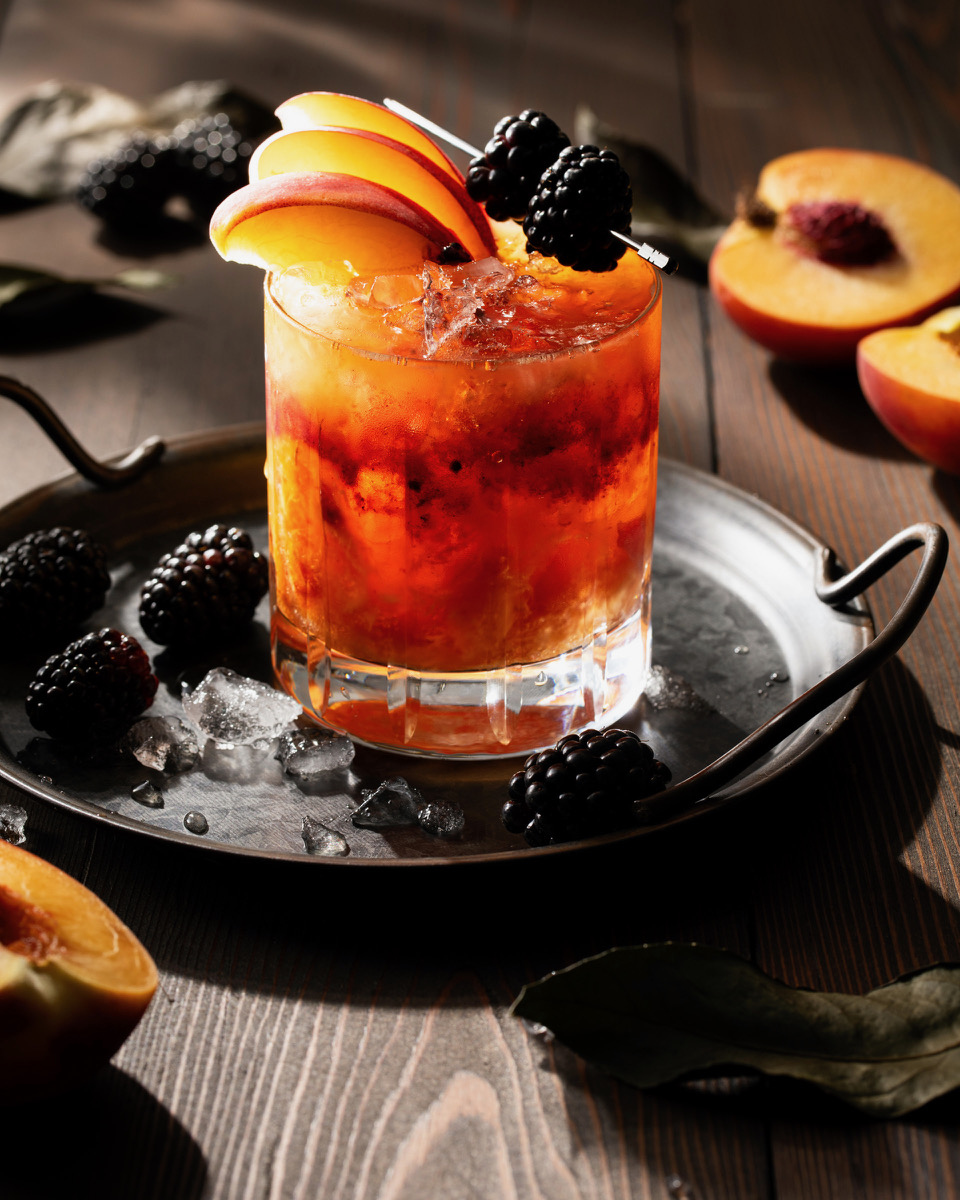
A craft bourbon smash cocktail on a black background

Fresh fruit and tangy flavor take center stage in this delicious craft bourbon smash recipe. The bourbon smash is a perfect cocktail for the changing seasons, refreshing and delicious but classy and high quality, too.

Easy Bourbon Slush

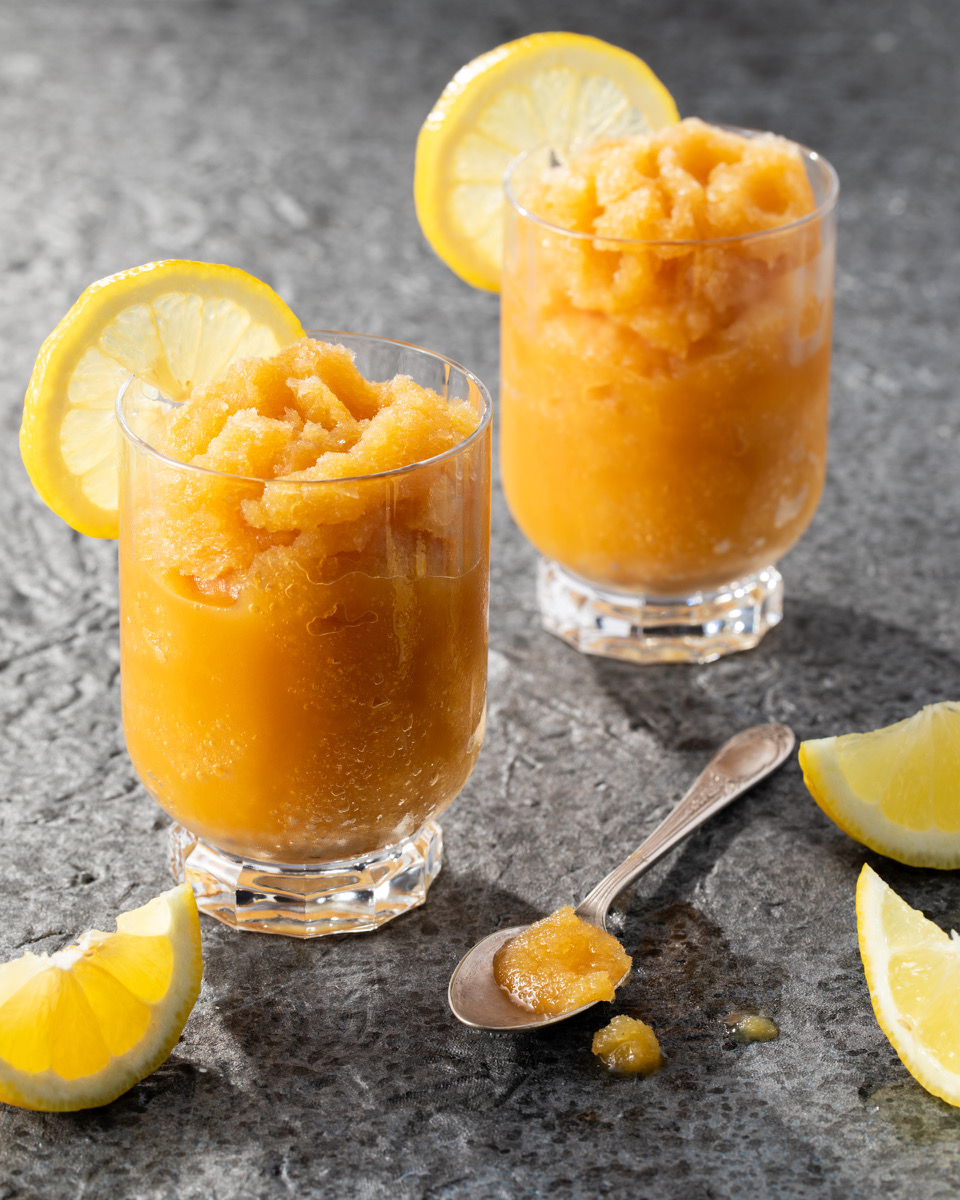
A pair of bourbon slush cocktails on a grey background

For a dessert cocktail, the bourbon slush can’t be beat among whiskey recipes. A little bit of well-steeped black tea and frozen lemon concentrate make this one of the most refreshing bourbon drinks out there.

Classic Whiskey Sour

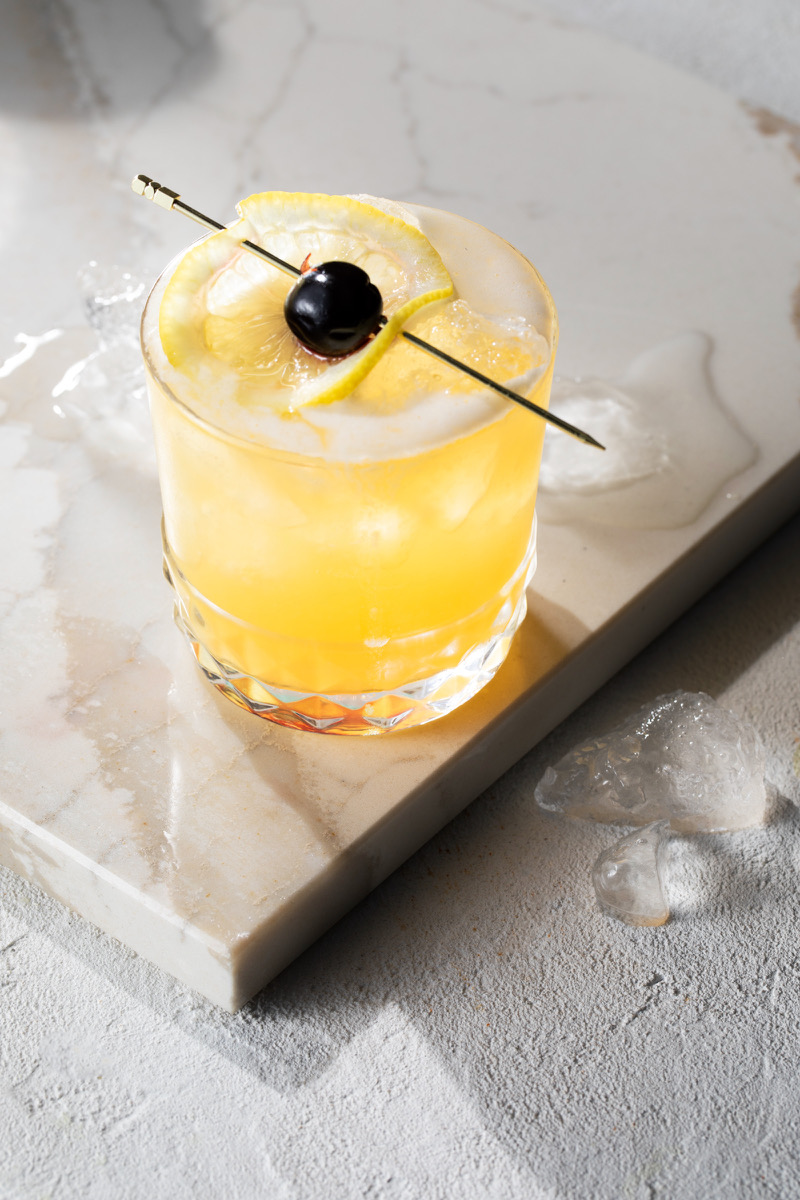
A whiskey sour on a white background

It’s a classic for a reason. The sour goes back as far as the nineteenth century and is now enjoyed at bars around the world. The cherry adds a fruity tang to whiskey’s smokiness, while the frothy egg white sweetens the whole mixture.

Blueberry Whiskey Sour

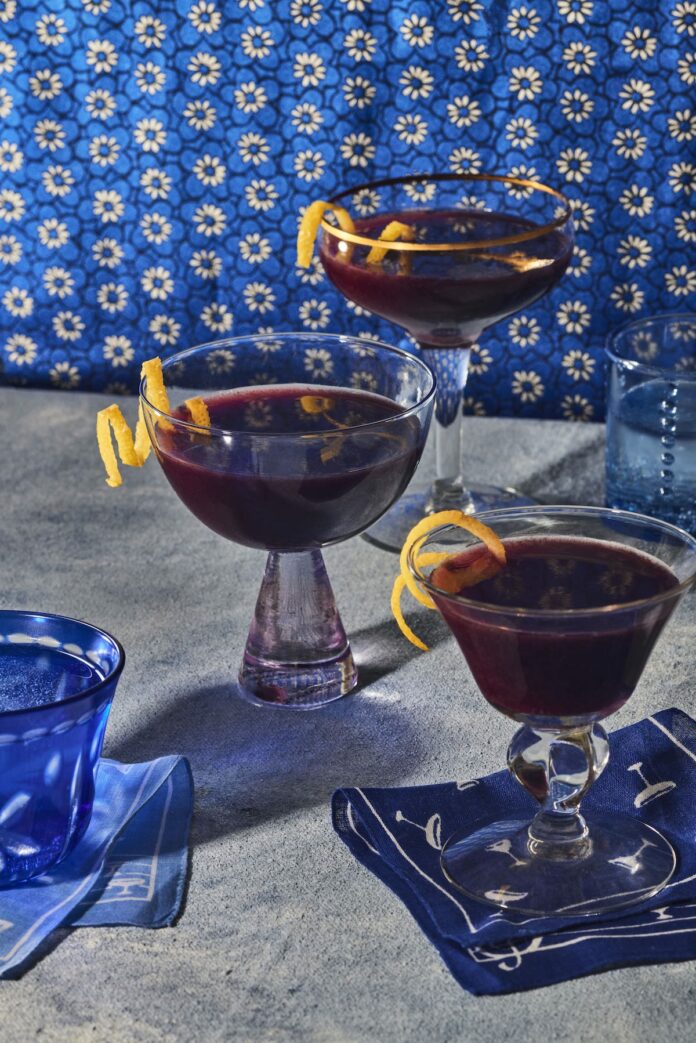
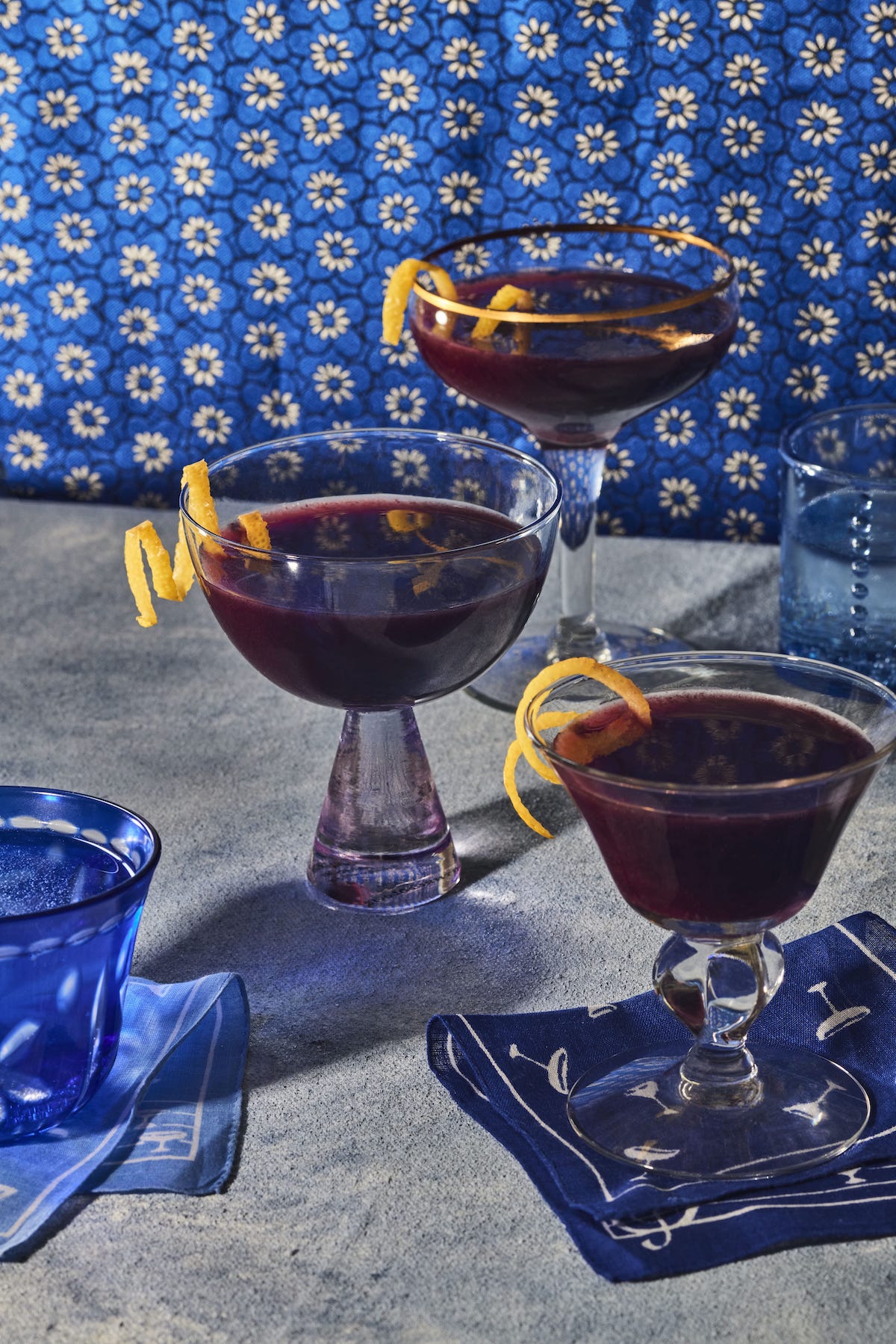
Three dark blue-purple cocktails in rocks glasses garnished with lemon twists. Blueberry Whiskey Sour Recipe

What does blue taste like? Calming, but confident, able to whisk you away to a blue sea. To savor a bit of blue’s wonderful qualities, try The Taste Curators‘ Blueberry Whiskey Sour recipe. Perhaps you’ll enjoy a bit of synesthesia!

Smoked Bourbon Old Fashioned

A orange with half its peel off sits to the right of a smoked bourbon old fashioned in rocks glass. curls of smoke waft off the glass.

Warm and complex on the palate, this Smoked Bourbon Old Fashioned whiskey recipe offers an undeniably delicious and robust flavor. An old fashioned can become new every time with the complexity of its flavors!

The Bene Gesserit, a Dune: Prophecy Cocktail

A tall glass sits on a bar with an orange and red hue to represent the Bene Gesserit in Dune Prophecy.

This cocktail inspired by the strong, mysterious witches who headline the Dune prequel makes a bold, boozy choice in combining red absinthe with bourbon. Maybe don’t make this before driving. But it’s delicious!

Sunny Days Ahead, a Whiskey and Amaretto Cocktail 

A glass of amber-colored bourbon cocktail garnished with dehydrated orange slices resting on cocktail picks against a dark background with a bottle of bourbon in the background.

This easy amaretto cocktail by Team Nemacolin at our inaugural cocktail shake-off embodies the perfect blend of tradition and innovation. The balanced flavorful classic won over the crowd.

Espresso Whiskey Martini

Two Espresso Whiskey Martini fills one purple and one blue martini glasses, adorned with gold accents.

You’ve heard of the Espresso Martini but what happens when you substitute the vodka for whiskey instead? The decadence of this dessert cocktail gets taken to a new level with the notes of ingredients like caramel, vanilla, and oak in the whiskey of your choice. Plus, we use Frangelico for new hints of nuttiness.

Low Calorie Honey Whiskey Cocktail

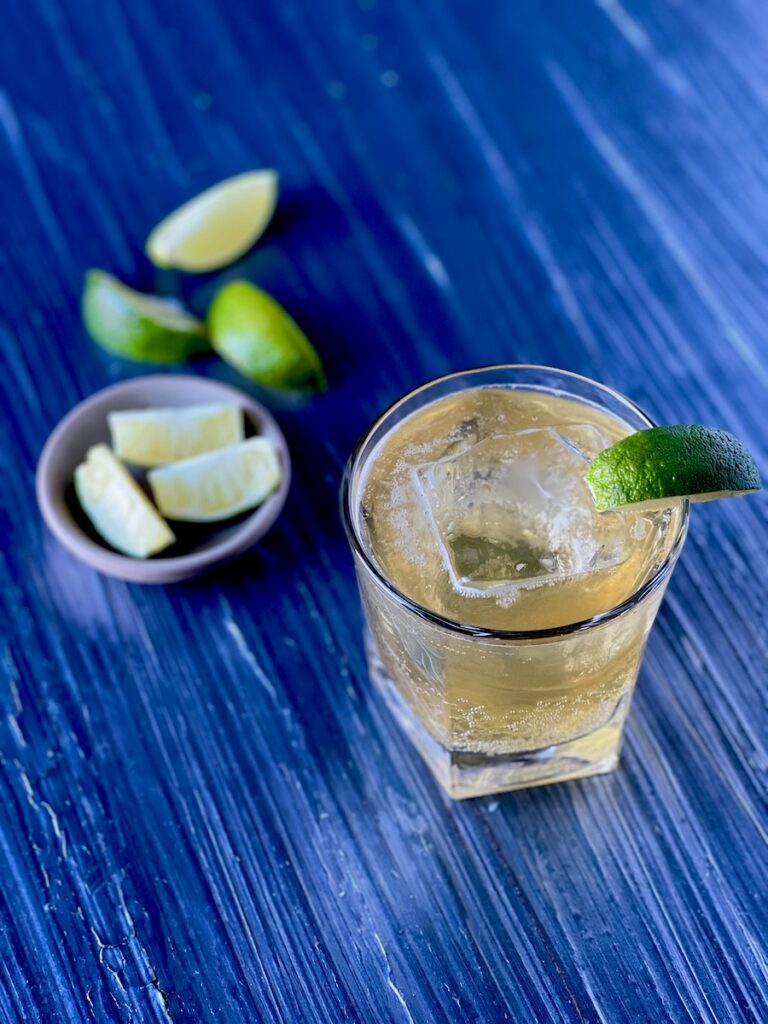
A rocks glass with a large ice cube, honey whiskey cocktail, and wedge of lime sits on a blue table with a small bowl of lime wedges to the left of the glass.

Low calorie cocktails are a way for all to enjoy the relaxation of a cocktail without the guilt after. Simply take a can of Green Bee Ginger Buzz Honey Soda and add it to a combination of whiskey and lime juice. It’s subtly sweet with a slight bite from the ginger in the soda.

19th Century Cocktail

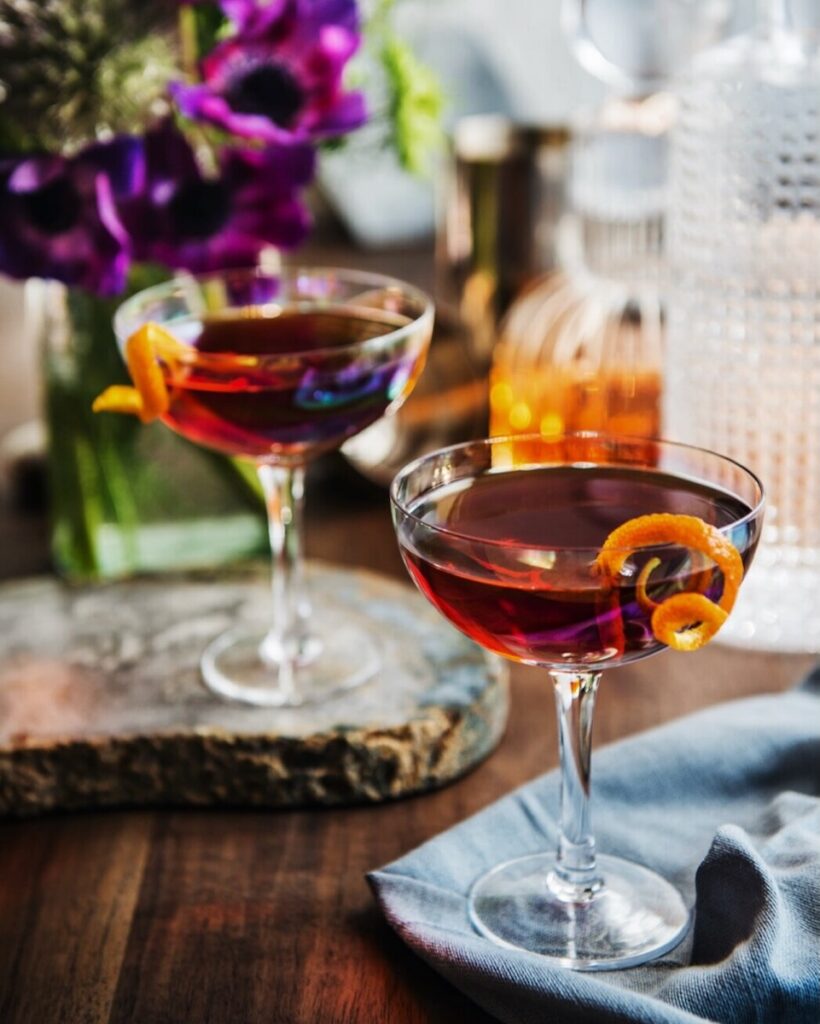
A 19th century cocktail with bourbon and lillet rouge.

The 19th century saw the rise of bourbon as it became associated with a style of whiskey. In honor of this period, our 19th Century Cocktail uses Marie Brizard white crème de cacao, Woodford Reserve bourbon, lillet rouge, and lemon juice. The result is ruby-toned brillance.

Cherry Bomb (Low Calorie Whiskey Cocktail)

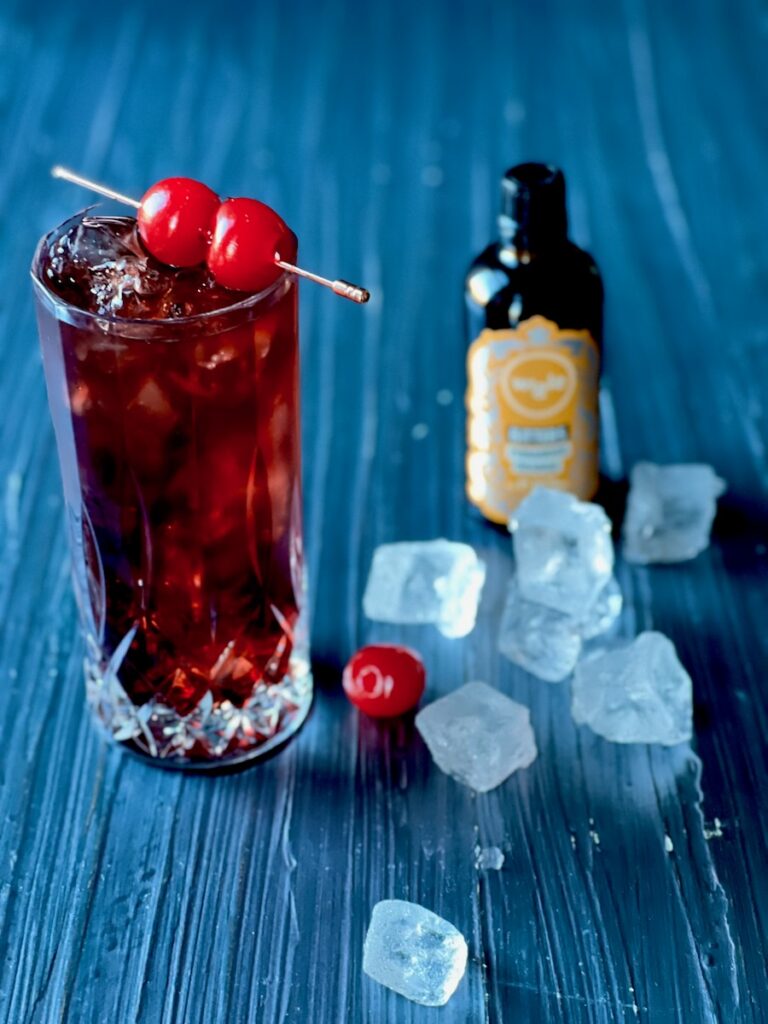
In a tall glass sits a cherry diet coke cocktail with two cherries on a tooth pick laying on top of the glass as well as ice and orange bitters to the right.

If you just can’t stay away from Diet Coke then we have some good news, it’s the center of this cocktail recipe. This low calorie cocktail features tart maraschino cherry juice, whiskey, and orange bitters to offset the sweet soda.

Story by Emma Riva 

Subscribe to TABLE Magazine‘s print edition.

Chicken Fajita Skillet 

0
A chicken fajita skillet with slices chicken, limes, and peppers. Then there are small bowls of pico, sour cream, and onions.

We know how hard it can be to get yourself to cook dinner. After a long day at work, the last thing you want to do is get up off the couch to cook over a hot stove. But, an easy recipe makes the task of dinner at least a bit easier. This Chicken Fajita Skillet is a one-pan effort that takes tender chicken and mixes it with fajita vegetables. Garnish your skillet with avocado, lime, and cilantro before serving hot out of the oven.

What is in Fajita Seasoning?

Fajita seasoning is that aromatic blend of spices which forms the flavor base for this beloved dish. The core of the blend is typically chili powder and cumin for spice. These are then complemented by smoked paprika for a rich, smoky undertone and a vibrant red color. Other essential ingredients include garlic powder and onion powder for a savory base, while a touch of cayenne pepper or crushed red pepper flakes can be added for extra heat. A bit of oregano or dried cilantro and a hint of salt and black pepper usually round out the mix.

Recipe and Styling by Anna Franklin
Photography by Laura Petrilla

Subscribe to TABLE Magazine’s print edition.

Don't Miss