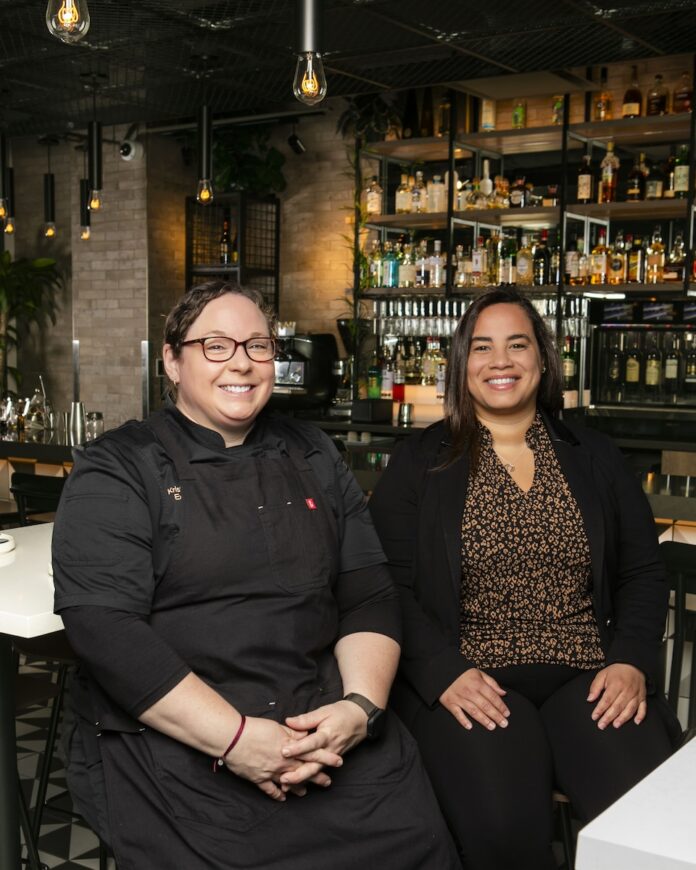
The Oaklander’s Cork & Crust, located on the bottom floor of The Oaklander Hotel in the heart of Oakland, has quickly become one of Pittsburgh’s standout dining destinations, thanks in large part to the leadership of Executive Chef Kristin Butterworth and Food & Beverage Manager Amnelis Cruz. The two have played an instrumental role is shaping the new pizza and wine bar into a welcoming space that blends approachable hospitality with high-quality and creative cuisine.
Why Cork & Crust at The Oaklander Is a Top Dining Destination
Butterworth, a culinary powerhouse with more than two decades of experience in some of the nation’s most distinguished kitchens, is a three- time James Beard Award semifinalist and featured chef at the prestigious James Beard House. Her focus on fresh locally sourced seasonal ingredients drives dishes like handcrafted pizzas, signature pastas, decadent desserts, and more. Cruz, a talented mixologist and experienced hospitality industry leader, complements the restaurant’s menu with a carefully curated beverage experience complete with inventive cocktails and an impressive wine list. Together, Butterworth and Cruz have created a vibrant gathering place for locals and visitors alike.
In our HEAD OF THE TABLE series, we spotlight innovative trailblazers who not only deliver exceptional goods and services but also build meaningful relationships within their communities. Whether it’s a design company transforming local homes, a jeweler bringing sparkle to our lives, or a duo of dentists helping us look our best, these folks deserve a seat at the head of our table and yours. We hope their stories both inspire you, and remind us all what makes Pittsburgh truly special.
SPONSORED
Story by TABLE Magazine Staff Photography by Laura Petrilla
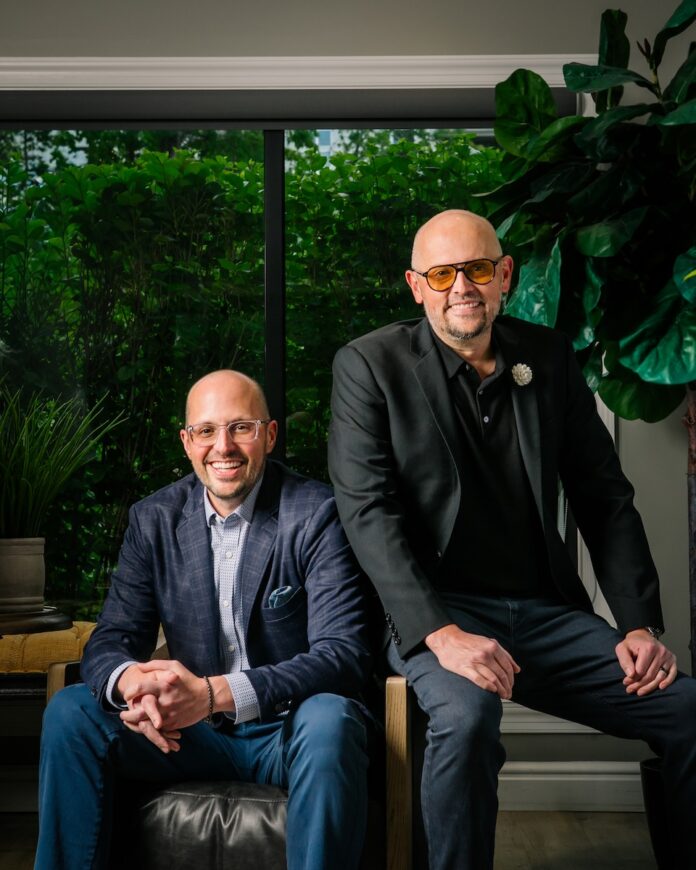
Drs. and brothers Brian and Rob Klaich elevate cosmetic dentistry at Cranberry Dental Studio.
It’s More Than Just a Dentist Appointment with Drs. Brian and Rob Klaich at Cranberry Dental Studio
Cranberry Dental Studio continues to redefine cosmetic dentistry in the Pittsburgh region through a personalized, artistry-driven approach led by Drs. Brian and Rob Klaich. Known for advanced smile design and a luxury patient experience, the practice has received national and international recognition for its exceptional cosmetic dentistry. Both doctors are actively involved with the American Academy of Cosmetic Dentistry and remain committed to excellence in aesthetic dentistry and continuing education.
The studio is known for customized smile makeovers, porcelain veneers, cosmetic bonding, laser contouring, whitening, and full smile rehabilitation designed to improve both beauty and function.
What sets Cranberry Dental Studio apart is its combination of artistry, technology, and highly personalized care, along with detailed photography- driven treatment planning that helps deliver exceptional results. Through innovation, precision, and compassionate care, Drs. Brian and Rob Klaich create confident smiles that are built to last.
In our HEAD OF THE TABLE series, we spotlight innovative trailblazers who not only deliver exceptional goods and services but also build meaningful relationships within their communities. Whether it’s a design company transforming local homes, a jeweler bringing sparkle to our lives, or a duo of dentists helping us look our best, these folks deserve a seat at the head of our table and yours. We hope their stories both inspire you, and remind us all what makes Pittsburgh truly special.
SPONSORED
Story by TABLE Magazine Staff Photography by Laura Petrilla
The start of August is also the middle of summer, meaning hot, sunny days are ready to lead you outside to July 27-August 2 events in Pittsburgh. Get out and do your gardening early, and then head out to pick up a new skill, sail on lake, go to a night market, or relax on the lawn to live music. Welcome to the peak of summer in our city.
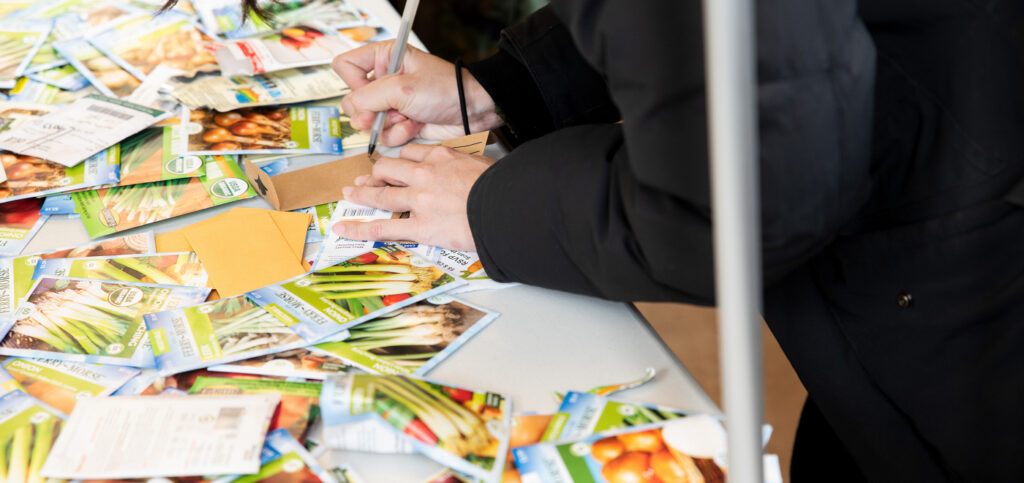
This short course by Phipps Conservatory takes you through all you need to know about saving seeds from edible and native plants. You’ll start with a lesson on the genetics of our local trees before diving into information about collecting wild seeds, propagation, how to grow seeds, as well as saving seeds from vegetable crops. The day even includes lunch, a book sale, and a seed cleaning demo.
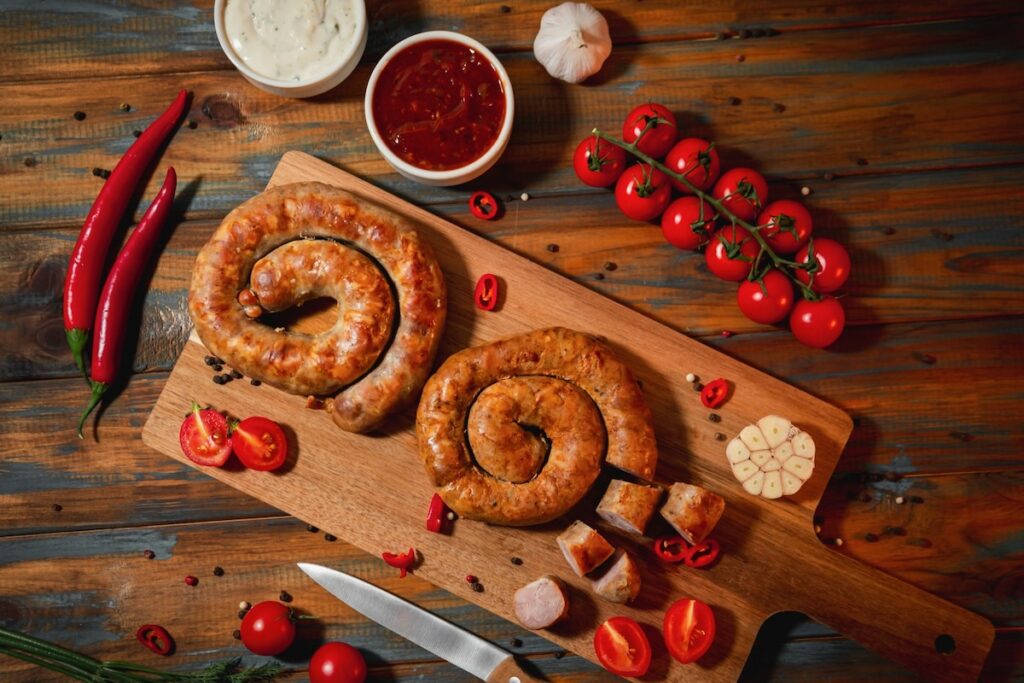
Ever wonder how the sausage gets made? Now you can make your own with the help of Community Kitchen’s in-house butcher program. You’ll learn to season, mix, stuff, and link natural casings, making two-pounds of sausage to take home with you. After the course and all your hard work, you’ll also sit down to a dinner and sausage tasting.
Rain or shine, you can catch free summer concerts at South Park Amphitheater all summer long and this week brings legend Don McLean to the stage. You know McLean from his hit American Pie but his whole set fills your spirit with folk Americana. Join him along with opener Josh Travis, local food trucks, Black Dog Winery, and Hop Farm Brewing Company for an evening of music.
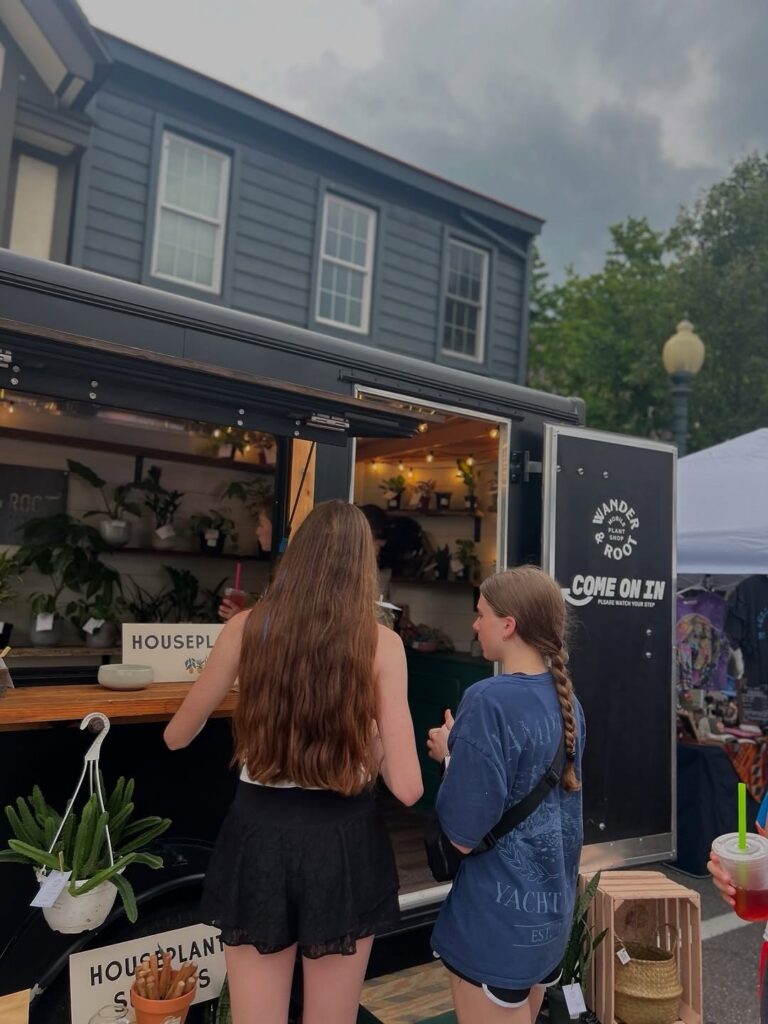
There are only two nights left that you can catch the Sewickley Night Market before the season is over, July 31 and August 28. Walnut Street and Beaver Street fill with vendors from all around the city bringing you handmade goods, art, artisan food, clothing, and so much more. You can even hop into Sewickley’s restaurants late into the evening and catch live music from Recycled Vinyl.
It’s that time of year again when regatta boats set sail on the south shore of Lake Arthur, inviting the community to explore what the water has to offer. This year, the event fundraises for a New Dock on South Shore by bringing you regatta merchandise, water and land activities, a performance from the Butler County Symphony Orchestra, a vendor marketplace, car cruise, open swimming, and fireworks.
Plus, check out our calendar for other events this week and beyond!
Ask an empty nester or a busy middle-aged professional living in a mature, one-of-a-kind home if they’d ever move, and they’ll likely say, “I’d love less maintenance, but I can’t imagine living in a cookie cutter house”. Moving to a new construction home can be a tradeoff, especially if it’s to a planned community where you’re likely to gain cool updates and more leisure time but might sacrifice architectural character.
NW Design Studio Adds a Personal Touch to New Construction Homes
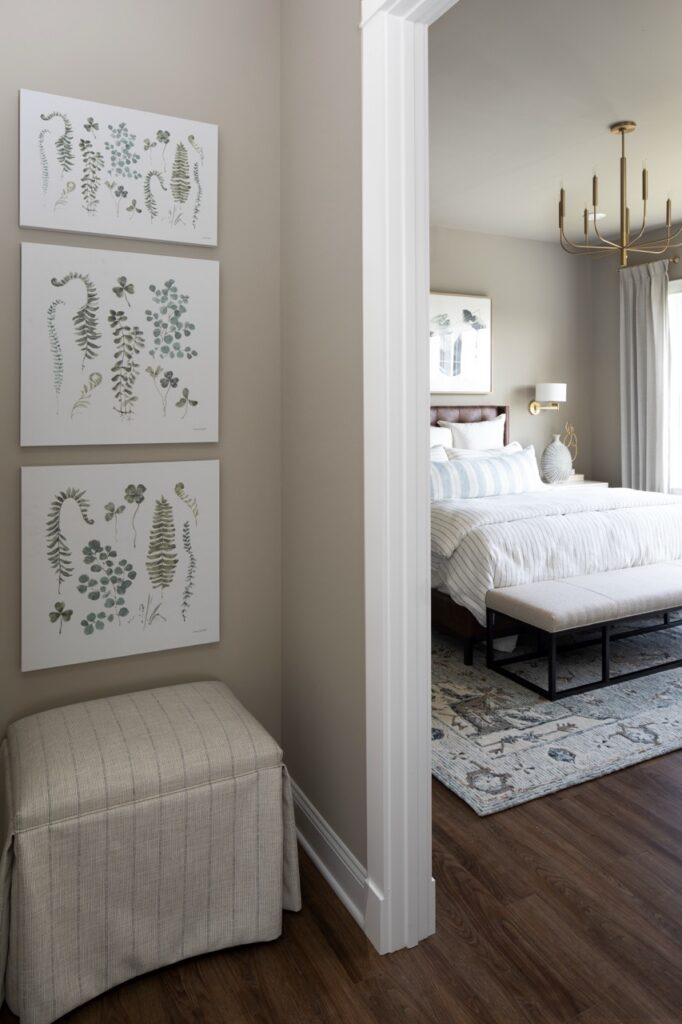
Amanda Miller of NW Design Studio by Northern Woodworking in Wexford builds life into new construction. It’s all about the details, especially inside, she says. And while finishes, furnishings and accessories play a role, it’s “the big three”—millwork, lighting and custom cabinetry—that turn bland into bedazzling.
New builds can look like big boxes with 10-foot ceilings. Simple additions such as framing a passageway between two rooms with trim or adding crown molding to a ceiling bring character and elegance, Miller says. Custom cabinetry distinguishes the space. And respect for the function, color, temperature and scale of lighting fixtures pulls everything together, she says. “Lighting is one of the ultimate jewelry pieces of a space.”
Miller has designed five models for Foxlane Homes, a semi-custom builder of over-55 communities such as The Landings near Wexford. She also has designed for homeowners there. Her goal is that “no one else’s house on the street looks or feels like my clients’.”
Make a Home That’s Perfect for You
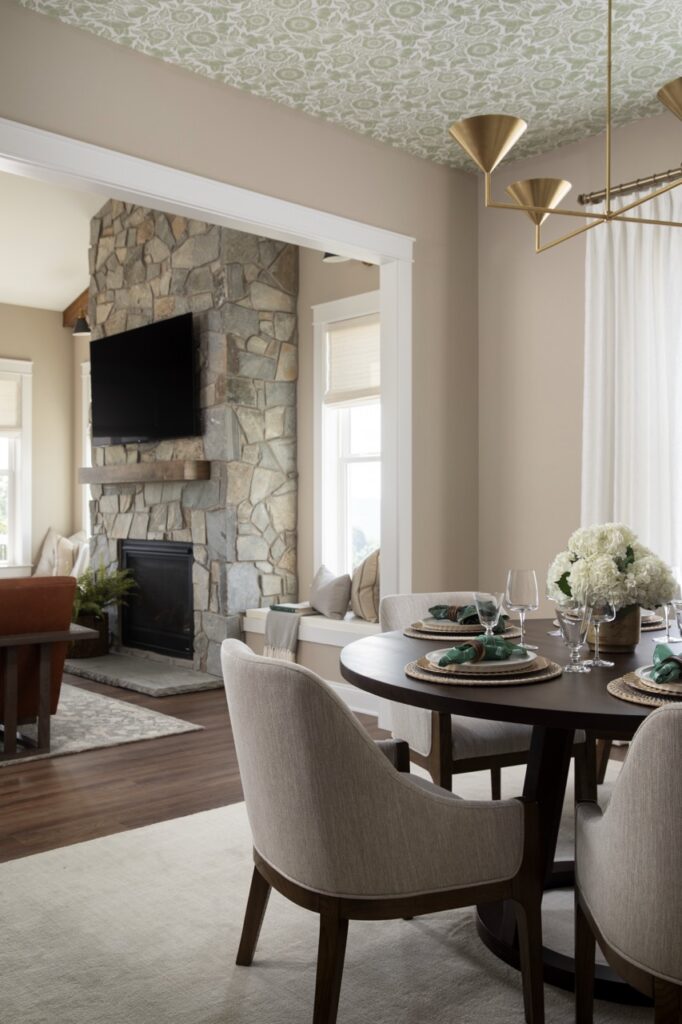
Rather than see generic decor, Miller wants prospective buyers to “feel like they’re taking a peek into the amazing, beautiful home of someone who has wonderful taste.” The main living area of the craftsman-inspired model she designed at The Landings is fairly conventional—rich brown PVC flooring, a kitchen with dark lower and white upper cabinetry and white quartzite countertops, a great room with a stone fireplace that bumps into the room, creating a space for window seats, and bedrooms in comforting pastels. But the gigantic walk-out basement really makes a statement. “Clients are more adventurous in outdoor and basement spaces,” Miller says.
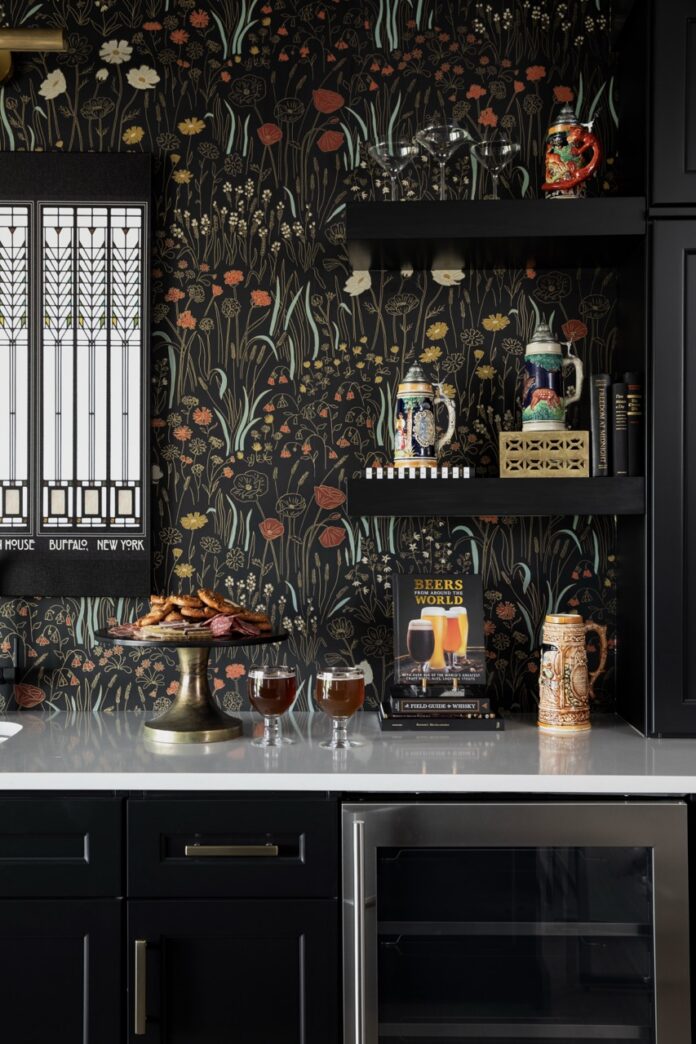
Highlighting the basement is the bar, with dark floral, metallic-accented wallpaper from Hygge & West separating black cabinets and extending over part of the ceiling. An island with a white quartz Armina Stone top, stainless and black leather stools from Alder and Tweed and brass trimmed globes from Visual Comfort provide seating for a small crowd.
Small Changes Can Have a Big Impact
Once the model was sold, Miller went on to decorate a home there—the same style as the model—for a couple with grown children who had considered updating their family home but decided instead to build. “Same exterior, different finishes,” says Miller. ‘My clients wanted the space to be classic but fun and eclectic as well.”
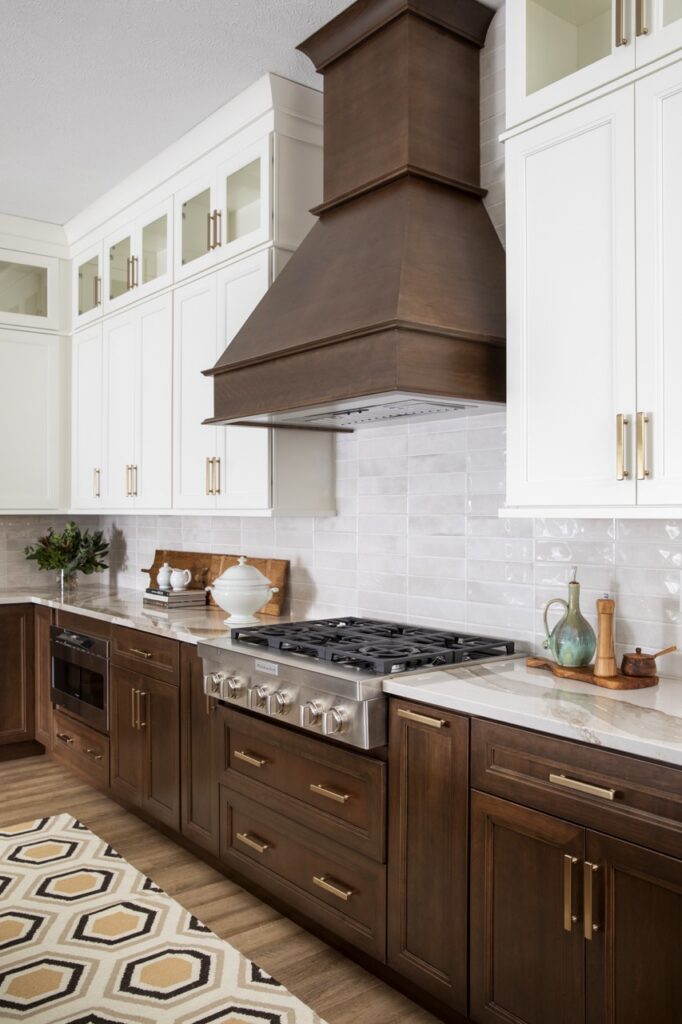
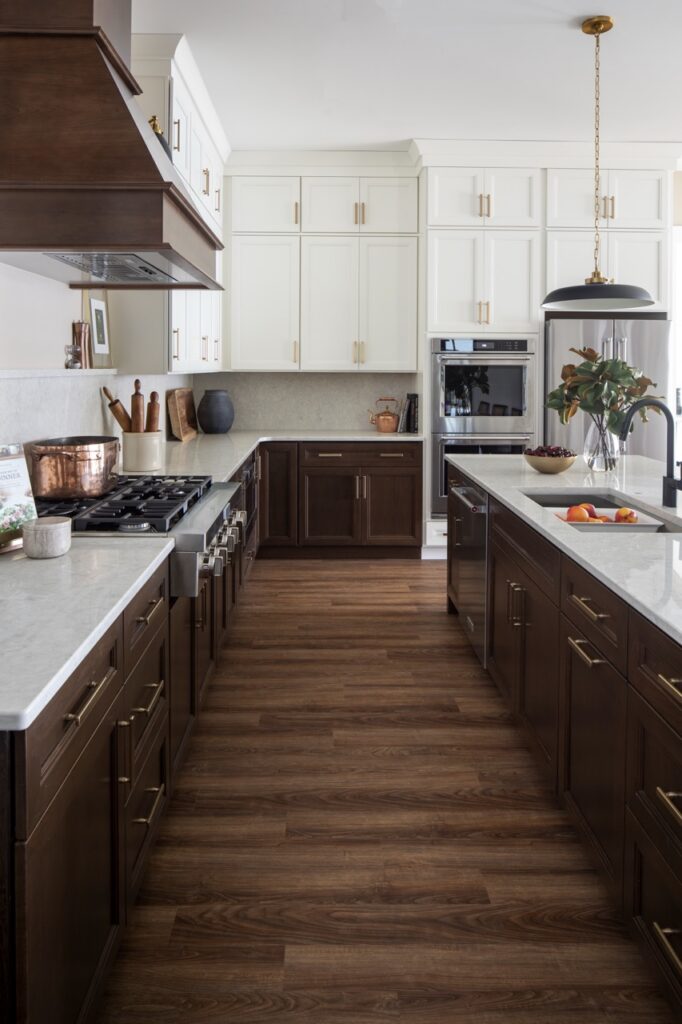
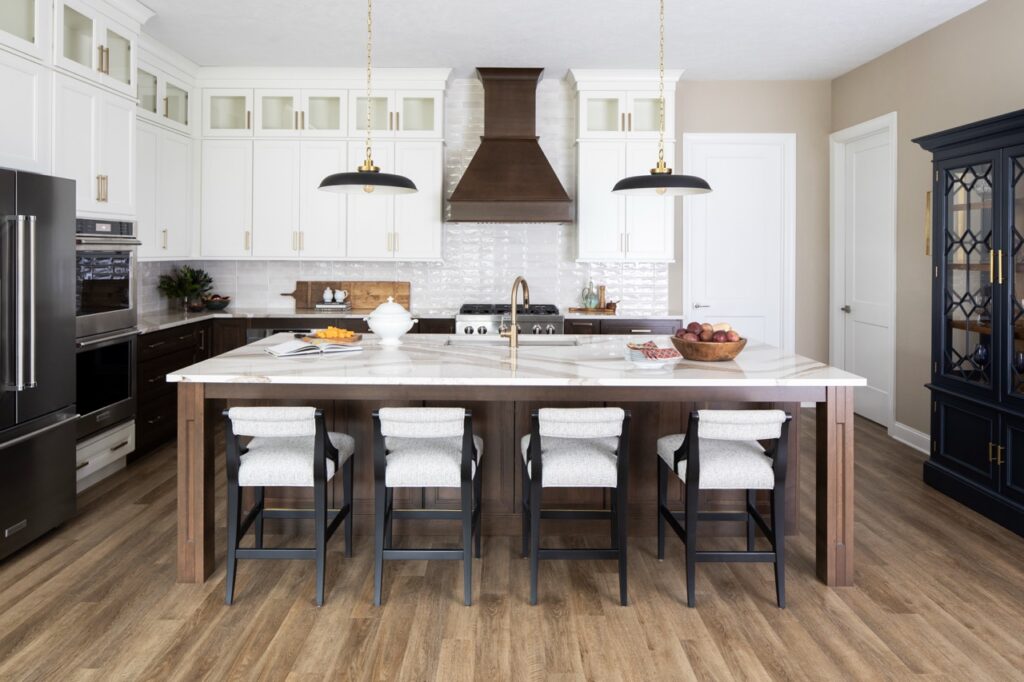
They increased the size of the kitchen island, since there’s lots of family nearby and the couple loves to cook. A rich copper toned hood over the KitchenAid range contrasts with the white tile backsplash and Century cabinets. In the pantry, assorted baskets on open shelving offer convenient storage.
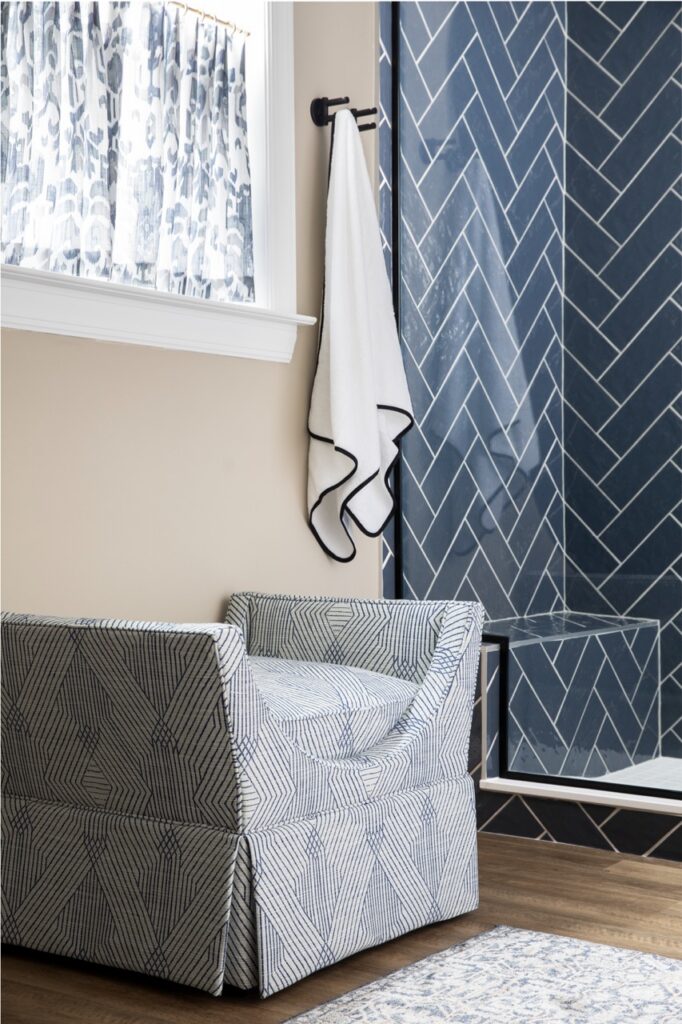
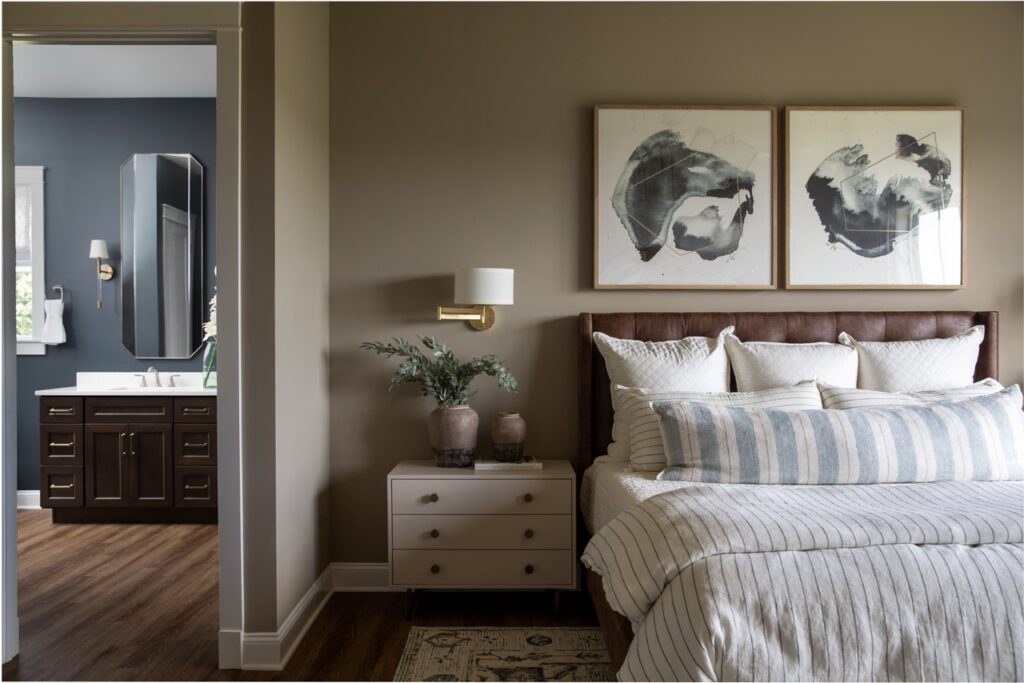
The piece de resistance is the master suite. The owners love blue, so their retreat is predominantly blue and white, with herring bone patterns reflected both in fabric and bathroom tile. The “art” for the room is the pastoral backyard, framed by a large window elevated by millwork. Flanked by soft pale drapes and with power roll-up shades, the window provides provide an unobstructed seasonal scene. An oversized gilded chandelier with leaf detail extends the theme. The bed, layered in poofy blue and white comforters and pillows, some with a leaf design, invites you to jump in and curl up.
“Designing beds with sumptuous luxury bedding is one of my favorite things to introduce clients to,” says Miller. “It’s a game changer for how you live and sleep.
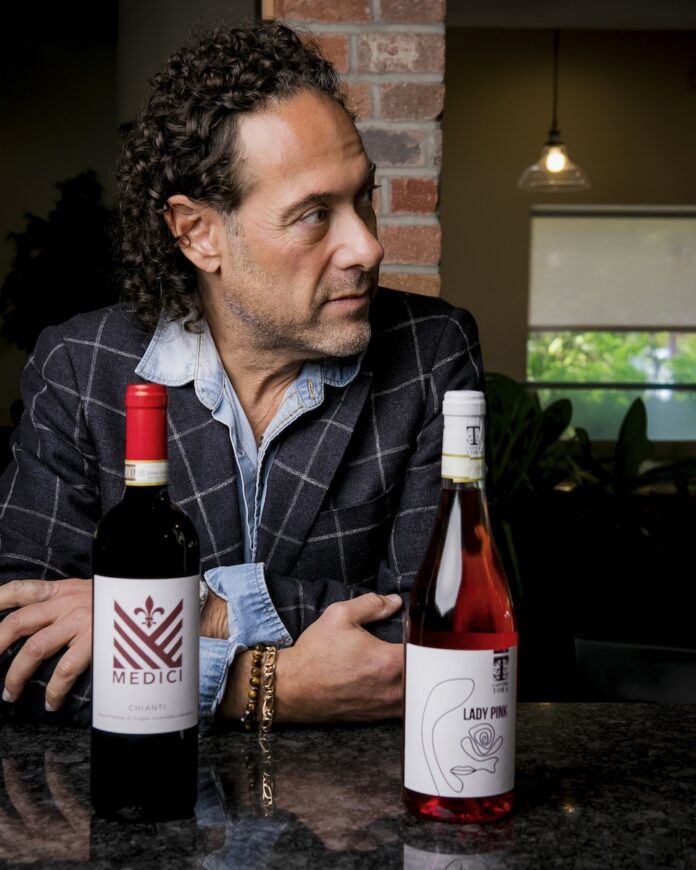
Jason Grant founded Medici Importers Global in 2023 with a singular vision — to connect wholesalers with Italy’s most exceptional wines sourced directly from family-owned producers.
Italian Wine Finds Its Place Thanks to Jason Grant at Medici Importers Global
What distinguishes Grant isn’t just his business acumen, but the foundation from which he operates. Six years sober, Grant attributes his clarity and success to the intentionality that sobriety demands. His spiritual practice informs every decision he makes professionally and personally.
Since launching Medici, Grant has established direct partnerships with iconic Italian producers like Il Borro, the renowned Ferragamo family estate in Tuscany. Medici has already begun expanding into California wines, with a Napa Cabernet Sauvignon now available in Pennsylvania. French, Portuguese, and South American wines are on the horizon.
Grant’s vision extends beyond becoming a premier importer — it’s about building a platform that creates real value for wholesalers, restaurants, and consumers. He believes deeply in the intersection of commerce and consciousness: that authentic business requires integrity and service. For Grant, business is ultimately about relationships and helping partners succeed.
In our HEAD OF THE TABLE series, we spotlight innovative trailblazers who not only deliver exceptional goods and services but also build meaningful relationships within their communities. Whether it’s a design company transforming local homes, a jeweler bringing sparkle to our lives, or a duo of dentists helping us look our best, these folks deserve a seat at the head of our table and yours. We hope their stories both inspire you, and remind us all what makes Pittsburgh truly special.
SPONSORED
Story by TABLE Magazine Staff Photography by Laura Petrilla
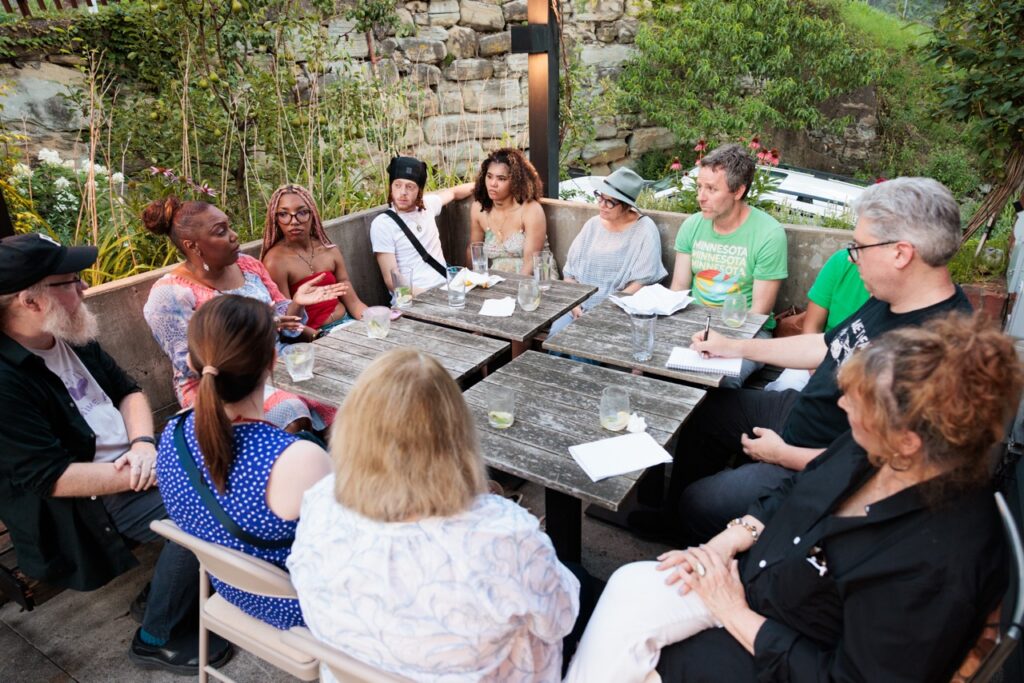
It’s obvious that a great deal of very thoughtful work went into RealTime Arts’ Equitable Dinners series. Yet the most profound moment I experienced felt remarkably simple: As I looked around a table I shared with 10 audience members, I thought, “When was the last time I had a genuine conversation with this many strangers?”
In the course of my job, I enjoy the chance to interview interesting people … but usually only one or two at a time, and an interview isn’t precisely an open conversation. At many events, I’m addressing large groups, but it’s not a back-and-forth. When, then, have I sat down with 10 people — whom I had never met — and spoken openly?
I can’t think of the last time that’s happened. And making it happen, particularly with some vital and universal topics on the agenda, is a remarkable feat by RealTime Arts. Perhaps even a radical one.
Dining and Discussion at We Hold These Truths: American Potluck, a Part of RealTime Arts’ Equitable Dinners Series
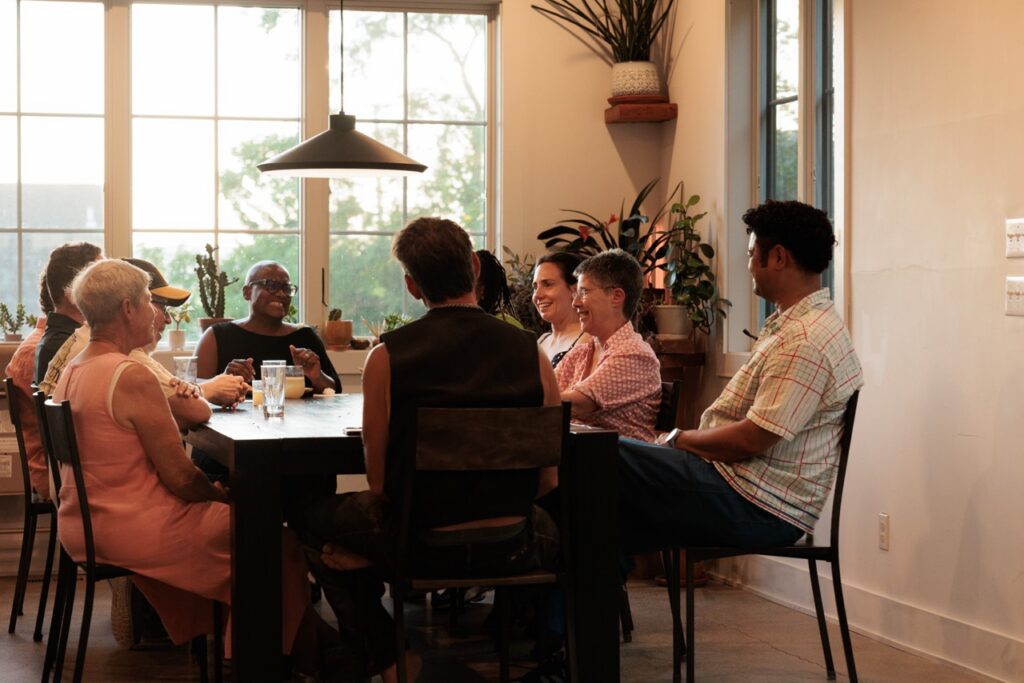
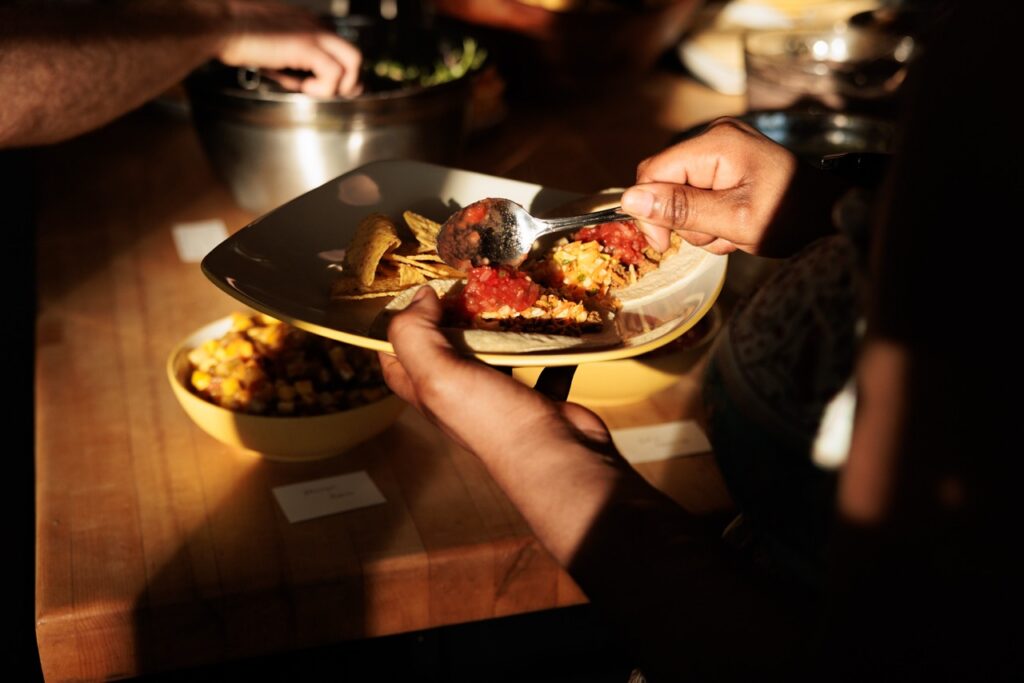
At We Hold These Truths: American Potluck, the name for this year’s Equitable Dinners series, RealTime Arts first presents a short play (about 15 minutes long), before inviting the audience to fill plates at a potluck-style meal. (Hosts and other folks behind the scenes provide the food; you don’t need to bring a dish.) The audience is then encouraged to sit down with strangers — if you came with someone else, you’re asked (but not required) to separate — to get to know one another over dinner. After the plates have been cleared, a facilitator begins an open discussion of the themes brought out by the work: food, history, American identity and the politics of health.
It’s a model developed by Atlanta’s Out of Hand Theater and applied by groups around the country. In the hands of RealTime Arts — this show was written by Molly Rice and directed by Rusty Thelin, the company’s co-founders — it’s a format that collapses the geographic and demographic factors that often keep us from talking openly with one another.
The tone is set early by Malika Cleckley, the only actress in the short play. Deftly grabbing the audience’s attention, Cleckley makes a simple phone call — with an offscreen relative, the silent partner in this dialogue — riveting. She’s a gifted young performer, compelling and intriguing, and she brings careful and engrossing life to Rice’s script.
Finding Hidden Theater, All Around Town
As her performance hangs in the air, the food arrives — and in both meal and show, the location plays a role. The performance I attended was at NavusHouse, a North Side home used as housing for traveling arts and a small performance space (as well as a private home); most of the evening was spent in a beautiful backyard, where carefully curated greenery separated us from a street sloping up past the house.
Pears hung from a delicate tree between the seating and the road. It was hard not to draw a metaphor: food and intentional growth separating us from the city beyond.
The conversation, though, speaks the loudest. Over a spirited and lively hour, we talked about the show — but mostly talked about our own relationships with food and the way that we felt disconnected from our own sustenance (the pears and nearby tomato plants notwithstanding). A long conversation about food banks and their ubiquity among many communities broke out; the universal impact of higher grocery prices brought the disparate attendees together. One guest recommended an app that offers healthy alternatives to common snack-food tables; five more grabbed their phones to download it.
That’s the radical part: In an era where information about food and health is often dominated by biased parties, here were 10 real people offering one another thought and advice. The whole evening was illuminating; the conversation rose to become something essential. This isn’t simply an act of theater; it’s community building.
As July starts to come to a close, August brings the start of school and with it less opportunities to explore events in Pittsburgh outside of your daily schedule. Use this week of July 20-26 as a chance to make the best of summer with family-friendly events and even a few that might have you leaving the kids at home. After all, don’t you deserve an evening out on the town, too?
Lover-girls and romance fans, your man of the hour has arrived at Heinz Hall for one night only. Harry Connick Jr. the face and talent behind many movies and soundtracks like When Harry Met Sally and Find Me Falling. Hear an evening of his piano playing and vocals as he performs songs from all eras with anecdotes in between.
Help support the natural beauty of the Pittsburgh Botanic Garden at their yearly gala. Bask like a flower in the sunlight with exceptional dining, live entertainment, all while learning about why native plants are so important to Pittsburgh. Plus, as a guest, you’ll receive a first-look at the new Allegheny Plateau Ravine Garden and Overlook.
Bingo is already exhilarating but what if we told you, you could be cuddling a furry friend in the process? At Kitty Queen Cat Rescue, you don’t just play Bingo, you play Kitty Bingo. As you enjoy snacks and beverages, you’ll get a set of Bingo cards to play alongside the friendly cats at the rescue. Guests are also welcome to BYOB.
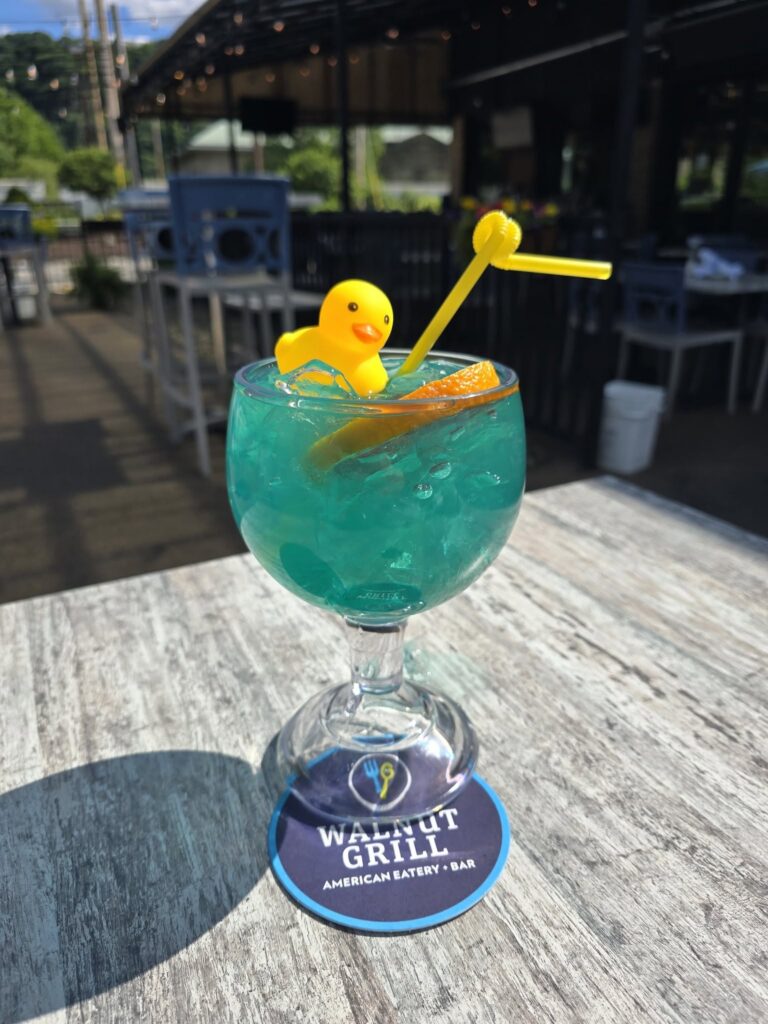
Even though Jam on Walnut will not be happening this year, Walnut Grill in Wexford is working to keep the tradition of live performance, community-center gatherings alive. On July 25, as well as August 14, you can relax with a beer, fresh cut steaks, and jumbo lump crab cake, as live music plays from 3:30 p.m. to 9:30 p.m.
Legacy Arts Project, the Children’s Museum of Pittsburgh, and MuseumLab come together to lift up African and African Diaspora cultures with a community festival. Free, family fun awaits whether that’s watching performances and live music, tasting cultural cuisine, shopping local vendors, or trying out hands-on activities.
Plus, check out our calendar for other events this week and beyond!
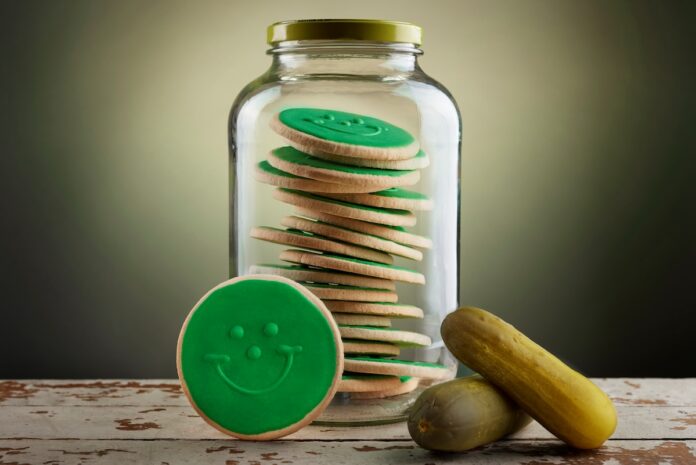
Pittsburgh’s most iconic cookie is trading the bakery case for a pickle jar thanks to Eat’n Park.
Head to Eat’n Park to Try Pickle Smiley Cookies for a Limited Time
The Eat’n Park Smiley Cookie, which celebrates its 40th birthday this year, is getting a temporary flavor remix in honor of Picklesburgh. The restaurant chain is introducing its first batch of Pickle Smiley Cookies — the traditional design as well as grinning face, with green, pickle-flavored icing — and will sell them at the weekend-long festival.
It’s the first year that Eat’n Park will be in attendance at Picklesburgh, also serving as an official sponsor for the nationally acclaimed event. Visitors can score the Pickle Smiley Cookies, which will also be available at select restaurant locations, at Eat’n Park’s Picklesburgh booth; traditional (non-briny) Smiley Cookies and restaurant merchandise will be available as well.
But, the iconic baked goods in pickle-form also ship worldwide via smileycookie.com while supplies last.
Picklesburgh kicks off this Thursday at noon, stretching from Market Square to Arts Landing (and across the Clemente and Warhol bridges). For more on the event, check out the rest of our Picklesburgh coverage.
Story by Sean Collier Image Courtesy of Eat’n Park Hospitality Group
Every summer, Pittsburgh transforms into the pickle capital of the world as Picklesburgh, one of USA Today‘s Best Specialty Food Festivals, takes over Downtown. In 2026, the festival extends over four brine-y days from July 16-19 and is bound to be bigger and better than ever. The layout for this year stretches over the Roberto Clemente and Andy Warhol bridges, through Allegheny Landing, Allegheny Riverfront Park, PPG Plaza, Sixth Street and, for the first time, the newly renovated Market Square and Arts Landing spaces. That means even more room to wander between pickle vendors, local artisans, live entertainment and over-the-top pickle creations.
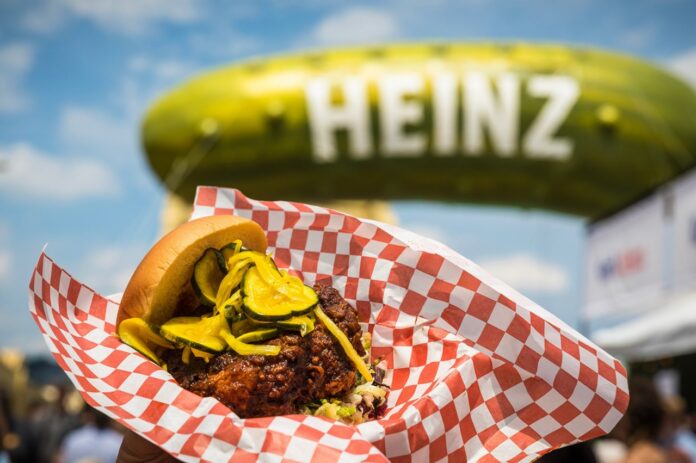
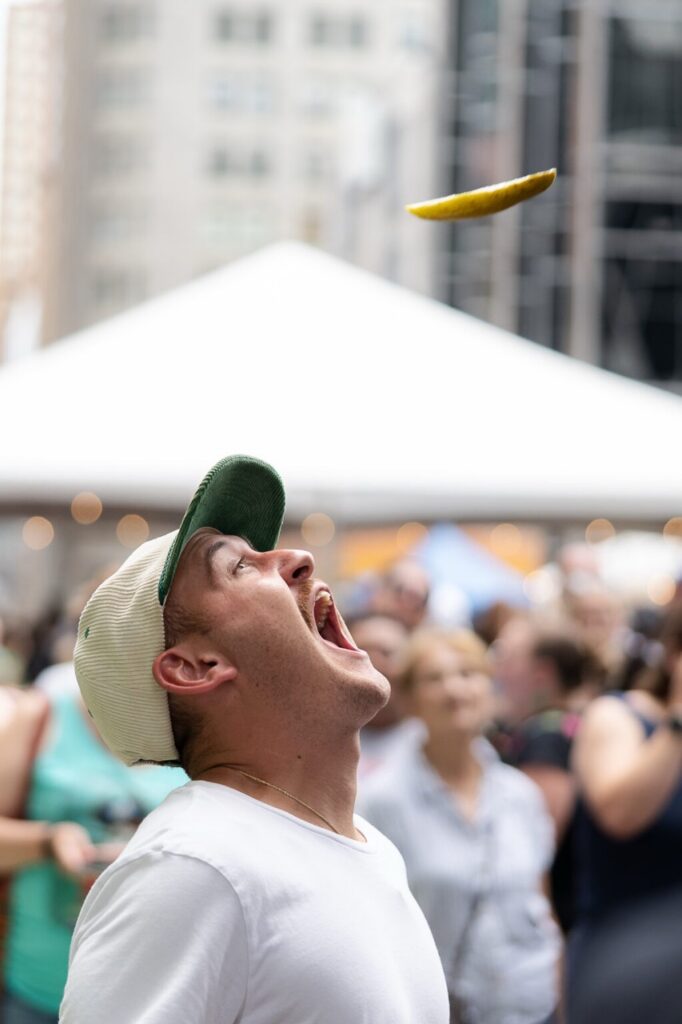
Festival favorites return for Picklesburgh 2026 from the giant flying Heinz pickle balloon and pickle-inspired food and drinks to the beloved Dill-Cathlon, where competitors test their skills in everything from pickle eating and pickle juice drinking to bobbing for pickles and other slightly ridiculous but utterly entertaining challenges. New this year, visitors can also check out pickleball courts and programming at Arts Landing, adding another reason to spend the entire day Downtown.
Whether you’re planning to spend an afternoon walking the streets or devote the entire weekend to the city’s briniest celebration, having a game plan helps. It’s easy to fill an entire day and still leave wishing you’d tried just one more pickle.
Here’s how to make the most of Picklesburgh.
Everything You Need to Know About Picklesburgh 2026
Explore More Than Just the Food Vendors
Before diving into the food, take time to soak in the atmosphere. You can grab a commemorative pickle pin, walk the bridges, stop for photos at the festival’s displays, and let Downtown guide you through craft vendors, family-friendly activities, and so much more.
But don’t just take it from us. No one knows the festival quite like Pickleburgh’s defending pickle-eating champion of 2025, The Amazing Sir Joseph Smith, Inspector, Reverend, Pickle Eating Champion of the World—and current Earl of Eating.
When asked what makes the perfect Picklesburgh day, Smith has the itinerary ready.
“Get your pickle pin, meet with family that lives in the area, bring friends from your hometown, take a bunch of pictures in the backdrop areas, try some samples, buy some food and drink,” he says. “Oh yeah—and you can always win one of the competitions at the Dill-Cathlon. But, the whole time you’re talking to strangers and hanging out with dill-lightful pickle people.”
While the food is the obvious draw, some of the festival’s best moments happen between bites when you’re chatting with vendors, discovering local makers, or simply people-watching.
Picklesburgh Food Beyond Your Wildest Pickle Dreams
If you think you’ve already experienced everything a pickle can do, Picklesburgh is here to prove you wrong. Classic fried pickles share the spotlight with pickle pizza, pickle pierogies, pickle grilled cheese, pickle-flavored snacks, frozen treats, cocktails, and beers. Many local restaurants and food trucks come and create exclusive menu items just for the festival, making Picklesburgh one of the year’s best opportunities to sample Pittsburgh’s culinary scene.
Smith even already knows what he’ll be looking to eat after defending his title.
“My wife really likes pickle rangoon,” he says. “But I’ve been on a pickle egg roll kick, so I’ll be looking for that after the competition. You can’t beat a pickle. It’s just dill-icious.”
Before that, though, his menu is considerably simpler.
“My go-to dish is the all-you-can-eat pickle-eating pickles,” he jokes. “They’re so fantastic I end up eating like six pounds every time I go to the festival.”
Don’t Miss Pickleburgh’s Dill-Cathlon
Even if you don’t plan on competing yourself, the Dill-Cathlon is one of the festival’s can’t-miss attractions. The collection of pickle-themed competitions invites festival-goers to test everything from pickle-eating to pickle juice-drinking and pickle-bobbing in compeition for serious bragging rights and prizes. Anyone looking to enter the pickle-eating competition be warned though, Smith is ready to reclaim his title.
Over the past year, Smith says he’s claimed victories at Cincinnati’s Pickle Wars, Dayton Pickle Fest, Columbus Picklepalooza, competitions in Akron, England’s Borough Market and even Paris. One of his favorite stories happened at Disneyland Paris after a young girl challenged him to face off against her father.
“I even won at Euro Disney,” he says. “Who just carries around pickles for random competitions? This guy!”
Whether you’re watching seasoned competitors or first-timers stepping up to the table, the event has become one of Picklesburgh’s most entertaining traditions.
It’s About More Than Just Eating
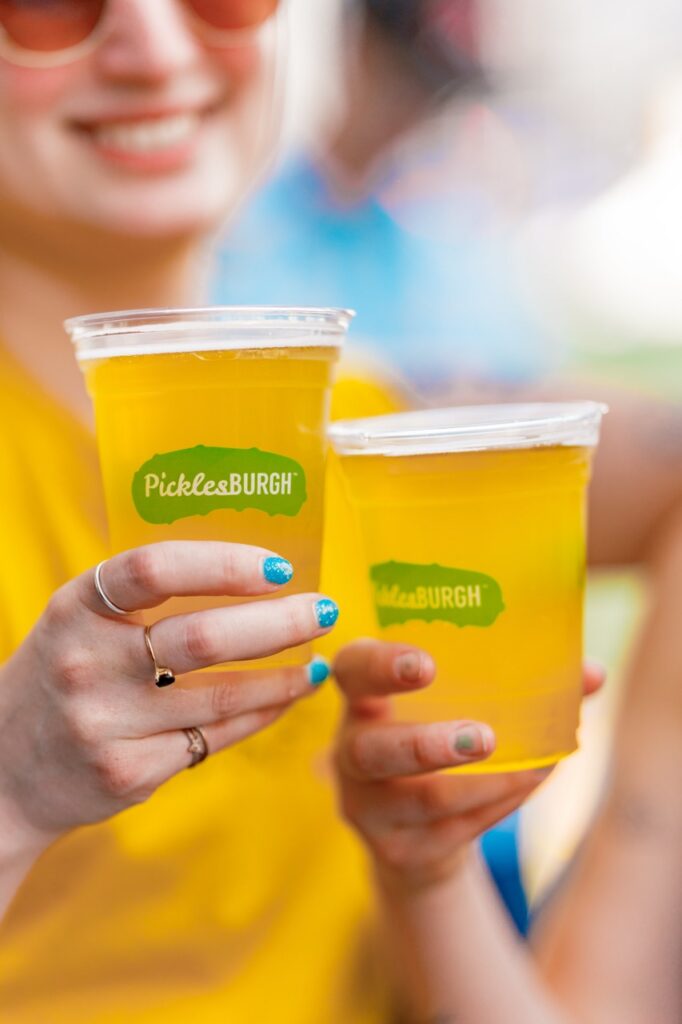
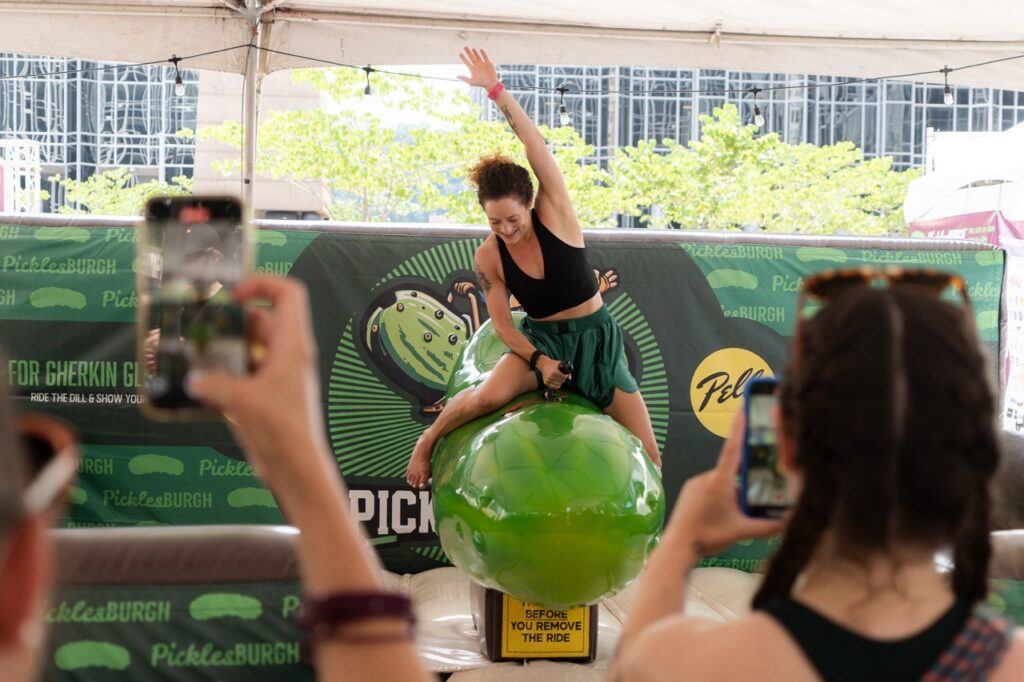
Sure, the food draws the crowds, but Picklesburgh has become much more than a food festival. Families spread out in the parks while kids dance to live music. Friends gather over pickle beers before wandering through artisan markets. Visitors from across the country discover pickle riding (think a mechanical bull but it’s a pickle) and local live music. For Smith, that’s what keeps bringing him back.
“A four-day pickle festival—that’s what makes it [Picklesburgh] different,” he says. “It’s free, big, and it’s amazing to allow so many people to participate. It’s not just one thing. So many things come together to make it amazing.”
His favorite part, however, isn’t standing on stage after winning another championship. It’s something closer to his heart.
“My pickle people are the best part,” he says. “I bet you thought I was going to say winning, all the pickles, or the $500 prize. But it’s all the pickle people getting together because of pickles. I feel honored to represent Picklesburgh as their champion.”
That’s ultimately what makes Picklesburgh feel distinctly Pittsburgh. It’s equal parts food festival, neighborhood block party, and celebration of a city willing to embrace community.
As Smith puts it, “We gather in the gherkins of greatness known as Picklesburgh. It’s kind of a big dill.”
The Picklesburgh festival in Pittsburgh can be a bit chaotic, especially when you’re just looking to try pickle food and drink innovations. In case you want to skip the crowds this year, you can head to restaurants and bars around Pittsburgh that are serving up pickle specialties for a limited time and year-round. So what are you waiting for? Grab your pickle pals and head out on a brine-y culinary adventure you won’t soon forget.
Pickle Food and Drink Specials Around Pittsburgh
Pickle Specials You Can Get Through July 19
While Picklesburgh is on the horizon and throughout the festival, you can stop in at restaurants around the city that have pickle specials on their menus for a limited time. Plus when you buy an item at a restaurant, you receive a pickle pin for free while supplies last
Sit down in Market Square before it fills with Picklesburgh visitors July 16-19 and grab Pickle Fried Chicken, a Dirty Pickle Martini, Pickle Lemonade, Pickled Veggies, and Cheesecake with Pickled Blueberries.
Another Market Square Spot, sit on their outdoor patio as you enjoy a Pickle Ball Cocktail, Spicy Pickle Rita, Fried Pickles, Pickle Lemonade, a Cuban Sandwich, and Pickle Beer on Draft.
This restaurant is new to Market Square but they’re making a big impact with their Picklesburgh menu. Choose from Cocky’s Big Dill Chicken Sandwich, Chicken Wings with Dill Pickle Ranch, and Fried Pickles.
Right Downtown, party at this live music, piano bar with Dill-licious Pickle Martinis, Poppin’ Pickleback Shots, and pickle stickers to mark the occasion.
Only at the Market Square Primanti Bros will you find the Heinz Steel City Pitts-Burger, Spicy Batter Dipped Pub Pickles, and even classic Pickle on a Stick.
The martini bar and restaurant of Pittsburgh brings you a Gherkin Martini for Picklesburgh as well as a Pickle and Pork Sandwich as well as Cajun Pickle Chips.
Seafood, meet pickles. The Original Oyster House treats you right with an Oyster Po’Boy featuring Fried Pickle Chips, a Bloody Mary with an Original Pickle Shot, and a Pickleback Shot.
Just around the corner from Market Square, Revel takes you to pickle paradise with Pickle Chicken Wings, Fried Pickles, a Pickle Margarita, and a Pickleback Shot.
Fly from Market Square to outer space in Space Bar’s out-of-this-world atmosphere. Try their specialty cocktails including The Brine Detective and Houston, We Have Watermelon as well as Pickle Beer on draft and Pickleback Shots.
Spritz lovers rejoice, Spritzery is designing a Pickle Spritz just for you. But, they also have a Giardiniera “Dirty” Martini, Pickled Veggies plus Charcuterie Cup, and Pickle Beer on draft.
The Yard’s location right off of Market Square on Fifth Avenue brings you Bacon Wrapped Pickle Spears, a Spicy Mango Pickle Mule, and The Pied Pickler cocktail.
Year-Round Pickle Menu Items at Pittsburgh’s Restaurants
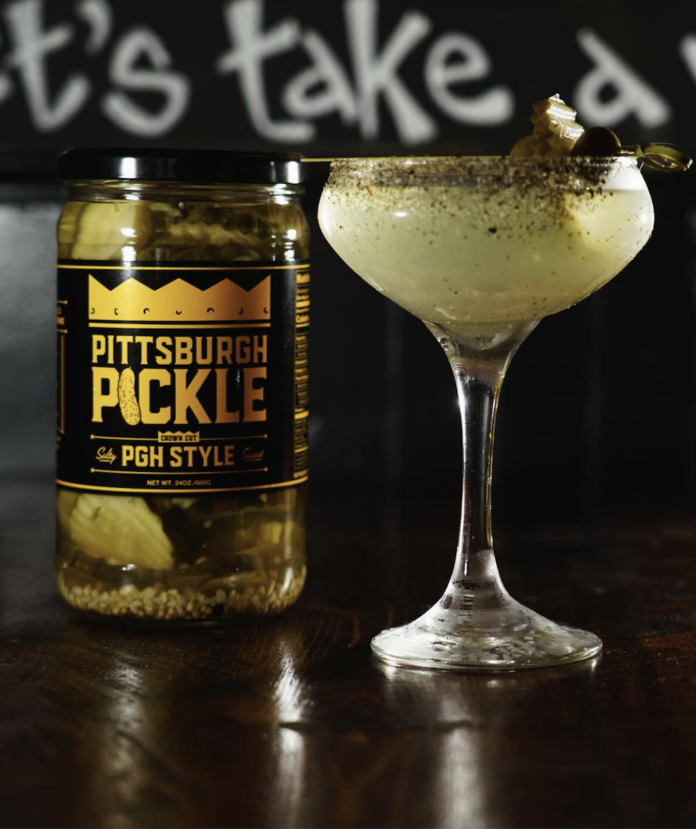
If you love pickles then The Beerhive’s menu is the one for you. Start with a PGH Pickle Martini that combines Tito’s, PGH Pickle Co. Pickle Juice, Dolin de Chambery Dry Vermouth, and a salt-pepper dill rim. Or, their Bloody Mary that uses PGH Pickle Co. Briney Mary Mix, Tito’s, and a salt-pepper dill rim. Then, chow down on Fried Pickles, Xtra Loaded Hive Fries with PGH Pickle Co. pickles, Pickle Brined Wings, or the Chicken Little featuring pickle brined chicken breast, garlic mayo, PGH Pickle Co. pickle chips, a side of fresh cut fries and a wing sauce.
Sure there are plenty of restaurants with pickle pizza but at Iron Born, their Detroit-style pizza is the perfect bready match to the Pickle Pie. Iron Born tops their square cut piece featuring thick, soft dough with a garlic cream sauce, ricotta, honey, romano, and of course, housemade pickles. But you can also try their Cubano and Nashville Hot Chicken Pies that include pickles as a topping too.
Feel free to drink your love of pickles to the bottom of the glass at Butterjoint. Share a round of Pickle Backs or International Pickle Backs with friends. You could sip on a Pickle Martini, too. Then, dig into an appetizer of Chicken Fried Pickles that are sour dill pickle spears buttermilk brined with a side of spicy ranch. Or, a Pickle Plate of pickled veggies like green beans, crimson radish, ramps, cherry peppers, turnips, beets, and a miso egg.
Just in case you are planning to head to Picklesburgh, find your full guide here.