Home Blog Page 15

Why the Mendelssohn Choir of Pittsburgh Is Still Singing After 118 Years — and Why It Matters

0
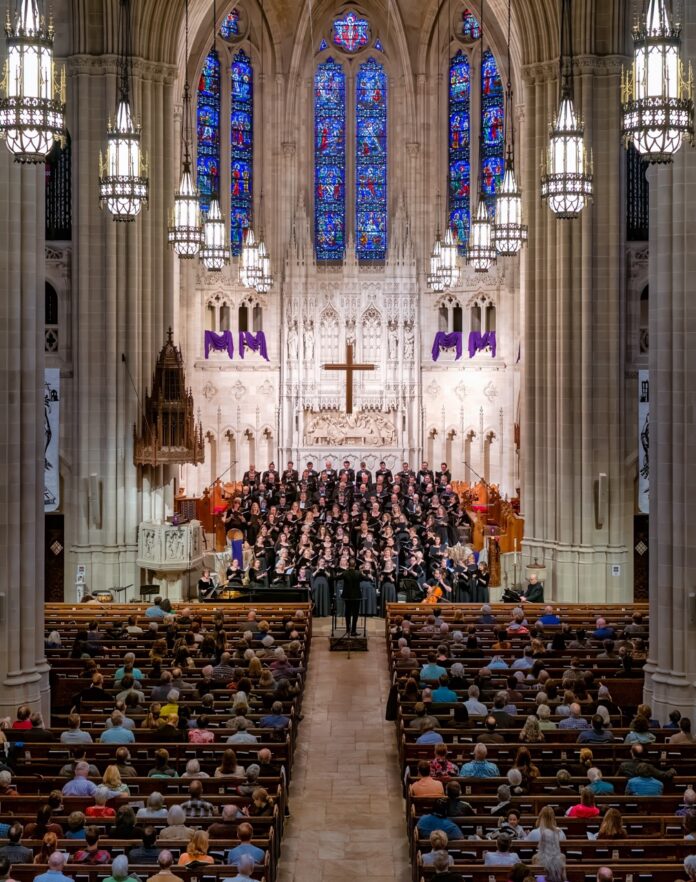
Mendelssohn Choir of Pittsburgh performs in a grand church with stained glass windows.

Since the dawn of the 20th century, the Mendelssohn Choir of Pittsburgh has been gathering in song. In this essay, Music Director Daniel Singer explains how they choose what to sing — and why the group needs you.

Who Is the Mendelssohn Choir of Pittsburgh?

On any given Wednesday evening, 140 people make their way into the artists’ entrance at Heinz Hall, head up to the fourth floor and find their seats in a windowless rehearsal room.

They are teachers, doctors, businesspeople, hospitality workers, retirees and students; only a few are full-time musicians. They come from all over Pittsburgh and surrounding counties; some travel from Ohio and West Virginia. Some are in their first season, others well into their fortieth. After their own busy days of work and school, they settle in for a rehearsal of the Mendelssohn Choir of Pittsburgh, each bringing what they have — life experience, personality, voice — and striving to be neither more nor less prominent than the singer beside them, trusting that every voice has something unique to offer.

This is what it means to be a member of one of the nation’s oldest and most respected choral ensembles. Now entering its 118th season, the Mendelssohn Choir is a testament to the power of individuals coming together to create something that none of us can make on our own.

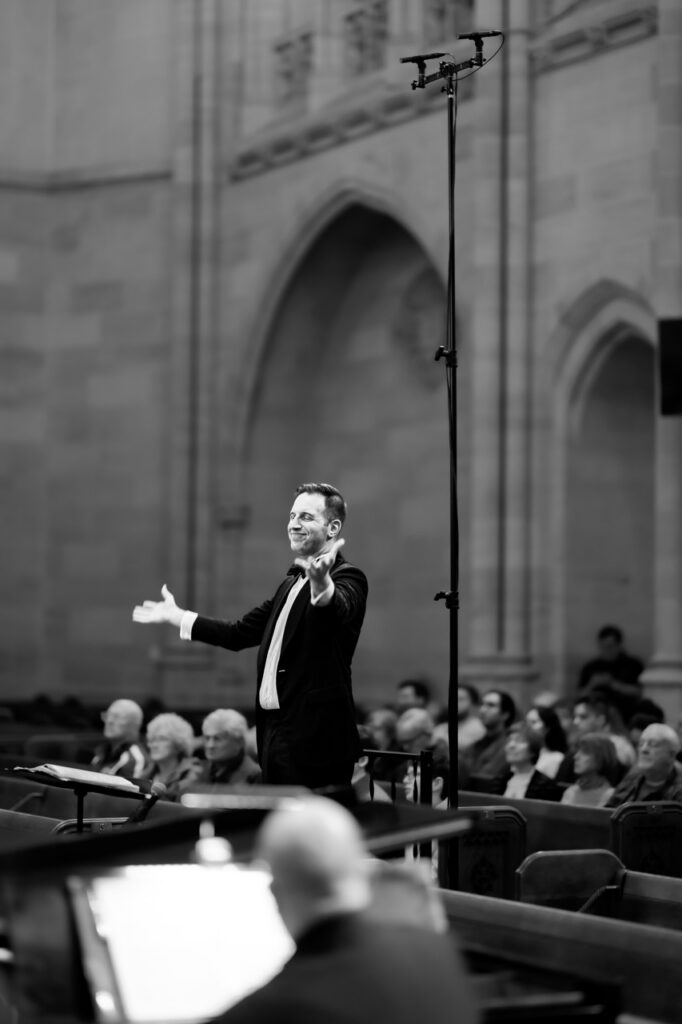
Conductor leading the Mendelssohn Choir of Pittsburgh in a grand performance.
Music Director Daniel Singer directing the choir.

Why the Choir Still Gathers

Every time the Mendelssohn Choir puts on a concert, we create a new community between chorus and audience that only exists while we’re together.

One of the things we learned in 2020 is that we can be awash in entertainment and still find ourselves wanting something more. I have multiple devices that can call up nearly every show, movie or musical recording ever made. With all of that at home, why would anyone want to sing in a choir or attend a choir concert?

I believe we still gather because we long for the connection that can only come from experiencing great art in the company of others.

In that time, we share intention and emotion in a way that is uniquely possible through live performance. People are drawn to choral music in particular because, regardless of skill level, everyone can sing. Hearing others sing feels familiar and human.

What the Choir Chooses to Sing

Because the audience experience is built on the music, I spend a great deal of time deciding what we sing. For every piece, I ask whether the text is meaningful and whether the composer has set it in a way that elevates that meaning. Since concerts feature multiple works, I look for pieces that tell a compelling story together — and then for a larger arc that carries us through an entire season.

For our 118th Season, that arc is about finding hope in challenging times.

We begin on October 11th with In Time of War, a program that considers the futility of warfare and its effects on society. The concert includes the Pittsburgh premiere of Abraham Lincoln Walks at Midnight by American composer Florence Price, in which poet Vachel Lindsay imagines the ghost of Abraham Lincoln unable to rest because of impending war. We follow with Franz Joseph Haydn’s Mass in Time of War, written at a time when Austrians feared invasion in the wake of the French Revolution.

In May, we present the Pittsburgh premiere of Eric Whitacre’s The Sacred Veil, an impactful work that explores birth, death, love and loss through the story of Tony and Julie Silvestri as they navigate together Julie’s struggle with, and death from, ovarian cancer.

These are subjects we can’t always face alone, and I think that’s part of why we gather: to meet innately human struggles in the company of others. We don’t need the same life experience to recognize something in one another, or to know each other personally to feel something together.

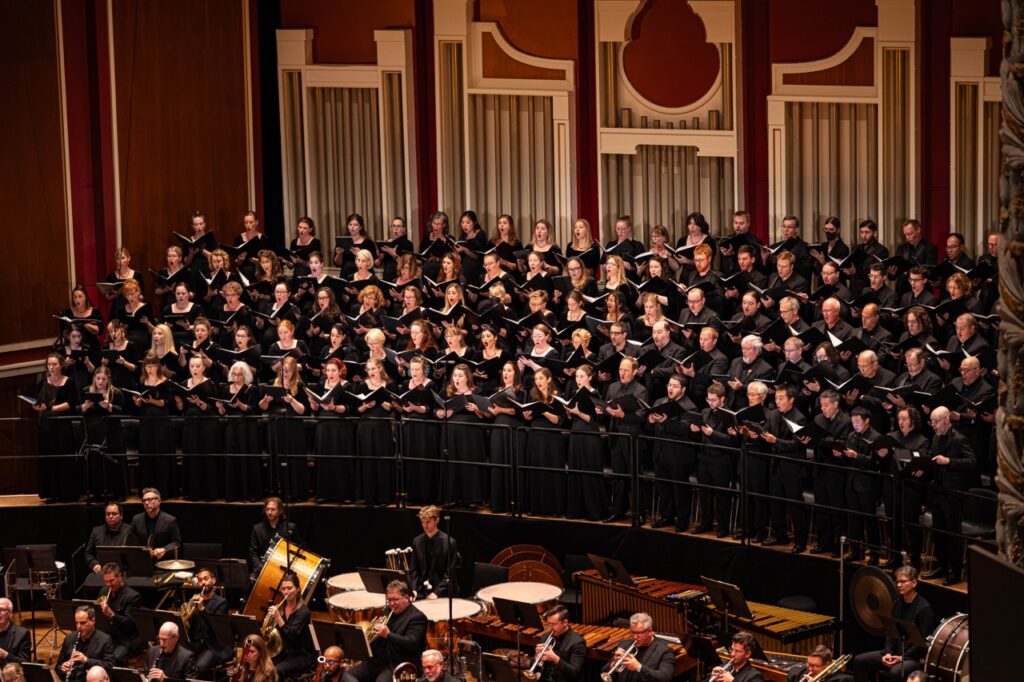
Mendelssohn Choir of Pittsburgh performs in a grand concert hall with organ
Joe Hisaishi Conducts the PSO
September 13 & 14, 2025

Why the Mendelssohn Choir Needs You

If you’ve never attended a Mendelssohn concert, you may have preconceptions of what a chorus concert is like.

I can promise that we will surprise you — in the best possible way.

We perform in acoustic spaces built to amplify the human voice, and you’ll be amazed at how close you feel to the singers and their sound. Don’t worry about whether or not you know anything about the pieces we’re performing; come with an open mind. Listen to the music and the text. Experience the sound and the silence between.

Most important: Be present in every sense of the word. 

For 118 years, we’ve spent our Wednesday evenings turning music into connection, but who are we without an audience? We welcome you to join us in making that space where we create something larger than ourselves. There’s a lot in this world we can only solve together, and this feels like the perfect place to start.

To learn more about cultural organizations in the city, check out our guide to the arts, culture, and entertainment scene in Pittsburgh.

Story by Daniel Singer, Music Director of the Mendelssohn Choir of Pittsburgh
Photos Courtesy Mendelssohn Choir of Pittsburgh

Subscribe to TABLE Magazine’s print edition.

Olivia Rodrigo at PPG Paints Arena: What to Know Before You Go

0
Olivia Rodrigo upside down on a swing, wearing a pink dress and platform heels.

Good 4 you because you’re on our way to go see Olivia Rodrigo at PPG Paints Arena in Pittsburgh. Whether you’re going on the first night, September 29, or the second night, September 30, seeing this pop princess in Pittsburgh for the first time is sure to leave you so obsessed. But, as you gear up for the big day, you probably have a million questions from where to park the day of the Olivia Rodrigo show to what time you should arrive, what the setlist will be, and what PPG Paints Arena’s bag policy is. To make sure the show lives up to your real big expectations, follow our guide below for everything you need to know before you see Olivia Rodrigo in Pittsburgh. And, for more detailed information on the venue, check our our guide to PPG Paints Arena.

Your Concert Guide to Olivia Rodrigo at PPG Paints Arena in Pittsburgh

Door and Show Times

Both nights of Olivia Rodrigo in Pittsburgh start at 7 p.m. with opener Wolf Alice, meaning doors most likely open an hour beforehand at 6 p.m. Though, those with VIP tickets that include early entrance will receive an email with more information on their arrival and door time. Just be sure to check your ticket to figure out which entrance to go through, there will be signs day of the show directing you and staff standing outside to help.

Since most of the show is assigned seating, you can plan to arrive around when doors open and still have plenty of time to grab merchandise, snacks, and find your seat. If you do happen to have general admission floor access, earlier is better. Olivia fans take their role very seriously and those looking for barricade will need to line up early in the morning (if not the day beforehand) to get right on the rail. But, if we’re being honest, getting in line an hour or two before doors open will more than get you a great spot, still close to the front.

Bag Policy

At PPG Paints Arena, you can only bring in bags if they are under 4″ x 6″ x 1″ in size, best for wallets and wristlets. There is an exception for medical and diaper bags but expect these to go through x-ray scanning when you enter.

The venue also prohibits outside food or drink, professional cameras (with a detachable lens), full-face coverings, and recording devices.

Getting to PPG Paints Arena

Parking Info

Parking around PPG Paints Arena can seem tricky at first but you actually have plenty of options to choose from.

By far the most convenient option is either the PPG Paints Arena parking garage, stationed directly beside the venue, or the lot that’s right across from the arena on the other side of Centre Avenue. These are official arena lots though so they’ll come with a higher price tag. For a show like Olivia, don’t be surprised if you pay anywhere from $30-$60 to park here.

Outside of the arena’s parking are garages throughout Downtown Pittsburgh. You’ll walk a little further, about 5 to 15 minutes, but you’ll pay less for these garages and you may even get out a little quicker. Look for the Chatham Center Garage, U.S. Steel Building Garage, and BNY Mellon Center Garage. The further away from the arena you park, the less you’re more likely to pay. And, you can always can a quick, free ride on the T light rail from stations at Station Square, First Avenue, or Wood Street to the Steel Plaza Station and save yourself a few blocks of walking. For more detailed information on parking, check out our guide to PPG Paints Arena.

Public Transportation

Rideshare, the T, and PRT bus routes are all great ways to get to PPG Paints Arena without having to worry about parking. You can ride the T in all the way from South Hills Village or Castle Shannon to Downtown and do the same with bus lines 61A, 61B, 61C, 61D, 71A, 71C, 71D, 81, and 83. Or, simply book your Uber or Lyft ride to the rideshare drop-off on Wylie Avenue and Fullerton Street. These are also great ways to ensure no one drives under the influence if you plan on drinking at the show.

If You Are Going to Buy Resale Tickets…

We know how quick Olivia Rodrigo’s The Unraveled Tour sold out, trust us. We tried to get tickets too and unfortunately lost the Ticketmaster war… and the Silver Star ticket war… and now we’re holding our breath waiting to hear back from the official ticketing waitlist (a list you can join in case more tickets open up closer to the show).

But, if you’re intent on going to see this superstar (and who could blame you), be cautious when it comes to purchasing resale tickets. Never buy from a seller on social media, always go through the trusted and policy-backed ticketing sites like StubHub, SeatGeek, or Vivid Seats. Currently, the cheapest resale tickets go for at least $250 for nosebleeds with anything near the stage or on the floor ranging from $350 upwards. Prices are only going to climb as the show comes closer so play it safe and grab your tickets now before you’re paying $1,000 for a concert.

Who is the Opener?

Both nights of Olivia Rodrigo in Pittsburgh start off with opener Wolf Alice. This rock band hails from London, featuring lead vocalist and guitarist Ellie Rowsell. What started as an acoustic duo of her and guitarist Joff Oddie has turned into a four-piece band with bassist Theo Ellis and drummer Joel Amey. Their most recent album, The Clearing, is a bit folksy, carrying a lot of raw, emotional energy in their music. Think twangy guitars and layer of harmonies. But, the band’s other music varies in genre with their other album Blue Weekend hitting on more of a contemporary level, feeling like a movie soundtrack to a coming-of-age film. No matter what vibe they’re giving, this band perfectly matches Olivia’s versatility and passion. Their grooves should get the audience into a dancing mood while also warming them up to the emotional night ahead.

The Setlist

While The Unraveled Tour has not yet begun so no official setlist is available, we can look to Olivia’s Daisy Chain Fields performance to see what songs may pop up. Of course, you can plan to hear a majority of you seem pretty sad for a girl so in love since it is her newest album, and frankly, since it has so many layers to its song selection, it naturally interwinds with the rest of her work. Some of the songs she played live off the album previously include drop dead, my way, honeybee, maggots for brains, stupid song, expectations, the cure, and the bonus track, serena joy.

But don’t worry long-time Olivia lovers, she’ll still be playing many of the hit songs off her other two albums of SOUR and GUTS. Especially since this is Olivia’s first time in Pittsburgh, it’ll give everyone a chance to hear the songs you may have missed from her other tours like bad idea right?, drivers license, deja vu, and good 4 u.

Since her performance at Daisy Chain Fields is just a slice of what’s to come, who knows what other covers or crowd-favorites she may pull out for this show. If it’s anything like last tour, the show could be around 23 songs long, meaning there’s something for any era of Olivia fan.

Navigating the Venue

The first thing to know about PPG Paints Arena is that it is 100% cashless and mobile-entry only (a.k.a your phone is your ticket). While there are reverse ATMs inside, it’s best to leave the cash at home and make sure your card is loaded prior to the show.

One of the good parts about the arena structure is that every level has its own bathrooms, concessions, beer stands, and often, merchandise stands too. So once you get into the building, head to the second floor for the 100s sections, or the third floor for the 200s seconds. Then, you can choose from specialty local fare like The Milkshake Factory or grab classic pretzels and hot dogs at the regular concessions booths. Availability varies from stand-to-stand so be sure to take a loop around to find what you’d like.

You might even find certain organizations on the premises handing out freebies like HeadCount that works to register voters.

Where to Eat Before or After the Show

In case you want something other than arena food, there are plenty of places within walking distance of PPG Paints Arena where you can grab a bite and a cocktail before or after the show.

Dinner Before

  • Moonlit Burgers Uptown: Just five minutes from the venue, this casual spot crafts smash burgers topped with griddled onions, served alongside crispy shoestring fries and thick milkshakes.
  • Ritual House: A quick 10-minute walk into Downtown brings you to the Union Trust Building, where you’ll find an elevated take on comfort food, vibrant global dishes, and a creative cocktail menu.
  • The Commoner: Housed inside the Kimpton Hotel Monaco and only an 11-minute stroll away, this cozy tavern highlights seasonal local ingredients, craft brews, and dishes prepared over an open wood-fired hearth.
  • Chinatown Inn: Located 10 minutes away on foot, this iconic Downtown landmark offers classic, family-style Chinese cuisine perfect for sharing before your show.

Food or Drink After

  • The Warren Bar & Burrow: This dependable Downtown staple stays open late, pairing craft cocktails and an extensive selection of spirits with midnight-friendly food service.
  • Space Bar: Tucked into Market Square, this sci-fi-themed lounge serves up cosmic cocktail flights and light bites in a uniquely immersive setting.
  • Täkō: A lively Downtown favorite delivering elevated street-style tacos, a massive tequila selection, and a high-energy vibe through the late hours.

What to See in Pittsburgh While You’re Here

Since you’re already in the city, explore Downtown or head to the North Side, South Side, or Lawrenceville to browse some of the specialty shops.

  • The Silly Goose: Newer to the Pittsburgh area, this gift shop is about all the things that make you laugh and smile. Lining the walls are fun t-shirts with puns, cute hats with embroidered animals, one-of-a-kind gifts for friends, and you guessed it, plenty of goose-themed merchandise.
  • The Government Center: This combo record shop, coffee shop, and bar is a music lover’s dream come true. Check out their endless shelves of records with everything from new releases to limited edition vinyl. Then, grab yourself a coffee from the cafe, or even a cocktail from the bar before you explore the rest of the city. It’s a great place to pick up Olivia’s album prior to the show.
  • Love, Pittsburgh: Whether it’s Pittsburgh-made or Pittsburgh-themed, Love, Pittsburgh stocks it in their store. Grab yourself a “Yinzer” t-shirt or a locally made pair of earrings that matches the vibe of Olivia’s babydoll dress attire.
  • Vinegar Syndrome: Cult films and forgotten films find their place at Vinegar Syndrome, a store on the South Side that specializes in film preservation and release. Stop in and pick up a random movie you’ve likely never heard of to have your mind blown.
  • Passionate Pages: Appropriate for a lover girl at heart, Pittsburgh’s romantic genre bookstore in Lawrenceville is a must for any Olivia fan. Browse shelves full of enemies-to-lovers, queer fiction, and even spicy reads that’ll have you bringing a stack of new books home. Or, maybe a candle that smells just like a morally-grey love interest.

About the Author

Kylie Thomas is TABLE Magazine’s Online Editor, covering Pittsburgh food, drink, and going out, including the Things to Do in Pittsburgh column. A Point Park University graduate, her work has also appeared on The Takeout, QBurgh, and Empire Extreme. She also runs the photography business Photos by Ky. 

Photo From Olivia Rodrigo

Subscribe to TABLE Magazine‘s print edition.
Pittsburgh Autumn Fashion: How to Layer Local Vintage and Boutique Styles

0
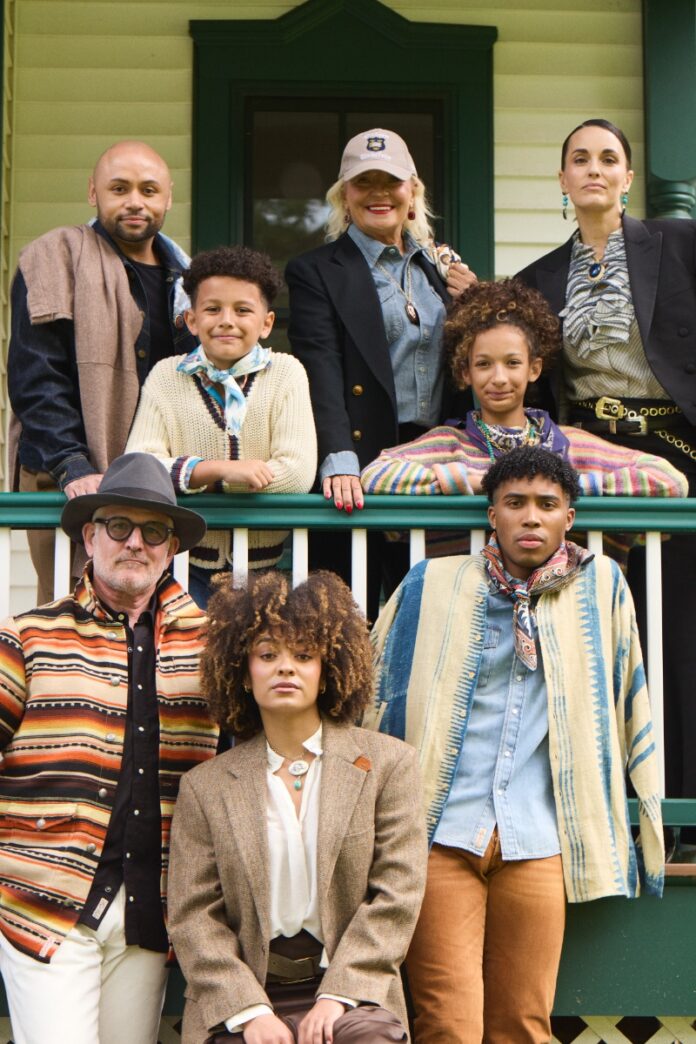
A group portrait of eight people of various ages wearing layered autumn fashion on a porch, styled with hats, blazers, and knits.
At upper left, James wears a denim jacket by Kapital and sweater by GRP, both from Vestis. At bottom left, Keith wears a Santa Fe jacket from Sergio Paisley and a vintage fedora from Borsalino. Other looks described in article.

As summer cools into autumn, layers take over Pittsburgh vintage and clothing shops — flowing blouses under structured blazers, chunky knits against rugged boots. Shot at Barberry Farm in Sewickley Heights, this story pairs vintage finds with new pieces from local boutiques in Pittsburgh by a professional stylist, showing us how fashion is built in personal layers, one piece at a time.

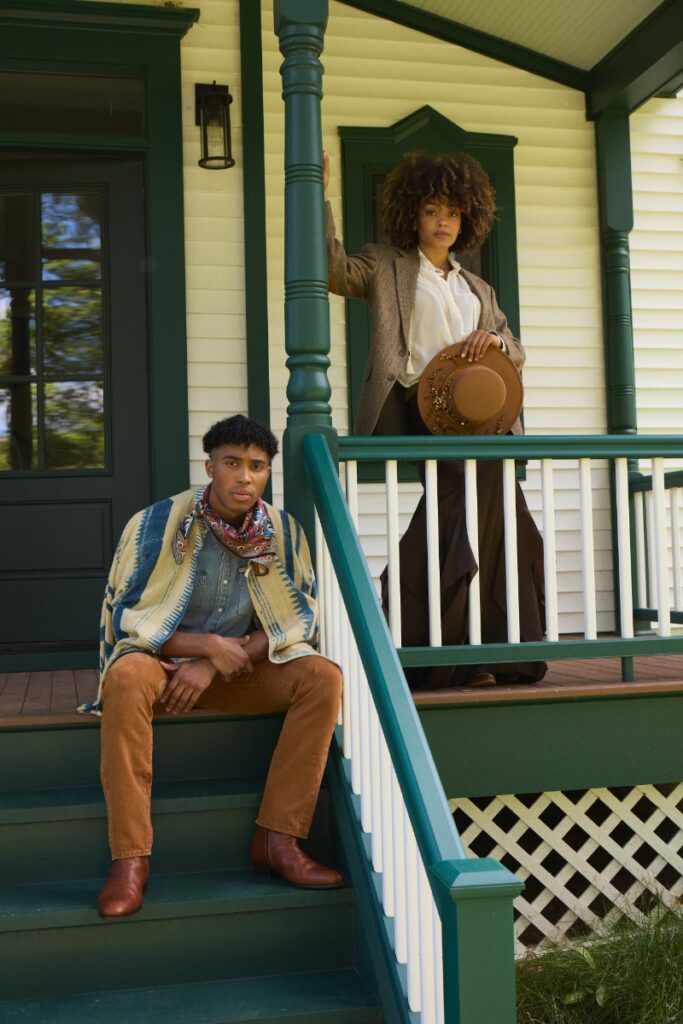
Above: Left: Emry (left) wears an 11:11 jacket from Vestis, as well as Selvedge jeans and Elisabetta scarf from Sergio Paisley. Lexi (right) wears a blazer, skirt, and hat from Bottom Nature Vintage and a NOTSHY blouse from Après Boutique. She holds a hat from Bottom Nature Vintage.; Right: Nicole wears a blouse, jewelry, blazer, and skirt, from Bottom Nature Vintage. Her Laurence Bras belt is from Après Boutique.

Pittsburgh Autumn Fashion Guide: Layering Local Vintage and Boutique Finds

In Western Pennsylvania, elegance means looking polished without trying too hard. For example, think of a chunky sweater thrown over a silk blouse. Alternatively, wear a tailored blazer with boots that have clearly seen some weather. Meanwhile, our autumn fashion story lives between vintage and new, fashion-forward looks and easy comforts. In particular, stylist Dominika Bronner’s choices show how to dress for this transitional season. As late summer’s ease gives way to cold-weather structure, layering becomes both practical and stylish.

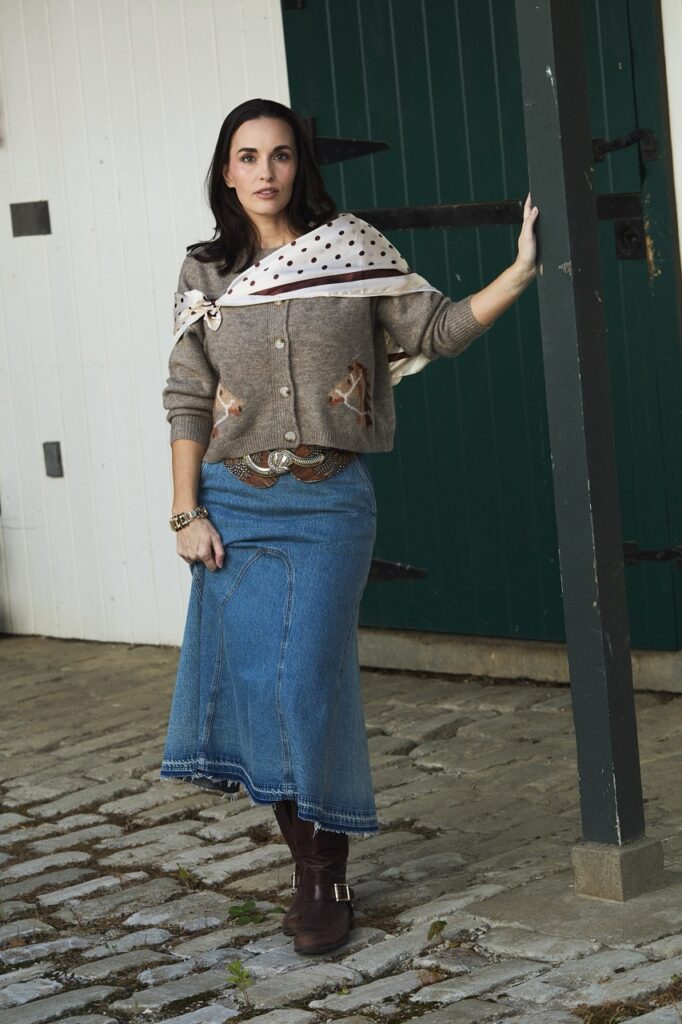
Above: Left: Isaiah (left) wears a cardigan and jeans from Picket Fence, as well as a Kapital scarf from Vestis. Myla (right) enjoys jewelry and a Wishlist cardigan from The Flowerloft. She also sports a Kapital scarf from Vestis.; Right: Nicole wears a horse cardigan by Urban Daizy and Josslyn scarf from The Flowerloft. The MUNTHE jean skirt is from Après.

  • Après Boutique: Modern, elevated women’s contemporary wear and accessories.
  • Bottom Nature Vintage: Curated vintage blazers, suiting, Western wear, and statement jewelry out of Lawrenceville.
  • The Flowerloft: Feminine layering pieces, fringe jackets, and cozy cardigans.
  • Sergio Paisley: High-end menswear, Western fedoras, selvedge denim, and Italian shirting.
  • Vestis: Specialty menswear, Japanese denim, chore coats, and artisan bandana accessories.
  • Picket Fence: Casual, elevated everyday knits and denim.

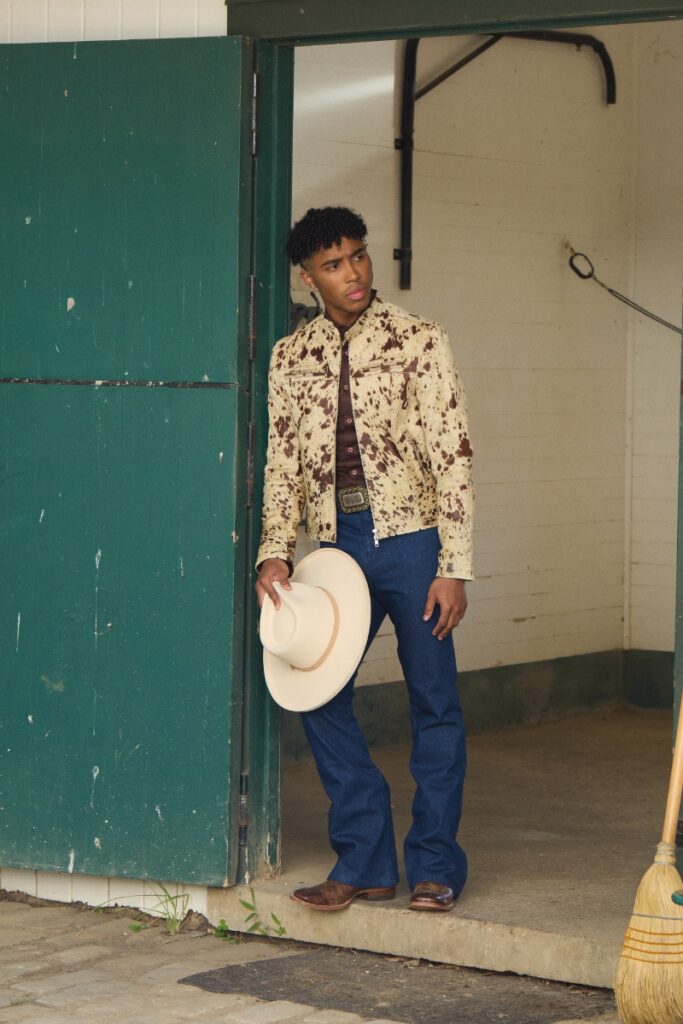
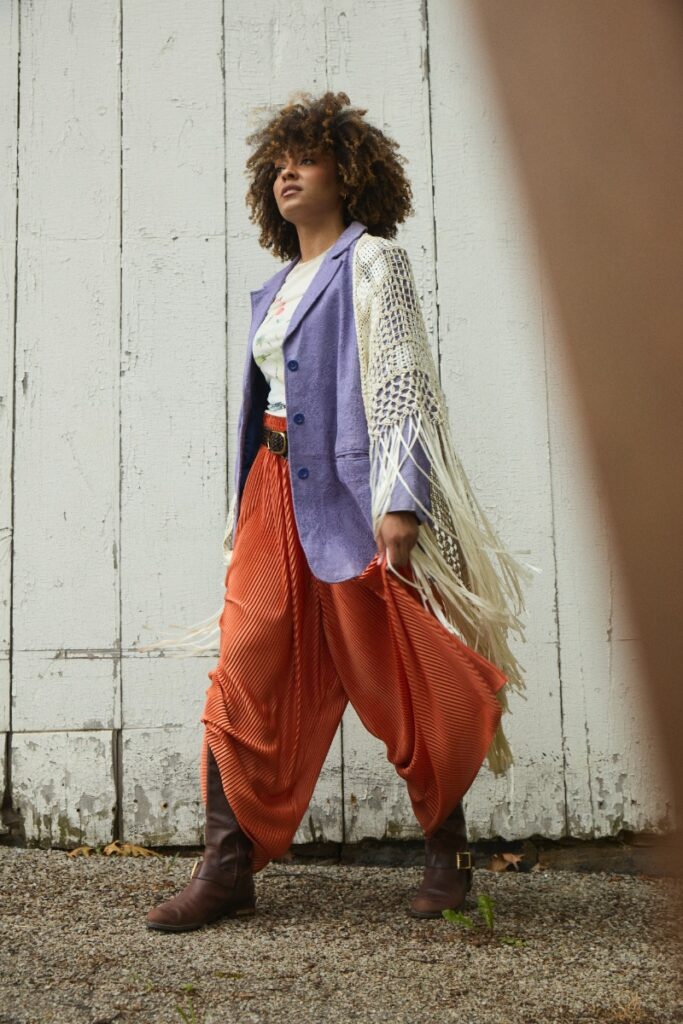
Above: Left: Lexi wears a fringed jacket by Klesis from The Flowerloft and jewelry from Bottom Nature Vintage. Keith wears a Pochly fringed jacket, vintage Ralph Lauren denim shirt, and jewelry from Bottom Nature Vintage.; Center: Emry dons the Cowhide Piston jacket by Jaded London, the Rowen Belt by Streets Ahead, Raw Denim Mick Flares by Good Morning Keith, and the Cooper Faux Suede Shirt by Monfrère.; Right: Ewa wears jewelry and vintage Ralph Lauren blazer and pants from Bottom Nature Vintage with a Wythe shirt from Vestis.

The Art of Autumn Contrast

Set against the barns and meadows of a working horse and cattle farm, the clothes embrace contrast: rich, romantic skirts grounded by rugged boots; workwear softened by flowing fabrics and elegant shirting. The polish of fashion is made more relevant and personal by something a little lived-in. Vintage pieces from Lawrenceville’s Bottom Nature mix easily with finds from Pittsburgh’s local boutiques, giving each look a sense of biography and history.

Above: Left: James shows us the Stone Velvet Effect Western Shirt by Pini Parma, a special edition selvedge denim jacket by Barbanera, the Wisdom Talisman Elk Bolo Tie by Frontera, Brando Jeans by Monfrère, and the Taos Western Fedora by Two Roads Hat Company. All from Sergio Paisley.; Right: Clockwise from top left: James wears an 11:11 Jacket, orSlow jeans, and Kapital bandana, all from Vestis. Emry wears a GRP sweater and Surplus shorts with a bandana by Kapital, all from Vestis. Lexi dons a a top by Maria Cher from Après Boutique with vintage blazer, pants, and scarf from Bottom Nature Vintage. Nicole wears an orSlow chore coat and Kapital scarf from Vestis with a vest from Bottom Nature Vintage.

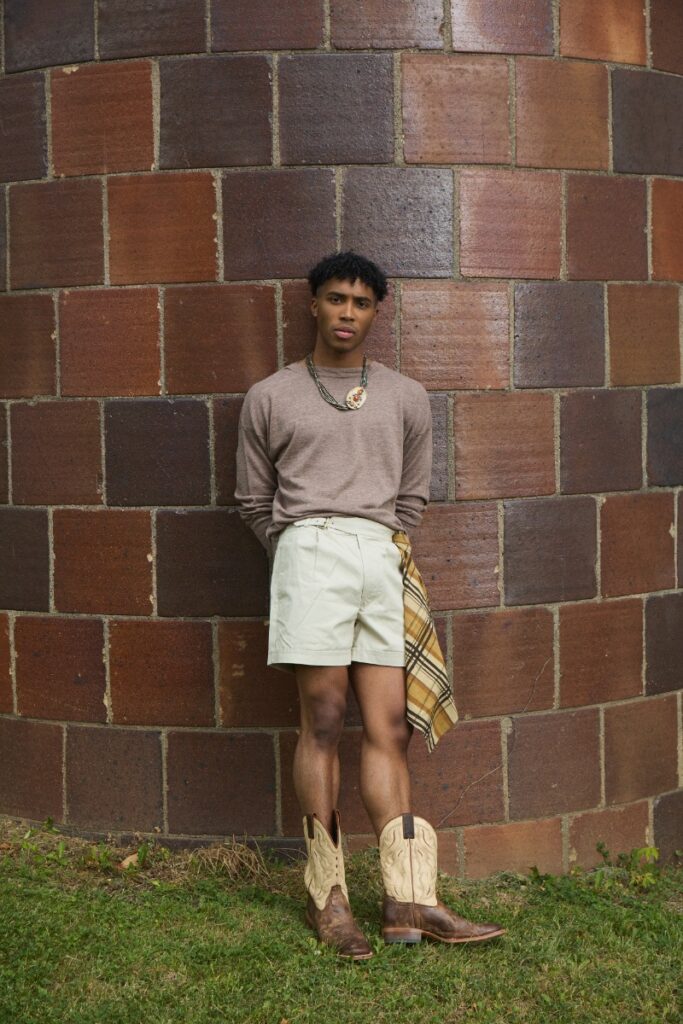
Above: Left: Emry wears a GRP sweater, Surplus shorts, and Kapital bandana, all from Vestis. His vintage jewelry is from Bottom Nature Vintage, and his boots are from Boot Barn.; Center: Nicole wears an orSlow chore coat and Kapital scarf from Vestis with a vest from Bottom Nature Vintage.; Right: Lexi wears a top by Maria Cher from Après Boutique with vintage blazer, pants, scarf, and boots from Bottom Nature Vintage.

To make a look of your own check out our favorite stores for vintage clothes shopping as well as our Pittsburgh Shopping Guide for expert tips and store listings.

About the Author and Stylist

Dominika Bronner is TABLE Magazine’s contributing photo and fashion stylist, covering Pittsburgh shopping and style for TABLE and Shady Ave. A Pittsburgh-based stylist and mom of four, her client and event work includes Kiya Tomlin and FashionAFRICANA‘s AFRICANISM Gala. Follow her at @dominikabronner_styling. 

Make up by Bianca Black
Assistance by Alicia Bronner
Modeling by Emry Amoky, James Manning, Lexi Wright, Nicole Yakovich, Myla, Isaiah, Ewa, Keith Recker
Photography by Michael Parente
Shot on location at Barberry Farm

Subscribe to TABLE Magazine‘s print edition. 
Guide to PPG Paints Arena: Seats, Parking & Nearby Dining

0
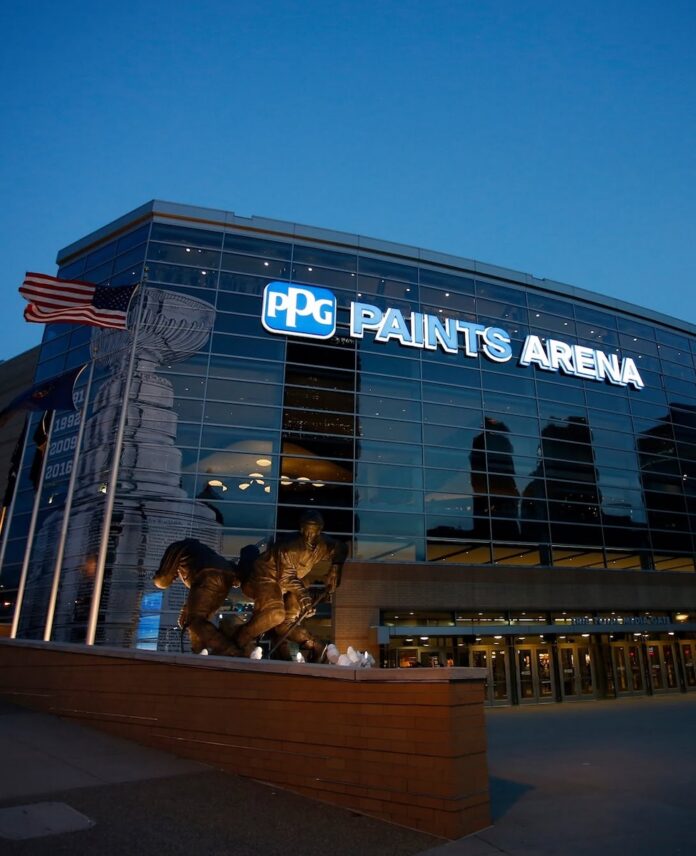
PPG Paints Arena exterior at dusk, featuring the arena's name and a hockey statue.

Since opening in 2010, PPG Paints Arena has stood as the home of the Pittsburgh Penguins and one of the region’s premiere event venues. Hosting over 150 events annually—from NHL games and major arena tours to family shows and college basketball—it brings hundreds of thousands of visitors to Uptown Pittsburgh every year.

Because the venue enforces strict policies regarding ticketing, payments, and entry, first-time visitors can easily be caught off guard. Here is everything you need to know before attending your next event, including parking shortcuts, insider tips, and where to eat and drink nearby.

The Ultimate Guide to PPG Paints Arena From Parking to Insider Tips

Navigating PPG Paints Arena: Seating Strategy

  • Concert Floor Spots: For stage setups, the front rows of Sections 1, 2, and 3 provide prime views, followed by Sections 4, 5, and 6. Keep in mind that floor seating is flat, meaning sightlines depend on the height of the crowd in front of you.
  • Lower Bowl Sightlines: Sections 107 through 114 deliver direct, head-on views of the main stage.
  • The Edge Seats: Located at the back of select lower-level sections, these high-top counter seats replaced former standing-room areas. They feature personal counter space, quick concession access, and clear sightlines over the lower bowl.
  • Best Budget Views: Upper-level corner sections—specifically 208, 209, 213, and 214—offer strong value for major shows and games.
  • Restricted Sightlines: The highest rows of the 200 level can feature partial obstructions. When buying concert tickets, look for a “restricted view” tag, which indicates stage equipment or rigging curtains will block portions of the view.

Bag and Entry Policies

  • Bag Policy: Only small wallets and wristlets measuring 4″ x 6″ x 1″ or smaller are permitted. Purses, totes, backpacks, fanny packs, and clear bags are strictly prohibited.
  • Exceptions: Diaper bags and medical bags are allowed but must undergo X-ray screening at designated gates.
  • No On-Site Storage: There are no bag check facilities on-site. Non-compliant bags must be returned to your vehicle or surrendered at the gate.
  • Prohibited Items: Outside food and beverages (including sealed water bottles), coolers, thermoses, air horns, laser pointers, professional cameras, recording devices, tripods, and full-face coverings are prohibited.
  • No Re-Entry: Ticket scanning allows for single entry only; once you exit the turnstiles, re-entry is not permitted.

Getting to Uptown & PPG Paints Arena Parking Options

PPG Paints Arena sits at the intersection of Fifth Avenue and Centre Avenue, directly adjacent to Downtown Pittsburgh.

  • Rideshare & Taxis: Designated rideshare drop-off and pickup points are located along Wylie Avenue and Fullerton Street. Traditional taxis line up outside the F.N.B. Gate following major events.
  • By Light Rail (The T): The T is free within the Downtown Golden Triangle. Exit at Steel Plaza Station (Sixth Avenue & Ross Street) and walk three blocks east up the hill to the arena.
  • By Bus: PRT bus routes 61A, 61B, 61C, 61D, 71A, 71C, and 71D travel inbound along Fifth Avenue and outbound along Forbes Avenue. Routes 81 and 83 drop off directly along Centre Avenue.

Pro Tip: If you’re bringing a large group by your own bus, prepaid bus parking is available through Group Sales.

Where to Park

LocationDetails & Logistics
Arena Surface LotsFour official lots (East, Fullerton, South, West) plus an attached garage. Cashless; advance booking via ParkWhiz is recommended. Rates average $30+ for major events.
Downtown GaragesChatham Center Garage is the closest alternative. The U.S. Steel Building Garage and BNY Mellon Center Garage offer short walks and easier exit routes back to the highway.
Accessible ParkingAvailable in all official arena surface lots and the attached garage on a first-come, first-served basis. Accessible drop-off is at the southwest corner on Fifth Avenue.

Pro Tip: Pre-purchasing a spot in a Downtown garage often saves 20–30 minutes of gridlock when exiting sellout events compared to the venue’s immediate lots.

Concessions & PPG Paints Arena Tips

Concessions throughout the arena are operated by Aramark and are 100% cashless. Many offerings inside the arena change with each new Penguins season, so keep an eye out for new options. Don’t assume the most recognizable branded stands are your only choices. The general concession stands can offer a wider range of food, and they’re often worth exploring

  • Cash-to-Card Reverse ATMs: If you bring cash, conversion kiosks are located in the Highmark Lobby, F.N.B. Club, Michelob ULTRA Club, and near Sections 106, 119, 206, and 234. These convert up to $500 cash into a fee-free Visa debit card.
  • Local Eats: The Milkshake Factory (Section 107) remains a staple destination for local desserts. Rotating menu items and local craft brews update annually.
  • Alcohol Cutoffs: Limit two alcoholic drinks per transaction with valid ID. Sales end at the start of the third period during Penguins games; cutoff times vary for concerts.

Insider Tips

  • Accessibility & Sensory Resources: KultureCity sensory bags with noise-canceling headphones are available at Guest Services behind Section 104. Assistive listening devices are also provided free of charge with a valid ID deposit.
  • Family Services: Mamava nursing pods are located behind Sections 115, 117, and 225. Family restrooms are available at Sections 107, 109, 121, 201, and 213. Guest Services (Section 104) offers child-registration wristband programs to help reconnect lost children.
  • In-Game Assistance: Text GOAL, your seat location, and your issue to 69050 to contact arena security or guest support discretely during an event.
  • Guest Services and UPMC First Aid: Both located behind section 104, with a second first-aid station behind the concession stand at section 232. Lost and found is handled through Guest Services; after an event, call 412-804-7903.
  • Parking Help: At Penguins games, AAA operates a Puck Truck in the arena lots to help with dead batteries and lockouts. For roadside assistance, call 1-800-AAA-HELP after the third period begins.

Where to Eat and Drink Near PPG Paints Arena

Pair your show or game with a meal at these nearby spots:

Pre-Event Dining

  • Moonlit Burgers Uptown: Located five minutes from the venue, serving smash burgers with griddled onions, shoestring fries, and milkshakes.
  • Ritual House: A 10-minute walk into Downtown at the Union Trust Building, featuring upscale comfort food, global flavors, and a signature cocktail menu.
  • The Commoner: Located inside the Kimpton Hotel Monaco (an 11-minute walk), this tavern features seasonal local ingredients, craft beer, and an open wood-fired hearth.
  • Chinatown Inn: A historic Downtown landmark located a 10-minute walk away, ideal for family-style Chinese dining before doors open.
  • City Works: Situated in Market Square (15-minute walk), offering over 90 craft beers on tap and extensive seating for larger groups.

Post-Event Drinks & Nightlife

  • Shale’s Cafe: Located directly across from the arena, this neighborhood dive is a long-standing local staple for pre- and post-game beers.
  • Bridges & Bourbon: An intimate spot along Penn Avenue featuring high-end charcuterie, smashburgers, and experimental cocktail techniques.
  • The Warren Bar & Burrow: A late-night Downtown staple offering craft cocktails, late food service, and an extensive spirit selection.
  • Space Bar: A sci-fi-inspired lounge in Market Square featuring themed cocktail flights and light bites.
  • Täkō: A vibrant Downtown spot focused on street-food tacos, tequilas, and late-night food options.

Explore more of Pittsburgh’s concert and sporting venues in our guide to Pittsburgh’s arts, culture and entertainment scene.

About the Author

Kenny Gould is a writer and the founder of Hop Culture, a digital magazine focused on the beer industry. In addition to writing about food and beverages, he’s also the author of several fiction books, including the bestselling fantasy The Castle of 1,000 Doors. He holds a BA from Duke University, an MFA from Chatham University, and an MBA from NYU Stern. To learn more about Kenny, visit his website or follow him on Instagram at @thekennygould.

Photo From PPG Paints Arena

Subscribe to TABLE Magazine‘s print edition.
Inside a Modern Rhode Island Cottage Inspired by Childhood Memories

0
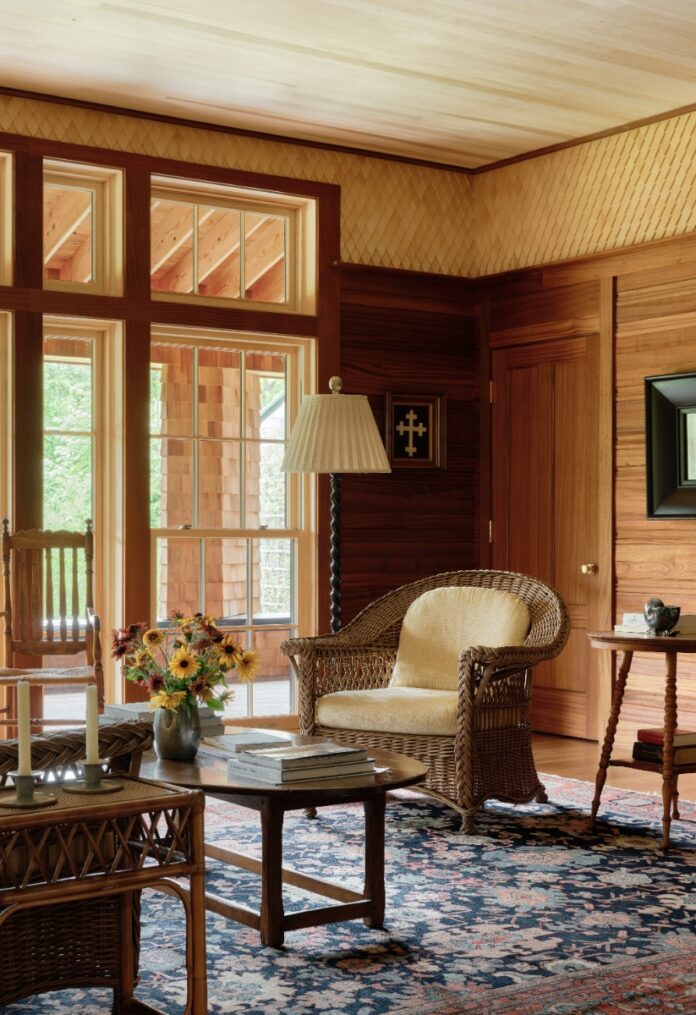
Wood-paneled living room with wicker armchair, floor lamp, large windows, and diamond wood frieze detail.

Architect Thomas Kligerman returns to childhood summers in Rhode Island, with a few grown-up updates like insulation, heating, and air conditioning.

Building a Modern Rhode Island Cottage

For architect Thomas Kligerman, who was raised in Connecticut and New Mexico, and spent his student years in France and England, some of his most powerful memories come from Rhode Island. As a child, his family would spend summers in a rented house in Weekapaug. He would later return to the area with his wife and daughters, revisiting the familiar, comforting aspects of those childhood vacations by the sea.

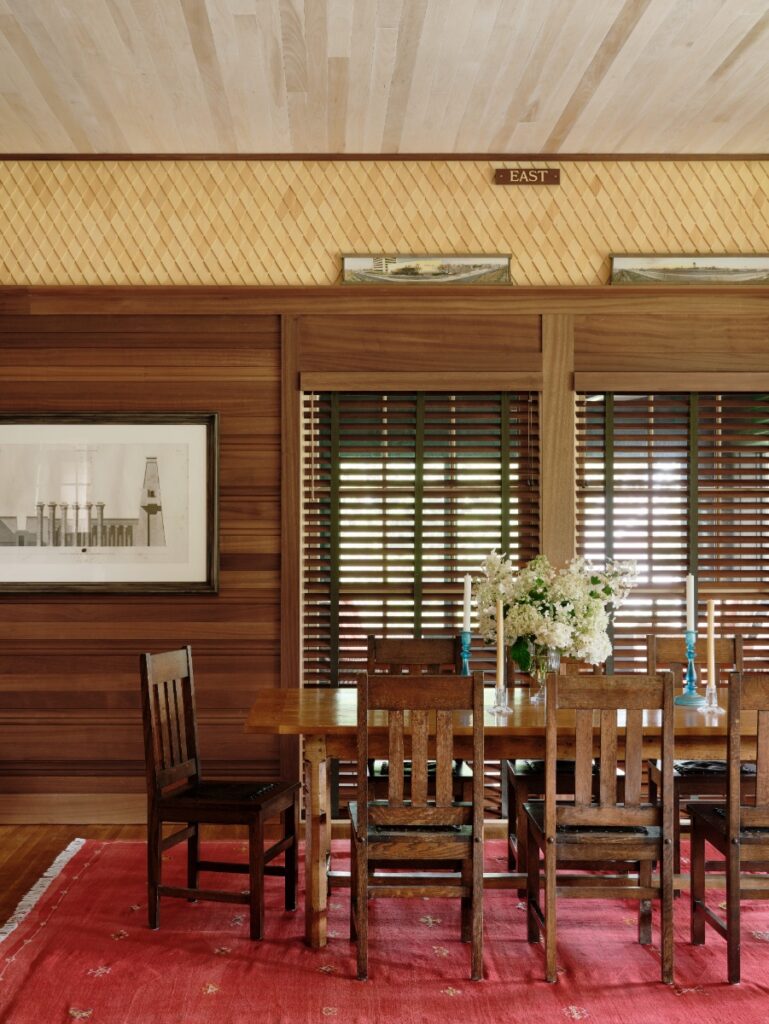
Wood-paneled dining room with wooden dining table and chairs on a red patterned rug.

He never imagined he would one day own a house in Rhode Island, but a piece of property became available in Weekapaug, and he and his wife bought it right before COVID. And he wanted to build a home there that reflected the spirit of the houses he had enjoyed growing up—but one that had modern upgrades, including adequate insulation, heating, and cooling—and that would give his children the same pleasant memories as he had.

A World of Wood

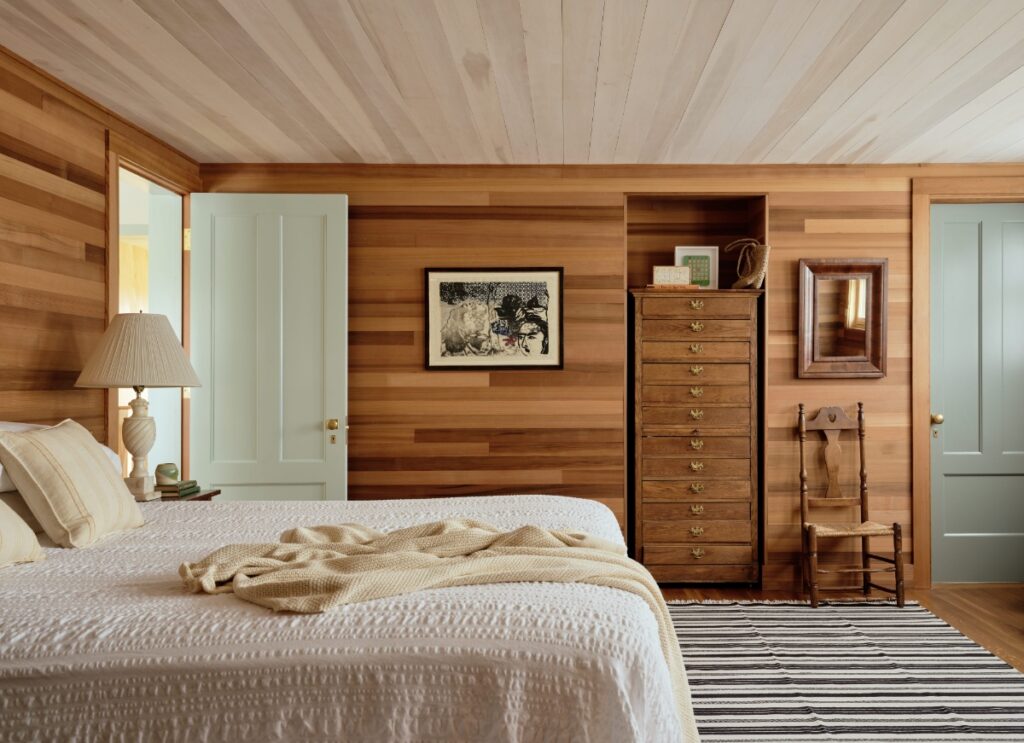
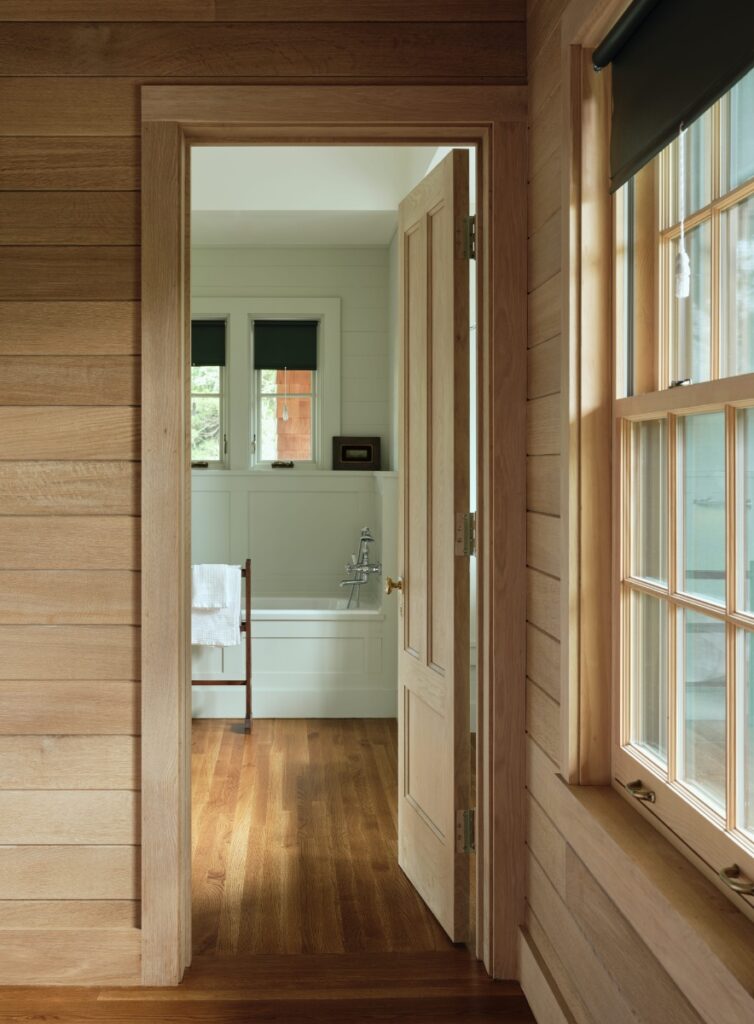
Like the originals, some of which date from the 1880s to the 1920s, the defining element is wood. Outside, the house is clad in traditional shingles. Inside, things are multifarious: the living room alone contains five woods: poplar, pine, mahogany, oak, and yellow cedar (including a frieze of diamond-shaped pieces that surrounds the room), creating a rich and layered look. The bedrooms are all different species, one Douglas fir, one oak, one western red cedar. The staircase is all pine. “The idea was to create this sort of wooden world that was reminiscent of the older houses in terms of window types and ceiling heights.”

The various types of wood aren’t varnished; rather Kligerman applied a light oil finish to preserve their beauty, to breathe, to give off their aromas. “People don’t realize it, but these houses have a scent that’s reminiscent of childhood. So that was the whole idea of using these woods.”

A Screened Porch by the Sea

Perhaps no element says coastal New England as clearly as the screened porch, which is about 75 feet wide and 12 feet deep. The shade it provides has a natural cooling effect by blocking solar gain, but it is also very much another room of the house. There are windows in the kitchen and dining room as well as a Dutch door—so the dog can’t get in during meals, but the ocean breeze can. The natural ventilation means they rarely need to turn on the AC.

Wood-paneled bedroom featuring a white bedspread, tall wooden dresser, striped rug, and pale blue doors.

Details Inspired by the Past

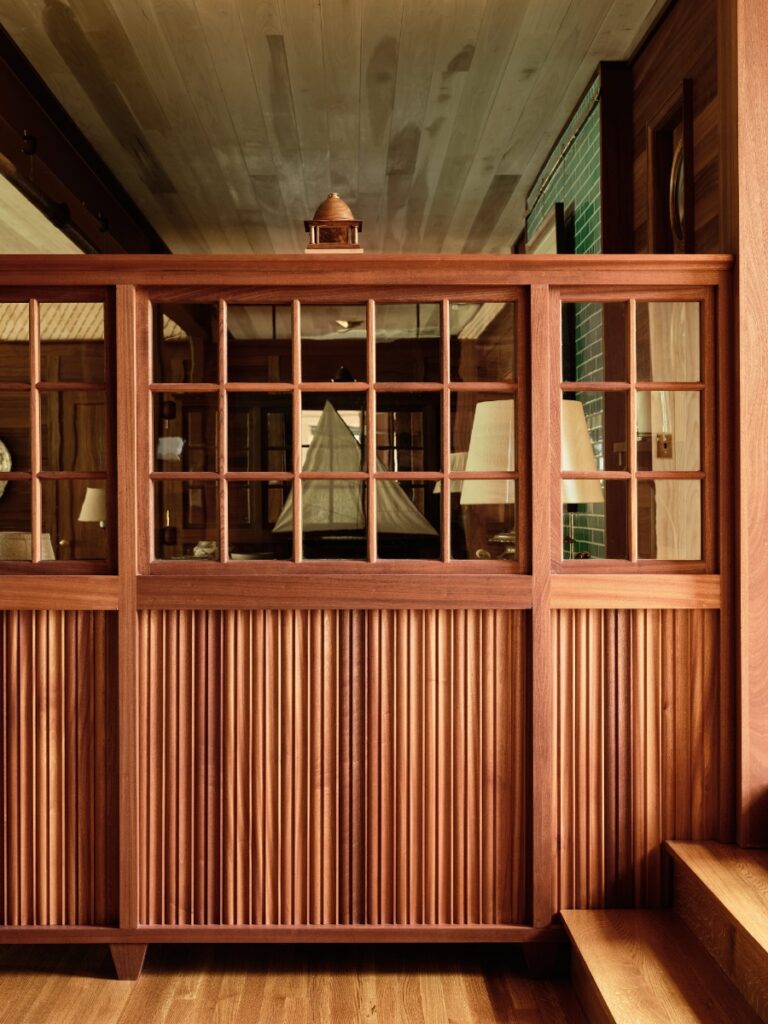
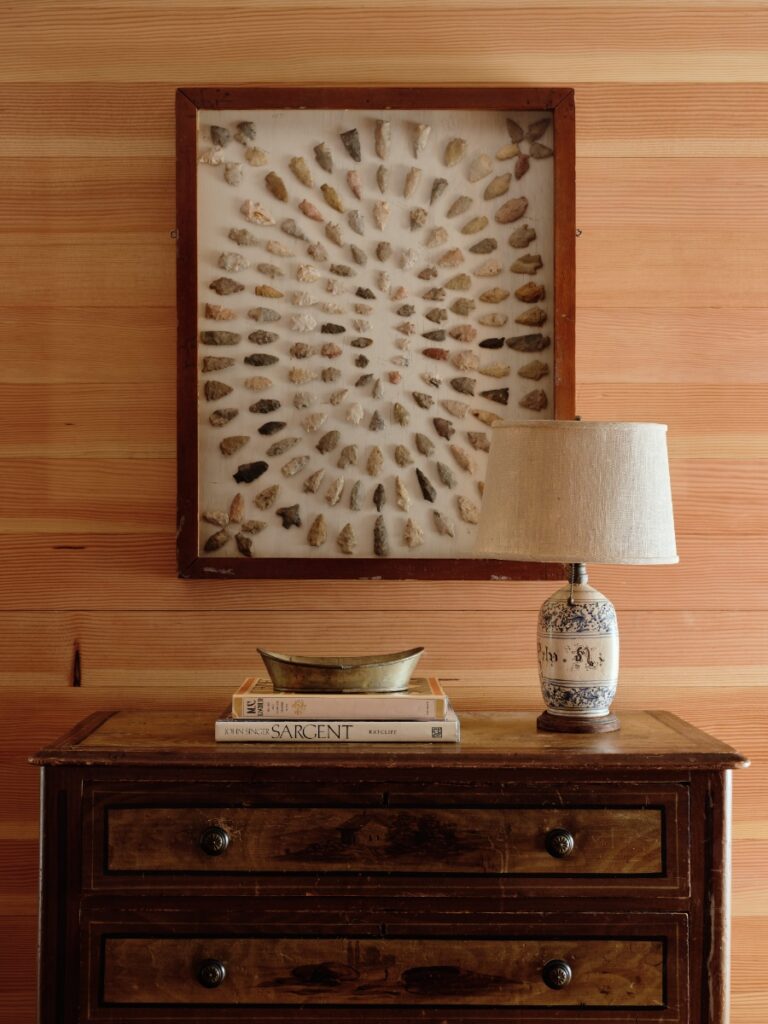
Many of the furnishings were found at estate sales in nearby towns. “We were magpies and scavengers, scooping up memorabilia from Rhode Island. They are things you’ve seen in old houses, and you bring them in to create a new version. They become part of your memory.” Their picks included some wicker furniture from Kingstown, a bureau for one of the bedrooms, and the shadowbox that holds a set of arrowheads at a sale from Newport, pieces of hand-blown hot glass for a partition from an 1830s home that was being demolished.

Framed arrowhead shadowbox display mounted on horizontal wood paneling above a antique wooden bureau.

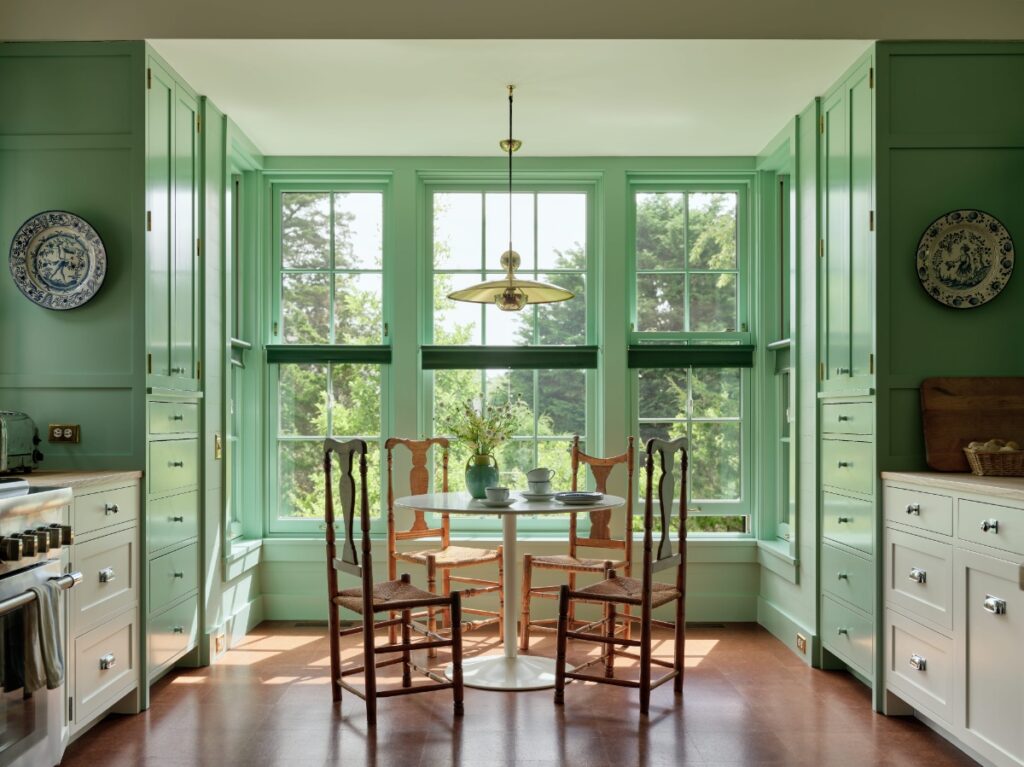
While the home references the local vernacular, the kitchen also recalls old school buildings, with institutional colors from the 20s, green-and-white cabinets, and window trim. The floors are cork, which Kligerman thinks is an underused material. “It’s really soft. If you drop a dish on it, there’s less chance it’ll break.” Similar are the countertops, which are quarter sawn white oak. “In the old days, if you had a butler’s pantry, the countertops were wood.” (He has grown to dislike stone countertops because they’re noisier, making a distinct clang when you place a bowl down.) In the alcove, plates found in Portugal frame a Hector Finch pendant light from London. The dining room chairs are the ones he grew up with, surrounding an inexpensive version of the iconic Saarinen table.

Green Throughout the Rhode Island Cottage

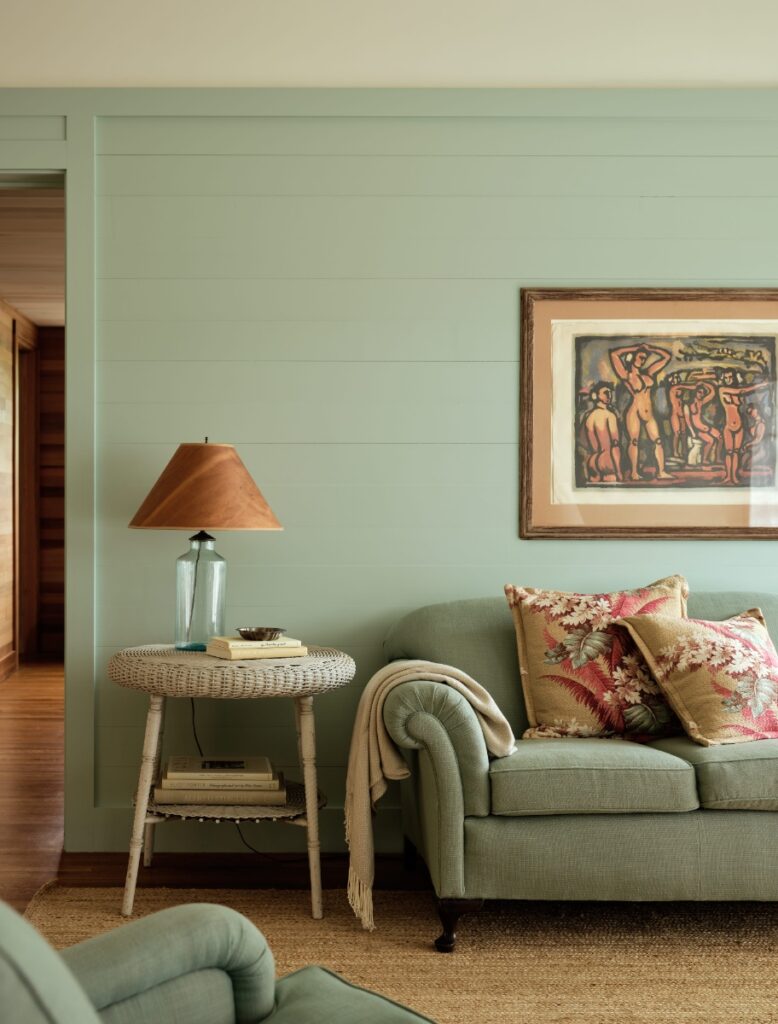
Most of the wood surfaces in the house were left plain but, in addition to the kitchen, a few were also painted in shades of green, including a sitting room’s pale sage, and the porch, which is a classic Seal Harbor green.

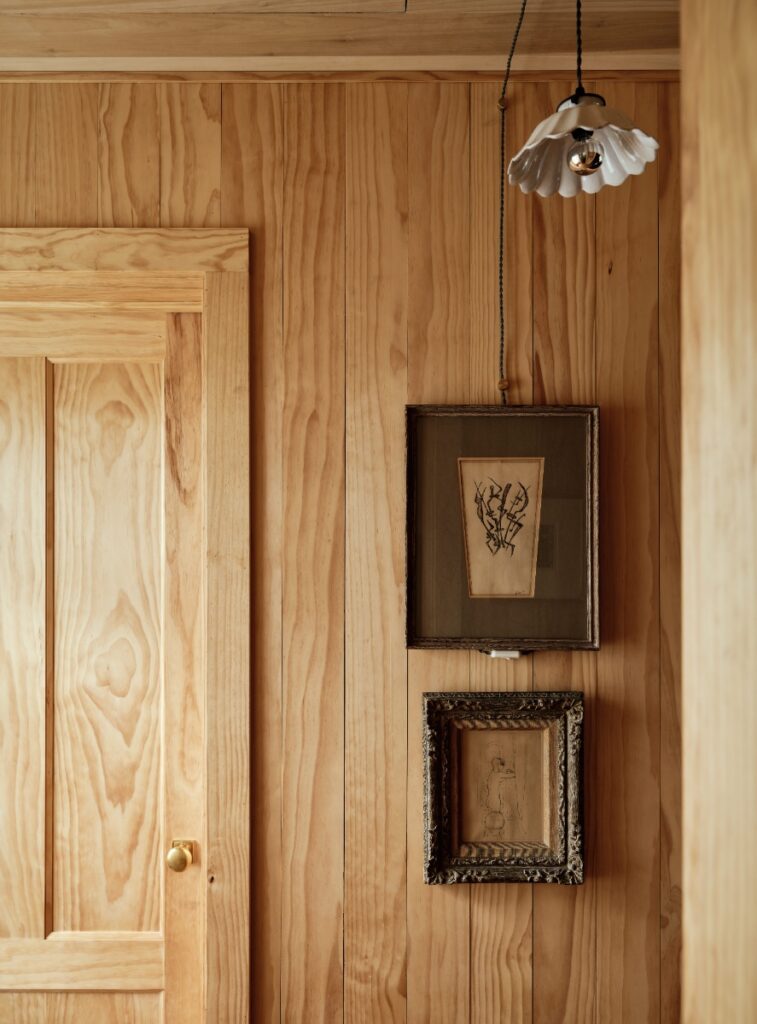
Natural pine wood paneled wall with two small framed artworks beneath a ceramic pendant lamp.

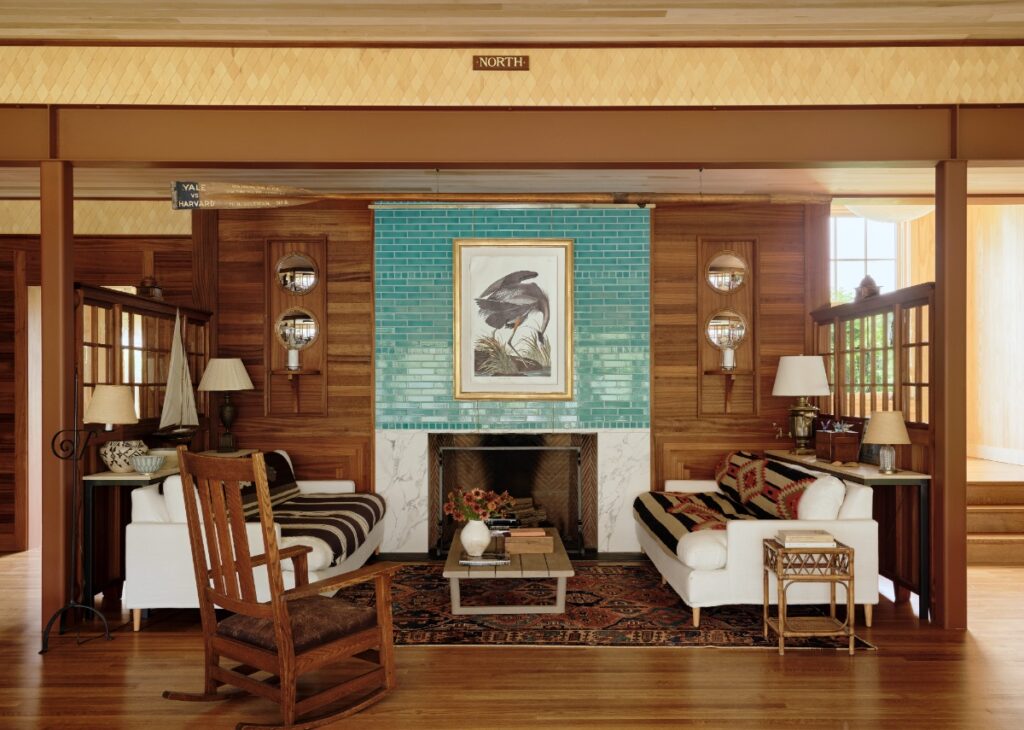
A nook in the living area, traditionally called a snug, surrounds a green-tiled fireplace on which hangs an Audubon print. In the snug, one hunkers down around the fireplace in winter. (The “North” sign on the frieze above—as well as the corresponding South, East, and West—come from Sir John Soane’s Museum in London.) In summer, you relocate into the more open area, closer to the water and to the lovely views.

Kligerman’s intent for the home was not for it to be a mere recreation, but to be for his daughters what those houses of his childhood were to him. “It’s a house that is reminiscent of the things I think about when I think about the Rhode Island coast. Thirty years from now, when my daughters walk into a house, they’ll go, ‘God, this is just like a house in Rhode Island. I’ve been here before.’”

Read Thomas Kligerman’s New Book Summer by the Sea for More

Book cover: "Summer by the Sea" by Thomas A. Kligerman, cottages from Watch Hill to Little Compton

Book by Thomas Kligerman
Photography by Read McKendree
Published by Monacelli

Thomas Kligerman’s new book Summer by the Sea is, he says, a thank you to the state where he spent so many summers. (His house is one of sixteen in the book.) It is also a way to preserve these types of cottages, which are slowly disappearing as people seek larger, less creaky homes with modern amenities. He wanted it to be more than simply a “house book,” and therefore included area history and lore, stories about shipwrecks, the lighthouses, the people who came there over time.

The numerous photographs show not only the impressive variety of the homes both inside and out but form a record of what the coastline looks like now. “There is not just the architecture. It’s also the weather and the salt air, the breadth of landscapes—the dunes and the cliffs and the marshes are also part of the story.”

For more on home renovations, check out our guide to interior design.

About the Author

Stephen Treffinger is a Contributing Editor at TABLE Magazine. He also covers interiors, design, travel, and technology for New York Times, the Wall Street Journal, Financial Times, Domino, Architectural Digest, House Beautiful, Better Homes and Gardens, Interior Design, Elle Decor, Travel + Leisure, Vogue Living (Australia), Departures, and many others.

Photography by Read Mckendree

Subscribe to TABLE Magazine‘s print edition.

Collier’s Cuts: Director Zach Cregger Follows ‘Weapons’ with a New ‘Resident Evil’ Movie

0
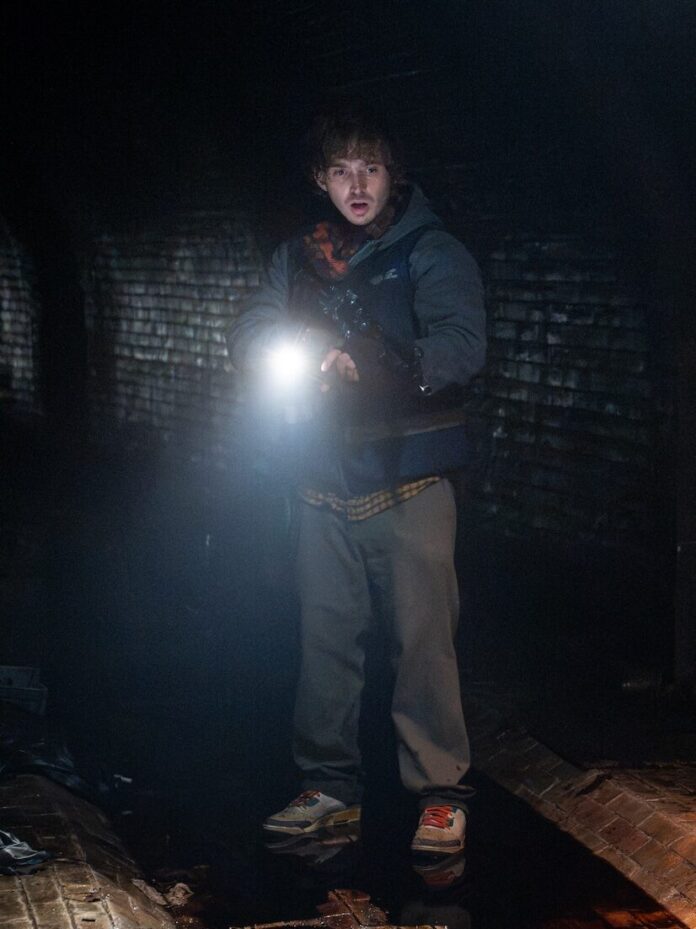
Austin Abrams traveling through a bloody dark tunnel with a flashlight in Resident Evil.
Austin Abrams stars in Constantin Film and Columbia Pictures RESIDENT EVIL, directed by Zach Cregger. Photo by: Dušan Martinček
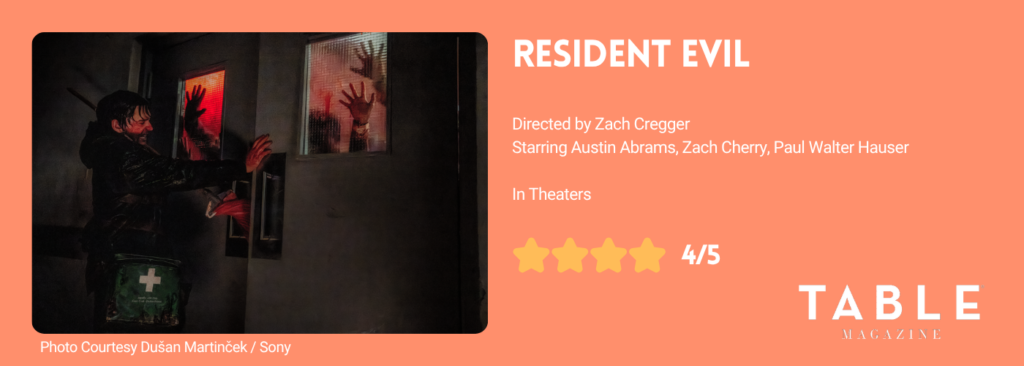
An orange rating card for the Resident Evil movie with a photo from the film of Austin trying to keep a door shut between him and the zombies. The rating card gives a 4/5 star rating.

Last year, director Zach Cregger released the alternately chilling and uncanny Weapons, a genre-defying film that earned Amy Madigan an Oscar. He follows that effort by trying to revive a horror property that never really had a signature film: Resident Evil, the video game adaptation about an evil corporation unleashing a zombie plague on humanity. Without a marquee director, another Resident Evil reboot barely would’ve been a headline; now, it counts as one of the most anticipated horror films of the year.

You Don’t Have to Be a Video Game Fan to Appreciate the New Resident Evil Movie

Cregger’s first, and best, decision: This is its own movie, with no important narrative ties to the previous films or the games. The Resident Evil video game series comprises nearly 30 standalone chapters, accompanied by seven theatrical films and a library of printed media; while there are undoubtedly references and nods to some of that lore in Cregger’s film, no advance knowledge is required.

Isn’t that refreshing? A franchise movie that doesn’t make you do any homework — a rarity in 2026. 

Mutated zombies aside, the premise actually could be described as simple: We follow an anonymous, hard-luck twentysomething on a very bad day. Our reluctant hero, Bryan (Austin Abrams), is a medical courier (a “glorified Postmates driver,” as he puts it) who’s trying to get home to his girlfriend; they’re in the midst of a spat, and he’d like to put things right. Alas, duty calls: The hospital desperately needs him to deliver an important parcel to far-off Raccoon City, on the other side of some icy mountain roads.

When an odd woman bursts out of the forest and into the path of his car, Bryan’s night takes a turn. The rest of Resident Evil is a nearly moment-by-moment account of what anyone might do if faced with an escalating set of absurd circumstances; dramatically, it’s clean and satisfying. Viscerally, it’s gory and shocking. That’s a powerful combination.

A Strong Script and Clever Direction From Zach Cregger Make Resident Evil a Winner

Structurally, it’ll feel like a video game; Bryan moves from location to location, improving his skills and equipment, trying to get a grasp on the situation around him. Unlike films that more directly play with gaming tropes (there’s a new Jumanji out this Christmas), though, it doesn’t feel hokey — it feels exploratory and even immersive.

Credit a script, also by Cregger (with help from Shay Hatten), that strips the action down to its essentials and chucks everything that doesn’t help the mood. Cregger says he cut a number of jokes out of the movie, fearing that the film was getting too funny, but there’s still plenty of macabre humor to be found in the finished product. He manages to maintain a perfectly balanced tone in the face of gore and chaos.

He’s also, quite simply, a very skilled director; he knows how to visually dance with the audience, keeping the viewer rapt through composition and rhythm. Sure, there are undead monsters everywhere, but you’re hooked on the storytelling more than the violence — a rarity. Cregger hasn’t just revitalized this franchise; he’s redefined it.

For the Lighter Kind of Spooky, There’s Shaun the Sheep — Plus More Movies in Theaters

For a decidedly all-ages — but no less artful — spooky adventure, consider Shaun the Sheep: The Beast of Mossy Bottom. No, really, consider it. This is a painstaking work of stop-motion animation that derives belly laughs from tiny movements and careful composition, and it does so with no spoken dialogue. This isn’t merely something for the kids; it’s a remarkable achievement and a study in comedy. The seasonally appropriate plot involves Shaun turning mad scientist and inventing a formula to help pumpkins grow overnight … only for the hapless farmer to use that formula as hair cream, covering himself in fur and convincing the town he’s Bigfoot. It’s funny and charming; blessedly, it’s also only 80 minutes long. There may be no better choice for families looking for a Halloween compromise — and it’ll brighten your day regardless of age.

Those who grumble that they don’t make ’em like they used to might want to watch The Weight, a new western drama in select theaters this weekend. Russell Crowe and Ethan Hawke star in this tale of desperate choices, directed by Padraic McKinley in his feature debut. The film ticks several boxes of cinematic rarity: It’s unabashedly for adults, it’s an original story and it’s in a genre that’s fallen out of favor. What’s more, early reviews are glowing; writing for rogerebert.com, Brian Tallerico says “the last ten minutes of The Weight are as satisfying as anything you’re likely to see this year.”

Don’t Miss These Already Released Movies Too

Last week’s top new release, Practical Magic 2, didn’t exactly wow us … but it still managed to win the weekend. That ended a two-month stranglehold on the box office; it was the first weekend in the last nine not won by either The Odyssey or Spider-Man: Brand New Day. (What a summer for Tom Holland, Zendaya and — to a slightly lesser extent — Jon Bernthal.) Read our review of Practical Magic 2 if you’re determined to try the film anyway; the actors are likable, at least! And yes, there’s still time to see both Spider-Man and Odysseus (Spidysseus, for short); cinemas will be sure to get every dollar out of this year’s champions.

Start streaming this summer’s past releases with Sean’s line-up of the summer blockbuster season. Or, discover more of the arts, culture, and entertainment scene in Pittsburgh.

About the Author

Sean Collier is the editor-in-chief of Shady Ave and the arts and culture editor of TABLE Magazine. Before joining the TABLE Media team, he spent nearly 15 years as a writer, editor and columnist at Pittsburgh Magazine. As the in-house film critic for the top-rated WDVE Morning Show since 2009, he’s been Pittsburgh’s most widely heard voice on movies for nearly two decades. A Pittsburgh native, Sean has since 2020 appeared weekly on KDKA-TV’s popular Pittsburgh Today Live talk show. He’s the co-founder of Vigilance Theater Group and an active stand-up comedian and event host. He can be found on Instagram and Twitter at @seancollierpgh.

Photos Courtesy of Dušan Martinček / Sony

Subscribe to TABLE Magazine’s print edition.

What’s the Best Vodka Sauce in Pittsburgh? We Put Six Local Brands to the Test

0
Six Pittsburgh vodka sauces tested for best local brand

Around lunchtime — in fact, a late lunchtime, so we were extra hungry — the TABLE team sat down to evaluate a half-dozen vodka sauces from regional makers around Pittsburgh and declare a winner.

A Taste Test to Find the Best Vodka Sauce in Pittsburgh

The TABLE team is a fan of vodka sauce. Sure, we like a well-handled marinara, bolognese or Milanese, too, but for many of us, the slightly creamier flavor and texture of vodka sauce is a go-to — especially when it’s done right.

If we want to eat local with our sauce, though, who does it best? There are no shortage of vodka sauce varieties from producers based in western Pennsylvania. Thus, in the name of precision and perfection, we dumped several boxes of pasta into a pot and lined up six local jars for a blind taste test.

The Contenders:

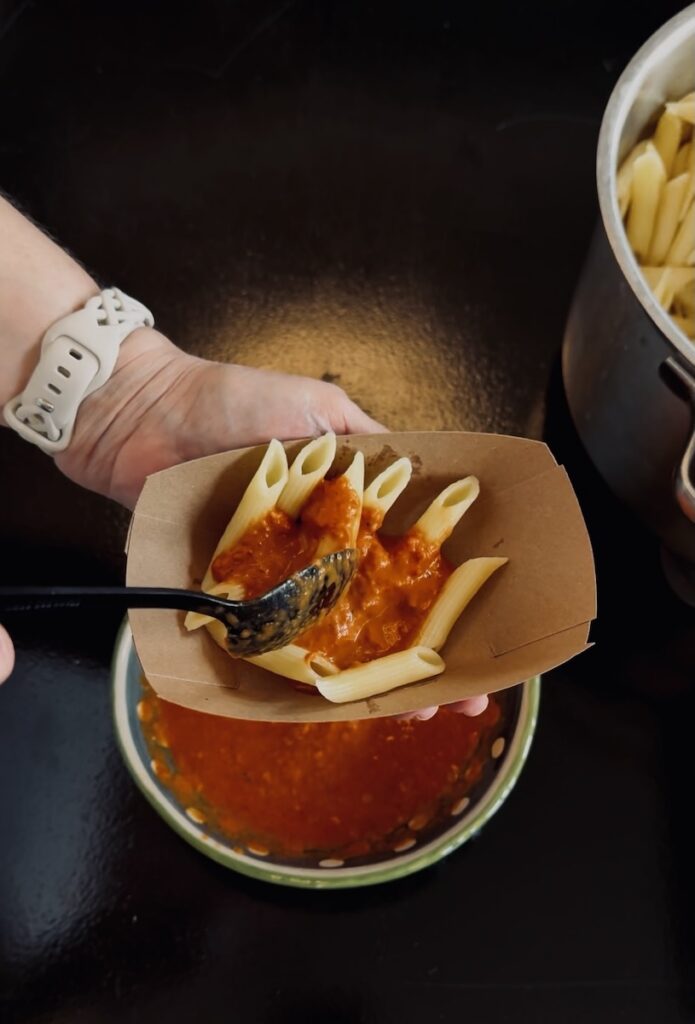
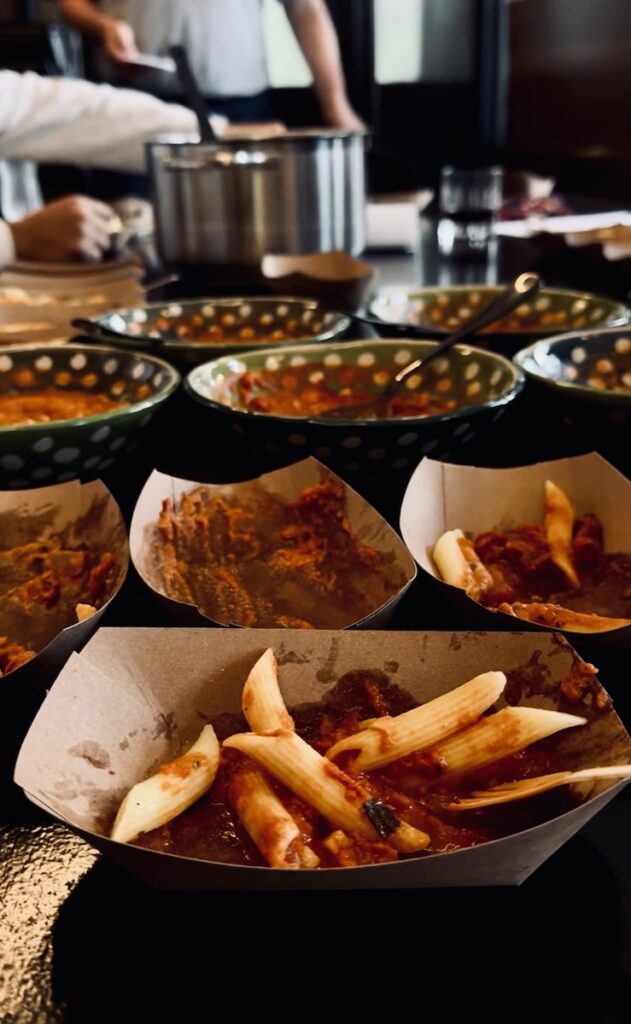
Each sauce was spooned onto pasta and served to no fewer than four members of the TABLE staff, who were not informed which sauce they were trying. After sampling all six, the judges declared a winner and a runner-up.

Penne pasta with vodka sauce being served in a paper boat
Screenshot

But How Do You Even Compare Vodka Sauces?

“I’m not Italian — at all, whatsoever — so I don’t think too much about it whenever I do have vodka sauce,” reports Kylie Thomas, TABLE’s online editor. “Normally, as long as it’s vodka sauce, I’ll enjoy it. But this experience made me realize that the vodka sauce you get does matter. Some are essentially just tomato sauce; some are really delicious; and some are just weird.”

In contrast, director of operations Star Laliberte brought a declaratively Italian perspective to the competition, appropriate for her since she also wrote our round-up of the where to eat Italian food in Pittsburgh. “I enjoy vodka sauce, but it’s not my go-to — but I am very specific, then, about the flavor. It needs to be a very smooth, creamy sauce with a fresh flavor — and a hint of sweetness. Not acidic.”

Some sauces in competition, such as the variety from DelGrosso, had passionate — but lone — fans. (This author, who picked up the sauce on a lovely day at DelGrosso’s Amusement Park in Tipton, PA, was that lone fan.) Others proved divisive; the sauce from Pasta Too split the room evenly, with some objecting to its mouthfeel and others praising it. Ethan Chmura, TABLE’s advertising and editorial coordinator, was unabashed in his appreciation. “I liked Pasta Too’s sauce because it tasted cheesy. I really liked the consistency and the color; I thought that the color was true to vodka sauce.”

Penne pasta with vodka sauce in serving containers, part of a taste test of Pittsburgh brands.
Screenshot

There Must Be a Winner (And a Runner Up)

While each sauce had its adherents, two emerged from the pack — and came down to a photo finish.

We asked our roster of taste testers to declare two favorites each; the runner up, by just one vote, was DeLallo Creamy Vodka. Our panel praised the balance and subtlety of the offering from the Jeanette-based company. It’s no wonder that DeLallo, a specialist in authentic Italian and Mediterranean flavors (they claim to be the nation’s largest importer of olives and antipasti), would nail the flavor of their sauce. (You can get it online or in select local retailers.)

One word, however, was associated with the winning sauce: tangy. Fully half our panel included the word tangy (or, in one slightly overwritten case, “nice tang”) in their notes when evaluating Alla Famiglia Vodka Sauce. The in-house favorite at the Allentown restaurant — a must when choosing your pasta course during the famously elaborate dinner service — was roundly praised by our panel. (This sauce is available online, too, and in a handful of local storefronts.)

Now that you have the answers, run forth with your vodka sauce and cook up one of our delicious pasta recipes.

About the Author

Sean Collier is the editor-in-chief of Shady Ave and the arts and culture editor of TABLE Magazine. Before joining the TABLE Media team, he spent nearly 15 years as a writer, editor and columnist at Pittsburgh Magazine. As the in-house film critic for the top-rated WDVE Morning Show since 2009, he’s been Pittsburgh’s most widely heard voice on movies for nearly two decades. A Pittsburgh native, Sean has since 2020 appeared weekly on KDKA-TV’s popular Pittsburgh Today Live talk show. He’s the co-founder of Vigilance Theater Group and an active stand-up comedian and event host. He can be found on Instagram and Twitter at @seancollierpgh.

About the Photographer

Kylie Thomas is TABLE Magazine’s Online Editor, covering Pittsburgh food, drink, and going out, including the Things to Do in Pittsburgh column. A Point Park University graduate, her work has also appeared on The Takeout, QBurgh, and Empire Extreme. She also runs the photography business Photos by Ky. 

Subscribe to TABLE Magazine‘s print edition.
Dispatch From Milan Design Week: New Ways to Bring Comfort and Calm to Interiors

0
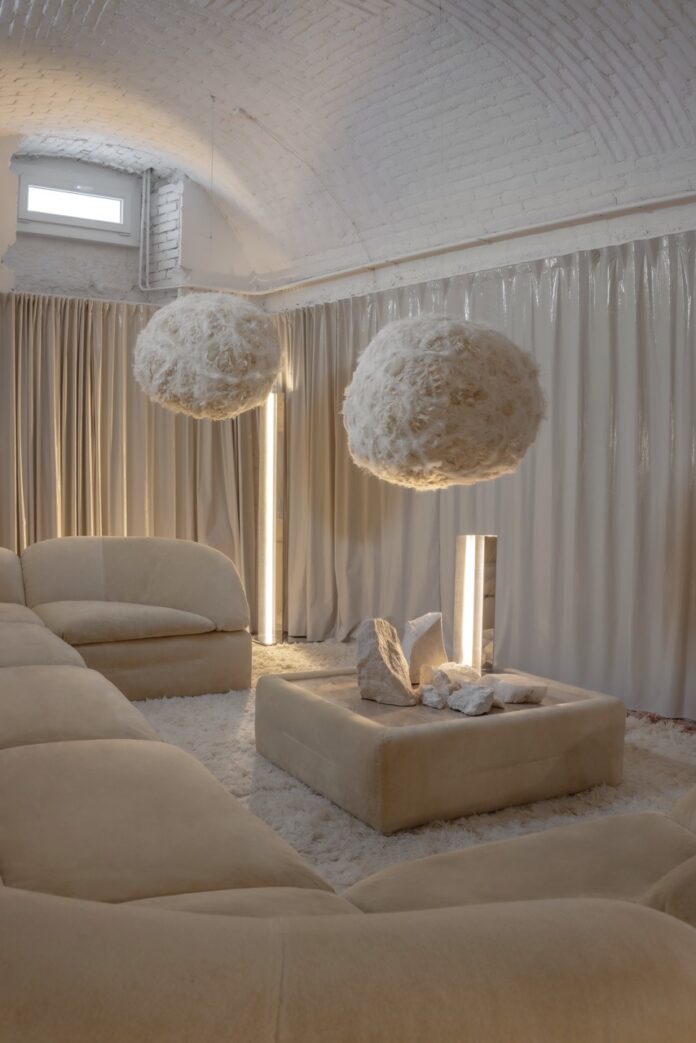
Plush cream sofa and fluffy pendant lights in a modern living room
From the Material Anthology collection by Faye Toogood for Tacchini | Photo by Helenio Barbetta

At Milan Design Week 2026, the annual international design fair, color and style forecaster Judith van Vliet found a shift toward interiors that soothe and restore, with hazy transparency, gentler color pairings, and tactile textures creating a refuge from the world.

Our homes are an extension of who we are. Visiting someone’s home can therefore be an intimate experience, as you quite literally step into another person’s world and gain a deeper understanding of who they are. Their use of color or perhaps the deliberate absence of it, the choice between a chaise longue and a sectional sofa, the selection of patterns, textiles, materials, and lighting allreveal something about their personality, values, and lifestyle. Together, these choices reflect not only personal taste but also the needs, rituals, and aspirations that shape everyday life.

Since the pandemic, our lives have been profoundly disrupted, with one crisis seemingly following another. Whether we acknowledge it or not, this ongoing sense of uncertainty has heightened our desire for stability, comfort, and control, especially within the one environment we can shape ourselves: our homes. As a result, we are increasingly drawn to interiors that support emotional and mental wellbeing. Colors, materials, textures, and light are no longer chosen solely for their aesthetic appeal; they are valued for the way they engage our senses, create a sense of refuge, and help calm both body and mind. In an unpredictable world, the home has become a sanctuary designed not just for living, but for restoring balance and peace.

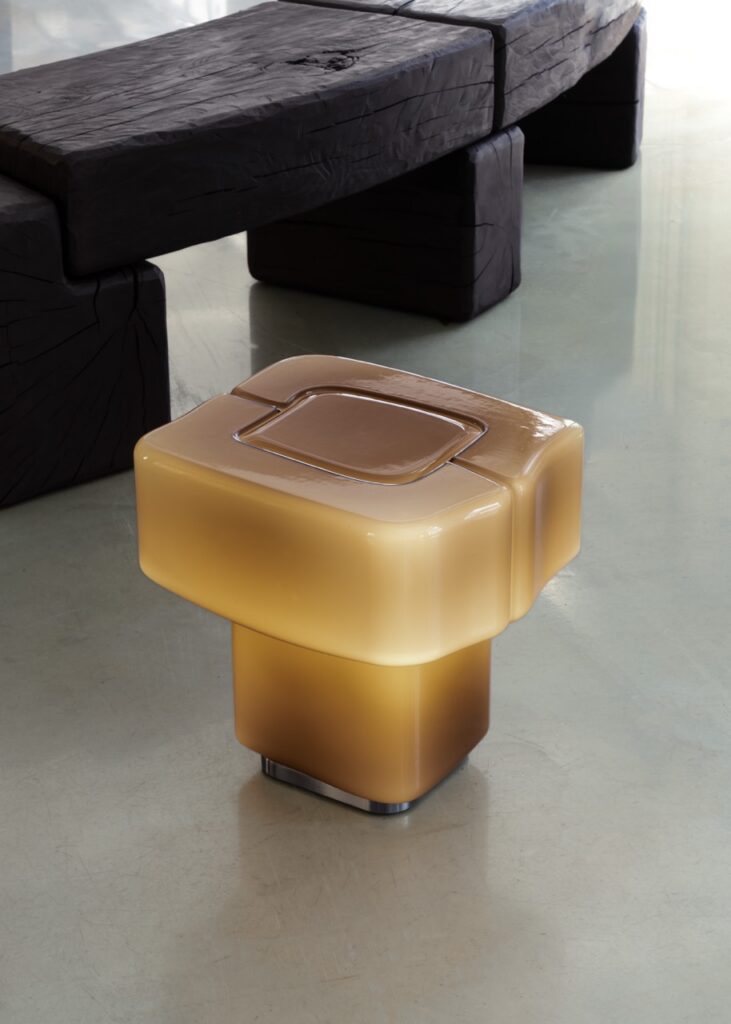
Illuminated amber table lamp with textured dark wood bench
From the Fluid Re-Collection exhibition by Linde Freya Tangelder in collaboration with Cassina, Shown at 10 Corso Como | Photo by Elaine Willaert

Let There Be Light at Milan Design Week, But Filtered Through Hazy Materials

As our homes continue to evolve into spaces that nurture emotional wellbeing, the materials we surround ourselves with play an increasingly important role in shaping how we feel. One material that stood out prominently during Milan Design Week this year was textured transparency. Designers explored its ability to interact with light, color, and shadow, revealing both its poetic and functional qualities. From luminous and color-rich expressions to playful, sculptural interpretations and richly tactile surfaces, the material demonstrated remarkable versatility and emotional depth. Its growing presence reflects a broader desire for what might be called soft strength: a balance of purity, delicacy, and organic fluidity. It responds perfectly to contemporary living, where interiors seek to foster calm, openness, and connection while maintaining a sense of comfort and privacy. By diffusing light, softening boundaries, and creating subtle sensory experiences, it contributes to spaces that feel both restorative and uplifting.

Soft pink sofa and dining table create a calm, comfortable interior design.
From the Material Anthology collection by Faye Toogood for Tacchini | Photo by Helenio Barbetta

Opposites Attract: Pair Contrasting Textures to Add Depth and Dimension

Materiality emerged as a key focus, with brands exploring rich sensory contrasts through unexpected pairings. Leather met suede, stone was juxtaposed with crystal, ceramic with cement, and soft textiles with smooth resins. These combinations were not merely aesthetic choices; they were carefully orchestrated to engage the senses and create a deeper emotional connection with the space. The interplay between rough and smooth, matte and reflective, soft and hard brought a new dimension to interiors, encouraging touch, curiosity, and comfort. Together, these layered material experiences transformed spaces into environments that feel lived in and inviting, places that don’t simply house us, but embrace us.

Contrast remains an important tool in color design, but its expression is becoming more re fined, softer, and ultimately more human. Rather than relying on bold oppositions, designers are exploring gentler interpretations of complementary colors. Orange and blue, traditionally positioned as opposites on the color wheel, appeared throughout the week in nuanced shades of apricot and baby blue, maintaining their inherent tension while creating a sense of harmony rather than drama. Milan may not have introduced a wealth of entirely new colors this year, but it did reveal fresh ways of combining familiar hues. These palettes felt reassuring and relatable, restoring a sense of belonging through colors we instinctively recognize, yet presented in unexpected contexts, material applications, and spatial compositions.

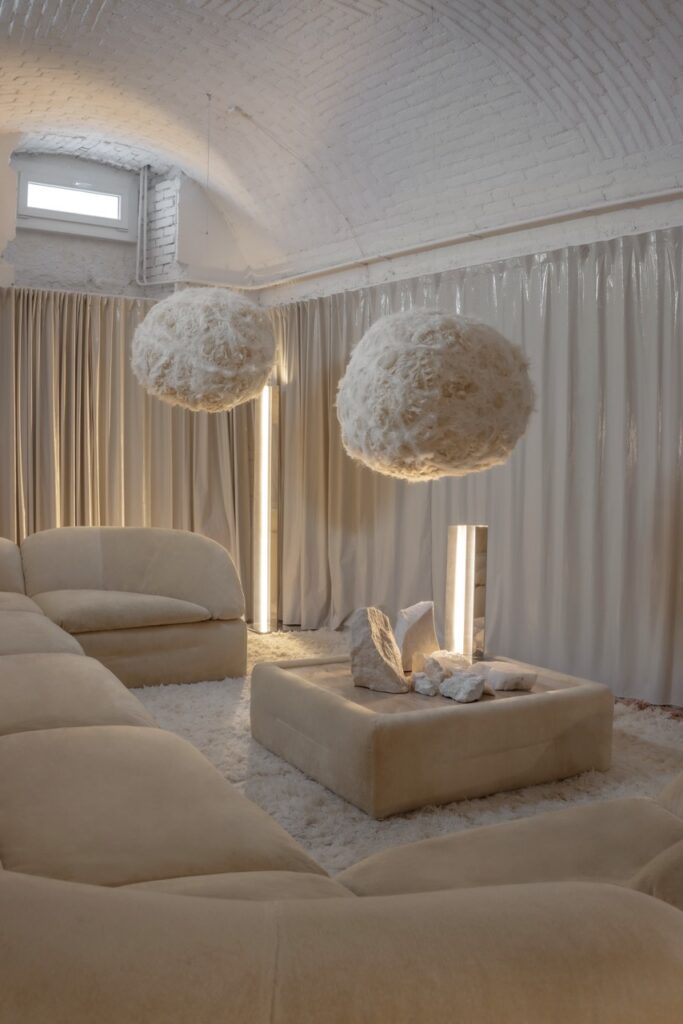
Plush cream sofa and fluffy pendant lights in a modern living room
From the Material Anthology collection by Faye Toogood for Tacchini | Photo by Helenio Barbetta

Complementary Colors Go Softer and More Subtle at Milan Design Week

Soft, luminous yellows interacted beautifully with natural light, evoking optimism while stimulating creativity. Gentle blues brought a sense of steadiness and calm, echoing the permanence of the sky and balancing warmer tones. Apricot and muted orange hues acted as social catalysts, fostering warmth, connection, and conversation. Together, these colors formed interiors that felt emotionally intelligent, spaces designed not only to be seen, but to be experienced. They support a growing desire for homes that allow us to reconnect, rebalance, and find comfort in an increasingly complex world.

Milan Design Week: Textured surface with a modern lamp, evoking comfort and calm interiors.
Aesop’s Factory of Light installation at Salone del Mobile, Milan, 2026 | Photo by Ludovic Balay

Black and Metal Ground All That Softness 

A return of black in combination with aluminum or steel seems out of place in such sensory living, yet, it is explained by its anchoring effect, as well as the color of the material itself, which is honest and allows for a sense of control.

Perhaps the most striking takeaway from Milan was not the emergence of a single defining color, material, or form, but a collective shift in intention. Designers are increasingly creating spaces that respond to our emotional needs as much as our functional ones. In a world that continues to feel uncertain, our interiors are becoming anchors, spaces that help us slow down, reconnect with ourselves and others, and find moments of balance in everyday life. The future of design, it seems, is not about making the boldest statement, but about giving us a sense of belonging.

To check out trends happening right here at home, check out our guide to interior design in Pittsburgh.

Story by Judith van Vliet
Featured Photo by Helenio Barbetta

About the Author

Judith van Vliet, based in Spain, is the founder of The Color Authority and a global expert in color strategy, CMF (Color, Material, Finish) design, and trend forecasting. She helps brands across industries craft compelling and purposeful color narratives. With a background at companies like Kawasaki and Avient, Judith also served as President of the Color Marketing Group and currently hosts The Color Authority podcast. She regularly contributes her expertise in color and materials to MANERA magazine and is member of The Forecast Club. Recognized as one of the leading voices in color intelligence, Judith empowers global brands, including Braun De’Longhi, Cosentino, and Renolit, to use color with clarity, purpose, and vision.

Subscribe to TABLE Magazine’s print edition.

Pittsburgh Musical Theater’s Colleen Doyno Shares How to Watch a Musical

0
Colleen Doyno, Pittsburgh Musical Theater, shares how to watch a musical.

Colleen Doyno has spent more than three decades with Pittsburgh Musical Theater — a span of time that stretches past that name. The former Gargaro Productions (named for founder Ken Gargaro, also the namesake of the company’s home theater in the West End) has positioned itself not only as a producer of engaging and exuberant musical theater but also a leader in arts education. In that respect, Doyno is well suited for the executive director’s chair; she began as a performer and dance instructor at PMT before rising to conservatory director and general manager before assuming the company’s lead role in 2014. A deep lover of the genre, Doyno shared some thoughts on appreciating and watching musicals with TABLE Magazine in advance of PMT’s upcoming revival of Evil Dead: The Musical. When you’re done here, discover more about the Pittsburgh theater scene in our guide to the arts, culture, and entertainment scene of Pittsburgh.

Tips for Watching a Musical From Pittsburgh Musical Theater’s Colleen Doyno

  • Musical theater has a unique ability to reach both the heart and the mind at the exact same moment. It combines storytelling, music, movement, design and human emotion into one shared experience that becomes almost visceral for an audience.
  • A song can express what words alone sometimes cannot.
  • What makes musical theater especially powerful is that it mirrors life in a heightened way. In real life, we all carry emotions that are often too big for conversation alone — joy, grief, fear, love, loneliness, hope. In musicals, those emotions are given melody, rhythm and movement — and suddenly audiences recognize themselves on stage in a very personal way.
  • At Pittsburgh Musical Theater, we often see people come into a production thinking they are simply coming for entertainment, and they leave feeling seen, connected or changed.
  • There is something incredibly communal about sitting in a theater with hundreds of strangers and collectively laughing, crying or holding your breath. In a world that increasingly isolates people behind screens, musical theater creates human connection in real time.
  • I actually love hearing someone say, “I’m not really a musical theater person,” because usually that simply means they haven’t yet experienced the right production.
  • People often think musicals are only spectacle or escapism, but the best musical theater is really about humanity. It is about relationships, struggle, identity, resilience, joy, heartbreak and hope. The music simply becomes the emotional language of the story.
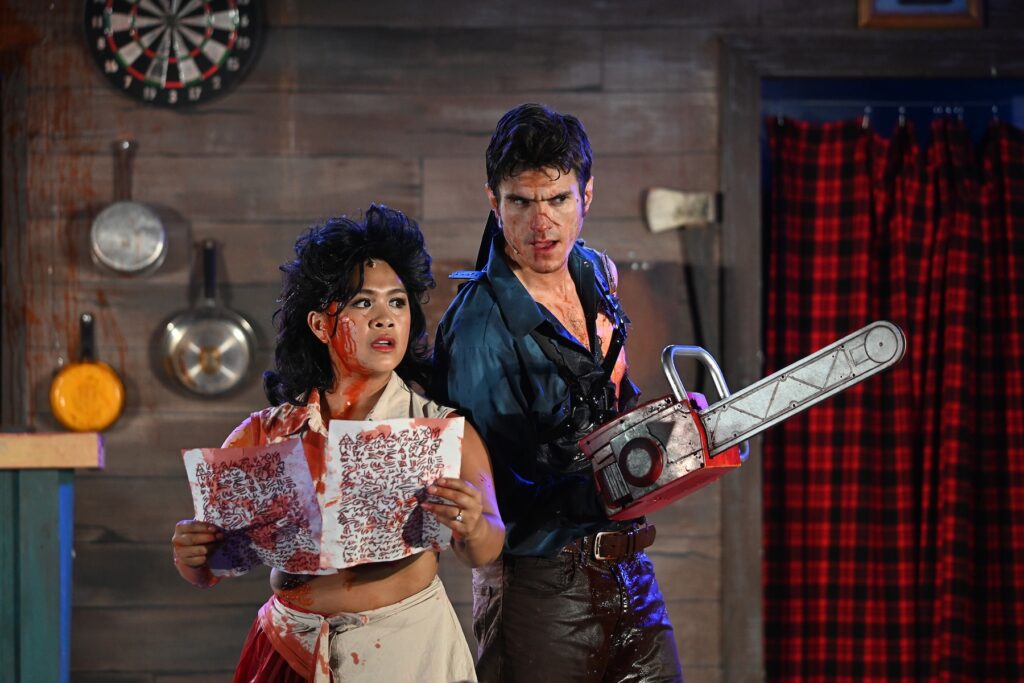
Evil Dead The Musical: Ash and terrified woman with chainsaw and book

Musical Theater is for Everyone

  • We try to meet audiences where they are. We produce work that feels emotionally honest, visually compelling and deeply relevant to contemporary life. Shows like Dear Evan Hansen resonate because audiences recognize themselves, their children, or their own experiences in the material. Even someone who thinks they “don’t like musicals” understands what it feels like to want connection, acceptance or belonging.
  • I also tell people that musical theater is one of the most accessible forms of art because it invites you in emotionally before you even realize it … You simply have to be open to feeling something.
  • Certain productions invite people into the theater through something they already know and love from another form of storytelling. We see this often at Pittsburgh Musical Theater with productions [such as] Evil Dead: The Musical. Many audience members [for Evil Dead] may not consider themselves traditional “musical theater people” at all — they are horror fans, film fans or people who have a deep connection to a cult classic they already experienced through cinema. What draws them in is the opportunity to experience something familiar in a completely new and immersive way.
  • There is something thrilling about seeing a story you know transformed live on stage, where the energy is immediate, unpredictable, and shared collectively with an audience.
  • At PMT, we believe theater should feel welcoming and accessible to everyone, including audiences who may never have imagined themselves attending a musical. Sometimes all it takes is finding the right doorway into the experience.

As Told to Sean Collier
Photos From Pittsburgh Musical Theater

About the Author

Sean Collier is the editor-in-chief of Shady Ave and the arts and culture editor of TABLE Magazine. Before joining the TABLE Media team, he spent nearly 15 years as a writer, editor and columnist at Pittsburgh Magazine. As the in-house film critic for the top-rated WDVE Morning Show since 2009, he’s been Pittsburgh’s most widely heard voice on movies for nearly two decades. A Pittsburgh native, Sean has since 2020 appeared weekly on KDKA-TV’s popular Pittsburgh Today Live talk show. He’s the co-founder of Vigilance Theater Group and an active stand-up comedian and event host. He can be found on Instagram and Twitter at @seancollierpgh.

Subscribe to TABLE Magazine‘s print edition. 
Pittsburgh Silent Film Festival Brings Classic Movies to Theaters This September

0
Black-and-white film still from Sparrows showing Mary Pickford protectively shielding a child as an older boy in suspenders and a hat gesticulates in front of them outdoors.

Silent films are finding a new audience through the magic of live music, historic venues, and shared moviegoing experiences. The Pittsburgh Silent Film Festival brings these early works of cinema back to life, creating an atmosphere where old stories feel surprisingly fresh and engaging.

Screen Classic Movies During the Pittsburgh Silent Film Festival

Alfred Hitchcock made ample use of sound effects, dialogue, and music across his cinema masterpieces — think of Bernard Hermann’s staccato strings in Psycho, the flapping of wings in The Birds, or simply the sound of Cary Grant’s voice in North by Northwest. Yet he was once quoted as saying that all those noises were somewhat superfluous. “Silent pictures,” Hitchcock said, “were the purest form of cinema.”

Why did Hitchcock feel that the talkies were somewhat impure? “He used long silences to create tension in a lot of his films,” explains Chad Hunter, the founder of National Silent Movie Day and the Pittsburgh Silent Film Festival. “It makes people engage in a more heightened way.”

Vintage behind-the-scenes photograph featuring Mary Pickford in a straw hat smiling next to a man holding a toddler and a pipe.

There’s certainly heightened engagement evident in the rapid growth of the Pittsburgh Silent Film Festival and the surprising attendance for the festival’s screenings. In larger venues, such as Sewickley’s Lindsay Theater and Keystone Oaks High School — home to a 3-manual 19-rank Wurlitzer organ, which is played during occasional screenings of silent favorites — hundreds of fans turn up. Smaller venues, including community screenings in libraries and churches, routinely sell out.

“It’s the combination of the silent film, live musical accompaniment and a live, theatrical setting — with an audience,” Hunter says. “That’s a magic ingredient.”

The Return of Silent Cinema

Hunter, a professional archivist who has worked extensively in preserving film, established National Silent Movie Day in 2021 (along with Brandee B. Cox of the Academy of Motion Picture Arts & Sciences and Steven K. Hill of the UCLA Film and Television Archive). It was swiftly endorsed by Martin Scorsese; “If you’re at all interested in cinema,” the filmmaker said, “then you’re interested in silent cinema, because that’s where the art form originates. That’s where the language of cinema came into being.” The nascent holiday was also embraced by the cable network TCM, who presents an all-silent lineup each September 29.

Black-and-white promotional still from Sparrows showing actress Mary Pickford with braided hair leaning in to whisper into the ear of a young boy in ragged clothing.

“I think it might be in part due to the generational shift in interest in older things,” Hunter says. “Analog in particular — I can’t believe that CDs and VHS are coming back — and in film as well.”

What to See at the Pittsburgh Silent Film Festival

Meanwhile, the Pittsburgh Silent Film Festival has grown from a periodic screening series to a single-day event to a full week of film — and it has spread throughout the region. This year’s festival, scheduled for September 27-October 4, will include at least 12 screenings across 11 venues, many with live musical accompaniment.

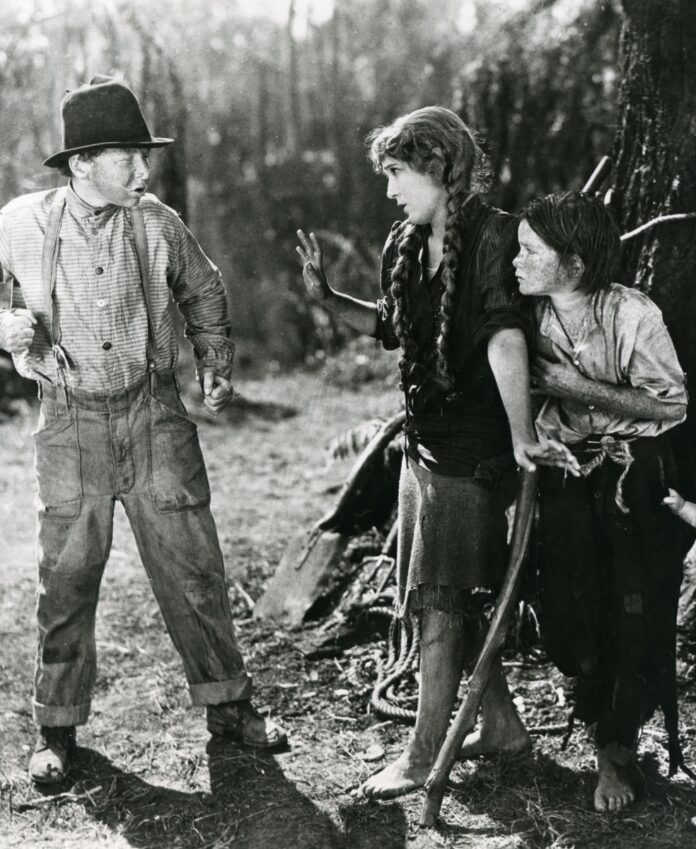
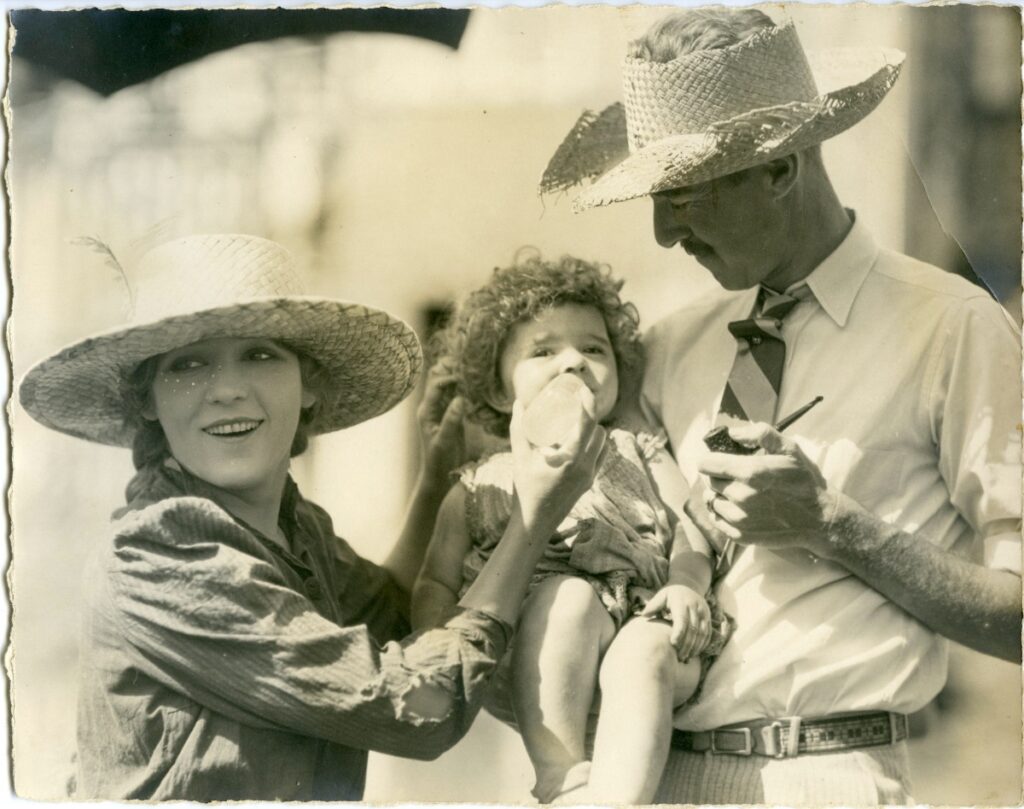
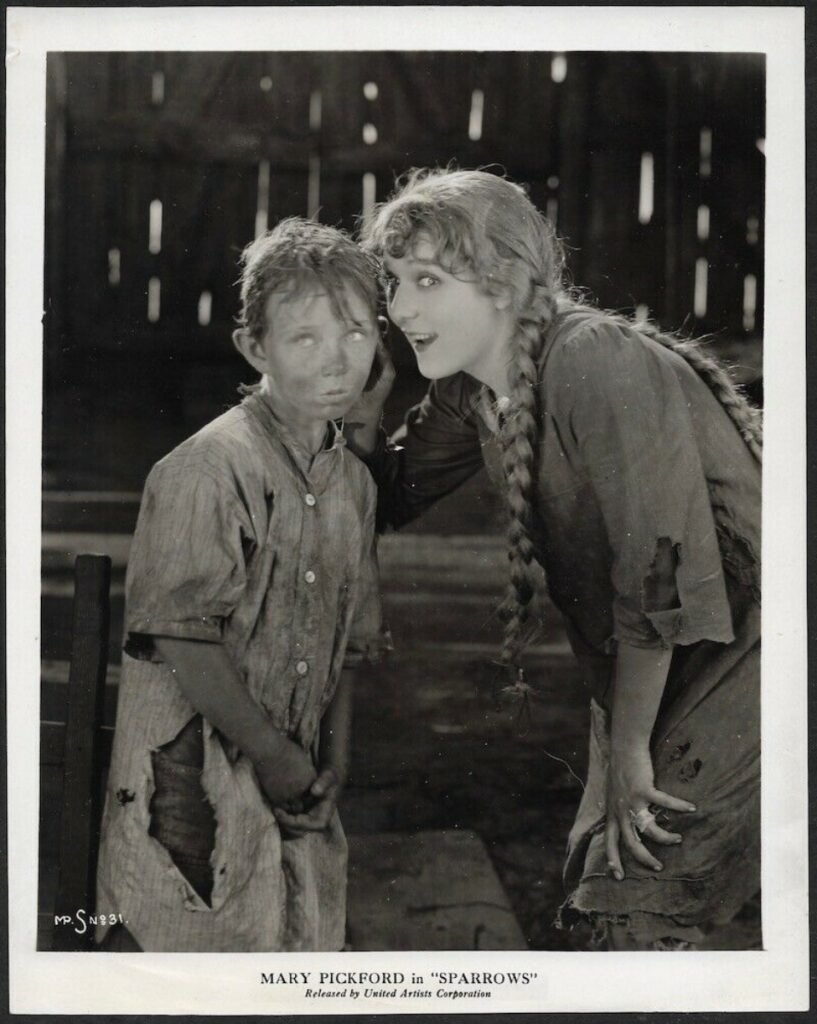
On September 27, a new restoration of the 1926 seafaring adventure The Black Pirate, starring Douglas Fairbanks, will kick off the festival at the Lindsay; on the same day, the Pittsburgh Film Orchestra will accompany the wistful Mary Pickford drama Sparrows at Third Presbyterian Church in Shadyside. Leading Charlie Chaplin expert Dan Kamin will introduce The Kid at the Rangos Giant Cinema on September 30; the landmark German fantasy Faust will play at Row House Hollywood on October 3. Ernst Lubitsch’s comedy So This is Paris will play at the Frick Pittsburgh on October 4, a tie-in to the museum’s French Moderns exhibition.

Featuring Faces of Children

Hunter is particularly enthusiastic about the rarely seen 1925 drama Faces of Children, an early example of both cinematic realism and international co-production (it was made by a French company in Switzerland).

The film will be shown inside Old St. Luke’s Church in Carnegie; it’s a 236-year-old house of worship with a church organ that dates back more than two centuries. That organ, which remains in working order, will be played by accompanist Eric Cook to score Faces of Children.

It’s an occasion, he says, that will demonstrate the power of film to bring distant time periods together.

“The church is small but impeccably preserved. And the little pipe organ is the oldest pipe organ west of the Alleghenies … It feels like you’re looking into a time that has passed, but that setting — watching a film and hearing that organ — connects all those dots.”

If you can’t make it to the Pittsburgh Silent Film Festival, you can always check out what else there is to do across the city in our Guide to Things to Do in Pittsburgh. Or, find out what new movies to see in theaters in our Arts, Culture, and Entertainment Guide.

About the Author

Sean Collier is the editor-in-chief of Shady Ave and the arts and culture editor of TABLE Magazine. Before joining the TABLE Media team, he spent nearly 15 years as a writer, editor and columnist at Pittsburgh Magazine. As the in-house film critic for the top-rated WDVE Morning Show since 2009, he’s been Pittsburgh’s most widely heard voice on movies for nearly two decades. A Pittsburgh native, Sean has since 2020 appeared weekly on KDKA-TV’s popular Pittsburgh Today Live talk show. He’s the co-founder of Vigilance Theater Group and an active stand-up comedian and event host. He can be found on Instagram and Twitter at @seancollierpgh.

Subscribe to TABLE Magazine‘s print edition. 

Don't Miss