Home Blog Page 143

Searching for the Best Pierogis in Pittsburgh

0
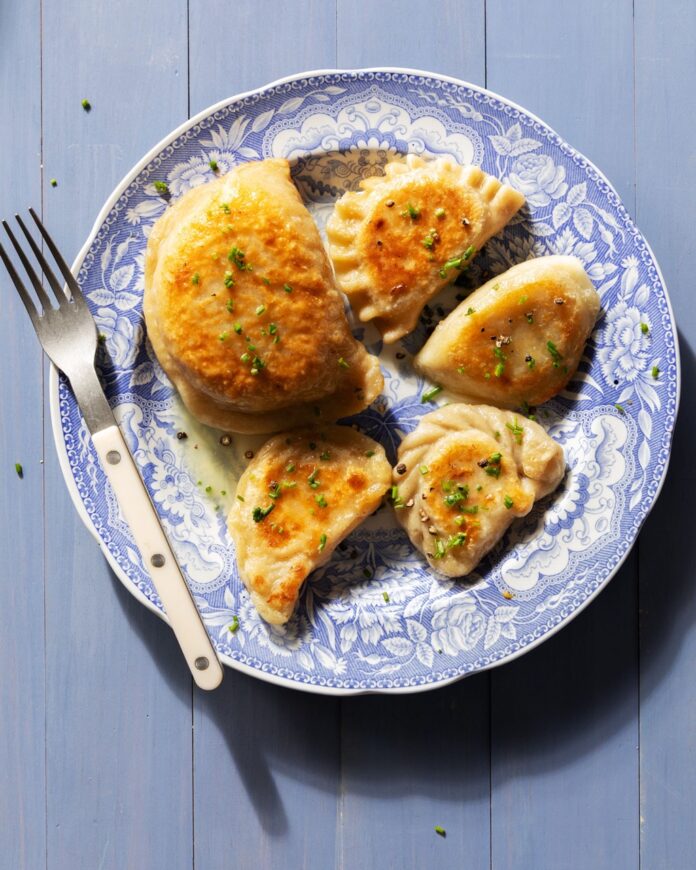
A blue and white plate full of 5 various Pittsburgh pierogis with a fork to the left of them.

In a quest to find Pittsburgh’s best pierogis, we held a blind tasting of nine of the city’s most beloved Eastern European treats. While the “grandma standard” ruled the discussion, each of nine entries impressed our blind tasters with its special virtues.

Seven people sit at a blue and white table as a woman in blue serves them pierogis.

What is Pittsburgh’s Best Pierogi?

Pierogis are Pittsburgh’s unofficial favorite food. We throng to the annual Pierogifest. People line up for frequent church basement pierogis sales as if Springsteen was coming to town. Giant anthropomorphic pierogis run across PNC Park during home baseball games. But why? Is a pierogis more than dough and filling? And what makes a good pierogis, anyway?  

To investigate these questions and more, we brought together seven pierogis lovers for a blind tasting of pierogis from Pittsburgh’s most popular pierogis hotspots. Our list of nine sources came to us through a poll of our social followers. They nominated Apteka, Polska Laska, S&D Polish Deli, Starlite Lounge, Butterjoint, Pierogies Plus, and St. Vladimir’s Church in Arnold as their favorites.  

While the mission of the tasting was originally to find the best pierogis, what quickly emerged was that the best pierogis is the one your grandmother makes. One after another, most of our crew of tasters described, with love and longing, the pierogis of their childhood. The glow of nostalgia is nearly impossible for a restaurant to replicate, though many do try.  

A group of seven people stand in front of a painting of a mountain range.

The Pierogi Judges and Venue

Alexander Riola, Dominika Bronner, Stephanie Cravotta, Christina Homer, Jon Homer, Jackie Potoczk, and Rick Sebak are all pierogi lovers of Eastern European descent with their own connections to the pierogis. All the tasters assembled in front of a mural in the Bulgarian Macedonian Cultural Center in West Homestead, the table set with blue and white plates and glasses of water for the filling and fulfilling experience they were about to have. 

The Bulgarian Macedonian Cultural Center is a communal space for the Bulgarian and Macedonian immigrant community in Pittsburgh. While that cuisine doesn’t typically have pierogis, it represented the multi-generational spirit of the pierogis and the combination of grit and tenderness typical of Slavic immigrant communities in Pittsburgh. 

A man in a teal sweater holds out his hands as he speaks.

How Pierogis Remind us of Home

Riola is the General Manager and sommelier at Fish nor Fowl, and with a mixture of Italian, Polish, and Sicilian heritage, he knows home cooking. Pierogis remind him of his Babcia, who took care of his family while his mother was ill with multiple sclerosis. To him, pierogis are a symbol of strength and multi-generational caretaking. “I grew up with a pierogis in one hand and a ravioli in the other,” he explained of his upbringing in an Italian-Polish family in Rochester, New York. “My grandmother could hardly walk but still made pierogis.”  
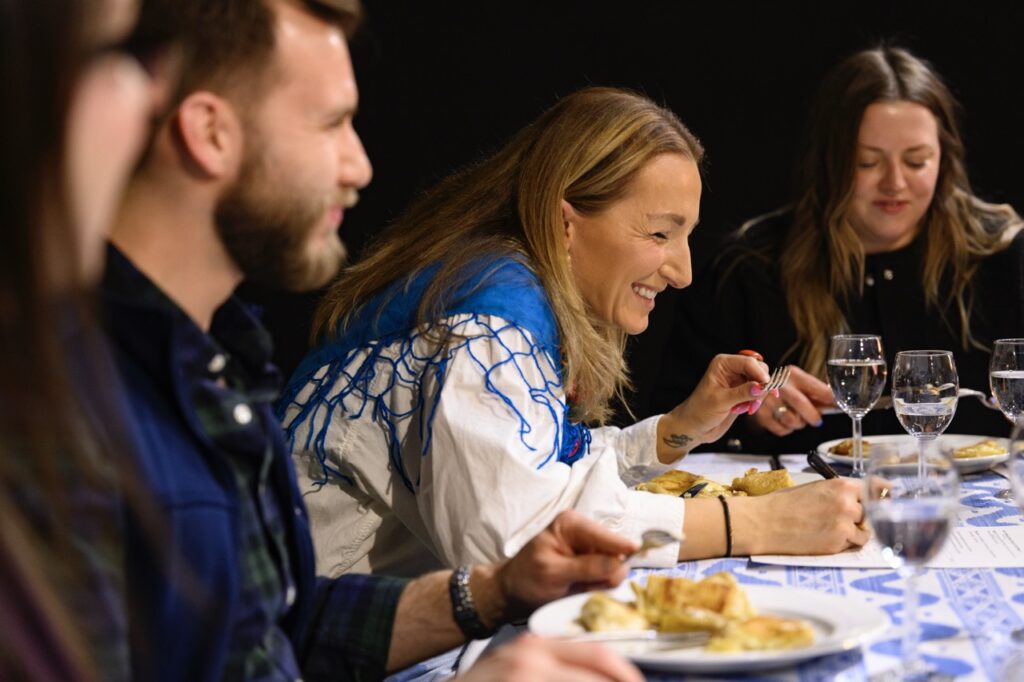
A woman in white and blue laughs at a table full of Pittsburgh's pierogis.

For Dominika Bronner, the pierogi is an ubiquitous part of her upbringing. Bronner was the only one in the group who grew up in Poland. She discovered that she and Jackie Potoczk have a shared heritage, though — Brunner grew up in a small city called Opole, and Potoczk’s ancestors came from that same tiny Polish town. Already, pierogis were a site of connection and shared history.  

Bronner was going to judge the pierogis on their relationship to the traditional Polish pierogis, which she said got most of its character from the “farmer’s cheese” uncommon in American pierogis, as well as the consistency of the dough. When the plates of steaming pierogis started coming out, Brunner remarked: “Polish people are direct, sometimes brutally honest. This could get really ugly.” Then she laughed and took a bite.  
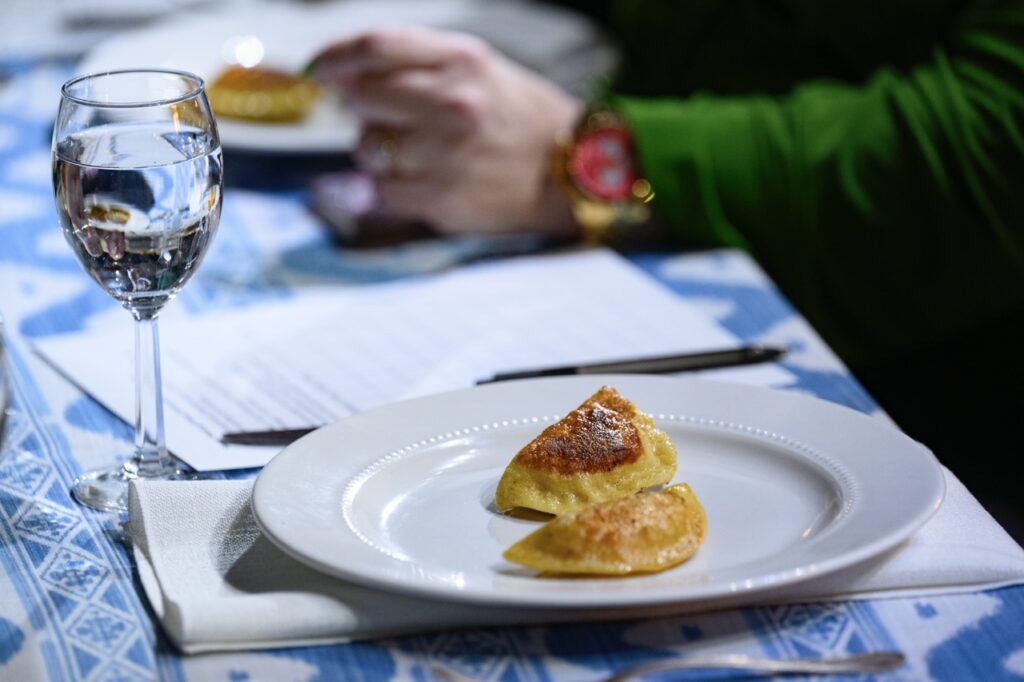
Two pierogis from Pittsburgh businesses sit on a white plate on a blue table cloth.

Tasting Pittsburgh’s Pierogis

One pierogi after the other piled up on the porcelain plates. A logistical concern began to emerge: How many pierogis could one person feasibly eat?  

“25 on Christmas,” Riola said.  

“30 when I’m sad,” Jon Homer added. 

We asked each taster to score the pierogis at hand on appearance, dough, and filling. We encouraged them to jot down their impressions of each. Even without knowing which pierogi came from what restaurant, it quickly emerged that each pierogi had its good qualities. Apteka, for example, was noted less “traditional” but stood out for its uniqueness. Butterjoint’s light-as-air filling was also praised. Overall, fillings went well beyond ordinary potato-based fare. The Church Brew Works pierogis also got points for uniqueness, with a Turkey Devonshire filling for an extra Pittsburgh touch. (Without knowing what it was, several tasters guessed “chicken” or “crispy bacon.”)  

A woman with long hair and glasses write with a pen on a white score sheet.

Newcomer Polska Laska won people over with its appearance, with an intricately scalloped edge. The most glaringly different in appearance of the batch was Starlite Lounge’s, a gigantic pocket of dough that would be heavenly after a long night out. In the company of the other pierogis, it looked like a behemoth, showing how the bar pierogi is in a class all its own. If you’re trying to sober up, dough and potatoes could be a cure.  

The Best Pierogis in Pittsburgh Are…

But the pierogis that captured the most hearts and minds were the ones from St. Vladimir’s Church in Arnold. Everyone who tried them remarked that they were the closest to “grandma style.” Bronner noted on her score sheet that it was closest to the Polish pierogis she grew up with. The church basement pierogi is different by nature than pierogis on a restaurant plate. They’re cooked by Slavic babushkas and meant to raise funds for a community space rather than help run a business. Pierogies Plus in McKees Rocks also got a “close to home-made” from Christina Homer.  

A person serves a man a pierogi from a kitchen spoon.

Even with the “grandma standard” in play, each pierogi got to shine in its own right.  In terms of what makes a good pierogi, Riola said it’s more about the filling than the dough. Some pierogis stood out for the dough, like the admirably toothier doughs of S&D or Church Brew Works. But on the whole, tasting the pierogis offered each participant an opportunity to share family memories and reflect on what the pierogi meant to them. At the start of the tasting, everyone was quiet, trying to focus and not influence each other’s decisions. By the end, banter and laughter abounded.  
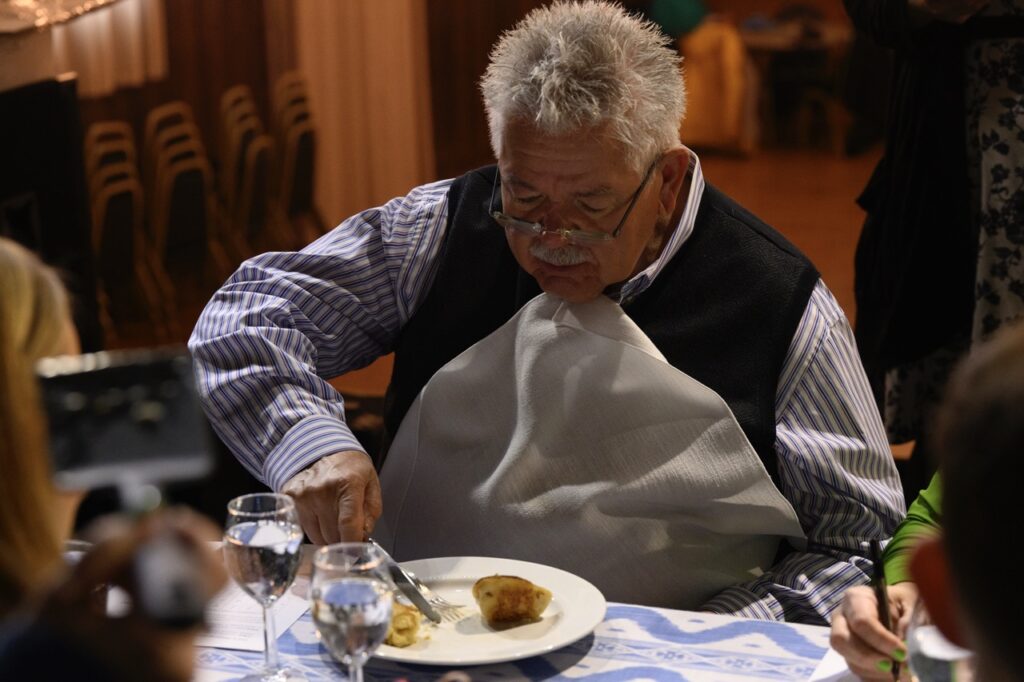
A man in a long sleeve shirt and vest cuts up a pierogi on his plate.

Every Pierogi is Beautiful

WQED producer Rick Sebak is a beloved figure around Pittsburgh for his documentaries about regional history and culture. His pierogi notes had a poetic bent to them – he called Gosia’s a “small beauty.” Butterjoint’s was “perfect” and Starlite Lounge’s “ginormous.” If anyone were to know what makes a Pittsburgh pierogi, it would probably be Sebak, but even he seemed to look more toward the subjectivity of the pierogi. None of his feedback was negative. He found something to see and appreciate in each one. For him, the pierogi wasn’t how close it was to Babcia’s, but what it had to offer in and of itself. This was a lovely expression of how Pittsburgh’s pierogis are as varied as the people who make it up.  

“It’s cool to see people use the pierogi as a canvas,” Potoczk said. Maybe that’s what the pierogi really is, a canvas to show that love, loyalty, and connection are the glue that binds us together even during moments of hardship. And, well … it doesn’t hurt that that love is bound up in dough and cheese. 

A woman in green sits at a table with her hand on her chin.

Nine Pittsburgh Pierogi Hotspots 

Apteka 

4606 Penn Avenue, Bloomfield 

Butterjoint 

208 North Craig Street, Oakland 

Church Brew Works 

3525 Liberty Ave, Lawrenceville 

Gosia’s 

5801 PA Route 981, Latrobe 

Pierogies Plus 

342 Island Avenue, McKees Rocks, PA 

Polska Laska 

1100 North Canal Street, Sharpsburg 

S&D Polish Deli 

2204 Penn Avenue, Strip District 

Saint Vlad’s 

73 South 18th Street, South Side 

Starlite Lounge 

364 Freeport Road, Blawnox 
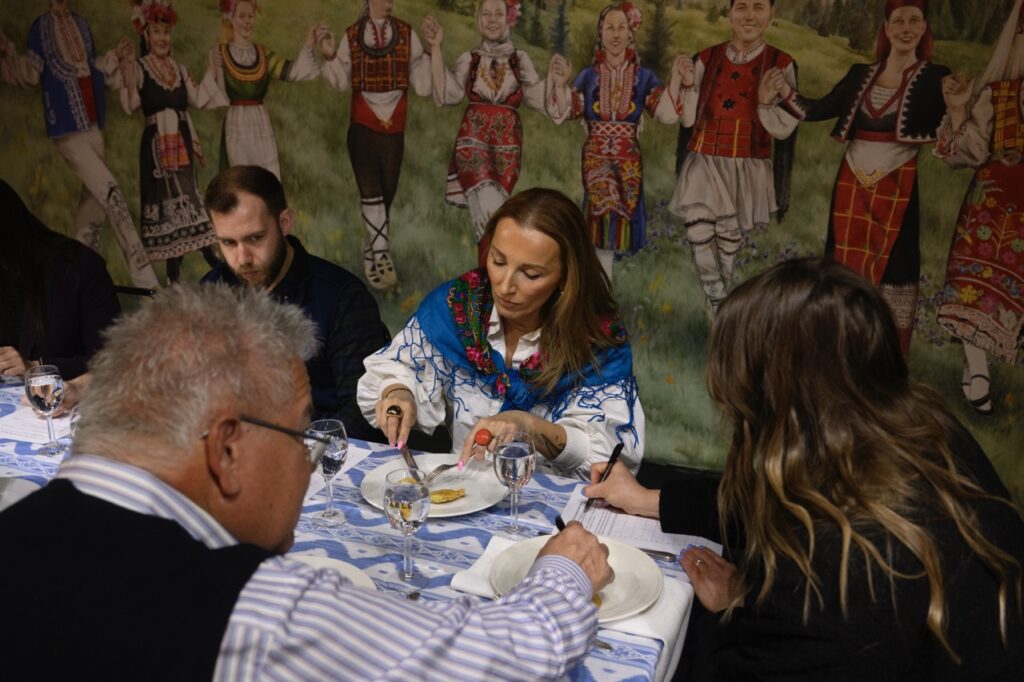
A woman in blue and white cuts up a pierogi on her white plate at a dinner table.

How to Pair Wines with Pierogis 

Fish nor Fowl’s General Manager and Sommelier Alexander C. Riola, one of our blind tasters, shares wines to pair with your next pierogi adventure. 

Feudi del Pisciotto, Grillo (Sicily) 

Sicilian Grillo, from the other side of my Italian-Polish heritage, is a stunning pairing for a pierogi. The wine has a tamed acidity which cuts through the heaviness of the dish. Its fruit, chamomile, and gentle salinity help bring out the best aspects of a classic Polish pierogi. 

Dr. Konstantin Frank, Gewurztraminer (New York State) 

The Finger Lakes region brings high minerality, ripe fruits, bright acidity and rose florality to this Gewürztraminer.  A good bottle also presents a fun ginger spice nuance that will bring out the best in the pierogi experience. 

F.X. Pichler, Gruner Veltiner (Austria) 

As fun to say as it is to drink, Gruner Veltiner is characterized by high acidity, and peppery and floral tasting notes. This lovely wine lightens and brightens the journey that is finishing a plate of pierogis.  
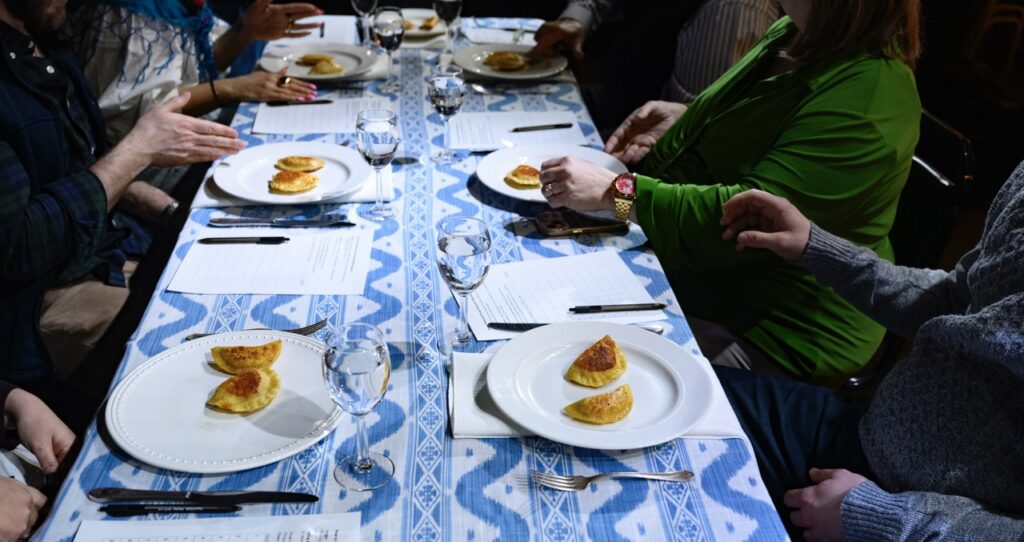
White plates with two pierogis on them sit on a blue and white table.

Story by Emma Riva
Production by Star Laliberte
Photography by Jeff Swensen

Featured Photo by Dave Bryce
Shot on Location at The Bulgarian Macedonian Cultural Center

Subscribe to TABLE Magazine‘s print edition.
Show Your Pride with These Rainbow Recipes for Pride Month

0
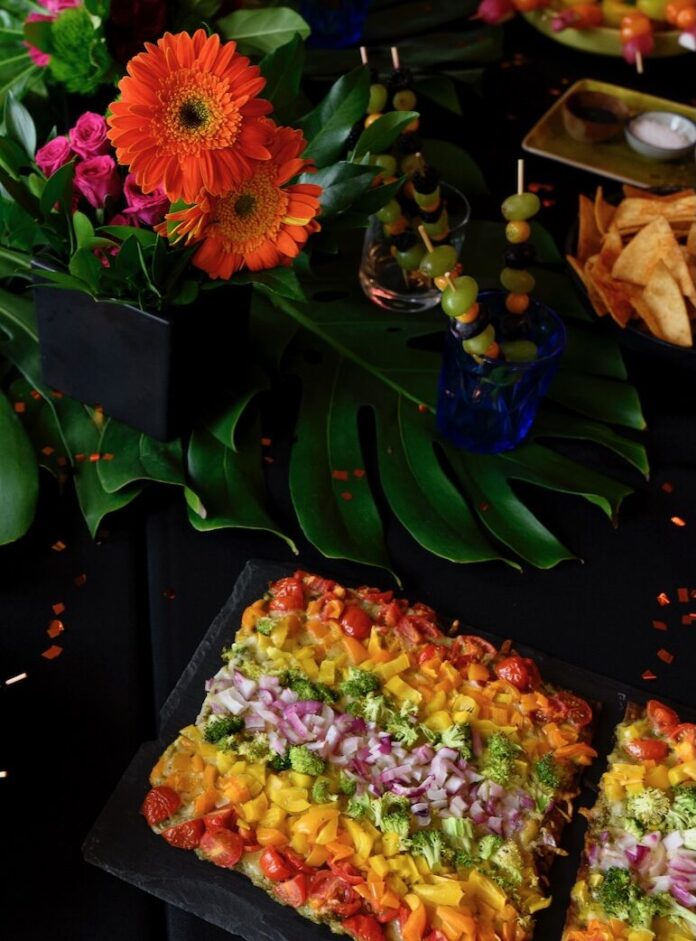
A rainbow flatbread pizza sits below an array of bright colorful flowers with fruit skewers sittin in cups to the right side.

It’s Pride Month! In short, we’re ready to party! The month of June is all about individuality, celebration, and acceptance of loving whoever you love. Get ready to celebrate with parades, festivals, and — you guessed it — rainbows. Lots and lots of rainbows. So in a colorfully delicious fashion, we are sharing some fun and simple rainbow treats to enjoy in celebration of Pride. But, we promise we aren’t pulling a big corporation pride move and changing our logo to rainbow for just one month. Instead, we’re here to celebrate Pride year-round with beautiful recipes that allow you to express yourself, your sexuality, and embrace the rainbow no matter the time of year. 

Let Your Pride Flag Fly with these Rainbow Recipes

Pride Popsicles

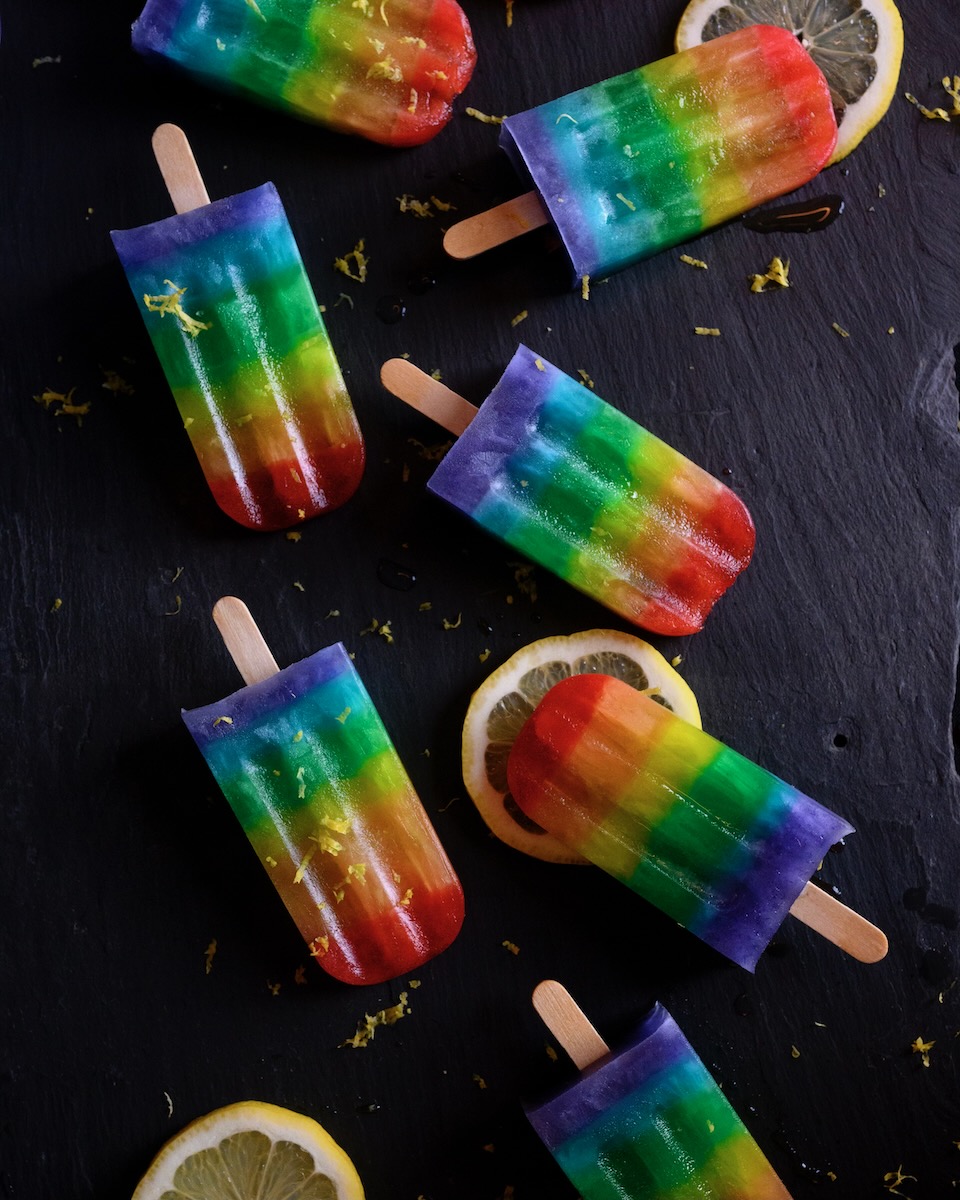
7 rainbow pride popsicles sit on a black table with slices of lemon scattered beneath them.

Lemony rainbow layered Pride Popsicles are perfect treats to cool down in the June Pride Month heat. After working up a sweat under the sun at the parade, head back home and share these colorful pops with those you love the most.

Easy Rainbow Pesto Veggie Flatbread Pizza

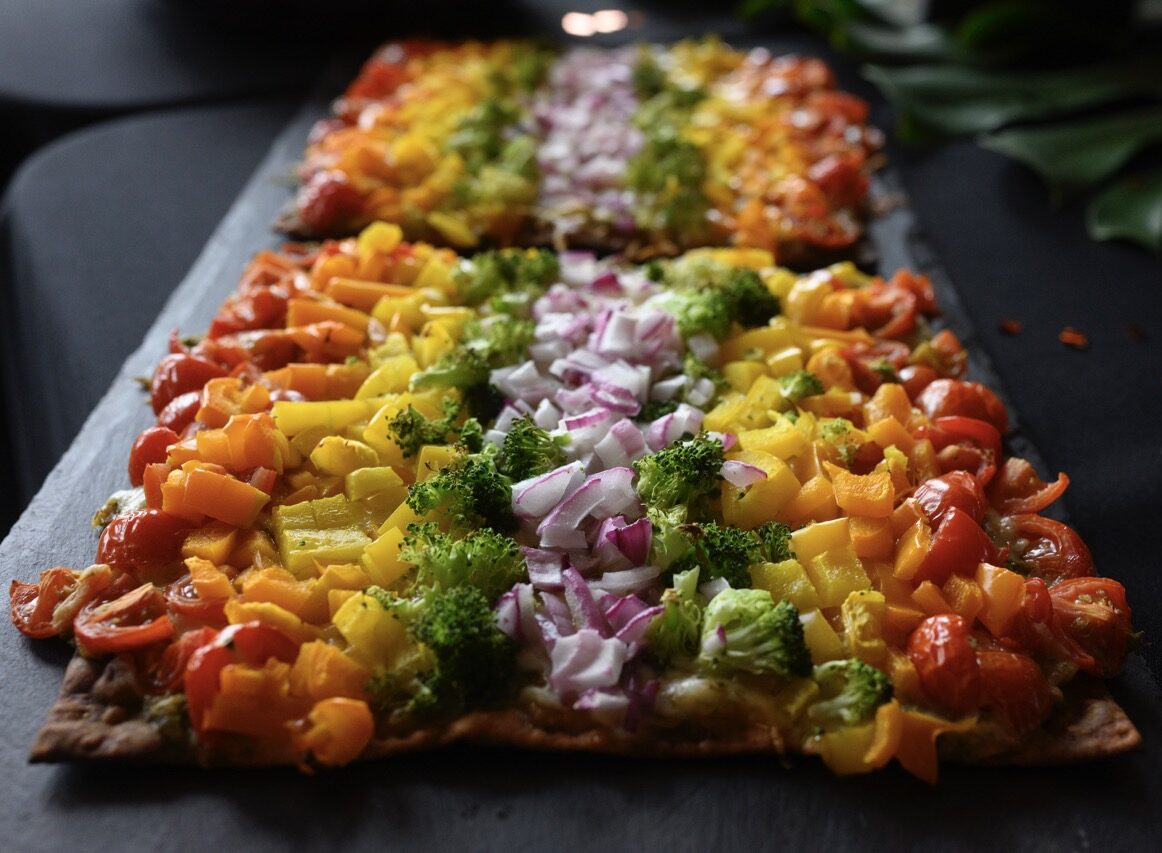
Two flatbread pizzas topped with a rainbow of chopped veggies sitting on a black tabletop.

Celebrate beyond the Pride Festival this year and host a pizza making party that lets everyone customize their own. Our Easy Rainbow Pesto Veggie Flatbread Pizza uses pre-made ingredients like Trader Joe’s Pesto Genovese and your choice of vegetables.

5 Tips for Fruit and Vegetable Skewers

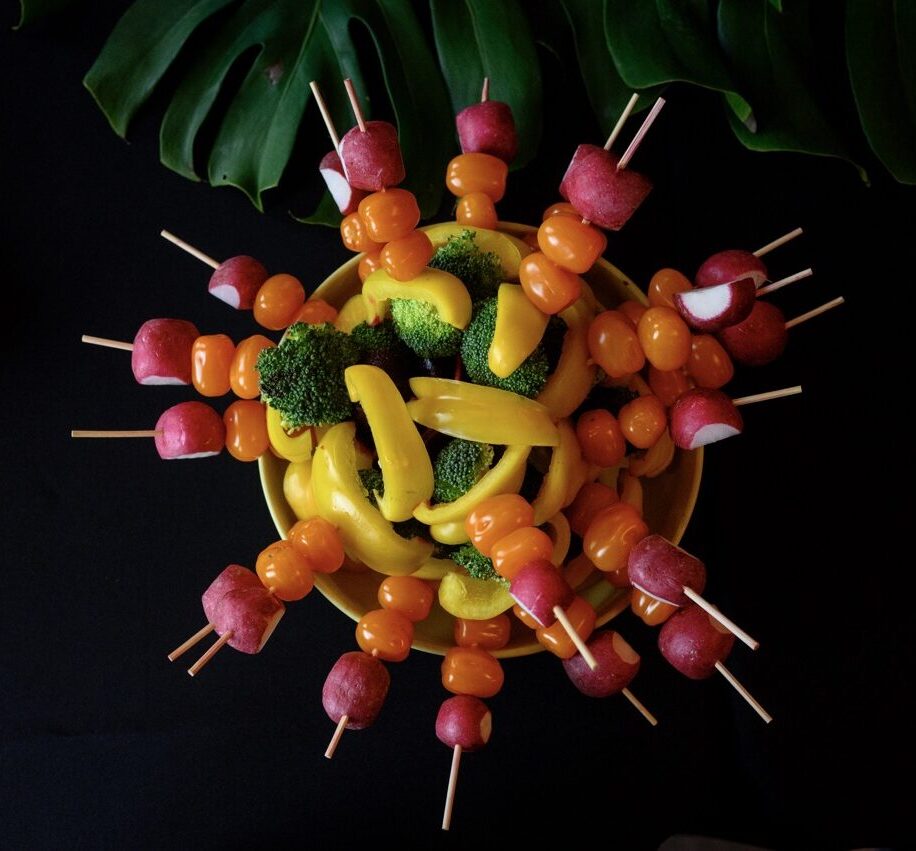
A ring of vegetable skewers with radishes, peppers, and broccoli stacked on each skewer.

Sometimes simplicity is best, especially in the form of Fruit and Vegetable Skewers made with produce from your local farmer’s market. Check out our five tips for creating a successful skewer with a variety of bites and flavors. 

Rainbow Fruit Parfait for Pride Month

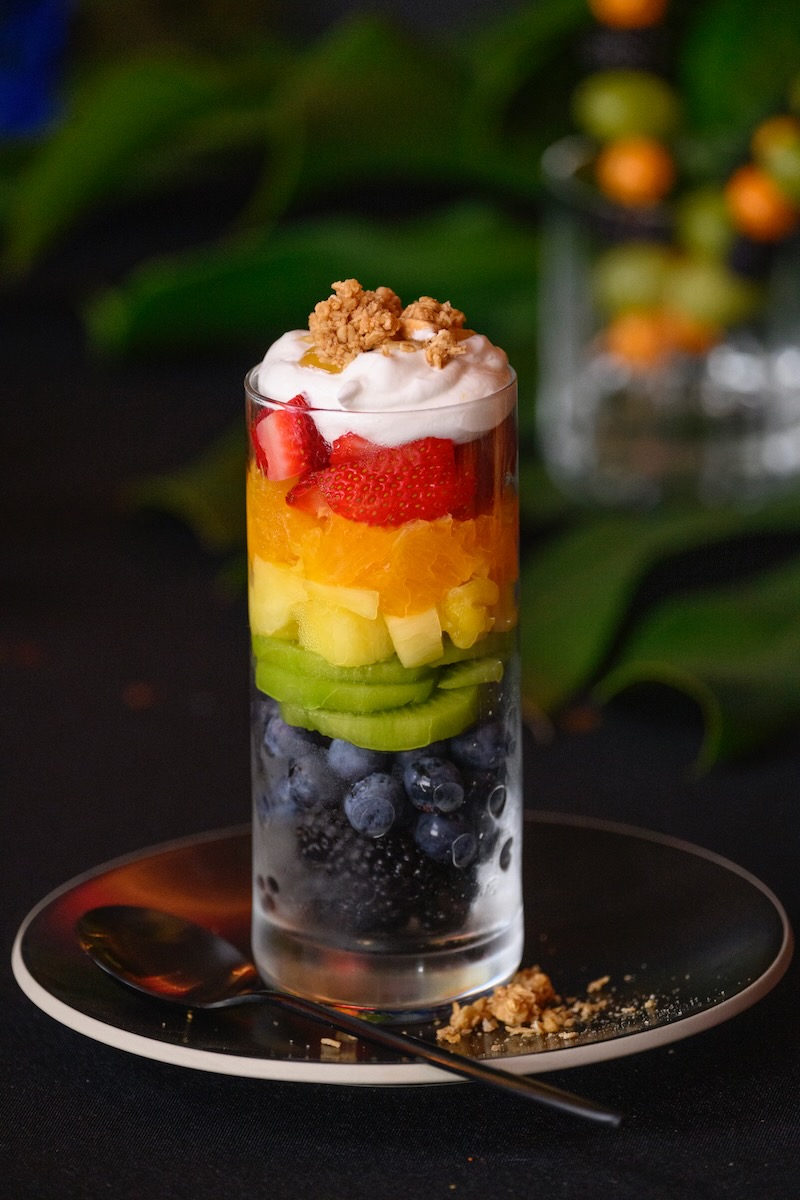
A glass holds various fresh fruits in a rainbow pattern with whipped topping and granola on top, all sitting on top of a black plate beside a spoon.

This fruity snack represents much more than just the rainbow pride flag. In fact, it can be arranged with different fruit choices to show off other pride flags too. Just don’t forget the creamy yogurt and crunch of granola that makes our Rainbow Fruit Parfait so addicting.

Make a Cocktail Rainbow

A reposado cocktail that pleases the palate and the eye. Photo by Tira Howard

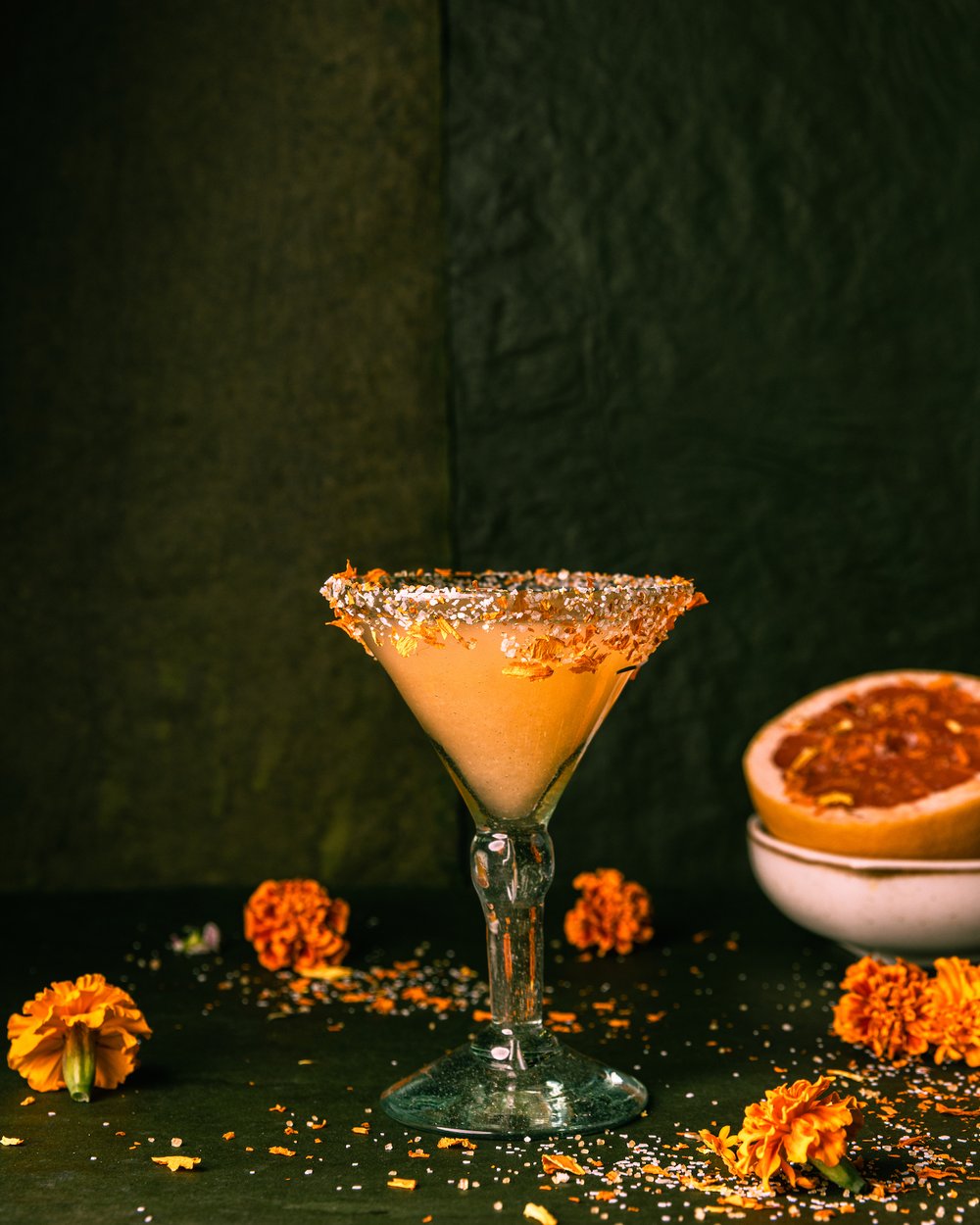
Every rainbow feast needs a variety of cocktails to match. We’ve curated a selection of cocktails to match every color of the rainbow. Dive into red with a Strawberry Rhubarb Pie Cocktail, use orange to brighten your day with a Marigold Margarita, and swim into blue with a Zamboni, Snow Cone Cocktail. Mix them all up and display them for an array as beautiful as Pride Month itself.

Story by Kylie Thomas
Food Photography by Jeff Swensen

Subscribe to TABLE Magazine‘s print edition.
6 Recipes for a Red, White, and Blue 4th of July or Memorial Day

0
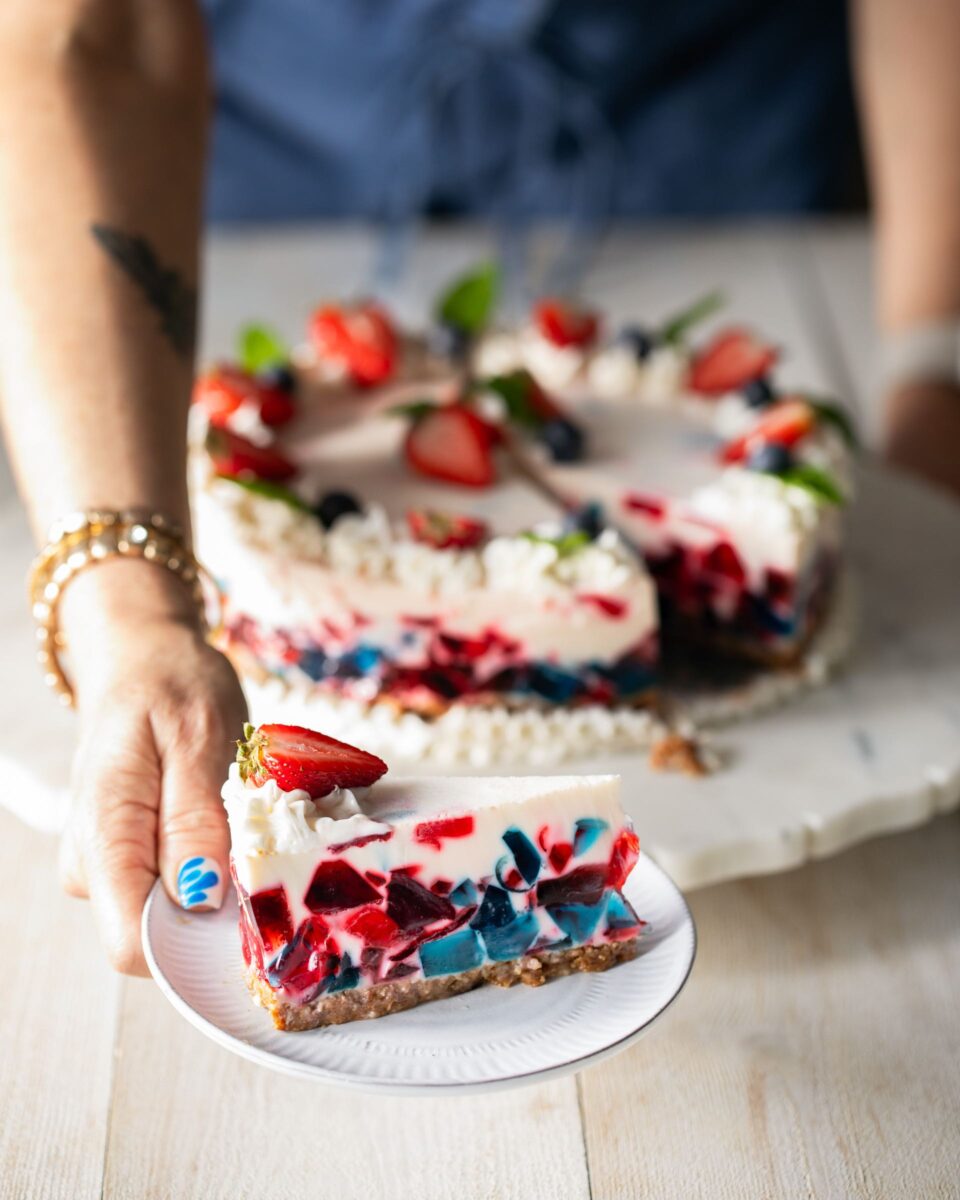
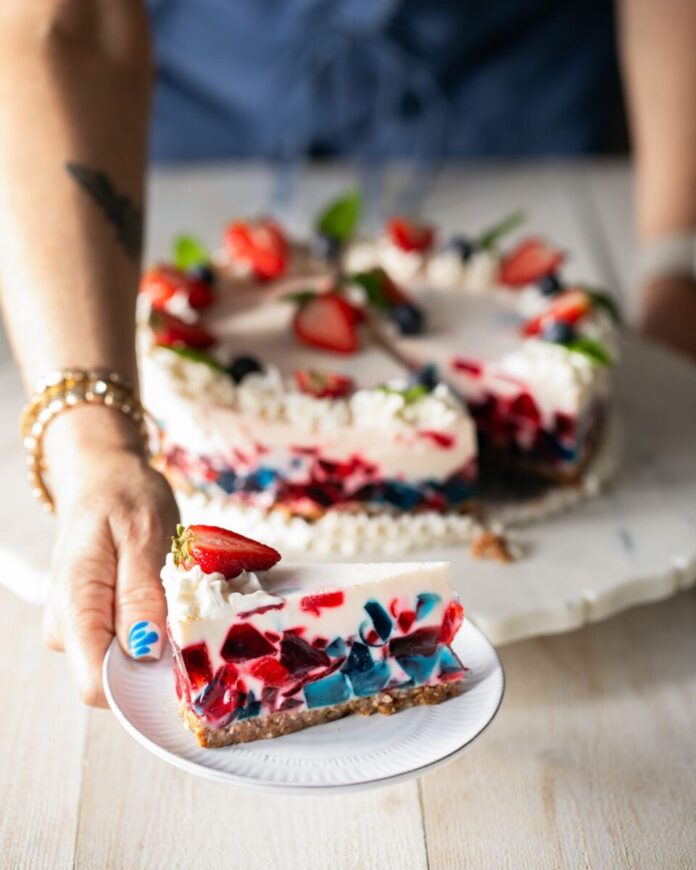
A red, white, and blue gelatin cake decorated with fresh strawberries and blueberries sits on a platter while a woman holds out a cut slice on a small white plate.

The 4th of July or Memorial Day are all about sunshine, good company, and of course, delicious food. This year, ditch the store-bought treats and impress your guests with a spread of homemade delights that are both festive and flavorful. Whether you’re craving a sweet treat to end the evening or a refreshing side dish to complement your barbecue, we’ve got something for everyone. Taste nostalgic childhood favorites, show-stopping centerpieces, and simple skewers. No matter what you choose to make, we’ve got you covered with a variety of recipes that are perfect for your Independence Day or Memorial Day celebrations. Or, really for any hot, sunny summer day.

Celebrate Memorial Day and 4th of July with Red, White, and Blue Recipes

Homemade Bomb Pops

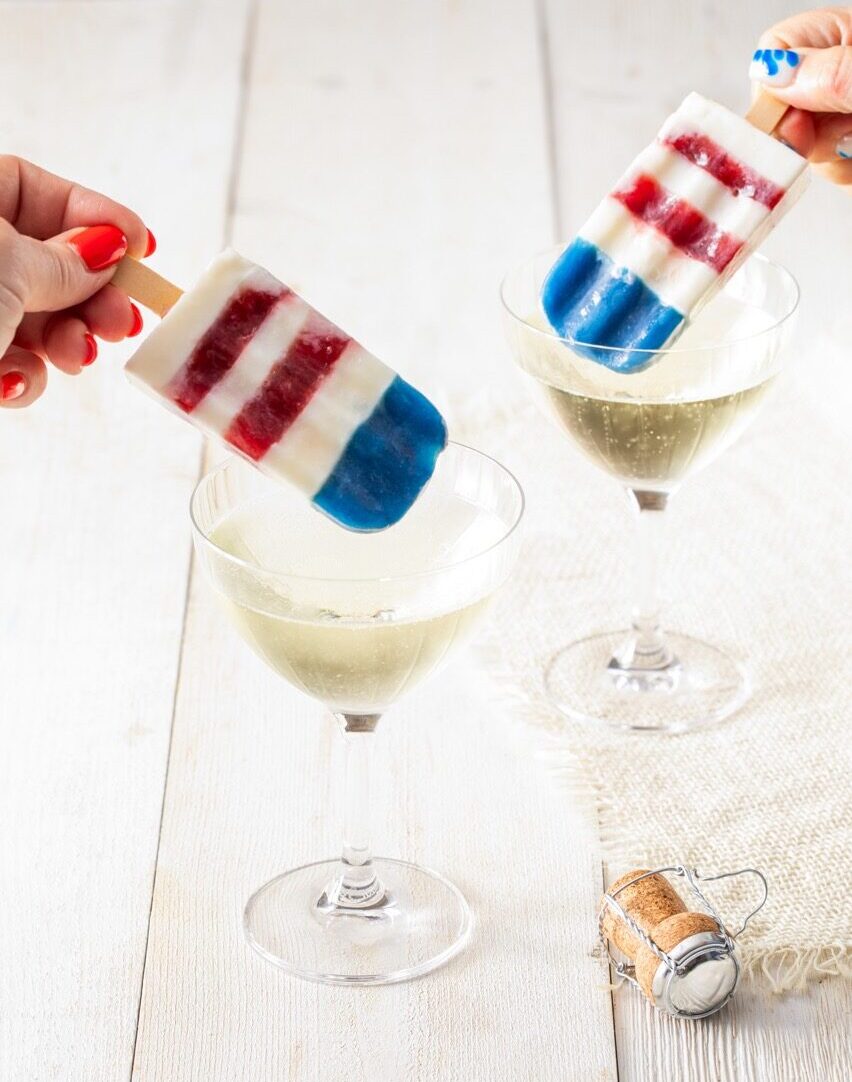
Two people hold red, white, and blue homemade bomb pops above two glasses of clear sparkling liquid on a picnic table.

What would the 4th of July be without a brightly colored red, white, and blue popsicle? Let our Homemade Bomb Pops take you back to your childhood nostalgia. The best part? They’re made from fresh fruit and yogurt so you can feel comfortable letting your child get some sticky fingers without the overly sugary side effects. 

Sour Cherry Crisp

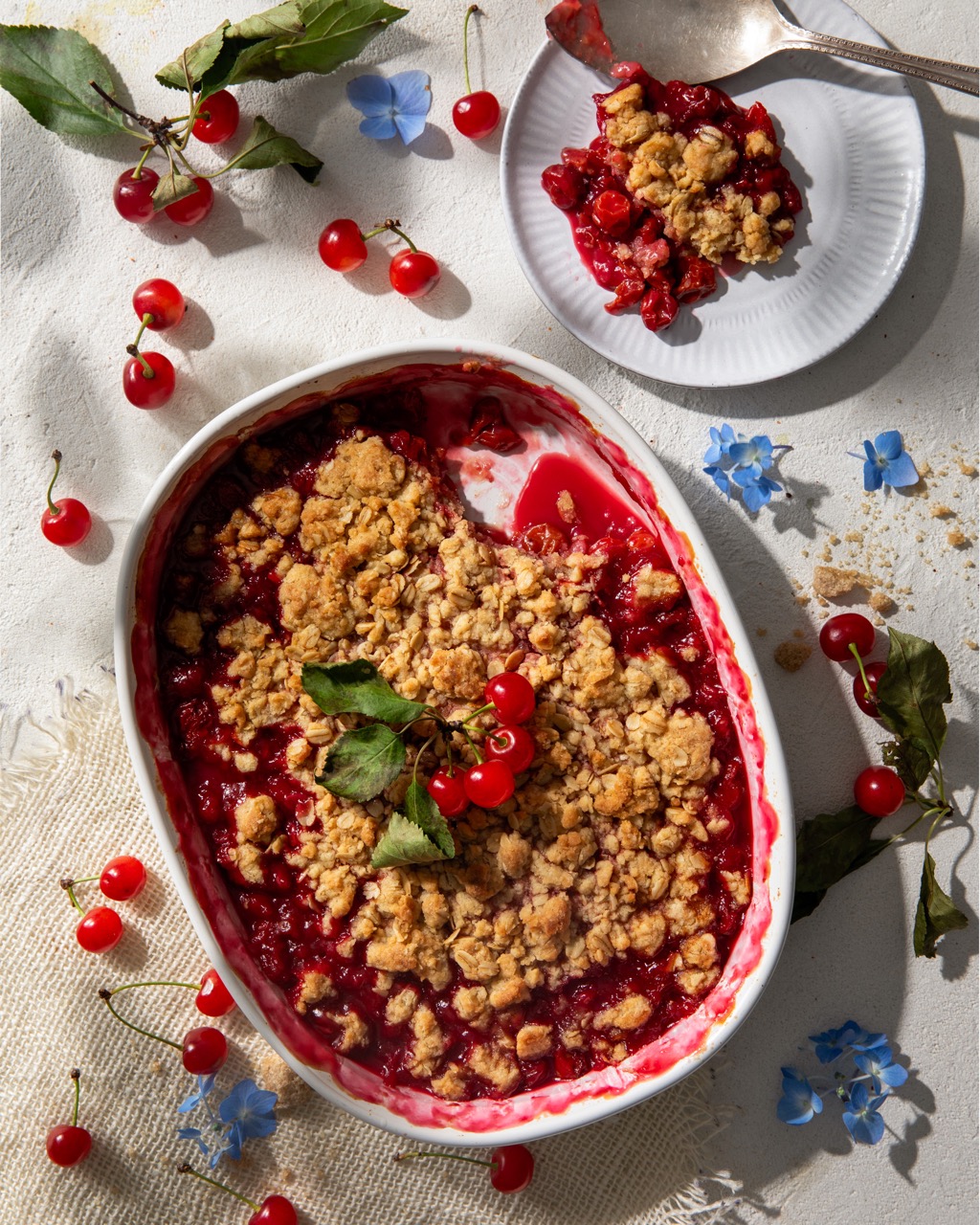
A Sour Cherry Crisp sits in a white dish with a crumble topping as a slice sits on a small white plate nearby.

Not every dessert on your holiday table has to be so sweet. A Sour Cherry Crisp takes advantage of cherry season while creating a tangy fruit crumble. But, if a full plate of this sour crisp isn’t quite your thing, try serving it with a scoop of vanilla ice cream to balance out those flavors. 

Tres Leches Fourth of July Recipe

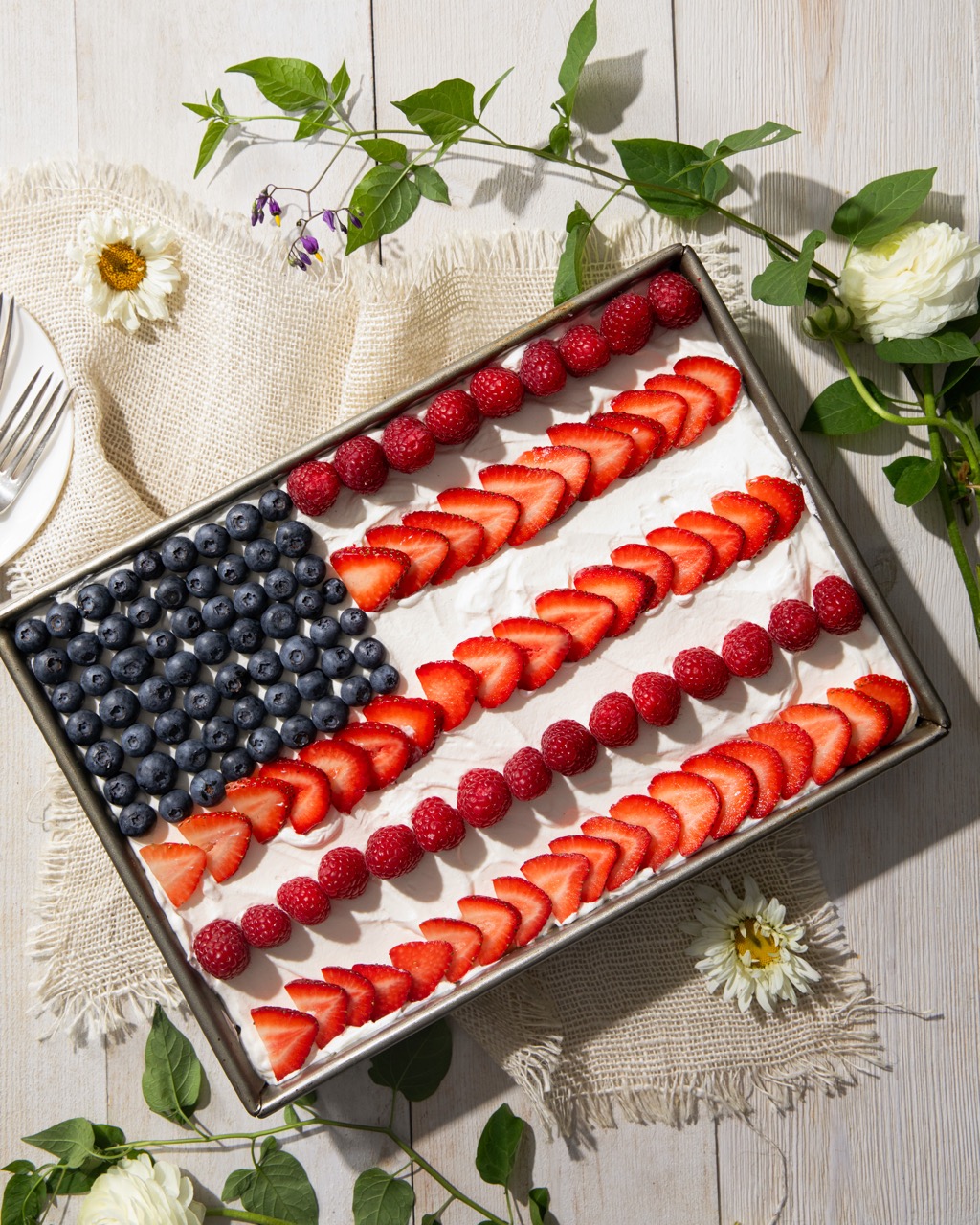
A cake sits in a cake pan decorated with strawberries, raspberries, and blueberries to make a flag design on top.

Bite into a moist, decadent cake made with Tres Leches’ famous three milks. We break this classic recipe down into simple steps to make the cake mix, Tres Leches, and whipped topping. While the design choice is up to you, we recommend an American flag shape made with strawberries, raspberries, and blueberries for an extra bit of flavor. 

4th of July Dessert Kabobs

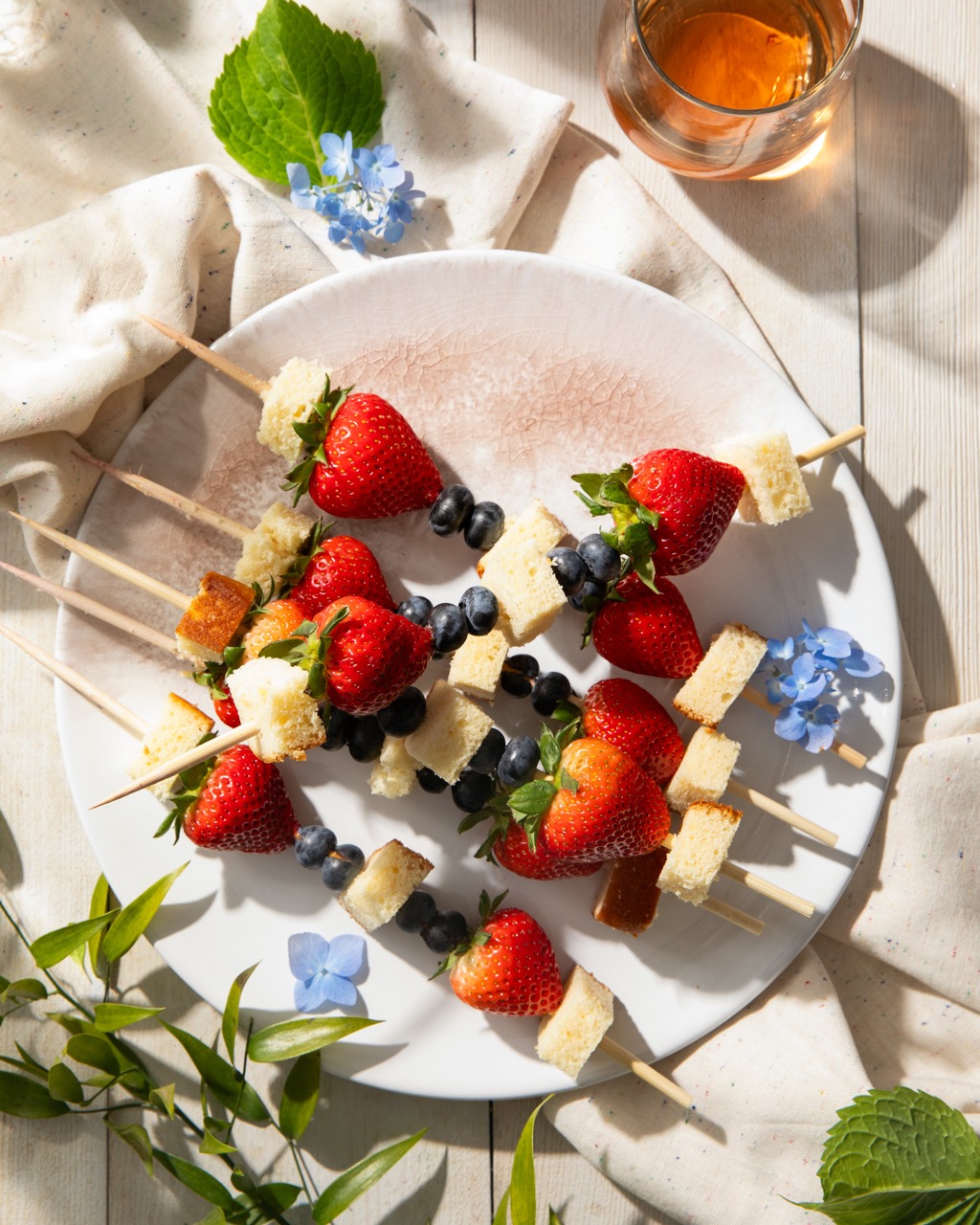
A white plate holds 6 kabobs with strawberries, blueberries, and squares of poundcake on them.

Looking for a quick, last-minute recipe that even the kids can help make? These 4th of July Dessert Kabobs leave plenty of room for customization and creativity. Start off with a pile of strawberries, blueberries, and sliced pound cake. Then, feel free to add in powdered donut holes, watermelon, raspberries, blackberries, or whatever else your red, white, and blue heart desires. 

Red, White, and Blue Fruit Salad

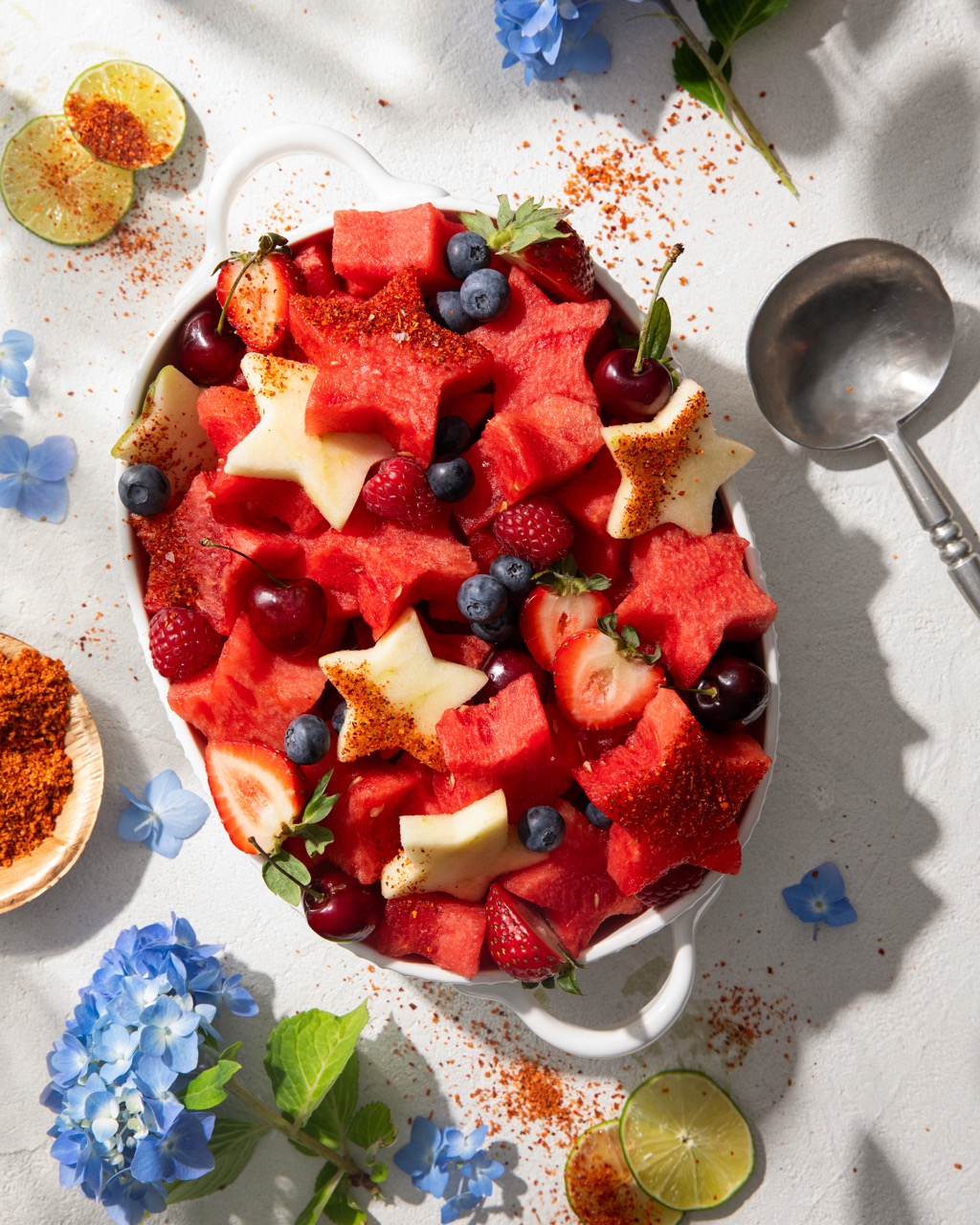
A bow sits on a picnic table filled with star shaped watermelon, strawberries, blueberries, and spinkled with tajin.

The use of star-shaped cookie cutters can elevate any side dish into a beautiful display. We use this little tool to cut stars out of watermelon and apples then fill the rest of the bowl with blue and red fruits like cherries, strawberries, and blueberries. Complete our Fruit Salad with a drizzle of hot honey, lime juice, and a sprinkle of Tajín for a tangy twist.

Red, White, and Blue Stained Glass Gelatin Cake

A red, white, and blue gelatin cake decorated with fresh strawberries and blueberries sits on a platter while a woman holds out a cut slice on a small white plate.

Who knew gelatin could turn out so stunning? Our Red, White, and Blue Stained Glass Gelatin Cake requires virtually no baking, other than setting the crust, making it great for a hot summer day. Plus, you can really bring out your artistic skills to make a dazzling mosaic of red, white, and blue gelatin.

In need of plates to serve your red, white, and blue feast on? Check out stylish melamine, enamelware, and paper plates for your cookout.

Story by Kylie Thomas
Styling by Anna Franklin
Photography by Dave Bryce

Subscribe to TABLE Magazine‘s print edition.
8 Recipes for Pickle Lovers

0
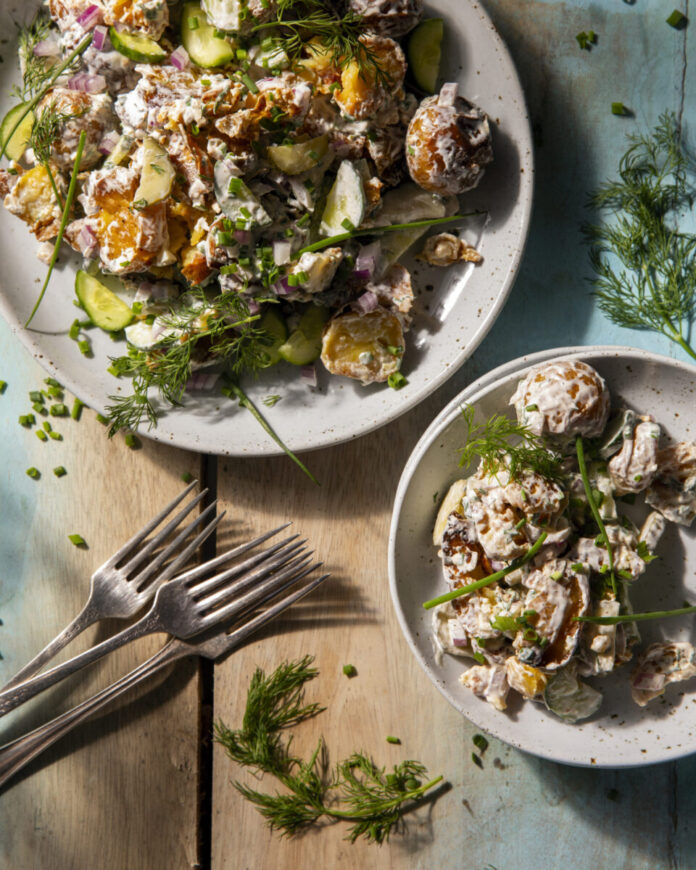
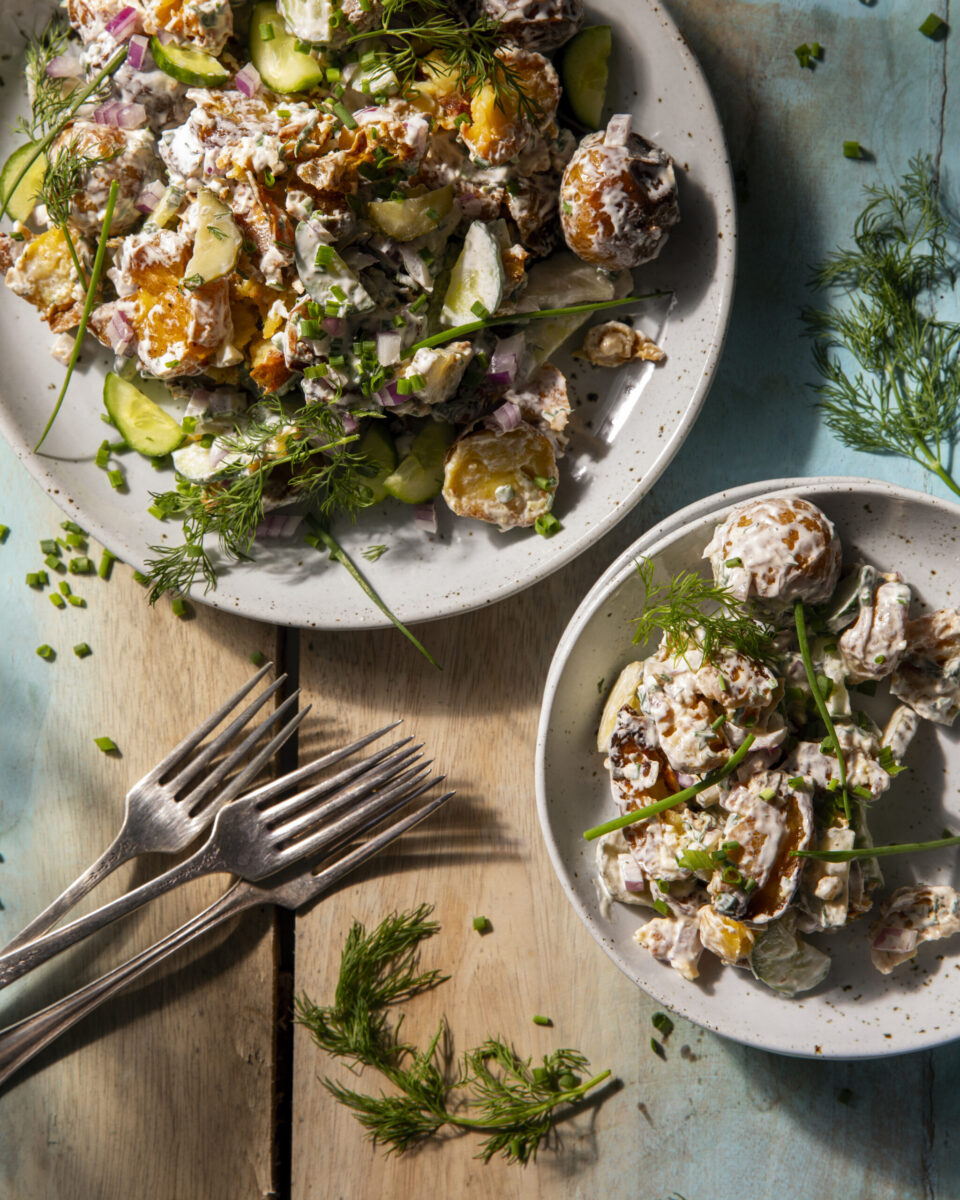
A white plate is slathered in a crispy potato salad with dill pickles and a small plate to the bottom right holds a smaller portion.

Pickle lovers rejoice! We love pickles so we’re brining up eight recipes guaranteed to satisfy all your pickle cravings. A pickle is technically considered anything that goes through the pickling process. Thus, our recipes focus on more than just your basic cucumber pickle. Bite into savory dishes that combine pickled ingredients, like beets, with tender protein choices. Or, even sip on a cocktail highlighting the ingredients that make pickles so addictive. No matter what way you choose to celebrate, we’re here to make sure pickles take over every section of your plate. 

Pickle Lovers, Plan Your Meals Around These Pickle Recipes

Pickled Asparagus

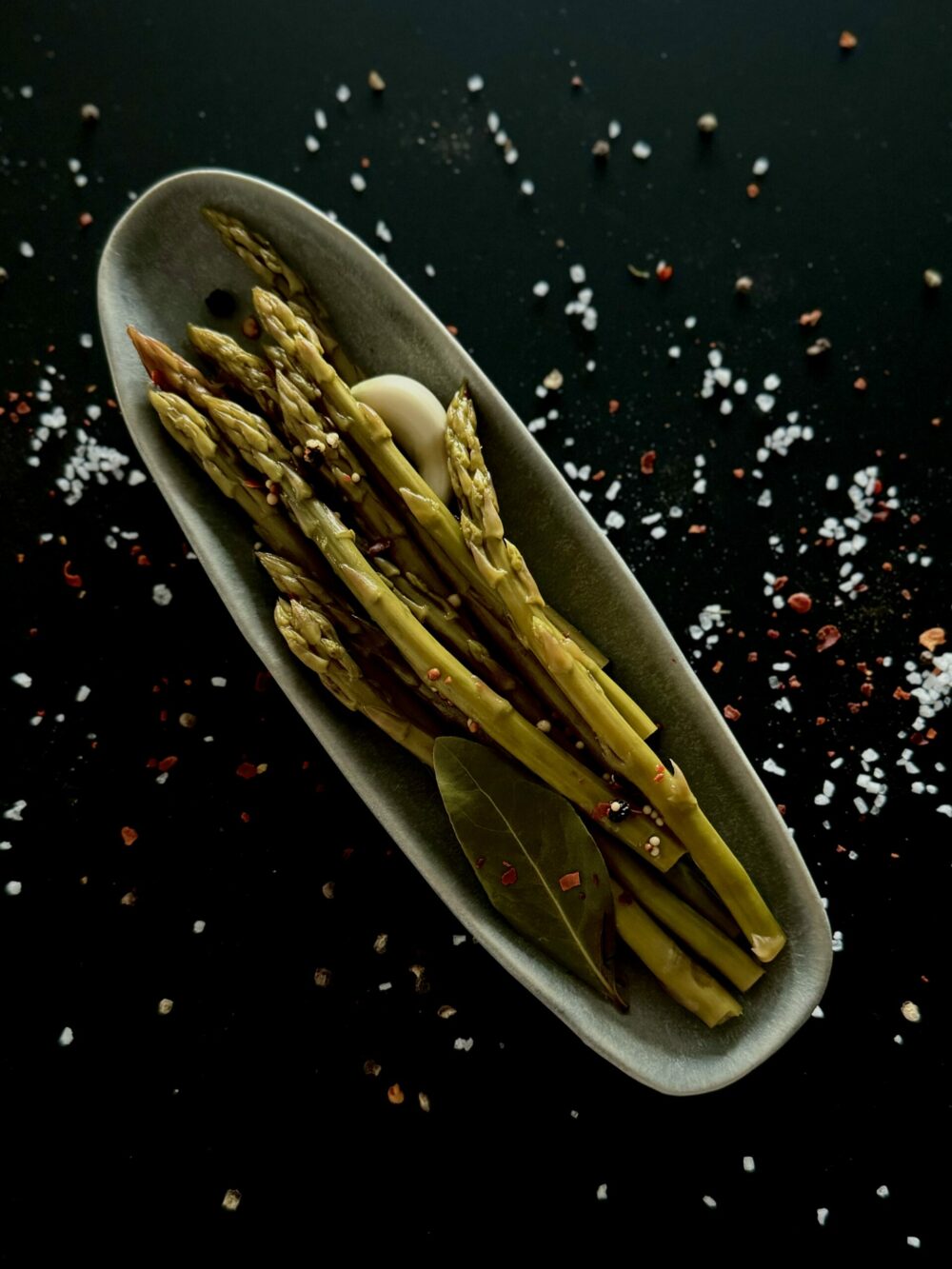
An overhead photo of an oval dish with pickled asparagus spears, a glove of garlic, and a bay leaf, on a black surface with sprinkled salt.

While roasting and sautéing are delicious ways to eat asparagus, pickling it not only adds an extra layer of nutrients but also produces a very satisfying, tangy and refreshing flavor. You’ll gain plenty of antioxidants, probiotics, and fiber from this small dish. Plus, Pickled Asparagus is also an aphrodisiac, so get ready to feel the love.  

Dill Pickle and Crispy Smashed Potato Salad

A white plate is slathered in a crispy potato salad with dill pickles and a small plate to the bottom right holds a smaller portion.

Shake things up with a Dill Pickle and Crispy Smashed Potato Salad, a blend of textures and a touch of acidity. We recommend serving this dish warm but you can also chill it to enjoy at a later date.

Pickled Veggie Salad with Mustard Dressing

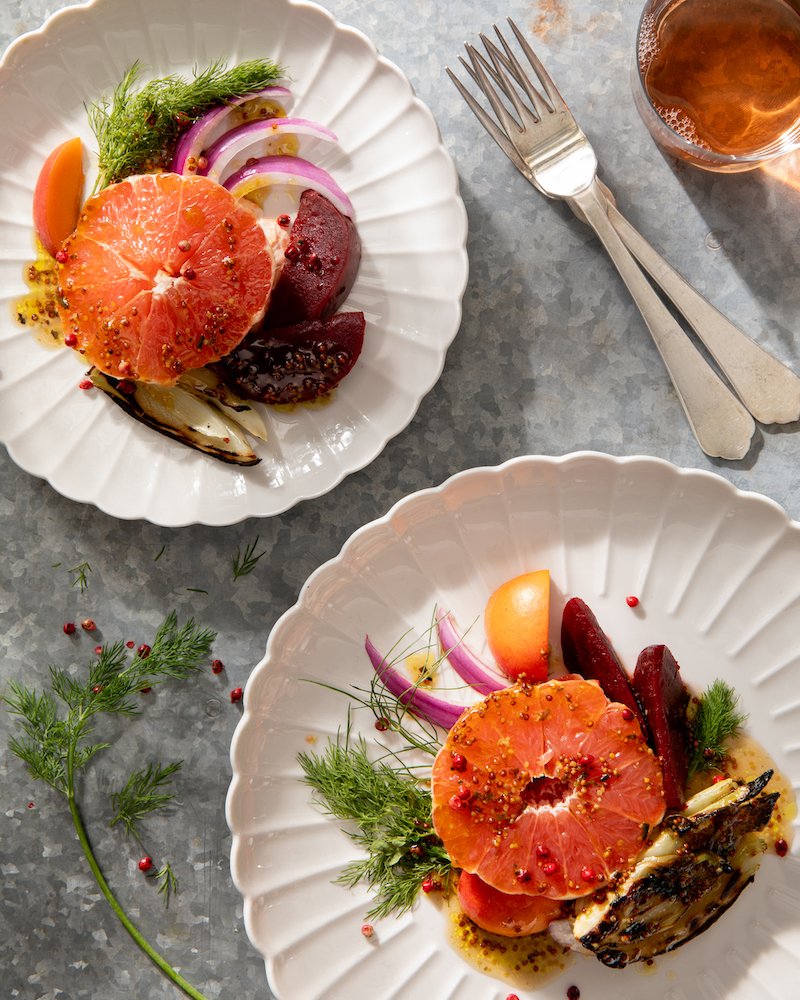
A pickled vegetable salad plated on white plates with silverwear.

Bite into a crunchy mix of pickled beets, grapefruit, red onion, fennel, and apricots. Our Pickled Veggie Salad is full of all things good for you along with a savory Mustard Dressing. Say goodbye to disliking pickled vegetables and say hello to a dish that’s flavorful and good for you too. 

Lamb Neck with Pickled Quinces

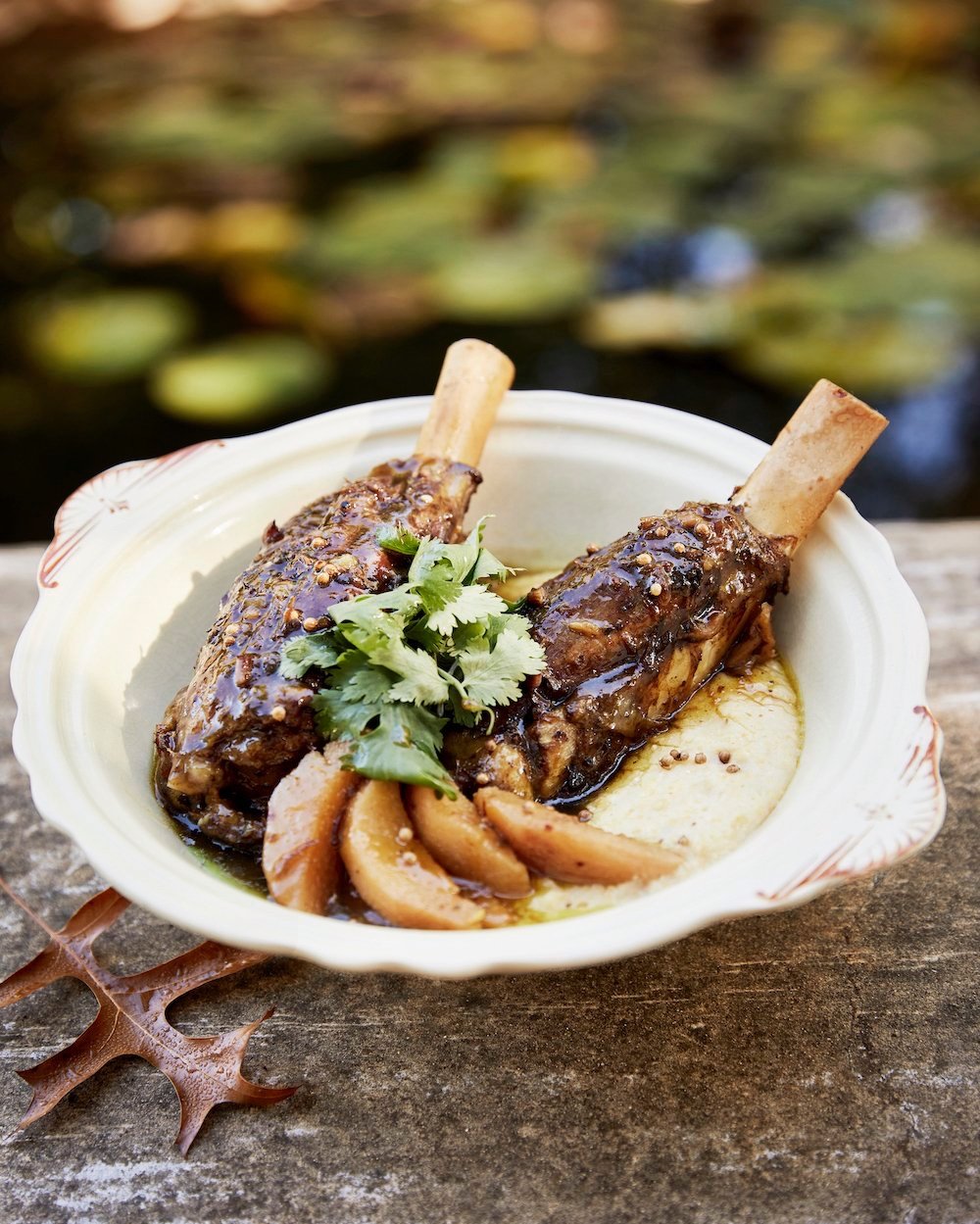
Two lamb shanks sit in an off-white bowl.

Quinces kind of look like pears but hold a much tarter taste. We start this dish by browning lamb shanks in a blend of spices for a tender, juicy end-product. Then, you add the Pickled Quinces to the Lamb Neck which perfects the flavor profile with a slightly-bitter surprise. 

Sticky Eggplant with Pickled Garlic Blossoms

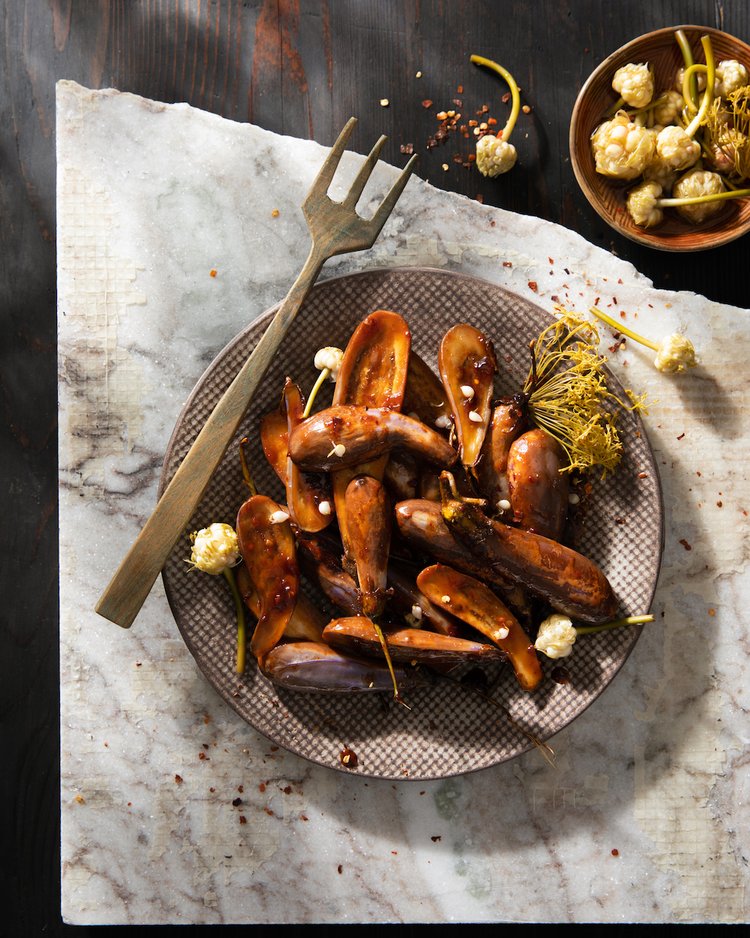
A brown plate of sticky eggplant with pickled garlic blossoms throughout as a big fork sits over top of the bowl.

Sautéed eggplant is a wonder on its own but with the addition of Pickled Garlic Blossoms, it may just become your new favorite snack. Pickled Garlic Blossoms are simple to make: a little bit of patience and certainly go a long way. We pair them with Southeast Asian-inspired Sticky Eggplant that’s a little hot, a little sweet, and oh so delicious. 

Pickled Radish Martini

Pickled Radish Martini sits in a martini glass, light pink in color, with a lemon peel and radish acting as a garnish.

Shake up a cocktail that combines all the things you love about pickling with the sharp ting of radishes. Our Pickled Radish Martini uses Boyd & Blair Cucumber Vodka, your favorite dry vermouth, radish pickling liquid, and flaky sea salt to bring all the elements together. It may not be your traditional martini but this innovative take is worth the taste. 

Pickled Ramps

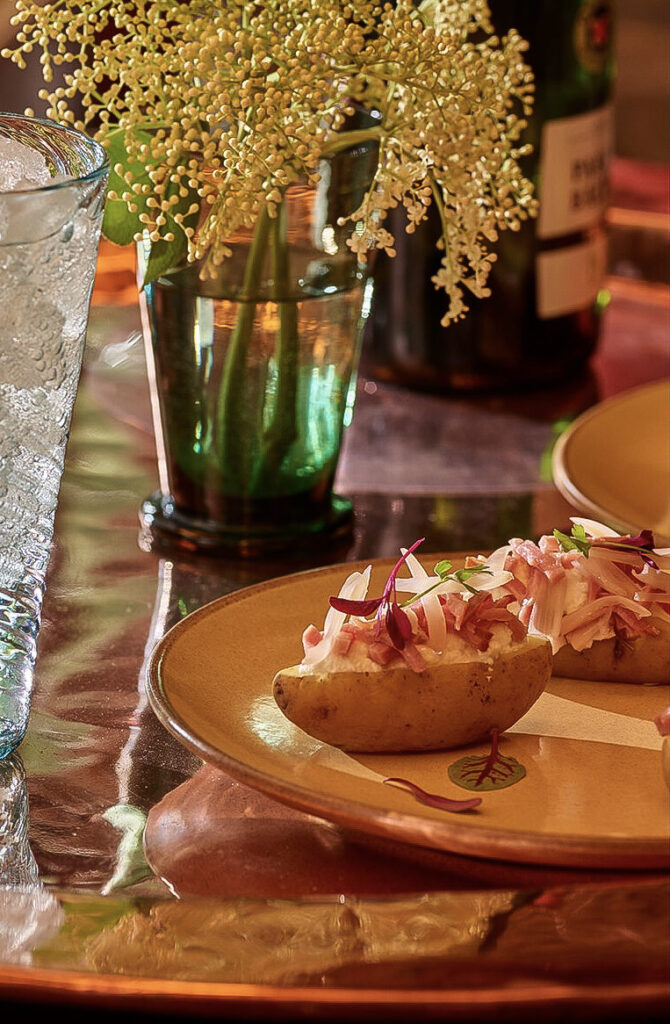
A yellow plate holds small potatoes with Pickled Ramps on top, a spritz drink to the left, and flowers behind the plate.

The earthy, almost pungent and bitter bite of ramps gets balanced out by a pickling process. Soak the ramps in rice wine vinegar, sugar, salt, dried red chilies, bay leaves, fennel seeds, and black peppercorns. These season-packed little bites are great on baked potatoes, sandwiches, and salads.

Pickle Spritz Cocktail

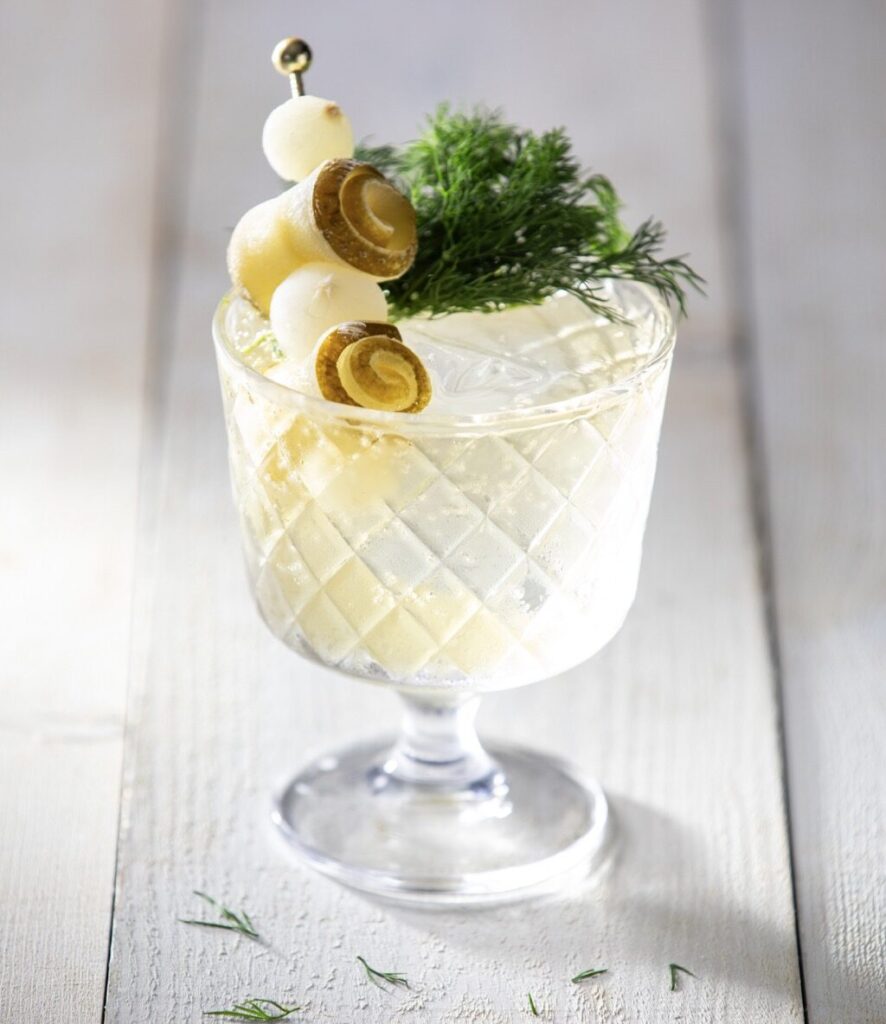
A short glass holds a pickle spritz on a white picnic table topped with rolled pickles, cocktail onions, and fresh dill.

For the person who is always drinking the pickle juice at the bottom of the jar, we’re mixing up a Pickle Spritz. Pickle brine lingers with processo and dry vermouth delivering big flavor in a small package. Garnish with perfectly rolled pickles, cocktail onions, and fresh dill to bring each element together as one.

Story by Kylie Thomas

Subscribe to TABLE Magazine‘s print edition.
Get Schooled on Sake

0
Sake being served in a Japanese restaurant.

Drinking sake is a lot of fun, school is not. To enter the world of sake, however, you have to learn a little math, a little science, a little vocabulary, and a dash of history. Sake is delicious, but it requires a baseline level of knowledge to figure out what you’re going to like.

Sake 101

Like wine, sake’s story is a mixture of history and science, and you can approach it from wherever you want to start. If you want to nerd out about fermentation, you can do that with sake. If you want to learn about Japanese history, you can also go that way. There’s an endless amount of access points for it, but we’re going to give you a brief overview of how it’s made, what tasting notes to look for, and why it’s so good. School is in session, so take your seat…  

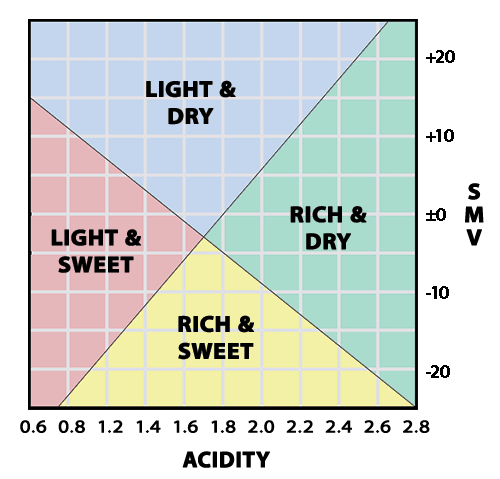
Sake Meter Values & Acidity

There won’t be a lot of math. We promise. You’ll just have to read a graph and remember how x and y axes work. The flavor profile of sake has a special system of measurement—SMV (Sake Meter Value) and then acidity. The graph of these two things gives you the character of what you’re drinking. Will it be dry? Sweet? Light? Heavy? A negative SMV will give you a sweeter character, while a positive one will give you a drier sake.

Courtesy of Sake Hub.

“Nigori, which you’ll find a lot in the domestic market, starts at -10,” beverage director and Skurnik Wines importer Alyssa McGrath explained. This makes it ideal for the end of a meal, since it’s sweeter, like a dessert wine is.

How Do You Make Sake?

As with other types of liquor, producers have to make choices along the way that have far-reaching consequences for what goes into the bottle in the end. Beyond the acidity and SMV scale, the other things that give sake its character are polishing, koji, and whether or not the brewer decides to add in distillate, which is extra alcohol. Adding distillate changes the flavor and consistency of the final brew.

Polishing is the process by which producers mill the rice to get rid of the outer layers. Typically, the higher the polishing rate, the smoother and more delicate the product is. House of Sake produced a diagram to illustrate this concept.

A diagram about the different polishing levels in sake.
Courtesy of House of Sake.

The percentages refer to minimum rice polishing. The higher up it is on the diagram, the more premium, but the number is lower because it refers to the ratio of un-polished rice to polished rice. So, if you’re looking to impress with sake, you want to look for the lower number, since the lower it is, the more ground-down the rice is. A 50% polishing percentage means the rice is now 50% of its original size.

Along with the math, allow me to break down a brief vocabulary lesson to guide looking at the terms in the triangle:

  • Junmai means “pure rice.” This indicated that the producer didn’t add any distillate into the sake.
  • Honjozo will have a bit of distillate added in—so you get a higher alcohol percentage and a leaner body.
  • Ginjo also has an addition of a distillate, but its polishing is more refined than Honjozo, hence why they are not the same thing. As you go up the pyramid, you see the Tokubetsu (meaning “special”) and Dai (meaning “big”) prefixes to show what’s considered more refined.
  • There is a sub-style, Junmai Ginjo, that is also a higher polishing level than your typical Junmai but doesn’t have that distillate in it.

Each of the terms tell you how polished the rice is and whether it has distillate. So, looking at all the information nested in the vocabulary words, Junmai Daiginjo is a highly polished, no-distillate sake. Daiginjo is a highly polished sake that does have distillate. Tokubetsu Honjozo will be a 60% polishing percentage with the addition of distillate.

Koji: A Little Mold Goes a Long Way

Koji is a mold, but it’s not the type of mold you’re thinking. It’s what makes sake alcoholic. Normally, the idea of ingesting mold is unappealing. But in this case, koji-kin, a small, harmless to eat mold, is cultivated onto the rice during the sake-making process. All drinks that come from starches require something to break down the starch into sugars, which the yeast in the starch will eat to create alcohol. However, you can’t “malt” rice the way you can with barley. So, something else has to happen in order to create alcohol.

That’s where koji comes in. Producers grow koji is a separate part of the brewery called a koji muro and then sprinkle it onto steamed rice. The koji is in an integral part of the sake-making process and it influences the quality and flavor of the final beverage. Even the material on the walls of the koji muro can make their way into the final beverage’s flavor profile. At the higher end, there’s one more categorization: namazake or unpasteurized sake, which brewers don’t add heat to. That’s the purest form of sake, with the freshest expression of the koji in it.

The History of Sake

Ok, maybe you’re sick of looking at graphs and talking about mold now. What about the history? “Traditions of sake go back hundreds of years. There’s a big focus on the cleanliness and the pristine nature of the water. The water is part of what gives sake its regional character,” McGrath said. The technique of making sake originally came from China but gained prominence in Japan. (There are many such historical and cultural crossovers between Japan and its neighbor, such as the kanji writing system). The first recorded mention of sake in Japan is in the third century, and the first mention of commercial breweries appears in the 1400s.

Prior to that, nobles in the imperial court and monks were the only people producing sake. The imperial court even had its own sake maker in-house. The court only drank the clearest, purest sake in what we would now consider the Junmai Daiginjo style.

Sake’s first introduction to the global economy was in 1852, during the Meiji period when Japan opened its borders and entered the international trade market. Sake has taken off from there, and there are now sake producers all over the world. It’s become as prestigious as wine and whiskey, with a separate WSET certification to focus on it.

What is it Like to Drink Sake?

Yeah, yeah, history is cool, science is interesting…but beverages are for drinking.  As the graphs earlier showed, sake can be drier or sweeter. Often, you’ll find tasting notes referring to more umami (think mushroom-like savory fullness) or more floral or fruit notes depending on the koji, polishing percentage, and regionality.

Different regions of Japan produce different profiles. Kobe, famous for their beef, also produces a lot of sake. The Kobe style tends to have a fuller-body to stand up to the juicy meats. Sake from Hokkaido, by contrast, will pair well with fish, because seafood is a huge part of that region’s cuisine.

When you see “cloudy” sake, that means it’s Nigori, the sweeter style that has some sediment left over from the brewing process. Nigori sake was actually once banned in Japan, during the Meiji period when the country wanted to modernize. The Japanese government thought the clear style looked classier, so Nigori was out. But now, Nigori is one of the most popular kinds of sake for its sweet taste and relative accessibility.

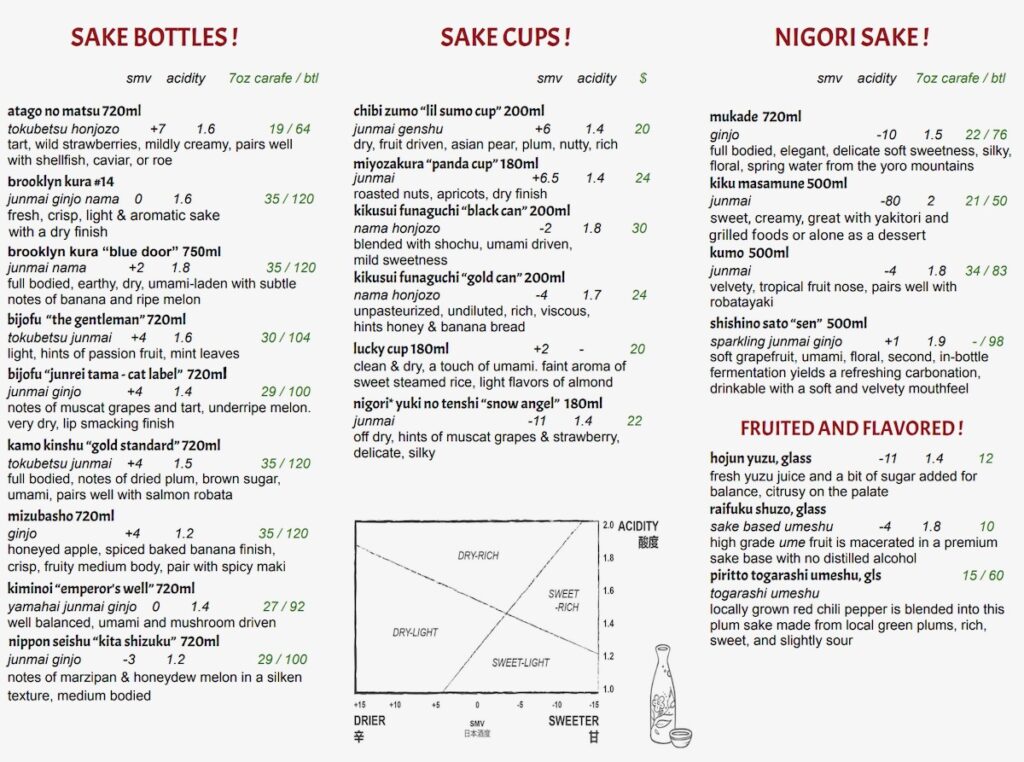
An example menu from Roger Li’s Umami can help you put your knowledge to the test. See if you can recognize the terms and what each one means!

The menu at Umami, featuring a list of sake.
Courtesy of Umami.

A great way to experience sake’s diversity in practice is a sake flight, which most Asian restaurants (including Umami) offer. The differences are dramatic between different cups of sake. McGrath also encourages people to serve sake with non-Japanese food. Often, because the language seems unfamiliar, people don’t make an effort to learn about it. But sake is as versatile as any other liquor. After all of those numbers, I definitely want a carafe of sake. School’s out.

For more, check out the rest of our liquor education series:

Wondering what to cook to go with your drink? Try our food education series:

Photo by Bundo Kim
Story by Emma Riva

Subscribe to TABLE Magazine’s print edition.

The Origins of the Strawberry

0
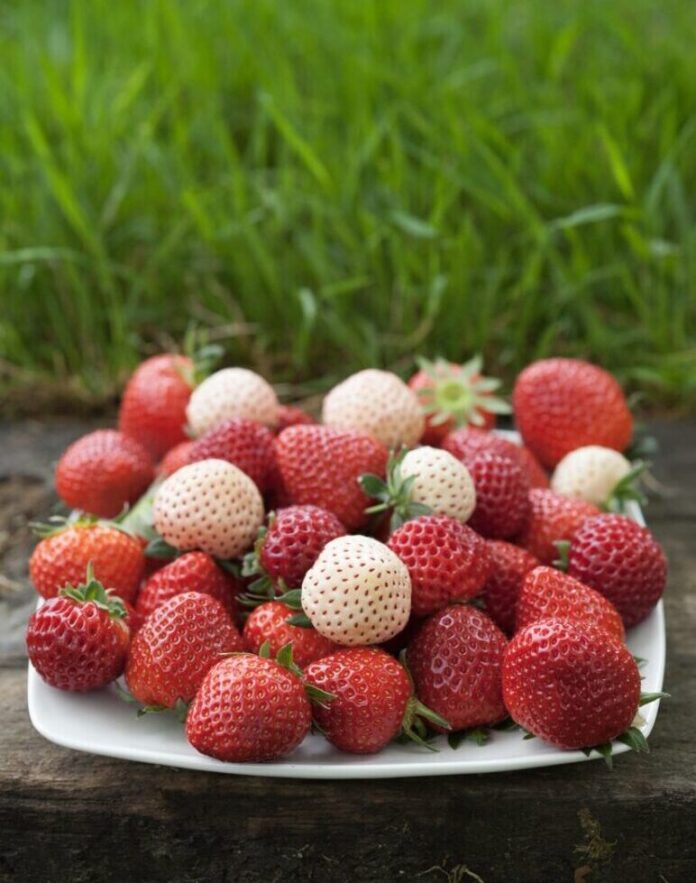
A white plate in front of a field of grass holds various strawberries in red and white color.

Next time you bite into a juicy, ripe, red strawberry, spare a thought for the three centuries of history, exploration, and botanical adventure origins that bring this seasonal staple to your table. The story starts in Chile. With espionage.

Where the Strawberry Comes From

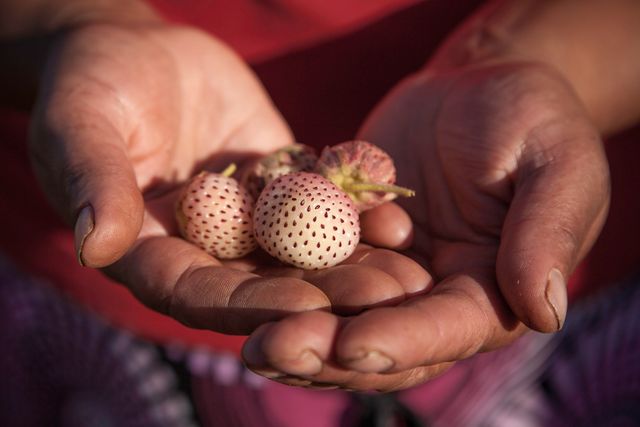
As the sun rises on the Chilean Cordillera Nahuelbuta, “the mountain range of the great puma,” songbirds and the crowing of roosters announce the dawn. A field of white strawberries with pale blooms awaits the gold-hued sunlight. Chilean poet Gabriela Mistral marveled at the fragrance of the region’s famed strawberry, white, rather than red, with red achenes or seeds: “A delicate scent flies away shy and pleasant, thin as the breeze, intimate as the breath.” The Chilean countryside is fragrant with this enticing scent during New Year’s celebrations.

It is undoubtedly this same aroma that captivated French explorer Amédée-François Frézier (1682-1773) when he arrived in present-day Conception in the early 1700s. And it’s the first clue that hints at how the white strawberry of Chile, journeyed across oceans and arrived in Europe.

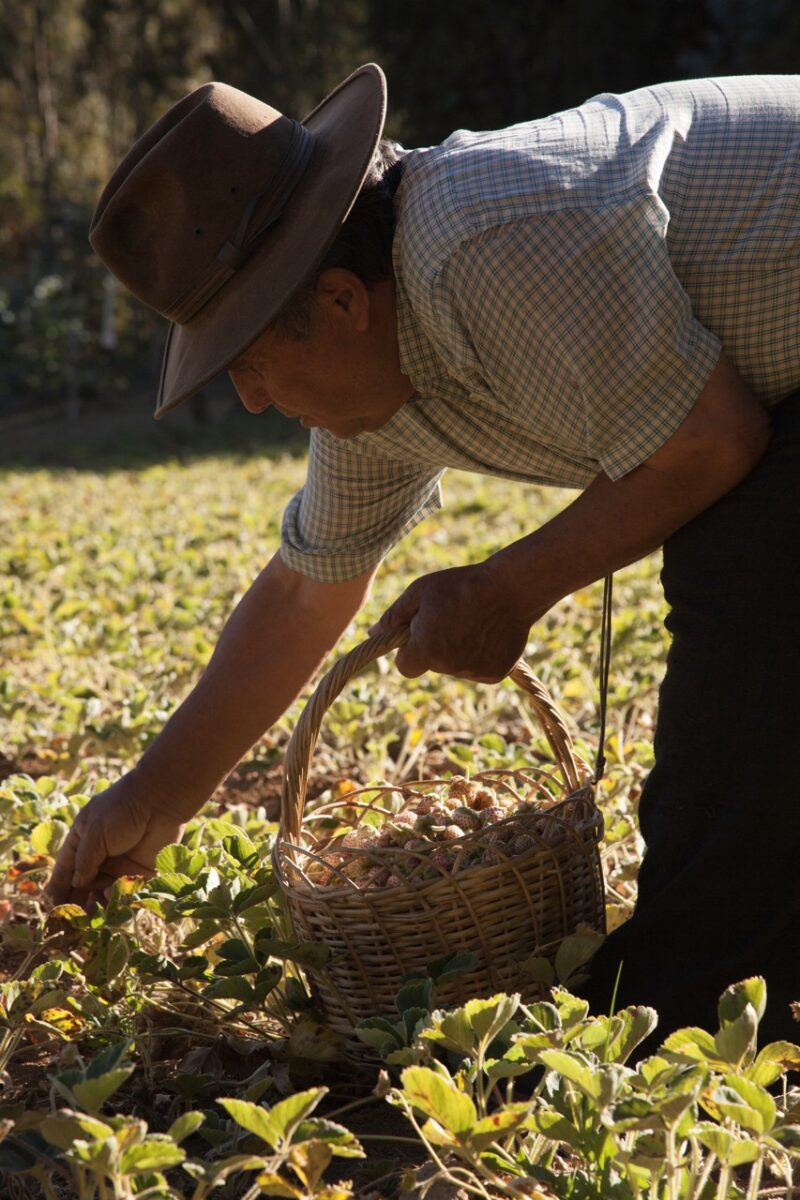
A man picks strawberries in a field in the city where the origins of strawberries began, holding a basket in his other hand.

The Birth of a Berry

Hired to spy on Spanish ports and fortifications on the Chilean coast, the young engineer embodied the spirit of the Enlightenment. Guided by a thirst for knowledge, he was equally engaged in mathematics, art, and botany. In the 18th century, minerals, plants, and animals were of utmost interest to intellectual travelers like Frézier. South America, a region mostly unknown to Europeans, brimmed with possibilities for curious botanists. Frézier and his crew enthusiastically collected, dried, and documented botanical samples to stock the ship’s herbarium. But their hope was to do more than preserve dried samples. There was a constant quest to bring back plants useful for medicine, food, or craft which led to the introduction––and later assimilation––of species from around the world.

Near Concepción, Frézier gathered and chronicled remarkable strawberry plants that grew in the area. One that he described as: “Fragaria chiliensis, fructu maximo, foliis carnosis, hirsutis, vulgo frutilla.” In other words, “Chilean strawberries with large fruits and fleshy and hairy leaves, which are commonly called Frutillas.” In his book, Relation de Voyage, he writes, “They cultivate whole fields of a species of strawberry different from ours … Its fruits are usually as big as a walnut and sometimes as big as a hen’s egg. They are of a whitish red color and a little less delicate to the taste than our wild strawberries.”

A man carries a basket through green strawberry plants in a greenhouse where the origins of the strawberry began.

Bringing the Strawberry to Europe

At the expense of the crew’s freshwater rationing and against the odds, Frézier’s crew arrived in Marseille, France on August 17, 1714, with five plants that miraculously had survived the six-month voyage. Fragaria chiliensis quickly spread throughout the botanical gardens of France, England, and Holland. Unfortunately, they did not produce flowers or fruit until one day, at the westernmost tip of Brittany, France, facing the Atlantic, the Chilean white strawberry happened to be growing in the vicinity of Fragaria virginiana. This small, red, wild variety, grew in abundance in the meadows and forests of North America and was cultivated by Native Americans. Thanks to another explorer, navigator Jacques Cartier, it travelled from Virginia to Europe.

A new hybrid was born. Fragaria ananassa, the pineapple strawberry, boasts the size of the Chilean and the color of a Virginian strawberry. It is the first of the modern strawberry plants, whose red fruits now delight us throughout the world in summer.

A person holds four white strawberries in their hands.

The Continuation of a Strawberry Legacy

To this day, Brittany holds a special place in its heart for strawberries, so much so that it has its own Strawberry Museum in Plougastel-Daoulas. Not surprising, since the mild climate of this peninsula in Brittany makes it ideal for growing strawberries whether in the open ground or in hanging containers. Several varieties are popular including the Ciflorette, Charlotte, Mara des bois, and Gariguette.

Story by Chloé Batissou and Esha Chiocchio
Photography by Esha Chiocchio

Subscribe to TABLE Magazine‘s print edition.
Pittsburgh Pirates’ Nourishing Smoothies

0
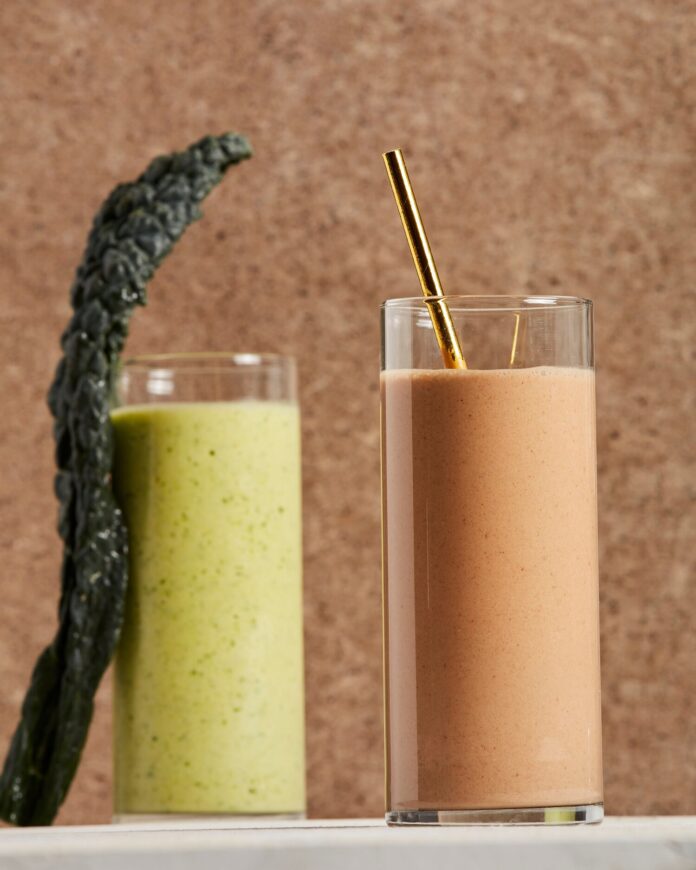
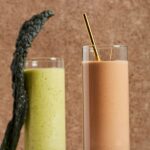
Pittsburgh Pirates smoothie, one brown with a gold straw sits beside a green smoothie both against a brown background.

As the former Director of Sports Nutrition and Fueling for the Pittsburgh Pirates, I can assure you that the way the team fuels and hydrates plays a very big role in their performance on the field. But why does all that matter? Eating healthy food is eating healthy food, right? Let’s take a deeper look and learn how the team stays strong with these Pittsburgh Pirates’ Nourishing Smoothies.

(It is important to note that everyone is different. Regardless of what you do for a job or for physical activity – including professional athletes – nutrition needs vary. A football offensive lineman would not fuel the same way a center fielder would, nor would a professional tennis player fuel the same way as a marathon runner.)

Fuel Your Body for Ultimate Success

First of all, let’s change the narrative. Let’s eliminate the term “healthy eating” and replace it with “fueling”.

What’s the difference? Healthy eating can get a bad rap. When people think of eating healthy, they might think of dieting, restricting, missing out on their favorite foods, and generally, being miserable. Nothing that any of us want to feel, especially when we want to enjoy food.

Fueling, on the other hand, is just that – enjoying food.

You need to fuel with a good breakfast for that big meeting today. You need to fuel in order to drive your kids around all weekend. Fueling is the means of keeping your energy levels up by providing your body with what it needs to be your best, not necessarily what is the fastest and most convenient option.

Let’s take a look at some foods that can get you out of the winter slump and “fuel” you for your everyday performance:

Fruits and Vegetables

During the winter, many people struggle to get enough servings of fruits and veggies each day. One reason is the lack of availability of some fresh food during the winter, and what catches our eye in the produce section is usually the bright colors and variety. Starchy-looking strawberries and rows of apples aren’t always appealing.

Fruits and vegetables provide a wide variety of vitamins, minerals, fiber. A general rule of thumb is the darker and brighter the fruit and vegetable, the more nutrients it has.

Fruits and veggies also have a high water content, which can help with hydration. When we aren’t getting enough fruits and veggies – especially in the winter – it can lead to choosing other more calorically dense and nutrient-deficient foods. Here is what you can do to make sure you are getting enough fruits and veggies, even when they might not be in season:

Buy Frozen Fruit

This is a perfect option all year around. Frozen fruit is just that… fruit that has been frozen. There is no added sugar in frozen fruit, and it’s easy-to-use: you can take out only what you want and not have to worry about it sitting in the fridge and getting moldy. You can use frozen fruit in our Pittsburgh Pirates’ Nourishing Smoothies which is a great option for a light, nutrient-dense snack. Or, just let the fruit thaw and eat it!

Pre-Package Your Own Salads

You bought the spinach and had great intentions of eating salads every day. Until you realized you had to get the big container out of the produce drawer in the fridge (which was stacked under three other things) portion it out, add carrots, tomatoes, and more to make it a real salad. So, you decide not to make your salad and one week later, throw away the nearly full container of spinach after it starts smelling and rotting.

Pre-portion your salads before you even put the spinach (or spring mix or romaine) away. Get your carrots, tomatoes, and whatever other veggies you want in your salad and get working. Portion out salads in small containers so each day, all you have to do is grab your greens and add dressing. The hard work is done!

Prep Your Veggies

Most veggies are delicious roasted in the oven. Buy Brussels sprouts, broccoli, baby carrots, or whatever veggies you want. Prep them at once using olive oil, salt, pepper, and garlic powder. Put them in containers and store them in the fridge until you are ready to cook them. Once ready, place your desired amount on a baking sheet and roast them in the oven for 15-20 minutes at 400 degrees, or until they are to your liking.

Whole Grains

Whole grains in foods contain the whole grain. Refined grains contain only the endosperm of the grain, but a whole grain contains the bran, endosperm, and germ.

When you eat whole grains as opposed to refined grains, you are getting fiber, B Vitamins, Vitamin E, and even a little bit of omega-3 fats. Whole grains will make you feel full longer, will keep your blood sugar in check, and help you fuel with good quality carbohydrates. Examples are whole-grain bread, brown rice, whole-grain pasta, oats, and whole-grain cereals.

Hydration

Hydration is important all year round. However, it can be more difficult to stay hydrated during the winter because it is not hot and we don’t feel as thirsty as we do during the summer months. It’s time to get back on the hydration train.

The goal should be to aim for one-half of your body weight in ounces of water. So if you weigh 140 pounds, you should aim for 70 ounces of water each day.

Drinking water will help you feel full and can give you a little boost of energy. Sometimes when we are dehydrated we feel hungry when in reality it could just mean you need to drink more water, so keep that in mind too.

You don’t like the taste of water, you say? Well, don’t depend on those chemical-based, artificially sweetened flavored drops or waters. Stick with the real thing, and try making your own infused water. Put fruit in ice cube trays, fill with water, and once frozen, put them in your water. As the ice cubes melt, your water will get the flavor from the fruit. You can use these methods to make mixed berry, cucumber melon, strawberry mint, and lemon water.

Print
clock clock iconcutlery cutlery iconflag flag iconfolder folder iconinstagram instagram iconpinterest pinterest iconfacebook facebook iconprint print iconsquares squares iconheart heart iconheart solid heart solid icon
Pittsburgh Pirates smoothie, one brown with a gold straw sits beside a green smoothie both against a brown background.

Green Tropics Smoothie


  • Author: Allison Maurer

Description

The most delicious way to get your greens and protein.


Ingredients

Scale
  • ½ cup frozen mango
  • ½ cup frozen pineapple
  • ½ cup spinach
  • 12–14 oz coconut water (depends on the consistency you like)
  • 1 scoop vanilla protein powder (BiPro or Momentous is what we use)
  • Squeeze of ¼ lemon


Instructions

  1. Blend all ingredients together until you get the desired consistency.
Print
clock clock iconcutlery cutlery iconflag flag iconfolder folder iconinstagram instagram iconpinterest pinterest iconfacebook facebook iconprint print iconsquares squares iconheart heart iconheart solid heart solid icon

Chocolate Peanut Butter Banana Smoothie


  • Author: Allison Maurer

Description

Healthy smoothies can have a bit of indulgence too!


Ingredients

Scale
  • 2 tbsp peanut butter
  • 12–14 oz almond milk (depends on the consistency you like)
  • 1 frozen banana
  • 1 scoop chocolate protein powder (BiPro or Momentous is what we use)


Instructions

  1. Blend all ingredients together until you get the desired consistency.

Recipes and Story by Allison Maurer
Styling by Keith Recker
Photography by Dave Bryce

Subscribe to TABLE Magazine’s print edition.

Don’t Knock Sipping Chilled Red Wine

0
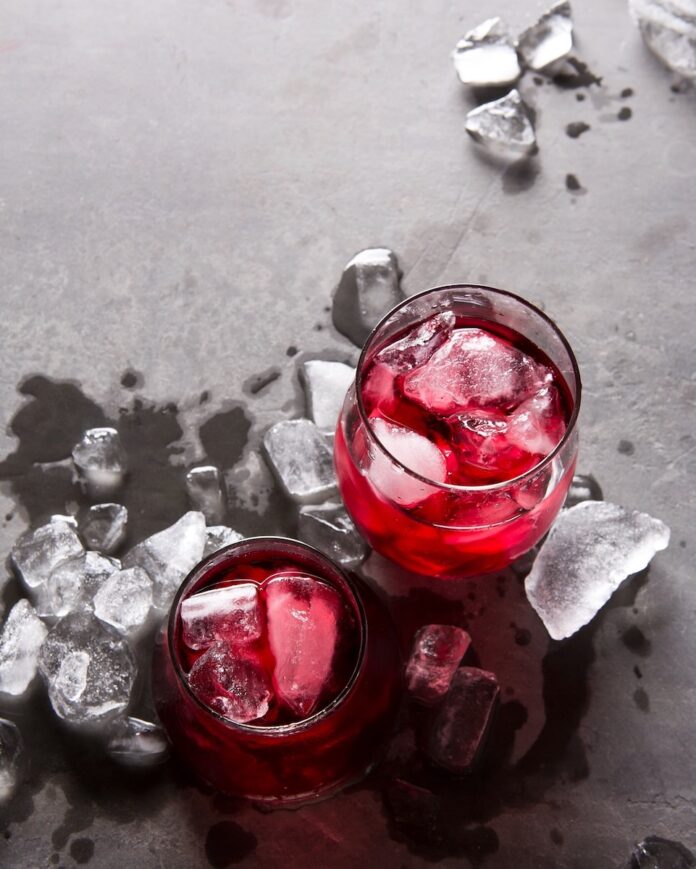
Two glasses of chilled red wine with ice cubes in them sit on a grey table with ice cubes scattered about.

Working as a server, the request for wine with ice such as a chilled red wine always earned a big eye roll. “They asked for ICE with their WINE,” we’d poke fun in the back before cheerily dropping off a glass of red glass wine brimming with crystal-clear cubes to the table.

Sipping Chilled Red Wine

It wasn’t until years later, still serving, that I began to understand the benefits of iced – or rather, chilled – red. “Put it in the fridge for a bit before you drink it,” my employer said, handing me a beautiful, fruit-forward Barolo, which became smooth and soft with the cold edge. Inside the restaurant, ice cubes were swapped for a wine fridge, keeping the top-tier bottles at a cool 55 degrees.

Certain wines hold a chill better than others, according to Alyssa McGrath, a wine expert. She recommends looking for lighter-bodied and highly acidic wines. Bottles with notes of red fruit and tart flavors will hold up to a slight chill.

What Wines to Chill

Look for varietals like Pinot Noir from cool and high altitude climates. Alyssa recommends bottles from France and Northern Italy. She’s also a fan of Gamay, Zweigelt and Blaufränkisch varietals from Austria, Lagrein from Alto Adige, Italy, Cinsault from Southern France, and – if you can find a bottle – the rather obscure Pais from Chile. Natural wines, bottles with little to no sulfur added, also respond well to a quick trip in the fridge.

A somewhat elevated version of iced red, called a “chuggable” cocktail, shows up on menus in Spain, combining European not-too-sweet lemon soda (like a San Pellegrino Limonata) and a mild red wine. The addition of soda makes it far less potent and lighter than its tipsy cousin, sangria. Soda and wine might not be for everyone, however.

Chilled red, on the other hand, is. It’s the perfect thing for porch or poolside drinking, especially on a sweltering summer day. Sneak a few bottles in the fridge and thank us later. 

Story by Maggie Weaver
Photography by Adam Milliron

Subscribe to TABLE Magazine’s print edition.

North African Shakshouka

0
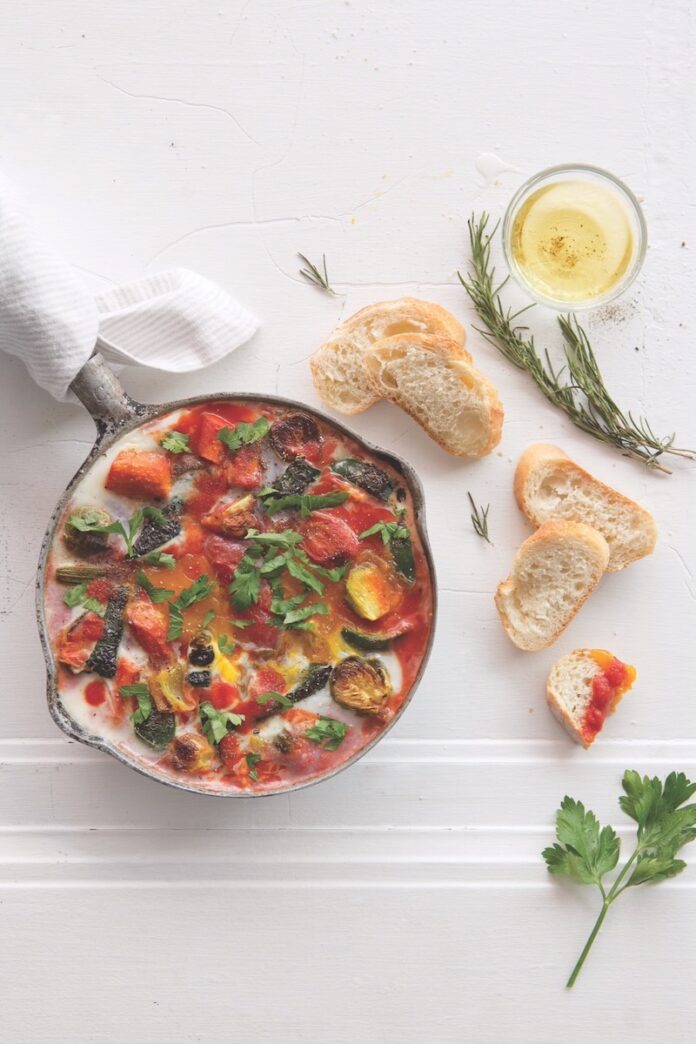
A plate of North African shakshouka staged with crusty bread.

This North African dish builds layers of vegetable flavors into a bright and spicy ragout. Once those flavors are balanced, crack an egg right into the pot, allowing it to poach in that full-bodied sauce. “Turkey eggs give the shakshouka a richness that melds together with the fiery and tangy flavor,” says chef Jessica Lewis. “It’s hearty and healthy, especially important after all those heavy casseroles you felt obligated to try during holiday season!” PS: Chicken eggs work just fine, too.

About Shakshouka

Sometimes spelled as shakshuka, this combination of tomatoes, eggs, and spices is a staple all around the Middle East. The dish is believed to have originated in North Africa, particularly in areas like Tunisia and Libya, in the mid-16th century. Jewish communities in North Africa then brought it to other countries after migration. It was a welcome addition to the culinary offerings of their new home countries!

Print
clock clock iconcutlery cutlery iconflag flag iconfolder folder iconinstagram instagram iconpinterest pinterest iconfacebook facebook iconprint print iconsquares squares iconheart heart iconheart solid heart solid icon
A plate of North African shakshouka staged with crusty bread.

North African Shakshouka


  • Author: Jessica Lewis

Description

An easy to make and delicious dish.


Ingredients

Scale
  • 1 fresh tomato
  • 1 cup  celery, medium diced
  • 1 cup leeks, thinly slices (white bottoms only)
  • 1 cup fennel, thinly sliced
  • 1 cup carrots, medium diced (or any seasonal vegetable)
  • 1 quart red bell peppers, charred, fire-roasted, and de-seeded
  • 2 cups poblano peppers, charred, fire-roasted, and de-seeded
  • Salt & black pepper, to taste
  • 1 quart canned San Marzano tomatoes
  • 1 quart vegetable stock (medium light in color)
  • Big pinch cumin
  • Big pinch paprika
  • Small pinch chili powder
  • Medium pinch ground fennel
  • Medium pinch ground coriander
  • Small pinch chili flakes
  • 4 tablespoons garlic, sliced
  • 1/2 cup white wine
  • 6 Turkey eggs (or chicken eggs!)


Instructions

  1. Preheat oven to 400 degrees.
  2. Sweat raw vegetables, and add in peppers. Season with salt and pepper. Mix in canned tomatoes. Add vegetable stock. Add all spices, and taste. Add more as necessary. Bring to boil. Simmer for one hour.
  3. Once the ragout is awesome in every way, ladle into a cast iron, about halfway or 3/4 way up the side of the pan. Crack in eggs. Bake for about 5 minutes, or until eggs are cooked to desired wellness.

Recipe by Jessica Lewis
Photography by Dave Bryce

Subscribe to TABLE Magazine‘s print edition.
The Ever Martini

0
An above view of the Ever Martini.

The classic martini is an invitation to channel your inner James Bond, but make sure it’s stirred not shaken. A well-made martini should always be stirred because, as James first reminds us in the 1958 novel, Dr. No, the shaking bruises the ice and further waters down the cocktail too quickly. Instead opt for a rapid stir to mingle and chill the simple ingredients.

Why an Ever Martini?

Aside from sounding cool, the name refers to Genever, the Dutch predecessor to gin. Genever tastes like a blend of gin and a light Scotch whisky, with a prominent malt backbone and subtle notes of herbs and spices, including juniper. That’s all the more reason to stir this martini rather than shake it, to preserve the complexity of the flavor.

Print
clock clock iconcutlery cutlery iconflag flag iconfolder folder iconinstagram instagram iconpinterest pinterest iconfacebook facebook iconprint print iconsquares squares iconheart heart iconheart solid heart solid icon
An above view of the Ever Martini.

The Ever Martini


  • Author: Keith Recker

Description

A ginever martini.


Ingredients

Scale
  • 8 parts Wigle Ginever
  • 1 part dry vermouth
  • 1 lemon rind


Instructions

  1. Fill the martini glass with an ice bath by combining ice and water. Let it sit while you mix your drink.
  2. Combine Ginvever and ice in a cocktail glass and allow to rest momentarily. Empty ice bath from your martini glass.
  3. Add 1 part of dry vermouth to chilled glass. Roll it around to coat the glass, and dump out any excess.
  4. Twist lemon rind gently to release citrus oils but do not break it. Run the rind and oils around the rim of the glass to add a bit of lemon essence.
  5. Return to shaker and stir for 30 seconds.
  6. Pour into your coated glass, and lay your lemon rind on top to garnish. Cheers!

Recipe and Photography by Keith Recker

Subscribe to TABLE Magazine‘s print edition.
Don't Miss