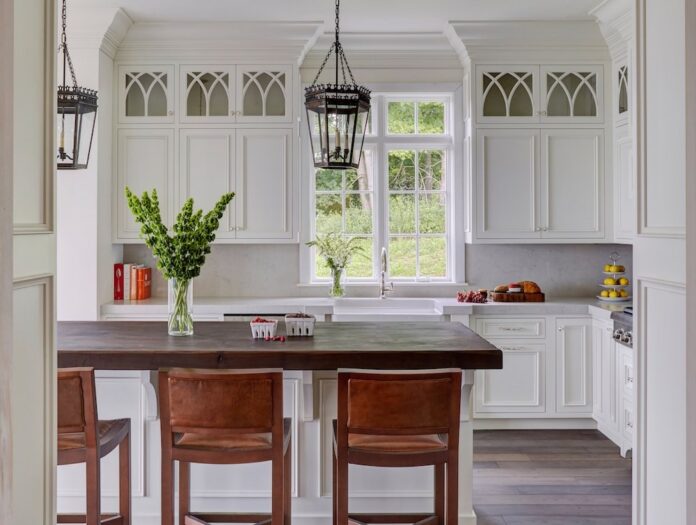
New trends come and go all the time. But if you’re a classicist, investing in a traditional kitchen with optimal function is a no-brainer. This elegant aesthetic may look simple to achieve, but the design team at Hardwood Interiors & Design carefully considered each element.
This 5,300-square-foot French Normandy-style manor located in the peaceful, gated community of Miramichi in Morgantown, WV. It features a custom-built gourmet kitchen with quartz countertops, a walnut top island, inset cabinetry, and a spacious butler’s pantry. The latter moved into the hallway during the design phase to make a more functional kitchen wall. “We wanted something fresh, timeless, aesthetically beautiful, in keeping with the style of the home, and a very functional chef’s kitchen,” says Hardwood Interiors & Design showroom manager, Michele Messenger.
Hardwood Interiors & Design Envisions A Kitchen with a View
The team chose white cabinets, which is a style that’s here to stay. “They are timeless for sure and can look great for years,” Messenger says. “How the cabinetry is accessorized with knobs [or] pulls can influence the overall look as well as the countertop chosen, tile backsplash, and decorative lighting.”
She advises clients to not necessarily follow a trend, but to make their kitchen timeless so they can enjoy it forever. “A good example of something dating a house would be avocado green or harvest gold appliances. They were beautiful and ’in’ in the ‘70s, but in the ‘90s. But it definitely dated the space and hurt the resale.”
Hardwood built the French estate-inspired home on speculation and provided all of the wood products for custom cabinetry and millwork. This included the walnut island countertop, white oak wide plank floors, custom mahogany front door, wood beams, trim, and custom inset cabinetry. All were fabricated by its sister company, WoodArtisan Custom Cabinetry.
The cabinets extend all the way to the 10-foot ceilings and feature mullion doors, which elevate the look, as do the full quartz backsplash and Thermador appliances. While some kitchen designers might shy away from white kitchens, the Hardwood Design team makes a very compelling case for how classic and enduring they can be.
Story by Andrea Stehle Appliances sourced by Don’s Appliances Design by Hardwood Interiors & Design Appliances by Don’s Appliances Photography by Dave Bryce
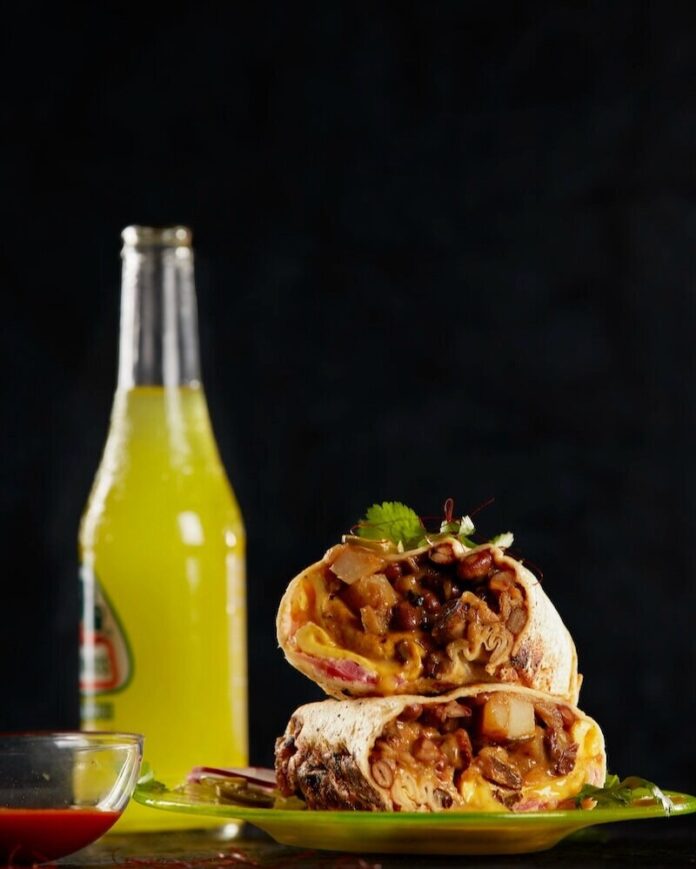
Let’s say it’s 9 a.m. on a Saturday. Friday night happy hour turned into bar hopping, and you had one too many cocktails. You need food, something hearty enough to cut through the effects of that extra drink. Cue the breakfast burrito. It’s hard to deny the appeal of a breakfast burrito. Beyond curing hangovers, they’re an easy, portable choice for a nutritious breakfast on the go. Running late? A breakfast burrito can travel with you. Almost missed the bus? Give your little ones a burrito for the ride.
According to Chowhound, the breakfast burrito is almost certainly an American creation. Some believe the breakfast wrap originated in New Mexico around the 1970s, evoking out of a burrito boom that began as early as the 1950s); others think it was born out of Austin, Texas, an area with a long affinity for breakfast tacos.
Whatever the origin story, we’re just happy breakfast burritos have remained a staple on menus across the country. Get a taste of what Pittsburgh has to offer! Whether you’re settling in for a Sunday brunch, ordering between meetings, or reviving yourself from a night out, your perfect breakfast burrito is on this list.
This newcomer to Shadyside has a delightful (and affordable) brunch special that lets you nurse your hangover in black beans, cheese, and pernil. When it’s warm out, the outdoor seating is a great way to enjoy a midday
Vegan and vegetarian burritos make the menu at Square Cafe, East Liberty’s beloved breakfast and lunch spot. A flour tortilla is stacked with eggs (or an egg substitute in the vegan version), onions, peppers, mushrooms, and cheese, with salsa and sour cream on the side. Add a kick to your meal by pairing with the restaurant’s signature spicy, cayenne-studded Mexicocoa latte.
The breakfast burrito at fast-casual Mexican-style eatery El Burro takes a Pittsburgh spin. Instead of hashbrowns, the wrap sports the regional classic: French fries. Find the fries wrapped up with eggs, cheese, and pico to make a simple, hearty breakfast. Grab your burrito to-go and weekend-brunch-it-up with this Carrot Bloody Mary.
The burrito at La Palapa is packed full: scrambled eggs, ham, bacon, cheese, rice, beans, pico de gallo, and sour cream take up the tortilla, which is finished off with green salsa and mole. Stop by the South Side restaurant for a full menu of brunch eats – we recommend ordering the burrito and the chilaquiles!
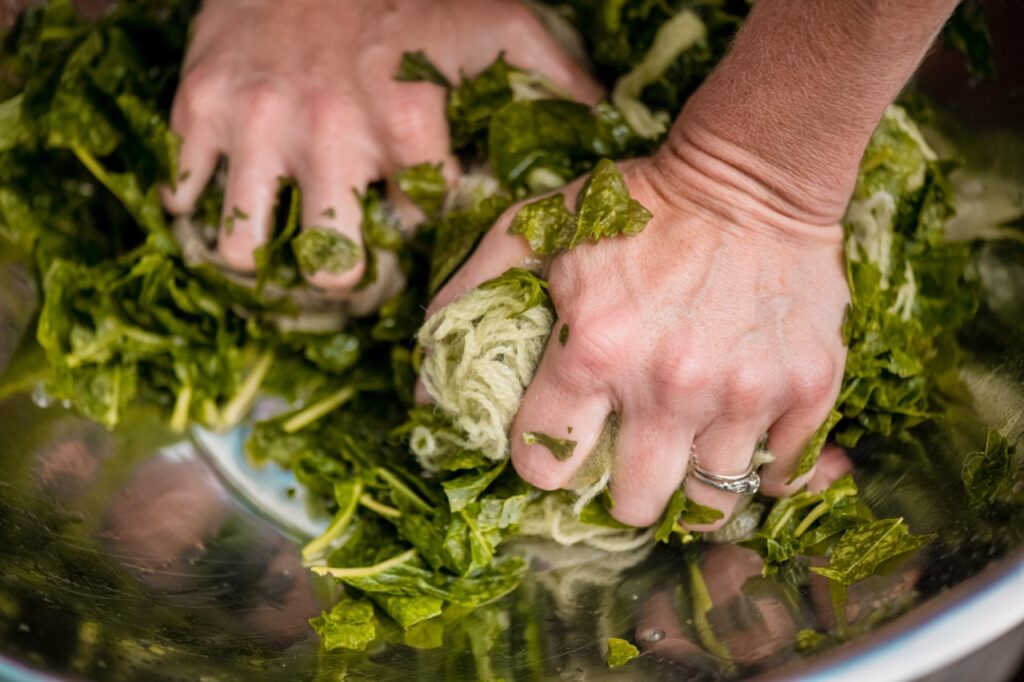
Stefanie Zito preparing dye plants she's grown in her garden.
You could say that Pittsburgh artist Stefanie Zito’s work is multidisciplinary, but that would be an understatement. She grows her own natural dye plants as a certified permaculture designer. She dyes her own fiber and fashions it into three-dimensional weavings.
Pittsburgh Artist Stefanie Zito Showcases Natural Dyes
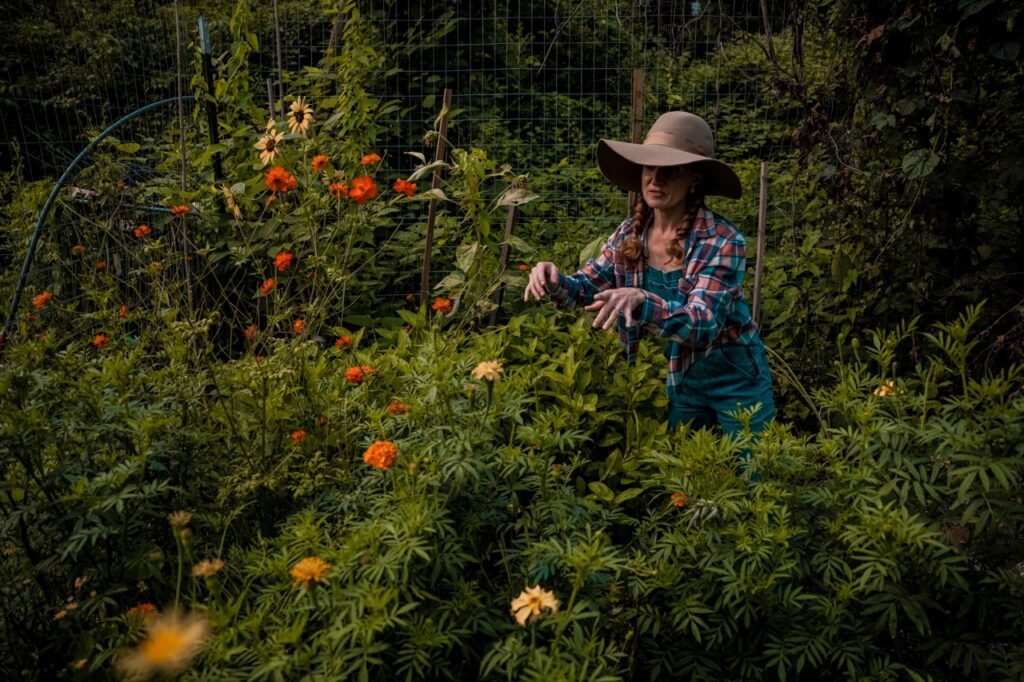
Stefanie tending to dyer’s cosmo and marigolds, which make natural dye shades of yellow and orange.
Two things stand out from my interviews with mixed media artist Stefanie Zito. First, she returns constantly to themes of time and place. Time becomes an essential element in the very construction of her structures, weavings, paintings and performances, while place is expressed in the origin of dye materials as well as the final appearance of every piece.
As we talk, she refers to time over and over again: the passing of time, savoring time, limited time, ephemeral time, the arc of time, the allotment of time, all merging with the idea of place where one can build a foundation of permanence. Roots. If home could be a study, a place-based deep-dive into self-change, then it is here in Pittsburgh that Stefanie is getting to the core of what she wants to say as an artist.
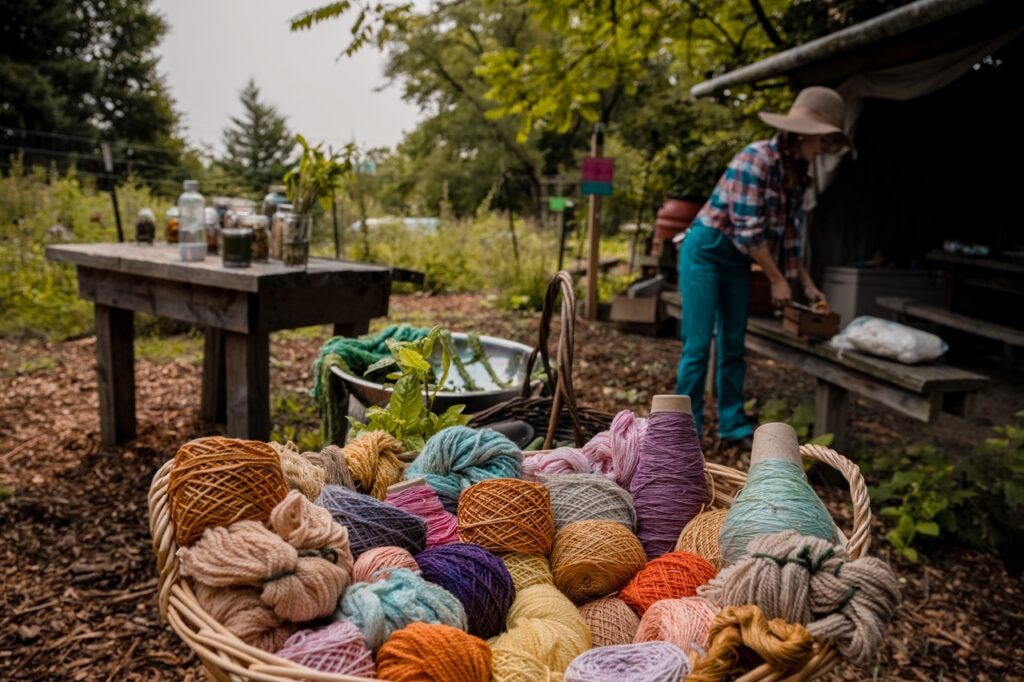
A basket of Stefanie’s naturally dyed yarns.
How Stefanie Got Her Eco Start
To move forward with this story, it’s important to step back for some context on the artist. Born in Chicago, Stefanie moved around the world her whole life, led by her dad who worked for a company that had international partnerships. With no real hometown to call her own, Pennsylvania has inherently been part of her DNA: her dad’s family also hails from the western part of the state. When she first landed in Pittsburgh, she wasn’t thinking she would stay. Five years being the most she usually spends in one place. Her time here has lasted much longer, and the clock is still running.
Though she is grateful for her eclectic upbringing and seeing much of Europe for half of her childhood, the constant uprooting trained her to constantly let go. “I didn’t even have house plants,” she says of the fear of keeping something sustained.
Stefanie at work with raw indigo.
This seems incredibly ironic to find her today thriving as a certified permaculture designer who grows dye plants for her three-dimensional weavings at Garfield Community Farm. Over the past decade Garfield Community Farm has been restoring nearly three acres of abandoned and degraded urban land to become one of Pittsburgh’s most productive and active urban farms. “I have been connected with the farm with varying degrees of involvement since the very beginning when it was merely a seed of an idea, if you will,” she says smiling.
Using the Fruits of the Earth
In the summer, she harvests several go-tos for natural dyers: orange from marigolds, cosmos, and coreopsis for oranges; Dyer’s Chamomile and weld for yellows; black hollyhock, black knight scabiosa, Hopi sunflower, and indigo for blues and purples. “Next year I am adding madder root as the farm confirmed they’d be happy to host a plant with a longer time investment,” she says, adding that color-filled food scraps like onion and avocado are also part of her natural dye arsenal.
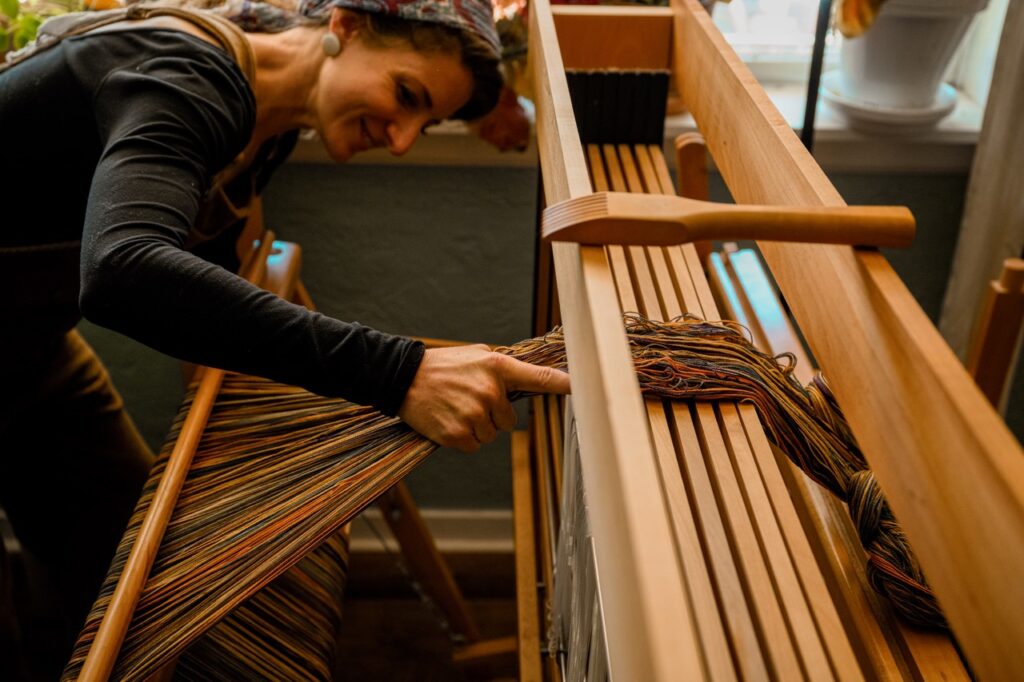
Preparing a loom with naturally dyed yarns.
“The dye plants I am growing at the farm have so many colors that add depth to my weaving,” she says. “I have long had this feeling something big is coming through my art from the permaculture work I’ve been doing, and I really want to capture it in a weaving.”
Fashioning Dyes Into an Sculpture
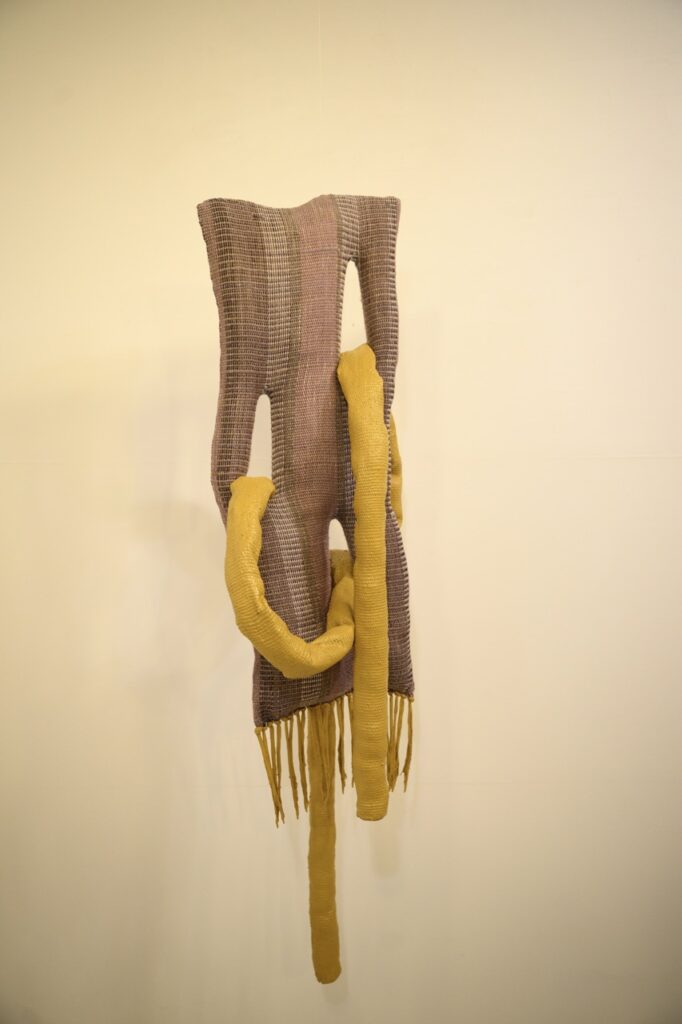
Much of her current work takes shape as fiber sculptures with titles highlighting moments in time like Between Mysteries, Life is Wide, Situated, and Interval. The sculptures are constructed on her loom with a double weave technique, a process involving weaving two layers simultaneously, with the layers frequently exchanging positions to create patterns. “Weaving this way, I can push, shape, and manipulate form through the continuous cloth,” she says of her method of interweaving the threads and how that pressure affects the characteristics of the final piece.
A woven sculpture by Stefanie Zito.
When not weaving and using found or repurposed material, she is layering the cast-off pieces into her work. Her quest? To see how things relate and to work with elements of order and chaos. “I want my art to represent the cycles of life and the fading and passing of people and time,” she says.
Gifting Old Materials a New Life
Stefanie says art has always been a constant in her life. “I have had so much change in my life, so there have always been inconsistencies. Art was always what was available,” she says, adding that even her mom intuitively always knew to ask first before throwing something out. “She’d say, ‘I’m throwing out boxes, do you want to make something?’”
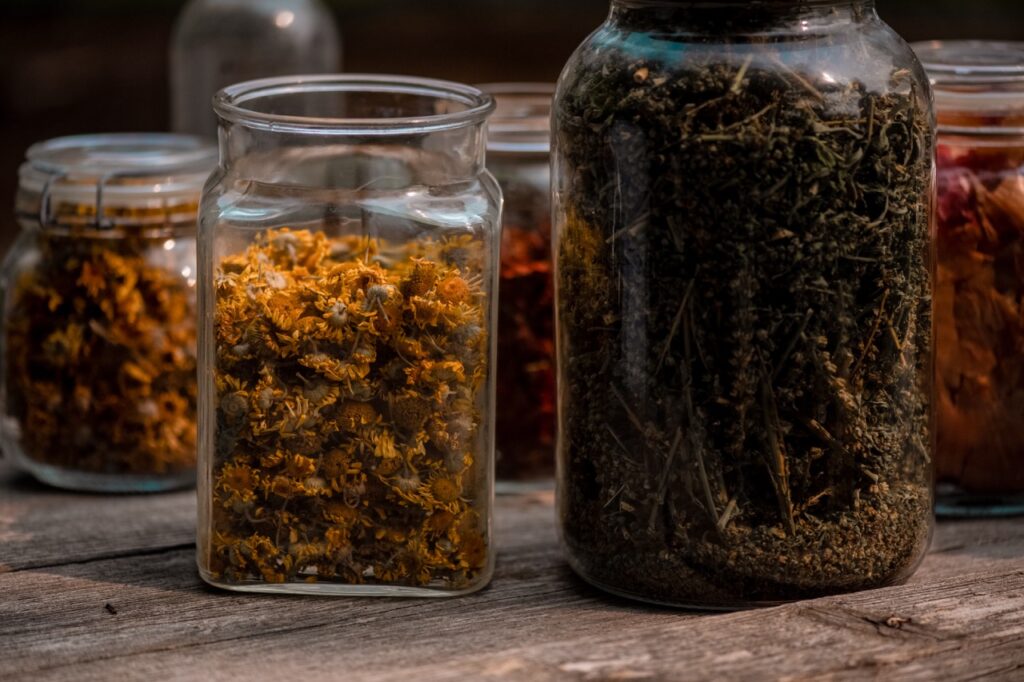
Natural dyestuffs waiting to be deployed.
As a mixed media artist who continues to draw inspiration from ecology, Stefanie also weaves themes of relationships linking her art to her physical surroundings. On her website she says her work is “materials-led, exploring ideas of home and the substance of time,” utilizing slow and traditional domestic practices like spinning, stitching, cooking, gardening, and weaving, deconstructing and reimagining both natural and commonly discarded materials, exploring what it means to inhabit space and cultivate growth. “I think if we could all get to a place of observing and then interacting, we’d be more sensitive to our impact on the planet and each other,” she says.
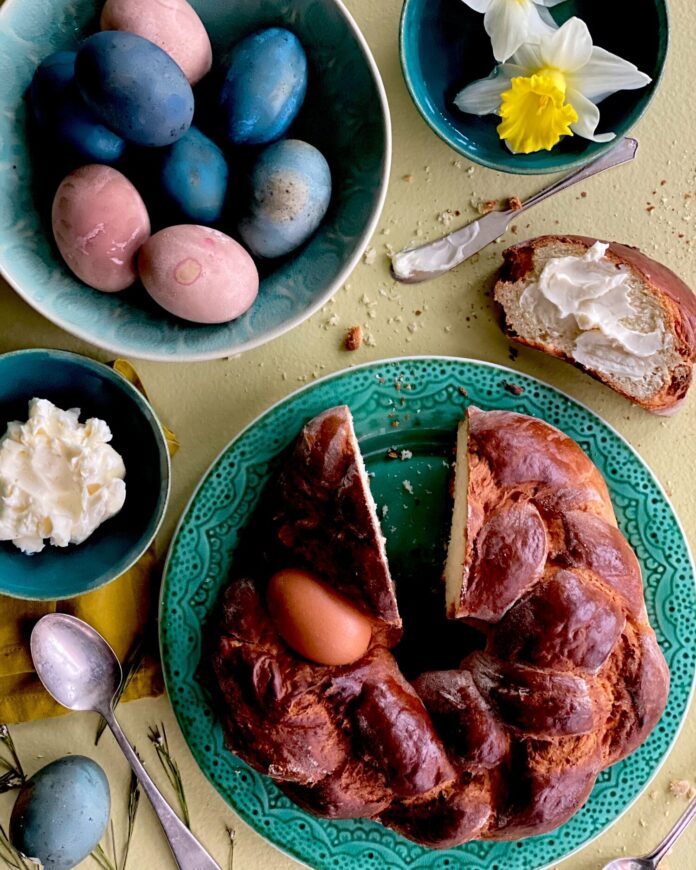
Like many European countries, Italy has its own take on a sweet, aromatic Easter bread: Pane de Pasqua.
Though similar in texture to Panettone, a traditional Christmas bread, Pane de Pasqua does not contain candied fruit or nuts. The loaves of brioche-style bread are often braided into a crown and topped with an egg, icing, and sprinkles.
The origins of this traditional Italian Easter bread are muddy, but one thing’s certain: for many, Easter wouldn’t be complete without this sweet dessert. Add this Italian Easter Bread to your holiday spread this year using this recipe from the late Larry Lagatutta, founder of longstanding Italian bakery and cafe Enrico Biscotti Co. in the Strip District.
What is Fresh Yeast in Our Italian Easter Bread?
Fresh yeast is what you’ll commonly see bakers using in recipes like this. It comes in a compressed block which retains around 70% moisture. Moisture makes a big impact in fermentation. You’ll find this type of yeast to be almost crumbly and also have a stronger smell than other kinds of yeast. Since this yeast is fresh it does not last forever. In fact, the shelf life is about two weeks. You’ll want to check your local specialty markets for availability, though some grocery stores can carry it as well.
1 oz fresh yeast (or two packets of dried yeast mixed with 1/4 cup warm water and 1 tsp sugar, then allowed to rest for 5 minutes)
4 oz fat (lard, Crisco, margarine, butter, or butter blend)
1 cup sugar
3 eggs
4 oz hot water ( 1 cup)
5 cup flour
Egg (optional)
Instructions
Cream together yeast, fat, and sugar. Then, add the remaining ingredients and mix until the dough is stringy (about five minutes). Cover with plastic wrap and let sit for about an hour, until it triples in size.
Turn the dough out onto a well-floured board. Divide into three pieces, and push them into three rectangles. Roll and pinch each rectangle into a log, then braid the three logs together. Place an egg into the dough if desired.
Bake at 350 for one hour. You can check by tapping the bottom of the loaf or by inserting a knife into the bottom of the loaf. It will come out clean when ready.
Recipe by Larry Lagatutta Story by Maggie Weaver Photography by Keith Recker
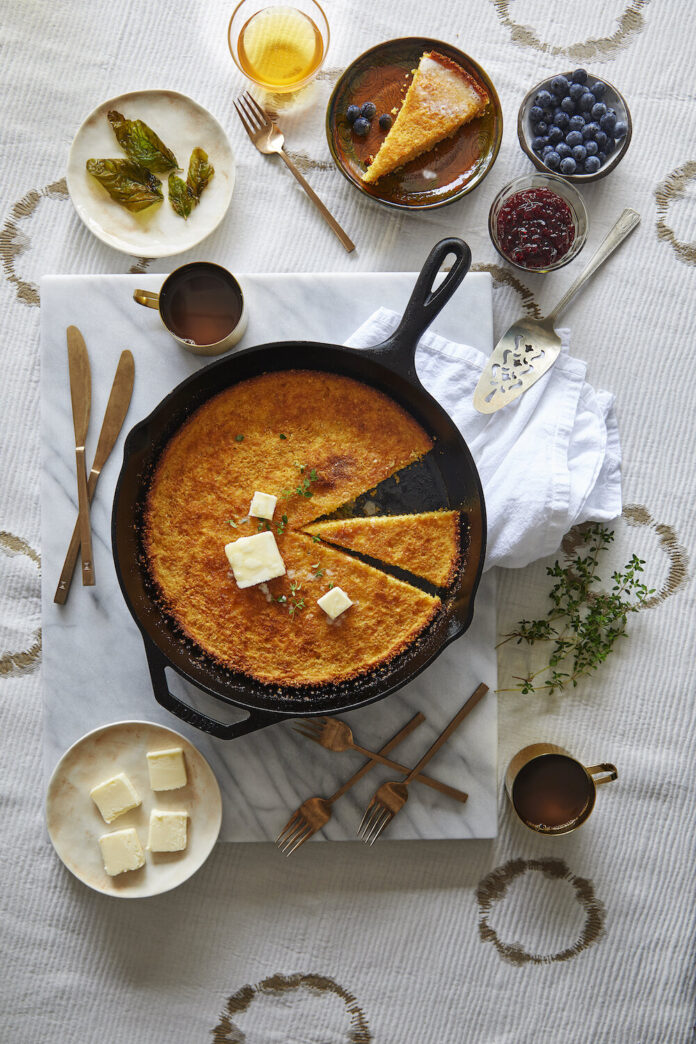
Indulge in a taste of award-winning tradition with Weatherbury Farm’s Buttermilk Cornbread. This recipe uses a consistent prize-winner at the Washington County Fair, their Wapsie Valley Open Pollinated Cornmeal and pastry flour. The result is a moist, flavorful cornbread with a delicate crumb and a touch of sweetness. It’s perfect for pairing with your favorite Southern dishes or enjoying as a comforting snack when you slather it with butter.
What Makes Weatherbury Farm’s Cornmeal and Pastry Flour so Special?
Weatherbury Farm grows its own grains, and in the case of their cornmeal, they use Wapsie Valley Corn, an open-pollinated heirloom corn variety. Heirloom varieties are often prized for their unique flavors and excellent textures. Weatherbury Farm also uses stone mills. Stone-milling grinds the grains more slowly and at a lower temperature to preserve more of the grain’s natural nutrients. Not to mention, all of this is with organic processes which means their grains are grown without the use of synthetic pesticides, herbicides, and fertilizers.
Preheat oven to 375. Grease 8” square pan or cast-iron skillet.
Melt butter in a large skillet. Remove from heat and stir in sugar. Quickly add eggs and beat until well blended. Combine buttermilk with baking soda and stir into mixture in pan. Stir in cornmeal, flour, and salt until blended and a few lumps remain. Pour batter into prepared pan.
Bake in preheated oven for 30 to 40 minutes or until a toothpick inserted into the center comes out clean.
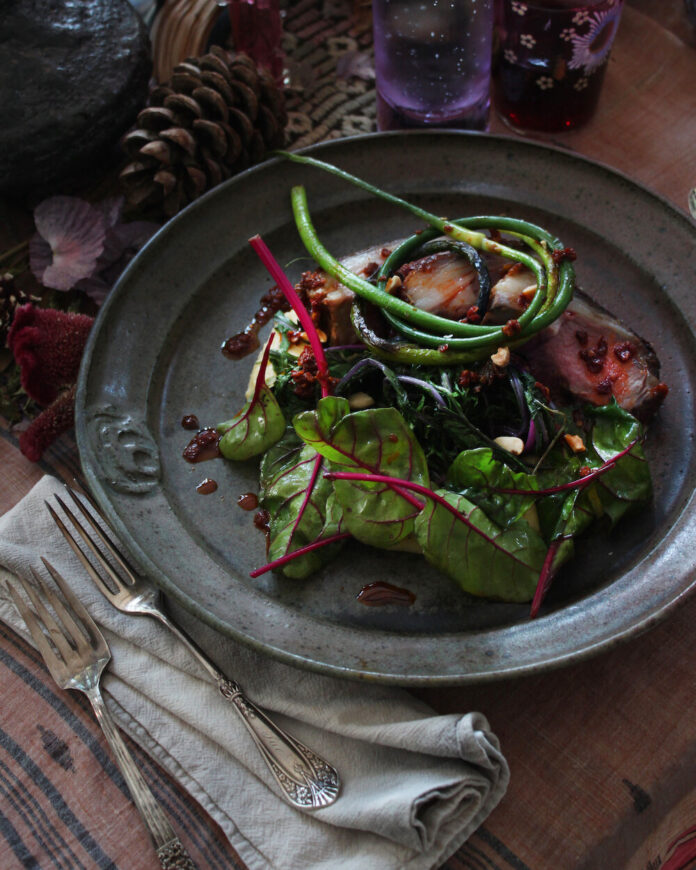
This slow-cooked Lamb Rendang from The Aviary Kinderhook is fork-tender, rich with coconut milk made buttery and smooth in the process, and infused with the indescribably delicious layering of Indonesian flavors. Serve it with sides of sautéed greens and creamy polenta cooked with coconut milk and a bit of salt, and dressed with Indonesian sambal oelek, a ground chili sauce available at many grocers.
How Lamb Rendang Relates to Wine
Rendang is the sort of dish that unfolds as you eat it, inspiring a second helping, another sip of wine, and a long conversation with friends. We open a light but earthy 2019 Beaujolais Château de Fleurie, which plays beautifully with the burnished flavors of the Lamb Rendang.
A bit of coconut milk makes this slow-cooked lamb undeniably buttery.
Ingredients
Scale
2.5–3 whole rack of lamb ribs
3 tbsp canola oil, divided
Kosher salt
Freshly ground black pepper
6 small shallots, peeled and sliced
6 garlic cloves, peeled and sliced
4 oz. fresh red chilies (such as fresnos, red jalapenos, bird’s eye chilies)
1–3” knob fresh ginger, peeled and sliced
3 stalks lemongrass, tender white parts only, smashed
2 tsp ground coriander
1 tsp ground cumin
2 tsp ground turmeric
½ tsp ground cardamom
1 tbsp palm sugar, or more to taste
3 makrut lime leaves
1 cinnamon stick
1 can full-fat coconut milk
1 tbsp tamarind juice
Instructions
To make the rendang paste, process shallots, garlic, chilies, ginger, and lemongrass until finely minced.
In a medium saute pan over med-low heat, add 1 tbsp canola oil and add aromatic paste, spices, palm sugar, lime leaves, and cinnamon.
Cook the spice paste for about 1 hour, stirring occasionally and allowing it to maintain a gentle sizzle as it deepens in color.
Whenever the spice paste starts sticking to the bottom of the pan, add coconut milk a few tablespoons at a time to help dislodge the fond and continue stirring (use up all the coconut milk).
By the end, the rendang paste should be deep brown in color and the coconut oil should have separated from the solids.
Add tamarind juice. Allow paste to cool to room temp before using, or store in the fridge for up to 1 week.
Season lamb rack with kosher salt and black pepper. Heat a large cast iron pan or dutch oven on medium-high and add 2 tbsp canola oil.
When oil just starts to smoke, place lamb rack fat side down in the pan. Turn heat down to med-low and allow fat to render and brown without burning, adjusting heat as necessary (at least 10-15 mins).
Once the fat has rendered, sear the remaining sides until deeply browned.
Remove rack from pan and place onto a sheet tray (cool and save lamb fat for another use). Coat rack generously in rendang paste, and roast at 350F for 15 minutes or until a thermometer probe inside reads 125F.
Rest for 10 minutes before slicing. Serve over coconut milk polenta or jasmine rice, simply prepared vegetables (such as garlic scapes, spring onions, swiss chard), and plenty of sambal.
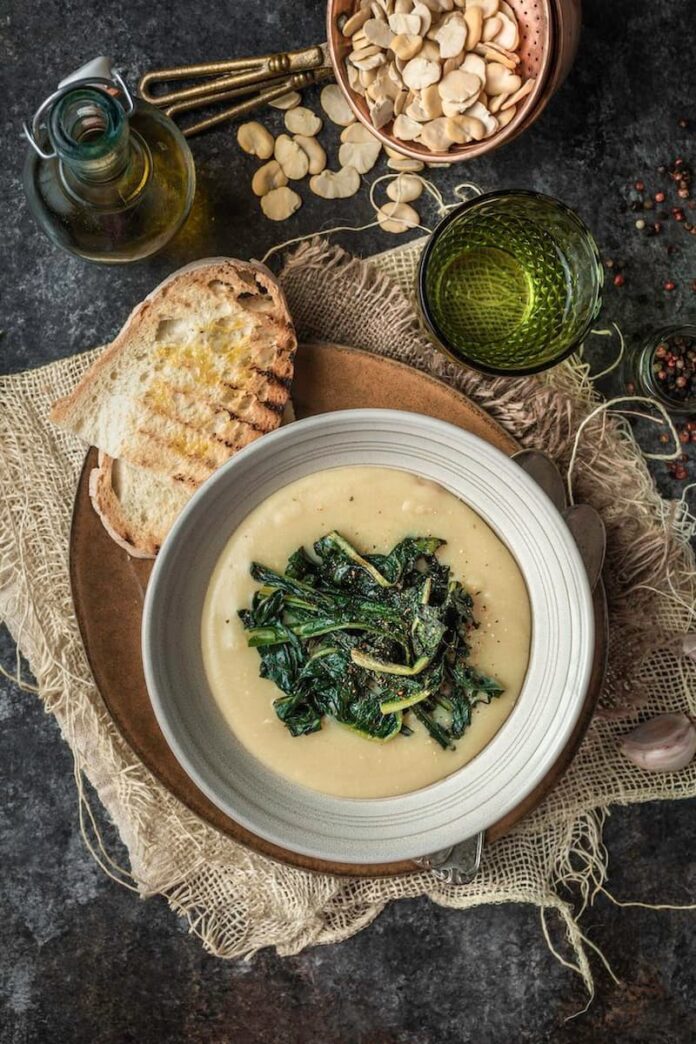
Fava Bean Puree with Sautéed Chicory is simple food at its best. Using ingredients that are typically bountiful in rural settings, it still pleases the stomach and the palate. By combining the sweetness of fava bean with the bitter taste of chicory, the dish appeals to the most sophisticated palates. Try serving it alongside a piece of crusty bread so you can sop up every last drop of goodness.
All About Fava Bean Puree with Sautéed Chicory
Fave e cicoria, meaning Fava Bean Puree with Sautéed Chicory, is a traditional peasant dish from the southern region of Apulia. It uses two humble ingredients that were and still are quite cheap, and using very basic cooking techniques. The dish is also known as macco Pugliese, where macco is a traditional dried fava bean soup from Agrigento, Sicily, which is served paired with different kind of greens depending on the region: chard in Sicily, chicory in Apulia.
Soak fava beans overnight, drain and then place them in a large pot along with potato, onion, carrots, celery, bay leaves and 1 whole garlic clove.
Add enough water to cover the beans and the vegetables by at least 2 inches. Bring to boil, then reduce the heat to simmer and cook, covered, for about an hour, until beans are smashed and tender, adding more water if needed and removing the foam when necessary. Season with salt and then cook for another 2 to 3 minutes to blend the flavor.
Remove onion, carrots, celery and bay leaves, then beat the potato and fava bean mixture with a wooden spoon until smooth, or use a hand immersion blender. Set aside (cooling off, the fava bean puree will thicken quite a bit; if you need to reheat it before serving, add few tablespoons of water).
Trim the chicory and cut it into 2 to 3 inch pieces. Bring a large pot of salted water to a boil, then add the greens and cook until they are soft, about 15 to 20 minutes.
Drain well, squeezing out as much liquid as possible.
Heat the extra-virgin olive in a large pan with the remaining garlic clove and the red pepper flakes. Cook for a minute or two, then add the greens, toss and sauté for a minute or two.
Serve a scoop of fava puree on each plate topped with a spoonful of the sautéed greens. Drizzle with a little extra-virgin olive oil, and sprinkle with cracked black pepper.
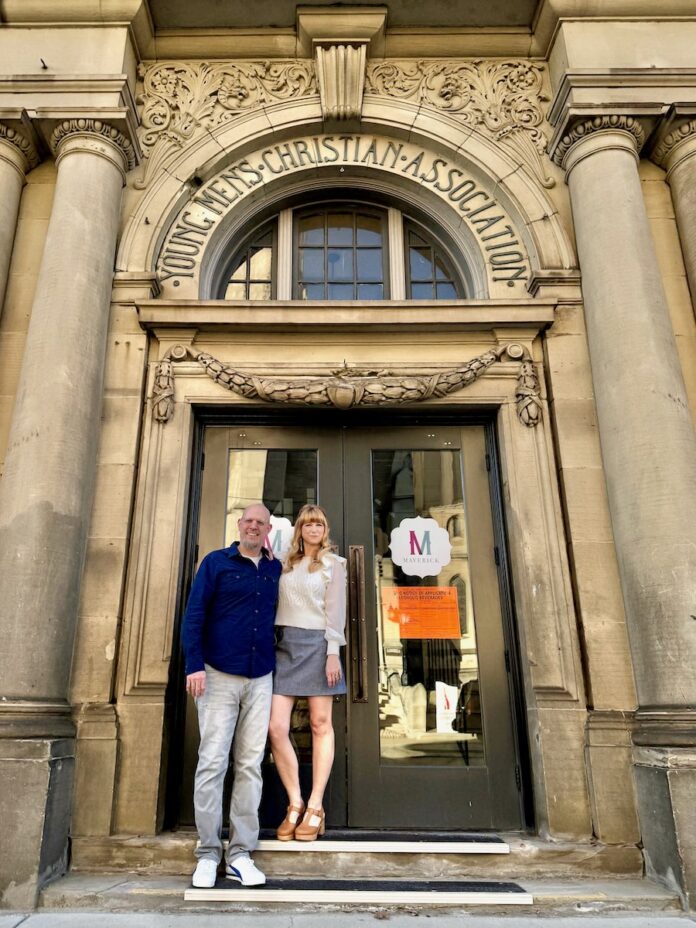
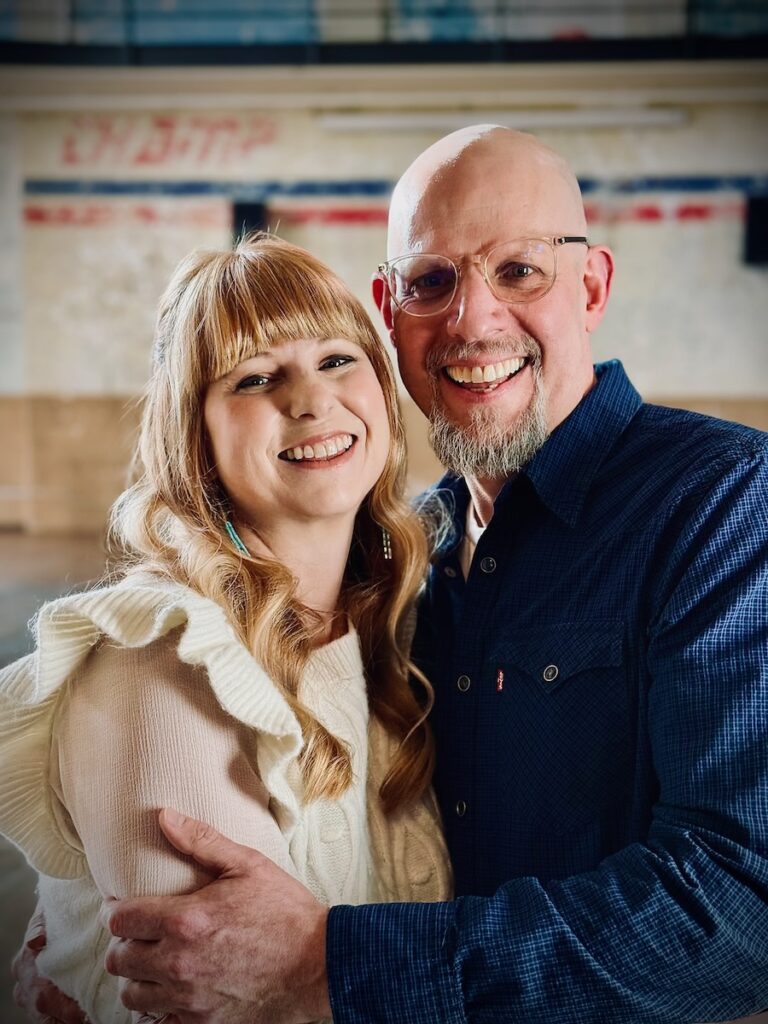
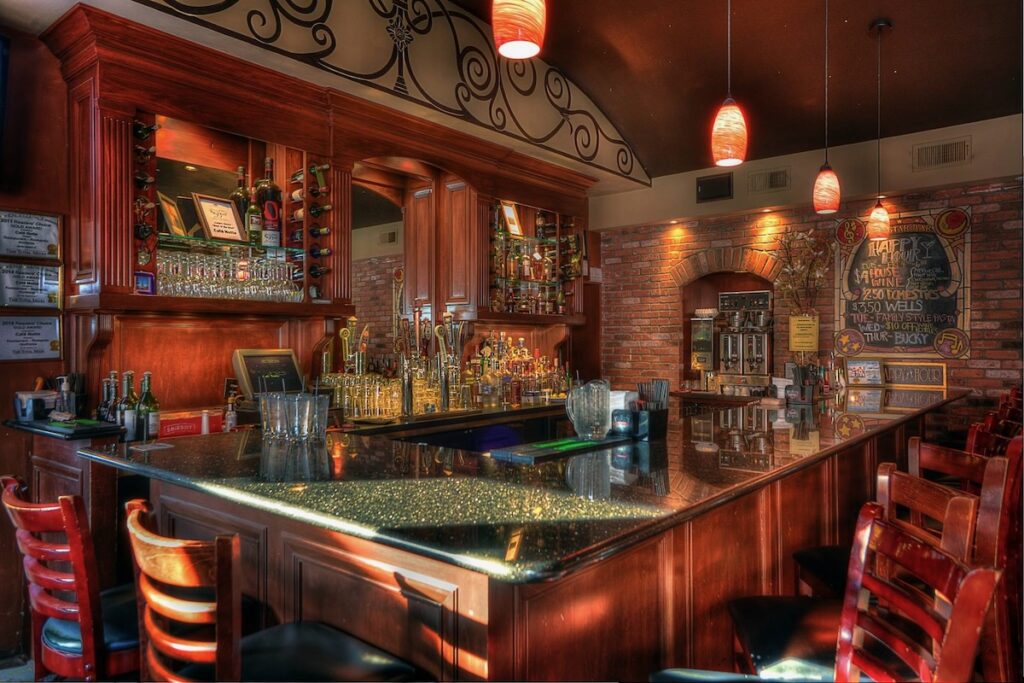
In a world with so much bad news, the Pittsburgh restaurant scene has some good news: A new bar lounge is opening in the former Ace Hotel space in East Liberty. Danielle Cain and Rob Hirst, two restaurant industry veterans, are opening Hey Babe in early summer. Even its name is a pop of affection that can cut through even the toughest moment. “’Hey babe’ is what we always say to each other,” Cain explained—she and Hirst are life partners as well as business partners. Just as some people pick out potential band names, Cain and Hirst imagined different phrases as potential restaurant names. Hey Babe felt like just the right thing. They describe it as “a term of endearment, the beginning of a conversation, and now a new throwback…”
Hey Babe Brings a New Cocktail Lounge to an Old Favorite
Chef Bethany Zozula’s Whitfield previously occupied the Ace Hotel’s restaurant space. Then, the COVID-19 pandemic shut the hotel and restaurant down, leaving what Cain calls “a hole in the community.” While a new hotel, The Maverick, has set up shop there, the restaurant has remained empty. On the surrounding streets, businesses like Margaux and Kelly’s are thriving, but there’s a gap in late-night bar service and restaurant-bar-lounge type places where you can really relax in for a night out.
Fortunately, that’s Cain and Hirst’s specialty. “We like to create our own dining experience and focus on sharing plates,” Hirst said. Hey Babe will have a variety of dish sizes with an emphasis on shareability and an accessible but chic wine list and cocktail menu. “We’re not going to take reservations. It’s going to be very accessible to just come hang out with friends,” Hirst described.
Danielle Cain and Rob Hirst. Courtesy of Hey Babe.
A Restaurant Industry Love Story
The couple met when Hirst was working behind the bar at Mad Mex Oakland, where big Burrito Restaurant Group employees—including Cain—went on Monday nights for the 50% off staff special. They struck up a friendship, and years later fell in love. Between the two of them, they’ve worked at almost every position in Kaya, Soba, Eleven, and Sienna Mercato, from line cook to executive chef (which Cain was) and bartender to designing Sienna Mercato’s bar (which Hirst did).
Together, they’ve built up both their careers and their life together, including their college-aged daughter. Now that the nest is empty, they joked that Hey Babe is their “new baby.” It’s a labor of love, involving a re-design of the space that still honors its original layout. Another example of the way a new restaurant can work with, not against, the architecture and legacy of a beloved local classic is Fet-Fisk in the former Lombardozzi’s. Though Pittsburghers are sometimes characterized as resistant to change, a nicer way to look at it is that in this city, what came before matters. What used to be somewhere is part of what it is.
A Lounge for Everyone
But Hey Babe will establish its own identity through its menu and its vibe. Hirst is one of the reasons Pittsburgh has a craft cocktail scene at all, since as president of the Pittsburgh chapter of the United States Bartenders Guild in 2013-2018, he helped provide free training for beverage professionals in the city to learn new drinks. “We want to have a nice balance at the bar,” Hirst said. “And we also will have a lot of NA drinks, since it’s important to have zero or low-alcohol drinks available. You should be able to enjoy the company of others and not drink.”
Hey Babe has a tentative opening timeframe for late May or early June 2025, but in the meantime, the buzz is building on social media. Many are happy to see a new hangout spot in the East End, especially one with so much love poured into it. Cain said: “We’re just really honored that we get to do this.”
Away from the bustle of downtown Pittsburgh, a cluster of charming suburbs flanks the Ohio River. The boroughs of Sewickley, Emsworth, and Bellevue have developed thriving business districts as young Pittsburgh professionals have moved there to start families or to buy their first homes. These Ohio River suburbs are relaxed enough for easy, out of the city living, but also have their share of hip bars, cozy restaurants, and diverse shopping and culture offerings. Businesses have started to realize this area’s potential for growth, and a night out in Sewickley, Ben Avon, or Bellevue provides a lower energy, more hometown alternative to the chaos of the North Shore. Each small town is a little different, but what they share is a combination of upscale and cozy vibes.
Find the Unexpected on a Night Out in Sewickley, Emsworth, and Bellevue
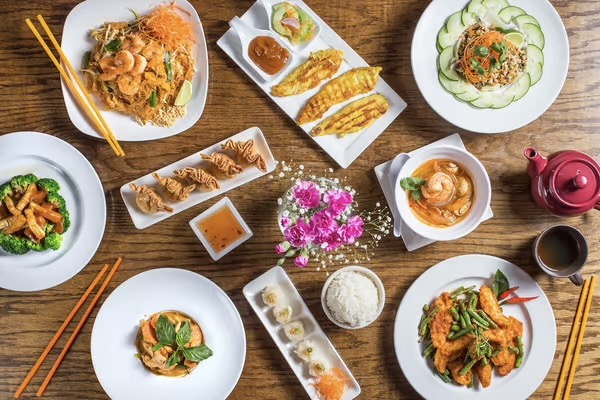
In the heart of Bellevue, this Thai restaurant serves up classics like Pad Thai, Pad See Ew, and green curry, with a friendly staff and a cozy interior. Chef Jaroen learned to cook from his Thai grandmother and says that his goal is to “use the Best ingredients, take time to prepare, and cook each meal with love.”
Casual Italian fare with a fireplace means Caffe Notte is the kind of restaurant you can sit and linger at for a long time, as quaint as the town of Emsworth around it. This is a great place to take an old friend to sit and talk for a while, without the dreaded instance of staff hovering over you to get you to leave during rush hour.
We love Vivo Kitchen so much, we asked Chef Sam DiBattista to share some of his recipes. But while you can make his food at home, Vivo Kitchen’s space is lively and eclectic, well worth making a reservation in advance for a special night out. It manages to be impressive without being intimidating, a great night out spot for someone you want to wow on a night out in Sweickley.
For all the homemade pasta lovers out there, Forma Pasta Café & Market is a must-try. It’s also a woman-owned business, which is always good to support. They describe themselves as “Somewhere Tony Soprano would eat” and host BYOB pasta-making classes that make a great date night or group hang for the pasta-curious.
Where to Drink in Sewickley, Emsworth, and Bellevue
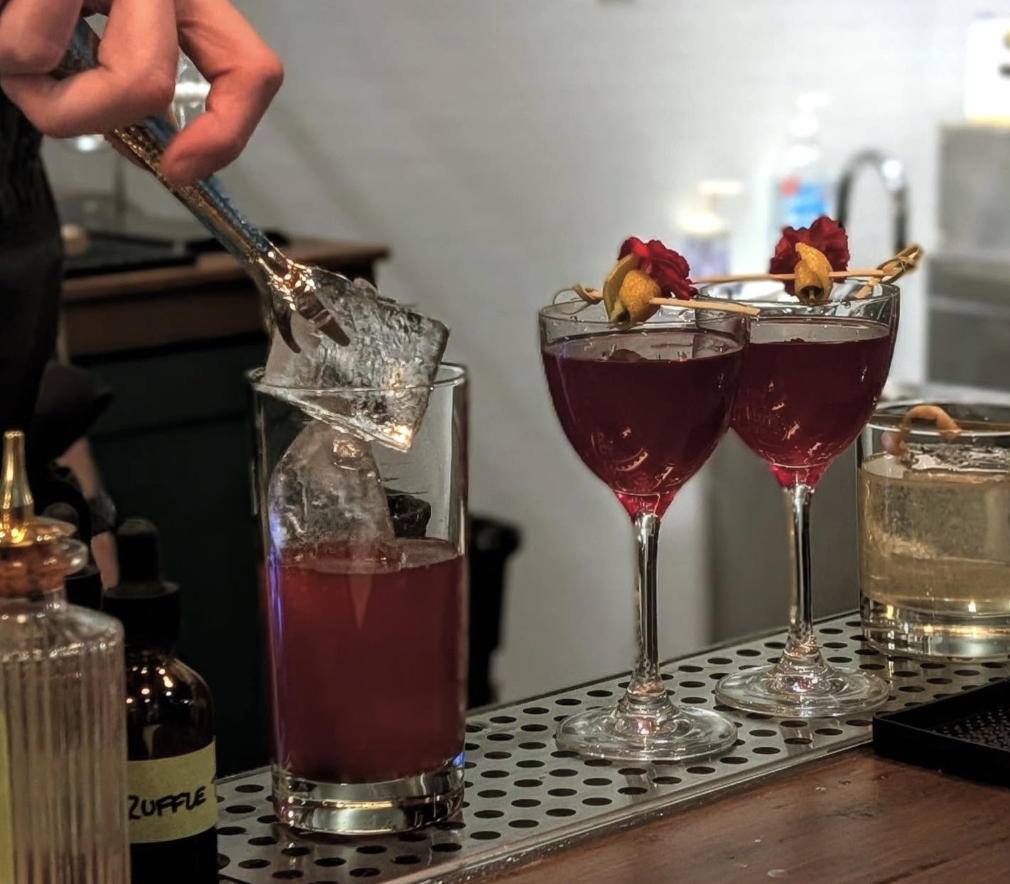
A newcomer as of 2025, Mi Cita (meaning “my date” in Spanish) is making a splash on the main street of Sewickley. This craft cocktail lounge with chef-driven small plates from Julio Peraza is on the upswing, bringing a luxurious but hip vibe to Beaver Street that promises to have more cocktail aficionados flocking to Sewickley.
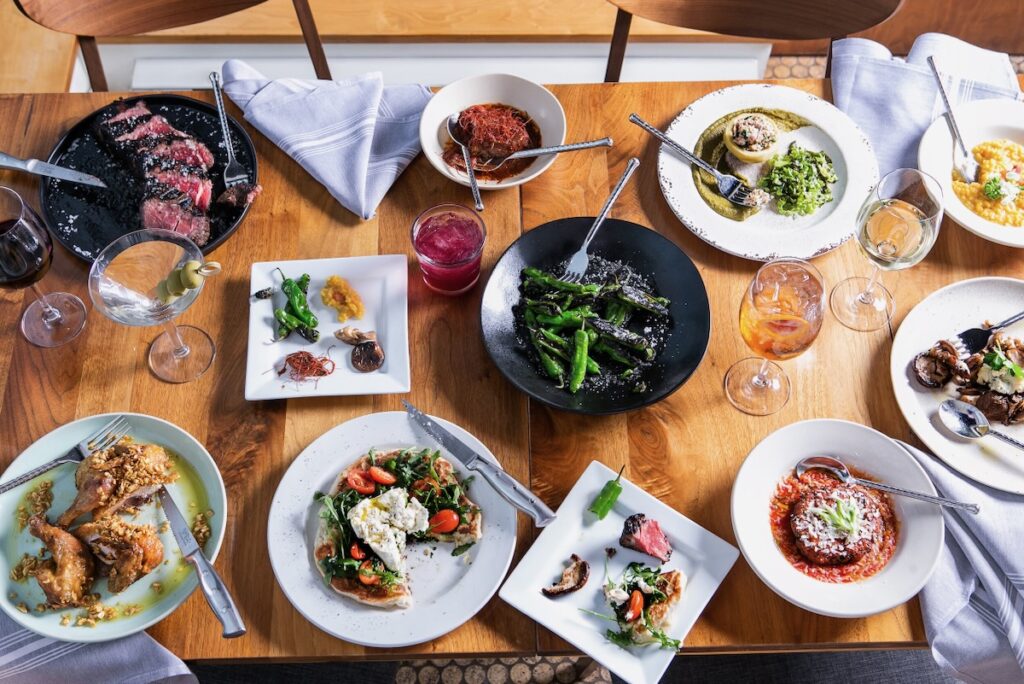
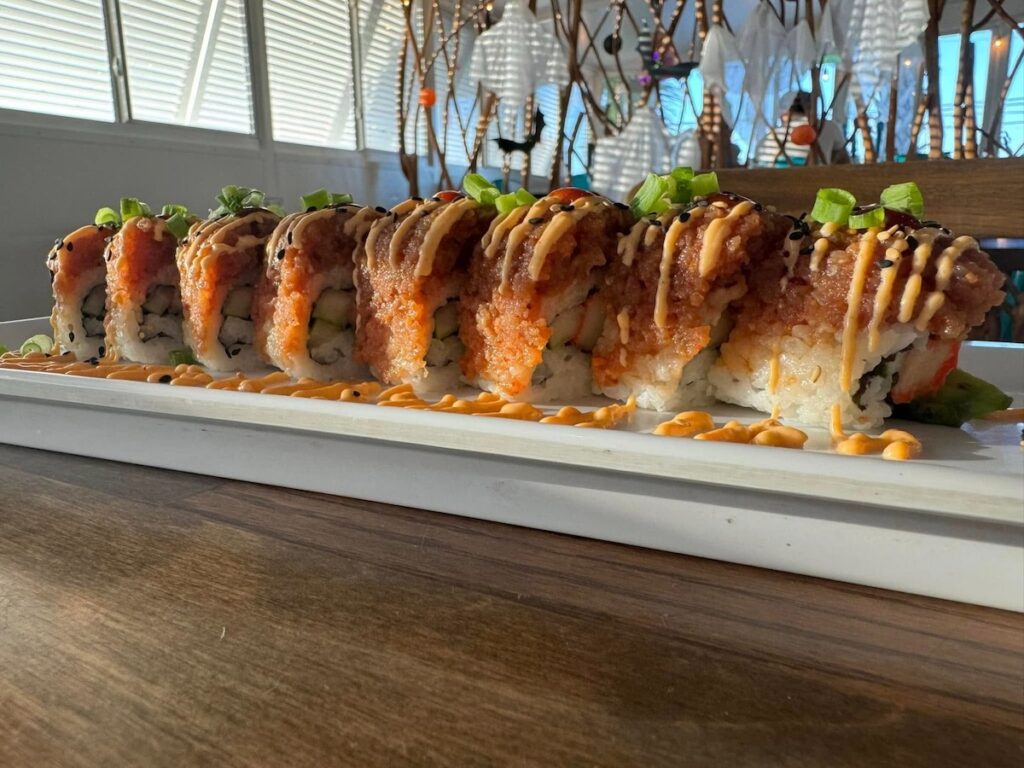
When sushi is good, it’s incredible. The Slippery Mermaid embraces sushi’s chameleonic nature with something for adventurous sushi fans and purists alike. All this is in a tiki lounge style, making it a hopping happy hour spot.
Sunny Jim’s has been providing bar fare to the Ben Avon area for over 80 years, making it a neighborhood staple. Their Saturday “steak and shrimp night” is always a hit and their smoked wings are legendary. They’re no-frills, none of the fuss and all of the quality.
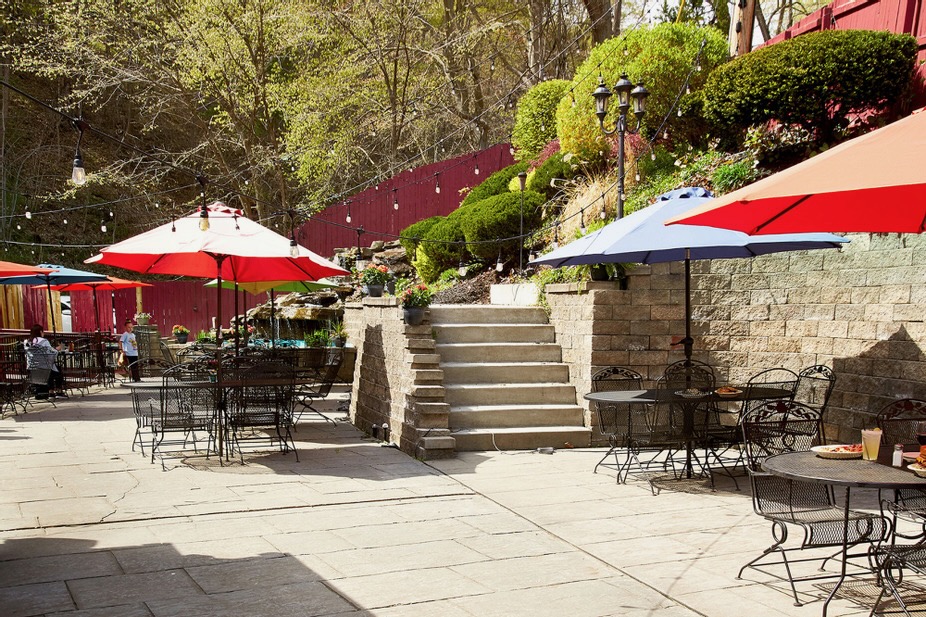
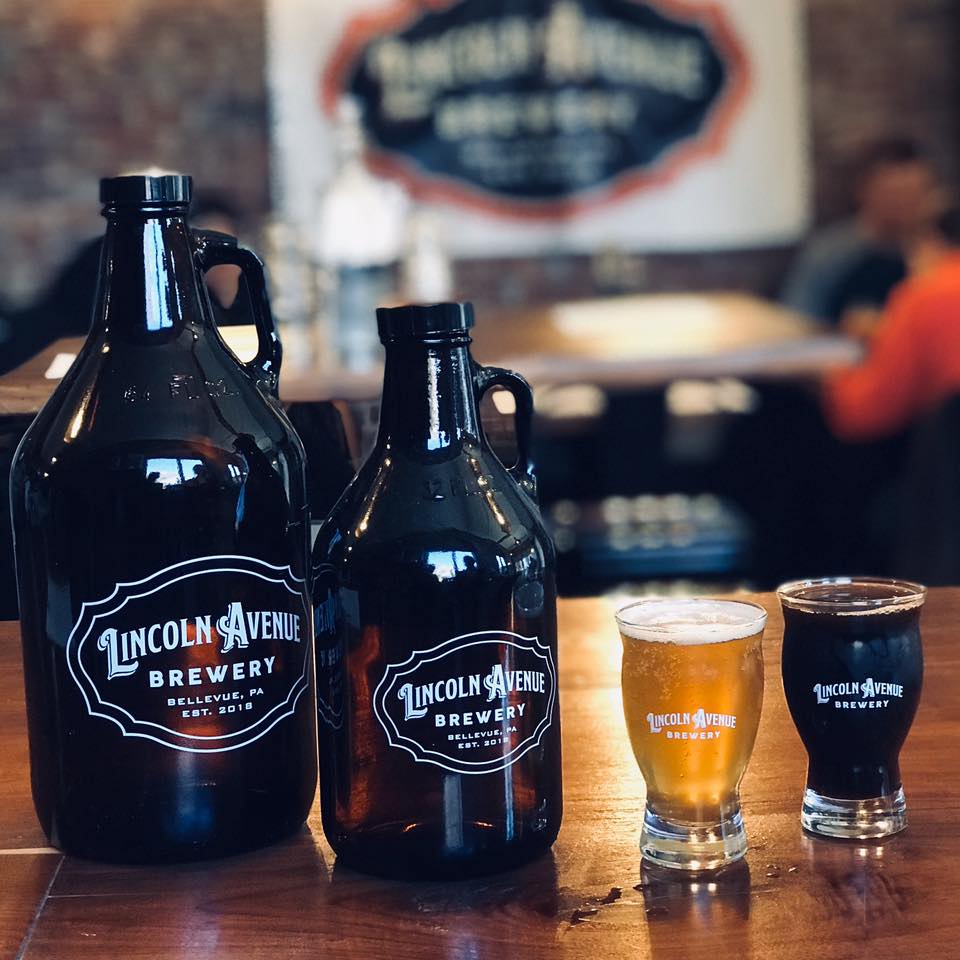
This family-owned brewery and restaurant on Bellevue’s main drag is always packed and vivacious. Though the food is classic bar fare, it’s no dingy dive, with a refreshingly bright interior that looks out onto Lincoln Avenue. Live music also provides an exuberant atmosphere any night of the week.
Shopping & Culturein Sewickley, Emsworth, and Bellevue
Next time you’re looking for a gift for the bookworm in your life, shop local at this indie bookstore in Sewickley. Penguin has been around since 1929—approaching its 100th birthday! They also host a plethora of events with local authors including readings and book launches.
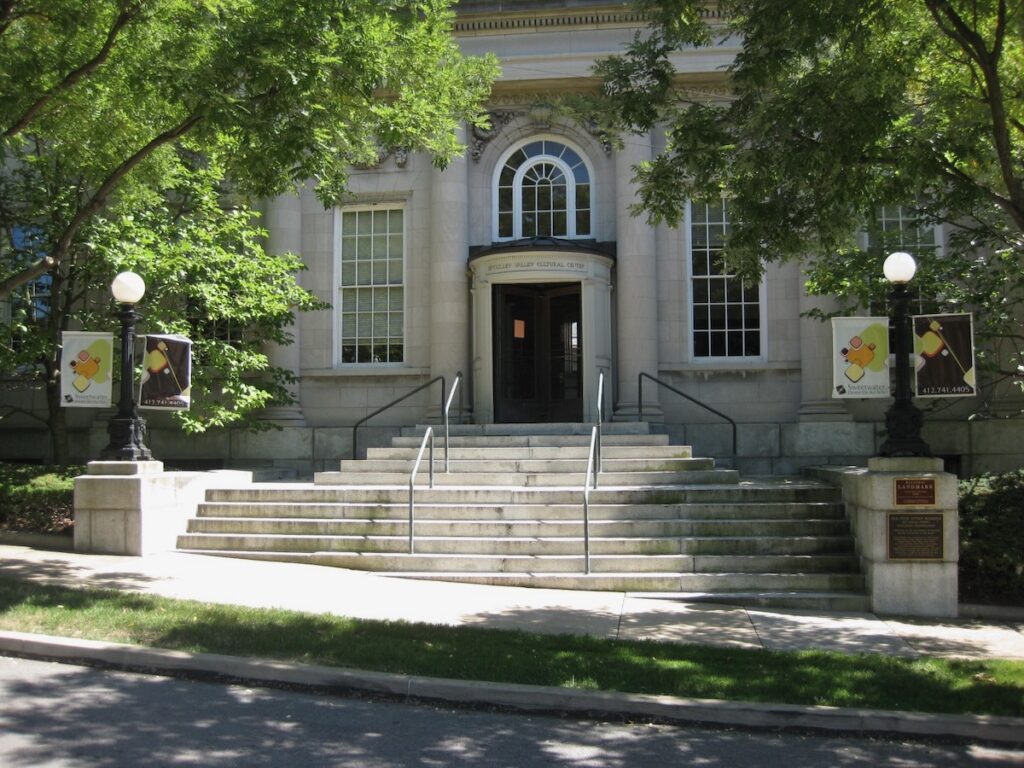
Most of us love to draw as kids but then grow out of it as adults. Organizations like Sweetwater Center for the Arts make sure that kids who love art get to follow their passion and adults who are curious about creativity can explore it. This nonprofit art center offers classes for all ages, visiting and local artist lectures, group and solo exhibitions, and live musical performances.
Mark Rengers began his creative career in architectural drafting and design and cabinet making, but then bought the Sewickley Frame Shop in 1999. From there, he developed it out into a gallery with a rotating program of exhibitions throughout the year.
Every town needs an indie movie theater. In 2011, community members of the Ohio River suburbs realized they didn’t have one, and the Lindsay Theater was born. The Lindsay shows a rotating selection of both new releases and classic films.
Take a look at the rest of our neighborhood night out series:
If you Google the phrase ‘cocktail brewery,’ the search engine becomes a bit confused. It populates a list of breweries, thinking I’m looking for a place to grab a beer. Further down, results pop up for distillery and brewpub tours, with Google relying on the independent meanings of ‘cocktail’ and ‘brewery’ to pull valuable information. But, sandwiched between drink menus and canned cocktails is the result I’m actually looking for: Goodlander Cocktail Brewery.
Goodlander, run by Pittsburgh industry veteran Wes Shonk, is, as the name gives away, like a cross between a cocktail bar and a brewery. Wes and his team craft excellent drinks, ones that taste like they’re fresh-out-of-the-shaker, to be carbonated and kegged. The crazy bubbly cocktails are served ready-to-drink, sold by the glass or returnable growler.
Goodlander Cocktail Brewery Changes the Cocktail Game
Housed in the former spot of Red Star Kombucha in Larimer, neighboring both KLVN Coffee Lab and East End Brewing Company, Wes runs a smooth, low-waste production at Goodlander. He and his team batch the cocktails in the back-of-house, hooking freshly-carbonated kegs up to draft lines that connect to the front taproom.
Highballs, drinks typically made with soda water, are Goodlander’s stars. (This is not to say, Wes stresses, that they won’t make a draft Old Fashioned in the future.)
Their current draft runs through classic cocktails, like the mojito, Tom Collins, Moscow Mule, and Eastside, a lesser-known combination of cucumber, lime, mint, gin, and club soda. Each of them tastes made-to-order, even if they’ve been sitting in a keg for a week. The Eastside bursts with refreshing, mildly sweet, summertime flavors and the Tom Collins, as Wes puts it, tastes so seamless that individual components – gin, lemon juice, and simple syrup – are almost impossible to discern.
Non-alcoholic options round out the drink menu. A strawberry jalapeño sparkling draft hits with a pleasant, fruity spice at the end of every sip, delightfully toeing the line between heat and sweet; the sparkling oolong tea starts dry, almost bitter, before opening up to a sweet, herbal peach flavor.
Wes’s final touch, to any cocktail, is ice. Ice has the power, with any cocktail, to drastically change the taste and “vibe.” For highballs, the ideal is something big and dense that melts slowly, like an ice spear or stack of large cubes.
Ice: The Secret Ingredient to Cocktail Success
For his cocktails, Wes purchased a Hoshizaki ice maker. The cubes, which he calls “the best,” are heavy, clear, and square, each with a small dimple on one side. Though much smaller than a spear (Goodlander ice is scoopable), the cubes work the same way, melting slowly so the bubbles in the drink dissipate less.
Wes sells his Hoshizaki cocktail ice by the bag, saying that they’re in the “education phase” right now, teaching customers what cocktail ice is. “You can come buy these cocktails with a milk jug, I don’t really care,” he says. “Have fun at the party. If you want to pour these cocktails over no ice, I don’t really care. But, if you want a good cocktail and good ice, it’s here.”