When our friends at The Milkshake Factory offered to share their recipe for a Boozy Chocolate-Dipped Strawberry Milkshake for our readers to make at home, they had us at hello! The crew at TABLE Magazine gets a little, shall we say, crabby if we go too long without ice cream in some form, even in winter. Make it for the whole family (without the bourbon for the kids) and with the spike for the grown-ups. No one will be crabby. It’s the perfect balance of sweet strawberries and decadent chocolate with a hint of spice from the bourbon.
What is The Milkshake Factory?
The beloved Milkshake Factory chain in Pittsburgh and other special locations across the United States serves up hand-spun milkshakes just like this Chocolate-Dipped Strawberry one. Each shake is made with their housemade ice cream and premium ingredients. They even carry dairy-free versions so everyone can dig into their treats. In addition to their signature shakes, they also serve other treats like sundaes, root beer floats, and fine chocolates. You’ll find this Chocolate-Dipped Strawberry milkshake on their signature menu alongside Campfire S’mores, the Chocolatier, and Cookie Jar shakes.
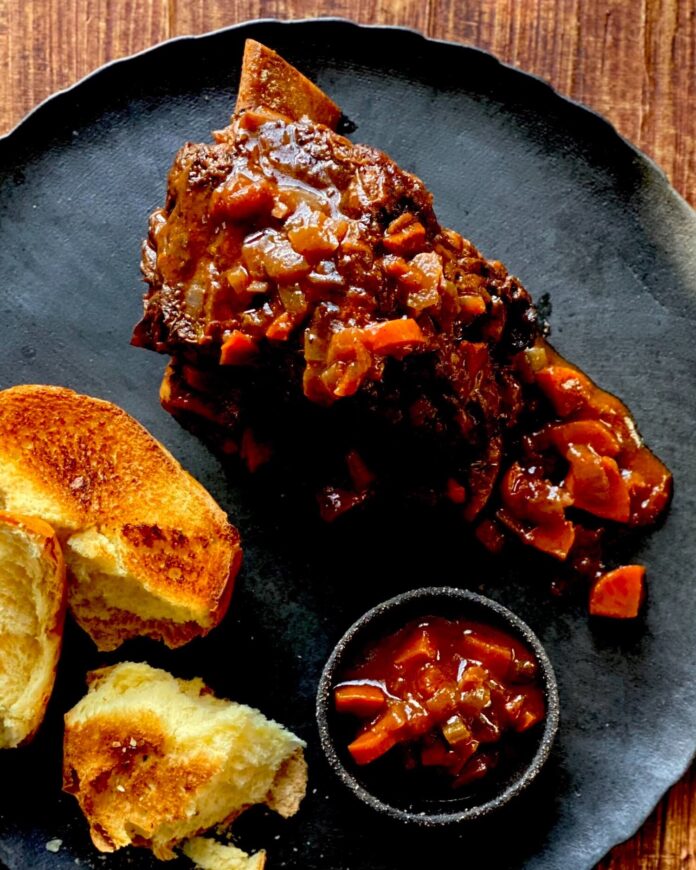
Braising meat is mankind’s greatest achievement — no complaints about the wheel, fire, and the whole moon-landing thing — but slowly cooking a cut of meat with select liquids, spices, and strategic veg, elicits the kind of emotions that inspired kingdoms to be built, poems to be written, and expensive dutch ovens to be purchased without a hint of regret. Best of all, braising is nearly impossible to mess up, so if you’re kitchen dabbling or fluent in all things home cookery, a good braised meat scenario is the perfect option for creative comfort. This short rib recipe is a statement on richness and flavor. An inky red wine, yes an entire bottle, and stout beer tenderize, lift, and transform the rib meat into “finally organizing-the-pantry” good. Plus, the sauce…. fuggedaboutit.
if ( unit && ( ‘metric’ === unit || ‘usc’ === unit ) ) {
document.querySelector( ‘.tasty-recipes-convert-button[data-unit-type=”‘ + unit + ‘”]’ ).click();
}
Interior designer Colleen Simonds brings to life a center for food and family and fun.
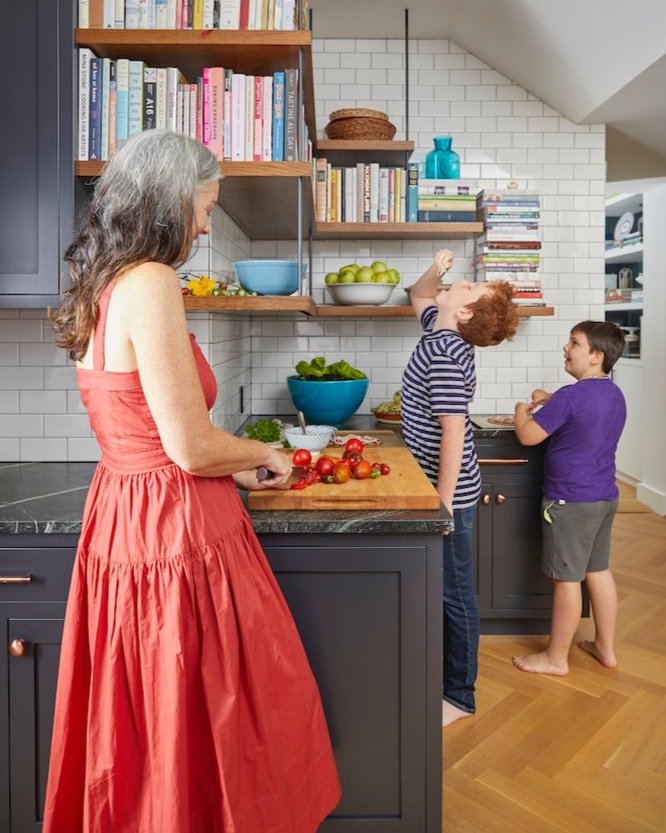
Sometimes a renovation goes on for so long that your home takes on a sort of local notoriety. “Oh, you live in that house,” people would say to Colleen Simonds of her two-and-a-half-year-long project in Shadyside. The location on a relatively busy corner made it even more visible to the neighbors, and took some getting used to after living in an apartment in New York City for 15 years.
Like most construction projects, what started out as a fairly quick process eventually blossomed into something much larger, including adding an addition to the house and gutting the kitchen and elsewhere. Everything was basically rebuilt from the ground up. The kitchen itself, in this traditional circa 1911 Foursquare, had high ceilings — pretty much the only thing that was retained. The major layout change was that the current eat-in dining area was swapped in for the separate original, and more formal, room.
Simonds admits she is not a great cook, although she wishes she were; rather, her husband is the chef in the family, and he had a fair amount of input into how the kitchen should operate. “We did spend a lot of time thinking about where things needed to be and the functionality,” she says. “It’s definitely a working kitchen that we use a lot.”
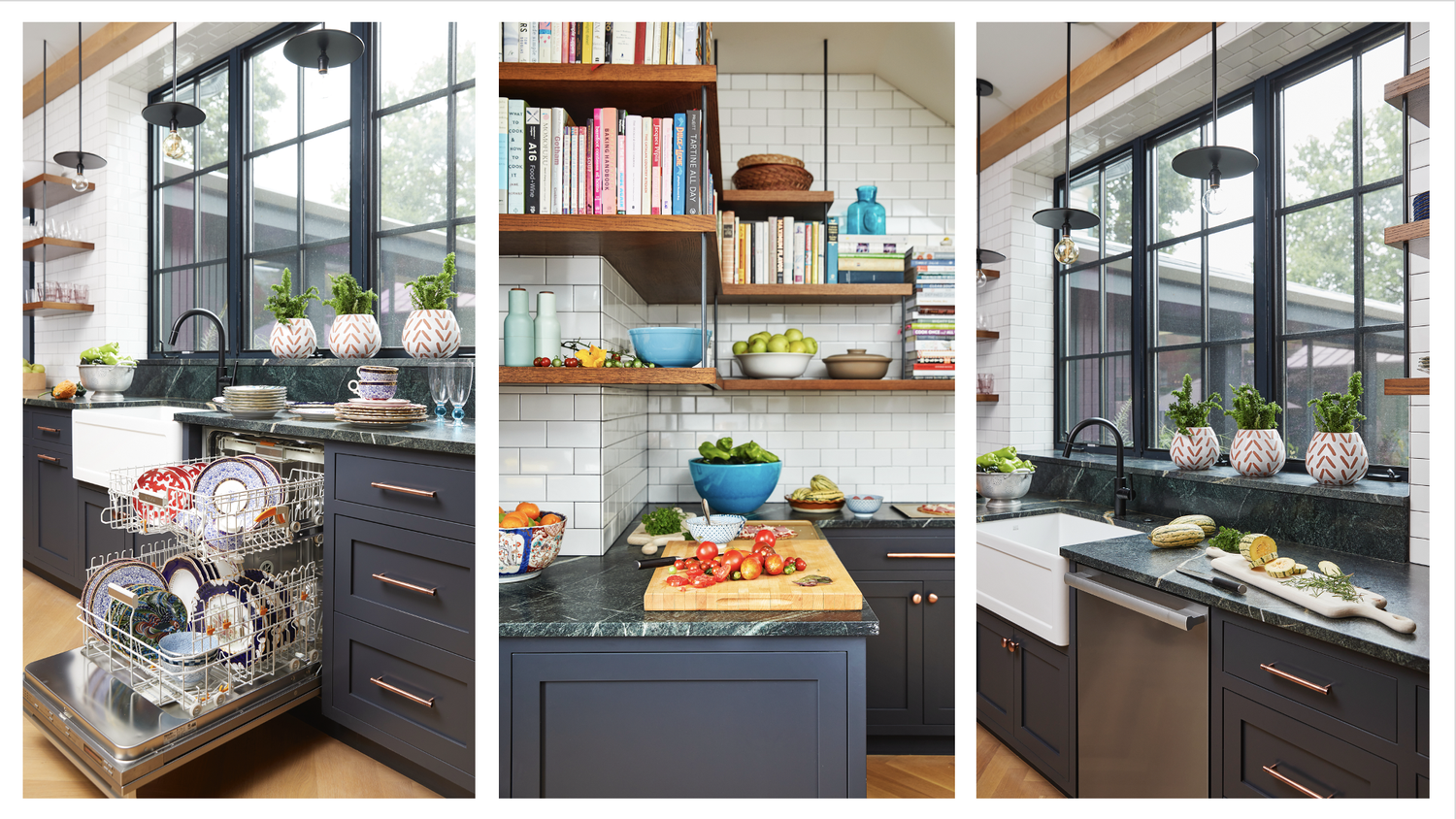
The overall footprint of the original structure wasn’t altered, so there were certain limitations. There was no room for an island, for example, because the kitchen couldn’t be made wide enough to incorporate one. Instead, it is a generous galley kitchen with plenty of counter space and cabinetry, much of the latter floor-to-ceiling.
One of the first striking things about the space is the cabinetry, which is painted a dark blue shade, Railings by Farrow & Ball. “It’s a very dark navy that some people think is dark gray. I chose it because I love navy, but also because it’s easy to live with. It’s not anything I’m going to get sick of.” Such a dark hue could be risky in the cloudiest city in the US (says the World Atlas), but the kitchen possesses several attributes that make it work, including high ceilings and a large window that lets in a lot of (often gray) light. “I was never going to have a plain white kitchen.” A peek at her website shows most decidedly that Simonds is not color-shy.
An expanse of soapstone countertops, also in a gray-navy with veining that can sometimes look green, constantly changes color depending on where you are standing and the time of day. “I love marble . . . for other people. But for here it didn’t seem like the right choice.” Soapstone isn’t indestructible, but Simonds is okay with that. “It does scratch a little bit, is a little softer, but that doesn’t really bother me.” She also likes how it plays with the blue of the cabinets and other elements in the room. “I like the drama of it. It almost makes the cabinets look a little bit more blue.”
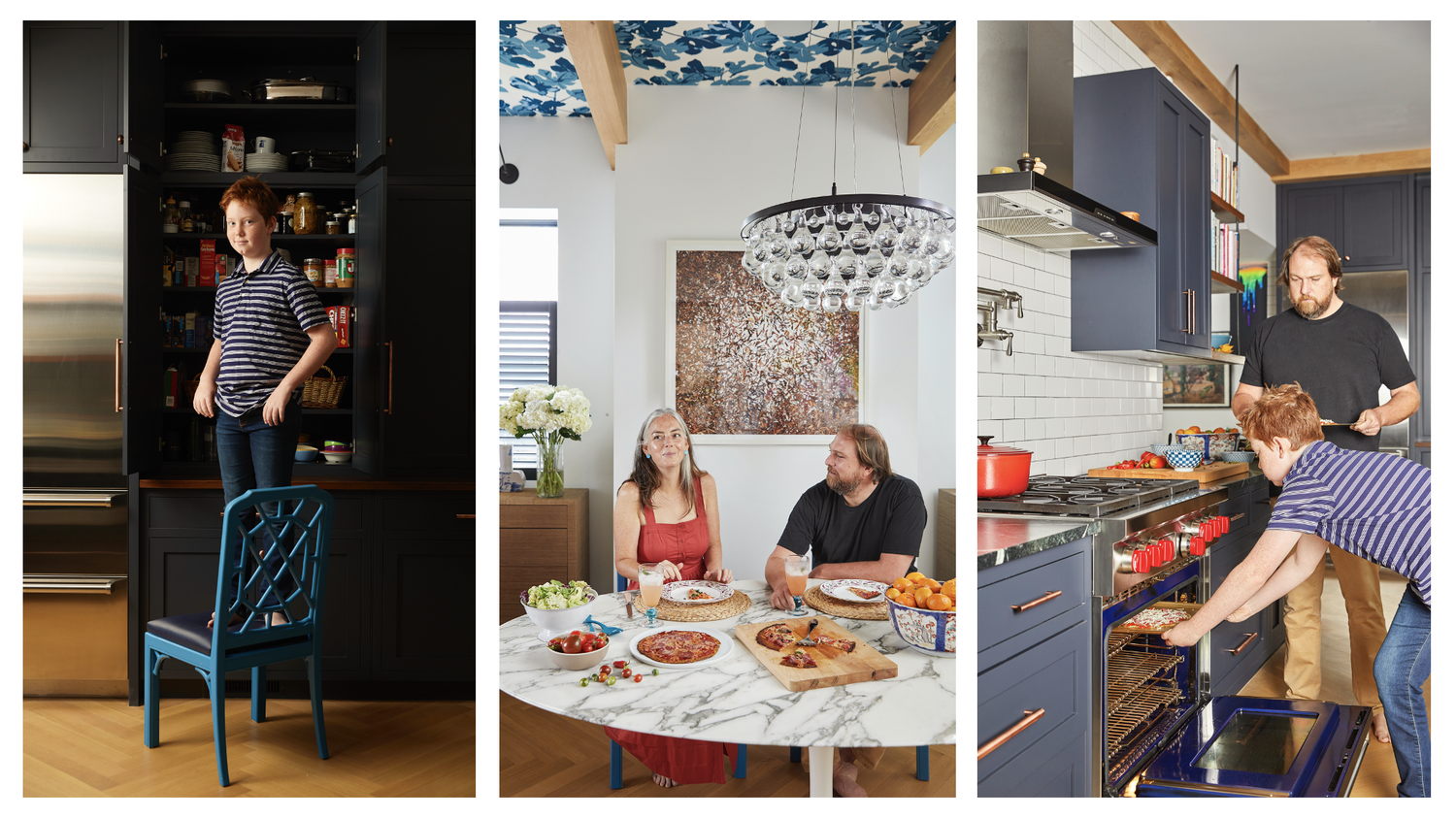
Appliances were chosen for function and, of course, their good looks. The dual-fuel Wolf range has a continuous top rather than separate ones for each burner, a plus for moving around lots of heavy pots and pans in the heat of meal preparation. The Best Eclisse range hood was chosen for its minimal profile, again providing lightness. Likewise, the Wolf microwave is a drawer model that lives under the counter. “I don’t like to look at a microwave up on a shelf.” Those shelves are custom-made and more or less float, allowing the white subway tile to reflect and scatter the available light.
The bar area has plenty of storage space for wine and glasses, and includes a mini sink, small Sub-Zero refrigerator for wine and nibbles, and a small Fisher & Paykel drawer dishwasher. Nearby a breezeway connects the garage and her office (the addition) to the house, and includes a long row of blue floor-to-ceiling cabinetry that matches that in the kitchen.
For the now-integrated dining area, Simonds opted for an exuberant color mix. She began with a classic, the Saarinen table, and layered on from there. “We’re a young family with kids and I wanted the space to feel not so serious, kind of fun. And practical because this is where we eat all the time.” She bought vintage chairs and rehabbed them, something she loves to do for clients as well. “You get something one-of-a-kind, interesting looking, and less expensive than brand new.” The two large panel paintings on the wall above the sideboard are by Pittsburgh artist Mia Tarducci, who’s also a friend. They never had room to put them up in New York, so it was always planned they would be used here.
The wallpaper, bold as it is, actually came later. “I didn’t plan that up front, but the room needed one other thing. It was too white with all the walls and ceiling, and it needed another element. I didn’t want to put in a rug—I don’t put rugs under kitchen tables because they get gross—so I ended up adding the wallpaper.” (It’s Peter Dunham Fig Leaf in blue on white, a particular favorite of Simonds). With the ceilings being so high, the graphic pattern draws your eye upwards but doesn’t overwhelm. “It pulls in the darker tones from the cabinetry and the brighter blues in the chairs and the paintings. It’s happy. I like spaces to feel optimistic.” colleensimonds.com
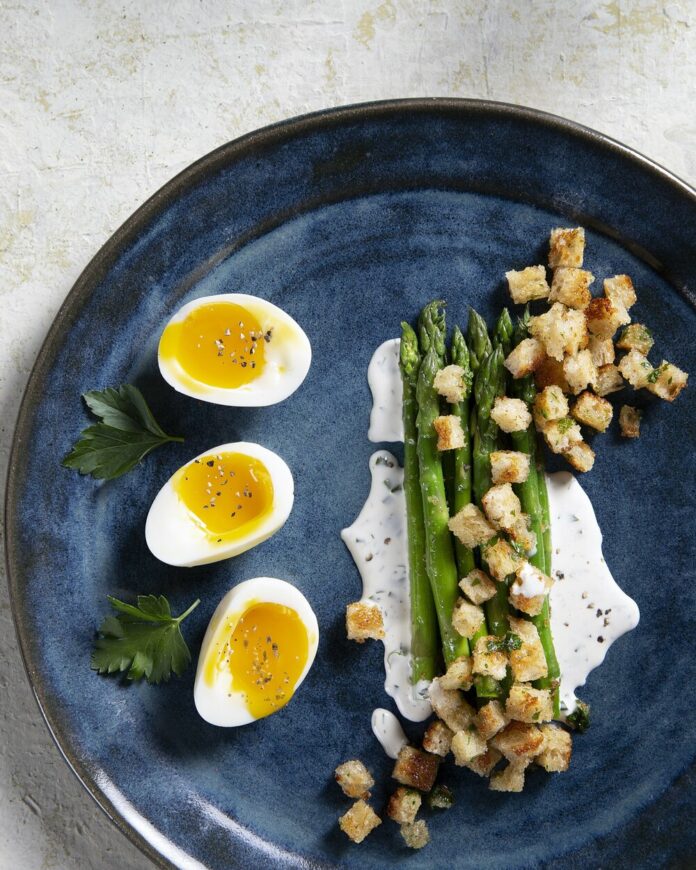
Chef Curtis Gamble, the owner of Station in Bloomfield, invited TABLE Magazine to spend a day in his kitchen with simple recipes and springtime flavors, like the below asparagus and soft-boiled egg combo.
Asparagus and Soft-Boiled Egg with Buttermilk Dressing and Sourdough Croutons Tossed in Tarragon Salsa Verde Recipe
2 egg yolks
2 lemons zest and juice
2 tbsp Dijon mustard
2 tbsp champagne vinegar
1 tbsp water
2 tbsp dill, minced
2 tbsp parsley, minced
2 tbsp chives, chopped
12 oz canola oil
12 oz buttermilk
In the food processor bowl, combine all ingredients except oil and buttermilk. With the processor running slowly, add oil in a small steady stream until incorporated, and you have mayo! Add buttermilk in a steady stream as well and season with salt and pepper to taste.
Soft-Boiled Egg
6 eggs
Prepare an ice bath and bring a pot of salted water to a boil. Drop eggs in and cook for exactly 5 min. Place in ice water to cool. Once cool, peel.
Combine all ingredients and add salt and pepper to taste.
To finish:
Spoon a small amount of buttermilk dressing onto a serving platter. In a mixing bowl, toss asparagus with salt, pepper, red wine vinegar, and a touch of EVOO. Place over buttermilk. Into the same bowl, add torn, bite-size pieces of toasted sourdough, toss with the salsa verde, and spoon over the asparagus. Slice your eggs in half, quickly place over the asparagus, and serve immediately.
Story and styling by Keith Recker / Photography by Dave Bryce / Food and recipe by Chef Curtis Gamble, Station
After a few days spent with relatives, there’s a good chance your go-to espresso martini recipe might not do the trick. So, we tweaked and combined a few of our favorite recipes to create this spirited cure for any-time-of-year stresses: the espresso whiskey martini, a dessert and cocktail wrapped into one delicious drink. Sweet, hazelnut-y Frangelico liquor adds a delectable element to this coffee-forward cocktail that we can’t get enough of.
What is Frangelico?
This Espresso Whiskey Martini mixes up the classic recipe a little bit with one new addition: Frangelico. It’s a close cousin of amaretto, but not exactly the same. Like amaretto, it’s a nut-flavored liqueur, but Frangelico is more hazelnut-forward than almond-forward. Amaretto is much more subtle, whereas Frangelico is very sweet. One whiff of the bottle is like smelling candied Tonda Gentile hazelnuts. But that makes it perfect for a sweet and nutty cocktail balanced by other bitter ingredients, like espresso and whiskey. Frangelico also makes a fun buy if only for the bottle shape alone; it gets its name from a monk from the Peidmont region of Italy, and its bottle is shaped like a monk with a tiny rope belt. Strange and adorable!
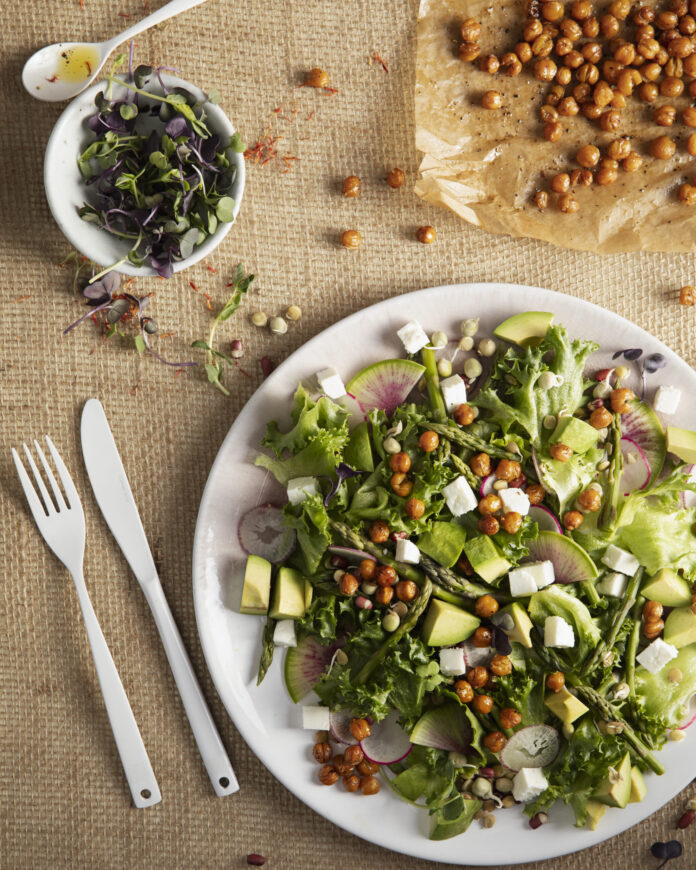
The saffron adds a subtle floral note to the dressing, while the roasted chickpeas provide a satisfying crunch.
Whether enjoyed as a side dish or a main course, our Spring Time Salad with Saffron Vinaigrette is sure to delight your taste buds and nourish your body with a refreshing mix of seasonal greens, juicy avocado, and tangy feta cheese crumbles. Topped with crunchy roasted chickpeas and dressed in a light saffron vinaigrette, it’s perfect for a warm spring day.
What are Seasonal Spring Vegetables?
Eating seasonal produce can be a great way to stay with the rhythm of the earth. Most of the time, in-season produce has more nutrients because it hasn’t had to travel as far as out-of-season produce that needs to be imported. Here are some of the vegetables in season in spring (see which ones you can spot in this spring salad recipe:
if ( unit && ( ‘metric’ === unit || ‘usc’ === unit ) ) {
document.querySelector( ‘.tasty-recipes-convert-button[data-unit-type=”‘ + unit + ‘”]’ ).click();
}
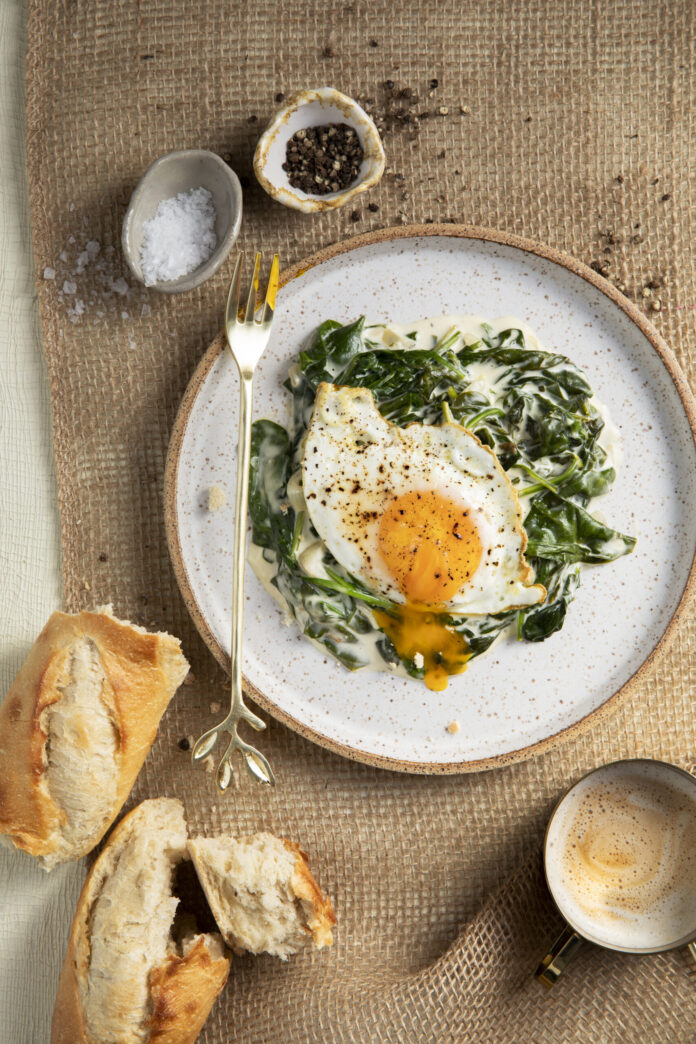
Why not start your day with Creamed Spinach and Dippy Eggs that are sure to give you the boost of energy you need weekday mornings. Over easy eggs, known as dippy eggs to many Pennsylvanians, are an easy yet nutritious dish to whip up in the morning (or really any time of day you’re craving a yolky meal). This recipe features creamed spinach, adding a rich and decadent touch.
Where Does the Term Dippy Eggs Come From?
The term dippy eggs actually comes from across the pond rather than from the midwest like most Americans believe. This British dish refers to boiled eggs somewhere between soft and medium, where the yolk is still runny but the whites are cooked through. In this form, you can take a slice of toast and dip it into the egg yolk to sop up all the deliciousness. Later, the Pennsylvania Dutch also took on this term in their own dialect. But, besides the UK and the midwest, Canadians will also use the term in certain areas.
Recipe and Styling by Anna Franklin
Photography by Dave Bryce
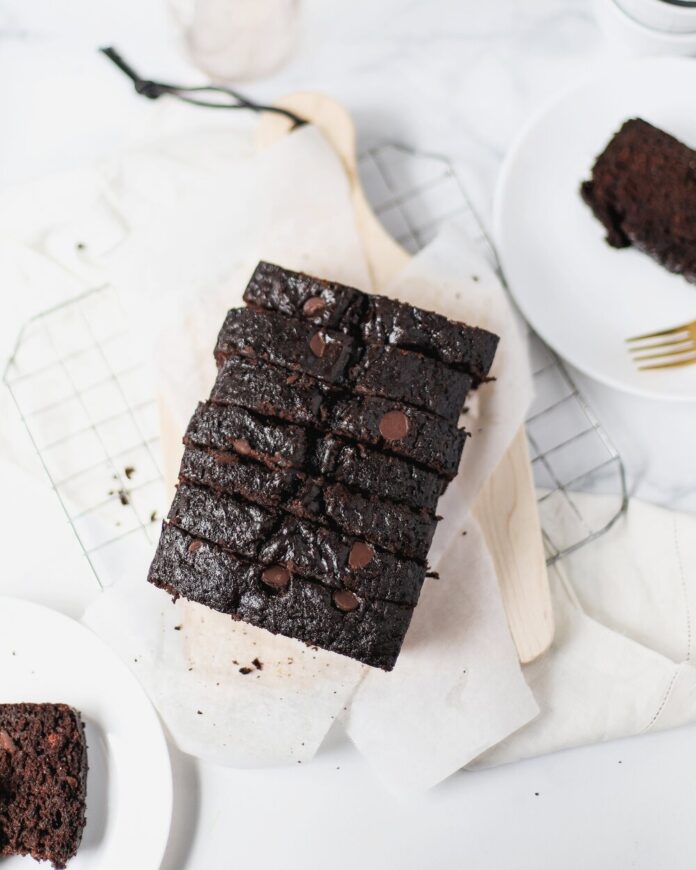
If we are being honest, this bread is more of a chocolate cake with a bit of zucchini. But hey, at least we’re trying to be more nutritious, right?! So while you sip your coffee in the morning and take a bite of this rich and delicious chocolate zucchini bread, you can feel satisfied knowing that you’re also getting a healthy dosage of vitamin A, manganese, and fiber!
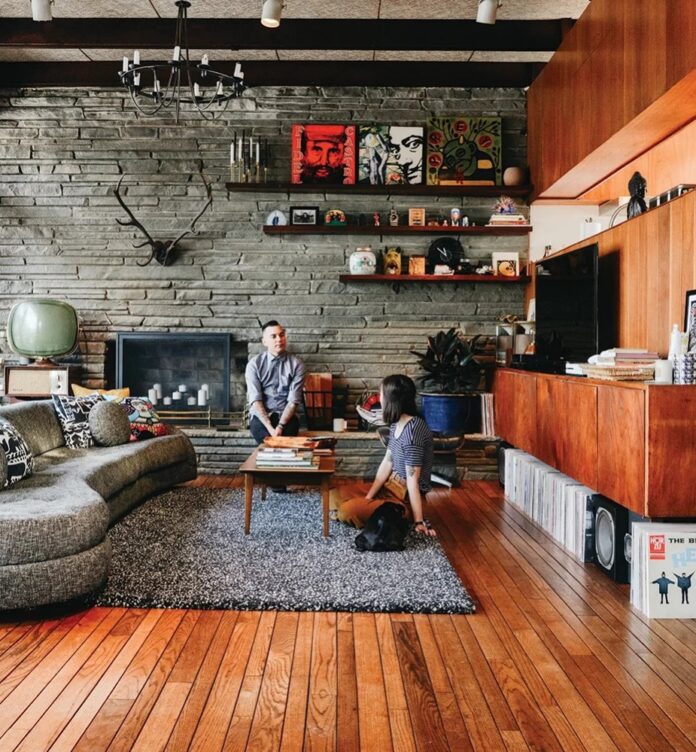
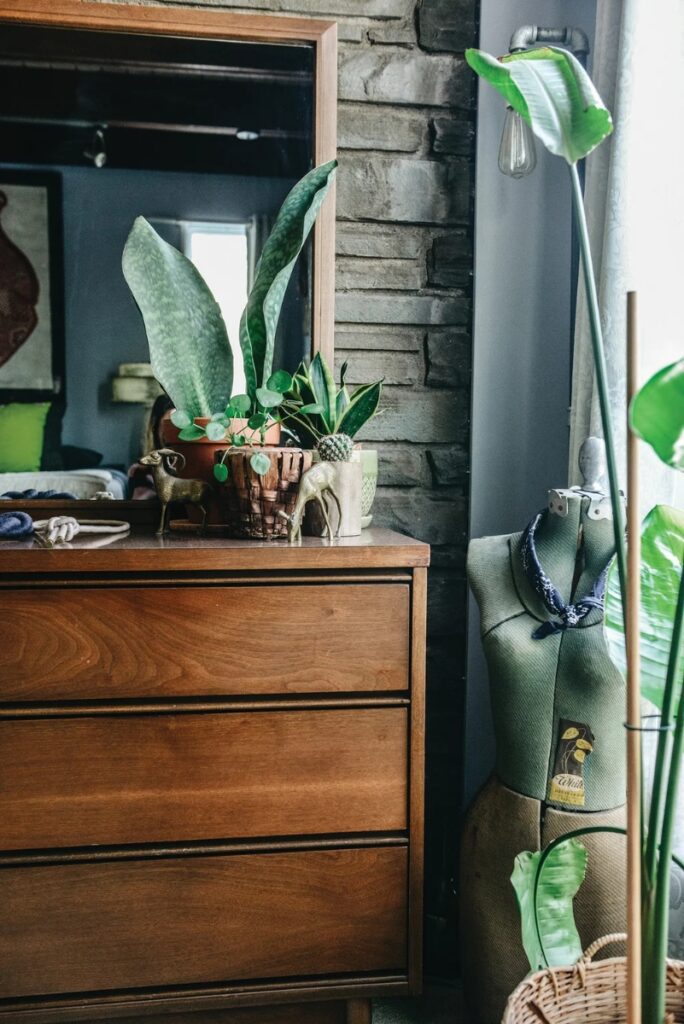
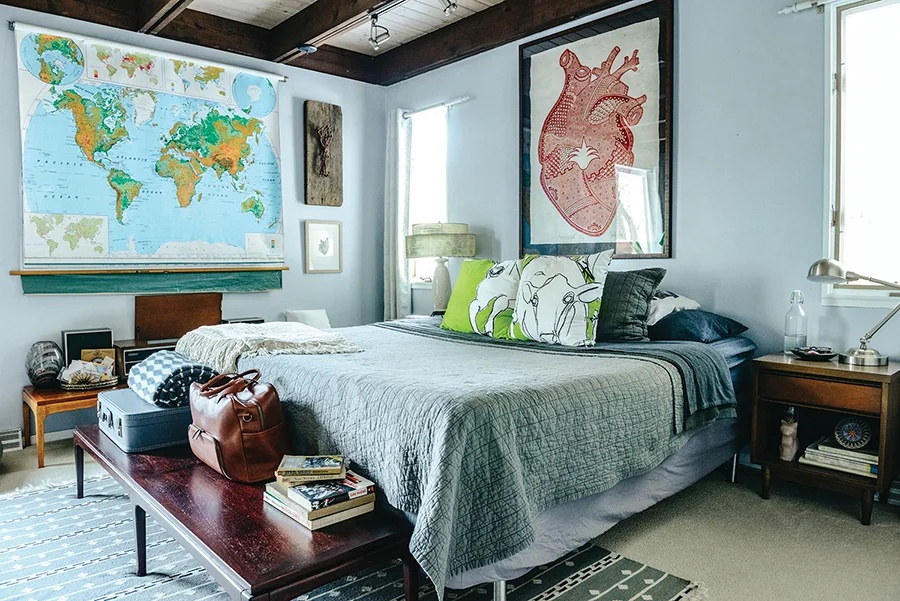
Why has mid-century modern, or #mcm in the parlance of our times, made such a resurgence? For Chris Barker, the bass player better known as “Chris Number Two” to his Anti-Flag fans, the answer is the combination of aesthetic forms and function. “Of course, I liked Mad Men, but the thing that I like about mid-century modern is that it’s utilitarian. You’re supposed to put your feet on it. You’re supposed to use it. I grew up in an Italian family, with a room with plastic slip covers and furniture no one was supposed to touch. I don’t want anything I’m nervous about in my own home.”
Explore a Mid-Century Home in Upper Lawrenceville
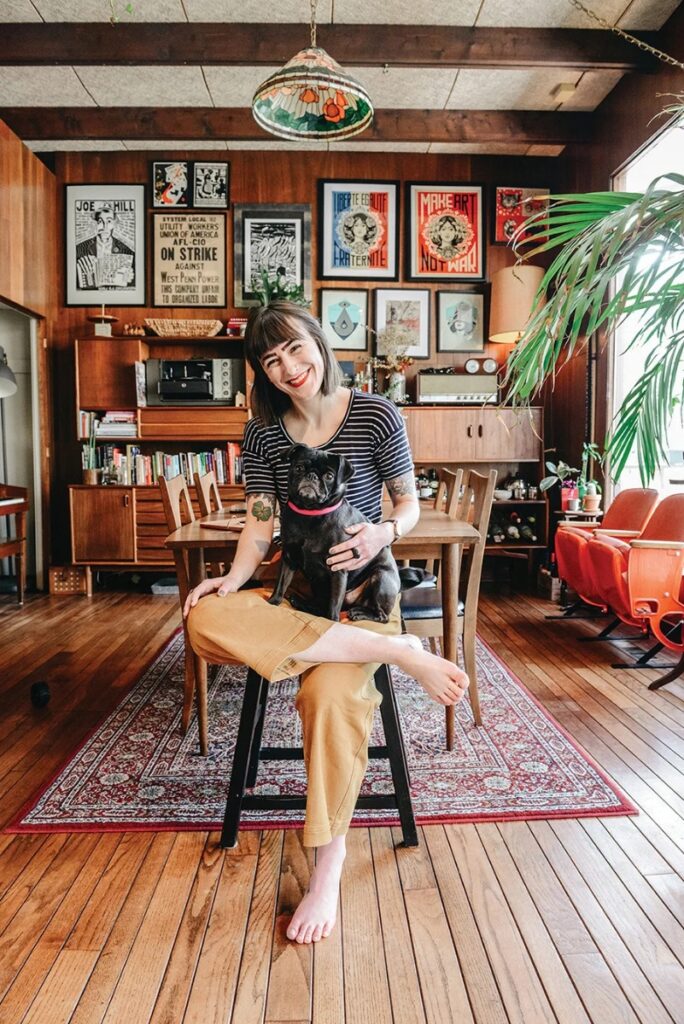
Chris and Jane Hallinan’s current mid-century home is a far cry from their previous home in upper Lawrenceville. Longtime city dwellers, they both loved the urban appeal of their industrial row-home. Jane biked to work at the Perkins Eastman Pittsburgh office, and they could take Judy the Pug on a myriad of different walks. They had coffee shops, vegan food, and entertainment at their fingertips, and most importantly, they could walk to several of Relish’s donut delivery spots [author’s note: we’re all sorely missing those donut drop-offs].
They also had a streetlight shining in their bedroom window and felt the neighborhood starting to change in ways that compromised its charms. When ground broke on a large condominium project, Chris’s itch to move became stronger. As brick dust from their industrial, exposed walls continued to fall on his collection of mid-century modern furniture, he longed for a home that would be a better match stylistically. Jane took some convincing, but eventually, the house-hunt began in earnest.
The Igloos seats are originals from the Civic Arena. Prior to its demolition, season ticket holders had the chance to buy seats from their section. An avid hockey fan, Chris bought the period-appropriate orange seats from his section and preserved a bit of local history.
A Connection in the Woodwork
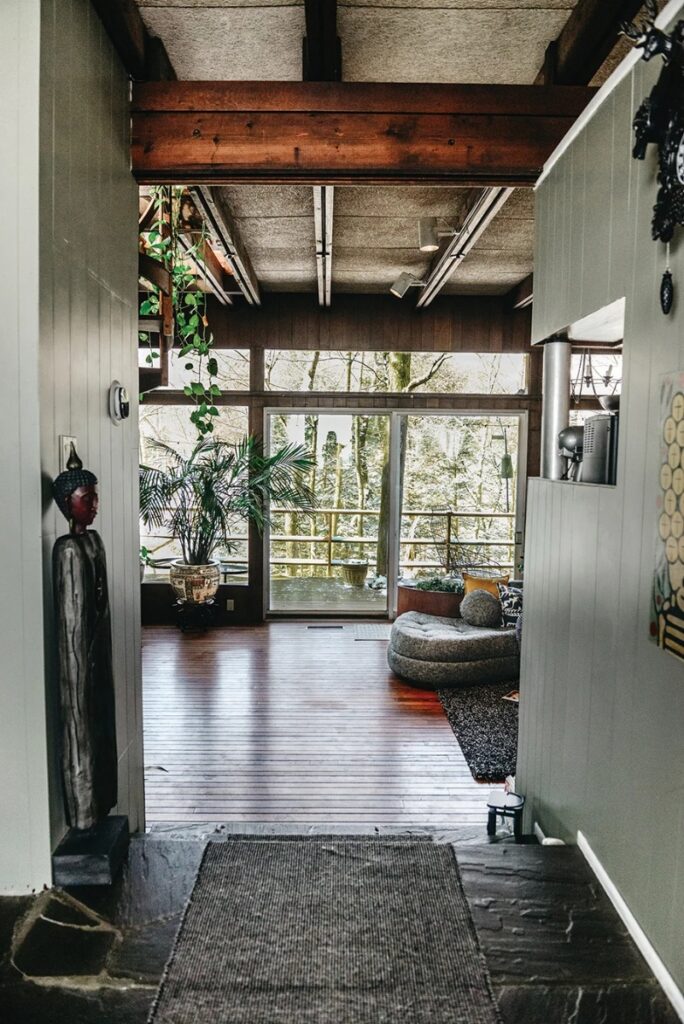
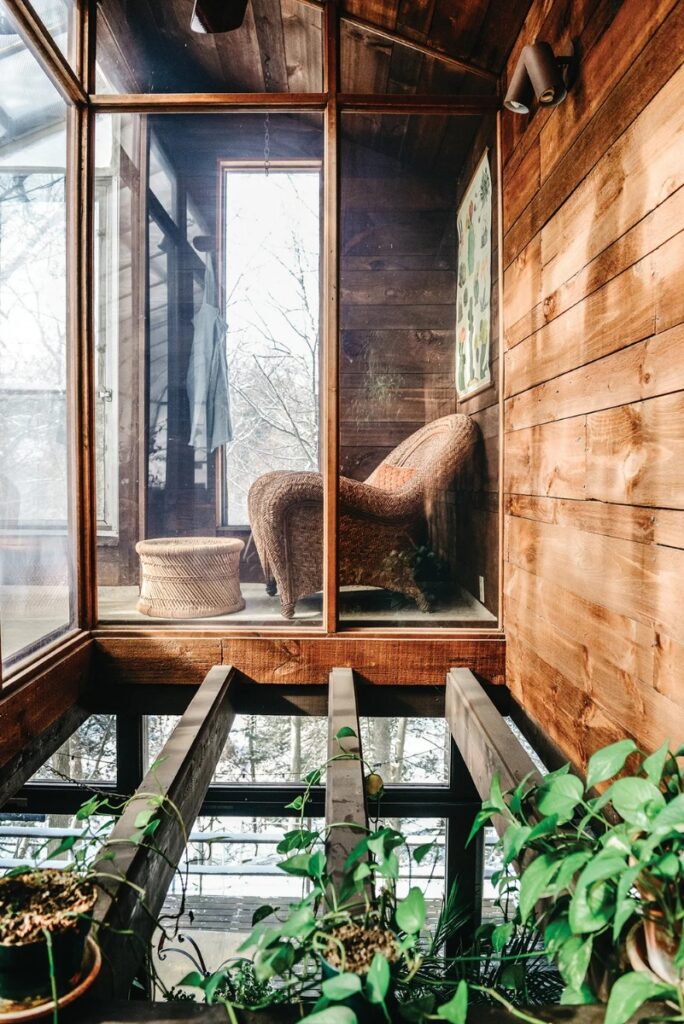
“I’m not a hippie about most things, but when it comes to houses, you have to feel something,” he explained. In searching for a home, they really searched for the home, not a specific area, and when they found an Allison Park listing with a wall of windows, a forest view and a greenhouse, they felt something. Once they stepped into the door, there was that anticipated feeling. For Chris, it was the wall of windows, and for Jane, it was the second-story greenhouse. They were sold, and so was the house.
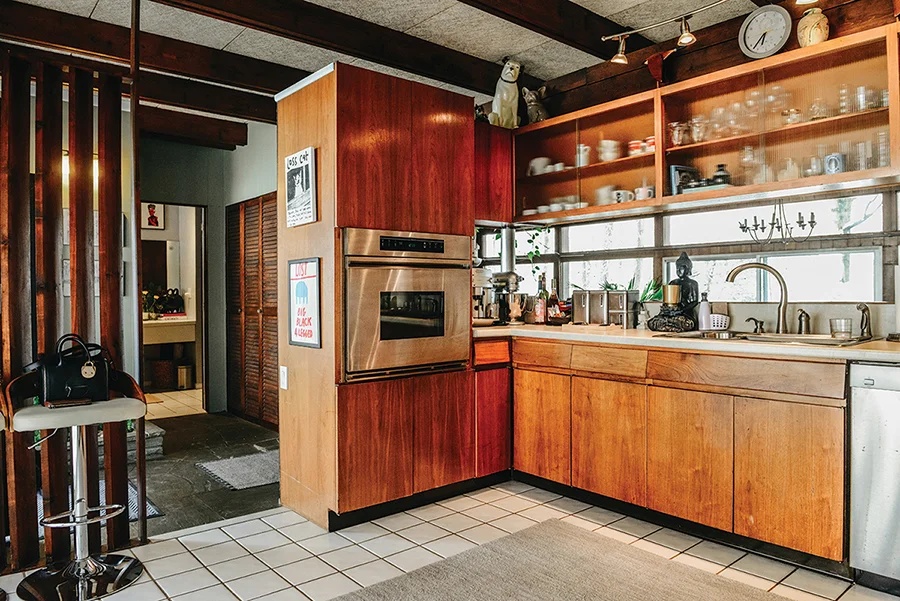
“When I make big life changes, I tend to have some knee-jerk reactions. We went from a Lawrenceville row house to all this space and two acres of land. There was no middle ground.” Their big jump to the suburbs was not without its pains. They miss the offerings and walkability of Lawrenceville, but what they’ve gained is a house that’s true to its bones and a home that feels like a retreat. Most of the home is original to its 1957 build date, with a few minor exceptions. With each dog walk, they’re also proving to their neighbors that the area is more walkable than people might expect.
Relaxation is Key
As a touring musician, who can spend up to half the year on the road, home becomes a very intentional retreat for Chris. “[Home] is about creating an environment almost like a bunker. The isolation of this place speaks to me because I’m around people all the time. There’s eight of us in a bus, or in an airplane, or in a van every minute I’m out there [on tour]. Quiet is what I’m looking for in my home.” Tour life also explains Chris’s need for order and tidiness at home. Their space is organized and styled, but above all, it’s lived in.
For Jane, an interior designer by trade, the notion of retreat and escape were also a priority. “I’m so active in the design community, often traveling and attending trade shows and working on design events, so I wanted a place for retreat at the end of the day. I advocate for work-life balance at my job, so I enjoy coming out here to enjoy my hobbies and create a separation from work.” At first, the switch to a car commute was a huge adjustment. “Even though I’m farther from the office, the distance helps me remove myself from work, and I keep adding more outdoor hobbies to reduce time on my computer and phone.”
Designing a Space as a Couple
When it comes to creating this home together, their styles have merged naturally and collaboratively. What Jane brings to the table is professional design training and experience, and Chris brings a passion for design. Chris wholeheartedly admits, “I can be a bully, so I understand I fall in love with something and feel like it absolutely has to be here. It’s tough to compete with that sometimes, but I do bow to her expertise often. I understand she looks at design challenges and space every day and can [judge pieces] by space whereas I go by my gut.”
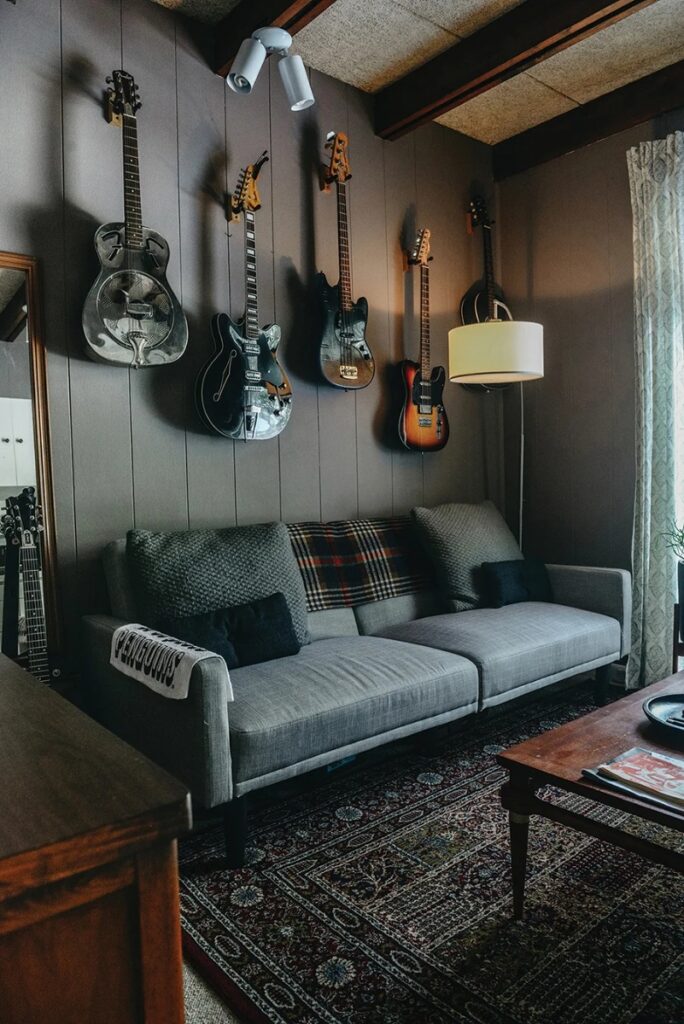
As the bass player for Anti-Flag, music is an integral part of Chris’s life. Guitars and records fill the home but in an orderly way. It’s a peaceful contrast to tour life.
Jane adds, “There are compromises. He gets guitars and record players in every room, and I get all my plants. A lot of what I do is so visual, and what he does is audio, so it blends well. It’s always been a collaboration. We also know we can move anything.”
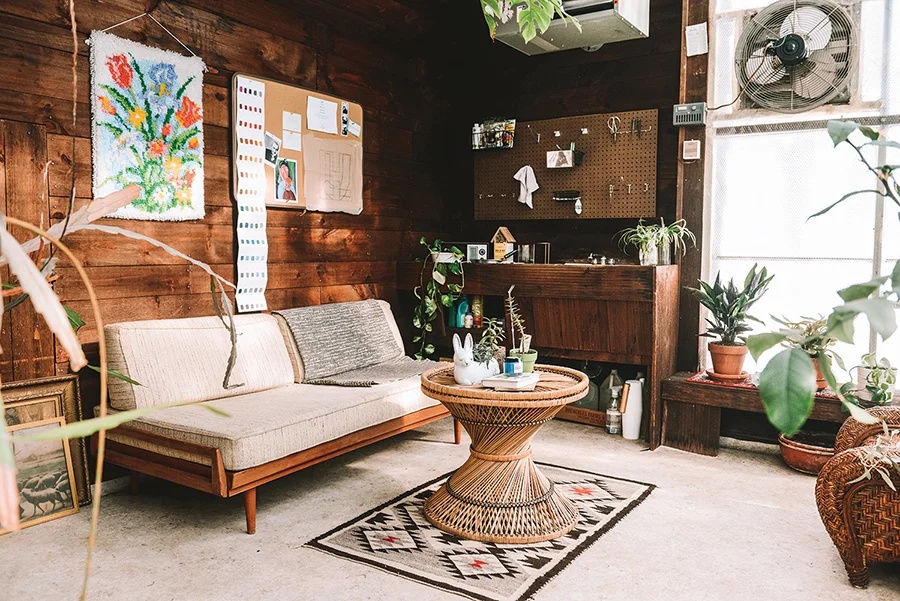
What records and guitars are to Chris, plants are to Jane. She jokingly refers to the greenhouse as the plant hospital or the plant ER. “I’m in no way pretending to be a plant expert, but I’m learning.” Their natural setting has had a huge impact on Jane, who says her hobbies have increasingly been tied to nature.
When unpacking from their move, Jane discovered the original greenhouse catalog, receipts from its installation and old photos. Their greenhouse was a $3,000 kit in 1979, and many of their design choices mirror the original owners’ scheme.
Don’t Forget the Outdoors!
Their new home affords them the ability to compost, to garden, to watch a variety of beautiful birds and deer. They’ve added a trail camera and even spotted a red-tailed fox. With an apiary license acquired, she plans to add bees in the spring, a bat box, and is working toward a Certified Backyard Habitat through the Audubon Society.
In prioritizing their stewardship for their plot of land, Jane is creating a retreat for more than just the couple. The premise of the certification is that each backyard is an opportunity to help offset the effects of climate change and create a beneficial location for birds, insects, butterflies, and animals. The process includes removal of aggressive weeds, restoring/adding native plants, pesticide reduction, storm-water management, and wildlife stewardship.
Jane is also approaching these systematic changes with bees in mind. “A new important focus of mine is having a pollinator garden. It’s challenging with shade, but it’s a good challenge.” She also applied to be a master gardener through Phipps Conservatory with the goal of influencing the design world as well. “My goal is to bridge experienced gardeners and people who look to Instagram for plant advice and marry the two.” That Jane sees the possibilities in that overlap is no surprise.
Marrying design and nature is at the core of the mid-century movement, born of a time when architects began to modernize the suburbs, open interiors and blur the lines between the home and its surrounding environment. Decades later, Chris and Jane are living and preserving those design values. They’ve let their house and land be what it was intended to be. As more and more condominiums displace those who care about their neighborhoods, we as a city owe the same level of reverence to our architectural history and land.
An opera, a plant sale, a book festival, and a visit from a superstar pop queen: no matter your taste, there’s something for you happening this week in Pittsburgh.
Photo by Alex M. Philip
Nana Kwame Adjei Brenyah Bottlerocket Social Hall, May 12
New York Times-bestselling, author of Friday Black, Nana Kwame Adjei-Brenyah, is touring to promote his latest release, Chain-Gang All-Stars, a fictional tale about two women gladiators fighting for freedom in a for-profit private prison. Local author Damon Young joins Adjei-Brenyah during his Pittsburgh stop for a conversation that promises to be riveting and insightful.
Photo courtesy of Nemacolin
Mother’s Day Weekend Nemacolin, May 12 to 14
Treat your mom. If you’re a mom, treat yourself. From crafts for the little ones to painting dates and wine galore, this weekend is all about mothers and mother figures.
Photo courtesy of Madagascar The Musical
Madagascar the Musical Benedum Center, May 12
We hope you like to move it, move it! Alex, Marty, Melman, and Gloria have escaped the New York Central Park Zoo and are headed to the Benedum Center stage.
Photo by Erda Estremera
Sewickley May Market Sewickley, May 13
Are you ready for the fast-approaching garden season? If not (or even if you are), you’re not going to want to miss Sewickley’s May Market. Here, plant enthusiasts will find 50+ vendors offering flowers, garden wares, repurposed items, eco-friendly merchandise, and nature-themed gifts for those last-minute Mother’s Day shoppers.
Photo by AB+DM
Lizzo PPG Paints Arena, May 13
It’s “About Damn Time” Lizzo visits Pittsburgh! The Grammy-award-winning musician’s “Lizzo: The Special 2our” makes a stop with special guest Latto and, of course, her flute.
Photo by Fang-Wei Lin
Greater Pittsburgh Festival of Books Pittsburgh Theological Seminary, May 13
After a successful inaugural year, the Greater Pittsburgh Festival of Books returns for a second time, uniting Pittsburgh’s rich literary scene with book lovers and authors alike. Featured speakers include Ross Gay, Rebecca Yarros, Leon Ford, Laura Warrell, and many more.
Photo courtesy of the Pittsburgh Opera
We Shall Not Be Moved August Wilson African American Cultural Center, May 13 to 21
Co-produced by Opera Philadelphia, The Apollo Theater, and Hackney Empire and developed in partnership with Art Sanctuary, We Shall Not Be Moved, a combination of spoken word, contemporary movement, video projection, classical, R&B, and jazz singing, tells the story of five runaway teens who find themselves living in the exact location where a monumental historic moment took place some 30 years earlier.