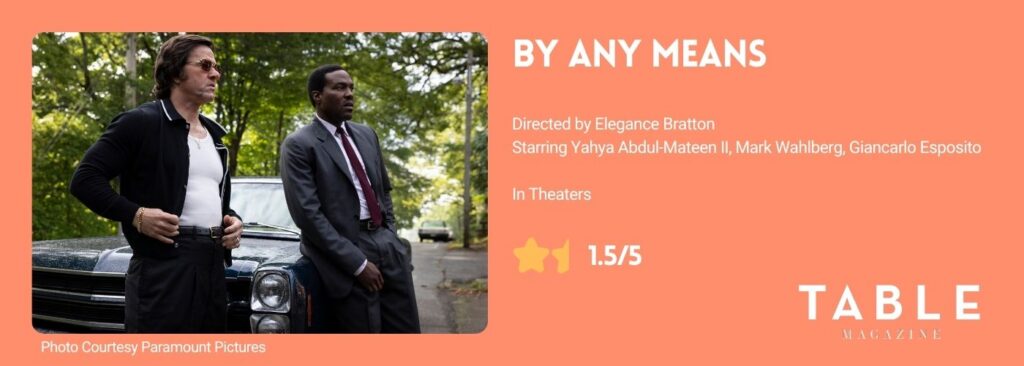
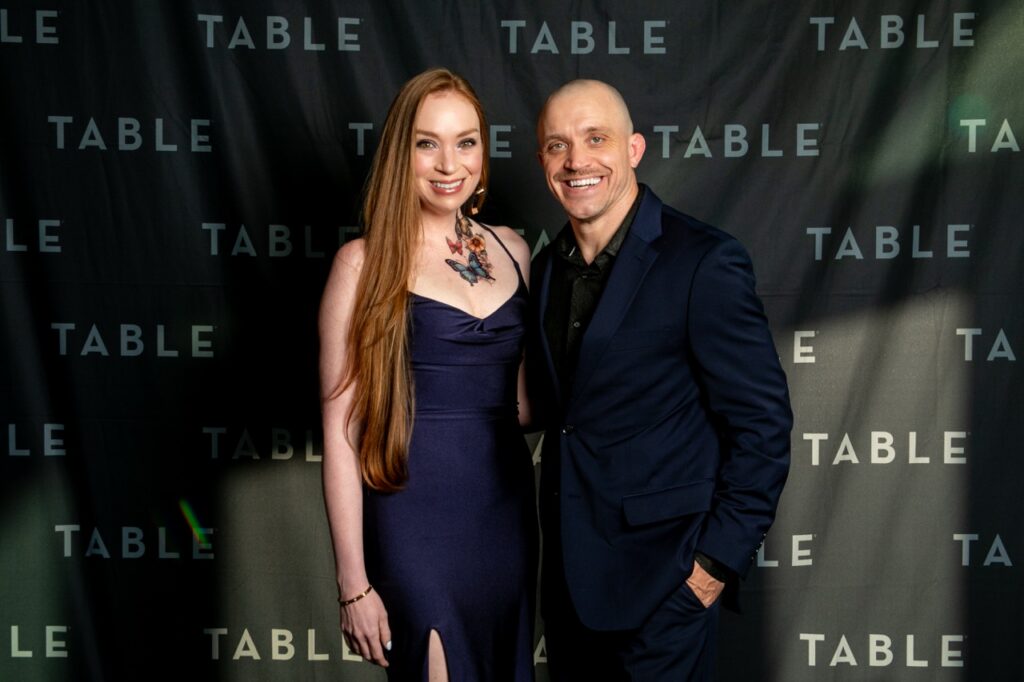
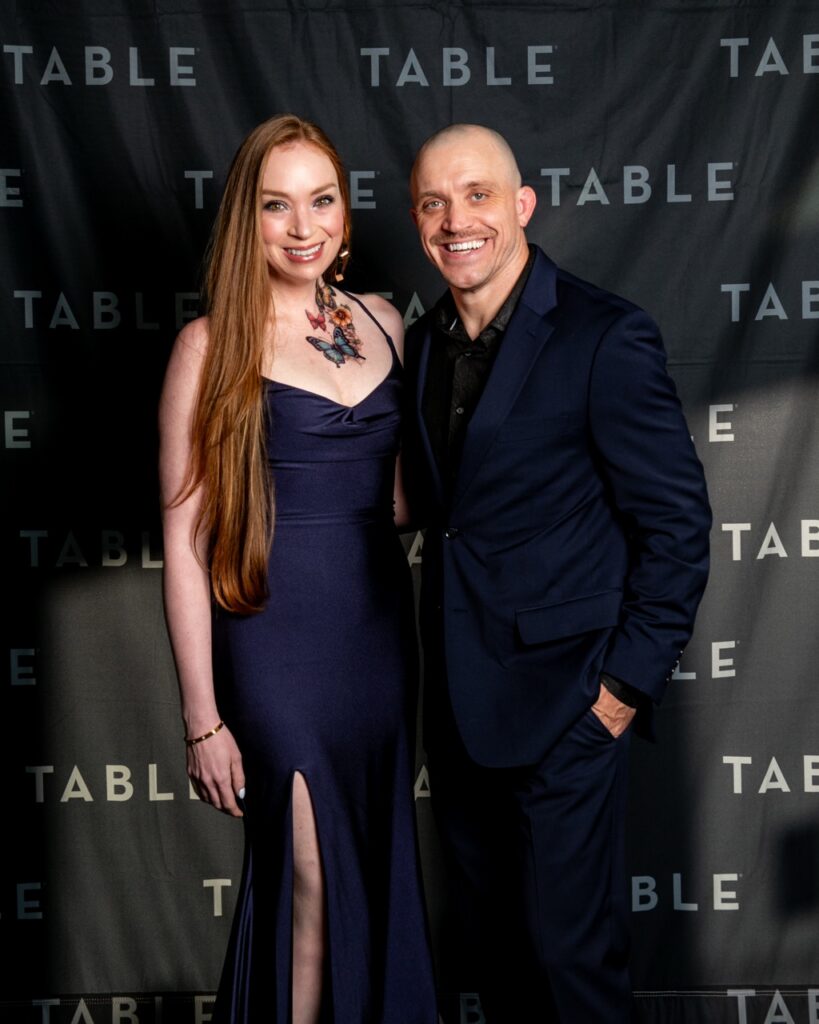
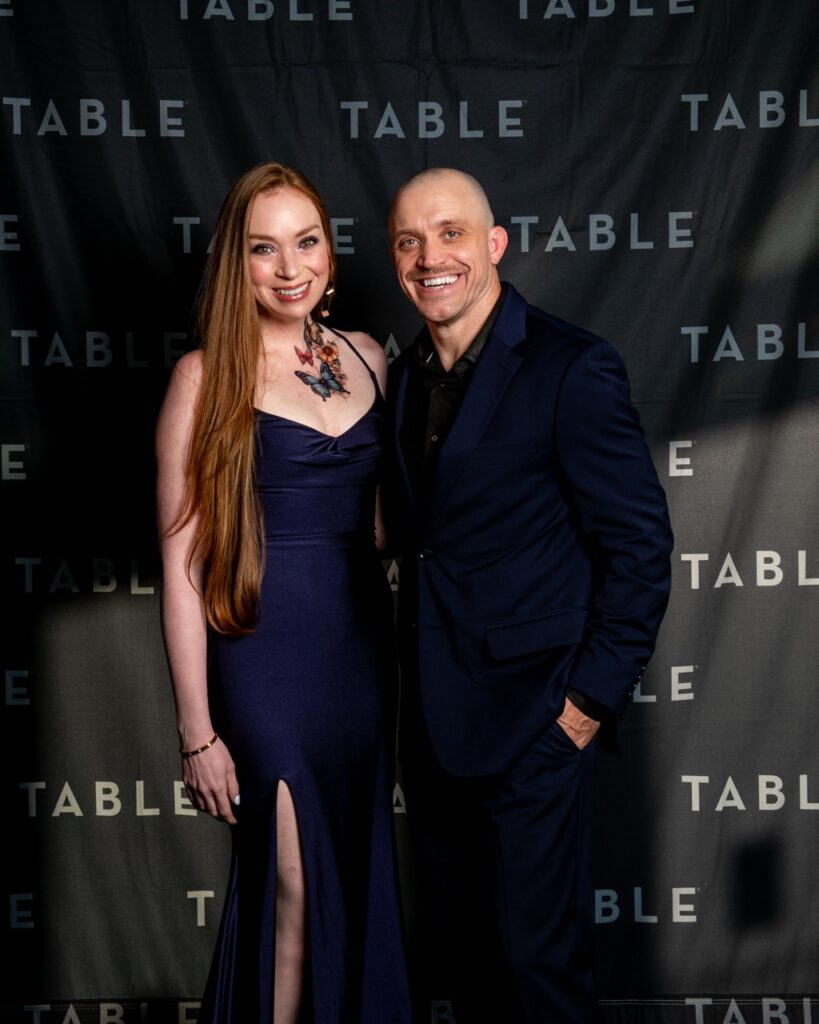
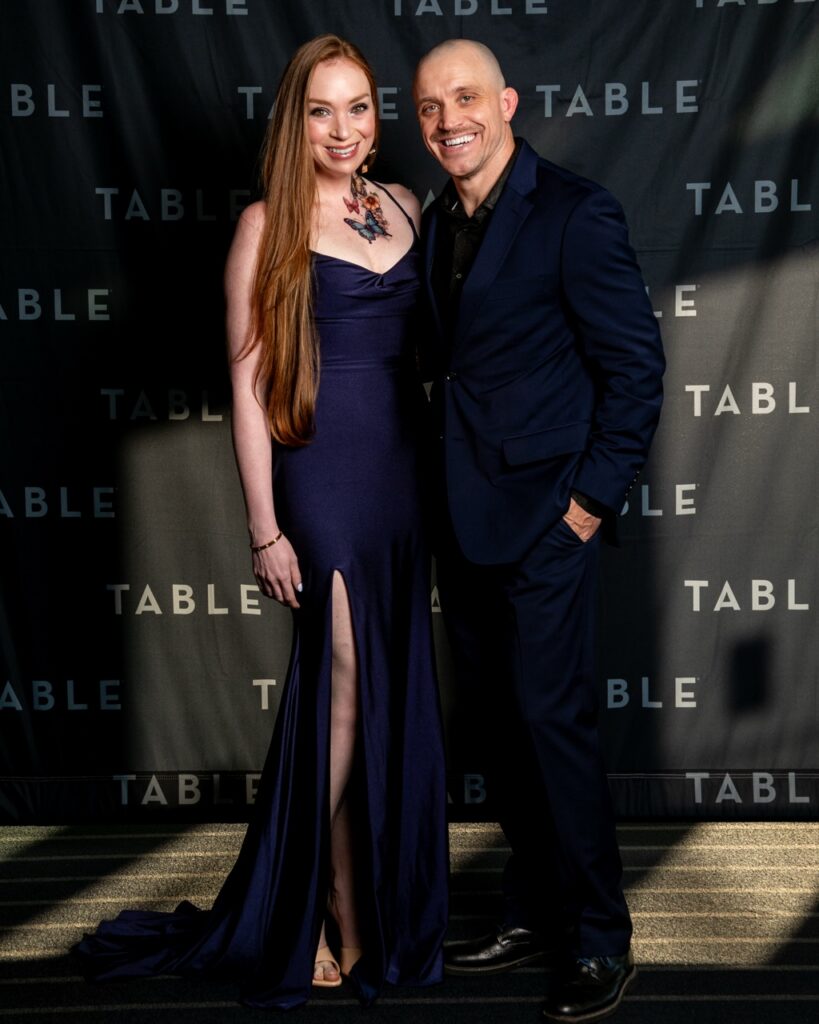
Yahya Abdul-Mateen II stars in Paramount Pictures' "BY ANY MEANS."
The drama By Any Means certainly has what sounds like a sturdy premise: Amid the darkest days of the Civil Rights movement, a no-nonsense cop (Yahya Abdul-Mateen II) and a shaggy mafia enforcer (Mark Wahlberg) team up to fight for justice in the Deep South. It also has a rising-star director in Elegance Bratton, whose debut feature, The Inspection, was acclaimed (if underseen) when A24 released it in 2022.
Ham-Fisted Justice Is Handed Out in the New Movie, By Any Means
It’s based on — or, perhaps, suggested by — a true story. Mafia hitman Gregory Scarpa Sr., a notorious enforcer for the Colombo crime family, made money moonlighting as an FBI informant, allegedly stepping in when the Feds required extralegal assistance. In By Any Means, Scarpa is played as a grinning, if violent, wise guy, more GoodFellas than America’s Most Wanted.
Wayne Strider (Abdul-Mateen), a young FBI agent stationed in his hometown of Hattiesburg, Mississippi, is tasked with handling Scarpa as they investigate a hate crime. (There isn’t a neat historical parallel for Strider; a muddled on-screen post-script implies that the character is based on vague assertions about an unnamed agent who worked with Scarpa.)
In theory, By Any Means is a muddy, nihilistic echo of Green Book; Scarpa sees the reality of Strider’s life and challenges, both men learn harsh lessons from one another. In practice, though, the film is little more than a celebration of violence — and, at its darkest moments, a justification of torture.
History Is Told, Badly, By the Screenwriters
While the script (by Sascha Penn) is indeed based on a real crime, it spends most of its time inventing incidents to trap Strider. Early on, Scarpa kills a racist cop, threatening to pin the murder on Strider unless the young lawman stays quiet. Strider is given warm, personal connections to multiple victims. The Klan eventually fires into his home, narrowly missing his wife.
This kind of scene setting is Cheap Action Movie 101: Have so much bad stuff happen to your protagonist that any violent revenge seems narratively justified. But applying that framework to a real, complicated moment in history cheapens and undercuts the actual message of the moment. It’s true, of course, that the struggle for Civil Rights included many dark chapters. Making a movie about torturing and murdering criminals to secure empty convictions is not a reflection of that history.
The very gifted Abdul-Mateen gives a powerful performance, but it’s in service of a deranged project. There are moments of intense violence in By Any Means that do not feel cathartic, instructive or even chilling; they’re mostly just ugly. There’s no good reason for any of this.
Also on Screens: Ryan Reynolds Is Lost in the Snow, While Adria Arjona Is Trapped in a Trailer Park
This week’s better action film can be found on the small screen. Apple TV’s Mayday, a comedic actioner starring Ryan Reynolds and Kenneth Branagh, strands a plucky Navy pilot deep behind Soviet lines in the midst of the Cold War. Fortunately, he winds up in the backyard of an Americanophile ex-KGB agent, and the often funny and surprisingly gripping chase is on. Reynolds is basically playing a more grounded Deadpool, but the smart script and energetic direction (from the filmmaking team of Jonathan Goldstein and John Francis Daley) mesh well with Reynolds’ style. On a long weekend, it’s a fun way to spend a couple of hours. Watch for an unexpectedly heartfelt turn from Oscar nominee Maria Bakalova.
Meanwhile, in theaters, Adria Arjona stars in Onslaught, an action-horror hybrid that’s received positive notices. Arjona plays an Army sniper defending her home against an invading group of genetically modified super-soldiers — a potentially hokey premise, sure, but prestige distributor A24 doesn’t usually waste their time on trifles, so there’s probably something to see here. Director Adam Wingard returns to his low-budget roots with this one after making the last two Godzilla pictures.
Nostalgia Throwbacks on the Big Screen
The foundational anime feature Akira is back in theaters this weekend, remastered for the first time in 4K. And, somehow, Pixar’s Cars has reached its 20th anniversary. Let the eternally youthful Lightning McQueen console you about the passage of time, as the hit returns to theaters for a limited engagement.
A Recap of What’s Come Out This Year
Can anything topple Spider-Man? No other film released this year has won more than three consecutive weekends at the box office; Spider-Man: Brand New Day has already won five, and it’s all but certain to take a sixth over the next few days. Here’s our review, if you’re one of the last few people still on the fence. Last weekend, we talked about Coyote vs. Acme, the Looney Tunes picture that’s drawing rave reviews; everyone who sees this one loves it, so do yourself a favor and buy a ticket. And — probably for some time yet — The Odyssey is still in theaters. It just won’t look the same at home, so go now.
Sean Collier is the editor-in-chief of Shady Ave and the arts and culture editor of TABLE Magazine. Before joining the TABLE Media team, he spent nearly 15 years as a writer, editor and columnist at Pittsburgh Magazine. As the in-house film critic for the top-rated WDVE Morning Show since 2009, he’s been Pittsburgh’s most widely heard voice on movies for nearly two decades. A Pittsburgh native, Sean has since 2020 appeared weekly on KDKA-TV’s popular Pittsburgh Today Livetalk show. He’s the co-founder of Vigilance Theater Group and an active stand-up comedian and event host. He can be found on Instagram and Twitter at @seancollierpgh.
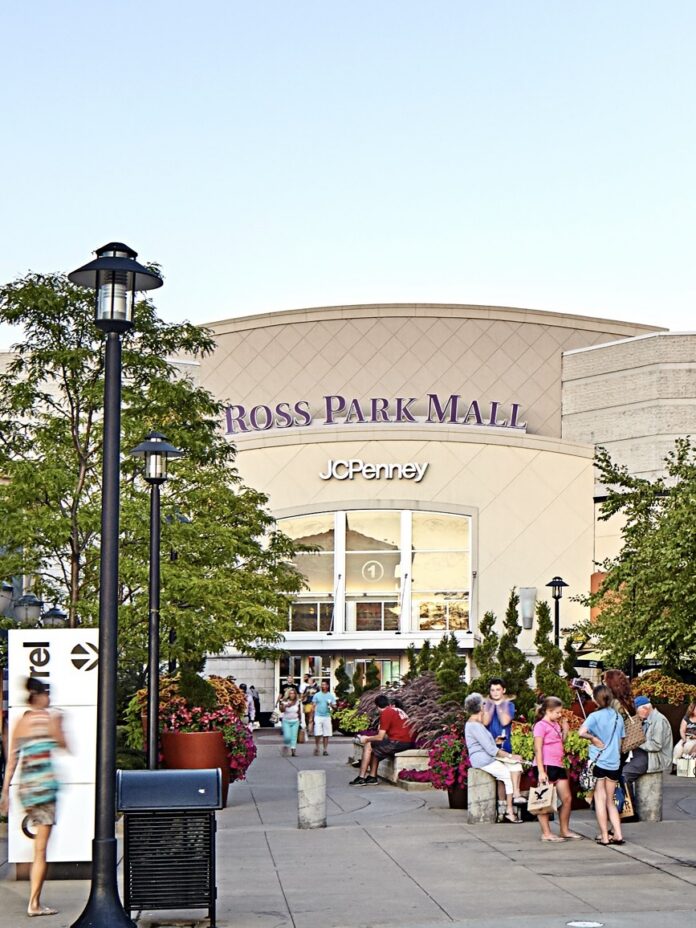
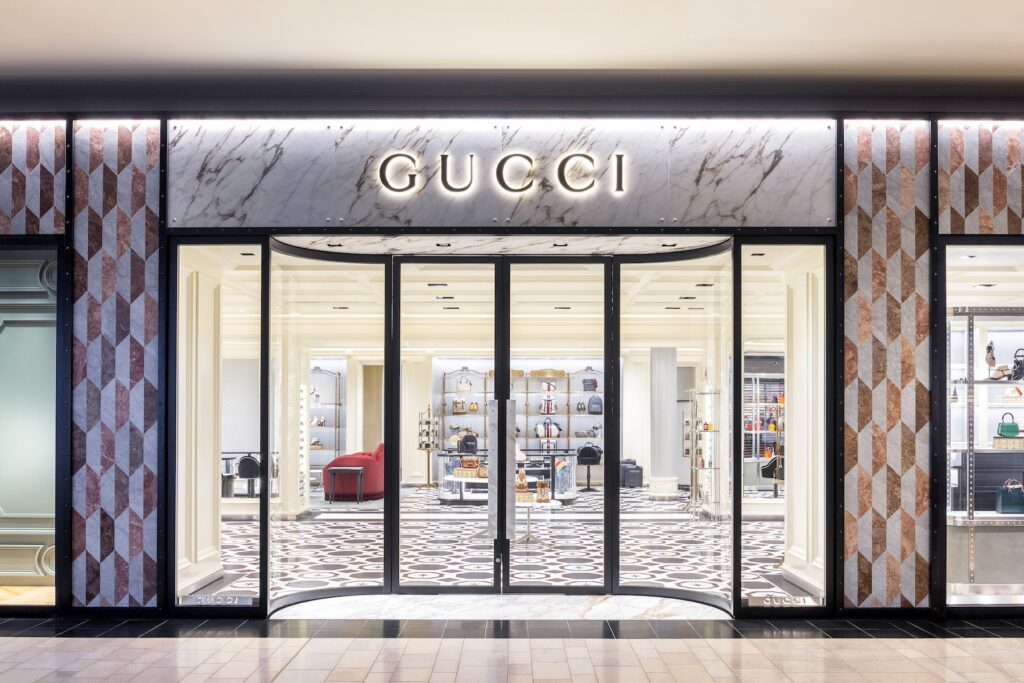
For more than 40 years, Ross Park Mall has been part of Pittsburgh’s North Hills, evolving alongside the way the region shops, gathers and experiences retail. From a regional shopping center to Pittsburgh’s premier luxury destination, Ross Park Mall continues to evolve with the city it serves.
The Evolution of Ross Park Mall —Four Decades in the Making
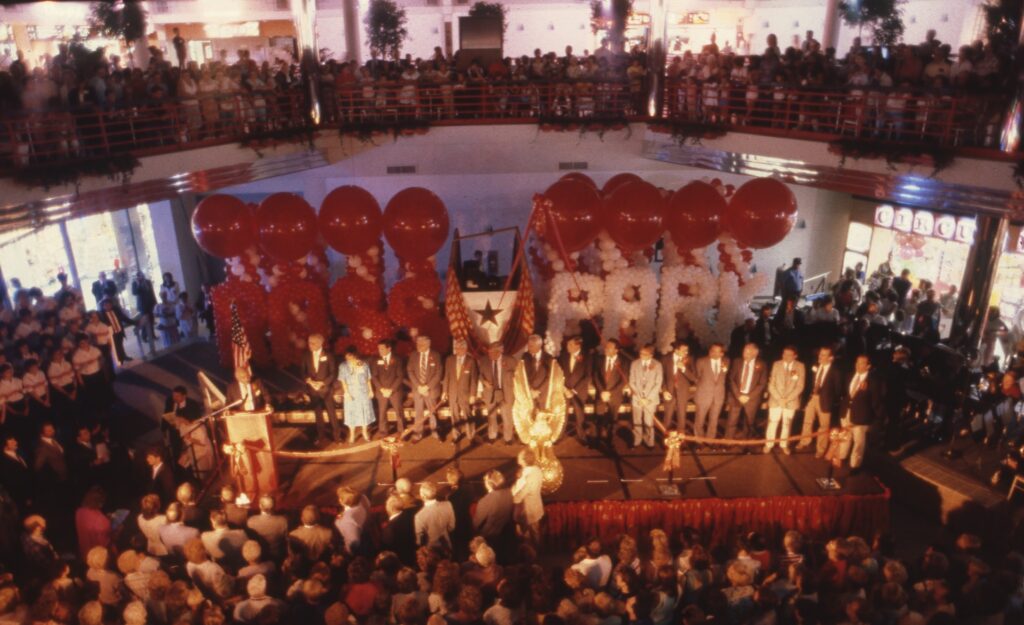
Opened in 1986 with Sears, JCPenney and Kaufmann’s, the super-regional destination was designed to adapt. That vision continues today through a curated mix of fashion, dining, lifestyle and experiences.
Rather than replacing its original framework, Ross Park Mall has continually layered new concepts and experiences onto it, responding to the changing ways people shop and connect.
“Ross Park Mall has grown alongside Pittsburgh, continually redefining what a modern retail destination can be.” — Lisa Earl, General Manager
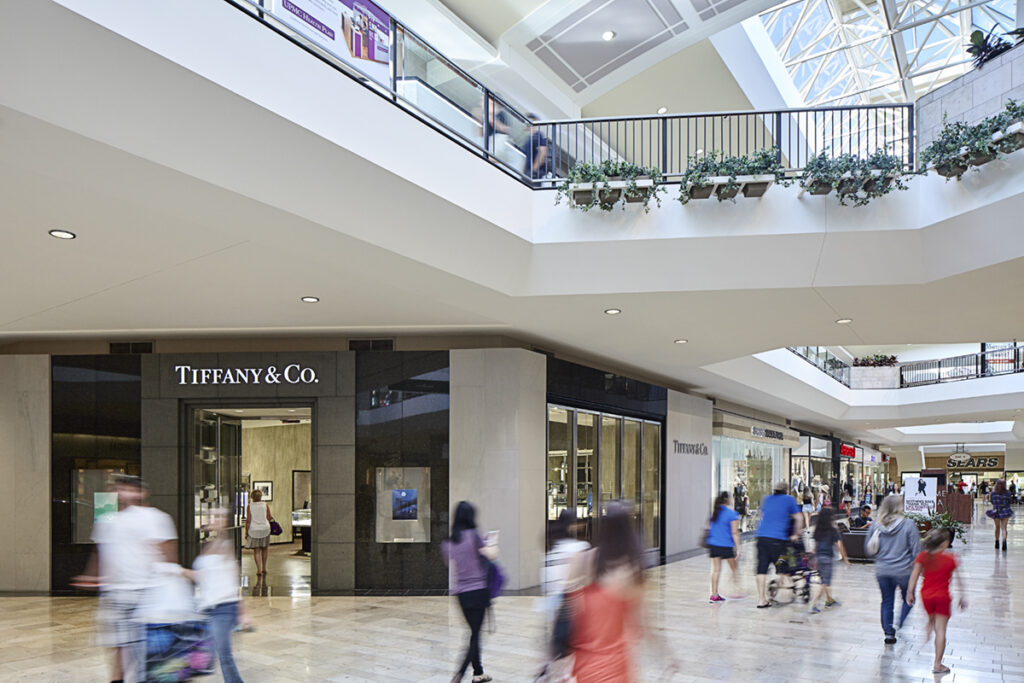
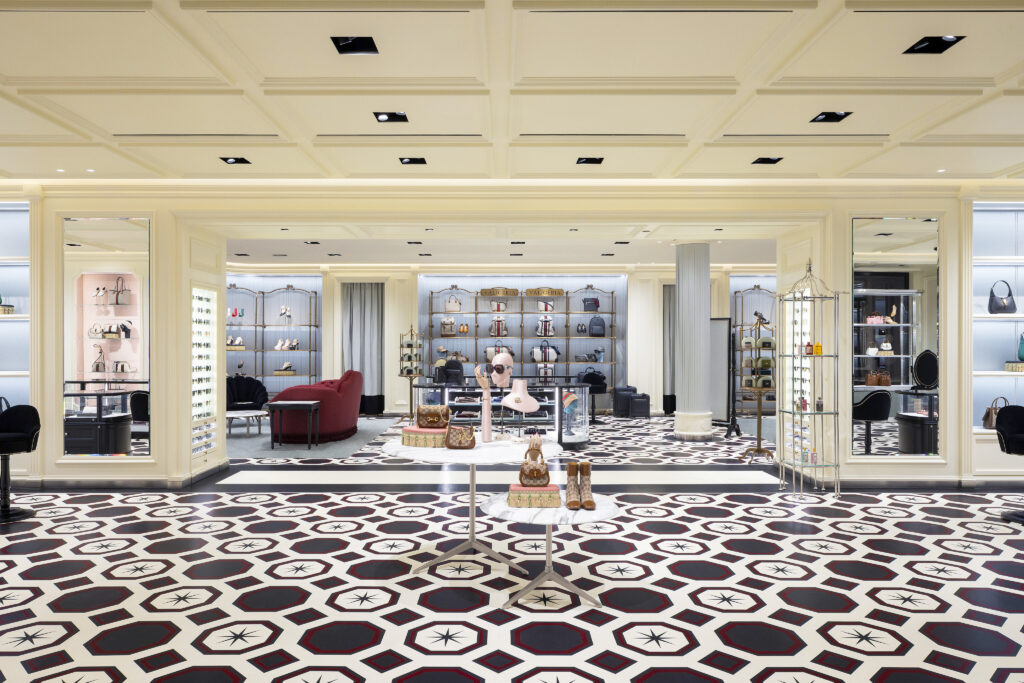
The arrival of Nordstrom in 2008 marked a pivotal shift, followed by a lifestyle wing and luxury maisons including Tiffany & Co., Burberry, Gucci and Louis Vuitton. Apple and Crate & Barrel further expanded the Mall’s role as a destination where aspirational retail meets everyday life.
Evolution in Motion
1986: Mall opens with Sears, JCPenney and Kaufmann’s
2008: Nordstrom and luxury expansion elevate the experience
2010: Apple and premium dining signal a lifestyle shift
2024–25: New luxury and experiential brands arrive
A Destination Rooted in Community and Built for the Future
The next chapter of Ross Park Mall blends innovation, redevelopment and continued investment in the region.
Today, Ross Park Mall is more than a shopping destination. It has become a community hub, where seasonal programming, local partnerships, dining and experiences bring people together.
Simon’s continued investment is driving the next phase of transformation, including the reimagining of key spaces and new uses designed around how consumers experience retail today.
“The future of Ross Park Mall is about more than retail—it’s about creating a destination that inspires.” — Lisa Earl
The former JCPenney space is being redefined into a more dynamic footprint, reflecting the move toward experience-rich environments. And with the anticipated arrival of Zara, a first-to-market presence, Ross Park Mall continues to attract sought-after brands and bring global trends to Pittsburgh.
From luxury fashion to lifestyle essentials, Ross Park offers a mix defined by choice, curation and exclusivity—giving customers a reason to return and discover what’s next.
What Defines Ross Park Mall Today
Luxury and lifestyle brands
Continued investment and reinvention
Experiential retail
National relevance with a distinctly Pittsburgh connection
Ross Park Mall: Where Pittsburgh Shops What’s Next
After 40 years, Ross Park Mall continues to evolve with a clear vision: to create a destination that inspires, connects and defines what’s next.
With continued investment, curated growth and a commitment to innovation, Ross Park Mall isn’t simply reflecting the future of retail—it’s helping define it.
My qualifications for writing this list: I look forward to my morning coffee the night before, and a non-negotiable in my monthly budgeting is my coffee allowance. While I appreciate a quality cup of joe at home, I’ve grown fond of the undeniable thrill of the coffee shop experience. Maybe it’s the freelancer in me, but over my time in Pittsburgh I’ve spent my fair share of time inside different java spots all over the city, with a heartfelt thank you to those that have closed and those that are still favorites today.
Speaking of current favorites, let’s dive into my favorite coffee drinks in and around Pittsburgh. As a preface, I love an iced latte or cold brew—basically, an iced anything—and have a few spots I fancy for drip coffee or a cappuccino. I’m a Gemini, after all, so my coffee order changes with my mood. If you feel the same, this list is for you.
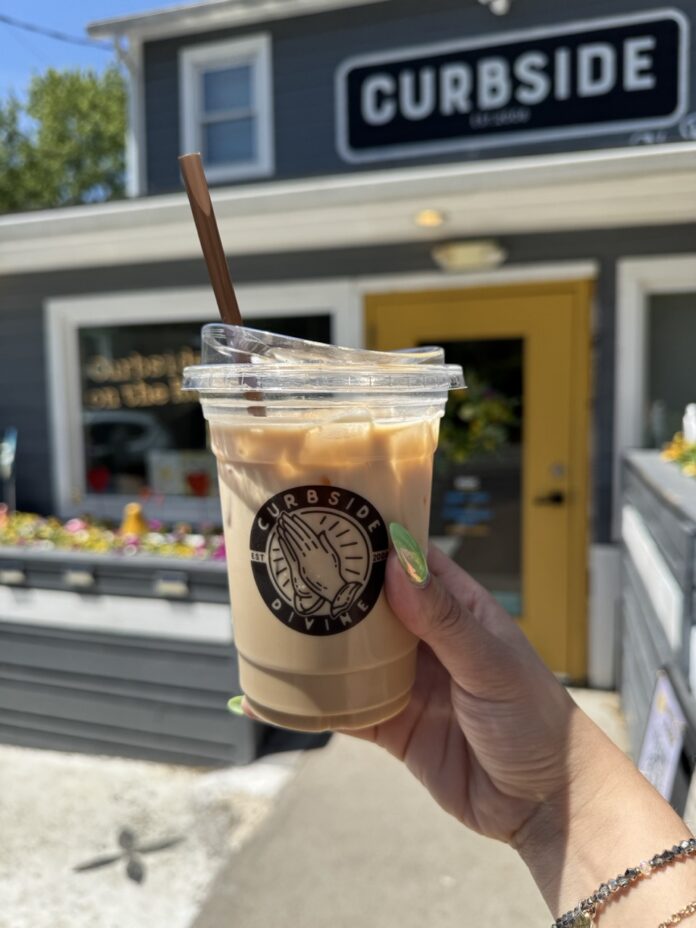
As much as I want to try something else when I come here, I simply cannot—the salted date and caramel combination is unbeatable for me. I love this coffee so much, I’ll actually book a workout class on this side of the city just as an excuse to come here. Their naturally sweetened combinations and house-made syrups are fun and innovative: Summer brought exciting options like a Key Lime Pie Latte and Frozen Coldbrew with Tahini and Date. I always love the music they play, especially when the playlist includes R&B. That’s my kind of background tunes.
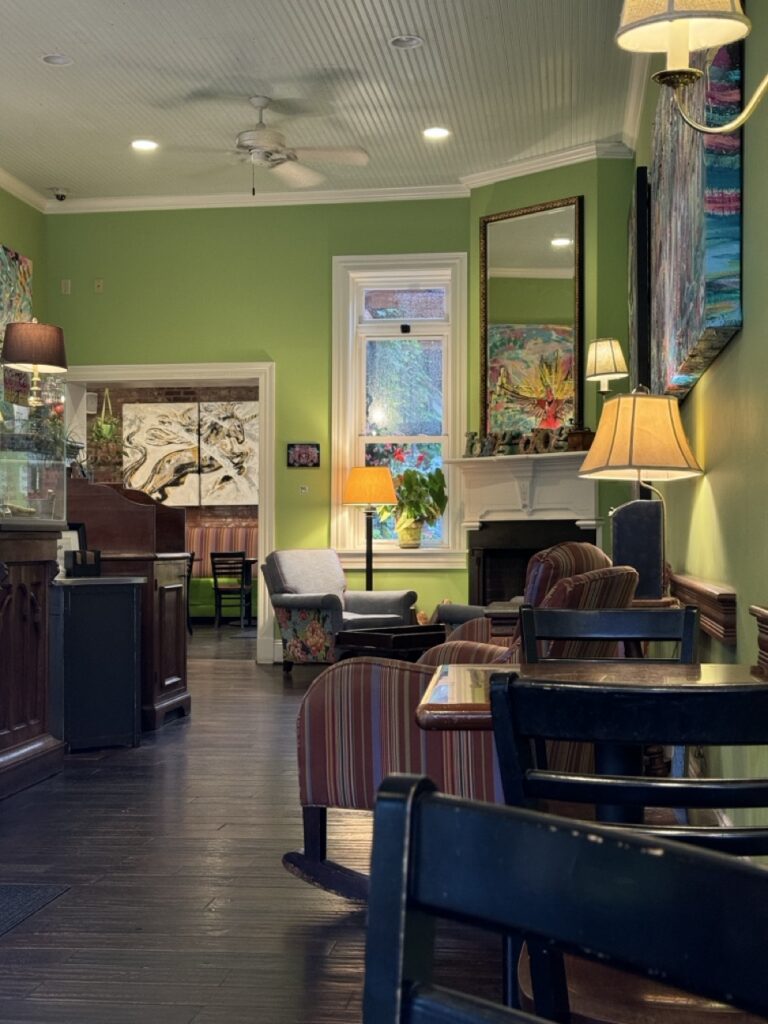
I’ve been coming to Big Dog for over eleven years now—at least—and while many things keep me coming back, the cold brew is a big one. Dare I say, it’s my favorite cold brew in the city: smooth, bold, and keeps me on top of my writing deadlines. It pairs perfectly with their oatmeal bar—they also make their own yogurt in-house!—which comes with unlimited toppings. Plus, in the winter, the fireplace makes me feel like I’ve been transported to a friend’s cozy living room.
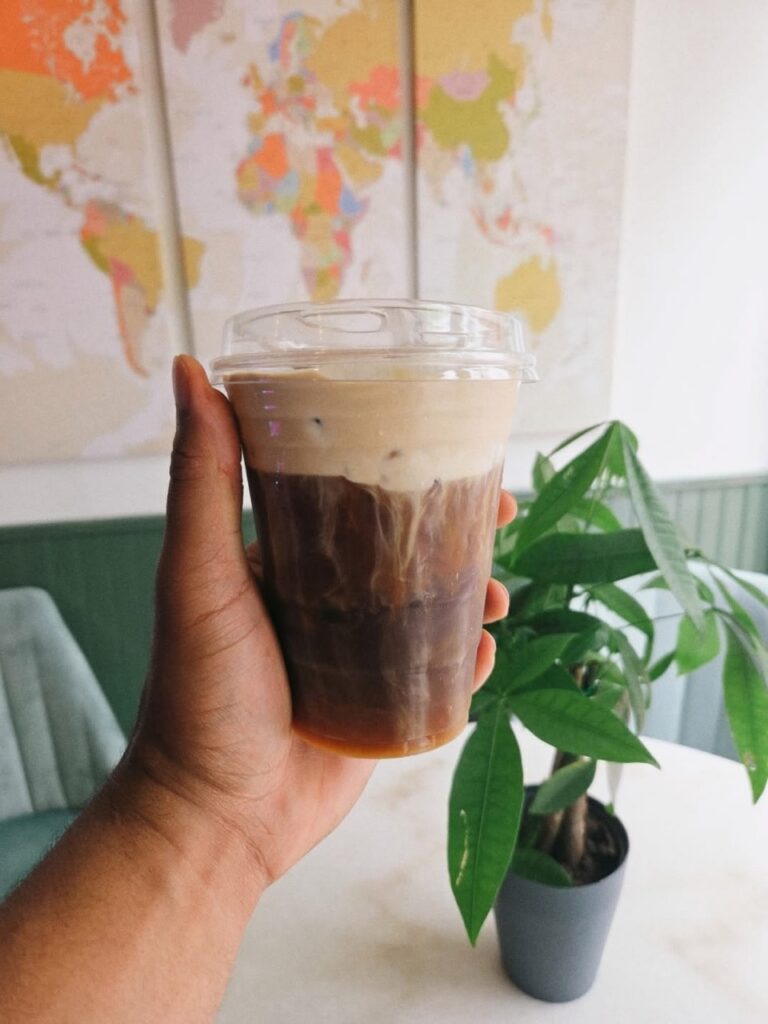
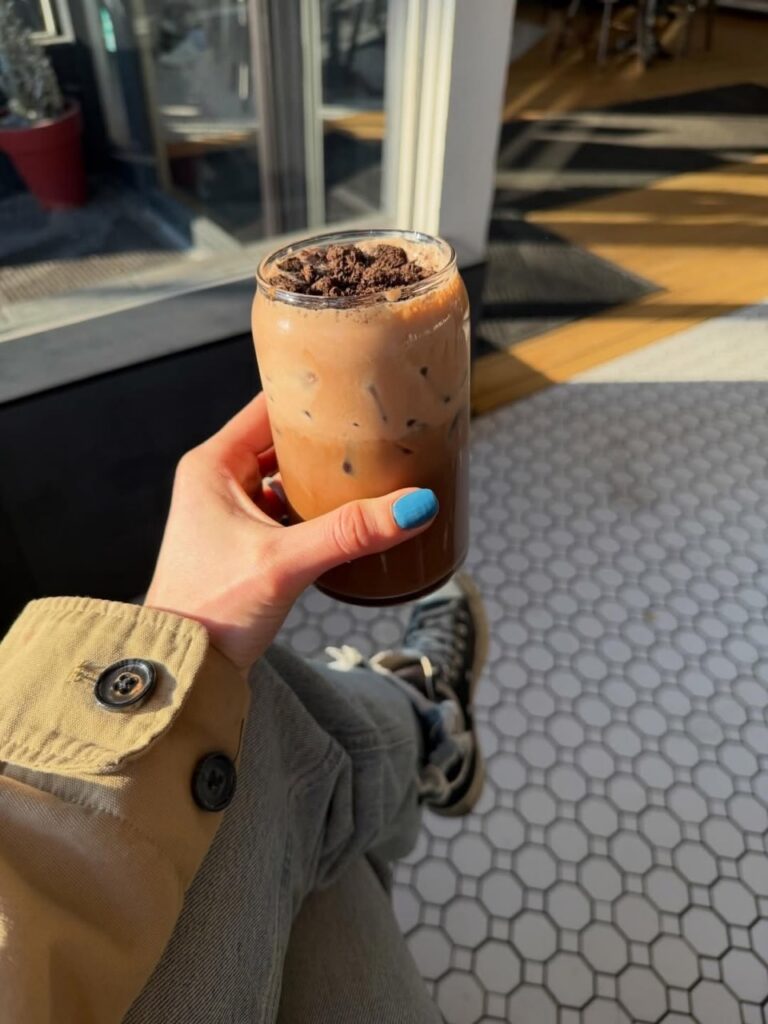
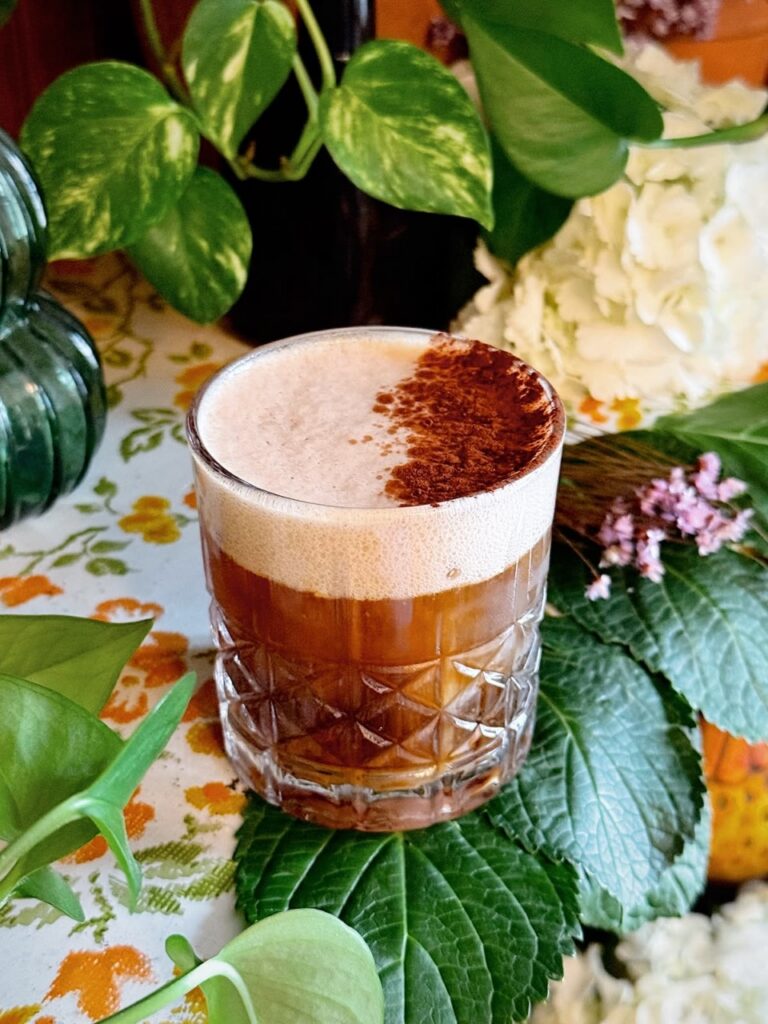
Properly named, The House Favorite combines cold brew, condensed milk, brown sugar, and coffee ice cubes. It’s not only a treat in itself, but the coffee ice cubes are a genius invention I want in every coffee drink. They rotate their food and pastry options, but my favorite offering is the Breakfast Pies from 350 Bakery right up on 18th Street. The South Side location offers a lofted, airy space ideal for meeting a friend or getting work done. Speaking of, they recently announced a third location coming to Oakland next month. H2P!
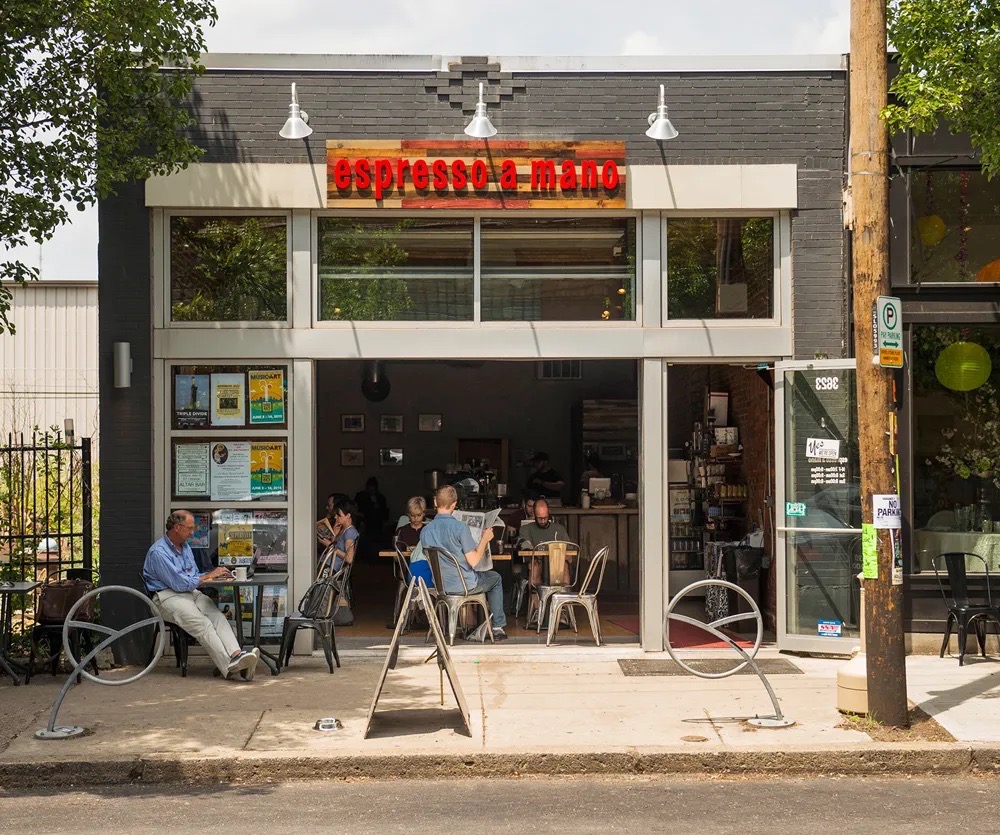
A coffee shop without Wi-Fi, Espresso A Mano exists as my oasis to remind myself to stop and smell the coffee. A staple in my routine since I moved back to Pittsburgh post-grad, I love few things more than watching the snow fall through the enormous garage-door-style window while sipping a hot mocha. In the summer, I also enjoy something iced and sitting outside as a work break. And when I get hangry, their food options are always enticing, especially when they have breakfast burritos from Baby Loves Tacos.
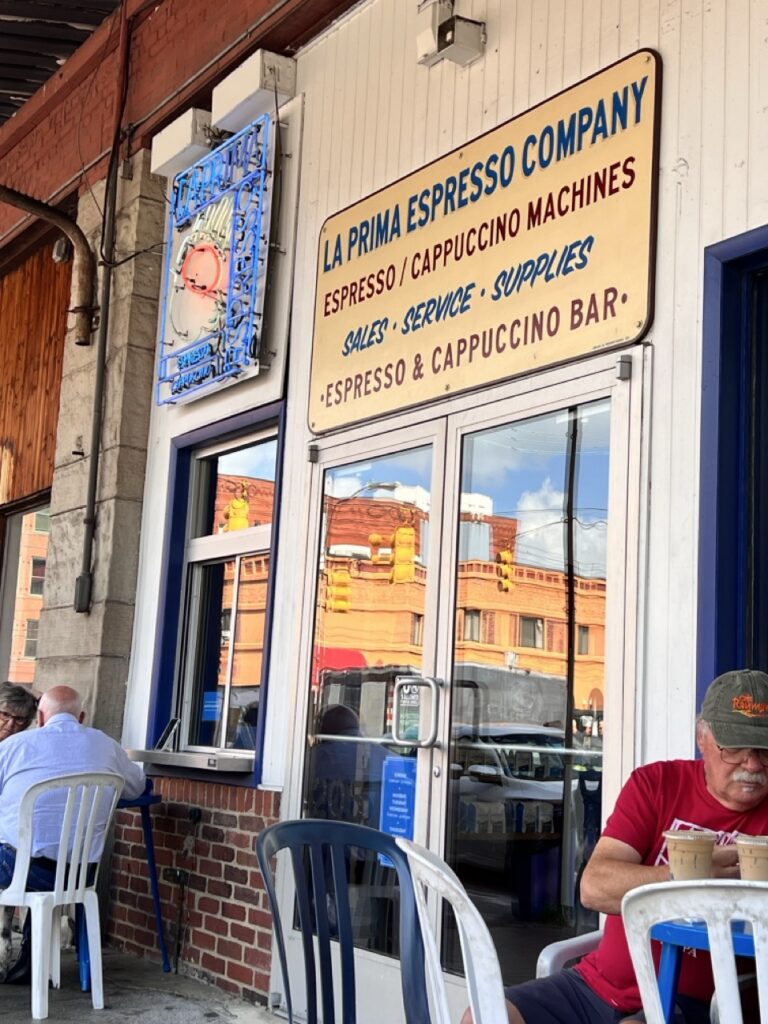
If I want a reminder of what it was like sitting on the streets of Italy, sipping a cappuccino and chatting with strangers, I go here. It’s not only a great excuse to practice my Italian, but sitting outside is an activity in itself and a great reminder to live in the moment and not look at a screen. They also roast their own coffee beans, and you can find their coffee at various restaurants around the city.
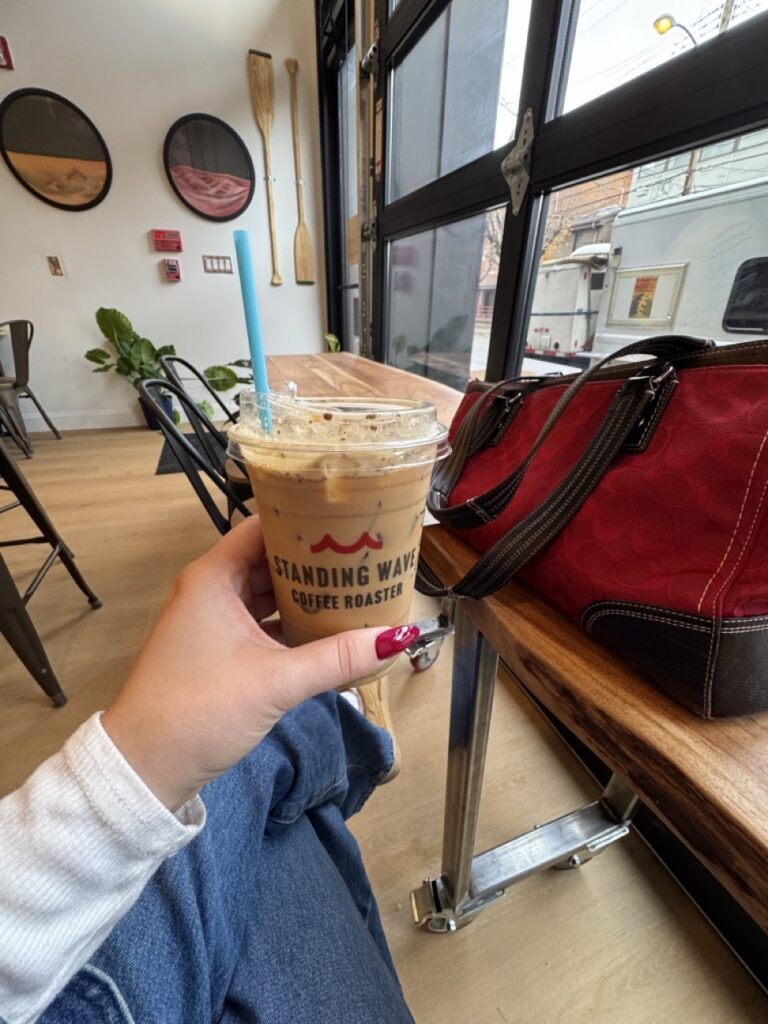
If you’re on the hunt for an iced latte that’s the perfect color every time, it’s Standing Wave. I truly don’t know how they do it, but I’ve never had a coffee here that I didn’t like. They roast their own coffee and carry my favorite coconut milk, which I haven’t been able to find anywhere else. You can also catch their coffee truck around the city and their shop outside of the city, Silver Horse, in the Laurel Highlands. While I love their South Side location for getting work done—featuring plenty of outlets and a big comfy couch—the Lawrenceville Market House location is conveniently located less than 100 feet from my vintage store. Vintage + coffee = the perfect combination.
Another shop that brews its own beans. I order this drink 95% of the time when I come in. It’s never too sweet, and I take full advantage of working from their Strip District location when it’s nice out. (AKA perfect people-watching on Smallman Street). Their Troy Hill location is truly special and worth the drive up Rialto Street for a breakfast sando and calm work vibes. It’s reminiscent of working in someone’s never-ending dining room.
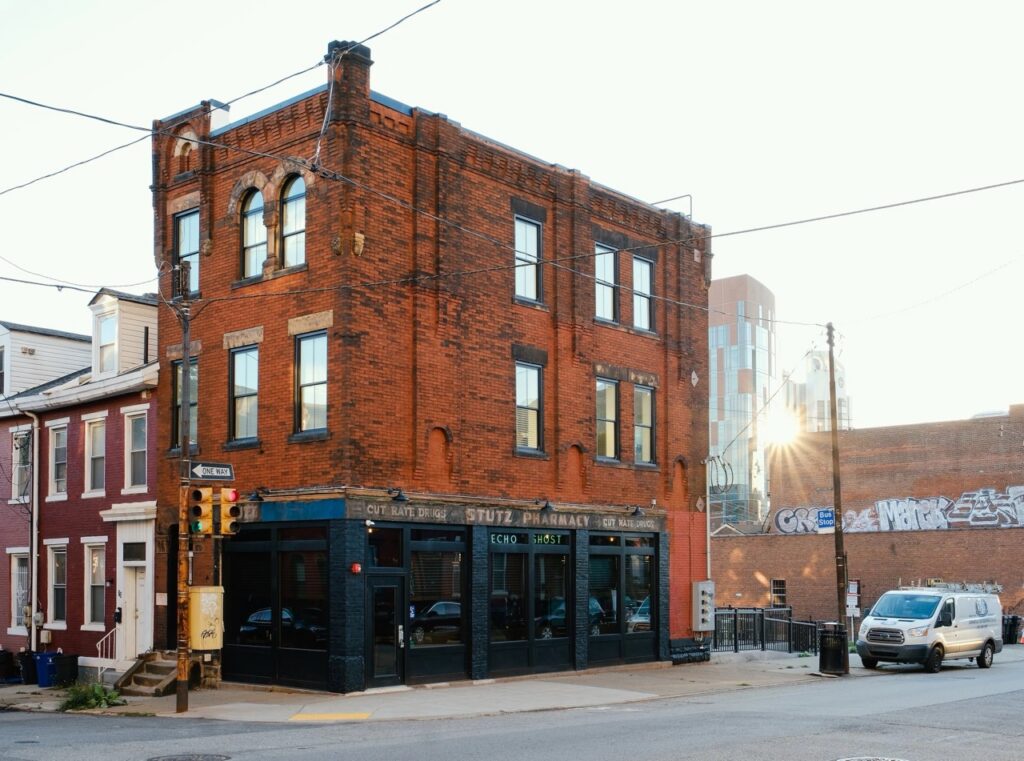
With coffee by Ghost Coffee Collab, Trace makes one of my favorite cups of coffee I’ve had—just as is, ~gasp~. They’re open seven days a week, and I love remembering that they have a great outdoor work area in Bloomfield—and Uptown!—that doubles as their beer garden. I recently panic-ordered an Iced Americano, and it had me buzzing through my to-do list. For a more industrial and darker vibe, grab a table inside or at the bar. Perks of working at a brewery: it’s BYO food, and there’s a wide array of nearby eateries (cough cough, Brothmonger and Dad’s). They serve coffee until 3 p.m. every day, aaaand then you can switch to beer.
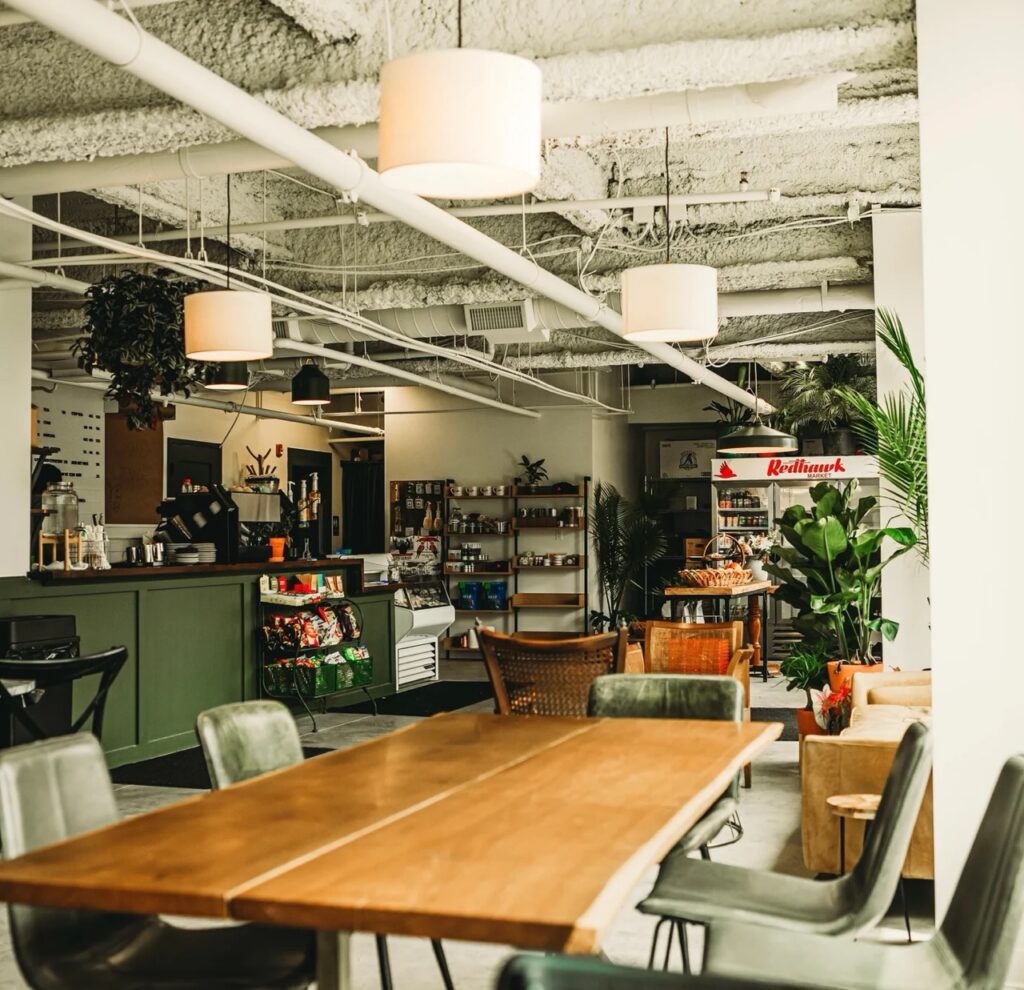
Anytime I’m craving something hot, I always think of Redhawk. It may just be the nostalgia in me: Redhawk opened after I graduated from Pitt, and it was always a coffee shop I visited when I would come back to campus. Plus, as a branding fiend, they’ve always had distinctive and fun messaging, from their coffee cups to their coffee bags. With their various locations, it’s ideal for fitting into my schedule no matter where in the city I am. They’ve been a go-to for years, making them a reliable option for a good ol’ cappuccino.
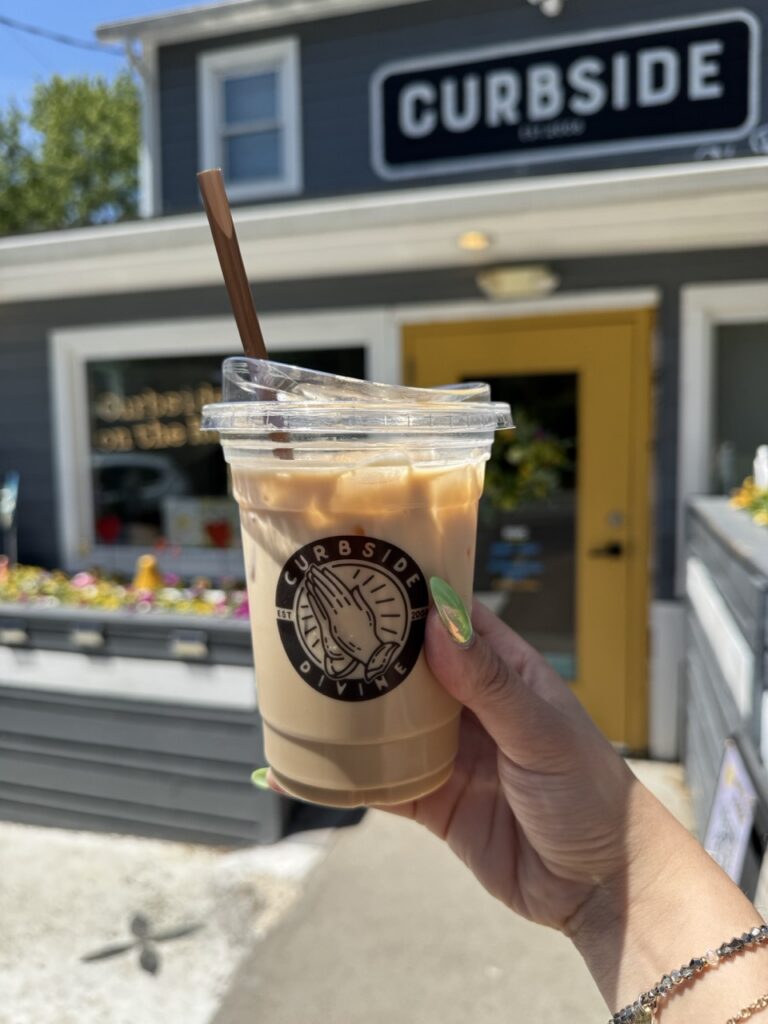
Ending on a sweet note, this is the best spot for a decadent and creative coffee drink. Plus, their rotating food menu will have you salivating over what they can do with a basic breakfast sandwich. If I want to celebrate any feat, this is where I go to treat myself. They often run a themed menu depending on the season, but one of my favorite drinks was the Iced Banana Pancake Latte I had early in the summer. While there’s no indoor seating, you can grab a seat on a bench outside. Paired with a sausage, egg, and cheese with bang bang sauce, this is screaming, “Treat yourself. You deserve it.”
As I write this column, I’m currently a latte deep and bookmarking my next-to-try spots: Encanto in the South Side, Wunderbar in Bellevue, and Spigolo in Edgewood. Let me know: Where else should I have on my radar?
Jess Iacullo writes TABLE Magazine’s monthly “Hungry Jess” restaurant column, covering Pittsburgh’s dining scene. A New Jersey native and decade-long Pittsburgh resident, she’s also the founder of Hungry Jess Big City, a social media and marketing business serving local and national food and lifestyle clients. Follow her at @hungryjessbigcity.
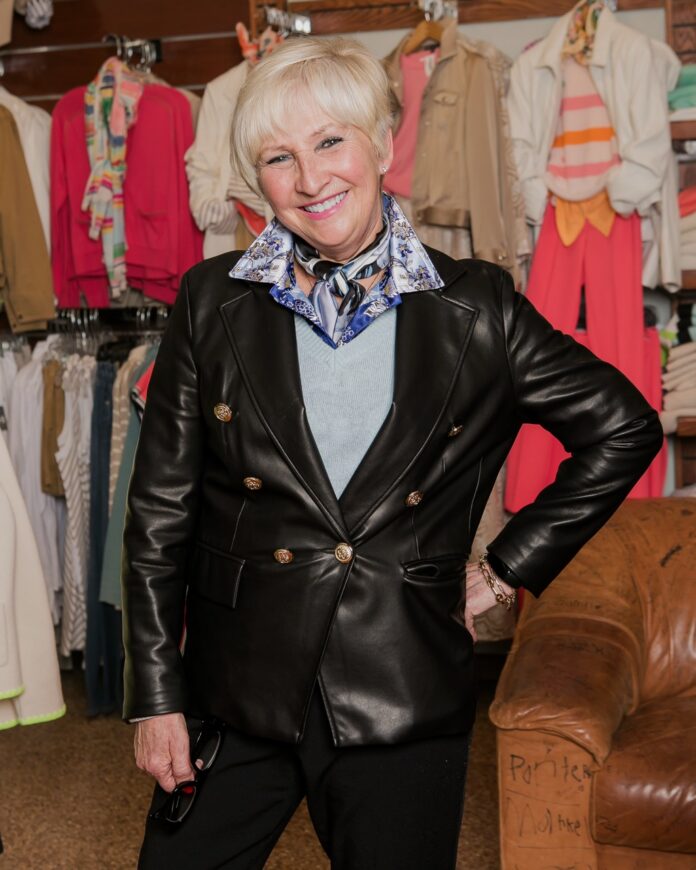
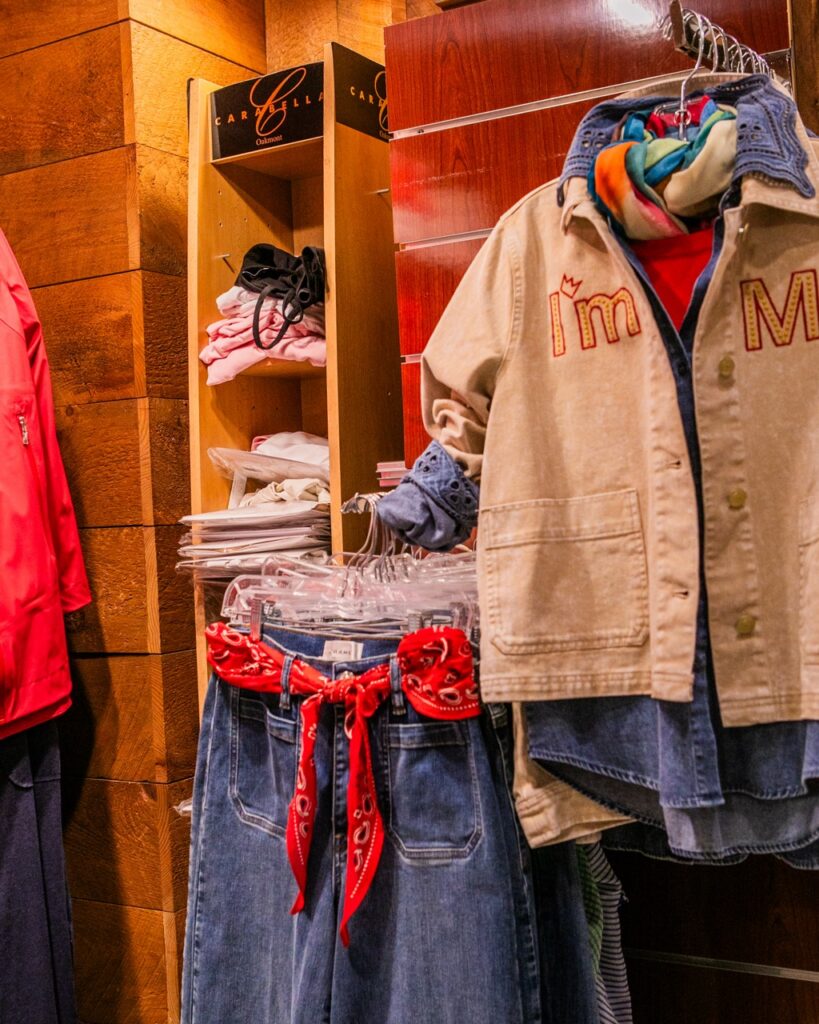
On any given day that Pittsburgh disappears under a record-breaking snowfall or city-wide events take over, shuttering most businesses, Carol Kinkela unlocks the lipstick-red door to her clothing boutique, Carabella. Even when Oakmont’s brick-paved main street is nearly deserted, the 68-year-old Kinkela—in her trademark heels and neck-knotted scarf—is merchandising and prepping for customers, just as she’s done six days a week for the past three decades. “We were open because I knew people would want to come in,” she says.
Meet Carol Kinkela, Owner of Carabella Boutique in Oakmont
For Kinkela, showing up isn’t a decision, it’s a reflex. That single-mindedness has defined Carabella from day one. When Kinkela opened the boutique in September 1996, it was a tiny 600-square-foot space, stocked with $52,000 worth of inventory she’d bought on instinct at a New York City trade show. What Kinkela had in greater supply was conviction: an unshakeable belief that she understood how Pittsburgh women wanted to dress. Thirty years later, the store has tripled in size and become one of the city’s most-enduring independent retailers, still built on intuition, personalized service, and Kinkela’s near-daily presence on the sales floor.
Kinkela’s fashion education started long before she had a storefront. Her grandmother sewed teeny couture outfits for her Barbies, kickstarting an early obsession with clothing construction and detail. By 12, she was riding the bus—alone—from North Versailles to downtown Pittsburgh, spending afternoons roaming Kaufmann’s, the iconic downtown department store, not so much shopping as studying fabrics, displays, and buyer behavior.
How Carabella Transformed Into a Retail Landmark
A formative job at the Shadyside boutique Surrey was a masterclass in retail, teaching her the psychology of selling clothes. After a detour into her husband’s business, she found herself unexpectedly fired from a corporate role in 1996. “I took it as a sign,” she recalls. Within a whirlwind six months, she had leased the Oakmont storefront and opened Carabella before the drywall was even finished. “I was scared to death,” she says.
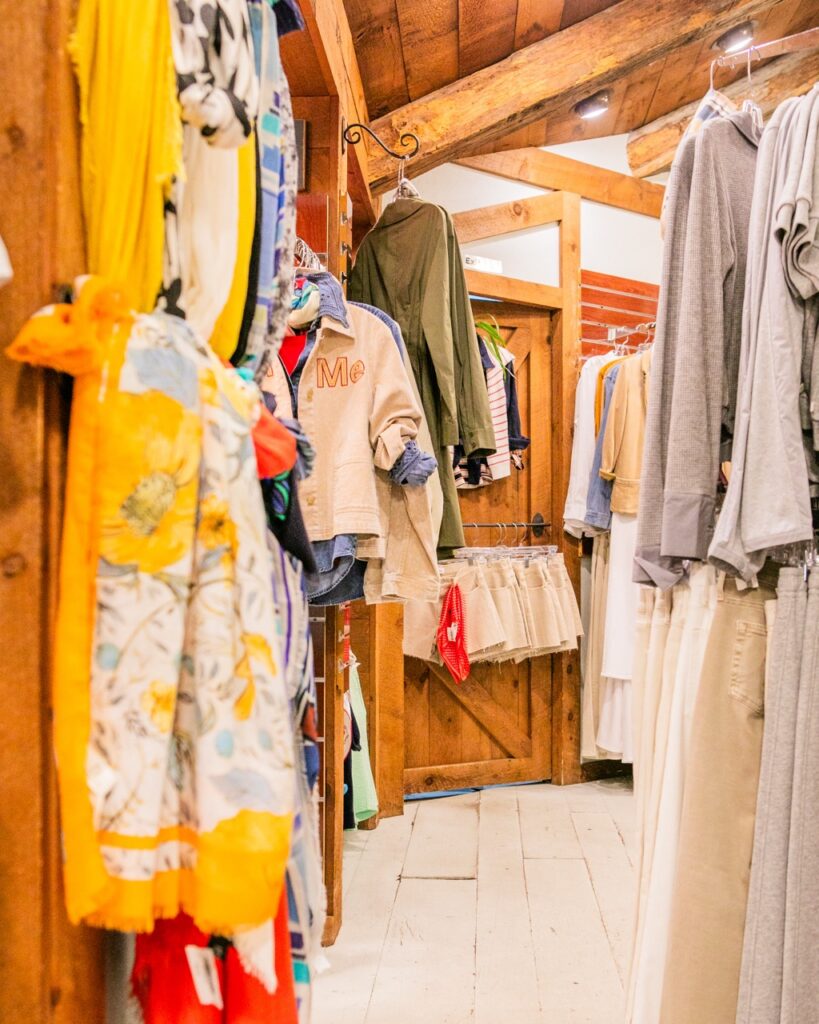
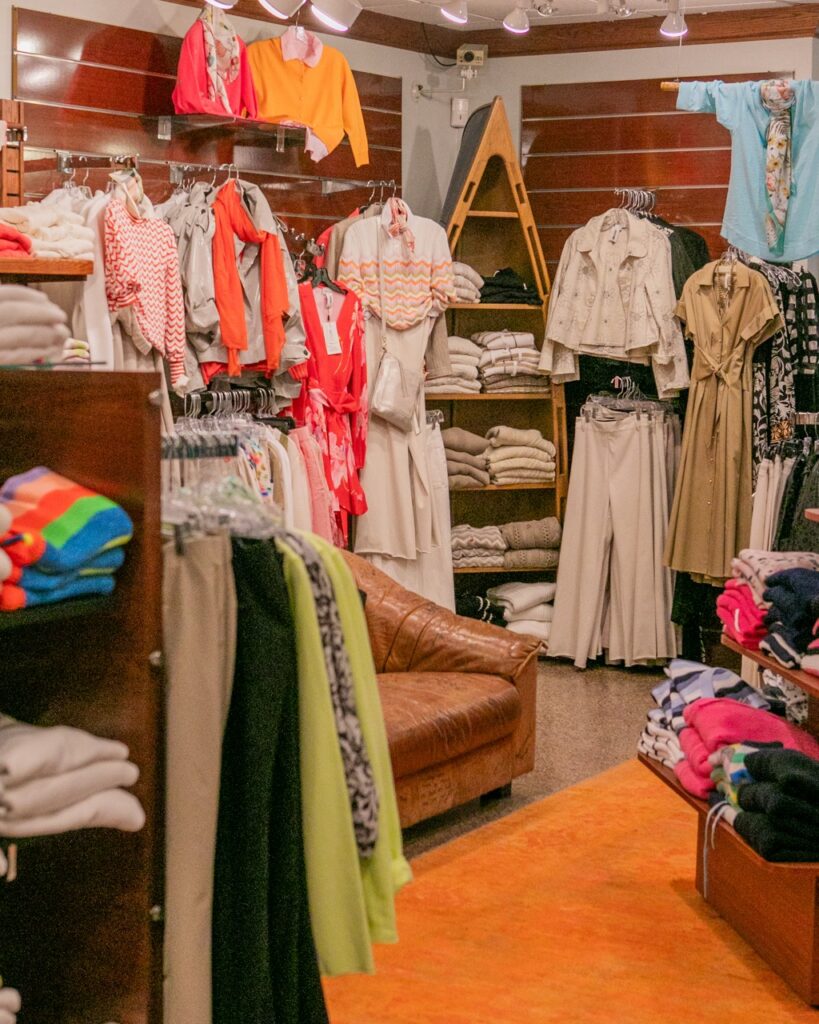
From the beginning, Kinkela trusted her eye. Bypassing trends, she stocked Carabella with a look she describes as “tailored with a twist”: structured silhouettes, lots of saturated color and graphic prints, and statement outerwear. “A great coat enters the room before you do,” she says. “That’s power.” Mainstays at the store include patterned trousers, menswear-inspired blazers, and seasonal intarsia sweaters with designs like Valentine hearts and Halloween skulls.
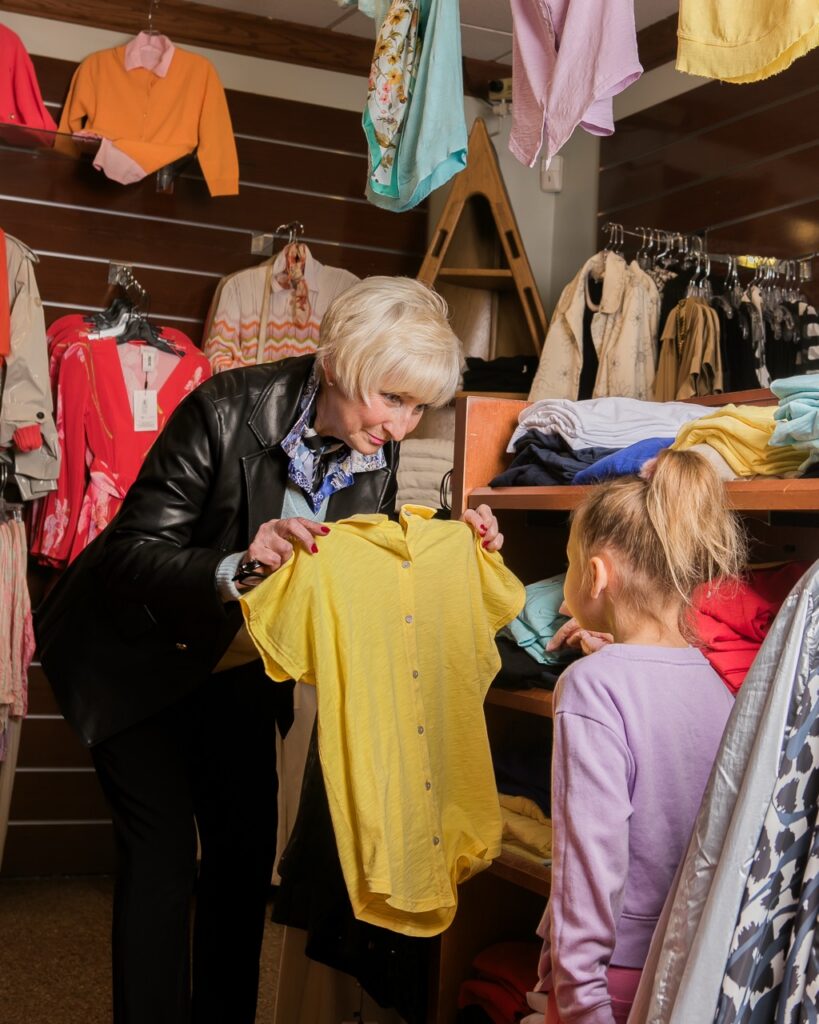
Three decades later, Carabella is an institution. Kinkela is supported by a staff of 15, who prioritize service and an unhurried vibe. First-time visitors are welcomed like old friends, and the tan leather sofa, inked with customer doodles and signatures, acts as an informal guest book. Kinkela herself shows no signs of slowing. “I still get excited when a new shipment comes in,” she says. Her routine remains unchanged for now: the lights on, the racks straightened, the scarf tied just so. Snowstorm or not, Kinkela keeps Carabella’s door open—confident that, sooner or later, someone will walk through it.
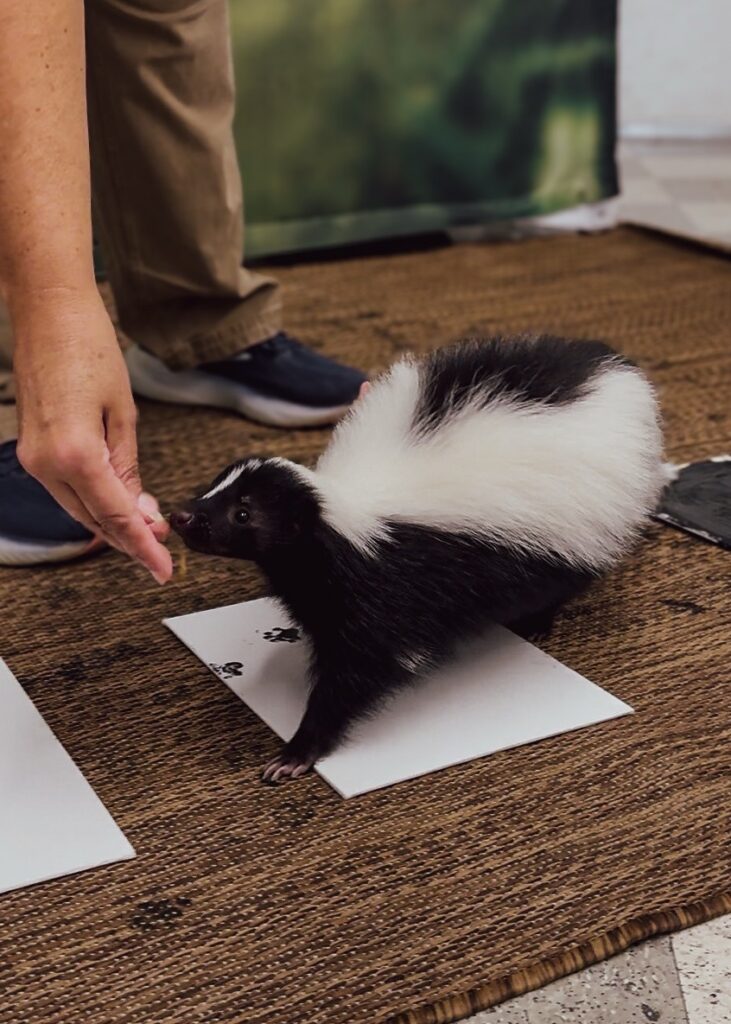
There’s a new pair of sisters at the National Aviary — but they’re not birds. And while you might be alarmed to encounter this particular species in your backyard, striped skunks are an adorable addition to the nation’s premiere bird zoo.
Two striped skunks have joined the Aviary’s menagerie, added to the North Side institution’s roster of non-avian species. While birds are the main attraction at the National Aviary, adding other animals helps develop biodiversity and more natural habitats.
Striped Skunk Sisters are the Newest Animal Ambassadors at the National Aviary
In a press release, the Aviary explained, “Often misunderstood, skunks play a crucial role in their ecosystems by controlling insect and rodent populations. This natural behavior helps maintain a balanced food chain, which benefits ground-nesting birds and other wildlife.”
In person, the Aviary staff notes that skunks are more solitary creatures so while you may see the two sisters together at times, they’re often kept separate to have their alone time, just like us humans badly need. They’re almost reminiscent of cats: always on alert, loves a nap, food motivated, and utterly adorable.
And, to answer a critical question: As with all skunks at zoos and other institutions, the scent glands are safely removed in infancy.
The skunk sisters come to the National Aviary from a litter at the Cincinnati Zoo & Botanical Garden; their mother, Lily, is an animal ambassador at that institution. Earlier this summer, they were picked up by Aviary staff and took a road trip to Pittsburgh (following several months socializing with their littermates). They’re not the first critters to join the flock at the Aviary; several other species are represented, including the popular two-toed sloth, Vivien.
Help Name the Sisters
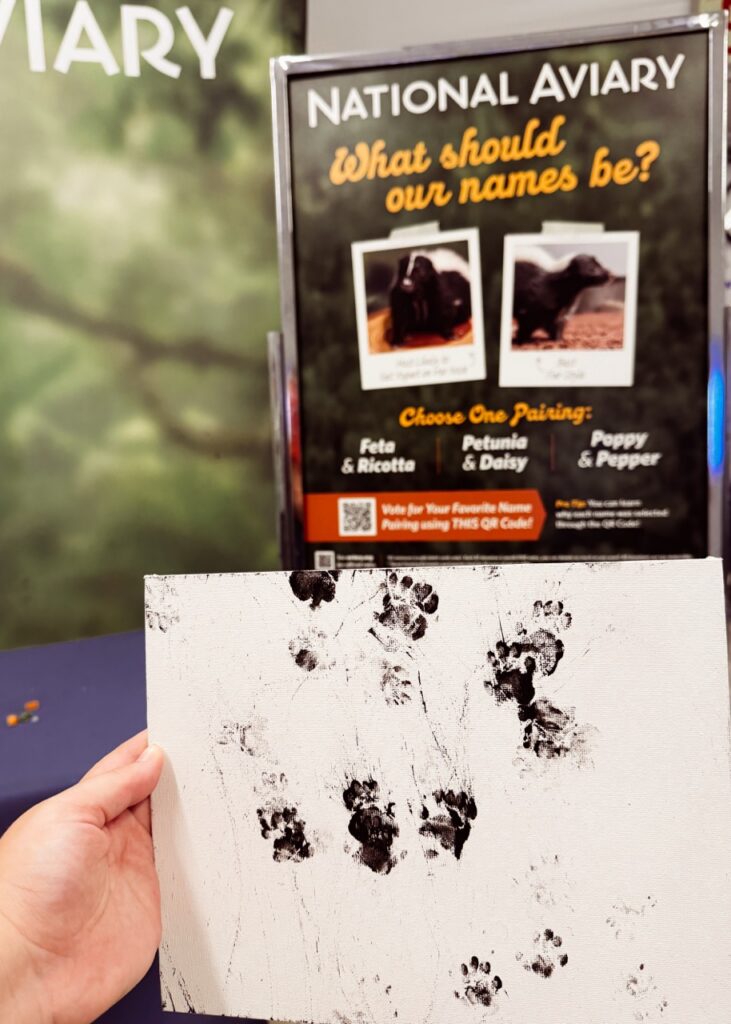
The young skunks are not yet named — and the Aviary is calling on the public to help vote for the appropriate monikers for the pair. First, the public submitted over 1,800 pairs of names for the running but now the staff have it down to the final three pairings. Now it’s your job to help pick the final names. For just a $5 donation (to benefit the Aviary, of course), you’ll get five votes for the names of your choice.
The three options are… (drumroll please) Feta and Ricotta, Petunia and Daisy, and Poppy and Pepper. After meeting the little sisters, we’re partial to Poppy and Pepper since one sister is calm, sweet, serenity while the other is a bit spicy, always looking for treats with endless energy. The official names after the voting are expected to be revealed in early October; whomever suggests the winning name will also win a private meet-and-greet with the sisters.
And… Visit the Aviary’s Skunks Yourself, Too!
But, while you wait for the pair to get their names, you do have two different opportunities to see these ladies on display. If you visit the National Aviary around 1 p.m., you can stop by the Forest Friends: Expert Talk to see one of these sister’s in action, included with general admission.
Though, those who are animal lovers, may want to opt for the second opportunity: a Skunk Painting Encounter. You’ll get a meet-and-greet with the other sister skunk where she walks across a canvas to create a painting with her feet and then get to take the painting home after. You’ll also get to feed one of the skunks from a spoon and get a photo with her on her little photo stump. Let us tell you, if you are at all interested in this experience, it’s far worth it. You get up close to the skunks and get to see their little personalities on display. Our own Online Editor Kylie Thomas got to take in the experience and it’s one she’ll never forget.
When you’re done meeting the sisters, check out our guide for Things to Do in Pittsburgh and make the most of your day out.
About the Author
Sean Collier is the editor-in-chief of Shady Ave and the arts and culture editor of TABLE Magazine. Before joining the TABLE Media team, he spent nearly 15 years as a writer, editor and columnist at Pittsburgh Magazine. As the in-house film critic for the top-rated WDVE Morning Show since 2009, he’s been Pittsburgh’s most widely heard voice on movies for nearly two decades. A Pittsburgh native, Sean has since 2020 appeared weekly on KDKA-TV’s popular Pittsburgh Today Livetalk show. He’s the co-founder of Vigilance Theater Group and an active stand-up comedian and event host. He can be found on Instagram and Twitter at @seancollierpgh.
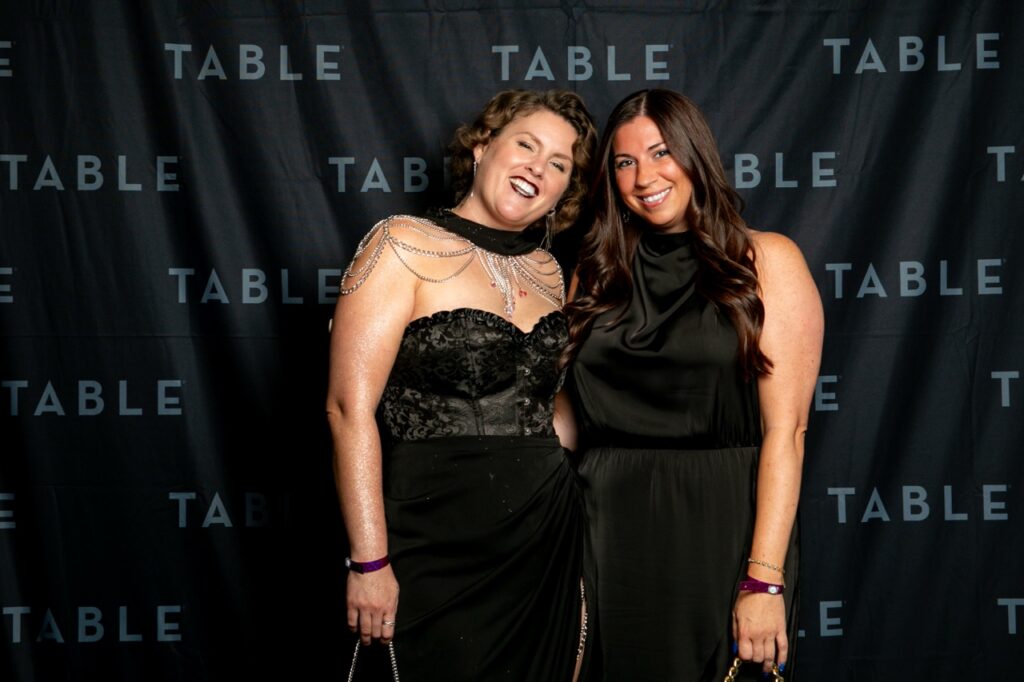
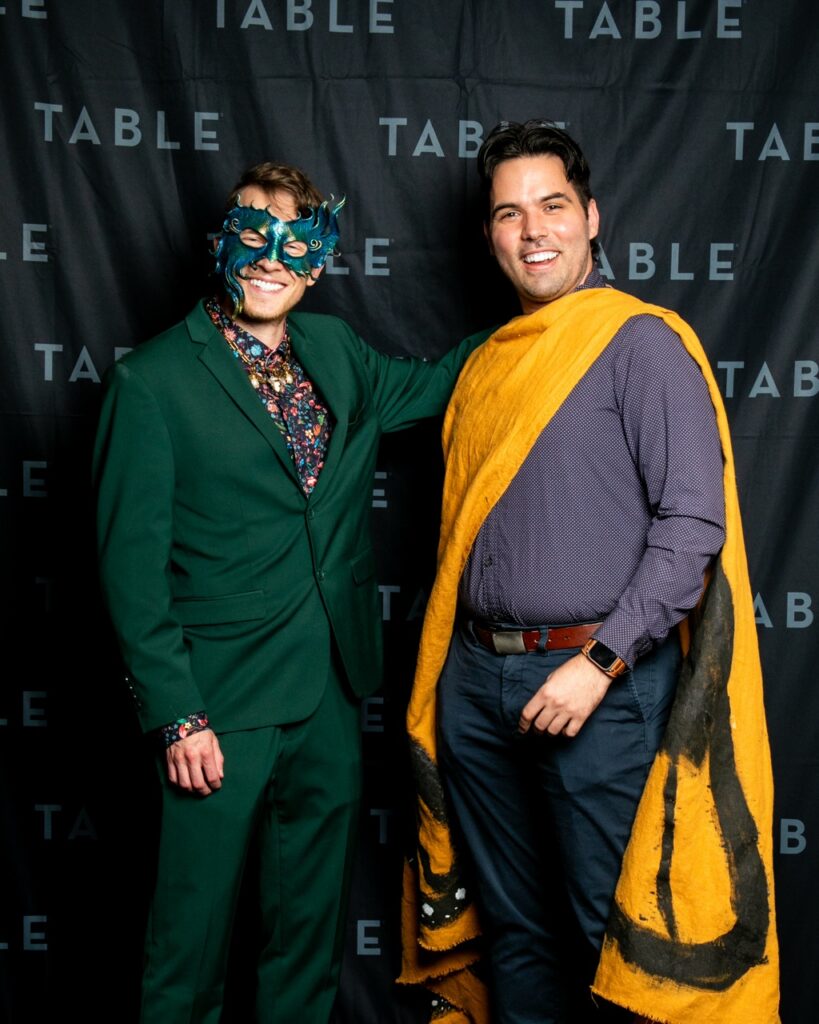
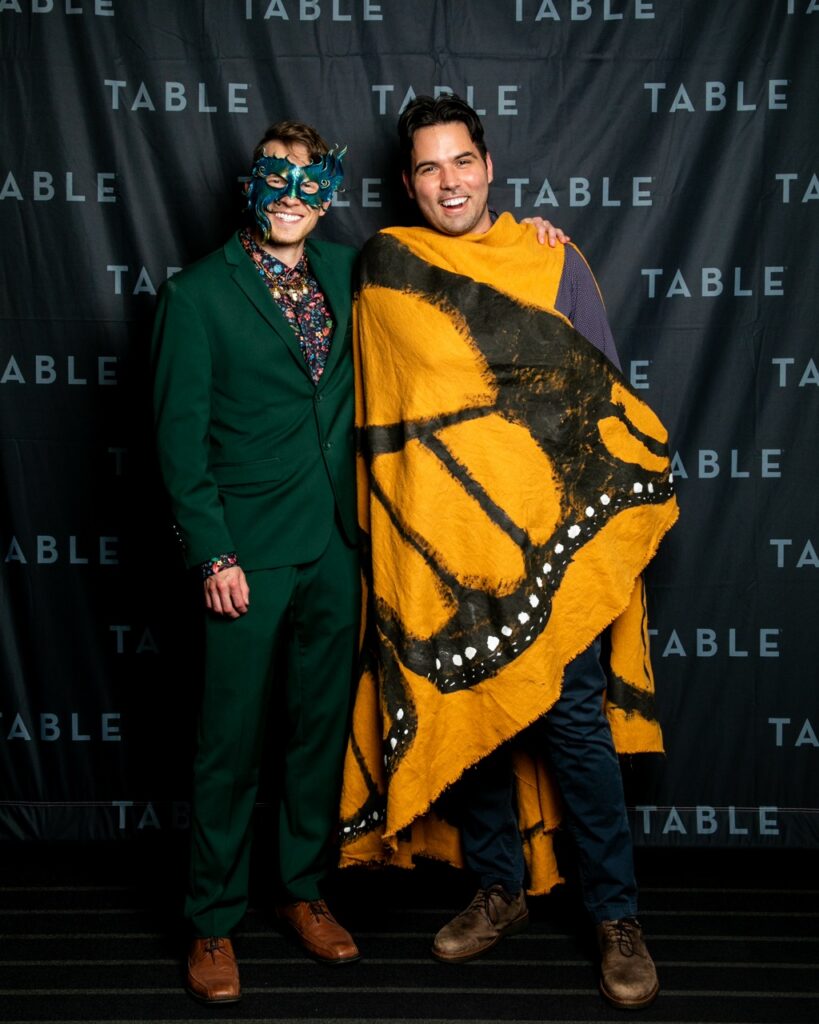
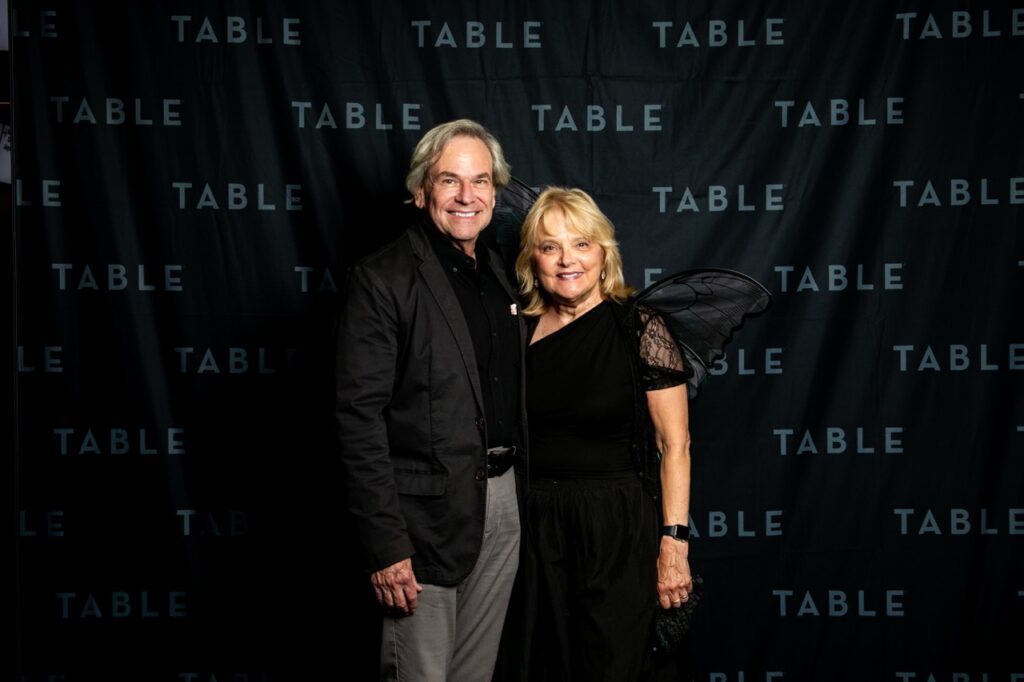
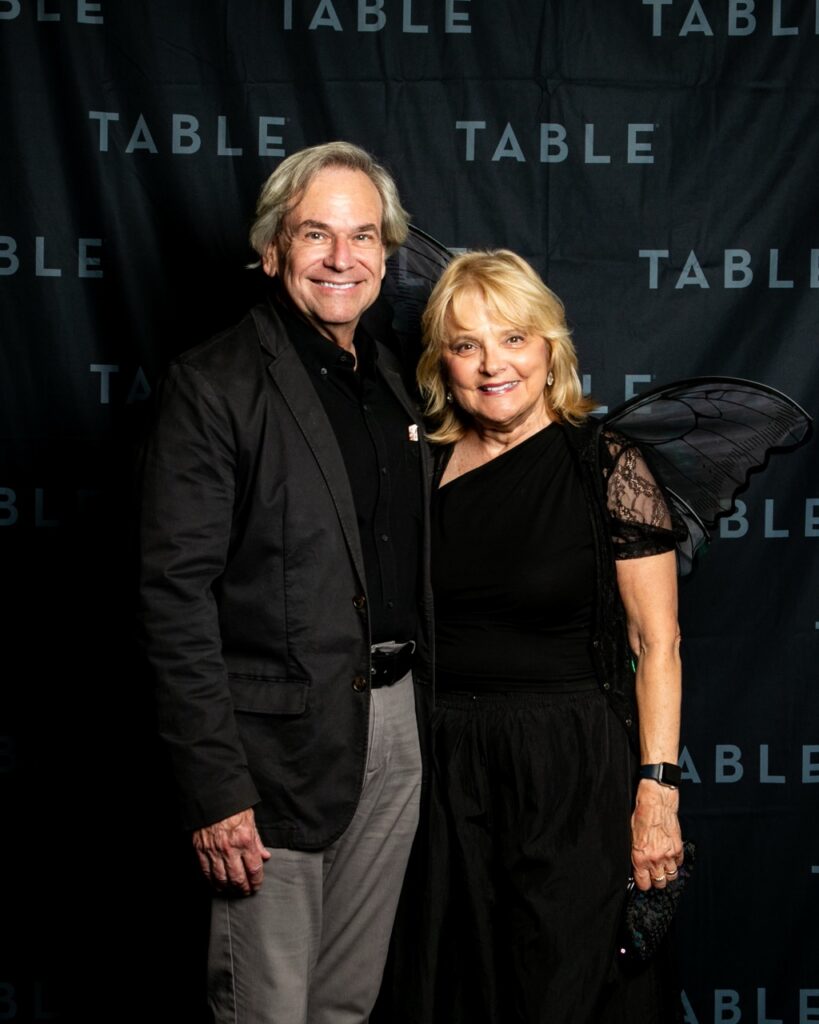
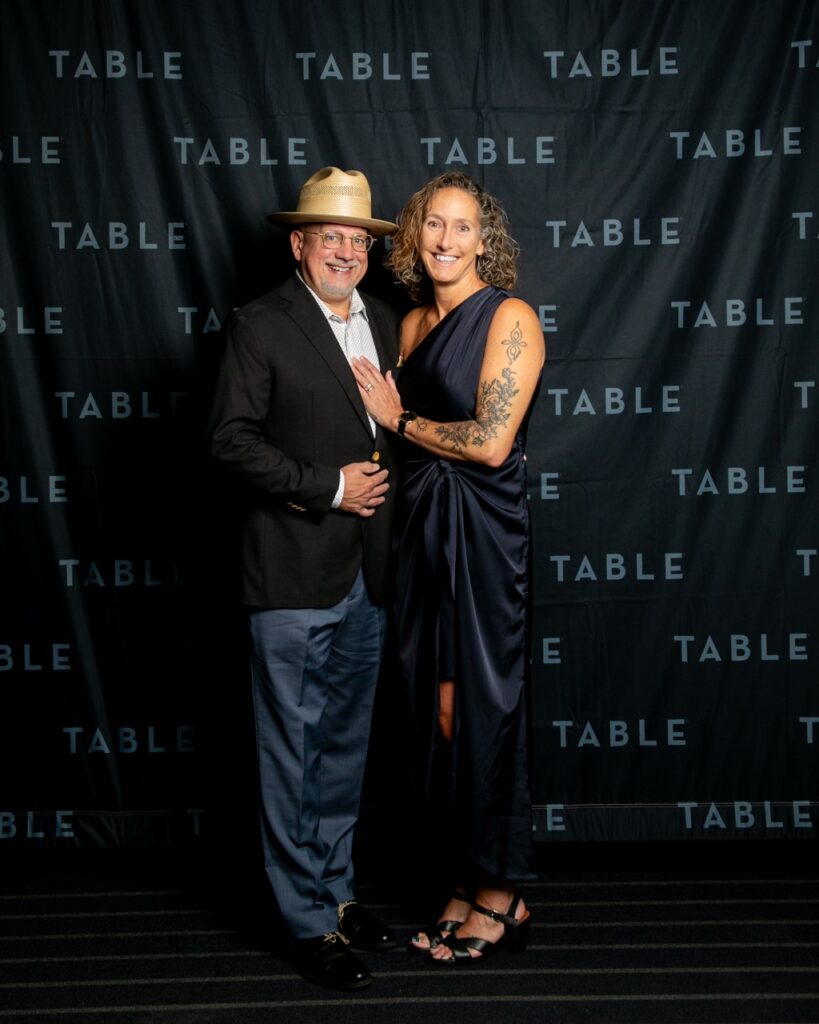
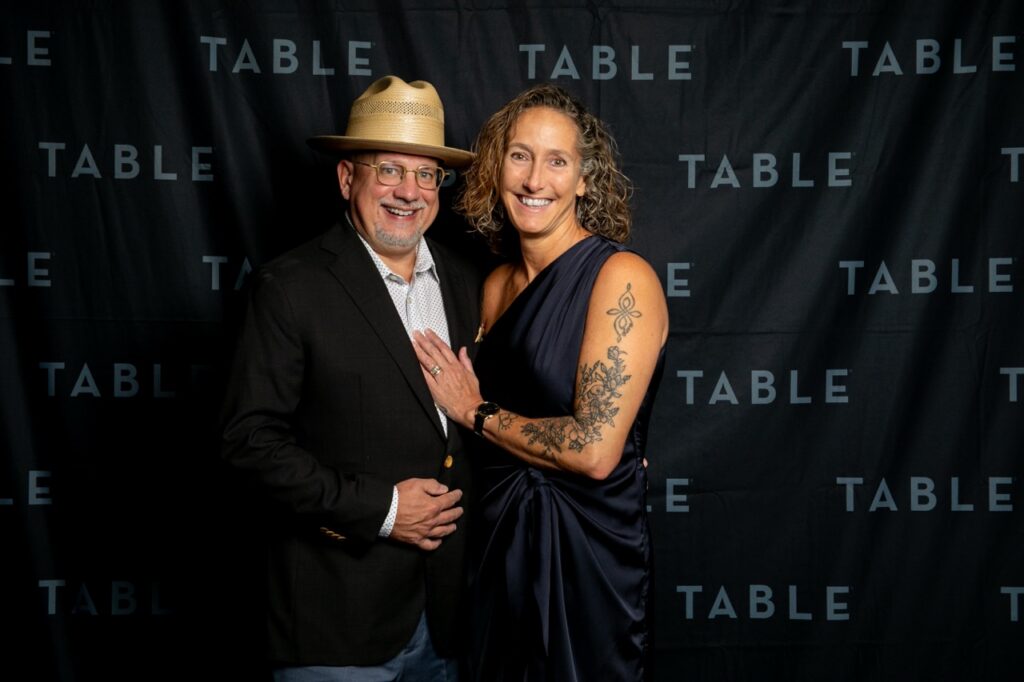
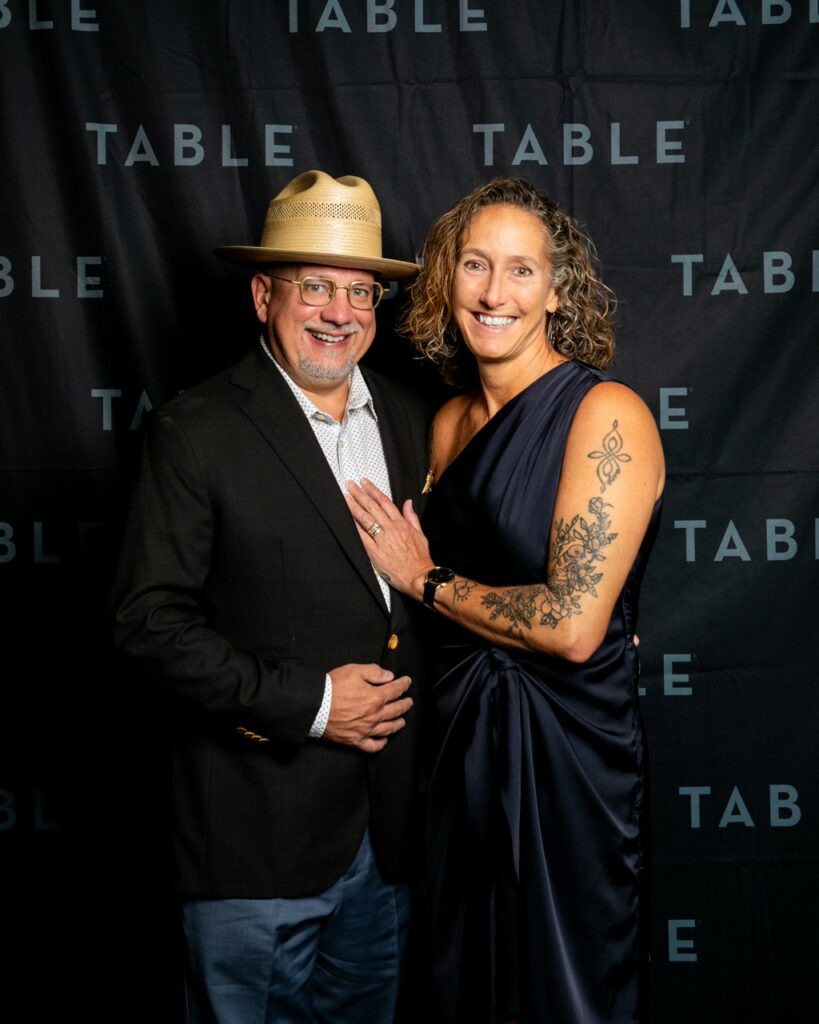
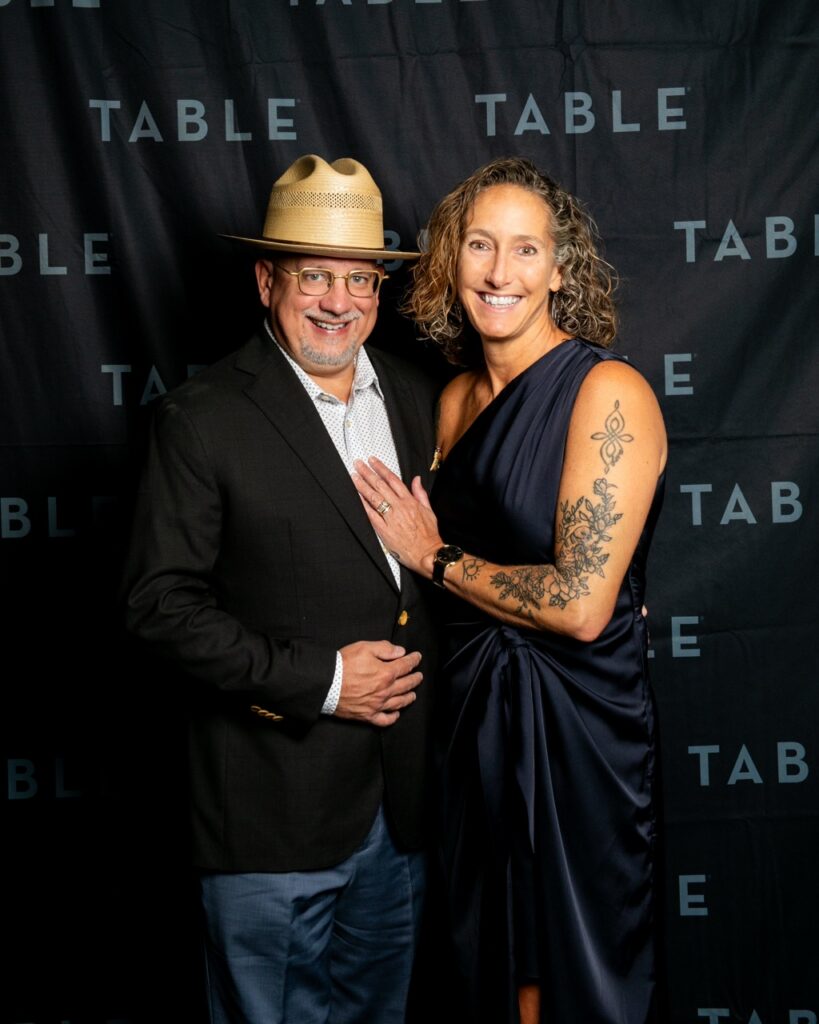
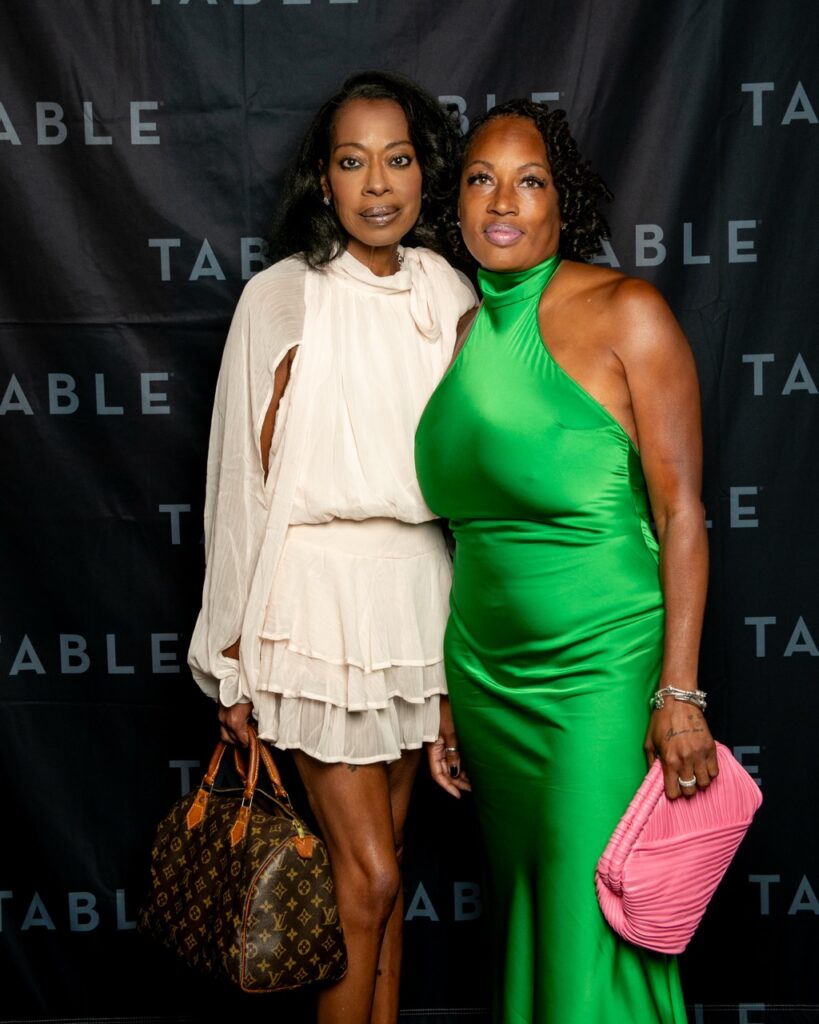
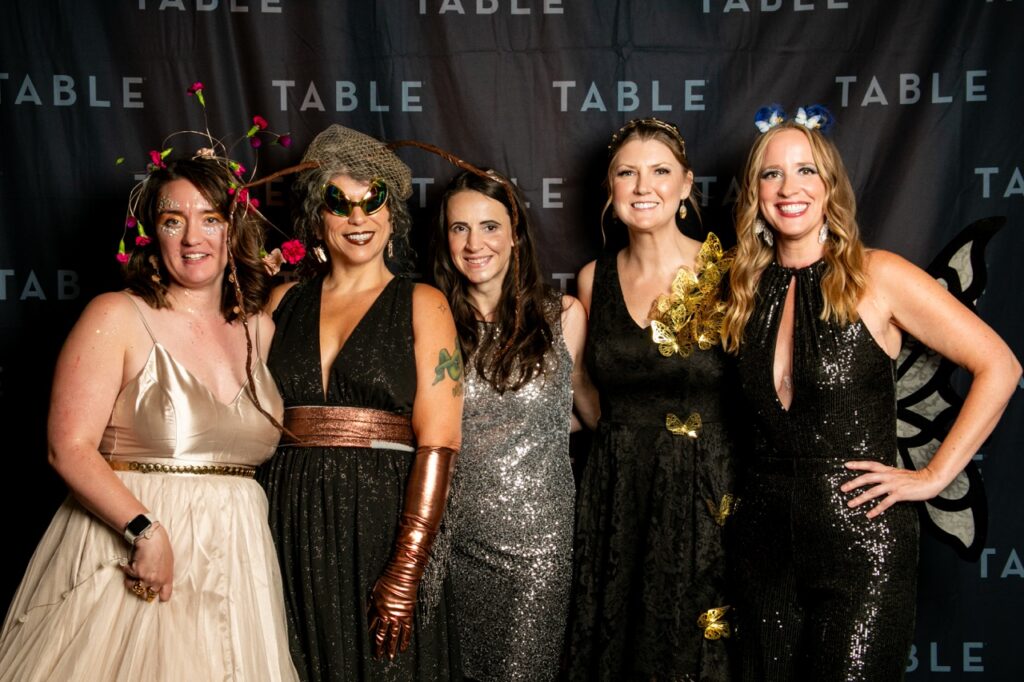
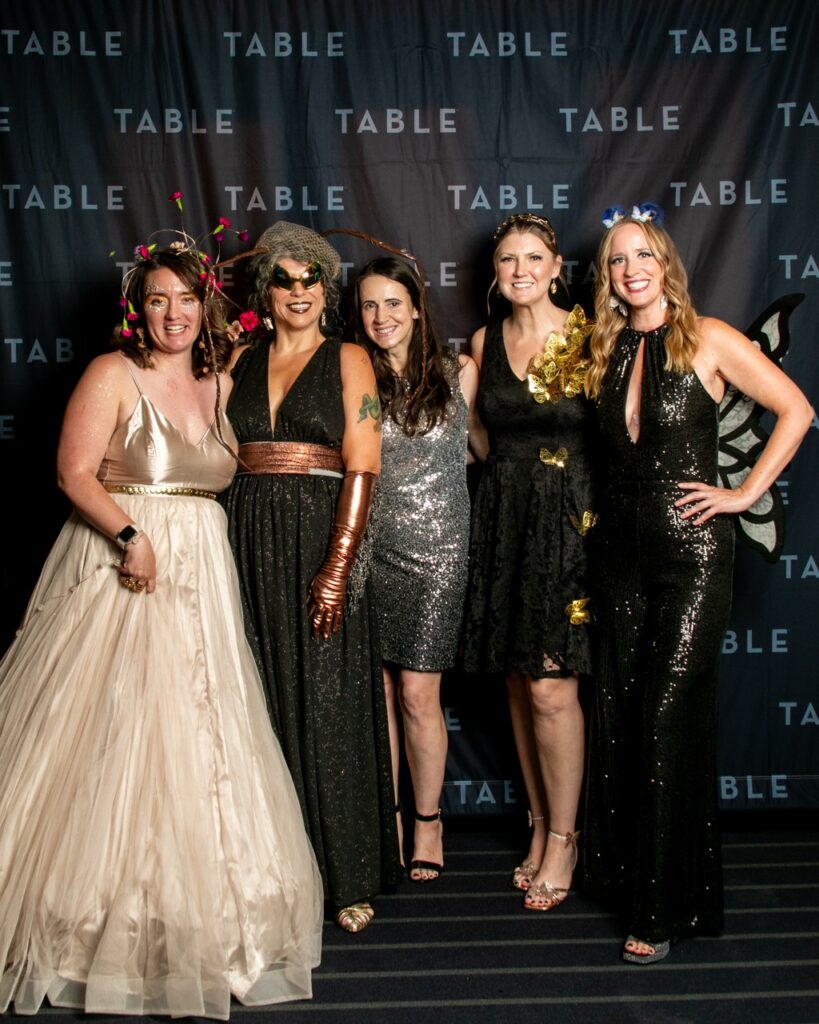
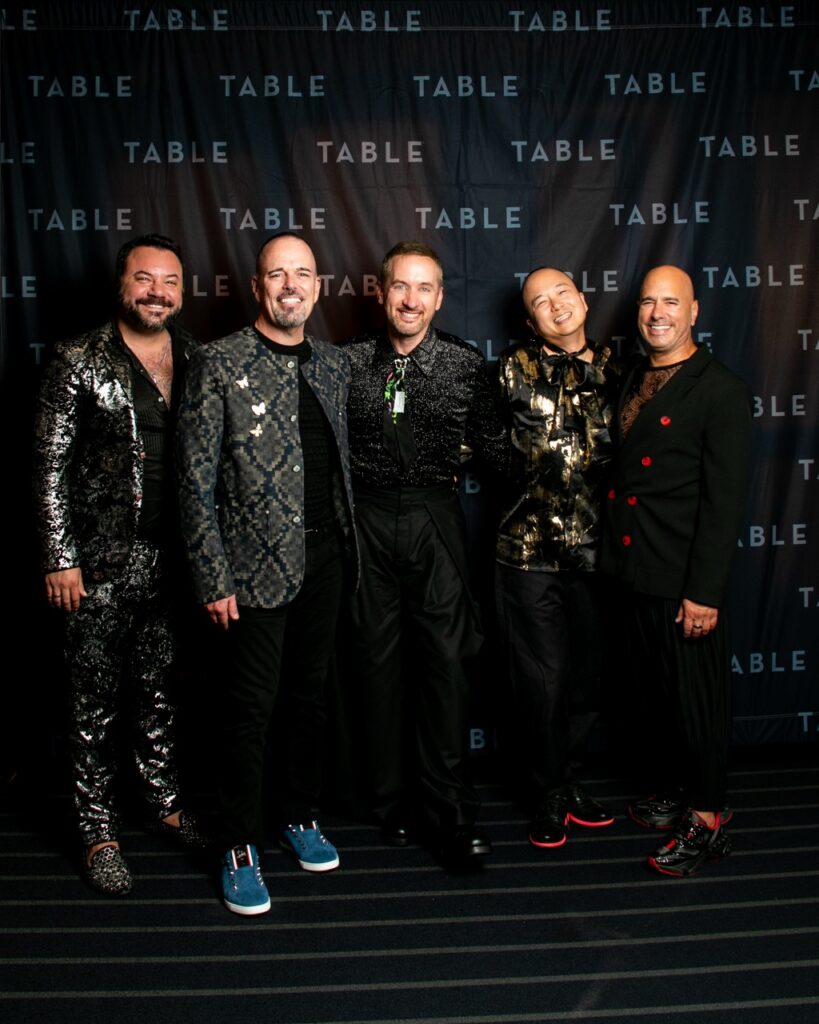
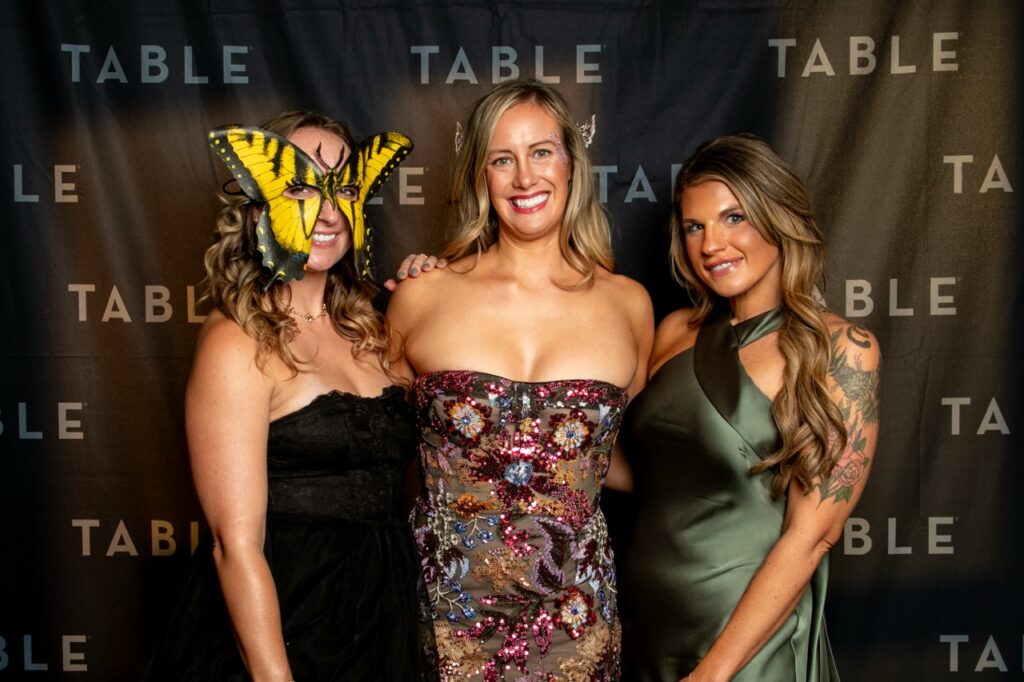
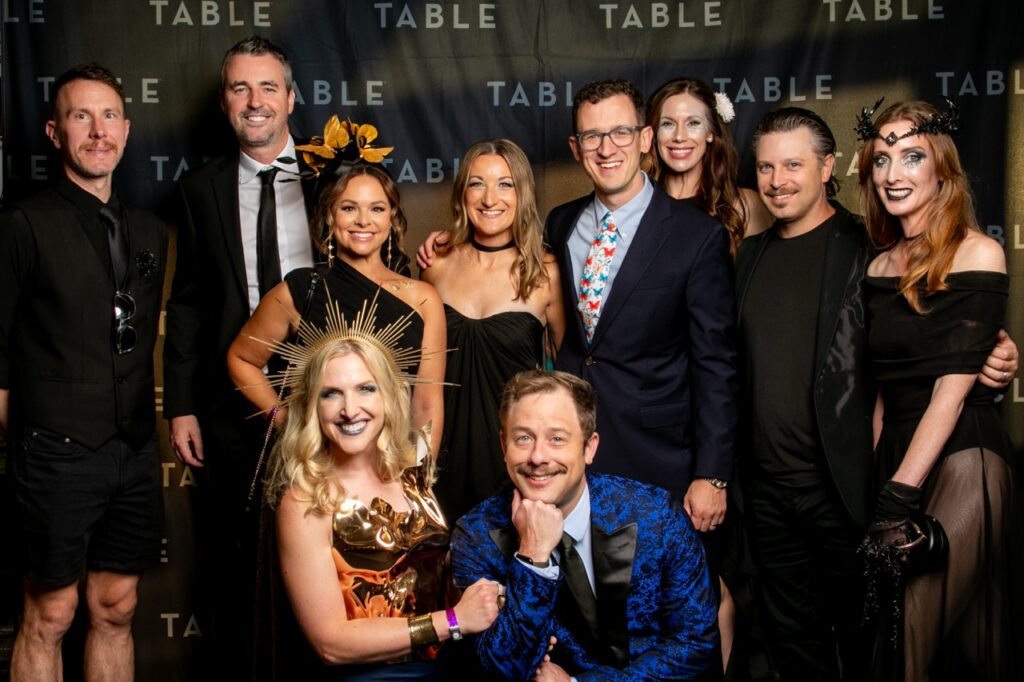
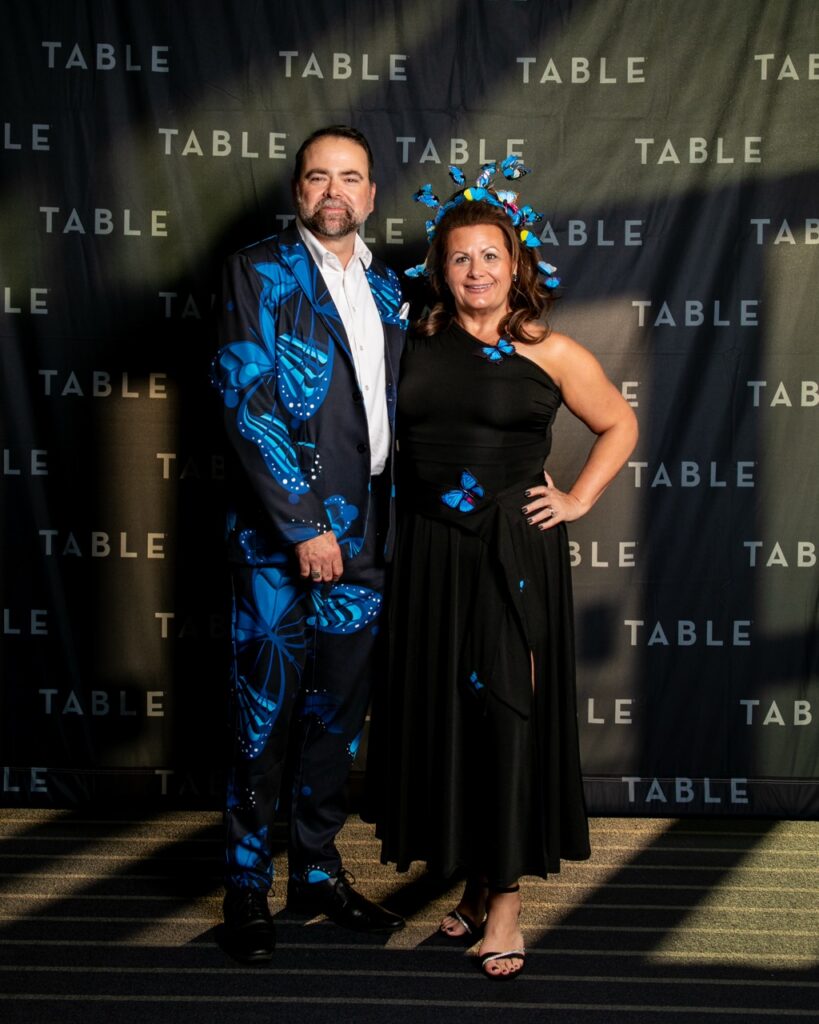
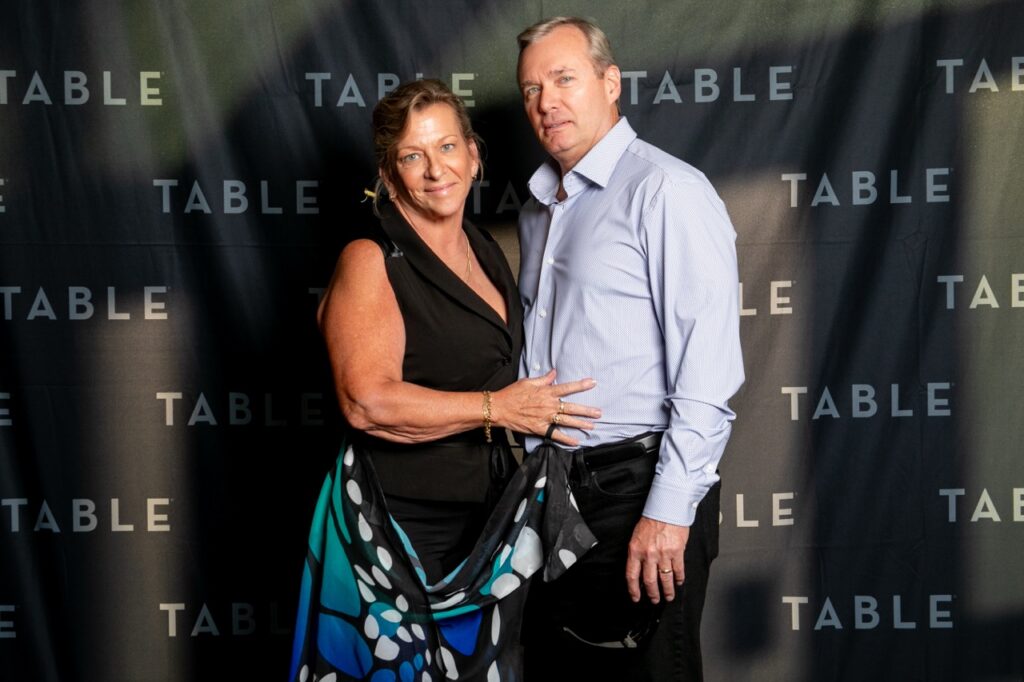
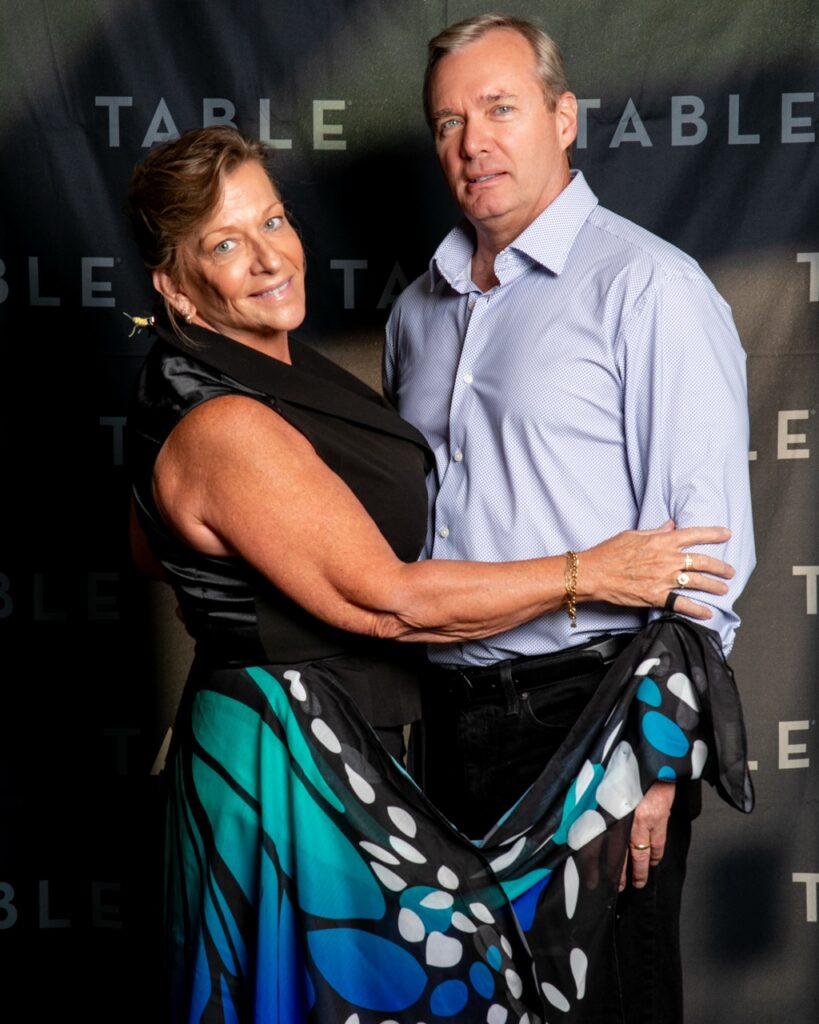
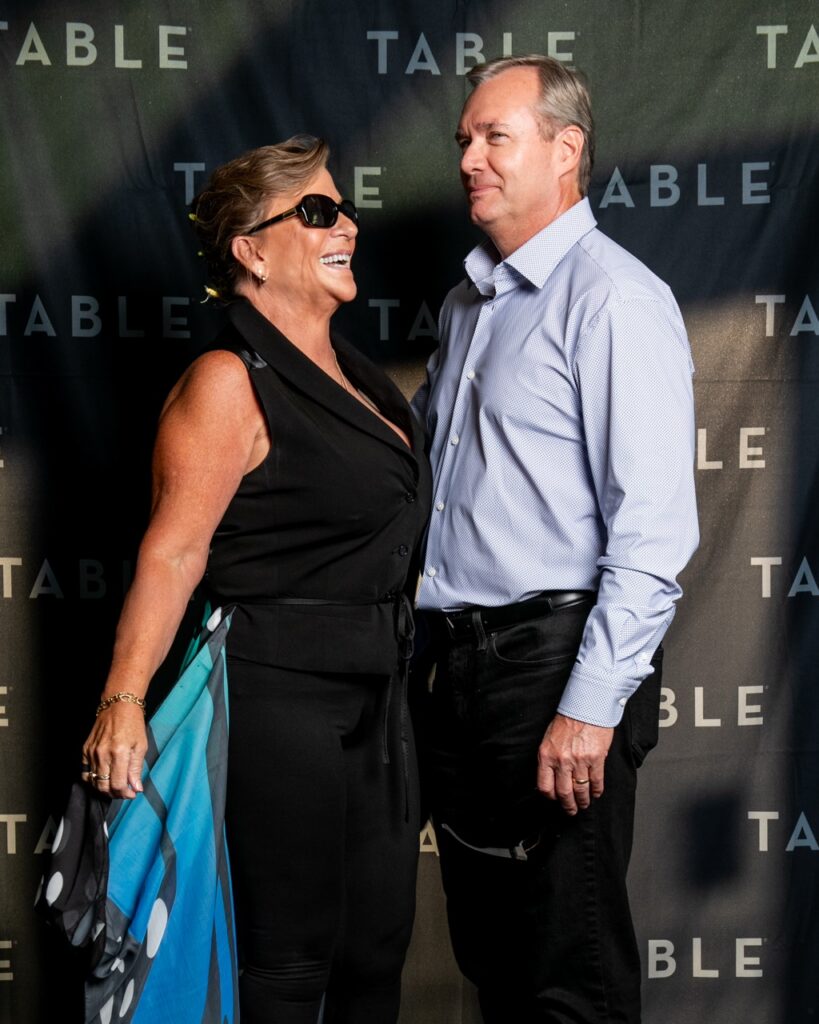
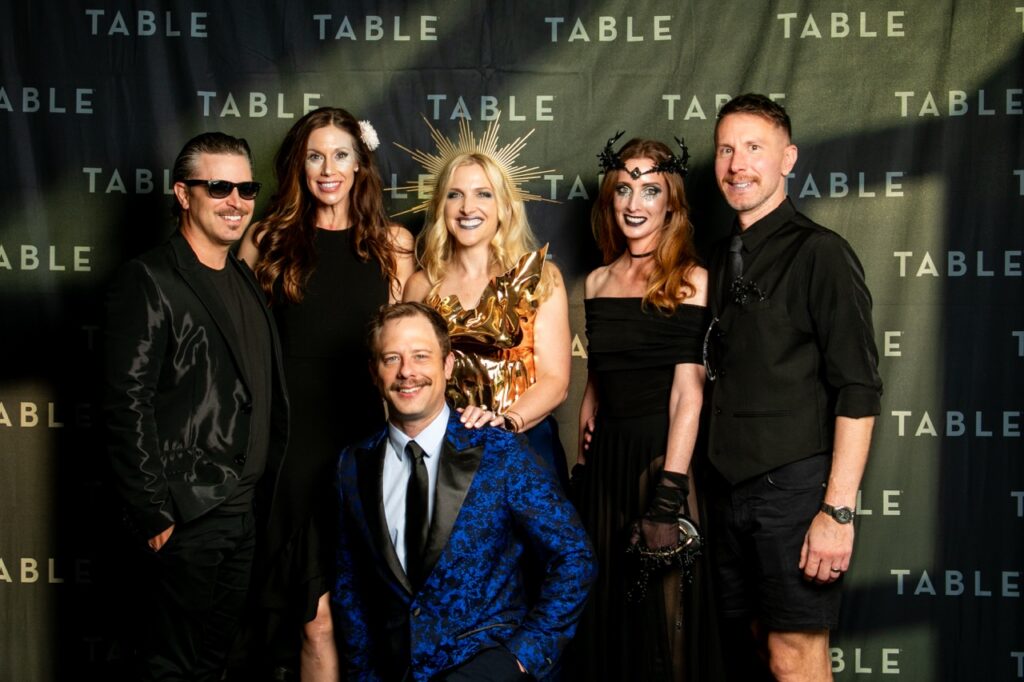
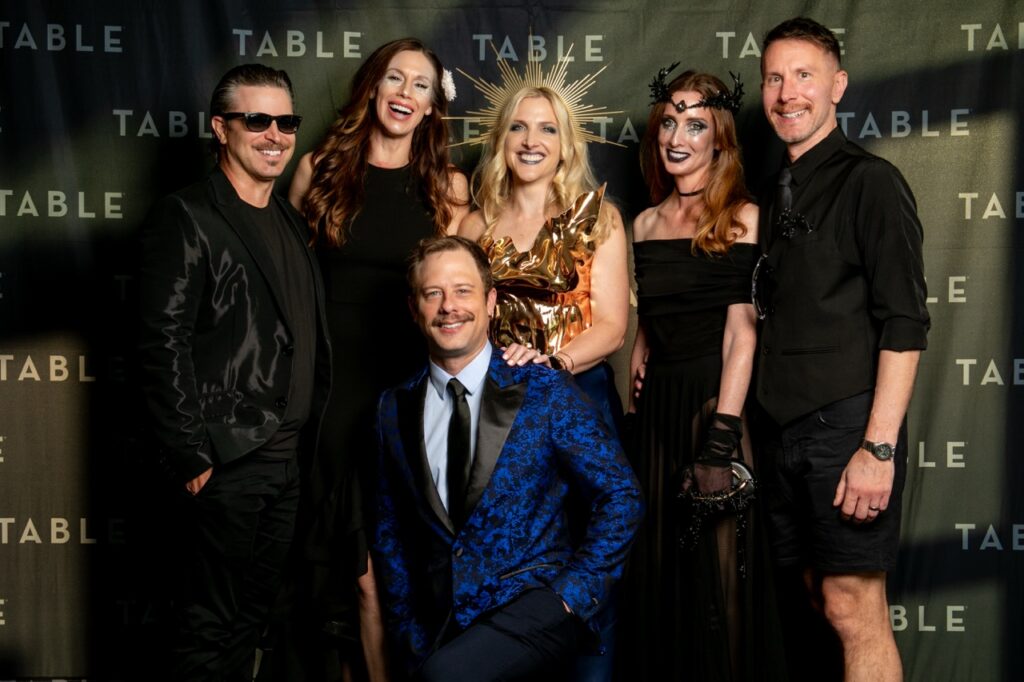
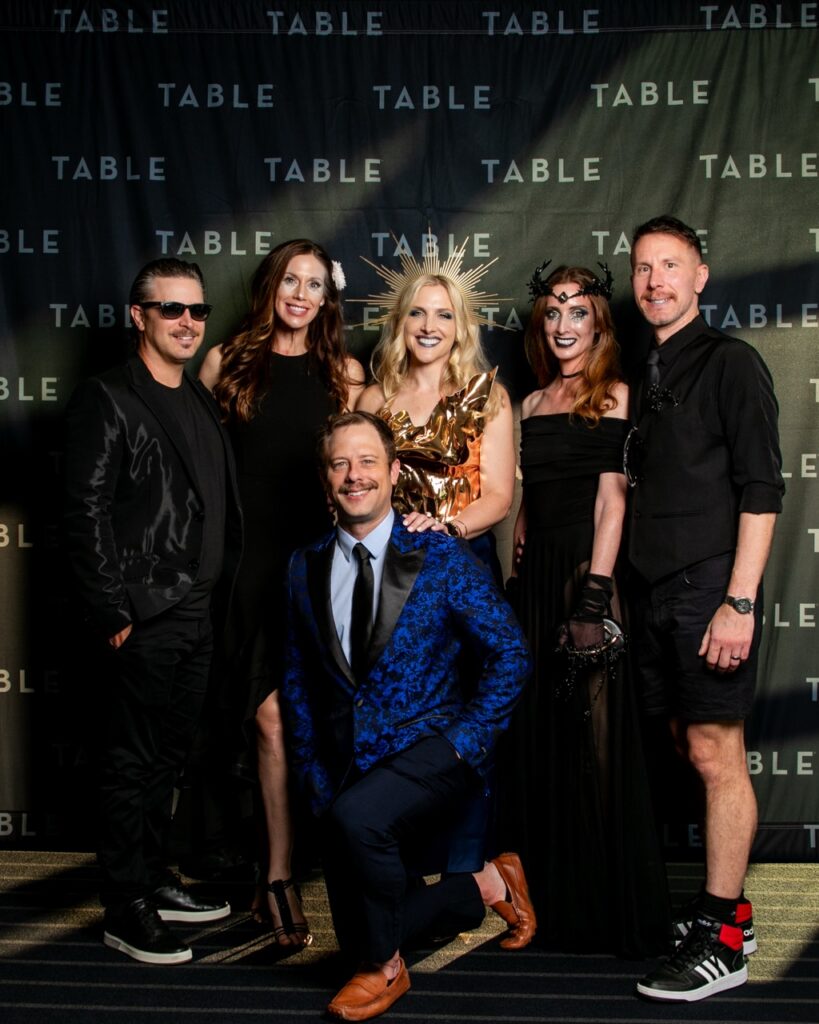
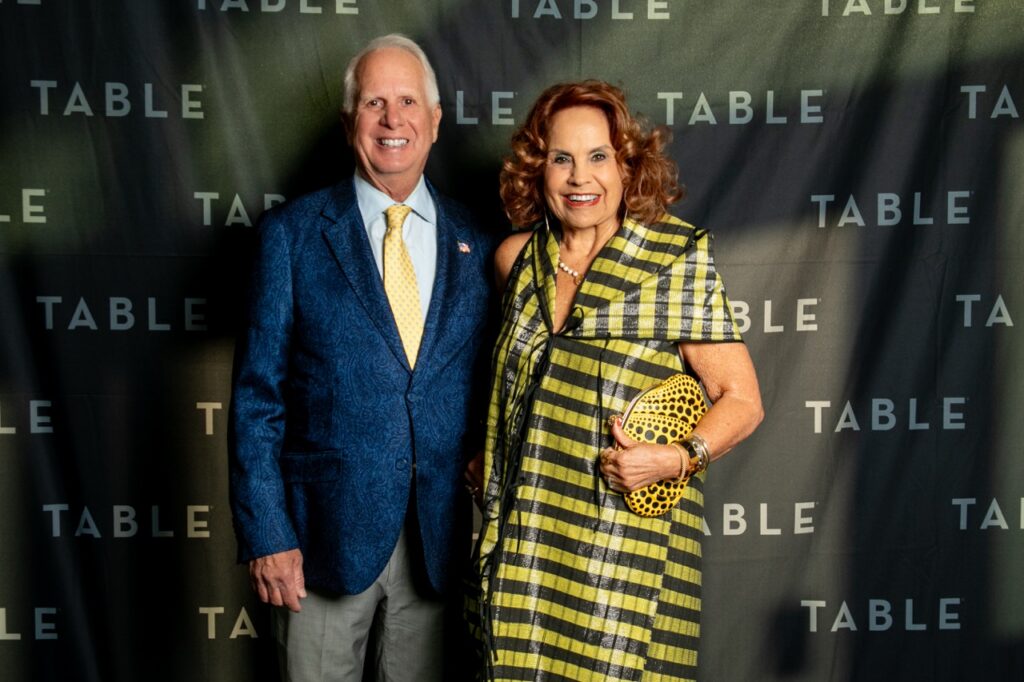
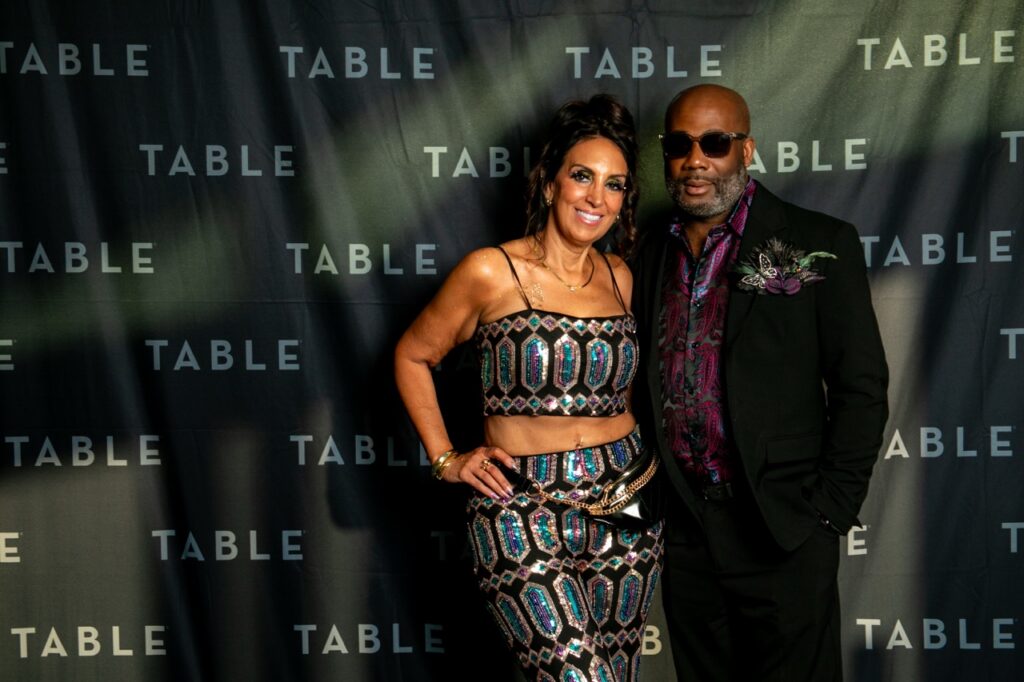
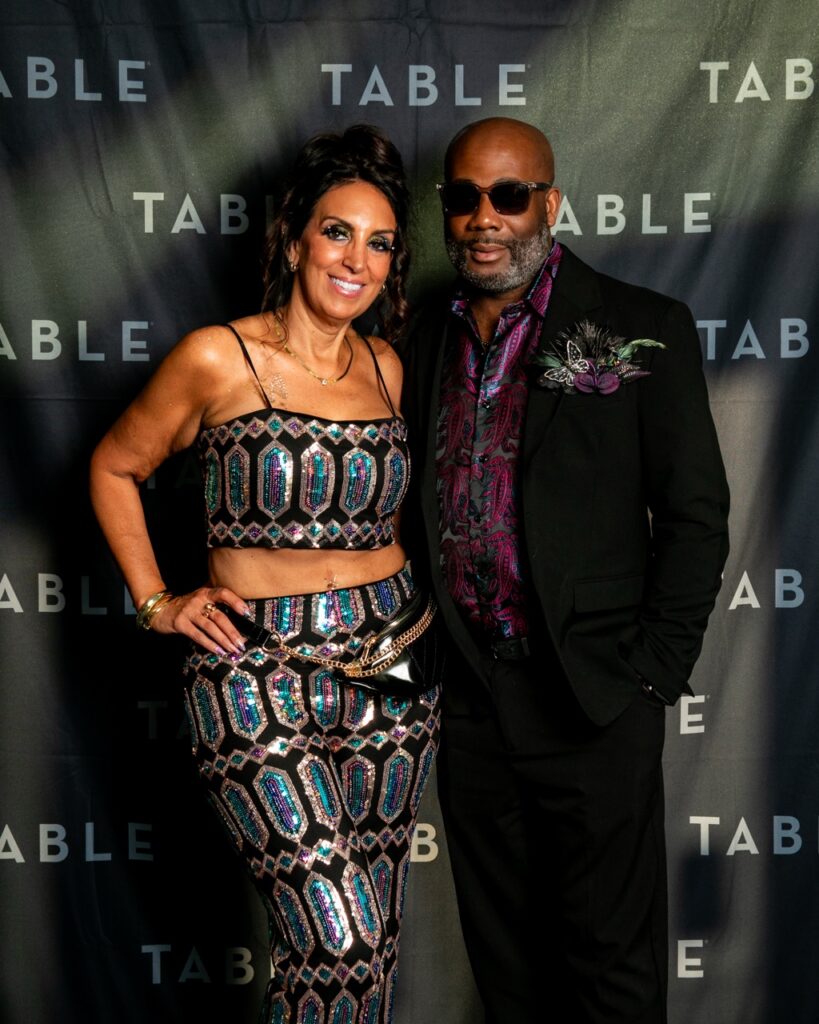
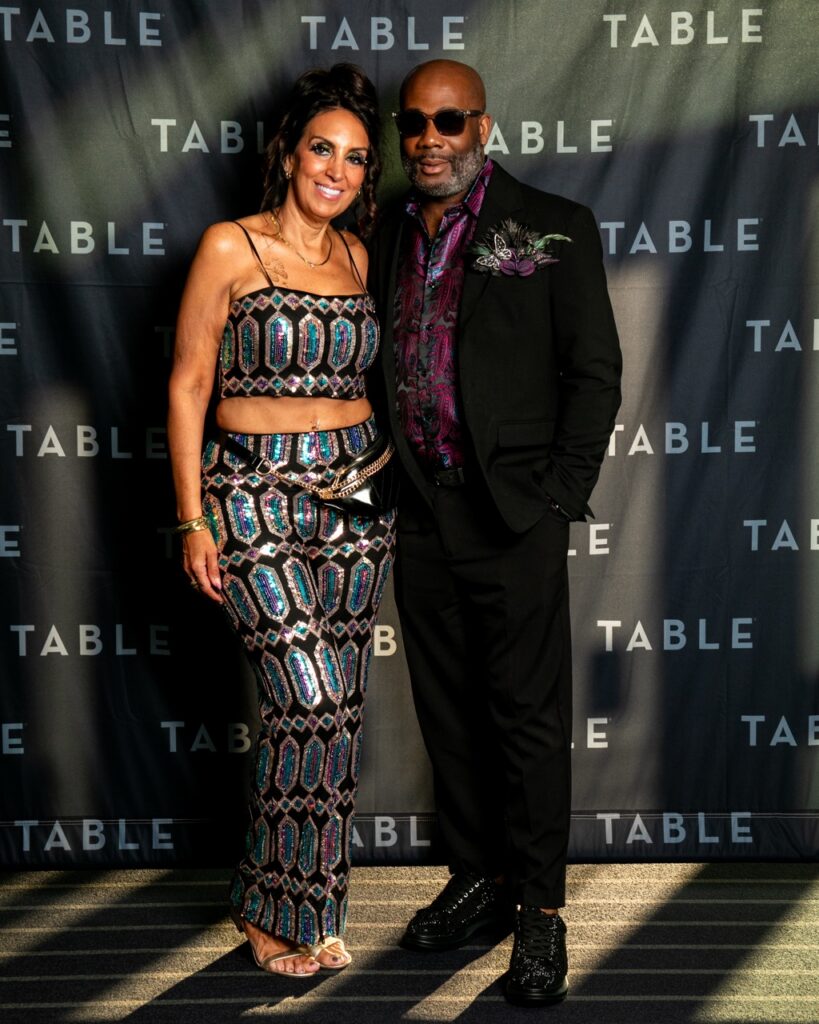
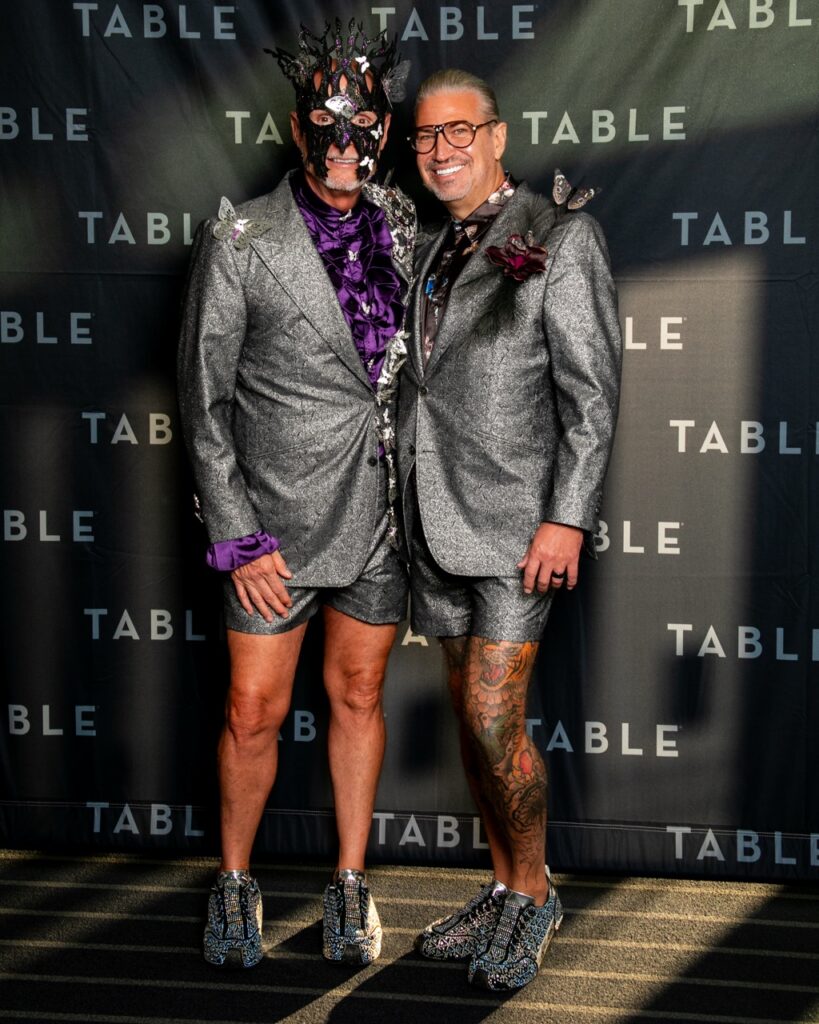
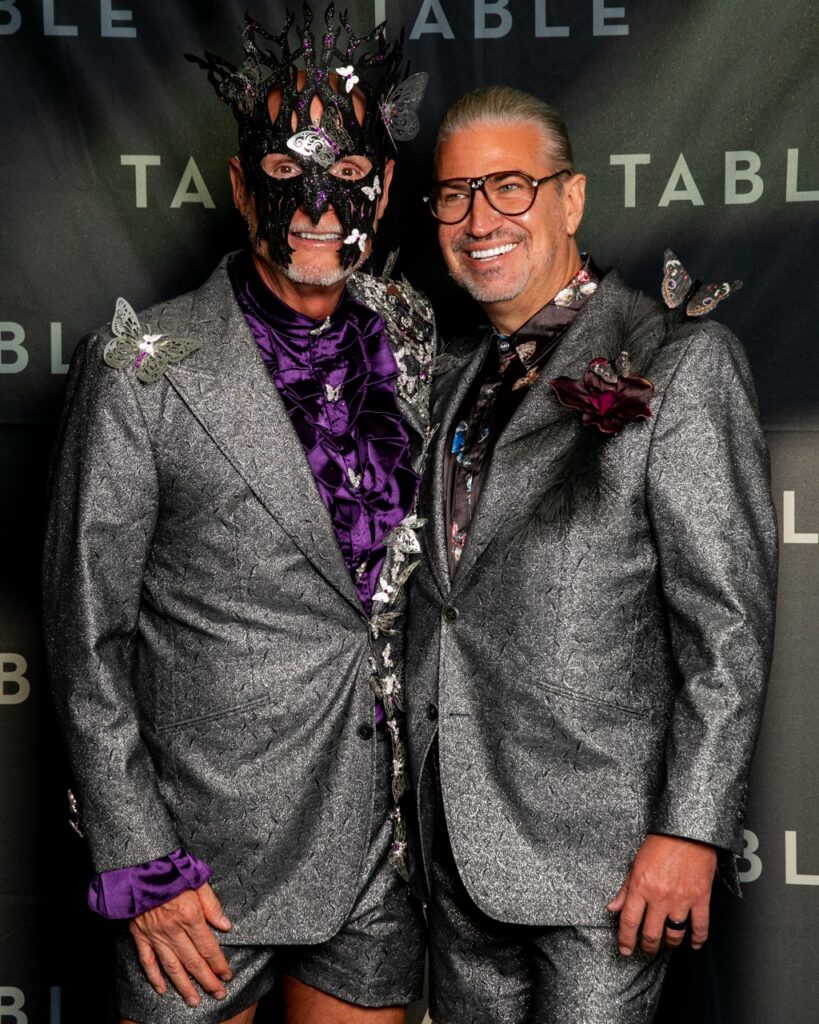
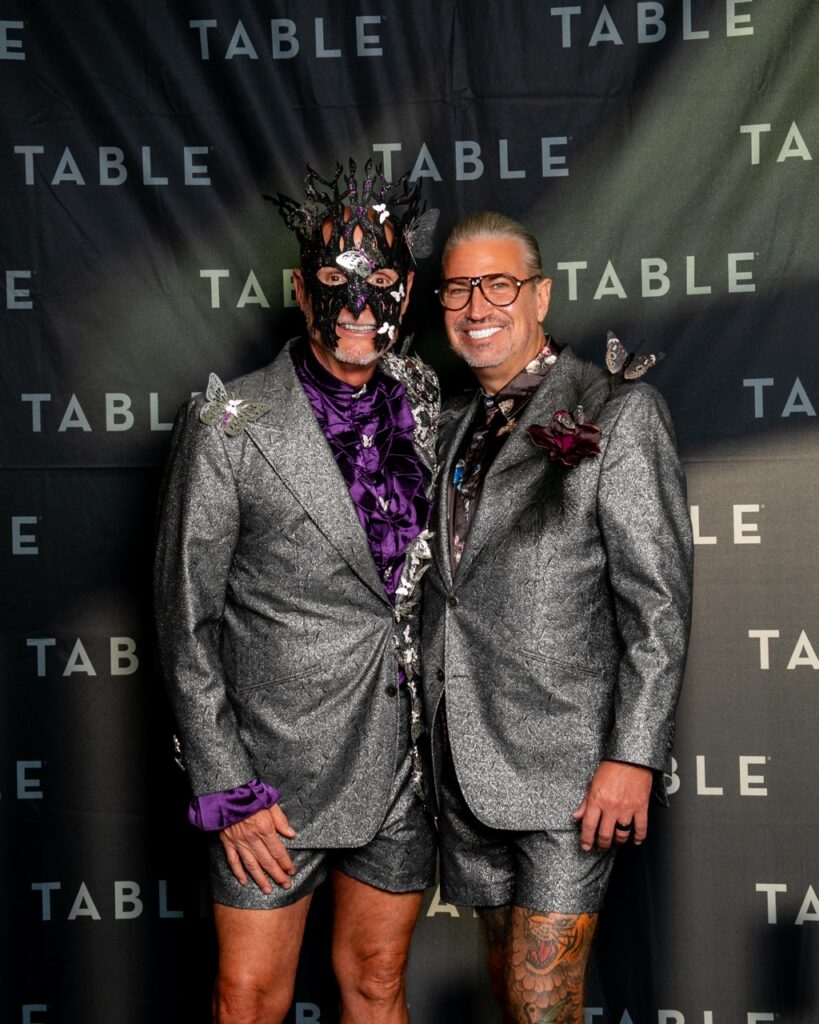
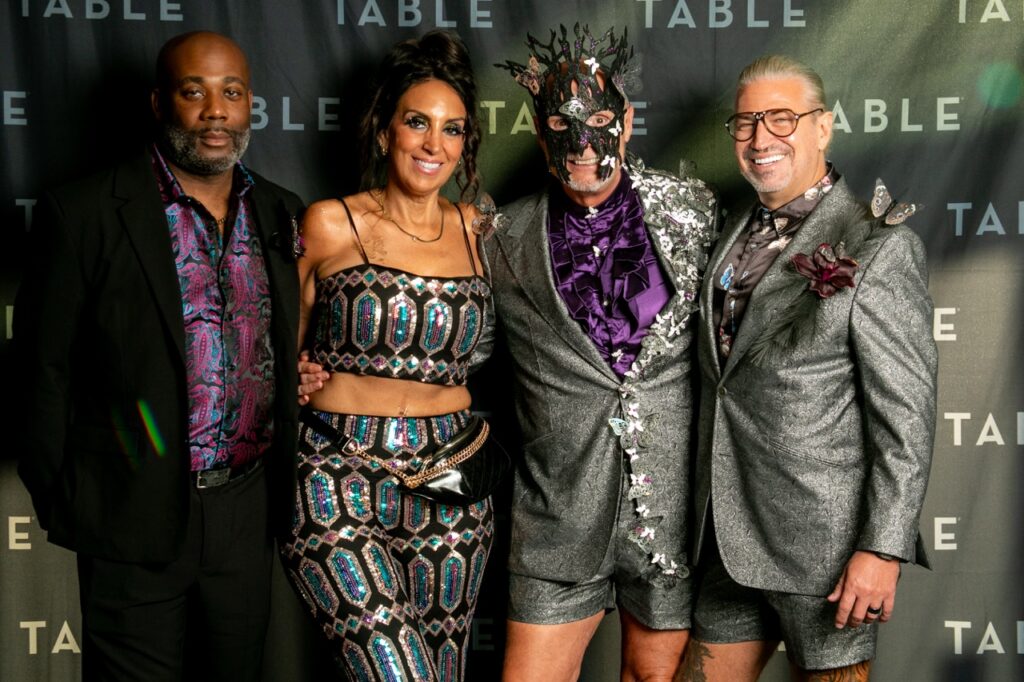
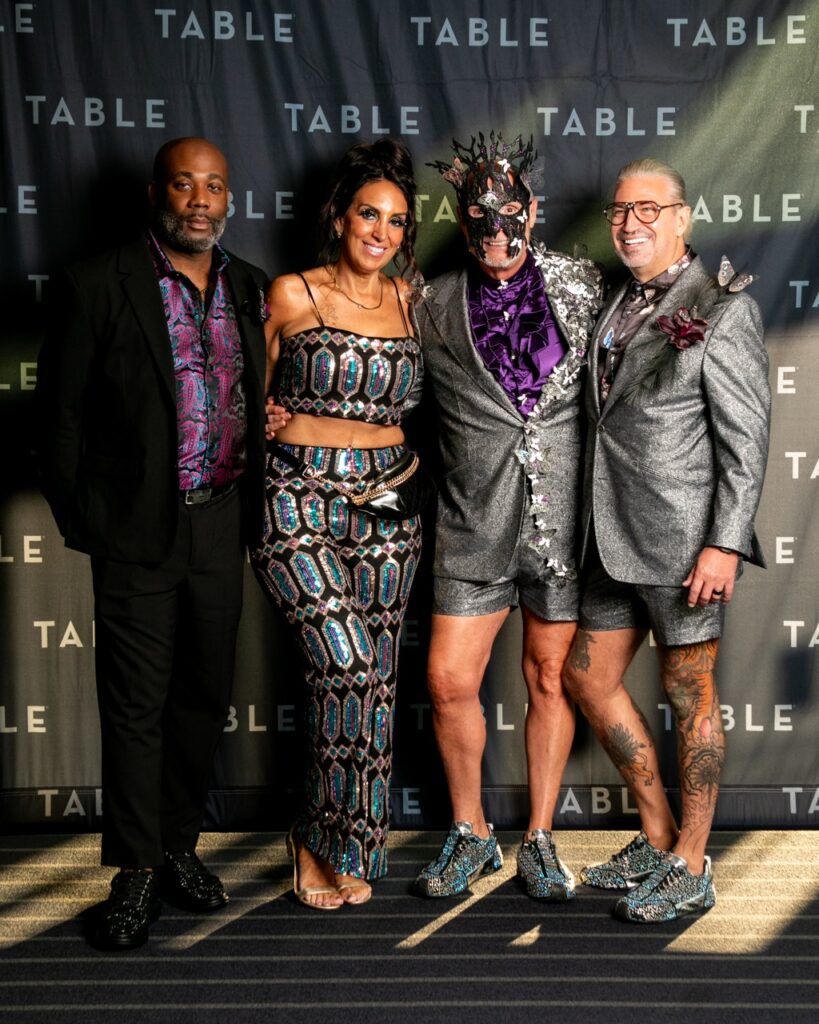
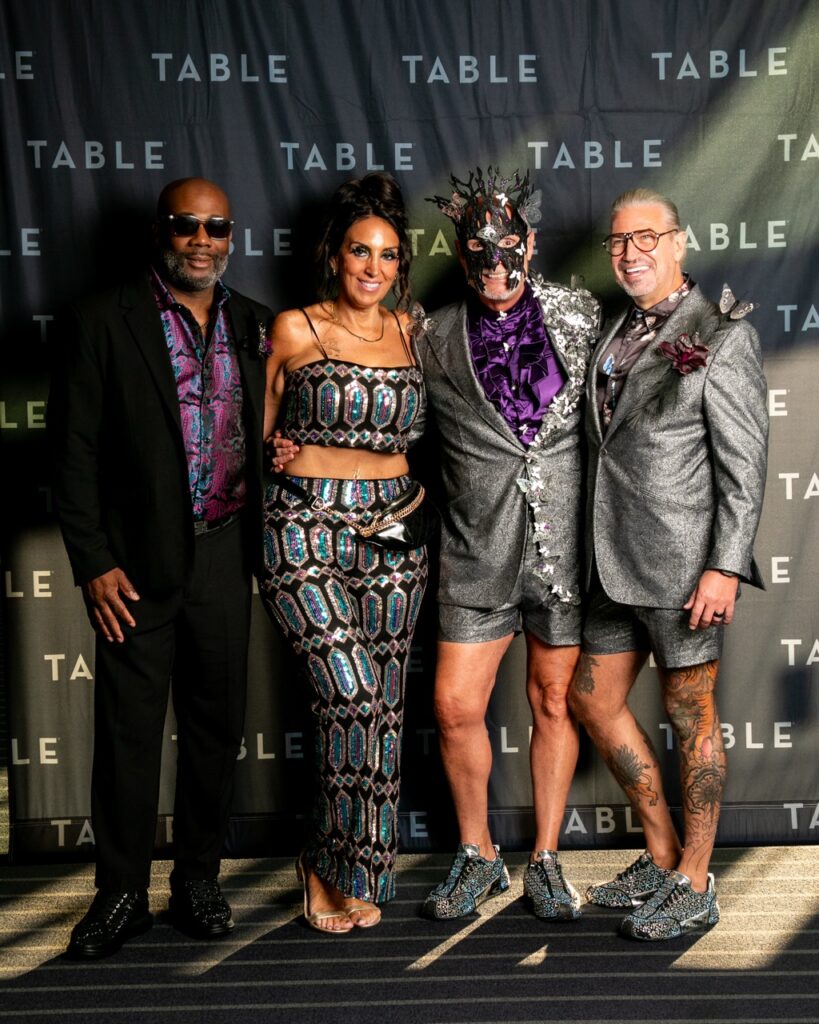
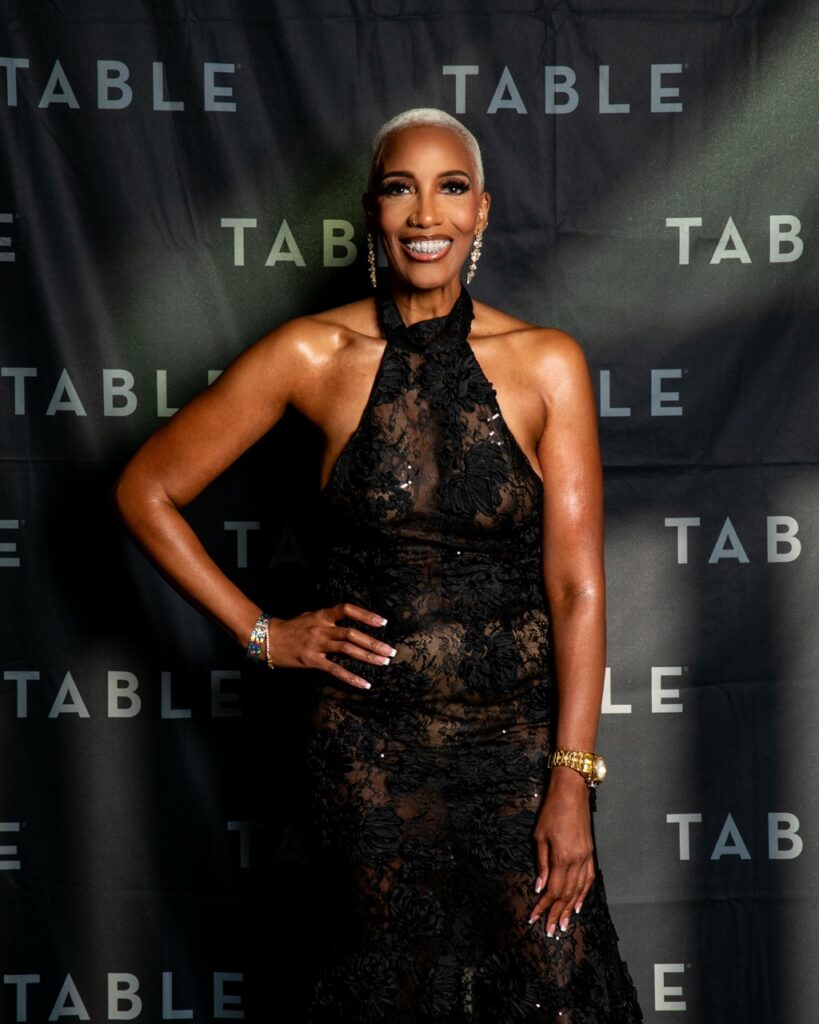
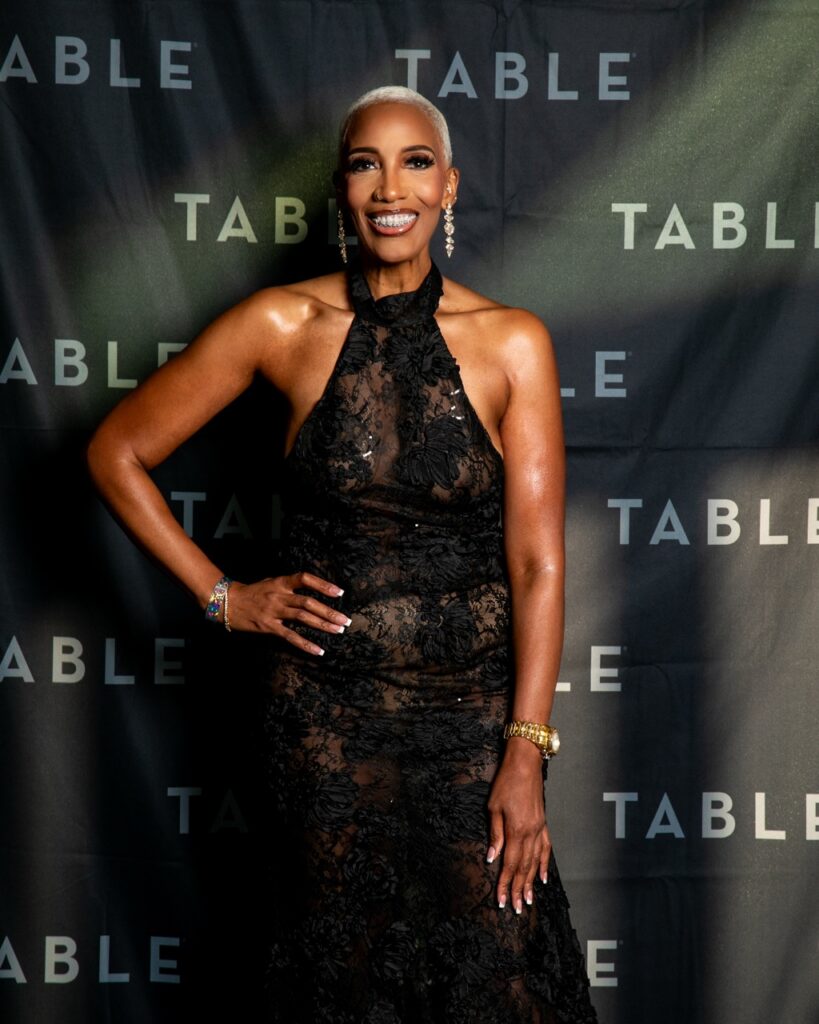
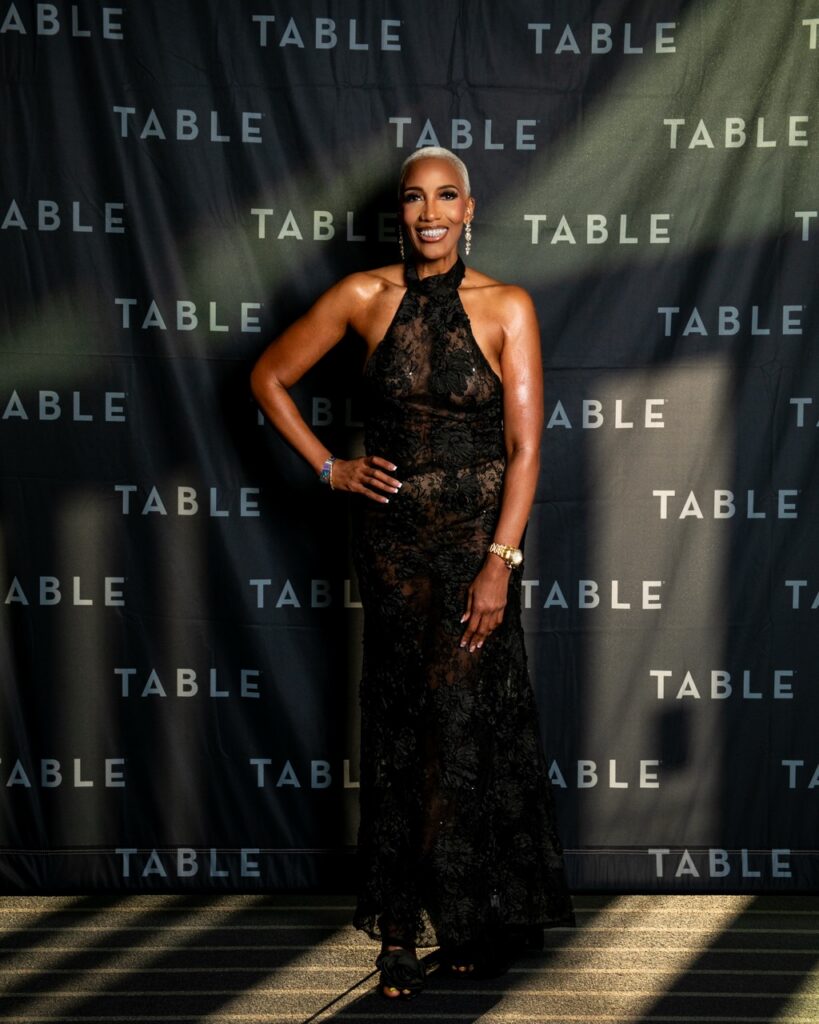
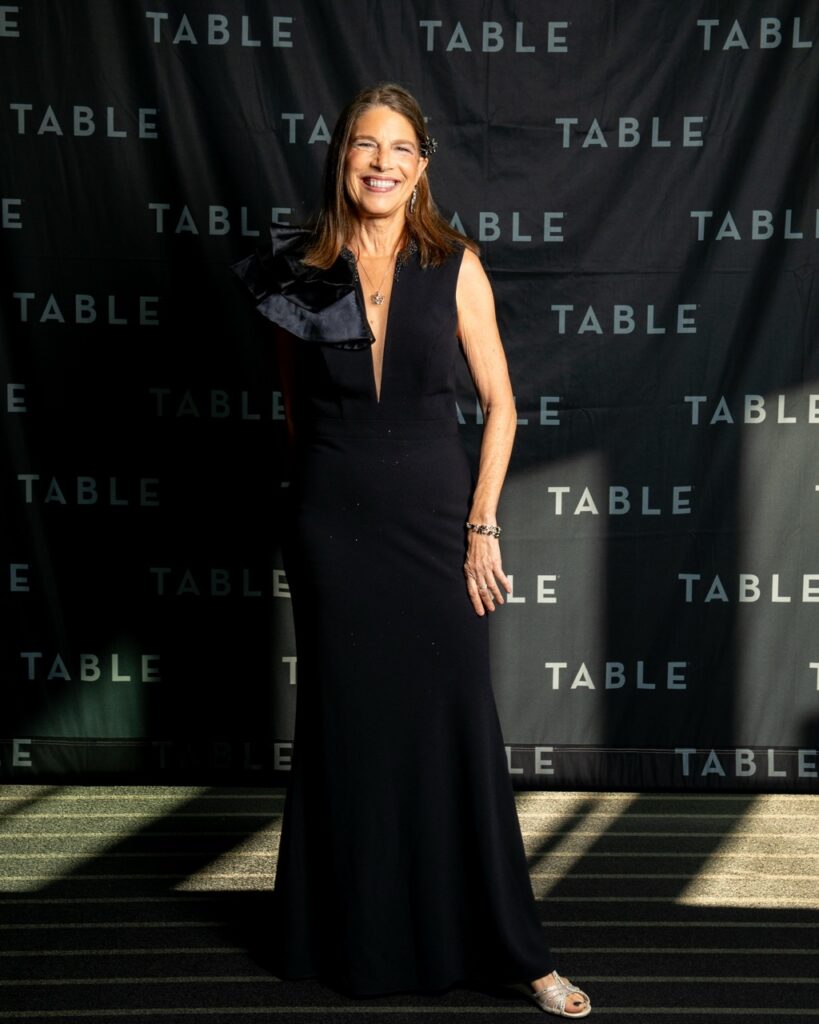
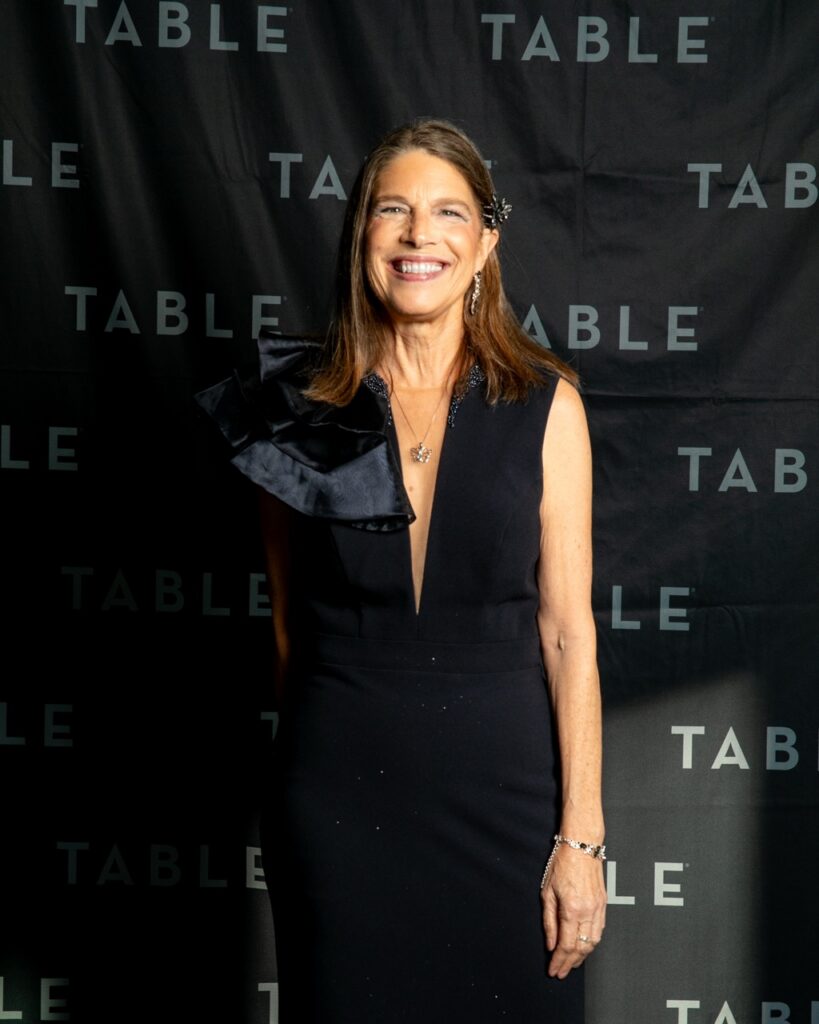
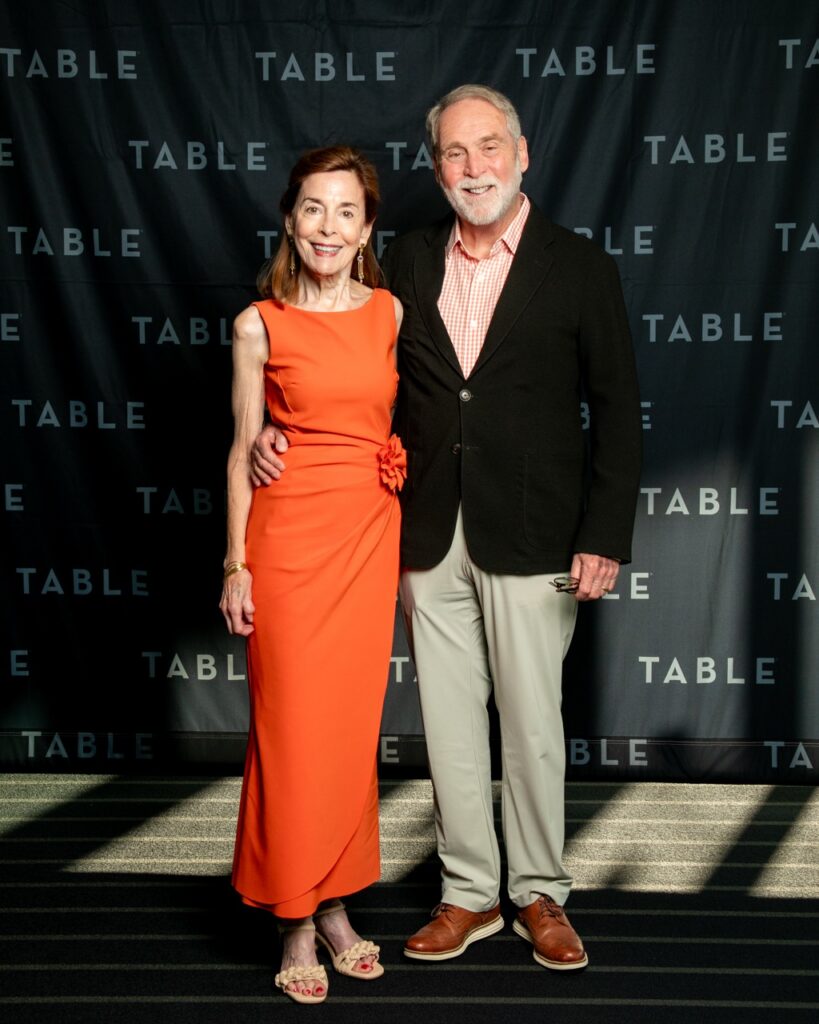
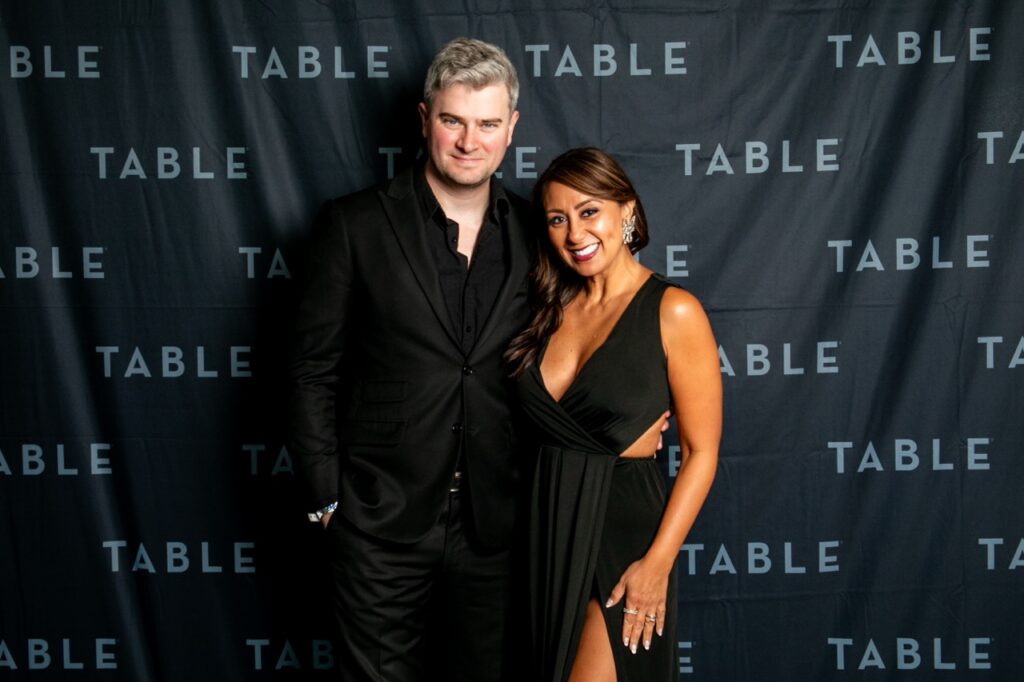
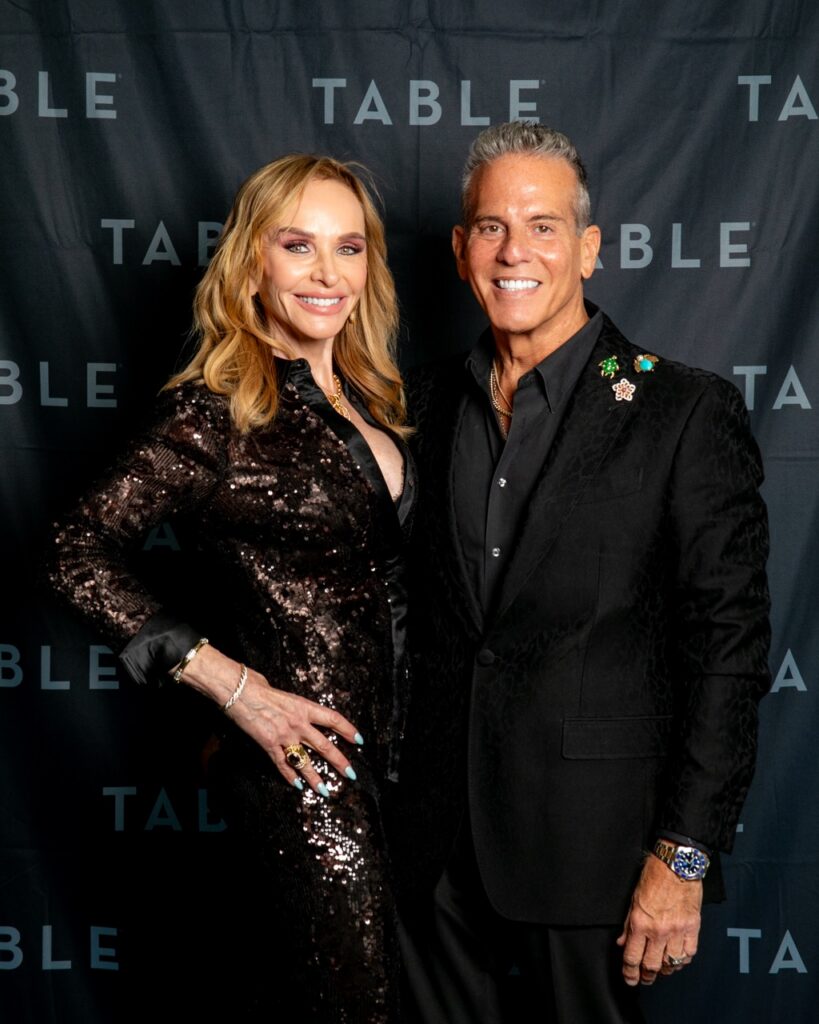
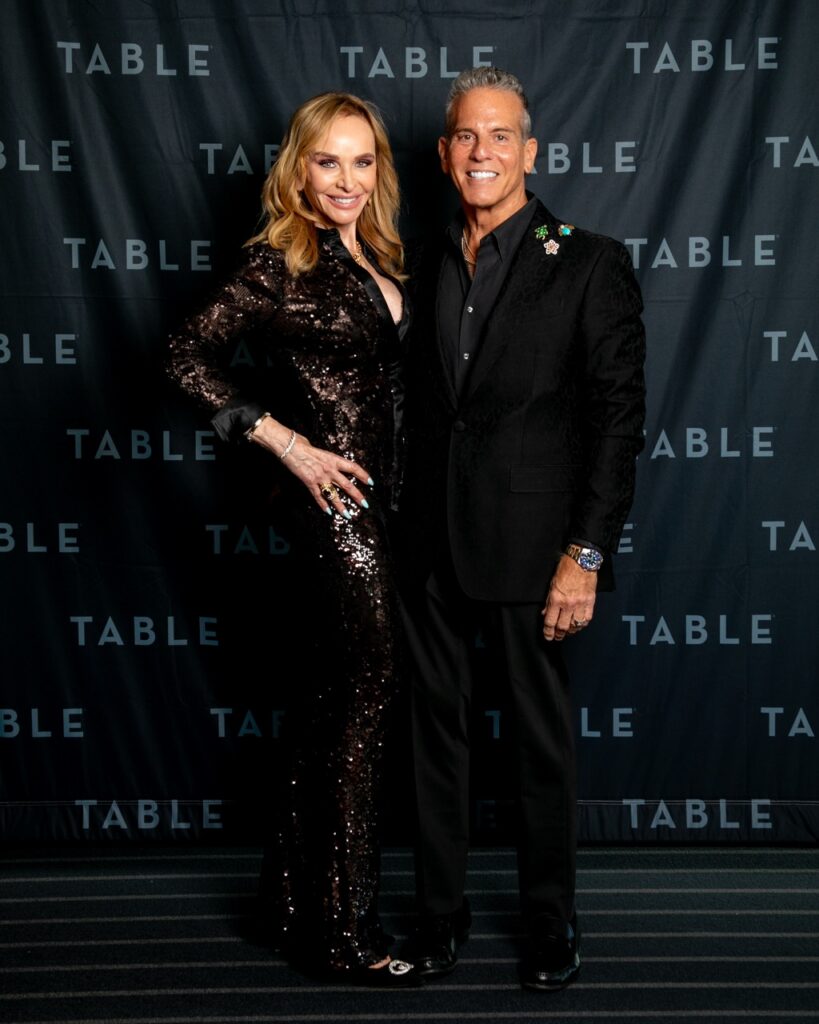
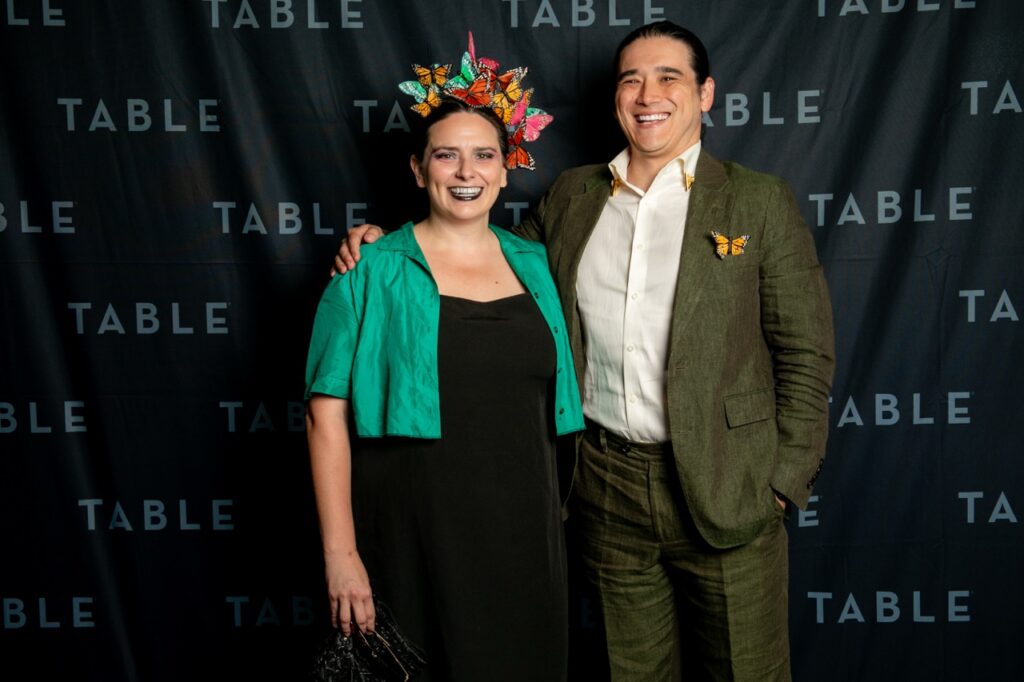
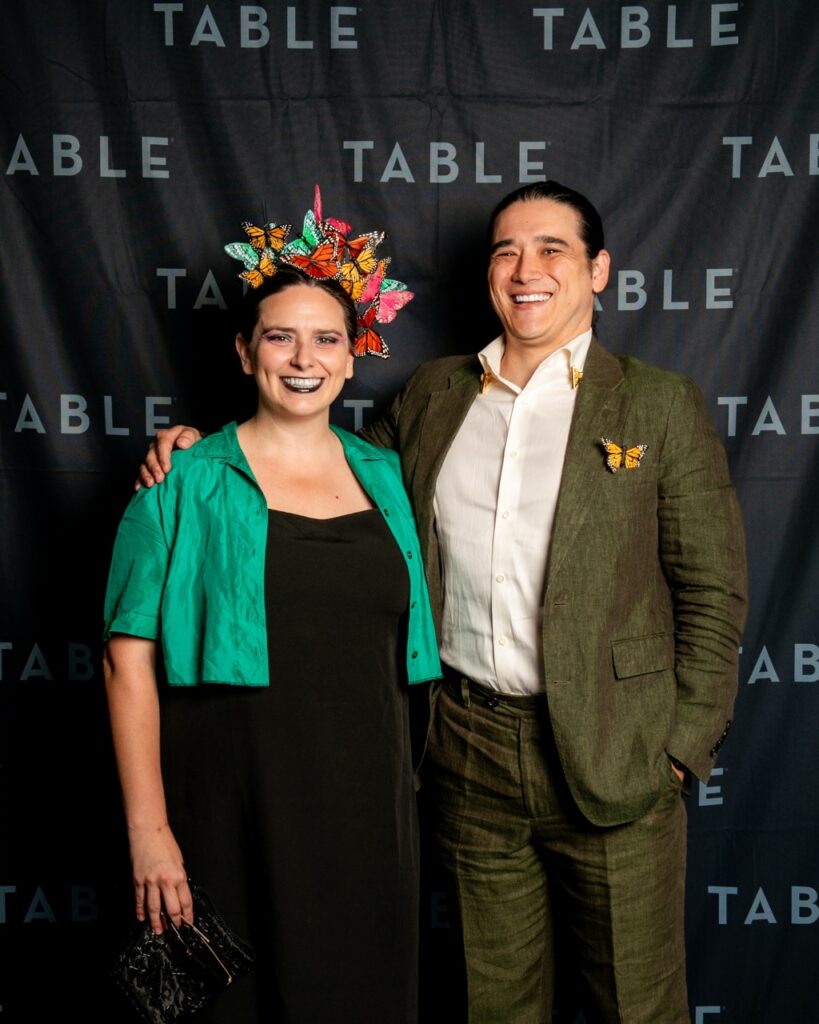
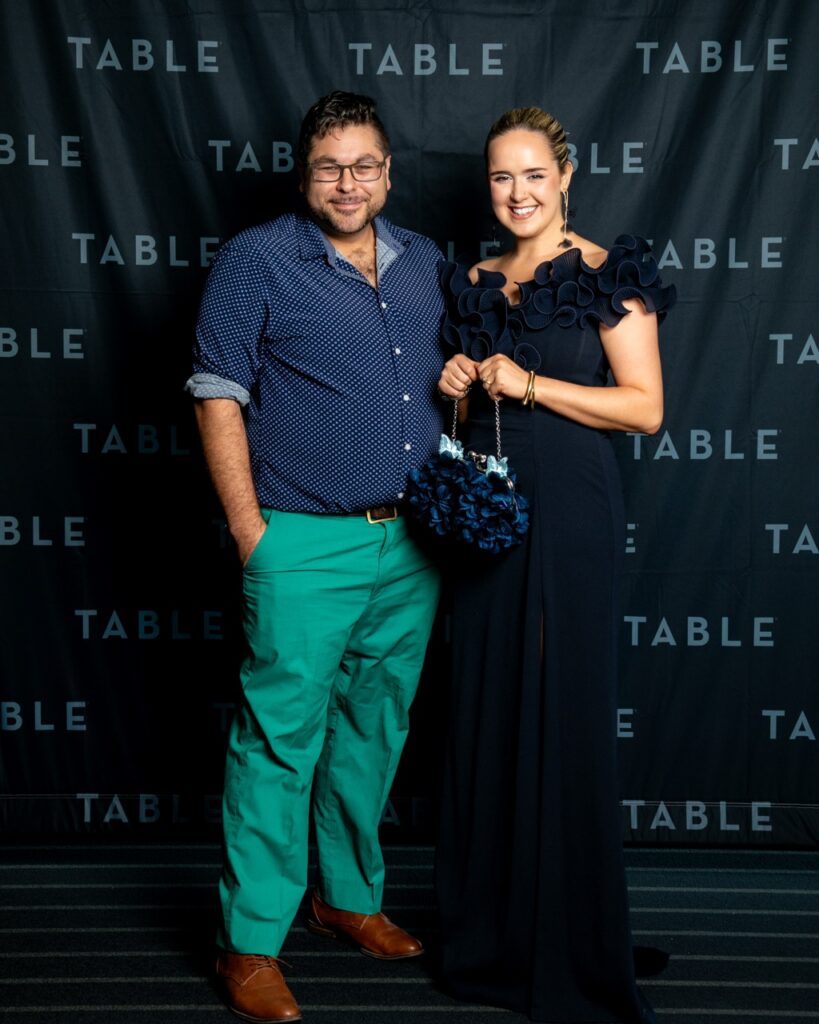
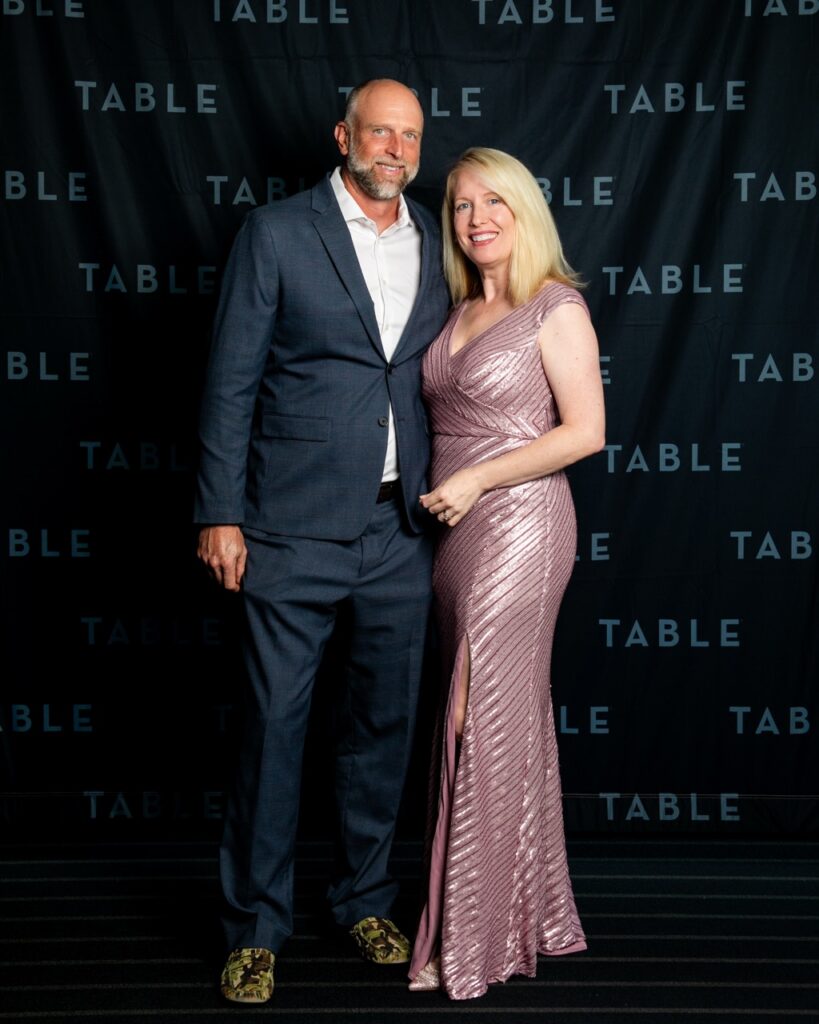
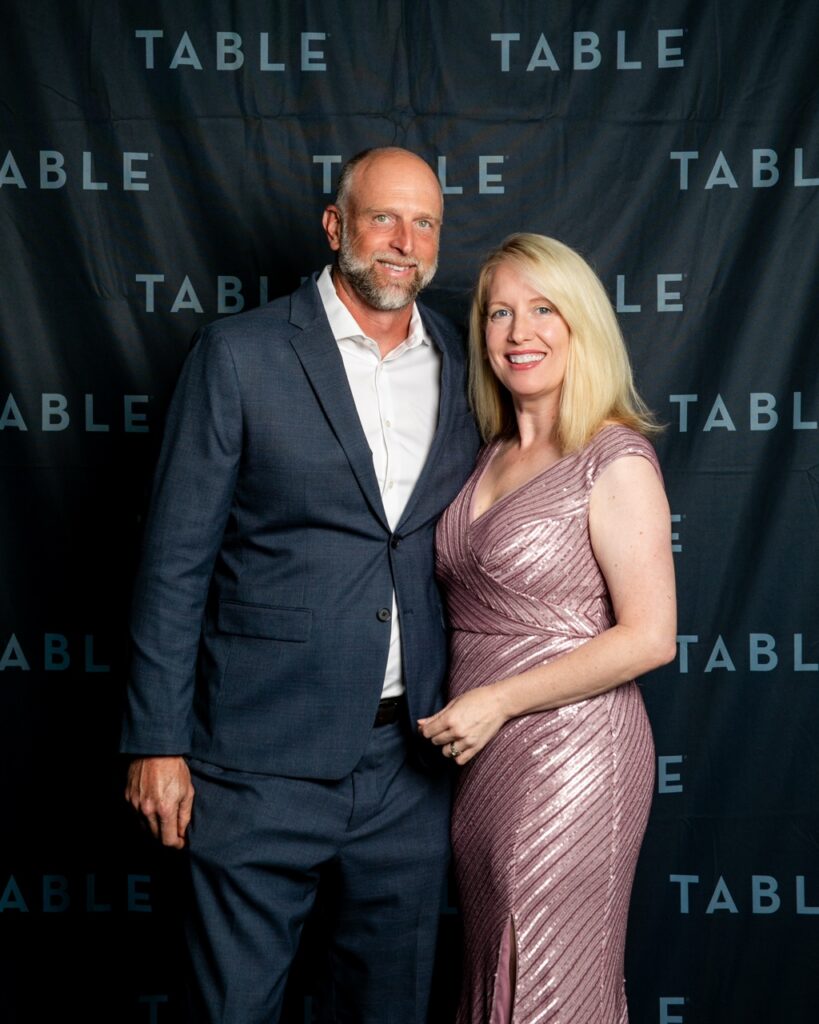
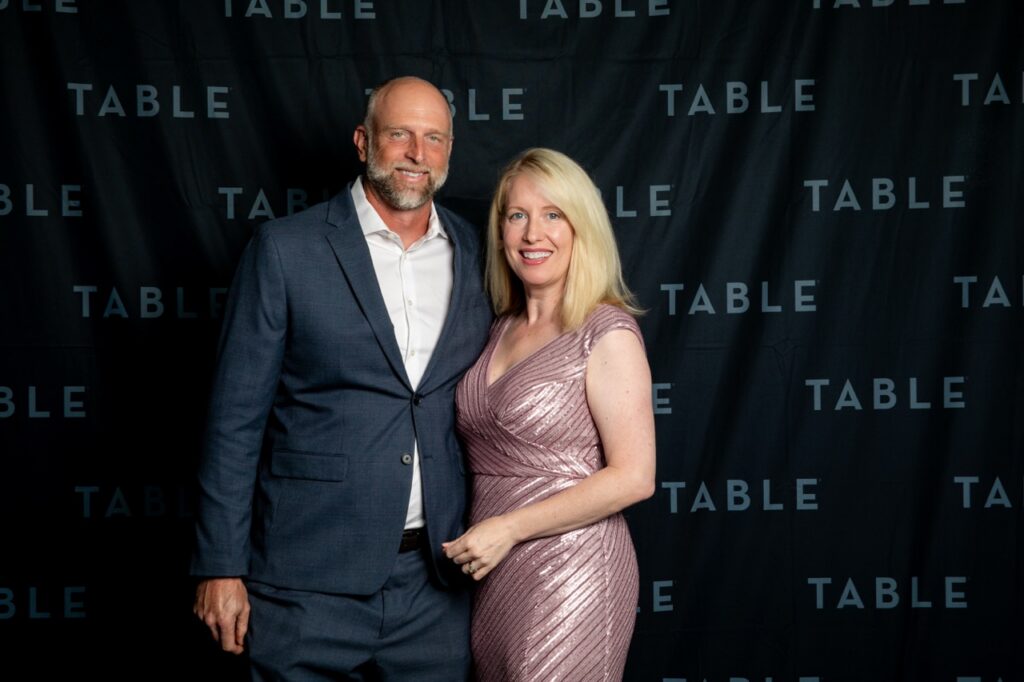
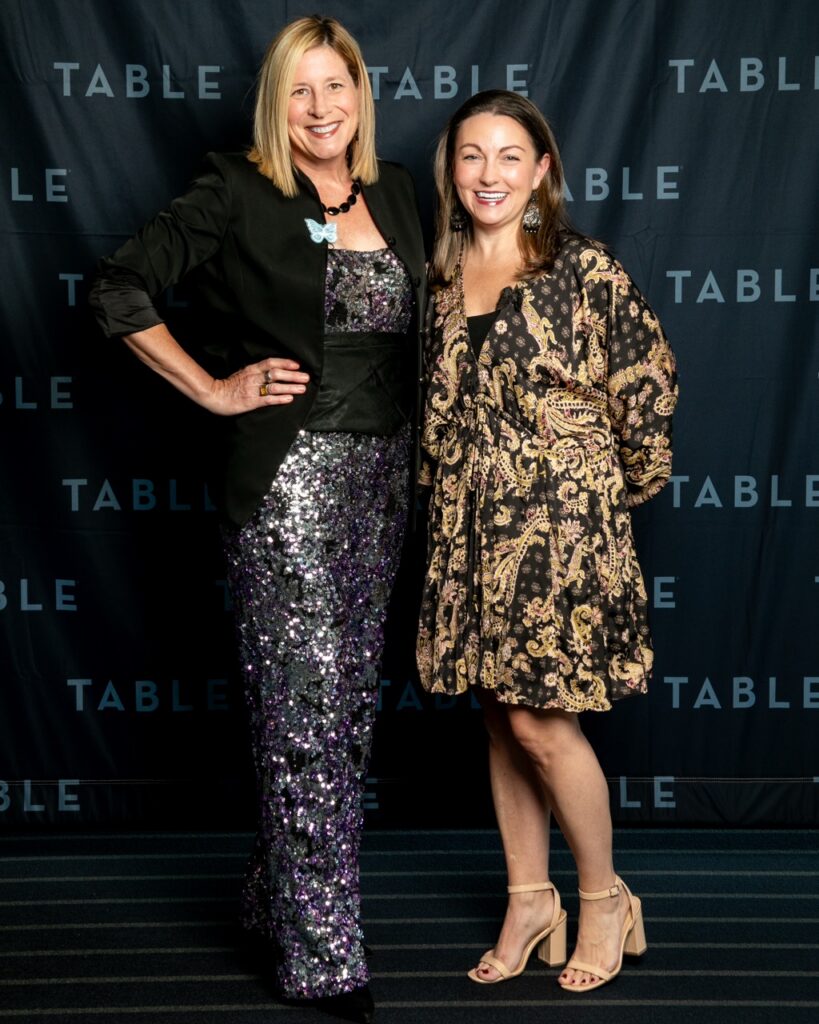
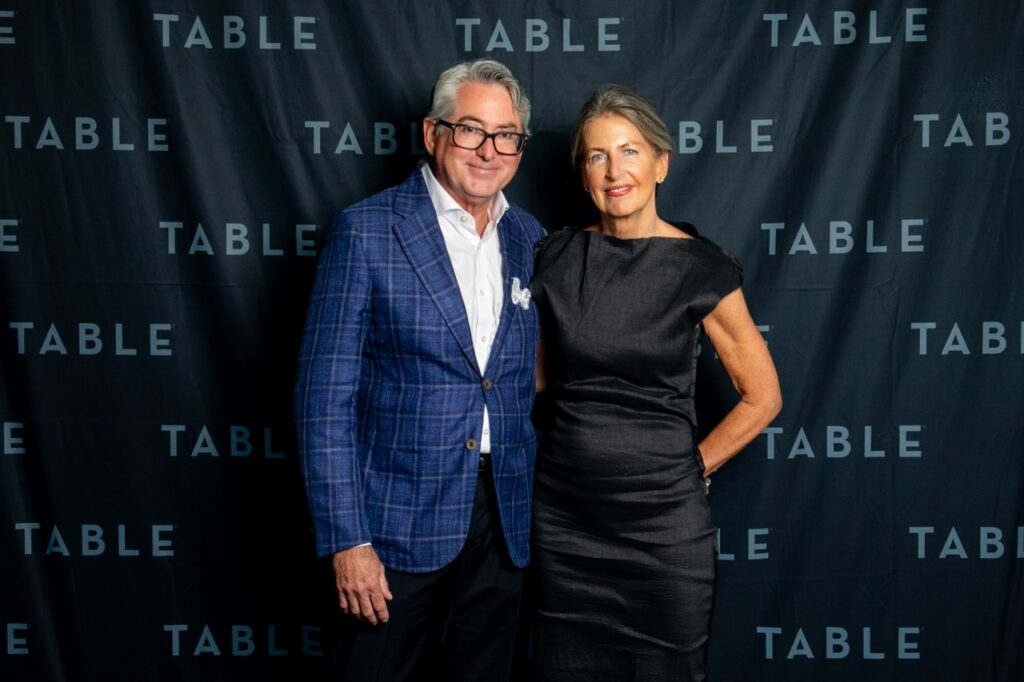
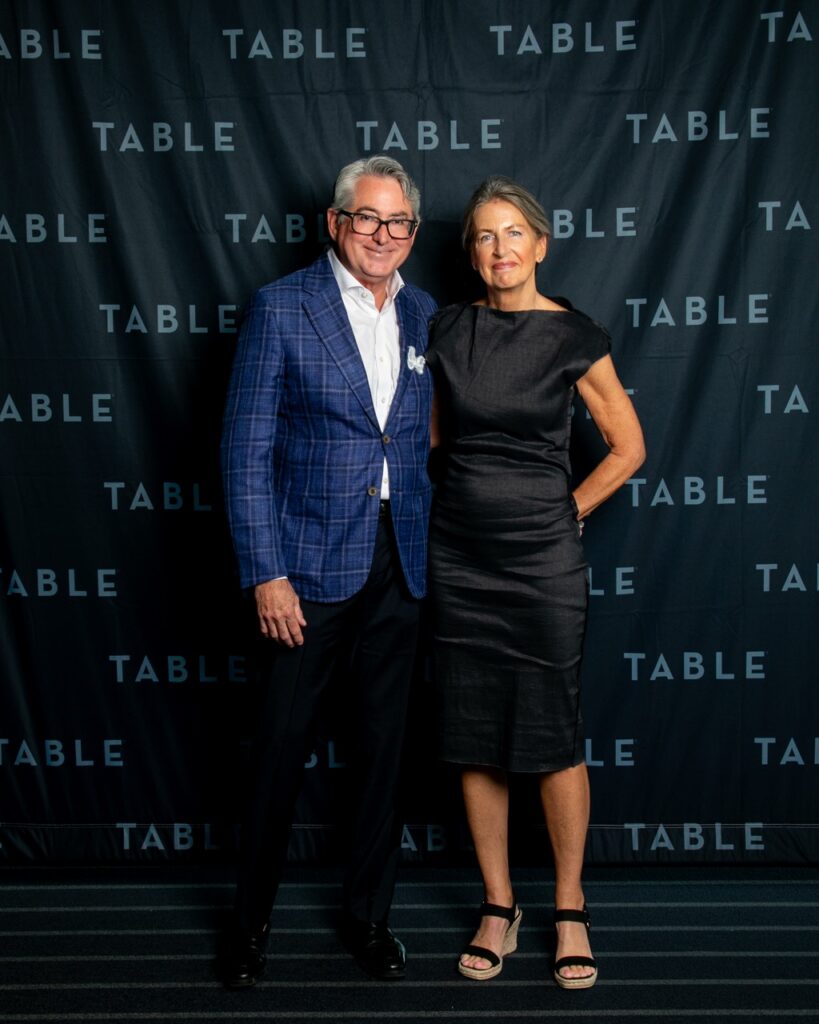
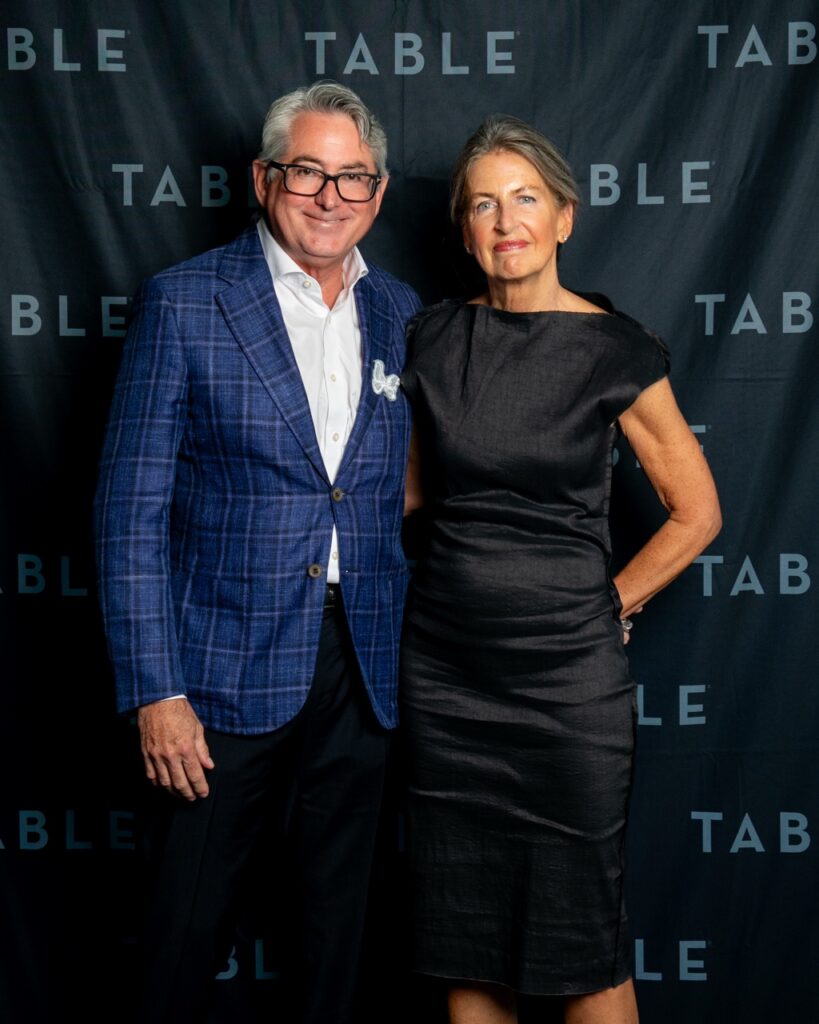
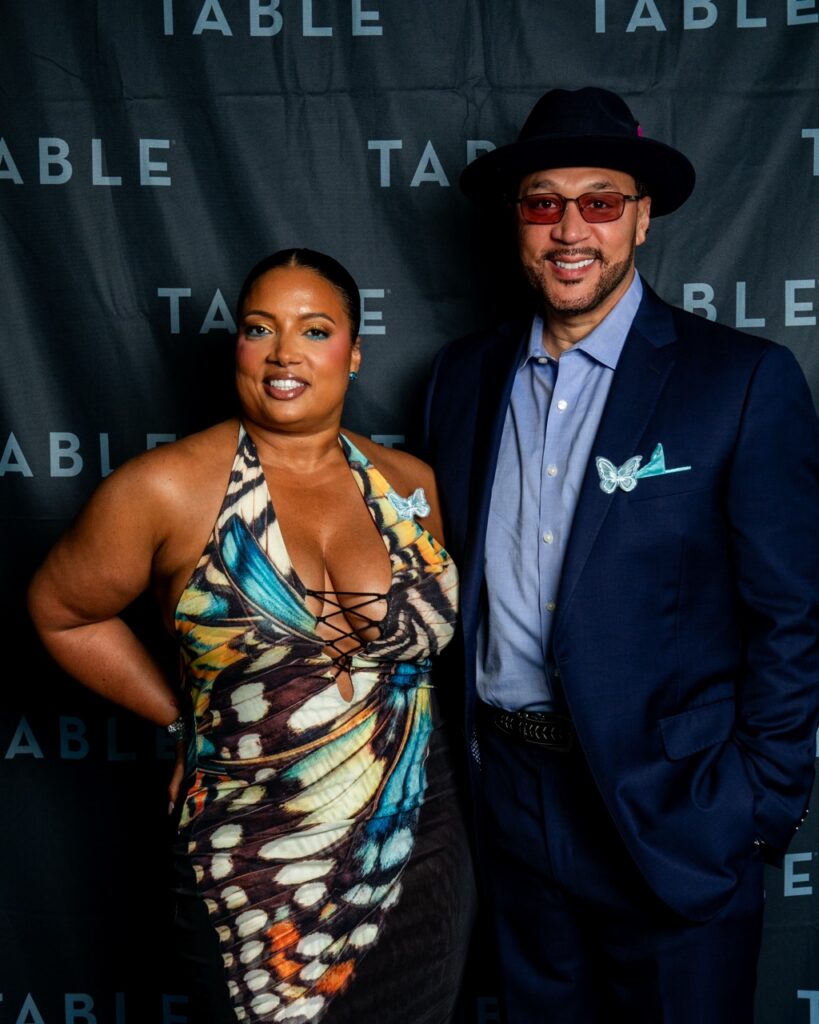
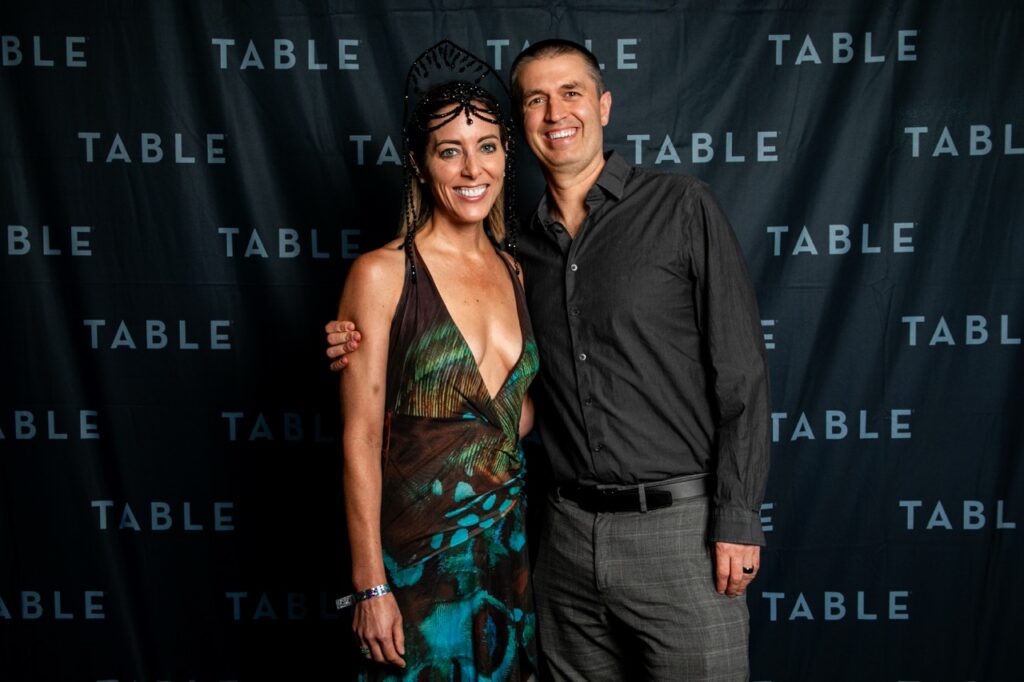
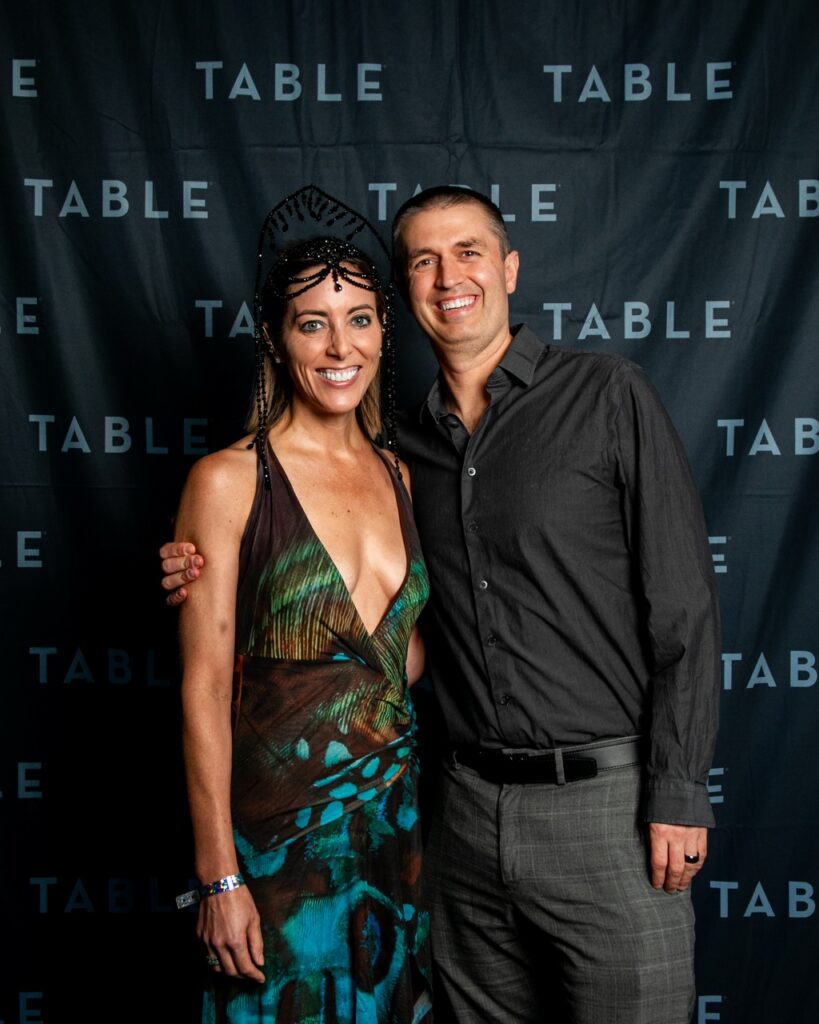
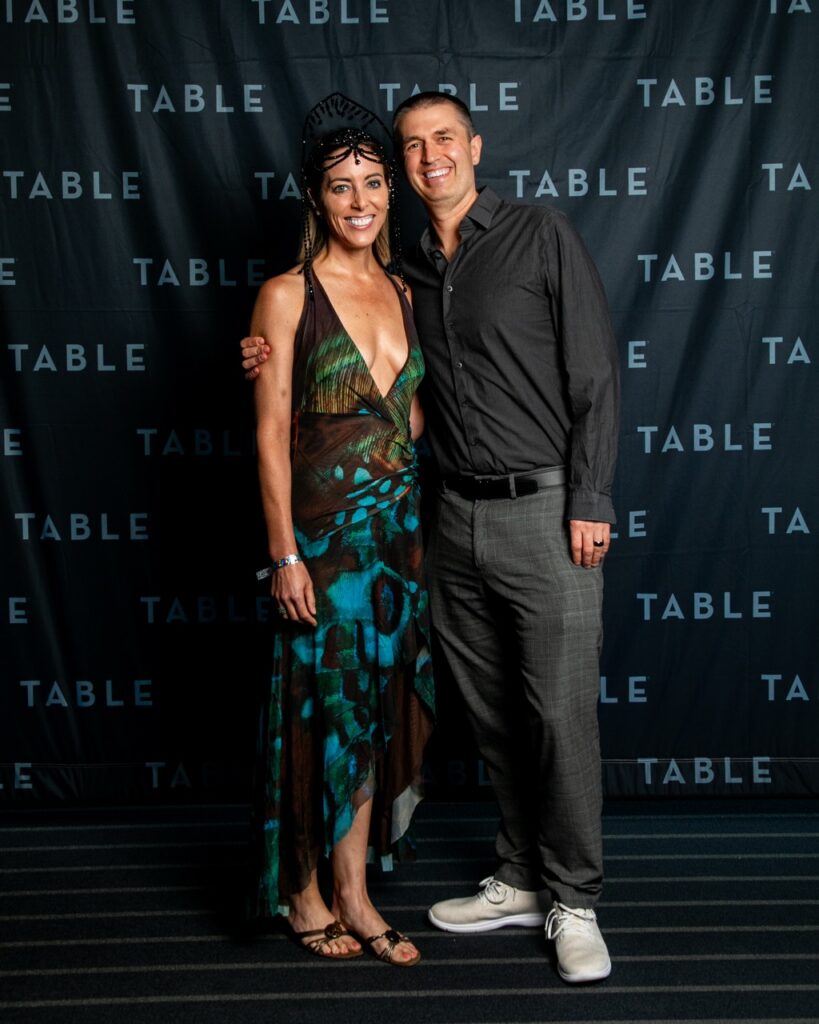
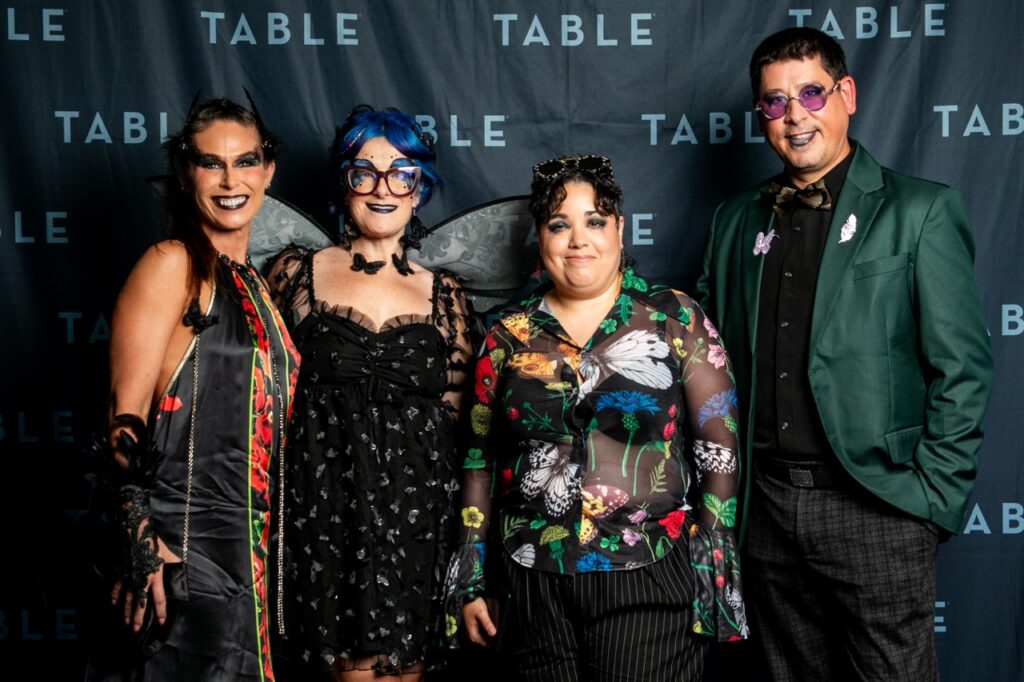
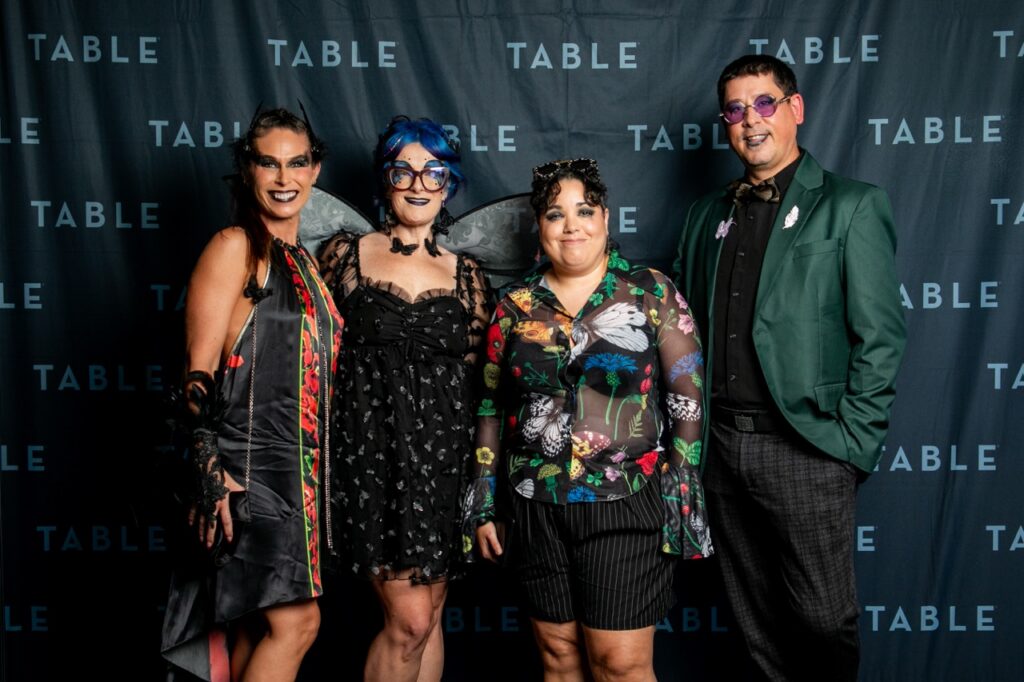
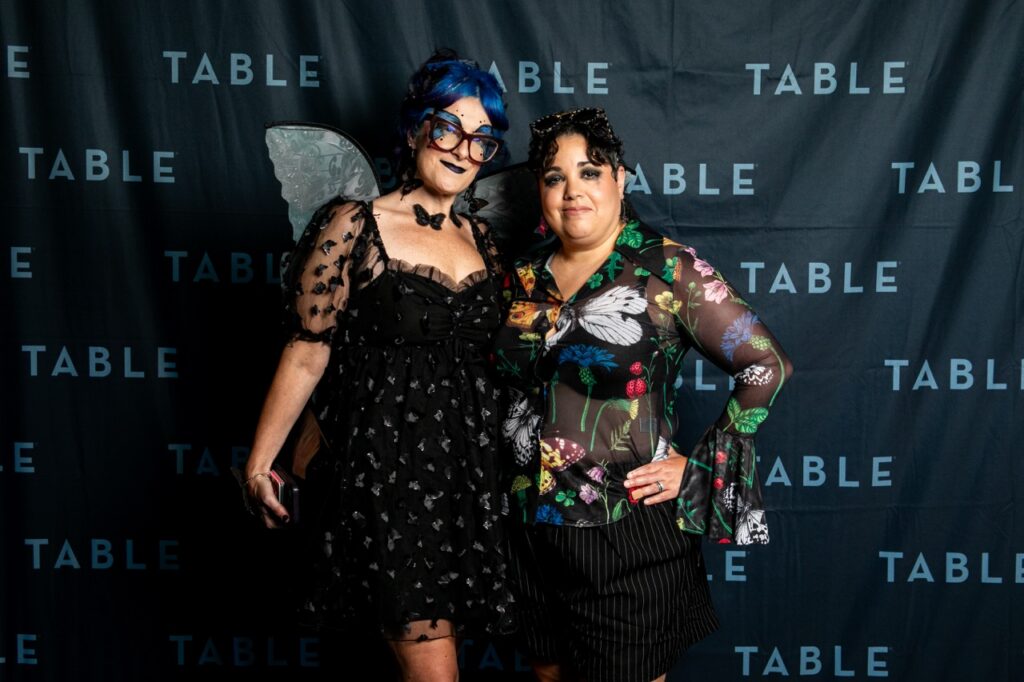
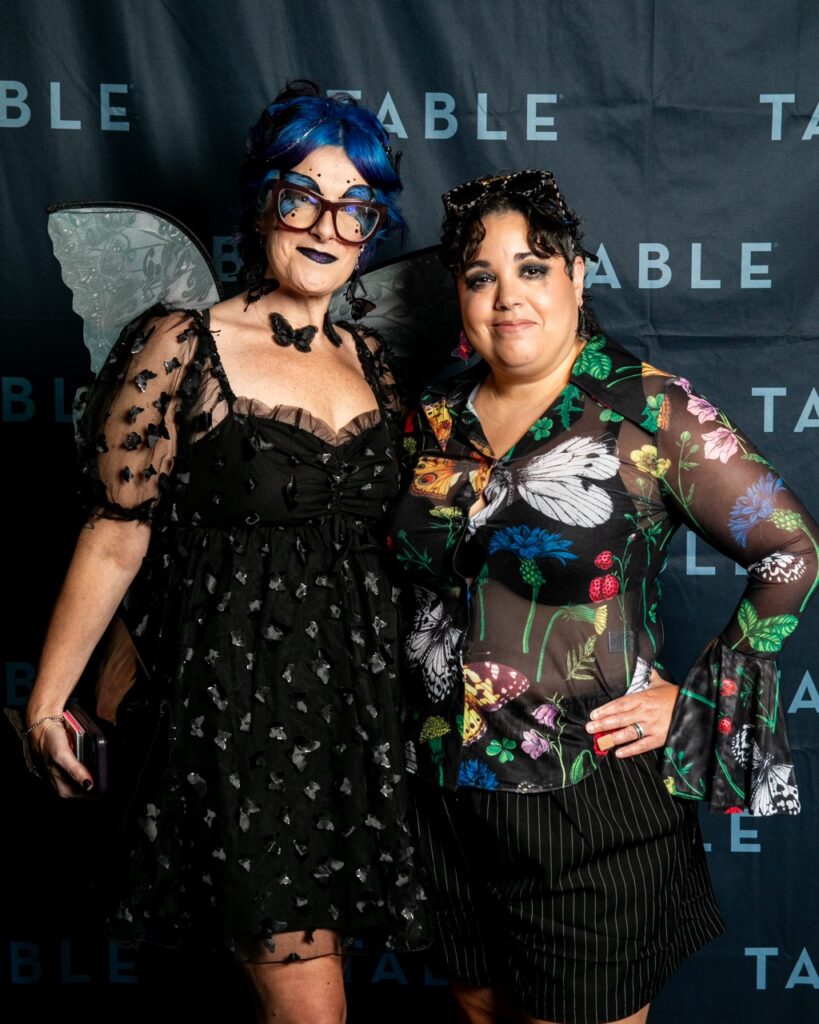
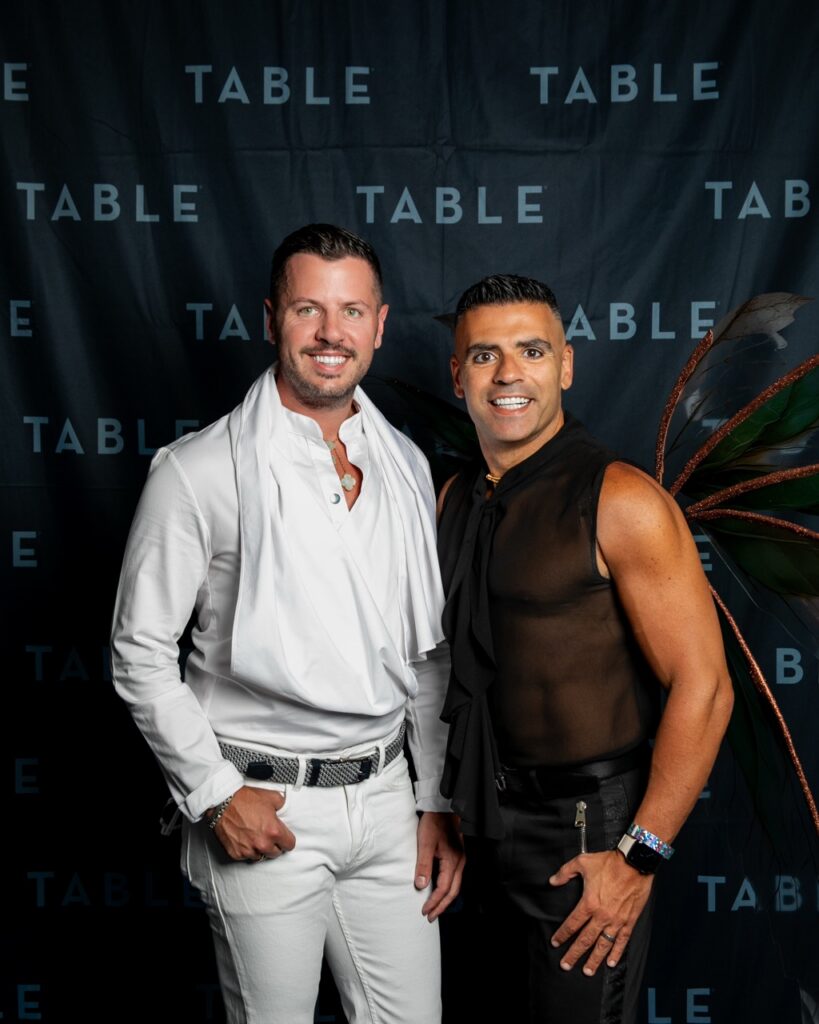
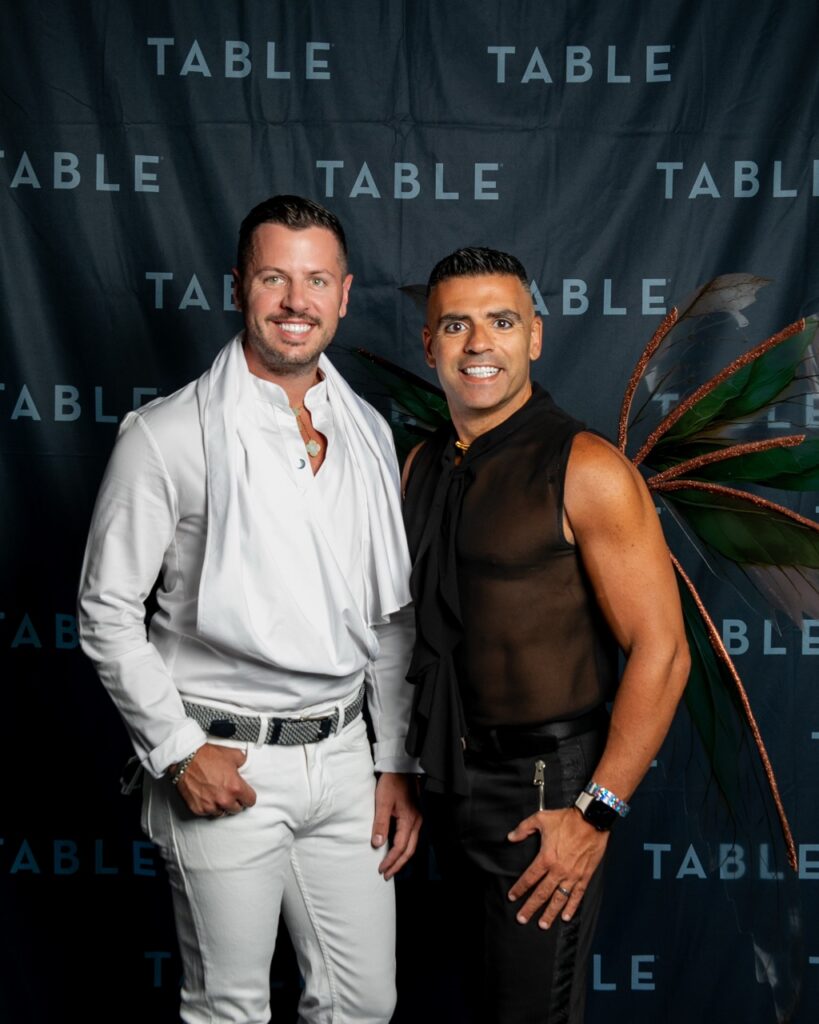
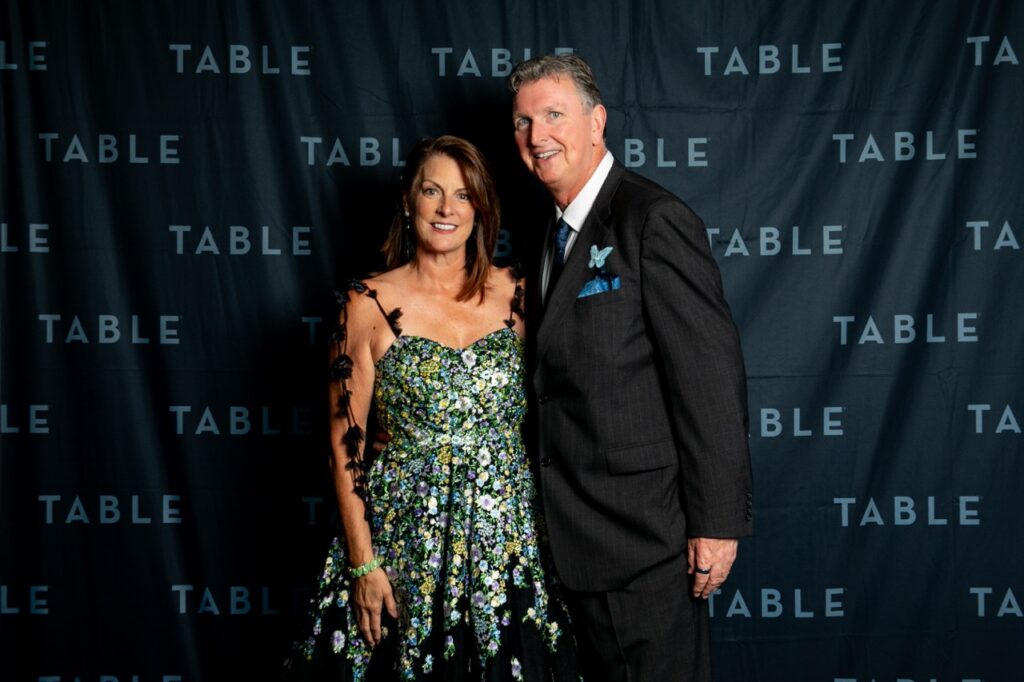
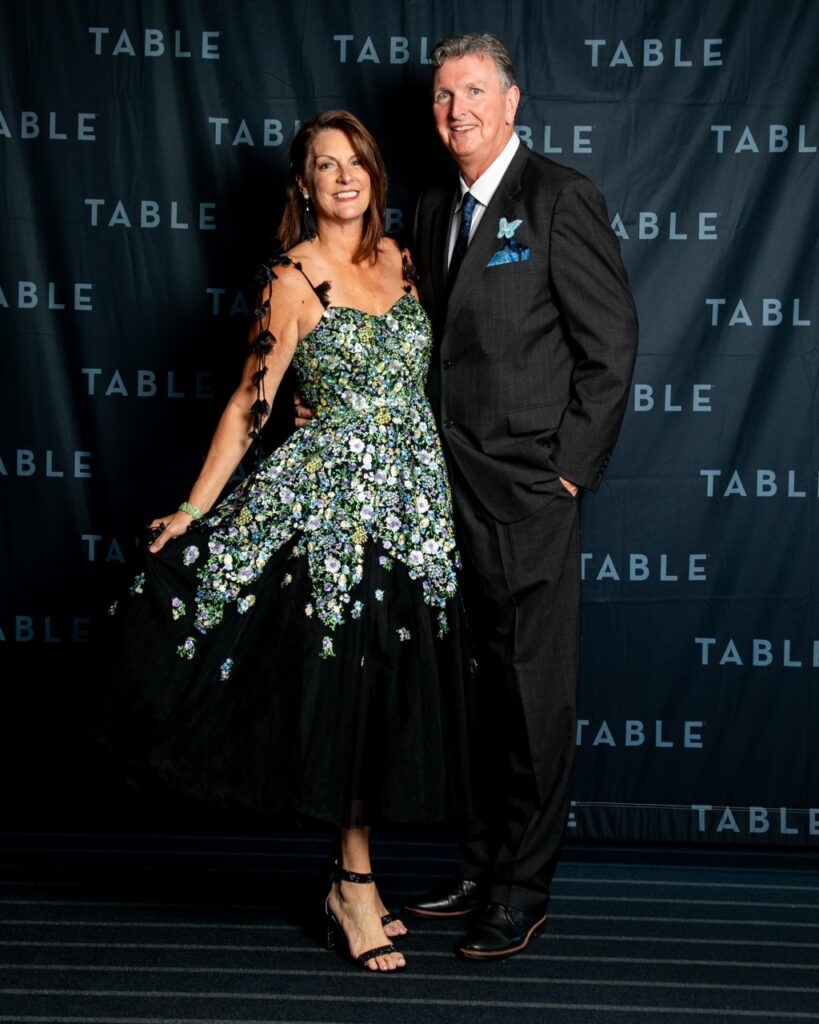
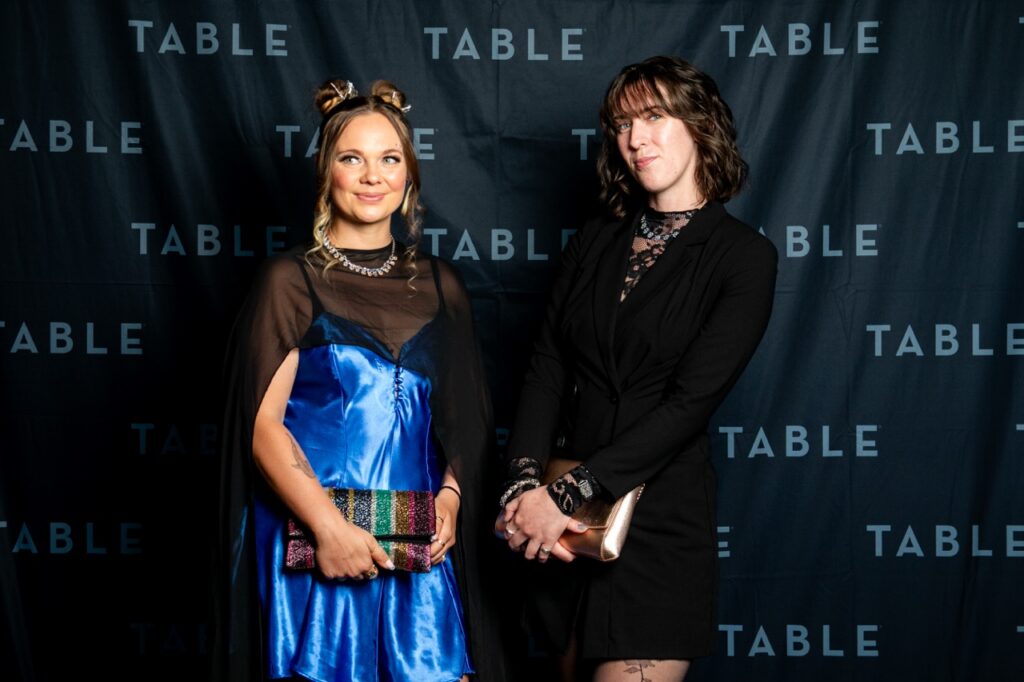
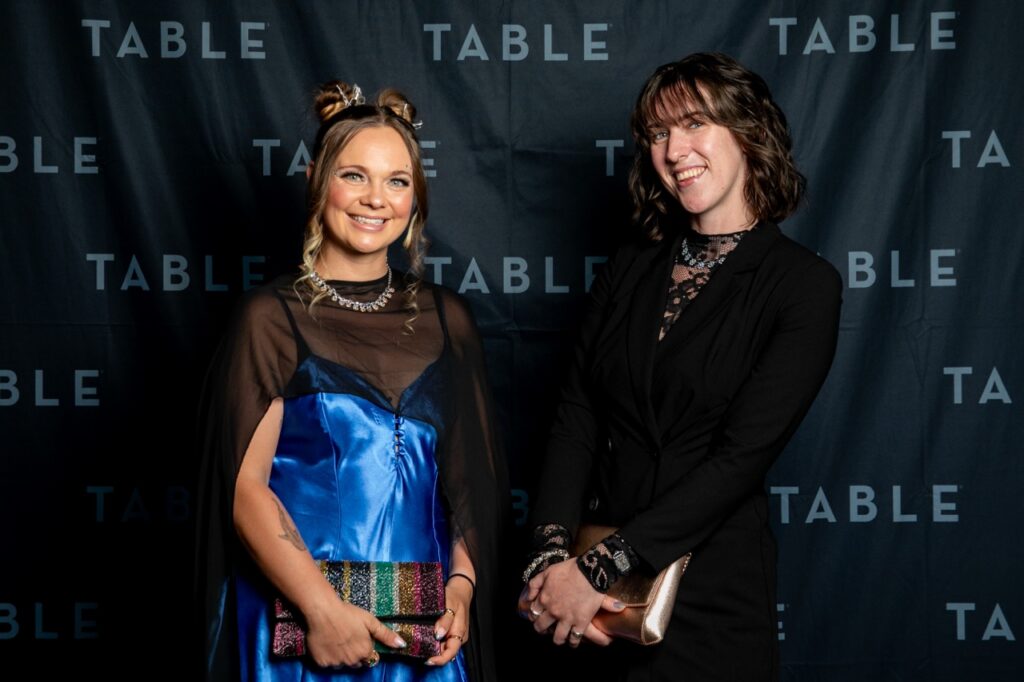
When Pittsburgh’s civic and cultural community steps out, they do it with unmatched style. For its 17th annual summer gala, Riverlife’s Party at the Pier invited guests to the Rooftop Terrace of the David L. Lawrence Convention Center for an immersive, after-dark experience themed Midnight Metamorphosis. Draped in a palette of deep indigos, rich violets, and midnight blues, Pittsburgh’s finest came dressed to impress—embracing bold fashion, shimmering textures, and high-energy looks inspired by the magic of transformation against the backdrop of the city skyline.
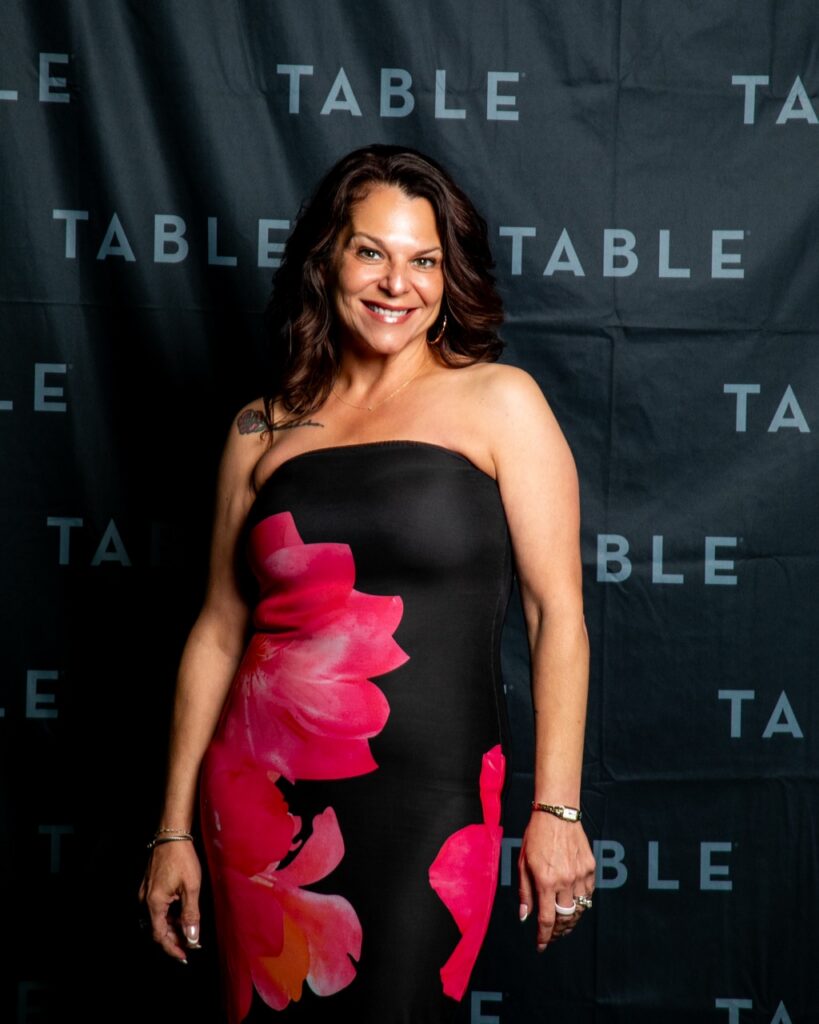
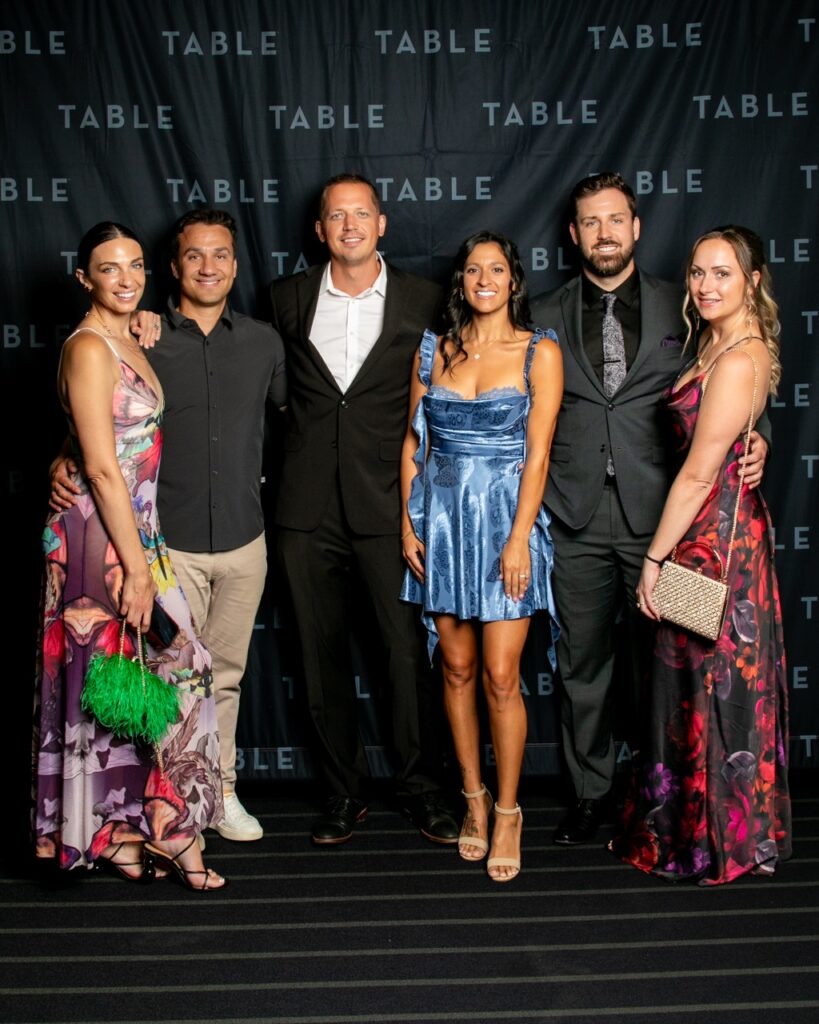
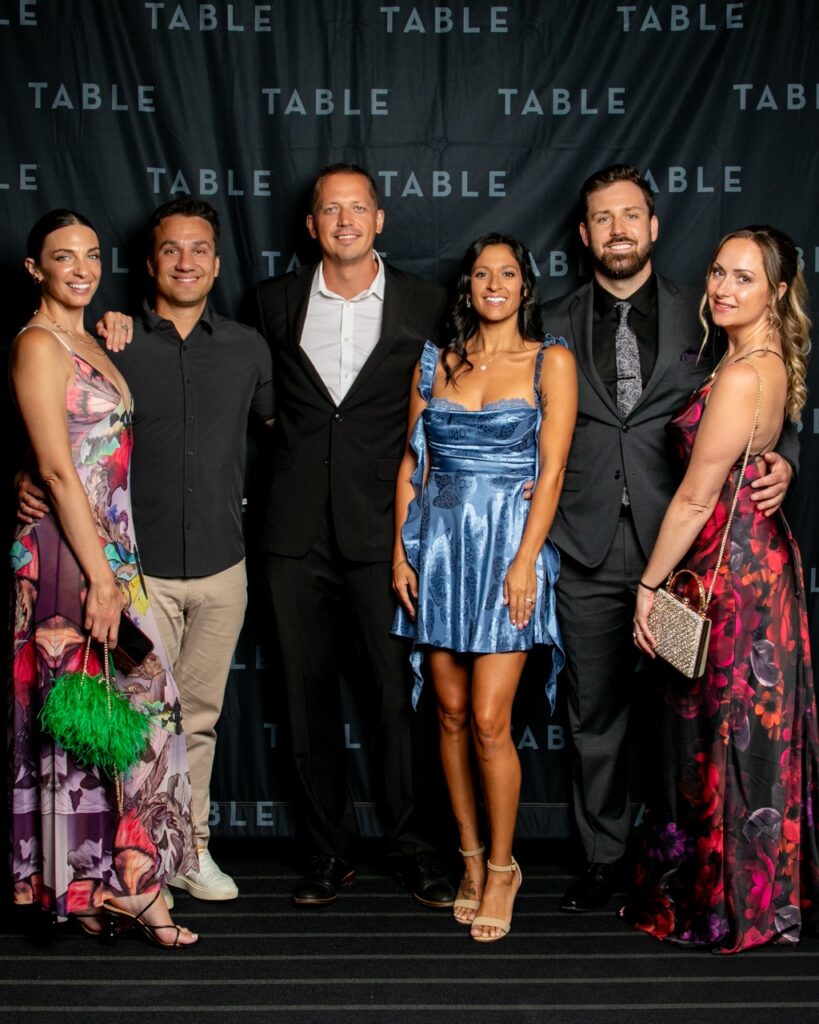
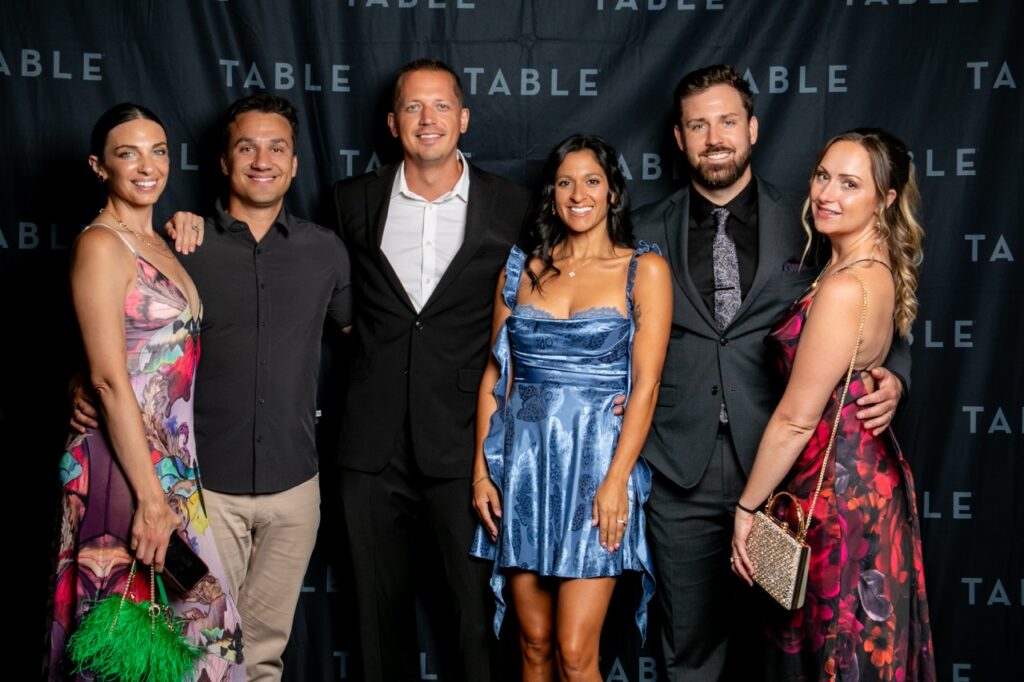
Scroll through the gallery below to see all the standout styles and fabulous faces smiling for the TABLE Magazine photo-op.
Comedian Zach Funk Hosts the Living to Laugh Benefit
The weather might be changing, but the fun doesn’t have to end with summer. Fall brings a variety of comedy show shenanigans to Pittsburgh, including a Stephen King roast just in time for Halloween, on-stage game shows and more. After all, the best way to end a day with fewer hours of sun is to embrace the darkness … of an intimate room full of laughter.
September 4, October 9 and November 6, Cafe Conmigo Wexford
Yes, really — it is possible to see a full comedy show and be back home early. Grab a coffee and take a seat in a cozy space for performances by local and touring comedians. October’s event is headlined by the show’s producer, Chris Nakis, who always promises strong laughs … and an early bedtime.
Next Stage Productions promises to bring the jokes in the inviting lounge space at City Theater with the debut installment of Live from the Lounge. Join headliner Chrissy Costa, the only hilarious comic who is also a councilwoman for Rankin Borough. Then, return to the City Theater venue later in October for a frightfully good time with Night of the Living Dead N’at.
If you prefer humor with melody, the Wolves of Glendale stand out from the others on the list. The well-traveled comedy band has a gig at Bottlerocket Social Hall — a unique setting that truly feels like stepping back in time to the ’70s. The venue offers an event nearly every night and is also home to the Pittsburgh chapter of the Upright Citizens Brigade improv school.
Get in some laughs while benefitting the American Foundation for Suicide Prevention. Hosted by Zach Funk and featuring a lineup of standout local talent, this annual show reminds us that sometimes dark humor can be a way to process trauma. Grab tickets, make an extra donation and enjoy an evening of fun. After the show, explore the area with a drink in hand at these Downtown bars and restaurants.
One Liner Madness is a single-elimination comedy tournament, structured like a March Madness bracket. The competition begins with 64 comedians who are quickly whittled down by audience applause. Despite the large number of performers, this show is fast-paced, as joke lengths are limited to three lines or less. One Liner Madness is an opportunity to hear the best jokes that (many) comics have to offer. But don’t let Spirit be your only stop in Lawrenceville, there are plenty of shops, restaurants, and hidden gems to explore.
For the third year in a row, Chipped Ham Comedy brings a marathon comedy event with a slate of touring and local comedians. This year’s festival includes headliner Ben Roy and featured performer Gwen Sunkel, along with about a dozen other funny people. Don’t miss an opportunity to catch veteran performers and up-and-comers alike while grabbing a beer at one of Pittsburgh’s favorite breweries. Eleventh Hour Brewing Company is also putting on an Oktoberfest celebration in September and at the beginning of October that you won’t want to miss.
Part of an ongoing series of shows dedicated to roasting pop-culture figures, this evening will feature a slate of funny people roasting the king of horror himself. Join Pennywise, Jack Torrance, Carrie White and more as they take on their maker. Get ready for a night to die for.
Finally, if you prefer the element of surprise, Don’t Tell Comedy offers shows nearly every weekend (and occasionally on weekdays). The performers are a secret; so are the venues, which are provided by email on the day of the show. These shows offer a way to see local and touring comics in unique spaces. Who knows? You might even get the chance to laugh at people in a yoga studio … without being rude.
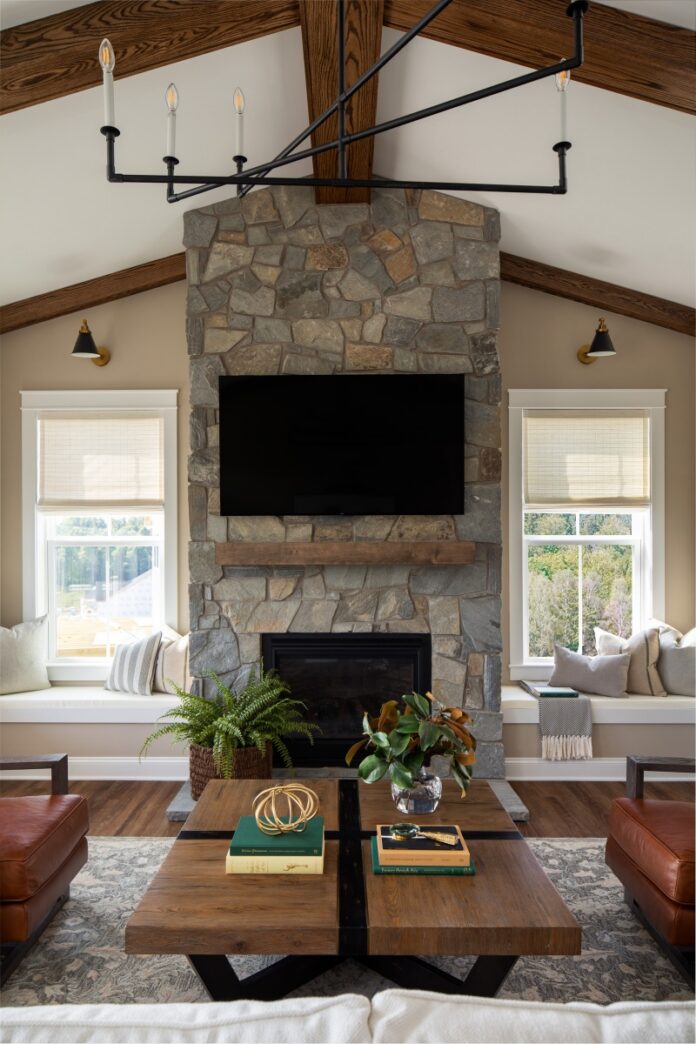
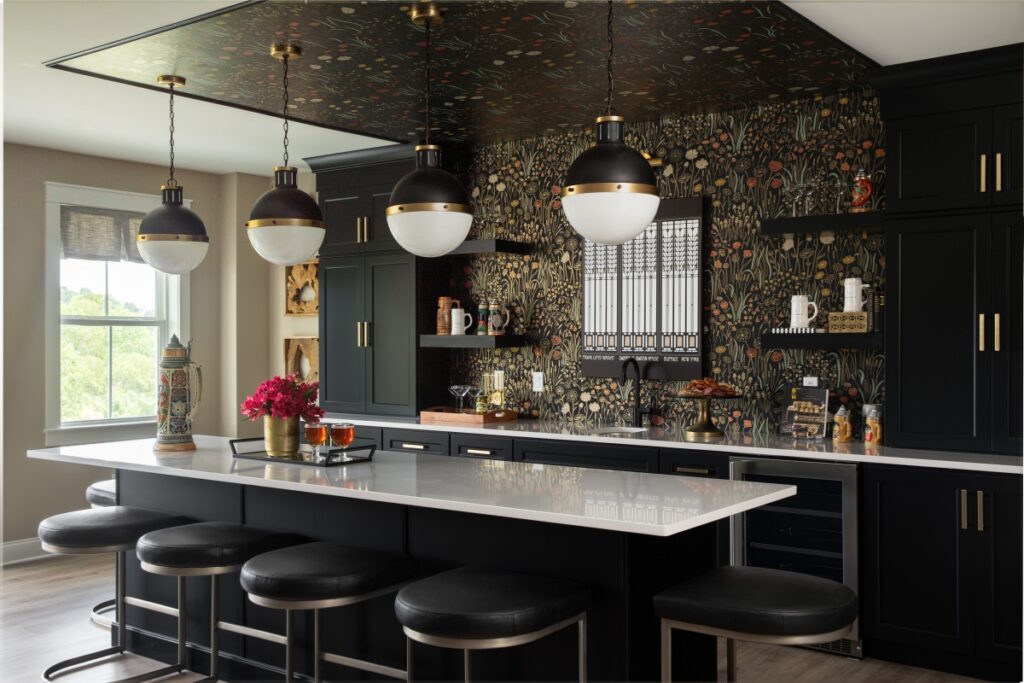
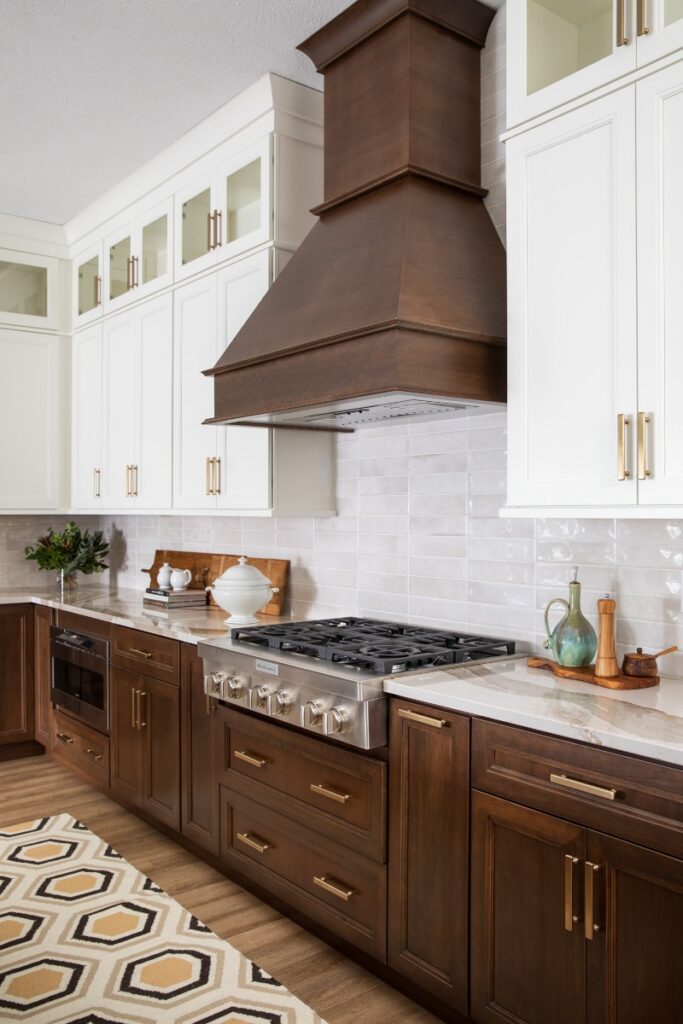
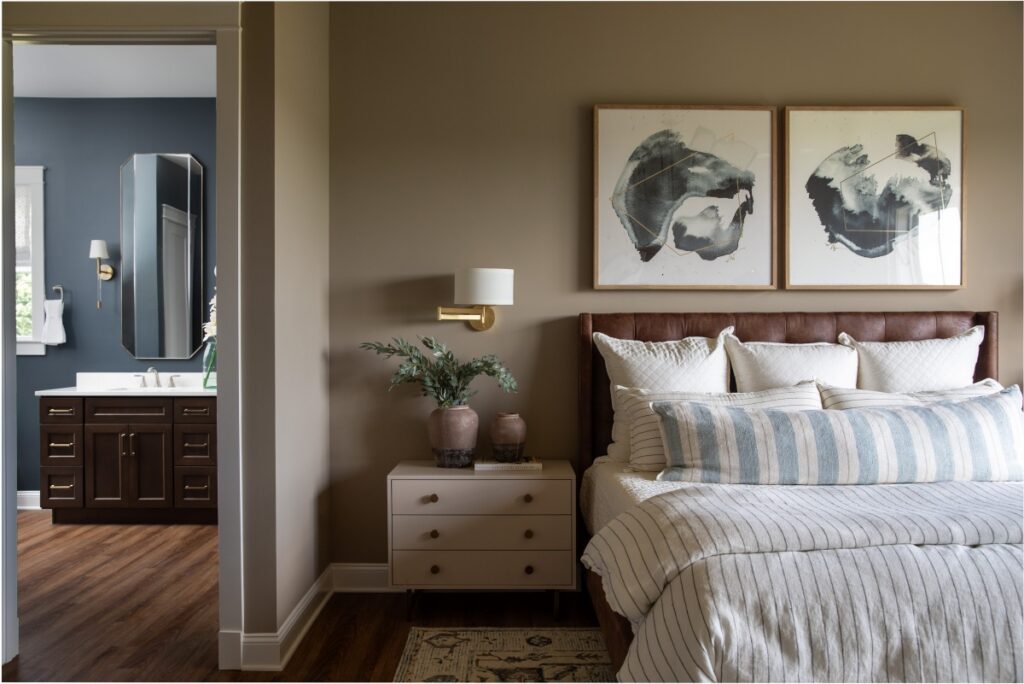
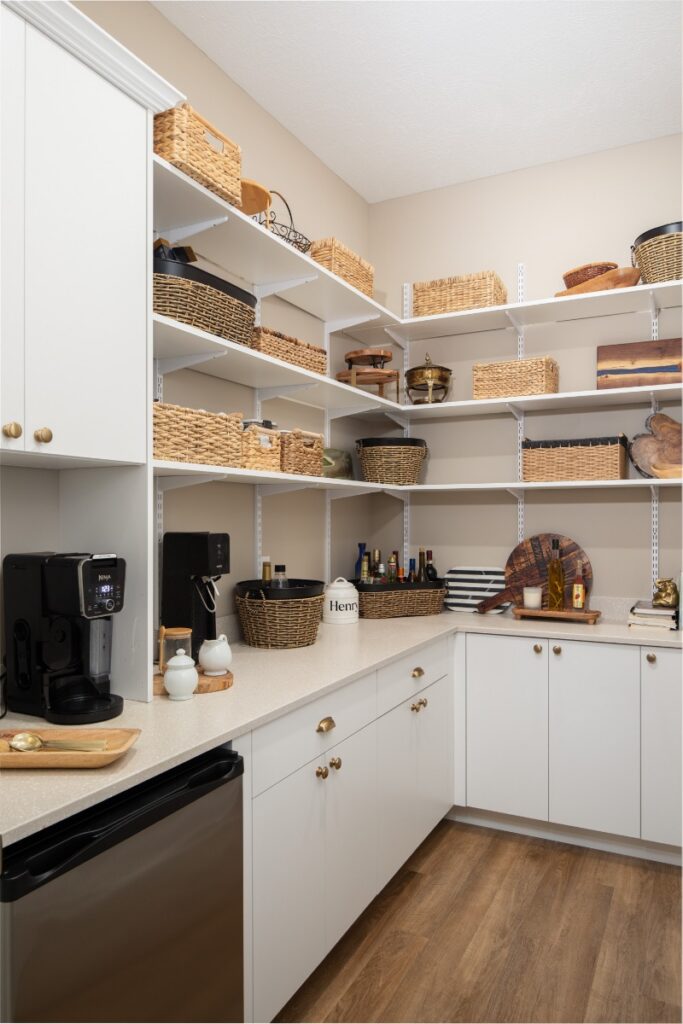
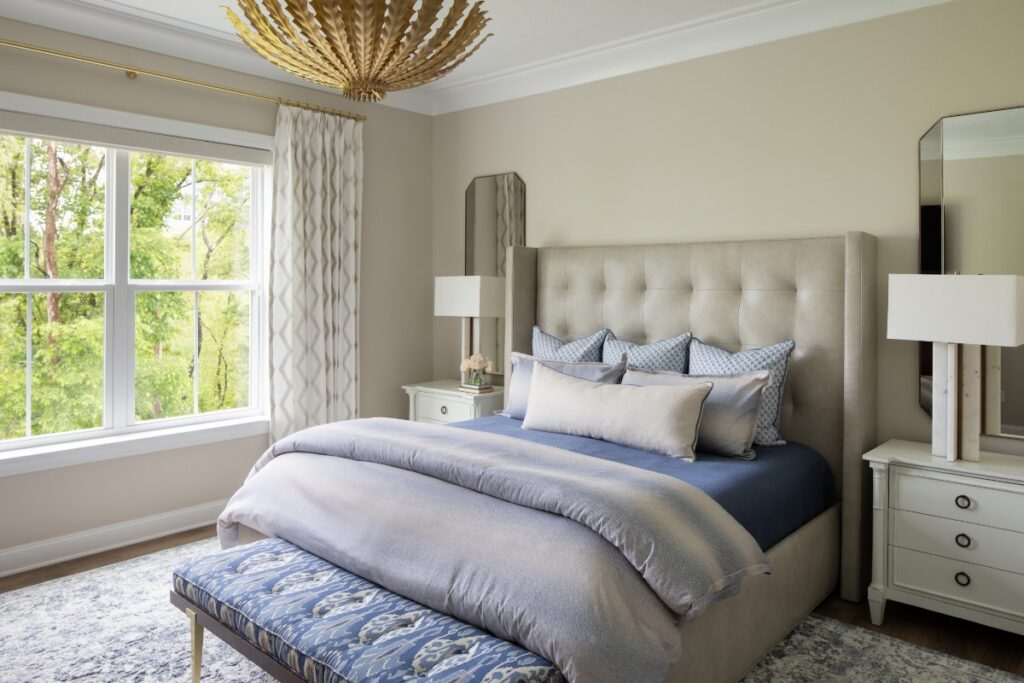
Whether you’re looking to build or renovate, Pittsburgh’s talented local businesses are here to make your dreams come true. Finding the right person for your project is an important step on the road to living in a home you love.
Costa promises to go the extra mile to create elegant but comfortable homes with the amenities you and your family need with the finest products available. As a fourth-generation builder, Jeff Costa brings a wealth of expertise, carrying his family’s legacy into today’s projects.
Adam Longshore and Brent Fosdick both have a passion for home building and saw a need in Pittsburgh for bespoke homes and boutique services. They make an effort to offer maximum efficiency and disciplined pricing to their clients. You can take inspiration from their existing designs or come with your own ideas to bring your dreams to life.
Family-owned, Benjamin Marcus Homes has been in existence for nearly 40 years, crafting luxurious single-family homes and estates across the region. Their 12,000-square-foot Design Gallery is a place for clients to select from any number of finishes to design their dream home with the help of the experts.
Founder Dan Essig knew that working in an office wasn’t for him, so in 2011 he started his own renovation and design firm. His experience with carpentry/contracting began in ninth grade when he built his first solo second-story deck, and he brings 15+ years of experience to the work he and his team of experts do.
Remodeling your home is a big commitment, but My Guys follows the motto that their guys are your guys. Their experienced architects, designers, and staff work closely with you to create a home suited to your lifestyle and your goals.
This architectural window and door specialist serves architects and custom builders with premium brands including Loewen and Weather Shield. With a Pittsburgh showroom and AIA-accredited continuing education, Fenhaus brings technical depth, precision, and accountability to every opening in your home.
John McCloskey started J. Francis Company in 1988, and you can find them in a 22,000-square-foot facility on the North Side. They use the design-build model in which all aspects of the project are completed by a single source, including architectural design, engineering, estimating, and construction.
Marvista gathers design, construction, and project management under one roof to ensure that there is clarity, communication, and collaboration throughout a project. The fruits of that coordination are efficiency, customization, and a home you will love. Projects range in scale from rooms to whole floors to entire houses, all accomplished with high levels of quality and aesthetics.
Bruce Construction is a full-service construction company established in 1999 that serves the tri-state area. The owners come from families in the construction business, and the company is adept at adaptive reuse of spaces. Whether it’s a mid-century modern addition, a 1800s Farmhouse Revival, or a cozy winter residence, Bruce has all the tools to bring a dream project to life.
Black Boot Builders specialize in fine renovations, custom additions, sustainable new construction, and historic preservation for clients in Squirrel Hill, Aspinwall, Point Breeze, Indiana Township, Highland Park, O’Hara Township, Fox Chapel, Sewickley, Shadyside, and beyond. Founded in 2018 by Pittsburgh-native David Short, Black Boot has been expanding its team to bring your one-of-a-kind project to life.
Sometimes, you need a little help getting creative. That’s where Century Interiors comes in, combining imaginative design with skill and expertise. President Mark LaBella began working on paint jobs with his uncle at a young age and formed Century Painting Company in 1989. That morphed into Century Interiors, founded in 1993, and it’s only grown since then.
American Dreamers Renovations combines the visions of their clients, aka their “dreamers,” with full-service remodeling services; they never subcontract any portion of their work. Founded in 2010 by Morgan Kumpfmiller, American Dreamers does everything from kitchen, bathroom, and basement remodels to new construction and home additions.
This award-winning firm has completed more than 1,000 projects since its founding in 1988. Luxurious bathrooms, entertaining spaces, and outdoor living areas are just a few of the many areas they excel in, using a six-stage process that’s both holistic and efficient.
Master carpenter Todd Bush founded TJ Bush Enterprises in 1996, and he and his wife and business partner, Judy, make sure each project is handled with care. Todd has a background in computer-aided drafting and design and uses his skills to match a living space to his client’s life stories, whether it’s an addition, an outdoor structure, a bathroom, or a whole-home build.
Founder Katie Scocik named her business after her home on Hoodridge Drive in Mt. Lebanon, where she met her neighbor Katie Nicoletti, a fellow design professional. Together, they’ve built a leading women-owned firm that balances tried-and-true techniques with evolving trends in the design world.
Though the word “kitchens” is in their name, North Shore Kitchens can create anything your heart desires, focusing on custom cabinetry and home renovation. They partner with a variety of high-end brands so you can get the best results possible.
As a child, Melissa Ewen moved around the world. That experience taught her that home doesn’t always mean the four walls around you — it’s a place you create. Before becoming a designer, Ewen was an attorney, which means she knows a thing or two about getting things done. Working with her means you have a professional in your corner.
Colleen Simonds specializes in designs for “the aesthetically adventurous” client who loves patterns and textures with personality. Her work has been recognized by the New York Times, LUXE, Elle Decor, Martha Stewart Living, and many other publications, and it’s easy to see why: her vision is unique — and uniquely appealing.
Founded in 2001 by Catherine Davin and now led alongside daughter Alexandra, Davin Interiors is rooted in classic choices and livable luxury. The team crafts bespoke interiors tailored to each client’s individuality. Their Interior Arts showroom on Smallman Street brings a deep library of to-the-trade finish and material options to your project.
The world can be gloomy, and Betsy Wentz wants to “design happy.” She’s even written a book about it. Wentz has a degree in mental health counseling and helps her design clients in Pittsburgh, New York, California, Chicago, Florida, Maine, Ohio, and Alabama create spaces where they can truly feel at home.
There’s no designer quite like Brenda Friday, with her eclectic taste and curated creativity. Based at Shoppe B in Lawrenceville, she helps people find the best pieces for their homes and helps local artists place their work in homes around the region. With “expect the unexpected” as her guiding principle, she’s worked with clients in Lake Tahoe, New York, Idaho, and Vancouver, as well as Pittsburgh.
Maggie Dobkin Cham is a Pittsburgh native who knows what people in her hometown want. At madDesigns, she’s able to see beyond the nitty-gritty of an interior and look toward its broader functionality as a gathering place, hangout spot, or multi-generational connection space.
Founded by Maria Ripepi Diven and Tia Nitsopoulos, La Storia wants to help you tell your story. Offering e-design, full-service design, and consulting services, La Storia holds events and offers courses to share their love and knowledge of the design world with others.
Patrick Denham and Daniel Vitalie are at the helm of one of the most respected and visionary design firms in the United States, based in Pittsburgh’s East End. They’ve done some of Pittsburgh’s most iconic homes, including the Negley-Gwinner-Harter house on Fifth Avenue in Shadyside that’s always decked out for the holidays.
Haute Designs’ showroom in Zelienople can inspire you to put together your dream kitchen and bath. They partner with six cabinetry suppliers, as well as a variety of countertop suppliers counted among the best in the industry.
Evelyn Wedner and James Checkeye helm a full-service design studio, known for its consultative approach to decorating, out of their Squirrel Hill office. The duo’s network of high-end furnishings and accessories resources empowers them to create in a range of styles and looks, shaped in tandem with the client.
Nancy Sakino Spears’ career path began in pediatric and medical libraries, but she found her design calling while renovating her home, the historic 1857 Orr homestead. She holds a Master of Interior Architecture degree from Chatham University and brings that training to both residential and light commercial interiors. She works closely with her clients to apply her skills in the formation of their homes and other interior spaces.
With 14 years of design experience, Interiors by Seashal is an award-winning, full-service interior design studio and Architectural Digest Pro Approved professional specializing in luxurious, highly personalized homes that are as beautiful as they are livable.
This full-service interior design studio based out of Wexford is known for creating timeless and luxurious spaces across the region. Founded in 2021 to more fully serve Northern Woodworking’s clients with their design needs, NW Design Studio started when co-owner Patrick Miller asked his wife, Amanda, to return to her interior design roots and run the studio.
Casual elegance is the name of the game at C. May Interiors. The firm’s Canonsburg studio reflects the modern and sophisticated design the company brings to all of its projects and is meant to inspire.
Owner Heather Semke loved to go antiquing with her mom and grandparents when she was young. She started her career designing systems in IT, and in 2020, when her family built a new home, she couldn’t stay away from design and decor any longer. She became certified in interior decorating and founded Funcy because she believes your home can be both FUN and FUNCtional.
Lynn McDonough Interiors’ tenets are style, class, sophistication, and comfort. Based out of Cranberry, the firm uses vibrant colors and bold designs to create unique spaces that fit your personality and needs.
Whether you’d like a spa-like master bath, a Mid-Century kitchen, or a built-in wine bar, full-service Notion Design can come up with a custom, innovative approach that suits your needs. The company also specializes in design and installation of gourmet kitchens, custom cabinets, distinctive entertainment areas, and more.
Serving Pittsburgh, Wexford, Cranberry Township, Sewickley, Butler, Mars, Gibsonia, and Treesdale, BeSpoke is owned by Kristina Conway, who has had a passion for kitchen and bath design for 20 years. Her bespoke work ranges from functional-yet-beautiful home offices to spa-like bathrooms to stylish basement entertaining areas. Conway begins with a free consultation to get to know how you live, then works through the design process, including material selection, through to execution.
Jennifer Janeway is on a mission to prove that luxury can be lively by blending warm modernism with timeless tradition and daring palettes. The founder and principal designer of Jennifer Janeway Designs is a Pittsburgh native who loves the art of the home. She opened her physical studio and retail space in Sewickley in 2024 and refers to it as a living portfolio for clients to explore.
When Ashley Marie Piasecki was selling her family home years ago, her realtor praised how it had been staged … but it was all Piasecki. Since then, she has professionally staged, designed, and renovated full projects, specializing in luxurious bathrooms, inspiring kitchens, sleek home offices, and custom basement retreats.
This South Hills-based design firm starts with a site visit, continues with design and 3-D renderings, and ends with the finishing touches: styling the space. Babb & Mack is run by aunt-niece duo Andrea Babb, NCIDQ, who holds a bachelor’s degree from Ohio University where she studied Interior Architecture and Art, and Dana Mackey, who returned to her passion of design after a decade in education.
Cipriani Studios offers the best in bold, modern designs. The award-winning company has been behind a wide range of innovative and unique homes. Cipriani can also help you go Net Zero with your home, whether through a renovation or in a new build.
Working on a mixture of home styles from Tudor to Arts and Crafts to Contemporary, Doug Devlin can accommodate any vision. In addition to city and suburban residences and sprawling lakeside retreats, Devlin also designs commercial buildings like Orr’s Jewelers in Sewickley.
Good design transcends style, and mossArchitects has a large, diverse team of professionals ready to help with any project. Their focus and devotion brings homes, community spaces, working spaces, and gathering spaces alike to life.
EngineHouse gets its name from the fact that it started in a decommissioned Wilkinsburg fire station. It focuses on using honest, sustainable materials that will be durable additions to Pittsburgh’s diverse architectural landscape. They’ve worked with the Carnegie Museum of Art & Natural History, The Frick Pittsburgh, and the First Presbyterian Church of Pittsburgh, among others.
Led by accomplished architects Eric Fisher and Bea Spolidoro, Fisher ARCHitecture has won local and national recognition for its innovative designs. LEED- and WELL-certified, Fisher ARCHitecture is skilled at adaptive reuse and is a member of the AIA and the Green Building Alliance.
Based in the Strip District, Rothschild Doyno Collaborative has been creating meaningful design solutions for nearly 40 years. The highly skilled staff is led by seven principals and includes 17 registered architects, two LEED-Green Associates, and one Certified Passive House Consultant, among others. The award-winning firm is dedicated to collaboration and social responsibility.
Established in 1989, GLM is nationally recognized for its custom residential and boutique commercial work. The client is an integral part of the planning, design, and execution of each project, making communication as vital to each project as the well-considered and well-executed design solutions for which GLM is rightfully renowned.
Since its founding in 1979, Allegheny Millwork has invested in state-of-the-art technology and manufacturing equipment, allowing its talented craftsmen to hone their techniques. Using both 2-D and 3-D Computer-Aided Design (CAD) software, Allegheny Millwork brings their clients’ visions to life.
They provide complete shop drawings for all projects and work with design teams, contractors, and more to see a project through from start to finish.
For a bespoke modern luxury kitchen, Eggersmann is an internationally renowned standard. They bring their German design techniques to Pittsburgh through their Shadyside offices, where they focus on exceeding expectations for clients and providing spaces that are functional for everyday use while still being beautiful.
Every home is different, so custom millwork requires a wide range of skills and an ability to think on your feet. Giffin Interior fits that bill, continually evolving while still upholding the traditions of the craft.
You spend so much time in your home, especially in the kitchen. DB Design Center’s attention to detail makes sure that you’ll love every inch of your space, from the cabinets and countertops to the hardware and lighting.
The Closet Factory has more than 60 locations, including one in Jeannette, where you can design the bedroom closet — or garage, or office, or wine cellar — of your dreams. The Closet Factory offers free consultations and works with any budget.
The local teams at both Pittsburgh-area Inspired Closets locations can seamlessly help you through the design process of your dream organizational system or room. Get inspired in the showroom and experience the Envision by Inspired Closets augmented reality technology.
Crescent Baths & Kitchens began as a family-owned-and-operated plumbing and heating supply business in 1950. Today, with locations in Lawrenceville, Darlington, and State College, it serves as a supplier of residential and light commercial plumbing fixtures and fittings as well as kitchen design and cabinetry for kitchen and bath.
Stop in to their two-story plumbing and kitchen Pittsburgh showroom to start designing the space of your dreams.
California Closets brings decades of expertise to custom walk-in wardrobes, pantry systems, home offices, and garage storage projects. Their talented Wexford team works one-on-one with clients to curate proprietary board finishes, curated hardware selections, and precision German-cut components. Every installation is built to last.
If you can walk on it, Perfect Flooring can design it. They also provide installation, refinishing, and repair for floors of every kind. They know a good home comes from the ground up and are committed to providing quality services with financing options for every budget.
Just outside of Pittsburgh in the quaint town of Valencia, Paracca is one of the most trusted sources for flooring in the region. Alongside flooring, they also offer other products, including carpet, luxury vinyl, hardwood, tile, natural stone, and area rugs.
Every flooring job is different and Architectural Clay Products doesn’t just offer the basics. Options like bamboo, glass tile, and natural cork can liven up any home. They’re home to a vast selection of ceramic and porcelain tile for bathrooms, kitchens, and beyond.
Hickman Woods and Allegheny Mountain Hardwood Flooring, based in Emlenton, are run by the fourth generation of a family that’s worked in the region since the 1930s; the family’s original sawmill began operating in 1938.
Their quality products — they specialize in rift-, quarter-, live-sawn hardwood flooring — can be found in notable buildings across the country, as well as numerous LEED-certified buildings.
At their showrooms in Collier, Cranberry, Glenshaw, and Murrysville, Splash can show you a variety of tiling, millwork, and other kitchen and bath amenities. They also have a full collection of architectural and decorative hardware to find the perfect accent.
Father and son Chris and Dwight Morrow started Ultimate Granite & Stone because they felt Pittsburgh needed a wider selection of countertop materials, more personalized service, and more competitive pricing.
They offer granite, marble, quartzite, soapstone, limestone, onyx, travertine, engineered quartz, and sintered stone.
Mosaic, cement, and terra cotta, oh my! Tile & Designs has it all, with ceramic, terrazzo, porcelain, wood, and metal options, all in a welcoming design studio in the East End.
They offer tile for a wide array of projects and budgets, and invite clients into their shop to browse and learn more.
Mont Surfaces, with a local office in Pittsburgh’s West End, offers beautiful variations of natural stone, semi-precious stone, engineered quartz, and more. They have a national reach with other offices in Louisville, Indianapolis, Cleveland, Columbus, Cincinnati, Grand Rapids, and Detroit.
National chain Cosentino has an outpost just a stone’s throw from Pittsburgh in Beaver County. Their innovations include low-silica stone full of minerals, whose rich colorings and variations suit a range of looks and styles.
They offer visualizers and mood boards so you can get inspiration on which stone choices are right for you.
Granite can be one of the design elements that can elevate your space through the choices you make. Premier Granite is a locally owned business with a showroom in Carnegie where you can get to know their design professionals, see the work they do, and make the choices that best suit your home.
Founded in 2002, Ceramiche showcases a stunning collection of ceramic, porcelain, and natural stone tiles sourced from around the world. Customer service is as important to the Ceramiche team as the product itself, creating relationships as they bring spaces to life.
Choosing a countertop is a personal decision, and The Vangura® Experience can guide you through selecting the type of material to the type of edge, and you can browse sinks, faucets, backsplash, and knobs in fully functional kitchen and bath displays while you’re visiting the three-story designer showcase.
Vangura has been manufacturing custom granite, natural stone, quartzite, marble, solid surface, TRU—REZ™, bar tops, specialty countertops, and more since 1971.
Cambria countertops style and design can be found at numerous Pittsburgh-area locations. The American, family-owned producer of fine quartz offers beautiful design palettes and innovative options to enhance your dream living space.
With locations in Cheswick, North Fayette, and Cranberry, Armina Stone has become a top choice in natural stone and quartz products since its founding in 2015.
Armina’s top-quality countertops, backsplashes, fireplaces, and other products have been featured in award-winning homes around the region and beyond.
The Pittsburgh Rug Company showroom on Smallman Street is an eye-catching sight as you walk through the Strip District. They have the largest selection of rugs in the Pittsburgh region and see carpeting as art for your floor, with carpets from every rug-producing region in the world.
For both residential and commercial use, Asia Carpet in the East End has been serving Pittsburgh for over 75 years. They’re an authorized flooring distributor for Shaw, Masland, Provenza, Kraus, Cortec, and many other manufacturers.
Classic Persian rugs set the standard for many other types of decorative carpeting. You can find them with Dr. Taheri at Shaherazad in Shadyside, where he can also appraise carpeting, do consultations, or set up a professional hand cleaning.
World of Rugs co-owner and interior designer Dana Razipour “simply likes to make homes look pretty.” She’s well-equipped at World of Rugs, which she owns with her husband, Adam (Ahmad) Razipour, who carries four generations of rug expertise in his family.
Adam travels abroad to directly import the rugs while Dana, who has a bachelor’s degree in interior design from The Art Institute of Pittsburgh, guides clients through 8,000 choices in their North Fayette and Strip District showrooms.
A&S Carpet Collection is a family-owned business with friendly faces and top-notch services for home renovation. Their work is backed by the strongest warranties in the industry. They pride themselves on developing lifelong relationships with customers and always being available when they need.
When you’re looking for roofing, you want real talent and real experience, vetted by real customers. Real Roofing Co. has you covered. Founder Michael Harshman joined a roofing company right out of high school and never looked back.
They’ll make sure you have a real roof over your head.
With flexible financing options, top-tier customer service, and efficient construction strategies, McCormick has been one of the most trusted names in Pittsburgh for roofing for 30 years. They’ll help you find the joy in every moment of the roofing process.
Bella Construction has focused for more than 25 years on roof installation, siding, gutter repair, and window replacement. They approach every task with a keen eye for detail and exceptional skill, resulting in unparalleled craftsmanship.
Founded in Highland Park in 1978, the company’s expertise encompasses slate and tile roofing, standing seam roofs, flat roofs, asphalt roofs and custom copper metal work and metal fabrication. They use high-quality materials and are staffed with experienced professional roofing installers and repairmen.
Founded in 1945, this fourth-generation family company prides itself on its expertise across many roofing materials and techniques as well as their customer relationships. Working with residences and businesses alike, they serve a wide range of communities in the Pittsburgh area.
This wallpaper company lives up to its name — it truly is peerless. They offer custom Hunter-Douglas window treatments and the largest selection of designer wallpaper in the tristate area.
Markantone Painting, a third-generation family company founded in 1958, is one of the top painting companies in the Pittsburgh area. The company is well-known for paying close attention to detail, proper surface preparation, and delivering superior results.
What sets Higgins Painting apart is its focus on project management. No paint job is done alone, and Higgins ensures a coordinated team of pros to oversee every brushstroke of the process.
It’s all in the name — plumbing should add comfort and convenience to your home. For plumbing and HVAC, A Comfort Service on Perry Highway offers top-notch craftsmanship and stellar customer interaction.
Mongiovi & Son is family-owned, family-operated, and family-respected for plumbing, fire protection, and alarm services. This family cares about the place in which you’ll be raising your family.
Stahl Plumbing & Drain is here for you, whether it’s for a plumbing emergency or a routine repair. They offer three generations of plumbing excellence, pipe and re-piping, leak detection, or water line work.
This locally owned and family-operated business offers residential cooling, heating, and plumbing services in Pittsburgh. With five convenient locations in South Hills, North Hills, Penn Hill, Plum, and Murrysville, they have served the community for over 30 years with top-quality craftsmanship at a great value. Someone on the team is available 24/7.
With over four decades of experience, the team at Bolster-DeHart, Inc. is a dedicated, hardworking group that cares about customers. They will guide you through every step of the HVAC process and ensure that you’re never at risk of spending money without getting the results you’re looking for. Get started with a home visit to create a custom plan designed around your individual needs.
Eichenlaub’s goal is to find landscaping solutions that are both functional and beautiful. Their specialty is “problem areas,” and they draw from the classical Greek and Roman ideas of firmitas, utilitas, and vernitas: strength, utility, and beauty.
Since 1985, Allgreen Outdoor Living has grown into a fantastic one-stop resource for outdoor transformation. From Unilock and Techo-Bloc paving stones to custom outdoor kitchens, fire pits, pergolas, and poly patio furniture, their knowledgeable team guides homeowners and contractors alike.
Joe and Jawn Funyak care deeply about their customers and have a “cut no corners” approach to landscaping. Their strategy gives you the best value, whether it’s for design and installation or lawn care.
For both commercial and residential landscaping, Eisler has been serving the Pittsburgh region for almost a century. Their projects are beautiful, thoughtful, and well-executed, with a promise that their experts will create an outdoor space you’ll fall in love with.
The core values at Local Roots make the acronym GROW — Go Home Safe & Healthy, Respect All People, Operate with Integrity, and Welcome New Ideas. They bring those values to every project to build a more beautiful Pittsburgh.
Property care isn’t a one-size-fits-all business, and Brown Design Group knows that. They blend top-quality design and planning with an innate understanding of the ins and outs of construction.
Why Sylvan? They’re focused on sustainability, they’re Pittsburgh natives, and they’re an A-Rated Angie’s List Company. Plus, they’ll work around your schedule and make the landscaping journey as smooth as possible.
Since 1929, Kimicata Brothers has helped clients with landscape maintenance and full-service design build, maintenance, and irrigation services. Their expert staff of trained professionals prides themselves on exceeding your expectations.
Kozi Media Design is a one-stop shop for customers who want to learn about the latest technologies and want to partner with an expert to bring them into the home. Since 1999, the Koziarski brothers, both with deep work experience in Silicon Valley, have provided great service before, during, and beyond the completion.
Pittsburgh Custom Home Technologies is a home technology company with projects in the greater Pittsburgh area, as well as Chicago, Florida, California, and New York. Their goal is to help clients seamlessly incorporate technology in their homes for maximum enjoyment of audio, video, security, and comfort.
TheaterXtreme provides home entertainment design and installation to residences and offices throughout the Pittsburgh area. For over 18 years, they have specialized in audio, video, home automation, control technology, theater, furniture, design assistance and accessories.
Kozi Media Design is a one-stop shop for customers who want to learn about the latest technologies and want to partner with an expert to bring them into the home. Since 1999, the Koziarski brothers, both with deep work experience in Silicon Valley, have provided great service before, during, and beyond the completion.
The Lighting Gallery, based in Greensburg, has been specializing in residential lighting since 1985. The company offers layout assistance, experienced consultants, and more than 1,000 fixtures from more than 80 manufacturers, and a contractor program is available.
The Pittsburgh outpost of Ferguson Bath, Kitchen & Lighting Galleries, located in North Fayette, offers the latest selection of bath, kitchen, appliance, and lighting products.
The showroom staffed with lighting experts will provide you with inspiration to find the right chandelier, wall sconce, recessed lighting, or foyer statement piece to fit your needs.
Now with eight locations, Cardello has been lighting buildings across the region for more than 70 years. Staff members at this independently-owned, well-trusted lighting and electric retailer can advise you on everything from a complete lighting design to the right tools you’ll need to have on hand.
Story by Emma Riva and Lauren Davidson Photography by Dave Bryce
The September 26 Full Moon falls in Aries the Ram, the sign of the first move. Traditional astrology sets it in high and exposed places like rooftops and ridge-lines, the upland pastures grazed by the flocks. From this we learn that Aries is the sign of beginnings made in the open. It’s the first sign of the zodiac and thus associated with the first strike of the tool, the first claim staked before anyone else is ready to move, and many other ‘firsts’.
What’s Happening During September’s Full Moon in Aries?
Its emblem is the Ram’s fleece, and the fleece is the key to the sign’s generosity. Shorn and grown back and shorn again, wool is a common material that renews itself and feeds a whole chain of crafts and trades. That is Aries at its best: a sign that gives and gives, so long as you know how to work it. Mars rules this sign and the Sun is exalted within it, which is why the sign lends a fighter’s drive and a bright, unmistakable self-belief to whatever planet is passing through it.
The fault of the sign is haste. Aries moves before the plan is finished, striking before the ground is ready. A cardinal fire Full Moon puts the question to you plainly: have you checked your aim before you commit the force behind it?
This month the whole sky bears down on that one question, so keep the ram in mind as you read on. Aries is built to begin; the task this time is to begin well.
Deborah Houlding’s Aries overview at Skyscript is worth the click for her reading of the ram’s “do or die” streak – brilliant at conquest, poor at accepting defeat – and her argument that the impulse to act is the sign’s gift rather than its flaw.
First Things First
Let’s get the tough stuff out of the way: the skies are a bit tense. Both the Moon and the Sun are moving into hard aspect with Saturn – the Moon toward a conjunction from Aries, the Sun toward an opposition from Libra. Saturn has been transiting Aries for a while now and will for a while yet, so this is a familiar weight rather than a new one. When a light reaches Saturn, it tends to cool an expectation that had grown too warm: a setback, or a reality check that trims a hope back to the size of its evidence.
If some such correction is coming, I imagine some part of you already suspects it. Has there been a thought or feeling that has been scratching at the back of the mind for weeks? – some detail you keep stepping around, maybe, or a pacing to things you suspect is too fast? Saturn’s job is to stop letting you look past it, and this is the month to sit with the uncomfortable questions honestly. Am I moving too fast? Ignoring the thing that will make this hurt later? Am I waging a war I won’t win? Or, am I pushing for more ground when I should be deepening the ground I already have? These bite hardest in careers, but the same reckoning fits a friendship or a household, or a debt you keep putting off.
That said, not every misgiving is ‘right’ to trust – some of what that voice surfaces is wisdom and some is only fear – so we do have to put in a bit of work to tell them apart while we can.
Dissension & Argumentation
The other pressure in this Full Moon is louder and more external, and it comes through Mercury – sharpening toward a square with Mars just as the two change signs, Mercury at the end of Libra and Mars stepping from Cancer into Leo. Both sit at the very edge of a sign as it perfects, and that boundary gives the exchange an all-or-nothing charge, the pitch of a conversation that settles something rather than letting it drag. This is the classic signature of provocation – someone’s going to push to be heard, someone’s going to be forced to listen and acquiesce.
You may be Mercury in this exchange, the one who has to push. You’ll know that’s you because you’ve got a case that deserves a serious hearing. This is the month to take a negotiation to its honest limit and insist a point land rather than get nodded past. Picture the courtroom scene in My Cousin Vinny, where Mona Lisa Vito, challenged on her expertise, demands to be taken seriously and then proves on the spot that she knows exactly what she claims to know. Used like that, the square is a gift: it is the difference between being talked over and being reckoned with.
On the Other Side
But you may also be Mars in this exchange, and feel as though someone’s pushing something into pedantry. You’ll know that’s you because the exchange grinds past the point where you want to keep listening. You may well have to fold here – perhaps out of fatigue, or obligation – but be mindful that the first seed of resentment doesn’t take root in that soil. You can let someone win an argument without moving them into the ‘enemy’ column.
And, as a third option – you may not be directly involved in this square at all! The sharpness shown here can just as easily be in someone else’s hands, playing out between two other people while you watch.
The Sun Moves to Sextile Jupiter: Some Relief in Sight
As the Sun moves through Libra it builds toward a sextile with Jupiter in Leo, which becomes exact in the middle of October before the next Full Moon. Jupiter has been in Leo since the summer, so that’s not so new. The fresh element is the Sun swinging around to meet it, opening a warm channel between the two across the coming weeks.
A sextile is help you have to reach for. It’s like a door that’s cracked open for you – you do still have to walk through it. This sextile adds good fortune to those who extend themselves in a spirit of generosity, kindness, boldness and readiness to see new things take shape. For a Full Moon that has such a heavy, somber saturnine flavor to it, this is a welcome change of subject.
So if the days after this Full Moon starts to feel like one long correction, here’s the counterweight. Pick the thing you have been treating as too much to hope for and take one concrete step toward it over the next few weeks. The aspect favors those who go out to meet it.
A Full Moon That Lands on the United States
There is a striking piece of national astrology folded into this lunation. Set the chart for Washington and its two main angles fall almost exactly on the angles of the US founding chart – the rising degree within about half a degree, the midheaven within six minutes of arc.
Within the chart itself, Saturn opposes the place it held at the founding in 1776, and Mars sits on the twenty-ninth degree of Cancer, a degree this administration keeps re-triggering.
This combination is exceedingly rare, and promises that the two weeks following this Full Moon will have a major impact on our nation. The midterms are the near horizon in November; this could feed them, or attach to something at the presidential level instead. It may be something we learn of immediately (likely, as both the Sun and Moon will be in right angles to the horizon), or it may be that something happens in these two weeks with major impact that we learn weeks, months, years later.
The Moon Conjunct Deneb Kaitos, the Tail of the Great Whale
The Full Moon sits on Deneb Kaitos, the star in the tail of Cetus, a sea monster. In the myth, Cetus is the whale Poseidon sends to devour Andromeda where she stands chained at the water’s edge – the beast Perseus has to kill to save her.
The star’s reputation runs saturnian, with a strain of Mars and Mercury threaded through it – the same three planets steering the rest of this Full Moon.
On the Moon the old texts read this star as pioneering and headstrong, a short fuse and a taste for a quarrel. Expert Vivian Robson’s warning is blunt: the star can bring self-destruction by brute force, ruin brought on through one’s own acts. That’s the Mercury and Mars caution again in older language – the danger is in pushing so hard, or so blindly, that you hand people a reason to route around you or cut you out entirely.
To learn more about this fixed star and the constellation it belongs to, including its various names, cultural associations, and history, read about it at Constellations of Words.
Seasonal Guidance for Your Sign Entering Autumn
Autumn’s arrival brings cooling air while the dry quality of late summer persists. The heat that dominated is receding, and the season settles into its cool, dry character. For those who run warm, the shift tends to register as relief – mood, energy, and focus often improve. For those who run cold, the cooling marks the beginning of a more demanding stretch. Root vegetables, soups, and heavier proteins are coming into season and suit most constitutions as the body adjusts to cooler conditions.
These suggestions are drawn from an ancient tradition of thinking about how the body’s constitution responds to seasonal change. They’re offered for consideration, not as rules to follow to the letter – take what applies to your circumstances and leave the rest. To learn more about the theory behind this guidance, see Medieval Temperaments, an article by astrologer Ryhan Butler.
Fire Signs – Aries, Leo, Sagittarius
The cooling that arrives with autumn tends to agree with your constitution – mood, energy, and resilience all tend to improve as the temperature drops. Ease into the season’s relative freedom rather than rushing it; give reserves time to rebuild after summer. Diet moves naturally toward heavier, more nourishing foods: root vegetables, soups, more protein. A glass of wine with dinner suits the season.
Earth Signs – Capricorn, Taurus, Virgo
Entering autumn marks the beginning of the more demanding half of the year for your constitution. Cool, dry air amplifies your native qualities, and the body starts to slow down a bit. Regular exercise matters more in autumn than in any other season – movement directly counters the stiffness and sluggishness the cooling promotes. Shift the diet toward warming and nourishing foods: root vegetables, soups, stews, heavier grains, warming spices. Moderate alcohol has a warming effect that suits the season. Guard against the tendency to contract socially.
Air Signs – Libra, Aquarius, Gemini
As autumn settles in, the cool and dry air begins to work in your favor – correcting both of your constitution’s dominant qualities simultaneously. Mood tends to be more even, focus sharper, and the tendency toward overindulgence easier to manage. Diet can be more varied and substantial: root vegetables, heavier proteins, hearty soups. Moderate wine with meals suits the season. Exercise should be regular and vigorous; this is a good time to build habits that’ll be harder to maintain come winter.
Water Signs – Cancer, Scorpio, Pisces
Autumn’s cooling is the first seasonal challenge after summer’s ease for your constitution. The cooling air amplifies your native coldness, though early autumn’s dryness offers a partial corrective for the wetness. Exercise regularly – cool weather promotes the kind of heaviness that only movement addresses. Diet shifts toward warming and nourishing: soups, stews, root vegetables, warming spices. Sleep will lengthen as the days shorten; the body needs it. The emotional sensitivity that tends to increase as the light goes is worth anticipating.
Sabian Symbol for 3° Aries
Two lovers are strolling through a secluded walk.
Picture two people on a quiet path, walking slowly, in no hurry and out of everyone’s sight. No audience and no schedule, nothing to prove to anyone – unhurried time with someone whose company is the entire point of the afternoon.
In a month this loud with pushing and contesting, that image is one of rest and peace. It makes a case for privacy: for unrushed hours with a person you love, or with the part of yourself you never seem to schedule any time for. The heart wants somewhere it can feel what it feels without being watched or judged for it, and the symbol says go and find that somewhere.
Its shadow is the near neighbor of its gift. The same seclusion that we might read as intimacy can curdle into loneliness – are you wondering where the other person is? – or into keeping someone too much to yourself, into jealousy that flares when someone else comes near. Being alone and being lonely sit one step apart.
Much of this Full Moon pulls you toward the loud and the public. This symbol pulls the other way, toward the quiet path, out of earshot, where nothing has to be proved to anyone.
Linda Hill has written more on the Sabian Symbols than anyone working today, and her treatment of each degree of the zodiac is worth a visit to her website.
What Might September’s Full Moon in Aries Mean for Your Sign’s Horoscope?
The themes of this Full Moon will play out differently depending on where 3° Aries falls in your chart. What follows offers sign-by-sign guidance for working with the weeks ahead. For a more detailed picture of how this lunation engages your own chart, a consultation with a professional astrologer can help clarify what is personal and what is simply passing through.
Want to see a professional astrologer? I offer birth chart consultations that explore dominant life themes through your present circumstances – whether you’re looking to align your actions with what’s ahead, get a sense of near- and mid-term timing, or simply understand your chart more deeply. Get a sense of what we can accomplish together.
Aries
The appetite for something bold is loud – a creative swing or a romance, a bet placed for the sport of it – and Mars crossing into your house of play only turns the volume up. Pulling the other way, the Sun in your house of partnership wants you to share the stage rather than command it. Both can be true at once. Aim the boldness at the work and the canvas; the argument you win against the person across from you tends to cost more than it returns.
Discover your perfect menu and cocktail for the zodiac sign Taurus to find out more about your sign.
Taurus
Venus, your ruler, warms the ground of partnership this month – a one-to-one bond sweetens, or a negotiation you had braced for goes easier than expected. There may be domestic complications: Mars is stirring heat under your own roof, the urge to defend your base or gut and rebuild it. The two do not have to collide. Keep the fire pointed at the home project that needs doing and off the people you share the walls with, and you get the partner and the improved house both.
Discover your perfect menu and cocktail for the zodiac sign Taurus to find out more about your sign.
Gemini
A feeling you have been carrying inside a friendship or a group reaches full volume this month, and with the Full Moon among your people, whatever surfaces gets felt in company rather than alone. Underneath it, Mercury, your ruler, turns the mind quick and playful, with a flirtatious edge, happiest trading wit and ideas for the sport of it. Good conditions for saying the charming thing in a crowd. Watch only the pull to perform – the room warms faster to the person working less hard to win it.
Discover your perfect menu and cocktail for the zodiac sign Gemini to find out more about your sign.
Cancer
A career or reputation matter comes to a head where everyone can see, because the Full Moon lands at the top of your chart. Could be many things like a role shifting around you, or some agreement is tested. Maybe even an old parental echo sounds beneath it. Everything tender in you wants to pull back toward home, where the Sun draws your attention to roots and comfort. That homeward pull is the steadying resource: find private footing before you answer the public swing, and the change won’t get the better of you.
Mars arrives in your sign this month and lands in a season Jupiter has been enlarging since the summer – so the surge of drive is the new arrival, while the wider confidence is ground you have stood on for weeks. It makes you hard to overlook. The energy is a gift with an edge: aimed at a goal it builds fast, swung loosely it knocks over the very people you need. Point it well, and this is one of your stronger months in a while.
Mercury, your ruler, turns a sharp practical eye toward money this month – what your work is worth, and the number you will ask for. Around it, Venus keeps the everyday exchanges easy like a warm word with a neighbor or a sibling, or pleasure taken in the small daily orbit. Together they open a strong window to raise a question of money or worth and have it land well, provided you lead with tact instead of the insecurity sitting underneath it.
Discover your perfect bar cart, menu, and cocktailfor the zodiac sign Virgo to find out more about your sign.
Libra
The Sun is in your sign, and with it the annual return of vitality and nerve – your stretch to lead with yourself instead of arranging life around everyone else. Venus, your ruler, sweetens money and comfort, drawing pleasure and spending toward the finer things. Enjoy being seen, and trust your eye with the purse. Just remember the scale your sign is named for: the fuller you take up your own space, the more deliberately you will need to make room for the people beside you.
Discover your perfect bar cart, menu, and cocktailfor the zodiac sign Libra to find out more about your sign.
Scorpio
Mars, your ruler, is driving hard through your house of career and public standing this month, firing the push for recognition – strong fuel, with a live wire in it where a superior is concerned. Venus in your sign softens the delivery, lending charm and a magnetism people find hard to look away from. Lead with that. The pull you exert opens doors a head-on collision with a boss would only bolt shut, so spend the magnetism and bank the confrontation for a fight worth having.
Discover your perfect bar cart, menu, and cocktailfor the zodiac sign Scorpio to find out more about your sign.
Sagittarius
The conviction Jupiter, your ruler, has been swelling for months – a course of study or a journey, a belief you want to stand behind – wants an audience, and the Sun hands you one by drawing you toward friends and groups, a shared cause worth organizing around. The big idea has built on its own for a while; this month it finds its people. Bring it to them rather than chewing on it alone. A conviction gains traction in company it never gathers inside your own head.
Discover your perfect menu and cocktail for the zodiac sign Sagittarius to find out more about your sign.
Capricorn
The Sun lifts into your house of career and public standing this month, throwing light on your work – your best-lit angle of the year, the one that shows your competence to the people who matter. Underneath it, the long Saturn renovation of home and family carries on, the multi-year job of sorting your foundations you have come to know well. The recognition arriving up top means more, and lasts longer, when it rests on groundwork you have already squared away below.
Discover your perfect menu and cocktail for the zodiac sign Capricorn to find out more about your sign.
Aquarius
Mars swings into the seat across from you, turning a partnership hot – energizing collaboration one day, open dispute the next, sometimes the same bond doing both. Meet it with words rather than force. The measured way of speaking Saturn has been drilling into you for a while is the approach called for – you have been in a long apprenticeship on saying the hard thing cleanly, and this is the month it earns its keep, across from someone bringing plenty of heat of their own.
Discover your perfect menu and cocktail for the zodiac sign Aquarius to find out more about your sign.
Pisces
This Full Moon brings your money and sense of worth to an emotional head – what you own, and how secure the ground beneath you feels. Venus, meanwhile, is off widening the horizon, pulling you toward travel, a foreign idea, a person from elsewhere who makes the distance look inviting. The tension runs between the two. Enjoy the reach toward the horizon, but settle the security question before you spend your way toward the adventure, or the trip lands with a bill you did not plan for.
Discover your perfect menu and cocktail for the zodiac sign Pisces to find out more about your sign.
About the Author
Wade Caves is a Brooklyn-based astrological consultant, educator, and published author who has practiced astrology professionally since 2014. He was certified with honors from the Mayo School of Astrology in London and the School of Traditional Astrology (STA), where he now serves as faculty and as principal of the Astronomy and Mundane Astrology programs.
Before practicing astrology full-time, Wade held an executive advisory role with a data consulting firm specializing in large-scale infrastructure, bringing an analytical and research-driven approach to his astrological work. He specializes in horary, electional, and classical technique with an emphasis on cross-era literacy – connecting ancient methods to modern practice.
At TABLE Magazine, Wade writes monthly horoscopes, seasonal forecasts, and original lifestyle content that connects astrology to food, cocktails, and entertaining – a unique editorial approach that bridges astrology and the culinary world.
Hello, Leo! Wondering what the next year has in store? Our astrologer breaks down your yearly horoscope with predictions for love, career, money, and health, helping you navigate the rest of 2026 and 2027 with confidence. Read on to discover what the stars have planned for your Leo zodiac sign.
Your Leo Horoscope for 2026-2027: What the Stars Predict for Love, Career, Money, and Health
Sun–Jupiter Conjunction in Asc
Optimistic, upbeat. Brings luck, fortune throughout the year. Jupiter is a very helpful planet in pretty much all circumstances. It helps us to push past limits we’ve placed on ourselves. Helps open up new avenues for hope, for learning, for experiencing ourselves in the world. Could even be beneficial for professional advancement in the year that comes.
Venus/Mars Square, Venus in the 2nd, Mars in the 11th
It does seem like you might be coming into this year after a tough year financially. Could be that you had some career turbulence last year, maybe had to dip into some savings, or had a serious setback of some other kind. Could’ve been a good old-fashioned mistake – pushing your resources beyond a sustainable level, which does eventually catch up to you. Good news is that this year is going to offer an opportunity to stabilize yourself a bit, and put yourself back on a surer path.
Moon Trine Mercury Rx
It’s also possible that you’ll experience some changes this year in your personal life. While it does look unlikely that you’ll move somewhere new, it could be that you’re looking to return to somewhere you’ve been before. Or perhaps this symbol that I’m referencing isn’t about where you live as such, but perhaps more about your friendships. Could be in reigniting friendships or relationships that have cooled or gone ‘dormant’ for one reason or another. (A thoughtful letter might go a long way toward mending things.) Certainly your social life seems due for a bit of a change, and while it will probably start off a little awkward as things shift, the planets involved are largely positive and friendly planets, and things will be ready to shift on to something easier / calmer / more neutral in feeling as the transitions take place.
So undoubtedly this year is going to be about some changes – the big changes will be positive, but there will be some things from your past you’ll have to resolve, probably in the first few months after your birthday, and that is not always as fun as the exciting, life-expanding things.
Entirety of the year is likely to invite change and newness in your home life. When the Sun entered Leo, the Moon was in your 4th house, in aspect to both Mercury and Venus, which are planets related to craft, aesthetic, change and movement.
In early October, Venus will turn retrograde in your 4th house, and so it’s possible that things you decide to in terms of aesthetic and beautification in your home environment, if it’s while Venus is retrograde this October and early November, I suspect you’ll reverse that choice, or later come to regret it. Far better to use Venus retrograde as time to re-introduce something that was removed, rather than introduce something new. It’s also a good time for spring cleaning, and for going through your things to downsize and perhaps give away.
For the bulk of the year, your 4th house will remain empty – I think people hear this and get anxious, because it sounds like something is missing. What is means is that there’s less impressing itself upon this part of your life – which typically means you’ll feel greater release and ease and comfort at home, more of a refuge this year perhaps.
Career
With the Sun and Jupiter in the 1st house at the start of your year, you could easily consider this to be a year of building bigger and more exciting things for yourself professionally, and a promotion may well be in the cards for you. It’s a good year for negotiating on pay, salary, title and position, and for traveling for work if you’re in that type of industry.
The year is likely to start out harder than it ends, as Venus – the ruler of your professional house – separates from a square to Mars that lingers in the air for quite some time. The South Node has also recently been in your 2nd house. All this seems to suggest that you may have been passed up for opportunities, perhaps dragged down into some overly fussy situation where things locked into place without a lot of room for movement. From late August onward, that should change – but keep in mind when Venus turns retrograde (from October into early November), you’re going to find it harder to push things forward than you will to reel things in. Retrograde periods are useful for calling something back, hesitating, delaying – maybe these are things that will be helpful to know in advance so you can plan your calendar.
The majority of the year has very light influence from the other planets, though a very promising aspect between Jupiter and Venus, and then Venus nad Mars, which should make January and Feburary months of smooth sailing and opportunity for progress. In both cases Venus will meet with a retrograde planet, which means the influence they bring is likely to be marked by a surprise, something coming sooner than expected, though to everyone’s benefit.
Money
This year has indications of ups and down with respect to money. Jupiter is soon to move through your 2nd house, so that’s shows a nice horizon ahead. But first Mars will transit that house, and usually Mars’ influence is less helpful with finances. It’s a hot planet, and in the end he tends to cause things to burn a bit. Like a whole in the wallet. Money going out almost as quickly as it’s going on.
Mars will be going through your 2nd house from early December through to early July next year with a brief period of March to April when it pops back into Leo whilst retrograde. It’s very rare for Mars to stay in one part of the zodiac for so long – it uses moves through a sign in 2 months, but here it’s going to require about 8 to fully push through Virgo. So be thoughtful on your spending, make sure you are not purchasing out of impatience. Long distance travel spending is something to watch, too.
Before this period begins, in late August, you’ll have a fresh start with respect to your earnings that should be a welcome relief. This could be startin ga new job, getting a raise or promotion or improved tips, paying down a debt – or coming into some kind of help or resource that you can call on when you need it. This late August period / early September period is a good time to purchase a vehicle if one is needed, new or used.
Family
Due to the activity of many planets moving around your 4rd, 4th, and 10th houses, and the ruler of your house of family crossing the ascendant at this time, it seems likely that the greater part of family demands and activity for you (outside standard holiday periods) will fall between October and the end of November.
If you have children, I think Jupiter’s passage through yoru sign of Leo means that this year is likely to be one where additional influence is extended between you and your kid(s). Lots of happy memories, joy and fun, though perhaps a tougher period while Jupiter is retrograde from December through to late March next year. In mid-April, Jupiter turns direct, and that should greatly ease whatever frustrations you might be experiencing on that score – or , perhaps meaning an issue that had been dragging out for months starts to work itself out, or an awkward phase starts to balance itself.
Family time also tends to naturally perk up for Leos around the end of April and early part of May, so you might think about how that could be true for you this year.
Social Life
The broader message in this year’s astrology is that this is likely to be a year where your focus is less on the outside world, more on what feels good and comforting a little closer to home. More time spent amongst a smaller group of friends, for instance, or more time with family, or even – and this is often a hard one for Leo – some more time alone.
I can see some evidence of some changes in your friend group over the past year or so – Mars is moving through your 11th house of friends at the start of Leo season, which inevitably stirs up tension, maybe even a friendship breakup which is often challenging and hard. Your social life will pick up considerably from June of next year, so if you’ve wanted to give youself a break go for it, don’t sweat it too much if you aren’t being as outside and and social as you’d like to be.
Your 11th house stays empty for most of the year, but its ruler – Mercury – will turn retrograde a few times, and these are period where you might find things taking a frustrating turn. The ifrst of these periods runs from October 24 to November 13; the second, February 9 to March 3; and the third, June 10 to July 4. (This third period we some how need to link back to being around the time we expect the Leo’s social life to get more arrayed and interesting and busy and fun; so maybe it starts off feeling like a bit of a whirlwind.)
Health and Well-Being
In early October, the Sun and Saturn form a square with one another – possibly the hardest aspect of your year, and the most likely to produce discomfort or problems for all of Leo – obv person to person it’s going to be different, just Leos across the board this opposition is a tough one. It pits the Sun, which rules Leo, against Saturn, the planet furthest from the earth which represents obstacles to ease and flow. Seems very likely this describes a state of overwhelm from doing too much – being too active, too ‘around’, too social. Try and take things slow, and give yourself a break if possible. It’s not the most Leo thing in the world to do that, but I think Leos are generally quite good at doing what they need to do for themselves. Still, maybe you need a bit of validation, here to provide it.
Outside that October date, most of the year should be fine for you. Mars is traveling through Leo and Virgo for the better part of the year, which could of course for Leos raise likelihood of inflammatory illnesses or pains, issues in digestion. But Saturn’s the one we have to watch for with Leo, and thankfully Mars and Saturn form no harsh aspects for the entire astrological year spanning the start of Leo season 2026 to Leo season 2027.
Creative Endeavors
Year opens on great period for you and any creative work you have been up to. If, for any reason, your creative work involves international things, foreign languages, religion or spirituality, or learning, if you’ve had a bit of roadblock there – push through it in the latter part of August or early part of September, when Jupiter sends a helpful trine to Saturn in your 9th house.
Late November and early December offer similar ‘load lifting’ opportunities, and you’ll want to jump on those because when Jupiter turns retrograde in December, you’ll probably find yourself less in a “develop” phase and more in a “consolidate, edit, revise” stage with your creative work. All very affirming and positive if you use the time while Jupiter is retrograde, from December to April, for the things retrogrades are good at: consolidate, edit, revise, review, go back, try again, set things right, the way you want them.
Another great period of renewal and push and outward effort is ready to be met by very positive response in the latter part of June 2027 into July, leading up to your birthday. Jupiter is in trine with Saturn at that time, which rewards hard work, effort, diligence in whatever it is you do.
Wade Caves is a Brooklyn-based astrological consultant, educator, and published author who has practiced astrology professionally since 2014. He was certified with honors from the Mayo School of Astrology in London and the School of Traditional Astrology (STA), where he now serves as faculty and as principal of the Astronomy and Mundane Astrology programs.
Before practicing astrology full-time, Wade held an executive advisory role with a data consulting firm specializing in large-scale infrastructure, bringing an analytical and research-driven approach to his astrological work. He specializes in horary, electional, and classical technique with an emphasis on cross-era literacy – connecting ancient methods to modern practice.
At TABLE Magazine, Wade writes monthly horoscopes, seasonal forecasts, and original lifestyle content that connects astrology to food, cocktails, and entertaining – a unique editorial approach that bridges astrology and the culinary world. You can reach him at hello@wadecaves.com