Home Blog Page 3

Interior Designer Seashal Belldina Renovates a Basement into a Game Room

0
A bar area with stools sits behind the corner of a pool table with two yellow balls near the corner pocket.

Often, the game room is a muddle of outcast furniture, old rugs and a big TV. For one visionary couple, it’s a multipurpose space that includes an adult lounge with pool and poker tables, cushy seating and a 10-seat bar flanked by a separate kids’ playroom with monkey bars, swings, and Legos.  

Renovating a Basement Into a Family Game Room with Interior Designer Seashal Belldina

South Hills-based interior designer Seashal Belldina of Interiors by Seashal worked with the homeowners a few years ago on their new build, earning a cover and a multipage spread in a national magazine. But they left the basement unfinished. In 2004, she returned to create a game-room-and-then-some.   

A large music room area with guitars on the walls plus leather chairs and couches.

The huge space, which also has a bedroom, bath, exercise room and office is now beautiful, durable, flexible and comfortable.  

With oversized custom furniture, soft lighting, parquet tile flooring, built-in cabinetry and plenty to keep kids engaged, the reimagined space offers carefree entertaining. A sink, dishwasher, microwave and plenty of electrical outlets hidden behind the two-level bar make potlucks or catered events a cinch. 

Belldina designed the swivel chair and sectional sofa. Upholstered in rich, deep, green velvet layered with jewel tones, the furniture picks up the colors in the rug and is accented by paisley pillows and barstools.  

Blue, red, and green couch and chair set in a living space.

“We wanted to color-wash the space with jewel tones so that it would seem dark and moody for movies and entertaining,” Belldina says. A gold ceiling, gold mesh detail on the lighted cabinetry and a cooper table top add warmth and contrast. 

The result is a sophisticated, immersive retreat that feels both elevated and livable. 

Perhaps best of all, the adult zone transforms easily into a home theater for family movie nights. The couple’s four children, ranging from toddler to preteen, simply move the light-weight coffee table, pop out gigantic velvety pillows from a secret hiding place behind the sofa, and flop on the floor in front of—of course—the gigantic TV.  

A pool table sits on a pattern carpet in an open bar area featuring stools.

Tips for DIY Renovations

A professional designer can be a smart choice, but Belldina offers a few tips for DIYers: 

  • Think about how you want to use the space and create zones for activities. 
  • Install high quality, up to date recessed lighting 
  • Make sure your TV is the right size for the room and the right distance from your seating area 
  • Talk to your contractor or a flooring store about flooring options and hire a good installer.  Consider the moisture rating—luxury vinyl plank (LVP) is an option if your basement is damp. 
  • A good coat of new paint goes a long way. 

Story by Susan Fleming Morgans
Photography by Dave Bryce

Subscribe to TABLE Magazine’s print edition.
TABLE Magazine’s Ultimate Guide to Passover

0
Tzimmes, a roasted root vegetable dish served in a large grey bowl with a dried fruit sauce.

Article Updated March 17, 2026

Passover isn’t just the Seder. Though that’s definitely the focal point and the most memorable part, you’re going to have a whole eight days where leavened bread (chametz) is off limits. That means no pasta, sandwiches, cakes, muffins, slices of baguette.

Why Are Passover Diets Limited?

The Passover kosher system is meant to put you in the mindset of understanding what it’s like to have less food available and have to leave home quickly, without indulgence and luxury in mind. The question that often comes up when planning is whether there’s a way to have an elevated meal on a holiday ostensibly about suffering? With these recipes, the answer is yes, because there’s another part of the Passover story: resilience, gratitude, and appreciation that you are alive to tell the story you sing around the Seder table each year.

What Can You Eat During Passover?

The rules of what’s “kosher for Passover” can be complex and can vary based on your observance. The lack of chametz is the baseline, but something being kosher for Passover is an extra step above being kosher. These laws, however, are not stagnant. Interestingly, after 800 years, rice and beans were officially ruled kosher for Passover in 2015. Sephardic Jews had been eating rice and beans for quite some time, but Ashkenazi Jews traditionally were staying away from away from not only leavened foods but also foods adjacent to bread such as barley, oats, rye, spelt, and wheat, but also corn and rice.

While there are definitely inventive things you can do for Passover, you may find yourself wondering what to cook during the week when all bread is off limits. There are, of course, traditions like gefilte fish and matzo. But this Ultimate Guide to Passover asks the daring question: What if you ate things that were kosher and delicious at the same time?

TABLE Magazine’s Ultimate Guide to Passover

What Vegetables Should I Cook for Passover?

Sweet Fried Eggplants

A mouthwatering plate of sweet fried eggplants, a delicious dish traditionally enjoyed during Hannukah celebrations.

Eggplant can be a filling, rich addition to any table, and it has a long Jewish history, as well. Sephardic Jews in Spain, Portugal, Turkey, and Morocco have long incorporated eggplants into both savory and sweet cooking. This recipe from Hélène Jawhara Piñer’s Jewish historical cookbook Sephardi: Cooking the History is a perfect Passover dish, both a delicious meal to eat and a thought-provoking way to honor Jewish history.

Bitter Greens Salad with Cranberry Vinaigrette

A close up picture of bitter green leaves littered with sliced fruit in the bitter greens salad.

The “bitter herbs” from the Passover seder are not known for being an enjoyable ingredient, nor are they meant to be: they represent the bitterness of the Israelites’ captivity. Noticing a theme here about affliction and suffering? Welcome to Jewish history. This salad is a much more enjoyable version of bitter herbs, using bitter, cold weather greens.

Brussels Sprouts in Orange and Apricot Sauce

Brussels Sprouts in Orange and Apricot Sauce

If you’re not looking to spend all day making vegetable sides, this brussels sprouts recipe is quick, easy, and filling. Like eggplant, brussels sprouts are a savory, flavorful vegetable. They definitely respond to a toss in oil and spices and a session in the roasting pan.

Modern Tzimmes

Tzimmes, a roasted root vegetable dish served in a large grey bowl with a dried fruit sauce.

Tzimmes is an underrated Ashkenazi Jewish food that you can make for pretty much any holiday. Some make it for Rosh Hashanah and Chanukah, but it’s also a good shareable vegetable side for a Passover dinner. You can experiment with what you put in it and make the recipe your own. Or you can try our recipe as is!

What Meats and Main Dishes Do You Have at Passover?

 Chicken Paprikash with Cucumber Salad

Chicken Paprikash served in a bowl along with bread and side dishes

Paprikash is a spicy, juicy Hungarian one-pot meal that if you’re a pro, you can make intuitively.  Chef Csilla Thackray never follows a recipe, like her Hungarian grandmother. But if you’e making paprikash for the first time, try her instructions for a great centerpiece dish for your Passover table. Skip the spaetzle shown here until Passover observances are complete.

Seared Filet Mignon with Roasted Maitake Mushrooms & Fennel

A filet mignon with mushrooms on a plate, displayed by Maribel Lieberman

This recipe from Maribel Lieberman of MarieBelle New York’s cookbook MarieBelle Entertains is an impressive, elevated meat dish to serve your guests. The sweet, licorice-forward taste of fennel and the earthy, savory mushrooms create a flavor balance with the meat. 

Wintertime Rice and Beans

Wintertime Rice and Beans served in a steel bowl

Here we go: the rice and beans that Sephardim have enjoyed for many years but which made the Ashkenazim wring their hands. They’re a lot healthier than matzo and a lot tastier than gefilte fish, that’s for sure.

Passover Brisket

A slab of smoked Passover Brisket sliced into pieces on a wooden table with a sauce sitting in the background.

Brisket is a classic. No doubt about it. Our recipe comes from Jonathan Haskel Barr, a brisket pro. He recommends embracing the long cooking time of brisket as a way to spend time with your family. That’s a lovely thought!

Kosher Wine & Cocktails

Kosher Cocktail

Two cocktails, bright ref in color sit in wine glasses and are garnished with lemon round, pomegranate arils, and mint leaves

This cocktail uses all strictly kosher ingredients, if you’re looking to spruce up your seder a little bit. Not all alcohol is kosher, and for this cocktail, you can find a list of kosher bourbon online so everyone at your table can enjoy your mixology creation.

Kosher Wine Recommendations

Kosher wine gets a bad rep. Wine writer Alice Feiring once embarked on a journey to the Republic of Georgia to try to make her own kosher wine for Passover because she was so fed up with the available options, but if you’re not that industrious, you can try some easier or more budget-friendly options. Carmel and Binyamina are two wineries to look for if you’re trying to find something that’s both kosher and, well, drinkable. 

And Dessert to Finish Your Seder

Coconut Macaroons

On a green table sits a plate with coconut macaroons, surrounded by walnuts and other topping bowls.

Macaroons are a great dessert to cheat the Passover chametz prohibition, given that they use coconut flakes instead of flour. Macaroons are also highly customizable, so add a chocolate drizzle or another garnish of your choice to make it fun.

Matzo Bark

A delightful dark chocolate bark with a Matzo base.

Oh, matzo. It’s really not that bad. If you put it in matzo bark with chocolate, it’s kind of like a gluten-free cookie, more or less. If you’re creative with it, matzo’s blandness is only a canvas for deliciousness.

Story by Emma Riva
Featured Photo by Dave Bryce

Subscribe to TABLE Magazine’s print edition.
Growing Your Own Windowsill Greens

0
windowsill sprouts in small containers placed on a wooden surface

Article Updated March 17, 2026

To all the green thumbs out there just itching to get into the garden: pazienza! There are still weeks to go before nighttime temperature get high enough to let tender young plants live. However, it’s never too early for growing your own windowsill greens and sprouts. They’re easy, delicious, and a refreshing glimpse of the season ahead. Here’s how to grow them, and how to use them once grown:

Growing Windowsill Greens

  1. Start with a shallow, watertight container with a lid.
  2. Add a very thin layer of dirt, preferably a rich potting soil that will stay moist.
  3. Choose any sort of herb or vegetable to grow your windowsill greens, but spread them evenly across the dirt.
  4. After sewing and watering, put the lid on for two full days and place on a sunny sill.
  5. Starting on day three, water every day or two.
  6. When the sprouts are almost two inches high, it’s harvest time! Gently rinse off the dirt and use in salads and sandwiches, and as an oh-so-fresh garnish on soups, chilis, tacos and everything else.

Looking for Other Ways to Consume Microgreens?

A jar of Lettuce Ladies microgreen powder sits amongst small microgreen sprouts.
Photo by Lettuce Ladies LLC

Buying microgreens from the store or growing them on your windowsill gifts you fresh sprouts for days but there’s another way to get all the nutrition and green goodness in a more long-lasting form. The Lettuce Ladies LLC create a Green Gold Microgreen Series of small jars full of microgreen powders. The freeze-drying process lets you add a Superfood mix, Broccoli, or Kale powder to your popcorn, pasta sauces, dressings, and more. You could even add it into dishes like mac and cheese to get your picky kids eating greener too.

Each jar contains vitamin A, vitamin C, potassium, and antioxidants to make sure you get your daily dose of each.

Story and Styling by Anna Franklin
Photography by Dave Bryce

Subscribe to TABLE Magazine‘s print edition.
Pittsburgh Cultural Trust Reveals 2026-27 PNC Broadway Series Lineup

0
The Lion King on Broadway with three actors on top of a large rock and puppet animals around it.

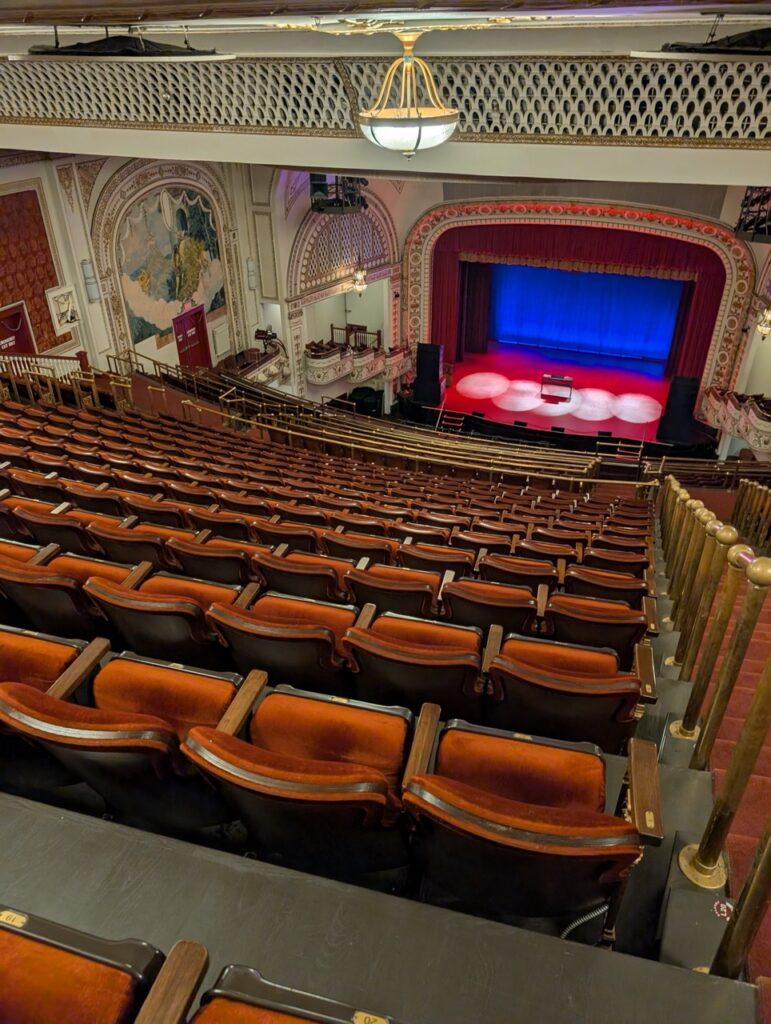
One of the longest-running musicals in Broadway history is returning to Pittsburgh — and it’ll be roaring at the Benedum Center for an extended run. The 2026-27 PNC Broadway Series and Cultural Trust season, announced via a Monday-night livestream, contains a quartet of Pittsburgh premieres and several musical-theater classics.

The 2026-27 PNC Broadway in Pittsburgh Series and Cultural Trust Season Offer Favorites and Local Premieres

Disney’s The Lion King

The 2026-27 PNC Broadway in Pittsburgh series will begin with a return engagement for Disney’s The Lion King. The top grossing show in the history of Broadway, The Lion King has played continuously in New York since 1997, winning six Tony awards after its debut. The show will on September 9 return to the Benedum Center after a 7-year absence. The Lion King will stick around longer than most touring productions, staying Downtown for an extended run through September 27.

Hadestown

A man in a white top and suspenders holds out a red carnation as lights swing behind him.
Photo by T Charles Erickson

After The Lion King, a more recent hit will make its second stop in the city. The national tour of Hadestown, the critically acclaimed take on Greek mythology by Anaïs Mitchell, opens on October 27.

The Notebook

A man in a brown shirt and woman on a white shirt stand forehead to forehead.
Photo by Roger Mastroianni

It’ll be quickly followed by the season’s first regional premiere: The Notebook, adapted from the hit romcom, opens on November 10.

Dr Seuss’ How The Grinch Stole Christmas! The Musical

The Grinch in a green fuzzy costume kneels next to Max the dog.
Photo by Jeremy Daniel

Thanksgiving weekend will quite firmly be given over to the yuletide — or Whoville, at least — at the Benedum, as Dr. Seuss’ How the Grinch Stole Christmas! The Musical plays from November 24-29.

Maybe Happy Ending

A man in a shirt and tie dances with a woman in a white shirt and yellow skirt.
Photo From Maybe Happy Ending

The calendar year will end with another local premiere: Maybe Happy Ending, winner of the 2025 Tony Award for Best Musical, will play the Benedum from December 29-January 3, 2027, as part of its first national tour. The Korean musical follows two robots navigating artificial life and love; it debuted in Seoul in 2016 before a much-awarded 2024 Broadway bow.

Rodgers & Hammerstein’s The Sound of Music

Kids in uniforms stand in a line as a woman in a dress talks to a man in uniform.
Photo by Jeremy Daniel

A classic follows, as the beloved Rodgers & Hammerstein masterpiece The Sound of Music opens January 19, 2027.

Beetlejuice The Musical

Beetlejuice and Lydia jump up in the air with their arms up, side by side.
Photo From Beetlejuice The Musical

Next: Beetlejuice the Musical, in town for a three-day run from February 5-7, 2027.

Death Becomes Her

A woman in a red dress stands on top of a staircase as another woman in a purple dress falls down it and a man watches from below.
Photo From Death Becomes Her

Broadway hit Death Becomes Her, adapted from the cult-classic film comedy, will make its Pittsburgh premiere beginning February 23, 2027.

The Phantom of the Opera

The phantom holds Christine against him in her white dress.
Photo From The Phantom of the Opera

Two classics surround another premiere to round out the season. The Phantom of the Opera will open March 17, 2027.

The Outsiders A New Musical

Kids in The Outsiders Broadway musical fake combat fighting on stage in the rain.
Photo From The Outsiders A New Musical

A month later, another recent Best Musical winner, The Outsiders, makes its first local stop, beginning April 27.

The Who’s Tommy

A group of actors in Tommy surround a rectangular frame.
Photo From The Who’s Tommy

The season concludes with The Who’s Tommy, running from May 18-23, 2027.

Cabaret, Dance and More Set for a Big Year Downtown

The livestream — which was accompanied by a raucous watch party at the Trust’s Greer Cabaret Theater — also previewed events in several other enduring series from the Trust.

“Last year alone, more than 600,000 people visited the Cultural District for events presented by the Cultural Trust,” said Kendra Whitlock Ingram, the Cultural Trust’s President and CEO, as part of the livestream. Citing the role of the Trust and arts activations in the ongoing redevelopment of several Downtown spaces, Whitlock Ingram added, “this kind of revitalization doesn’t happen without the arts.”

Five shows from the Pittsburgh Dance Council were also confirmed on Monday, including return engagements from Alvin Ailey American Dance Theater, Hubbard Street Dance Chicago, and Pilobolus. The Trust Cabaret Subscription Series — perennially sold out, but with waitlist options available — will welcome five globally recognized vocalists for one-night performances: Jennifer Simard (September 28), Carnegie Mellon alum Christian Borle (November 16), Caissie Levy (February 8, 2027), Lorna Courtney (March 22, 2027), and Jeremy Jordan (May 10, 2027).

A full slate of performers at close-up magic venue Liberty Magic, beginning with hometown hero Lee Terbosic from July 10-August 1, was also announced.

And So Much More…

A dozen shows in the popular and wide-ranging Dentons Cohen & Grigsby Trust Presents series were also announced. Wynton Marsalis will lead the Jazz at Lincoln Center Orchestra to the Byham Theater on October 17. Shit-faced Shakespeare will return after this year’s engagement, defiling Macbeth at the Greer Cabaret Theater from February 24-March 7, 2027. Rhiannon Giddens will perform at the Byham on February 20, 2027. And — alert your children, if they can wait 14 months — a one-day stop from the touring production Clifford the Big Red Dog: The Musical is set for May 15, 2027. The diverse lineup includes music, theater, family entertainment, comedy and more.

The full lineup of 2026-27 shows — more than 50 total — can be found here.

Story by Sean Collier
Featured Photo Courtesy of Disney’s The Lion King

Subscribe to TABLE Magazine‘s print edition.

Building Hope at Home with Action Housing, Foster Love Project, and Family Links

0
Two smiling women standing together in front of a colorful mosaic mural as part of a community human services initiative.
Two of Action Housing's recent clients.

Support a local human services group and help make our world a better place for us all.

Compassion is having a moment—and not a superficial, hashtag version, but the real thing: daily, deliberate, and quietly radical, especially at Pittsburghs non-profits. In a news cycle that pounds us with outrage and despair, choosing kindness is a form of dignity that is a gift to ourselves and to others. Maybe we can’t control global headlines, but we can soften the edges of our own corners of the world. Help someone else’s proverbial garden grow, even when your own day feels rocky. It’s up to us to build the world we want to inhabit, one generous act at a time.

We admire Action Housing for its work to provide decent homes for people trying to get a safe foothold in our region. We love the Foster Love Project because every kid deserves to grow up with dignity. And Family Links helps families and individuals face their challenges with counseling and care.

Looking to read up more on these non-profits? Check out our individual stories on Action Housing, Foster Love Project, and Family Links.

Recipe by Keith Recker
Photography by Jeff Swensen

Subscribe to TABLE Magazine‘s print edition.
Interior Designer Dana Mackey’s Thoughtful Basement Renovation 

0
Below a basement window sits a loveseat and framed flower painting.

Co-founder of Pittsburgh-based interior design firm Babb & Mack Design Co., Dana Mackey thoughtfully reimagined her basement renovation in order to turn it into a stunning “lower level retreat.” She shares the story with TABLE Magazine.

Bringing a Life to Your Space Through Renovation

Our comprehensive lower-level renovation reimagined every inch of space—blending thoughtful spatial planning, structural problem-solving, and layered interior design to create a warm, curated retreat for everyday living and entertaining. 

What began as a dark, fragmented basement became an opportunity for total reinvention. The layout was completely reworked, including relocating a powder room and expanding it into a full guest bathroom. Beneath the surface, the 100-year-old structural concrete floor was failing, so the team hand-dug the slab down eight inches, replaced the accessible sewer lines, and poured a new structural floor. As a bonus, this process provided higher ceilings and a fresh foundation for the new plan. 

The original staircase—narrow and unsafe—needs rebuilt as a wider, more gracious stair featuring oak treads with edge nosing. We integrated structural posts into new walls for a seamless architectural envelope. One post was carefully shifted a foot to disappear fully within the staircase wall. The furnace was relocated from the center of the basement to a perimeter wall to maximize living space and improve flow. Updated mechanical systems include new gas, radiator, and water line manifolds, allowing each line to be adjusted or shut off individually. A wall-mounted instant hot water unit and water softener modernize everyday function. 

A washer and dryer sit side by side surrounded by wood cabinetry.

Pocket doors provide privacy where needed but disappear during gatherings. The dramatically expanded laundry room—now nearly four times its original size—serves as a combined mudroom, storage area, and hardworking utility space with a folding station and generous wash basin. The former coal cellar, beneath the exterior steps, was reimagined as a naturally cool wine cellar with terracotta pipe storage and a hand-applied concrete finish for a European sensibility. 

Accessibility is Key

The new layout creates distinct but connected zones: a kitchenette/wet bar, game area with custom banquette, and a movie room with wrap-around built-in sofas designed for both lounging and overnight guests. A palette of French limestone flooring, deep wood tones, and bold earthy hues—yellows, reds, greens, and blues—balances against soft historic whites and blush-taupe undertones. The furnishings and textiles bring soul to the space, from the collection of quilts and linens in the laundry room to the custom cushions in the lounge and media spaces. 

A corner booth and table in the nook of a dining room.

The red wet bar, topped with a custom copper counter that will patina beautifully over time, anchors the entertaining zone. The bourbon collection sits proudly within the bar’s shelving, inviting guests to explore unique bottles gathered over the years. Layered lighting creates a warm, intimate glow for gatherings, with more functional overhead options for daily tasks. 

Dana Mackey sits on a burgundy countertop with her black lab laying below her.
Dana Mackey

In the guest bathroom, softly honed handmade floor tiles pair with crisp white wall tile, bringing unexpected brightness and refinement to a lower-level space. Art collected from travel and local vintage shops adds authenticity and charm throughout. 

This renewed lower level feels cozy, curated, and truly one-of-a-kind—a space that celebrates craftsmanship, comfort, and the joy of gathering. 

5 Basement Renovation Questions with Interior Designer Dana Mackey

TABLE Magazine: Why renovate a basement? 

Dana Mackey: The basement—now commonly referred to as the lower level—often accounts for a significant portion of a home’s square footage, is a smart opportunity to enhance both livability and long-term value of a home. In many Pittsburgh homes, basements were originally utilitarian spaces, housing the classic “Pittsburgh potty,” a utility sink, and a simple shower mounted to a structural post. These spaces served an important purpose: allowing workers in the steel, iron, coal, and glass industries to clean up before joining their families upstairs for a shared meal. 

A TV hangs on a large display of shelves.

Today, homeowners are reimagining the lower level as an extension of daily life. Modern renovations transform these spaces into home gyms, media rooms, and inviting areas for entertaining, as well as comfortable lounges for teens, highly organized laundry and mudrooms, and even playful indoor spaces for young children. By thoughtfully renovating the lower level, homeowners can dramatically improve how their home functions day to day while making a smart investment in the overall value and marketability of their home. 

TM: What functions did the renovation embrace?

DM: We had just purchased and had plans to renovate the entirety of this 100+ year old Mt. Lebanon brick home. We intentionally began in the lower level to first address the home’s infrastructure. First was relocating and servicing the boiler, hand-excavating and lowering the deteriorating concrete floor, replacing all sewed lines, and pouring a new slab, ultimately gaining approximately six inches of headroom. We also installed a new electrical panel, a tankless water heater, and a water softener, creating a solid foundation for the rest of the home. 

A series of baskets sit in cabinets below a basement window.

After the update of the mechanical system, we shifted our focus to lifestyle spaces. The top priority was a generous, highly functional laundry and mudroom with custom storage for off-season outerwear, my vintage linen collection, and a dedicated folding station. As a textile lover, I genuinely enjoy the ritual of laundry, so the space is calm, efficient, and intuitive: simple but hardworking. 

From Bath to Bar and Beyond

We then relocated the original small bathroom to a new location beneath the stairs, which allowed us to add a shower and create a full bath—an welcoming accommodation for guests and a significant value add to the home. The former coal cellar beneath the front exterior stair turns into a small but mighty wine storage area, finished with terracotta piping and micro-concrete for an organic, European feel. 

An inside shot of a bathroom showing a mirror and white sink on a tile floor.

Additional spaces include a large wet bar with a custom copper countertop and ample storage for our bourbon collection, a cozy game area with built-in banquette seating for euchre nights, and a concealed television flanked by custom shelving to display vintage finds. Finally, we transformed a small rear room into a movie and sleepover space by a custom perimeter bench that doubles as an extra-deep sofa. It has become a favorite gathering spot for our three children, now teenagers and young adults, when hosting friends. 

TM: What was the most important outcome you were hoping to achieve? 

DM: Beyond updating the home’s dated mechanical systems, we had three clear goals. First, we wanted to create thoughtful storage and display solutions that support our hobbies—skiing, racquet sports, and collecting vintage art, linens, books, and objects. Second, we hoped the space would encourage us to prioritize entertaining friends and family. Since the renovation, it has become the backdrop for parties, book club gatherings, euchre nights, and bunco. 

Most importantly, we wanted a space that supports connection—a place where both our immediate and extended family can gather, build traditions, and continue making meaningful memories together. 

A peak through a door to a white wall with black dots.
TM: What guided your choices of finishes and materials? Trend? Resale? Personal satisfaction?  

DM: Once the functional goals were established, the finish selections were prioritized and driven entirely by our personal preferences and by respect for the home’s architecture. The design direction took shape as historic European with an earthy, timeworn palette inspired by the home’s deep monochromatic green exterior. Authenticity and longevity mattered far more than any trends and resale. 

The flooring set the tone for the entire lower level. I wanted a surface that felt traditional and practical—something meant to be swept with a broom—making French limestone the natural choice and a grounding foundation for the surrounding spaces. From there, the palette evolved organically, beginning with a soft, smoky green and layering in deep saffron, sophisticated cabernet, aged blush, and a lime-washed white to provide contrast and also visual relief. 

Purses, jackets, and a broom hang from hooks on a yellow wall between two dark brown doors.

Designing this lower level was also a rare opportunity for experimentation. It became a personal playground where I could take risks, edit instinctively, and push beyond the constraints that often come with designing for others. The freedom to trust my intuition resulted in a space I have no regrets about—and the process itself sharpened my confidence and then clarified my personal design language. 

TM: In hindsight, is there anything you wish you’d included or left out of the project? 

DM: As with many renovations, both the budget and timeline ultimately exceeded our initial expectations. That said, the investment allowed us to prioritize the home’s foundational systems, electrical, mechanical, as well as structural, which has given us complete confidence as we move forward with future renovations. Knowing the systems beneath the surface are sound was well worth the upfront commitment. 

To offset some of the unexpected costs, we made a few strategic decisions. One was opting not to include a heated floor beneath the stone, a luxury feature we ultimately didn’t feel we would miss. It was a meaningful cost savings, and a choice we don’t regret. Beyond that, we’re happy with the decisions and incredibly proud of the project. 

Story by Dana Mackey
Photography by Erin Kelly

Subscribe to TABLE Magazine‘s print edition.
Jay Miller Runs a Designer’s Dream at Antiquarian Shop

0
Jay Miller stands at a table in khakis and a black sweater.

Walk into Jay Miller’s Antiquarian Shop, a 3,500 square-foot furniture store and showroom on Beaver Street in Sewickley, and you’ll notice—despite the name—not a single antique. Instead, you’ll discover one of Pittsburgh’s most carefully curated interior collections, from wing chairs in pea green mohair to sculptural Italian cordless lamps. Miller, who is constantly tweaking the look and layout of the store, believes it all works because he gravitates toward pieces that feel “quietly special”—nothing too fussy, nothing overdone. With five in-house designers, Miller’s wife Holly advising on finishes and textiles, and the occasional tail-wag hello from Cooper the border collie mix, Antiquarian reads less like a traditional retailer and more like a working design studio—a transformation four decades in the making. 

A blue painting beside two pictures on a white wall.

Jay Miller Keeps the Antiquarian Shop Legacy Rolling

When Miller started Antiquarian Shop in 1986, it exclusively carried antiques. His grandfather, John Lewis, had spent decades importing character-rich, century-old British furniture—Chippendale chairs, Georgian case goods, all shipped across the Atlantic on the Queen Mary—to his own renowned Sewickley shop.

A wood light shade hanging from a ceiling.

Even after retiring long prior to 1985, Lewis took his grandson through the English Midlands on one last hurrah of a buying trip. From country estates to dealers’ shops, Miller inspected, scrutinized, and crawled under potential purchases at his grandfather’s direction, checking dovetails and sleuthing out signs of repairs. “I liked the detective work,” Miller recalls, learning to read a piece by what was hidden underneath. The duo came home with a brimming container of authentic period finds, and Miller returned with a new career. 

The antiquarian staff stand together at a table in front of samples.

But Miller quickly found the antiques trade to be volatile—its supply inconsistent, its market rife with reproductions masquerading as the real deal. Plus, “you’d sell something and then it was gone,” recalls Miller of those chaotic early days. He also realized he was less interested in chasing rarities than in helping people create beautiful rooms. He pivoted, supplementing antiques with American makers—New England craftsmen producing Windsor chairs and tiger maple farm tables, brands such as Hickory Chair and Baker—which allowed for reorders and customization. The business gradually shifted from an unpredictable treasure hunt to a relationship-driven model built on repeat clients.

Three framed photos on a white wall next to a round mirror.

Expanding the Family Business

Today, in addition to the Sewickley flagship, there’s a smaller, second Antiquarian in Aspinwall run by daughter Haley. Together, the two Antiquarians carry everything from upholstery and case goods to rugs, lights, artwork, wallpaper, and window treatments. Every month, the stores collaborate with around 40 interior designers, who often bring clients in to test-drive cushion fills and see color swatches in person. More than 80 percent of what Antiquarian sells are through custom orders, with customers able to change up fabric, finishes, and dimensions, a level of flexibility that stands in sharp contrast to big-box retail. 

Jay Miller smiles at his daughter in a white sweater as he leans against a table.
Jay Miller and Daughter Haley

It’s this lean, specialized approach that Miller, now 67, credits for the shop’s longevity. By resisting the urge to over-expand, he found his boutique operation perfectly positioned for a shifting landscape. “All of a sudden,” he says of the post-COVID shake-out that winnowed the giant gallery and department stores, “I became the perfect business model.” The smaller scale means Miller still unpacks boxes himself, helps with deliveries, moves 480-pound bookcases into place to create a room vignette. “It’s a physical job,” he says, “but it keeps me in shape”—and after four decades, it keeps the store feeling personal, too. 

Story by Kathleen Renda
Photography by Laura Petrilla

Subscribe to TABLE Magazine‘s print edition.

Where We’re Shopping Small on National Mom and Pop Business Owners Day

0
Jay Miller smiles at his daughter in a white sweater as he leans against a table.
Owner Jay Miller and Daughter Haley at Antiquarian Shop

There’s a certain kind of magic you only find in small businesses in Pittsburgh. The kind that welcomes you by name on early mornings, posts handwritten signs in their windows, and greets you like an old friend even if it’s your first visit. Rather than just providing goods and services, these shops are shaping neighborhoods and caring for the community. In honor of National Mom and Pop Business Owners Day on March 29, we’re turning our attention to the independent shops and family-run favorites that give our region its distinctive personality.

We asked our staff here at TABLE Magazine and Shady Ave to share the local businesses they return to again and again, supporting them not just on March 29, but year-round.

Shop Local in Pittsburgh to Celebrate National Mom and Pop Business Owners Day

Keith Recker, Editor-in-Chief

Leona’s puts an adventurous take on ice cream. Where else can you get a scoop of black sesame ice cream? Sometimes you just want a little flavor-adventure for something new. Then, The Farmer’s Daughter also has a great retail point-of-view. There’s always a gift to buy that’s often both affordable and pleasurable, in addition to florals. It’s one of those classic main street businesses with flair. Downtown, Larrimor’s alterations department is truly skillful and they know exactly what they’re doing. They won’t let you make a mistake and you end up walking out with something that truly suits you.

Lauri Gravina, Associate Editor Shady Ave

Husband and wife Barney and Amy McGinley own Three Little Birds Café and SoMe Jewelers, a colorful shop and café combination just down the street from Hartwood Acres, a perfect stop off after a walk. The café offers homemade soups, paninis, breakfast sandwiches, a full coffee program, and fresh juices. I love the Jedi Juice with beets, spinach, kale, apple, and ginger. The large, covered porch is welcoming with cozy games on the tables, fresh flowers, and plants. I love that they also play cool music both indoors and on the porch. Amy also runs the adjacent shop that sells her custom designs, jewelry from other local artisans, and an array of unexpected gifts.

Ethan Chmura, Advertising and Editorial Coordinator

If you want authentic Mexican food then Las Palmas is the place to go. The staff always deliver big, comforting flavors that feel straight from the south. Plus, it’s also a grocery store where you can get essentials as well as specialty Mexican products you won’t find elsewhere. The shop has such a personal feel whenever you’re there.

Star Laliberte, Director of Operations

Family is key at John and Gerry’s Quality Fruit Market, owned and operated by Kevin and Heidi Bair. Heidi’s parents opened the fruit market long ago so it still holds that old-fashioned, small town feel. The people who shop there have shopped there for years and have become a part of the family themselves. It’s an intimate and personable experience where everyone knows your name just from picking up their excellent, fresh produce. They also have the most beautiful flower baskets available around Mother’s Day.

Kylie Thomas, Online Editor

The city of Pittsburgh has so many wonderful local book stores but Caliban Book Shop and Blythe Books are two of my favorites for their abundant stock of used books at a value price and in great condition. The corridors of Caliban are perfect for finding hidden gems while the open space of Blythe is home to author signings and other special events. Both of these shops bring readers of all ages and backgrounds together in heartfelt ways. Not to mention supporting local beats out giving money to billionaire Bezos every time. Plus, I want to give an honorable mention to KSD Tattoo for their Tiny Tat Tuesdays where special small designs are on a discount at an amazing price and completely professional quality.

Sean Collier, Editor-in-Chief Shady Ave

While the Flavor of Puerto Rico is known for their empanadas, I promise you any choice is a winner. The entrees are just as good as the empanadas such as the crispy fish that’s tasty and really reasonably priced. It’s my first choice for take-out in the city. 

Evan Okun, Associate Art Director Shady Ave

The Government Center is the place to be for someone who likes music. There are live shows, plenty of new and used records, and even a cafe that turns into a bar when the sun sets. It’s also a great hub to meet people with the same interests since it has a lot of cool things all in one spot. 

Janet Wizig, Director of Advertising

Each visit to Girasole is SO entertaining. Not only is the food delicious but the space and atmosphere are fun in general. It’s like being with a classic, big Italian family. Antiquarian Shop is another really great family-owned establishment. Both Jay Miller and his daughter work together to run their two locations and it’s clear to see their passion.

Mark Chutko, Associate Publisher

Eighty Acres is a well-run family-owned establishment that is off the beaten path. Not everyone knows about this restaurant but they should. Chef Don has a great resume and pulls flavors from all over the United States. Rollier’s Hardware is my go-to for a smaller, locally-owned hardware and home store. They have literally everything you could need and knowledge on hand. 

Stephanie Cravotta, Director of Digital Advertising

The trip to Greensburg is absolutely worth it for The White Rabbit Cafe and Patisserie alone. Everything there is amazing no matter your taste. Their pastries are phenomenal and the oatmeal they carry exclusively in fall and winter seasons is my favorite.

Featured Photo Courtesy of Laura Petrilla

Subscribe to TABLE Magazine‘s print edition.

5 Ways to Dye Easter Eggs

0
A bowl holds Pysanky designed Ukrainian Easter eggs with green easter grass underneath them and some loose on the table.

Happy (almost) Easter! As spring blossoms around us, it’s time to dive into the creative and enjoyable tradition of decorating eggs. Whether you’re a seasoned pro or a first-time dyer, there are plenty of exciting and unique ways to dye Easter eggs. Some of these recipes use a variety of natural foods to make dyes while others use just a handful of flowers and onion skins to make unique designs. Get ready to unleash your inner artist and transform ordinary eggs into vibrant works of art that will brighten up your Easter celebrations.

Powders and vegetables in vibrant colors on a purple table.

5 Ways to Dye Easter Eggs

Natural Dye Recipe for Easter Eggs

Bowls of dyed Easter eggs in yellow, blue, pink, and grey.

Did you know you can make naturally dyed eggs with ingredients you probably already have in your kitchen? Products like blueberries, ground turmeric, beets, and red cabbage create gorgeous colors of blue, orange, pink, and purple. Experiment with these and other foodstuffs, and you might just make a brand new color.

The Art of Pysanky

A bowl holds Pysanky designed Ukrainian Easter eggs with green easter grass underneath them and some loose on the table.

Pysanky are Ukrainian wax-painted Easter eggs that are decorated in stunning patterns “written” with a pysak or stylus. These beauties are a long-standing Easter tradition said to bring good luck and fortune. Learn more about this tradition from Ukrainian folk artist Lesia Pina. She teaches you how to make your own Pysanky with hot wax, natural dyes, and a candle.

Using Flowers and Plants by Ciao Florentina

Dyed Easter eggs sit in an egg container with flower and leaf shapes designed on their shell.
Photo courtesy of Ciao Florentina

If you’re looking to add a special design to your Easter eggs, small flowers and leaves make the perfect stencil. Just stick your favorite clover onto the egg with a droplet of water, dip in naturally-made yellow onion dye, and bask in the simplicity of this process. You can even add beets to the onion dye for a deeper burgundy color.

Shaving Cream Marble Eggs by Better Homes and Gardens

A white bowls holds various colorful marbled dyed Easter eggs.
Photo courtesy of Brie Passano for Better Homes and Gardens

While shaving cream as an egg dyeing process sounds like a crazy idea, it actually creates the smoothest pastel marble designs. It’s also a fun hands-on way for the kids and adults to take joy in the Easter festivities. All you need is a pan of old fashioned, foamy shaving cream, drops of food dye, and a toothpick to swirl your design.

Marble Eggs by SOS Kitchen

Four marble colorful dyed Easter eggs sit on a pink plate surrounded by silk and egg cups.
Photo courtesy of SOS Kitchen

Yellow, red, and white onion skins, leave these eggs looking like a stained glass window. The steps for this recipe are much like dyeing eggs in regular food coloring but with the addition of adhering shredded onion skins to eggs dampened with water. You will need a nylon stocking to hold the skins onto the egg, but it’s simple!

Story by Kylie Thomas

Subscribe to TABLE Magazine‘s print edition.
Art Workshops in Pittsburgh for April and May 2026

0
A woman at an art workshop shows another woman tips on a blue mat.

Creative workshops offer more than just a chance to learn something new. These events create space for experimentation, connection, and a break from the mundane routines of everyday life. Whether someone is picking up a craft for the first time or building on existing skills, these hands-on experiences invite participants to slow down and engage more thoughtfully with the creative process. 2026 is your year to learn or improve a skill and these art workshops from April to May in Pittsburgh provide the start you need.

April and May Art Workshops in Pittsburgh

Introduction to Knitting: Beginner Basics with Kelly Mullligan

April 4, Contemporary Craft

A beginner-friendly knitting workshop invites participants to learn the craft from the ground up, starting with how to hold needles and yarn through essential techniques like slip knots, casting on, knit stitches, and casting off. The class offers a supportive, hands-on environment and includes all materials.

Spring Floral Design With Soren Soto of Galleria Botanica

April 4, Contemporary Craft

Knitting not quite your thing? How about flowers? If you’ve always wanted to design your own arrangement then this workshop is for you. You’ll learn all about the materials needed, flower care, how to work with branches, and how to create armatures for foam free design. Then, take your stunning creation home just in time for Easter.

Introduction to Bookbinding: Non-Adhesive Binding with Michaela Waltz

April 15, Contemporary Craft

All book lovers should flock to Contemporary Craft to learn the delicate art of bookbinding. Through non-adhesive simple pamphlet binding and multi signature binding, you’ll create your own little notebook to use at work or in your personal life. Plus once you learn the basics you can move onto more advanced classes.

Paint Nite Brand Creative Events

April 22, Industry Public House

Everything is more fun with friends and at this Paint Nite, all are welcome. Local artist Katie Casey walks you step-by-step through creating a stunning canvas that you’ll want to hang in your home. With drinks available for purchase, you’re sure to come out with laughs and memories for years to come.

Dueling Ridges – Bob Ross Workshop

April 25 or 30, Evolutions Studio

Have you ever watched a Bob Ross video and thought “I can do that”? Put your skills to the test as you learn from the master himself how to paint a stunning landscape. With all materials included, all you need to bring is your best attitude and get ready to paint some happy little trees.

Intro to Improv Embroidery with Alison Stein

May 9, Contemporary Craft

Following patterns for embroidery can get a bit boring after a while. That’s why Alison Stein recommends a “doodle approach” to bring out the fun and creativity in embroidery. Rather than worrying about messing up, you can feel free to embrace your crafty side with clear instruction in a helpful environment.

Assemble @ Two Frays Brewery: Miniature Book Binding

May 13, Two Frays Brewery

If you missed Contemporary Craft’s book binding event in April then here’s your chance to create a mini book of your own. Assemble’s teachers are here for one-on-one help every step of the way. Check participant also gets a free beer to sip along with the lesson.

Story by Kylie Thomas
Featured Photo From Contemporary Craft

Subscribe to TABLE Magazine’s print edition.