Home Blog Page 48

Photographer Blaise Hayward Examines American Unity Through 50 State Quarters 

0
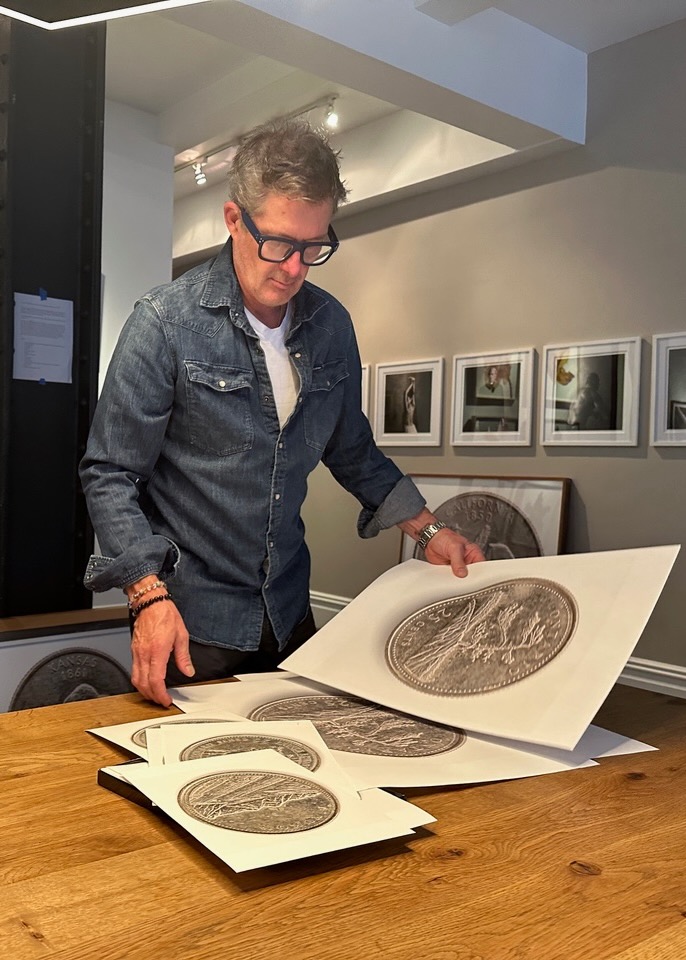
Blaise Hayward looks through large prints of his state quarters series.

Blaise Hayward turns pocket change into sharply observed photographs about what still holds America together. 

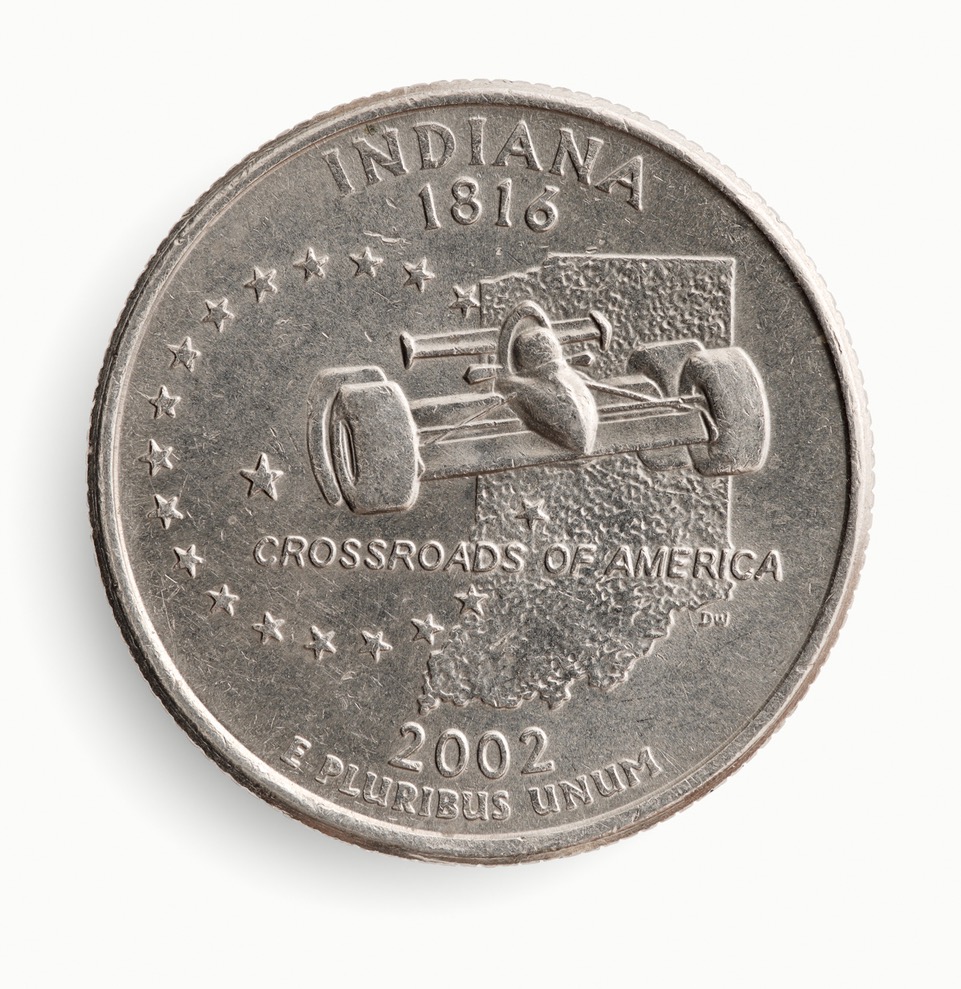
The back of an Indiana Quarter.

Photographer Blaise Hayward’s 50 State Quarters Project

Canadian-born Blaise Hayward didn’t set out to create a photographic series about American identity. He was just emptying a piggy bank. 

It was the summer of 2023, and Hayward, a professional photographer, sat at the kitchen table of his family’s New York City apartment, rolling loose change he had poured from a cast-iron monkey bank. The statehood quarters—with their designs celebrating each state’s history, landmarks, and symbols—caught his attention immediately. “They looked so cool,” he recalls. But alongside their individuality, he noticed a shared detail. 

“I saw that the phrase e pluribus unum—‘out of many, one’—was on every coin,” says Hayward, 61. “I started to really think about that phrase. It resonated with me.” 

At the time, civic unity felt in short supply. In the 30 years he had lived, worked, and raised a family in the United States—after immigrating from Toronto to Manhattan with his wife, Rebecca, in 1996—he had never seen the country so politically fractured and oppositional. “There was all this divisiveness in Washington, very much an us-against-you dynamic,” he says. 

Blaise Hayward stands in front of a photo of an Eagles ticket he took.

Liberty and Justice for All

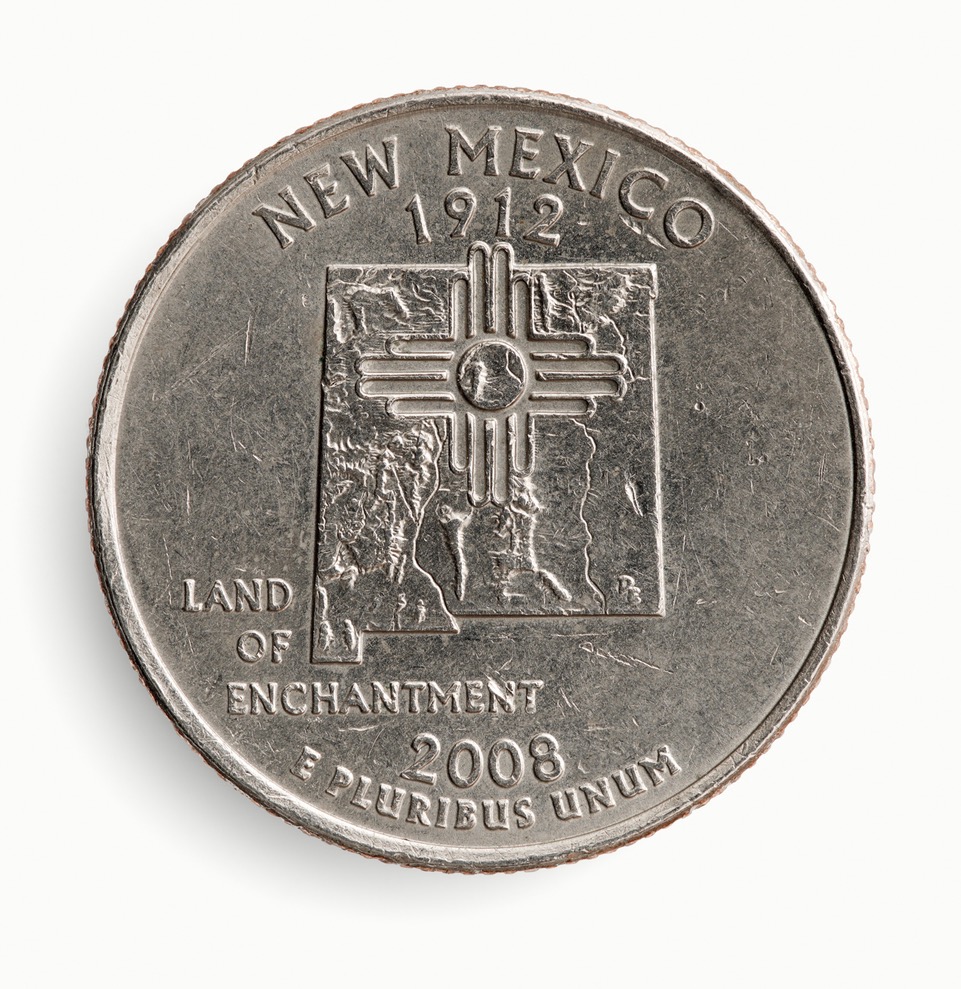
The idea came to Hayward quickly: photograph all 50 state quarters in intimate, close-up portraiture. Each state—equal by design, distinct in identity—would get the same artistic treatment, without any hierarchy. The coins wouldn’t be pristine but the opposite, worn down by circulation, in all their scratched, dulled, knocked-around glory. “I wanted quarters that had passed through countless hands,” he says.  

It was also a celebration of an only-in-America phenomena: living in Manhattan, Hayward had long noticed how strongly the country’s citizens identify with their home states, even after moving away. “Americans are very state-proud,” he says. “That’s interesting.” 

From Commercial Photography to Passion Projects

Hayward’s idea for a numismatic series arrived at a turning point in his career. For more than two decades, he was a sought-after commercial photographer, shooting major campaigns for brands like Chase and Verizon. When the industry contracted—and the pandemic finished the job—he pivoted to fine art.

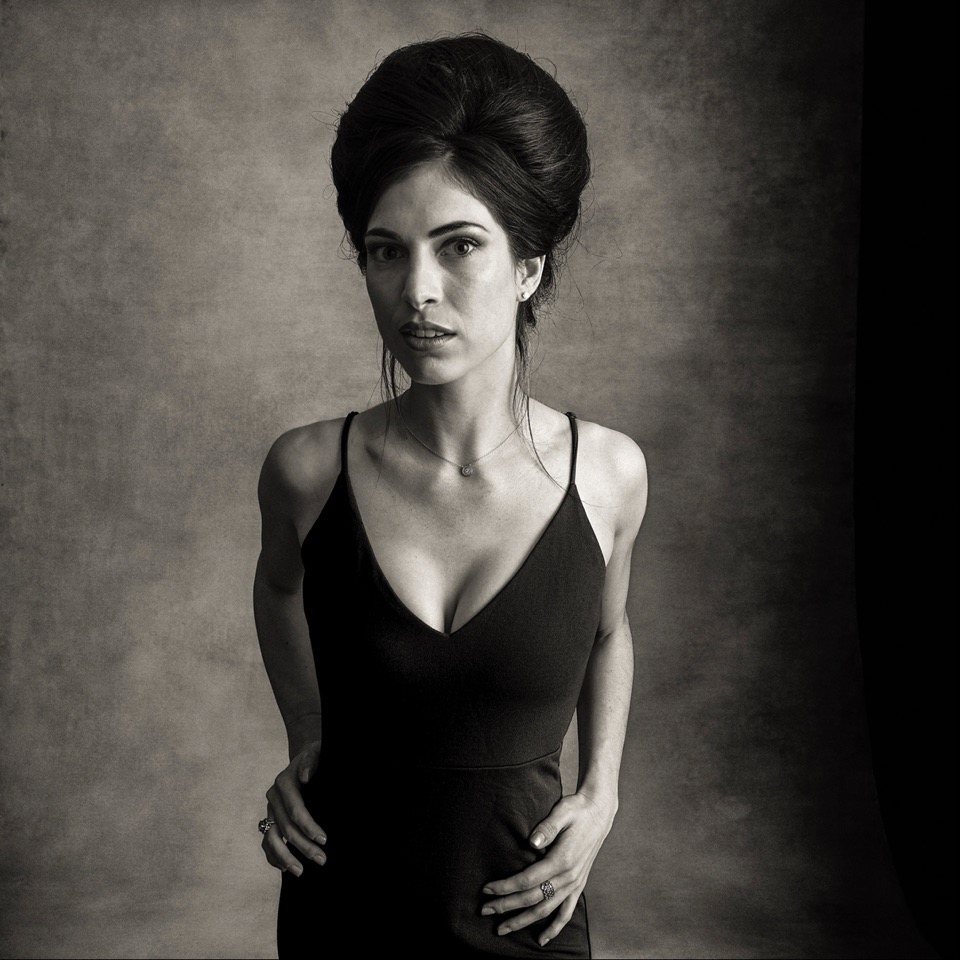
A woman stands with beehive hair in a black cocktail dress.
Kayla Farrell

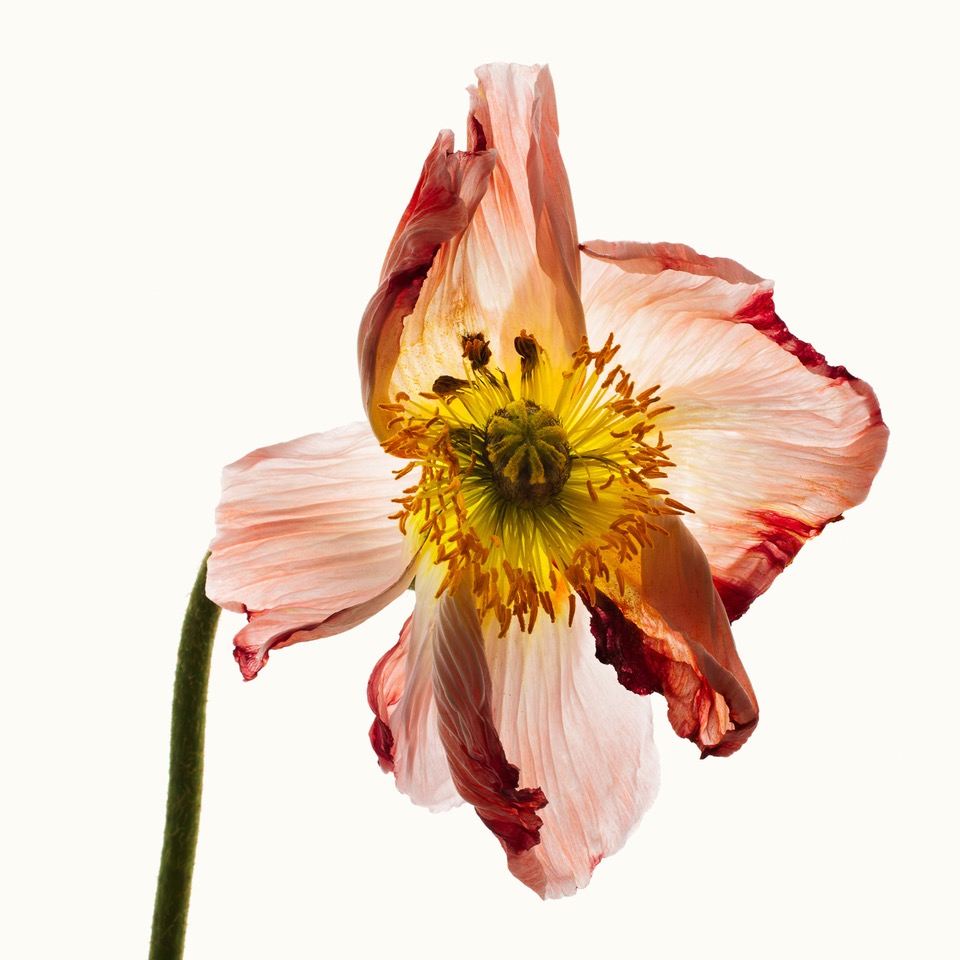
He began creating bronze and stone sculptures, along with tightly-focused photographic series, including botanical studies of single blossoms. In early 2023, he turned his lens on vintage concert tickets, transforming creased, dirty stubs—from a 1966 Beatles show in Tokyo to an Iggy Pop concert in Croatia in 1991—into gallery-worthy images. The quarters, with their built-in backstory, felt like a natural next subject. 

A photo of a pink flower with yellow pollen on a white background.

Finding the right coins required persistence. Hayward made countless trips to his local bank, fielding quizzical looks from increasingly curious tellers. Searching for specific states, he sometimes cracked open dozens of rolls for a single match. Minnesota—the most elusive—appeared in the final roll the bank had on hand. He photographed the series over two days in his Union Square studio, slightly elevating each coin so it cast a natural shadow, one that shifts subtly depending on the coin’s wear pattern. The digital pigment prints, produced on matte cotton-rag paper to emphasize texture, range in size from 16 x 16 inches to 42 x 42 inches.  

What Does the Pennsylvania Quarter Represent?

For Hayward, the Pennsylvania quarters carry a particular resonance. “I think it sums up where we are right now,” he says. The design is layered with symbolism: an outline of the state, an image of the bronze Commonwealth statue crowning the capitol dome in Harrisburg, a keystone, and the state motto—“Virtue, Liberty, and Independence” which we take a deeper look into. The phrase traces back to the original Quaker ideals of the state’s founder William Penn, who envisioned a society rooted in moral conduct, religious tolerance, and civic responsibility. “I think all three concepts are equally fragile in 2026,” says Hayward. 

The back of a New Mexico quarter.

Still, he isn’t cynical. After more than two decades in the U.S., Hayward became a citizen and now holds dual citizenship. Experiencing the country as both an insider and an outsider simultaneously gives him a unique vantage point to understand the country’s strengths and weaknesses. “I like that I’m an immigrant,” he says. “It gives me a different perspective.” 

Hayward is careful not to align his quarter series with any political party or partisan platform. For Americans encountering their own quarter at an outsize scale, his message is direct: “Hope. Unity. Understanding. Optimism. Tolerance,” says Hayward. He pauses. “We can all use more of that.” 

Story by Kathleen Renda
Photos Courtesy of Blaise Hayward

Subscribe to TABLE Magazine’s print edition.

Giant Edible Pop-Tart Mascot to Be ‘Sacrificed’ at NFL Draft

0
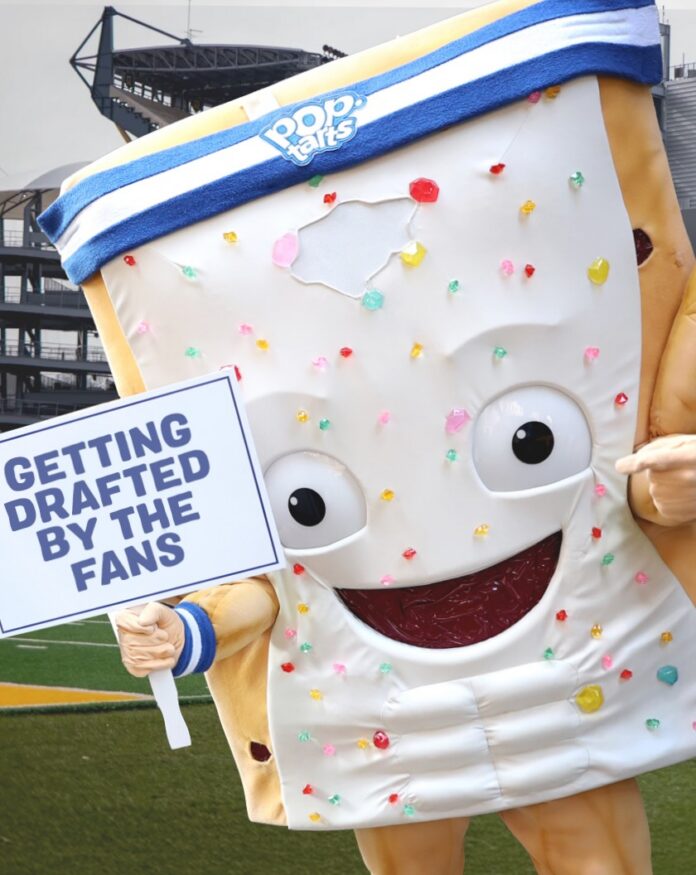
A giant pop-tart mascot with a headband on and a sign about getting drafted by the fans for the NFL Draft.

For months, an anthropomorphic Pop-Tart has been training for the NFL Draft. This Friday, the walking breakfast pastry will achieve his destiny: Being toasted and subsequently devoured by hungry Pittsburghers.

The Pop-Tart ‘Sacrifice’ is Coming to Pittsburgh for the NFL Draft and You Can Try a Bite

The Pop-Tarts® Bowl, an annual college football bowl game, has featured a curious tradition since 2023: A walking, smiling Pop-Tart mascot has been lowered into a giant toaster at the conclusion of each contest, with a (genuine) giant Pop-Tart emerging from the toaster to be eaten by the winning team.

Don’t Worry: This is the Dream of Every Pop-Tart, We’re Told

Rest easy: We are assured that, narratively, the Pop-Tarts want to be toasted and consumed, seeing it as the natural dream of all ambulatory morning snack foods. Prior toasted Pop-Tarts have held signs reading “Live Your Dream” and “Dream It, Achieve It” as they’ve been sacrificed.

While clips from the Pop-Tarts Bowl have gone viral online, it’s never been something that fans could participate in — until this Friday. During the NFL Draft, Pop-Tarts will host the first ever Edible Mascot Sacrifice for fans, as Pop-Tarts Protein Slammin’ Strawberry “goes pro” via a giant toaster, with fans able to line-up for a piece of the tasty results.

Where and When to Grab a Piece of Pop-Tart

The event is scheduled for 1-4 p.m. this Friday, April 24 at Nova Place on the North Side. (While traffic and transportation will be challenging during the NFL Draft, Nova Place is a short walk from some of the areas serviced by additional public transportation this weekend.)

For the first two hours of the gathering, fans can get photographs with the mascots and toaster. When the clock strikes 3:00 p.m., Slammin’ Strawberry will ascend to the top of the toaster and meet his gleeful, if warm, fate.

Fans will then be able to enjoy a piece of the oversized Pop-Tart, while supplies last — so queue up early if you’re angling to enjoy the fruits of Slammin’ Strawberry’s sacrifice. It’s the first such ritual held outside of the Pop Tarts Bowl itself, making Pittsburghers and visiting fans the only non-athletes ever afforded a bite of glory.

Story by Sean Collier
Photos Courtesy of Pop-Tarts®

Subscribe to TABLE Magazine’s print edition.

Pittsburgh’s Best Literary Events for Bookworms May 2026

0
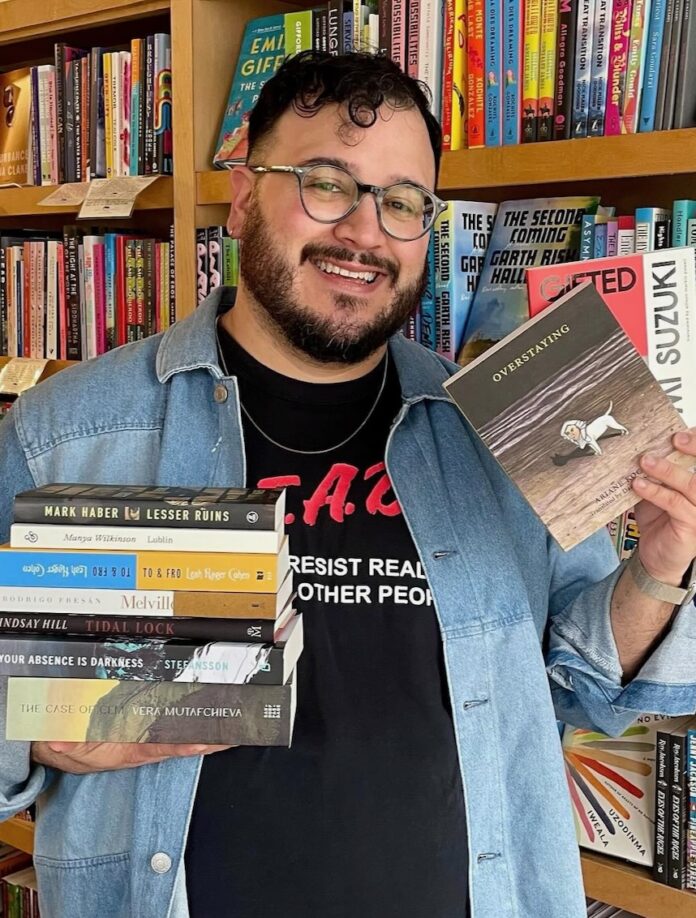
A bookkeeper at White Whale in Pittsburgh holds a stack of books in one hand and two other books in his other hand.

The ’Burgh literary scene may slow down during the summer — but it never stops. Readings, marquee events, and lectures are scheduled this May. (And don’t forget to check the websites of independent bookstores around the city such as Stay Gold Books, Riverstone Books, and Woolly Bear Books and Gifts to see what they have planned, too.)

Book Lover? Add These Pittsburgh Literary Events to Your May Calendar

Jayne Anne Phillips with Christina Parravani

May 1, Mt. Lebanon Public Library

Though Jayne Anne Phillips is best known for her fiction — she’s written six award-winning novels (she received a Pulitzer for Night Watch) and two acclaimed collections of short stories — I’ve always thought of her as a poet. Her prose is lyric, tender, and hard-hitting all at once. Phillips will discuss Small Town Girls, her highly-anticipated memoir-in-essays about growing up in West Virginia upbringing, with author Christa Parravani as part of the Mt. Lebanon Public Library’s Speaker Series. (It’s a series worth noting; the goal is to “provide local access to quality speakers while promoting global understanding and a broader cultural awareness.”) The event is free, but registration is required.

Ed Simon with Jody DiPerna

May 2, White Whale Bookstore

Pittsburgh is truly a writer’s town, alight with literary luminaries. This event features a pairing of bright lights: esteemed journalist and writer of all things Rust Belt and Appalachian, Jody DiPerna, and the notoriously generous and prolific writer, editor, and cultural critic, Ed Simon. DiPerna and Simon will discuss his recent book, Writing During the Apocalypse, best described as the defiant love song of a writer facing the four horsemen — here, political insanity, pandemics, war and climate change—head on. Events at White Whale Bookstore are free, but please RSVP to attend in-store (or you can register for a livestream).

Jazz Poetry Month

Throughout May, Alphabet City / City of Asylum

In addition to being a world-renowned sanctuary for writers in exile — and offering numerous special projects in support of literature, free speech, and social justice — City of Asylum hosts more than 150 free music and literary events in Pittsburgh each year. May is Jazz Poetry Month, where you’ll find a “celebration of experimentation, collaboration and connection between art forms and between artist and audience.” A deeply rooted tradition that springs from City of Asylum’s origins, this year Jazz Poetry Month features: James Brandon Lewis with his punk-jazz fusion band, The Messthetics; Spanish Pianist Marta Sánchez performing with City of Asylum Writers-in-Residence; and poet-vocalist Erika Denae J’s book launch and album teaser. Register to see these free events either in-person (you must register prior to arrival) or via livestream.

Michael Chabon

May 11, Carnegie Music Hall

Michael Chabon isn’t from Pittsburgh, but you’d be forgiven for thinking so. His first two novels, The Mysteries of Pittsburgh and Wonder Boys, both of which were made into films, draw heavily on his time as a student at both CMU and Pitt. He’s been plenty busy since then; you might know him from his Pulitzer Prize winning novel The Amazing Adventures of Kavalier & Clay or one of his many other books of fiction and nonfiction. As of this writing, in-person seats for Chabon’s appearance with Pittsburgh Arts & Lectures are still available — or you can purchase an online pass and watch at home. If by chance you can’t get seats, be sure to try the box office on the day of the event. And keep an eye out for additional free offerings through Arts & Lectures later this summer. 

Hemingway’s Summer Poetry Series

May-August (Second and Fourth Tuesdays), Hop Farm Brewing Company

Founded sometime around 1975 by legendary poet, former police officer and boxing mentor Jimmy Cvetic, Hemmingway’s Summer Poetry Series has always been a labor of love and a celebration of poetry and community. Since Cvetic’s passing in 2019, co-curaters and hosts Joan Bauer and Kristopher Collins carefully tend to the series. Readings, which begin promptly at 7 p.m., take place at Hop Farm Brewing Company on Butler Street. This summer’s readers include Sony Ton-Aime (May 12th), Anjali Sachdeva (June 23rd) and Emily Mohn-Slate (August 25th), among many others. Come for the readings, stay for the open mic — and share that poem you have tucked away!

Pgh Book Fest

May 30, Carnegie Library – Main (Oakland)

Formerly the Greater Pittsburgh Festival of Books, the Pgh Book Fest kicks off at 10 a.m. on May 30 and runs all day. (Schedules are still developing as of press time.) Pgh Book Fest is free and has offerings for readers of all ages and interests; a cast of thousands (not quite, but almost) will be on hand, so come on out for author talks, poetry readings, workshops, local booksellers, literary exhibitors, vendors and much more. You’ll also be able to hear nationally known authors of various genres of fiction and nonfiction including Steven Rowley (Lily and the Octopus, The Celebrants) and Beronda L. Montgomery (When Trees Testify). The Pgh Book Fest website is under construction as they rebrand and gear up for this year’s event, but you can keep abreast of details on Instagram.

Story by Nancy Koerbel
Featured Photo from White Whale Bookstore

Subscribe to TABLE Magazine’s print edition.

Ilene Levy’s Shops Deliver Finely Crafted Home Goods and Luxury Fashion in Pittsburgh

0
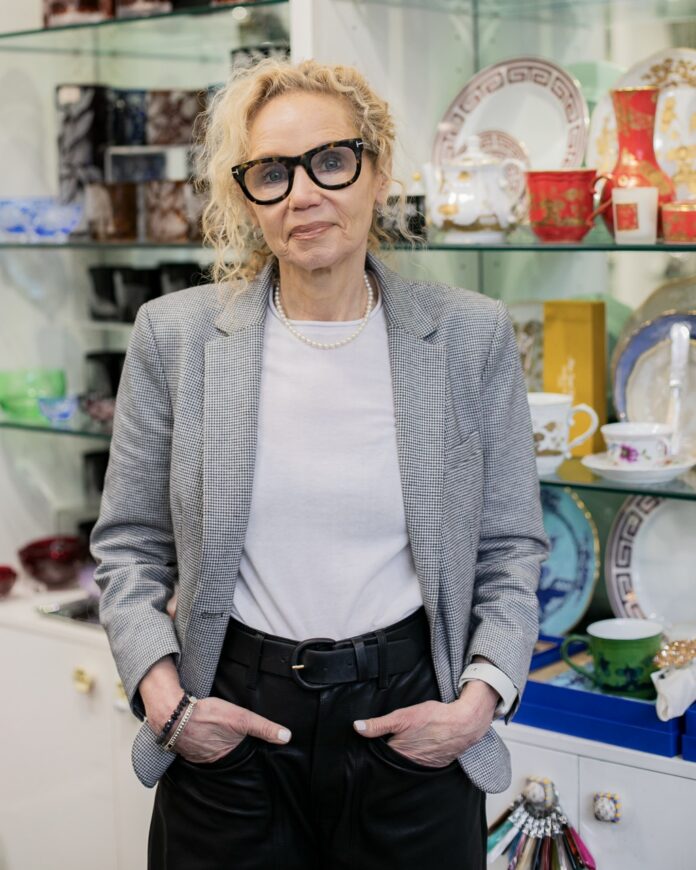
Ilene Levy stands in front of shelves of dinnerware and glass at glassworks in Pittsburgh.

Ilene Levy always wanted to own a store. She just never planned to own six.

Ilene Levy’s Cheeks, Glassworks, and Other Shops for Home Decor and Fashion in Pittsburgh

To her surprise, this retail dynamo known for her trademark oversized glasses has become one of Pittsburgh’s most prolific as well as impactful independent shopkeepers. Over the past three decades, Levy has amassed a portfolio of fashion and home goods boutiques that stretches from Shadyside to Squirrel Hill and into East Liberty, though she never set out to scale. Instead, she followed a buy-and-build strategy, acquiring and shepherding established businesses, then doubling down with an intensely hands-on approach to customer service that’s her calling card.

“I just saw the right opportunities,” says Levy, who champions the pleasures of in-person shopping and the value of walkable neighborhood retail.

Lingerie, Sleepwear, Decor, Luxury Bedding, and More

Levy’s first purchase, Cheeks, established her template. When she bought the store in 1997, it focused primarily on lingerie, sleepwear, and hosiery at its Shadyside and Squirrel Hill locales. Levy expanded the offerings to include bedroom-adjacent fashion—comfy robes, snuggly pajamas, lounge-worthy leisurewear—while ramping up personalized bra fittings. Investing in one of the store’s French-made, $245 Empreinte bras, Levy insists, is “a life changer.”

Ilene Levy folds a table of lingerie in Cheeks in Pittsburgh.

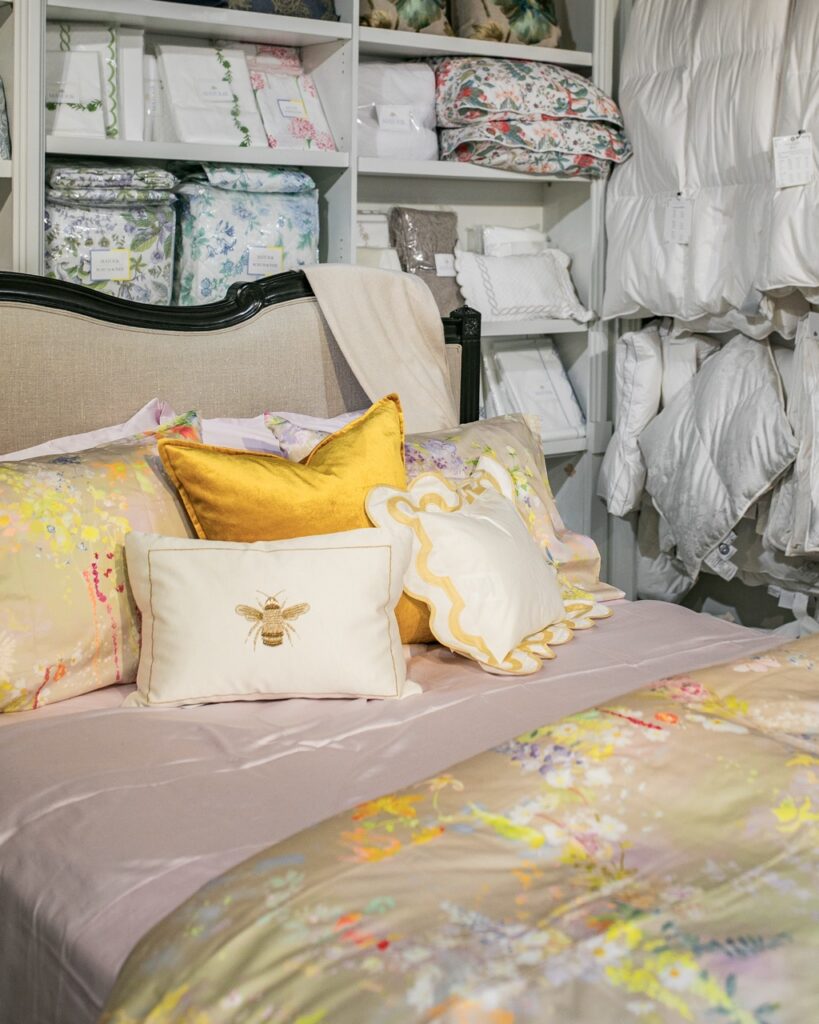
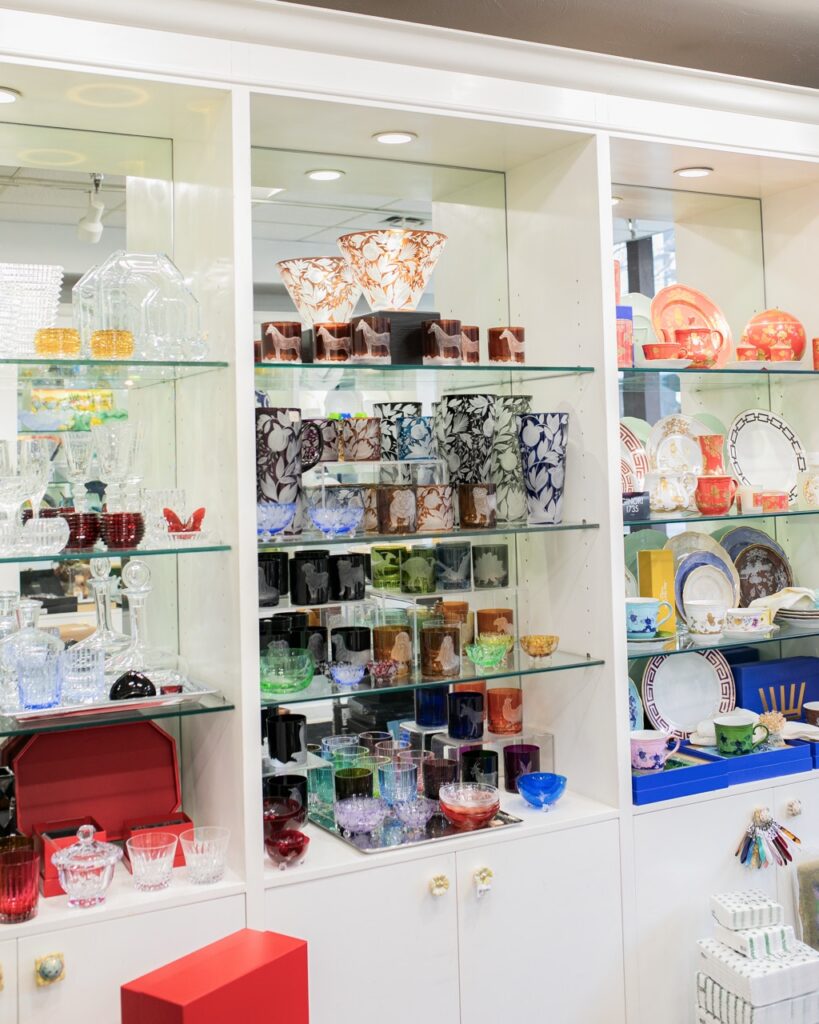
From there, Levy moved into tabletop, decor, and giftware with Glassworks, a compact jewel box of a boutique now located across the street from Cheeks. Curated with a collector’s eye, it brings together Baccarat crystal barware and vases, hand-painted Italian porcelain plates from Ginori 1736, colorful Smeg mixers and coffee makers, as well as MacKenzie-Childs’s whimsical checkerboard ceramics. Next door, Feathers is devoted to what Levy calls “pure luxury” for dressing the bed, from Scandia Down pillows stuffed with Hungarian white goose down to French-made Yves Delorme sheets and shams in combed cotton and linen.

A demo bed with yellow and cream pillows featuring bee embroidery on it.

The Grind Continues…

Levy’s most consequential move came last fall with the acquisition of Contemporary Concepts, two expansive registry and gift stores representing more than 300 brands, including Waterford, Wedgwood, and Le Creuset. To navigate the scale, she enlisted a retail consultant, Anne Dauer, for the first time. The purchase effectively unified much of the city’s high-end tabletop and bridal registry business, bringing brides, corporate clients, and collectors into a single Levy-run orbit of china, crystal, and silver.

Three shelves full of colorful glass and porcelain tableware.

Running a half-dozen stores means Levy is working non-stop seven days a week. She freely gives customers her cell number, answers emails at midnight, and texts at dawn. “We match prices, we gift wrap, we hand deliver,” she says. “We do whatever it takes,” including once packing up every candle in stock at Glassworks and driving them over to a frantic customer. For the always-in-motion Levy, retirement clearly isn’t an option—or even a consideration—because “I’m still working on a ten-year plan for the businesses,” she says with a laugh. 

Story by Kathleen Renda
Photography by Laura Petrilla

Subscribe to TABLE Magazine‘s print edition.

Pittsburgh Restaurants and the NFL Fight Student Hunger at Taste of the Draft

0
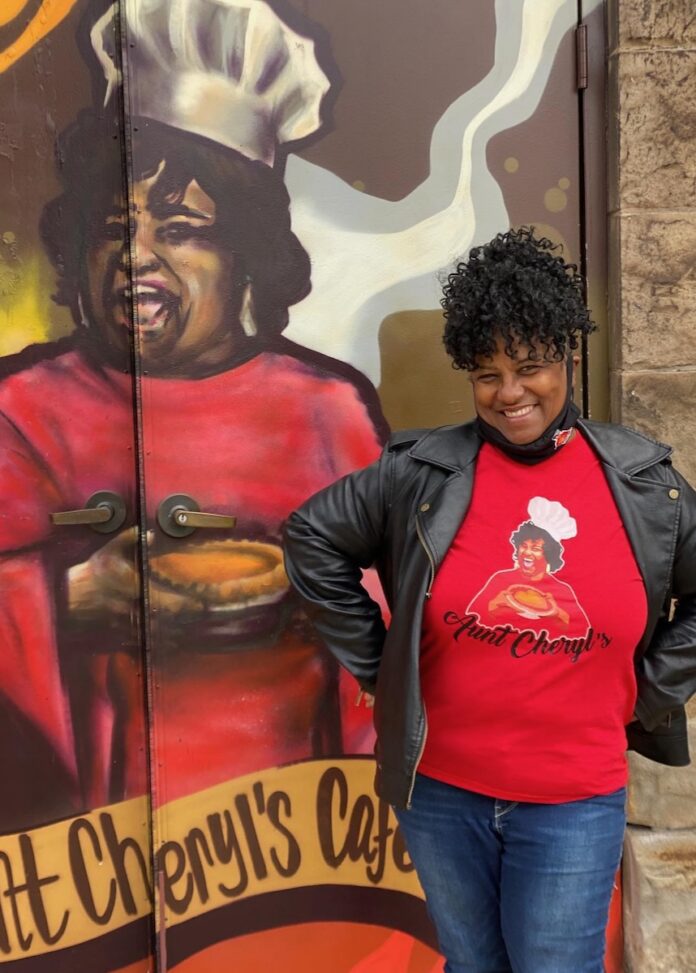
Aunt Cheryl of Pittsburgh stands in a red shirt in front of a mural for her cafe that features her in a chefs hat.

As fans and hopeful athletes arrive in Pittsburgh for the NFL Draft, celebrity chef Andrew Zimmern and a host of NFL legends will offer a one-of-a-kind dinner — for a good cause.

Twenty Local Restaurants, One Very Big Meal for the NFL’s Taste of the Draft

The Taste of the Draft, a second-year event held the night before the NFL Draft, invites more than 20 restaurants to prepare signature dishes in a philanthropic smorgasbord.

Held at PNC Plaza, the event is set to feature a variety of Pittsburgh restaurants and institutions, including Chengdu Gourmet, Palm Palm, Primanti Bros., the Original Oyster House, Con Alma, and DiAnoia’s Eatery.

Cheryl Johnson, owner of Aunt Cheryl’s Cafe in Braddock, will be bringing her signature sweet potato pie to the Taste of the Draft. “It’s a 100-year-old recipe that came from my grandmother. I’ve tweaked it, of course, over the years,” Johnson says. “And we’ve just introduced a new pie, which we call the Gen 4 — it’s a smaller version of our pie.”

Johnson says that the NFL selected her and other regional restaurants after an exhaustive process; “you had to come to the meetings and tell your story.” She’s excited, she says, to see what — and who — will be a part of the event.

“They bring guest chefs. Andrew Zimmern is going to be there, and a couple of other ones too — they don’t tell us everything, either! That’s part of the surprise.”

Benefitting Student Hunger Efforts from GENYOUth

Taste of the Draft will benefit GENYOUth, a national nonprofit dedicated to student hunger (learn more about student food insecurity) and physical activity. Grants form GENYOUth tied to the NFL Draft are expected to benefit more than 50,000 students at 91 schools in Western Pennsylvania, providing approximately 13 million in-school meals.

The cause is important to Johnson, and also not the first time that Aunt Cheryl’s Cafe has fought food insecurity.

“We had a contract with United Way [during COVID] and we fed close to 10,000 people … We were at different housing complexes on the east side of Pittsburgh, and we delivered three times a week.

“When we would drive into these communities with our vans … people would run to us, because they knew that they were getting something they were going to eat,” Johnson adds. “It’s always about the young people. It’s about giving back to them from my heart.”

Taste of the Draft runs from 4-7 p.m. on Wednesday evening. Limited tickets are still available.

(Note: Due to a conflict, Andrew Zimmern was forced to cancel his appearance. NFL legend Doug Flutie will be hosting Taste of the Draft in his stead.)

Story by Sean Collier
Featured Photo from Aunt Cheryl’s Cafe

Subscribe to TABLE Magazine‘s print edition.

Our Top 5 NFL Draft Events Happening Around Pittsburgh

0
A woman in a Steelers NFL jersey stands behind a table of Iron City Light beer.

With so much happening around the NFL Draft from block parties to concerts, Pittsburgh will be buzzing from every corner as fans pour into the city to take in one of football’s biggest spectacles. But beyond the main stage on the North Shore and headline attractions in Point State Park, there’s an entire lineup of NFL Draft events that offer a different way to experience the excitement without missing a moment. These gatherings place you just outside the center of the action, where you can still feel the energy of draft weekend while enjoying a more relaxed, engaging atmosphere. Think lively watch parties, exclusive exhibits, and family-friendly fun too. It’s the perfect balance with all the thrill of the NFL Draft alongside spaces that let you actually enjoy it.

5 Must-Attend NFL Draft Events Around Pittsburgh

Michael Zagaris: 60 Years of NFL Photography

Through November 8, 707 Gallery

While you’re wandering through the NFL Draft events in Downtown, make your way into 707 Gallery where there’s an exclusive exhibit on NFL Photography. Michael Zagaris over his career captured 42 Super Bowls, 49-seasons with the San Francisco 49ers’, as well as a number of other sporting events and live concerts. This is your chance to view his rarely seen archives where the game-day action meets special, detailed action that no one else could capture. Curation of his 60 years of photography comes from Anastasia James, Director of the Pittsburgh Cultural Trust.

Taste of the Draft

April 22, The Tower at PNC Plaza

One of the most exclusive events of the NFL Draft is for the foodie lovers of Pittsburgh. Taste of the Draft presented by PNC Bank takes the top chefs in Pittsburgh and adds in special guests like star Steelers players to help support the national nonprofit GENYOUth who combat student food insecurity. You’ll taste the best of the best with dishes from Aunt Cheryl’s Café, Palm Palm, Chengdu Gourmet, Cafe Momentum, and much more. Then at the end of the night, all funds help tackle student hunger in Pennsylvania.

Pittsburgh Brewing Company & WTAE TV Official Pittsburgh Draft Watch Party

April 23, Pittsburgh Brewing Company

Want to celebrate the draft but don’t want to head directly into the chaos Downtown? Kick off the draft with a watch party by Pittsburgh Brewing Company and WTAE that will keep you away from the crowds but still wildly entertained. Head outside their taproom for a large fan zone with activities for the kids and big screens featuring the daily draft picks alongside a live WTAE broadcast. Besides Pittsburgh Brewing Company’s lineup of their own drafts (of beer) you can also look forward to food trucks from the area highlighting your favorite local cuisine. 

Friday Night Lights: A New Exhibit at the Historical Society of Mt. Lebanon

Opens April 23, The Historical Society of Mt. Lebanon

We’ve heard all about the Steelers and Pitt football but why not celebrate the local, school football legacy throughout the city as well? Mt. Lebanon is showcasing their own rich history with a new exhibit opening thanks to the Historical Society. Friday Night Lights takes guests through years of Friday night football that features fan traditions and even the Blue Devil Marching Band. The exhibit is for all ages with interactive displays, local stories, and memorabilia taking us through a trip down memory land. 

Draft Watch Parties

April 23-25, Bakery Square

The Courtyard at Bakery Square is gearing up to be your home the entirety of the NFL Draft. Located in East Liberty (which means you’re a ways away from Downtown and the North Side), their outdoor green is full of lawn chairs and tables that face Bakery Square’s large screen projector. Surround yourself with local cuisine from restaurants like City Kitchen who will have their patio open as well so you can sip, snack, and watch at the same time. You’ll also have a chance to snap a picture with their The Pick Is In photo op and even grab ice cream for a cooling and relaxing experience. 

Story by Kylie Thomas
Featured Photo from Pittsburgh Brewing Company

Subscribe to TABLE Magazine’s print edition.

The Bohemian Brings Czech Lager and Disco Bar Vibes to the Northside

0
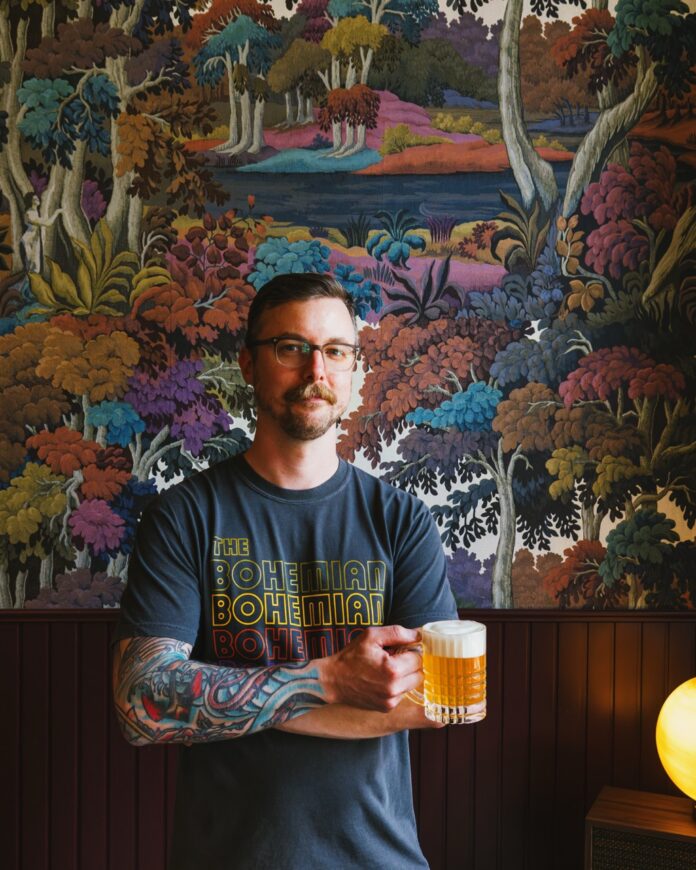
A man in a Bohemian shirt holds a pint of beer in his hand standing in front of a painted wall.

Over on the Northside when you stroll past the old Garden Theater, you’ll find a new storefront with green accents right beside the marquee. The Bohemian, stemming from Golden Age Beer Co., fulfills that need for a welcoming spot to gather with friends. Not to mention it keeps you away from the (sometimes chaotic) line of bars on the North Shore. Its focus on Czech lager is just one delicious part of this project. The larger picture is to form a space where analog and vintage reign. All while technology shifts to the side for the evening.

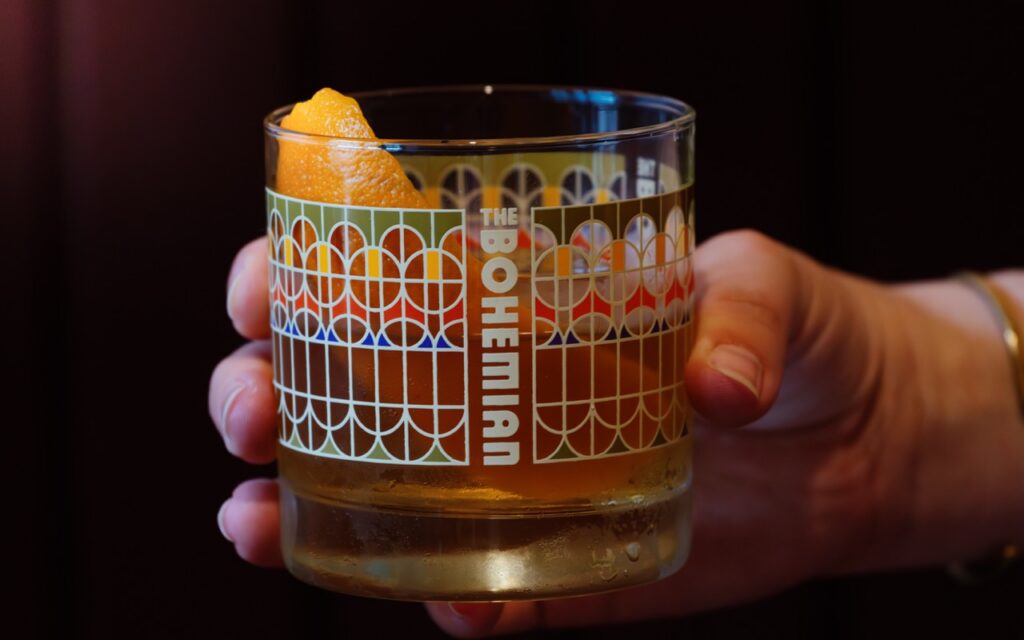
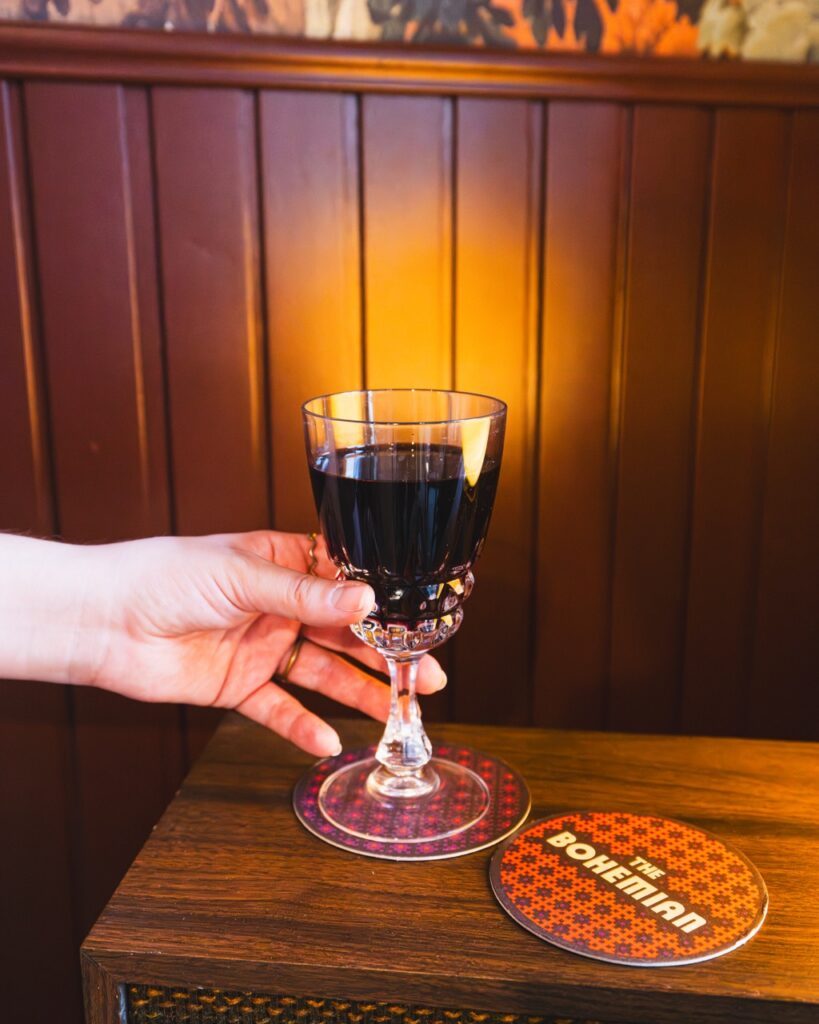
A person holds a short cocktail glass with The Bohemian logo on the outside of the glass.

New Bar The Bohemian Opens on the Northside with Czech Lagers and Vintage Atmosphere

Co-owner Adam Henry sees the taproom as a way for Pittsburghers to experience a new type of brewery. While other establishments go for a modern, hardwood feel, The Bohemian is different. The space immerse you into the 70’s where color and texture thrive.

“Pittsburghers can look forward to enjoying our offerings in a welcoming and comforting space in the historic Garden Theater that’s been designed to feel analog, vintage, creative, and, well … a bit Bohemian, with food available from our neighbors at Mayfly Market,” says Henry.

Part of The Bohemian’s unique appeal is its menu. The selections take you through Prague’s beer scene, into the world of natural wines, and drops you off with disco-era cocktails.

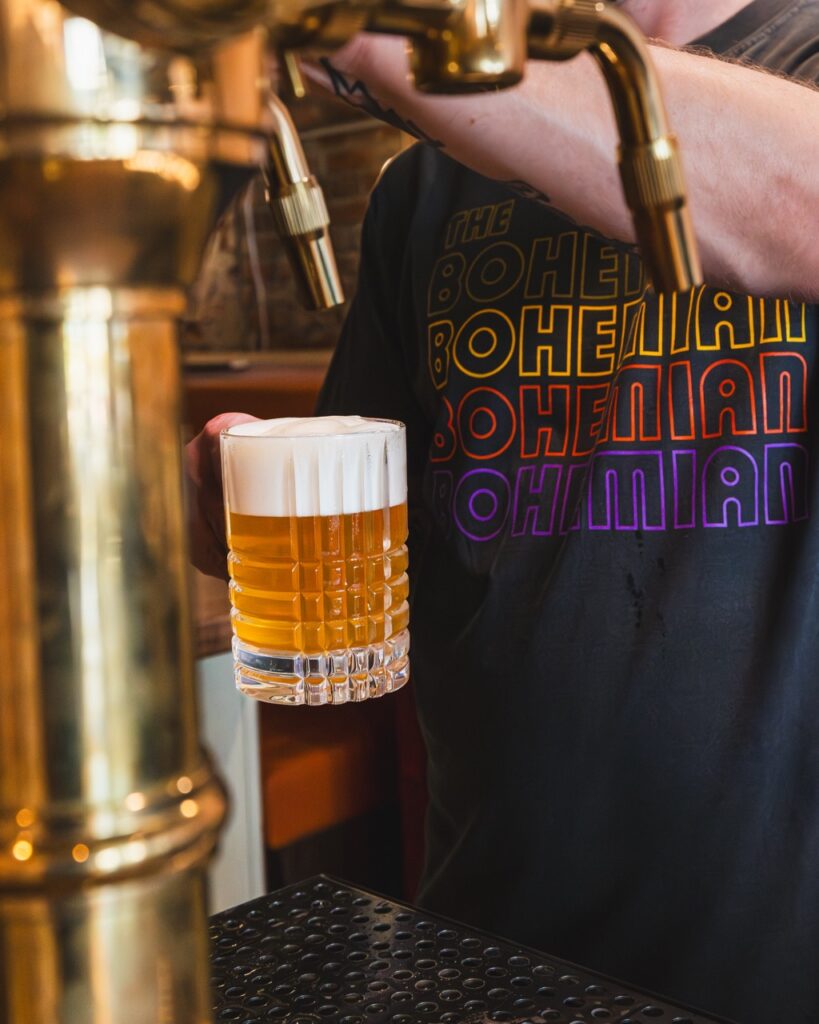
“The Bohemian will be unique in its hyper-focus on fresh, easy-drinking Czech lagers,” says Henry. “The beers are being brewed specifically for us by our sister spot Golden Age in Homestead, and will be served from side-pull taps into hand-washed steins like in Prague. We’ll also be shaking up creative cocktails inspired by the disco drinks of the 1970’s, and pouring natural wines.”

A man pours a czech lager from a tap.

Detail and Care in Every Decision

The care the bar puts into side-pull taps and hand-washed steins (techniques which they use specifically in Prague) make your experience as authentic as it can be. It’s not like pulling up to your local bar for a foamy pour of Iron City. Instead the tapster takes crucial steps to produce a pour that balances the key aspects of Czech lagers like Saaz hops, Pilsner malt, and soft water. As The Bohemian states, “The perfect pour is a point of pride, and the attention to detail and care for every pour of lager that Czech tapsters demonstrate is unmatched throughout the world.”

Just as special as the beer they serve is the selection of craft cocktails. The menu here takes you back to the disco-era of the ’70s but still adds on modern twists. One of the cocktails the bar is currently teasing is a Popcorn Old Fashioned. It’s an ode to the Garden Theater’s history as one of the first nickelodeon theaters for movies. The recipe combines clarified butter-washed bourbon, cherry cola cordial, saline, and bitters.

A wood booth where a person is setting down a glass of natural wine.

So, the next time you’re looking for a new brew to try or even just a different atmosphere to relax in, let The Bohemian take you into its setting of vinyl records, lounge seating, soft earthen tones, astrology, funk music, jazz fusion, disco, and of course, a dash of cultural and political revolution.

Story by Kylie Thomas
Photography by Tom O’Connor

Subscribe to TABLE Magazine’s print edition.

Why Scotch Tastes Different to Everyone (And How You Can Learn to Enjoy It)

0
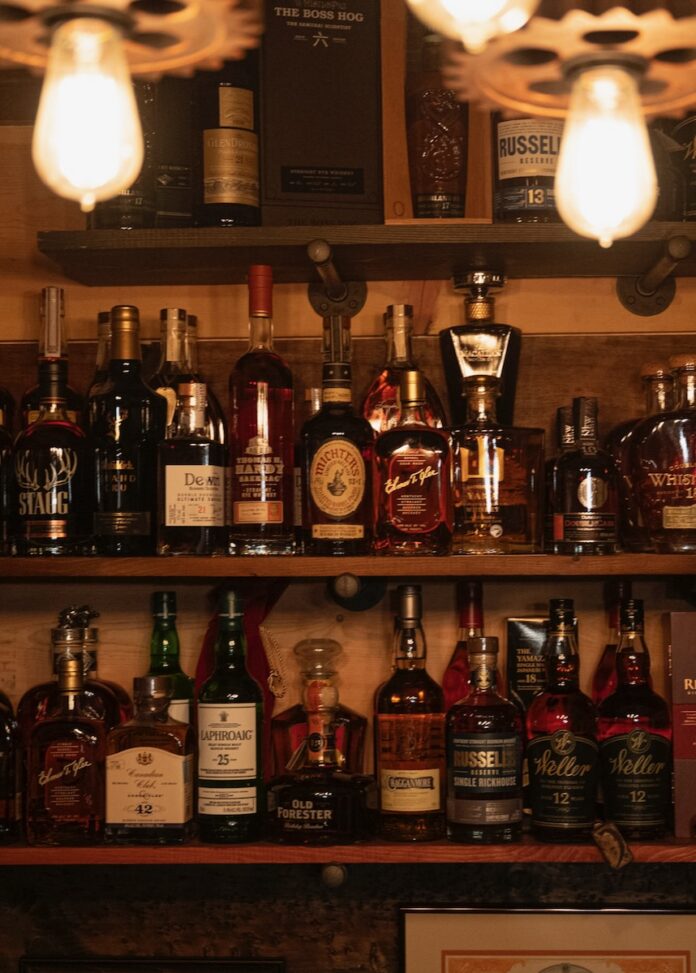
Two selves full of bottles of Scotch sit below two antique light bulbs behind a bar.

True confessions: I am a Scotch skeptic–until quite recently. If you are also a skeptic, this article is for you. It offers useful background on Scotch, an explanation of its flavors, and concludes with suggestions on how to find a Scotch that’s right for you.

All You Need to Know About Scotch

By any of its names (scotch, scotch whisky, whisky or whiskey), to me its flavors have always seemed a little too alcohol forward, somewhat medicinal, sometimes intriguingly unpleasant, and occasionally downright foul.  However, because so many people whose palates are clearly more schooled than mine love it deeply, I wanted to educate myself in the science and lore of scotch. Part of my education involved field research at the home of a scotch aficionado in the Scottish West Highlands as well a guided tasting at Carmella’s in Pittsburgh’s historic South Side neighborhood. Read on to see whether my deep dive into scotch made a difference in my overall enjoyment of this storied spirit.

What is Scotch? How is It Different from Other Whiskeys?

To its many, many fans and aficionados, Scotch is liquid heritage. Scotch whisky is distilled and aged in Scotland. By law. Scottish weather (i.e., rain and mist), soil (naturally rich and acidic), and water (see aforementioned rain and mist and throw in the North Atlantic and the North Sea) shapes the barley integral to its making.

And then there’s peat. Scottish peat is a waterlogged, acidic, and carbon‑rich. It’s made from the slow, partial decay of heather, mosses (especially sphagnum), and other plants on cool, wet moorlands. This compacted organic matter forms deep, spongy layers that shape the country’s gorgeous rolling meadows and fuel the smoke that flavors many Scotch whiskies.

The “juice” itself is made from malted barley and other whole grains and then given at least three years in oak casks on Scottish soil. There’s never an “e” in whisky in Scotland, and that’s not the only rule distillers live by. If it doesn’t come from Scotland, it is not Scotch. Within those (and a couple other) boundaries, however, Scotch is a universe of complexity. You’ll find single malts from a single distillery, grain whiskies built for blending, and mixes of the two. The relative merits of all of the above have kept fireside conversations going for generations.

Geography’s Effect on Scotch

Each geographic location and each distillery searches for a liquid voice based in its local water, barley and peat, as well as in its own methods and equipment. Drink your way across the country and you’ll find tastes that range from simple and vaguely sweet to powerfully rich, smoky and organically alive. Not to mention very sippable distillations and blends representing every point between those poles. The wonder of it all, and centuries of tradition, give Scotch whisky dominance in global trade: it makes up 32.6% of whisky sales worldwide.

Just across the Irish Sea, less than a three-hour trip by boat, whiskey picks up an extra letter. Not just the spelling changes, though: its style does, too. Irish whiskey is usually lighter and more approachable. Traditionally, it is triple-distilled. Both malted and unmalted barley are used. Irish whiskey, like its sibling to the north and east, is watched closely by the law. To qualify as Irish whiskey, it must be distilled and aged in Ireland for a minimum of three years in wooden casks. Irish whiskey makes up 15.8% of global sales.

In North America

Cross “the pond” to the United States, and whiskey takes on the caramel glow of cornfields and charred oak barrels. The whiskey category here is immensely popular, fueling 28.5 % of the global market, second only to Scotch. Part of the allure comes from the corn-derived sweetness of American bourbon. It’s made from at least 51% corn and aged in new charred oak barrels. It’s the great American contribution to the whiskey family, joined by rye whiskey with its peppery edge, Tennessee whiskey smoothed through maple charcoal, and an expanding cast of regional styles that speak in the accents of their own terroirs and preferences.

Everywhere you turn, differences notwithstanding, the intention is consistent. Like wine makers worldwide, creators of scotch look to express a place and a people in drinkable form. Canadian whisky (usually spelled without the “e”) tends to be blended and gentle, a polite northern counterpoint to bourbon’s sweetness. The major difference here comes from a smaller rye component that is column-distilled to a relatively high proof and then mellowed for at least three years in oak barrels. Its smooth, subtle style is meant to empower easier sipping. It represents 13.2% of the global marketplace.

Japan’s Take

Japanese whiskey, born of early 20th-century admiration for Scotch, has matured into its own quiet, meticulous voice, echoing Scotland’s methods while allowing Japanese climate and craft to find expression in the final product. Japanese makers are responsible for about 9% of the world’s consumption.

The differences between Scottish, Irish, American, Canadian and Japanese bottles are not just semantic. Like the differences between, say, French, Italian, German and Spanish wines, the distinctions whisper stories of origin and identity. To call something Scotch whisky, Irish whiskey, American whiskey, or any of their cousins, is to invoke not only grain and barrel, but also climate, culture, flavor, and the long human urge to express ourselves in every way imaginable.

Why Does Scotch Taste Different From Other Spirits?

Scotch and other whiskeys taste the way they do because they’re built on raw materials with immense flavor potential. The traditional methods of whiskey-making reveal that potential, with intriguing nuances emerging at every stage. In many Scotch whiskys—especially those from peat-rich regions—the smoke from smoldering peat infuses the malt with phenolic compounds that read as tar, iodine, campfire, or even bandages. To a newcomer, those notes can come across like a harsh and medicinal assault on the taste buds. Add a little water, however, and those same flavor molecules can open into notes of fruit, honey, or vanilla. Dilute too far—beyond roughly one part water to four parts whisky—and the intricate differences blur. True connoisseurs fall in love with those distinctions. They love, for example, how one bottle moves from sweet to smoky on the tongue, while another finishes in a soft, lingering spice.

It’s Really All Up to Us

Underneath the science of making and the art of connoisseurship (or should that be the other way round?), runs human biology and memory. Humans are wired from birth to welcome sweetness and reject bitterness and smoke. Sweetness signals nourishment and we are built to want more. Bitterness and smoke engender a survival response meant to save us from poison and fire: we instinctually think we should avoid them. Peat smoke and phenols work into that system, provoking distaste in some drinkers.

Others, through repeated, pleasant social exposure—sips shared in a bar, a dram by the fire, the romance of a windswept island and a well-told tale—learn to modify those same signals (at least when they arrive in a rocks glass) as comfort, complexity, even luxury. Mouthfeel also plays a part: a whisky that glides in silky and warming may win where a numbing, astringent one fails. Context, culture, and experience teach our palates to embrace what our synapses once told us to avoid, which is why one person’s beloved monument to Islay peat is another person’s “never again.”

Scotch Tasting in the West Highlands: A Beginner’s Impressions

Last year, my partner and I travelled to the West Highlands region of Scotland to see our old friend Lisa, who had recently taken up residence in a house overlooking Lochcarron. Everywhere we went, we gasped at the natural beauty of the gorse-studded hills. We marveled at the plenteous waterfalls. We fell in love with castles, the High Streets of tiny villages, and the pubs on every corner. The wry, dry sense of humor of the Scots was a perfect complement to the drizzly and foggy weather. During our many day trips, we sampled haggis with neeps and tatties, porridge, fish and chips, and assorted scones, shortbreads and tablets.

Almost at the end of the trip, we realized we had not sampled a single local scotch. Neighbors Emma and Gordon Valle helped us address this serious gap in our vacation experience. After a meal of homemade pizza baked perfectly in a patio pizza oven, Gordon took charge, plying us with samplings from his library of Scotch whisky options. We finished at nearly 2am. Do I remember everything about the five scotches we tasted? Absolutely not. I did, however, get a sense of the parameters of the category.

Starting With What You Know

We ran through the most familiar aspects of scotch: maltiness and the flavor of the grain, and peat and smoke. My tastebuds really kicked in, though, when we hit notes of oak, sweetness and fruit in varieties aged in old wine or sherry barrels. Salinity from coastal distilleries buffeted by salt-heavy sea breezes was also intriguing. And the issue of mouthfeel–whether a variety was silky and smooth or hot and alcohol-forward—was also interesting.

That evening, one variety emerged victorious for us: The Isle of Harris Hearach Oloroso. It’s a single malt Scotch whisky aged in Oloroso sherry barrels. The gentle traces of dark fruit mingling with a bit of oak and the traditional taste of single malt scotch won us over. I woke up late the next morning thinking perhaps I’d found a new favorite spirit. But upon returning home, I neither bought it to take home, nor did I order it at a bar or restaurant. A wine drinker’s habits die hard.

A Pittsburgh Scotch Tasting at Carmella’s Plates and Pints: Six New Bottles

When the opportunity came a few months later to be a guest at a guided tasting at Carmella’s Plates & Pints, located on Carson Street in Pittsburgh’s South Side neighborhood, I jumped! Carmella’s is a friendly neighborhood place, kitted out in warm wood details and stained glass. The menu is a thoughtful mix of local favorites and rustic, globally influenced comfort foods. Think house-made pierogi, rich braises, and fantastic small plates that pair naturally with a good drink. Behind the bar, kept somewhat quiet, is one of Pittsburgh’s most extensive Scotch collections.

Carmella, while a self-professed wine drinker, has curated a deep, deep assortment of single malts, blends, and rare bottles that invite both curious newcomers and seasoned whisky hunters to linger over a dram. She has amassed over 1,700 bottles to choose from, from accessibly priced sips to rare varieties that cost many hundreds of dollars per pour. She reports that rarer varieties draw in customers celebrating momentous occasions like a wedding or a graduation. These milestones are marked by sharing a toast of something appropriately special.

A Lesson From an Expert

Scotch expert Tim Koltonski, with an assist from Spider Matthews, guided our group through six scotch varieties, including Monkey Shoulder blended malt scotch, 10-year-old Glenmorangie, 10-year-old Springbank, 12-year-old Glenfiddich, 12-year-old Highland Park and 5-year-old Ardbeg’s Wee Beastie. TABLE Magazine’s wine expert, Adam Knoerzer, was also a guest. You can read his take on the tasting here.

I will say that I ended up with a clear favorite: 10-year-old Springbank. This single malted scotch is aged in bourbon and sherry barrels, which gives it delicious citrus and tropical aromas, and bit of fruity sweetness on the palate. There’s a hint of smoke in the finish, which makes for an appealing complexity.  Since my Highlands tasting also resulted in a favorite that is aged in sherry casks, I must like the added sweetness and fruitiness brought into the tasting experience.

How Do People React to Scotch? Love, Hate, and Everything in Between

The reactions of my fellow guests at Carmella’s ran the gamut from enthusiastic to reserved. Lou Castelli, Director of Marketing at Pittsburgh Ballet Theatre, spoke for the latter group. “I think of Scotch as too smoky, too strong, too syrupy and the liquid equivalent of a punch in the face. However, I learned that scotch has great range and that there are incredibly nuanced versions depending on the region where it’s produced and how it’s aged. Did I leave with a favorite? No, but I did leave with a respect for the craft of scotch-making.” He adds with a hint of a smile, “….and a hankering for a bottle of Whispering Angel.”

Jeff Milliner, Director of Marketing and Communications at Family House, emerged in a more receptive mood. “I feel a lot more confident going to my next night out and ordering a scotch I will enjoy.” He plans to try Glenfiddich and Glenmorangie again. Andrea Babb of interior design firm Babb and Mack felt similarly, saying, “After the tasting, I can confidently say I enjoy Scotch! My initial impression was that all Scotch was smokey, but I was proved wrong.”

Erika Butler-Jones of Eleven Nineteen Interiors was perhaps our most thoughtful taster. “It was really fascinating to consider the ways in which a scotch barrel’s surrounding environment, as well as the composition of the barrel itself — its wood species, moisture contents, etc. — can directly translate into the smokiness, bitterness, and/or warmth of a specific bottle. That, and the significance of time — how similar scotch is to wine in terms of the most desirable bottles being those batches that have spent the longest in their respective barrels. Not to get too abstract here, but I’m perpetually in awe of the beauty of marination.”

Why Do Some People Hate the Taste of Scotch? Biology + Peat Explained!

I hinted at the main reason earlier in this article. Humans seem to have a built-in reaction to bitter and smoky flavors that is designed to keep us away from poisons and fire. There’s a bit of innate biology at work here.

Peat is a traditional fuel in Scotland and Ireland. This decomposing vegetable matter is cut out of the ground in bricks and left to dry. These bricks were burned for centuries like fireplace logs in homes and farmyards across the British Isles. When germinating barley is dried over a peat fire, the smoke imparts phenolic compounds into the grain. The grain carries the flavorful chemicals into the distilling process.

Mixed with other flavor influences from the grain itself, local water, the variety of wood used in barrels, previous liquors aged in these barrels, and more, the smoky phenols are part of a symphony of sensations.  Just as the deeper notes of a French horn or an oboe enrich the sound of a full orchestra, smoky phenols can be a part of a beautifully harmonious whole. They may, however, take a little getting used to.  

If that process happens around a beautiful bar across evenings peppered with friendly conversations, perhaps we’re all the better for it.

How to Develop a Taste for Scotch? Practical Tips for Beginners

First, skip the smoky, heavily peaty varieties like Ardbeg…at least in the beginning. Ask an experienced bartender for a fruity, easy to drink variety like Glenfiddich or Glenlivet. If you like sweet flavors, ask for a Scotch aged in a sherry or bourbon cask like an Oloroso or a Balvenie.  

Also, consider the need to taste rather than drink. Go for a small pour, and, very importantly, go slow! Experts recommend using a tulip-shaped glass so that your nose has a chance to appreciate the bouquet of the Scotch. Sip and savor the liquid, giving it a chance to blossom on your palate. As you would with a new variety of wine, pay attention to the subtleties of flavor. Are you perceiving honey or vanilla or spice? Are there notes of pineapple or fresh, sweet tobacco? Or, are there complexities of leather and salt? What is the story this scotch is telling you? Are you enjoying it?

A final bit of advice: scotch is not a monolithic world. It’s exactly the opposite. Every distillery has its own special touch, which expresses itself differently across variety and aging period. If you wish something were lighter or darker, sweeter or saltier, talk it over with an experienced bartender. They may have something just for you. If you’re in Pittsburgh, go to Carmella’s. One of their 1,700 bottles is sure to suit your palate.

Scotch at a Glance

  • Scotch must be made and aged in Scotland for at least three years.
  • Its flavor comes from barley, water, peat smoke, and time in oak casks.
  • Humans are biologically wired to dislike bitterness and smoke at first, but hang in there!
  • Repeated, social exposure can turn “medicinal” into “complex and comforting.”
  • Beginners often enjoy Scotch aged in sherry or bourbon casks, which taste fruitier and sweeter.
  • A knowledgeable bartender can guide you toward a style of Scotch that suits your alate.

Scotch FAQs

Is Scotch an acquired taste?

Yes. Many people find Scotch harsh or smoky at first. With lighter styles, a bit of water, gradual exposure, and recommendations from a skilled bartender, your palate can learn to enjoy its complexity.

What Scotch is best for beginners?


Fruity, less smoky single malts from Speyside or the Highlands—like Glenfiddich or Glenlivet—are common starting points. Consider varieties finished in sherry or bourbon casks because their sweet notes are popular with beginners.

Why does Scotch taste smoky or medicinal?


Barley dried over a peat fire soaks up phenolic compounds that can taste like smoke, iodine, or bandages. Some drinkers love this; others never do.

Should you drink Scotch neat or with water?

Many experts suggest starting neat, then adding a few drops of water to open up aromas and soften alcohol heat. Avoid over‑diluting.

Is all Scotch peaty?

No. Some regions and distilleries use little to no peat. Some makers prefer tasting notes that fruity or malty rather than powerfully smoky.

Story by Keith Recker
Photography by Cody Baker

Subscribe to TABLE Magazine’s print edition.
Arts Landing Opens in Pittsburgh as a New Downtown “Backyard”

0
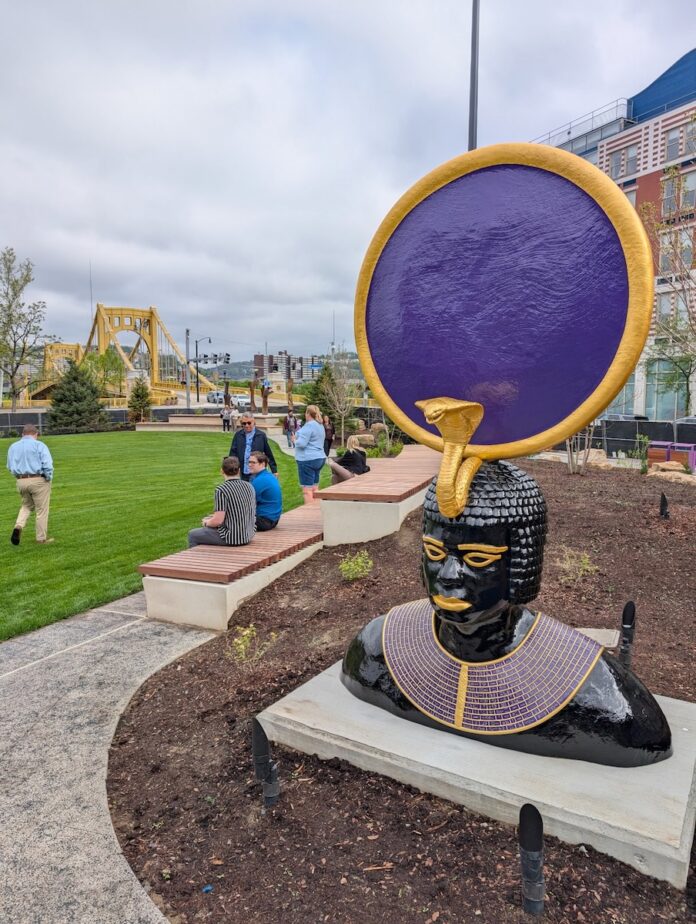
A large statue of a man with a snake and purple circle above his head sits in Arts Landing.

A four-acre space for gatherings, art, as well as events welcomes visitors beginning next week. Arts Landing, a multi-use civic space, stretches from Penn Ave. to Fort Duquesne Blvd., filling a sizable city block with shared, public amenities.

Arts Landing in Downtown Pittsburgh Opens Ahead of the NFL Draft

Pittsburgh’s new green-space Arts Landing was officially unveiled on Friday morning (April 17) ahead of the Pitt Block Party at Arts Landing, an NFL Draft-adjacent event set for April 23-25.

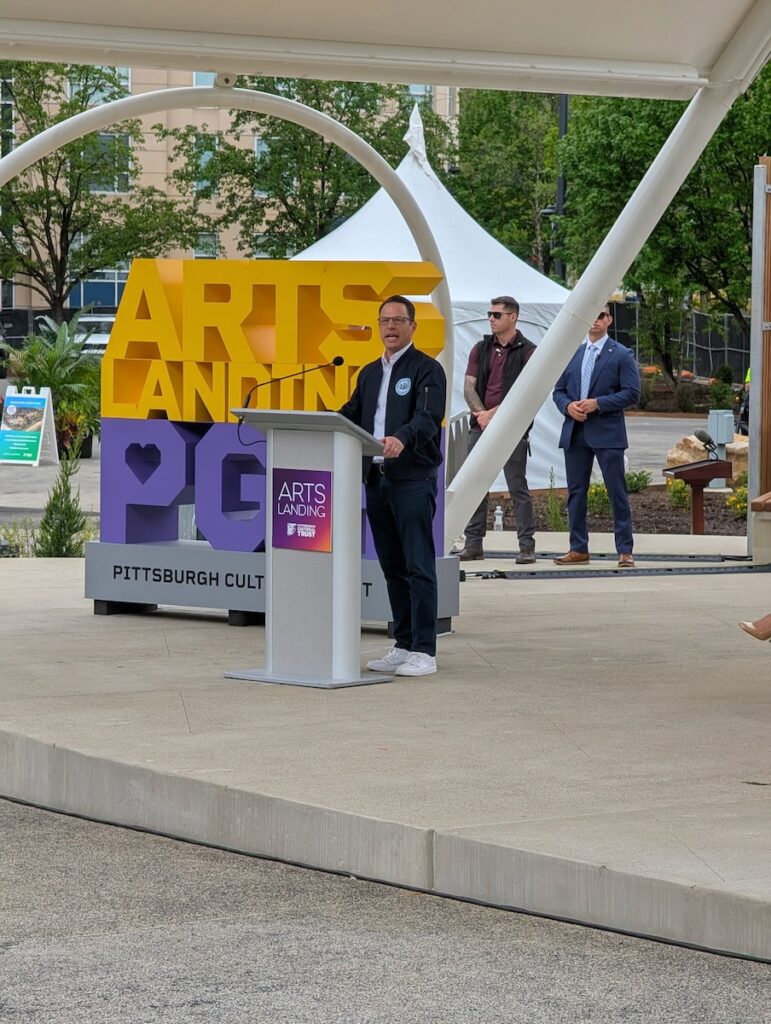
Josh Shapiro speaks in front of the Arts Landing sign.

“Pittsburgh is on the rise, and this is just the beginning,” Governor Josh Shapiro said at the ribbon-cutting event. “We’re going to keep investing in Downtown. We’re going to see these projects through to the end, and then we’re going to start new ones in their wake. I believe the future of Pittsburgh and Western Pennsylvania is bright.”

A Space with Its Heart in the Arts

The centerpiece of Arts Landing, the Dollar Bank Stage, will serve as the mainstage and also permanent home of the Dollar Bank Three Rivers Arts Festival starting this year. ( They will announce a full schedule of concerts as well as events in May.) Closer to Penn Avenue, the Grable Playground — with “artist-inspired” equipment — is the first public playground in the Golden Triangle. The Giant Eagle Foundation Backyard, an area for casual gatherings featuring picnic tables, overhead lighting and public games, will also join the space in June.

The DollarBank Stage with a row of chairs beneath the covering.

Public art installations, featuring pieces by Pittsburgh-based artists, can be found throughout Arts Landing. Most notably, the site features Touching the Earth, a series of eight bronze sculptures by New Castle-born artist Thaddeus Mosley; the influential sculptor, also a lifelong Pittsburgher, died in March at age 99.

Arts Landing expects other amenities, including pickleball courts in the adjacent Highmark Courtyard and a Visitor Center (featuring public restrooms and 24-hour security staff) to be complete in the coming months.

“I really think this is a part of a movement — a movement where we’re all coming together and building the Pittsburgh that we want, that we desire, that we deserve,” Allegheny County Executive Sara Innamorato said at the ribbon-cutting event. “It is really amazing to see this work manifest.”

A Soft Opening Ahead, Leading to the Arts Festival

The first public opportunity to visit Arts Landing will come during the NFL Draft, as the University of Pittsburgh hosts the Pitt Block Party at Arts Landing from April 23-25. The event, which runs from 9 a.m.-6 p.m. each day, will feature DJ sets and live music, an interactive Pitt Football museum, family activities, a gaming tent and more.

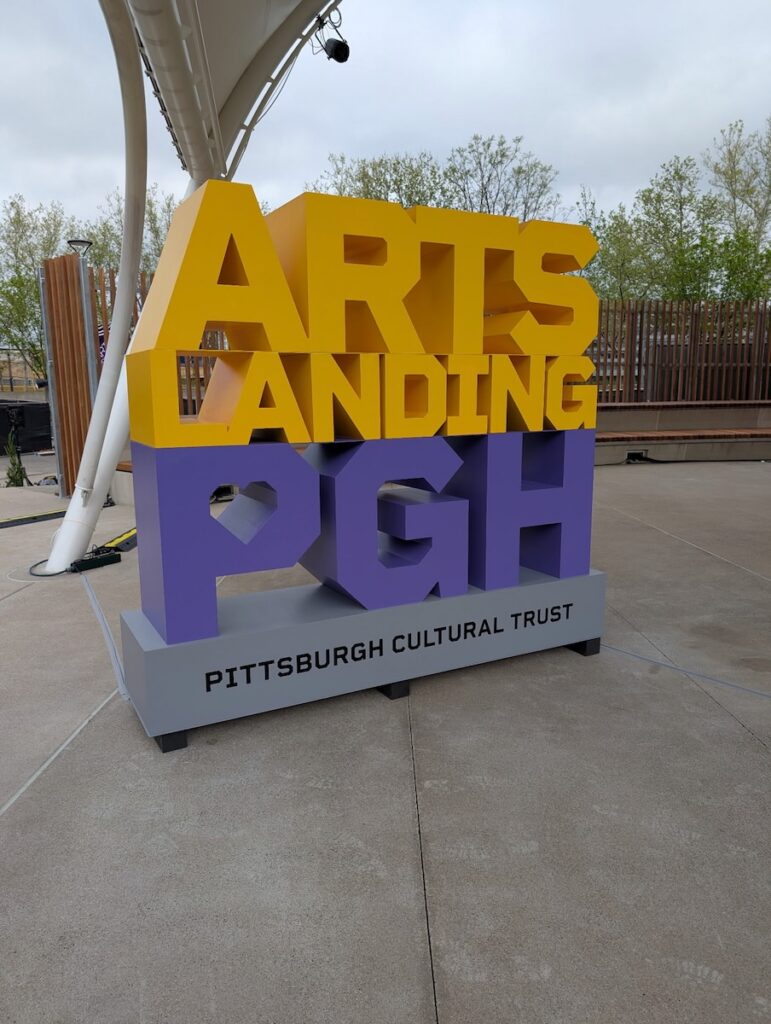
The Arts Landing PGH sign in bold yellow and purple letters.

A soft opening begins in May, at which time they will remove the fencing around the site and then Arts Landing will be accessible to the public. (Final landscaping and projects will be ongoing.) The formal opening will coincide with the Three Rivers Arts Festival, scheduled to take place from June 5-7 and 11-14.

Speaking of the intersection of art and local investment, Mayor Corey O’Connor said, “That’s what we want to capture in Pittsburgh — tell our story about arts and culture, and things that we have that we take for granted. And the whole world is about to see it.”

Story and Photography by Sean Collier

Subscribe to TABLE Magazine‘s print edition.

Collier’s Cuts: Who Is Lee Cronin and What Has He Done to ‘The Mummy’?

0
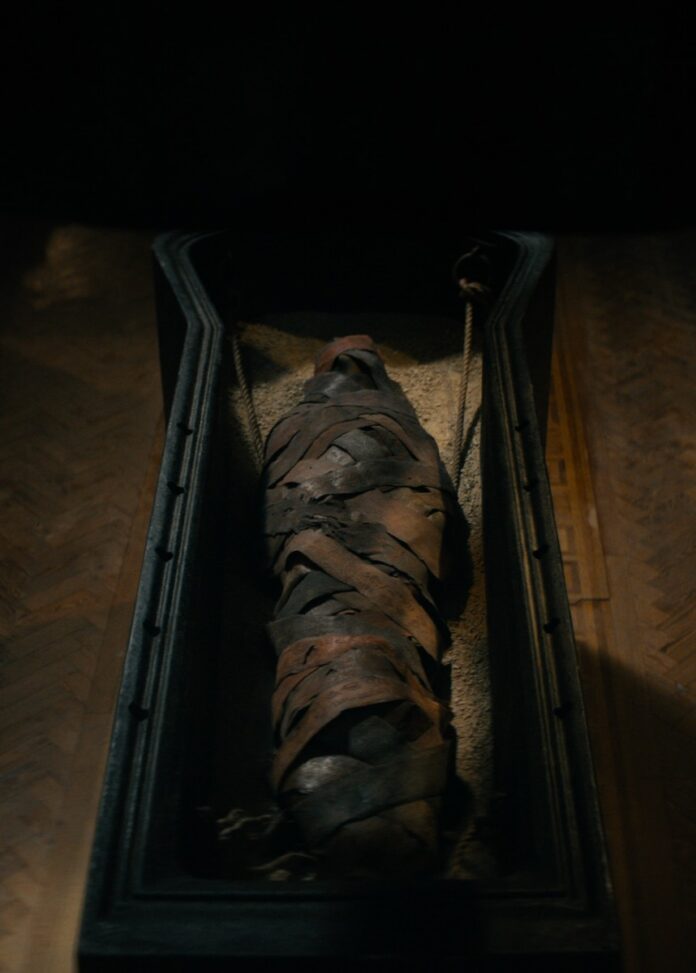
The Mummy from Lee Cronin's The Mummy sits wrapped in its tomb.
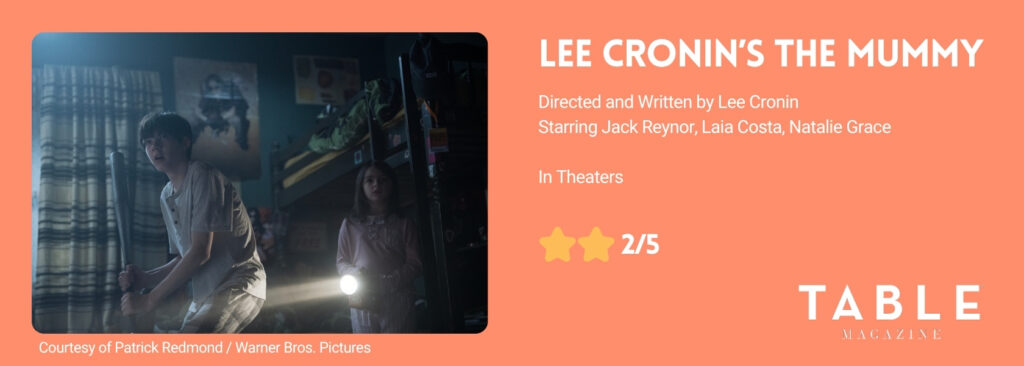
A graphic with a picture of two kids and a rating of 2 out of 5 stars for the movie Lee Cronin's The Mummy.

I suppose you need something to distinguish this Mummy from all the others — the Universal Monsters original, the Brendan Fraser blockbuster, the Tom Cruise disaster. Why the solution was to put the name of a relatively unknown director above the title, I have no idea.

The Mummy? More Like Lee Cronin’s The Exorcist … or Lee Cronin’s Evil Dead, Again

Lee Cronin is slightly known for the well-received (if relatively little-seen) 2023 sequel Evil Dead Rise, an intense and graphic revitalization of the infamous horror series. He has followed that up with a film that’s more intense, more graphic and much less enjoyable — and, to avoid false expectations, one that bears depressingly little connection to either the classic black-and-white Boris Karloff vehicle or the successful early-2000s series.

It does, however, bear a passing resemblance to The Exorcist, particularly in the age and depravity of its unlikely villain.

A television journalist (Jack Reynor) and his family temporarily find themselves in Cairo; he’s angling for a New York job that would bring them back stateside. Tragically, their oldest daughter (played first by Emily Mitchell, then by Natalie Grace after a jump forward) disappears, seemingly kidnapped by a neighbor; the Egyptian authorities don’t put much effort into the search, and the family returns to America in emotional tatters.

Eight years later, the girl is found alive… inside a giant sarcophagus recovered from a plane crash. Despite her dreadful condition and near-catatonic affect, they send her home. Conditions in the house deteriorate rapidly.

Unwrap with Care

I make no secret of my devotion to the horror genre, and there’s little that rattles me in most scary movies. Yet I found myself looking away from Lee Cronin’s The Mummy; it’s punishingly violent and genuinely disturbing.

(If any studio PR types are looking for a phrase to pull from this debut, I assure you: “genuinely disturbing” is the closest thing to a compliment you’ll find in this review.)

The tone and action are so unrelentingly bleak, however, that it’s tough to figure out who would enjoy Lee Cronin’s The Mummy. There is a certain breed of horror fan for whom the brutality is the point — the sort who lap up grotesquerie as if downing a scaldingly spicy brand of hot sauce. For those, I suppose there’s enough artful construction here to satisfy. Cronin isn’t without visual abilities; he invents odd angles to highlight unusual situations and makes fine use of deep focus to create intimidating moments.

For the average viewer, however, Lee Cronin’s The Mummy is best avoided. With none of the cathartic thrills or inventive settings that serve to make horror fun, it’s a deeply unpleasant experience.

The name isn’t the only thing that distinguishes Cronin’s film from its predecessors. Good mummy pictures are spooky adventures, not exercises in unrelenting terror; in this one, Cronin missed the point.

Live From New York, It’s a Lorne Michaels Documentary

Those curious about the longevity and idiosyncrasies of Saturday Night Live received precious little clarity in the middling mediocre 2024 feature Saturday Night, a highly fictionalized account of the show’s birth. There’s plenty to glean, however, from Lorne, a documentary biography of the show’s creator, Lorne Michaels. A viewing of the film — which is peppered with appearances from nearly every living SNL alum of note — demonstrates how the show’s quirks derive directly from its influential producer. And, unbelievably, director Morgan Neville (who also made the Fred Rogers doc Won’t You Be My Neighbor?) inches toward unearthing the character of the famously enigmatic Michaels. For fans of the show, it’s essential — and even the merely curious will be more than engaged.

But, There Are More Home Releases, Too

The fortunes of writer/director Peter Farrelly have fallen since 2018, when his Green Book won Best Picture (an unquestionable blot on the record of that lofty award). He returns to his broad-comedy roots with Balls Up, a World Cup-themed caper starring Mark Wahlberg and Paul Walter Hauser. Most early reviews have not been kind.

On Netflix, meanwhile, Chloe East (star of the well-received A24 horror flick Heretic) and Sadie Sandler (daughter of, and frequent collaborator with, father Adam) play a pair of Roommates trying to navigate college life. The film has a strong supporting cast, including Natasha Lyonne, Nick Kroll, Carol Kane and Janeane Garofalo.

Story by Sean Collier
Featured Photo Courtesy of Warner Bros. Pictures

Subscribe to TABLE Magazine’s print edition.
Don't Miss