BBF Global Relief / Brother’s Brother Foundation (BBF) provides healthcare and essential resources to underserved communities around the world and here at home. Founded in 1958 by Dr. Robert A. Hingson, the Pittsburgh-based nonprofit continues a legacy that began with a global medical survey across Asia, Europe, and Africa. Today, BBF supplies medicines, medical equipment, and disaster relief resources while supporting programs that expand access to care.
About Brother’s Brother Foundation
BBF helps bridge the gap between aid and sustainability by supporting localized programs and providing essential resources in the areas of Healthcare, Infrastructure, Disaster Response, and Education (H.I.D.E).
Programs & Impact
Last year, BBF sent 152 shipments to 33 countries, providing more than $108 million in humanitarian aid. BBF also provided medicines and medical supplies for 19 med-surg trips to 12 countries and supports local physician training through grants to partner organizations. These efforts help patients receive care while strengthening the ability of local providers to serve their communities.
Here at home, six BBF-donated mobile health clinics bring services directly into underserved communities, removing transportation barriers and arranging follow-up care to support continuity of care. In Pittsburgh, these clinics offer primary care, vision, and hearing services.
When disasters create additional needs, BBF helps communities respond with essential resources and grant funding. Last year, BBF responded to 12 major disasters, and this year’s responses have included flooding in Nepal and Indiana as well as earthquakes in Venezuela. BBF has also distributed nearly 15,000 volunteer-assembled hygiene kits in 2026 to people affected by disasters and those facing hardship.
Get Involved
Readers can support BBF through donations, volunteering, and sharing its work with others. At BBF’s North Side warehouse, volunteer groups gather each week to assemble kits containing personal care and basic first aid supplies. These hands-on opportunities connect Pittsburgh residents and businesses with humanitarian needs locally and globally. Readers can visit brothersbrother.org to learn more about supporting BBF or arranging a volunteer opportunity.
How Support Helps
Donations help BBF move essential resources from its warehouse to the communities that need them. Financial contributions support shipping, disaster response, hygiene kit supplies, and programs that bring healthcare closer to people’s homes. Donor support sustains this work throughout the year, helping BBF respond when disasters strike and address ongoing needs in underserved communities.
Brother’s Brother Foundation brings healthcare and essential resources to underserved communities locally and globally. Donor gifts support medicines, medical supplies, mobile health clinics, and disaster relief where they are needed most.
The Benedictine Sisters of Pittsburgh are a monastic community of Sisters who have provided service to the communities of southwest Pennsylvania for more than 150 years. Today, the Sisters provide personal coaching as professional Life Coaches, mental health counseling, volunteer outreach, and community drives.
About the Benedictine Sisters of Pittsburgh
The Benedictine Sisters of Pittsburgh continue 1,500 years of seeking God in community, prayer, and ministry.
Programs & Impact
Sisters are currently providing volunteer support to a local food bank and a food program for single mothers. This support has a profound, positive effect on families working to cope with food shortages.
Additionally, the Sisters offer a leadership and life coach training program with extensive outreach across three continents. This professional training program provides critical communication skills that aid in open, safe, and productive peace-producing dialogue.
Get Involved
Readers can lend assistance with gardening or help with special events such as readings and concerts. Because opportunities vary, the type and nature of volunteer work are best discussed on an individual basis. To get involved, readers can contact the front desk at (724) 502-2600.
How Support Helps
Through the month of October, the Benedictine Sisters of Pittsburgh conduct a food drive for the Lighthouse Foundation, welcoming donations of food as well as new dental care and pet supplies. Outside of the October food drive, due to storage limitations, the Sisters no longer accept tangible donations and rely on direct financial contributions to support their ongoing ministries and community support programs.
The Benedictine Sisters of Pittsburgh are women of dedication, offering presence, prayer, and service in a world often dimmed by injustice, confusion, and fear, providing an essential gift of connection and love.
Alzheimer’s touches nearly every Pittsburgh family in some way. In Pennsylvania, more than one out of every ten adults aged 65 and older is living with Alzheimer’s disease, and 472,000 family members and friends provide unpaid care. As the leading voluntary health organization in Alzheimer’s care, support, and research, the Alzheimer’s Association offers free programs and services to families across the Pittsburgh region.
About the Alzheimer’s Association
The Alzheimer’s Association is dedicated to providing free care, local programs, and hope so no one has to face this disease alone, while driving progress toward a world without Alzheimer’s and all other dementia.
Care, Support, and Research Impact
The organization’s 24/7 Helpline (1.800.272.3900) connects people with trained specialists and master’s-level clinicians at any hour, day or night. Educational programs and support groups help people living with the disease and their caregivers understand what to expect and find the resources they need.
While supporting families in need, the Alzheimer’s Association is also making significant progress toward its mission. Today, the Association is the world’s largest nonprofit funder of Alzheimer’s research, with more than $450 million invested in over 1,200 active projects, including research initiatives right here in Pittsburgh. Recent scientific advances include FDA-approved treatments, blood tests that can help diagnose the disease, and evidence that everyday lifestyle changes may protect brain health and reduce the risk of dementia.
Get Involved
There are many ways to support the mission. Community members can make a contribution, join a Walk to End Alzheimer’s team, volunteer their time, or engage their workplace as a corporate partner. Employers can learn about the impact of Alzheimer’s on their workforce and join a growing group of business leaders committed to making a difference in the fight to end Alzheimer’s.
How Support Helps
Donations directly support local programs for families across the community and fuel critical research to advance better treatments, earlier detection, and prevention. Every gift, every hour, and every voice moves the region closer to a future where no one faces Alzheimer’s alone.
The Alzheimer’s Association provides free care, local programs, and hope for Pittsburgh families while funding global research to advance treatments, early detection, and a cure for Alzheimer’s disease.
The Allegheny County Parks Foundation is dedicated to improving, conserving, and restoring all 12,000 acres of the region’s nine county parks – Boyce, Deer Lakes, Harrison Hills, Hartwood Acres, North, Round Hill, Settlers Cabin, South, and White Oak.
About The Allegheny County Parks Foundation
The Allegheny County Parks Foundation strengthens the health and vibrancy of the community by improving, conserving, and restoring the nine Allegheny County Parks. Working in partnership with Allegheny County, the Parks Foundation brings together ideas, leadership, and resources to make the parks more sustainable and enjoyable for all.
Programs & Impact
As the Allegheny County Parks Foundation approaches its 20th anniversary in 2027, the organization is reflecting on two decades of impact and partnership. Together with its supporters, the Parks Foundation has invested $42 million directly into Allegheny County’s nine parks through more than 290 completed or ongoing projects.
At North Park, the Foundation is helping restore the historic Observation Tower, a 1937 landmark standing 102 feet tall, preserving this unique piece of park history for future generations. The organization is also completing the final Ecological Assessment and Action Plan for the nine parks, creating a comprehensive blueprint to guide conservation, restoration, and improvement projects for years to come.
In 2026, the Parks Foundation received the largest grant in its history: $10.65 million for the Pinkertons Run Abandoned Mine Treatment at Settlers Cabin Park. The project will address abandoned mine drainage, remediate and improve abandoned mine land, and create a new trail connection to the Panhandle Trail.
Get Involved
Community members can help shape the next 20 years of impact on the county parks. Supporters can make a gift to the Parks Foundation or get involved by volunteering to help protect and improve the places that make the region a better place to live, explore, and connect. Together, the community and Foundation can ensure the parks continue to be places of connection, respite, and recreation for generations to come.
How Support Helps
Every donation makes a visible impact in the county parks: planting trees, repairing trails, conserving natural landscapes, and restoring historic landmarks. Because Allegheny County matches most funds the Parks Foundation raises, every contribution doubles the donor’s power to transform the parks and the region.
The Allegheny County Parks Foundation improves, conserves, and restores the nine county parks by protecting nature, restoring history, and creating accessible, sustainable spaces that enrich millions of lives every year.
1Hood Media Academy is a collective of socially conscious artists and activists based in Pittsburgh, PA. The organization mobilizes underserved and disenfranchised communities to use their voices for change through art and cultural organizing. 1Hood addresses systemic issues such as racial injustice, gun violence, and voter suppression. At its core, the team consists of creatives who work in, for, and with Black communities. Its work takes many forms, all aligned with 1Hood’s values and Five Pillars of Engagement: Art, Education, Media, Civic Engagement, and Cultural Organizing.
About 1Hood Media Academy
1Hood Media Academy is on a mission for liberation for all through art, education, and social justice.
Programs & Impact
Art: 1Hood Media’s arts programming amplifies the voices of those most impacted by systemic inequity. It provides professional development opportunities and a platform for Pittsburgh artists to be heard through the Artivist Showcase Series, Select, and Kaleidoscope.
Education: Through Media Academy, We Keep Us Safe, and Fridays on Deck, 1Hood Media provides educational programs that support teens and emerging adults in media literacy, civic engagement endeavors, leadership development, and anti-violence initiatives.
Media: 1Hood Media reclaims the narrative through media created to uplift Black voices and center the Black experience in ways mainstream media too often fails to. The organization critically analyzes all media forms, creates informative content, and develops independent platforms to advance social justice, build liberated communities, and counter false narratives.
Civic Engagement: 1Hood Media seeks to engage traditionally excluded individuals while working to build a truly reflective democracy. Its nonpartisan civic engagement work is dedicated to increasing voter participation, addressing misinformation, and creating safe spaces for civic education training.
Cultural Organizing: 1Hood Media recognizes the power of connecting cultural practices like art, music, food, and joy with organizing strategies to shift power and activate people in ways that yield policies that are more responsive to community interests.
Get Involved
People in the community can support 1Hood Media through donations, volunteering for its weekly Community Care food distributions at the Second Avenue Commons, attending one of its Artivist showcases, or engaging in its voter participation events and nonpartisan canvassing efforts.
How Support Helps
Donations help expand the reach of 1Hood Media’s programs and support operational strength to fairly compensate its impacted-led team and show community investment to others who would consider supporting its work.
1Hood has existed for 20 years and formally became a 501c3 in 2017. It is committed to liberation for all through art, education, and social justice.
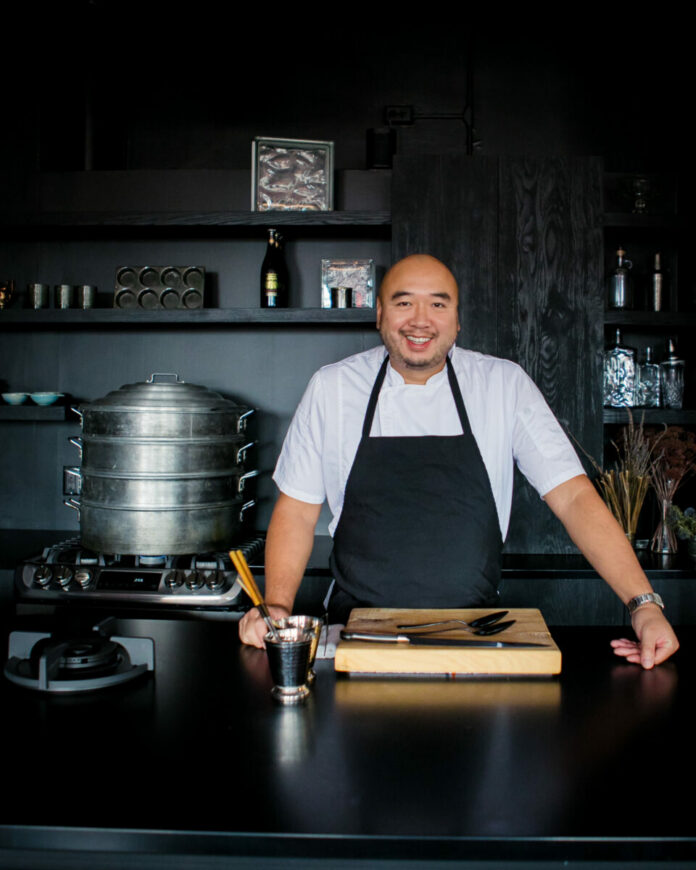
Chef Roger Li has never been one to leave a classic alone. He’s behind some of Pittsburgh’s most inventive restaurants, including Lawrenceville izakaya Umami and The Parlor Dim Sum. So it’s no surprise that his Thanksgiving turkey takes a detour through Korea and Vietnam on its way to the table.
The bird soaks for a day in buttermilk spiked with the tangy brine from a jar of kimchi. Then it dries uncovered for another day and roasts at 375°F until the skin is deep mahogany and crackly. The gravy is the real showstopper. Li builds it on a pho broth of beef bones simmered for four hours with charred ginger and onion, black cardamom, cloves, star anise and peppercorns. He seasons the broth with rock sugar, fish sauce and a little MSG, then thickens it with a dark, nutty roux.
Buttermilk is a classic Southern trick for tender fried chicken, and it works the same way on turkey. Its mild acidity and calcium gently loosen the proteins near the surface, so the meat stays juicy and tender. Kimchi brine is the leftover liquid in the jar after the cabbage is gone. It’s salty and fresh with some zing from fermentation, so the turkey picks up a savory tang without being too hot to handle. Well-aged kimchi makes for the most flavorful brine.
The 24-hour rest on a rack in the refrigerator matters just as much as the brine. Air-drying pulls moisture from the skin, and dry skin is what turns crisp and glossy in the oven.
How Do You Make Pho Broth for Gravy?
Start by charring the ginger and onion. Use a gas flame, the broiler or a dry cast-iron skillet until they’re blackened in spots. Toast the whole spices in a dry pan for a minute or two to release their oils, then tie them in cheesecloth so they’re easy to fish out. Simmer everything with the beef bones and water at a gentle bubble for four hours, skimming any foam. Then strain and season.
Li’s seasoning follows tradition. Rock sugar rounds out the spices, fish sauce adds salty depth and MSG boosts the savory flavor. For the gravy, cook equal parts oil and flour slowly until the roux is the color of milk chocolate, then whisk in two quarts of hot broth. A dark roux has less thickening power than a light one but much more flavor, so simmer until the gravy coats a spoon.
Can I Use Store-Bought Broth Instead of Homemade Pho Broth?
Yes, if you’re short on time. Simmer 2 quarts of low-sodium beef broth with a few slices of charred ginger and onion and a pinch of each spice for 45 minutes, then strain and season. To speed up the homemade version, pressure-cook a half batch in an 8-quart Instant Pot on high for 1½ hours, then let the pressure release naturally.
Can I Make It Dairy-Free or Gluten-Free?
For a dairy-free brine, stir 2 tablespoons of lemon juice or white vinegar into 1 quart of unsweetened plain soy or oat milk and let it sit for 10 minutes before adding the kimchi brine. For gluten-free gravy, make the roux with a gluten-free all-purpose flour blend or sweet rice flour. You can also skip the roux and thicken the hot broth with a slurry of ¼ cup cornstarch and ¼ cup cold water. Check the labels on your kimchi and fish sauce, since some brands add wheat.
What Can I Do with Leftover Pho Broth?
The broth recipe makes about twice what the gravy needs, which is exactly the point. The day after Thanksgiving, reheat the extra broth and pour it over rice noodles, thinly sliced leftover turkey, bean sprouts, Thai basil, lime and sliced chiles for a quick leftover turkey pho. The broth keeps for up to four days in the refrigerator and three months in the freezer. Make it the weekend before Thanksgiving, then brine the turkey Tuesday, dry it Wednesday and roast it Thursday.
What Can I Serve with Kimchi Buttermilk Turkey?
Lean into the fusion. Steamed jasmine rice soaks up the pho gravy, and Alessandra Pilkington’s Kimchi Baked Brussels Sprouts echo the brine. Classic mashed potatoes are just as good under that gravy. To drink, pour an off-dry Riesling, a Japanese lager or a Beaujolais.
Tips for Success
Use a brining bag. Five cups of brine won’t cover a whole turkey in a pot. In a sealed bag with the air pressed out, the brine coats the whole bird. Turn the bag a few times while it soaks.
Wipe, don’t rinse. Let the excess buttermilk drip off before drying the bird. Thick patches scorch at 375°F.
Trust a thermometer. Pull the turkey when the thickest part of the thigh reads 165°F, then rest it for 30 minutes before carving.
Season the broth last. Fish sauce and MSG are potent, so add them gradually and taste.
Watch for allergens. Kimchi often includes salted shrimp, and fish sauce is made from anchovies. Let guests with fish or shellfish allergies know.
A juicy Thanksgiving turkey brined in buttermilk and tangy kimchi brine, air-dried for crisp skin and roasted until golden. It comes with a rich gravy made from star anise-scented pho broth and a dark roux.
1 cup kimchi brine (the liquid from a jar of kimchi)
2 tbsp kosher salt (optional; see notes)
For the pho broth:
10 lb beef bones
6 oz fresh ginger, charred
6 oz onion, charred
1 oz black cardamom pods
1 oz whole cloves
1 oz star anise
1 oz black peppercorns
2 gal water
4 oz rock sugar
2 tbsp kosher salt
1 tbsp MSG
½ cup fish sauce
For the pho gravy:
¾ cup neutral oil
¾ cup all-purpose flour
2 qt pho broth (from above)
Instructions
Brine and dry the turkey
Whisk the buttermilk, kimchi brine and salt (if using) together.
Place the turkey in a large brining bag and pour in the brine. Press out the air, seal, and massage the brine over the bird. Set in a pan and refrigerate for 24 hours, turning the bag a few times.
Remove the turkey and let the excess brine drip off. Pat dry, set on a rack over a sheet pan, and refrigerate uncovered for 24 hours.
Make the pho broth:
Char the ginger and onion over a gas flame, under the broiler or in a dry cast-iron skillet until blackened in spots.
Toast the cardamom, cloves, star anise and peppercorns in a dry pan for 1 to 2 minutes until fragrant. Tie them in cheesecloth.
Combine the bones, ginger, onion, spices and water in a large stockpot. Bring to a boil, then lower to a gentle simmer for 4 hours, skimming foam as needed.
Strain. Season with the rock sugar, salt, MSG and fish sauce, adding them gradually and tasting as you go.
Roast the turkey:
Heat the oven to 375°F. Let the turkey sit at room temperature for 30 to 60 minutes.
Roast on a rack in a roasting pan until the thickest part of the thigh reaches 165°F, about 2½ to 3 hours. Tent with foil if the skin browns too quickly.
Rest for 30 minutes before carving.
Make the pho gravy:
Heat the 2 quarts of pho broth.
In a heavy saucepan over medium-low heat, cook the oil and flour, stirring constantly, until the roux is the color of milk chocolate, 20 to 30 minutes.
Slowly whisk in the hot broth. Simmer for 10 to 15 minutes, until thick enough to coat a spoon. Season to taste and serve with the turkey.
Notes
Leftover broth: The broth makes about 4 quarts. Use the extra for turkey pho. Refrigerate up to 4 days or freeze up to 3 months.
Shortcut broth: Simmer 2 quarts of low-sodium beef broth with charred ginger, onion and a pinch of each spice for 45 minutes.
Dairy-free: Replace the buttermilk with 1 quart of unsweetened soy or oat milk soured with 2 tablespoons of lemon juice.
Gluten-free: Make the roux with a gluten-free flour blend, or thicken with ¼ cup cornstarch mixed with ¼ cup cold water. Check the labels on the kimchi and fish sauce.
Allergens: Kimchi and fish sauce may contain fish or shellfish.
Prep Time:45 minutes
Additional Time:48 hours 30 minutes
Cook Time:7 hours 45 minutes
Category:Main Course
Method:Roasting
Cuisine:Asian Fusion
Nutrition
Serving Size:6 oz
Calories:480
About the Recipe Author
Chef Roger Li is the chef and restaurateur behind some of Pittsburgh’s most inventive restaurants. They include Umami, a speakeasy-style izakaya in Lawrenceville, and The Parlor Dim Sum, known for its dim sum and Cantonese barbecue. He has also run Ki Ramen and Ki Pollo. Li moved to Pittsburgh from Philadelphia in 2008 and has hosted Sunday suppers for friends ever since.
About the Photographer
Laura Petrilla is a Pittsburgh-based editorial and commercial photographer contributing to TABLE Magazine, covering food, people, and places. Her work has appeared in Pittsburgh Magazine, and for the past five years she has photographed still lifes and models for Peyote Bird Designs.
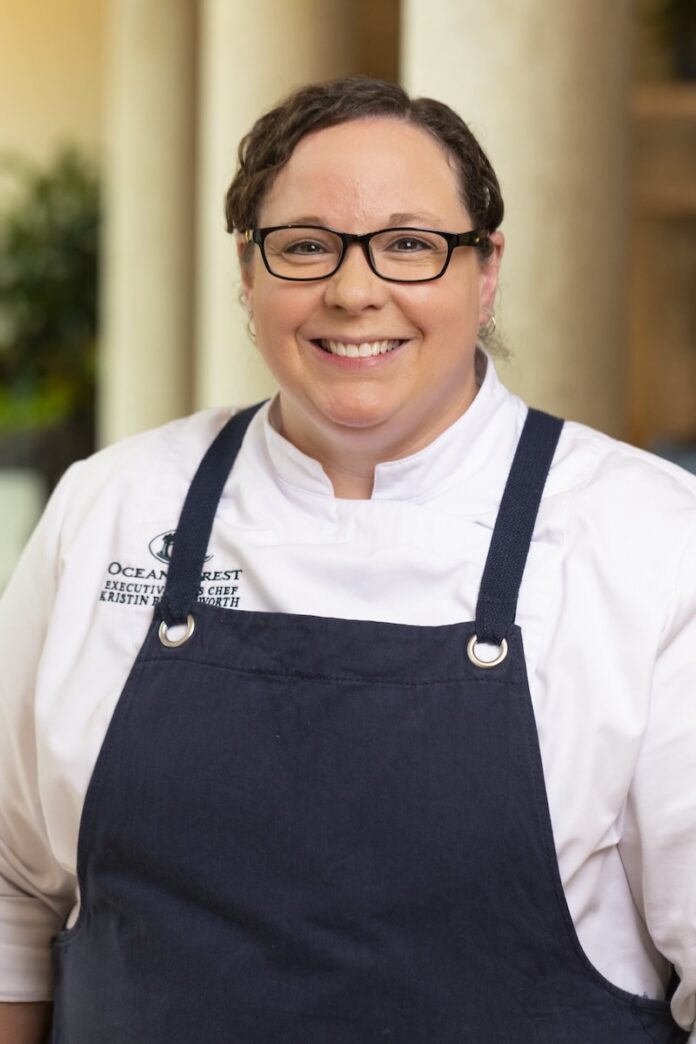
The best Thanksgiving turkeys are often prepared days before anyone sits down to eat. Chef Kristin Butterworth — executive chef of Cork & Crust at The Oaklander Hotel in Oakland — requires three days of brining before cooking this turkey. Her spruce brine steeps evergreen branches, torched hickory chips, fresh herbs, onion and garlic in salted, sweetened water. Butterworth also created a stuffing bread pudding to serve alongside it. Dried sourdough is soaked in a sage-infused custard, then baked low and slow until it sets into tender squares you can slice.
Butterworth is a three-time James Beard Award semifinalist who led Lautrec at Nemacolin to a Forbes Five-Star rating. She shares both recipes on Pittsburgh Today Live on November 19 as part of TABLE’s turkey recipe series benefiting the KDKA Turkey Fund. You can donate online, at any PNC Bank branch or by texting KDTURKEY to 50155.
Plan ahead. Make the brine the Saturday before Thanksgiving, brine the turkey Sunday through Wednesday, then let it dry overnight. Dry the bread Tuesday night and bake the pudding Wednesday, so the oven stays free for the bird on Thursday.
How Does a Spruce and Hickory Turkey Brine Work?
Salt does the heavy lifting. As the turkey soaks, salt seasons the meat to the bone and changes its proteins so they hold on to more moisture in the oven. Sugar balances the salt and helps the skin brown. Charring the hickory chips with a blowtorch adds gentle campfire smokiness without a smoker. The spruce brings a bright, resinous note that suits the thyme and rosemary.
Butterworth’s key rule is to hold the brine at a bare simmer for 15 minutes and never let it boil. The goal is to infuse the flavors, not reduce the liquid. A boiling brine concentrates and will overpower the turkey. After three days, rinse the bird well. Then let it air-dry uncovered on a rack in the refrigerator, which gives a brined turkey crisp, golden skin.
Can I Use Pine or Rosemary Instead of Spruce?
Fresh spruce or fir tips work best. Use only branches you can identify with certainty that haven’t been sprayed. Never use yew, which looks similar and is toxic. If you can’t find spruce, add a few extra sprigs of rosemary and a tablespoon of lightly crushed juniper berries for a similar piney note. No blowtorch? Char the chips in a dry cast-iron skillet on an outdoor grill until they’re blackened and smoking.
Why Is My Stuffing Bread Pudding Soggy?
Sogginess almost always starts with bread that isn’t dry enough. Leave the cubes out overnight until they’re crisp all the way through. If you’re short on time, toast them at 250°F for 30 to 40 minutes. Give the bread the full 20-minute soak. A deep pan may need an extra 15 to 30 minutes in the oven.
Grainy, scrambled bits mean the eggs got too hot too fast. Butterworth tempers them by whisking in one ladle of hot cream first, then adding the rest gradually while whisking constantly. The low 300°F oven keeps the custard silky.
Can I Make Stuffing Bread Pudding Ahead of Time?
Yes, and it’s even better that way. At the restaurant, Butterworth chills the baked pudding, cuts it into squares and reheats them in the oven. Bake it up to three days ahead, cool it, cover it and refrigerate. On Thanksgiving, set the cold squares on a buttered sheet pan and reheat them at 350°F for 15 to 20 minutes, until they’re hot and crisp at the edges. Cut squares freeze for up to two months. Halve the recipe for a 9-by-13-inch dish.
Can I Make It Gluten-Free or Dairy-Free?
For gluten-free bread pudding, swap in two loaves of sturdy gluten-free sourdough or country bread and dry the cubes thoroughly. It soaks faster, so check it at 10 minutes. For dairy-free, use olive oil or plant-based butter in place of the butter. Replace the cream with an unsweetened plant-based heavy cream alternative or full-fat coconut milk, which adds a faint coconut flavor. The custard will set a little softer, so bake until a toothpick comes out clean. The brine is naturally gluten-free and dairy-free.
What Can I Serve with Spruce-Brined Turkey and Stuffing Bread Pudding?
Squares of bread pudding stand in for stuffing, so build the rest of the plate from the classics. Try creamy mashed potatoes (see our celebrity chef mashed potato taste test), tart cranberry sauce, and roasted Brussels sprouts or green beans. Brined drippings run salty, so make the gravy with low-sodium stock and taste before seasoning. To drink, pour a Pinot Noir, an oaked Chardonnay or a dry hard cider.
Tips for Success
Use kosher salt. Table salt is denser and much saltier by volume, so don’t swap it in.
Keep everything cold. The brine and turkey should stay below 40°F for all three days. If your refrigerator is full, use a brining bag in a cooler packed with ice.
Watch the browning. Sugar in the brine browns the skin quickly. Tent the turkey with foil if it darkens before the thickest part of the thigh reaches 165°F.
Taste the cream. Season the simmering cream before you temper the eggs. It’s your last chance to adjust the salt.
Never reuse brine. Throw it out once the raw turkey comes out.
Hungry for more? Chef Kevin Hermann’s Thanksgiving Smoked Turkey Tamales turn a brined, smoked turkey breast into a holiday tamale feast.
A smoky, aromatic turkey brine made with torched hickory chips, fresh spruce branches, thyme, rosemary, parsley, onion and garlic. A three-day soak gives you deeply seasoned, juicy holiday turkey.
Ingredients
Scale
1 gal water
1 qt (4 cups) kosher salt (see notes)
1 qt (4 cups) granulated sugar
1 qt (4 cups) hickory wood chips
1 bunch fresh thyme
1 bunch fresh rosemary
1 bunch fresh parsley
2 onions, quartered
1 head garlic, cloves smashed
4 fresh, untreated spruce branches
1 whole turkey (10 to 12 lb), giblets removed
Instructions
Combine the water, salt and sugar in a large stockpot and warm over medium heat, stirring to dissolve.
While the liquid warms, spread the wood chips on a heatproof surface, such as a sheet pan or cast-iron skillet. Burn them thoroughly with a blowtorch until charred.
Once the liquid reaches a simmer, add the charred chips, thyme, rosemary, parsley, onions, garlic and spruce. Lower the heat and simmer gently for 15 minutes. Do not boil, or the brine will become too intense and overpower the turkey.
Cool the brine, then refrigerate it overnight with the aromatics still in it.
Strain the brine. Fully submerge the turkey in it in a brining bag or nonreactive container. Refrigerate for 3 days.
Remove the turkey and rinse it thoroughly inside and out. Pat dry and set it on a rack over a pan. Refrigerate uncovered overnight to dry the skin before roasting.
Notes
Salt: Use kosher salt. Table salt is much saltier by volume.
Larger birds: One gallon covers a turkey of about 10 to 12 pounds in a brining bag. Double the brine for a larger turkey.
Roasting: Roast at 325°F until the thickest part of the thigh reaches 165°F. Tent with foil if the skin browns too fast, and rest 30 minutes before carving.
Gravy: Brined drippings are salty. Use low-sodium stock and taste before seasoning.
Spruce: Use only branches you can positively identify that haven’t been sprayed, and never use yew. As a substitute, use extra rosemary and 1 tablespoon crushed juniper berries.
No blowtorch: Char the chips in a dry cast-iron skillet on an outdoor grill.
Savory sourdough bread pudding with celery, onion, garlic and fresh sage, baked in a rich custard of cream and eggs. This make-ahead Thanksgiving stuffing slices into tidy squares.
Dice the bread, spread it on sheet pans and leave it uncovered overnight to dry. Transfer to a large buttered casserole dish or pan.
Melt the butter in a large saucepan or Dutch oven. Add the celery, onion and garlic, season with salt and pepper, and sauté until tender and translucent, 8 to 10 minutes.
Add the cream, season again with salt and pepper, and bring to a simmer. Heat the oven to 300°F.
While the cream heats, whisk the eggs in a large mixing bowl until combined.
When the cream simmers, ladle a small amount over the eggs and whisk vigorously to temper. Gradually add the rest of the cream, whisking constantly.
Fold in the sage. Pour the custard over the bread and mix thoroughly so every piece is coated. Let it sit for 20 minutes.
Cover with foil and bake for 1 hour, until a toothpick or cake tester comes out clean. If it doesn’t, keep baking and check every 10 to 15 minutes.
Serve straight from the pan. Or chill it, cut it into squares and reheat them in the oven.
Notes
Half batch: Halve every ingredient and bake in a 9-by-13-inch dish. Start checking at 45 minutes.
Quick-dry bread: Toast the cubes at 250°F for 30 to 40 minutes, until dry all the way through.
Make ahead: Refrigerate the baked pudding for up to 3 days. Cut it into squares and reheat on a buttered sheet pan at 350°F for 15 to 20 minutes. Freeze the squares for up to 2 months.
Gluten-free: Use sturdy gluten-free sourdough or country bread, dried well. Check at 10 minutes.
Dairy-free: Use olive oil or plant-based butter, plus an unsweetened plant-based heavy cream alternative or full-fat coconut milk.
Prep Time:40 minutes
Additional Time:12 hours 20 minutes
Cook Time:1 hour 20 minutes
Category:Side Dish
Method:Baking
Cuisine:American
Nutrition
Serving Size:1/24 of pan
Calories:620
About the Recipe Author
Chef Kristin Butterworth is executive chef of Cork & Crust, the pizza and wine bar at The Oaklander Hotel in Pittsburgh’s Oakland neighborhood. She grew up in Northern Cambria and graduated with honors from the IUP Academy of Culinary Arts. She cooked at the Georgian Room at Sea Island and The Inn at Little Washington before leading Lautrec at Nemacolin, where she became the first female chef to run a Forbes Five-Star restaurant. She is a three-time James Beard Award semifinalist and has been a featured chef at the James Beard House.
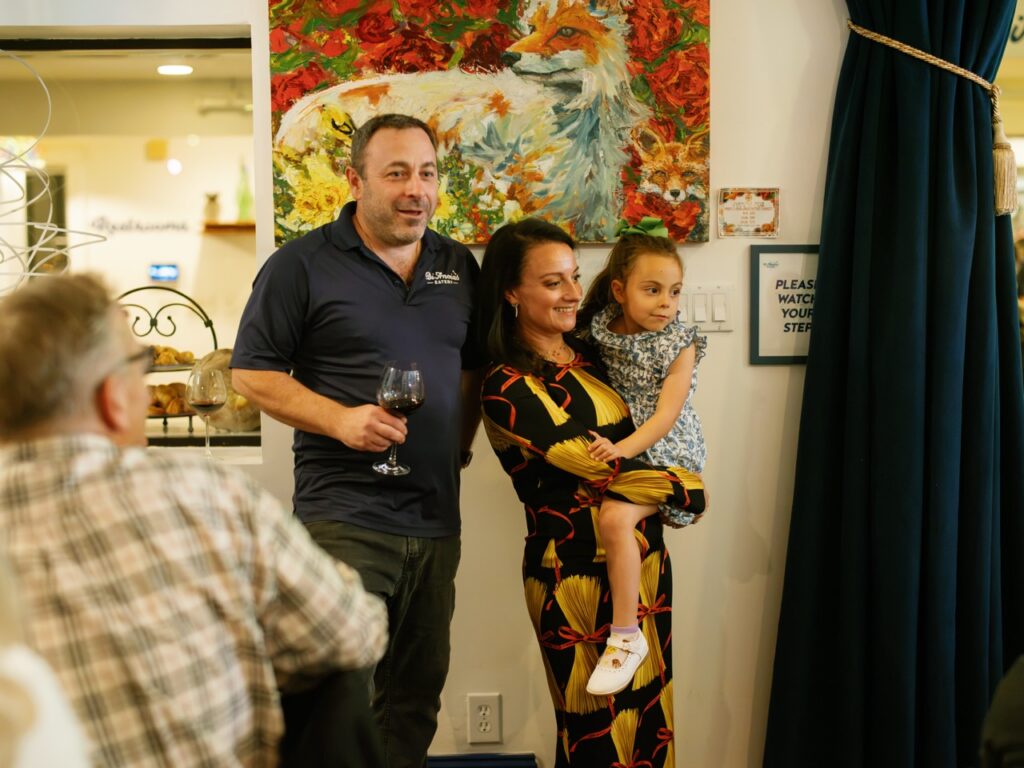
November 1, 2026, marked the exact 10-year anniversary of DiAnoia’s Eatery. Co-owners and co-founders Chef Dave Anoia and Aimee DiAndrea Anoia have build a restaurant that has become part of the fabric of the community. For Dave, seeing guests return year after year, celebrate milestones, and make DiAnoia’s part of their lives makes him all the more grateful for this milestone.
Celebrate 10 Years of DiAnoia’s Eatery
“This industry isn’t easy, and there have definitely been challenges along the way, but I’m really proud of what we’ve built,” he said ahead of the evening. “We’ve been fortunate to have an amazing team, a lot of people who have been with us for years — some from day one — and guests who have continued to support us since the beginning.”
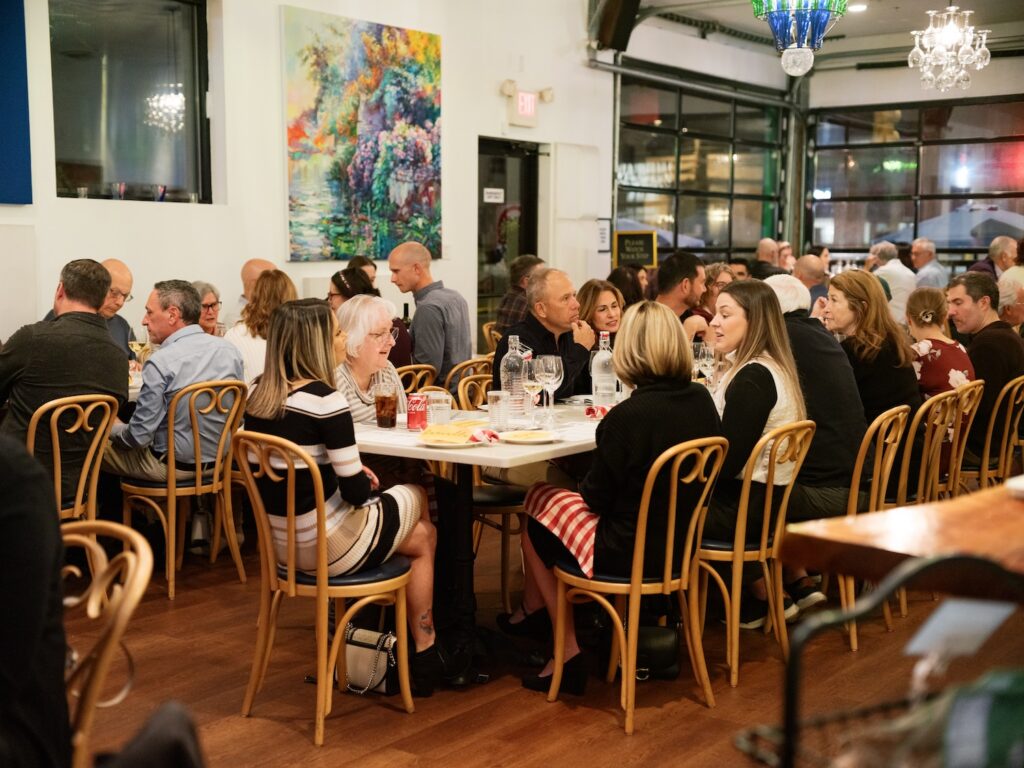
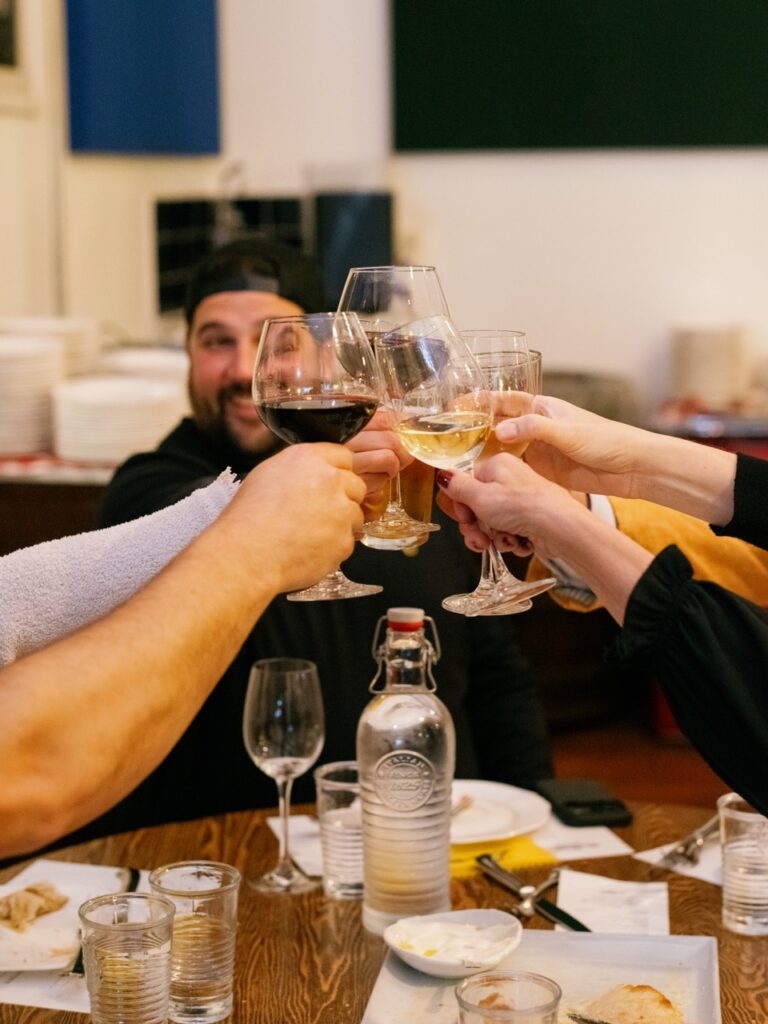
The entire restaurant space — dining room, bar and tables placed throughout both spaces — were filled with DiAnoia’s supporters new and old at a ticketed dinner Sunday celebrating a decade of DiAnoia’s Eatery.
Laura Phillips and Bryan Mills were two guests who had been there from the beginning, eating at the restaurant “at least two nights a week” before the birth of their child brought them out of Pittsburgh and into suburbia. A recent run-in with Dave and co-founder-owner Amy DiAndrea Anoia, who invited them to the event, brought them back.
“We’re so proud of Dave and Aimee,” Phillips said. “We started coming here as soon as it opened. The food can’t be beat; that’s why it’s been around for 10 years.”
Brett and Daniella Wilps used Sunday’s dinner as a chance to celebrate their anniversary. They got married at DiAnoia’s on October 12, 2018 in an intimate ceremony with family, friends and loved ones.
“It’s kind of surreal, honestly, [hearing them] talking about their anniversary and being here for our anniversary at the same time,” Brett Wilps said.
“We still love coming here,” Daniella Wilps added. “We still recommend it to anybody that comes to [Pittsburgh].”
A November Dinner Menu That Runs the DiAnoia’s Gambit
After a cocktail hour with a free seasonal spritz, tables of Sfincione squares, savory cornetti, a charcuterie spread of Italian meats and cheeses and passed apps of zingy branzino crudo and octopus salad, Anoia introduced longtime DiAnoia’s workers and those returning to celebrate — including veteran bartender Nicole Battle, longtime pastry chef Rachel Walton and opening general manager Heather Perkins, who helped choose the optional wine pairings for each course.
Perkins said it’s rewarding to be part of something that lives on past her tenure.
“I’ve worked a lot with these people,” she said. “It feels like family. Restaurants are so intimate, and you get to know people so quickly. To see people sticking through and making things come to light … it feels special.”
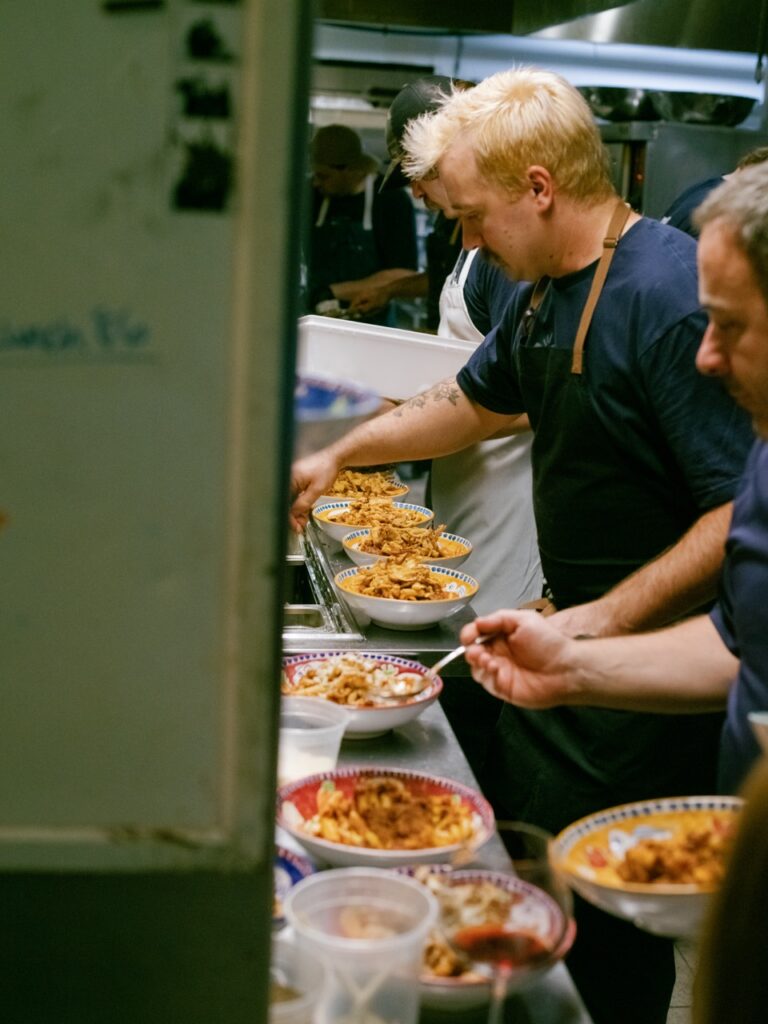
Then began the 18-dish family-style affair, separated into six courses that revisited past favorites and celebrated the eatery’s menu evolution.
“It’s been fun looking back at what we’ve created, remembering where some of the dishes started and bringing them together for one night,” Anoia said. “For our longtime guests, I think it’ll be a little nostalgic — and for newer guests, it’s a chance to experience some of the dishes they may have missed from the past.”
Fresh Italian Cuisine in Every Course
The antipasto course consisted of the restaurant’s celebrated fresh bread with whipped ricotta (always a hit at any DiAnoia’s visit), salty, chewy cooked provolone and pickled peppers; escarole, beans and sausage with chicken stock sopped up by any leftover bread; and a citrus fennel salad that was equal parts palate cleanser and digestif ahead of the three pasta courses.
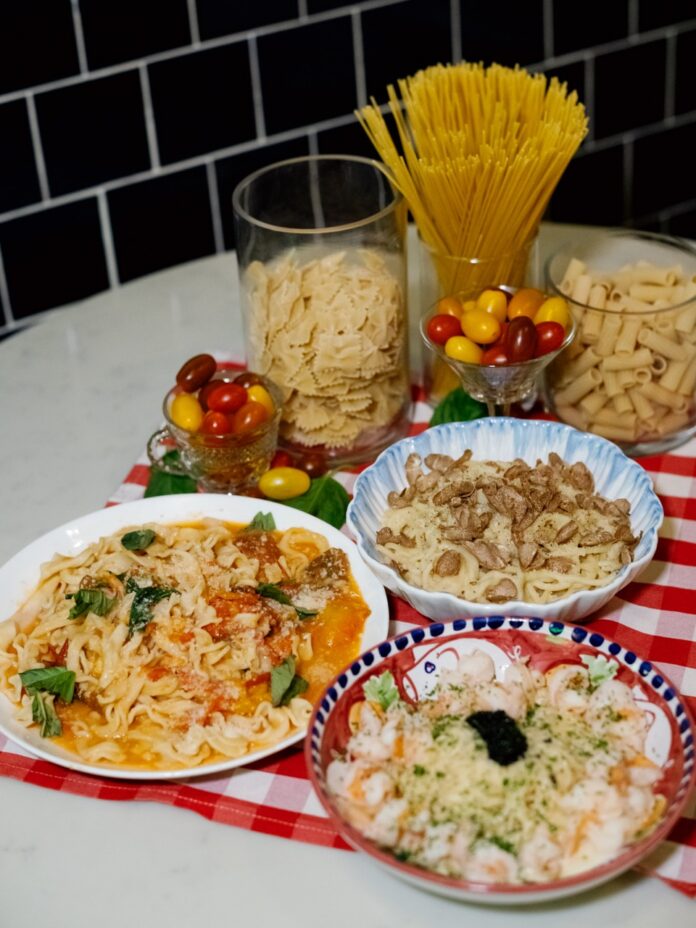
Pasta uno began with the restaurant’s cacio e pepe with Italian white truffles followed by a basil-forward heirloom tomato tripoline, rounded out by a shrimp al Limoni with Ossetra caviar that gave a salty bite to the lemony shrimp pasta.
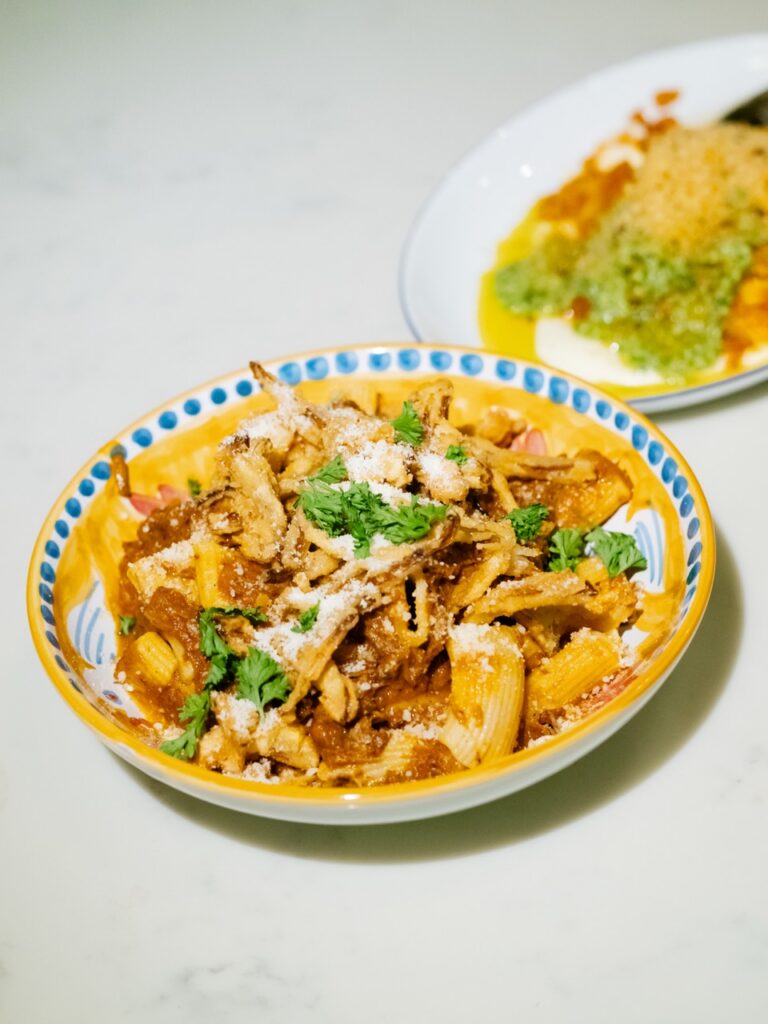
Pasta due included heartier pasta dishes, including a carrot bolognese lasagna tasty enough that you didn’t miss the meat; bucatini all’Amatriciana with guanciale and chili flakes; and rigatoni allo straccotto with tender, melt-in-your-mouth red wine-braised beef.
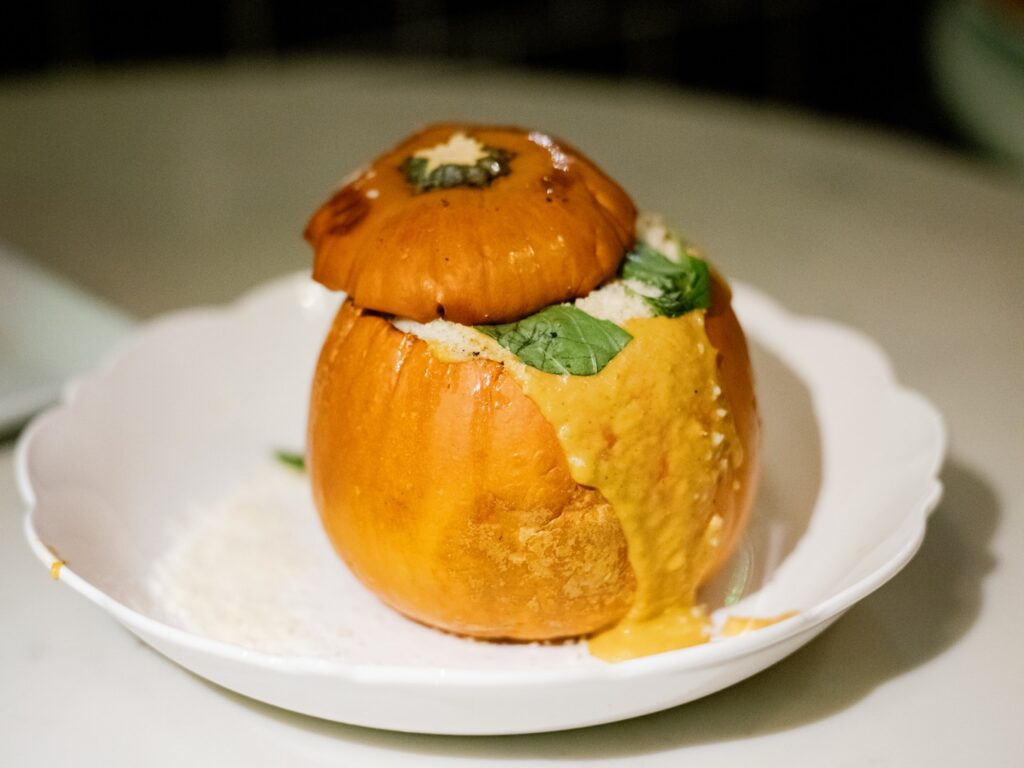
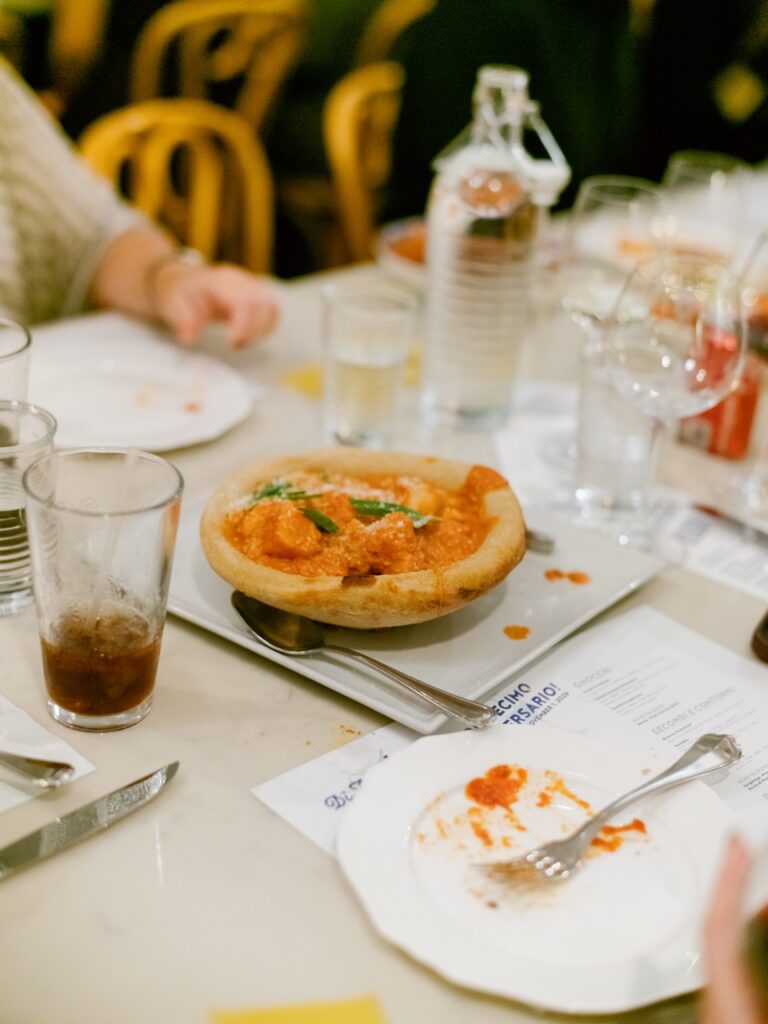
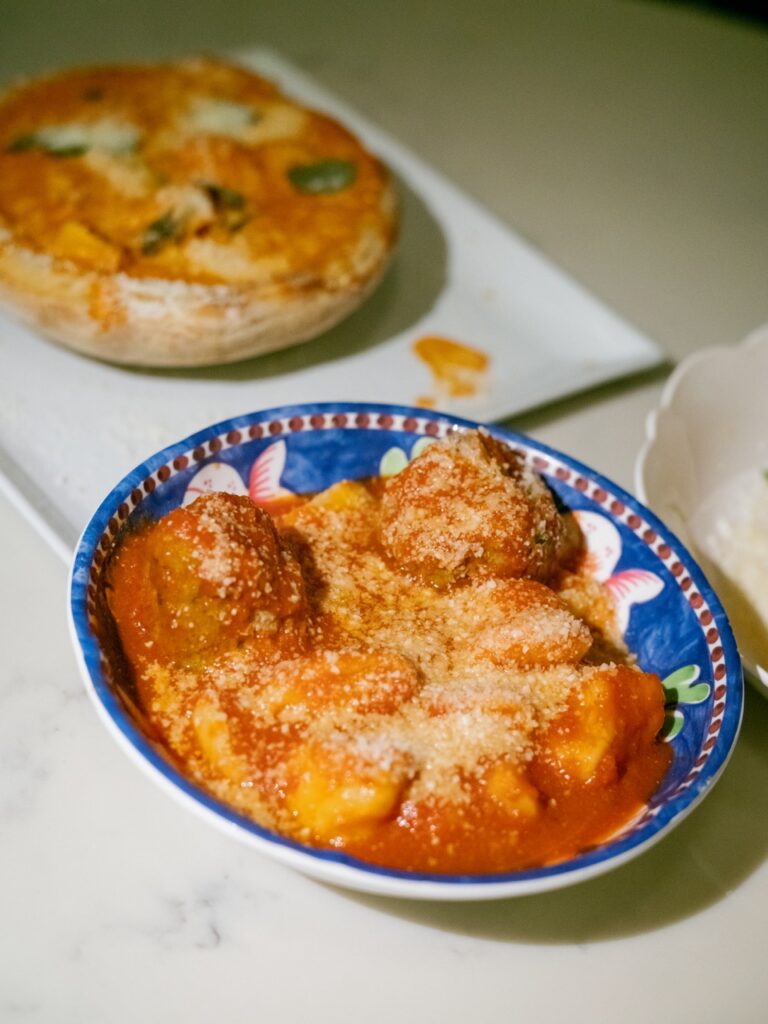
The carbs continued with the gnocchi course, with three different kinds of gnocchi served: The restaurant’s usual gnocchi & meatballs, gnocchi sorrentina bread bowl and a seasonal gnocchi pumpkin dish with gnocchi, pumpkin cream, mozzarella, and basil served in a roasted pumpkin. I tapped out at the gnocchi and meatballs, but wished I had more room for the pumpkin gnocchi.
Secondi e contorni was a meat-heavy course of bistecca fiorentina with crispy fried potatoes; porchetta with drippings and focaccia for dipping; branzino; Coyne Farm’s half chicken with salsa verde; and roasted cauliflower with ricotta, pine nuts, pesto and breadcrumbs — my favorite dish out of the protein-focused course.
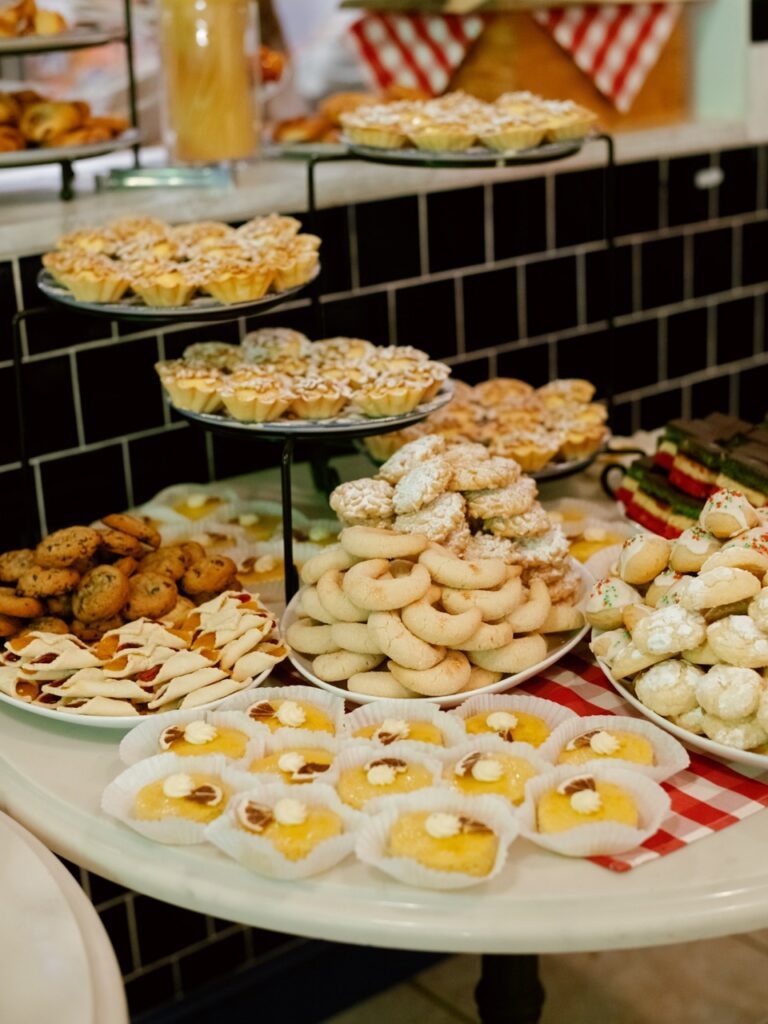
For the final dolce dessert course of assorted italian cookies and pastries, many guests, myself included, chose to pack the variety of sweets to-go after hours of back-to-back deliciousness.
How to Try the Menu for Yourself
Yesterday’s dinner isn’t the end of the decennial celebration. From November 3-8, DiAnoia’s will offer a three-course tasting menu of favorites: a first course of fresh bread with whipped ricotta, greens and savory, saucy beans (specifically, hot Italian sausage, cannellini beans, and escarole in chicken stock), and a fennel citrus salad; a second course of classic, pepper-y cacio e pepe, crowd-pleasing gnocchi with meatballs, tender guancia di manzo andshrimp al limon for the seafood lovers; and a dessert-course cookie sampler.
The three-course family style meal is $68 per person, but each item can be purchased a la carte in combination with DiAnoia’s full, regular menu.
Additionally, the DiAnoia’s pastry team is whipping up three sweet dessert specials for the month: a fig and strawberry balsamic cheesecake; St. Joseph’s cream puffs filled with luxurious custard; and a dense lemon olive oil cake.
We wholly recommend booking a reservation after getting a bite of the tasting menu and dessert offerings on Sunday.
And share DiAnoia’s this holiday season by picking up its Thanksgiving To-Go offerings at Pane è Pronto. Plus, explore the rest of Pittsburgh’s restaurant scene with our compete guide.
About the Author
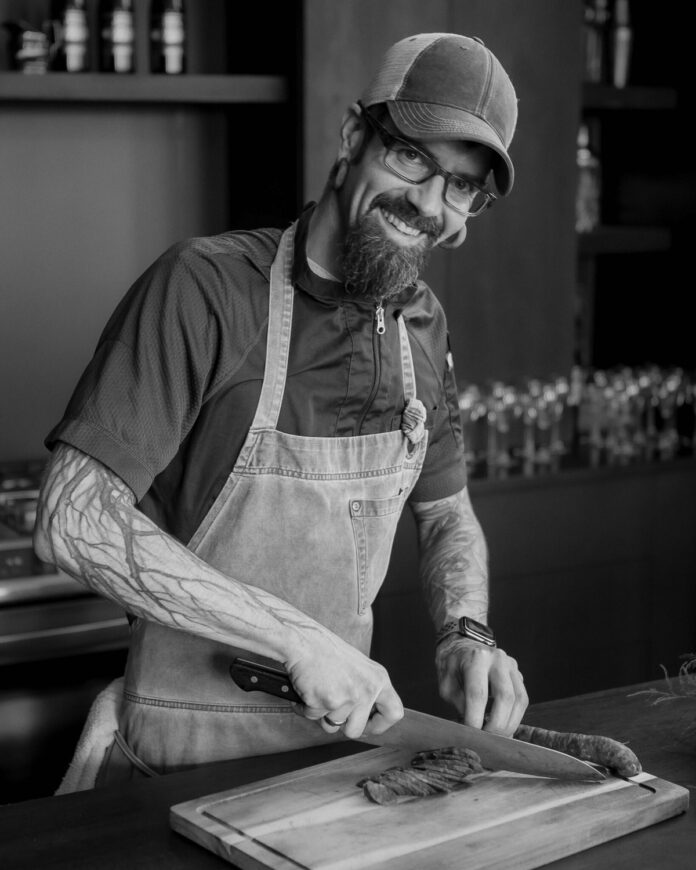
Amanda Reed has written for Popular Science, Pittsburgh Magazine, Pittsburgh City Paper, Very Local Pittsburgh, GearPatrol and TheStreet. Amanda earned the 2021 Ray Sprigle Best of Show Award from the Western Pennsylvania Press Club for a story on stressed-out college counseling centers. She lives in Bloomfield with JunkJunk, a handsome, sad-looking tuxedo cat who wants only wet food and attention.
Preparing Thanksgiving dinner and making tamales have a lot in common: both can involve a crowded kitchen, a bit of shared work, and a table big enough for everyone. Chef Kevin Hermann of brings the two together with these smoked turkey tamales, a holiday project that involves brining turkey breast before cooking it in the smoker. The turkey is then shredded and mixed with caramelized onions, cilantro, and salsa rojo. The mixture then gets spooned onto masa and wrapped in corn husks. The result tastes like Thanksgiving by way of Mexico and the Southwest United States, rich with smoke, chiles, and salsa.
KDKA’s 2026 Turkey Drive: Help us get to $1million in Greater Pittsburgh Community Food Bank Donations
Catch TABLE Magazine on Pittsburgh Today Live the first three Thursdays in for Turkey Desk tips, and to help KDKA and the Greater Pittsburgh Community Food Bank reach their $1 million Turkey Fund goal. Donate online or bring your donation to any PNC Bank branch location, with donation matching up to $100,000. You can also text KDTURKEY to 50155; or mail a check to KDKA Turkey Fund, P.O. Box Thanks, Pittsburgh, PA 15230.
Can I Use Leftover Turkey Instead of Smoked Turkey Breast?
Yes. The weekend after Thanksgiving is a perfect time for a tamale-making party. Use about 3 pounds of shredded roast turkey, ideally a mix of white and dark meat.
Simmer the roasted carcass to make stock. Add a minced chipotle and adobo to the filling for gentle smokiness. Leftover turkey is often already salted, so taste before seasoning.
No smoker? Roast the brined breast on a rack at 325°F until it reaches 165°F, for about 1½ to 2 hours, or set up a kettle or pellet grill for indirect heat with a few chunks of hickory or apple wood.
If you can’t find lard, vegetable shortening works cup for cup and whips up just as light, though lard gives the masa a more savory flavor.
What Are Tamales?
Tamales are a traditional Mexican dish made from masa, a dough made from masa harina (dried corn kernel flour), lard, and seasonings. The masa is then spread on a corn husk and filled with various ingredients (shredded chicken, pork in red or green chile, beef, or cheese and peppers in savory versions; sweet versions are filled with fruit or chocolate) before being wrapped and steamed.
This savory tamales recipe uses brined and smoked turkey breast for a spicy, untraditional take on a classic, filling dish.
Why Are My Tamales Dense or Mushy?
Dense, heavy tamales almost always trace back to the masa. Whip the lard until it’s truly white, beat the masa for the full five minutes, and don’t skip the float test. If the masa sinks, keep beating. Masa that’s too stiff also steams up heavy, so loosen it with warm broth.
Mushy or soggy tamales usually mean they were undercooked or water reached the husks. Stand them upright with the open end up, keep the simmering water below the steamer basket, and try one at 90 minutes. If the husk doesn’t pull away cleanly, steam for more 15 minutes and test again. Tamales also firm up as they sit, so give them the full 20-minute rest before you judge their doneness.
Can I Make Tamales Ahead and Freeze Them?
Absolutely. Spreading the work over a few days makes it far more manageable, too. Brine the turkey two days ahead of time and smoke it the following morning. The salsa verde and salsa roja keep for up to four days when covered and refrigerated, though the pico de gallo is best made the day you serve it. Assembled, uncooked tamales can rest in the refrigerator overnight before steaming.
Freeze cooked tamales for up to three months. Leave them in their husks and pack them completely cooled in freezer bags with the air pressed out. Steam them straight from frozen for about 25 to 30 minutes, or until hot in the center. Refrigerated tamales keep for three to four days and reheat in about 15 minutes of steaming.
Can I Make Tamales in an Instant Pot?
Yes, in batches. Pour 1½ cups of water into the pot, set the trivet or a steamer basket inside, and stand the tamales upright, open end up. Cook on high pressure for 25 minutes, followed by a 15-minute natural release. A 6-quart pot holds about 12, so plan on two rounds.
What Can I Serve With Smoked Turkey Tamales?
Serve these tamales as an appetizer ahead of your meal. If you’re using leftover turkey to make these tamales, consider serving it alongside our Gluten-Free Leftover Turkey Enchiladas Verde Casserole to make the most out of your holiday bird.
If you’re looking for another side dish, consider this Green Chile Mac and Cheese by James Beard Award winner, Cheryl Alters Jamison.
For a nod to tradition, stir minced jalapeño and cilantro into cranberry relish for a sweet-tart salsa. To drink, pour a cold Mexican lager, a classic margarita, or a fruity Zinfandel.
Tips for Recipe Success
Taste the filling before you salt. The turkey is brined, so season the filling only after tasting it.
Spread the masa thin. Masa puffs as it steams. A thin, even layer keeps the tamales tender and gives the filling room.
Mind the water. Drop a coin into the bottom of the steamer. When it stops rattling, the water is low and it’s time to add more hot water.
Toast chiles gently. A few seconds per side is plenty. Burnt chiles make for a bitter salsa roja.
Brined, smoked turkey breast with caramelized onions and cilantro, turned into tamales and served with three kinds of salsa: salsa verde, salsa roja, and pico de gallo.
Ingredients
Scale
For the smoked turkey:
1 gallon water
2 cups Diamond Crystal kosher salt
1 cup sugar
1 tbsp coriander
1 tbsp ancho chile flakes
2 lbs ice
1 (5-lb) boneless, skin-on turkey breast
For the tamales:
36 dried corn husks
6 cups low-sodium turkey stock
Reserved turkey skin and trimmings
3 lbs smoked turkey (from above)
2 cups caramelized onions
1 cup Salsa Roja
½ cup chopped cilantro
Salt and black pepper, to taste
2 cups lard
6 cups masa harina for tamales
2 tsp baking powder
2 tbsp Diamond Crystal kosher salt
For the salsa verde:
1½ lb tomatillos, husked and rinsed
2 serrano chiles, stemmed
½ white onion, cut into wedges
2 garlic cloves, unpeeled
½ bunch cilantro
Juice of 1 lime
1½ tsp Diamond Crystal kosher salt
For the salsa roja:
6 guajillo chiles, stemmed and seeded
2 ancho chiles, stemmed and seeded
4 chiles de árbol, stemmed
5 Roma tomatoes
½ white onion, cut into wedges
4 garlic cloves, unpeeled
½ tsp ground cumin
½ tsp Mexican oregano
1 tbsp lard
2 tsp Diamond Crystal kosher salt
For the pico de gallo:
6 Roma tomatoes, finely diced
½ white onion, finely diced
2 jalapeños, seeded and minced
½ bunch cilantro, chopped
Juice of 2 limes
1 tsp Diamond Crystal kosher salt
Instructions
Smoke the turkey:
Bring the water, salt, sugar, coriander, and ancho chile flakes to a simmer for 3 minutes. Cool to room temperature.
Pour the brine into a container large enough to hold the turkey breast. Add the ice and stir until the brine is chilled. Add the turkey into the chilled brine, cover, and refrigerate for 12 to 24 hours.
Remove the turkey from the brine, pat dry, and set on a resting rack.
Fire up smoker smoker to 245°F. Smoke the turkey with a probe thermometer inserted until it reaches 140°F.
Raise the smoker temperature to 265°F and continue smoking until the turkey reaches 165°F.
Remove turkey from the smoker and let cool. Reserve the skin and any trimmings for the tamale broth.
Make the salsa roja:
Toast the chiles on a dry comal or cast-iron pan over medium heat, 15 to 30 seconds per side, until fragrant. Do not let them burn or the salsa will turn bitter.
Cover the chiles with hot water and soak 20 minutes, until soft. Reserve 1 cup of the soaking liquid.
Roast the tomatoes, onion, and garlic in the same pan, turning, about 10 minutes, until charred in spots. Peel the garlic.
Blend the chiles, reserved soaking liquid, tomatoes, onion, garlic, cumin, and oregano until smooth. Strain through a fine sieve.
Heat the lard in a saucepan over medium-high heat. Carefully pour in the salsa (it will splatter) and simmer for 10 minutes, until darkened and slightly thickened.
Season with salt. Reserve 1 cup for the tamale filling and serve the rest warm or at room temperature.
Make the tamales:
Soak the corn husks in hot water for 30 minutes, weighted down with a plate, until soft and pliable.
Simmer the turkey stock with the reserved skin and trimmings for 20 minutes. Strain and keep the broth warm.
Shred the turkey. Fold in the caramelized onions, 1 cup Salsa Roja, and cilantro. Taste before seasoning, since the turkey is brined, then season with salt and pepper. If the filling is dry, moisten with a splash of warm broth.
Whip the lard in a stand mixer fitted with the paddle on medium-high for 3 minutes, until white and fluffy.
Mix the masa harina, baking powder, and salt. Add 4½ cups of the warm broth and mix by hand into a soft dough. Rest 10 minutes.
With the mixer on medium, add the masa to the lard a handful at a time. Beat 5 minutes, until light and spreadable, like thick hummus, adding more broth a little at a time if stiff.
Drop ½ teaspoon of masa into a glass of cold water. If it floats, it’s ready. If it sinks, beat 2 minutes more and test again. Taste and adjust the salt; the masa should taste well seasoned.
Drain the husks and pat dry. Lay a husk smooth side up with the wide end toward you. Spread about 3 ounces (⅓ cup) of masa in a thin, even layer over the wide end, leaving a 1-inch border on one long side and the narrow tail bare.
Spoon about 3 ounces of turkey filling down the center of the masa. Bring the long sides together so the masa wraps the filling, roll closed, and fold the narrow tail underneath.
Stand the tamales upright, open end up, in a steamer, packed snugly. Cover with extra husks, a damp towel, and a tight lid or foil.
Steam over simmering water for 1½ hours, adding hot water as needed so the pot never runs dry.
Test one tamale. It’s done when the husk pulls away cleanly from the masa. Turn off the heat and let the tamales rest in the steamer for 20 minutes to firm up.
Serve with Salsa Verde, Salsa Roja, and Pico de Gallo.
Make the salsa verde:
Roast the tomatillos, serranos, onion, and garlic on a hot comal or cast-iron pan, or under the broiler, turning, 10 to 12 minutes, until blistered and the tomatillos are soft.
Peel the garlic. Blend everything with the cilantro and lime juice until mostly smooth with a little texture.
Season with salt. Cool before serving.
Make the pico de gallo:
Combine the tomatoes, onion, jalapeños, and cilantro.
Add the lime juice and salt and toss. Rest 15 minutes, then drain off excess liquid.
Serve the same day.
Notes
No smoker: Roast the brined breast on a rack at 325°F until it reaches 165°F, about 1½ to 2 hours.
Leftover turkey: Substitute 3 pounds shredded roast turkey and simmer the stock with the carcass instead of the skin.
Lard substitute: Vegetable shortening works cup for cup.
Make ahead: Refrigerate salsa verde and salsa roja for up to 4 days. Freeze cooked tamales for up to 3 months; steam from frozen for 25 to 30 minutes.
The election season can be a time full of stress. Tensions can run high and it can bring out the worst in people regardless of political affiliation. We have three cocktails for you, and some healthy living guides, to make sure that you’re feeling your best and keeping your stress levels low.
Here’s TABLE‘s nonpartisan guide to keeping calm, from the morning you head to the polls to the moment you finally turn off the TV.
When Are the 2026 Midterm Elections?
On Tuesday, November 3, 2026, voters across the country will choose all 435 members of the U.S. House and 35 senators, along with governors, state legislators, judges, and local leaders. Close races can mean long nights of refreshing results, with the suspense taking a toll on sleep, digestion, and mood.
The good news is that a little planning and a few soothing rituals go a long way.
How Can I Make Election Day Less Stressful?
Start by taking the guesswork out of voting. Confirm your registration, polling place, and hours, and check your state’s rules on mail ballots and ID at vote.gov, which links to every state’s official election office. Decide when you’ll vote and how you’ll get there, and pack water and a snack in case of a line.
Then set boundaries for the evening. Pick one or two trusted news sources, check results at set times instead of refreshing all night, and mute notifications if you need to. Results in close races can take days to call, so remind yourself that you don’t need to know everything by bedtime. A walk outside, a hot bath, a favorite movie, or dinner with people who make you laugh can help, no matter who you’re rooting for.
How Do You Naturally Settle an Upset Stomach?
Stress and the gut are closely connected, so it’s no surprise that anxiety can show up with nausea or cramping. A few simple remedies can bring relief if you’re looking to naturally settle an upset stomach on Election Day:
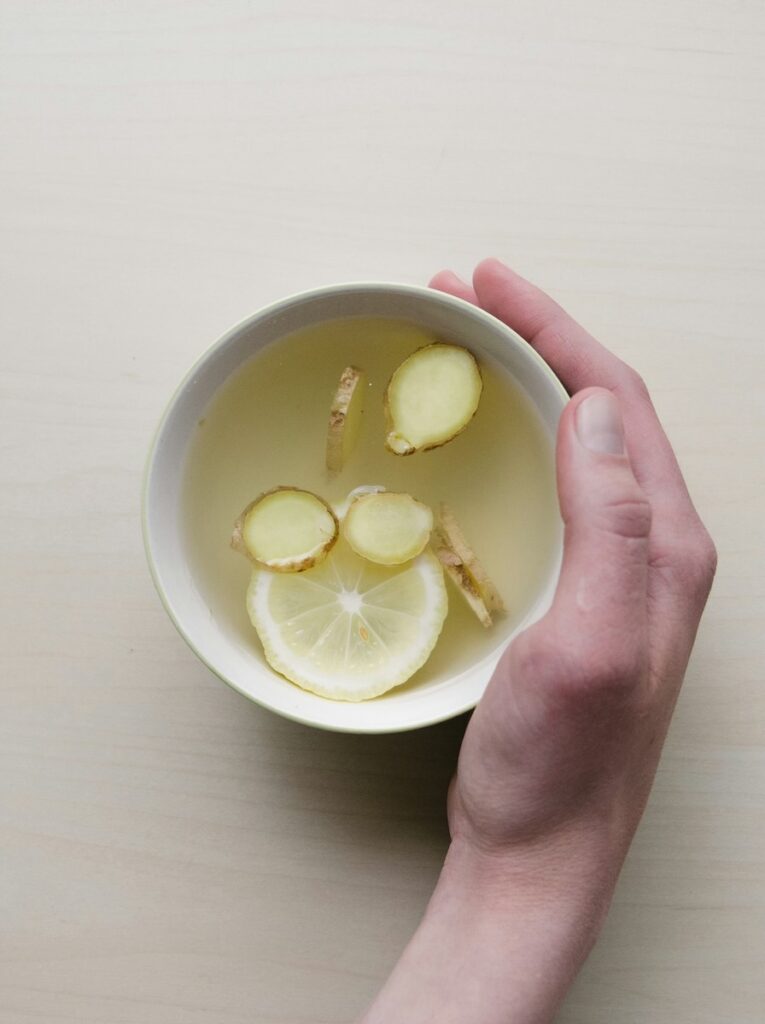
Ginger: Ginger has been studied for nausea relief. Sip ginger tea with honey and lemon, or try ginger chews or capsules.
Bland foods: Bananas, rice, applesauce, toast, saltines, and oatmeal are easy on the stomach. Skip spicy, greasy, very sugary, and citrus-heavy foods for the day.
Hydration: Drink plenty of water and/or an electrolyte drink.
Heat: A heating pad, a warm bath, or a hot cup of tea can relax tense muscles. Use a heating pad for 15 to 20 minutes at a time.
Fermented foods: Yogurt, kefir, sauerkraut, kimchi, and kombucha can support digestion over time.
Peppermint: Peppermint tea can be soothing, but use peppermint oil sparingly.
These remedies are for occasional, mild symptoms. If stomach trouble is severe or doesn’t go away, check in with a doctor.
Photo Courtesy of The Tea Spot
What Helps You Sleep on Election Night?
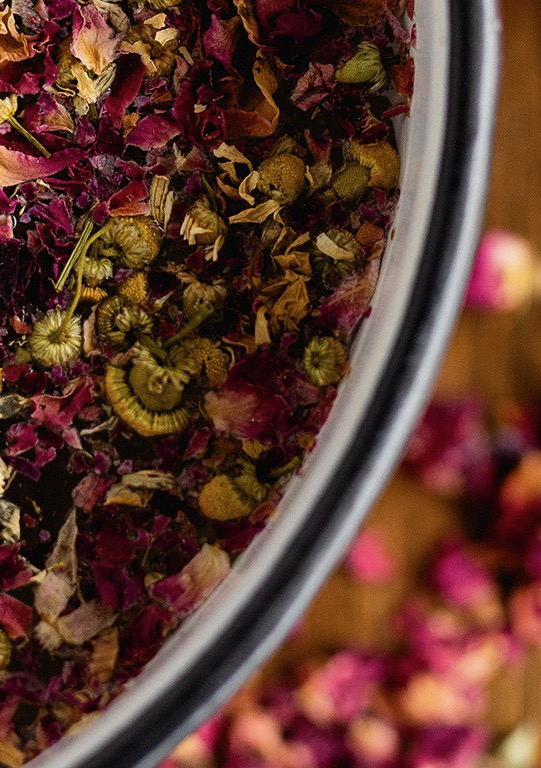
Falling asleep after a big night can be tough. Instead of doomscrolling in bed, set a cutoff time for screens and brew a cup of caffeine-free herbal tea. These natural sleep aids for election day anxiety are made of calming herbs, often called nervines, and can help you wind down after a stressful night. Look for chamomile, which is best sipped about 30 minutes before bed, along with lemon balm, valerian, hops, passionflower, and skullcap.
Teas worth trying include The Tea Spot’s Lights Out, Boulder Dushanbe Tea House’s Sleep Deep, and Triple Moon Alchemy’s Good Night Tea Blend. If you take medication, are pregnant, or have a health condition, ask your doctor before trying herbal supplements or tinctures.
Which Cocktails Should I Serve on Election Night?
A drink can be a fun part of an election watch party, as long as you sip in moderation, since alcohol can disrupt sleep and upset a nervous stomach.
The Margin of ErrorThe Ballot BoxThe He Said/She Said
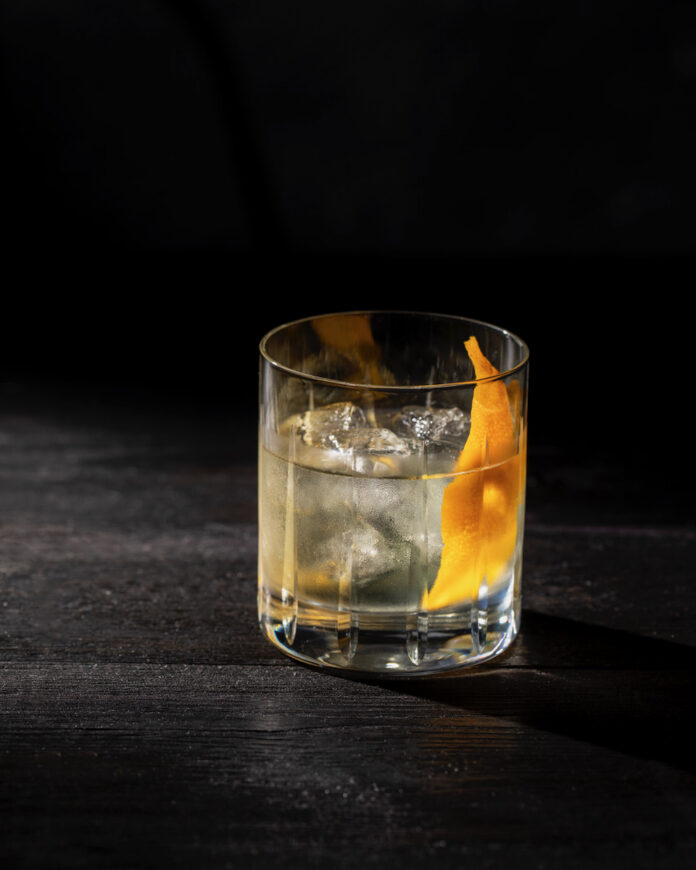
The Margin of Error: A forgiving two-ingredient highball of whiskey and elderflower liqueur topped with seltzer.
The Ballot Box: A clear, silky, milk-clarified whiskey sour you can batch days ahead.
The He Said/She Said: One recipe, two colors: red with Campari and blue with blue curaçao. Created for the 2024 Presidential election, this recipe works no matter which way you vote.
Not drinking? Each recipe includes a zero-proof swap, and a glass of sparkling water with a splash of elderflower syrup and lemon is just as festive.
What Can I Serve at an Election Watch Party?
Keep the food easy to graze on so no one is stuck in the kitchen during the big moments.
Emma Riva is an art writer, author, and curator originally from New York who lives on Pittsburgh’s South Side. She founded Petrichor, a Pittsburgh art magazine, has served as managing editor of UP Magazine, and writes about food, drink, and wellness for TABLE. Read more of her work at TABLE.