The Full Moon of August 28 falls in early Pisces, forming this month’s horoscope. It’s the sign that closes the circle of the zodiac and dissolves the edges between years. Pisces is pictured as two fish tied at the tail, each swimming a different way. The cord binds them without pulling them into agreement; they strain against each other, and the sign’s whole difficulty is that satisfying one fish leaves the other wanting. Imagine water with no firm bank, or currents that run in several directions at once.
Traditional astrology gives Pisces to everything shaped by water: fishponds and rivers, harbors and coastlines, the maritime trades that carry goods where roads can’t reach. It is the sign of both benefics, home to Jupiter and the exaltation of Venus, so its instinct is to soften conditions rather than sharpen them. Left to itself, Pisces is fertile and forgiving. Under strain it turns to confusion and loss.
That double character matters this month, because the Full Moon here is a lunar eclipse, and an eclipse is where the softening sign meets themes of elimination. Carry the image of the two fish as you read on: pulled in different directions, bound anyway, asked to move without being able to see the far shore.
Deborah Houlding’s Pisces overview at Skyscript takes the two-fish image further than a column allows. She treats the binding cord as a force that works against resolve, the divided motion that makes commitment hard for this sign. It’s worth reading if the sense of being pulled two ways is yours this month.
What’s Happening in August’s Astrological Calendar?
A Lunar Eclipse in Pisces, and Working With the Earth’s Shadow
Visually, an eclipse looks like something being covered or hidden, darkened temporarily. Across most of astrology’s history it has signaled endings and removals, after which whatever depended on the missing piece begins to come apart. That reputation is old and consistent, and but we don’t have to let it tip us into dread. Eclipses come four, sometimes five times a year, yet on a personal level they are meant to be rare. Their force concentrates on a narrow band of degrees rather than washing over an entire sign.
Most astrologers put the reach of an eclipse at two to five degrees on either side of the degree where it falls, which here means the fourth and fifth degrees of Pisces, and will impact those born earliest in Pisces season. But eclipses are visual events in the sky, and the sky doesn’t stop at the sign boundary. Because this one sits in the very first degrees of Pisces, people born at the tail end of Aquarius season, or with the last degrees of that sign rising or hosting their Moon, are likely to feel it too.
What’s Special About a Lunar Eclipse?
Lunar eclipses work differently from solar ones. A lunar eclipse is diffusive: its effect spreads out rather than striking a single target. The heartbreak it brings is shared, passed around a community; it is rare to go through one alone.
There is a cost to that and a mercy in it. The cost is that misery keeps company. Commiseration can pull people into the same low place and keep them there a little too long, a little too deep. The mercy is that the same shared quality makes the wound shorter-lived. A community that grieves together also recovers together, and the ones who have already been through it know how to walk the rest of us through.
In Pisces, the sign of both benefics, a hard transit tends to disturb the peace and strip away a protection or a comfort that had been relied on (and, perhaps, taken for granted). This is a water sign, so its troubles come by water. Expect the conversation about water – conservation, drought, access – to stay live at home and abroad. It could reopen pressure around the Strait of Hormuz. And because both the Sun and Moon lean toward Mars in Cancer, it may stir fresh conflict in that region. We will have to wait and see.
What to Take Away From August’s Lunar Eclipse
Here is the other half of it, the part worth carrying forward. This is a North Node eclipse, the node that pulls toward growth rather than release. Jupiter, the old ruler of Pisces, is keeping a close trine to Saturn, which means support arriving for the very structures Saturn has been grinding on for years.
Venus and Jupiter were in sextile only days ago, the two benefics still within reach of each other. Put those together and the eclipse becomes useful to anyone standing at the edge of a large change, like a move into territory they can’t yet map, one that separates them from something familiar so they can choose something different and new.
If that is your position this month, the astrology favors the crossing, provided you make it in the manner of the benefics. That means moving thoughtfully and graciously, forgiving where you can, keeping faith that what breaks in one place may one day be rebuilt. Step across in that spirit and this configuration promises you the far bank on every path you were hoping to reach.
Mars Square Saturn: Force Meeting a Wall
Mars in Cancer is closing in on a square to Saturn in Aries, retrograde. This is the aspect of drive against limit, the feeling of pushing hard on something that won’t move on your schedule. Mars is the planet of contest, of pressure and heat and the impulse to act. Saturn is the planet of containment. Put them at odds with each other you get frustration and false starts.
The pressure is workable, though probably not by forcing it. Saturn rewards the person who adjusts expectations and paces their efforts, sending the leftover energy somewhere useful. Notice that Saturn plays two parts this month, squared by Mars here and supported by Jupiter’s trine in the eclipse. The same planet leaning on you from one side is braced from the other, making the whole thing less dramatic than it has to be otherwise.
Mercury Conjunct the Sun: A Clean Slate for the Mind
Mercury has come to the same degree as the Sun in Virgo, the sign it rules and is exalted in, about as clear and precise as Mercury gets. A conjunction like this reads as the start of a new cycle in thinking and speaking: the old mental loop closes and a fresh one opens, and because it happens in sober, exacting Virgo, the reset arrives in a way that’s level-headed and measured. This is a strong window for decisions that depend on clear sight.
The Moon Conjunct Fomalhaut, the Mouth of the Southern Fish
The eclipse Moon sits within a degree of Fomalhaut, one of the four Royal Stars the Persians set as guardians of the sky in ancient history. Fomalhaut kept the southern watch, once the star of the winter solstice. It’s the mouth of the Southern Fish that drinks the water poured out by Aquarius above it. Its reputation is mixed: it grants sharp perception and artistry, a success far beyond what a person’s circumstances would predict, and in the same breath it carries the threat of disaster on a grand scale, a loss so total, in Robson’s phrase, that it forces a “change from a material to a spiritual form of expression.” When the only ground left is the world within, that is Fomalhaut’s country.
With the Moon on the star and Mercury strong in Virgo, the old texts turn hopeful. Fomalhaut here favors the work done out of sight until it’s finished, shown only to the people it’s meant for: “secret business causing much trouble and enmity, but eventual gain after many difficulties.” It sharpens the eclipse’s double edge, the promise folded into the vulnerability.
The full star lore sits at Constellations of Words, including Fomalhaut’s older names and the reasons the tradition counts it among the sky’s four great watchers. Go there if you want the mythology behind the promise rather than only its verdict.
Seasonal Guidance for Your Zodiac Sign – Late Summer
Late summer marks a shift in the seasonal balance: the heat is beginning to ease and the dry quality of the season persists, pointing toward autumn’s cool and dry character. Physical reserves tend to be high after a full summer, and most people find appetite returning as the heat breaks. Sleep tends to improve. This is a stretch worth drawing on before the cooler months arrive.
These suggestions are drawn from an ancient tradition of thinking about how the body’s constitution responds to seasonal change. They’re offered for consideration, not as rules to follow to the letter – take what applies to your circumstances and leave the rest. To learn more about the theory behind this guidance, see Medieval Temperaments, an article by astrologer Ryhan Butler.
Fire Signs – Aries, Leo, Sagittarius
The easing heat is welcome, but don’t rush to reclaim what summer suppressed. Appetite is returning; move the diet back toward more nourishing, substantive meals. Exercise can become more vigorous again, but build it back incrementally – the body needs a few weeks before it’s ready for full effort after the heat’s managed restraint. Sleep tends to improve as the heat breaks; take advantage of it. Social and emotional tension from summer tends to ease around this time.
Earth Signs – Capricorn, Taurus, Virgo
Late summer is a transition worth paying attention to for your constitution. The season is shifting back toward cool and dry – your native qualities – and summer’s warming benefits are beginning to withdraw. Start introducing more warming, nourishing foods before the cool is obvious: soups, root vegetables as they arrive, more protein. Keep the exercise routine going as summer’s energy fades; the tendency toward heaviness and low mood that cooler months bring can start to creep back in around this time, and staying active is the most effective counter.
Air Signs – Libra, Aquarius, Gemini
The shift toward autumn begins to work in your favor. Appetite returns more fully; meals can become more substantial. Energy steadies, and the impulsiveness and changeability that peaked in spring tend to settle considerably around this time – worth drawing on for anything requiring follow-through, including more sustained physical effort.
Water Signs – Cancer, Scorpio, Pisces
Your constitution is at its best in terms of reserves and capability, and this stretch is worth using deliberately. Begin preparing for autumn’s cooling by introducing more nourishing foods alongside the season’s fresh produce. Keep exercise vigorous while the conditions support it. Emotional stability tends to remain good through late summer; draw on that clarity for anything requiring resolution or sustained effort.
Sabian Symbol for 5° Pisces: A Church Bazaar
Picture tables in a parish hall, home-made jams and cakes, donated bric-a-brac, a raffle, a collection tin filling by small increments. Nobody’s contribution is large. The point is that they add up, modest offerings pooled until they amount to something that helps a neighbor who needs it.
For an eclipse that takes things away, this is a pointed image. It asks what you’re willing to put into the common pot when your own supply feels short. The symbol’s warmth is in the picture of contributing to your community. Its shadow is the opposite: hoarding, pricing every favor, undervaluing what’s offered because it didn’t come with a receipt, fussing over pennies while the larger good goes unfunded.
The practical question for late August and early September: where does a small, unglamorous contribution of your time or resources do more good than keeping it back? The bazaar rewards the people who bring something to the table, however small each contribution.
Linda Hill has written more on this degree than anyone working today. Her treatment of “a church bazaar” runs through the questions of worth and exchange the symbol raises, and why the small transaction carries more weight than its size suggests. It’s worth a visit if this degree sits on a sensitive point in your own chart.
What Might August’s Lunar Eclipse in Pisces Mean for Your Zodiac Sign?
The themes of this lunar eclipse will play out differently depending on where 4° Pisces falls in your chart. What follows offers sign-by-sign guidance for working with the weeks ahead. For a more detailed picture of how this lunation engages your own chart, a consultation with a professional astrologer can help clarify what is personal and what is simply passing through.
Want to see a professional astrologer? I offer birth chart consultations that explore dominant life themes through your present circumstances – whether you’re looking to align your actions with what’s ahead, get a sense of near- and mid-term timing, or simply understand your chart more deeply. Get a sense of what we can accomplish together.
What Does August 2026’s Full Moon in Pisces Mean for Your Zodiac Sign’s Horoscope?
Aries
The long work of rebuilding who you are has been Saturn’s project for a while, and it’s grinding, but a supporting trine from Jupiter lightens it for a few weeks, and confidence returns to a self-image that’s felt under construction. Meanwhile the pressure has shifted to your household: Mars is stirring activity and friction at home, pushing you to defend your base or overhaul it. Keep the drive aimed at the renovation and off the people sharing the walls with you.
Explore the perfect menu for Aries.
Taurus
Your friendships and the hopes you share with a group are where this eclipse lands, and because it subtracts, a membership or a shared dream may quietly close. It won’t feel solitary; an ending like this is felt across a whole circle at once, mourned in company. The counterweight is bright: the Sun lights up romance and play, the pleasure of being seen, giving you somewhere personal to pour the feeling. The creative outlet can carry what the collective no longer will.
Explore the perfect menu for Taurus.
Gemini
A career or reputation chapter reaches an emotional turning point, and with the eclipse in your house of public standing, it plays out where people can see it: a role may end or change shape. Underneath the visible shift, your thinking is resetting toward home and roots, as Mercury meets the Sun and opens a sober new cycle of planning around where and how you live. Steady private ground is what lets you meet the public turn without overreacting to every swing of it.
Explore the perfect menu for Gemini.
Cancer
The long climb in your working life is at a reckoning. Saturn has been testing your standing for years, and you’re near the point where the effort either pays off or presents its bill. A trine from Jupiter tilts the timing kinder than it’s been. With Mars in your own sign you’ve got drive to spare and the nerve to push; the trick is aiming it. Point the energy at the summit in front of you, not at the first person who slows you down.
Explore the perfect menu for Cancer.
Leo
Jupiter has entered your sign, and with it a season of expansion. Doors open and appetite returns, and you feel larger than you did in spring, readier to be seen and to take up room. The steadying note comes from Mercury meeting the Sun in your house of money and resources: a level-headed reset on income and on what you’re worth. Grow into the bigger room Jupiter is offering, but count the cost as you go. Optimism wears better when there’s arithmetic under it.
Explore the perfect menu for Leo.
Virgo
You get the cleanest reset in the zodiac this month: Mercury, home and exalted in your sign, meets the Sun and hands you a sharp, clear sense of how you think and how you come across. At the same time the eclipse pulls the emotional weather into your closest partnerships, where a relationship may reach an ending or a turn. The pairing is the gift; meet the partnership shift with the level head Mercury is handing you, and keep a Full Moon’s reactivity at arm’s length.
Explore the perfect menu for Virgo.
Libra
Ambition is loud this month, and it’s pointed upward: Mars energizes your working life and your push for recognition, though it can just as easily spark a clash with someone above you. Measured beats impulsive here. Below the surface, a long test of your partnerships continues, as Saturn weighs which ones are worth keeping, and a trine from Jupiter brings welcome support to that assessment. Commitments that have earned their place deepen; the ones that haven’t may reach their end.
Explore the perfect menu for Libra.
Scorpio
Your energy is out in the world this month, moving among your people: the Sun draws you toward friendships and groups, toward a shared cause worth organizing around. Running alongside it, Mars fires up the hunger for something bigger – a course of study, a journey, a conviction you want to argue for. Good conditions for building alliances around a belief. The one caution is heat: with Mars in your house of conviction, you can defend an idea harder than the moment calls for.
Explore the perfect menu for Scorpio.
Sagittarius
A long, heavy stretch around creativity, romance, or the things you do for joy has been Saturn’s doing, and a trine from Jupiter is finally lifting some of that weight, reopening pleasure where it’s been rationed. At the same time Mercury meets the Sun in your house of career, sharpening how you present in public into something clear and authoritative. Say the serious professional thing plainly, and welcome the play back into the parts of life Saturn had put on a budget.
Explore the perfect menu for Sagittarius.
Capricorn
Partners and adversaries are turned up loud: Mars in your house of relationships brings passion and friction both, and it can sharpen a disagreement into open conflict or a legal edge. Meet it with words rather than force. At home, meanwhile, a long structural strain – Saturn on your foundations, family duty, a place that needs sorting – gets a steadying trine from Jupiter. Use the firmer ground under you to resolve what the relationships stir up, instead of carrying it back to the family.
Explore the perfect menu for Capricorn.
Aquarius
Partnership is where the good arrives this month: Jupiter in your house of one-to-one relating tends to bring a generous, expansive person into your orbit, or deepen a bond that’s already there. Widening the frame, Venus sits strong in your house of horizons, drawing pleasure from travel and foreign places, from ideas that stretch you and people who come from somewhere else. The invitation worth saying yes to is the one that broadens you, through a person, a distance, or a way of seeing you hadn’t considered.
Explore the perfect menu for Aquarius.
Pisces
The eclipse falls on you – on your body, your face, your sense of self – shared with everyone born in the first degrees of your sign. Expect an ending or a reset in how you show up and what you feel, and expect it to matter. Underneath, a long lesson about money and self-worth has been Saturn’s to teach, and a trine from Jupiter is steadying it. The reset can clarify what you’re worth; move on faith once it does, because this is the eclipse that rewards the crossing.
Explore the perfect menu for Pisces.
About the Author
Wade Caves is a Brooklyn-based astrological consultant, educator, and published author who has practiced astrology professionally since 2014. He was certified with honors from the Mayo School of Astrology in London and the School of Traditional Astrology (STA), where he now serves as faculty and as principal of the Astronomy and Mundane Astrology programs.
Wade wrote the quarterly World Reflections column for The Mountain Astrologer and currently serves as editor of In Mundo, Skyscript’s world astrology journal. He is the editor and annotator of the 300th anniversary edition of William Lilly’s History of his Life and Times (Rubedo Press, 2015) and hosts the World Astrology Summit, a conference dedicated to advancing astrological technique for diverse audiences.
A sought-after speaker, Wade has presented at the United Astrology Conference (UAC), the Northwest Astrological Conference (NORWAC), the Astrological Association, and the International Society for Astrological Research (ISAR), among others. He has taught intensive courses across the US, Europe, Australia, and Canada.
Before practicing astrology full-time, Wade held an executive advisory role with a data consulting firm specializing in large-scale infrastructure, bringing an analytical and research-driven approach to his astrological work. He specializes in horary, electional, and classical technique with an emphasis on cross-era literacy – connecting ancient methods to modern practice.
At TABLE Magazine, Wade writes monthly horoscopes, seasonal forecasts, and original lifestyle content that connects astrology to food, cocktails, and entertaining – a unique editorial approach that bridges astrology and the culinary world.
Website: wadecaves.com • skyscript.co.uk/inmundo Email: hello@wadecaves.com
Story by Wade Caves
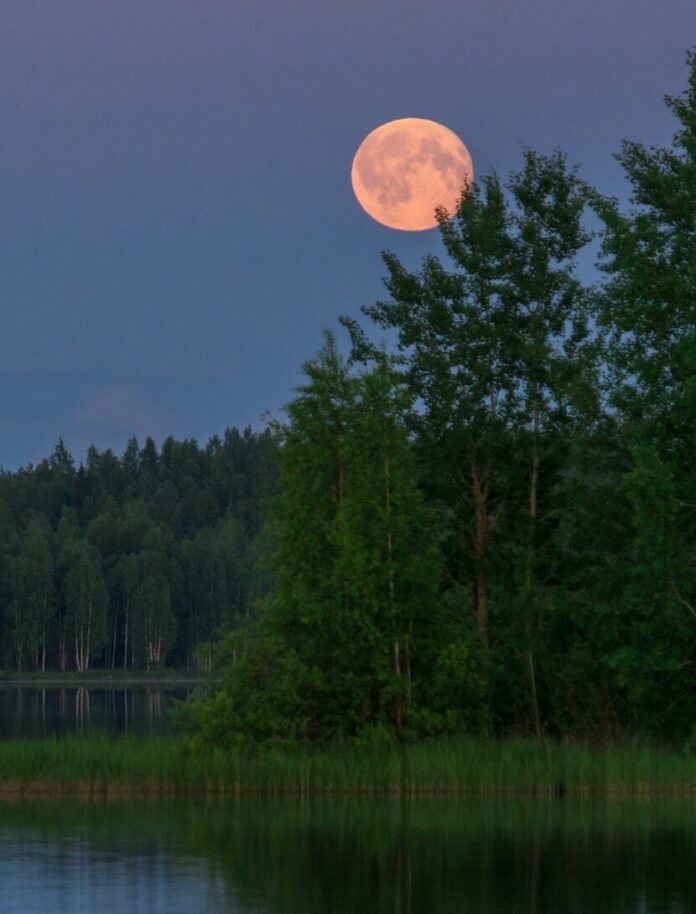
Photo Courtesy of Mika Luoma
Subscribe to TABLE Magazine’s print edition.