Home Blog Page 165

The Untold Story of Julia Warhola

0
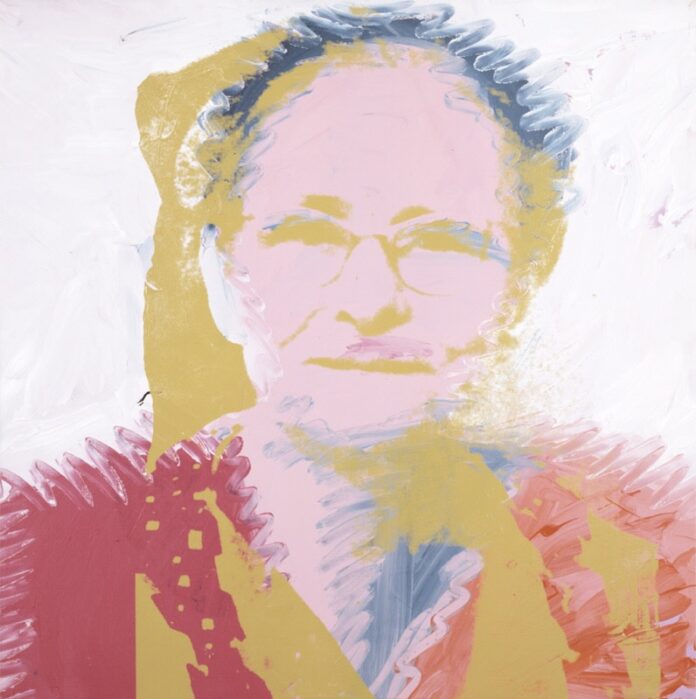
A screenprinted portrait of Julia Warhola, Andy Warhol's mother.

“There is no lonelier person in American life than the Slavic immigrant woman.” Elaine Rusinko cites this passage from Olga Bessie Pesotsky’s The Slavic Immigrant Woman in her extensive biography of Julia Warhola, Andy Warhol’s Mother. Rusinko’s book is the first to trace the Warhola family’s Carpatho-Rusyn roots and put the spotlight on Julia herself. What fascinates me is that the title, Andy Warhol’s Mother, makes an immediate assertion. Julia Warhola: An Annotated Biography or The Fantastical Life of Julia Warhola would have both been different books. Yet Julia signed her drawings not as her own name but as Andy Warhol’s Mother in the distinctive curlicue of her handwriting.

Rusinko situates Julia Warhola within her community of Slavic mothers, wives, and daughters in Pittsburgh’s slums, implying perhaps that we remember this one only because she is Andy Warhol’s mother. Julia was tough, at times flamboyant, and, yes, lonely, maintaining her family farm in the Carpathian Mountains during wartime before going to rejoin her husband in America, and then providing for her family after her husband’s death.  Though it is a biography of one person, Andy Warhol’s Mother feels like a communal history.

The Untold Story of Julia Warhola

Rusinko begins the book by remembering how a cemetery plot just beside Warhol’s had her own name, Rusinko, on it. Warhol rarely referenced his identity as Rusyn—he had little concern for identity at all, in any category. But in Warhol’s heritage, Rusinko saw another angle for his life story and a different context to frame his life. The metamorphosis that Warhol went through was not dissimilar to Ulya’s Zavacka’s transformation into Julia Warhola. Ulya’s years-long journey to America is the story of a transformation from girl to woman, from maiden to mother, the only metamorphosis available to a woman in her circumstances. Rusinko remembers that on her immigration paperwork, Julia wrote her occupation as “farmer,” and an official crossed it out and wrote “mother.”

Perusing numerous biographies of Warhol and Basquiat can sometimes feel like digging up the graves of the art world’s most profitable ghosts. But Andy Warhol’s Mother is a different look at Warhol, one that if he were still alive, he might have objected to. It is, however, nonetheless a humanizing look at a larger-than-life figure. Warhol often told fables about his heritage that obscured its reality, particularly about his father.

Warhol Through a Rusyn Lens

Andy Warhol’s Mother is fascinating in part because it shows how Warhol’s heritage and identity is felt not because he claimed it loudly and proudly, but through small, subtle habits, an unyielding work ethic, a fastidious commitment to the Greek Catholic faith, and a no-nonsense quasi-nihilism familiar to anyone with a Central or Eastern European grandmother. Warhol’s flippant ethos of “Don’t think about making art, just get it done” could have been said by my own grandmother.

Andy Warhol’s Mother does not spell out the unspoken question of whether Julia might have been a commercial artist in her own right, or a high-living Bohemian if she were free from the constraints of family life and tradition. It spends more time on who she actually was, and the place she came from. The Rusyns, a stateless people, had tight-knit communities in both Old and New Worlds. Miková, where Julia and Andrii Warhola were born, is in modern-day Slovakia, but Warhol identified himself as Czech or Austrian at various times. There’s an interesting sidebar in the book about a Ukrainian art institution claiming Warhol as Ukrainian by modern standards, which caused some controversy among Rusyns.

Born with a Flair for the Dramatic

One of the notable things about Andy Warhol’s Mother is that it is an academic text from an Eastern European Studies professor, not a pop biography. Rusinko also looks at the Rusyns as an insider, fluent in the language and more understanding of some of the cultural norms like parents living with their adult children. (Julia lived with Andy, which in the downtown art scene in New York was an oddity).

Like Warhol, Julia in some ways delighted in people’s misunderstanding of her. She spun fabulous tales about her lavish wedding in Miková that played into perceptions of Rusyns as backwards country folk. Even in the photo on her American interim passport, there’s a twinkle of mischief in her eye. The book characterizes her as at times neurotic and flighty but at others exuberant and warm. She charmed everyone from her Pittsburgh neighbors to her son’s New York scenesters.

Unraveling Warhol’s History

Within the book, there are tidbits of Pittsburgh history readers will find illuminating, too. One that stood out to me was that the Soho Public Baths building on Fifth Avenue on the way to the Birmingham Bridge, now abandoned, was a bathing house for the immigrant workers like the Warholas who didn’t have indoor plumbing. As I read, it came up for me that Julia’s support of her son’s’ creativity is something worth celebrating. More young people from immigrant families in Pittsburgh need that support. Arts education programs like The Andy Warhol Museum’s Pop District initiative aim to make Pittsburgh a place where the next Warhol might thrive.

Warhol once remarked to biographer John Perrault “The book should be about my mother. She’s so-o-o interesting.” Rusinko has fulfilled that wish. But like Andy, Julia resisted easy categorization. Her life isn’t quite the turn-of-the-century ideal of the American Dream where the streets are paved with gold. Nor is it the woeful story of the genius woman artist flattened by patriarchy. Julia Warhola’s story is all her own. If there is a call to action within Andy Warhol’s Mother, it is to think more deeply about our own histories and to approach our ancestors with curiosity.

Story by Emma Riva
Portrait of Julia Warhola by Andy Warhol

Subscribe to TABLE Magazine’s print edition
The Madama Butterfly Cocktail

0
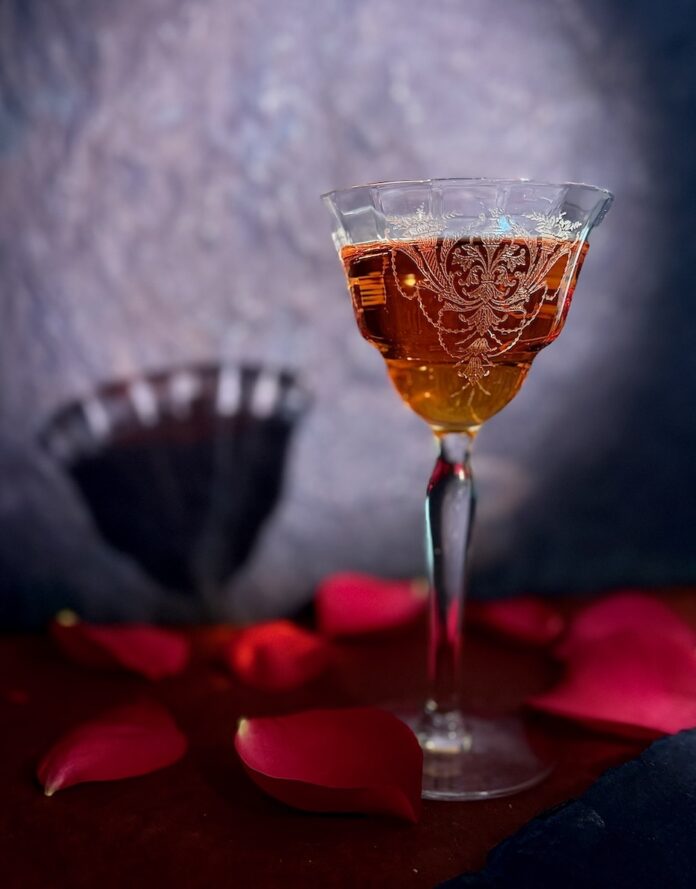
A Madama Butterfly inspired cocktail sits in a Nick and Norah glass against a purple background and rose petals scattered around the glass.

Puccini’s Madama Butterfly takes place in turn of the century Japan…but the words coming out of the singer’s mouths are in Italian. It might seem a little strange, but, hey, it’s opera! You can use your imagination. We asked Derek Burnell of COBRA to put together this Madama Butterfly cocktail to celebrate the Pittsburgh Opera’s production of it, opening March 22. The Madama Butterfly cocktail uses Japanese whisky, Italian sweet vermouth, and Domaine de Canton Ginger Liqueur to give it an extra kick. Sip this as an aperitivo to a night out at the Pittsburgh Opera and enjoy this classic story. The Pittsburgh Opera’s take on it has an all-Japanese production team and Japanese cast.

What is Madama Butterfly About?

Madama Butterfly is one of the most beloved operas out there. It’s a tragic story of unrequited love between Cio Cio-san, a young Japanese woman, and Pinkerton, an American soldier. Pinkerton marries Cio Cio-san but doesn’t intend to stay with her beyond when she’s stationed in Japan. But she falls for him, begging him to stay with her, and pining for him in his absence. The Pittsburgh Opera’s production of it follows the same libretto as Puccini’s original, but the set design uses a mixture of virtual reality and futuristic aesthetics to bring a different take on the show’s visuals. What makes Puccini’s opera persist is the universality of the emotions in it. Unrequited love, pain, and loss, are feelings we all go through in our lives. Opera has an immense power to make you feel and reflect on your own life.

Print
clock clock iconcutlery cutlery iconflag flag iconfolder folder iconinstagram instagram iconpinterest pinterest iconfacebook facebook iconprint print iconsquares squares iconheart heart iconheart solid heart solid icon
A Madama Butterfly inspired cocktail sits in a Nick and Norah glass against a purple background and rose petals scattered around the glass.

The Madama Butterfly Cocktail


  • Author: Derek Burnell

Description

A cocktail celebrating one of Puccini’s most famous operas.


Ingredients

Scale
  • 1.5oz AO Suntory Japanese World Whisky
  • 1oz Carpano Sweet Vermouth
  • .25oz Domaine de Canton Ginger Liqueur


Instructions

  1. Stir ingredients together with a barspoon in a mixing glass with ice. 
  2. Strain into into a Nick and Nora glass. 

Recipe by Derek Burnell, COBRA
Photography and Styling by Kylie Thomas

Subscribe to TABLE Magazine’s print edition.

5 Pittsburgh Happenings This Week (March 17-23)

0
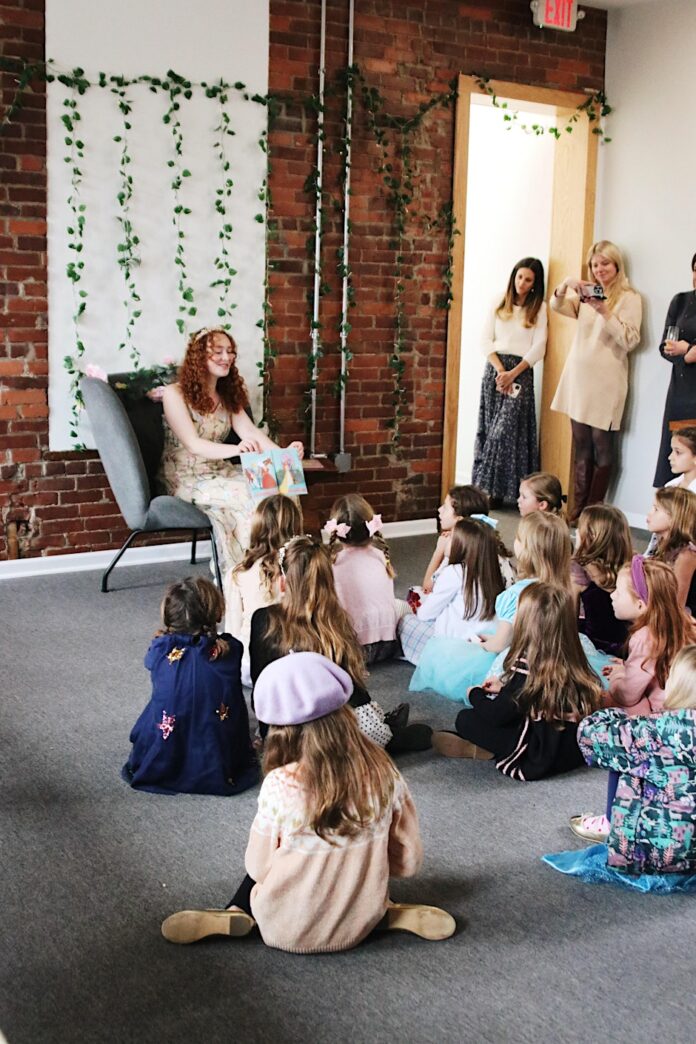
A woman in a princess costume reads to a group of young children at Press House Coffee in Pittsburgh.

Pittsburgh is ready to push you into the spring season’s start on March 20 with a variety of cultural happenings this week from March 17 to March 23. Immerse yourself in the world of bluegrass, be enchanted by artists in the city and all around the world, or even have some mother-daughter time at a fairytale tea party. 

5 Pittsburgh Happenings This Week (March 17-23)

World of Music: Tomchess Trio (World Fusion Jazz)

March 19, Alphabet City

The multi-instrumentalist Tomchess returns to the Alphabet City stage. This concert features original compositions and improvisations inspired by diverse musical traditions from around the globe, including West African, Middle Eastern, Andalusian, Mediterranean, Indian, and American Jazz. Join Tomchess as he weaves sonic stories and creates a vibrant dialogue through sound.

The Inseperables

March 20-29, Helen Wayne Rauh Studio Theater

In this play, the North American Unified Theatre Collaborators of the West are back and determined to put on a show. Their ambitious production of The Three Musketeers might be a little…unconventional. Think puppets, pool noodles, and a whole lot of unpreparedness. Will their glorious comeback fall flat, or will they pull it off? Written by CMU School of Drama professor TJ Young and directed by Head of School Robert Ramirez, this hilarious theatrical experience is guaranteed to leave you in stitches.

Pittsburgh Fringe Festival

March 20-29, Various Locations

This multi-disciplinary festival showcases a diverse array of international, national, and local artists across multiple venues in Pittsburgh’s East End. From Bloomfield and Friendship to Garfield and East Liberty along Penn Avenue, audiences can experience a variety of performances, including theater (physical, street, and musical), comedy, visual arts, puppetry, family entertainment, music, dance, spoken word, opera, poetry, literature, and much more.

Calliope Presents J2B2 (John Jorgenson Bluegrass Band)

March 21, The Original Pittsburgh Winery

J2B2, a bluegrass supergroup comprised of four award-winning musicians, is taking the genre to new heights. Featuring John Jorgenson, Herb Pedersen, Mark Fain, and Patrick Sauber, the band delivers a unique bluegrass experience. Their live shows highlight their musicianship, innovative songwriting, harmonies, and seasoned stage presence.

Mother & Daughter Princess Tea Party

March 22, Press House Coffee

Treat your little princess (or prince!) to a royal afternoon at this Princess Tea Party. Enjoy a magical day filled with princess-themed games and activities, including a custom ball pit provided by Little Hart’s Big Joy. Delight in storytime with the Press House Princesses and savor a delicious two-course afternoon tea served by the princesses themselves. And for moms, don’t worry, there will be an unlimited mimosa bar.

Story by Kylie Thomas
Photo Courtesy of Press House Coffee

Subscribe to TABLE Magazine‘s print edition.

So Fresh, So Green Gin Spritz

0
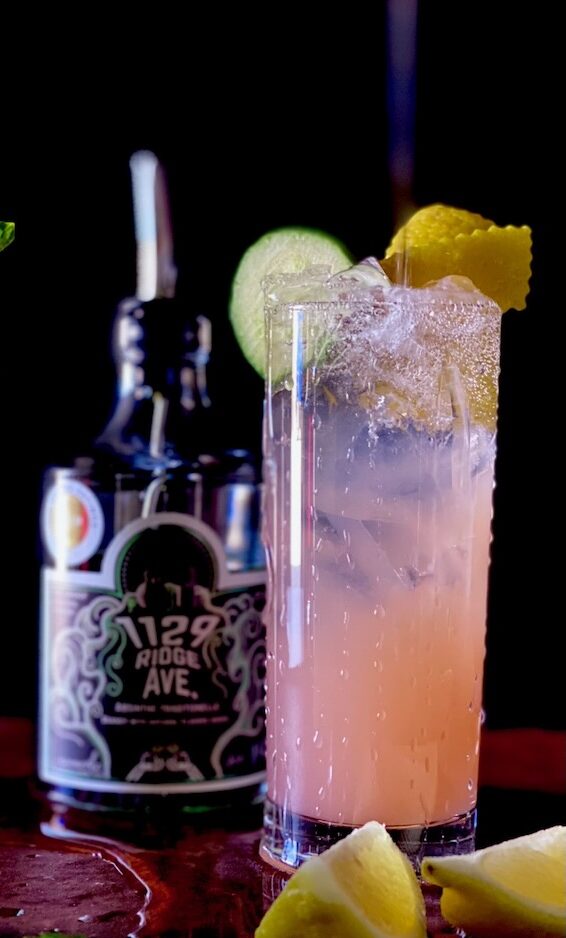
A pink and purple gin spritz with a cucumber wheel in it.

I know, I know – you’ve had a spritz before. But trust me, this gin spritz from Kaitlin Fellers is like no other. The pineapple syrup gives the fruity, refreshing drink a tropical edge, balanced out with herby, almost licorice-like dashes of Peychaud’s bitters. Grab a bottle of Lawrenceville Distilling’s Jaggerbush American Dry Gin to finish off the drink with a few light botanicals. 

About Lawrenceville Distilling’s Gin

This gin spritz uses a dry gin, with a huge roster of botanicals, floral notes, and a peppery finish. Lawrenceville Distilling is a small distiller in Pittsburgh, known also for their absinthe. If you can’t order from them, try to find a gin with a similar flavor profile. For more about picking a gin for a cocktail, you can read our liquor education piece All About Gin.

Print
clock clock iconcutlery cutlery iconflag flag iconfolder folder iconinstagram instagram iconpinterest pinterest iconfacebook facebook iconprint print iconsquares squares iconheart heart iconheart solid heart solid icon
So Fresh, So Green Recipe

So Fresh, So Green Gin Spritz


  • Author: Kaitlin Fellers

Description

A new take on a spritz.


Ingredients

Scale
  • 5 dashes Peychaud’s bitters
  • 2 slices muddled cucumber
  • 3/4 oz lime juice
  • 3/4 oz pineapple syrup
  • 1 ½  oz. Jaggerbush American Gin


Instructions

  1. Muddle cucumber in your small tin, add all ingredients, and shake to combine.
  2. Double strain into a Collins glass, then top with seltzer and ice.

Recipe by Kaitlin Fellers
Photography and styling by Keith Recker

Subscribe to TABLE Magazine‘s print edition.

Classic Margarita

0
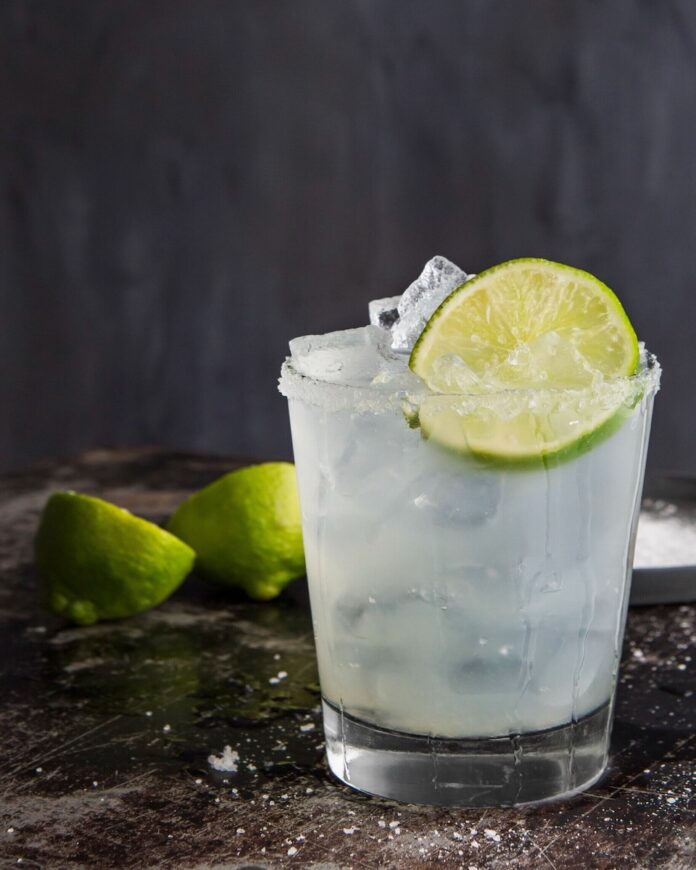
A classic margarita recipe by Maggie Weaver, garnished with lime.

I’m picky about margaritas. Too much juice and the cocktail feels watered down and weak. Too much sugar and the taste of tequila is lost, steamrolled by sweetness. This Classic Margarita recipe has none of those faults. There are lots of other ways to do a margarita, but sometimes simple is best.

About My Classic Margarita Recipe

The recipe I’ve stuck by for years is a basic one: fresh lime juice, triple sec or Cointreau; good, quality tequila; and a touch of simple syrup or agave. There are no crazy flavors – though the recipe easily allows for the addition of berries, pineapple, or grapefruit. The classic cocktail is simple, fresh, citrus-forward, and doesn’t require a blender. If you’re really feeling creative, soak your tequila on jalapeños for a day or two. It’ll throw a nice kick into your celebrations!

Print
clock clock iconcutlery cutlery iconflag flag iconfolder folder iconinstagram instagram iconpinterest pinterest iconfacebook facebook iconprint print iconsquares squares iconheart heart iconheart solid heart solid icon
A classic margarita recipe by Maggie Weaver, garnished with lime.

Classic Margarita


  • Author: Emma Riva

Ingredients

Scale
  • 2 oz tequila
  • ¾ oz lime juice
  • 1 oz triple sec
  • A bar spoon or two of simple syrup or agave, to taste


Instructions

  1. If desired, rim a rocks glass with salt. Pour ingredients in a shaker with ice. Shake and strain into the  ice-filled rocks glass.
  2. Serve with a lime wedge as garnish. To sweeten, mix in the agave or simple syrup.

Recipe by Maggie Weaver
Photography by Adam Milliron

Subscribe to TABLE Magazine‘s print edition.

Market Alley Gin Punch

0
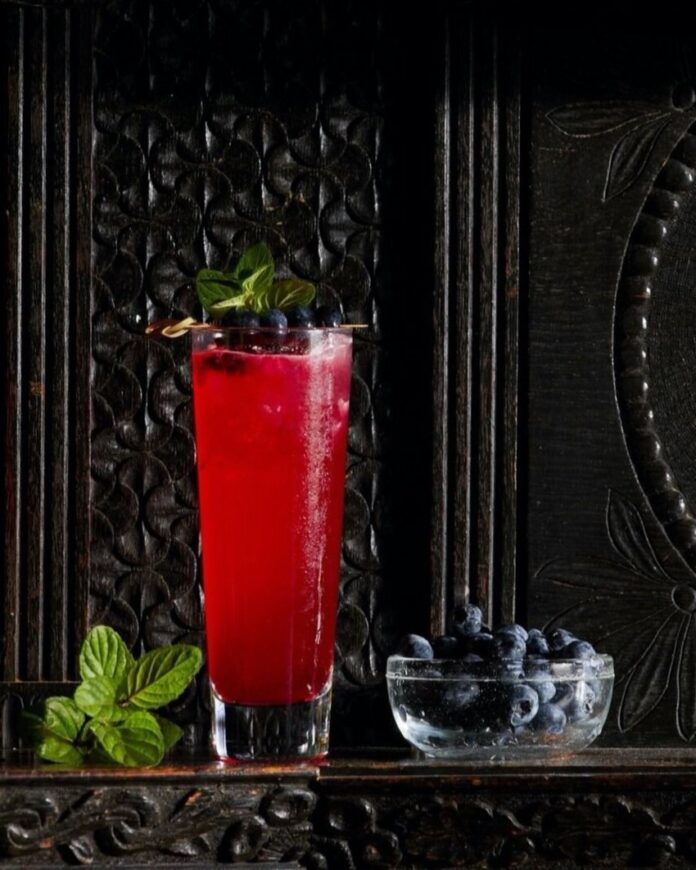
A glass of Market Alley Gin Punch on a black backgroound.

Dan Ball of Hyeholde shows his love for cocktail fun with this Market Alley Punch, featuring a house-made blueberry syrup and Market Alley Gin. This one is for all the party punch lovers out there, perfect for spring and summer gatherings when the blueberries are ripe and the drinks are flowing. For another blueberry gin cocktail, try our Blueberry French 75.

About Market Alley Gin

Market Alley is a Pennsylvania original from Thistle Finch Distilling. The flavor of this new American style gin has a mixture of traditional botanicals, citrus accents, and other local flavors. Thistle Finch distills their gin in small batches in the heart of Lancaster, the rolling hills of central Pennsylvania. They produce rye whiskey, bourbon, rum, and vodka along with gin, so there’s a spirit for everyone.

Print
clock clock iconcutlery cutlery iconflag flag iconfolder folder iconinstagram instagram iconpinterest pinterest iconfacebook facebook iconprint print iconsquares squares iconheart heart iconheart solid heart solid icon
A glass of Market Alley Gin Punch on a black backgroound.

Market Alley Gin Punch


  • Author: Dan Ball

Ingredients

Scale
  • 2 oz Thistle Finch Market Alley Gin
  • 2 oz blueberry syrup
  • 1 oz fresh lemon juice
  • 2 oz ginger beer


Instructions

  1. To make the syrup, bring a 1/2 cup water to a boil, then add ½ cup sugar and ¼ cup blueberries. Strain and store in an airtight container.
  2. Shake the syrup, juice, and gin together. Strain into a tall glass with ice, and top with pickled hibiscus and a blueberry skewer. Enjoy!

Recipe by Dan Ball
Styling by Keith Recker
Photography by Dave Bryce

Subscribe to TABLE Magazine‘s print edition.

Beef Short Rib Plov for Navruz

0
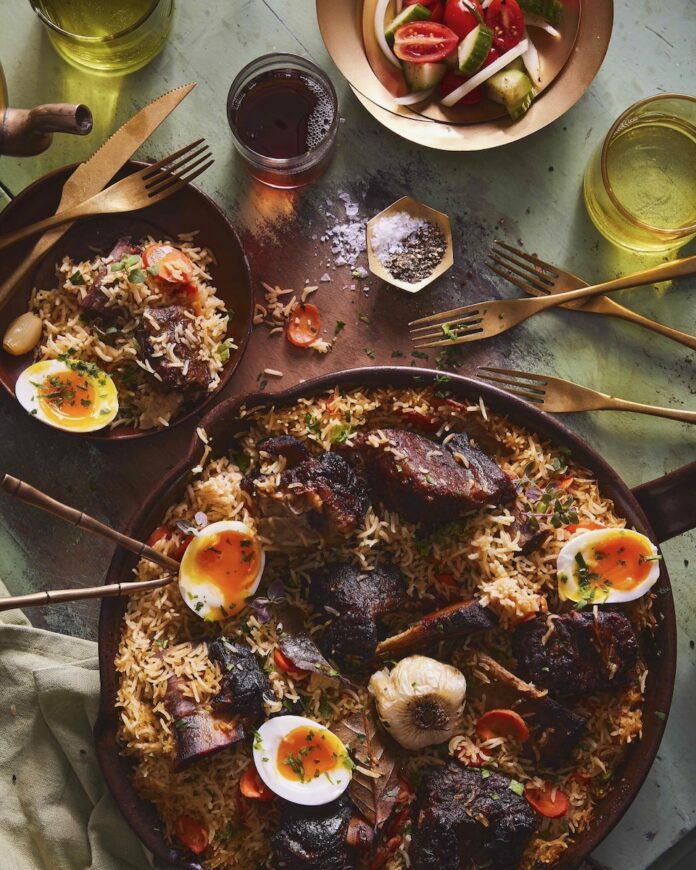
A beef short rib plov for navrus sits in a big dish with rice, beef short rib, and boiled eggs cut in half.

Navruz, the most treasured holiday in Uzbekistan, is a time to celebrate the return of sunshine, flowers, fruits, and vegetables, and good living. During seven decades of Soviet domination, celebrations were banned because Navruz was considered too archaic. Restored in 1990, the holiday celebrates the day and night being equal and marks the start of a new year. Festive tables are abundant with fresh bread, plov, and countless side dishes. 

Chef Palak Patel shares her Beef Short Rib Plov so that we can celebrate Navruz at home with the family.

What is a Plov?

While the name might not ring a bell, we promise you have actually had this dish before. Plov is a version of the vast range of rice pilafs made across Central Asia and the Middle East. It’s the national dish of Uzbekistan. Its fragrant, long-grain rice cooks in a broth with a variety of ingredients like meat, carrots, onions, and an array of spices such as cumin and coriander. The process involves first sautéeing the meat and vegetables, then adding the rice and broth, which you simmer until the rice absorbs the liquid and becomes tender.

Print
clock clock iconcutlery cutlery iconflag flag iconfolder folder iconinstagram instagram iconpinterest pinterest iconfacebook facebook iconprint print iconsquares squares iconheart heart iconheart solid heart solid icon
A beef short rib plov for navrus sits in a big dish with rice, beef short rib, and boiled eggs cut in half.

Beef Short Rib Plov for Navruz


  • Author: Palak Patel
  • Yield: Serves 6

Description

A warm, savory, and comforting rice dish featuring tender beef short rib.


Ingredients

Scale
  • 6 pieces beef short rib
  • 2 tsp smoked paprika
  • 1 tsp nutmeg
  • 2 tsp coriander powder
  • 1 tbsp cumin powder
  • ½ tbsp turmeric
  • 1 tsp cardamom pods
  • 1 tbsp beef bouillon
  • 2 bay leaves
  • 2 cups basmati rice
  • ¼ cup oil, additional for oil for sautéing
  • 1 onion, finely chopped
  • 2 large carrots, sliced
  • 2 cloves garlic, minced
  • 1 whole garlic, cut sideways in half
  • 4–6 cups water
  • Kosher salt
  • Freshly ground pepper
  • ¼ cup parsley, chopped
  • 3 large eggs


Instructions

  1. Preheat oven to 350 degrees.
  2. Gently add eggs to a pot of hot water for 6 minutes. Remove and cool under cold water. Set aside.
  3. Rinse basmati rice under cold water 5-10 times to remove starch and the water runs clear. Add rice to a large bowl cover with water and set aside.
  4. Season short ribs generously with kosher salt and freshly ground pepper.
  5. Heat a 12 inch wide Dutch oven on high heat, add half the oil and turn the heat down to medium-high. Place 3 short ribs and sear short ribs on all sides and set aside. Continue for the remaining three pieces.
  6. Reduce heat and add one tablespoon of oil to caramelized Dutch oven with chopped onions, minced garlic, beef bouillon, paprika, nutmeg, coriander powder, cumin powder, turmeric, cardamom pods, bay leaves, and 4 cups of water. Stir to dissolve bouillon completely.
  7. Layer the short ribs evenly across the Dutch oven. Cover with a lid and place in the oven and cook for an hour and half or until beef is fork-tender. Remove ribs gently, place in a bowl and cover.
  8. Spoon out any extra oil pooled on the top, add rice and carrots and add with 2 cups of water season with salt and freshly ground pepper.
  9. Place short ribs on top to evenly spread over rice. Lay cut side half garlic pieces inside the rice.
  10. Cover the lid and reduce to low cook for 15-20 minutes, until rice is cooked and fluffy. Turn off the heat and let it stand for 5 minutes before serving.
  11. Peel and slice eggs in half. Place on top of rice.
  12. Garnish with parsley.

Dive Into More Nowruz, Navrus and Holi Recipes

Persian Noodle Soup

Kuku Sabzi for Nowruz

Thandai, A Traditional Holi Drink

Persian Jeweled Rice

Persian Lamb and Kidney Bean Stew

Kachori Fritters

Red Snapper and Green Split Pea Salad for Nowruz

Recipe by Palak Patel
Styling by Ana Kelly
Photography by Adam Milliron

Subscribe to TABLE Magazine’s print edition.

Kuku Sabzi for Nowruz

0
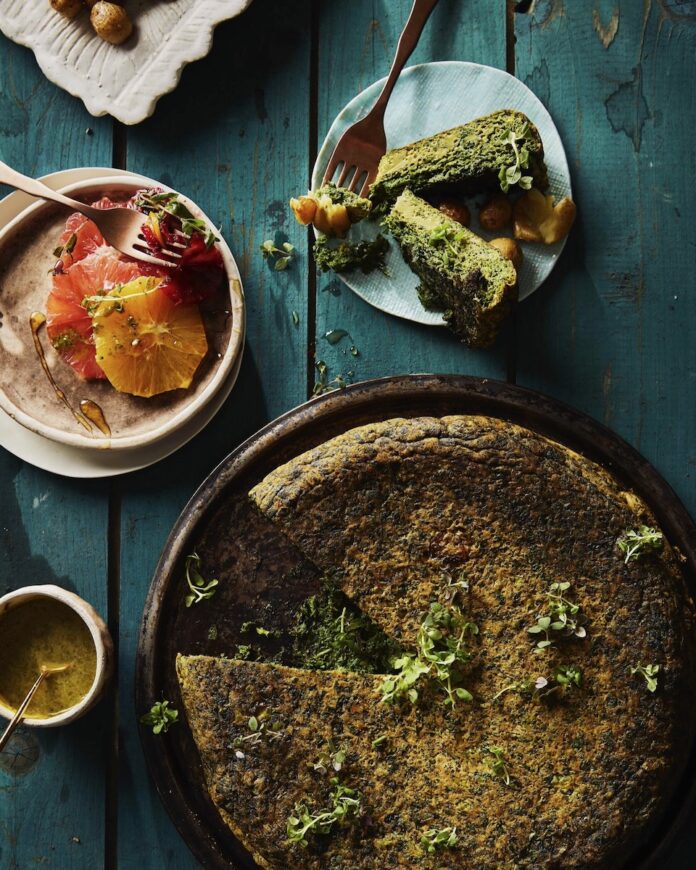
A plate of Kuku Sabzi, an Iranian frittata for Nowruz.

Nowruz, the Iranian (or Persian) New Year, means “new day” in Farsi. It’s humankind’s most ancient celebration; Nowruz is approximately 4000 years old, older than Easter, Holi, or Ramadan. Food plays an important role in this holiday because of the fresh, green ingredients that begin to peek out of the ground in Persia, signaling winter’s end. This kuku sabzi is an herbed omelet that’s perfect for the traditional midday family gatherings typical of Nowruz. It would make a wonderful brunch entrée any time of the year.

What Do People Eat for Nowruz?

In addition to kuku sabzi, other popular recipes shared with TABLE readers by Chef Palak Patel include; ghormeh sabzi – a lamb and kidney bean stew; ash-e-reshteh, Persian New Year’s soup with beans, noodles, and herbs; Persian jeweled rice; and whole-roasted whitefish with a tangy tamarind sauce served on a bed of green lentils. Nowruz is also a popular time to eat sabzi khordan, an herb platter including mint, basil, and Persian cress. Nowruz is 13 days long, and families typically have huge picnics on the final day where they eat dishes like this one.

Print
clock clock iconcutlery cutlery iconflag flag iconfolder folder iconinstagram instagram iconpinterest pinterest iconfacebook facebook iconprint print iconsquares squares iconheart heart iconheart solid heart solid icon
A plate of Kuku Sabzi, an Iranian frittata for Nowruz.

Kuku Sabzi for Nowruz


  • Author: Palak Patel

Description

A delicious meal to celebrate the new year!


Ingredients

Scale
  • 5 tbsp vegetable oil, divided
  • 2 large shallots, finely chopped
  • 1 garlic clove, minced
  • 1 medium leek, white and pale-green parts only, finely chopped
  • 8 large eggs
  • 1½ tsp kosher salt
  • 1 tsp baking powder
  • 1 tsp freshly ground black pepper
  • ¼ tsp crushed red pepper
  • ½ tsp ground turmeric
  • ¼ cup tarragon leaves
  • 1 cup finely chopped cilantro
  • 1 cup finely chopped dill
  • 1 cup finely chopped parsley


Instructions

  1. Heat 2 tablespoon oil in a 10″ skillet over medium. Cook shallot, garlic, and leek, stirring occasionally, until very soft but not brown, 10–12 minutes. Transfer to a plate and let cool. Wipeout skillet; set aside.
  2. In a large bowl, whisk eggs, kosher salt, baking powder, black pepper, turmeric, and crushed red pepper. Gently fold in cooled shallot mixture, add herbs: cilantro, dill, tarragon, and parsley.
  3. Turn broiler on to high and adjust the rack to top.
  4. In a large skillet, heat the remaining oil over medium. Carefully pour in egg mixture; spread evenly across the pan with a spatula. Using a lid to cover and cook the frittata until it is set on the sides and the bottom, approximately, 8–10 minutes. Remove the lid and place under broil, until the top is set, setting oven timer to 1 minute.
  5. Once it’s cooled slightly and easy to handle, use a large and invert onto a large serving plate.

Dive Into More Nowruz, Navrus and Holi Recipes

Beef Short Rib Plov for Navruz

Persian Noodle Soup

Thandai, A Traditional Holi Drink

Persian Jeweled Rice

Persian Lamb and Kidney Bean Stew

Kachori Fritters

Red Snapper and Green Split Pea Salad for Nowruz

Recipe by Palak Patel
Styling by Ana Kelly
Photography by Adam Milliron

Subscribe to TABLE Magazine‘s print edition.

Red Snapper and Green Split Pea Salad for Nowruz

0
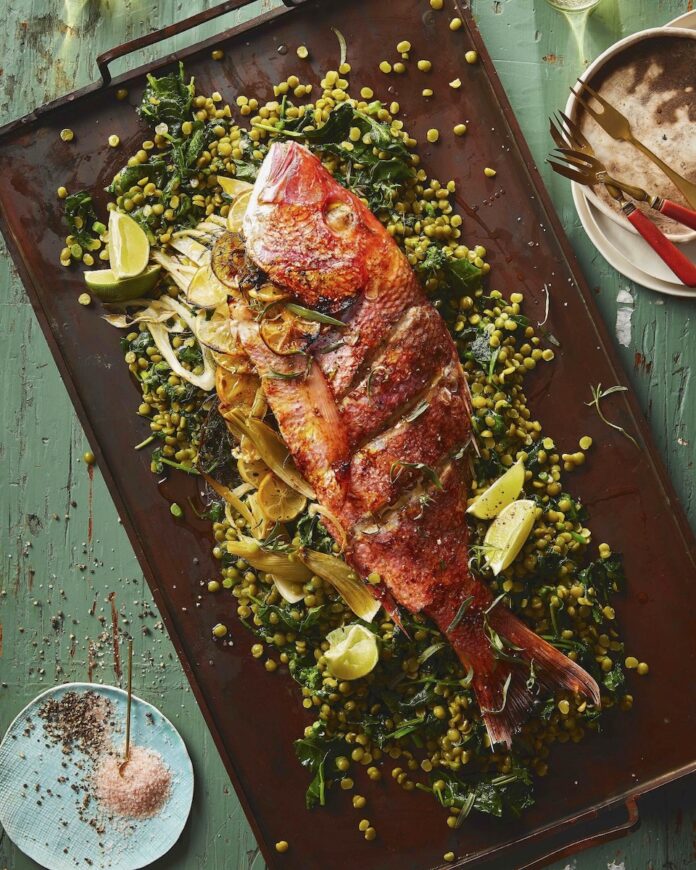
A large Red Snapper lays on a cooking sheet surrounded by a Green Spit Pea Salad and limes in celebration of Nowruz.

Chef Palak Patel shares a Red Snapper with tamarind flavorings that is cooked in Iran with Green Split Pea Salad to celebrate the arrival of spring and the national holiday Nowruz. This recipe uses fennel to add a slight anise flavor to this tasty fish dish. Plus, the Green Split Pea Salad combines all the greens of the Earth like broccolini, baby spinach, baby kale, and green split peas for a nutritious side dish. A dollop of Mint and Cilantro Chutney would be a fine addition to this meal. You might even like to add some Persian Jeweled Rice as well.

What Does Red Snapper Taste Like?

Red snapper carries a unique flavor profile. When cooked, you’ll find it has a delicate, subtly sweet flavor with a firm, white flesh that flakes easily. Some describe its taste as mild and nutty, and very delicate. Its versatility makes it perfect for grilling, baking, pan-searing, or poaching. Plus, you can add just about any seasoning or sauce you would like since its neutral palate allows for creativity.

Print
clock clock iconcutlery cutlery iconflag flag iconfolder folder iconinstagram instagram iconpinterest pinterest iconfacebook facebook iconprint print iconsquares squares iconheart heart iconheart solid heart solid icon
A large Red Snapper lays on a cooking sheet surrounded by a Green Spit Pea Salad and limes in celebration of Nowruz.

Red Snapper


  • Author: Palak Patel

Description

A perfect way to roast Red Snapper with hints of fennel.


Ingredients

Scale
  • ¼ cup grapeseed or canola oil + 2 tbsp
  • 1 whole (3-4 lb) red snapper, cleaned, scaled
  • Sea salt and freshly ground black pepper
  • 2 lemons, sliced thinly
  • 1/2 small fennel bulb, thinly chopped
  • 1 tbsp chopped fennel fronds
  • ¼ cup tamarind concentrate
  • 2 tbsp sugar


Instructions

  1. Heat oven to 450°F. Line baking sheet with aluminum foil, or coat with oil.
  2. Rinse the fish in cold water, then lightly pat it dry with paper towels. Use a sharp knife to lightly score the top of the fish in diagonal lines about 1-inch apart.
  3. Add ¼ cup oil, tamarind contrate, sea salt and sugar. Mix well.
  4. Brush the fish generously on both sides with the oil and inside the cavity.
  5. Place lemons, fennel and herbs inside the cavity of the fish.
  6. Season the outside of the fish generously with a few good pinches of sea salt and black pepper. Drizzle tamarind marinade on top.
  7. Roast for 20-25 minutes, or until the fish reaches an internal temperature of 145°F and flakes easily with a fork. (Cooking time will vary depending on the size/variety of your fish.)
  8. Remove from the oven, and squeeze the juice from the remaining lemon over the fish.
  9. Serve warm.
Print
clock clock iconcutlery cutlery iconflag flag iconfolder folder iconinstagram instagram iconpinterest pinterest iconfacebook facebook iconprint print iconsquares squares iconheart heart iconheart solid heart solid icon

Green Split Pea Salad


  • Author: Palak Patel

Description

This side adds a nutritious serving of green veggies to your meal.


Ingredients

Scale
  • 2 cups dried green split peas
  • 4 cups vegetable broth
  • 2 cups baby kale
  • 2 cups baby spinach
  • 1 bunch broccolini, chopped
  • 1 tbsp oil
  • 1/4 cup lime freshly squeezed juice
  • 1/4 cup extra virgin olive oil
  • 2 tsp cumin powder
  • 1 tbsp maple syrup
  • 2 limes for garnish
  • Kosher Salt to taste
  • Freshly ground pepper


Instructions

  1. Combine the split peas and broth in a medium saucepan over high heat. Bring to a boil, stir, then reduce heat, cover, and simmer until the split peas are tender, but not mushy and most of the liquid is absorbed, about 20 minutes. Drain any excess liquid.
  2. In a small bowl, whisk together the lime juice, olive oil, cumin powder, maple syrup and kosher salt.
  3. While split peas are hot, pour vinaigrette over the peas and toss to coat. Season with salt and freshly ground black pepper.
  4. In a skillet, heat 1 tablespoon oil and saute greens lightly and season with salt and pepper.
  5. Mix peas and greens together. Adjust seasoning as needed.

Dive Into More Nowruz, Navrus and Holi Recipes

Beef Short Rib Plov for Navruz

Persian Noodle Soup

Kuku Sabzi for Nowruz

Thandai, A Traditional Holi Drink

Persian Jeweled Rice

Persian Lamb and Kidney Bean Stew

Kachori Fritters

Recipe by Palak Patel
Styling by Ana Kelly
Photography by Adam Milliron

Subscribe to TABLE Magazine’s print edition.

Thandai, A Traditional Holi Drink

0
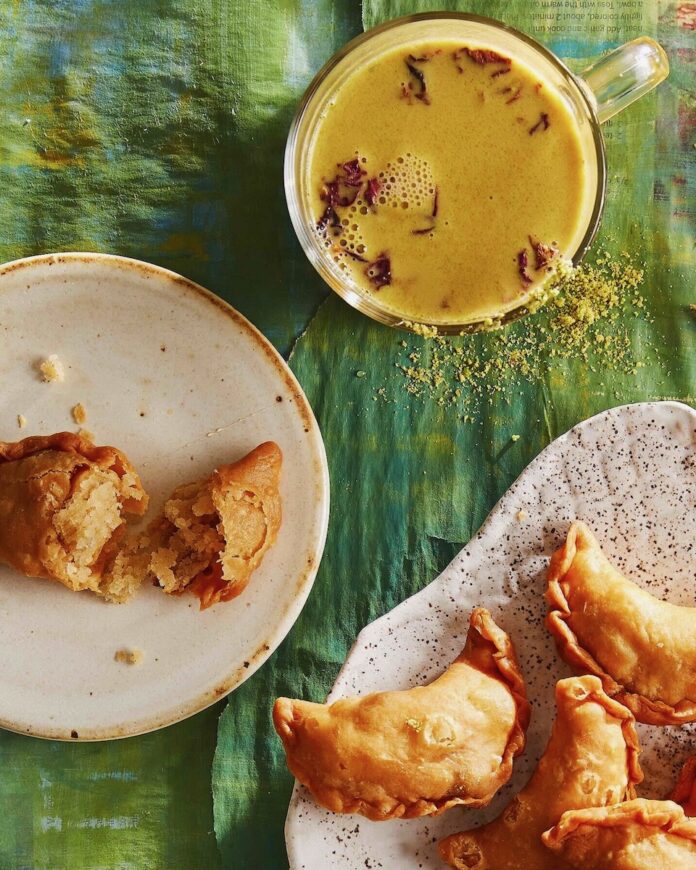
Thandai staged with gujiyas, a sweet Indian treat for Holi


Thandai, a saffron and pistachio drink, plays a central role in the celebration of Holi, which welcomes the return of spring. This drink is delicious with a gujiyas — a sweet empanada-like dish also associated with Holi.

Where Does Thandai Come From?

Thandai comes from the northern parts of India and southern parts of Pakistan, mostly Southern Punjab, Sindh, and Balochistan. It typically uses almonds, fennel seeds, watermelon kernels, cardamom, saffron, milk and sugar. But there are many variations of it. A fun fact…there’s a version of thandai that uses cannabis leaves, called bhang in Hindi. This is not that version, though if you go off the recipe to experiment, we can’t stop you. Palak Patel’s recipe is a traditional version using saffron as the dominant spice, which also gives it its beautiful yellow. You’ll want to use a spice mill to put together the Thandai masala, or a clean coffee grinder.

Print
clock clock iconcutlery cutlery iconflag flag iconfolder folder iconinstagram instagram iconpinterest pinterest iconfacebook facebook iconprint print iconsquares squares iconheart heart iconheart solid heart solid icon
Thandai staged with gujiyas, a sweet Indian treat for Holi

Thandai, A Traditional Holi Drink


  • Author: Palak Patel

Description

A celebratory drink for Holi!


Ingredients

Scale

For the Thandai:

  • 2 cups oat milk
  • 2 cups cashew milk
  • 3 tbsp maple syrup
  • ½ cup of hot water
  • Thandai masala (see below)

Thandai masala  (grind together in a spice mill):

  • ¼ cup pistachios
  • ¼ cup blanched almonds
  • ¼ cup cashews
  • 1 tsp fennel seeds
  • ½ tsp white poppy seeds (or sesame seeds)
  • ¼ tsp black peppercorns
  • 1 tsp cardamom powder
  • ½ tsp cinnamon powder
  • ½ tsp saffron threads
  • 2 tbsp hot water
  • Pinch of nutmeg
  • A handful of dried rose petals or rose water for garnish (optional)


Instructions

  1. Add the blanched almonds, cashews, pistachios, fennel seeds, white poppy seeds, black peppercorns, cardamom powder, cinnamon powder, and nutmeg into a blender or spice grinder. Grind to a fine powder.
  2. In a small bowl, add saffron with hot water to bloom.
  3. In a heavy bottom saucepan; add milk and saffron water. Bring the milk mixture to a gentle boil.
  4. When the milk mixture begins to boil, add maple syrup and stir.
  5. Add in the thandai masala mixture to the milk and simmer for another 5 minutes. Using a whisk to remove any lumps. Turn off the heat and allow the thandai to cool and refrigerate.
  6. To serve, pour into a cup and garnish with dried rose petals or rose water.

Dive Into More Nowruz, Navrus and Holi Recipes

Beef Short Rib Plov for Navruz

Persian Noodle Soup

Kuku Sabzi for Nowruz

Persian Jeweled Rice

Persian Lamb and Kidney Bean Stew

Kachori Fritters

Red Snapper and Green Split Pea Salad for Nowruz

Recipe by Palak Patel
Styling by Ana Kelly
Photography by Adam Milliron

Subscribe to TABLE Magazine‘s print edition.

Don't Miss