Home Blog Page 164

5 Pittsburgh Events This Week (March 24-30)

0
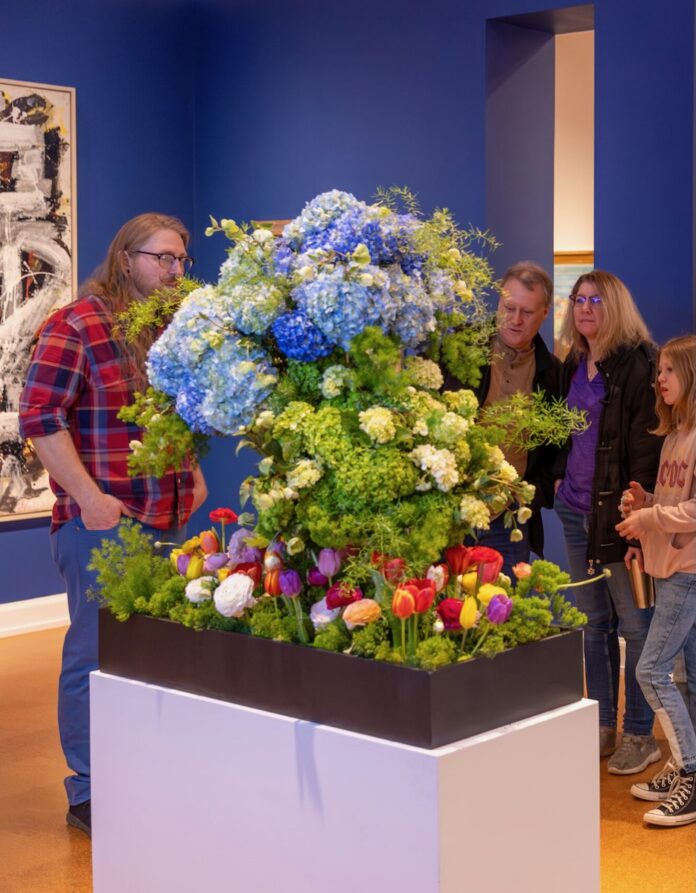
A flower display in the middle of an art museum in Pittsburgh for a special event.

During the week of March 24-30 in Pittsburgh, the city’s art scene offers a diverse array of experiences to captivate and inspire. From dramatic narratives brought to life on stage to breathtaking visual displays that blur the lines between nature and art, there’s something to interest everyone’s imagination. Plus, it is officially spring, so what better time is there to dive into what Pittsburgh has going on?

5 Pittsburgh Events This Week (March 24-30)

Madama Butterfly

March 22-30, Benedum Center

Step into a special world where virtual reality and heartbreaking reality intersect in Pittsburgh Opera’s new production of Madama Butterfly. Created by an all-Japanese and Japanese American creative team, this innovative staging explores Pinkerton’s detachment as he uses a VR headset to control his fantasy. But for Cio-Cio San, the love and betrayal are devastatingly real in this famous opera.

12 Ophelias (a play with broken songs)

March 26-30, Pittsburgh Playhouse

Shakespeare’s Ophelia, reborn in the Appalachian Mountains, finds herself in a world both familiar and utterly transformed.  Dreaming of Pop-Tarts and other sweet escapes, she navigates a neo-Elizabethan setting where Gertrude runs a brothel and Hamlet is a Rude Boy.  In this mirrored world of fragmented language and shifting identities, Ophelia carves a new path, breaking free from her tragic fate.

Art in Bloom

March 26-30, Westmoreland Museum of American Art

Chase away the winter blues with the return of the Westmoreland Museum of American Art’s Art in Bloom. Witness incredible floral creations inspired by masterpieces within the galleries. Plus, you’ll meet the passionate florists behind these stunning designs, learn about their process, and cast your vote for the People’s Choice Award. You can even enhance your experience with workshops, an after-hours event, or a delightful tea party.

Free Exhibition Opening: Marc Vilanova

March 28, Mattress Factory

Explore the future of art at the opening of Marc Vilanova’s solo exhibition. Hear from the artist-in-residence himself about his thought-provoking works that merge research and artistic practice. His exhibition delves into concepts like audiovisuality, automation, machine self-expression, AI, superintelligence, and the complex relationship between society and technology.

Build Your Own Terrarium Workshop

March 29, Allegheny City Brewing

Hosted by Babesburgh, this terrarium workshop encourages women in the area (and anyone of any gender) to gather and connect with one another. You’ll learn the art and science of terrarium creation before using a step-by-step guide to make your own. Your ticket includes a glass container, succulents, potting mixtures, stones, crystals, other decorative items, and one drink of your choice.

Story by Kylie Thomas
Photo Courtesy of Westmoreland Museum of American Art

Subscribe to TABLE Magazine‘s print edition.

Explore Pittsburgh’s Rich Art History with These 3 Artists

0
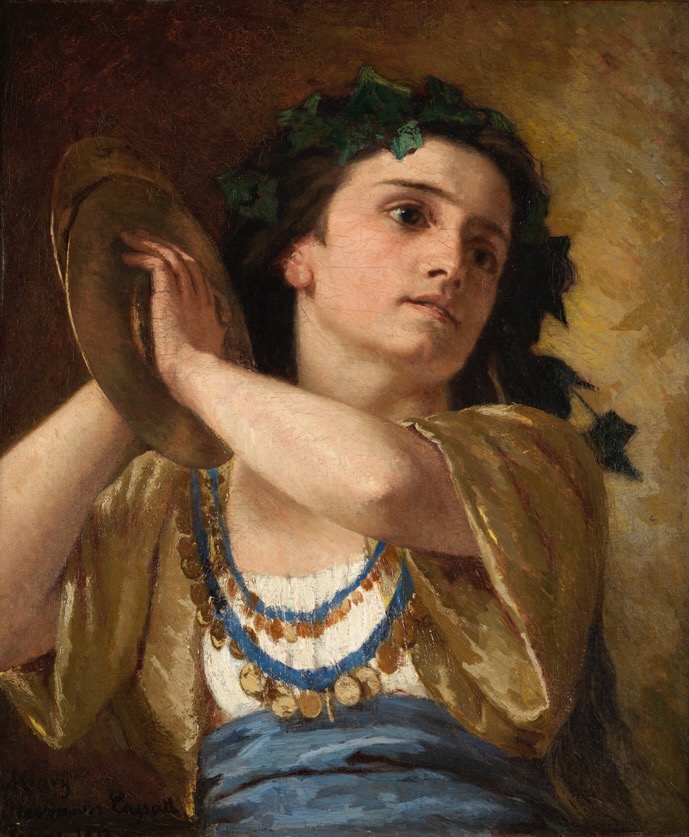
A painting by Mary Cassatt, showing a woman dressed up in Roman garb.
Mary Cassatt, Bacchante (1872)

In the essay  “On Various Minor Painters” excerpted in Edward Hirsch’s Writers on Art, Willa Cather wrote “…buying pictures and getting people to look at them has been exemplified in at least three cities in the United States: New York, Chicago, and Pittsburgh. As a result, those three cities contain nearly all the important collections in the United States.” However, she did say that “Pittsburgh is not a city of culture […] but one thing Carnegie did; he bought pictures and got people to look at them.” From impressionists to Pittsburgh has a rich art history tied both to collection of historical pieces and fostering contemporary artists’ careers.

Explore Pittsburgh’s Rich Art History with These 3 Artists

Pittsburgh has a rich art history tied both to collecting historical pieces and fostering contemporary artists’ careers. But if you know one piece of Pittsburgh’s art history, you know Andy Warhol. Though Warhol made an indelible mark on Here are a few of the under-discussed parts of Pittsburgh’s art history that have connected it to the wider art market, beyond only Warhol.

Keith Haring Comes of Age in Pittsburgh

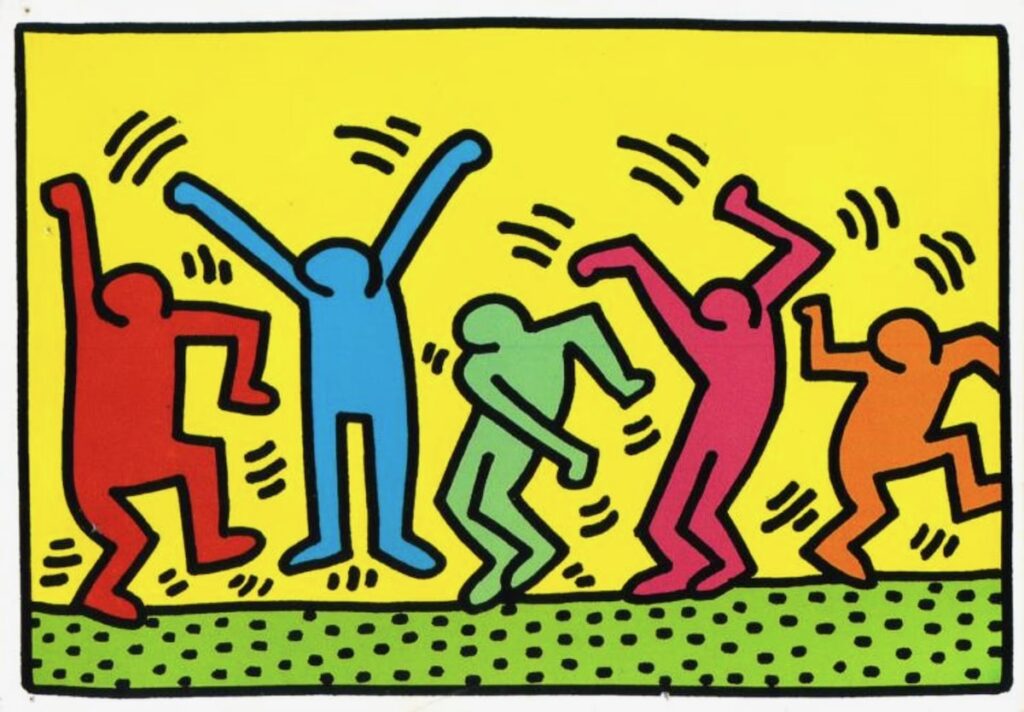
Figures dance on a yellow background in an image by Keith Haring
Untitled (Dance) © Keith Haring 1987

Though Keith Haring was born in eastern Pennsylvania, a recent biography of the iconic street artist by Brad Gooch sheds light on the time he spent in Pittsburgh. He had his very first art show in the cafeteria of the Downtown headquarters of Fisher Scientific (now a Duquesne University building), lived briefly at the Mattress Factory, and then showed work in what is now the Pittsburgh Center for Arts and Media. Haring was attending the Ivy School of Professional Art, a two-year art school in the Perry South neighborhood.

Though Haring’s time in Pittsburgh was brief, if you’ve ever taken a class at the Center for Arts and Media, you’ve walked in his footsteps. For him, it was a steppingstone to finding himself, Safely away from the suburban life of Kutztown. Gooch describes Haring’s time in Pittsburgh as an idyllic meandering of the mind and heart, where Haring found his footing as an artist and was able to move into a new echelon.

Mary Cassatt, A Pittsburgh Girl in a Boys’ Club

A painting by Mary Cassatt with a girl in a white hat.
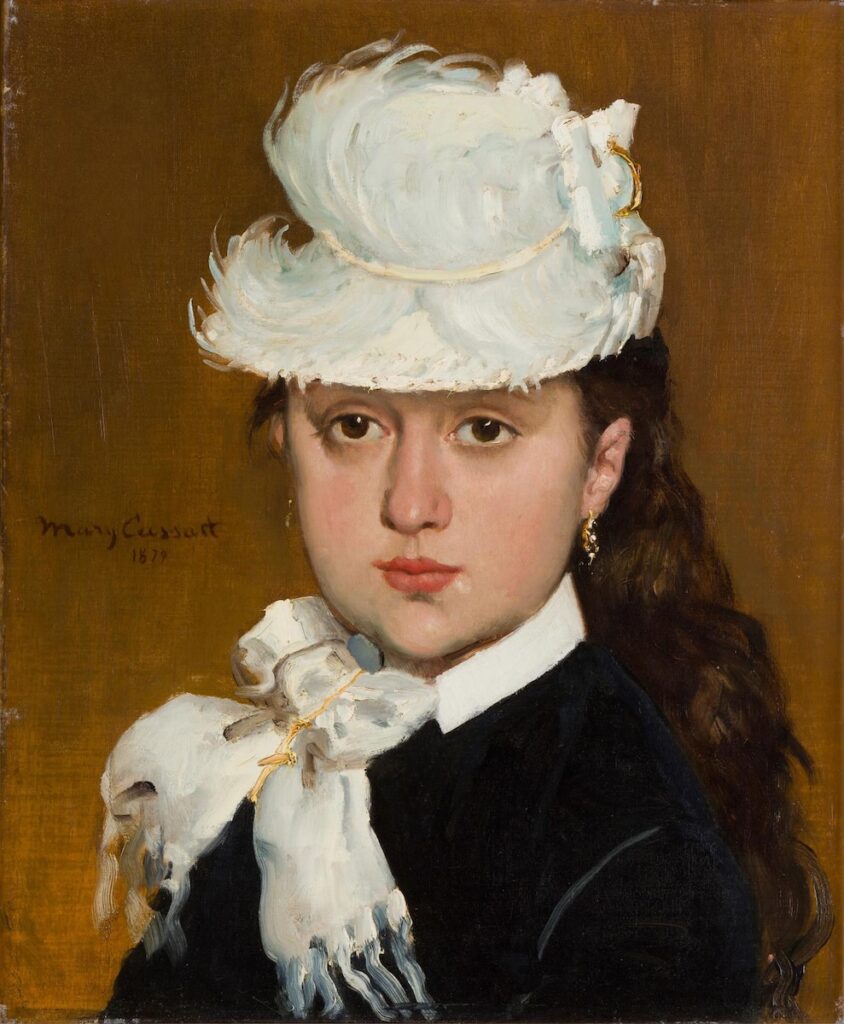
Mary Cassattt, Portrait of a Young Woman in a White Hat, 1879.

Born in Allegheny—what we now call the North Side—Mary Cassatt was a respected American Impressionist painter, one of the few in a male-dominated art movement. Her work focused on the intimate lives of women, in both public and private. She often painted women at the opera, but gave the same dignity and flair to women with their children in their homes. Her family disapproved of her studying art at the Pennsylvania College of the Arts as a young woman, but she stuck with it, though she didn’t complete her degree. It proved to be worth it, because major museums acquired her work during her lifetime and art collectors in New York and Chicago flocked towards her for her portraits and commissions.

She had a close relationship with the famed painter and sculptor Edgar Degas, though their intimacy by all accounts remained platonic. Cassatt spent much of her life in France, but we can still see her paintings in her hometown, on view in the Scaife Galleries at the Carnegie Museum of Art.

Her friendship with Louisine Waldron Havemeyer, wife of Domino Sugar baron H.O. Havemeyer, helped form one of the most important collections of paintings assembled by an American. Cassat’s access to the great Impressionist painters of the day, combined with Louisine’s funds and curiosity, put together works by Degas, Manet, Courbet, Monet, Cezanne, and Cassat herself. They shared space with paintings by Ingres, Rembrandt, Cranach, Hals, Botticelli, and more. Much of the collection was bequeathed to New York’s Metropolitan Museum of Art, forming an important backbone to its collection of European paintings.

Pittsburgh-Born Raymond Saunders Saw All Colors in Black

A painting by Raymond Saunders on a black background
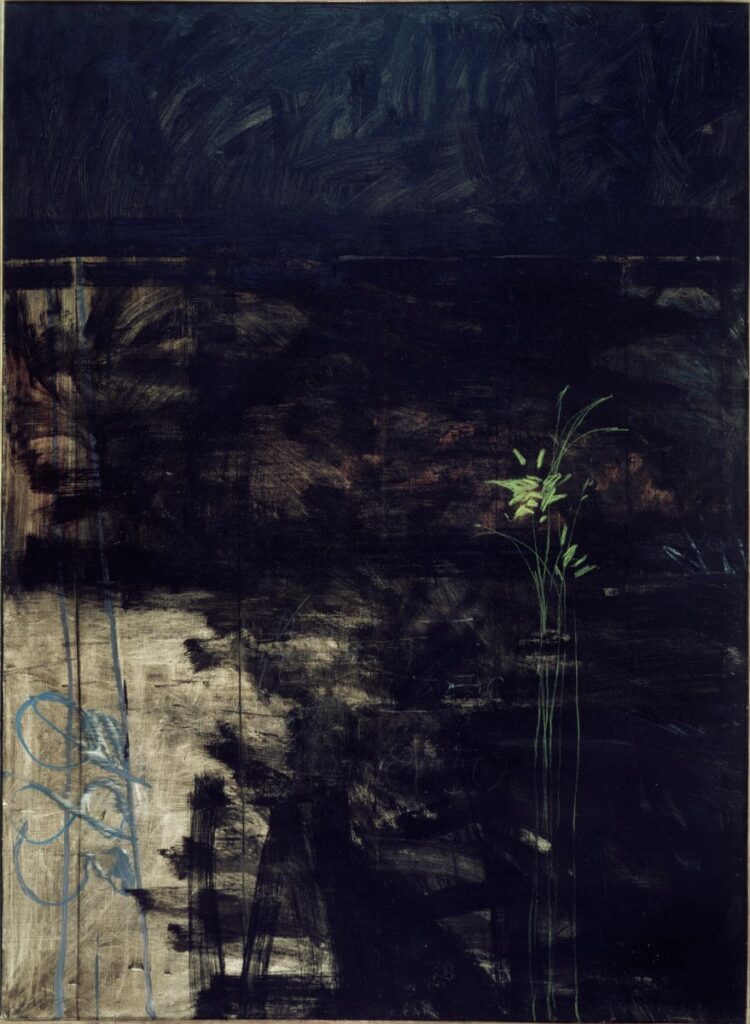
Raymond Saunders, Night Poetry, 1962

Many years after Mary Cassatt studied at the Pennsylvania Academy of Fine Arts, Raymond Saunders attended the same school on a scholarship. Saunders, born in Pittsburgh, had his first show in the city at the age of 19, while studying at the Carnegie Institute. He went on to live and work in Oakland, California, where he gained notoriety in the Bay Area’s art scene.

Saunders pushed back against the idea of being a “black artist,” and played with the associations people have with the label by making paintings predominantly in black. The blacks he uses are multilayered, often playing off other elements in his work. Saunders is still living, at ninety-one years young, and his work is in museums and galleries all around the world.

Story by Emma Riva
Image of Mary Cassatt Bacchante
(1872)

Subscribe to TABLE Magazine‘s print edition.

Vivo Kitchen’s Roasted Beets Salad

0
Plates of roasted beet salad on a black background.

Sam Di Battista from Vivo Kitchen shares this delicious roasted beets salad dressed with toasted pepitas and feta cheese. It’s just what we need right now for spring: with the slow return of sunshine and warmer weather, the balance of earthy beets and the light tang of the feta are perfectly balanced.

This makes a great side dish or starter course, or double the recipe and enjoy it as a vegetarian main course. Sam often serves it as a side dish with Bistecca alla Rosmarí. See more about his process below!

Should You Buy Roasted Beets or Roast Them At Home?

If you’re in a pinch for time, store-bought beets will do, but it’s always “beets” to roast at home. This simple recipe features “No Peeling Required” and “No Foil wrapping.” Roasting in a covered pan with water and vinegar makes a for velvety texture and loads of flavor. Just give the beets a little pre-roast scrub and rinse and you’re ready to go with this roasted beets salad!

Print
clock clock iconcutlery cutlery iconflag flag iconfolder folder iconinstagram instagram iconpinterest pinterest iconfacebook facebook iconprint print iconsquares squares iconheart heart iconheart solid heart solid icon
Plates of roasted beet salad on a black background.

Vivo Kitchen’s Roasted Beet Salad


  • Author: Sam Di Battista

Description

A delicious and healthy spring recipe!


Ingredients

Scale
  • Roasted Beets
  • 1/3 cup pepitas
  • 1 t salt
  • 1/2 t garlic powder
  • 1 t ginger powder
  • 1/4 cup of sliced sweety drop peppers
  • Optional Garnish: Lime slices, flat leaf parsley


Instructions

To roast the beets and pepitas: 

  1. Preheat oven to 375.
  2. Wash beets and place in a deep roasting pan with vinegar, sugar and water and roast covered until tender. About 40 minutes. Let cool. Skins will stuff off easily. Cut into chunks after removing skins.
  3. In a dry skillet, combine pepitas, garlic powder and ginger. Heat on high until pepitas begin to brown. Finish with salt and pepper.
  4. Cut beets into quarters or eighths, depending on size preference. Combine all ingredients in a mixing bowl, toss to combine and serve.

To assemble the salad: 

  1. In a bowl, combine beets and pepitas.
  2. Sprinkle with feta. Salt and pepper to taste. Perhaps add a drizzle of extra virgin olive oil.
  3. Plate with fresh thin slices of lime, arugula, sliced peppadew peppers, a sprinkle of slivered scallions…or any fresh touch that pleases your palate.

Recipe by Sam Di Battista
Photography by Dave Bryce
Styling by Keith Recker
Photography by Dave Bryce
Videography by Dana Custer and Ariella Furman

Subscribe to TABLE Magazine‘s print edition.

Honoring Women Food and Beverage Professionals in Pittsburgh

0
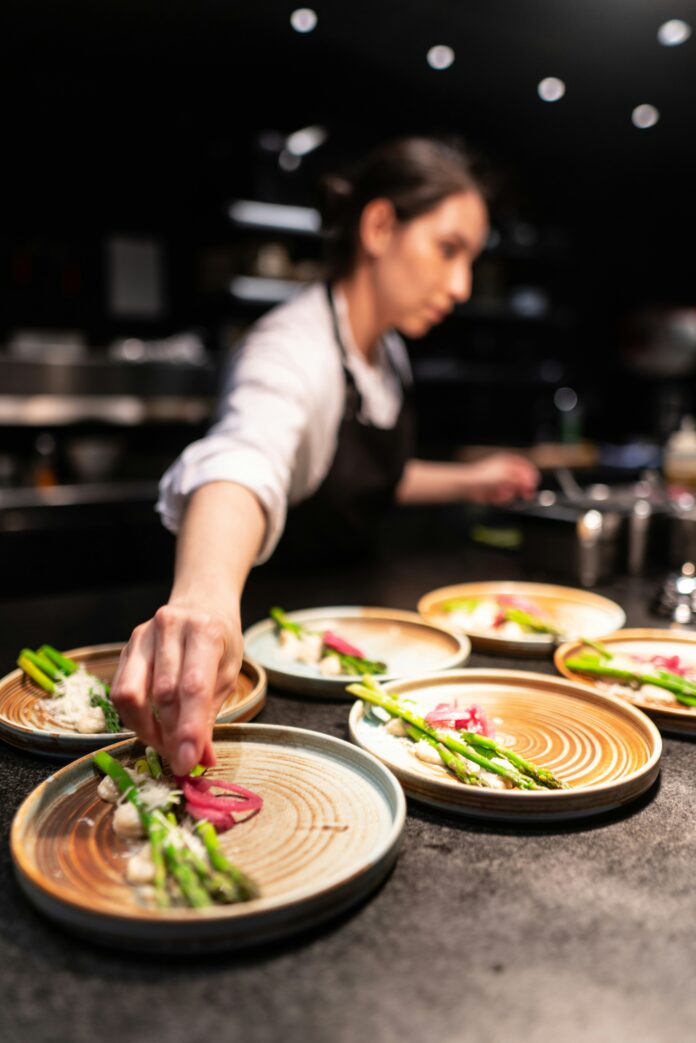
A woman chef in the kitchen in Pittsburgh garnishes plates with vegetables while her hand is in focus and her body is not.

In celebration of Women’s History Month, we spotlight the remarkable talents of women chefs, bartenders, and other food and beverage professionals shaping the culinary community in and around Pittsburgh. Woven into the city’s iconic bridges and bustling neighborhoods is a vibrant scene enriched by the creativity and innovation of female pros. At the helm of cozy cafes and upscale eateries alike, these visionary professionals are not only crafting delectable dishes but also a new, unique perspective. Through their fierce passion for flavors, dedication to craftsmanship, and commitment to excellence, these women are leaving an incredible mark on Pittsburgh’s restaurant scene and beyond. Join us as we celebrate the creations of just a few of Pittsburgh’s trailblazing restaurant professionals, whose contributions embody the spirit of empowerment that characterizes Women’s History Month.

Honoring Women Food and Beverage Professionals in Pittsburgh

Jamilka Borges and Dianne DeStefano at Lilith

Who’s ready for some Sicilian and Puerto Rican home cooking? Chefs Jamilka Borges and Dianne DeStefano came together to create the restaurant Lilith. It’s an homage to their cultural heritage and a place for the two to experiment with blending their different styles. Stop in to try their signature coastal cuisine like their Swordfish with carrot, bok choy, mussels, and tamarind-shellfish broth. We recently enjoyed their Tuna Tartare appetizer. It is divine, too.

Ginger Fisher Baldwin at Balvanera

One of the latest additions to the Strip District Terminal is Argentinian restaurant Balvanera. After you’ve devoured one of their incredible steaks, you won’t want to miss dessert from Pastry Chef Ginger Fisher Baldwin. Whether you wish to try a classic Flan or switch things up with her Tarta de Chocolate, it’s all made with love. 

Rebecca Romagnoli at Forma Pasta

Fresh, handmade pasta may be one of the best dishes for a weeknight meal. If you’re craving that tender, flavorful bite, Owner and Chef Rebecca Romagnoli has just the plate for you. All the pasta you see either in the Forma Pasta marketplace or restaurant is made in-house. Sit down to a meal of Gnocchi with burrata, fresh herbs, and bolognese sauce or grab a bundle of fettuccine to make at home.

Jen Saffron at Sprezzatura

Sit down to a family meal from the solar powered kitchen at Sprezzatura that keeps both sustainability and farm-sourced Italian home cooking eating in mind. Dine on traditional Spaghetti and Meatballs, delight in the cheesiness of Stuffed Shells, and know you’re tasting organic, local fare that’s been sustainably sourced.

Selina Progar at Eleven

Have you ever ordered a chocolate bar for dessert? Well you’re about to because Pastry Chef Selina Progar at Eleven is a master with chocolate. For her signature Chocolate Bar (whose flavor changes seasonally), she uses chocolate sable cookie, vanilla bean ermine buttercream, cookies & cream diplomat, black velvet chili sponge, chocolate fudge. It’s an elegant take on your favorite guilty pleasure and the perfect way to finish Eleven’s seasonal menu. Read all about the seven chocolate recipes she made for TABLE with one giant chocolate bar! 

Rachel Sinagra at Fig and Ash

General Manager and Beverage Director Rachel Sinagra works to match seasonal flavors with the best spirits available to create killer cocktails. She uses unusual ingredients like green goddess syrup, pickled grapefruit, and cardamom oil for unique, sophisticated combinations. If you’re ready to get into the spring season, try the A Berry Unmerry Birthday. It’s a balance of Bourbon, Pimm’s No. 1 Liqueur, wild berry tea, elderflower syrup, and lemon deliciousness. Or perhaps you’ll be very lucky and her Beauty School Dropout Negroni will be on the menu! We love that one.

Kate Romane at Black Radish Kitchen

Chef Kate Romane at Black Radish Kitchen wants to make sure that your next event has veggie forward, specially crafted dishes. Plan a pasta party that features homemade Orecchiette Lemon Pecorino. Or, make sure there’s a big bowl of Roasted Veggies available at your next gathering. And of course, we can’t forget their varieties of fresh baked bread like their delectable focaccia. We really enjoy getting a party started with her party-sized Crab Cakes.

Casey Renee at Confections by Casey Renee

Two-time James Beard Semifinalist Pastry Chef Casey Renee has more than a few tricks up her sleeve when it comes to her delicious confections. Not only are her flavors packed with a punch, but the aesthetics of her designs feed the eyes as much as they do the mouth. Create a cake for your next birthday party with your selection of cake flavor, buttercream, and filling. Or, pick up a selection of her chocolate and cake truffles. We are partial to her cookies, too!

Jackie Page at Jackie Kennedy Catering

Southern-style home cooking finds a true champion in Chef Jackie Page. Her secret ingredient? Lots of passion and love inspired by her family and beyond. One bite of her Fried Chicken or her Ravioli with Sautéed Vegetables and Scallops and you’ll feel like you’re down in the South with the sun beating down. Not to mention, her charcuterie and fruit boards stun with bright colors and great eats. 

Jacqueline Schoedel at The Speckled Egg

Who doesn’t love brunch? While you can enjoy breakfast any day at The Speckled Egg, their weekend Brunch Menu is a big hit. Co-Owner and Chef Jacqueline Schoedel brings a delightful plate of fresh produce and farm-fresh eggs right to your table. Feast on Goat Cheese Omelettes, Brown Butter French Toast, and Fried Chicken Biscuit on your next weekend outing. One of the reasons we love Chef Jacqueline dates back to Lamb Fest 2019, when she and her teammates presented a legendarily delicious Lamb Sloppy Joe. We’re still thinking about it.

Kate Lasky at Apteka

Vegetables are the star of the show at Apteka. In fact, you won’t find meat anywhere on the menu. James Beard Finalist and Chef Kate Lasky focuses on vegan dishes with a Central and Eastern European touch. Pick a few small plates to share like Kanapka which is an open faced rye toast with a combination of three pâté and a cabbage slaw. Or split a big plate of their potato and cabbage Pierogies made with onion, smoked chili oil, carrot, and salsa. You might whip up a batch of Apteka’s Chlodnik at home and savor Apteka’s unique layering of flavors with your family.  

Michaela Blaney at Mic’s Market

What if you could stop and pick up a healthy, freshly made sandwich on your way to work? Mic’s Market makes that a reality by providing a stocked deli case, breakfast burritos, a hot food bar, and smoothie bar. Michaela Blaney runs the operation and makes recipes that everyone can grab and enjoy on the go. Next time you’re in a rush, stop by and try their Flank Steak with Chimichurri ready to go on the rotating hot foods bar. 

Patti Danforth at Feast on Brilliant

Get your grocery shopping and weeknight dinner done in one shopping trip. Owned by Chef Patti Danforth, this specialty foods market incorporates some of the newest and trendy products, all which embrace quality and flavor. With an ever-changing menu, you never know what the chefs at Feast on Brilliant will prepare. Maybe their Famous Meatloaf will be available, Or, a new Feast Sandwich featuring the upcoming notes of the spring season.

Trang Nguyen at Bunny Bakes & Specialty Coffee

Pastry Chef and Head Baker Trang Nguyen fills the Bunny Bakes cafe with tons of yummy treats made from scratch. From muffins to chocolate dip specialties, cupcakes, cookies, pastries, and challah bread. She even bakes up gluten-free brownies, cookies, and muffins so that no one feels left out when they step into this cafe. Stop in to try her signature Chocolate Rugelach, Cinnamon Buns, and Apple Turnover.

Lori Di Battista and Martine Di Battista at Vivo Kitchen

Comfort food and friendly service makes for a great weeknight dining experience at Vivo Kitchen. The family in charge of Vivo includes Lori Di Battista and Martine Di Battista. Lori makes the desserts. Martine introduced veggie and vegan entrées to the menu a while back. One such dish, their Pan-roasted Forest Mushrooms appetizer, is a mixture of oyster, baby bella and king trumpet mushrooms which are roasted before adding salt and pepper, and then picked up in a ripping hot pan to get the edges of the mushrooms a little bit brown and crispy. They’re plated with dolce gorgonzola cheese and topped with chopped green onions. If you enjoy meat, try the Crispy Garlic Chicken. It’s been on the menu for ages for a good reason: It’s fantastic.

Csilla Thackray at Titusz

After working at worked at Bar Marco, The Vandal with Chef Joey Hilty, Churchview Farm, and Fet-Fisk, Csilla Thackray is now opening her open restaurant Titusz. This new restaurant mixes Austro-Hungarian cuisine with new methods to elevate these traditional dishes. Later this fall, she’ll premiere recipes like paprikash and stuffed cabbage along with a few of her own new creations. Definitely keep an eye out for when you can dine and try this cultural cuisine for yourself!

RaeLynn Harshman Gigler at Dish Osteria

Bar Manager at Dish Osteria, RaeLynn Harshman Gigler crafts elevated cocktails using local spirits. Her Dirty Dish Martini uses Parking Chair Vodka from Lawrenceville Distilling alongside olive brine and mountain gorgonzola stuffed olives. Or, maybe you’d like to try something a bit more experimental like their Lambrusco Spritz with Lo-Fi Amaro, Amara Rosso, grapefruit, dry Lambrusco, castelvetrano olives, and an orange slice.

Erika Bruce, Chloe Newman, and Bath Taylor at Third Space Bakery

This trio of professional bakers made Third Space Bakery to not only get their goods out to the world but to also bring classes and demonstrations to home chefs around Pittsburgh. Their kitchen is about creating delicious, nutritious food as well as connecting emotionally over the practices of cooking, baking, and eating. Stop in to try their handmade loaves of bread and selection of pastries which both vary throughout the week. Plus, keep an eye out on their social media for weekly specials that only stick around for a short time.

Kaitlin Fellers at Novo Asian Food Hall

Novo Asian Food Hall wows customers with its selection of food but its bar program is what brings each dish to life. Beverage Manager Kaitlin Fellers serves up a menu inspired by pop culture elements like the My Chemical Rodance and Our Old Pal Gojira. Each of these cocktails uses the finest Asian liquors to bring out the flavors of whatever meal you may choose. Her creativity leaves you satisfied not only physically but emotionally as well.

Olive Visco at Polska Laska

If you live in Pittsburgh, chances are you’re a big fan of pierogies and at Polska Laska. That’s their specialty. Owner and Chef Olive Visco hand-makes these little pockets of potato alongside other polish cuisine like haluski and kielbasa. She also rotates pierogi flavors and the entire menu based on each season. Even if you happen to be vegan you can still enjoy her pierogies in potato and onion or sauerkraut and mushroom varieties.

Alekka Sweeney at Chef Alekka LLC

Instead of going to a restaurant, let the chef come to you! Chef Alekka Sweeney curates at-home chef experiences, cooking classes, and catering for private events that showcase a custom five course menu and wine pairing. Some of her cooking classes (which can even take place right in your own home) include knife skills, pasta from scratch, easy appetizers, cupcake decorating, and making bagels/pretzels.

Amnelis Cruz at Spirits and Tales

When your bar’s home is in a classic French brasserie restaurant, it takes a special person to bring that experience to life. Amnelis Cruz leads the bar team in constructing a cocktail menu that takes the traditional drinks you know and love and elevates them with craft ingredients. Their exclusive Spirit of the Oak Old Fashioned uses their own private select batch of Maker’s Mark Bourbon, all-spiced cinnamon syrup, chocolate bitters, orange bitters, Hellfire bitters, and smoke with hickory wood. One sip helps you realize cocktails are so much more than just liquor and a mixer. Try her milk-washed bourbon celebration of upcoming film Snow White: The Wicked Apple.

Katrina Tomacchio at Loaded Food Group

The mocktail queen herself Katrina Tomacchio, also known as the Northeast Ginger, is the owner of Loaded Food Group, known for LOADED and TOMA at Lawrence Hall food hall. She helps with the creative side of things for both restaurants and even mixes up outstanding mocktails that have won her awards. Besides Lawrence Hall, you can catch her hosting her Mocktail Meetup group around various establishments in Pittsburgh.

Jamie Cumberledge at Esquina Cantina

Esquina Cantina’s bar program not only creates a number of signature cocktails, they also make their own micheladas. With the help of Jamie Cumberledge, this bar and restaurant has made a name for itself with its extensive agave spirits list and seemingly endless beverage options. Try something truly different with their Tomado del Sol which includes El Güel gin, Banhez mezcal, rosemary, tomato, dry sack sherry, lemon, and guajillo oil. Talk about a cocktail that’s just as extensive and thought out as your meal. While it’s an ambitious recipe for an at home mixologist, take a look at With Whiz, the 2025 Super Bowl cocktail she made to celebrate the champions, the Philadelphia Eagles.

Sherree Goldstein at Square Cafe

Not only has Sherree Goldstein created a delicious space in Square Cafe but she’s also created a safe space for the LGBTQIA+ community and beyond. Her cafe has become a place where those in the neighborhood can flock to no matter their sexuality, gender, or race and find community. Their cuisine and beverages push the boundaries of what you would imagine a breakfast/brunch cafe to be with fresh, local ingredients. On top of Square Cafe, she is also opening a women’s sports bar called Title 9. This area adjacent to Square Cafe will feature women’s games on the television as well as new recipes for comfort bar snacks.

Jessica Bauer at Altius

High above Mt. Washington sits Altius, a modern and refined restaurant with food by Executive Chef and Partner Jessica Bauer. Her creative, seasonal dishes take from diverse backgrounds to make something brand new you’ve likely never tried before. Everything she makes is to show guests how unique and stimulating food can be. Head in to try her Barolo Braised Lamb Shank or Vegan Wild Mushroom Papillote, two recipes that use the freshest, most sustainable ingredients to bring you the best flavor possible. Though there’s much more to explore even including gluten-free and vegetarian options throughout the menu.

Story by Kylie Thomas
Photo courtesy of John Fornander

Subscribe to TABLE Magazine‘s print edition.
Pittsburgh Opera’s Christopher Hahn Announces Retirement

0
Christopher Hahn, General Director of the Pittsburgh Opera, stands in a garden.

Christopher Hahn, General Director of the Pittsburgh Opera, announced this week that he’s planning to retire from the position. Hahn, originally from South Africa, served in the leadership position for 13 years. However, he has officially been with the opera since 2000. “I came on in 2000 as Artistic Director,” he remembered. “When I picked up as General Director in 2008, I already had a sense of the vision getting to know the company. In retrospect, that sort of layered approach was helpful, because going into a new job at a new place can be very overwhelming.”

Pittsburgh Opera’s Christopher Hahn Announces Retirement

2008, also, wasn’t exactly the high point of the American economy. “There was this little thing called the Great Recession, so it wasn’t the best time to work at an opera,” he said, chuckling. But Hahn persevered and guided the opera through migrating to a new building, now its headquarters in the Strip District.

Part of what initially drew Hahn to work at the Pittsburgh Opera was its young artist training program. In his time as General Director, he built out that program further. Some of the artists who’ve worked in the training program under Hahn include include Sean Panikkar, Audrey Luna, Eric Ferring, Alexandra Loutsion, Taylor Raven, Benjamin Taylor, Stephanie Havey, Daniel O’Hearn, and Emily Richter.

A Focus on World Premieres

Hahn said what he thinks makes the Pittsburgh Opera special is its focus on world premieres. “[The audience has to have] real trust in the programming you’re building. But if you’re building a sense of mutual respect with the audience, they come to everything. They love all the old classics, of course, but also really love the new ones. Over the years, people have told me it’s the smaller, more intimate shows they remember,” he said.

In this new chapter of his life, Hahn will be returning to Cape Town more frequently to work in the opera community there. “I’d really like to help upcoming young singers there. There’s an amazing level of talent there, but it’s very difficult to break out and find opportunities,” he added. This is in line with the mark he’s left on Pittsburgh, making it a city where opera singers know they’ll have a lot of institutional support and practical training.

The final opera that will be produced Hahn’s leadership is Falstaff, appropriately, Giuseppe Verdi’s final opera. The opera will begin searching for a new General Director in the interim, with the support consulting firm Genovese Vanderhoof & Associates. “[General Director] is a very, very challenging job and takes a certain amount of craziness to want to do it,” Hahn said—something anyone in a creative field can relate to. “All I hope is that whoever takes over for me has that healthy combination of trepidation and curiosity.”

Story by Emma Riva
Photo courtesy of the Pittsburgh Opera

Subscribe to TABLE Magazine’s print edition.

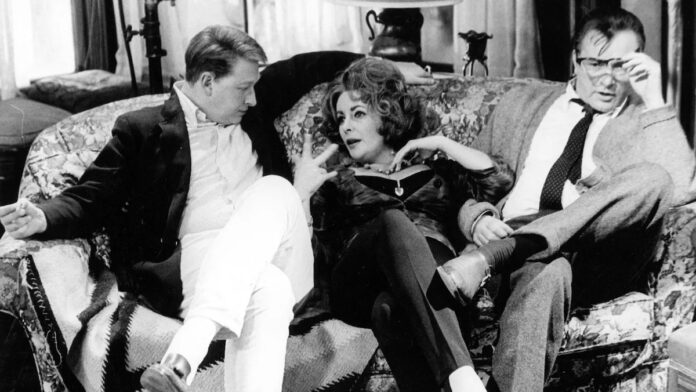
Behind the Scenes of Who’s Afraid of Virginia Woolf? at the Public Theater

0
A still from the film adaptation of Who's Afraid of Virginia woolf

Who’s Afraid of Virginia Woolf? first hit stages in in 1962 and quickly become an American classic. Written by a giant of American theater, Edward Albee, it exposed the vulnerable underbelly of American post-WWII triumphalism. Stretching across a very long night, the play sees George and Martha, a middle-aged pair of academics, inviting a younger couple over to their home for what seems at first like a normal soirée. But the audience soon sees the unresolved tensions in George and Martha’s relationship boiling over. On the ay to a bleak dawn, we learn that the younger couple, Nick and Honey, have their own secrets to share. We asked director Pamela Berlin to give us a look behind a curtain at Pittsburgh Public Theater’s 2025 production of this iconic show, running Wed, Mar 19 to Sunday April 6.

Behind the Scenes of Who’s Afraid of Virginia Woolf? at the Public Theater

What makes Who’s Afraid of Virginia Woolf? relevant today?  

Pamela Berlin: The themes of the play are universal and are as relevant today as they were six decades ago: Edward Albee, the playwright, explores the complicated, messy dynamics that exist in all marriages since time immemorial. Relationships—especially between the husband-and-wife hosts of this middle-of-the-night, liquor-infused get-together—encapsulate the complexities that we all experience over time in our long-term commitments.  There  is love, hate, wit, cruelty, resentment, and tenderness: you name it, it’s all in the play. Albee doesn’t hold back, and neither do his two protagonists, George and Martha. The play is full of passion, and fireworks. And a lot of humor.

What has come up during the rehearsal process as you’ve directed the play?

PB: I went into preparing to direct this play knowing that if there isn’t, first and foremost, love between these two characters, the play is unbearable. We had to start with that. George and Martha were drawn to one another initially, years ago, by their mutual intelligence, humor, unsurpassed verbal sparring skills, and the psychological wounds they both carried with them. All those qualities still bind them, even as their marriage, over time, has grown contentious and often ugly.

What makes this production unique?

PB: Edward Albee’s ability to hold all the complicated feelings that human beings have and exhibit towards one another is beyond brilliant. He writes with virtuosic intelligence, sensitivity, and scathing humor. And all of the actors who are cast in these four roles—as the middle-aged George and Martha and the younger Nick and Honey—have to bring that same intelligence, humor and sensitivity to their performances. And courage, because it’s what the play demands of anyone playing these parts. 

It’s a tall order, and that is what I was looking for and found in the four wonderful actors whom I cast: Daniel Jenkins as George, Tasha Lawrence as Martha, Dylan Meyers as Nick, and Claire Sabatine as Honey. We’re in the thick of rehearsals now and loving every minute of it, as grueling as it often is. Who’s Afraid of Virginia Woolf? demands that we hold a mirror up to ourselves, even as we the audience watch the characters go at each other, in delight and often horror.

For more theater, take a look at TABLE‘s spring performance roundup.

Graphic courtesy of Pittsburgh Public Theater
Photo still of Who’s Afraid of Virginia Woolf? (1966)

Subscribe to TABLE Magazine’s print edition.

Finding Natural Skincare in Pittsburgh

0
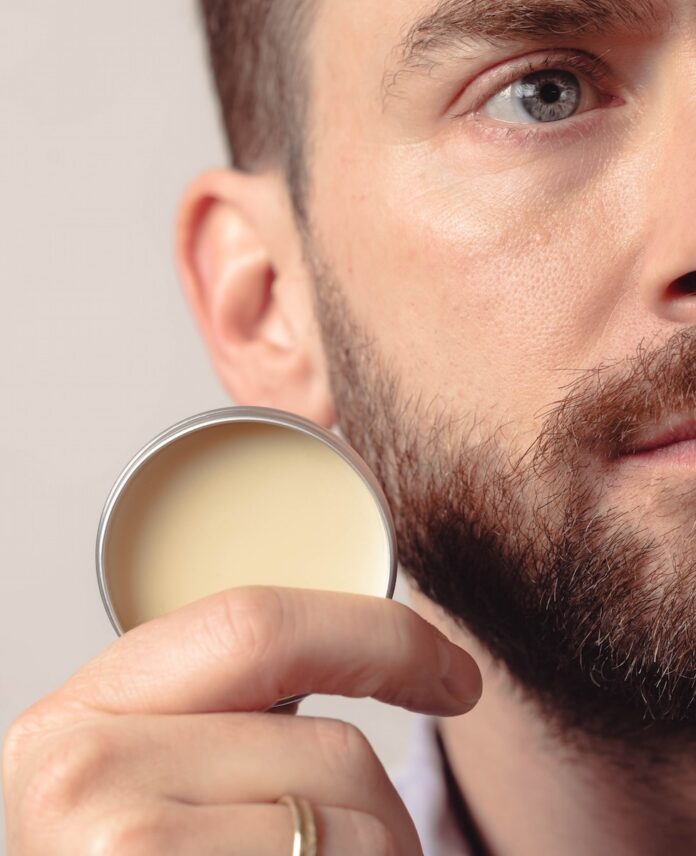
A man holding a natural skincare product from a Pittsburgh shop in a tin next to his face.

Have you ever felt like your skincare routine just seems to make your skin worse? Does your moisturizer seem too oily and your serums too drying? Does that acne cream just aggravate breakouts? We’re here to let you know that you’re not alone, and that there are skin care options that may be able to help. Natural skincare products use the purest botanical and earthly ingredients with minimal processing, which could be your answer to clearer, softer skin. 

Finding Natural Skincare in Pittsburgh

Dr. Marc Liang, a Pittsburgh board-certified plastic surgeon specializing in cosmetic surgery, points out that the way that natural skincare is derived can be a plus for some people over others. If you’re trying to figure out whether natural skincare is right for you, there are a few things to consider. 

“Natural skincare can be a great option for those looking for gentle, eco-friendly, and chemical-free products,” says Dr. Liang. “These ingredients often go through minimal processing to retain their natural properties, making them gentler and potentially less irritating for the skin. However, whether it is ‘better’ than other options depends on your specific skin concerns, preferences, and tolerances. It’s important to assess your individual needs and choose products that align with your skincare goals.”

Local Natural Skincare

While natural skincare is not strictly regulated, there are brands within Pittsburgh that are working to bring products straight from the earth to your counter. Lovett Sundries is one of the businesses that take natural skincare ingredients very seriously. They are even Leaping Bunny Certified, meaning that their company uses animal cruelty-free production methods and supply chains. Co-owner Jeff Lovett explains that it was after an experience close to home that Lovett Sundies made their own firm standards for their products. 

“After a big health scare for our founder and co-owner Marit, we started looking very closely at the ingredients in the products we use in our home and on our bodies,” says Lovett. “We think it’s incredibly important to use ingredients with minimal processing, and we never use parabens, sulfates, phthalates, PFAS’s, formaldehydes, or artificial fragrances. When we say all-natural we mean you can trace the ingredient directly back to the plant or mineral it came from. For instance, all of our fragrances are pure essential oils or floral waters, and simple plant oils.”

How to Shop for Natural Skincare

Now that you’re more familiar with what natural skincare is, it’s important to understand how to shop for it. It’s so much more than just grabbing whatever is the cheapest, has the prettiest packaging, is the first thing you see, or whatever has the longest ingredient list. In fact, oftentimes, something that you don’t understand is actually going to be worse for you. 

“More complicated is not always better, and innovation is not always a step forward,” says Lovett. “All-natural formulations are generally simple, clean, and efficient. You’ll find that a little goes a long way when the ingredients are all natural. While it’s also easy to only think of how the products you use on your body affect you, their effect on the world is just as important. Aluminum is infinitely recyclable so when it’s empty, you know that it is actually a zero-waste solution. The ingredients and containers we use in life are borrowed from nature. That’s where they came from and where they’re headed back to when we’re done”

Let Lovett Sundries Help

Even if you’re still feeling a bit confused, all you have to do is step into one of the natural skincare shops like Lovett Sundries and ask any questions you have. Just like this local brand, any other small business will be happy to help and often use the most natural ingredients. 

“We are also a woman owned and family run company,” says Lovett. “There are just three of us here, so our customers can feel connected to the people who made their favorite things. Small batch manufacturing means we are up close and personally engaged with every step of the process. If you’re ever curious about one of our ingredients or manufacturing methods, just ask and we’ll tell you everything we know. Better yet, come by the shop and see where it’s all made.”

The Cautions of Natural Skincare

Now, you should note that just like anything else, natural skincare is not a one-size-fits-all. You need to look into the ingredients in the products you’re purchasing and be knowledgeable about them. To start learning more about how natural skincare can help you, Lovett Sundries has a few tips. 

“It’s important to keep in mind that ‘natural’ doesn’t always mean safe and ‘synthetic’ is not inherently harmful,” explains Lovett. “This is why it’s important to look into ingredients that are unfamiliar. If you ever want to know more about an ingredient in your personal care routine, we have a glossary of many of the ingredients on our website. For a broader look at ingredients,  check out the Environmental Working Group website. They have the best database of ingredients and give each component a hazard score.”

Story by Kylie Thomas
Photo Courtesy of Lovett Sundries

Subscribe to TABLE Magazine’s print edition.

Marc Vilanova Brings Mystical Sound to the Mattress Factory

0
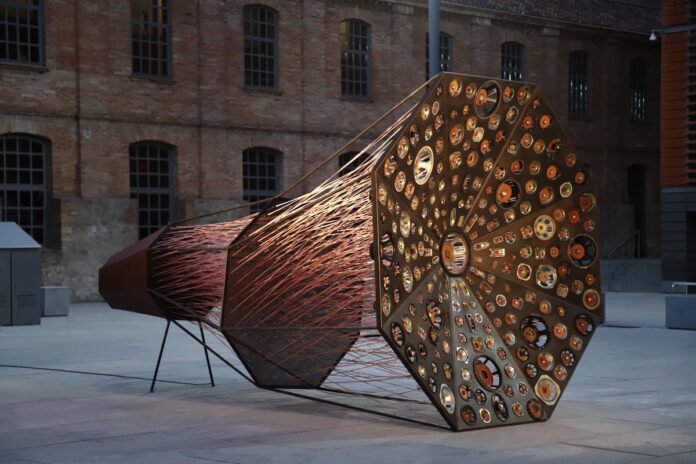
Phonos, anstallation by Marc Vilanova

Most of us have, at some point, wished we listened better. Spanish installation artist Marc Vilanova knows the power of listening from his years as an experimental musician, playing the saxophone in front of crowds across Europe. But most people are not listening to a waterfall, an earthquake, or a volcano. This is not a slight towards a volcano: we aren’t voluntarily tuning it out. Our bodies can’t hear the frequencies that nature speaks to us at, because our ears can only pick up sounds from 20Hz to 2000Hz.

Any frequency beyond that is “infrasound” at the lowest point or “ultrasound” at the highest point.” However, we can feel it. Vilanova was recording a waterfall, once, for an installation called Cascade, and felt a pressure in his chest he couldn’t explain. Then, he looked at his recording device and saw that he was standing at the highest frequency of sound. This moment transformed his relationship to sound and formed the basis for his art practice that he’s bringing to the Mattress Factory on March 28 for his yearlong exhibition.

Marc Vilanova Brings Mystical Sound to the Mattress Factory

“These things are mystical, and we don’t have the words to describe them,” Vilanova said. “We have to feel it with our bodies, but they’re things we cannot perceive.” For his newest work at the Mattress Factory, as-of-yet untitled, he used geophones to record infrasounds from deep within the earth. He visited mines in the Appalachian region surrounding Pittsburgh when no one was else was there to be able to record in silence. The exhibition, opening on March 28, will consist of three different sonic experiences where Vilanova takes his recording, plays them on speakers, and then uses fiber optic cables to show the soundwaves reacting to a physical object. He’s blacked out the walls and the windows on the fourth floor of the Mattress Factory, and will have carpets for people to lay down or sit on to experience the exhibition.

“I want to pose questions, but I don’t have the answers to them,” he said. “That’s for scientists or for environmentalists. The experience of my work is very sensual, not just something to see and read the wall text and then go to the next thing. You perceive the piece with your body, and you can connect with it even if you don’t read anything on the wall.” He does hint at the environmental implications of sound pollution, how birds use infrasound for migration and get confused by the soundwaves planes or WiFi signals make. But he’s not interested in preaching to people, rather, he wants them to experience for themselves that there are things beyond their perception happening all around them, all the time.

Merging Science and Technology

Though Vilanova sees what he does as creative, it’s not all romantic. He crossed out a work-in-progress sign in the installation space that said “This area is closed. Making art in progress” and wrote “working” over the “making art” section on a piece of masking tape. Installation art of Vilanova’s genre is often unglamorous and highly technical, requiring an understanding of science and a willingness to work with what you have.

But during the process, he focused on what the core of the show would be. “I really want people to feel welcome in the space and feel like they can spend some time there,” he said. Installation work has a reputation for being overly heady, inaccessible, or downright unpleasant. But Vilanova hopes people can spend ten minutes, if only that, really experiencing the work. Where many installation artists can indeed live up to the stereotype in their descriptions of the work, Vilanova is earnest and openhearted.

The Power of Listening

“I felt a little embarrassed about my experience with the waterfall, sharing it with people,” Vilanova said. “That people might think ‘oh, he’s just a mystical guy.’” But he now embraces the mysticism, magic, and poetry that comes from deep listening, both to the world around us and to each other. “People with good listening skills can make better conversation or even get political radicals to agree with each other,” he noted. In the pre-installation phase, the speakers on the ground look like a field of small, metallic flowers. What Vilanova does can seem like a kind of magic, but it is science.

Though visiting Vilanova’s installation won’t be a traditional museum experience of seeing with your eyes, the works asks you to open your heart and be vulnerable to an experience you might not understand. It can be uncomfortable to situate yourself in your body and have a sensory experience, especially when so much of modern life disconnects us from it. But Vilanova’s show will be up through March 2026, so you have plenty of time to go, even if to spend just ten minutes.

Story by Emma Riva
Photo courtesy of Marc Vilanova

Subscribe to TABLE Magazine’s print edition.

Kara Walker Casts the Shadow of History at the Frick Pittsburgh

0
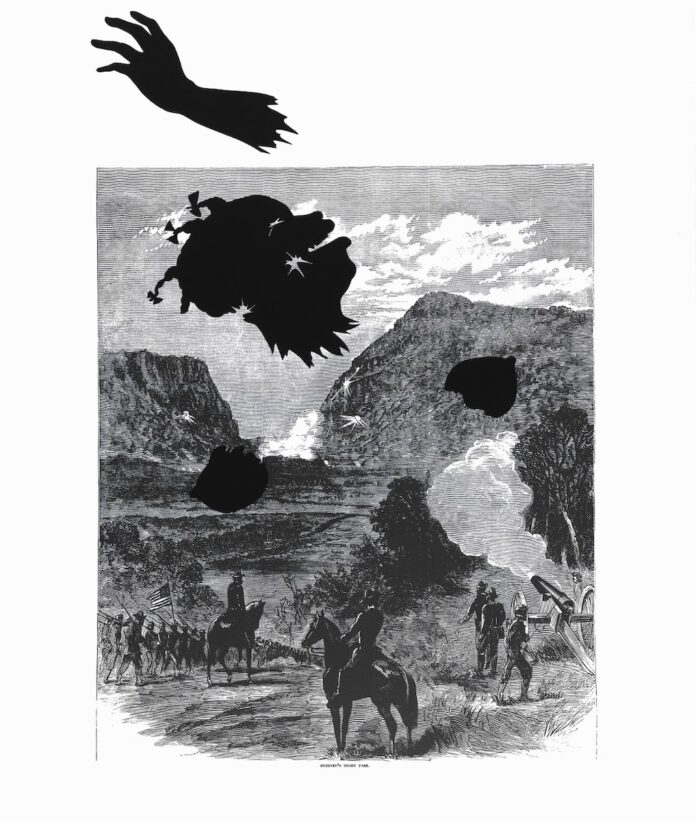
The composition of Buzzard's Roost Pass by Kara Walker, a figure with a severed hand above an etching of The Civil War.
Kara Walker, Buzzard's Roost Pass, from the portfolio Harper's Pictorial History of the Civil War (Annotated), 2005, offset lithograph and screenprint on paper, 53 x 39 in. (134.6 x 99.1 cm), Smithsonian American Art Museum, Museum purchase through the Luisita L. and Franz H. Denghausen Endowment, 2008.19.1.4, © 2005 Kara Walker

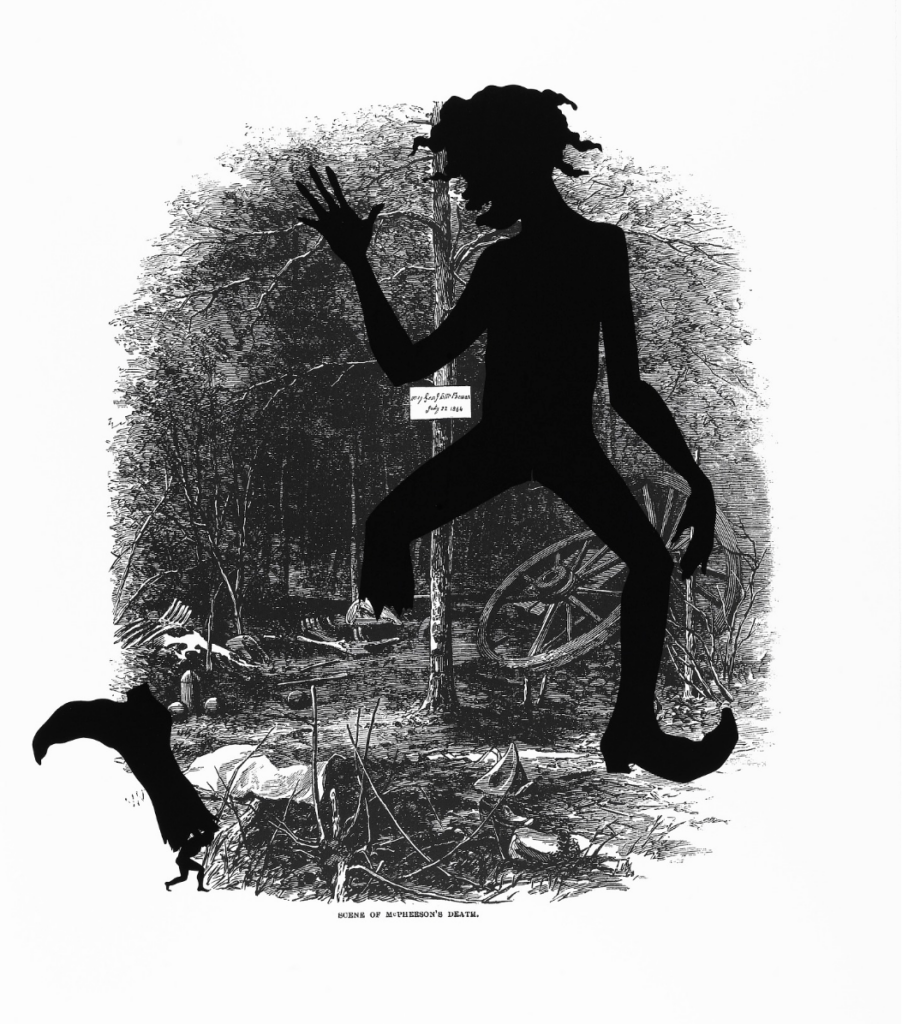
Kara Walker’s works are eerie. Her lithograph silhouettes straddle the line between memory, dreams, nightmares, and fantasy. How much of memory itself is a silhouette or an abstraction, something that lives inside the body as a formless darkness? Once moments in history pass, they’re gone, relegated to interpretation, often through images. Walker’s Harper’s Pictorial History of the Civil War (Annotated), now on view at the Frick Pittsburgh, sees the artist taking Winslow Homer’s illustrations of the Union Army’s battles during the Civil War and superimposing shadowy silhouettes onto them. Walker uses the uncanny, humanoid shapes that don’t quite register as real both in her large-scale sculptures and in her two-dimensional works to play with the viewer’s expectations of what they’re seeing.

Kara Walker Casts the Shadow of History at the Frick Pittsburgh

Harper’s Pictorial History of the Civil War (Annotated) originated at the New Britain Museum of Art in 2020, but the curatorial team at the Frick got to re-interpret the presentation of the show. At times, the silhouettes are indistinguishable from Homer’s original figures. In other moments, they dominate the image. Though there’s a quiet dignity to the simplicity of the silhouette, there’s an underlying feeling of grief and remorse. As contemporary viewers, we know that the triumphant soldiers Homer paints did not end suffering and oppression entirely. The Reconstruction period after the Civil War brought more discord and pain, even though the government did legally abolish chattel slavery.

Limbs are an integral part of Walker’s silhouettes. In the show’s final room, McPherson’s Death shows a Black child standing with her foot severed, the detached limb held up by another tiny Black figure. Walker wrote that “The silhouette says a lot with very little information, but that’s also what the stereotype does.”

Light and Shadow, Arms and Legs

Kara Walker, Scene of McPherson’s Death, from the portfolio Harper’s Pictorial History of the Civil War (Annotated), 2005, offset lithograph and screenprint on paper, 53 x 39 in. (134.6 x 99.1 cm), Smithsonian American Art Museum, Museum purchase through the Luisita L. and Franz H. Denghausen Endowment, 2008.19.1.14, © 2005 Kara Walker

The silhouettes in Walker’s work are not necessarily real people. At times, they appear as ghosts—in Cotton Hoards in Southern Swamp, one wanders a swamp nude with foliage swaying from his arms. That particular image shows beams of light making soft rectangles on the swamp floor through the treetops, yet unlike the two men in the swamp, Walker’s silhouette has no shadow. It stands on its own as a shadow of history.

A figure parades through a swamp in this drawing by Kara Walker.
Kara Walker, Cotton Hoards in Southern Swamp, from the portfolio Harper’s Pictorial History of the Civil War (Annotated), 2005, offset lithograph and screenprint on paper, 39 x 53 in. (99.1 x 134.6 cm), Smithsonian American Art Museum, Museum purchase through the Luisita L. and Franz H. Denghausen Endowment, 2008.19.1.6, © 2005 Kara Walker

Light itself, after all, is a part of how we perceive time, as increments of light and dark relative to each other. Without getting into quantum physics, Walker’s lithographs stand in Homer’s scenes outside of the past, present, or future, silent observers of human prejudice and hubris. Silent warnings not to repeat the same ills. But still, they watch as we do, possibly too busy celebrating incremental progress to see the larger picture.

Urgent Work

“These prints are twenty years old, and yet feel so urgent,” Chief Curator and Director of Collections Dawn Brean said. They’re reminders of moments of historical change, that our choices are consequential and that what seems far in the past is only a few generations away. Brean remarked that even ten years ago, the Frick likely would not have done a Kara Walker show—so this exhibition shows progress within the museum’s values and vision.

One unique element the Frick brings to the table is the use of guest wall labels from community members in Pittsburgh, including Yemeni street artist Haifa Subay, a refugee from a different civil war, and professor Shaun Myers, whose own ancestor fought in the Civil War in the US Colored Troops—only miles from one of the towns depicted in Homer’s prints. These bits of trivia add context to the work that grounds them in the present and keeps the show from being a repetition of what the New Britain Museum of Art already had. The museum will be holding a salon-style gathering for the guest labelists.

And though Walker’s art is some of the highest caliber in the world, and getting to see it firsthand is a treat for any art aficionados in Pittsburgh, it’s also worthwhile to learn about Black women artists in our own community. Artists like Tara Fay Coleman, Akudzwe Elsie Chiwa, Vania Evangelique, and Crystal Noel Jalil, to name a few, live and work in our city. Walker’s work shows that history is happening all around us, and how we participate in it is up to us.

Story by Emma Riva
Images courtesy of the Smithsonian Museum of American Art

Subscribe to TABLE Magazine‘s print edition.
5 Women Artists to Watch in Pittsburgh

0
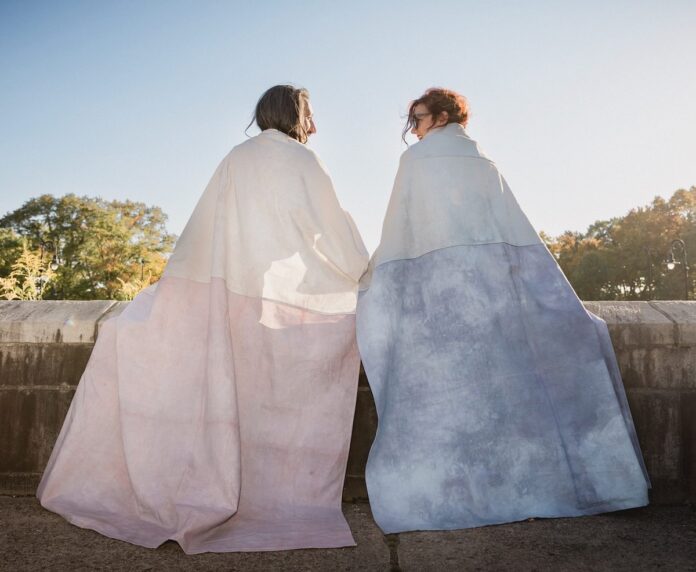
Two women in textile shawls by Leah Patgorski.

The Guerrilla Girls said it first: Does a woman have to be naked to get into the Met?  The radical women’s arts advocacy and social justice group pointed to the statistic that only 5% of the Met’s collection was women’s work, but 85% of the nudes were female. Women artists are hugely underrepresented in the art world—only 11% of museum acquisitions in the United States were works by women between 2019-2020. March is Women’s History Month, so we decided to highlight some of the many talented women artists living and working in Pittsburgh. These five artists all approach their mediums differently, but each has a strong voice and an ability to unashamedly take up space, both on and off the canvas.

5 Women Artists to Watch in Pittsburgh

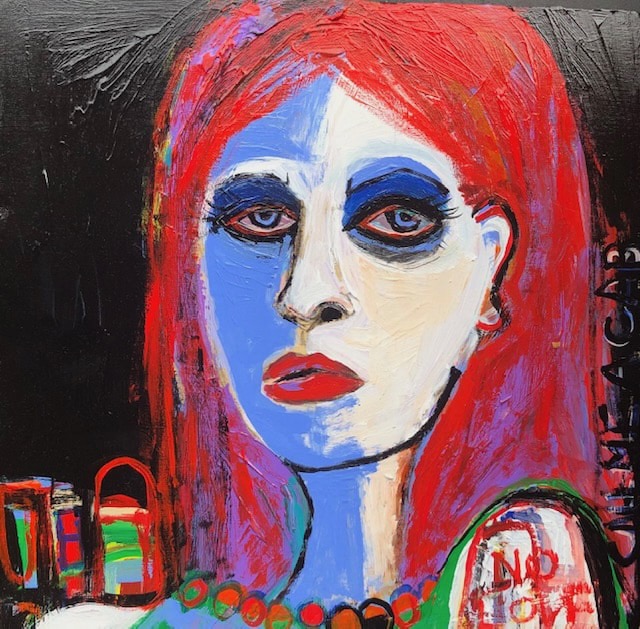
A woman with a half-shadowed face and bright red hair and ghoulish eyesahdow.
Call Me a Cab, Carolyn Pierotti

Carolyn Pierotti

One of Carolyn Pierotti’s paintings, pictured above, will stick in my mind forever: Call Me a Cab, a woman with a gaunt, pasty face, her makeup once dolled up for a night out now melted, her eyes a vacant glaze. Most women have been this woman at some point. It’s all the glitz without the audience to admire it. The vacuous sadness of the sidewalk outside of the nightclub as you wrap your coat around yourself and puff on a cigarette to try and take a breather. Call Me A Cab showcases Pierotti’s unique color palette and her stylized use of figuration. She paints women from a woman’s perspective, with the nuances of the good, the bad, and the ugly. Plus, anyone who knows her can also see her bold, do-no-harm-take-no-BS attitude coming through in the starkness of her paintings.

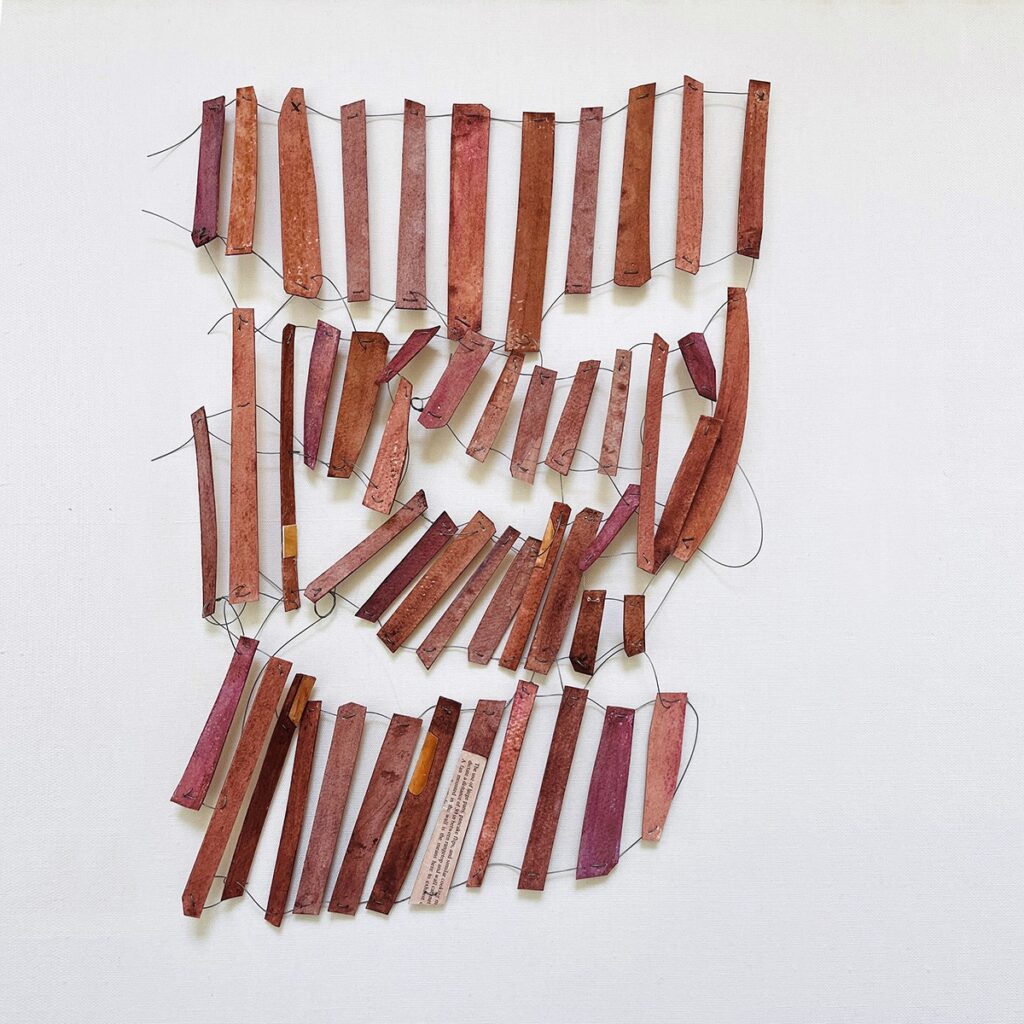
A set of hanging paper cutouts by Leah Patgorski, on a white background.
Wornflakes., Leah Patgorski

Leah Patgorski

Leah Patgorski is a deeply gifted artist and designer—somebody whose vision of the world is a totally unique one. She uses fabric, cotton, paper, wire, and ethereal homemade pigments to create abstract works that straddle the line between two and three dimensional. (The fabric in the cover image is her work as well). She plays with shadow, light, and scale in how she presents each work, often allowing them to appear as completely different depending on where in a room you approach them. Her work appears in galleries in Chicago, New York, and Texas, among other places. Pittsburgh is lucky to have her in its arts community.

A large, gestural painting by Oreen Cohen.
Seven Selves, Oreen Cohen

Oreen Cohen

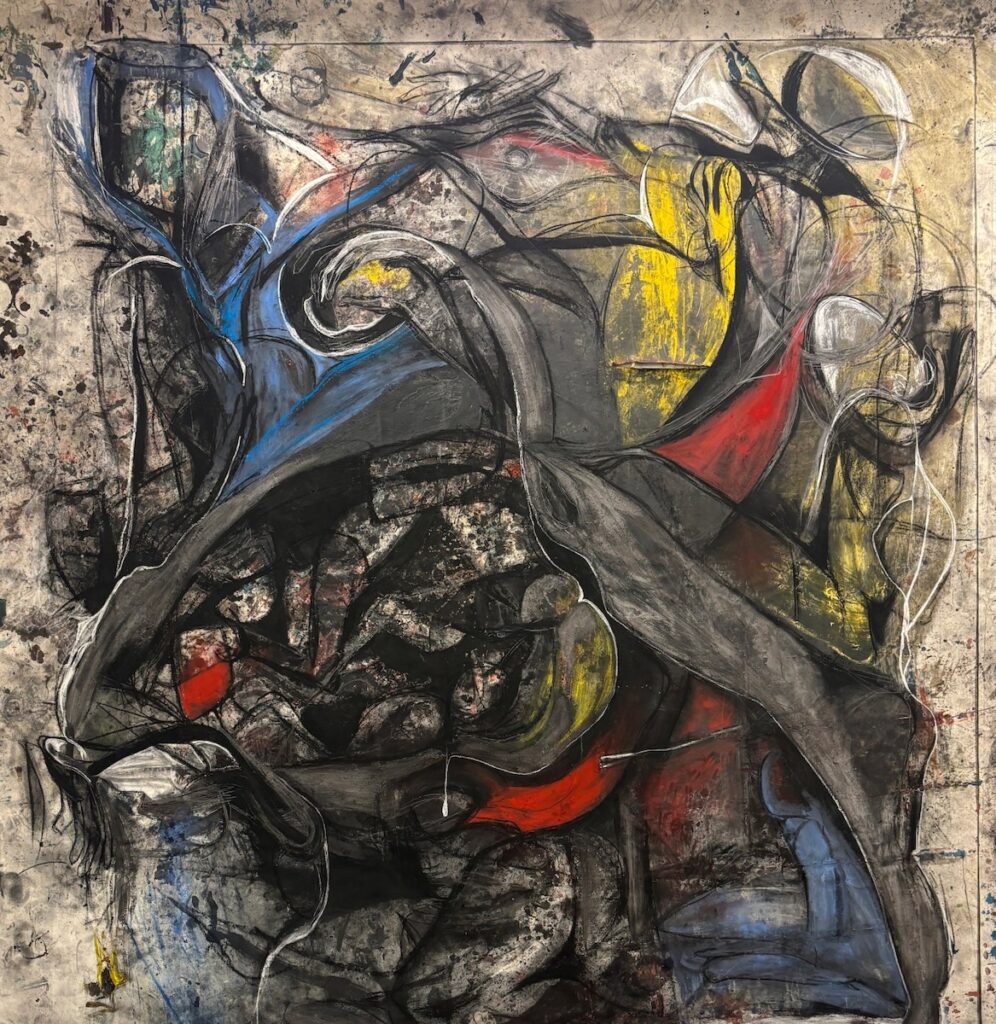
Oreen Cohen’s work has a mystical feeling to it, as if she is drawing from some force beyond herself to find something on the canvas. Cohen is a Fall 2023 graduate of the Joan Mitchell Foundation’s residency in New Orleans, where she made large-scale paintings that play with the multitudes that reveal themselves in different textures. But large-scale works aren’t new for her. She’s also made large-scale sculptural installations that show a fearlessness towards thinking big.

A colorful image of plants by Vania Evangelique
193193, Vania Evangelique

Vania Evangelique

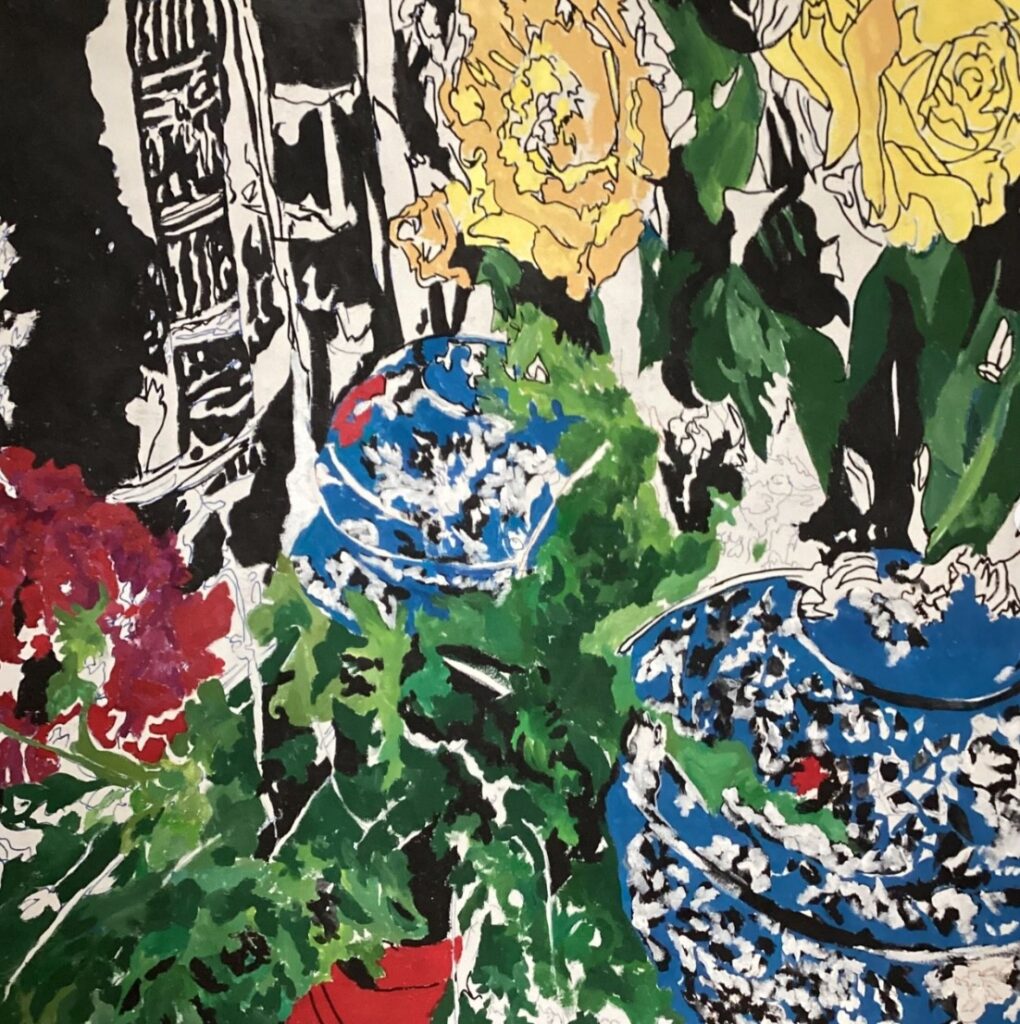
Vania Evangelique is both a painter and the steward of a community garden in Garfield. In her paintings, her passion for flora comes through in the dappled light on leaves and the gentle warmth of her brushstrokes. Her work often features the natural world, but with an intimacy in it that only comes from closeness to the subject matter. Under her brush, flowers are not just flowers but living beings. Evangelique is also a photographer and independent curator known in Garfield for her engagement with the local community.

A black and white photograph of Karen Lue
Work from series Two Open Mouths, Karen Lue.

Karen Lue

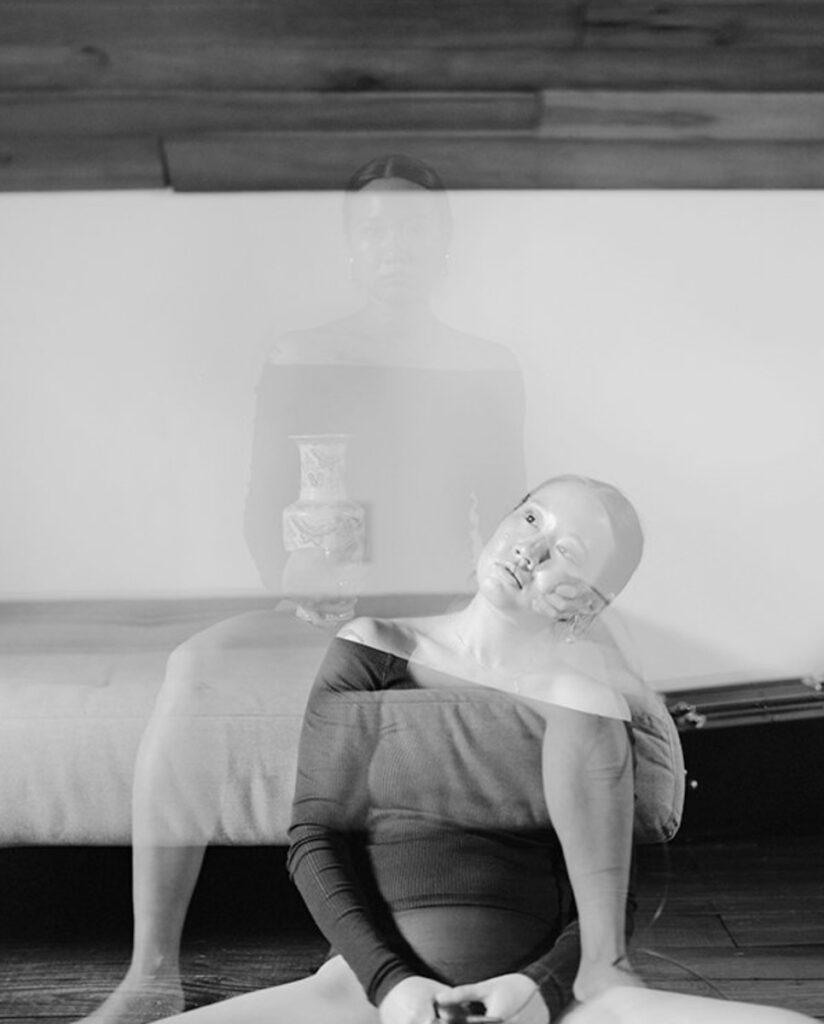
Photographer Karen Lue captures the body. She doesn’t just take portraits, she has a way of finding the shadows and contours in human anatomy. At times, the images she takes can be confronting or not conventionally beautiful. They challenge us to look at how our conventions of beauty are removed from the messier truth of human sexuality or even just the rawness of human physicality. Her photography explores her sense of self as a queer Chinese-American woman—even in photographs where there are no people, her vision is distinctive. Her most recent body of work, Two Open Mouths, explores show a diagnosis of endometriosis influenced her understanding of her body, embodying the silent frustration and anguish of chronic illness in images.

Check out some of our other coverage of women artists in Pittsburgh:

Cover image courtesy of Leah Patgorski
Story by Emma Riva

Subscribe to TABLE Magazine‘s print edition.
Don't Miss