Home Blog Page 166

The Pittsburgh Opera Announces Its 2025-2026 Season

0
Two actors in La Boheme kneel at the front of a stage.

The challenge with an art form as old as opera is to keep it so fresh that audiences continue to feel the passion and drama of it all. The Pittsburgh Opera’s 2025-2026 season is a mix of both classic and contemporary programming that does just that. With works by Puccini and Verdi combined with an opera from just ten years ago, this year’s lineup is one not to miss. October will bring La Bohème (the basis for the musical RENT), three contemporary operas—Fellow Travelers, Curlew River, and Time to Act—and Verdi’s Falstaff, the composer’s final work.

Marketing and Communications Manager Chris Cox explained each show in the season’s relevance. “La Bohème has been a perennial crowd-pleaser for over 100 years. Fellow Travelers has only been around ten years, but has quickly solidified itself as a compelling, must-see show. Curlew River gives us a chance to try a new venue and is unlike any opera we’ve ever done. Time to Act, our world premiere, is literally an opera of the world we live in. Falstaff is Verdi’s final opera; we haven’t performed it since 2009, and felt it was time to bring it back.”

Pittsburgh Opera Announces Its 2025-2026 Season: A Mix of Old and New

Though La Bohème is the oldest in the 2025-2026 season, it’s a contemporarily resonant story. A group of impoverished artists try to get by while a dire illness threatens those they love, doing their best to make their art while struggling against the the demands of rising costs and plummeting quality-of-life. There is something about the art form of opera in particular that speaks to the melodrama, tragedy, and desperation people feel in a turbulent political moment. The immersive nature of opera, which fills the senses with orchestra, voice, sets, costumes, and acting, cuts through the numbness we often experience from overloading ourselves with information. La Bohème is an engrossing drama that encourages you to feel.

“We will be doing a period production, meaning it will look and feel like it’s taking place in 19th century in Paris. We are not setting it in outer space or Atlantis, or anything like that. For people who have never been to an opera before, La Bohéme will look and feel like what they’re likely envisioning a prototypical grand opera to be,” Cox said.

A New Venue

But Curlew River is a new step for the Pittsburgh Opera, as it will be their first time performing in Calvary Episcopal Church. “Curlew River, which was inspired by medieval mystery plays, was created with the express intent of being performed in a church,” Cox said. “Its world premiere in 1964 was at St. Bartholomew’s Church in Suffolk, England. In fact, it’s the first of composer Benjamin Britten’s three ‘Parables for Church Performance’. Calvary Episcopal Church is gorgeous, with the atmosphere and environment that will make Curlew River a stunning and unique operatic experience for our patrons.”

Time to Act is a collaboration between three women in opera, composer Laura Kaminsky, librettist Crystal Manich, and dramaturg Amy Hutchison. It follows a group of teenagers working on a production of Sophocles’ Antigone, when they find out one has a dark, violent secret that inspires them to rewrite the play. Pittsburgh Opera received an OPERA America grant to support the commission as part of OPERA America’s Opera Grants for Women Composers program.

Actors in Fellow Travelers at the Pittsburgh Opera

Fellow Travelers is based on a novel by Thomas Mallon and had its premiere in 2016 at the Cincinnati Opera. It’s a timely story, set during the McCarthy era “lavender scare,” which sought to purge homosexuals from government and other places of employment. The novel and the opera follow two men working in the government who fall for each other during this tense moment.

Cox said ““What unites these five operas is they are all of the highest caliber; they each showcase the majesty of the human voice and the power of opera’s unique storytelling through song.” Tickets will become available via the Pittsburgh Opera’s website.

Story by Emma Riva
Photos courtesy of the Pittsburgh Opera

Subscribe to TABLE Magazine‘s print edition.

Downtown Pittsburgh’s Best Bars and Restaurants for Happy Hour and Beyond

0
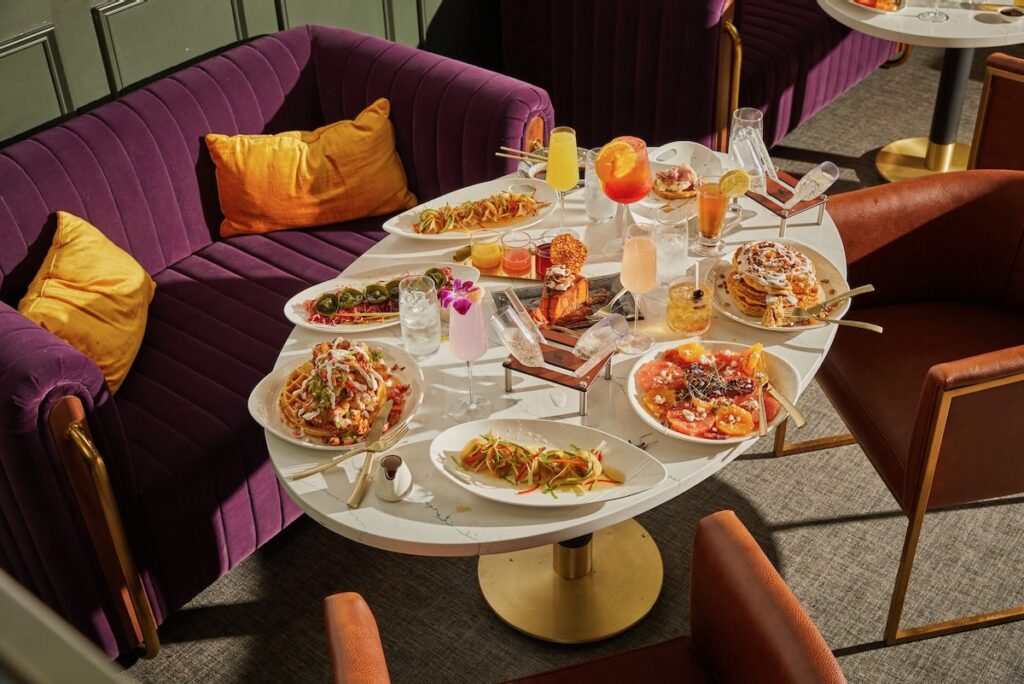
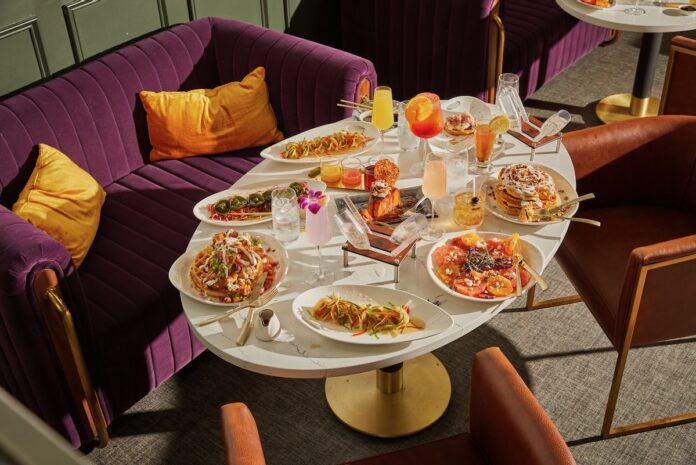
A table full of plates beside a purple couch
Photo courtesy of Ritual House

Downtown Pittsburgh is in a moment of flux. But its combination of Art Deco skyscrapers and modern industry has a certain charm to it. The bars and restaurants in this neighborhood are often in ornate hotels and historic office buildings, making them great options both for people who are just passing through on weekend trips and for native ‘burghers in need of a moment of beauty.

Because so many Pittsburghers work in this neighborhood and not as many live there, the restaurant scene mostly starts around happy hour, that late afternoon or early evening swath of the day when the 9-5ers are just getting out of work. Downtown is on the rise, with a lot of discussion around its potential as a cultural hub and a more vibrant neighborhood. Next time you’re seeing a show at the Benedum or any of the other palatial theaters in the neighborhood, linger awhile. Sample what downtown has to offer.

Downtown Pittsburgh’s Best Bars and Restaurants for Happy Hour and Beyond

Downtown Bars

The Warren

245 7th Street

A set of spirits from The Warren, a cocktail bar in downtown Pittsburgh.
Photo courtesy of The Warren

The Warren is one of those bars where you never know who you’re going to run into in. A mixture of business-casual young professionals and charming ne’er-do-wells sit behind its amber-lit bars, united by the deliciousness of The Warren’s cauliflower wings and their extensive list of spirits. You want craft whiskies, amari, or Fernet Branca’s mintier cousin, Brancamenta? The Warren has you covered.  It’s my personal favorite bar downtown, and our bartenders were the winner of our 2024 cocktail shake-off.

Space Bar

22 Market Square

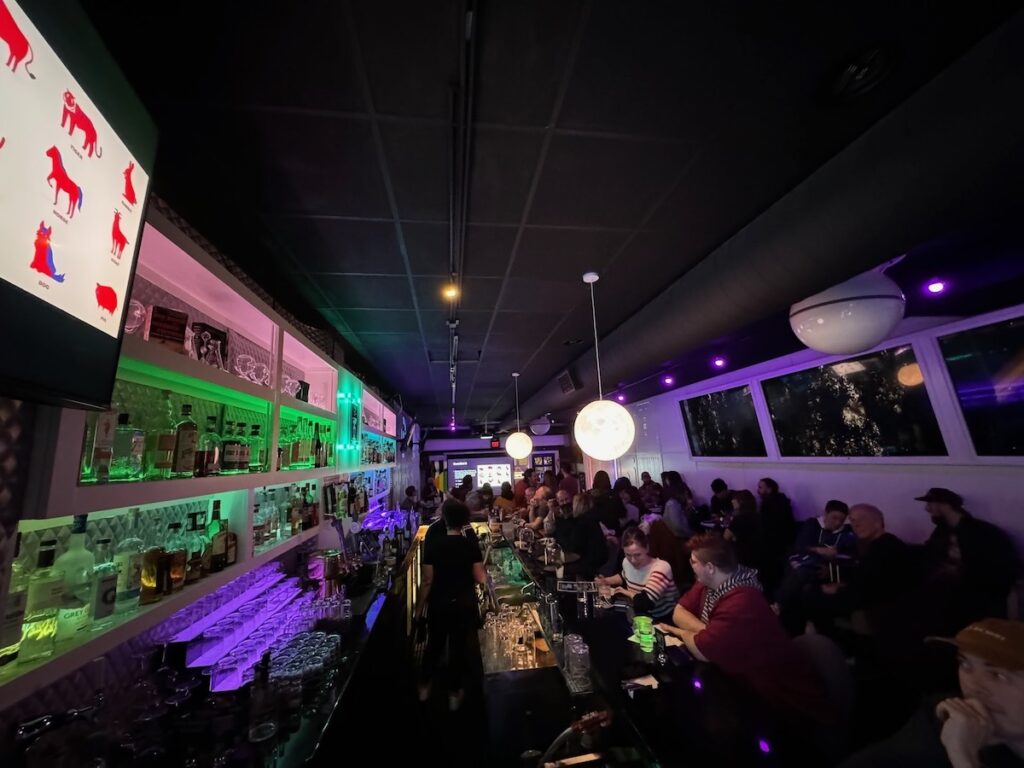
A dimly lit bar themed around space
Photo courtesy of Space Bar

This outer space-themed cocktail lounge in Market Square blasted off in 2023 and has been going strong since. It’s a popular spot for décor and lighting, ideal for dressing up for a girls’ night. Why not try to dress to the theme? Their cocktail menu is complex and creative often with colorful libations like créme de violette or orange liqueur.

The Rebel Room

405 Wood Street

A set of plates at The Rebel Room, a downtown Pittsburgh bar
Photo courtesy of The Rebel Room.

Inside of The Industrialist Hotel, this restaurant bar takes inspiration from “the rebels who made Pittsburgh what it is today” including the artisans, builders, and businesspeople that have given the city its character. I’ve heard The Rebel Room described as a particularly nice spot in the winter for its cozy ambiance and plethora of whiskies.

fl2

510 Market Street

The interior of fl2, a bar in the Fairmont Hotel

fl2 also doubles as a restaurant, with Chef Fernando Canales bringing Latin-inspired fare alongside a creative cocktail menu in the luxurious Fairmont hotel. Why not a book a staycation while you’re at it?  fl2 is a sort of all-purpose bar, a great date spot, a fun happy hour, or a pleasant place for a solo cocktail after a long day of work.

Downtown Restaurants

Alta Via

2 PPG Place

The rustic seating in Alta VIa, a restaurant in Pittsburgh's Market Square
Photo courtesy of Alta Via

Alta Via in Market Square is both upscale and laid-back, a good spot for a post-work catch-up with a friend if you’re sitting at the bar, or a fancy night out if you’re taking a date to one of their rustic tables. Plus, its central location in Market Square makes it easy to find, surrounded by the majestic buildings of PPG Place.

Ritual House

524 William Penn Plaza

A table full of plates beside a purple couch
Photo courtesy of Ritual House

Ritual House invites diners to “savor life’s rituals” and slow down and enjoy a meal. Since its opening in 2023, this culinary creation from Herky and Lisa Pollock has become a hugely popular downtown restaurant. It’s also in the Union Trust Building, a beautiful piece of Pittsburgh architectural history.

The Commoner

620 William Penn Plaza

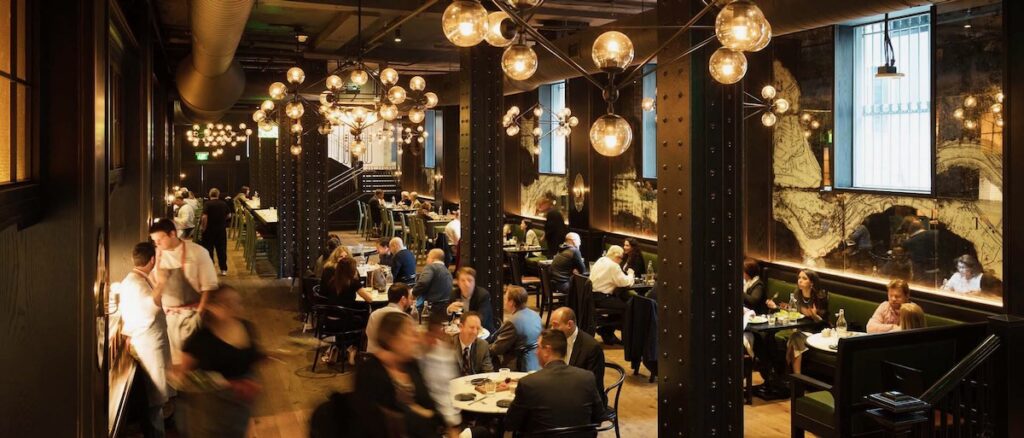
The dimly lit interior of The Commoner, a hotel bar and restaurant in downtown Pittsburgh.

Just down the block from Ritual House, The Commoner offers breakfast, lunch, and dinner at the glamorous Hotel Monaco. It gets its name from the fact that Wiliam Pitt, Pittsburgh’s founder, was nicknamed “The Commoner,” but there’s nothing common about its farm-to-table menu.

Nicky’s Thai Kitchen

903 Penn Avenue

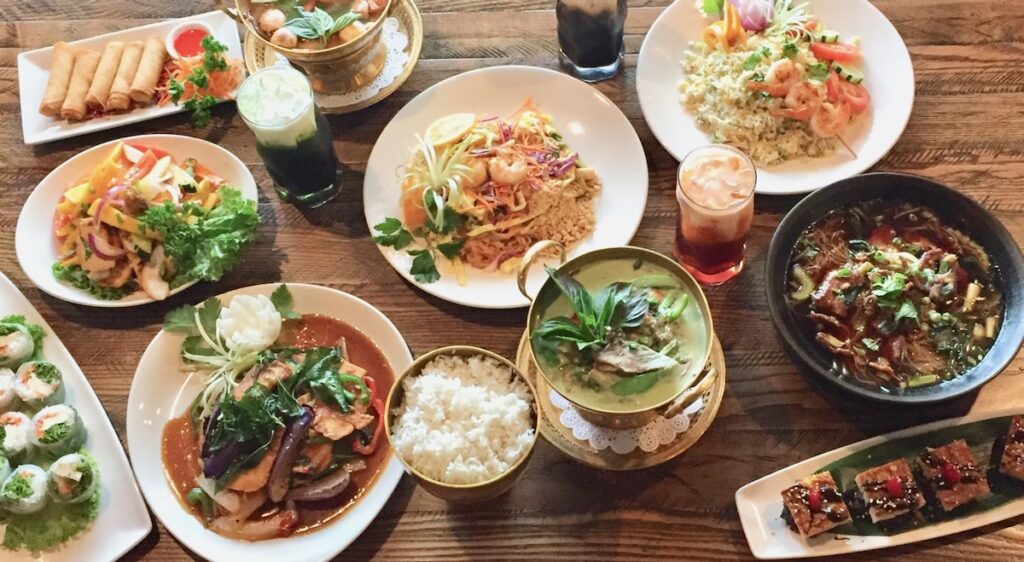
A set of dishes from Nicky's Thai Kitchen

Let’s say you don’t want a fancy hotel bar, but still want to grab a bite downtown. Nothing wrong with that! Nicky’s Thai Kitchen is a great option for a less bougie downtown restaurant that still delivers. The curries are spicy and the noodles are savory. What more could you want?

Arts and Culture Downtown

Wood Street Galleries

601 Wood Street

A graphic of visual arts happening in downtown Pittsburgh.
Photo courtesy of the Pittsburgh Cultural Trust.

Along with SPACE, 937 Gallery, and 808 Penn Gallery, the Pittsburgh Cultural Trust has a robust program of visual arts spaces downtown. Their bi-annual downtown gallery crawl is a fun time to walk Liberty Avenue and see what’s on display.

Benedum Center

237 7th Street

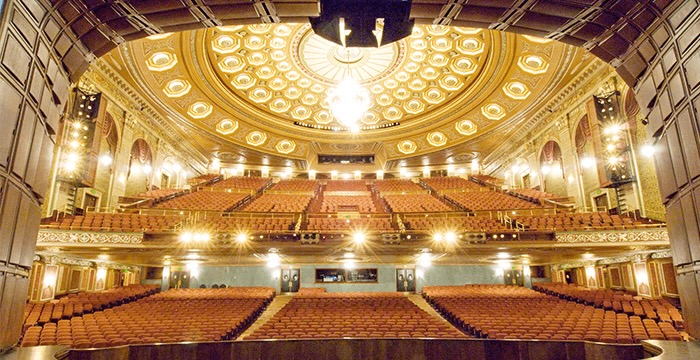
The golden interior of Pittsburgh's Benedum Theater.

Whether you’re seeing an opera performance, ballet, or musical, the Benedum Center is a gorgeous venue. Even before the show starts, take in the high, golden ceilings in the theater itself. There’s something uniquely charming and festive about it, as if you’re entering a place where magic is about to happen.

August Wilson African American Cultural Center

980 Liberty Avenue

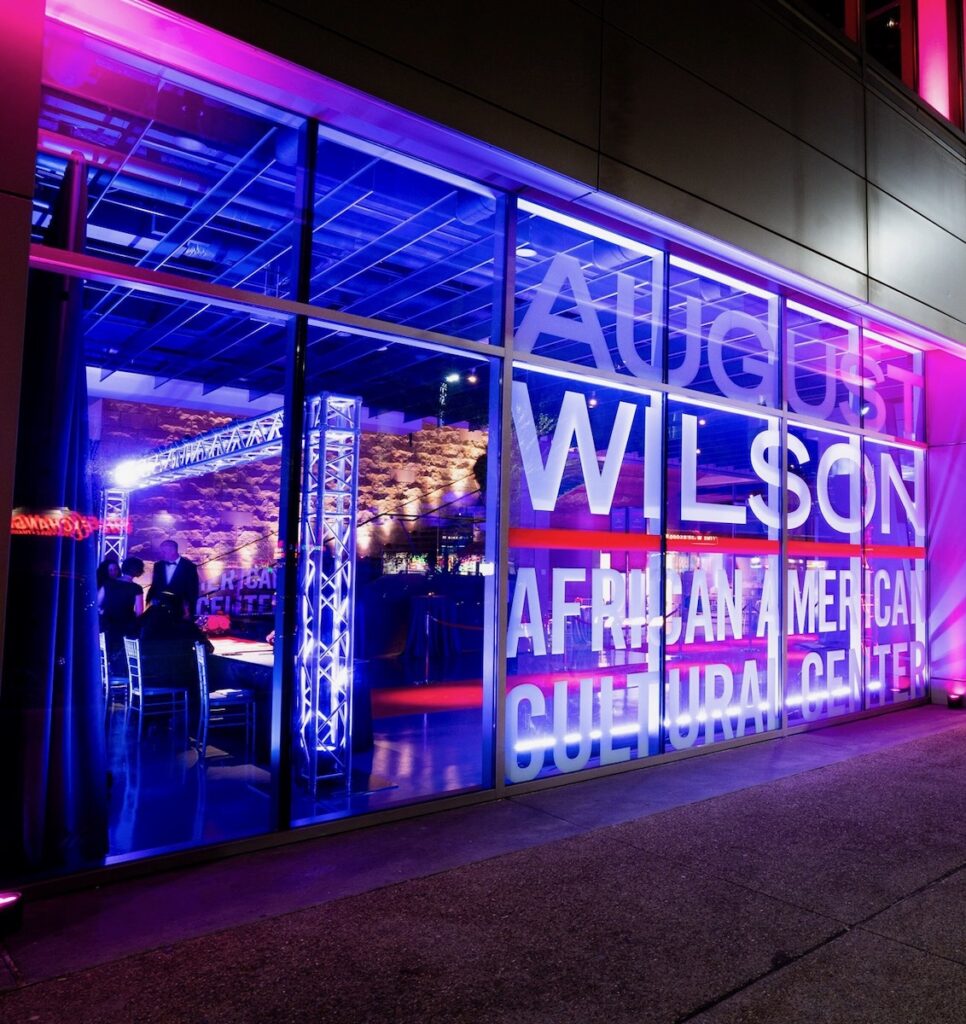
The exterior of the August Wilson Center, lit as purple while a vibrant gala goes on inside of it

The August Wilson Center is one of downtown’s greatest gems—and it’s free and open to the public. Its fifteenth anniversary is coming up in 2025, celebrating the Pittsburgh-born playwright’s life and legacy. It also is the force behind Pittsburgh’s jazz festival in September, one of the city’s premier cultural events. If you’ve never been,

Greer Cabaret Theater

655 Penn Avenue

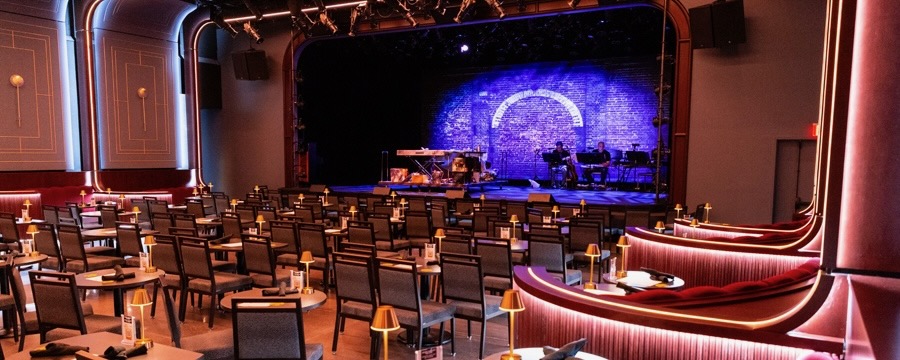
A stage and empty chairs in a music venue, with the stage lit in purple

Recently renovated, this little sibling to the Benedum works better for more intimate performances like jazz singers (of which Pittsburgh has many) or comedy shows. They also have a bar and restaurant for pre-show sips and bites.

Story by Emma Riva
Cover photo courtesy of Ritual House

Subscribe to TABLE Magazine’s print edition.

Leonardo Bussoletti Connects Umbria and Pittsburgh Through Wine

0
Winemaker Leonardo Bussoletti studies some red grapes.

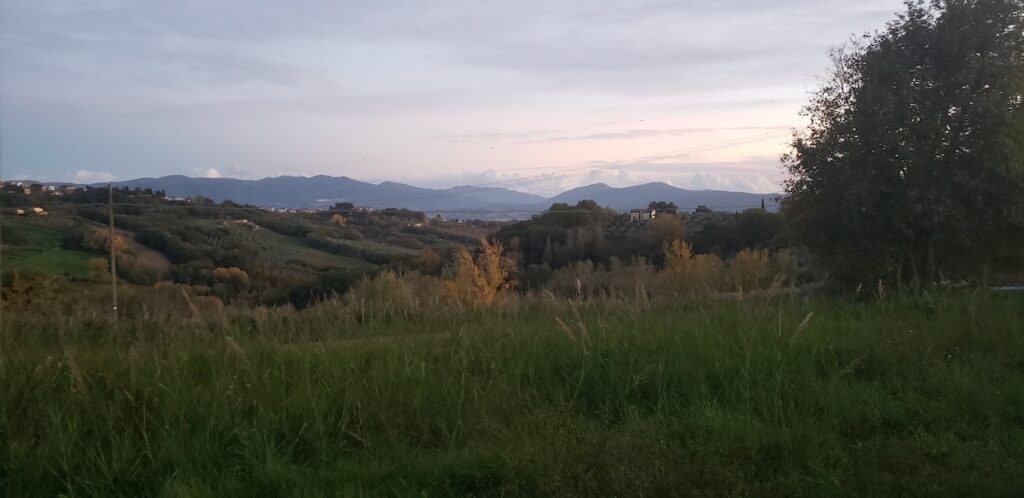
Picture a landscape of rolling hills and lush forests. But, in the landscape, behemoth steel mills sit like dormant beasts along the edges of rivers. There’s immense natural beauty, but also many monuments to manmade power, too.  This could be a description of western Pennsylvania, or it could describe southern Umbria near the city of Terni, the part of central Italy where Leonardo Bussoletti makes his wines.  Winemaking, too, is about the balance of what human beings can and can’t control in nature. When we drink wine, it’s a connection to the natural world, to the earth, and to history both personal and geological.

The hills of Umbria on a cloudy day.
The hills of Umbria. Courtesy of Leonardo Bussoletti.

Leonardo Bussoletti Connects Umbria and Pittsburgh Through Wine

The connection between Pittsburgh and Terni isn’t just a thematic one. Bussoletti’s own great-grandfather spent a portion of his life in Pittsburgh, working in the coal industry. “My great-grandfather established a profound connection with Pittsburgh during a pivotal period of his life,” Bussoletti said. “He spent several years in this vibrant city, where he was inspired by its industrious spirit, resilience, and innovative energy. His experiences in Pittsburgh not only broadened his horizons but also instilled in him the values of hard work and determination.”  

“Room for Emotions” in Winemaking

If you’re less familiar with Italian wines, maybe you think Sangiovese or Chianti, or a Super Tuscan, and your train of thought stops there. But one of the most rewarding things about wine is that there’s always something new to learn, and Italy has over 1300 grape varieties. At his winery, Bussoletti focuses on three: Ciliegiolo, Grecchetto, and Trebbiano Spolettino. Ciliegiolo, meaning “little cherry,” is typically a blending grape, with a prominent tasting note of, you guessed it, cherry. Grecchetto is a white grape known for its minerality and intense aromatics. Then, Trebbiano Spolettino is an Umbrian regional variant of the Trebbiano grape, a white variety with an elegance and longevity to it.

 “Together, these grapes allow us to craft wines that are a true expression of our territory—honoring tradition while offering wines with distinctive, authentic flavors that stand out in quality and character,” Bussoletti said. Like all winemakers, he has to balance tradition with modernity. Leonardo Bussoletti Wines is certified organic by Suolo e Salute, the Italian body that governs sustainability in the wine industry, making them organic.

The tagline on Bussoletti’s website reads “There is still room for emotions.” It’s easy to fall into the trap of reciting a rote list of tasting notes and aromas at the expense of a wine’s character.  But with Bussoletti’s wines, there’s a playfulness to his presentation, from the bottling to the winemaking techniques themselves.

He’s also found ways to get involved in the arts as a winemaker. He spearheaded Ciliegiolo for Art, a collaborative project where Bussoletti contributes a portion of Ciliegiolo di Narni sales to the restoration of a centuries-old fresco in the Convent of St. Augustine of Narni in Umbria.

Grapes with Character

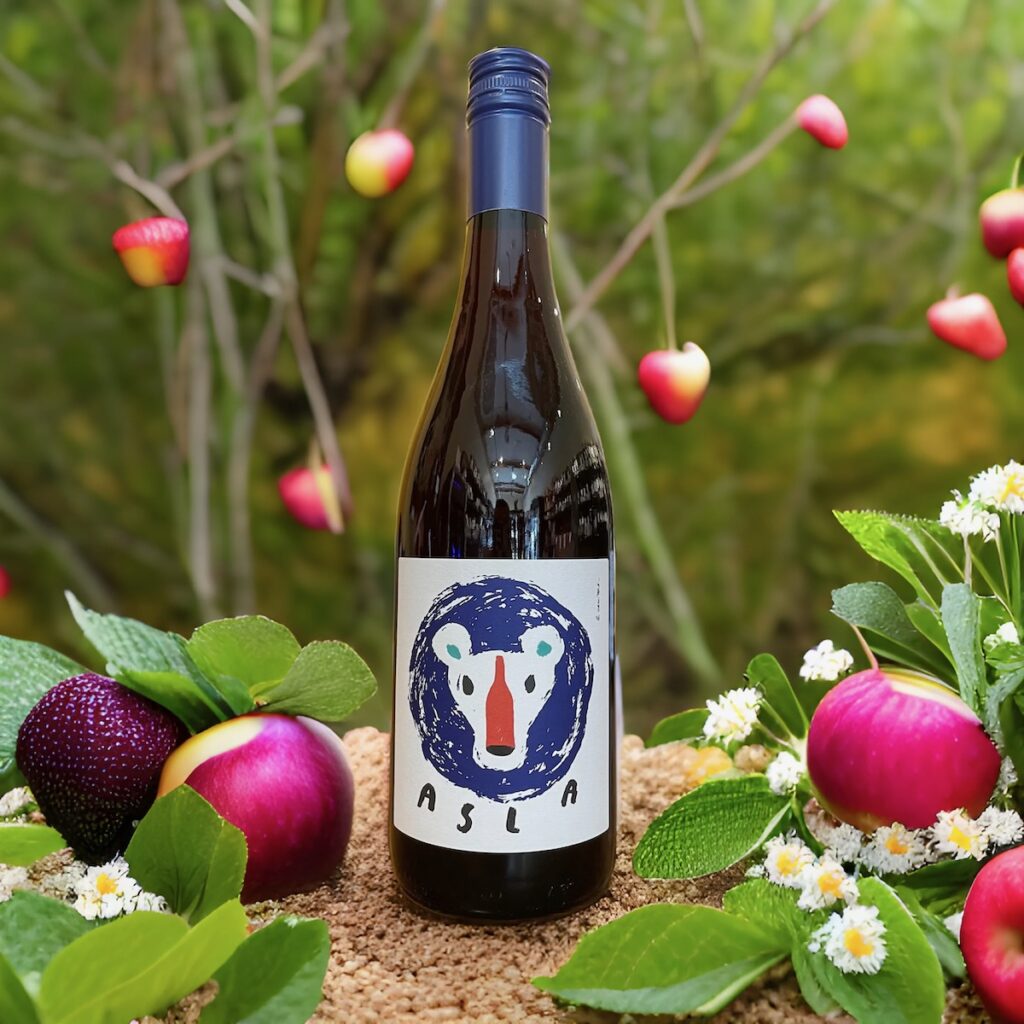
A bottle of Asla by Leonardo Bussoletti
A bottle of “Asla,” depicting Aslan from the Chronicles of Narnia. Photo via Hyphen Wines.

The “Asla” Ciliegiolo di Narni—part of a series called “The Chronicles of Narnia” to riff off the word Narni—is a refreshingly acidic, low tannin bottle. Aromas of currant and cherry make way for tasting notes of black pepper, or perhaps a hint of tobacco. Something about it feels resilient and tough, like the lion on its label. It doesn’t feel like just another restaurant wine, but rather something with character. Its acidity could leaven a heavy meal, and sometimes that’s exactly what is needed.

His “Rámici” cellar reserve Ciliegiolo di Narni is a more mature take on the grape: cohesive, smooth, and full-bodied. Though Cilegiolo is known for its red fruit flavor, the berries aren’t overwhelming or overly jammy the way perhaps an unbalanced Zinfandel can be.

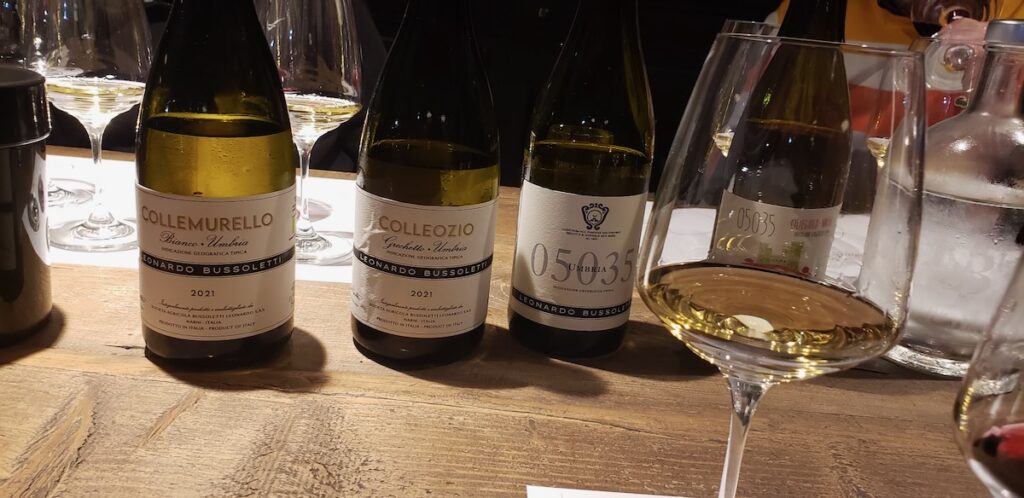
A set of wine bottles and a glass of white wine.
Several bottles of Grechetto from Bussoletti’s portfolio. Courtesy of Leonardo Bussoletti.

Grechetto stands out among whites for its aroma. You could sit at a table smelling it for as long as it takes to drink it. A delicate perfume, your mind wanders as your nose absorbs it—I smelled vanilla, dried flowers, and a hint of orange blossom. The “Colleozio” cellar reserve from Bussoletti’s winery is a wonderful Grechetto, especially for those who don’t usually gravitate towards white wine. It has a complexity to it that red wine drinkers skeptical about white grapes will appreciate.

Where to Find the Wines in Pittsburgh

Just as Busoletti’s great-grandfather traveled from Umbria to Pittsburgh to support his family, Bussoletti’s wines make a similar overseas journey. His bottles are available at a number of Italian restaurants in Pittsburgh including Bar Marco, Pino’s, Cucina Vitale, and Vallozzi’s. They are also available through Allora Wine Group.

Next time you’re ready for a toast, ditch American cliches about Italian wine and branch out to some different grapes. As Bussoletti says, “Ultimately, we desire that our wine be a celebration of life’s special moments, offering a sense of comfort and joy that lingers long after the glass is empty.”

Story by Emma Riva
Photo courtesy of Leonardo Bussoletti

Subscribe to TABLE Magazine‘s print edition.

Trying Legal THC or CBD For the First Time in Pittsburgh

0
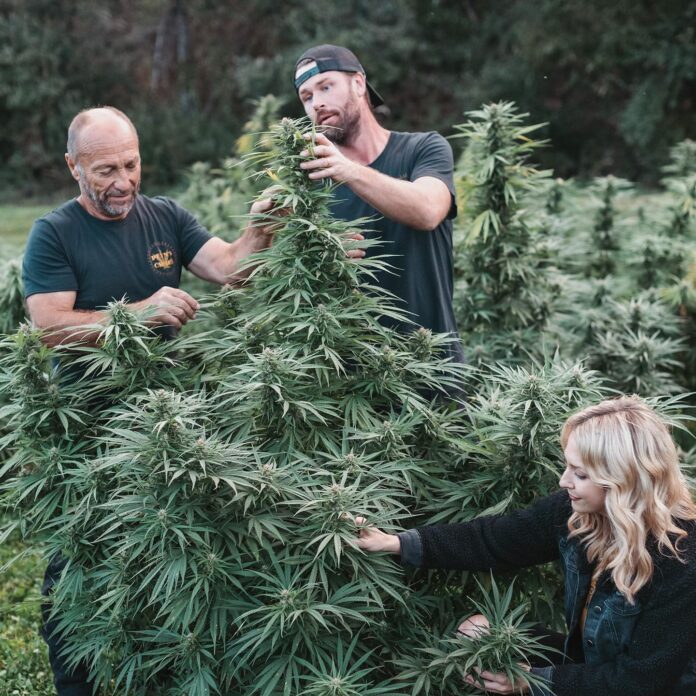
Three workers at a Pittsburgh THC and CBD farm pull on different parts of a hemp plant.

Each and every day it seems like we wake up with something new to stress about. Whether it’s a story on the news, a personal tribulation, pain management, or just a bad night of sleep, these disruptions each eat away at our overall wellbeing. But, what if there was a way to whisk your woes away with a natural remedy? That’s exactly what hemp-derived CBD and THC have done for ages.

Even though you’ve probably heard of THC and CBD, these hemp extracts have been gaining popularity since the passing of the Industrial Hemp Farming Act of 2013 which legally defines hemp as cannabis with no more than 0.3% THC content. This act makes it possible for makers to use CBD and even THC in their products, opening us up to a wide spectrum of CBD and THC salves, gummies, sprays, skin care, pet products, and so much more. Plus, the expansion only continues with the Hemp Farming Act of 2018 which completely legalizes industrial hemp. 

Even though these products are completely legal, there are lingering misconceptions about what these products can do for you. If you’re a newbie, it can be scary to think about ingesting THC or CBD but there are two resources in Pittsburgh that can teach you all about using hemp for the first time.

PENN’S CHOICE is a family-owned hemp farm and brand based in Western Pennsylvania. This farm is where the process of creating hemp products starts and finishes. They start with sustainably growing the hemp before harvesting. Then they slow-cure it and the infuse it directly into the products that they make by hand in small batches. For co-owner and chief operating officer, Rebecca Zaccard Gibson, keeping the process close to home is one of the ways that they can ensure the safety and success of consumers. 

“PENN’S CHOICE does everything from start to finish to ensure quality, care, and affordability,” explains Zaccard Gibson. “We specialize in CBD salves, CBD oils, CBG oils, and more – with a focus on clean, planet and people-friendly ingredients that work together to help our customers sleep well and feel good in their daily lives. We truly believe everyone deserves to live a life free from anxiety and pain, and while we can’t take away life stressors, we can help people manage them.”

THC, CBD, Delta-8, Delta-9, What Does it All Mean?

THC, CBD, Delta-8, CBG…all these acronyms can be confusing and may seem like the same thing from afar. While they do come from the same plant, each is a different cannabinoid, varying slightly from other related molecules within the plant. It’s important to know the difference between these cannabinoids when you first start shopping for legal hemp products. 

“Delta-9 THC is a psychoactive compound that is typically associated with getting high, although it has a whole lot of other benefits too,” says Zaccard Gibson. “Delta-8 THC is like Delta-9’s cousin. It has similar properties; however, some people find it to be a bit milder and more relaxing than Delta-9. THC-A is an interesting one because it’s the acidic precursor to THC, and therefore when burned it becomes THC. CBD, CBG, CBN, CBC are also all cannabinoids, but they are considered non-intoxicating, so you get the various effects without the high.”

Get Rid of the Misconceptions

It’s all a lot to take in, but that’s why there are places like PENN’S CHOICE to help make all the information easier to comprehend. Though if you’re looking for another resource closer to home, CBD Wellness Store in Pittsburgh is another way to test products for the first time with ease. Here, Terri Miller works as a CBD Specialist, directing customers to what fit is best for them. She considers herself a bit of a CBD nerd and uses her research to help stop the misconceptions that have been floating around for years. 

“A lot of people, when they hear CBD, tend to be fearful of it as if it’s marijuana, as if it’s going to get them high,” says Miller. “There are certainly products that can do that. But, there are also a lot of products that have so many benefits but that don’t get you high at all. It’s really a great thing to get the word out there about because the stigma behind it doesn’t necessarily always allow people to have a good understanding.”

Speaking of products that get you high, some are actually legal, like the ones that are naturally grown by farms like PENN’S CHOICE and sold by the CBD Wellness Store. By providing a high while also transparently communicating what is in the product, they have made consumption safer. According to a 2020 research report by Greta Hsu, professor at University of California and Balázs Kovács, associate professor at Yale University, higher numbers of medical and recreational storefront dispensaries “…are associated with reduced opioid related death rates, particularly deaths associated with synthetic opioids such as fentanyl.” There are no barriers to purchase, such as dispensary cards, prescriptions, or other documentation.

“Products like ours at PENN’S CHOICE are derived from hemp, so you don’t need a medical card to purchase them,” explains Zaccard Gibson. “It’s a great option for people who are looking for local, reasonably priced products with the health benefits of cannabis without the high. That said, if you are looking for the health benefits and the high, there are some hemp products that contain intoxicating cannabinoids like Delta-8 or Delta-9 available as well.”

How to Find the Hemp Product For You

Your interest in THC and CBD is peaking. But where do you start? Do you pop an edible in your mouth? Try a new CBD lotion? Light up a pre-roll (a pre-rolled paper cone packed with hemp flower)? Grab a bag of treats for your dog? Well, that decision is truly up to you and the more you try, the better the opportunity of what works best. But, there are a few tips you can follow to figure out what to try first. 

“A good place to start is by asking yourself what you are looking for help with which usually is one or more of our ‘big 3’ – pain, anxiety, and sleep,” explains Gibson. “Next, ask yourself if you are open to something that is intoxicating or not. If you don’t want anything intoxicating, you probably want to steer clear of high amounts of THC. Topicals, like our CBD salve, are a great option for pain and you can apply them directly to achy muscles or sore joints. If you’re looking for better sleep, something like a CBD oil that goes under your tongue is a great option. If it’s anxiety relief you’re after, CBG is a lesser-known cannabinoid known to calm anxiety, boost your mood, and decrease inflammation while not making you drowsy the way CBD can while also promoting a happy, healthy gut.

What About for Delta-8 and Delta-9?

If it is a high that you’re looking for, there are plenty of things to look out for when choosing between Delta-8 and Delta-9. Also consider how you’re using the product. When using anything that has Delta-8 or Delta-9, it’s important to go for a low dose and start things out slowly. It is THC after all. You don’t have to be completely baked like a cake in order to have a good high. In fact, a light body high can sometimes be just what you need to help you sleep or relax after work.

Start with understanding what you are actively consuming: check your cannabinoids and testing reports. Don’t take an edible that’s going to last all night when you know you have somewhere to be in the next few hours. Make sure you go to a reputable source. 

“When you add Delta-8 or Delta-9, that’s when you’re actually consuming amounts of THC. There are pros and cons to that. But, we offer a product that’s legal and that we test. There is weed available on the street, but you have no idea what it’s laced with. So we have a high quality product that is safe and tested and at a legal level, that offers people an alternative while giving them the results that they’re looking for. It’s still a wellness product at the end of the day,” says Gibson.

What Should You Be Cautious Of?

While trying THC and CBD can be a fun experience, there are still elements to be cautious of. You should always alert your doctor to what you’re using, especially if you’re under 25. Since your brain does not fully develop until your mid to late 20’s and hemp is legal for ages 21 and older, you still need to go forward with caution. While scientists’ studies on this subject are still new, there is evidence to suggest that cannabis (we’re talking THC here, not CBD), can cause attention, memory, and learning problems that may last a long time, or even be permanent.

Even if you’re in your late 20s and your brain is fully developed, you still have to be careful where you are getting your hemp from. We know gas stations seem like an easy way to pick up a quick pack of gummies…but you likely have no clue what type of chemicals are lurking within. 

“What you want to see is a full panel third party test,” explains Miller. “So when we look at a third party test, not only is potency going to be important, but also CBD purity, residual solvents, pesticides, heavy metals, and microbials. The story that I always point out to my customers is if people can get sick at McDonald’s with contaminated onions, it can happen with hemp and marijuana. They both are plants grown on farms. Anything that’s grown in the dirt really needs more extensive testing.”

Always Ask for Help

If you want a helping hand when trying THC or CBD for the first time, both PENN’S CHOICE and CBD Wellness Store are just a few of the stores in the area that have consultations available to answer any questions. Here you can meet with a specialist to find the right start for you or even get advice later on for what new products to try. Nevertheless, exploring THC and CBD should be an exciting and healing experience. It’s all about what works for your body and what makes you feel more like yourself at the end of the day.

“Listen to your body!” exclaims Zaccard Gibson. “ A little trial and error is likely going to be part of the process, but you know yourself best. Trust yourself, have fun, and we’re here to talk hemp whenever you need us!”

Check out our article on THC and CBD shops in Pittsburgh to start your journey!

Story by Kylie Thomas
Photo Courtesy of PENN’S CHOICE

Subscribe to TABLE Magazine’s print edition.

Plan Your Self Care Day in Pittsburgh

0
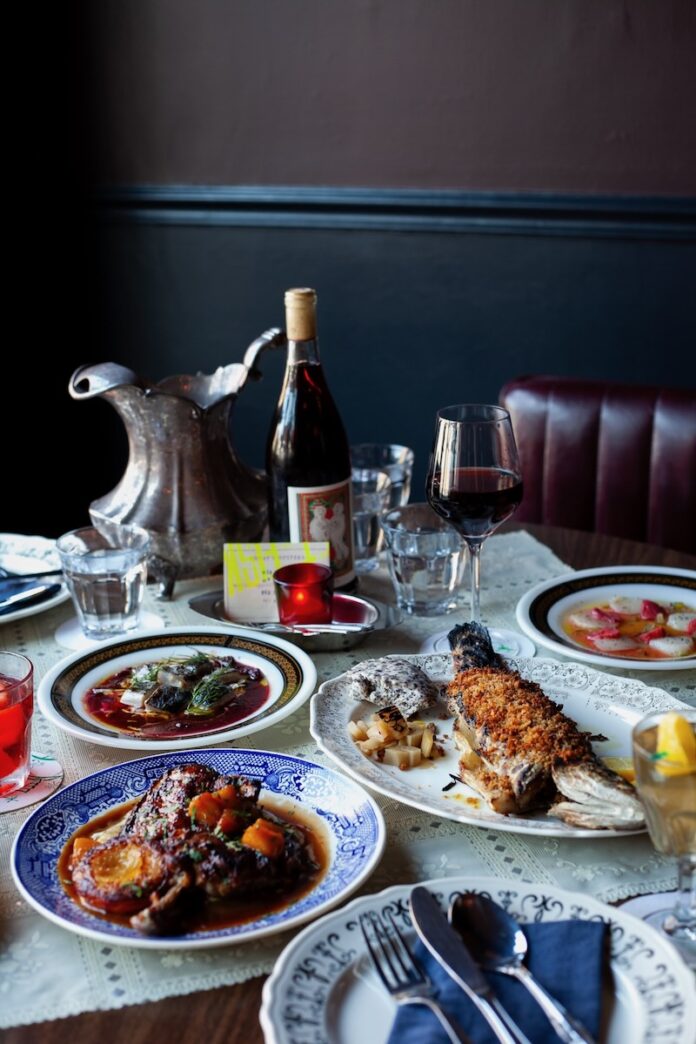
A set of dishes from Fet-Fisk, a great place for a self care solo dining trip in Pittsburgh.

So, you’re down in the dumps and need some self care. In the winter you can feel confident that you’re not alone. It’s easy to get depressed in the post-holiday stretch from January to March. Feelings of hopelessness and ennui are par for the course, and a twenty-four-hour news cycle that’s slowly eroding your brain definitely doesn’t help.

Plan Your Self Care Day in Pittsburgh

“Self care” is something of a buzzword, reduced to a platitude with little meaning—sure, taking a bubble bath and doing a face mask will cure my existential dread! Why not? But there is something to holding yourself accountable for taking small steps to feel better.

Try a Sauna or Spa Afternoon

Pittsburgh has an array of saunas to warm up your body, boost your immunity, and generally make you feel a little better. Signal Sauna in Homewood, a pop-up sauna run by sports scientist Ryan Campbell, has sauna sessions all throughout the day, as well as book clubs and tea hours if you want to socialize. Part of what he sees as sauna’s benefit is its equalizer as a “third space” where people of all stripes can get together and share an experience.

If you’re looking for a little extra pampering, there’s nothing wrong with the classic spa experience. The Fairmont downtown has a spa and health club with pedicure and massage services. Places like Massage Envy, Thrive on Health, or Bear Paw Massage can pair you with a certified massage therapist to get some of those stress knots out.

Go See a Live Performance. Get Some Culture.

In the ancient Greek times, theater was considered a cathartic, healing art. Whether it’s a concert, opera, ballet, or classical music, a live performance grounds you in the moment and also can give you an excuse to dress up. It’s hard to feel too depressed at the opera. Check out what theater performances are going on and plan a day around one of them. Get out of those sweats, put on a dress or a blazer, and immerse yourself in some of what the city has to offer culturally.

Seeing visual art and committing an afternoon to going to the Carnegie can be a form of meditative self-care. Spend some time alone with your thoughts wandering the galleries and going at your own pace. It’s surprisingly relaxing. Any of Pittsburgh’s galleries also have daily open hours beyond their opening nights where you can pop in and stimulate your brain a little with visual art.

Treat Yourself to Some Retail Therapy

French playwright Françoise Sagan supposedly once said that “Money may not buy happiness, but I’d rather cry in a Lamborghini than on a bus.” As a bus-rider, while it hurts, I have to agree with that—crying on a bus isn’t ideal.

Native Pittsburgher Gertrude Stein said, “Whoever said money can’t buy happiness simply didnt know where to go shopping.” Retail therapy is not the world’s most fiscally sustainable habit, but it gives you something to do and can refresh your sense of self. A small, curated boutique like Sergio Paisley or Madeleine George, where the shop-owners can give you style advice and personal attention, makes for a perfect act of self care.

Or, I find something oddly comforting about the Ross Park Mall, and there’s an element of fun to really devoting a day to shopping instead of mindlessly buying stuff on the internet.  Spraying yourself with fragrances at Nordstrom or Sephora is a great way to take your mind off your woes.

And you don’t have to break the bank, either. Buy yourself a small piece of jewelry or a new mug from Contemporary Craft’s gift shop in Lawrenceville, with local, curated pieces.  

Plan a Solo Date

Fet-Fisk has one of the best setups for solo diners, with their horseshoe-shaped bar that often has walk-in seating available. Because their menu is so extensive and diverse, I like to go there and try something new when I’m feeling down. Solo dining, for me, feels nourishing and rewarding, like I’m giving myself a present or a little boost.

Dish is also very welcoming to solo diners for bar seating. Get a plate of melanzane e mozzarella di bufala and an aperitivo and everything in life just seems okay. If you’re not drinking, a late-night tea at Dobrá Tea or Bantha Tea Bar can be soothing and  enjoyable. Maybe a self-care day isn’t a permanent solution, but your sadness, too, is temporary. A small step towards a happier self is always worth it.

Story by Emma Riva
Photo courtesy of Fet-Fisk

Subscribe to TABLE Magazine’s print edition.

Orr’s Jewelers to Expand to The Strip District 

0
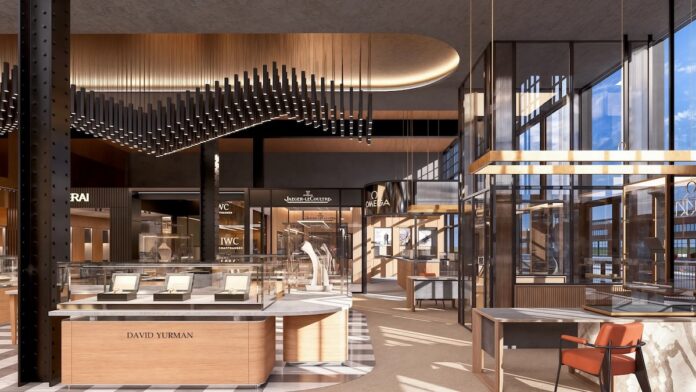
A rendering of Orr's news showroom in The Strip District

Leslie Gordon of Orr’s Jewelers will get to work a little closer to home with her family business’s recent plans to expand into The Strip District’s Terminal space. Gordon, who runs Orr’s with her mother, father and sister, Aliza, lives in the Strip. “We see it as a natural place for our third-generation family business to grow. It’s convenient to access from so much of the Pittsburgh area and will open us up to so many of the Strip District’s residents as well,” Gordon told TABLE.

A New Chapter: Orr’s Jewelers to Expand to The Strip District 

The new Orr’s space will open in fall of 2025, beside Argentinean restaurant Balvanera and across the street from the shopping destinations in The Terminal. “We plan to bring Pittsburgh’s best selection of Swiss watches, fine designer jewelry, and bridal collections to the Strip District,” Gordon said. “Our Strip District store will be the only place in the city of Pittsburgh to shop many of our exclusive brands in-person, including Cartier, Rahaminov Diamonds, Pomellato, and many more! We will have an on-site jeweler for repairs and custom design work as well.”

This expansion comes during an ongoing period of change in The Strip District. The space beside Balvanera has remained largely empty for the past few years. But now, consumers can buy their diamond earrings, then go right to a delicious dinner next door.

The two other Orr’s locations are in Sewickley and in Squirrel Hill. In both locations, they’ve built a devoted clientele over their seventy years of operation. Through the years, they’ve helped many Pittsburghers find the perfect wedding ring, Valentine’s Day gift, or heirloom watch. “We’re committed to bringing the latest trends and top manufacturers in the jewelry and watch industries to Pittsburgh. We travel the world looking at new collections, styles and designers to bring back to Orr’s,” Gordon said. “Many of our clients have been with us from our beginnings in Beaver County. We can’t wait to welcome everyone new and old into our newest iteration in the Strip District.”

Story by Emma Riva
Photo courtesy of Orr’s Jewelers

Subscribe to TABLE Magazine’s print edition.
Think You Can’t Try Meditation? Think Again

0
An incense cone in a meditation room.

Before you start reading, inhale. You don’t have to close your eyes or get up from your computer. Just inhale through your nose for a count of four, feeling it rise in your stomach, then exhale through your mouth. Done? That’s the one thing that no one, no matter what happens to you in this life, can take away from you. As long as you’re living, you can breathe. What happens outside of that is out of your control. While just taking one breath isn’t necessarily meditation, it’s a start.

Think You Can’t Try Meditation? Think Again

Meditation doesn’t always make you a paragon of physical health, but especially for creative people, it can be a way to access a different part of yourself. I felt inspired to spend more time on spiritual matters by the death of David Lynch. Lynch practiced Transcendental Meditation, but he also smoked a pack a day of American Spirits, drank tons of wine, and stayed up all night making disturbing films. Not exactly a wellness influencer, per se, but an advocate for meditation’s benefits.

But “Transcendental Meditation or “TM” involves having your own mantra and sitting in silence, repeating it to yourself in your thoughts as you allow them to flow through you, without judgment. But while it’s easy to talk about these ideas of spiritual peace and a pathway into your inner world—how do you actually put them into practice?

A Non-Judgmental Approach to Meditation

It sounds like a lofty task, to go inward, particularly for those of us with chaotic work lives and therefore chaotic minds. RYT 200 yoga instructor and reiki master Paige Creamer, who teaches at The Om Lounge in the Strip District and East Liberty, wants to assure people that they can start meditating. Before she ever practiced asana yoga (the physical element of yoga most people are familiar with), Creamer found meditation. Her father was terminally ill, and she was “really not feeling well” when she began working with a TM teacher who gave her a mantra and taught her to focus on her own body.

“There’s a meme-ification of it all, a Pinterest aesthetic board of sayings like ‘you are your deepest well.’ But meditation is a real, actual, experience that you can feel in your body, I try in my work to show people that you can access that. It’s not a concept, it’s something real,” Creamer said. “My favorite approach is to go through a body scan and find the place just beyond myself. You can try feeling the inside of your mouth or imagining looking at the inside of your throat.”

Meditation for “Neuro-Complex” People

Creamer describes herself as a “neuro-complex person with complex trauma” and saw finding a mantra as a way of having one thing just for herself. She wants people with similar backgrounds to know that self-judgment and spiraling will defeat the purpose of the process. “If you say you’re going to meditate every day for one minute, and then you don’t, you say ‘Oh, I can’t do that.” That’s just another story,” she said. “Ask yourself ‘Am I really mad at myself that I didn’t meditate yesterday?’ You didn’t lose out on any resources. You didn’t become a bad person overnight.”

Her recommendation is to focus much more on the bodily experience of meditation than on whether your mind was quiet or whether your practice was fastidious enough. You can look at a candle’s flame or do an “eating meditation” where you chew every bite with intention.

Creamer also hopes that her own experiences can help other people feel more comfortable meditating.  “I know that change can happen because I’ve changed,” she explained.  “I know that oneness is there because I feel it. It’s not only for Instagram influencers at Bonnaroo.” She remembered a friend who works as an HVAC technician coming to her saying that meditation had become a key part of his daily life, since he spent so much time in people’s homes and felt he needed some control over his inner life. Inner peace shouldn’t only be for professional-managerial elites that can afford to spare the time for it.

Where Can You Go to Meditate in Pittsburgh?

So, you want to start meditating. While you don’t have to go anywhere other than your own home, having a teacher for guidance can be helpful. The Om Lounge, where Creamer teaches both yoga and an “embodied experiences” course, is an approachable but accredited space for it. The Deep Dive Dream Center in Oakland offers free or low-cost group meditations, with discounts for students.

Additionally, Pittsburgh has a Transcendental Meditation center in Squirrel Hill, where Marty Caplan teaches TM courses. The classes are offered on a sliding scale based on household income. To look for resources of your own that you can do at home, at no cost, The Insight Meditation Society offers free online meditations and Dharma talks.

Some ways to find meditative experiences in Pittsburgh don’t involve teachers or formal settings, either. The pitch-dark James Turrell installations at The Mattress Factory can allow you to sink deeper into your own mind. Likewise, there’s something calming and reflective about the Hillman Hall of Gems and Minerals at the Carnegie Museum of Natural History. Or, while it isn’t a traditional form of meditation, going to see a movie in a theater can be a way to force yourself to sit still and quiet your mind. But if you’ve made the choice to try to seek out meditation, you’re already on the right path. Creamer’s advice? “Let practice speak for itself. You are the space for it all.”

Story by Emma Riva
Photo by Ray Albrow

Subscribe to TABLE Magazine‘s print edition.

Head Outdoors This Spring in Pittsburgh

0
A group of people walk around a concrete slab at the Pittsburgh Botanic Garden with trees and plants surrounding the area.

March 20 marks the first day of spring for citizens around the city of Pittsburgh. Needless to say, after a long, gray winter, everyone is ready to get outdoors and into the sunshine. Luckily, the city and its surrounding areas offer a wealth of options for those eager to reconnect with nature. Whether you’re seeking a peaceful retreat, an active adventure, or simply a change of scenery, Pittsburgh’s outdoor spaces provide the perfect backdrop for springtime exploration and rejuvenation. We recommend dusting off your hiking boots, packing a picnic basket, and taking advantage of the warm and sunny weather before the bitter cold comes biting back. 

Head Outdoors This Spring in Pittsburgh

Allegheny RiverTrail Park

There’s no better way to see the Allegheny River than up close and personal at the RiverTrail Park. Besides their monthly events, you can visit this park anytime for beautiful views of the water that combine the concrete jungle of the city with thriving nature. Look forward to the fishing dock, dog park, marina, native gardens, music venue, playground, bike loop, and walking trails to fill your day with outdoorsy fun.

Pittsburgh Botanic Garden

Spring brings us warmer weather and the lovely sight of colorful blooms across fields of green grass. The Pittsburgh Botanic Garden includes over 65 acres of gardens and woodlands to explore. Plus, you can plan your visit ahead of time online to make sure you hit must-see spots and/or stay in accessible areas. If you aren’t sure how to spend your time, look for their program calendar featuring events like bird watching, crafting, and special guided walks. 

Randyland

While flowers are the first colorful thing we think of when spring comes around, Randyland is another way to take in a vibrant display. This outdoor art exhibit fulfills a space between buildings on the Southside with odd items from mannequins to children’s toys and so much more. Randyland is free to visit and is sure to put a smile on your face, even if it’s just by looking into a wacky, painted mirror. Not to mention, it gives children the opportunity to see art in a new way that appeals to them. 

Raccoon Creek State Park

Just a bit south of Pittsburgh, Raccoon Creek State Park expands over 7,572 acres of land including a 101 acre lake. While it’s still too cold to swim, the lake offers other ways of exploring the outdoors like their Wildflower Reserve containing more than 700 species of plants. You could even choose to spend the night in the woods at either their modern or rustic camping sites. Whether you want to camp out for the night in a tent or spend some luxury time in a cabin, it’s sure to be an exciting trip away from home.

Public Art in Downtown

You don’t have to pay admission to one of Pittsburgh’s museums to see exclusive art exhibits from creators around the world. Instead, take a stroll through Downtown and see what hidden art gems you can find outside. For instance, head to Tito Way and Exchange Way for the Cell Phone Disco, an interactive art piece that responds to your cell phone’s electromagnetic data. Or, sit in the eyeball chairs at Agnes R. Katz Plaza near the Benedum Center and watch the water cascade down a 25-foot bronze fountain.

Mellon Park

This park may be smaller than others around the city, but it is one of the best for a picnic between its grassy green fields and walled garden. Right off of Fifth Avenue in Shadyside, transfer yourself from the city life to nature’s arms and even the world of art as well. View special sculptures displaying the history of Pittsburgh before you walk along the walled garden to take in the Mellon Park Fountain. Plus, take a peek at the Japanese Stewartia tree that is actually not native to Pittsburgh but resides here happily.

West End Overlook

If you’ve ever wondered what Pittsburgh looks like to a bird in the sky, this may be about as close as you can get. The West End Overlook sits 700 feet above the Ohio River, offering up some of the most gorgeous views of the city you can get, especially at sunrise and sunset. There’s plenty of room to get a short walk in, or you can sit on one of the concrete slabs and just relax. Just be sure to bring your camera, you’ll want at least one photo of the city’s skyline.

Story by Kylie Thomas
Photo Courtesy of Pittsburgh Botanical Garden

Subscribe to TABLE Magazine‘s print edition.

Pittsburgh Opera Brings New Take on Madama Butterfly to Life 

0
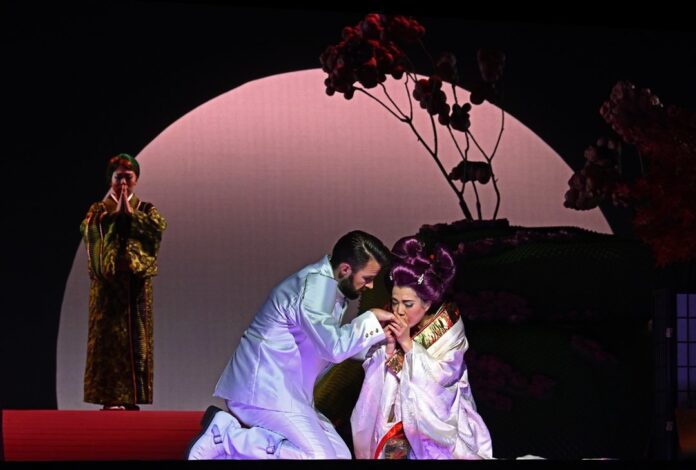
Two actors in Madama Butterfly embrace.

Puccini’s Madama Butterfly is one of the most popular operas—though it didn’t start out that way. After its original 1904 production, critics called it “one of the most terrible flops in Italian opera history.” In the time since, however, it’s become the sixth most-performed opera in the world. This March, the Pittsburgh Opera will be performing a unique production of Madama Butterfly.

Pittsburgh Opera Brings New Take on Madama Butterfly to Life 

The story starts in the Japanese port city of Nagasaki, where an American naval officer, Pinkerton, is marrying Cio-Cio San (Meaning “Madame Butterfly,” an Italianized version of Chocho-san or 蝶々さん), a Japanese teenager. Cio-Cio is in love with Pinkerton. As for Pinkerton, he…likes to hang around with her while he’s stationed in Japan, which at the time had very loose divorce laws. The story is one that many of us, particularly women, know too well: You fall in love and see Mr. Right in someone who sees himself as more of a Mr. Right Now. Cio-Cio San and Pinkerton’s courtship develops into relationship, but as with many operatic storylines, it escalates into betrayal and tragedy.

Stage Director Melanie Bacaling of the Pittsburgh Opera agreed that “Madama Butterfly has some of Puccini’s most honest and heartbreaking music. He has a way of molding your heart to feel for the characters through the drama of his score.” Part of what has made opera persist for so long as an art form is the way the music can access complex emotions we often intellectualize in words. With music, we skip the analysis and just feel. 

A New Interpretation of Puccini’s Libretto

Frequently, the elephant in the room about Madama Butterfly is that white actors portray Japanese characters. The depiction of Japan falls into orientalist, exoticizing tropes, particularly around Japanese women. The production at the Pittsburgh Opera, however, has a Japanese cast and production team in order to allow the story to grow with further cultural context and lived experience behind it.

Though all opera has an element of magic, this production has a  fantastical, futuristic element to it. The story still takes place in turn-of-the-last-century Japan, but sees Pinkerton putting himself in a virtual reality where he knows he can “win” Cio-Cio-san.  It features technicolor-esque, futuristic scenic design by dots (Kimie Nishikawa), saturated, sensual lighting design by Yuki Nakase Link, and inventive but period-appropriate costume design by Maiko Matsushima.

The change in scenic framing allows the designers a chance to shine and for modern viewers to experience something different. “While [the set design] is a unique container for this story, the music and libretto are completely intact. This story framing enhances the themes already present in the opera, giving an opportunity for the score and narrative to feel richer for modern audiences,” Bacaling said.

This production of Madama Butterfly originated with the Cincinnati Opera and will go to the Utah Opera after Pittsburgh. In Pittsburgh, you can catch it on March 22, 25, 28, and 30.

Story by Emma Riva
Photo by Philip Groshong, courtesy of the Pittsburgh Opera

Subscribe to TABLE Magazine’s print edition.  
Pittsburghers Share Their Stories of Burnout

0

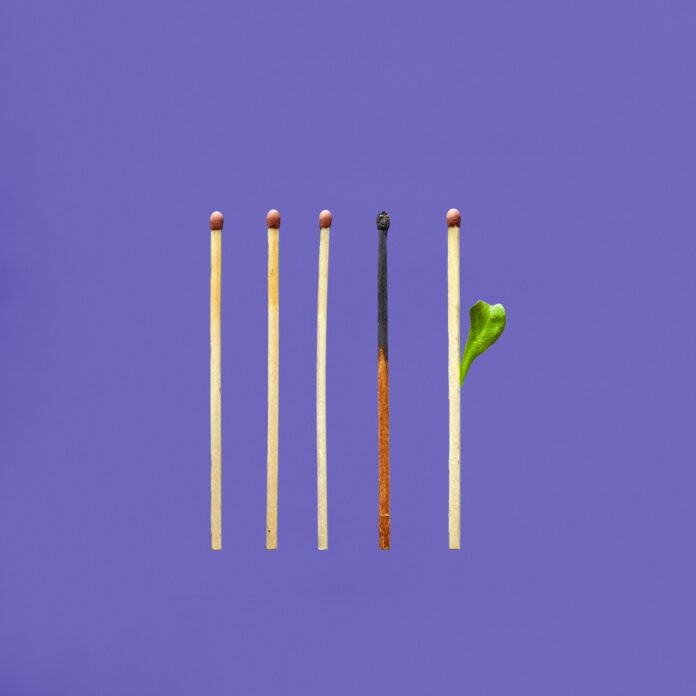
My kitchen sink clogs up. There’s a blockage somewhere in the pipes. My home was once a boarding house for steelworkers, so there are some oddities in the layout of the plumbing. But for the past few months, my sink drains at a glacial pace; no doubt some combination of coffee grounds and oatmeal has lodged in place. The clog, if I don’t clean it out properly, will just get worse. On a recent dark morning, I’ve looked at it and felt it’s the perfect metaphor for burnout: A buildup of psychic residue unable to drain, full of unwanted emotional and spiritual gunk that leaves you feeling…empty.  

Pittsburghers Share Their Stories of Burnout

I became interested in writing about burnout when I heard Bonfire, a restaurant on the South Side I loved, was closing its doors. The restaurant industry is notoriously harsh, with grueling hours, financial strain, and physical work that takes a toll on the body over time. Chef Chris Bonfili said, however, that he felt optimistic about closing the restaurant, because after his father’s death, he realized he didn’t have unlimited time and didn’t want to spend all of it working.

“I still love cooking and hospitality, and for a long time I was willing to sacrifice other areas for that, but I’m just not there now,” he said. “It tugs on your heartstrings a little bit, but I really am just kind of ready. That’s in the front of my mind. I think about all the things I am going to be able to do and all the time I am going to have — this will be the first year in seventeen years I’ll be home for Mother’s Day and cooking for my wife instead of cooking Mother’s Day brunch at the restaurant.”

“This will be the first year in seventeen years I’ll be home for Mother’s Day and cooking for my wife instead of cooking Mother’s Day brunch at the restaurant.”

Bonfili didn’t necessarily characterize his experience as burnout, but I found myself curious about the choices we make for our health, our families, and our wellbeing. How much are you willing to sell your time and your labor for? What is it worth? When have you gone too far?

The participants in this story are a mix of age ranges, socio-economic backgrounds, and career paths. Talking about burnout openly is one way to start the healing process. So, I put out a call: Have you experienced burnout and how did it affect you? It turns out, almost everyone I know had a burnout story.

What is Burnout?

Burnout is not just exhaustion or stress.  Psychologist Herbert Freudenberger popularized the term in the 1970s, borrowing it from the patients he saw from the New York hard drugs scene who used it to describe the way the drug use ravaged their brains. But he started using the term to describe the emotional depletion and loss of motivation in volunteers at St. Mark’s Free Clinic in New York. Freudenberger himself experienced burnout, and originally, it only applied to care workers in the human services sector.

But from the 1990s to the 2000s, it spread to wider usage across careers. Part of what characterizes burnout is a sense of depersonalization and disillusionment. Your work is so tangled up in your sense of self, but as the burnout increases, your work performance and your daily life gets worse. The WHO calls it “feelings of energy depletion or exhaustion; increased mental distance from one’s job, or feelings of negativism or cynicism related to one’s job; and reduced professional efficacy.”

Burnout in the Arts

Like Bonfili, many people I spoke to only realized the depth of their burnout when a personal stressor rattled their sense of who they were.  “Burnout is no joke,” Carolyn Pierotti, a painter and sales manager at Expansive, a downtown Pittsburgh real estate company, said. “In 2018, I was running Percolate Gallery and taking care of three children. My father was going into a long-term care facility and my marriage was on the rocks. I have been taught to push through and suck it up, but my body was giving out on me. I was exhausted, my anxiety was high, and I was watching my kids suffer because I wasn’t there.”

“I have been taught to push through and suck it up, BUT my body was giving out on me.”

Pierotti ultimately choice to walk away from the gallery she owned and find a different career path while still making her own artwork. But burnout among creative professionals is a widespread phenomenon, because most arts workers spread themselves across multiple jobs to make a living wage. So, forget having any time to rest or have a personal life.

An art handler and film crew member referenced the toll of constantly job-hopping as a gig worker, the strain of the small pool of job opportunities in Pittsburgh, and the toll of having to spend extra energy invoicing clients to even get paid at all. Rent is due, but a payments arrive on their own weird timeline. They noted that burnout often comes up around white collar digital labor, but that people who work with their hands have an additional challenge of facing their body’s limitations, too.

Burnout in a Toxic Workplace

It doesn’t help when there are additional emotional strains in the workplace. One respondent, an artist and fashion designer who goes by Evelyn’s Reverie but who has sustained herself with an office career, said that “[At the call center I worked at] I started getting harassed by another employee. I followed all the rules. Reported to my manager and did my best to remain professional. This went on for six months before I found out my boss was hiding it from HR.”

“I keep feeling like ‘What’s the point in overextending myself for organizations who do not care about me?’”

Though she left the job, the experience left her feeling jaded about office culture and whether she could trust anyone in the workplace. “All my hard work and service meant nothing to them. They protected the other employee who had a history of being inappropriate. I’ve struggled to have that same drive at my other jobs. I keep feeling like ‘What’s the point in overextending myself for organizations who do not care about me?’”

Burnout in Education

An educator who asked to remain anonymous described burnout associated with her time as a tenure-track academic at a rural university. “I was constantly trying to find ways to combat inequity, buying into the mythology of the more dedicated you are to your students, the more you’ll self-sacrifice for them. Teachers are underpaid and exploited, and women in any role do disproportionate amounts of ‘office housework,’ administrative work, counseling colleagues emotionally, cleaning…. Systemic factors also contribute to burnout,” she said.

 She also pointed to the fact that people from immigrant backgrounds, as she is, or anyone who comes from a marginalized group, often will overcompensate for their presence in the workplace. “When you rest, there’s someone who’s willing in a toxic and exploitative environment to keep going in your place.”

“When you rest, there’s someone who’s willing in a toxic and exploitative environment to keep going in your place.”

She then went on to work for a DEI consulting company, but found herself burning out again because the fully remote work meant she had no personal boundaries.  “A lot of people who are dealing with burnout are so far down the burnout hole that we don’t deal with our basic needs,” she said.

How Do You Cope with Burnout?

The educator mentioned that there are several coping skills that help her. Turning off her phone, making sure she gets out of the house, and leaning on her support network all have helped her mental state. “If someone from your community wants to help you, don’t turn them down,” she said. She also recommended that if you do quit your job, really take a rest. Hopping into the next profession immediately only exacerbates the spiral.

Anthony Angelilli, a trade worker who restores and paints historic homes in Pittsburgh, offered these tips about burnout from his own experiences managing his daily work and his personal life. He suggested that people who work in digital spaces often lack boundaries because of the myriad distractions around them. Working a trade offers more time to really focus on work. “Set work hours for yourself and actually work those hours. That means no scrolling on Instagram or other social sites or accepting phone calls that aren’t emergencies,” he said. When he got burnt out, he focused on what he did have agency over. “To cope, I just stopped thinking about it and directed my attention to things I can control. Right now, I just want my relationships with people to be loving and memorable.”

“Right now, I just want my relationships with people to be loving and memorable.”

Carolyn Pierotti said “I still experience stress, but I set boundaries for myself now. I’ve learned how to say no. It’s a word that I always had a hard time using, but now it’s more important than ever that I give myself time to rest and reset.” And if people respond negatively to that, Pierotti said: “I’m not always available, and the people who truly care will understand. And if they don’t…. well, F ‘em.”

Story by Emma Riva
Photo by Tangerine Newt

Subscribe to TABLE Magazine’s print edition.
Don't Miss