Home Blog Page 222

Vegetable Soup

0
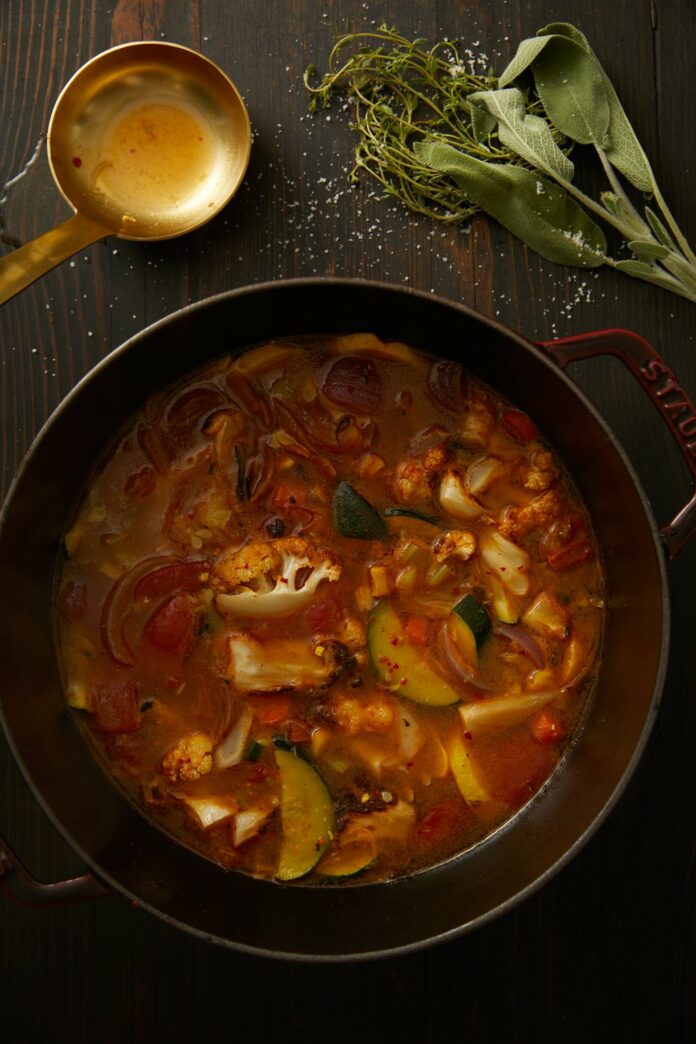
Vegetable Soup in a metal bowl with a spoon and green leaves on the sides, includes zucchini and yellow squash.

Vegetable soup is soul-soothing goodness, perfect for long wintery days or stormy summer nights (especially when you need to use up the yellow squash and zucchini from your garden).

Vegetable Soup Recipe

INGREDIENTS

3-quart homemade bone broth 1 zucchini, diced
1 yellow squash, diced
1 can crushed tomatoes, diced 1 red onion, diced
1⁄2 head cauliflower, cut into small pieces Salt and pepper to taste
1 tbsp olive oil

INSTRUCTIONS

  1. In a large pot, heat olive oil and add in chopped veggies, brown slightly.

  2. Pour in diced tomatoes and bone broth, cook until vegetables are tender.

  3. Season with salt and pepper.

  4. Serve vegetable soup with shredded parmesan on top and crusty bread.

Recipe and Styling by Anna Calabrese / Photography by Dave Bryce

Subscribe to TABLE Magazine’s print edition.

Red Summer Punch

0
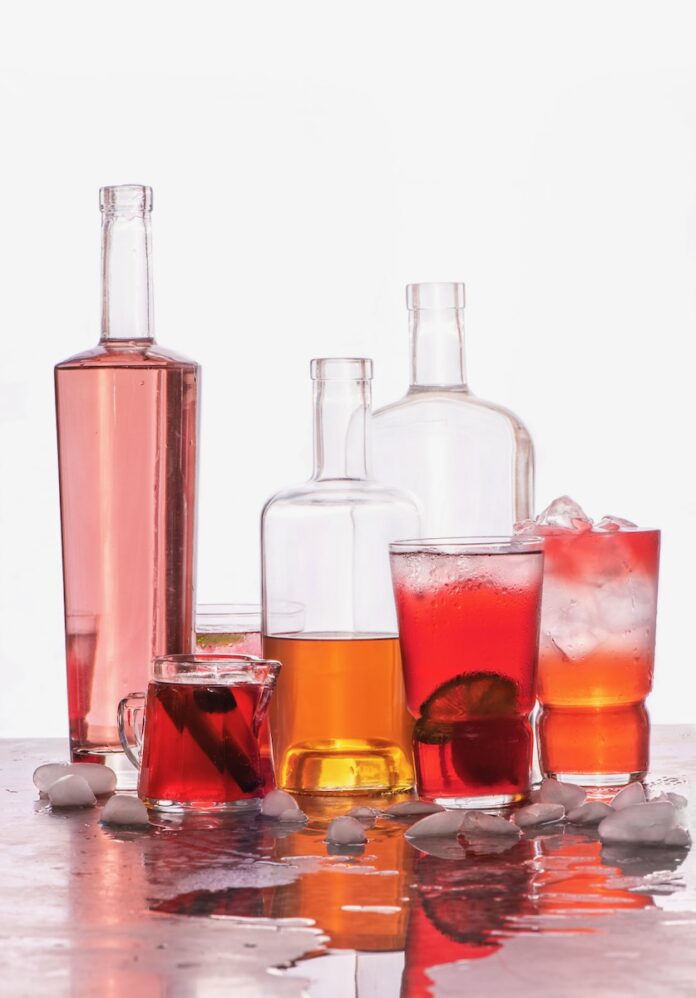
A variety of red bottles for a summer punch sit on a table with various mixed red and orange cocktails in glasses in front of the bottles.

If you close your eyes and take a deep breath, you can almost taste the tantalizing flavors of summer dancing in the air. There’s a certain electricity, a palpable energy that courses through the veins of this day. The solstice approaches, and we find ourselves at the precipice of the best season of the year. And what better way to celebrate this auspicious occasion than with a cool beverage that embodies the essence of summer itself—Red Summer Punch? Raise your glasses and toast to the joy of summer and to the camaraderie of good company. Try this excellent recipe for Red Summer Punch for your feasting table, and perhaps make more than one version of it, changing out the variety of fruit you use, and the spice you add to your simple syrup preparation.

Red Summer Punch and Juneteenth

Red Summer Punch, with its vibrant hue, holds a deep symbolic connection to Juneteenth celebrations. The color red in this refreshing beverage is traditionally associated with the resilience, sacrifice, and strength of enslaved Africans and their descendants. This red color also recalls the bloodshed and struggles on the path to freedom. Serving red drinks like this punch at Juneteenth gatherings is a powerful way to honor the ancestors.

Print
clock clock iconcutlery cutlery iconflag flag iconfolder folder iconinstagram instagram iconpinterest pinterest iconfacebook facebook iconprint print iconsquares squares iconheart heart iconheart solid heart solid icon
A variety of red bottles for a summer punch sit on a table with various mixed red and orange cocktails in glasses in front of the bottles.

Red Summer Punch


  • Author: Keith Recker

Description

Refreshing and the perfect ode to Juneteenth!


Ingredients

Scale
  • 2 cups hibiscus tea, brewed very dark, and chilled
  • 1 cup gin infused with hibiscus tea
  • 1/2 cup cherry cinnamon simple syrup (or strawberry clove or raspberry allspice)
  • 1/2 cup lemon juice
  • 1/4 cup lime juice
  • 1 tsp orange bitters


Instructions

For simple syrup:

  1. Bring 2 cups water, 2 cups sugar, and 2 cups dark, sweet cherries (raspberries or strawberries) to a boil with two cinnamon sticks (or one tbsp of whole cloves, or one tbsp of whole allspice)
  2. Let boil for 4 minutes.
  3. When cool, strain into a jar and chill.

For hibiscus-infused gin:

  1. Place 4 hibiscus teabags in a large mason jar with a fifth of the gin of your choice.
  2. Let sit for at least 24 hours.
  3. Remove tea bags

For the cocktail:

  1. Mix all the ingredients in a pitcher jar. Pour into tall glasses packed with ice. Sip slowly.

Recipe and Styling by Keith Recker 
Photography by Scott Goldsmith

Subscribe to TABLE Magazine’s print edition.

How to Pittsburgh: Local Architecture & Public Art

0
Exteriors of The Andy Warhol Museum, Fallingwater, and City of Asylum. Local Architecture in Pittsburgh

Lauren Shuty, social media fellow for The Warhol Academy’s new fellowship program in the North Shore’s Pop District, shares some of the region’s local architecture and public art as showcased in TABLE Magazine‘s How to Pittsburgh issue.

Featured Spots:

The Andy Warhol Museum
Fallingwater
City of Asylum
Aaronel deRoy Gruber

Check out all of TABLE’s How to Pittsburgh highlights: https://bit.ly/3MAovkQ

Summer’s In Your Blood Cocktail, Inspired by Boygenius

0
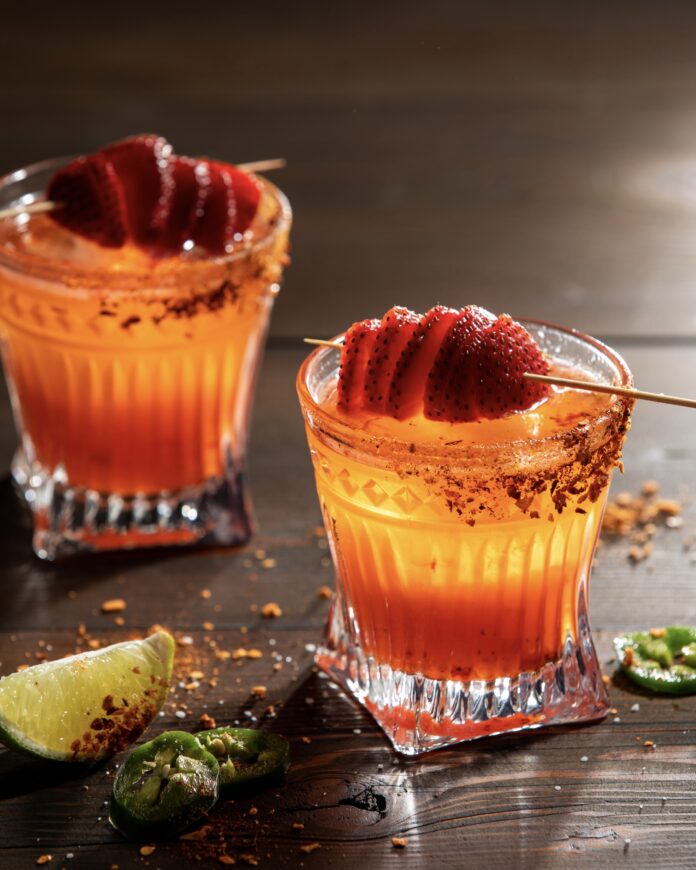
2 cocktail glasses rimmed with tajin and fanned strawberries over a gradient of red/orange cocktail on a brown wood table with a lime wedge and jalapeño slices. A Boygenius inspired cocktail

You can’t help but become the sun” when you’re sipping on Summer’s In Your Blood, a cocktail inspired by Boygenius’ True Blue. Step away from unpredictable moments and sip on a cocktail with your besties while feeling the vibe of Julien Baker, Phoebe Bridgers, and Lucy Dacus, the trio who make up this American indie rock supergroup. This is the second cocktail in our 2023 Summer Cocktail Concert Series.

Summer’s In Your Blood Cocktail Recipe, Inspired by Boygenius

INGREDIENTS

1.5 oz Woodford Reserve Bourbon
½ oz freshly squeezed lime juice
6 slices of fresh strawberries
2-3 thin slices of fresh jalapeño
3 oz Bundaberg ginger beer
Tajin for rim
Lime wedge
Whole strawberry, cut into a fan

INSTRUCTIONS

  1. Use a lime wedge to wet half of the rim of the glass, then dip the rim into Tajin.
  2. Add the lime juice, sliced strawberries, and sliced jalapeño to your glass. (If less heat is preferred, remove the seeds and inner pith of the jalapeno before muddling.) Muddle all together.
  3. Add ice to the glass, then pour in bourbon and ginger beer.
  4. Stir together.
  5. Cut a whole strawberry into a fan and place onto a pick to garnish your cocktail.

Recipe by Sarah Cascone / Styling by Anna Calabrese / Photography by Dave Bryce / Story by Star Laliberte

Try our Taylor Swift cocktail, Lover

Subscribe to TABLE Magazine’s print edition.

Unsung Heroes, A Juneteenth Cocktail

0
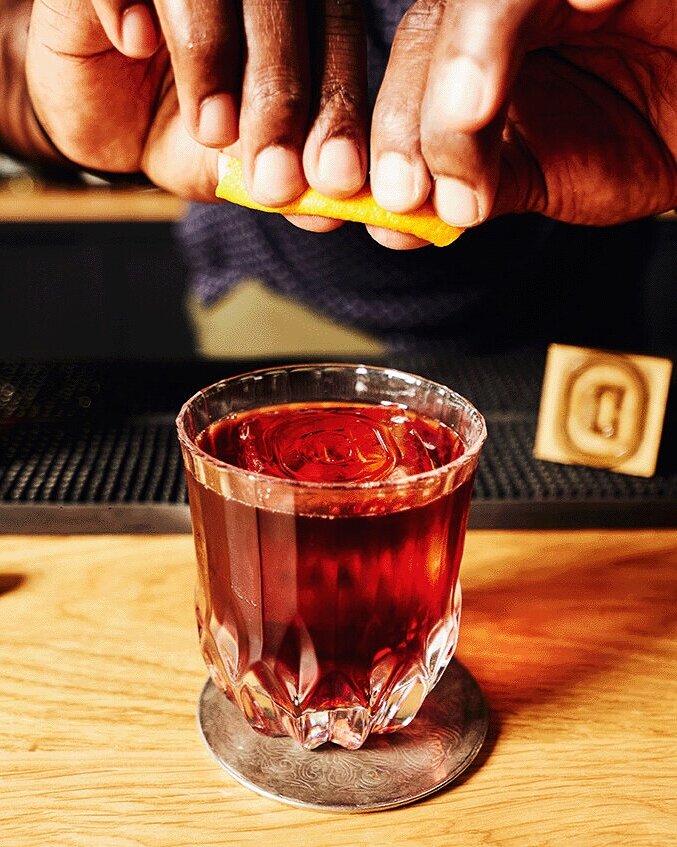
Unsung Heroes cocktail in a rocks glass, brown in color. A hand is positioned over the top, squeezing lemon into the drink.

Juneteenth celebrates the day that the Emancipation Proclamation, President Abraham Lincoln’s executive order freeing all enslaved people of the United States, reached Galveston, Texas. It took over two years to reach southernmost Texas. In the 20th century, Juneteenth became associated with red drinks, food, and desserts as a symbol of endurance and strength. The inspiration and the name of this Juneteenth cocktail come from a long history of African Americans not receiving their due for major contributions to American society and history.

The whiskey used in this drink is from Uncle Nearest, a distillery named after a talented distiller whose real name was Nathan Green. He originated the Lincoln County Process, which is essential to Tennessee whiskey distillation. He taught Jack Daniels the craft of distillation, putting in motion an American spirits tradition. His is just one of countless unsung inventions and creations by people of color.

This Juneteenth cocktail helps me continually celebrate the paths we forge, as well as the paths forged by those who came before us who might go uncelebrated this Juneteenth.

“Unsung Heroes” is a bittersweet cocktail that encourages us to uncover our history. It’s reminiscent of a cocktail in the Negroni family. The cocktail is special to me because it is part of my personal history. That’s also part of of what led to the founding of my company, Mindful Hospitality Group.

Portrait of Cecil Usher, co-founder of Mindful Hospitality Group, by Michael Parente
 

For more about Cecil Usher, find him on Instagram: @mindfulhospitalitygroup, @mindful_bartender_

Recipe by Cecil Usher
Photography by Michael Parente

Subscribe to TABLE Magazine’s print edition.

Let’s Get Grilling for Father’s Day

0
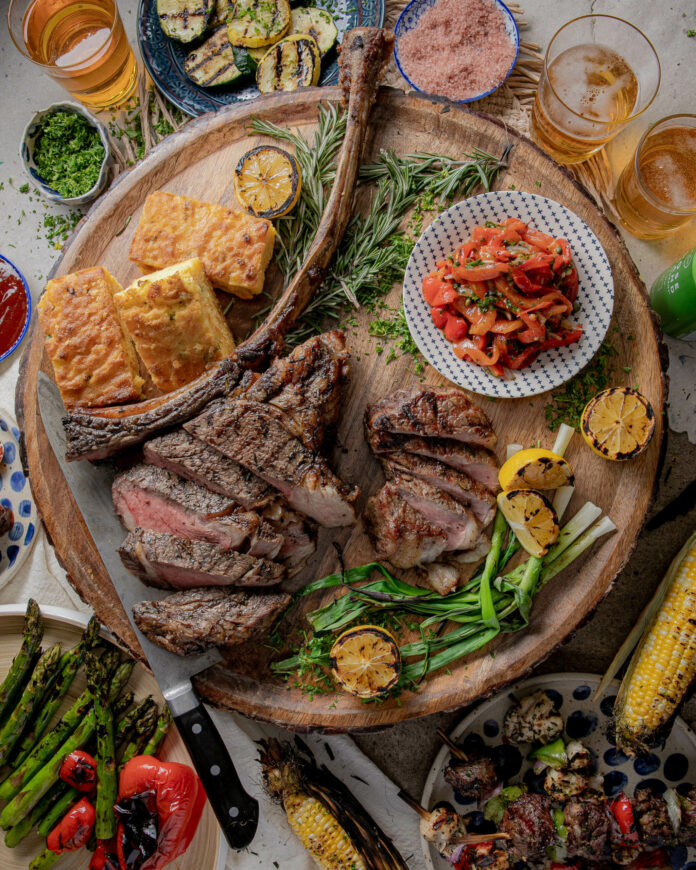
a round wooden board with a cut tomahawk steak, corn bread, an individual steak, roasted red peppers, grilled green onion, and grilled yellow lemons with other vegetables and accruements including grilled corn on the cob and glasses of beer.

It’s time to celebrate the men who have made a positive impact on us by taking an active role in our lives. Give dad a break from his beloved grilling duties, and let chef Kevin Hermann’s grilling tips guide you through an impressive feast.

Tomahawk Steak Grilling Tips

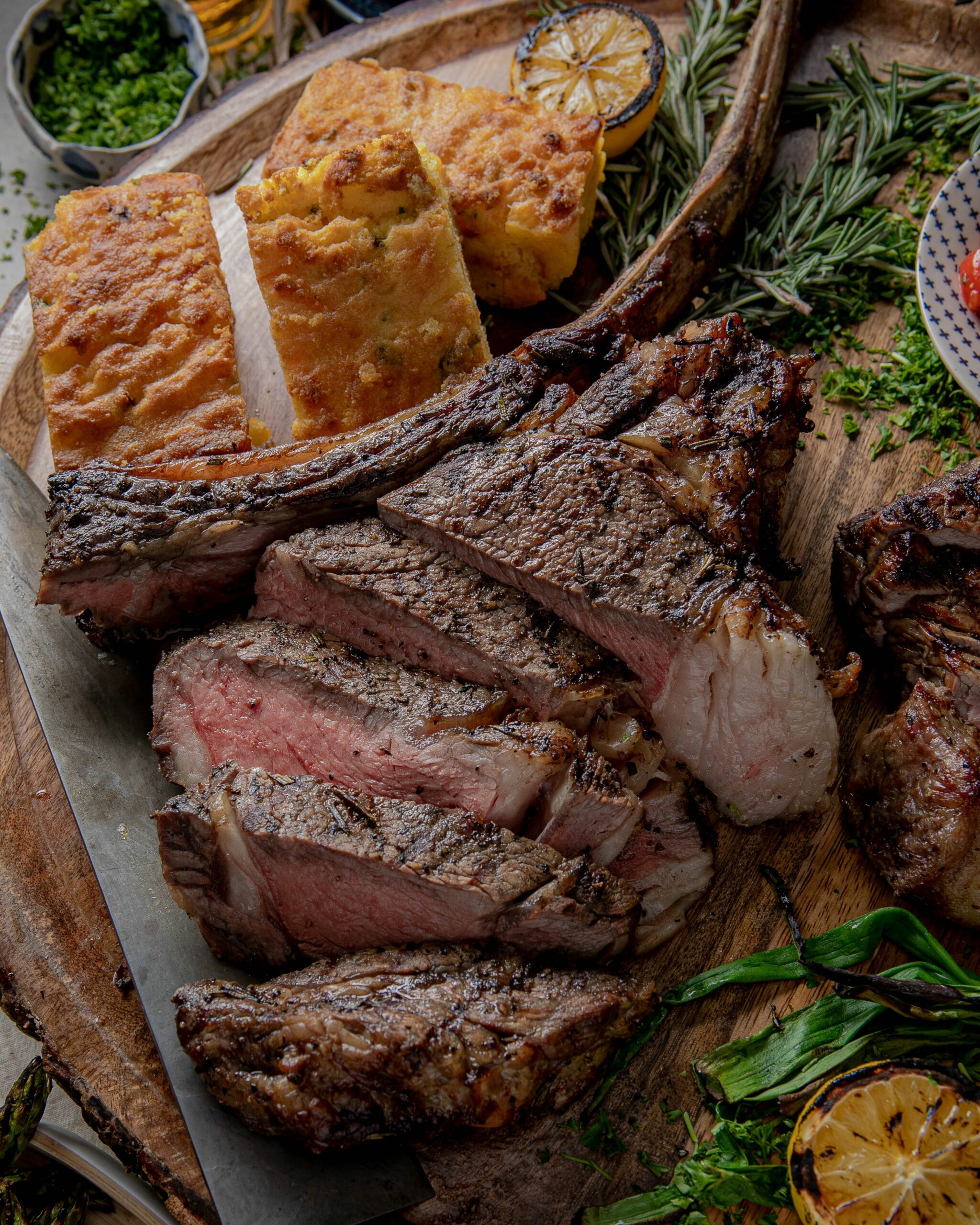
a medium rare tomahawk steak cut into several pieces and placed on a board with corn bread, grilled green onions and grilled lemons


It’s a beast of a steak, but don’t let that scare you off. The end result is a game changer.

Skewered Meat and Veggies Grilling Tips

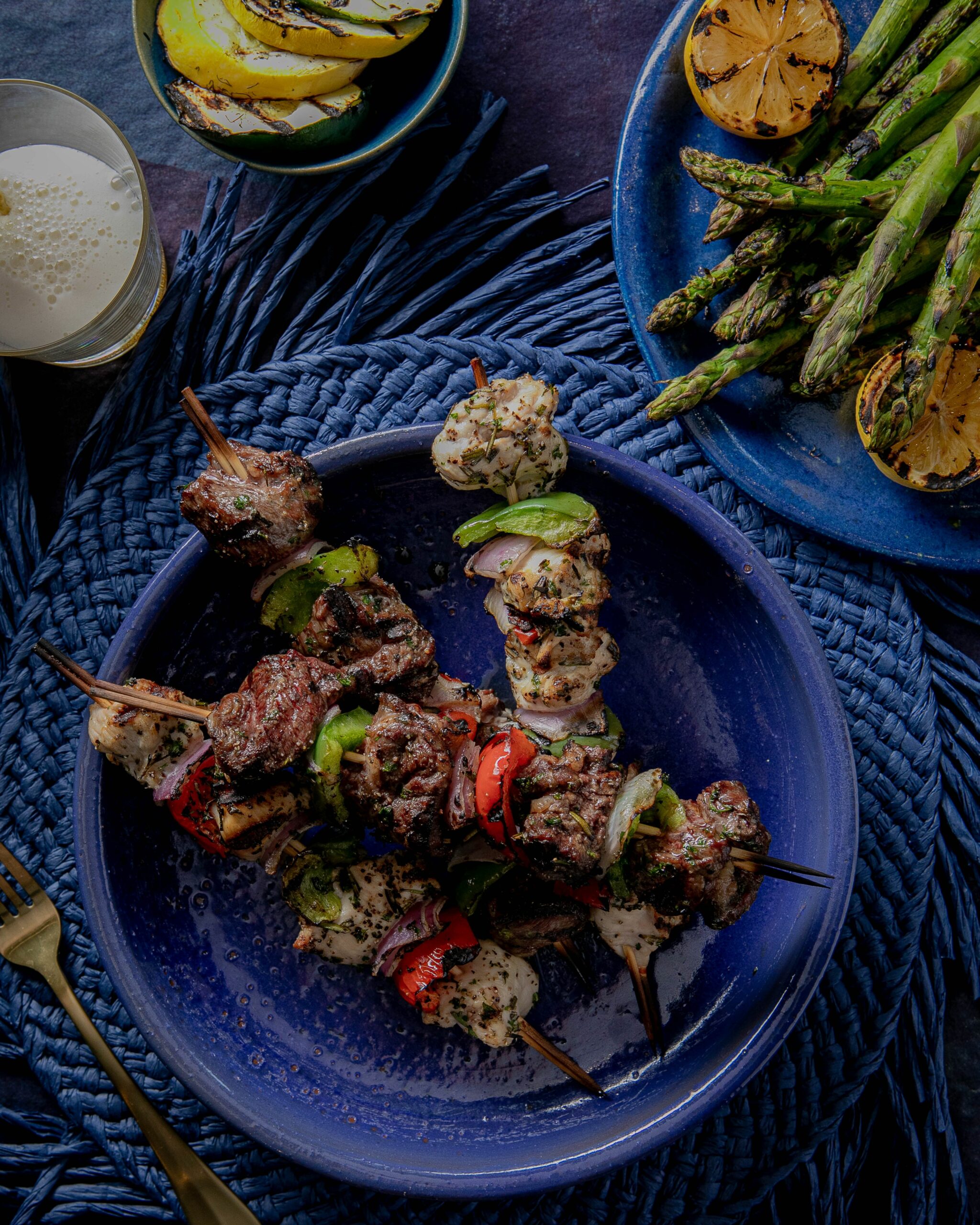
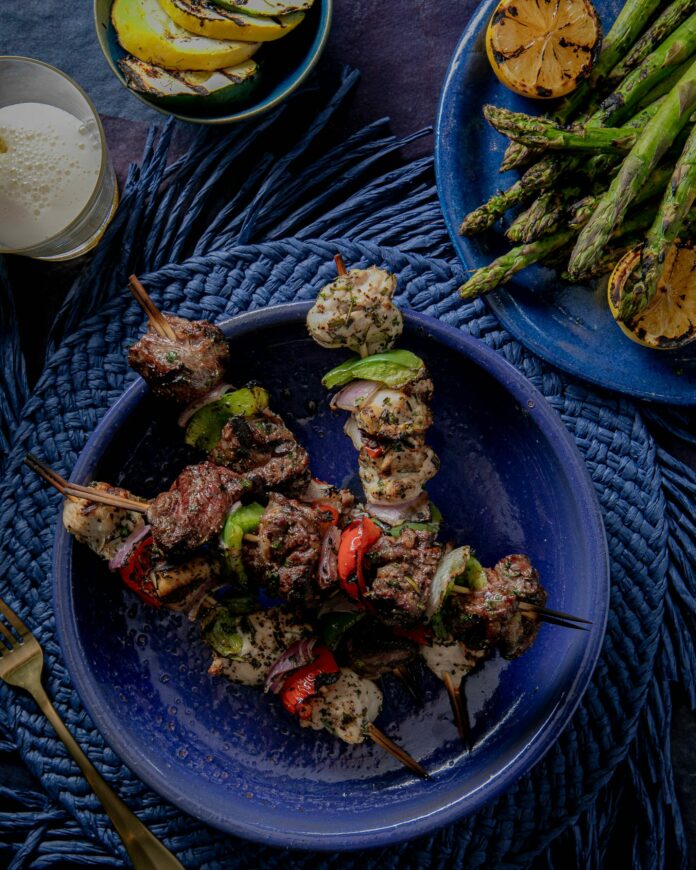
Skewers with beef, chicken, and vegetables on a blue plate and blue straw placemat with a glass of beer and a separate plate of grilled vegetables


Metal or wooden skewers? Which is better when grilling meat and veggies?

Burger Grilling Tips

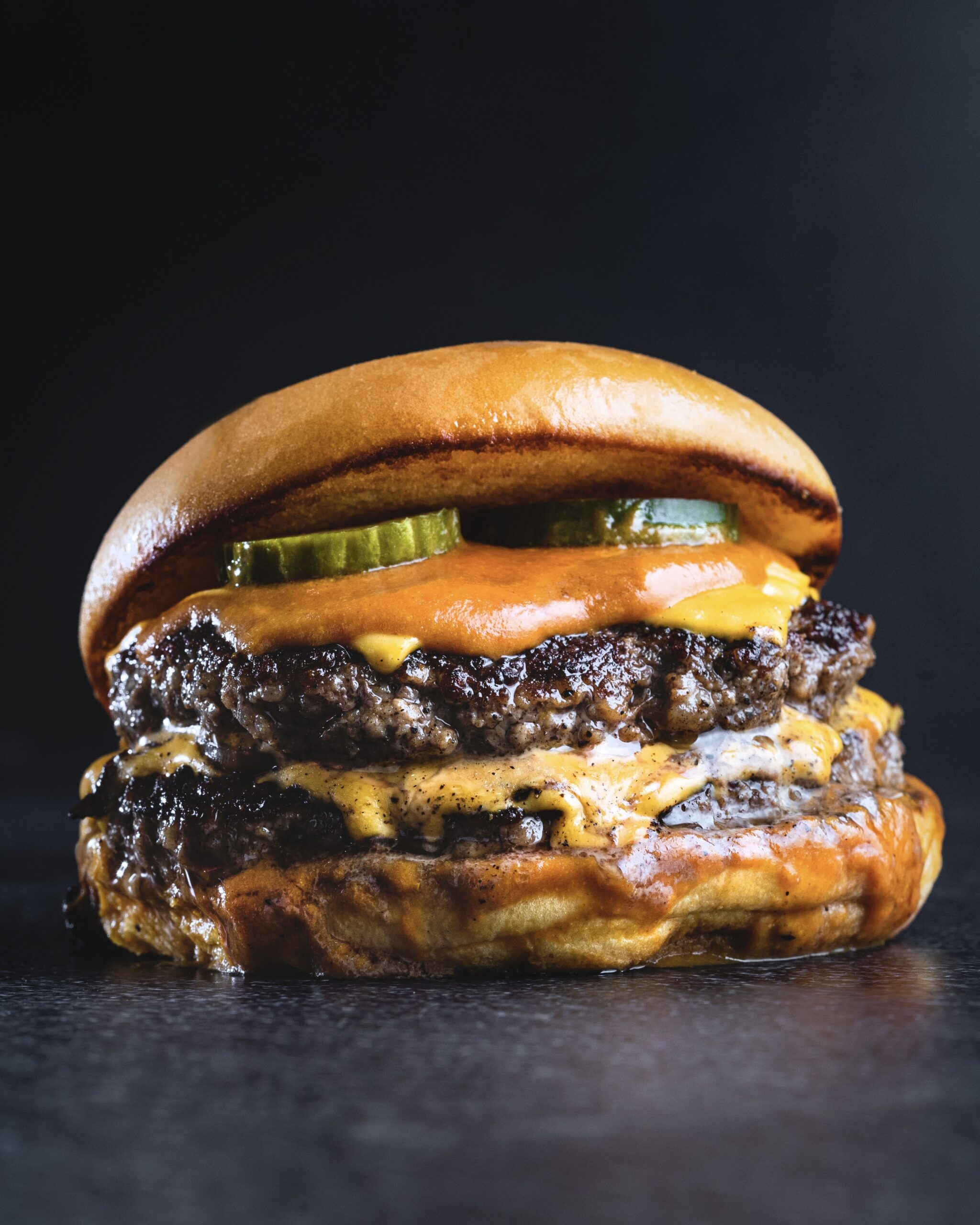
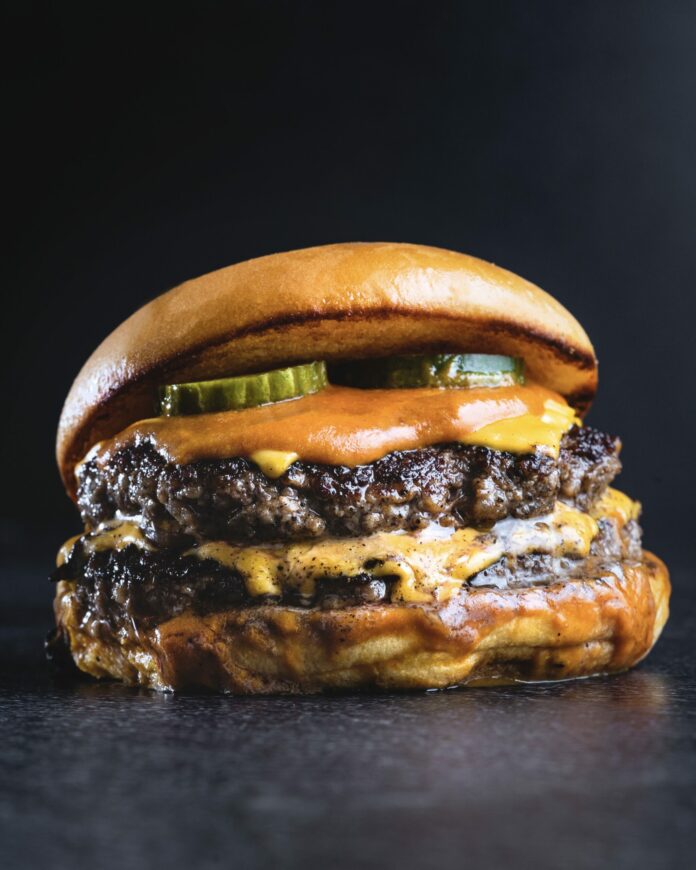
a look in photo of a double cheeseburger with pickles


Is it the beef? Is it the patty method? Is it the grill? How do they do it??? Here are a few simple steps that help at burger time, every time!

How to Grill Corn and Fresh Vegetables

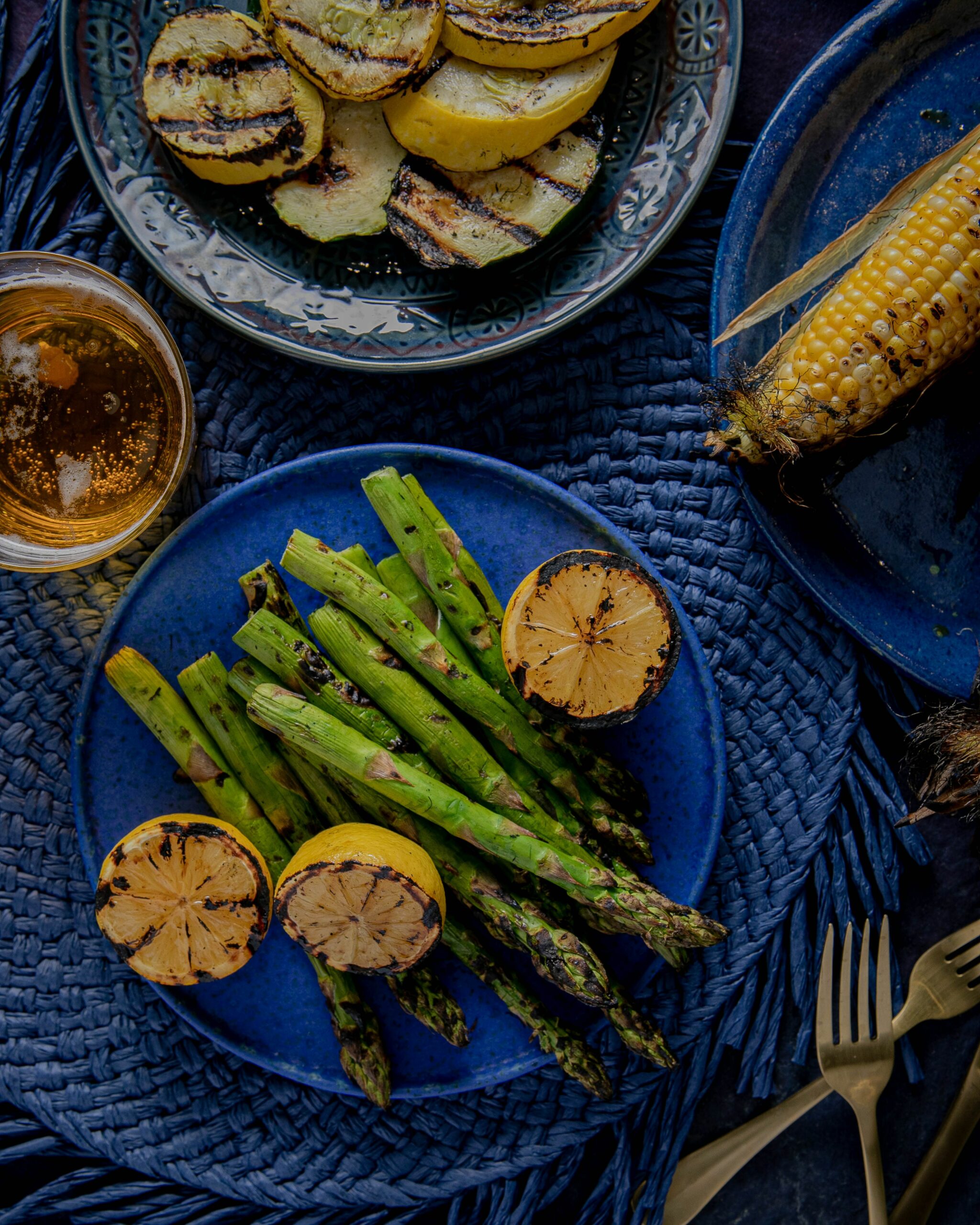
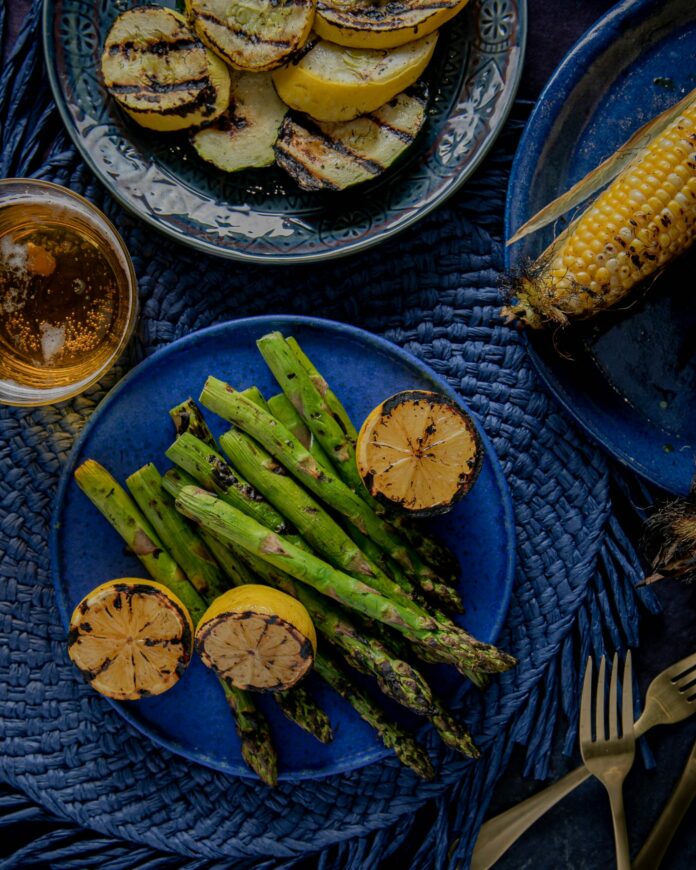
a blue plate on a blue woven placemat with grilled asparagus and grilled lemons with a separate plat of grilled squash and a separate plate of grilled corn on the cob, and a glass of beer


No need to overcomplicate the process when it comes to farm stand corn and fresh veggies.

Food is set — but you can’t forget the booze! We recommended gifting Dad one (or more) of the following Pittsburgh beer and bourbon options.

Kingfly Blended Bourbon Whiskey

A warming bourbon with flavors of spice, oak, and sweet corn.

Sherry Cask Finished Rye Whiskey

This barrel-finished liquor from Wigle Whiskey features sweet berry notes with a spicy finish.

Peated Bourbon

Liberty Pole’s Peated Bourbon is like a campfire in a bottle: a palate of caramel, vanilla, and butterscotch flavors.

Cardshark Bourbon

For those who like a more traditional, rye-tasting liquor.

Rye Whiskey Copper Edition

Quantum Spirits recommends serving this spiced rye, featuring citrus, honeycomb, and caramel notes, on the rocks with a twist of orange.

Mindful Brewing

Located in Castle Shannon and Carnegie, Mindful Brewing makes a great spot for food and brews if firing up the grill for Father’s Day seems a bit too intimidating.

Leaning Cask Brewing

From their refreshing Strawberry Wiggle Butt with fresh basil and strawberry to the Imperial Ridgeback double IPA, this Eastern Pittsburgh brewery features a wide-ranging selection of beverages, perfect for the dad who craves variety.

Necromancer Brewing

For the sports-loving dad, grab a four-pack to-go of Necromancer’s Gold beer, a Pittsburgh Cream Ale, and their Black Pittsburgh Porter.

Inner Groove Brewing

Named after the hidden tracks, or “inner grooves” of vinyl records, this Verona-originated brewery is a center for hand-crafted brews and good tunes.

Story by Star Laliberte and Jordan Snowden / Photography by Laura Petrilla

Subscribe to TABLE Magazine’s print edition.

Juneteenth Mac and Cheese

0
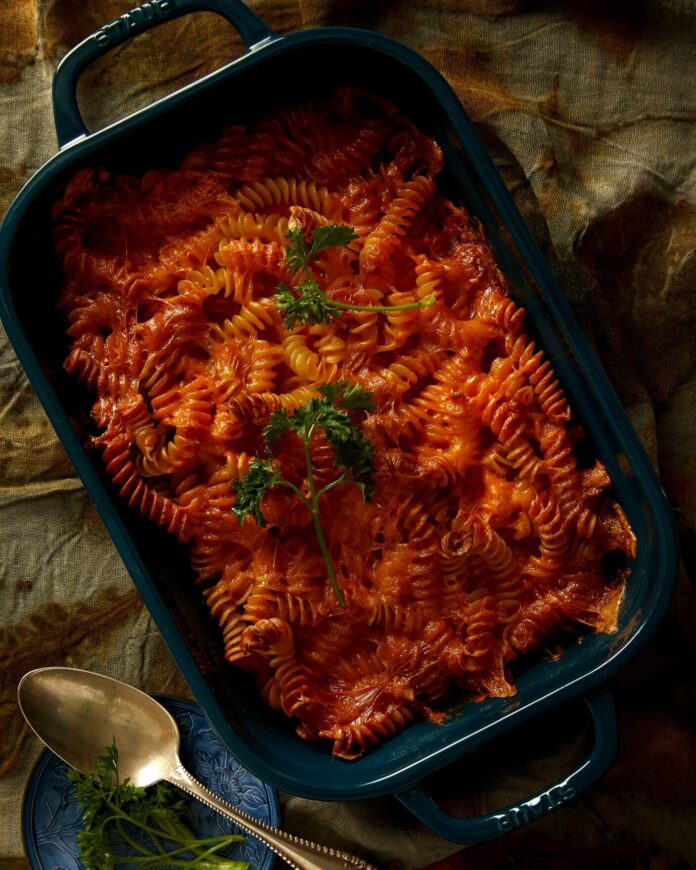
An aerial shot of mac and cheese, orange in color, sitting in a blue casserole dish.
The Netflix series 'High on the Hog' made us look at this classic dish with new eyes.

When we bite deliciously iconic American foods like mac and cheese, we rarely take the time to think about how they became “American,” and under what circumstances they were developed. Juneteenth, the commemoration of the end of slavery in the United States, is an occasion to revisit how Black Americans shaped American food culture.

In the Netflix series High on the Hog, writer, editor, and thinker Stephen Satterwhite sheds light on the influence of African cooking and the African diaspora on what Americans eat today. The picture he paints shows clearly that American eating is intimately entwined with ingredients, palates, and skills of Black Americans. It comes from well before our country was even a country. The series is a must-watch for anyone interested in food or history.

In fact, it’s a good idea to binge it all at once, and then revisit each episode with more patience. The personal stories, as well as the historical insights contained within the episodes, need to be savored. The third episode, “Our Founding Chefs,” looks at two enslaved men whose skill in the kitchen made them famous.

Hercules Posey cooked for George Washington for much of his life.

When Washington was required to live in Philadelphia, the first capital of the United States, he transported Posey and other enslaved workers back and forth to Virginia to avoid Pennsylvania laws that called for freedom for men and women living in the state for longer than six months. Posey was allowed to sell food from the kitchen door of Washington’s Philadelphia home, and to keep the proceeds. His food was so popular that his food sales earned him a proper cook’s salary. He was said to be a dapper dresser, and liked to walk the streets of Philadelphia.

Posey was famous for the opulence of his meals. Even a simple family supper consisted of multiple courses of meats and fish, vegetables, pickles and sauces, breads, and a variety of wine and beer. He is also reported to have had a “Gordon Ramsey-like” temper in the kitchen, with little tolerance for mistakes or dawdlers. He escaped to New York in 1797, and lived there, separated from his children, until his death in 1812.

James Hemings cooked for Thomas Jefferson

James Hemings cooked for Thomas Jefferson. His younger sister Sally, also enslaved by Jefferson, had six children with the third president of the United States. When Jefferson became the US Minister to France in 1784, both James and Sally Hemings came with him. James studied various forms of cooking with restauranteur Monsieur Combeaux, with pastry chefs. Evenly, incredibly, he served apprentice in the household of the Prince de Condé. As an important figure in Jefferson’s household, he created meals for the illustrious European guests who came to Jefferson’s table. His food was famously delicious.

In 1793, Jefferson grudgingly agreed to free Hemings as long as he trained a replacement. After two years of training his brother to become a cook, James Hemings was a free man. He lived only a few years as a free man, however, before killing himself. Negotiating life in the early years of the United States cannot have been easy for Hemings, even with a command of French and English and renowned skills as a chef.

Mac and cheese with a tip from James Hemings

One of the dishes spoken about in High on the Hog is Mac and Cheese. Mac and Cheese classic dish that is served at one time or another in every American home. Whether it’s bright orange and comes out of a box, or creamy and bubbling with fresh cheese, whether it’s served as a side dish on major holidays or just a bit of comfort food plated up with love for the kids, it’s part of a long American tradition. James Hemings seems to be one of the skilled chefs that helped make the dish a fixture of American life, and historians at Monticello note that he cooked his macaroni in a boiling pot of half-milk-half-water. The especially silky noodles that result are layered into a baking dish with cheese and lots of butter, and maybe a crack or two of black pepper.

In honor of Juneteenth, we tried Hemings’ milk-and-water boil. The tender, silky-smooth results are delicious. Unforgettable. We’ll never go back to plain old water again. Try it with your family’s version of mac and cheese.

Whenever we make this dish, we will be mindful of James Hemings, a source of this delicious tradition, whose life, and whose extended family’s life, was indelibly marked by slavery. We will be mindful of how our country continues to hear the echoes of slavery. Can the comfort foods we all love inspire us to love one and other more? Let’s try.

Story by Keith Recker / Photography by Dave Bryce

Subscribe to TABLE Magazine’s print edition.
Skewered Meat and Veggies Grilling Tips

0
Skewers with beef, chicken, and vegetables on a blue plate and blue straw placemat with a glass of beer and a separate plate of grilled vegetables

Metal or wooden skewers? Which is better when grilling meat and veggies? Players’ choice is my answer, however, if you are using wooden skewers, be sure to soak them in water for 30 mins prior to building your skewers.

Skewered Meat and Veggies Grilling Tips

  1. Make sure your veggies and meats are cut the same size. This will allow for even cooking.
  2. I will often build my skewers in a large pan and season them once they are built. Kosher salt, crushed black pepper, rosemary, and chopped parsley are my seasonings of choice.  Feel free to season as you desire.

Grill over medium heat and rotate the skewers through the cooking process. If the outside is cooking too fast, place the skewers on a piece of foil on your grill. This will buffer the heat and allow the skewered meat and veggies to cook through without burning on the outside.

Story by Chef Kevin Hermann / Photography by Laura Petrilla

Subscribe to TABLE Magazine’s print edition.
How to Grill Corn and Fresh Vegetables

0
a blue plate on a blue woven placemat with grilled asparagus and grilled lemons with a separate plat of grilled squash and a separate plate of grilled corn on the cob, and a glass of beer

No need to overcomplicate the process when it comes to farm stand corn and fresh veggies. Since they cook pretty quickly, this is a good last-minute task to do while the meat you’ve prepared is resting.

How to Grill Corn and Fresh Vegetables

BEST METHOD FOR GRILLING CORN

When it comes to grilling corn, I have found that cooking them in the husk is the best way to cook. The husk will char on the outside while steaming the corn on the inside, yielding a tender, smoky and delicious bite every time.

    1. Pull back the husks just enough to remove the silks. Pull the husks back into place.
    2. Place the corn onto a hot grill.
    3. Once the corn is cooked, allow the outside to cool slightly and peel away the husk.
    4. Return the corn to the grill if you desire some grill marks.  If not, just slather it with butter, a pinch of salt, and a squeeze of lime.

HOW TO GRILL FRESH VEGETABLES

Grilled vegetables are a great way to add some unique flavors and textures to the meal.  While the steaks are resting, throw the veggies on the grill.

    1. Cut them into pieces at least ½ inch thick.
    2. Season with desired seasoning and a very light drizzle of oil, just enough to coat.
    3. Place on the grill and cover with lid. They will cook quickly, so don’t wander too far.
    4. Turn the veggies after a few mins, or sooner once you see nice grill marks. Pull them from the grill and place on a platter.
    5. Season with a pinch of salt, a drizzle of olive oil, and a squeeze of lemon.

Play with the flavors and colors you find at the store or your local farm. Enjoy the moment and have fun with it.

IMPORTANT ADDED TIPS

    1. Grilling safely is the most important part. Never leave a lit grill unattended.
    2. Cook on a flat, level surface at least 10 feet from any building
    3. Play with seasonings. I prefer salt and pepper, and fire, which lets the meat shine.
    4. Add a few lemons cut in half to the grill. Simply brush with olive oil and place them flesh side down for a couple of minutes. They make for a great finishing touch for all of your grilled goodies.

Story by Chef Kevin Hermann / Photography by Laura Petrilla

Subscribe to TABLE Magazine’s print edition.

Burger Grilling Tips

0
a look in photo of a double cheeseburger with pickles

Everyone has a friend who swears by the burgers they make. I’m one of those guys. Is it the beef? Is it the patty method? Is it the grill? How do they do it??? Here are a few simple steps that help me at burger time, every time!

Burger Grilling Tips

SIMPLE STEPS FOR BURGERS

    1. Be picky about the meat you select! I use a blend of 50/50 Certified Angus Beef brisket and chuck for all my burgers. The fat content usually comes in around 80/20, meaning 80% meat and 20% fat. This makes for juicy burgers.
    2. Take an 8 oz ball of meat and gently work it like a baseball in your hands. Massage it into a uniform ball and place it on the sheet tray lined with parchment paper. Press it out evenly to 1/2 inch thickness. Cover with plastic wrap and refrigerate once all patties are made.
    3. Season simply with kosher salt and cracked black pepper before placing them on the grill. Cook approximately 4-5 mins on each side. Rotate each to create those hash marks.
    4. Allow burgers to rest 5-10 mins before serving.
    5. Add toppings as desired, and enjoy.

IMPORTANT ADDED TIPS

    1. Grilling safely is the most important part. Never leave a lit grill unattended.
    2. Cook on a flat, level surface at least 10 feet from any building
    3. Play with your seasonings. I prefer salt and pepper, and fire, which let the meat shine.
    4. Add a few lemons cut in half to the grill. Simply brush with olive oil and place them flesh side down for a couple of minutes. They make for a great finishing touch for all of your grilled goodies.

Looking for a local Pittsburgh butcher? Try Fat Butcher, Thoma Meat Market, or Wholey’s.

Story by Chef Kevin Hermann

Subscribe to TABLE Magazine’s print edition.