Home Blog Page 57

Black Pepper Crusted Smoked Short Ribs with Roasted Corn Hash

0
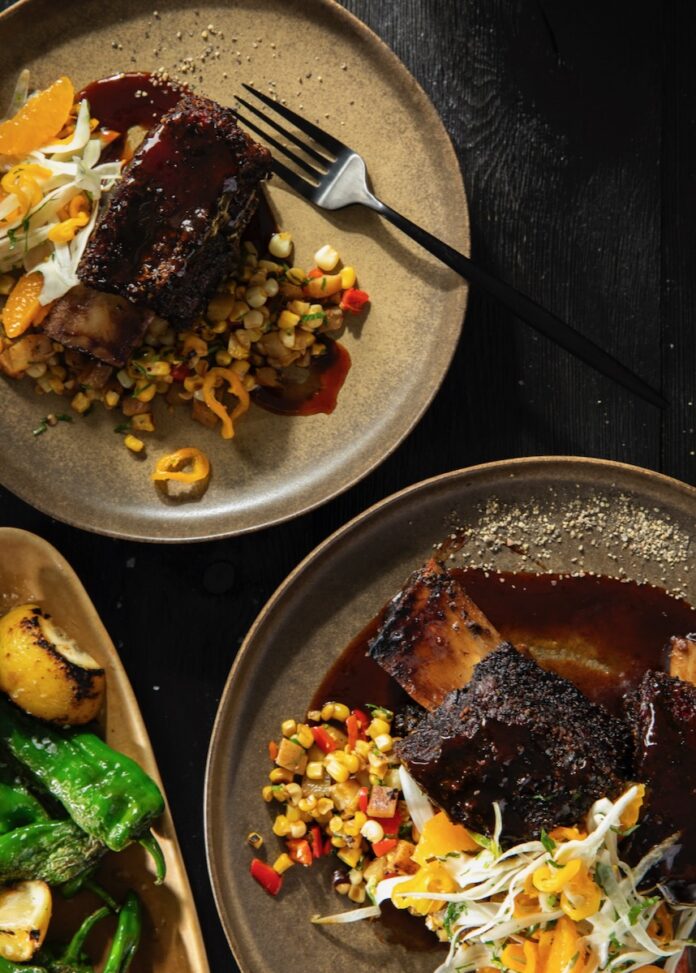
Two plates of black pepper crusted short ribs over roasted corn hash with pickled yellow and green peppers.

Treat your guests to real barbecue. Chef Kevin Hermann’s black pepper crusted short ribs are easy to make, but they ask for patience. Bone-in beef short ribs get a heavy coat of coarsely ground black pepper, crushed coriander seed, and salt, then cook low and slow on a smoker or grill for about four hours. That long, gentle heat renders the fat, tenderizes the meat, and turns the seasoning into a dark, peppery crust.

On the plate, the ribs sit over a buttery roasted corn hash with Yukon Gold potatoes, beside a bright pickled golden pepper salad with shaved fennel and orange. The sweet-tart salad cuts through the richness of the beef, and the yellow peppers and corn bring gold to the black-crusted ribs, which makes this a natural centerpiece for a Steelers game day. Chef Hermann uses 100 percent grass-fed beef from Pittsburgher Highland Farm.

What Are the Best Short Ribs for Smoking?

Look for bone-in English-cut short ribs, which are cut between the bones into thick, individual pieces, or ask your butcher for plate short ribs, the big, meaty “dino ribs” prized in Texas barbecue. Avoid thin, cross-cut flanken ribs, which are made for quick grilling and will dry out during a long smoke.

Choose ribs with a thick layer of meat on top of the bone and plenty of marbling, since the fat keeps them juicy. Grass-fed beef is leaner than grain-finished beef, so keep an eye on it toward the end of the cook, and wrap it a little early if it starts to look dry.

How Do You Smoke Short Ribs?

Mix the pepper, coriander, and salt, and press the mixture onto all sides of the ribs. Preheat your smoker to 265 degrees. Oak, hickory, and cherry are all good woods for beef. Smoke the ribs for about three and a half hours, until the crust is set and the meat is tender but not yet falling off the bone.

Then wrap each rib in butcher paper or foil and return them to the smoker for 30 minutes more. Wrapping holds in moisture and protects the crust while the meat finishes. If the ribs darken too much before they’re tender, wrap them early and let them finish wrapped. Rest the wrapped ribs for at least 15 minutes before serving.

Can I Make Short Ribs on a Gas Grill?

Yes. Set up your grill for indirect heat by lighting the burners on one side only and placing the ribs on the other side. Keep the temperature around 265 degrees, adjusting the burners as needed. For smoky flavor, fill a smoker box, or a foil packet poked with holes, with soaked wood chips and set it over the lit burners. On a charcoal grill, bank the coals to one side and add a few wood chunks. Either way, check the temperature every 30 minutes, and expect the cook to take a little longer than it would in a smoker.

While the grill is hot, char the corn for the hash. Our guide to grilling corn and fresh vegetables walks you through it.

How Do You Know When Short Ribs Are Done?

Time is a guide, but texture tells you when they’re ready. Probe the thickest part of the meat with a thermometer or skewer. It should slide in with little resistance, like poking soft butter, usually when the inside reaches 200 to 205 degrees. Chef Hermann wraps the ribs when they’re tender but still cling to the bone, so they hold together on the plate instead of shredding.

How do I Make Smoked Short Ribs Dairy-Free?

Dairy-free: The only dairy is the butter in the corn hash. Sauté the potatoes in olive oil or bacon fat instead.

Tips for Success

Use a coarse grind. Finely ground pepper turns pasty and bitter, while a coarse grind makes a crunchy crust.

Season the night before. Coat the ribs and refrigerate them uncovered overnight, so the salt has time to season the meat.

Keep the lid closed. Every peek lets heat and smoke escape and adds time to the cook.

Pickle the peppers early. They need at least two hours in the refrigerator, and overnight is even better. Add the fennel, orange, and parsley just before serving.

Dice the potatoes small. Half-inch pieces cook through in the pan by the time they’re golden.

Hold them warm. Wrapped ribs stay hot for up to two hours in an empty cooler lined with towels.

What Can I Serve With Smoked Short Ribs?

The corn hash and pepper salad make this a complete plate, but the ribs are also delicious with the blue corn grits and golden beet relish from Chef Hermann’s Char-Grilled Shrimp Skewers. To drink, Neil Glausier of Burghers pours the Roots & Resilience Black IPA, brewed in collaboration with Black brewing colleagues in the region. Its roasty malt and balanced bitterness stand up to the pepper crust, and its bright citrus finish works like a squeeze of lemon on the rich beef.

Building a full game day spread? Pair the ribs with Chef Hermann’s Blackened Cajun Chicken Tostada and BBQ Pork Sandwich, and finish with his Black Forest Cake. Find the whole menu in our Black and Gold Recipes for Steelers Game Day, more ideas in our Steelers game day recipes, and Chef Hermann’s tips for successful summer grilling. For a whiskey cocktail in team colors, stir up an Apple Cider Manhattan made with Dubliner Steelers Select.

Print
clock clock iconcutlery cutlery iconflag flag iconfolder folder iconinstagram instagram iconpinterest pinterest iconfacebook facebook iconprint print iconsquares squares iconheart heart iconheart solid heart solid icon
Two plates of black pepper crusted short ribs over roasted corn hash with pickled yellow and green peppers.

Black Pepper Crusted Short Ribs


  • Author: Chef Kevin Hermann
  • Total Time: 4 hours 45 minutes
  • Yield: 6 servings 1x
  • Diet: Gluten Free

Description

Bone-in beef short ribs crusted with black pepper and coriander, smoked low and slow, and served over roasted corn hash with a pickled golden pepper salad.


Ingredients

Scale

For the short ribs:

  • 1 cup coarsely ground black pepper
  • 1 tbsp coriander seeds, crushed
  • 2 tbsp salt
  • 6 bone-in beef short ribs

For the pickled golden pepper salad:

  • 12 yellow baby peppers, seeded and cut into ¼-inch rings
  • ½ cup sugar
  • 1 tbsp sherry vinegar
  • 2 tbsp olive oil
  • Pinch of salt
  • 1 fennel bulb, quartered and shaved thin
  • 3 oranges, peeled and cut into segments
  • ½ cup parsley, roughly chopped
  • Salt and pepper to taste

For the roasted corn hash:

  • 10 ears corn, shucked and cleaned
  • 4 tbsp unsalted butter
  • 4 medium-large Yukon Gold potatoes, cut into ½-inch dice
  • Salt and pepper to taste
  • ½ cup onion, small diced
  • ½ cup red pepper, small diced


Instructions

For the short ribs:

  1. Preheat the smoker or grill to 265 degrees, or medium-low heat.
  2. Mix the pepper, coriander, and salt. Coat the short ribs evenly with the seasoning.
  3. Smoke the ribs 3½ hours at 265 degrees, or cook over medium-low indirect heat on the grill.
  4. When the meat is tender but not falling off the bone, wrap each rib in butcher paper or foil. Return to the smoker or grill 30 minutes more. If the meat darkens before it becomes tender, wrap it early and let it finish cooking wrapped.
  5. Remove the wrapped ribs and let rest at least 15 minutes. Keep warm until plating.

For the pickled golden pepper salad:

  1. In a medium bowl, combine the peppers, sugar, vinegar, olive oil, and a pinch of salt. Mix well, cover, and refrigerate at least 2 hours or overnight.
  2. Just before plating, add the fennel, orange segments, and parsley and toss to combine.
  3. Season with salt and pepper.

For the roasted corn hash:

  1. Preheat the grill to medium-high. Grill the corn, turning, until lightly charred on all sides. Let cool, then cut the kernels from the cobs.
  2. Melt the butter in a large sauté pan over medium-high heat. Add the potatoes and season with salt and pepper.
  3. When the potatoes begin to soften, add the onion and red pepper. Sauté, stirring often, until evenly cooked.
  4. Add the corn and continue cooking until the potatoes are fork-tender and lightly golden. Adjust the seasoning and keep warm.

To plate:

  1. Place 2-3 tablespoons corn hash in the center of each plate.
  2. Set 1 short rib on top of the hash.
  3. Divide the pepper salad among the plates and drizzle with the liquid from the bowl.

Notes

Doneness: The ribs are ready when a probe slides in easily, usually 200-205 degrees inside.

Gas grill: Use indirect heat and a smoker box of soaked wood chips.

Make ahead: Season the ribs and pickle the peppers the night before.

Dairy-free: Cook the hash in olive oil instead of butter.

  • Prep Time: 30 minutes
  • Cook Time: 4 hours
  • Category: Main Course
  • Method: Smoking
  • Cuisine: American

Nutrition

  • Serving Size: 1 short rib
  • Calories: 1,050
About the Recipe Developer and Stylist

Chef Kevin Hermann is the chef behind 408 Heirloom on East Ohio Street on Pittsburgh’s North Side. A graduate of the Culinary Institute of America at Hyde Park, he has cooked at restaurants and clubs across the country. In Pittsburgh, he helped develop Eat’n Park’s Six Penn Kitchen and Hello Bistro and was executive chef at The Porch at Schenley. Known for seasonal, local cooking that gives comfort food a fresh spin, he shares his tips for successful summer grilling and cooked TABLE’s The Last Warm Evening dinner.

About the Beer Pairing Expert

Neil Glausier is co-owner and brewmaster of Burghers Brewing, which brews in a 14,000-square-foot production brewery and restaurant in Millvale. He has led beer pairing classes for TABLE; read his lesson in enjoying beer.

About the Photographer

Dave Bryce is TABLE Magazine’s principal photographer. Known for images that explore depth and dimension through space and light, he is also a commercial and editorial food photographer who works closely with chefs and food stylists. Meet TABLE’s contributors.

Subscribe to TABLE Magazine’s print edition.
Blackened Cajun Chicken Tostadas with Chipotle Aioli and Queso Fresco

0
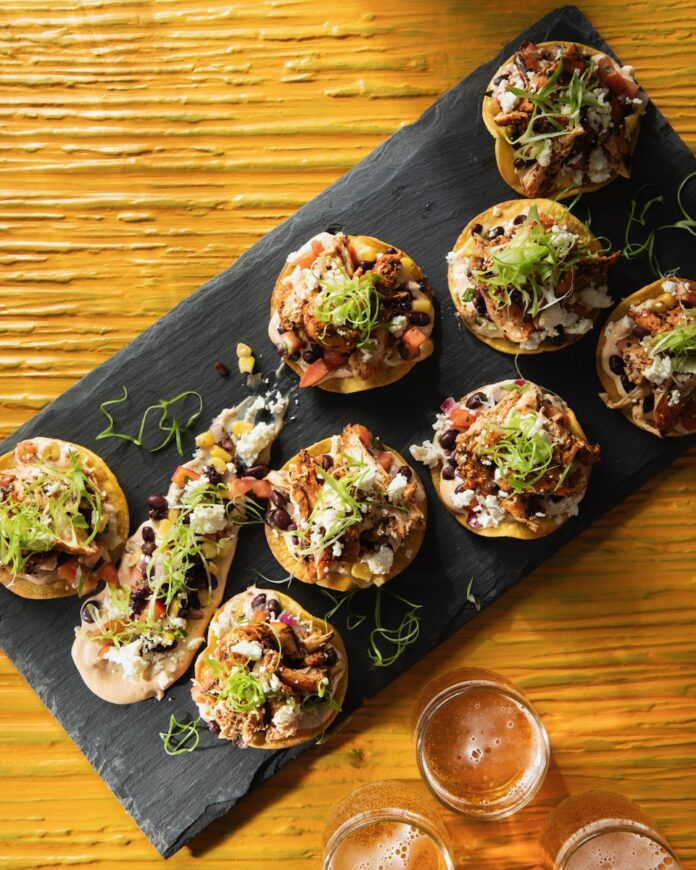
Small Blackened Cajun Chicken Tostadas sit on a black rectangular tray on top of a wood table.

Every game day spread needs something guests can eat with one hand while they cheer with the other. Chef Kevin Hermann’s blackened Cajun chicken tostadas fit the bill. Grilled, Cajun-spiced chicken breast is sliced into strips and piled onto crisp street taco–size corn tortillas with a black bean and corn salsa, a dollop of smoky chipotle aioli, and a sprinkle of crumbled queso fresco.

The best part for the host is that nearly everything can be made ahead. The salsa and aioli get better overnight, the tortillas can be crisped hours in advance, and the chicken grills in minutes. Set it all out and let guests build their own, or assemble a platter and pass it around at halftime. Chef Hermann starts with pasture-raised chicken from Footprints Farm.

What Is the Difference Between Cajun and Blackened Chicken?

Cajun seasoning is a spice blend from Louisiana, usually built on paprika, cayenne, garlic, onion, black pepper, and dried herbs such as thyme and oregano. Blackening is a cooking technique, made famous by New Orleans chef Paul Prudhomme in the 1980s, in which spice-coated meat or fish is seared over very high heat until the spices char into a dark, flavorful crust. Here, a hot grill does the job of a cast-iron skillet.

Store-bought blends vary widely in salt and heat, so taste yours before you begin. If it’s very salty, use a little less than the full cup and add smoked paprika to make up the difference.

How Do You Make Crispy Tostada Shells?

Tostada means “toasted” in Spanish, and a tostada shell is simply a corn tortilla fried or baked until it’s flat and crisp. Chef Hermann sets a sauté pan right on the grill with a couple of tablespoons of olive oil and fries the tortillas a few at a time, toasting each side until golden, then drains them on paper towels. Add more oil between batches as needed, and handle the hot oil with care.

Prefer to skip the frying? Brush the tortillas lightly with oil on both sides, arrange them in a single layer on baking sheets, and bake at 400 degrees for eight to 10 minutes, flipping halfway, until crisp. Store-bought tostada shells work in a pinch, too.

How Do You Make Chipotle Aioli?

Chipotles are smoked, dried jalapeños, and canned ones are packed in adobo, a tangy, smoky tomato and chile sauce. Pull three peppers from the can and chop them finely, then mix them with lemon zest and juice and black pepper. Fold the mixture into mayonnaise, preferably one made with olive oil, until smooth, and season with a pinch of salt. For more heat, add another pepper or a spoonful of the adobo sauce.

The recipe makes about three cups, plenty for a crowd, and leftovers are terrific on sandwiches and burgers. Transfer the extra chipotles to a jar and refrigerate them, or freeze them in small portions for chili, marinades, and sauces.

Can I Make Tostadas Ahead of Time?

Absolutely. Make the black bean salsa the night before so its flavors meld, and use it within four days. The aioli keeps in the refrigerator for up to a week. Crisp the tortillas up to six hours ahead and store them in a paper bag at room temperature so they stay crunchy. You can toss the chicken in the spice mix up to a day ahead, too. On game day, all you’ll have to do is grill and assemble. Wait to top the shells until just before serving, since the salsa will soften them.

How Do I Make These Tostadas Dairy-Free?

Dairy-free: Skip the queso fresco or use a dairy-free feta-style crumble. Mayonnaise contains no dairy, but check the label to be sure.

Tips for Success

Even out the chicken. Pound thick breasts to about ¾ inch so they cook evenly without drying out.

Use a thermometer. Pull the chicken off the grill as soon as it reaches 165 degrees inside.

Let it rest. Five to 10 minutes on the cutting board keeps the juices in the meat.

Drain the salsa. Use a slotted spoon so extra liquid doesn’t soak the shells.

Top at the last minute. The shells stay crisp for only a few minutes once the salsa goes on.

Garnish generously. Scallions, cilantro, and lime wedges add freshness to every bite.

What Can I Serve With Blackened Chicken Tostadas?

Round out the table with guacamole, Mexican street corn, or chips and extra salsa, or go all in with Chef Hermann’s BBQ Pork Sandwich and Black Pepper Crusted Short Ribs. Neil Glausier of Burghers pairs the tostadas with Zelibrator Doppelbock, a strong, malty German-style lager. Its toasted malt and light caramel notes echo the char on the chicken and the roasted corn in the salsa, and its dry finish and hint of citrus tame the chipotle heat and keep you reaching for another bite.

Find the full menu in our Black and Gold Recipes for Steelers Game Day and more crowd-pleasers in our Steelers game day recipes. For more party bites, browse our Thanksgiving Finger Foods and Appetizers collection, and pour a Hot Honey Old Fashioned for the whiskey fans.

Print
clock clock iconcutlery cutlery iconflag flag iconfolder folder iconinstagram instagram iconpinterest pinterest iconfacebook facebook iconprint print iconsquares squares iconheart heart iconheart solid heart solid icon
Small Blackened Cajun Chicken Tostadas sit on a black rectangular tray on top of a wood table.

Blackened Cajun Chicken Tostada


  • Author: Chef Kevin Hermann
  • Total Time: 9 hours 10 minutes
  • Yield: 18 tostadas (6 servings) 1x
  • Diet: Gluten Free

Description

Crisp corn tortillas topped with grilled Cajun chicken, black bean and corn salsa, chipotle aioli, and queso fresco. A make-ahead handheld for game day.


Ingredients

Scale

For the black bean corn salsa:

  • 2 cups black beans, cooked and drained
  • 1 cup corn, roasted
  • 1 cup red onion, small diced
  • 1 cup tomato, small diced
  • 2 garlic cloves, minced
  • 2 tsp ground cumin
  • 2 tsp ground coriander
  • ½ cup cilantro, chopped
  • Zest and juice of 3 limes
  • Salt and pepper to taste

For the roasted chipotle aioli:

  • 1 can chipotle peppers in adobo
  • 1 lemon, zested and juiced
  • ½ tsp ground black pepper
  • 3 cups mayonnaise, preferably olive oil–based
  • Pinch of salt

For the blackened Cajun chicken:

  • 3 lb boneless, skinless chicken breasts
  • 4 tbsp olive oil
  • 1 cup Cajun spice
  • 2 lemons, zested and juiced (keep the juice separate)

For the crispy tortillas:

  • 4 tbsp olive oil, divided, plus more as needed
  • 18 yellow corn tortillas, street taco size

For assembly:

  • 4 oz queso fresco, crumbled
  • 3 scallions, thinly sliced
  • Cilantro sprigs for garnish
  • Lime wedges for serving


Instructions

For the black bean corn salsa:

  1. Combine all of the salsa ingredients in a bowl. Cover and refrigerate overnight. Use within 4 days.
  2. For the roasted chipotle aioli
  3. Remove 3 chipotle peppers from the adobo and finely chop. Refrigerate the remaining peppers for another use.
  4. Mix the chopped peppers with the lemon zest and juice and black pepper.
  5. Fold the pepper mixture into the mayonnaise until smooth. Season with a pinch of salt.

For the blackened Cajun chicken:

  1. Preheat the grill to 425 degrees, or high heat.
  2. In a large bowl, toss the chicken with the olive oil, Cajun spice, and lemon zest until evenly coated. Cover and refrigerate while the grill heats.
  3. Grill the chicken, turning once, until it reaches 165 degrees inside.
  4. Let rest 5-10 minutes, then cut into ½-inch strips and squeeze the reserved lemon juice over the top. Keep warm in a covered container.

For the crispy tortillas:

  1. While the chicken rests, set a sauté pan on the grill and add 2 tablespoons olive oil.
  2. Fry the tortillas a few at a time, toasting each side until crisp. Drain on a paper towel–lined tray.
  3. Repeat with the remaining tortillas, adding oil as needed. Handle the hot oil carefully.

For assembly:

  1. Arrange the tortillas on a lined sheet tray. Top each with warm chicken.
  2. Spoon salsa over the chicken with a slotted spoon.
  3. Add a small dollop of aioli and sprinkle with queso fresco and scallions.
  4. Garnish with cilantro and serve with lime wedges.

Notes

Baked shells: Brush the tortillas with oil and bake at 400 degrees 8-10 minutes, flipping halfway.

Cajun spice: Blends vary in salt; taste first and use less if yours is salty.

Make ahead: Salsa keeps 4 days; aioli keeps 1 week; tortillas can be crisped 6 hours ahead.

Dairy-free: Omit the queso fresco or use a dairy-free crumble.

  • Prep Time: 40 minutes
  • Cook Time: 30 minutes
  • Category: Appetizer; Main Course
  • Method: Grilling
  • Cuisine: Mexican-Inspired

Nutrition

  • Serving Size: 3 tostadas
  • Calories: 720
About the Recipe Developer and Stylist

Chef Kevin Hermann is the chef behind 408 Heirloom on East Ohio Street on Pittsburgh’s North Side. A graduate of the Culinary Institute of America at Hyde Park, he has cooked at restaurants and clubs across the country. In Pittsburgh, he helped develop Eat’n Park’s Six Penn Kitchen and Hello Bistro and was executive chef at The Porch at Schenley. Known for seasonal, local cooking that gives comfort food a fresh spin, he shares his tips for successful summer grilling and cooked TABLE’s The Last Warm Evening dinner.

About the Beer Pairing Expert

Neil Glausier is co-owner and brewmaster of Burghers Brewing, which brews in a 14,000-square-foot production brewery and restaurant in Millvale. He has led beer pairing classes for TABLE; read his lesson in enjoying beer.

About the Photographer

Dave Bryce is TABLE Magazine’s principal photographer. Known for images that explore depth and dimension through space and light, he is also a commercial and editorial food photographer who works closely with chefs and food stylists. Meet TABLE’s contributors.

Subscribe to TABLE Magazine’s print edition.
Smoked BBQ Pulled Pork Sandwiches with Blackstrap Molasses BBQ Sauce

0
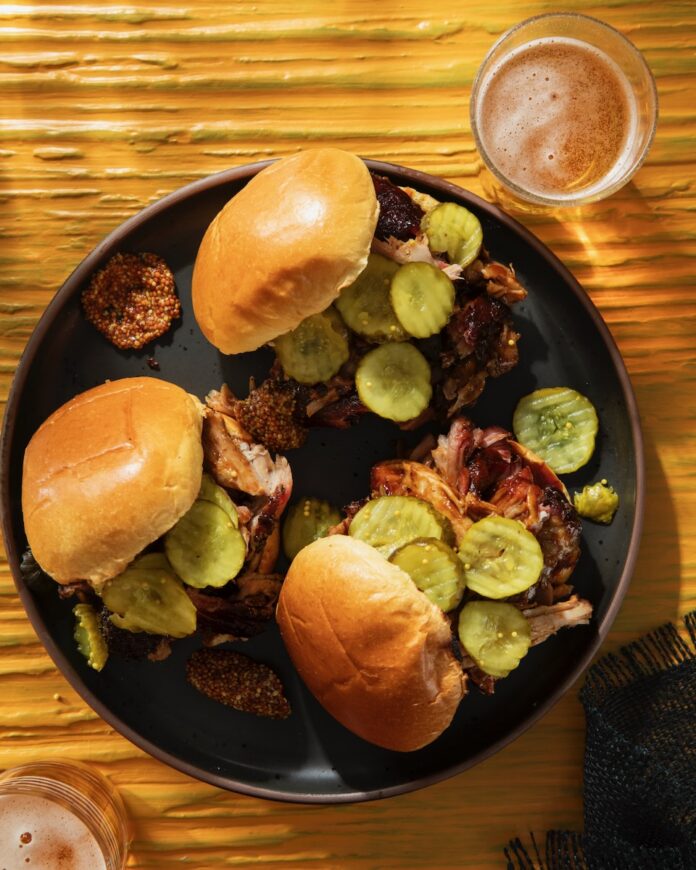
Three BBQ pork sandwiches with pickles on top of the meet and a beer in the top right corner.

If you have a smoker, this is the sandwich to show it off. Chef Kevin Hermann’s BBQ pork sandwich starts with a pork shoulder rubbed with salt, cracked black pepper, and smoked paprika, then smoked low and slow for eight to 10 hours. The long cook turns a tough, well-marbled cut into tender, juicy meat, and it leaves plenty of time for the rest of your party prep, or even a nap before kickoff.

Chef Hermann pulls the pork into hearty chunks rather than fine shreds, piles it onto a toasted brioche bun spread with grainy mustard, and tops it with bread-and-butter pickles and a generous drizzle of his homemade blackstrap molasses BBQ sauce. It’s an American classic to keep in your back pocket for game day and every cookout after. For pastured pork, he recommends Fallen Aspen Farm in Lawrence County.

What Cut of Pork Is Best for Pulled Pork?

Pork shoulder, from the upper front leg, is the go-to cut. It’s sold whole or as two separate cuts: the Boston butt, which sits higher on the shoulder and is more evenly marbled, and the picnic shoulder, which sits lower and often comes with the skin on. Either works.

The shoulder’s fat and connective tissue melt during a long cook, which keeps the meat moist and makes it easy to pull. Bone-in shoulders tend to cook more evenly and add flavor. Plan on about half a pound of raw pork per person, since the shoulder loses close to half its weight as it cooks.

How Long Do You Smoke a Pork Shoulder?

At 245 degrees, a five-pound shoulder takes about eight to 10 hours. Every shoulder is different, though, so cook to temperature and tenderness, not the clock. The pork is ready when it reaches 195 to 203 degrees inside and a fork twists easily in the meat. Let it rest for at least 30 minutes before pulling.

Why Is My Pork Shoulder Stuck at 160 Degrees?

Don’t panic. Somewhere between 150 and 165 degrees, moisture evaporating from the surface of the meat cools it down, and the temperature can stall for hours. Pitmasters call it “the stall,” and it’s completely normal. You can wait it out, or wrap the shoulder tightly in butcher paper or foil, which traps the moisture and pushes the temperature up faster. Wrapping softens the bark a little, so unwrap it for the last 30 minutes if you want it crisp again.

How Do You Make Blackstrap Molasses BBQ Sauce?

Blackstrap molasses is the dark, thick syrup left after the third boiling of sugarcane. It’s less sweet than regular molasses, with a deep, slightly bitter, mineral flavor that gives this sauce its color and backbone.

Chef Hermann cooks onion and garlic in olive oil until aromatic, then lowers the heat and toasts smoked paprika, whole coriander, whole cumin, and cayenne for about two minutes, scraping the pot so the spices don’t stick. Ketchup, molasses, and lemon zest and juice go in next, and the sauce simmers for 30 minutes before it’s blended smooth with a hand blender. Refrigerate it overnight for the best flavor. It keeps for up to two weeks. Can’t find blackstrap? Regular unsulphured molasses makes a sweeter, milder sauce.

Can I Make Pulled Pork in the Oven or Slow Cooker?

Yes, though you’ll miss the smoke. In the oven, roast the seasoned shoulder in a covered Dutch oven at 275 degrees for six to eight hours, until fork-tender. In a slow cooker, cook it on low for eight to 10 hours. Add a little extra smoked paprika to the rub to make up for the smoker’s flavor.

How Do I Make This Sandwich Gluten-Free or Dairy-Free?

Gluten-free: Use gluten-free buns, or serve the pork over rice or in lettuce cups. Check the labels on your ketchup and mustard, too.

Dairy-free: Brioche is made with butter and milk, so choose a dairy-free bun, such as a potato or kaiser roll made without dairy.

Tips for Success

Rub it the night before. Seasoning the shoulder a day ahead lets the salt work deep into the meat.

Keep it chunky. Pull the pork into bite-size pieces rather than shredding it fine, so it stays juicy.

Toast the buns. A golden, toasted bun holds up to the sauce without falling apart.

Reheat gently. Warm leftover pork in a covered pan with a splash of BBQ sauce or apple juice.

Freeze the extras. Pulled pork freezes well for up to three months.

What Can I Serve With a BBQ Pork Sandwich?

Chef Hermann suggests serving the sandwiches on their own or with sides from the rest of his black and gold menu: the golden beet relish from his Char-Grilled Shrimp Skewers, the pickled golden pepper salad and roasted corn hash from his Black Pepper Crusted Short Ribs, or the chipotle aioli from his Blackened Cajun Chicken Tostada. Coleslaw and baked beans are always welcome, too.

Neil Glausier of Burghers pours Smoke Control Rauch Helles, a smoked take on a light German lager. Its bready malt and gentle beechwood smoke tie together the sweet sauce and savory pork, and its mild herbal bitterness and dry finish keep up with every messy, finger-licking bite.

Find the full spread in our Black and Gold Recipes for Steelers Game Day and more ideas in our Steelers game day recipes. Pick up more of Chef Hermann’s tips for successful summer grilling, and finish the meal with his Black Forest Cake.

Print
clock clock iconcutlery cutlery iconflag flag iconfolder folder iconinstagram instagram iconpinterest pinterest iconfacebook facebook iconprint print iconsquares squares iconheart heart iconheart solid heart solid icon
Three BBQ pork sandwiches with pickles on top of the meet and a beer in the top right corner.

BBQ Pork Sandwich with Blackstrap Molasses BBQ Sauce


  • Author: Chef Kevin Hermann
  • Total Time: 11 hours
  • Yield: 8 sandwiches 1x

Description

Smoked pork shoulder pulled into chunks and piled on toasted brioche with grainy mustard, bread-and-butter pickles, and homemade blackstrap molasses BBQ sauce.


Ingredients

Scale

For the BBQ pork shoulder:

  • ¼ cup salt
  • ¼ cup black pepper, cracked
  • 2 tbsp smoked paprika
  • 5 lb pork shoulder

For the BBQ sauce:

  • ½ cup (4 oz) olive oil
  • 1 cup onion, minced
  • 3 garlic cloves, minced
  • 4 tbsp smoked paprika
  • 1 tbsp whole coriander seeds
  • ½ tbsp whole cumin seeds
  • ½ tsp ground cayenne pepper
  • 12 oz ketchup
  • 1 cup blackstrap molasses
  • Zest and juice of 3 lemons
  • Salt and pepper to taste

For the sandwiches:

  • 8 brioche buns
  • 8 tbsp grainy mustard
  • Bread-and-butter pickles


Instructions

For the BBQ pork shoulder:

  1. Preheat the smoker to 245 degrees.
  2. Mix the salt, pepper, and smoked paprika and rub evenly over the pork shoulder.
  3. Smoke 8-10 hours, until fork-tender and 195-203 degrees inside.
  4. Remove and let rest at least 30 minutes, then pull the meat apart, keeping it slightly chunky rather than shredded.

For the BBQ sauce:

  1. In a heavy saucepot over medium-high heat, cook the olive oil, onion, and garlic, stirring often, until aromatic.
  2. Lower the heat to low. Add the paprika, coriander, cumin, and cayenne and stir into the onions, scraping the bottom with a wooden spoon so the spices don’t stick. Toast about 2 minutes, until very aromatic.
  3. Add the ketchup, molasses, and lemon zest and juice. Mix until uniform and cook 30 minutes, stirring often to prevent scorching.
  4. Blend until smooth with a hand blender. Season with salt and pepper.
  5. Transfer to a heatproof container, cool, and cover. Refrigerate overnight for the best results.

To plate:

  1. Toast each bun until golden brown.
  2. Spread 1 tablespoon grainy mustard on the bottom half of each bun.
  3. Top with 6-8 ounces pork.
  4. Drizzle with BBQ sauce and top with pickles.
  5. Add the top bun and serve.

Notes

The stall: If the temperature stalls around 150-165 degrees, wait it out or wrap the pork in butcher paper.

Oven method: Roast covered at 275 degrees 6-8 hours.

Slow cooker: Cook on low 8-10 hours.

Sauce storage: Refrigerate up to 2 weeks.

Gluten-free: Use gluten-free buns.

Dairy-free: Use a dairy-free bun.

  • Prep Time: 30 minutes
  • Cook Time: 10 hours
  • Category: Main Course; Sandwich
  • Method: Smoking
  • Cuisine: American

Nutrition

  • Serving Size: 1 sandwich
  • Calories: 830
About the Recipe Developer and Stylist

Chef Kevin Hermann is the chef behind 408 Heirloom on East Ohio Street on Pittsburgh’s North Side. A graduate of the Culinary Institute of America at Hyde Park, he has cooked at restaurants and clubs across the country. In Pittsburgh, he helped develop Eat’n Park’s Six Penn Kitchen and Hello Bistro and was executive chef at The Porch at Schenley. Known for seasonal, local cooking that gives comfort food a fresh spin, he shares his tips for successful summer grilling and cooked TABLE’s The Last Warm Evening dinner.

About the Beer Pairing Expert

Neil Glausier is co-owner and brewmaster of Burghers Brewing, which brews in a 14,000-square-foot production brewery and restaurant in Millvale. He has led beer pairing classes for TABLE; read his lesson in enjoying beer.

About the Photographer

Dave Bryce is TABLE Magazine’s principal photographer. Known for images that explore depth and dimension through space and light, he is also a commercial and editorial food photographer who works closely with chefs and food stylists. Meet TABLE’s contributors.

Subscribe to TABLE Magazine’s print edition.
Grilled Shrimp Skewers with Blue Corn Grits and Golden Beet Relish

0
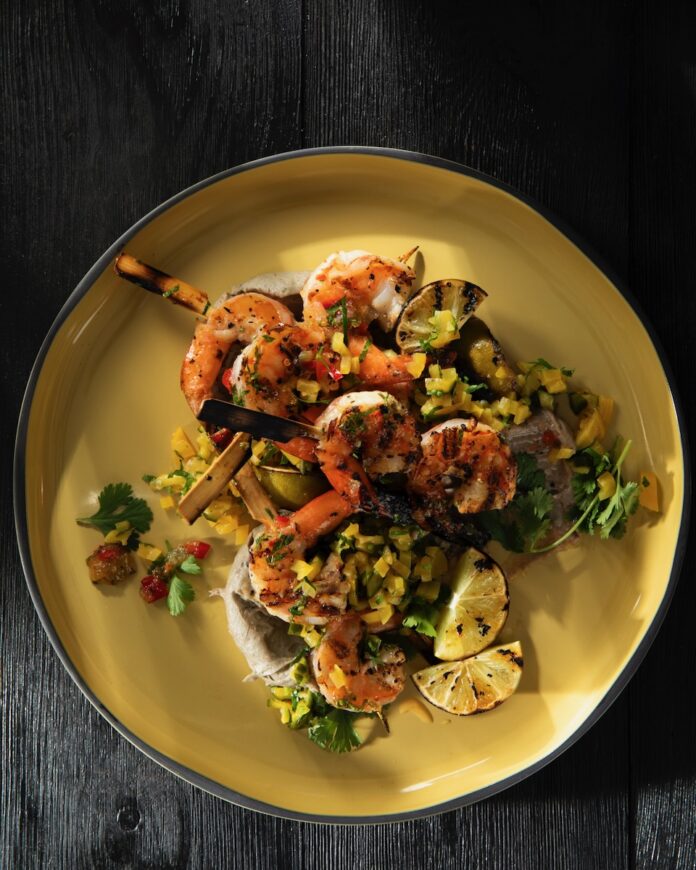
A yellow plate of char grilled shrimp skewers with blue corn grits and golden beet salad under it and slices of charred limes on the sides.

Not every game day dish has to be heavy. Chef Kevin Hermann’s char-grilled shrimp skewers bring a lighter, brighter plate to the spread without skimping on flavor. Shrimp marinate in olive oil, garlic, cilantro, cumin, and coriander, then hit a hot grill for just a few minutes per side. He serves them over creamy blue corn grits with a sweet and tangy golden beet relish and charred limes.

The smoke from the grill brings out the shrimp’s natural sweetness. The relish, made with honey and sherry vinegar, plays a role much like barbecue sauce, only lighter and fresher, and the charred limes add a smoky, complex tartness. Because the grits and relish are made the day before, and the shrimp can be skewered and marinated before guests arrive, warming, grilling, and plating can become a group activity.

What Are Blue Corn Grits?

Blue corn has deep roots in North America. Ground into grits or meal, it has a slightly sweet, nutty, earthy flavor and cooks into a striking lavender-gray porridge. It has long been a staple of Pueblo and Hopi cooking in the Southwest, and, as Chef Hermann notes, it has history among the Lenape people of Pennsylvania, too.

Even so, you’ll likely need to look out of state for blue corn grits. Check Latin American grocery stores, or order them online from Southwestern mills. Blue cornmeal, which is ground more finely, works as well and cooks faster.

How Do You Make Creamy Blue Corn Grits?

Cook a minced shallot and garlic in olive oil until fragrant, add the water, and bring it to a simmer. Then, whisking vigorously, sprinkle in the grits slowly so they don’t clump. Turn the heat to low and keep stirring until they’re thick and creamy. Finely ground blue cornmeal cooks in just five to eight minutes, while coarser grits can take 20 minutes or more.

The grits will thicken as they cook, so whisk in more water a splash at a time to keep them loose and spoonable. Finish with butter and grated Parmesan and season with salt and pepper. To make them ahead, cool and refrigerate the grits overnight, then rewarm them over low heat with a little water, whisking until smooth.

How Long Do You Grill Shrimp?

Not long. Preheat the grill to medium-high, about 425 degrees, and cook the skewers for two to three minutes per side, until the shrimp turn pink and opaque and curl into a loose C shape. A tight O shape means they’re overcooked and rubbery. Soak bamboo skewers in water for at least 30 minutes beforehand so they don’t burn. Threading each shrimp through both the thick end and the tail helps it lie flat and cook evenly.

How Do You Make Golden Beet Relish?

Golden beets are milder and sweeter than red beets, and they won’t stain your cutting board, or your guests’ shirts. Chef Hermann gets his from Shenot Farms, a seventh-generation family farm. To poach the beets, simmer them whole in salted water until a knife slides in easily, 30 to 45 minutes, then cool, peel, and dice them small.

Combine the beets in a saucepan with diced cucumber and red pepper, honey, sherry vinegar, olive oil, parsley, and cilantro, bring everything to a quick simmer, and refrigerate it for at least four hours, or overnight for deeper flavor.

How Do I Make This Dairy-Free?

Dairy-free: Finish the grits with extra olive oil or plant-based butter, and stir in nutritional yeast or a dairy-free Parmesan in place of the cheese.

Tips for Success

Buy large shrimp. Shrimp labeled 16/20, meaning 16 to 20 per pound, are big enough to stay juicy on the grill.

Pat them dry. Dry shrimp take on the marinade and char better than wet ones.

Oil the grates. A quick wipe with an oiled paper towel keeps the shrimp from sticking.

Drain the relish. Spoon it on with a slotted spoon so the grits stay creamy, not soupy.

Char the limes cut side down. Leave them alone until grill marks appear, about two to three minutes.

Keep the grits warm. Hold them over very low heat, or in a slow cooker on warm, with the lid on.

What Can I Serve With Grilled Shrimp Skewers?

The grits and relish make this a full meal, but a crisp green salad or grilled vegetables round it out. On a game day buffet, serve the skewers alongside Chef Hermann’s Blackened Cajun Chicken Tostada and Black Pepper Crusted Short Ribs.

To drink, Neil Glausier of Burghers pours Cholo Mexicano Amber Lager. Its subtle corn notes and lime zest echo the charred shrimp and limes, and it lifts the cilantro on the finish. Add a squeeze of charred lime to your glass, too.

Find the rest of the menu in our Black and Gold Recipes for Steelers Game Day and more ideas in our Steelers game day recipes. Get more from the grill with our guide to grilling corn and fresh vegetables and Chef Hermann’s tips for successful summer grilling.

Print
clock clock iconcutlery cutlery iconflag flag iconfolder folder iconinstagram instagram iconpinterest pinterest iconfacebook facebook iconprint print iconsquares squares iconheart heart iconheart solid heart solid icon
A yellow plate of char grilled shrimp skewers with blue corn grits and golden beet salad under it and slices of charred limes on the sides.

Char-Grilled Shrimp Skewers with Blue Corn Grits and Golden Beet Relish


  • Author: Chef Kevin Hermann
  • Total Time: 6 hours
  • Yield: 6 servings (12 skewers) 1x
  • Diet: Gluten Free

Description

Cumin and coriander shrimp skewers char-grilled and served over creamy blue corn grits with a honey and sherry vinegar golden beet relish and charred limes.


Ingredients

Scale

For the golden beet relish:

  • 2 golden beets
  • 1 English cucumber, seeded and small diced
  • 1 red pepper, small diced
  • 1 cup honey
  • ¼ cup sherry vinegar
  • ¼ cup olive oil
  • 2 tbsp parsley, finely chopped
  • 1 tbsp cilantro, finely chopped
  • Salt and pepper to taste

For the blue corn grits:

  • 2 tbsp olive oil
  • 1 shallot, minced
  • 2 garlic cloves, minced
  • 6 cups water, plus more as needed
  • 3 cups blue corn grits
  • 4 tbsp butter
  • 1 cup Parmesan, grated
  • Salt and pepper to taste

For the shrimp skewers:

  • 2 tbsp olive oil
  • 3 garlic cloves, minced
  • 1 tbsp cilantro, chopped
  • 1 tsp ground cumin
  • 1 tsp ground coriander
  • 1 tsp ground black pepper
  • Pinch of salt
  • 24 shrimp, peeled and deveined, tails on
  • 12 bamboo skewers, 3-4 inches long, soaked in water

For the charred limes:

  • 6 limes
  • 1 tbsp olive oil

For plating:

  • Cilantro sprigs for garnish


Instructions

For the golden beet relish:

  1. Simmer the beets whole in salted water until tender, 30-45 minutes. Cool, peel, and dice small.
  2. Combine all of the relish ingredients in a medium saucepan. Bring to a quick simmer, stirring constantly.
  3. Transfer to a heatproof bowl and refrigerate at least 4 hours, or overnight for deeper flavor.

For the blue corn grits:

  1. Heat the olive oil in a medium saucepan over medium heat. Add the shallot and garlic and cook until fragrant.
  2. Add the water and bring to a simmer.
  3. Whisking vigorously, slowly sprinkle in the grits to prevent lumps.
  4. Reduce the heat to low and stir until thick and creamy, 5-8 minutes for fine blue cornmeal or 20 minutes or more for coarse grits. Add more water if the grits get too thick.
  5. Fold in the butter and Parmesan and season with salt and pepper. Keep warm, or cool and refrigerate overnight and rewarm before serving.

For the shrimp skewers:

  1. Combine the olive oil, garlic, cilantro, cumin, coriander, black pepper, and salt in a bowl. Add the shrimp and toss to coat. Refrigerate 1 hour.
  2. Preheat the grill to 425 degrees, or medium-high.
  3. Thread 2 shrimp onto each skewer.
  4. Grill 2-3 minutes per side, until pink and opaque. Remove and cover until serving.

For the charred limes:

  1. Trim the ends of the limes and cut each in half. Toss with the olive oil.
  2. Grill cut side down until grill marks appear, 2-3 minutes.
  3. Cool, then cut into even wedges.

For plating:

  1. Spoon several dollops of grits onto a platter.
  2. Arrange the shrimp skewers over the grits.
  3. Top with several spoonfuls of relish.
  4. Garnish with charred lime wedges and cilantro sprigs.

Notes

Grits ratio: Grits often need about 4 cups liquid per cup; add water as needed until creamy.

Make ahead: Make the relish and grits the day before; skewer and marinate the shrimp before guests arrive.

Shrimp size: 16/20 count shrimp work best.

Dairy-free: Use olive oil and nutritional yeast in the grits.

  • Prep Time: 45 minutes
  • Cook Time: 1 hour
  • Category: Main Course
  • Method: Grilling
  • Cuisine: Southwestern

Nutrition

  • Serving Size: 2 skewers
  • Calories: 760
About the Recipe Developer and Stylist

Chef Kevin Hermann is the chef behind 408 Heirloom on East Ohio Street on Pittsburgh’s North Side. A graduate of the Culinary Institute of America at Hyde Park, he has cooked at restaurants and clubs across the country. In Pittsburgh, he helped develop Eat’n Park’s Six Penn Kitchen and Hello Bistro and was executive chef at The Porch at Schenley. Known for seasonal, local cooking that gives comfort food a fresh spin, he shares his tips for successful summer grilling and cooked TABLE’s The Last Warm Evening dinner.

About the Beer Pairing Expert

Neil Glausier is co-owner and brewmaster of Burghers Brewing, which brews in a 14,000-square-foot production brewery and restaurant in Millvale. He has led beer pairing classes for TABLE; read his lesson in enjoying beer.

About the Photographer

Dave Bryce is TABLE Magazine’s principal photographer. Known for images that explore depth and dimension through space and light, he is also a commercial and editorial food photographer who works closely with chefs and food stylists. Meet TABLE’s contributors.

Subscribe to TABLE Magazine’s print edition.
Golden Berry Tart with Vanilla Custard and Dark Chocolate

0
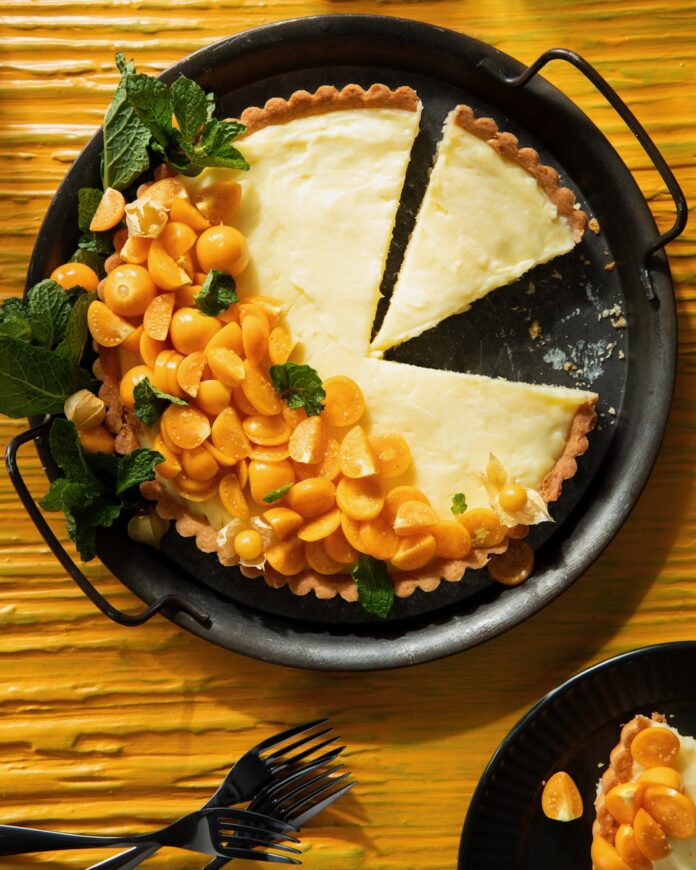
A circle pan holds a vanilla custard tart with sliced gold berries all along one side.

Golden berries might be the most underrated fruit in the produce aisle. These small, glossy orange-gold globes, also called Cape gooseberries or Peruvian groundcherries, are native to Peru and taste like a cross between mango, pineapple, and strawberry, with a tart, tropical finish. Chef Kevin Hermann puts them front and center in this golden berry tart.

He tosses thinly sliced berries with honey and a pinch of salt and arranges them over a silky vanilla custard in a buttery, almond-flour pastry shell, then finishes the tart with fresh mint and shavings of dark chocolate. Gold berries and dark chocolate make this a natural dessert for a black and gold game day, and it’s just as pretty on a spring or summer table. You’ll find golden berries at many grocery stores, and Chef Hermann recommends the East End Food Co-op for Pittsburgh shoppers.

What Are Golden Berries?

Golden berries grow inside a papery husk, much like their cousin, the tomatillo. Despite the name Cape gooseberry, they aren’t related to the green and red gooseberries of Europe. The name likely comes from South Africa’s Cape of Good Hope, where they were grown in the 1800s. They’re a good source of vitamin C and also provide vitamin A and some B vitamins.

Look for firm, bright berries with no soft spots, and remove any husks before rinsing. Fresh golden berries keep in the refrigerator for about two weeks. Dried golden berries are chewy, like raisins, and won’t work here. Learn more about buying fruit close to home in our story on local berries.

How Do You Make the Flaky Pastry Crust?

Chef Hermann recommends making your own pastry, but a store-bought shell works if you’re short on time. Mix the flour, powdered sugar, and almond flour, then cut in cold, diced butter until the mixture looks like coarse crumbs. Work in the beaten egg, knead just until the dough is uniform, and divide it into two portions. Wrap and chill them for at least an hour, or up to four days. You’ll need only one for this tart, so freeze the other for next time.

Roll the dough ¼ inch thick, press it gently into a 10-inch tart pan, and chill it for an hour so it holds its shape. Bake at 325 degrees for 15 minutes, press the bottom gently to even it out and release trapped air, then keep baking until golden, 10 to 15 minutes more.

How Do You Make Vanilla Custard?

This custard is a classic pastry cream, thickened with egg yolks and cornstarch. Heat the milk, cream, vanilla, and part of the sugar to about 180 degrees. Meanwhile, whisk the yolks with the rest of the sugar and the cornstarch until pale and fluffy. Chef Hermann says not to skimp on this step.

Temper the yolks by whisking in about three-quarters of the hot milk, a little at a time, then pour everything back into the pot. Cook over medium heat, whisking constantly, until the custard thickens and bubbles, about 210 degrees. Spread it in a plastic-lined pan, press plastic wrap onto the surface so a skin doesn’t form, and chill.

Can I Make a Golden Berry Tart Ahead of Time?

Yes, in stages. Make the dough up to four days ahead and the custard up to five. Bake the shell the day before and store it airtight at room temperature. Toss the berries with honey up to two hours before assembling. Fill the tart a few hours before serving at most, then refrigerate it for an hour so the custard sets and the crust stays crisp.

How Do I Make This Tart Gluten-Free, Dairy-Free, or Nut-Free?

Gluten-free: Use a 1:1 gluten-free baking flour with xanthan gum in place of the all-purpose flour, and chill the dough well before rolling.

Dairy-free: Use plant-based butter sticks in the crust. For the custard, replace the milk with full-fat oat milk and the cream with canned coconut cream.

Nut-free: Replace the almond flour with an equal weight of all-purpose flour, or gluten-free flour if you need both. Check your chocolate label for nut warnings.

Tips for Success

Weigh your ingredients. The recipe is written in grams, and a kitchen scale makes it easy.

Keep the butter cold. Cold butter makes a flaky, tender crust.

Whisk constantly. Custard scorches quickly on the bottom of the pot.

Strain the custard. Pushing it through a fine-mesh sieve catches any lumps or cooked egg.

Use a vegetable peeler. Run it along a bar of dark chocolate for delicate curls.

Slice cleanly. Use a sharp knife dipped in hot water and wiped dry between cuts.

What Can I Serve With Golden Berry Tart?

Neil Glausier of Burghers pairs the tart with Farkleberry Tart, a blueberry pomegranate Berliner weisse. The beer’s fruit and acidity balance the sweet custard, and its wheat base complements the buttery crust. Not a beer drinker? Serve the tart with sparkling wine or a cup of black tea.

For a second dessert in team colors, bake Chef Hermann’s Black Forest Cake, and find the full menu in our Black and Gold Recipes for Steelers Game Day. Want more of Chef Hermann’s sweets? Try his Apple Pudding Cake, and browse more ideas in our Dessert Recipes to Fill the Thanksgiving Table.

Print
clock clock iconcutlery cutlery iconflag flag iconfolder folder iconinstagram instagram iconpinterest pinterest iconfacebook facebook iconprint print iconsquares squares iconheart heart iconheart solid heart solid icon
A circle pan holds a vanilla custard tart with sliced gold berries all along one side.

Golden Berry Tart


  • Author: Chef Kevin Hermann
  • Total Time: 5 hours
  • Yield: 1 10-inch tart (8 servings) 1x
  • Diet: Vegetarian

Description

Honey-tossed golden berries over silky vanilla custard in a flaky almond pastry shell, finished with mint and dark chocolate shavings.


Ingredients

Scale

For the flaky pastry crust:

  • 374 g all-purpose flour
  • 150 g powdered sugar
  • 66.5 g almond flour
  • 225 g cold butter, diced small
  • 75 g whole eggs (about 1½ large eggs), beaten smooth

For the vanilla custard:

  • 882 g milk
  • 242 g heavy cream
  • 40 g vanilla extract (about 3 tbsp)
  • 200 g sugar, divided (75 g and 125 g)
  • 8 egg yolks (save the whites for meringue)
  • 42.5 g cornstarch

For the golden berries:

  • 2 pt golden berries, husks removed
  • ½ cup honey
  • Pinch of salt

For garnish:

  • Mint sprigs for garnish
  • 2 oz dark chocolate for shaving


Instructions

For the flaky pastry crust:

  1. Combine the flour, powdered sugar, and almond flour until evenly mixed.
  2. Cut in the cold butter until the mixture forms a medium-coarse crumb.
  3. Add the beaten egg and mix into the flour. Dust with flour to reduce stickiness and knead until uniform.
  4. Divide into 2 equal portions, wrap each in plastic, and refrigerate at least 1 hour or up to 4 days. Freeze the second portion for another tart.
  5. Roll 1 portion ¼ inch thick on a lightly floured surface and gently press it into a 10-inch tart pan. Refrigerate 1 hour.
  6. Bake at 325 degrees 15 minutes. Press the bottom gently to even it out and release trapped air, then bake until golden, 10-15 minutes more. Cool completely.

For the vanilla custard:

  1. Combine the milk, cream, vanilla, and 75 grams sugar in a medium saucepan over medium heat. Heat to 180 degrees, stirring occasionally.
  2. In a separate bowl, whisk the egg yolks, remaining 125 grams sugar, and cornstarch until light yellow and fluffy.
  3. Temper the yolks by whisking in the warm milk about 4 ounces at a time until about three-quarters of the milk is added.
  4. Return the mixture to the pot and cook over medium heat, whisking constantly, until it thickens, bubbles, and reaches 210 degrees.
  5. Strain into a plastic-lined pan, press plastic wrap onto the surface, and cool. Refrigerate in an airtight container up to 5 days.

For the golden berries:

  1. Slice the berries into thin slices and wedges.
  2. Toss with the honey and salt. Cover and refrigerate up to 2 hours.

For assembly:

  1. Remove the tart shell from the pan and fill with the vanilla custard.
  2. Arrange the golden berries on top and garnish with mint and chocolate shavings.
  3. Refrigerate 1 hour before serving.

Notes

Vanilla: The original lists 40 g; reduce to taste if you prefer a lighter vanilla flavor.

Extra custard: The recipe makes more custard than the tart holds. Serve leftovers with fruit.

Store-bought crust: A prebaked 10-inch shell works in a pinch.

Gluten-free: Use a 1:1 gluten-free baking flour.

Dairy-free: Use plant-based butter, oat milk, and coconut cream.

Nut-free: Replace the almond flour with an equal weight of all-purpose flour.

  • Prep Time: 45 minutes
  • Cook Time: 45 minutes
  • Category: Dessert
  • Method: Baking
  • Cuisine: American

Nutrition

  • Serving Size: 1 slice (⅛ tart)
  • Calories: 590
About the Recipe Developer and Stylist

Chef Kevin Hermann is the chef behind 408 Heirloom on East Ohio Street on Pittsburgh’s North Side. A graduate of the Culinary Institute of America at Hyde Park, he has cooked at restaurants and clubs across the country. In Pittsburgh, he helped develop Eat’n Park’s Six Penn Kitchen and Hello Bistro and was executive chef at The Porch at Schenley. Known for seasonal, local cooking that gives comfort food a fresh spin, he shares his tips for successful summer grilling and cooked TABLE’s The Last Warm Evening dinner.

About the Beer Pairing Expert

Neil Glausier is co-owner and brewmaster of Burghers Brewing, which brews in a 14,000-square-foot production brewery and restaurant in Millvale. He has led beer pairing classes for TABLE; read his lesson in enjoying beer.

About the Photographer

Dave Bryce is TABLE Magazine’s principal photographer. Known for images that explore depth and dimension through space and light, he is also a commercial and editorial food photographer who works closely with chefs and food stylists. Meet TABLE’s contributors.

Subscribe to TABLE Magazine’s print edition.
Black Forest Cake with Brandied Cherries and Honey Cream Cheese Crème

0
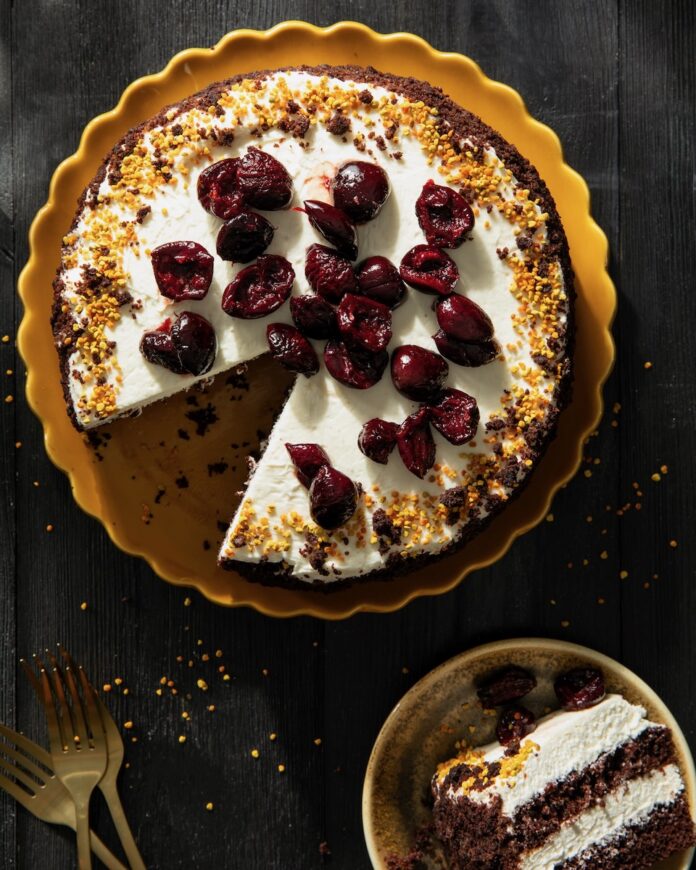
A Black Forest Cake in a pan with white frosting and brandied cherries on top.

Baking a layer cake from scratch can feel intimidating, but it isn’t hard if you take it one step at a time. Chef Kevin Hermann’s Black Forest cake is a project worth planning for. Invite a friend over the day before the party, pour a couple of drinks, and divide and conquer: one of you bakes the cake while the other whips the crème.

This version stays true to the classic trio of chocolate, cherries, and cream, with a few twists. Two layers of moist dark chocolate cake are filled and frosted with a honey-sweetened cream cheese and butter crème, coated in a crunchy mix of finely ground dark chocolate and cake crumbs, and crowned with brandied cherries and a sprinkle of golden bee pollen. Black chocolate with golden accents makes it a showstopping finale for a Steelers game day. For the cream cheese, Chef Hermann recommends Penn State’s Berkey Creamery, a Pennsylvania favorite.

Where Does Black Forest Cake Come From?

Black Forest cake, or Schwarzwälder Kirschtorte, comes from Germany. It’s named for the Black Forest region in the country’s southwest, which is famous for its sour cherries and kirschwasser, a clear cherry brandy. The classic version layers kirsch-soaked chocolate sponge with whipped cream and cherries and became popular in the 1930s. Pastry chef Josef Keller often gets credit for inventing it in 1915, though historians debate the claim.

Chef Hermann swaps the whipped cream for a sturdier cream cheese crème, which holds up much better on a party buffet.

How Do You Make a Moist Chocolate Cake?

The secret is boiling water. Mix the dry ingredients, beat in the milk and softened butter for two minutes, add the eggs and vanilla, and then stir in the boiling water. The batter will look very thin, and that’s exactly what you want. The hot water blooms the cocoa, deepening its flavor, and the extra moisture keeps the cake tender.

Bake the layers at 350 degrees until a tester comes out clean. Start checking 9-inch layers at 30 minutes, while thicker 8-inch layers can take the full 40 to 45. Cool the cakes in their pans for 15 to 20 minutes, then turn them out onto a rack to cool completely before you trim and frost.

How Do You Make Brandied Cherries?

The recipe doesn’t say how many cherries to use, so plan on about a cup, halved. Jarred brandied or cocktail cherries are the easy route, but homemade ones take just a few minutes. Simmer half a cup each of sugar and water with a cinnamon stick until the sugar dissolves. Add a pound of pitted sweet or sour cherries and cook for five minutes. Take the pot off the heat, stir in half a cup of brandy or kirsch, and let it cool. Refrigerate the cherries in a jar for at least a day and up to a month. Frozen pitted cherries work well when fresh ones are out of season.

Can I Make Black Forest Cake Ahead of Time?

Yes, and it’s better that way. The crème is best made the day before and chilled overnight. Bake the cake layers a day or two ahead, wrap them well, and refrigerate them; cold cake is easier to trim and frosts with fewer crumbs. Make the chocolate coating ahead, too, and keep it chilled. Assemble the cake on the morning of the party and refrigerate it for at least two hours before serving. Leftovers keep, covered and refrigerated, for up to four days.

How Do I Make Black Forest Cake Gluten-Free or Dairy-Free?

Gluten-free: Use a 1:1 gluten-free baking flour in the cake. The cake trimmings in the coating will then be gluten-free, too. Check your chocolate chip label.

Dairy-free: Use plant-based butter and oat milk in the cake, dairy-free cream cheese and plant-based butter in the crème, and dairy-free dark chocolate chips for the coating.

Tips for Success

Line the pans. Parchment on the bottom of each pan makes the layers release cleanly.

Level with a bread knife. A long serrated blade trims domed tops into flat, even layers.

Use a crumb coat. A thin first layer of crème around the sides traps crumbs and helps the chocolate coating stick.

Soften the dairy fully. Room-temperature butter and cream cheese whip into a smooth, lump-free crème.

Taste the crème. Add more honey a tablespoon at a time if you like a sweeter dessert.

Chill before slicing. A cold cake cuts cleanly. Wipe the knife between slices.

What Can I Serve With Black Forest Cake?

Neil Glausier of Burghers pairs the cake with Oat Black Water, an oatmeal stout. Its milk chocolate and gentle roast notes match the cake’s intensity and soften the bitterness of the dark chocolate. The oats add a lightly sweet, subtly nutty character and a fuller body that stands up to the rich crème, while the brandied cherries pop against it all. A strong cup of coffee works, too.

Need a lighter dessert for the table? Chef Hermann’s Golden Berry Tart completes the black and gold theme. Find the full menu in our Black and Gold Recipes for Steelers Game Day and more ideas in our Steelers game day recipes. Craving more of Chef Hermann’s baking? Try his Apple Pudding Cake, and browse our Dessert Recipes to Fill the Thanksgiving Table.

Print
clock clock iconcutlery cutlery iconflag flag iconfolder folder iconinstagram instagram iconpinterest pinterest iconfacebook facebook iconprint print iconsquares squares iconheart heart iconheart solid heart solid icon
A Black Forest Cake in a pan with white frosting and brandied cherries on top.

Black Forest Cake


  • Author: Chef Kevin Hermann
  • Total Time: 5 hours 30 minutes
  • Yield: 1 two-layer cake (12 servings) 1x
  • Diet: Vegetarian

Description

Two layers of dark chocolate cake filled and frosted with honey cream cheese crème, coated in ground dark chocolate, and topped with brandied cherries.


Ingredients

Scale

For the chocolate cake:

  • 2 cups granulated sugar
  • 1¾ cups all-purpose flour
  • ¾ cup unsweetened cocoa powder
  • 1½ tsp baking powder
  • 1½ tsp baking soda
  • 1 tsp salt
  • 1 cup milk
  • ¾ cup unsalted butter, softened
  • 2 eggs
  • 2 tsp vanilla extract
  • ¾ cup boiling water

For the crème:

  • 1 lb butter, softened
  • 3 lb cream cheese, softened
  • 1 cup honey, plus more to taste
  • Pinch of salt

For the dark chocolate coating:

  • 2 lb dark chocolate chips
  • 2 cups dark chocolate cake trimmings, crumbled

For the topping:

  • About 1 cup brandied cherries, halved
  • Bee pollen for garnish (optional)


Instructions

For the chocolate cake:

  1. Preheat the oven to 350 degrees. Grease the bottoms of two 8- or 9-inch round pans and line with parchment.
  2. In a large bowl, combine the sugar, flour, cocoa, baking powder, baking soda, and salt. Add the milk and butter and beat on medium speed 2 minutes.
  3. Add the eggs and vanilla and mix until combined. Stir in the boiling water.
  4. Divide the batter between the pans. Bake until a tester comes out clean, 30-35 minutes for 9-inch pans or 40-45 minutes for 8-inch pans.
  5. Cool in the pans 15-20 minutes, then turn out onto a wire rack and cool completely.

For the crème:

  1. In a stand mixer with the whisk attachment, whip the butter on medium until pale.
  2. Add the cream cheese, honey, and salt and whip until fluffy.
  3. Refrigerate in an airtight container until needed. Chilling overnight gives the best results.

For the dark chocolate coating:

  1. Pulse the chocolate chips in a food processor until finely ground.
  2. Mix with the cake crumbs until uniform. Refrigerate in an airtight container until needed.

To assemble:

  1. Trim the cakes so they’re level and even in thickness. Save the trimmings for the coating.
  2. Spread an even layer of crème on 1 cake round, about as thick as the cake.
  3. Top with the second round and spread another layer of crème over it.
  4. Spread a thin layer of crème around the outside edges.
  5. Press the chocolate mixture onto the outside of the cake.
  6. Sprinkle bee pollen around the outer edge of the top, if using, and top with the cherries.
  7. Refrigerate 2 hours before serving.

Notes

Crème and coating: Half of each is enough for one cake. Refrigerate leftover crème up to 1 week.

Brandied cherries: Simmer ½ cup sugar, ½ cup water, and a cinnamon stick; add 1 lb pitted cherries for 5 minutes; stir in ½ cup brandy or kirsch off the heat.

Make ahead: Bake the layers up to 2 days ahead; make the crème the day before.

Gluten-free: Use a 1:1 gluten-free baking flour.

Dairy-free: Use plant-based butter, oat milk, and dairy-free cream cheese and chocolate.

  • Prep Time: 45 minutes
  • Cook Time: 45 minutes
  • Category: Dessert
  • Method: Baking
  • Cuisine: German

Nutrition

  • Serving Size: 1 slice
  • Calories: 950
About the Recipe Developer and Stylist

Chef Kevin Hermann is the chef behind 408 Heirloom on East Ohio Street on Pittsburgh’s North Side. A graduate of the Culinary Institute of America at Hyde Park, he has cooked at restaurants and clubs across the country. In Pittsburgh, he helped develop Eat’n Park’s Six Penn Kitchen and Hello Bistro and was executive chef at The Porch at Schenley. Known for seasonal, local cooking that gives comfort food a fresh spin, he shares his tips for successful summer grilling and cooked TABLE’s The Last Warm Evening dinner.

About the Beer Pairing Expert

Neil Glausier is co-owner and brewmaster of Burghers Brewing, which brews in a 14,000-square-foot production brewery and restaurant in Millvale. He has led beer pairing classes for TABLE; read his lesson in enjoying beer.

About the Photographer

Dave Bryce is TABLE Magazine’s principal photographer. Known for images that explore depth and dimension through space and light, he is also a commercial and editorial food photographer who works closely with chefs and food stylists. Meet TABLE’s contributors.

Subscribe to TABLE Magazine’s print edition.
Your Guide to Spring Visual Arts Events Throughout Pittsburgh

0
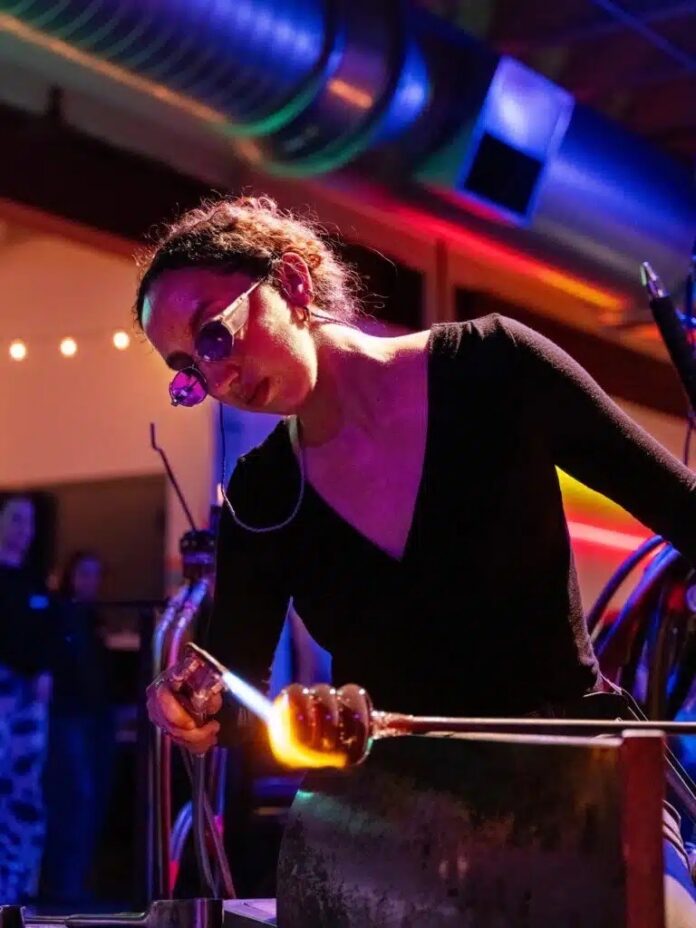
An artist blows glass with goggles on.
Sukayna El Hani

Spring tends to shake loose a lot of good things in Pittsburgh’s arts scene. Over the next several weeks, galleries, museums, and independent visual arts spaces around the city are hosting a mix of exhibitions, talks, screenings, and community events worth marking on the calendar. If you’re looking for a reason to get out and see what’s happening, start here.

Visual Arts Events in Pittsburgh This Spring

Associated Artists of Pittsburgh, March 21-May 29

The Associated Artists of Pittsburgh’s Lawrenceville gallery hosts the annual Featured Artists Exhibition, bringing together twelve artists highlighted by the organization over the past year. Installed across the space’s open industrial galleries, the show offers a lively snapshot of what artists around the region are making right now.

Artist Talk with Sukayna El Hani

Pittsburgh Glass Center, March 26

Multidisciplinary artist Sukayna El Hani visits Pittsburgh Glass Center for a public talk on her evolving practice. Working across glass and installation, El Hani often draws on personal history and migration to shape objects that feel both fragile and charged with memory. The conversation offers a chance to hear directly from the artist about the ideas and materials guiding her work.

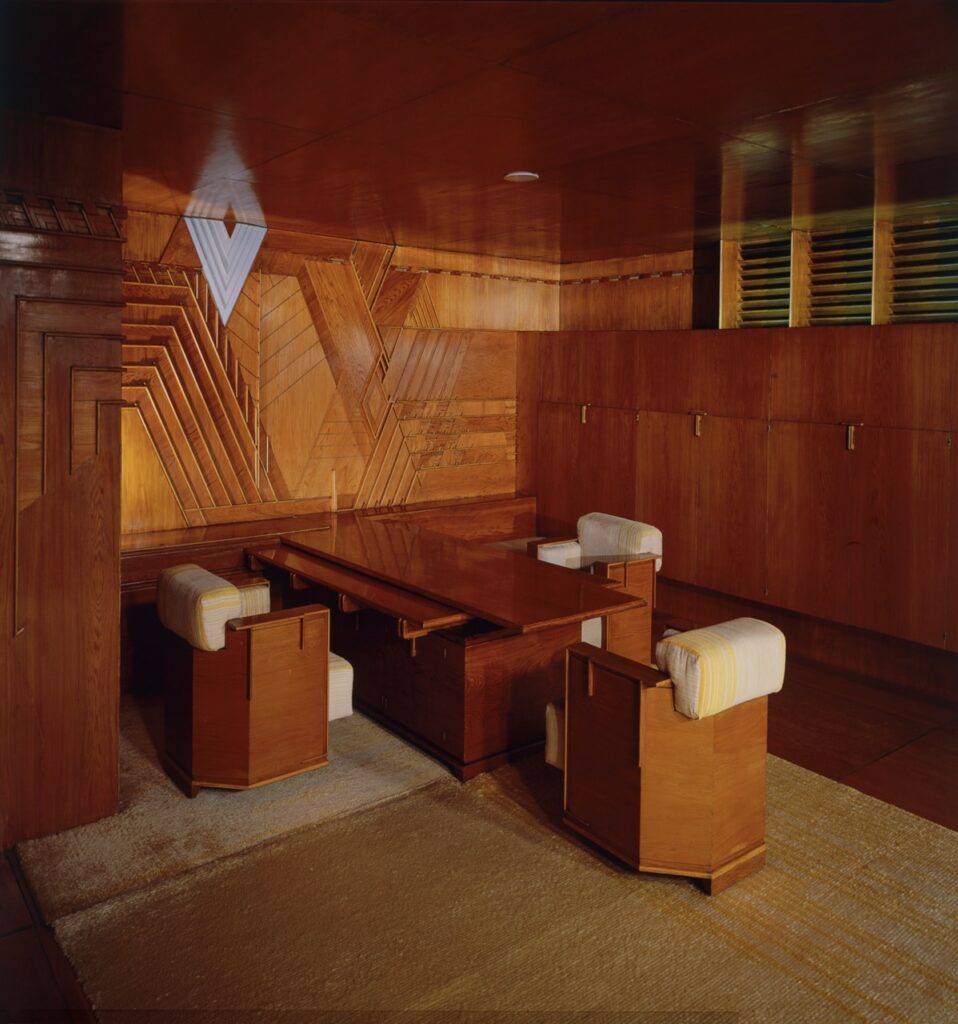
The inside of an all wood room with a table built into the wall.
Photo Courtesy of V&A

Pittsburgh to London: Frank Lloyd Wright’s Kaufmann Office at the V&A

Carnegie Museum of Art, April 16

When Frank Lloyd Wright designed Fallingwater in the 1930s, he was also creating a Downtown interior for department-store owner Edgar Kaufmann Sr. That office now lives in London at the Victoria and Albert Museum’s new V&A East Storehouse, where it has recently returned to public view. In this lecture, V&A curator Christopher Wilk shares the story behind the commission and the remarkable journey that carried this Pittsburgh room across the Atlantic.

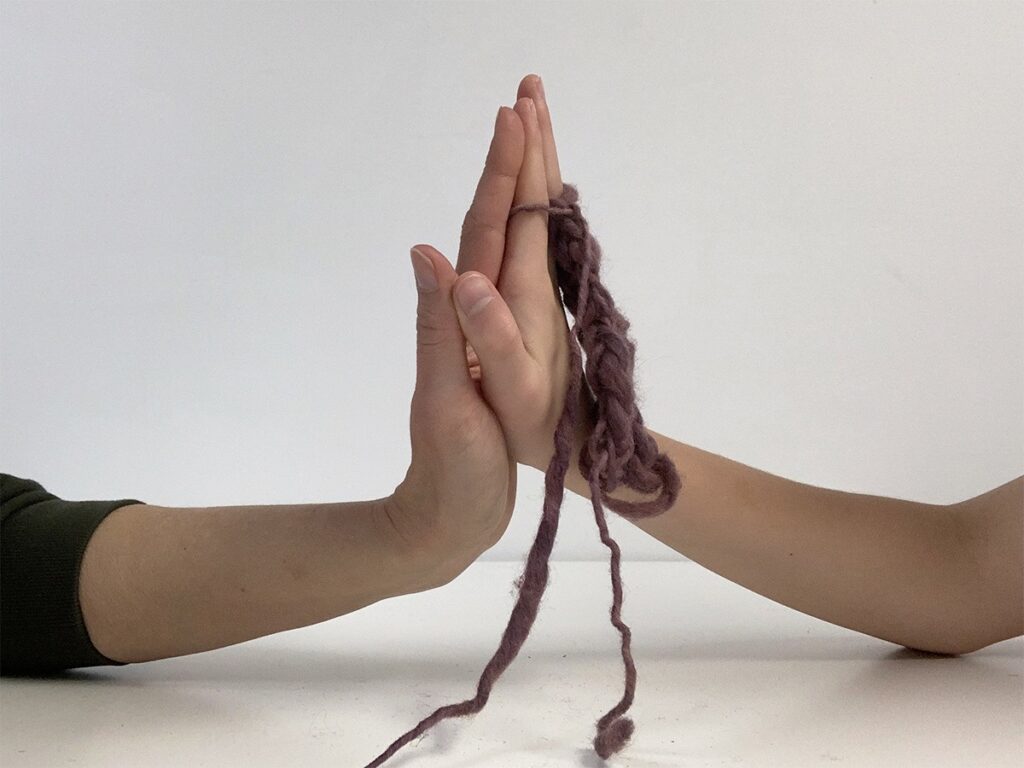
Two people touch palms of hands with rope wrapped around them.
Photo Courtesy of Ashley Cecil

In the Light of Your Shadow

Tomayko Foundation, Through April 17

This group exhibition brings together eight artists whose work asks viewers to slow down and look again. Through sculpture, photography, fiber and installation, the artists explore how perception shifts with the smallest change in position, light or attention. José Santiago Pérez’s performance piece neither you nor I are visible will be performed at various points throughout the show’s run, while Ashley Cecil’s participatory Throughline project invites visitors to contribute their own stories.

A woman stands in front of a beige background with a jean shirt, vest, and cowboy hat on.
Photo Courtesy of Bartok Skyworks

Essential Pittsburgh: LeAnn Bartok

Harris Theater, April 30

The Essential Pittsburgh series turns its focus to filmmaker LeAnn Bartok, a key figure in the city’s experimental film scene during the 1970s. Bartok’s 16mm films, including works from her Skyworks series, transform landscapes and bursts of light into hypnotic moving images. This screening at the Harris Theater offers a rare chance to see those films projected as intended and to also revisit a distinctive chapter in Pittsburgh’s avant-garde film history.

Art for August

August Wilson House, Through May 31

The August Wilson House presents Art for August, an exhibition supporting the preservation of the playwright’s childhood home in the Hill District. Regional artists contribute works inspired by Wilson’s legacy and the neighborhood that shaped his writing. The opening reception doubles as a celebration of the house’s continued transformation into a community arts center.

Story by Shawn Simmons
Featured Photo Courtesy of Sukayna El Hani

Subscribe to TABLE Magazine’s print edition.
Hangover Homemade Ramen

0
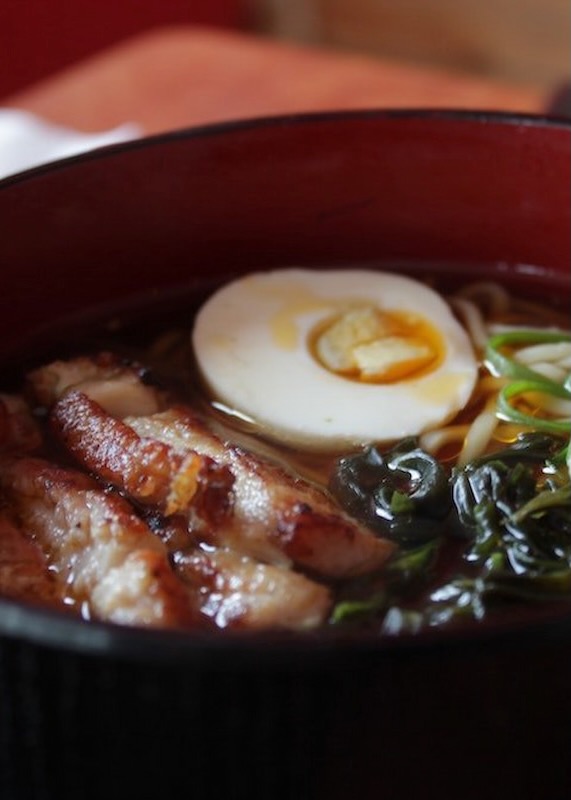
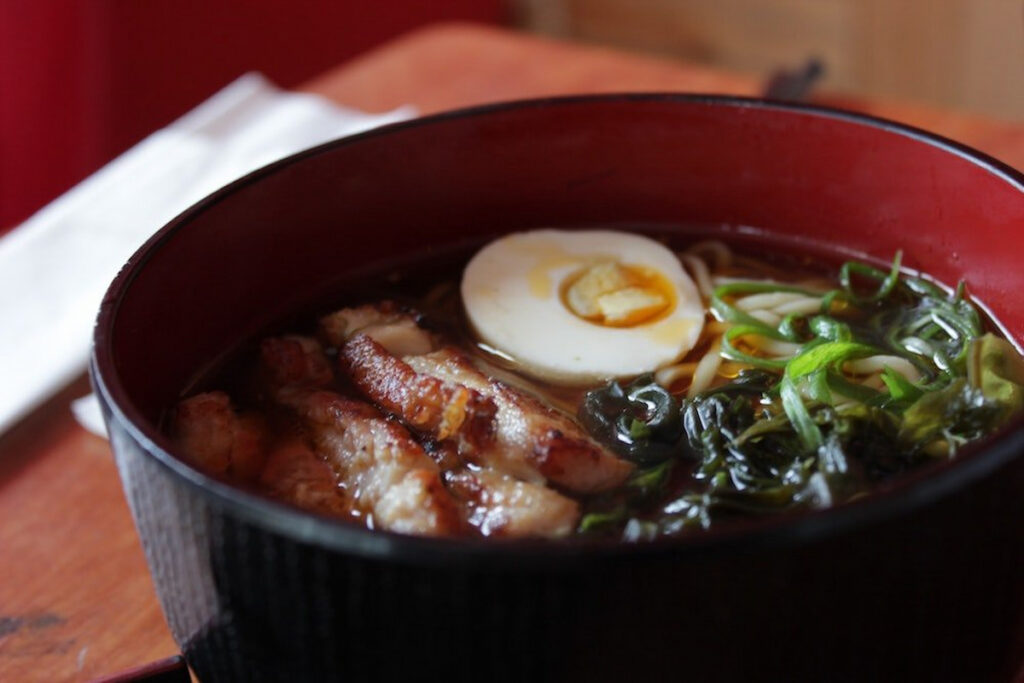
A bowl of hangover ramen with slices of pork, a soft boiled egg, and greens.

Warm yourself up with broth. Re-invigorate your system with all manner of nutrients and varied ingredients the day after a long night out. Make soup. You know you need it! Fiore Moletz of Della Terra and Burgh’ers suggests ramen…because it is the taco of soups: a versatile, adaptable way of layering flavors according to what’s fresh and tasty. This is a homemade ramen recipe, right down to the noodles. No Maruchan noodles here!

A tantalizing bowl of homemade ramen soup, featuring a rich and flavorful broth, fresh ingredients, and scallion garnish.

Tips for Homemade Ramen

Add ingredients like miso, soy sauce, kombu (dried seaweed), or dried mushrooms (shiitake or porcini) to enhance the broth’s flavor. Simmer your broth for several hours to extract maximum flavor. The longer, the better! You can also top with chashu (braised pork belly), soft-boiled eggs, scallions, nori (seaweed), and bamboo shoots. Don’t forget a sprinkle of sesame seeds!

Print
clock clock iconcutlery cutlery iconflag flag iconfolder folder iconinstagram instagram iconpinterest pinterest iconfacebook facebook iconprint print iconsquares squares iconheart heart iconheart solid heart solid icon
A bowl of hangover ramen with slices of pork, a soft boiled egg, and greens.

Hangover Homemade Ramen


  • Author: Fiore Moletz

Description

A little something to get you through your morning-after…


Ingredients

Scale
  • 4.5 qt of water
  • 2 lbs dried shiitake mushrooms
  • 1 lb whole chicken, quartered
  • 3 lbs of pork bones
  • 1 lb smoky bacon
  • 1 bunch of scallions
  • 1 large onion
  • 1 garlic bulb (minced)
  • 1 large carrot
  • 1 tbsp tare
  • Ramen noodles (recipe below)

For the ramen noodles:

  • 800 g 00 flour
  • 200 g buckwheat
  • 500 g water room temp maybe a little more depending upon weather temp
  • 5 g baking powder


Instructions

  1. Preheat oven to 400 degrees. Add pork bones and onion to a shallow baking sheet. Roast for one hour. Let cool and set aside.
  2. In a stock pot, add water add chicken, pork bones, carrot, onions, and garlic. Bring to a boil; set on a high simmer for 15 minutes. Reduce heat. Add mushrooms, bacon, scallions, and tare. Cook covered over low heat for two hours. Remove from heat. Remove bones. Shred chicken once cooled and add back to the broth. Keep warm.
  3. Add to ramen noodles once finished.
  4. Garnish with scallions. Optional: Add a six-minute softboiled egg (pictured above).

For the ramen noodles:

  1. For the ramen noodles, toast the buckwheat in a sauté pan until it becomes fragrant. Let it cool. Mix all ingredients by hand until it forms a pasta-like dough, smooth and firm.
  2. If you have a pasta machine roll out to number five. You can either cut to the width of your liking or use a pasta attachment. We went with a thinner noodle in the picture.
  3. Bring a large pot of unsalted water to a rolling boil over high heat. Add noodles to boiling water and stir to prevent sticking. Cook, stirring occasionally, for about 2 minutes. Drain thoroughly and add to warm ramen broth.

Recipe and Food by Fiore Moletz
Photography by Michelle Moletz

Subscribe to TABLE Magazine’s print edition.
Basil Cucumber Spring Equinox Gimlet

0
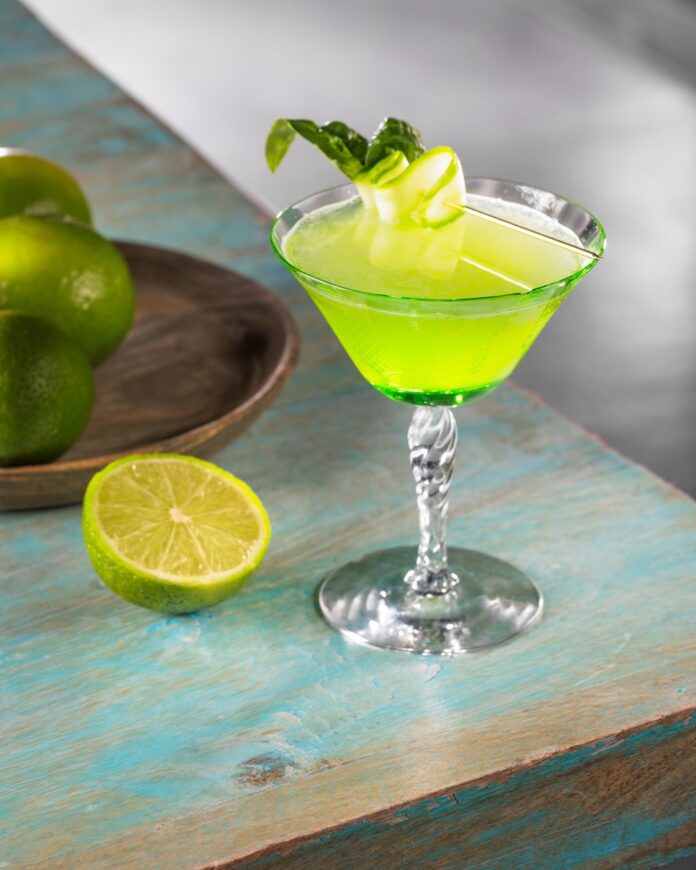
A green basil and cucumber gimlet in a Nick and Nora glass with half a lime sitting beside it.

This Basil Cucumber Gimlet feels especially fitting for the spring equinox, a moment that marks balance, renewal, and the gentle transition into a brighter season. Its vibrant green hue mirrors the first signs of life returning to gardens and markets, evoking fresh herbs and new growth. The crisp coolness of cucumber pairs effortlessly with the sharp brightness of lime, creating a clean, invigorating taste that feels like a deep breath of spring air. When made with a floral-forward gin, the drink takes on an added layer of softness and complexity, as delicate botanical notes weave through the fresh basil and citrus. Altogether, it becomes a sensory expression of the season’s arrival that’s light, aromatic, and full of quiet energy.

When is the Spring Equinox in 2026?

The spring equinox is whenever the Northern Hemisphere shifts into a point where the sun crosses the equator. It’s on this day that daytime and nighttime are almost equal and the official start of spring begins. This year, 2026, the spring equinox occurs on March 20 specifically at 10:46 a.m. This also shifts the Southern Hemisphere into autumn, the opposite of us in the United States.

Print
clock clock iconcutlery cutlery iconflag flag iconfolder folder iconinstagram instagram iconpinterest pinterest iconfacebook facebook iconprint print iconsquares squares iconheart heart iconheart solid heart solid icon
A green basil and cucumber gimlet in a Nick and Nora glass with half a lime sitting beside it.

Basil Cucumber Spring Equinox Gimlet


  • Author: Angela Santucci Mazza

Description

Using a floral-forward gin enhances the fresh basil and bright citrus in this spring cocktail.


Ingredients

Scale
  • 2 oz gin (floral forward gin recommended)
  • ¾ oz fresh lime juice
  • ¾ oz basil simple syrup
  • 1/2 oz cucumber juice
  • 4 basil leaves

For the basil simple syrup:

  • 1/2 cup white sugar
  • 1/2 cup water
  • 10 basil leaves

For the cucumber juice:

  • 1/2 cucumber
  • 1/8 cup water


Instructions

  1. Muddle basil leaves with simple syrup, lime juice and cucumber juice in shaker.
  2. Add gin and ice. Shake and double strain into coupe or Nick and Nora glass.
  3. Garnish with basil leaf and cucumber ribbon and/or edible flower.

For the basil simple syrup:

  1. Bring to simmer to dissolve sugar in water and let cool.

For the cucumber juice:

  1. Blend cucumber with water.
  2. Strain pulp out to get juice. (Water is added just to allow to be more juice like and less thick)

Recipe by Angela Santucci Mazza
Photography by Dave Bryce

Subscribe to TABLE Magazine‘s print edition.
Pittsburgh Menu Highlights from Hungry Jess: April 2026

0
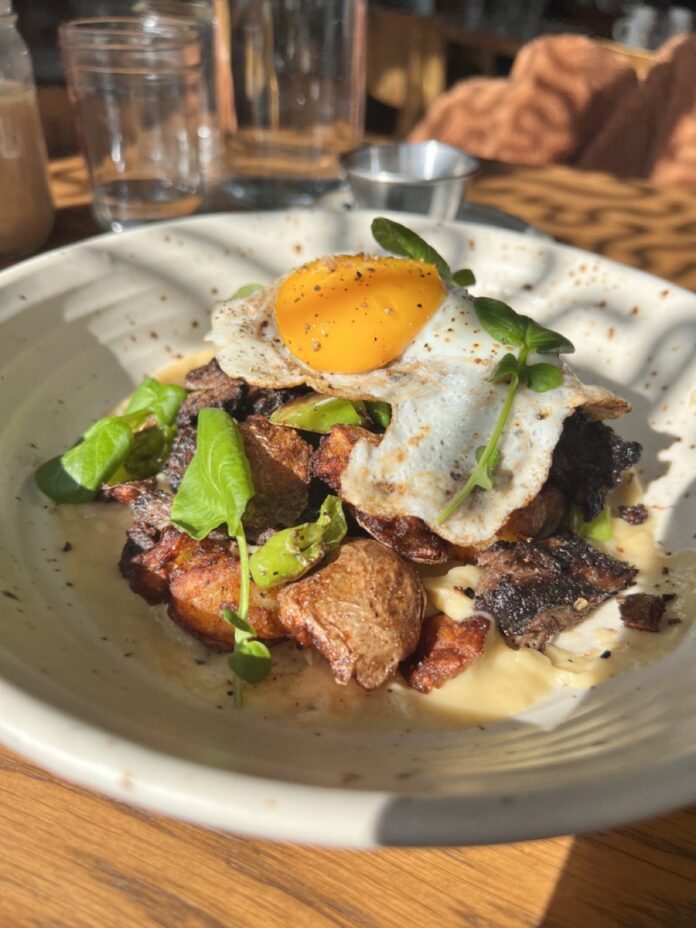
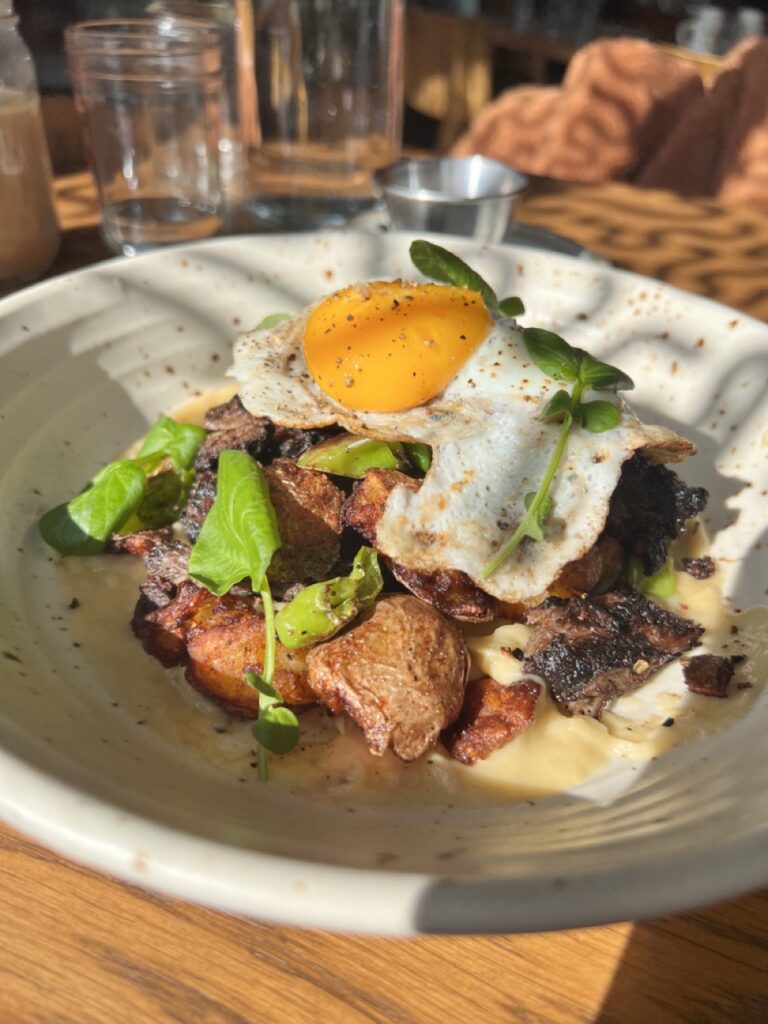
A plate with a breakfast scramble and egg on top.
Scratch & Co

While we may have lost an hour during daylight savings, the extra sunshine is more than worth it… and with that comes fruits and vegetables worth talking about. 

Ah, false spring! In case you’re new to the city of Pittsburgh, I hate to be negative for a moment, but this current weather –  the 70 degrees, sunshine, “I will spend the entire day outside” mentality – is short-lived. At least for now! I swear it’s a thing. I just want you to be prepared. 

Nonetheless, I hope April brings with it more consistent days of warmth, patio moments, and overall excitement for outdoor activities. And in any case, what I know is that it will definitely bring in-season produce worth getting extra excited about. 

With that said, this article will be a bit different of a hotlist: I want to focus on the local farms and farmers working hard to bring exciting ingredients both to farmers’ markets and also your favorite restaurants; not just when the weather is great, but also year-round. 

Vegetable baskets full of tomatoes.
Tiny Seed Produce

First, Let’s Talk Markets

One major item on my bucket list this year is to attend more farmers’ markets. While a majority of the city’s markets exist in some capacity year-round, there’s just something about establishing that as a crucial aspect of your summer mornings and evenings. 

One of my favorite markets is the renowned Bloomfield Saturday Market, which exists in the winter months (every first and third Saturday in December through March) and returns every Saturday starting May 3 through November 22. Many prized businesses got their start at this market, including Wise County Biscuits and the newly opened Phat Bagel. 

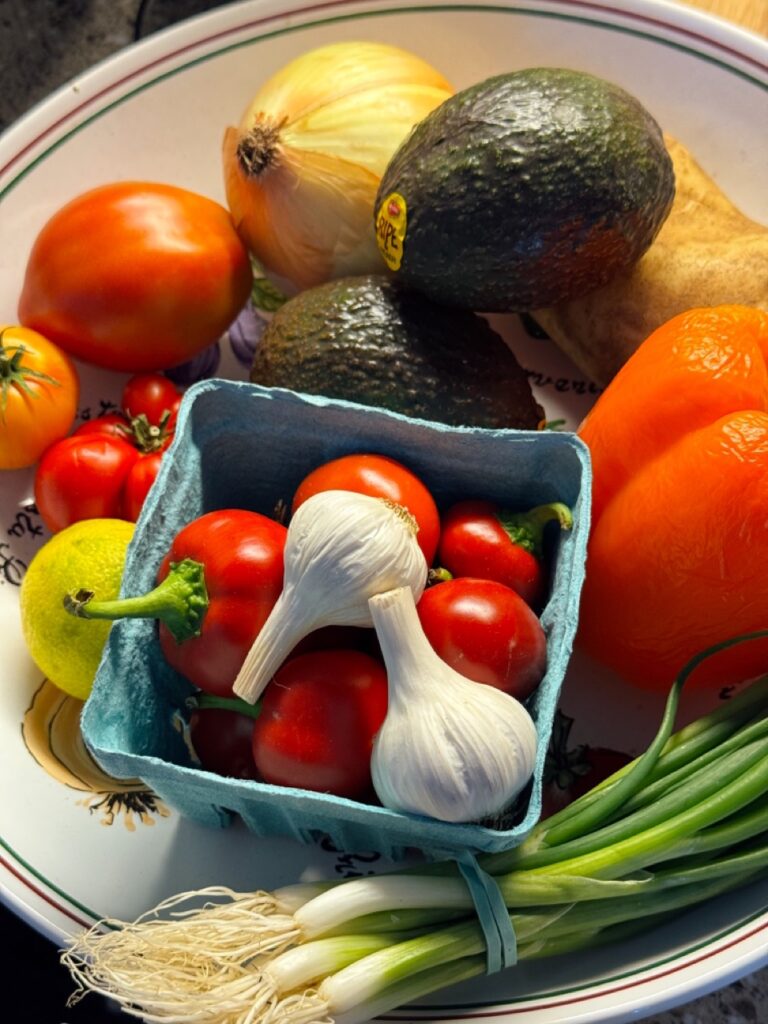
A basket of vegetables surrounded by other vegetables on a platter.
The Haul

Lawrenceville’s Farmers’ Market makes its return on May 19 and will run every Tuesday night for the season at Bay 41. And, in an exciting update for my fellow South Siders, we’ll be getting a market this year at Velum Fermentation! The South Side Market will run on Sundays from May 10 through September 27. There’s also a weeknight market in Wilkinsburg that will start later in the season (in late June) on Thursday evenings. 

A Moment For The Farmers

While there’s never been more emphasis on supporting local restaurants, the same should go for local farmers. It matters where your food comes from, and even if you may not think too much about it, we have a rich, expansive cumulation of local farms and farmers. From produce to milk, eggs, bread, hot sauce, pickled vegetables… I could go on and on. 

A few of the first farms that come to mind are the ones I met last summer as I strolled the Bloomfield Saturday Market in the mornings. It was like my therapy to bring a tote, a book, and let what I found at the market guide me from there. It was giving Ina Garten in the Hamptons. 

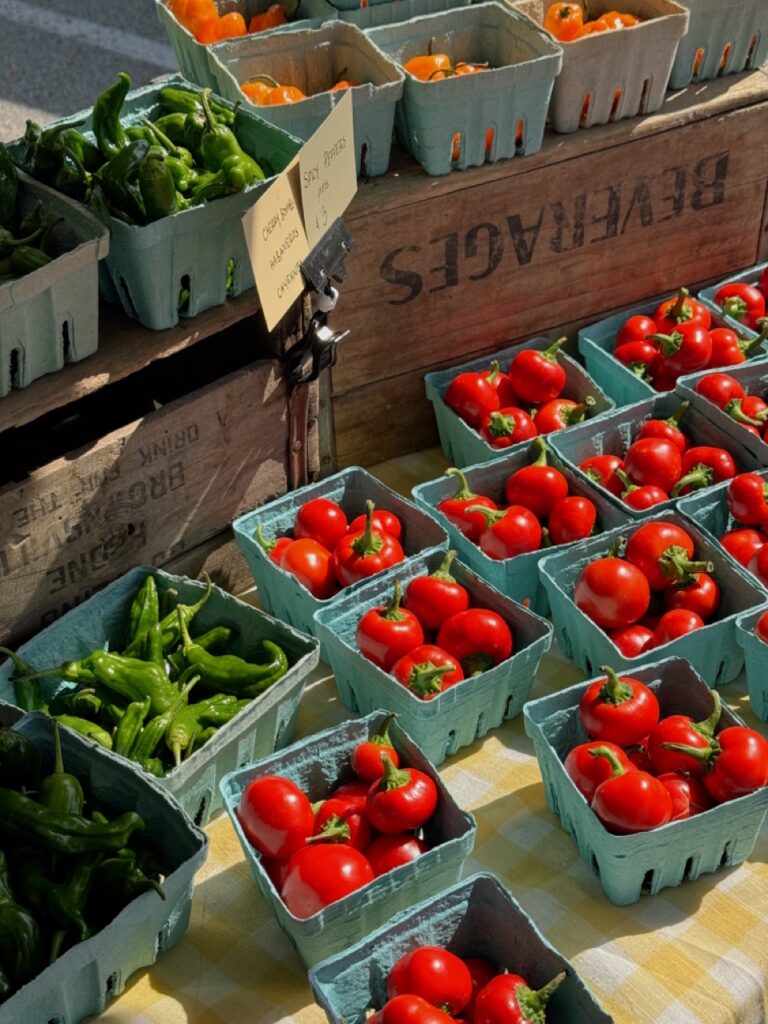
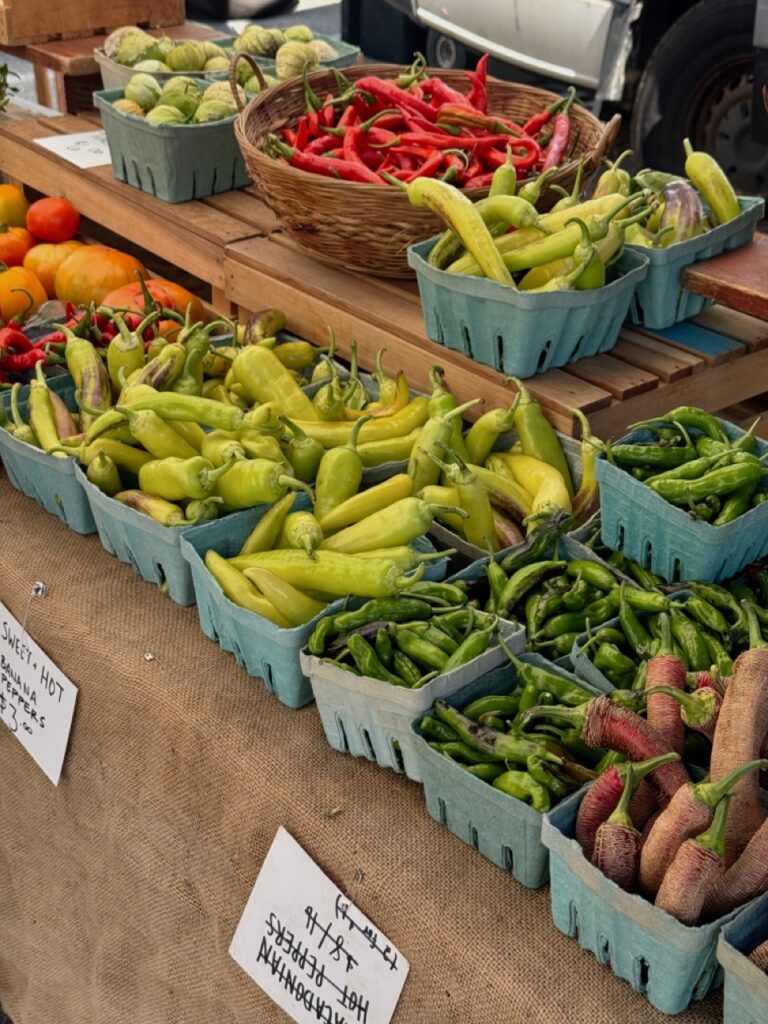
Baskets full of peppers at a farmer's market.
Tiny Seed Farm

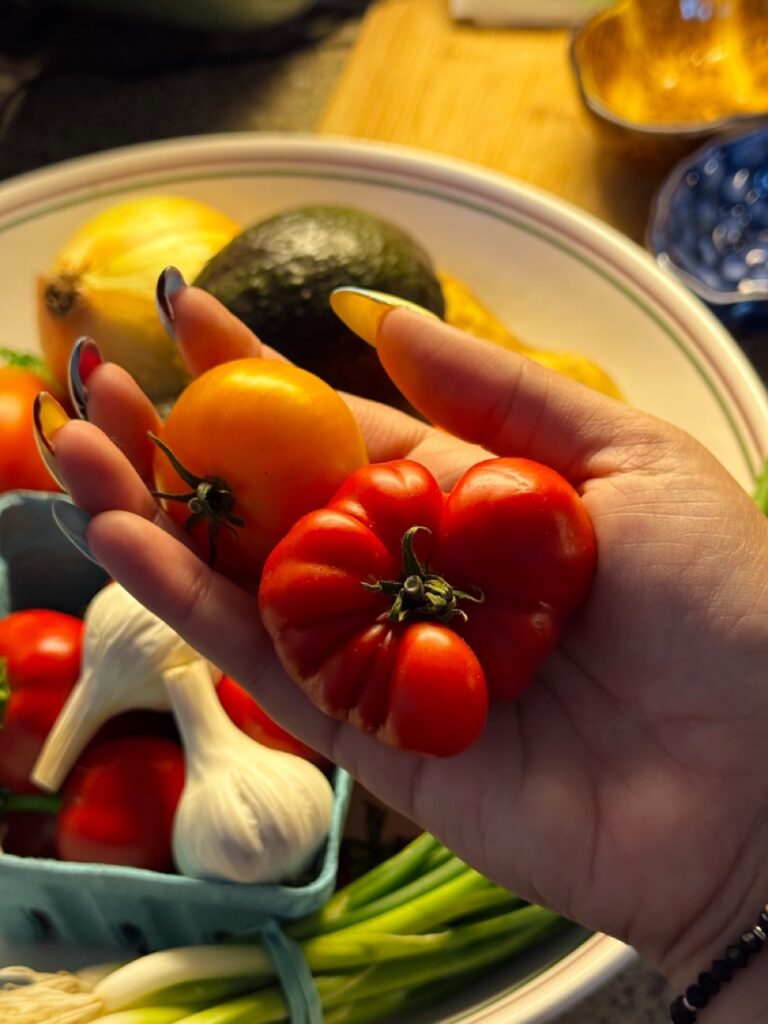
Tiny Seed Farm grows some of my favorite peppers I’ve had in recent times; the cherry peppers were sweet with a slight kick and made their way into everything I was making at the end of the summer, from pasta sauces to omelettes. Be.Wild.Er was fueling my arugula obsession (arugula on everything… even pizza) and also had the most gorgeous peppers, green onions, and garlic. And crowd-favorite Cold Co Farm keeps me mesmerized with their tomatoes and radicchio. 

A person holds a red and orange tomato over a bowl of veggies.
Cold Co Tomatoes

Bonus tips: here’s an Honorable mention for the best bread I think I’ve ever had from Forno. They often sell out fast, so be sure to secure dream-worthy carb dreams as your first stop to the market. If juices are your vibe, I can’t recommend 1:11 Juice Bar and Twenty Four Carrot Juice enough; both have brick-and-mortar locations but also pop up at markets. 

Tying the Two Together: Restaurants in Pittsburgh That Emphasize Local

Wondering where you can dine that has fun cooking with local produce? I have a few spots for you: 

A white plate with a raddicio salad on top in purple color.
Senti

Senti

3473 Butler Street, Lawrenceville

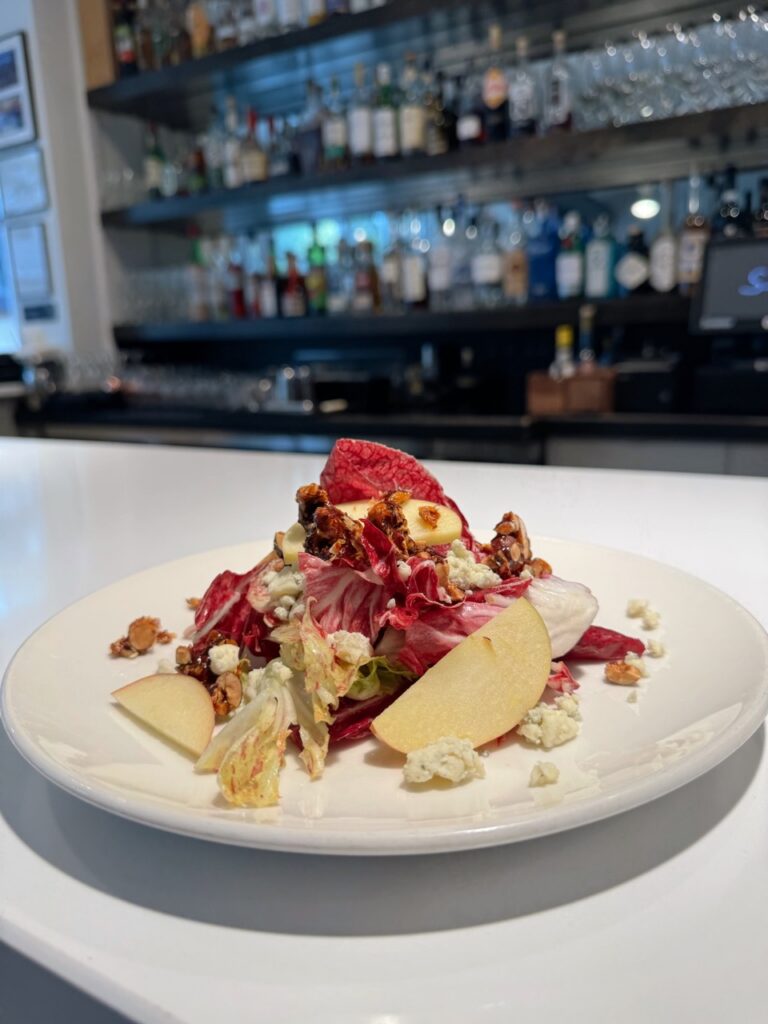
Chef Antonio Garcia is not only utilizing local produce from farmers such as Cold Co Farm weekly, but he’s also honing in on food sustainability and eliminating waste in the kitchen. Whether that includes inspiration for a new soup, creating a new ice cream, or adding something dynamic to a pasta feature, the dishes stay fresh (literally). 

Scratch & Co

1720 Lowrie Street, Troy Hill

The dedication is in the name! From brunch, where the eggs are locally sourced, to their dinner service, Scratch always includes who and what farms they source from. You can always see the full list on their website or at the bottom of their menus. This also includes their bar menu. 

A plate with a breakfast scramble and egg on top.
Scratch & Co

EYV

424 East Ohio Street, North Side

Another restaurant where the goal is in the name, Eat Your Vegetables, where the focus is on “the rich bounty of Western Pennsylvania and Eastern Ohio, our mission is to celebrate the flavors of fresh, locally sourced produce while redefining what it means to enjoy a veggie-forward meal.” You’ll have a newfound appreciation for just how dynamic vegetables can be after a meal here. 

My mood after writing this article: there’s nothing hotter than celebrating everything local, from farms to ingredients and the restaurants that utilize them. 

What produce are you currently inspired by? What’s your favorite market or farm? Send me a note to jess@hungryjessbigcity.com!

Plus, learn more about Jess’ opinion on Pittsburgh pizza in her best of the best round-up.

Story and Photos by Jess Iacullo (Hungry Jess)

Subscribe to TABLE Magazine‘s print edition.
Don't Miss