Home Blog Page 63

Best Hot Pot Restaurants in Pittsburgh

0
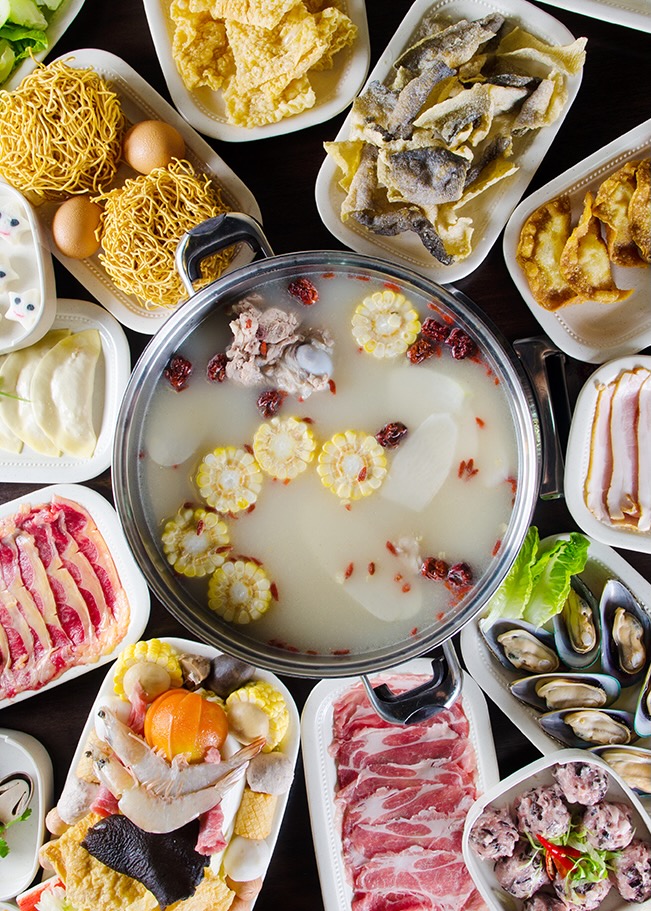
Various white plates of sliced meats and vegetables around a hot pot in the center of the table.

On a cold Pittsburgh day, few meals are as satisfying as hot pot. This interactive style of dining has found a home in the Steel City, with restaurants across Pittsburgh offering bubbling broths, endless ingredient options, and a DIY experience that turns dinner into a social event with those around you. Pittsburgh is full of these all-you-can-eat destinations perfect for groups of friends, students, families, date night, and so much more. Many of these restaurants also have table grills where you can cook your own BBQ beside your hot pot. So come hungry and get ready to experience dining like never before.

Simmer in the Steel City at These Pittsburgh Hot Pot Restaurants

Little Corner Grill House

This Oakland restaurant lets guests choose from a variety of rich broths like fiery Sichuan and tangy golden sour broth. They also have Korean-inspired BBQ skewers, grilled fish, and homestyle sides for sharing. The best part? They’re open till 2 a.m. every night.

Hong BBQ and Hot Pot

This isn’t your average hot pot restaurant. Hong BBQ offers all-you-can-eat hot pots and all-you-can-eat Korean BBQ that you can cook right at your table as well. This gives you plenty of opportunity to try different ingredients and flavors from hot to spicy to sour and everything in between.

Shabu Shabu

Looking for a Japanese hot pot experience? Shabu Shabu lets you indulge in both at-the-table hot pot and grill options with a range of Japanese broths like yellow curry and tonkatsu. Not to mention, their drink mention is beyond extensive with milk teas, fruit teas, smoothies, lattes, fruit ades, and even yakult yogurt drinks.

Top Pot

Become the chef you’ve always wanted to be with Korean hot pot and BBQ at Top Pot. Currently, they’re running a food challenge where customers try to finish their Meat Stairs featuring eight pounds of every protein the restaurant has plus plenty of veggies too. If you complete it by yourself then your meal is free and you get a gift card to come back another time.

Mala Hot Pot (Malaxiangguo)

At this Oakland restaurant you can get the mala hot pot flavor without the trouble of having to cook the soup yourself. Instead, you’ll handpick your ingredients and then give it over to the counter with your choice of broth. Your price is by the weight of your ingredients so just be mindful of what you choose.

KPot (Coming Soon)

Aanother hot pot and BBQ spot is coming soon to Squirrel Hill. This national chain carries over 100 options from meats like sliced lamb to add ins like rice cakes. There are even dumplings, fish roe bags, signature pork cheek, mussels, and plenty more to fill your bowl with.

Story by Kylie Thomas
Photo Courtesy of Hong BBQ and Hot Pot

Subscribe to TABLE Magazine‘s print edition.

Where to Ski, Snowboard, and Snow Tube Near Pittsburgh This Winter

0
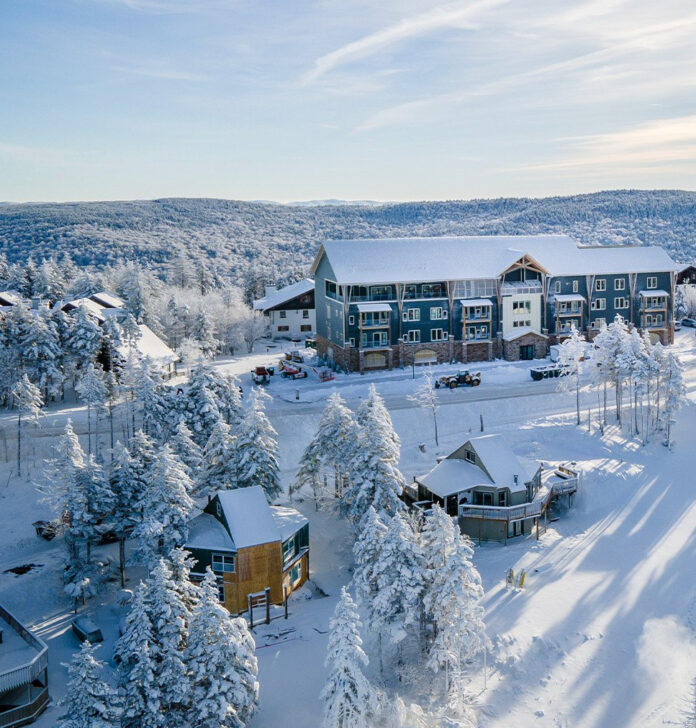
Ski slopes and a ski lodge at Snowshoe, a ski destination near Pittsburgh coated in white snow on a winter day

Though Pittsburgh weather is rather finicky, especially in the winter, you can still hit the slopes with a little snow magic. Pittsburgh has a variety of nearby skiing, snowboarding, snow tubing, as well as sledding options from full on resorts to simple hills. The ancient inclines of this part of Appalachia definitely come in handy for all snow lovers.

Ski, Snowboard, Snow Tube, and Savor the Snow at These Places Near Pittsburgh

Boyce Park

Distance from Pittsburgh: 30 minutes

Just thirty minutes from Pittsburgh in Plum, Boyce Park is one for all the passenger princesses who still want to live the Aprés-Ski life, because it’s the only ski site on this list accessible by public transit. (Take the 77 bus to Penn Hills). It’s a great option for kids with some small local hills as well as winding trails for more seasoned skiers, plus snow tubing and snowboarding.

Seven Springs

Distance from Pittsburgh: 1 hour

Like The Beatles or Prosecco, sometimes something’s popularity lines up with its quality. Seven Springs is beloved in Pittsburgh and also most people’s answer to the best ski resort outside of the city. Perfect for a family vacation, romantic weekend getaway, or a day out on the mountain with friends.

Snowshoe

Distance from Pittsburgh: 4 hours

Ski aficionados in Pittsburgh will assure you that Snowshoe is worth the hype and well-worth the drive to West Virginia. It’s also often a lot less crowded than other resorts and has some of the best natural beauty in the region.

Wisp Resort

Distance from Pittsburgh: 2 hours

On the shores of Deep Creek Lake, you can travel to the mountains of Western Maryland for skiing, tubing and snowboarding. Then you can ride a mountain coaster through the snow. Reserve a hotel room at the resort and stay a night or two for escape room games, local dining, a little shopping, and so much more. 

Laurel Mountain

Distance from Pittsburgh: 1 hour, 22 minutes

The iconic double diamond Lower Wildcat at Laurel Mountain averages a near 60% slope and is a must do for the most avid skiers. Then, after you’re done flying down the slopes, the Wildcat and Laurel Lounges have food ready for lunch or dinner and a fire blazing away to cuddle up around.

Canaan Valley Resort

Distance from Pittsburgh: 3 hours, 15 minutes

No matter what type of snow activity you’re looking for, Canaan Valley Resort in Canaan Valley State Park has you covered. All your needs from equitment to training are available whether you want to ski, snowboard, snow tube, ice skate, or even check out snowshoeing.

Nemacolin

Distance from Pittsburgh: 1 hour, 30 minutes

Head through over 25 acres of snow activity fun at this luxury resort. Even if you don’t want to spend the night, you can still get a season pass that lets you enjoy all the skiing, snowboarding, and snow tubing you’d like with access to their lift, heated pool, and hot tub included.

Peek’n Peak

Distance from Pittsburgh: 2 hours, 15 minutes

Over the New York state line you’ll find Peek’n Peak Resort with something for literally everyone. Other than your usual slopes for snowboarding, skiing, and snow tubing, you also have various terrain parks that incorporate rails, jumps, boxes, and other interactive elements. Not to mention, there’s a spa, indoor pool, and dining opportunity for parents who don’t feel up to going out in the cold.

Story by Kylie Thomas

Subscribe to TABLE Magazine’s print edition.

53 Restaurants with Menu Specials for Pittsburgh Restaurant Week 2026

0
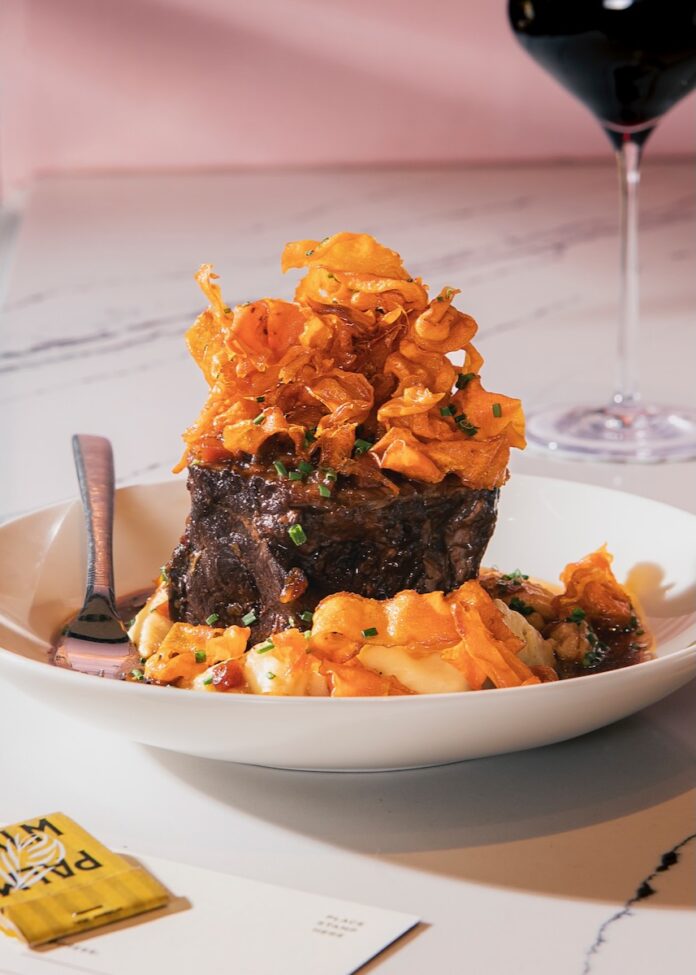
A white plate with a chunk of steak and pasta over top of it all on a marble table with a glass of wine in the background.

If this list isn’t proof that Pittsburgh’s dining scene is alive and well then we aren’t sure what is! Pittsburgh Restaurant Week is back for Winter 2026, offering food lovers across the region a delicious opportunity to explore the city’s dining scene through specially priced prix-fixe menus. This year, dozens of participating eateries join the fun from January 12 through January 18. Kicking things off early, many restaurants are also participating in preview weekend offerings from January 9 to January 11, giving diners the first taste before the official week begins. Whether you’re looking for classic Pittsburgh meals that bring about nostalgia or new cultural innovations, these multi-course meals spotlight unique flavors and bring extra value to lunch and dinner service. 

We recommend planning reservations ahead of time, as most restaurants will see an healthy influx of customers. Just remember when you’re seated to mention Pittsburgh Restaurant Week, budget a generous gratuity for the hardworking staff, and take this opportunity to try something new to support the city’s culinary talent.

Restaurant Menu Specials for Pittsburgh Restaurant Week 2026

Wheelfish

Bourbon and BBQ are the two defining characteristics of Wheelfish. For Restaurant Week, they’re offering a $32.26 three-course dinner that includes a salad or soup, your choice of Lobster Mac and Cheese, Duck Confit, or New York Strip, and the daily dessert special. 

Monterey Bay Fish Grotto

Atop Mount Washington, Monterey Bay is the place to indulge in your seafood dreams. Try their $55.26 three-course dinner with choice of soup or salad, entrée, as well as an Angel Food Grilled Cheese Sandwich for dessert. 

Hello Bistro

Grab your partner, bestie, or even your coworker for Hello Bistro’s lunch or dinner special during Restaurant Week. At just $20.26 you can get any two signature salads with either chicken or tofu as the protein. 

DeeJay’s BBQ Ribs and Grille

Succulent BBQ ribs at an affordable price are hard to come by which is why this deal can’t be missed. Order their riblette with chicken bites and two sides for just $20.26. Or, go the extra mile with the three-course combo that includes any rib combo, a salad, and dessert for $40.26. 

Tupelo Honey

Old-fashioned Southern cooking leaves you feeling full with a smile on your face at Tupelo Honey. Their lunch and dinner special is just $30.26 for three courses. Dine on a first course like their Famous Fried Green Tomatoes before your choice of a main and then a Heavenly Banana Pudding to finish things off. 

Mitchell’s Fish Market

Over in Mt. Lebanon, Mitchell’s Fish Market pairs fresh seafood with delicious wines. Their $45.26 lunch or dinner special includes a soup or salad, choice of seafood entrée, and then a choice between Crème Brûlée, Cheesecake, or Dark Chocolate Butter Cake for dessert. 

Grand Concourse Restaurant

Head over to the Station Square area along the Three Rivers of Pittsburgh to dine at the Grand Concourse. The choices for their three-course $45.26 dinner are endless, consisting of dishes like Butternut Squash Bisque, Gouda Stuffed Chicken, and Bananas Foster Crème Brûlée. 

Coughlin’s Law Kitchen and Ale House

Rather than freeze at the Mount Washington overlook, get your views of the city while dining in the warmth of Coughlin’s Law. Bring along the person you love to split a $40.26 special for two that includes a smoked meats platter with mac and cheese, french friend, purple slaw, and grilled cornbread. You can also add on a starter, dessert, and cocktail if you prefer.

täkō torta

Are you someone who has a tough time deciding what to order? Täkō torta’s four-course tasting menu is just $38.26. Try Vegan Cucumber Coconut Gazpacho, Pomegranate Octopus Ceviche, Sassafras Braised Pork Taco, and Flan. Or, for $20.26 try two Sassafras Braised Pork Tacos. 

The Millhouse

In bustling Downtown sits The Millhouse inside the Joinery Hotel. Their refined dining introduces you to a $45.26 dinner with a choice of appetizer, entrée, and dessert. Dive into selections like Smoked Clam Chowder Stew, French Onion Fondue, Braised Short Rib, and Toasted Almond Panna Cotta. 

Golden Gai

Transport yourself to Tokyo’s Golden Gai district without ever leaving the city. An inspirational three-course dinner for $55.26 consists of Duck Confit Wontons, Wagyu Hambagu, and a Fried Cream Sando. 

Mezzo at Sienna Mercato

The fine-dining Italian floor of this three story restaurant brings comfort to your table. A $40.26 four-course dinner is the perfect way to sample the menu. Choose from Calamari, Crab-Stuffed Ravioli, Chicken Parmesan, Gnocchi Florentine, Caesar Salad, and Tiramisu for just a few options. 

Sophia’s Restaurant & Bar

It’s worth the trip to Coraopolis to try the culture-infused cooking at Sophia’s. For just $39.26 you’ll get a starter, entrée, and dessert during Restaurant Week. Choose from worldwide dishes like a Snow Roll, Orange Chicken, Burrata Vodka Ravioli Florentine, and Pittsburgh Steak Salad, Death by Chocolate Cake, or New York Cheesecake. 

Melting Pot

Everyone’s favorite fondue restaurant is serving up a $55.26 dinner that gives you the chance to taste their best options. You’ll start with a cheese fondue before moving onto a salad and then a choice of protein that you get to prepare in whatever cooking method you prefer. End things with their chocolate fondue that includes plenty of treats for dipping. 

Garbarino’s

Homemade pasta the Italian way makes Garbarino’s a safe haven for Italians in Pittsburgh. Take advantage of their $39.26 dinner that includes a choice of appetizer, pasta, and dessert. The menu is full of classics like Beans and Greens, Rigatoni Siciliana, Spaghetti Bolognese, and Cannolis. 

The Commoner

Kimpton Hotel Monaco Pittsburgh’s restaurant The Commoner crafts farm-to-table eats that showcase the city’s flavors. Their $52.26 three-course dinner features a choice of Iceberg Wedge or Fried Brussels, Casareccia, Salmon, or Allen Brother Striploin, and then Cheesecake Custard or Chocolate Ganache. 

Senti Restaurant

Craving authenticity? Senti over in Lawrenceville takes you to Italy with their $45.26 Restaurant Week special. Start with either Zuppa d’Orzo or Insalata Mista then choose between Petto di Pollo alla Valdostana or Ravioli al Pomodoro for your entrée. Just make sure you leave room for the Tiramisù at the end. 

McCormick & Schmick’s

We’re fans of surf and turf, so the appeal of McCormick & Schmick’s hits on both categories. If you choose to dine for lunch, you can indulge in a $20.26 two-course meal with soup or salad and main dish. But you can also head over for a three-course dinner at $45.26 that includes dessert too. 

Fujiya Ramen

Ramen is one of those recipes that warms the soul just as much as it does your stomach. At Fujiya Ramen you can have lunch or dinner with a $32.26 three-course meal. You’ll start with a choice of appetizer like Takoyaki or Pork Buns then choose from a love list of noodles for your entrée. Finally, let dessert clear your palate with either Mochi Ice Cream or Japanese Cheesecake. 

Rivers Club

Dining at the Rivers Club is an experience you won’t soon forget due to their intimate atmosphere and exquisite service. If you’re looking for a light lunch, they’re offering a soup and salad combo for $25.26. Or, go for dinner where you can devour a two-course meal with a choice of soup or salad and entrée. 

Martorano’s Prime

Inside Rivers Casino you can treat yourself to Martorano’s Prime, an award-winning steakhouse. Dinnertime means you can try a three-course meal for only $55.26, letting you savor their Italian Wedding Soup, Shrimp Scampi, Short Rib Bolognese, Cheesecake, and so much more. 

Coast and Main Seafood and Chophouse

Everyone deserves a fancy night out where you can share in the luxury of fine-dining. This Restaurant Week, Coast and Main Seafood and Chophouse offers a $45.26 three-course dinner. The main course options include Jumbo Stuffed Shrimp with Crab, Swordfish Piccata, Grilled Salmon, and Chicken Milanese. 

Revival on Lincoln

If you’re looking for plenty of choices at a one-cost price then Revival on Lincoln is the Restaurant Week special for you. At $45.26 you’ll choose from four first course options, six main course options, and three desserts. If it’s too hard to choose, bring someone along with you and share your meals with one another. 

Luma

This family-owned wine bar and restaurant sits in Mt. Lebanon. Set a reservation on their website to try their $45.26 dinner special. This deal includes either soup, salad, or Fried Zucchini for a first course then Short Rib, Jump Shrimp, or Center Cut Filet Mignon for the main course. Lastly, delight in Lemon Berry Cake, Warmed Chocolate Chip Brownie, or Colossal New York Style Creamy Cheesecake. 

The Factory South Shore

Walk-in or reserve a table beforehand at The Factory to taste their three-course prix fixe dinner. You’ll dive into a starter Beer Salad with arugula, feta, winter citrus, and champagne vinaigrette. For the main course enjoy their Iron City Braised Short Rib with potatoes and baby carrots. Be sure you leave room to savor the Crème Brûlée for dessert. 

Carmella’s Plates and Pints

If you haven’t tried Carmella’s Orange Olive Oil Cake yet then you’re missing out. Take your opportunity to try their signature dessert with their three-course special for $45.26. Besides the cake you’ll also choose a first plate as well as a large plate of Lamb Stew, Veal Parmesan, or Chili Soy Salmon. 

Fogo de Chão Brazilian Steakhouse

A carnivore’s dream, Fogo de Chão keeps the meats coming with their continuous tableside service. For $55.26 you’ll start with fresh salads, exotic vegetables, a black bean stew, seasonal soups, and more. Then, your main course lets you try a choice of 10 different meats. All dinner long you’ll also dine on cheese bread, crispy polenta, mashed potatoes, and caramelized bananas.

Café Momentum

At Café Momentum you’re not only investing in delicious food but you’re also investing in young chefs that have been given a second chance for success. If you stop in for lunch you can order their appetizer and entrée combo for $20.26. Or, go all out with a three course dinner featuring appetizer, main course, and homemade dessert. 

The Porch at Schenley

Right across from the beauty of the Cathedral of Learning sits The Porch, perfect for families and college students alike. Sit down to a three course meal that includes a choice of soup or salad, four different main courses such as their Stuffed Alaskan Cod with Spinach & Crab, and two different desserts. 

Penn Avenue Fish Company

No matter if you choose to eat at the kitchen or sushi bar of Penn Avenue, you can test out their $48.26 three-course special. In the kitchen, stick to dishes like Fried Calamari, Crab Crusted Scottish Salmon, and Grilled Mediterranean Bronzino. Or stick to the sushi bar with Yellowtail Sashimi, Penn Cove Poke, Bowl, and Benny Roll. Either way you’ll end it with Leona’s Ice Cream Sandwiches. 

Let’s Sushi

Have you been itching to try endless sushi? Let’s Sushi is offering a $20.26 lunch or $34.26 dinner special that includes made-to-order, all-you-can-eat specialty rolls. But there’s also Hibachi entrees, fried appetizers, and plenty of desserts. 

EYV Restaurant

On top of EYV Restaurant’s three-course dinner special for $45.26, there’s also the opportunity to add on a wine pairing for $30 or an additional course for $15. Start off with welcome snacks of Hummus Fritters, Loaded Baked Potato Gougère, and Broccoli “Chicharrons”. Then choose from a wide range of small plate options for course two and main dishes for course three. 

Cadence Clubhouse

Walk-ins are welcome during all of Pittsburgh Restaurant Week at Cadence Clubhouse. You can choose any of their handhelps along with a side salad or cup of soup for $20.26. Plus, any sandwich or wrap comes with chips or coleslaw or you can add french fries for $1.50 extra. 

Paris 66

Celebrate at this East Liberty bistro with a $45.26 four-course lunch or dinner special. Start off with a salad or Escargots Bourguignon along with a second course of Roasted Butternut Squash & Apple Bisque. Then choose from either Chicken Leg Confit with Sauce Surpreme or Pan-Seared Salmon Provencale as well as Creme Brulee or Mousse au Chocolat for dessert.

LeMont Pittsburgh

What’s better than dining while overlooking the lights of Downtown? Up on Mount Washington LeMont serves up a $45.26 three-course dinner. After you’ve chosen your soup or salad, you have the hard decision to choose from seven different entrées. Dessert is a little easier with a choice of Chocolate Layer Cake, Red Velvet Cake, or Burnt Almond Torte.

Emporio: A Meatball Joint

On the bottom level of Sienna Mercato is Emporio, a love letter to the meatball. Take advantage of any salad and bowl combination at $20.26 for a taste outside your average meatball. Their bowl options include Angry Birds, Italian Classic Bowl, Shrimp Vodka Pasta, and Penne Bolognese.

Bryant Street Tavern

Whether you’re looking for Asian-fusion, European influences, or good-ole American specialties, Bryant Street Tavern has it all. Their three-course dinner for $48.26 includes selections of Fried Calamari, Jalapeno Hush Puppies, Chop Suey, Black Garlic Spaghetti, Double Chocolate Cake, and Lemon Crème Brûlée. 

Palm Palm

Palm Palm is the restaurant for sharing so feel free to head out and split their four-course dinner with a loved one. For $55.26 you have your chance to try both their small and large plates like Tuna Sushi Tots, Grilled Cheese and Tomato Soup Dumplings, Wagyu Ragu, and Beef Short Rib. Plus you also get a soup and salad as well as a choice of dessert. 

Large Plain Pizza & Pints

If you’re dining alone, Large Plain Pizza & Pints has a three-course lunch deal for $30.26 that includes a soup or salad, pizza, and dessert. But, if you want to make it a date night occasion, you can get a dinner for two for the same price that includes a soup or salad and dessert for each of you on top of the pizza. 

Emiliano’s

One of Pittsburgh’s favorite Mexican restaurants wants to treat you to a $40.26 lunch or dinner. A Dip Trio or Holy Guacamole dip that’s made fresh at your table starts things off. Choose from either Fajitas Cancun or their Jalisco Special as well as Flan or Tres Leches for dessert. 

Bistro 19

For one week only, Bistro 19 is serving up three dishes that are exclusive to Pittsburgh Restaurant Week. At $45.26 you’ll have one chance to try their Open Face Meatloaf, Grilled Pork Ribeye, and Strawberry Shortcake Beignets. 

North Shore Tavern

Steak is one of the best-known talents of North Shore Tavern. Their choice to serve their grilled proteins on a stone keeps your meal hot and juicy the whole time. Their $45.26 lunch or dinner includes either French Onion Soup or French Dip Egg Roll, a main course served on a stone, side, and choice of dessert. 

Khalil’s Middle Eastern Restaurant

If you’re craving authentic cultural cuisine, head to Khalil’s on Baum Boulevard. All three of their courses offered for their $28.26 dinner are only served for Restaurant Week. Start with Lubie Saimee, a Syrian green bean dish, before diving into Shush Barrak, a savory dumpling stew served with Basmati Rice. Just make sure you still have room for their Blueberry Baklava.

Eddie Merlot’s Prime Aged Beef and Seafood

Make Eddie Merlot’s a place for more than just special occasions. A three-course dinner is only $55.26 with plenty of choices for those who enjoy salads, soups, chicken, salmon, or filet mignon. You even get to pick from Carrot Cake, Triple Chocolate Cake, or Crème Brûlée for your last course. 

Benihana

You’ve probably heard of the Hibachi chain Benihana that cooks your food right along your table. Let yourself enjoy the show with a $45.26 dinner that includes a choice of appetizer, Hibachi steak and chicken or colossal shrimp and chicken, as well as ice cream or sherbet. 

Muddy Waters Oyster Bar

While you can’t get oysters as a part of their $30.26 Pittsburgh Restaurant Week dinner, there’s still plenty of mouth-watering choices at Muddy Waters. Start with either Hush Puppies or Devil Eggs to share and then dig into either Cajun Pasta or a Shrimp Poboy for your main. Then, make the hard decision between their Lemon Tart or French Quarter Beignets as your last course.

Hyde Park Prime Steakhouse

On any day other than January 12, due to the Steelers playoff game, you can catch a $55.26 steakhouse dinner. This three-course menu includes choices like Lobster Bisque, Hype Park Wedge, Crab Cake Oscar, Filet Mignon, and Flourless Chocolate Torte. 

Del Frisco’s Double Eagle Steakhouse

Need an excuse to get out of the house? Del Frisco’s $55.26 dinner special is the perfect reason. Their starter course includes choices of soups, salads, and appetizers while the main course focuses on protein like Roasted Half Chicken, Braised Angus Short Rib, and Pan Roasted Arka Salmon. Then, for dessert you can indulge in Chocolate Mousse, Butter Cake, or Strawberry Hibiscus Cheesecake. 

Alihan’s Mediterranean Cuisine

Alihan’s is one of the restaurants who will start serving Pittsburgh Restaurant Week early on January 9. Stop in for their $33.26 dinner with authentic dishes like Sigara Boregi, Chicken Chop Shish, Baked Mediterranean Shrimp Pasta Spaghetti, and Baklava. 

Morton’s The Steakhouse

At Morton’s not only do you get to choose your main course but you get to pick the side that comes along with it. For just $55.26 you can start with soup or salad before moving into choices of Filet Mignon and Heritage Pork Chop accompanied by Sour Cream Mashed Potatoes, Truffled Cream Corn, and so much more. It all leads up to Espresso Pot de Creme or Key Lime Pie for dessert. 

Hofbrauhaus

German food is the best for winter time since it’s comforting, warming, and hearty. Hofbrauhaus offers you a chance to sample the lot with their $22.26 three-course dinner. You’ll try their famous soft pretzels and beer cheese, choose a traditional German main course, and then snack on Bavarian Cream Puffs for dessert. 

Alfabeto

Taste the flavors of Italy over at Alfabeto right by City of Asylum. Their $46.26 dinner takes you through the best of Italian cuisine including Arancini, Fried Brussels, Herb-Infused Pappardelle, Parsnip Risotto, Traditional Tiramisu, and Affogato. 

The Abbey on Butler Street

There’s something for everyone on The Abbey’s versatile menu. Even though their $42.26 dinner narrows the options to two for each course, there’s still plenty to enjoy. Choose from Jumbo Lump Crab Tartlets or Creamy Burrata for your first course, Pan-Roasted Airline Chicken Supreme or Seared Salmon with Brown Butter & Lemon for your main course, and Crème Brûlée or Sticky Apple & Fig Cake for dessert. 

For additional information on each restaurant and to make reservations you can head to Pittsburgh Restaurant Week’s website. 

Story by Kylie Thomas
Photo Courtesy of Laura Petrilla for Palm Palm

Subscribe to TABLE Magazine‘s print edition.
Armchair Quarterback Cocktail

0
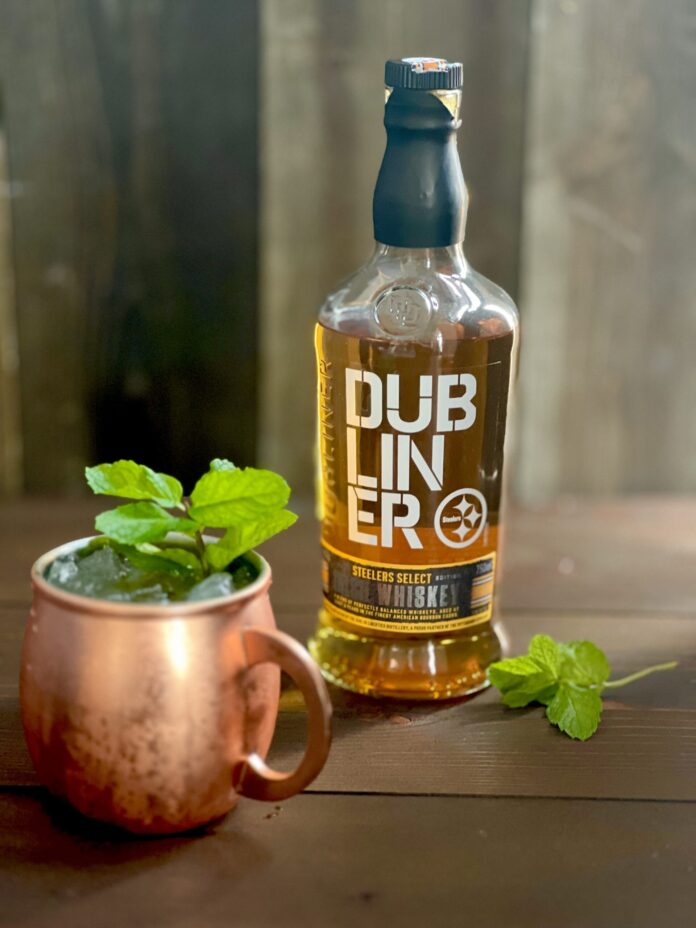
A copper mug with a cocktail garnished with fresh mint next to a bottle of Dubliner Steelers Select Irish Whiskey on a brown wood surface.

For some of the most opinionated people in football, Steelers fans, our spin on a Moscow Mule with the Armchair Quarterback, serves up a hometown cocktail special for the big playoff game against the Houston Texans on January 12 at 8 p.m.

Try Specialty Whiskey for the Steelers’ Playoff Game Against the Texans

Because we’re from Pittsburgh, and we know the vast majority of hometown fans are loyal to Pittsburgh brands as much as we are, we chose Red Ribbon Mint Ginger Ale and the Dubliner Steelers Select Irish Whiskey to create this cocktail. Skip the beer and feel a little classy in your recliner while sipping this cocktail and shouting out your own personal judgments about what’s happening on the field. After a couple of these babies, the offensive coordinator just might be able to hear your loud opinion about what he did wrong at third and long through the television.

But, if the Steelers aren’t your team, you could try Jack Daniels Tennessee Whiskey, which named itself the official whiskey of the Buffalo Bills, or Cedar Ridge Distilliery, which has partnered with both the Detroit Lions and the Philadelphia Eagles. 

Print
clock clock iconcutlery cutlery iconflag flag iconfolder folder iconinstagram instagram iconpinterest pinterest iconfacebook facebook iconprint print iconsquares squares iconheart heart iconheart solid heart solid icon
A copper mug with a cocktail garnished with fresh mint next to a bottle of Dubliner Steelers Select Irish Whiskey on a brown wood surface.

Armchair Quarterback Cocktail


  • Author: Justin Matase

Description

An elevated way to enjoy the playoff game.


Ingredients

Scale

For the cocktail:

For the mint simple syrup:

  • 1 cup water
  • 1 cup sugar
  • 1.5 cups chopped fresh mint


Instructions

For the cocktail:

  1. Fill a rocks glass or copper mug with ice.
  2. Combine all ingredients in the glass/mug and stir together.
  3. Garnish with mint and enjoy.

For the mint simple syrup:

  1. Mix water and sugar together in pot on medium heat, simmer until sugar is dissolved.
  2. Remove from heat, and add mint leaves.
  3. Let seep for minimum 15 minutes. Strain mint leaves from the syrup.

Notes

Mint simple can be made up to a week in advance.

Recipe and Styling by Justin Matase
Photography by Keith Recker

Subscribe to TABLE Magazine‘s print edition.
Pittsburgh Events: Your Guide to January 19-25

0
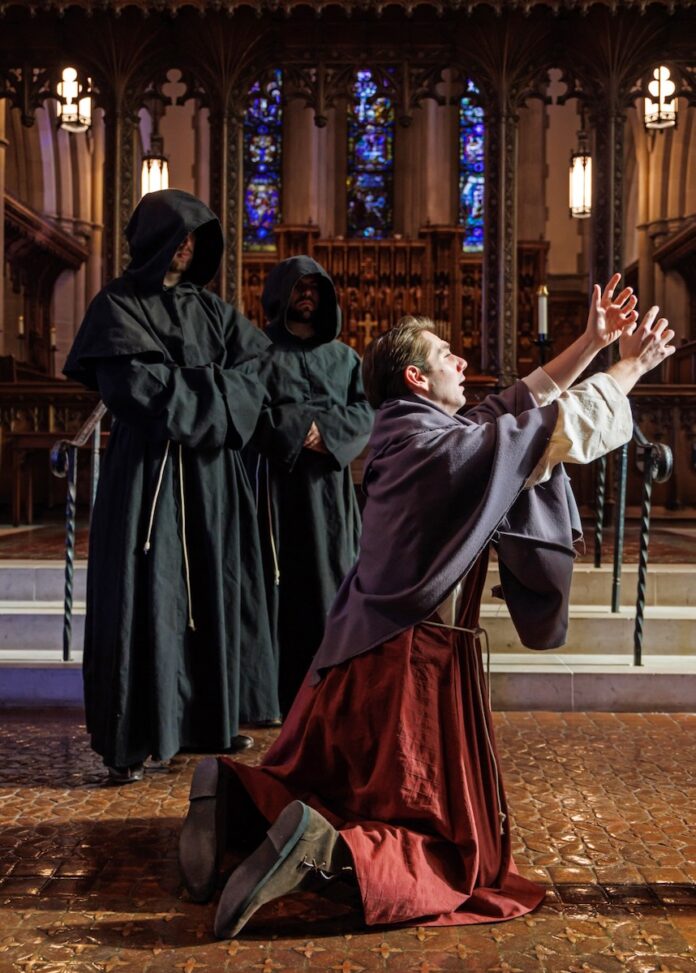
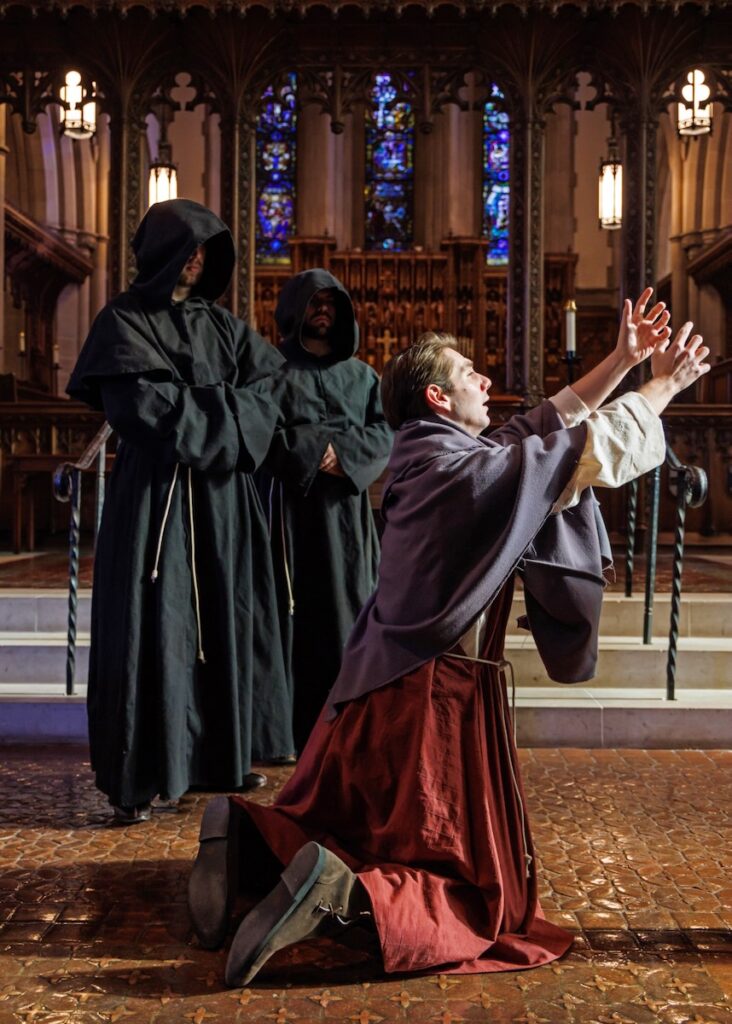
A man falls to his knees in front of two hooded figures.

January is in full swing which also unfortunately means the bitter cold is here as well. Thankfully, Pittsburgh is heating things up with a vibrant array of events to shake off the winter chill. Events like cozy cocktail workshops, classical concert hall performances, and even your own chance to become a painter leave you with a week from January 19-25 that’s worth leaving the house for.

Pittsburgh Events Happening January 19-25

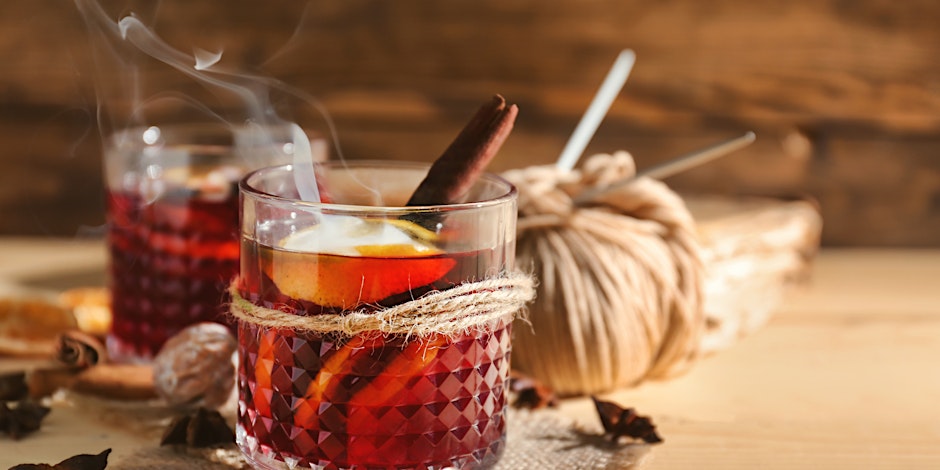
Winter Warmers warm cocktails on a brown surface
Photo Courtesy of PA Market

Winter Warmers

PA Market, January 22

Sip into the season and banish the chill with a cozy night of cocktail crafting. Learn the techniques, flavors, and garnishes of hot cocktails and spirited cold-weather spritzes designed to bring comfort and magic to the darkest months.

Candlelight: Tribute to Metallica cello being played
Photo Courtesy of Candlelight

Candlelight: Tribute to Metallica

Heinz History Center, January 23

Bask in the music of Metallica like never before under the gentle glow of candlelight. This Candlelight concert features the iconic heavy metal anthems including hits such as Enter Sandman, Nothing Else Matters, Master of Puppets, and The Unforgiven.

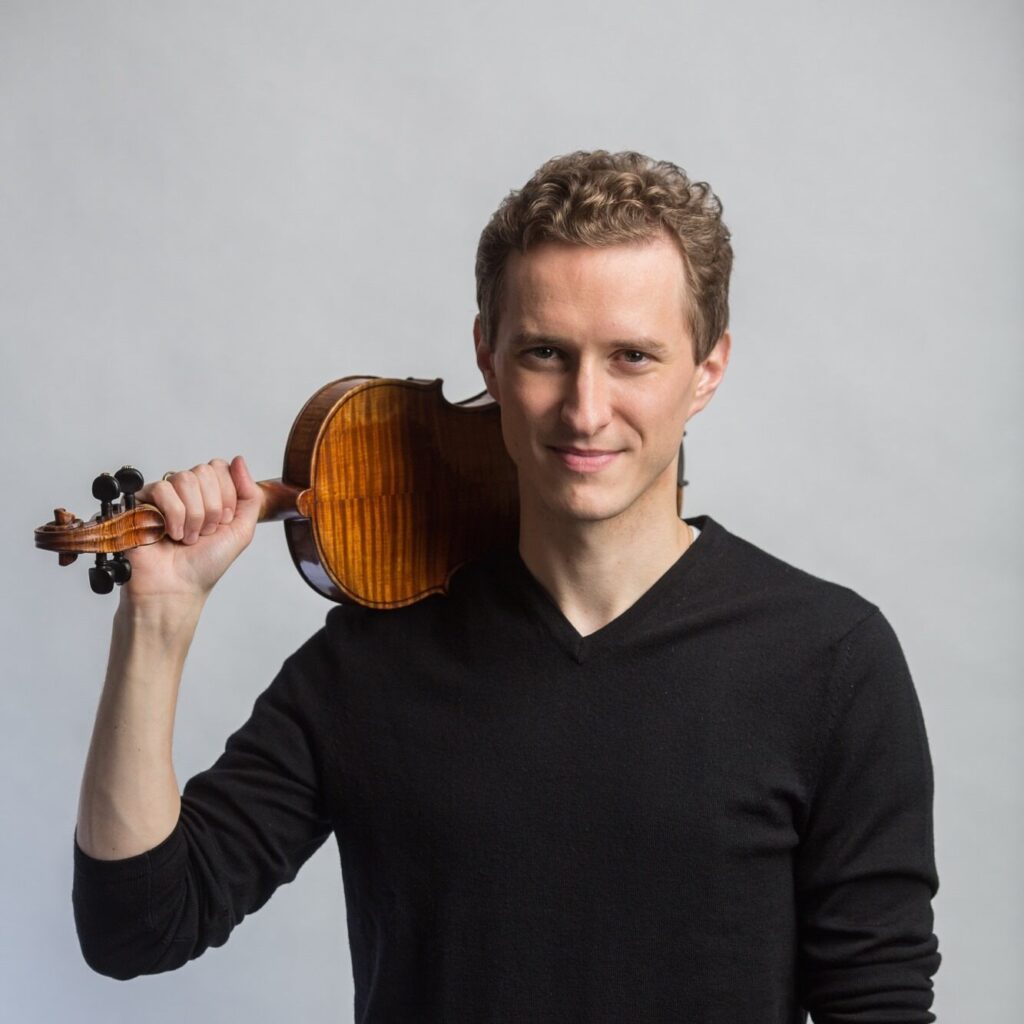
Špaček Plays Dvořák
Photo Courtesy of Pittsburgh Cultural Trust

Špaček Plays Dvořák

Heinz Hall, January 23 and 25

If you did not make it to the Pittsburgh Symphony Orchestra in 2025, make a point to go this week. The concert opens with Brahms’s Academic Festival Overture, followed by Dvořák’s Violin Concerto, performed by the Czech violinist Josef Špaček. It all leads up to Bartók’s thrilling Concerto for Orchestra.

Winter Among the Pines - Bob Ross Workshop
Photo Courtesy of Evolutions Studio

Winter Among the Pines – Bob Ross Workshop

Evolutions Studio, January 24

Embrace the cozy, creative joy of painting with the Bob Ross® method and make all your “happy little tree” dreams come true. This workshop invites you to paint serene winter pine scenes, guided by the soothing techniques of Bob Ross and with all materials provided for you.

A man falls to his knees in front of two hooded figures.
Photo Courtesy of Pittsburgh Opera

Curlew River | Pittsburgh Opera

Calvary Episcopal Church, Select Dates January 24-February 1

The Pittsburgh premiere of Benjamin Britten’s profound and moving Curlew River, adapts a Japanese Noh play that tells the haunting story of a woman searching for her lost son. Following medieval and Japanese traditions, all roles in this iconic opera are performed by men.

Story by Kylie Thomas
Featured Photo Courtesy of Pittsburgh Opera

Subscribe to TABLE Magazine‘s print edition.
What Does the Arts Sector of Pittsburgh Look Like in 2026?

0
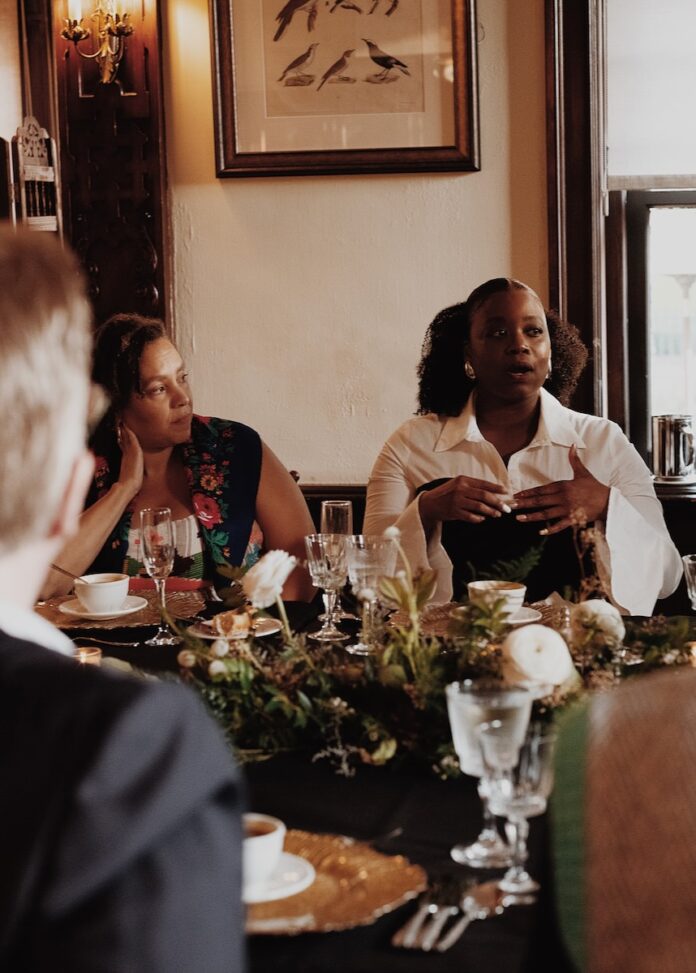
A woman in white and black sits at a table talking to the people across from her.

A roundtable dinner gathers leaders of the Pittsburgh art world to imagine the future of creative life in a city still defining how to sustain those who shape it.

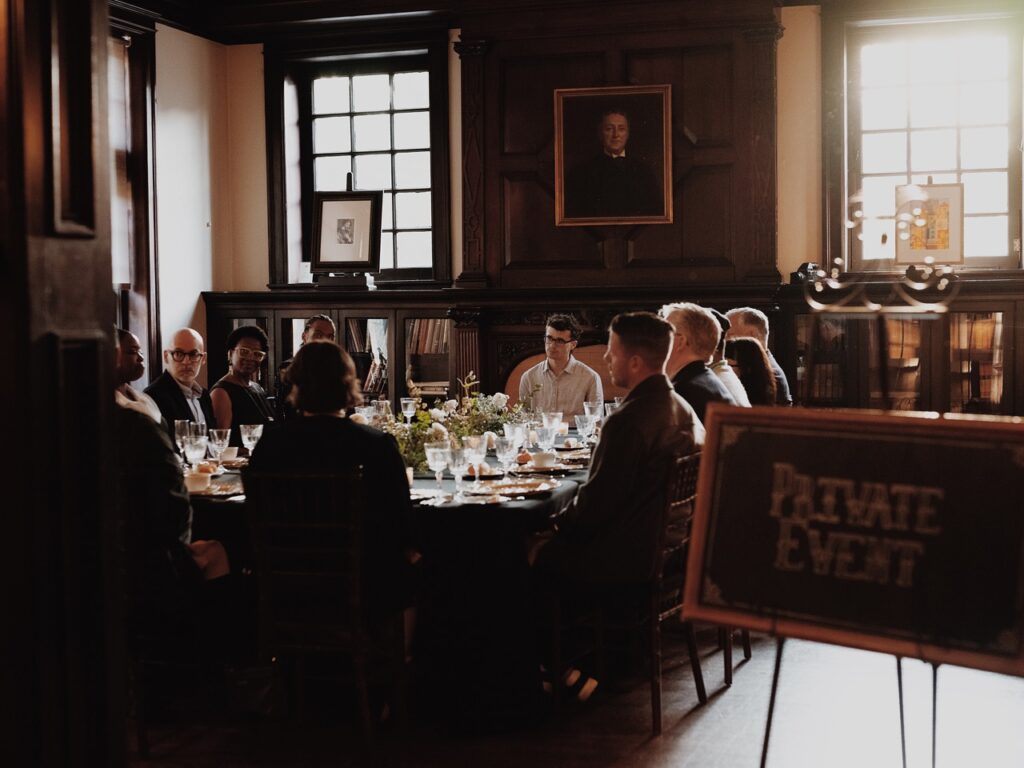
A group of artists leaders sit together at a wood dining table.

Imagining Pittsburgh’s Arts Sector in 2026 with the City’s Leaders

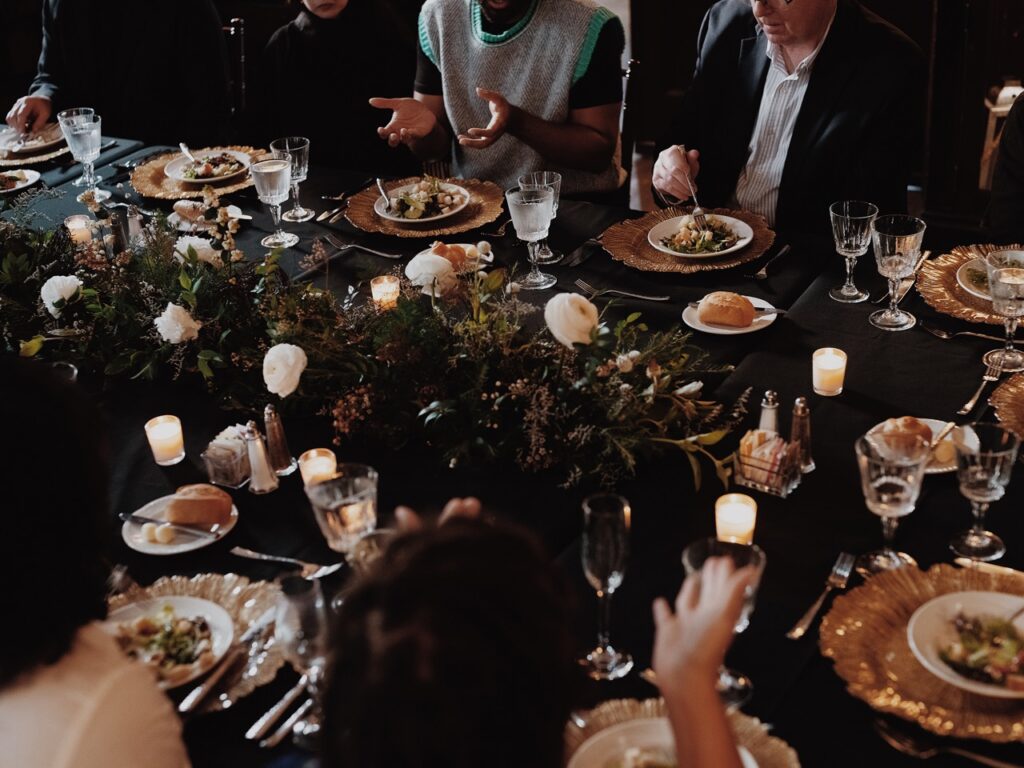
It began, as many generative conversations do, around a shared table: plates passed hand to hand, voices rising and softening, as artists and arts leaders imagined what creative life in Pittsburgh might look like in the years ahead. The library at The Mansions on Fifth glowed with candlelight and low conversation as TABLE’s Editor in Chief, Keith Recker, rose to welcome a gathering of the city’s most vital voices in the arts. 

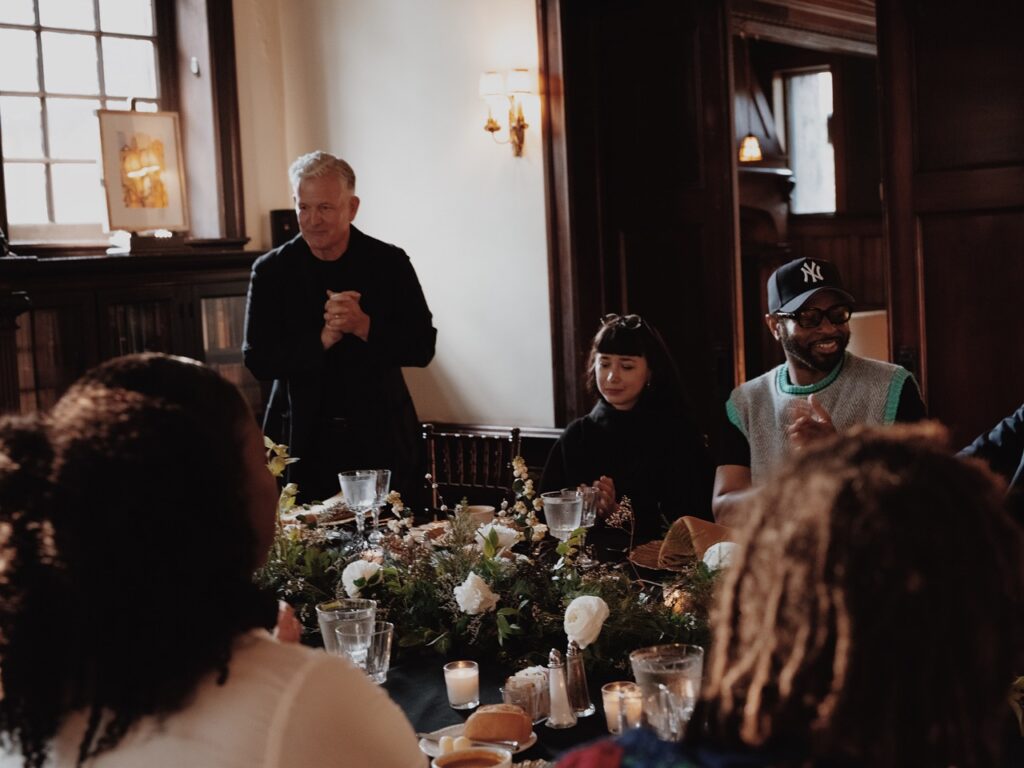
A man speaks to a dining table of people.

The dinner, co-hosted and convened with artist Shikeith, was conceived not as a celebration but as a moment of reckoning. Around the table sat artists, curators, and administrators who have shaped much of Pittsburgh’s cultural landscape—Jasmin C. DeForrest, Nicole Henninger, Leo Hsu, Anastasia James, Kilolo Luckett, Mario Rossero, London Pierre Williams, and Alisha Wormsley—invited to reflect on what it means to create, to sustain, and to tell the truth through art at a time when truth itself can feel embattled. 

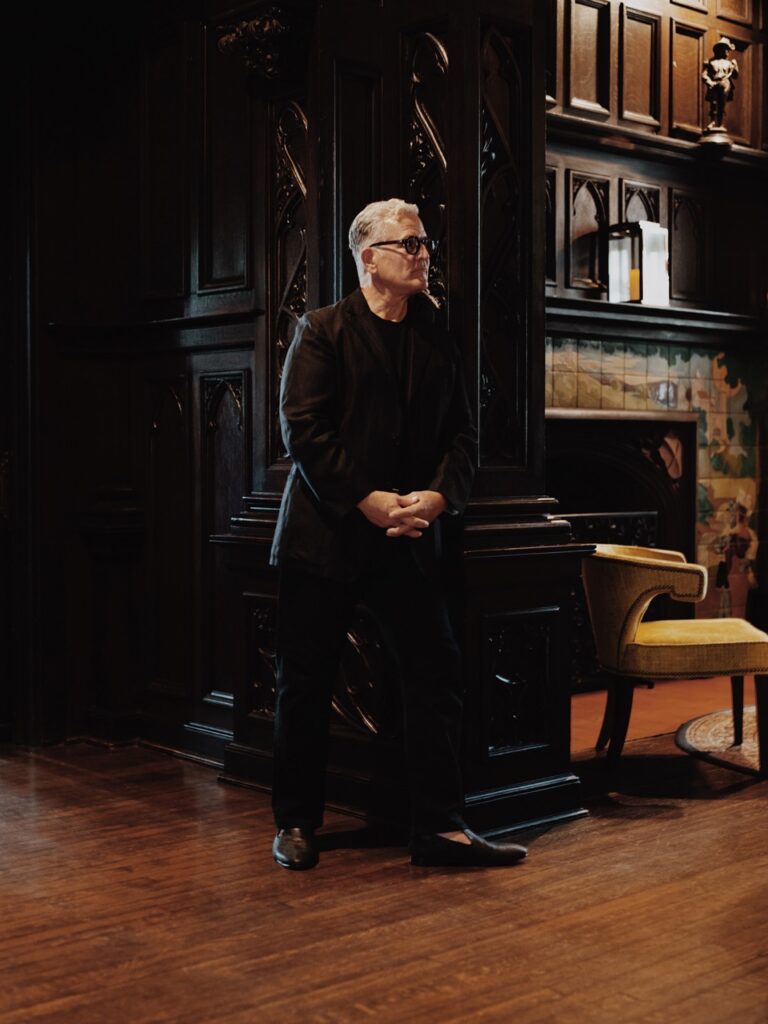
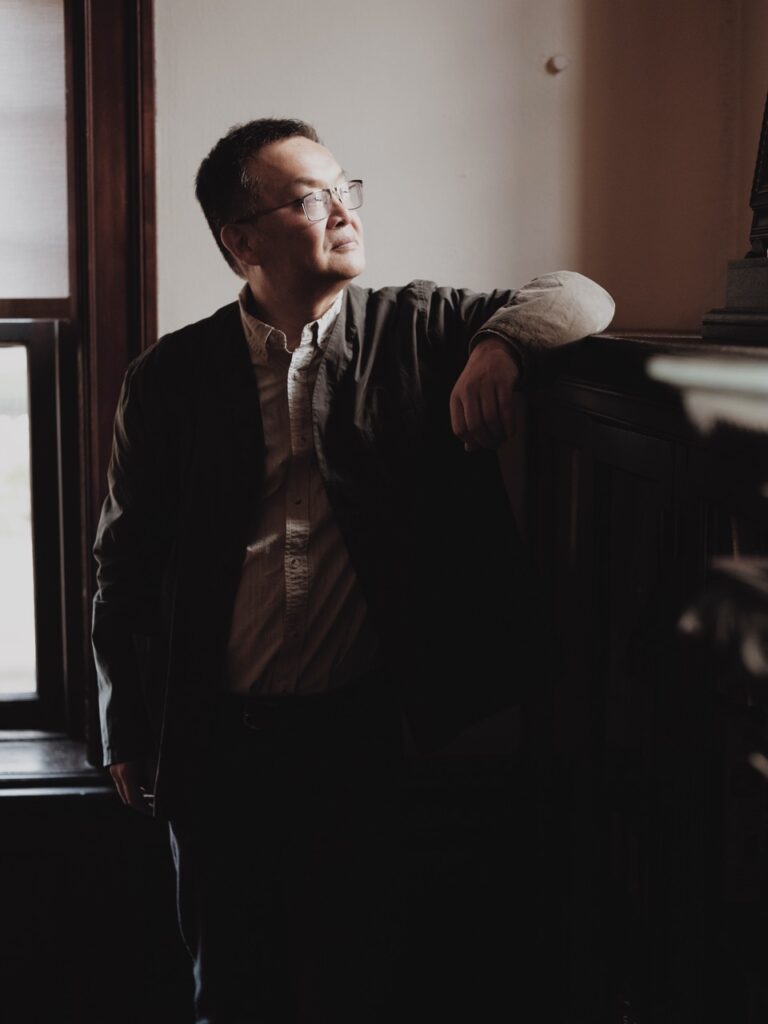
A man in black clothes leans against a dark doorway.
Keith Recker, TABLE Magazine

“This is a space for honesty,” Recker said, raising his glass. “Be brave. Tell the truth about what you’re seeing and what’s needed. Let’s have a real conversation.” His invitation landed not as a directive but as a challenge shared among peers—a call to speak candidly about the state of art and the city that shapes it. 

As plates arrived, the hum of side conversation settled into a steady rhythm of exchange. What unfolded over the next few hours was both diagnosis and declaration: a conversation about creative courage, civic responsibility, and the fragile ecosystems that hold art in place. 

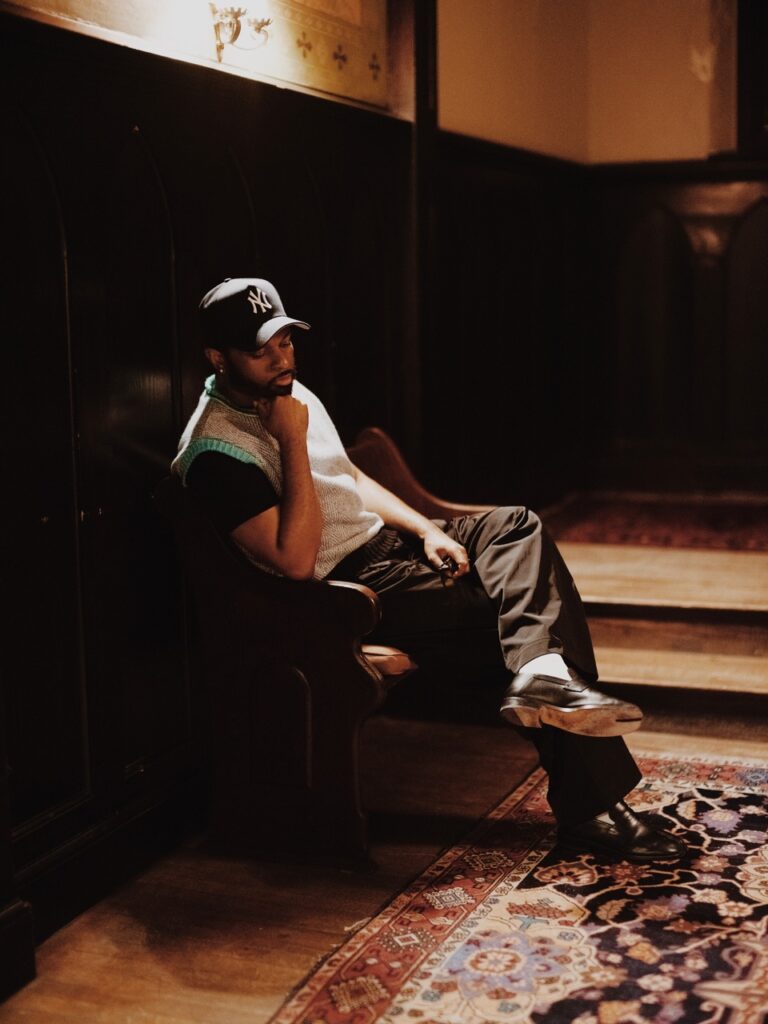
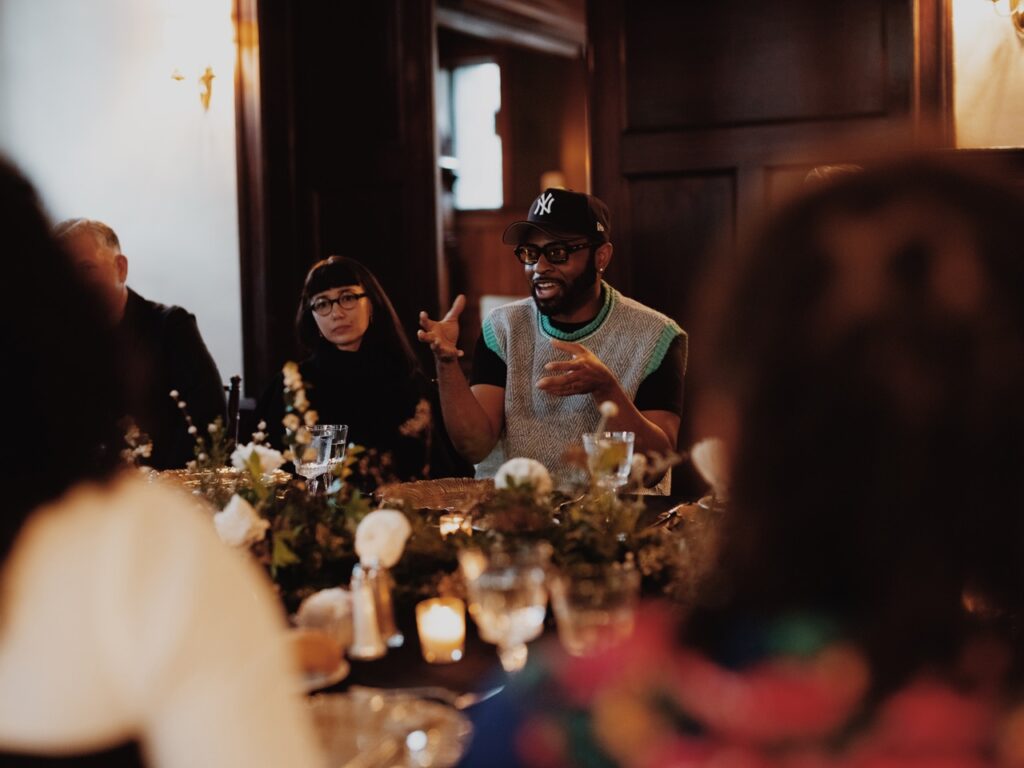
A man sits in a leather arm chair with a baseball cap on.
Shikeith, Artist

Sustaining a Creative Life 

For Shikeith, the question of sustaining an artistic life in Pittsburgh is inseparable from his own path. He recalled watching spaces like Bunker Projects grow from the ground up in 2013, and receiving an Advancing Black Arts in Pittsburgh grant that helped fund his documentary #Blackmendream, a film later listed by the Tribeca Film Institute as one of ten crucial works capturing Black life in America. He fondly calls this breakthrough his “Pittsburgh Cinderella story.” Yet even success, he reminded the group, doesn’t dissolve the challenges of sustaining a practice. Finding stability as an artist often demands a degree of restlessness and adaptability: “You have to go, you have to move,” he said, “but you also have to have a place to come back to.” 

That notion of place, of the conditions that allow creativity to root and return, threaded through the evening. Artist London Pierre Williams described the ongoing challenge of finding a studio space that feels not only affordable but also right. For many, the struggle is less about resources than about resonance, the sense of belonging to a community that values experimentation as much as outcome. 

A man in all black dress clothes.
London Pierre Williams, Artist

What emerged was a portrait of a city still learning how to care for its artists: a place of promise, but also of precarity. Pittsburgh remains a haven for those seeking space to work creatively, yet the question lingers: how do artists stay once they’ve found their footing? 

Comparing Pittsburgh to Other States

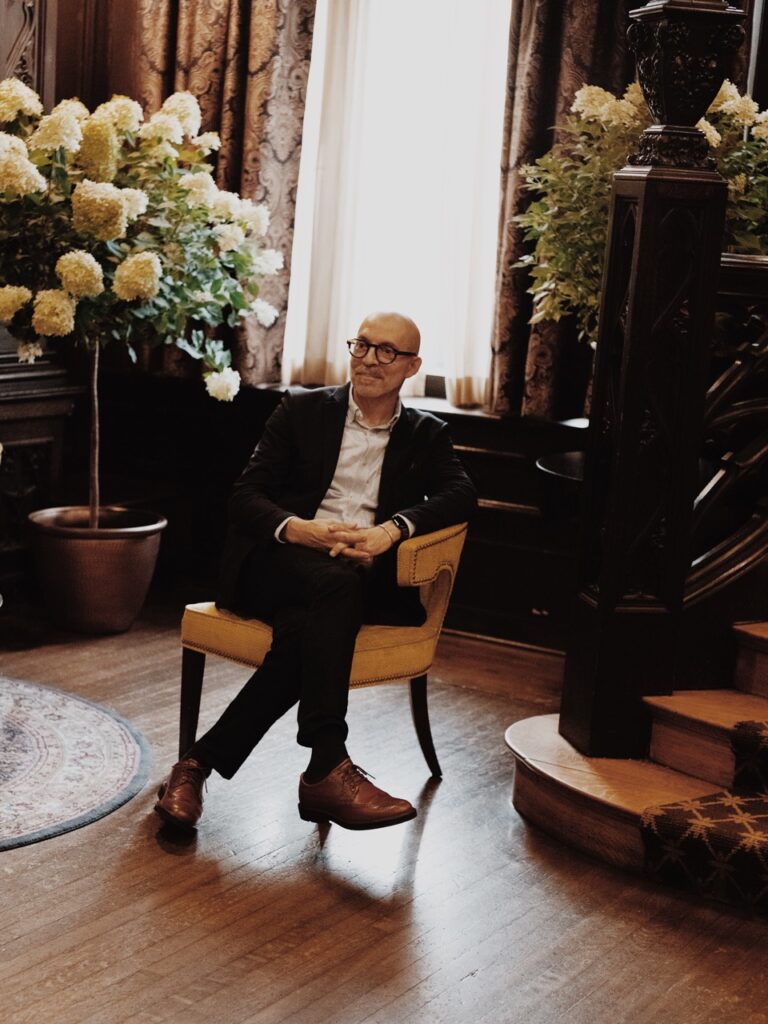
Returning to Pittsburgh to lead the Andy Warhol Museum after a decade in Washington, D.C., Mario Rossero saw in that tension the essence of the city itself. Artists and makers, he noted, are woven into Pittsburgh’s identity, their labor visible in everything from its public murals to its maker spaces and performance collectives. The challenge, he observed, lies in how to match that creative potential with visibility and support. 

A man sits in a yellow chair.
Mario Rossero, The Andy Warhol Museum

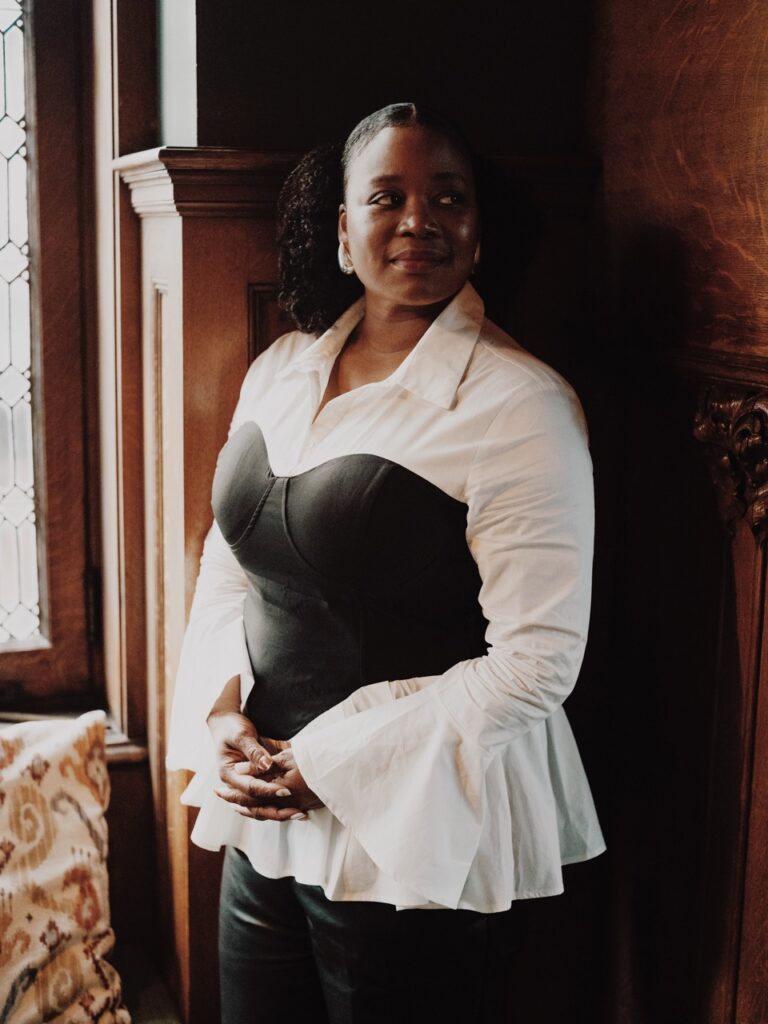
Jasmin DeForrest, who relocated from Detroit last year to lead creative initiatives at The Heinz Endowments, described Pittsburgh’s cultural landscape as strikingly rich yet uneven. “It’s a city of pockets,” she said—dense with talent, yet divided by geography and habit. “The opportunity lies in connection: how do we bridge those hills and valleys?” 

A woman in a white and black top against a wood wall.
Jasmin DeForrest, Heinz Endowments

Across the table, others nodded. The conversation turned to the city’s social scale—where there are often few degrees of separation between arts professionals—an intimacy that can be both a gift and a constraint. Sustaining creative life here, the group agreed, demands more than individual drive or good will; it requires networks of belonging that make art feel not peripheral to civic life, but essential to it. 

The Vanishing Middle Space 

When conversation turned toward infrastructure, the room’s energy shifted. The group spoke of the “missing middle”—that uncertain space between grassroots projects and major institutions where artists and arts workers often find themselves stalled. 

A woman looks out a window with white flowers behind her.
Anastasia James, Pittsburgh Cultural Trust

Anastasia James, a Director of the Pittsburgh Cultural Trust, has seen that gap from both sides. Having left the city early in her career to pursue opportunities elsewhere, she returned with a renewed awareness of what continuity requires. Pittsburgh’s challenge, she reflected, isn’t a lack of creative stock but a shortage of scaffolding, especially the middle rung that allows careers to take root rather than reset. It is no longer enough to repeat the old refrain of affordability; while Pittsburgh once promised ample space and low costs, that equation is changing fast, and the conversation must catch up. 

Heads nodded in recognition around the table. Everyone knew the pressure points: rising rents, shrinking grant cycles, overextended institutions. But alongside the challenges came examples of how new models might emerge. 

A man in a baseball hat talks to others at a table.

By the People, For the People

Kilolo Luckett, founding director of ALMA LEWIS, described designing her gallery’s residency program through consultation and community feedback. She asked dozens of peers what was missing from other residencies—how much time artists truly need, and what forms of care matter most. For Luckett, sustainability begins with listening and crystallizes with support. “We can’t underestimate the power of hustling, but we also can’t mistake hustle for sustainability.” 

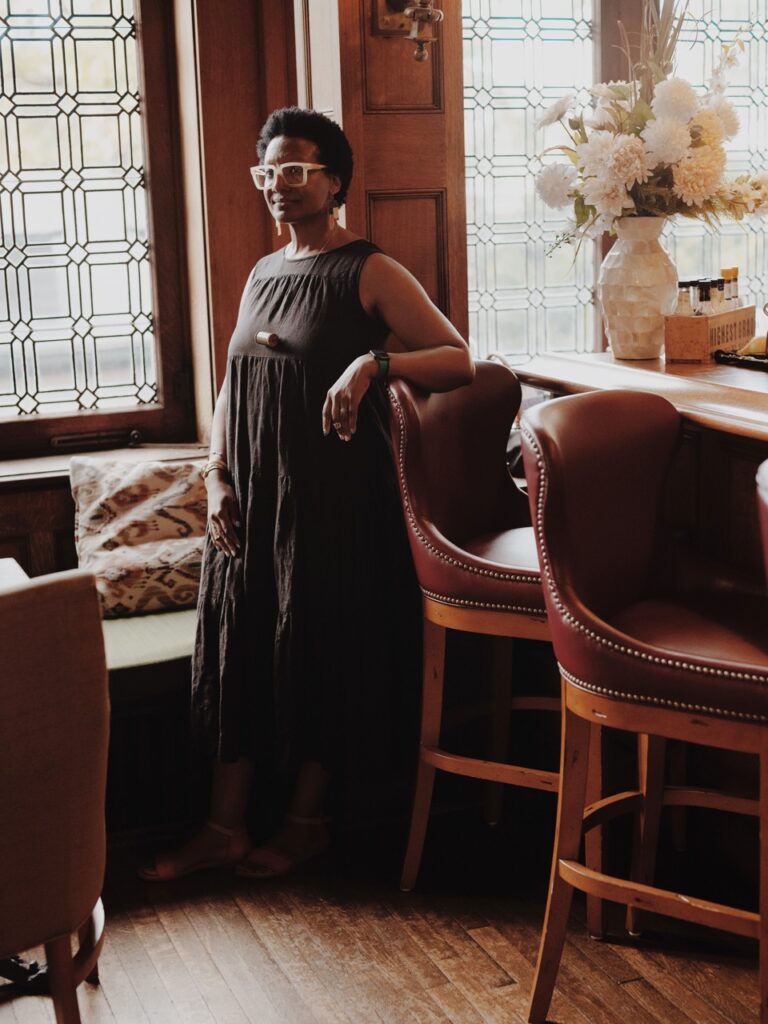
A woman leans back against a tall chair.
Kilolo Luckett, ALMA LEWIS

Her words carried a quiet resonance. The idea that generosity could itself be a structural tool—asking, listening, adapting—felt both radical and familiar. Rossero smiled across the table. “That’s actually a fitting tagline for Pittsburgh’s art world,” he said. “All you have to do is ask.” 

The conversation broadened to include questions of accessibility and inclusion. Not everyone, the group noted, aspires to be a professional artist, nor should artistic participation depend on that ambition. Art must also be understood as a form of civic engagement, a way of learning, connecting, and imagining collectively. 

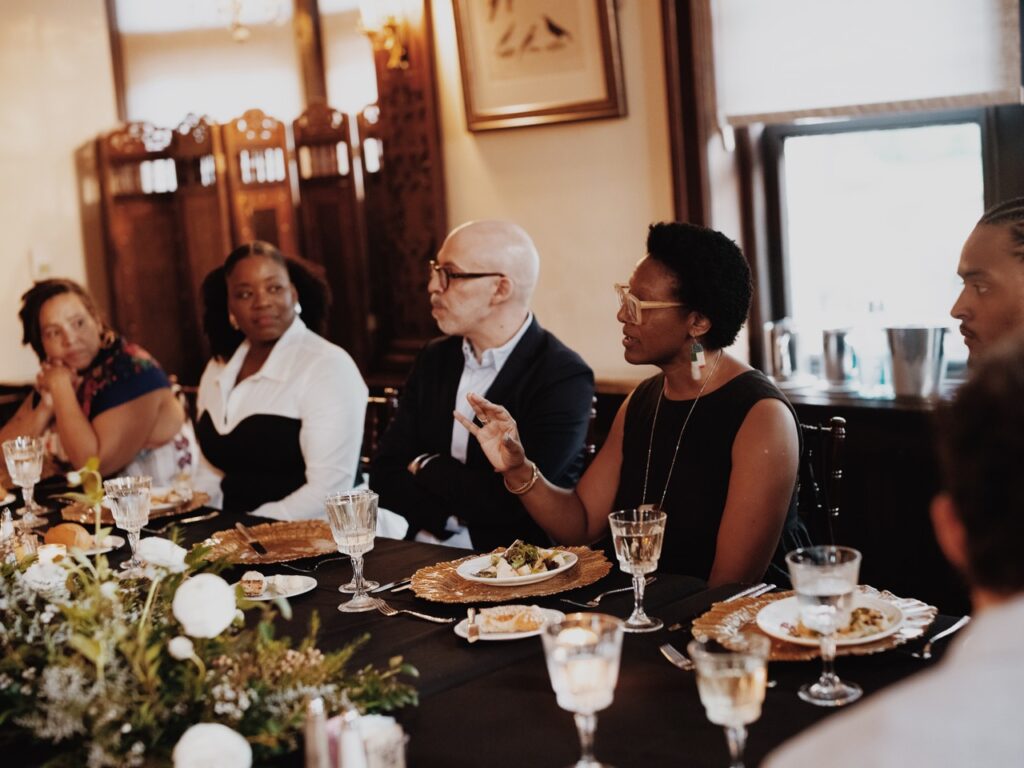
A woman in a black dress talks to other people at a table.

Participants reflected on the power of craft traditions that continue to thrive here, and the need to connect those lineages to younger generations. Local institutions, they agreed, must act as intergenerational bridges: translating heritage into momentum, and local pride into national visibility. There was a shared sense that while the city has built remarkable artistic infrastructure, it must also learn to celebrate and historicize its own achievements, to document what has been made and protect it for the future. 

Around the table, candles burned lower. Plates were cleared. What remained was a collective recognition that the health of Pittsburgh’s arts ecosystem depends not on scale, but on connectivity, the middle ground that holds everything together. 

An array of place settings and flowers on a table.

Art as Dissent, Art as Truth 

By the time staff cleared the main course, the discussion had widened to the role of the artist in a polarized world. 

Artists, several participants reflected, possess a rare civic function. They hold a mirror to their communities, reflecting both aspiration and unease. They are a source of solutions we haven’t yet found. “Artists understand and reflect our time and culture,” said Rossero. “They help us see ourselves, our truths, and our challenges. Through their lens, we gain a clearer view of our shared experience, and maybe even a deeper sense of compassion or connection to others.” 

A man in a black suit jacket talks to others at a table.

Kilolo Luckett described the artist’s task as inherently forward-looking. “Artists are always working in the future,” she said. “That’s what courage looks like. Stepping into what hasn’t been built yet.” Dissent, she added, isn’t an accessory to art; it’s one of its obligations. “Criticality is part of the artist’s DNA. We can’t heal what we can’t name.” 

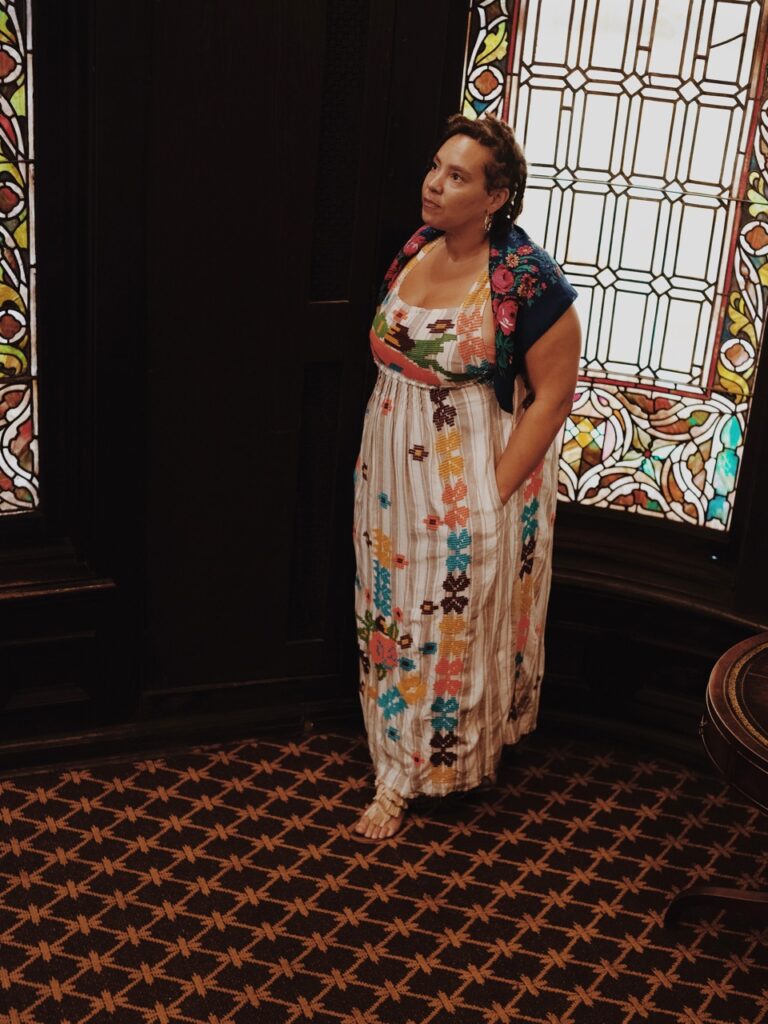
A woman stands in a long white dress with colors all over it.
Alisha Wormsley, Artist

Alisha Wormsley reframed that courage in spiritual terms. “We are divining,” she said. “It’s ancestral.” For her, making art in difficult times is an act of worldbuilding, of summoning what’s missing and repairing what’s broken. 

The group listened in a collective stillness that felt like reverence. Anastasia James reflected on her own early encounters with museums, recalling them as both sanctuary and occasional site of conflict—a reminder that institutions can hold us, but they can also create boundaries around who does and does not belong. The challenge now, she suggested, is to rebuild those spaces with care, to make them more porous and open. 

In that moment, the dinner’s purpose was clear: if the arts are to survive, they must also transform. 

A group of men and women speak in a large open room.

Mapping What’s Next 

As dessert plates appeared and coffee was poured, conversation turned toward the future. What could Pittsburgh’s creative landscape look like in 2026? 

James spoke about Arts Landing, a four-acre downtown project that will merge performance and gathering spaces (including the first playground in Downtown Pittsburgh!) offering a pulse of public life in an area often quiet after dark. It is, she said, a vision of the arts as civic infrastructure, a place where daily life and creative life meet. 

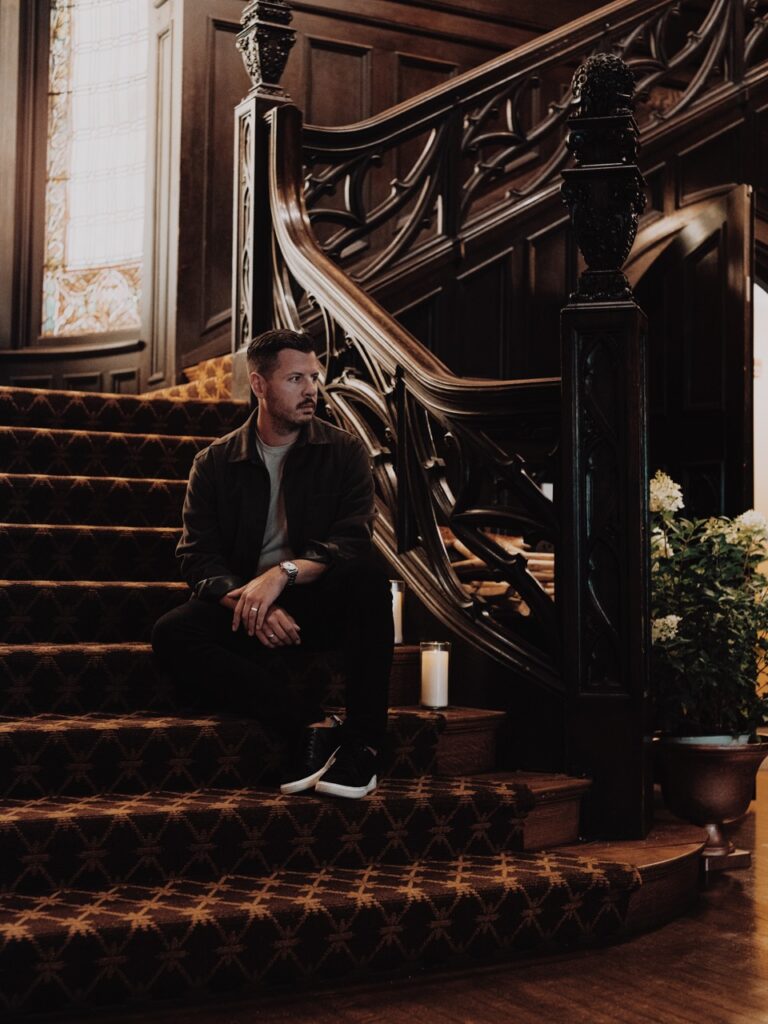
A man sits on a staircase with his hands on his knees.
Justin Matase, TABLE Magazine

From there, the conversation moved toward a broader sense of orientation. Several participants reflected on the need to “make a map” to understand where the city’s creative community has been, where it stands now, and who has yet to be included in that picture. Wormsley added that such a map must be drawn with care, acknowledging histories of exclusion as part of the process of imagining what comes next. To chart the future requires an honest reckoning with the past and present. 

The group also emphasized the importance of transparency, of understanding where the gaps lie in arts education, access, and space. Only through that clarity can Pittsburgh begin to strengthen its creative infrastructure in full. 

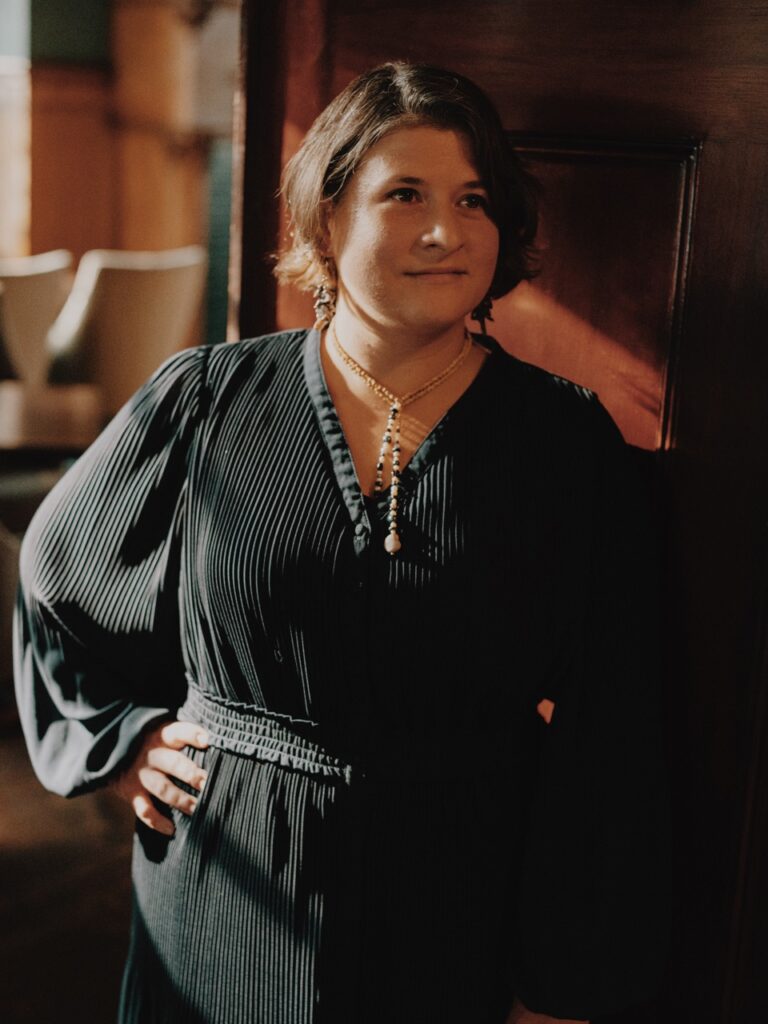
A woman in a black dress and short brown hair leans against a wall.
Nicole Henninger, The Pittsburgh Foundation

And if mapping implies movement, Nicole Henninger reminded the group that progress also depends on nurturing the dreamers themselves. The sustainability of the city’s creative life, she noted, hinges on supporting artists not only as producers of culture but as people who are essential to the city’s civic imagination. 

A Call to Show Up 

As coffee cooled and the hour stretched late, the group circled back to a shared question: how can those who care about art—patrons, neighbors, readers—translate admiration into action? 

Leo Hsu offered a profoundly simple answer. “Show up,” he said. “Bring a friend. If you go somewhere, go back. Create a relationship.” 

A man leans his arm on a railing and looks over it.
Leo Hsu, Silver Eye Center for Photography

Luckett encouraged curiosity. “Do something new,” she said. “Step into an unfamiliar space.” 

Henninger reminded everyone that creativity belongs to all. “You’re already creative,” she said. “Keep going. That’s part of supporting the arts, too.” 

Rossero added a practical challenge for patrons: “Support the production, not just the product.” 

Recker, looking around the table, brought the group back to his initial invitation. “Take a risk,” he said. “Be bold.” 

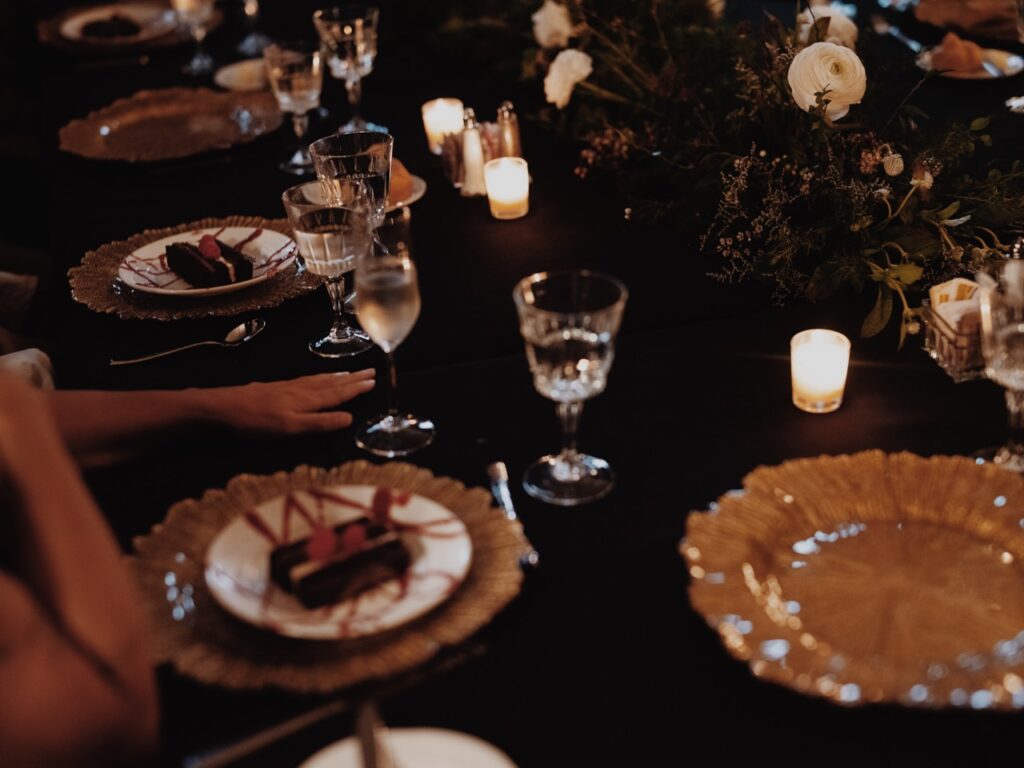
Gold plate place settings with white dessert plates on top of them.

Chairs shifted. No one hurried to leave. Around the table—artists, curators, and cultural stewards who so often move in separate orbits—there was a rare sense of unity, a recognition that art’s survival depends on the courage to imagine together. 

As the final cups were cleared and conversation softened, Recker raised one last toast that lingered long after the candles thinned to smoke: “Great art tells the truth—and that’s something we could all use more of.” 

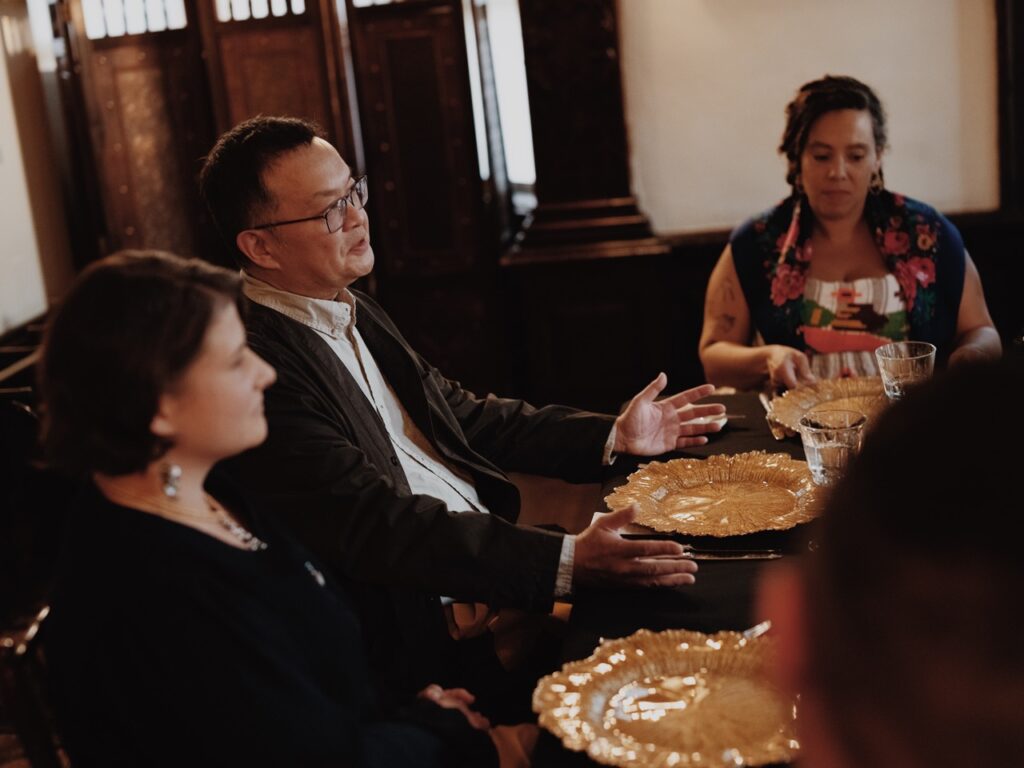
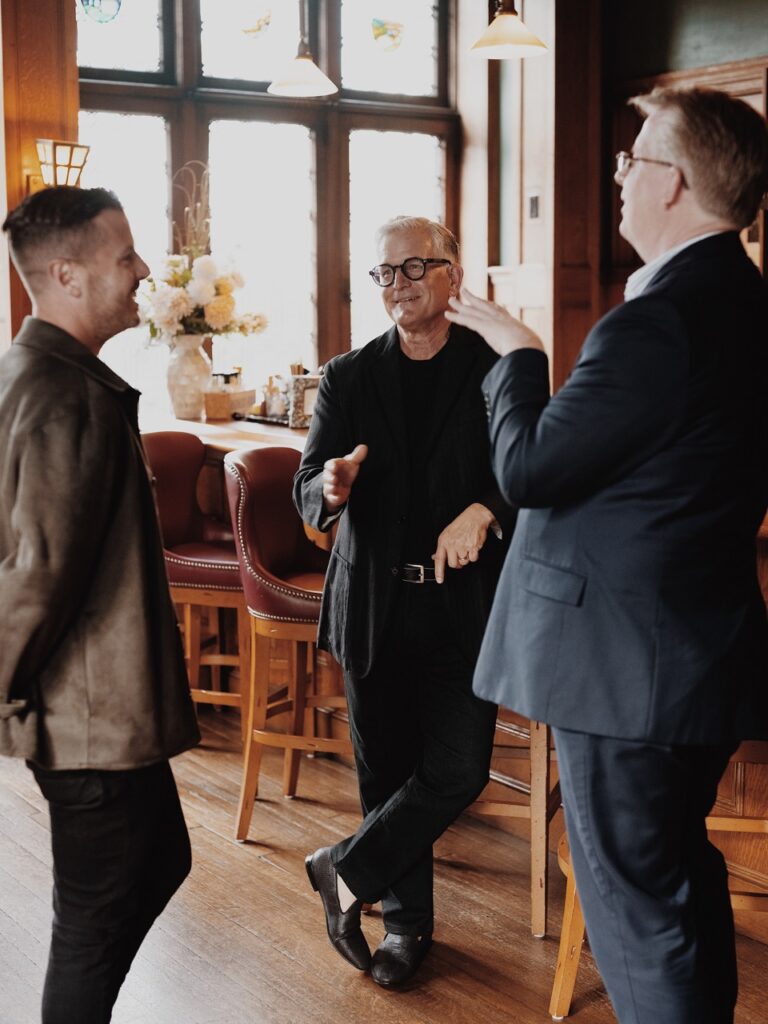
Three men talk together.

Participants  

Story by Shawn Simmons 
Photography by Shikeith, assisted by Mathias Rushin

Venue and Catering by The Mansions on Fifth 
Dinner Sponsored by Nancy and Michael Murphy 

Subscribe to TABLE Magazine’s print edition.

The International Sculpture Center Finds a New Home in Pittsburgh

0
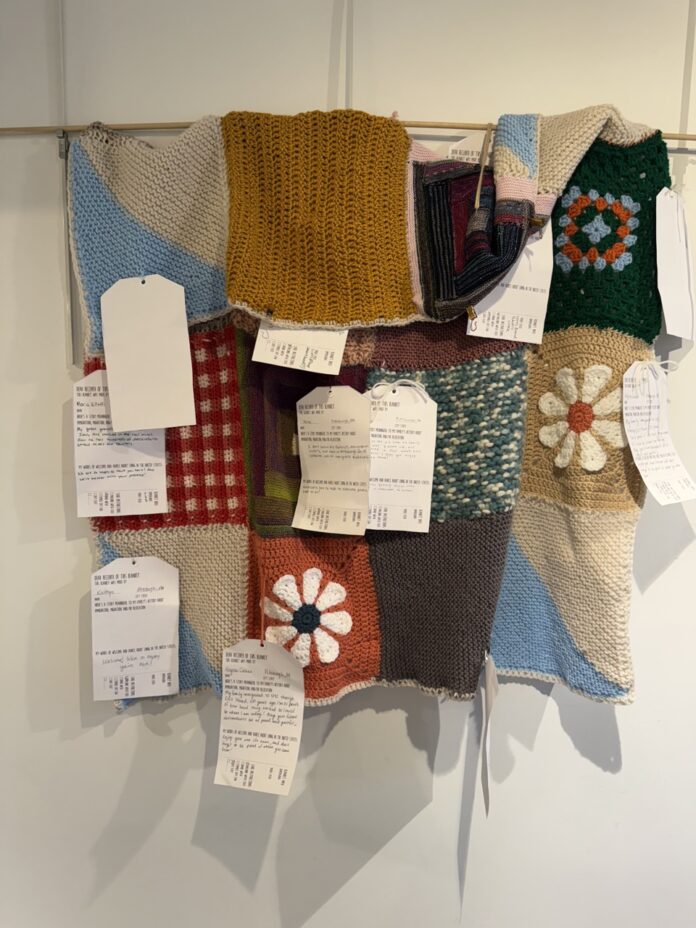
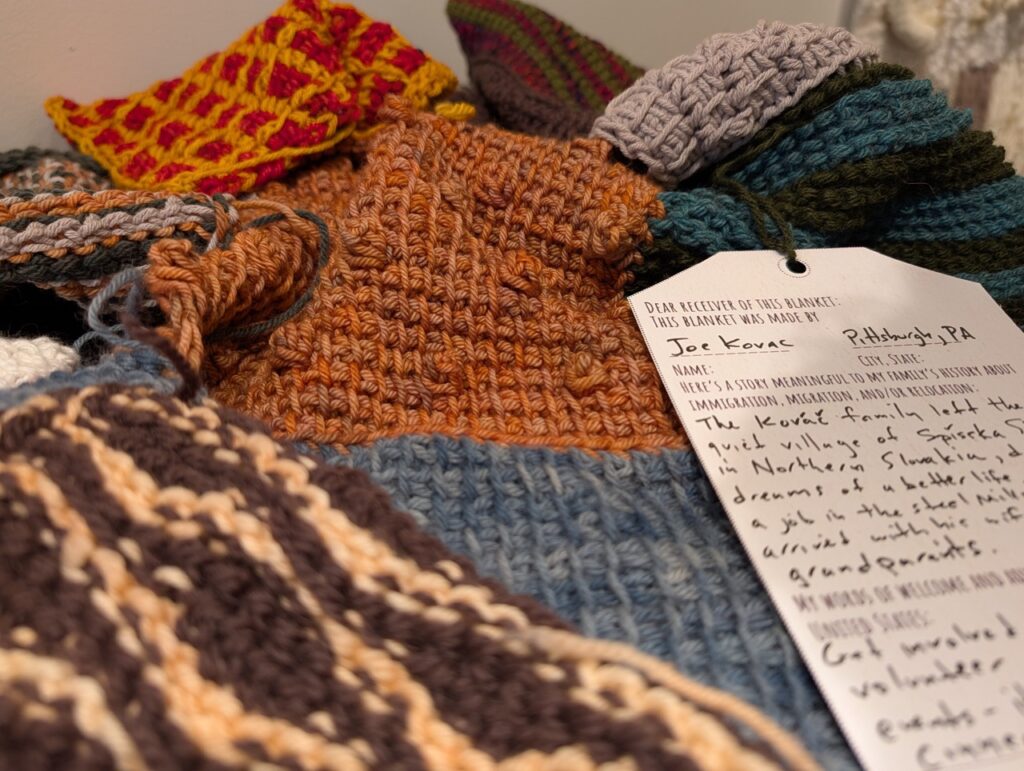
Scraps of various knit squares hang on a wall.

When the International Sculpture Center (ISC) chose Pittsburgh as its new home, the decision reflected an affinity already written into the city’s cultural fabric. Long shaped by cycles of industrial production and reinvention, the city has increasingly become a place where cultural institutions test new models of engagement, ones that acknowledge history without being bound by it. For the ISC, founded in 1960, Pittsburgh offered something particularly compelling: an arts ecosystem where experimentation and collaboration are already central to how cultural work gets done. 

Lawrenceville Embraces the International Sculpture Center’s Pittsburgh Move

The ISC’s new home in Lawrenceville marks a shift in how the organization imagines its role. Most recently based at Grounds for Sculpture in Hamilton, New Jersey, the Center has long operated through partnerships rather than a single, sustained exhibition venue. “Partnering is second nature to us,” says Executive Director Johannah Hutchison, noting that the organization has always functioned through collaboration, even when it lacked a permanent public venue. The Pittsburgh space gives that ethos a physical home, positioning the ISC as both convener and connector within the city’s cultural landscape. 

That orientation is evident in the way the Center introduces itself to Pittsburgh. The ISC’s inaugural exhibition, SOFT Launch, was a member exhibition focused on fiber-based and soft sculpture works, exploring themes of comfort, tactility, memory, and resistance. The exhibition closed in tandem with the grand opening of the Lawrenceville space, which also debuted the Welcome Blanket Project, a participatory workspace inviting the public to contribute handmade blankets for refugees and immigrants to the United States. Together, the two projects established a shared emphasis on material knowledge and collective making as foundational values of the new space. 

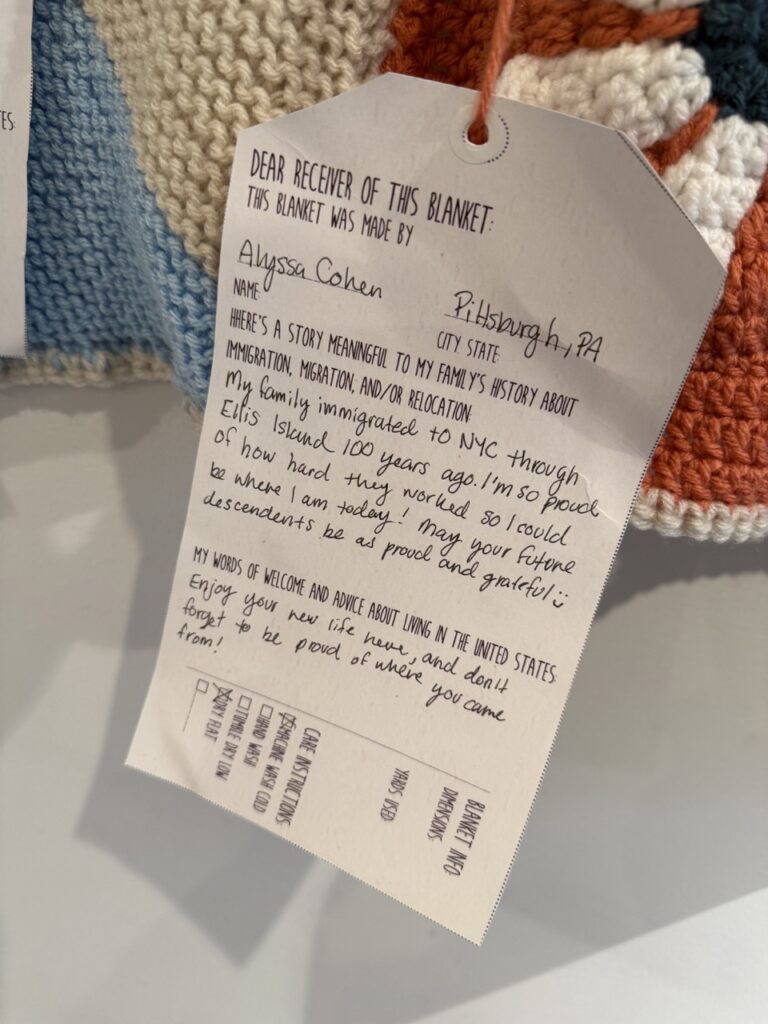
A white tag hangs from a knit object on a wall.

More on the Welcome Blanket Project

Rooted in textile traditions often sidelined within dominant sculptural narratives, Welcome Blanket frames sculpture as something relational and accumulative rather than monumental. Softness, here, is a political proposition; Hutchison emphasizes sculpture’s capacity to create accessible entry points for complex conversations. In the Welcome Blanket workspace, participants contribute at their own scale—sometimes a single knitted square, sometimes a stitched panel, sometimes something much larger. Hutchison recalls being particularly moved by a young girl. She stopped in and without prior experience made a 40-by-40-inch quilt. The gallery, in these moments, functions less as a site of display than as an active workspace where art unfolds through participation. 

Founded in 2017 by Jayna Zweiman, the Welcome Blanket Project began as a response to the proposed U.S.–Mexico border wall, translating its 2,000-mile length into an equivalent expanse of handmade blankets. The initiative quickly exceeded that goal, evolving into an international network of makers who pair textiles with personal stories of migration and relocation. In its current iteration at the ISC, the project highlights how sculpture can act as a support structure, offering literal warmth while prompting sustained conversation about immigration policy and national identity. 

Accessibility and Expansion

This expanded understanding of sculpture aligns closely with the ISC’s broader mission. Known internationally for Sculpture Magazine and for maintaining one of the most extensive physical archives of contemporary sculpture, the organization has long used its hallmark annual conference as a way to take the field’s pulse. “If you come in and see something you don’t think is sculpture,” Hutchison says, “let’s talk about that.” The Pittsburgh space extends that spirit of inquiry year-round, encouraging discomfort and debate. 

The relocation also reflects the particular strengths of Pittsburgh’s arts ecosystem. Universities, museums, artist residencies, and craft networks exist here in close proximity, fostering cross-disciplinary exchange. The ISC plans to engage that landscape through a dual programming model: virtual initiatives that serve its more than 4,000 global members, alongside in-person exhibitions, workshops, and public programs aimed at local audiences. A new Member Residency program will further anchor the organization in place, inviting artists to spend time in Pittsburgh while contributing to the Center’s evolving conversations. 

Knit square pieces of various colors stacked on top of each other with tags hanging from them.

Opportunity for Free Thinking

Crucially, the Lawrenceville gallery is non-commercial. Freed from market pressures, projects are able to unfold slowly, prioritizing dialogue and durability over spectacle. Hutchison traces her own connection to the city back to a 2012 visit, when she first imagined Pittsburgh as a possible future home for the ISC. More than a decade later, that vision has taken shape—not as a declaration of what sculpture must be, but as an open invitation to rethink what it can do, who it can reach, and how it can circulate in the world. 

The ISC’s arrival in Pittsburgh does not present a definitive vision of sculpture’s future. What it offers instead is a space for testing and collectivity, a space that understands relevance as something built over time, stitch by stitch. 

The International Sculpture Center is located at 5126 Butler Street in Lawrenceville, Pittsburgh. The Welcome Blanket Project runs through March 5, 2026. 

Story by Shawn Simmons
Photos Courtesy of The International Sculpture Center

Subscribe to TABLE Magazine’s print edition.

Blackberry Penicillin

0
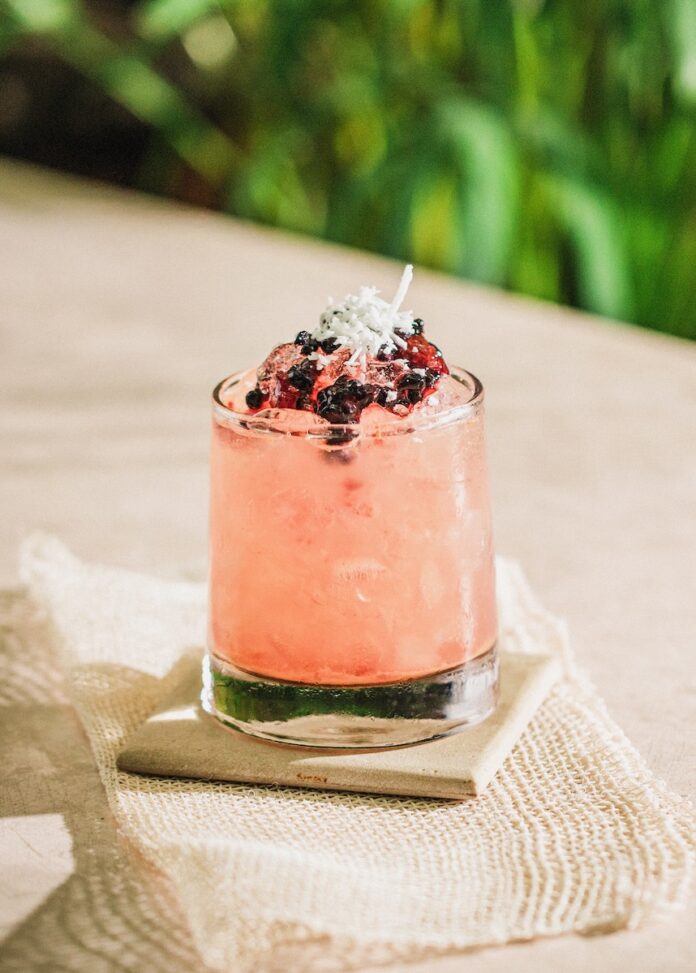
Blackberry Penicillin with cherry garnish and greenery in the background

Crafted for the modern drinker by Chef Richard Sandoval, this zero-proof, 1970’s inspired mocktail from the Art of Zero-Proof collection confidently steps beyond simple fruit mixes. This sophisticated drink is a direct descendant of the modern classics that inspired it: the fruity Bramble and the medicinal Penicillin. The Blackberry Penicillin masterfully blends the smoky depth of lapsang souchong tea with the bold spice of a ginger-honey shrub. Plus, it includes Lyre’s N/A bourbon. It is finished with a lush blackberry swirl. Thus, it delivers a multi-layered sip that redefines what a spirit-free drink can be.

Ready to shake up your Dry January? Discover more refined, non-alcoholic creations like the Blackberry Penicillin here!

Print
clock clock iconcutlery cutlery iconflag flag iconfolder folder iconinstagram instagram iconpinterest pinterest iconfacebook facebook iconprint print iconsquares squares iconheart heart iconheart solid heart solid icon
Blackberry Penicillin with cherry garnish and greenery in the background

Blackberry Penicillin


  • Author: Richard Sandoval

Description

A non-alcoholic tribute to the Bramble and Penicillin, featuring smoky lapsang souchong tea, ginger, and blackberry.


Ingredients

Scale
  • 1.5 oz Lyre’s N/A Bourbon
  • 1 oz lapsang souchong (black tea) concentrate
  • 1 oz ginger and honey shrub
  • 0.5 lemon juice
  • 0.5 oz Ghia Berry Apéritif
  • Coconut flakes
  • 3 bar spoon blackberry jam
  • Crushed ice


Instructions

  1. In a shaker, add Lyre’s Bourbon with ginger and honey shrub, and lemon juice. Add ice and shake.
  2. Strain into a double Rocks glass and add crushed ice.
  3. Finish by pouring the blackberry jam and berry aperitif over the ice and mixing.
  4. Garnish with blackberry jam & coconut flakes.

Recipe by Chef Richard Sandoval
Photography Courtesy of Richard Sandoval Hospitality

Subscribe to TABLE Magazine’s print edition.

Tomayko Foundation Features Jacob Pesci as Inaugural Award Winner 

0
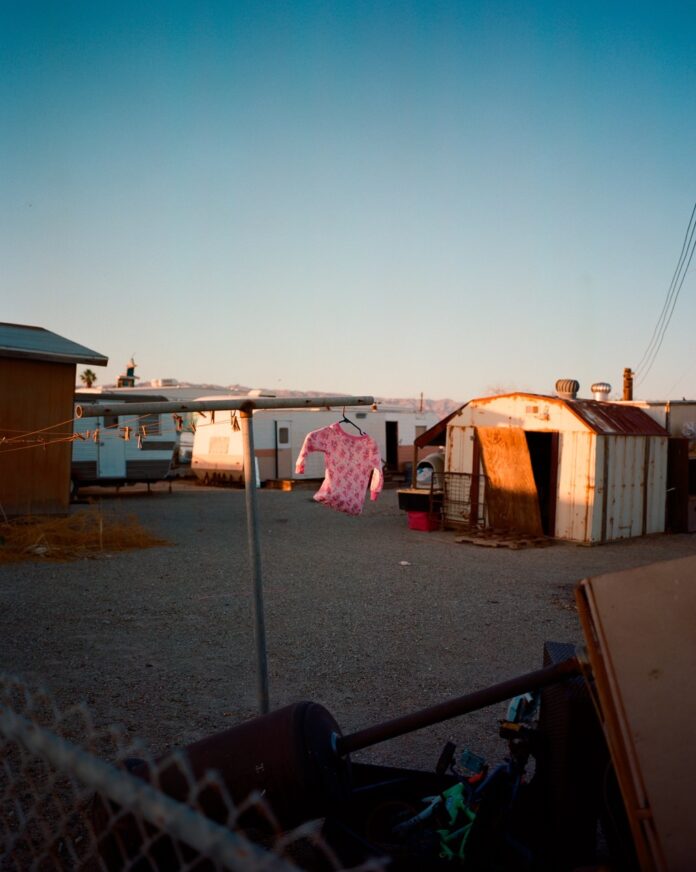
A landscape with clothes handing from clothes lines and sheds in the background.

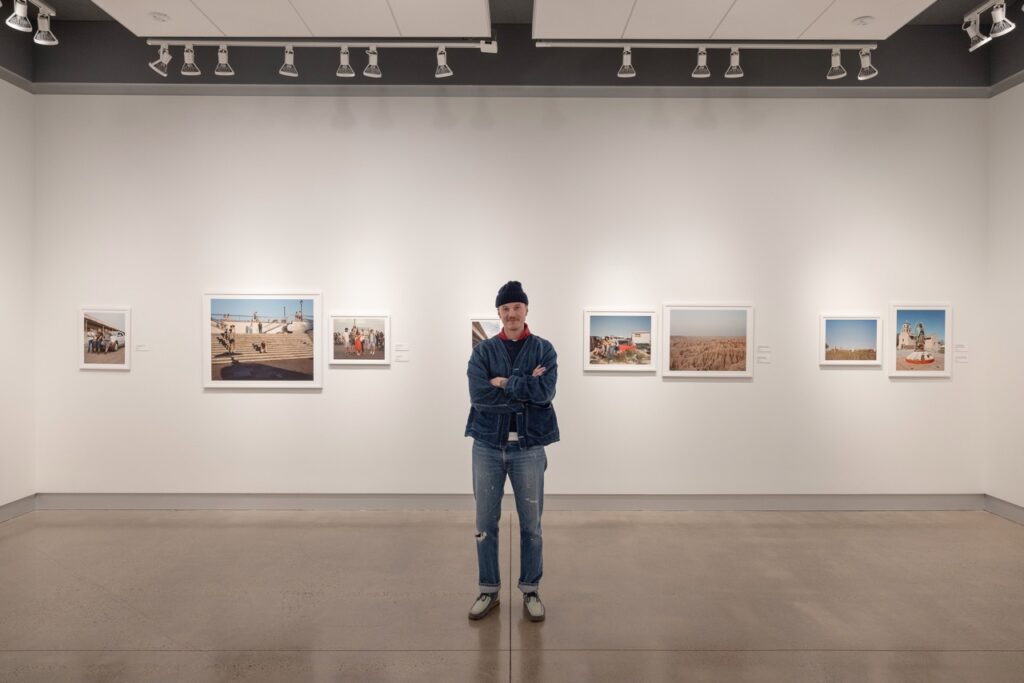
The Tomayko Foundation in Pittsburgh has named photographer Jacob Pesci as the recipient of its inaugural 2024 Tomayko Award, marking a significant milestone for both the foundation and the Pittsburgh-based artist. The award recognizes Pesci’s compelling photographic practice and supports his solo exhibition, Divine Appointments, which runs through January 16, 2026, at the foundation’s Liberty Avenue gallery. 

A man stands in front of his exhibition in the tomayko foundation gallery.

Photographer Jacob Pesci’s Solo Exhibition at Tomayko Foundation

The inaugural award establishes the foundation as an emerging force in the region’s vibrant arts ecosystem. 

Founded on principles of artistic excellence and community investment, the Tomayko Foundation operates through juried and guest curation processes designed to promote the highest quality of contemporary work. The foundation maintains an apolitical approach while demonstrating a commitment to supporting individual artists and strengthening Pittsburgh’s cultural infrastructure through partnerships with local universities including Point Park and Carnegie Mellon University. 

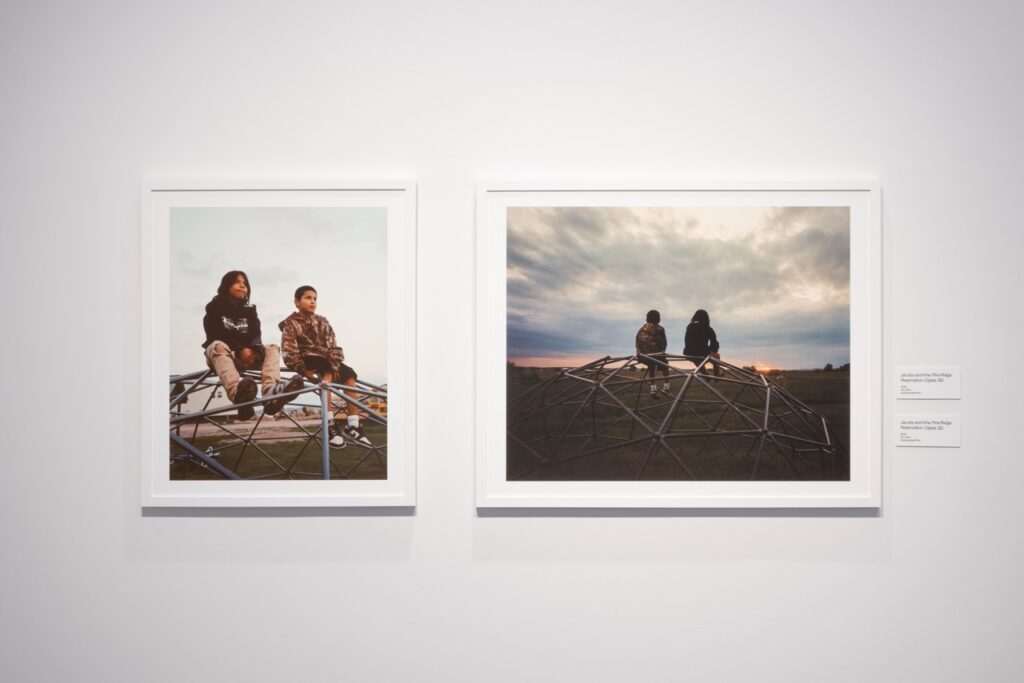
Two photos in white frames hang side by side on a gallery white wall.

Implementing a New Honor

“The Tomayko Award is the Foundation’s signature award, and we are so excited to be able to support Jacob through the award and a solo exhibition,” says Nina Friedman, Director of the Tomayko Foundation. “As this is our first time administering the award, we are even more excited about the prospect of how this program will impact our artist community going forward. We hope to continue to support artists like Jacob well into the future.” 

Pesci’s winning project documents a transformative six-week, 10,000-mile solo journey across the United States undertaken in Spring 2025. The resulting exhibition features thirty one photographs that place him firmly within the lineage of American road trip photography—a tradition pioneered by Robert Frank’s The Americans and continued through the work of artists like Stephen Shore and Alec Soth. 

This genre has long served as a mirror to the nation’s soul, capturing both the mythic landscape and the complex realities of American life. Pesci’s contribution to this tradition is deeply personal, informed by his military service in California where he was immersed in what he describes as a culture of hyper-vigilance and extremism. 

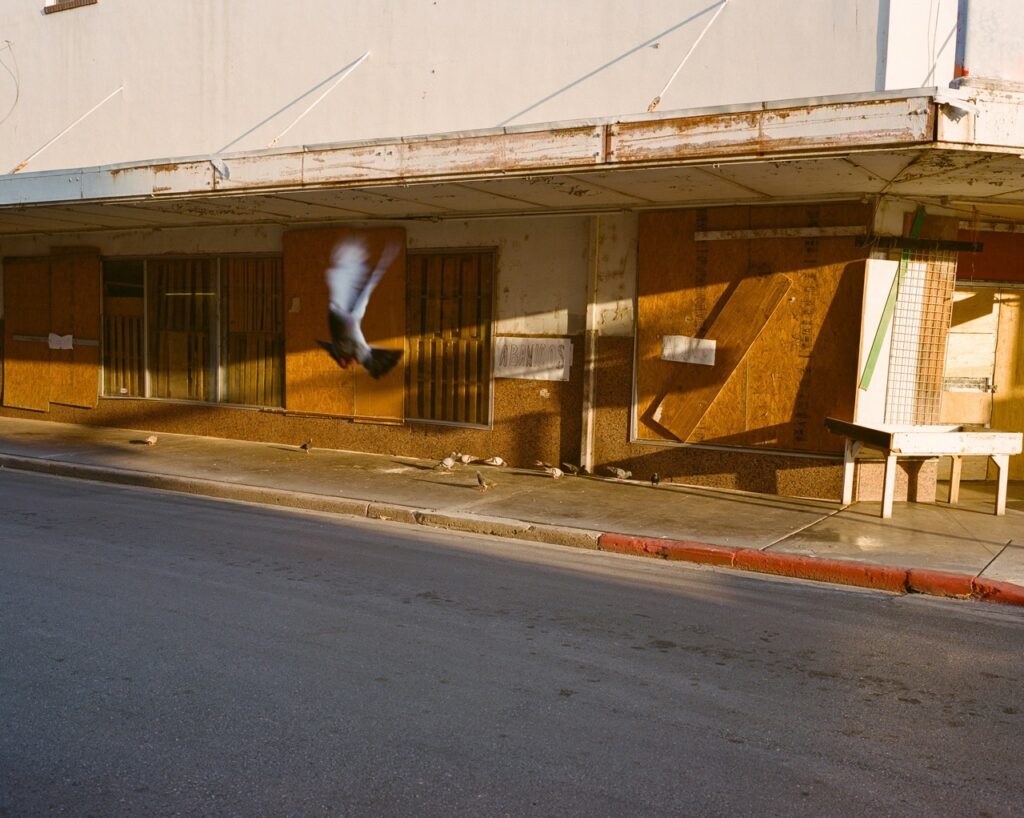
A broken down house with a bird flying in front of it.

Through the Lens of Photography

Photography has become Pesci’s tool for dismantling the rigid systems embedded within him during military service, allowing him to rebuild through curiosity, grace, and understanding. Divine Appointments captures politically charged sites—military bases, oil refineries, the border wall in El Paso, TX—alongside quieter moments: highway overpasses, cemeteries, intimate portraits of families and friendships.  

His travels through small towns, Native American reservations, and desert landscapes are punctuated by what he calls “divine appointments,” spiritually significant encounters that signal possibility for transformation. The exhibition embodies Pesci’s attempt to document (and reconcile) both the divisions characterizing contemporary American culture and the loving connections that persist within communities.  

A limited edition artist book accompanies the exhibition, offering Pittsburgh audiences an opportunity to witness both the launch of a significant new award and a powerful body of work that reflects today’s America. 

The award continues with Brynda Glazier announced as the 2025 winner and art enthusiasts will be able to enjoy her solo show at the gallery in December 2026. 

Story by Samantha Leon
Photos Courtesy of Tomayko Foundation

Subscribe to TABLE Magazine‘s print edition.
Multicultural Cuisine Shapes the Restaurant Industry of Pittsburgh in 2026

0
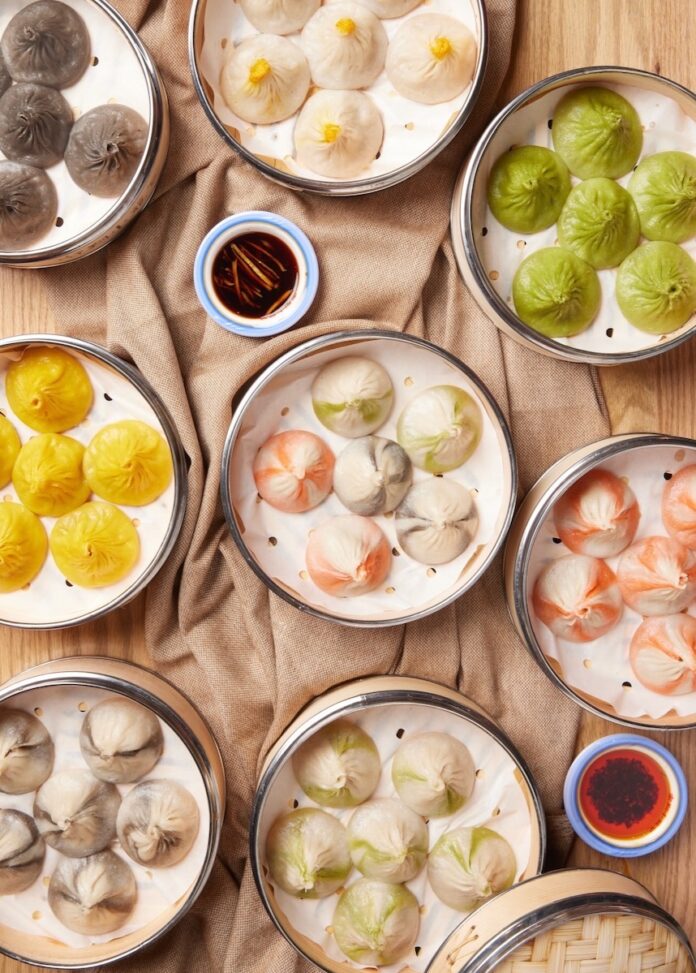
Plates of soup dumplings on a restaurant table with sauces around them too.

Pittsburgh’s food scene has always reflected the city’s immigrant roots. Once largely continental European, it’s now increasingly global and hyper-specific. In 2026, Pittsburgh diners are discovering not just Mexican food, but Oaxacan molotes and tlayudas; not just Chinese cuisine, but Shanghainese creations; not just the typical European fare, but Nordic seafood and Hungarian-Austrian dishes.  

The Multicultural Restaurants Taking Over Pittsburgh’s Food Industry in 2026

This hyper-regional specificity—driven by recent immigration and a generation of chefs eager to tell more authentic, personal stories—is deliciously rewriting Pittsburgh’s food identity while honoring its historic role as a city built by newcomers seeking opportunity. 

Recently Opened and Upcoming Globally-Derived Spots 

In SouthSide Works, Nan Xiang Xiao Long Bao brings Michelin-guide-recognized Southern Chinese soup dumplings to a neighborhood already known for its diverse Asian dining scene. While Mike Chen’s team behind Everyday Noodles opened a Shanghainese concept on Forbes Avenue in Squirrel Hill.  

A plate of chicken in between a glass of wine and restaurant menu.
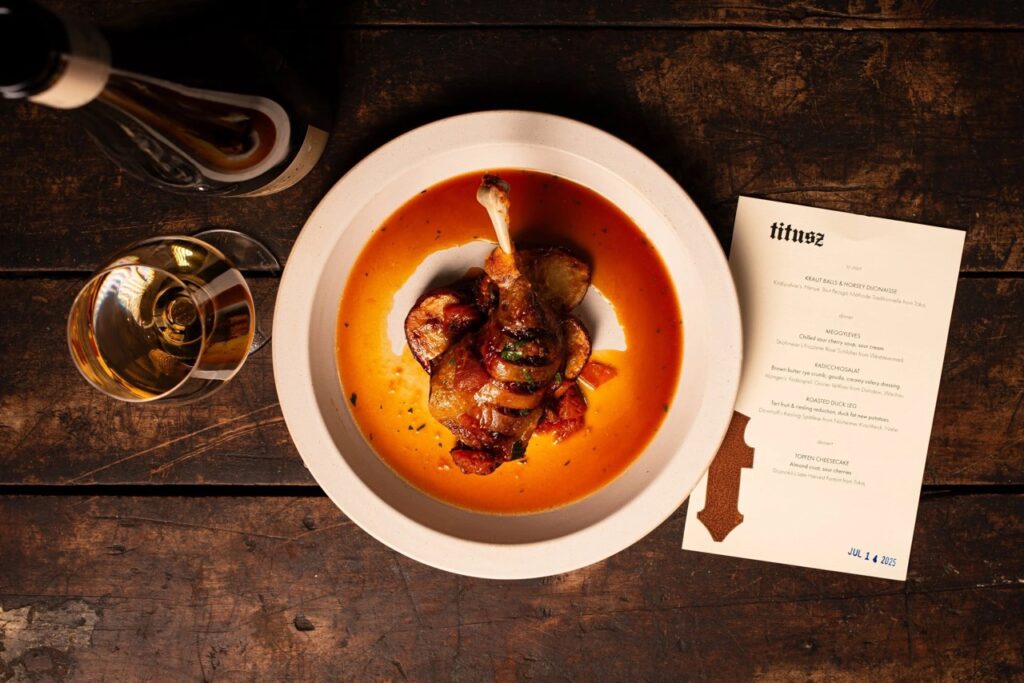
Photo Courtesy of Titusz

Lawrenceville’s highly anticipated Titusz will offer Hungarian-Austrian cuisine as a tribute to chef-owner’s grandmother. Meanwhile, Mr. Friez is putting a Belgian spin on one of Pittsburgh’s most iconic foods—the french fry—proving that even familiar items can be reimagined through a specific cultural lens. Filipino cuisine is carving out a spot with Amboy Filipino Restaurant opening on the North Side, while Chef Julio Peraza’s Torogoz brings contemporary Latin American fare to Sewickley.  

A table full of mediterranean food on various sizes of plates.
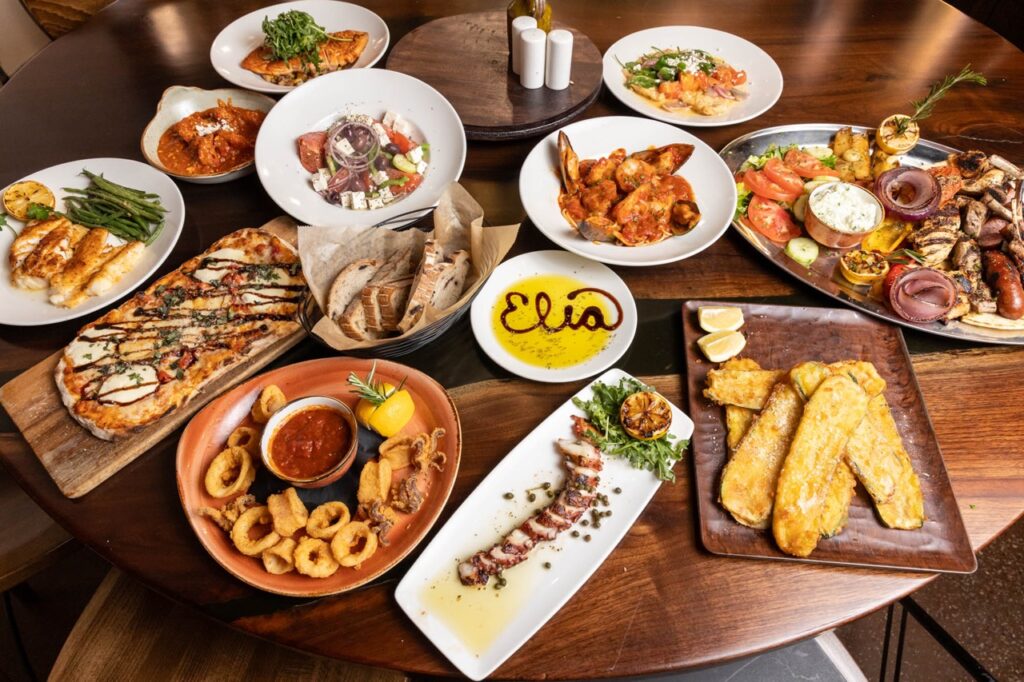
Photo Courtesy of ELIA

Downtown’s ELIA will add to a growing Mediterranean presence, while Shibam Coffee offers Yemeni coffee traditions, and Piyola’s authentic Uzbek menu expands Pittsburgh’s understanding of Central Asian cuisine with continued strong reviews since its 2024 debut. The thread connecting these diverse restaurants is their refusal to generalize—each offers a deep dive into a specific culinary tradition rather than a broad-strokes approach to international cuisine. 

Stands, Trucks, and Pop-Ups in Pittsburgh Serve as Pipeline to Full Service, Awards 

Stands, food trucks and pop-ups allow chefs to test concepts with lower overhead while building community followings through social media and word-of-mouth—a strategy that often leads to permanent locations.  

A breakfast sandwich and egg sits on a plate beside a cup of coffee on a small plate.
Photo Courtesy of Colombino

One of our favorites is Colombino, which has moved from The Strip District to a permanent location in Lawrencville and represents yet another layer of South American specificity with its distinctly-Colombian sips and bites.  

More notable food trucks include Gari Shoyu Sando Co., serving Japanese milk bread sandwiches that showcase its signature soft, pillowy texture, while Sahar’s Food Lab explores Middle Eastern and North African flavors—both of which you can track on Instagram.  

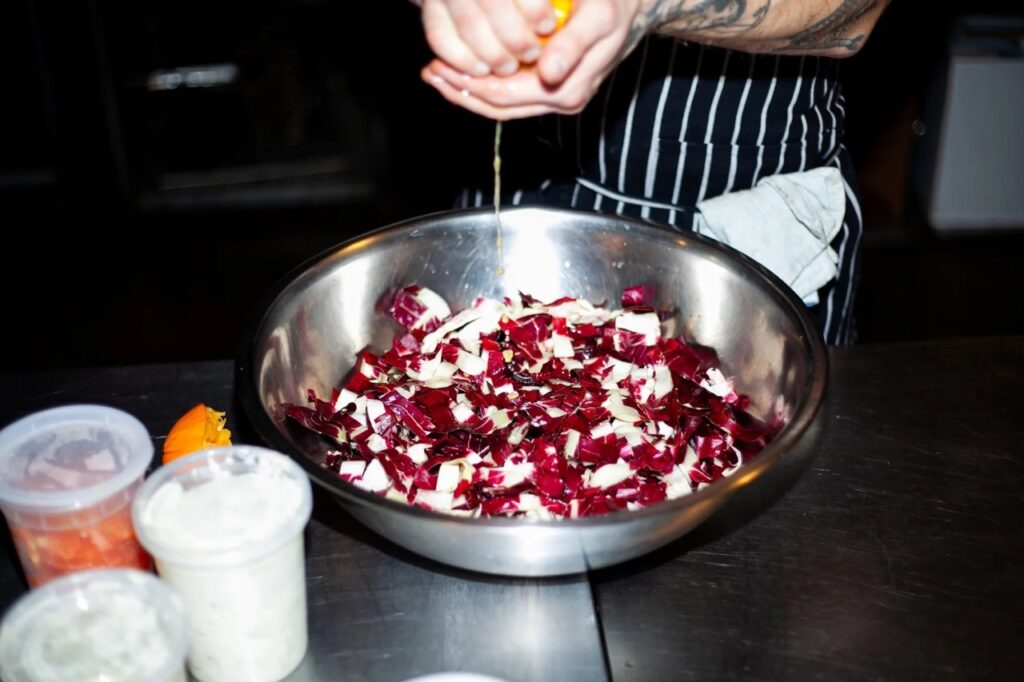
Big players once had humble beginnings, too. Bloomfield’s Fet-Fisk (which originally started as a pop-up dinner series in 2019) was named one of ten finalists nationally for Best New Restaurant by the James Beard Foundation in 2025 for its innovative Scandinavian-inspired cuisine.  

A chef squeezes juice into sliced red cabbage.
Photo Courtesy of Fet-Fisk

Sustained growth and accolades underscore Pittsburgh’s evolution from a “meat-and-potatoes” town into a destination where specificity, authenticity, and innovation coexist. The city’s restaurant scene is no longer asking diners to settle for approximations—it’s offering the real thing. 

Story by Samantha Leon
Featured Photo Courtesy of Nan Xiang Xiao Long Bao

Subscribe to TABLE Magazine’s print edition.
Don't Miss