Home Blog Page 81

Cook Up These New Year Good Luck Recipes with the Help of Pittsburgh Sources

0
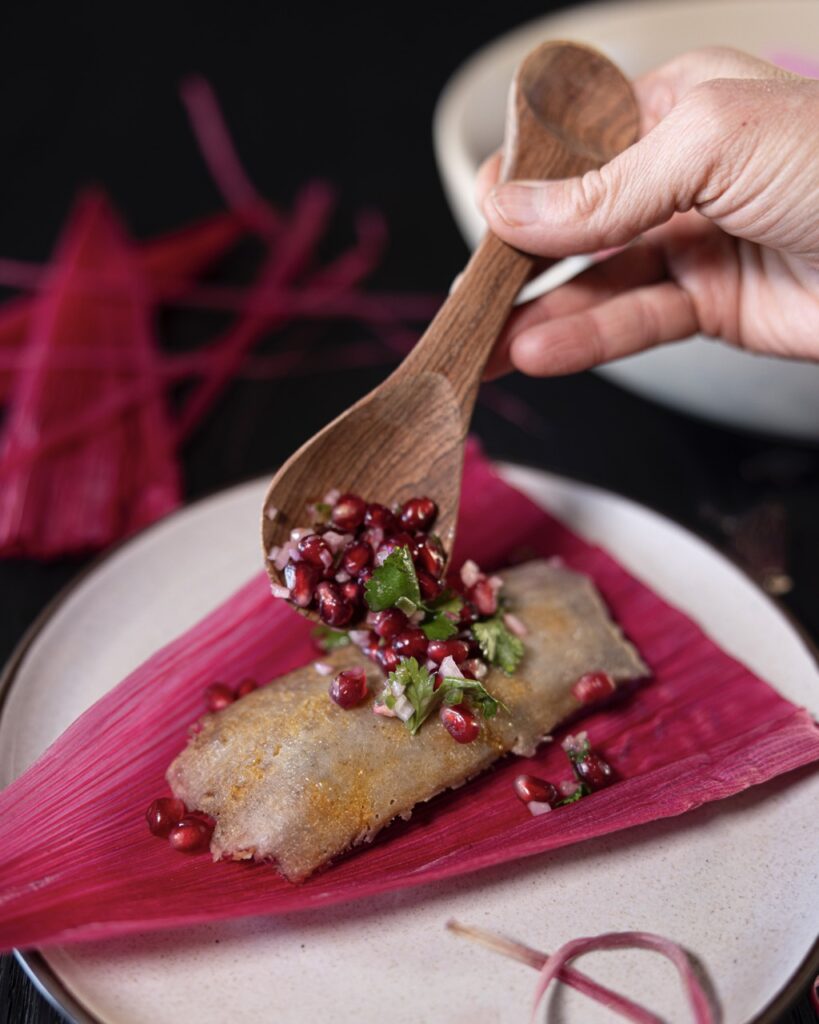
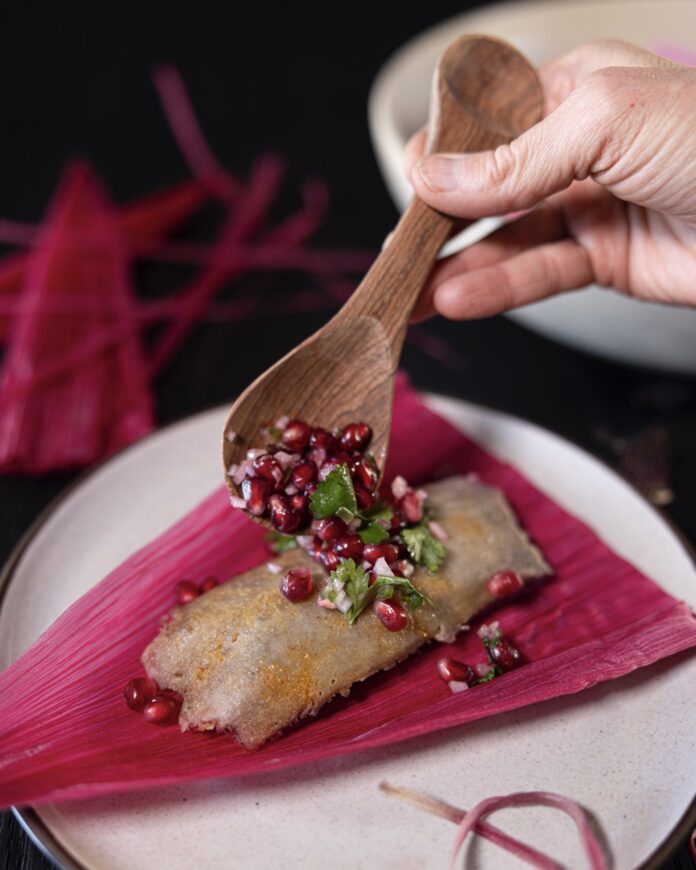
A person spoons a filling onto a hot pink tamale.

The New Year holiday is a fresh start and a chance to gather close friends and family together. With a the menu that augurs good luck, surely the year is off to a fortuitous start. Couple that with local sourcing of key ingredients and you end up with community support as well as wonderfully and auspicious dishes to share with those you love.

New Year Good Luck Recipes with Pittsburgh Sourcing

Miso Sweet Potato Pie with 12 Grapes
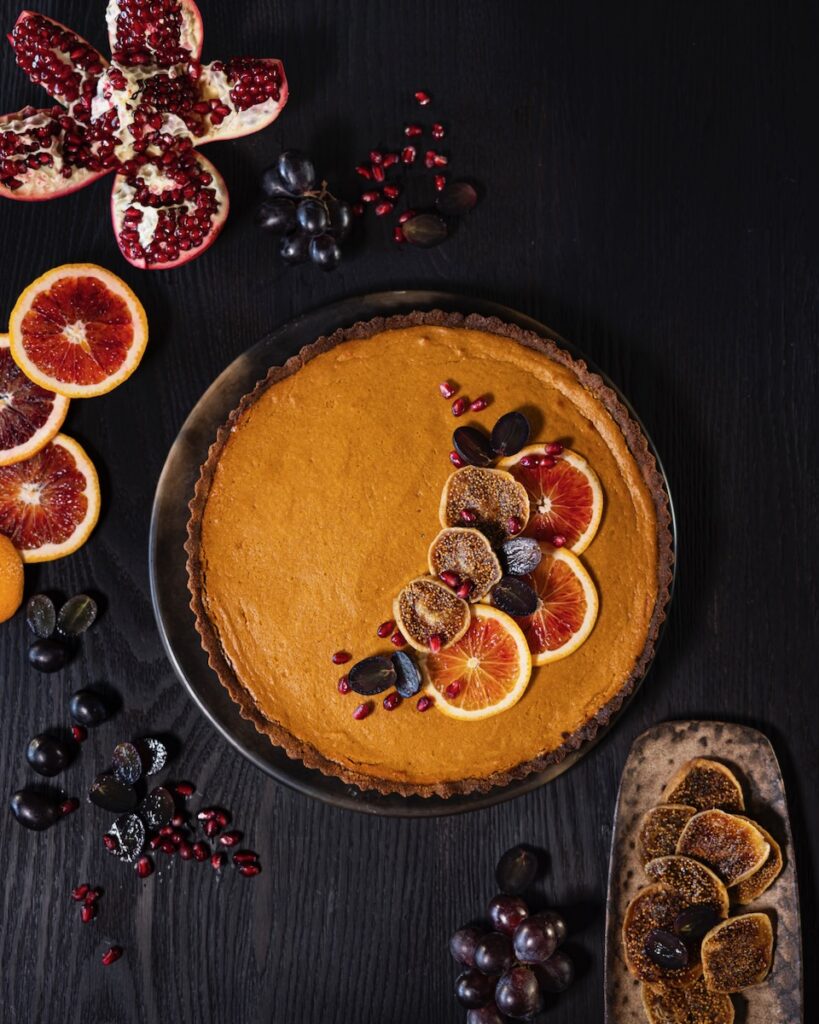
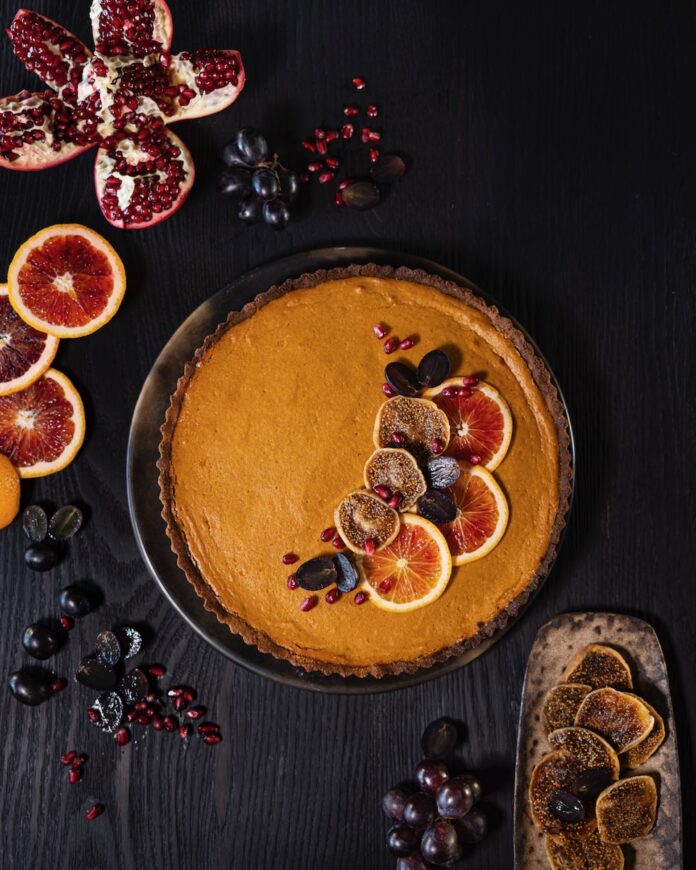
A miso sweet potato pie sits on a dark wood table with sliced citrus, grapes, and pomegranate seeds on top.

In Spain and parts of Latin America, New Year revelers are required to eat 12 grapes at midnight to ensure luck all year long. Here, Chef Uleman invites us to eat our grapes as part of a scrumptious sweet potato pie laced with miso and tahini and a reduction of dark beer. “I believe that miso and tahini absolutely belong in sweet treats!” says Marijke Uleman. They build layers of umami that make this dessert an adventure for the palette. Head to WFH Oriental Market for miso, Pitaland for tahini, and Shenot Farm for sweet potatoes and table grapes.

Pickled Baby Carrots with Lentils
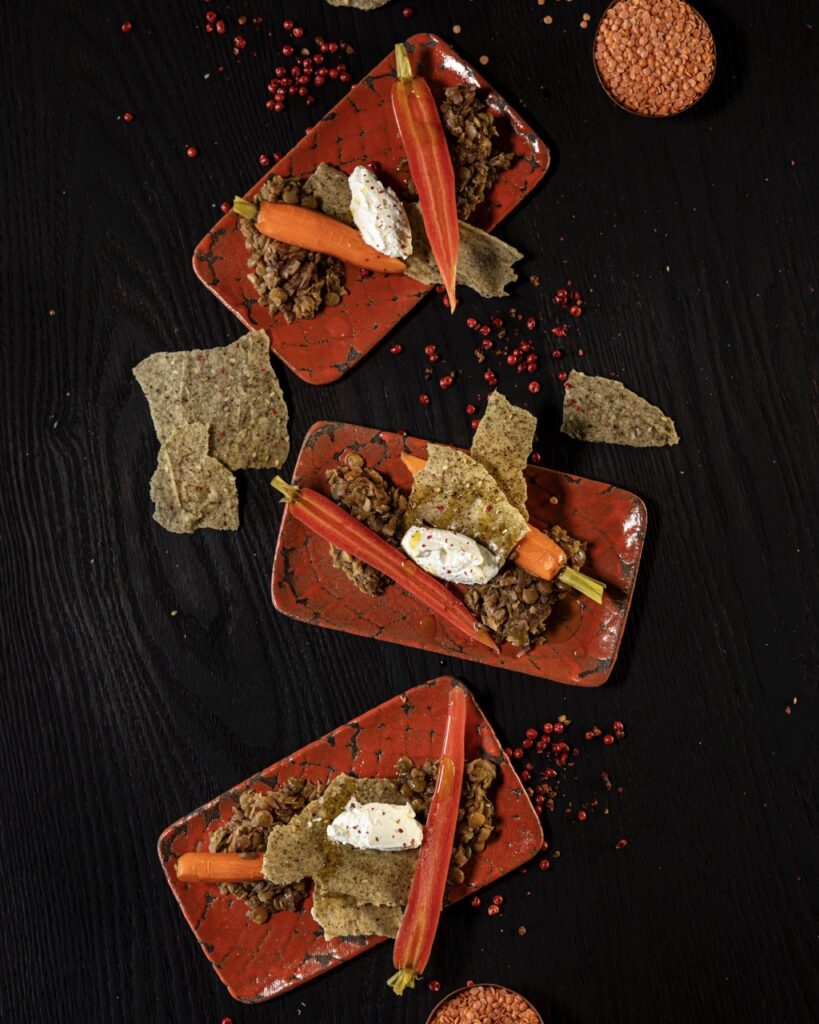
Three orange rectangular plates with pickled baby carrots, smoked labneh, and lentils.

This gorgeous plate of pickled baby carrots will emerge from your kitchen looking like glistening gems. They are served with lentils, whose coin shape has made them an ancient symbol of financial wealth and security. Add smoked labneh and a toasted pita chip for the perfect combination of creaminess, sharpness, sweetness, and crunch. In addition to the lentils’ good luck message, this dish starts the year off on note of good health. Pitaland is a wonderful place for labneh and pita chips. Head to the Strip to Penn Mac for carrots and herbs, and then to Penzey’s for spices.

Good Luck Tamales
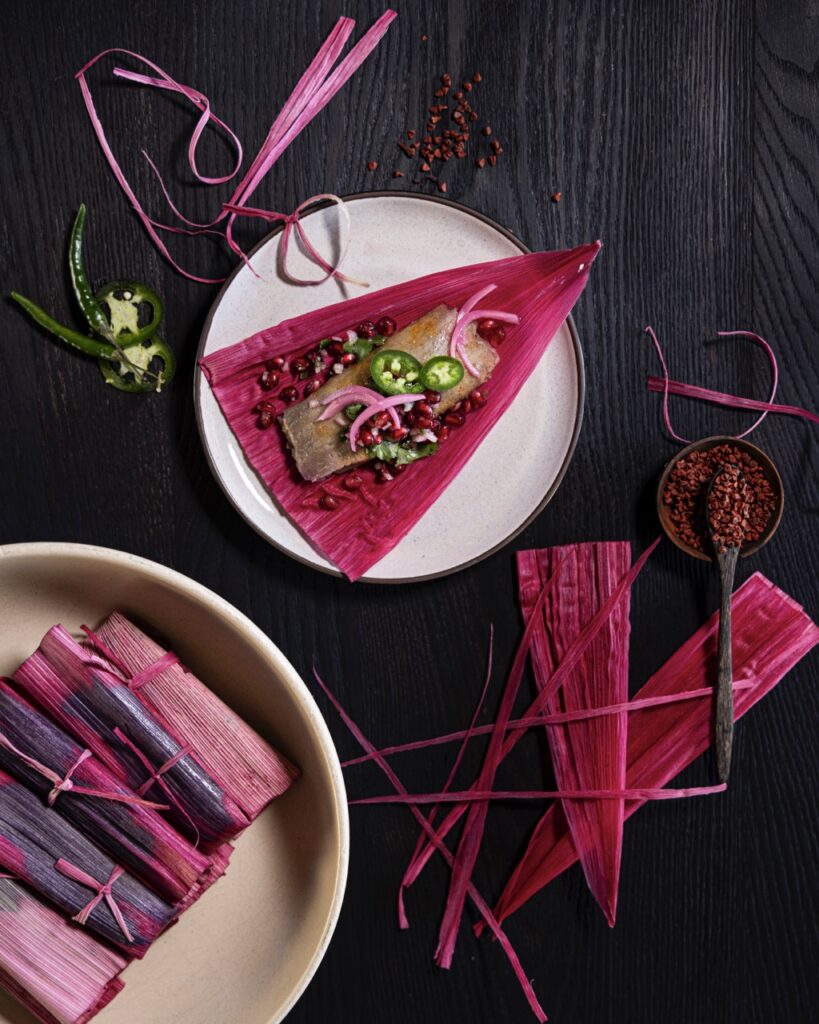
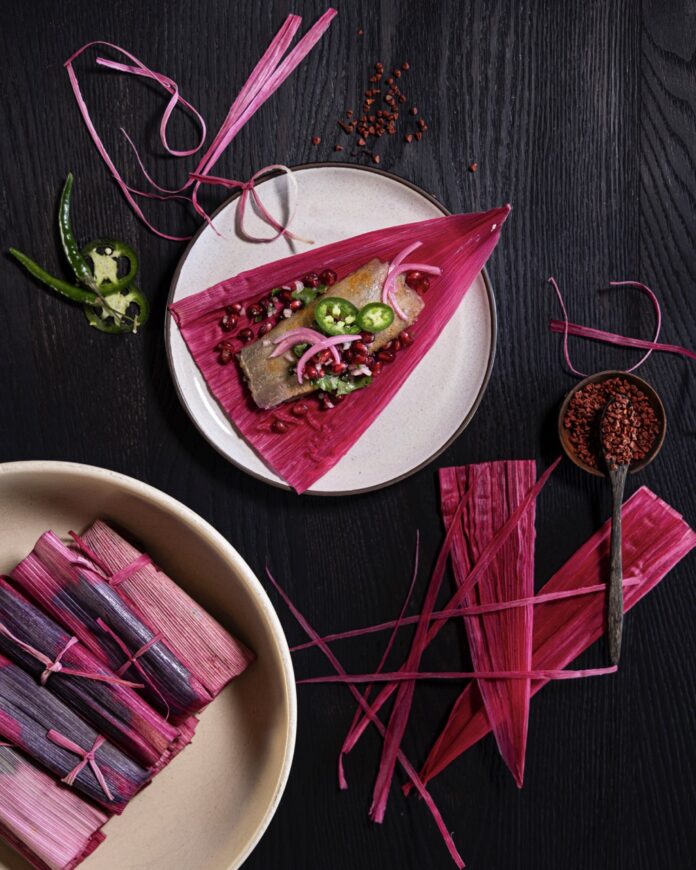
A small white plate with a hot pink tamale in a triangle shape and rolled tamales on a plate in the bottom left corner.

In many parts of Latin America, and in Latino communities in the United States, tamales are an integral part of the winter holidays. They’re usually made in big batches by family and friends who form a casual assembly line to spread the corn husk wrappers, fill them with masa and seasoned meats, and tie the wrappers closed for steaming. This recipe for 30 tamales calls for Cochinita Pibil, a Yucatan specialty of pork marinated in achiote (annatto seeds) and citrus, then wrapped in banana leaves, and slow-cooked. Hibiscus flowers (“Jamaica” in Spanish) are usually used to make tart, ruby-red tea; here they dye the corn husks a bright pink. Shop for spices, masa, corn husks, and hibiscus at Pittsburgh’s most prominent Latino market, Reyna’s in the Strip.

Black-Eyed Peas Salad
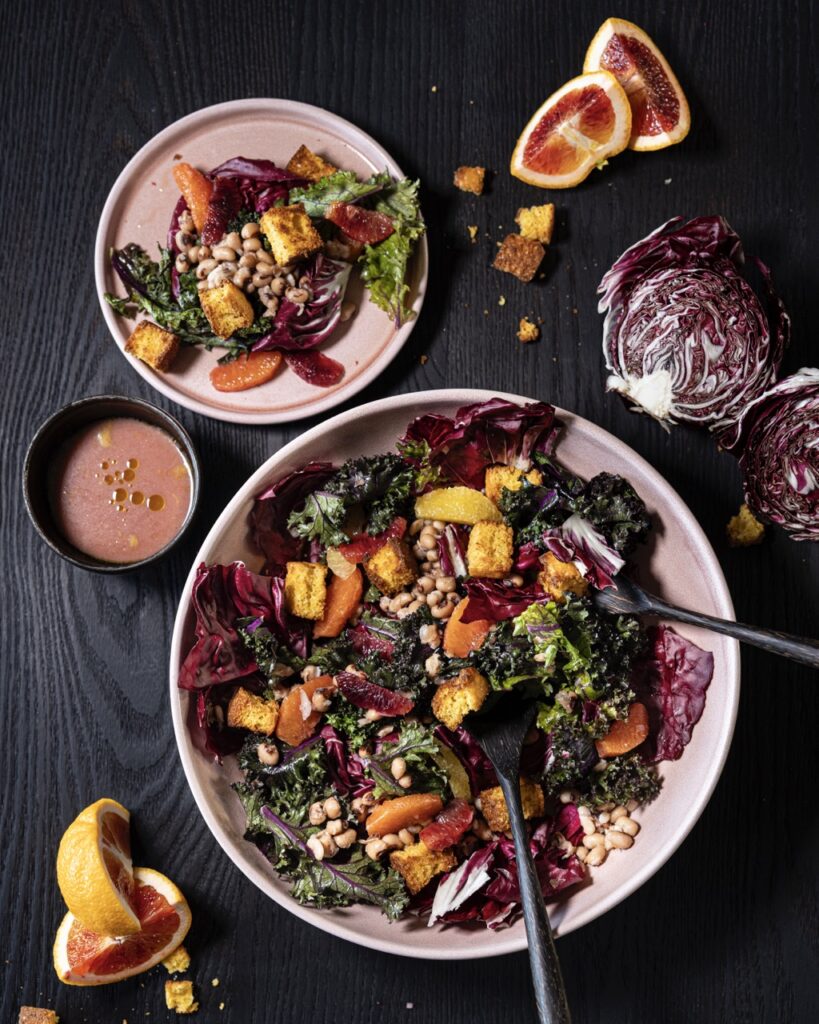
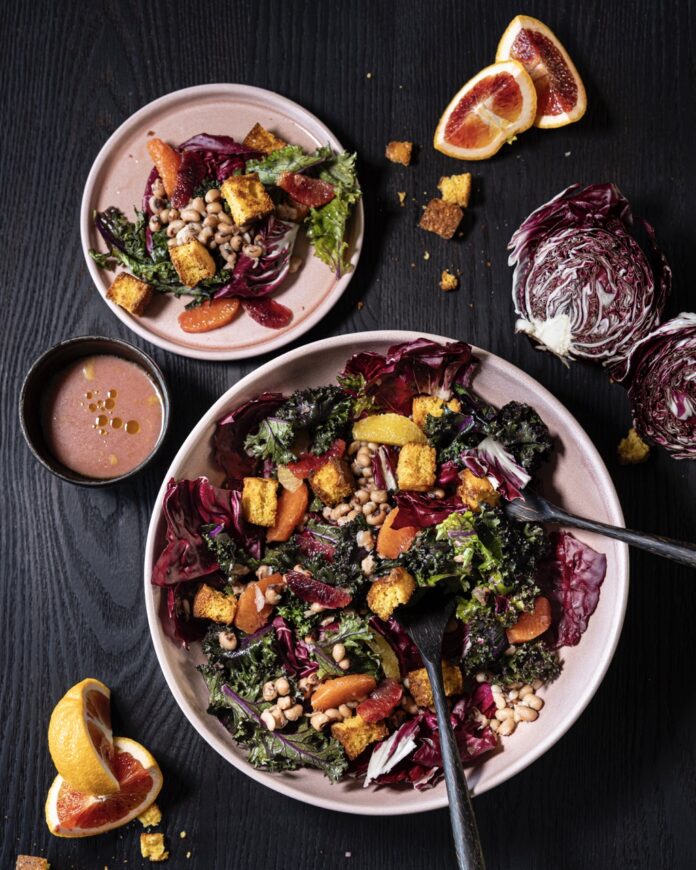
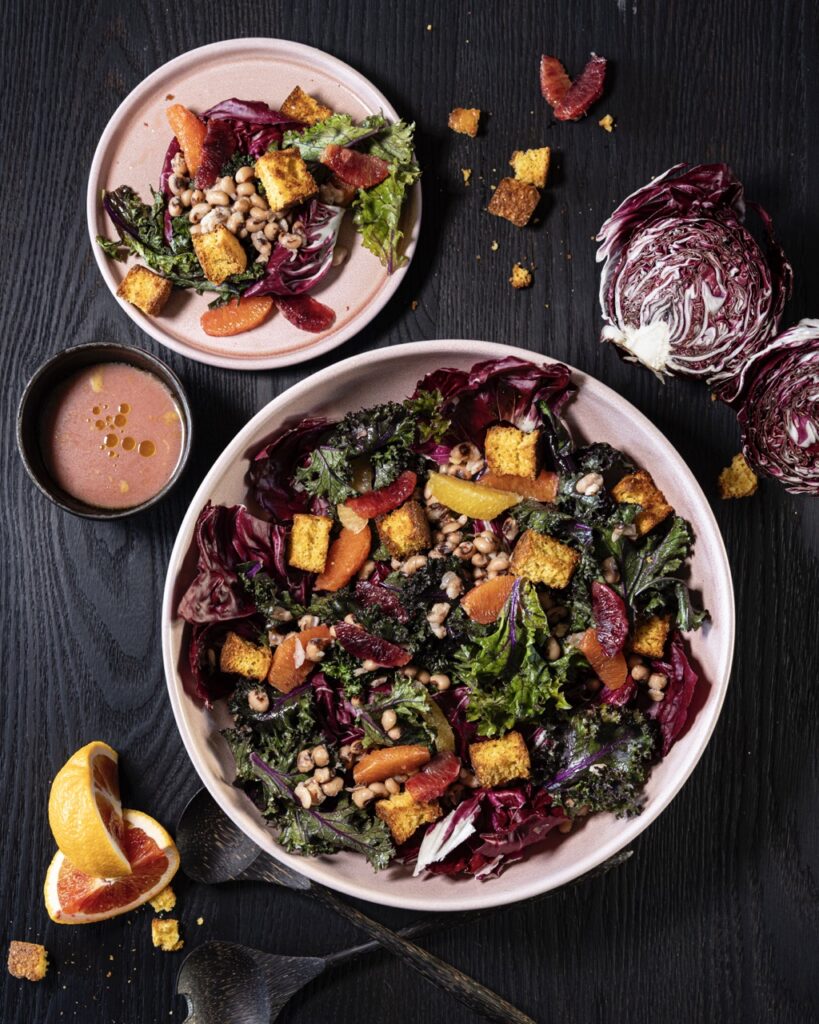
A big white bowl of salad with various toppings and black eyed peas beside a small pink plate with the salad on it.

You’ll find black-eyed peas on every Southern table at the New Year. Since we’re at the northern tip of the Appalachias, maybe we need to embrace this dish more often than we do! The sheer number of black-eyed peas (a type of bean) makes them a symbol of plenty and abundance. This fresh, vibrant salad is a take on the classic Southern “Hoppin’ John,” swapping rice for citrus-dressed greens and adding crunchy cornbread croutons for texture. Head to Trax Farm’s store for most of what you need for this dish but find Coldco Farm’s legendary radicchio to add radiant color and a complex note of bitterness.

Sweet Potato Waffles with Citrus Curd
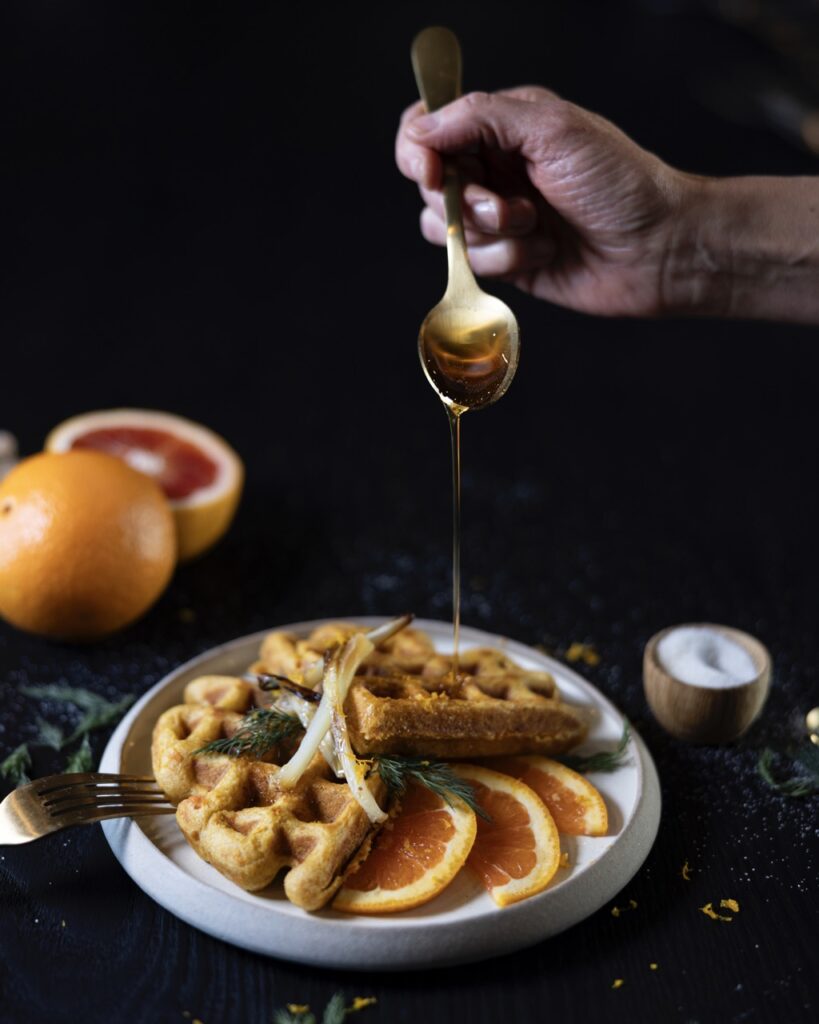
A stack of sweet potato waffles with citrus slices and a drizzle of honey over top.

Wishing your friends and family good financial fortune in 2026 is a gift in and of itself. Express that hope with golden foods like a silky citrus curd paired with crispy-edged sweet potato waffles made savory and complex with the delicate anise note of roasted fennel. A bit of fresh dill cuts through the richness with a grassy freshness. If you’re feeding a crowd, you can make the waffles in batches and keep them warm in a low oven. The citrus curd can be made up to 3 days in advance. We’ll be heading to the farm store at Soergel’s for supplies.

Grapefruit Chai Masala “Mimosa”
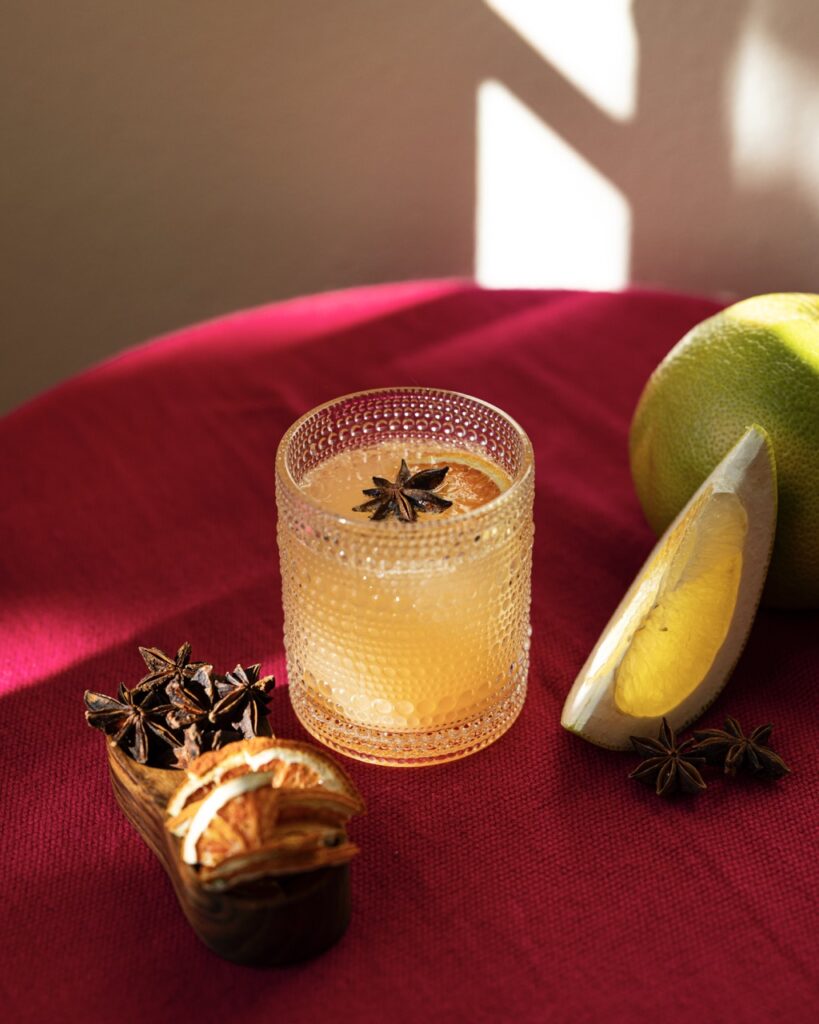
A chai masala good luck mimosa with grapefruit juice sits on a red table top with a star anise garnish in the glass and citrus slices nearby.

Kick-start your New Year festivities by welcoming guests with a riff on a classic mimosa, minus the alcohol and using grapefruit instead of orange juice. “In many cultures around the world, citrus fruits are symbols of good luck and prosperity,” Chef Uleman says. The alcohol-free drink was a nod to the fact that many people – including Uleman – cut out alcohol in January. If you’re imbibing, however, feel free to use prosecco, cava, or champagne in the recipe. We’re heading to East End Food Co-op to look for the best grapefruit. Their winter citrus selection tends towards the inspiring. We will also use locally bottled Red Ribbon Seltzer for bubbles!

Buy Fresh Buy Local Western Pennsylvania helps TABLE Magazine find farms, farm shares, farmers’ markets, and retailers who carry local farm products in our area.

Story by Julia Platt Leonard
Recipes by Chef Marijke Uleman
Styling by Jessica Baca
Photography by Tira Howard

Subscribe to TABLE Magazine‘s print edition
Winter Greens Recipes from Cheryl Alters Jamison

0
Greens on a table

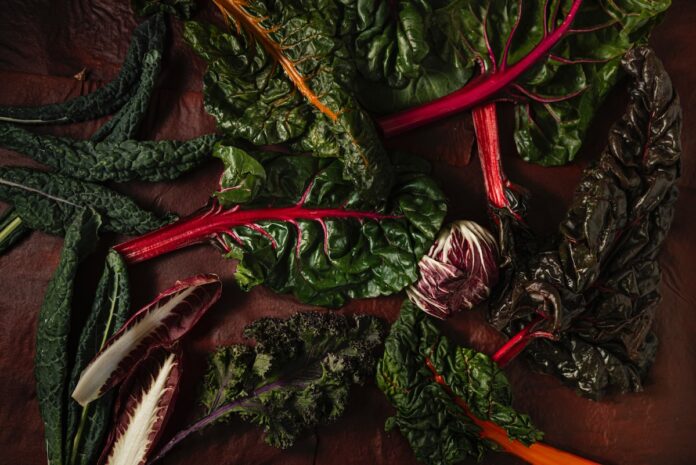
Think fresh-from-the-garden greens and you may think summer. But spare a thought—and a place on your plate—for some winter greens recipes. Not only are cold-weather greens like cavolo nero, escarole, and endive stunning to look at, they’re also versatile workhorses in the kitchen. Cheryl Alters Jamison takes us on a tour.

Greens with Character

My late husband had a sports car in a color called “British racing green,” so beloved in the U.K. that it’s sometimes simply termed BRG. It’s not a single Pantone shade, but a range of striking greens. I couldn’t help but think about those hues while assembling this gorgeous mix of winter greens.

Summer may offer a kaleidoscope of vegetables, but it doesn’t have the corner on beauty. Winter produce holds its own stunning array of possibilities—and many of them should make summer green with envy.

Kale comes in a mix of colors and degrees of curliness. I’m especially partial to cavolo nero, or lacinato kale, the rough-textured, long, slim variety in deep forest green. The chard family offers varieties with stoplight-colored stems, while tangy mustard greens and collard greens shine simply cooked with a bit of pork. They can also add color and nutrients to dishes as diverse as scones and blended drinks.

If you thought green salads were a summer fling, feast your eyes on this winter mix of chicories—escarole, endives, and radicchios in varying colors and shapes. I’ll race you into the kitchen.

Winter’s Palette of Greens in Cheryl Alters Jamison’s Recipes

Minestrone

Hand drizzling cheese onto a dish

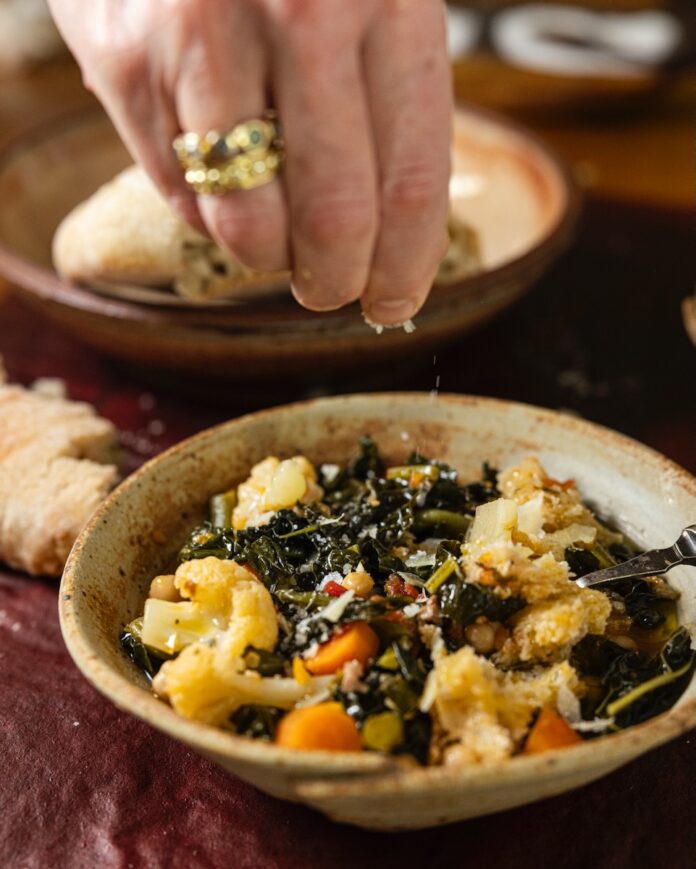
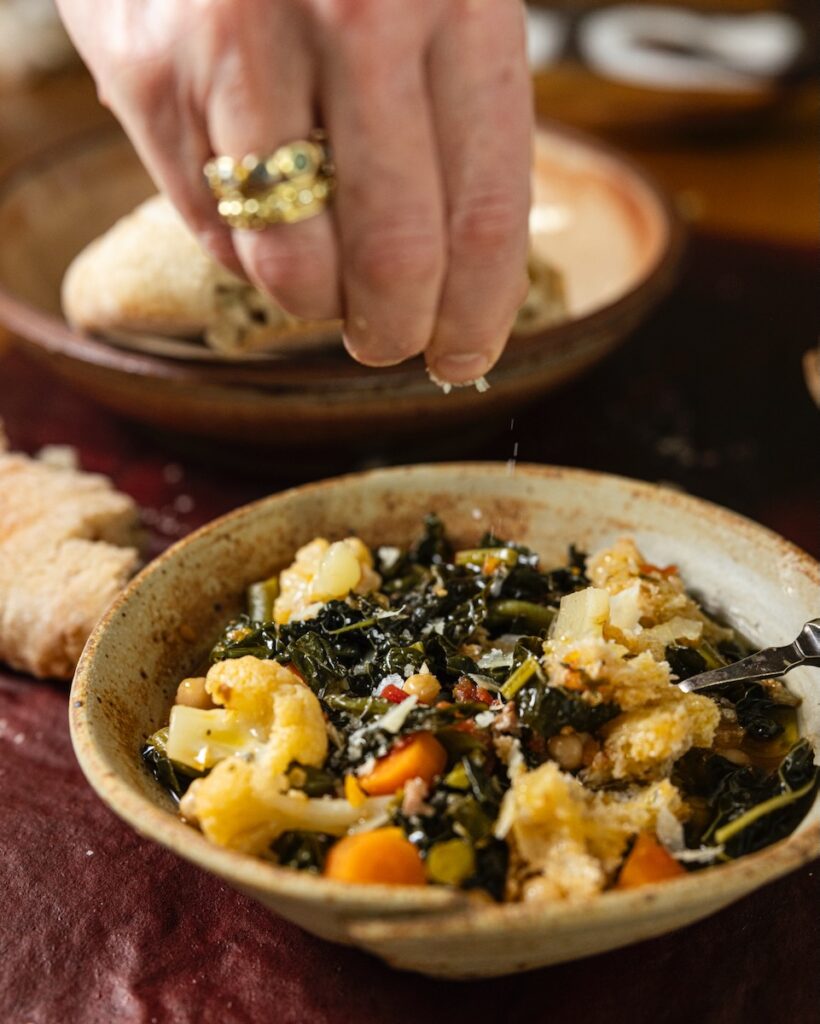
I’ve made versions of this vegetable-rich soup for most of my life, but never had a formal Winter Green recipe until today. Feel free to use more prosciutto, fewer carrots, or even a lonely celery stalk. I often add ditalini or another small pasta. If you have it, a chunk of rind from a wheel of Parmigiano-Reggiano adds subtle umami to the broth.

The fine mince of the sofrito melts into the soup, giving it complexity. One constant for me is the rough-textured cavolo nero—the star in the dish I first ate in Tuscany decades ago. Cavolo nero is now much easier to find in farmers’ markets and well-stocked produce sections.

This minestrone makes a flavorful base for ribollita, the hearty Tuscan dish in which soup is re-boiled with torn bread to create a savory bread pudding. Whether soup or ribollita, it’s perfection when you crave vegetables or simply need a warm hug in a bowl.

Chard & Feta Pie

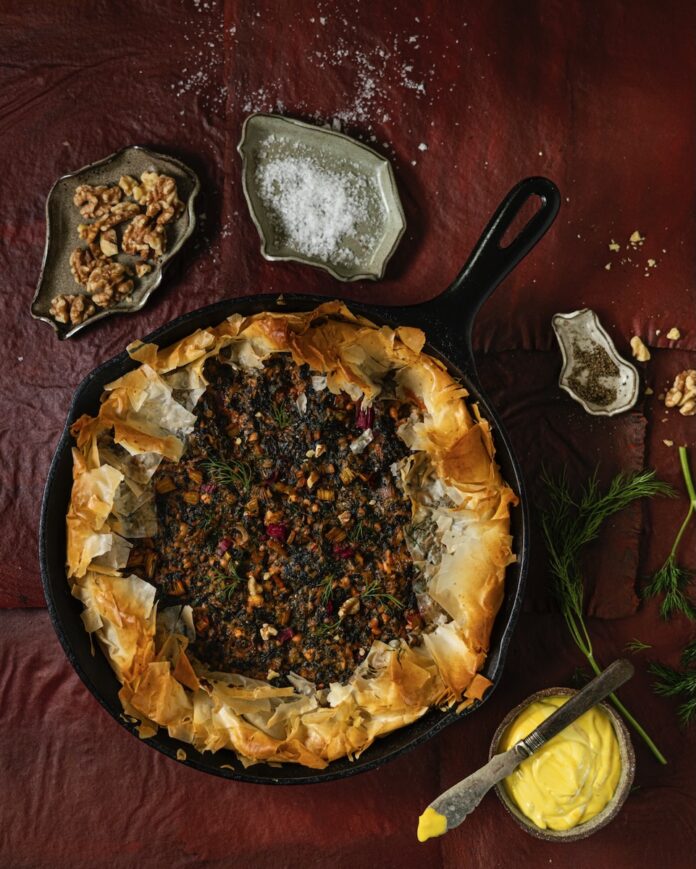
Rainbow chard, with its colorful stems, shines in this open-faced version of Greek spanakopita. You can also use other chard or a mix of chard, mustard greens, or kale. I chose salted butter to “paint” the filo dough because it enhances the flavor of the crust.

The walnuts, layered between the sheets of pastry, add texture and a nutty richness. On the side, I added an optional saffron aioli—a quick, nontraditional sauce that acts like a ray of sunshine when dolloped over slices of the pie.

Savory Kale, Cheese, and Cornmeal Scones

Savory Kale, Cheese, and Cornmeal Scones on a baking sheet.

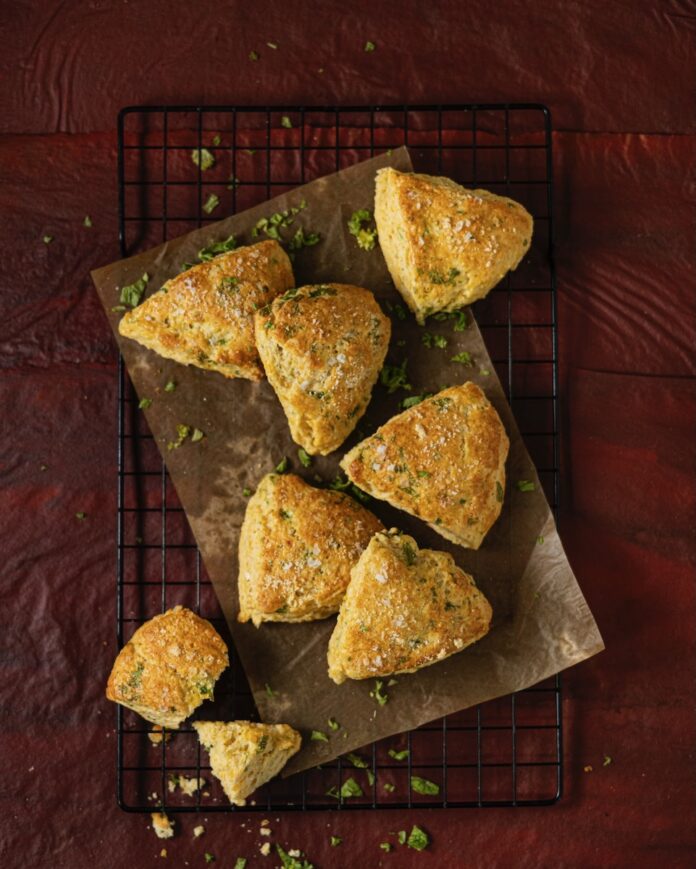
These scones make a bright breakfast bread, but they also pair beautifully with a bowl of soup later in the day. The cornmeal adds texture, while buttermilk brings tang. Mustard greens lend little bursts of flavor balanced by slightly salty pecorino cheese. A smear of sweet butter is welcome, though not necessary—the scones are moist enough on their own.

Verde Eye-Opener

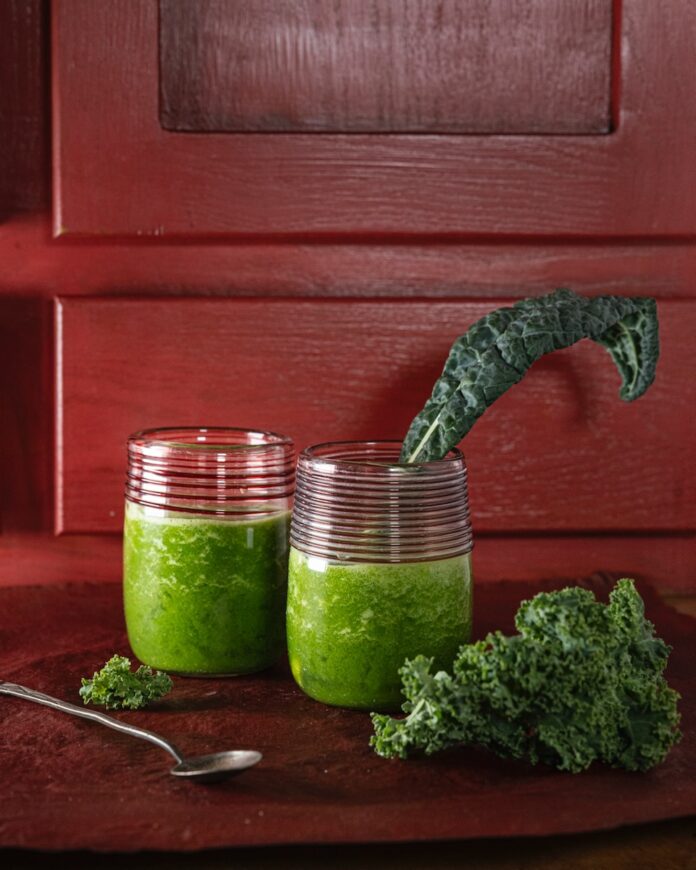
Do cups with green liquid inside

Blend this cheerful emerald beverage to kick-start your morning. The ginger adds zing to the greens and herbs, while apples offer natural sweetness. The TABLE crew liked it so much we joked about adding vodka later in the day. Porqué no?

Winter Chicories Salad with Persimmons and Avocado

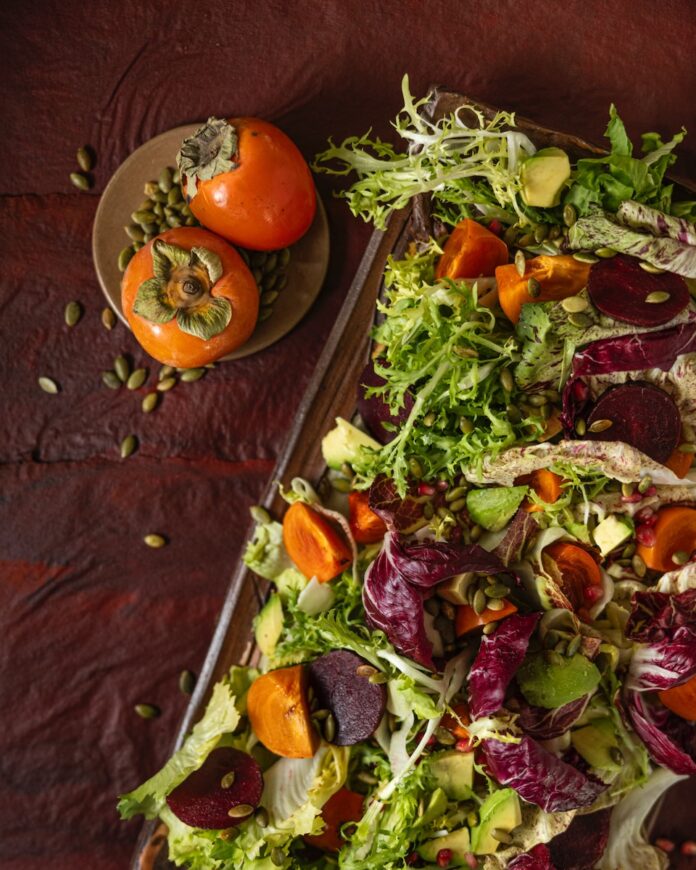
Colorful salad with tomatoes on side

If you think salads are just for summer, feast your eyes on this winter winter green recipe. Combine crisp leaves from the chicory family—escarole, frisée, Belgian endive, speckled Castelfranco radicchio, and red radicchio in both head and Treviso spear varieties.

Nestled among the greens are chunks of avocado, pomegranate arils, sliced beets, pepitas, and show-stopping orange persimmons. The Fuyu variety, squat and round, can be eaten crisp or soft like an apricot. You may also find Hachiya persimmons, which must ripen to custardy softness to eliminate their astringency. They’re great for scooping with a spoon, though they won’t hold shape in a salad.

A sweet-savory miso dressing ties the flavors together beautifully.

Recipes and Story by Cheryl Alters Jamison
Styling by Keith Recker
Photography by Tira Howard

Subscribe to TABLE Magazine‘s print edition.

Winter Greens Minestrone Soup

0
Hand drizzling cheese onto a dish

I’ve made versions of this vegetable-rich soup for most of my life, but never had a formal Minestrone recipe until today. Feel free to use more prosciutto, fewer carrots, or even a lonely celery stalk. I often add ditalini or another small pasta. If you have it, a chunk of rind from a wheel of Parmigiano-Reggiano adds subtle umami to the broth.

The fine mince of the sofrito melts into the soup, giving it complexity. One constant for me is the rough-textured cavolo nero. It is the star in the dish I first ate in Tuscany decades ago. Cavolo nero is now much easier to find in farmers’ markets and well-stocked produce sections.

This minestrone makes a flavorful base for ribollita, the hearty Tuscan dish in which soup is re-boiled with torn bread to create a savory bread pudding. Whether soup or ribollita, it’s perfection when you crave vegetables or simply need a warm hug in a bowl.

Print
clock clock iconcutlery cutlery iconflag flag iconfolder folder iconinstagram instagram iconpinterest pinterest iconfacebook facebook iconprint print iconsquares squares iconheart heart iconheart solid heart solid icon
Hand drizzling cheese onto a dish

Winter Greens Minestrone Soup


  • Author: Cheryl Alters Jamison
  • Yield: Serves 8

Description

The fine mince of the sofrito melts into the soup, giving it complexity.


Ingredients

Scale

For the sofrito:

  • 1 large carrot
  • 2 garlic cloves
  • ½ small red onion
  • 2 oz thin-sliced prosciutto

For the soup:

  • ¼ cup olive oil
  • 2 large carrots, sliced in thin rounds
  • 1 bunch cavolo nero or lacinato kale
  • 6 to 8 oz green beans, cut in ½- to ¾-inch pieces
  • 6 to 8 oz cauliflower, cut into small florets
  • 2-inch chunk of Parmigiano-Reggiano rind, optional
  • 15-oz can diced tomatoes in juice
  • 1 qt (4 cups) low-sodium chicken stock
  • 14 ½ to 15-oz can chickpeas or cannellini beans, drained and rinsed
  • Best quality olive oil
  • Grated Parmigiano-Reggiano


Instructions

For the sofrito:

  1. Make the sofrito in a food processor, blitzing it into a very fine mixture, just short of pureed.

For the soup:

  1. Warm the oil in a stockpot or large saucepan over medium heat. Stir in the sofrito and cook a couple of minutes until aromatic.
  2. Stir in carrots, cavolo nero, green beans, cauliflower, optional cheese rind, tomatoes, and stock. Reduce the heat to medium-low and simmer, partially covered, for 30 to 40 minutes, until the vegetables are quite tender.
  3. Add the beans and cook another 5 minutes. Add water if the mixture is no longer soupy.
  4. Ladle into bowls. Drizzle oil over each bowl, and top with Parmigiano-Reggiano. Serve hot.

Story by Cheryl Alters Jamison
Styling by Keith Recker
Photography by Tira Howard

Subscribe to TABLE Magazine‘s print edition
Chard and Feta Pie

0
Chard and Feta Pie in a skillet with things around it

Rainbow chard, with its colorful stems, shines in this open-faced version of Greek spanakopita. In addition to rainbow chard, you can also use other varieties—or even a mix of chard, mustard greens, and kale—for a more complex flavor. Meanwhile, I chose salted butter to “paint” the filo dough because it enhances the flavor of the crust for this Chard & Feta Pie.

Furthermore, the walnuts, layered between the sheets of pastry, add texture and a nutty richness. To finish, I added an optional saffron aioli on the side—a quick, nontraditional sauce that acts like a ray of sunshine when dolloped over slices of the pie.

Print
clock clock iconcutlery cutlery iconflag flag iconfolder folder iconinstagram instagram iconpinterest pinterest iconfacebook facebook iconprint print iconsquares squares iconheart heart iconheart solid heart solid icon
Chard and Feta Pie in a skillet with things around it

Chard and Feta Pie


  • Author: Cheryl Alters Jamison
  • Yield: Serves 8

Description

This open-faced Greek spanakopita features rainbow chard, buttery filo layers with walnuts for texture, and a bright saffron aioli for a sunny finish.


Ingredients

Scale

For the filling:

  • ¼ cup olive oil
  • 2 large leeks, sliced
  • 2 large shallots, minced
  • 4 garlic cloves, minced
  • 1½ to 1¾ lb rainbow chard, chopped with the stems
  • 2 tbsp dry white wine or lemon juice
  • ½ tsp kosher salt
  • 1 bunch fresh dill, chopped
  • 12 oz feta, crumbled
  • 2 large eggs, beaten

For the crust:

  • 1 stick (8 tbsp) salted butter
  • ¼ cup olive oil
  • ½ lb frozen filo dough, defrosted in the refrigerator
  • ½ cup walnuts, chopped fine

For the saffron aioli:

  • Big pinch of saffron threads
  • 1 tbsp hot water
  • 1 cup mayonnaise
  • Several drops of garlic oil


Instructions

  1. Preheat the oven to 375 degrees.

For the filling:

  1. Preheat the oven to 375 degrees.
  2. Warm the oil in a large skillet or saucepan over medium heat. Stir in the leeks and shallots and sauté until soft. Add the garlic and cook another minute.
  3. Stir in the chard, which will likely fill the pan to overflowing. Combine it with the leek mixture, add the wine and salt, and cover the pan. Cook for 5 minutes, then uncover, stir, and continue cooking until the chard is very tender. The liquid will evaporate, but the mixture should still be moist.
  4. Remove from the heat and stir in the dill, feta, and eggs.

For the crust:

  1. Oil a heavy 9-inch skillet or a round deep-dish baking vessel several inches deep.
  2.  Prepare the pie’s filo crust. Work quickly so that the filo doesn’t dry out. First, melt the butter together with the oil in a small pan. Have the walnuts nearby as well as a pastry brush. Have a damp towel ready to place over the filo once it is unwrapped. When prepared to layer the filo dough, open the package and unfold the filo. You will need about half the sheets.
  3. Lay a sheet into the skillet with its edges overlapping, then quickly brush all over with the melted butter mixture. Scatter a teaspoon or so of walnut pieces over. Repeat with the layers of filo, turning each sheet about a quarter-turn each time, so that the overhanging dough covers the entire rim of the skillet.
  4. Scoop in the filling and smooth it. Fold some of the interior layers of filo inward, over the filling. Leave some of the outer layers sticking up, like broken shards. Bake for 50 to 55 minutes, or until filo is golden brown.
  5. Let the pie cool on a baking rack for at least 15 minutes before slicing. It can be served warm or at room temperature. Present it whole to show off its pretty design, before cutting it into wedges. Pass the optional aioli on the side.

For the saffron aioli:

  1. While the pie cooks, make the aioli, if you wish. Stir together the ingredients, adding garlic oil to taste. Cover and refrigerate if not using soon.

Story by Cheryl Alters Jamison
Styling by Keith Recker
Photography by Tira Howard

Subscribe to TABLE Magazine‘s print edition

Savory Kale, Cheese, and Cornmeal Scones

0
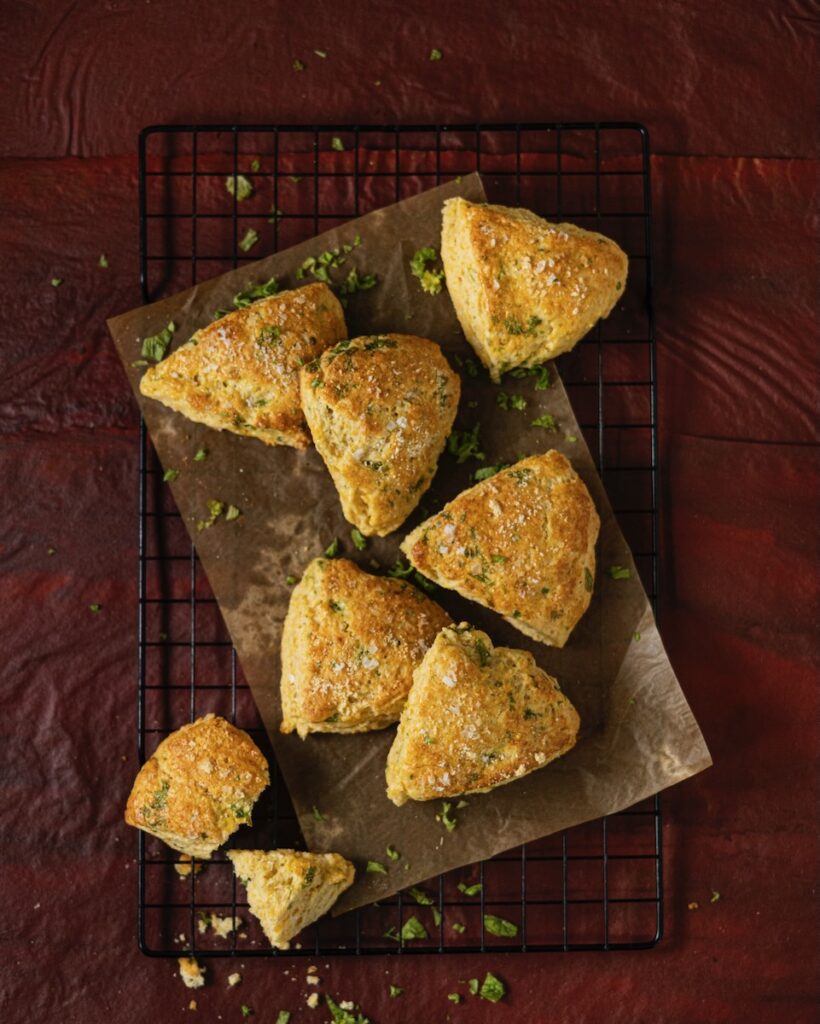
Savory Kale, Cheese, and Cornmeal Scones on a baking sheet.

These Savory Kale, Cheese, and Cornmeal Scones make a bright breakfast bread, but they also pair beautifully with a bowl of soup later in the day. The cornmeal adds texture, while buttermilk brings tang. Mustard greens lend little bursts of flavor balanced by slightly salty pecorino cheese. A smear of savory butter is welcome, though not necessary—the scones are moist enough on their own.

Print
clock clock iconcutlery cutlery iconflag flag iconfolder folder iconinstagram instagram iconpinterest pinterest iconfacebook facebook iconprint print iconsquares squares iconheart heart iconheart solid heart solid icon
Savory Kale, Cheese, and Cornmeal Scones on a baking sheet.

Savory Kale, Cheese, and Cornmeal Scones


  • Author: Cheryl Alters Jamison
  • Yield: Makes 1 dozen 1x

Description

These savory scones blend cheddar, pecorino, and mustard greens into a tender cornmeal dough, creating a rich, cheesy bite with hearty texture and golden crunch.


Ingredients

Scale
  • 2 cups all-purpose flour
  • 1 cup stone-ground yellow cornmeal
  • ¼ cup sugar
  • 1 tbsp baking powder
  • ½ tsp baking soda
  • 1 tsp fine sea salt
  • 12 tbsp (1½ sticks) unsalted butter, well-chilled and cut into small bits
  • 2 oz grated (about ½ cup) cheddar
  • 2 oz finely grated (about 1/3 cup) pecorino, plus more for sprinkling over the top
  • 1 cup buttermilk
  • ¾ cup finely chopped mustard greens
  • 1 medium egg, beaten
  • Flaky salt


Instructions

  1. Preheat the oven to 400 degrees. Cover a baking sheet with a silicone mat or parchment paper.
  2. In a food processor, whir together the flour, cornmeal, sugar, baking powder, baking soda, and salt.
  3. Scatter the butter and cheeses over the dry ingredients and pulse the mixture just until it resembles coarse meal.
  4. Pour in the buttermilk and pulse the mixture just until combined.
  5. Turn the dough out onto a floured work surface and scatter the mustard greens over it. Gently pat out the dough and fold it back over itself about a half-dozen times, until smooth. (A dough scraper helps with this.) Don’t overmix.
  6.  Divide the dough in half and pat it out again into two ¾-inch-thick disks. Refrigerate the dough for 30 minutes. Cut each disk into 6 plump pie-shaped wedges.
  7. Transfer the scones to the prepared baking sheet. Brush the scones with the beaten egg. Sprinkle with pecorino and flaky salt. Bake for 13 to 15 minutes, until golden. Serve warm or at room temperature.

Story by Cheryl Alters Jamison
Photography by Tira Howard
Styling by Keith Recker

Subscribe to TABLE Magazine‘s print edition
Kale Smoothie

0
Two cups with green liquid inside

Blend this cheerful Verde Kale Smoothie beverage to kick-start your morning. The ginger adds zing to the greens and herbs, while apples offer natural sweetness. The TABLE crew liked it so much we joked about adding vodka later in the day. Porqué no?

Print
clock clock iconcutlery cutlery iconflag flag iconfolder folder iconinstagram instagram iconpinterest pinterest iconfacebook facebook iconprint print iconsquares squares iconheart heart iconheart solid heart solid icon
Two cups with green liquid inside

Kale Smoothie


  • Author: Cheryl Alters Jamison
  • Yield: Serves 2

Description

This blend is good for you, too!


Ingredients

Scale
  • 2 medium kale leaves or 1 medium collard green, ribs removed
  • 1 unpeeled apple, chunked, preferably a tangy variety such as Granny Smith, Honey Crisp, or Opal
  • 1/3 cup packed cilantro
  • 1/3 cup packed flat-leaf parsley
  • 2 tsp chopped fresh ginger
  • 2 tsp lemon juice
  • 2 cups apple juice


Instructions

  1. Combine the ingredients in a blender. Puree until smooth and uniform in color. Pour into tall glasses and serve with iced tea spoons.

Recipe and Story by Cheryl Alters Jamison
Photography by Tira Howard
Styling by Keith Recker

Subscribe to TABLE Magazine‘s print edition

Winter Chicories Salad with Persimmons and Avocado

0
Colorful salad with tomatoes on side

If you think salads are just for summer, feast your eyes on this winter recipe, Winter Chicories Salad with Persimmons and Avocado. Combine crisp leaves from the chicory family—escarole, frisée, Belgian endive, speckled Castel franco radicchio, and red radicchio in both head and Treviso spear varieties.

Nestled among the greens are chunks of avocado, pomegranate arils, sliced beets, pepitas, and show-stopping orange persimmons. The Fuyu variety, squat and round, can be eaten crisp or soft like an apricot. You may also find Hachiya persimmons, which must ripen to custardy softness to eliminate their astringency. They’re great for scooping with a spoon, though they won’t hold shape in a salad.

This recipe can brighten the coldest day. Assemble it with a mix of leaves from the chicory family. A sweet-savory miso dressing ties the flavors together beautifully.

Print
clock clock iconcutlery cutlery iconflag flag iconfolder folder iconinstagram instagram iconpinterest pinterest iconfacebook facebook iconprint print iconsquares squares iconheart heart iconheart solid heart solid icon
Colorful salad with tomatoes on side

Winter Chicories Salad with Persimmons and Avocado


  • Author: Cheryl Alters Jamison
  • Yield: Serves 6-8 1x

Description

If you think salads are just for summer, feast your eyes on this beautiful toss-up. 


Ingredients

Scale

For the miso vinaigrette:

  • ¼ cup white miso
  • ¼ cup fruity vinegar
  • 2 tbsp water
  • 1 tsp granulated sugar or brown sugar, or more to taste
  • ¼ cup canola or vegetable oil

For the salad:

  • 1 small head frisee, pulled apart into individual tendrils
  • 1 small head escarole, leaves torn in large bite-size pieces
  • 1 small head Castelfranco radicchio
  • 2 to 3 heads green and/or red Belgian endive, some spears, some cross-cut
  • 1 small head red radicchio or Treviso radicchio
  • 3 Fuyu persimmons, sliced in 6 to 8 wedges each
  • 1 to 2 avocados, chunked
  • 2 to 3 cooked small beets, sliced thin
  • ¼ cup pepitas, or more to taste


Instructions

For the miso vinaigrette:

  1. Make the vinaigrette, whisking together the ingredients in a small bowl. Taste and add more vinegar or sugar to taste.

For the salad:

  1. Toss the frisee and escarole with a couple of tablespoons of dressing. Arrange them on a platter or in a large salad bowl with the remaining greens.
  2. Scatter with persimmons, avocados, beets, and pepitas. Drizzle with more of the dressing and serve.

Recipe and Story by Cheryl Alters Jamison
Photography by Tira Howard
Styling by Keith Recker

Subscribe to TABLE Magazine‘s print edition

Good Luck Tamales with Cochinita Pibil

0
A small white plate with a hot pink tamale in a triangle shape and rolled tamales on a plate in the bottom left corner.

In many parts of Latin America, and in Latino communities in the United States, tamales are an integral part of the winter holidays. Families and friends usually make them in big batches by forming a casual assembly line to spread the corn husk wrappers, fill them with masa and seasoned meats, and then tie the wrappers closed for steaming. This recipe for 30 tamales calls for Cochinita Pibil, a Yucatan specialty of pork marinated in achiote (annatto seeds) and citrus, then wrapped in banana leaves, and slow-cooked. Hibiscus flowers (“Jamaica” in Spanish) are usually used to make tart, ruby-red tea; here they dye the corn husks a bright pink. Shop for spices, masa, corn husks, as well as hibiscus at your local Latino market.

A person spoons a filling onto a hot pink tamale.

How Does Soaking Tamales Corn Husks in Hibiscus Tea Change the Flavor?

Soaking tamale corn husks in hibiscus tea or Jamaica, introduces a distinct tart and subtly floral complexity that you wouldn’t get with plain water. Besides the vibrant pink/red color hibiscus makes the corn husks, the tartness slightly transfers to the masa as the tamales steam. This means you end of with a dough that’s delicate as well as lightly flavored.

Print
clock clock iconcutlery cutlery iconflag flag iconfolder folder iconinstagram instagram iconpinterest pinterest iconfacebook facebook iconprint print iconsquares squares iconheart heart iconheart solid heart solid icon
A small white plate with a hot pink tamale in a triangle shape and rolled tamales on a plate in the bottom left corner.

Good Luck Tamales with Cochinita Pibil


  • Author: Chef Marijke Uleman
  • Yield: 30 Tamales, Serves 15 1x

Description

Making tamales into a good luck charm.


Ingredients

Scale

For the cochinita pibil:

  • 3–4 large banana leaves
  • 3 tbsp achiote seeds
  • Juice of 2 oranges
  • 2 tbsp sea salt
  • 2 lb bone-in pork shoulder or butt

For the tamales:

  • Dried hibiscus flowers (jamaica)
  • 1 lb corn husks (45–50 pieces, depending on husk size)
  • 3 cups lard
  • 4 tsp baking powder
  • 8 cups heirloom corn masa harina (preferably 1 full bag Masienda)
  • 2 1/2 tbsp kosher salt
  • 6–8 cups warm broth or water


Instructions

For the cochinita pibil:

  1. Briefly pass banana leaves over an open flame to make them flexible.
  2. Grind achiote seeds into a powder, then mix with orange juice and salt to form a liquidy paste.
  3. Rub marinade all over the pork and refrigerate for at least 1 hour, preferably overnight.
  4. Preheat oven to 200 degrees. Wrap pork in banana leaves, place in a baking dish, and bake for 6 hours.
  5. Unwrap pork, increase oven to 350 degrees, and bake for 30 minutes to develop a crust.
  6. Shred and serve warm. Store leftovers in the fridge for up to 4 days.

For the tamales:

  1. Make a hibiscus tea and soak corn husks in it for at least 10 minutes while you prepare the masa.
  2. Using a stand mixer with the whisk attachment or a hand mixer, whip lard on high until light and fluffy, about 5 minutes or until it reaches the texture of cake frosting.
  3. Add baking powder and gradually incorporate masa harina, mixing well.
  4. Slowly add 6 cups of warm broth or water, mixing to form a cohesive dough. Reserve the extra 2 cups to adjust moisture as needed. The masa should be well hydrated, not gritty, and have a creamy, airy texture that spreads easily.
  5. Taste the masa and add salt, whipping to incorporate. Use about 1 tsp per 3 cups masa if using unsalted liquid. Adjust if using salted broth.
  6. Gently wring out your corn husks and pat dry with a dishtowel.
  7. Arrange each husk with the wide end closest to you and the smooth side facing up.
  8. Using a spoon, spatula, or bench scraper, spread a thin, even layer of masa (about 2 ounces or 4 tablespoons) in a 3-inch by 5-inch area, leaving the narrow end uncovered.
  9. Add 1 ounce (1–2 tablespoon) of cochinita pibil to the center of the masa.
  10. Fold one side of the husk over the filling, then the other. Fold the bottom end toward the top. Optional: tie with a strip of corn husk to secure.
  11. Fill the bottom of a tamale steamer (or pot with a steamer basket) with water.
  12. Place tamales upright in the insert or basket and cover. Steam over medium-high heat for 75–90 minutes.
  13. Check for doneness: if the husk pulls away from the masa easily, they’re ready. More tamales may require longer cooking.
  14. Remove from heat and let rest, covered, for at least 15 minutes. Tamales will firm up as they cool.

Notes

The recipe calls for more corn husks than you’ll need but some may be too small or tear so it’s a good idea to have extras on hand.

Recipes by Chef Marijke Uleman
Story by Julia Platt Leonard
Styling by Jessie Baca
Photography by Tira Howard

Subscribe to TABLE Magazine‘s print edition.

Black-Eyed Peas Salad

0
A big white bowl of salad with various toppings and black eyed peas beside a small pink plate with the salad on it.

You’ll find black-eyed peas on every Southern table at the New Year. Since we’re at the northern tip of the Appalachias, maybe we need to embrace this dish more often than we do! The sheer number of black-eyed peas (a type of bean) makes them a symbol of plenty and abundance. This fresh, vibrant Black-Eyed Peas Salad is a take on the classic Southern “Hoppin’ John,” swapping rice for citrus-dressed greens and adding crunchy cornbread croutons for texture. Legendary radicchio here adds radiant color and a complex note of bitterness.

A big bowl of salad sits below a small plate of the salad as cabbage and winter citrus sit around the dishes.

What is the “Hoppin’ John” Our Black-Eyed Peas Salad is Based on?

The Black-Eyed Peas Salad is a take on the Southern culinary tradition of Hoppin’ John. This classic dish comes from Southern American and African foodways. Hoppin’ John is traditionally a combination of black-eyed peas, rice, pork (such as bacon or ham hock), and sometimes chopped onions or other vegetables. Historically, you serve the dish on New Year’s Day, where eating brings good luck and prosperity for the coming year.

Print
clock clock iconcutlery cutlery iconflag flag iconfolder folder iconinstagram instagram iconpinterest pinterest iconfacebook facebook iconprint print iconsquares squares iconheart heart iconheart solid heart solid icon
A big white bowl of salad with various toppings and black eyed peas beside a small pink plate with the salad on it.

Black-Eyed Peas Salad


  • Author: Chef Marijke Uleman

Description

We believe black-eyed peas are one of the most underrated ingredients.


Ingredients

Scale

For the cornbread croutons:

  • 4 cups cubed cornbread (use favorite cornbread recipe)
  • 6 tbsp unsalted butter

For the orange citrus vinaigrette:

  • 2 blood oranges, juiced (4–6 tbsp juice)
  • 2 oranges, juiced (6–8 tbsp juice)
  • 2 tsp orange zest
  • 2 tbsp white wine vinegar
  • 2 tsp Dijon mustard
  • 2/3 cup extra-virgin olive oil
  • 2 tsp maple syrup
  • Salt and pepper to taste

For the salad:

  • 6 cups kale, de-stemmed and chopped
  • 1 large head purple radicchio, shredded
  • 3 cups cooked black-eyed peas (or 2 cans, drained and rinsed)
  • 4 blood oranges, supremed
  • 1/2 cup toasted pecans or walnuts (optional)


Instructions

For the cornbread croutons:

  1. To make the croutons, heat a skillet over medium heat. Add butter and cook until golden brown and nutty.
  2. Add cornbread cubes and toast for 5–7 minutes until crispy. Set aside.

For the orange citrus vinaigrette:

  1. To make the vinaigrette, whisk together juices, zest, vinegar, mustard, and honey. Slowly whisk in olive oil. Season with salt and pepper.

For the salad:

  1. Massage chopped kale with a little vinaigrette to soften.
  2. In a large bowl, combine kale, radicchio, and black-eyed peas. Toss with vinaigrette.
  3. Fold in blood orange supremes and nuts, if using. Top with cornbread croutons and serve.

Recipes by Chef Marijke Uleman
Story by Julia Platt Leonard
Styling by Jessie Baca
Photography by Tira Howard

Subscribe to TABLE Magazine‘s print edition.

Miso Sweet Potato Pie with 12 Grapes for the New Year

0
A miso sweet potato pie sits on a dark wood table with sliced citrus, grapes, and pomegranate seeds on top.

In Spain and parts of Latin America, requires New Years revellers to eat 12 grapes at midnight to ensure luck all year long. Here, Chef Uleman invites us to eat our grapes as part of a scrumptious sweet potato pie laced with miso and tahini as well as a reduction of dark beer. “I believe that miso and tahini absolutely belong in sweet treats!” says Marijke Uleman. They build layers of umami that make this dessert an adventure for the palette. Your local oriental market should have the miso while you can head to your favorite Mediterranean Pitaland for the tahini and local farm for sweet potatoes as well as table grapes.

What is Miso in Our Sweet Potato Pie Recipe?

In our Sweet Potato Pie recipe, miso serves as a surprising but highly effective flavor agent. You’ll taste the difference of this unique and complex ingredient. Specifically, white miso is what we use because it is milder and sweeter than darker varieties. It doesn’t make the pie taste savory. Rather, miso performs a trick where it deepens and enhances the natural sweetness as well as the warmth of the sweet potato and spices.

Print
clock clock iconcutlery cutlery iconflag flag iconfolder folder iconinstagram instagram iconpinterest pinterest iconfacebook facebook iconprint print iconsquares squares iconheart heart iconheart solid heart solid icon
A miso sweet potato pie sits on a dark wood table with sliced citrus, grapes, and pomegranate seeds on top.

Miso Sweet Potato Pie with 12 Grapes for the New Year


  • Author: Chef Marijke Uleman
  • Yield: Serves 6-8 1x

Description

Miso, tahini, and grapes upgrade your usual Sweet Potato Pie for the New Year.


Ingredients

Scale

For the crust:

  • 1/4 cup unsalted butter, softened
  • 1/4 cup dark brown sugar
  • 1 large egg, lightly whisked
  • 7 oz almond flour
  • 1/2 tsp fine sea salt

For the grapes:

  • 1 bag red seedless grapes
  • 1 tbsp lime juice
  • 1 tbsp maple syrup
  • Pinch of pepper
  • Pinch of salt
  • 1 tbsp unsalted butter

For the filling:

  • 1 lb roasted sweet potato purée
  • 1/2 cup dark beer, reduced to 1/4 cup
  • 1/2 cup dark brown sugar
  • 1/4 cup maple syrup
  • 3 large eggs
  • 1 egg yolk
  • 2 tsp ground ginger
  • 1 tsp ground cardamom
  • 1/4 tsp ground turmeric
  • 1/4 tsp sea salt
  • 1/2 cup whole milk
  • 1/2 cup heavy cream
  • 2 tbsp tahini
  • 1 tbsp cornstarch mixed with 1 1/2 tbsp water
  • 1 tsp instant espresso
  • 1 tbsp white miso


Instructions

For the crust:

  1. Preheat oven to 350 degrees.
  2. Cream butter and sugar, add egg, almond flour, and salt until dough forms.
  3. Press into greased 9-inch pie pan and chill for 1 hour. Dock crust, line with parchment and weights. Bake 15–20 minutes, then cool.

For the grapes:

  1. Toss grapes with lime juice, maple syrup, pepper, and salt. Dot with butter and roast 25–30 minutes.
  2. Set aside until ready to serve.

For the filling:

  1. Preheat oven to 375 degrees.
  2. Roast sweet potatoes at 400 degrees for 35–45 minutes, remove skin, then purée.
  3. Place the beer in a small saucepan and reduce to 1/4 cup and let cool.
  4. Whisk remaining filling ingredients together until smooth. Pour into pre-baked crust and bake at 350 degrees for 25–30 minutes until set.
  5. Cool to room temperature. Top with roasted fruit and drizzle juices on top before serving.

Recipes by Chef Marijke Uleman
Story by Julia Platt Leonard
Styling by Jessie Baca
Photography by Tira Howard

Subscribe to TABLE Magazine‘s print edition.

Don't Miss