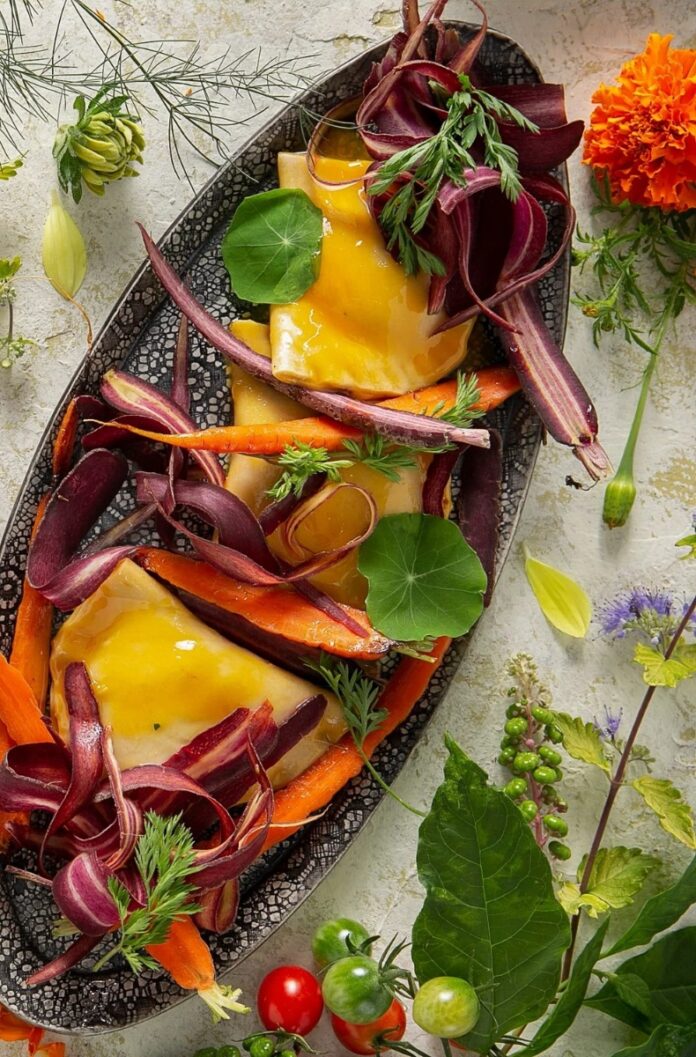
Chef Jamilka Borges, ever-busy at her restaurant Lilith, consistently puts a bright spin on vegetables. Here she combines the pierogi, a classic Pittsburgh comfort food, with an Asia-inflected blend of spices. Simply delicious!
Where Are the Best Pierogis in Pittsburgh?
We went on a journey to find the best pierogi in all of Pittsburgh. Check out our ranking to help inspire where your next batch of potato pierogi will come from.
Rather than potato, Chef Jamilka uses carrots for a vibrant pierogi filling.
Ingredients
Scale
For the dough:
4 cups AP flour
1 tsp salt
2 eggs
¼ cup sour cream
1 cup carrot juice
¼ oil
For the carrot filling:
2 cups small dice onions
1 cup minced garlic
¼ cup minced ginger
2 lb ground pork
4 qt carrot pulp
1 cup soy
1 cup sambal
½ cup red wine vinegar
2 cups carrot juice
1 cup minced cilantro
Salt
Instructions
For the dough:
Place all dry ingredients in mixer bowl, add eggs, sour cream and slowly add juice.
Mix until it comes together in a bowl. Knead with extra flour until smooth. Wrap tightly with plastic wrap.
For the carrot filling:
Sweat all alliums and ginger then add pork. Brown pork then add carrot, deglaze with all liquid and let cook. Finish with cilantro
For assembly:
Roll sheets of dough with a French roller on a smooth surface. Cut with a 4-inch cookie cutter and fill, seal the dumpling by pinching your thumb and index fingers creating a cress. Let rest in freezer for 30 minutes.
Bring a pot of water to a boil and have ready a “shocking station” – plastic container with plenty of ice and water.
Boil pierogies for 3 minutes and shock in ice water, transfer to an oiled container. Sauté with butter and olive oil until golden brown. Serve with crème fraîche and salsa verde.
Summer break is winding down, but the fun in Pittsburgh is far from over! As the back-to-school buzz begins, there’s still plenty of time to squeeze every last drop of joy out of these sunny days. Take the time to make memories inside and outside, whether in a local park or inside one of the city’s many museums. Just don’t let the final weeks slip away without giving the kiddos something exciting to talk about when they get back to school.
Last Minute Summer Activities for Before the First Day of School
While the Pittsburgh Zoo and Aquarium is open year-round, one of the best times to go is at the end of summer. As the temperatures start to cool down a little, more animals come out to enjoy the weather. Make it family affair and add some excitement by making up a scavenger hunt for your trip. Have each child pick a type of animal that they look for and let the fun begin!
Over in the Squirrel Hill section of Frick Park, though all of the woodlands are gorgeous to explore in the summer, you’ll find Blue Slide Playground. Made famous by Pittsburgh rapper Mac Miller, Blue Slide Playground features an iconic slide that runs along the ground of the hill. But, there are also swings, tunnels, and picnic tables for the adults available. Feel free to explore the rest of Frick Park for tennis courts, baseball fields, and the only public lawn bowling green.
Having a waterpark right on the Waterfront in West Homestead is heaven for a city without beaches. Find the adrenaline of large water slides or take the day to relax in the lazy river. There’s something for all ages here, from a Mushroom Pool for the kids to the Mon Tsunami Wave Pool for the entire family. You’ll want to head to this adventure before the weather starts to cool!
Spend time out on the Triple B Farm whether it’s for a Movie Under the Stars event or just to work together as a family to gather ingredients for dinner. Acres of land to run around on hold plenty of fresh produce as well as animals for the kiddos to visit. Plus, Triple B Farms lets you pick your own fruit and flowers. In August, you can pick your own peaches, flowers, and sunflowers and capture some adorable photos in the process.
Did you know that the Children’s Museum has an outdoor play yard, too? Take advantage of the Backyard as not only a place for the kids to play but also for the adults to take a breath. Let your children explore colorful tube play structures, play and pump water through statues, try out the musical swing set, and even dive their hands into pits of mud. It’s a hands-on kids dream whether you choose to hang outside or luxuriate in the AC and stay inside.
65 acres of gardens and woodlands await your family at the Pittsburgh Botanic Garden. Get ready for a day in the sun (with occasional walks in shady groves) as you look through bushes of blooms and beautiful woodland ponds. There’s even a Garden of the Five Senses where kids can directly engage with nature. Here they’ll climb on nets, dig in the sand, play on flower drums, and take a moment to pay attention to the sights and sounds around them.
One of the newest museums in Pittsburgh, the Museum of Illusions features interactive exhibits that turn your world upside down (quite literally). Think outside of the box as you walk through tilted rooms, hold on tight in the vortex tunnel, travel on the ceiling, and even find yourself shrinking and growing. Make sure to bring your camera along to capture your children’s shocked faces at the surprises that await them.
Essential to Pittsburgh, Kennywood amusement park is a must at least once a summer. After all, what better way is there to end summer vacation than with a ride on the Phantom or Steel Curtain? Kiddieland is available for younger children but even older kids in high school will find themselves having fun on roller coasters and other thrilling rides. Plus, who can be sad when there’s a Golden Nugget double dipped ice cream cone or a serving of Potato Patch fries in your hand? We recommend going on a weekday to avoid the weekend crowds while you still can.
The Carnegie Science Center is one of those kids’ museums that’s really for the adults too. As you try hands-on exhibits with your child, you’ll learn a thing or two about robots, your body, or the planets in outer space. Right now they have a Mental Health Matters exhibit where you can experience real life struggles such as neurosis-inducing noises or you can participate in activities to better your own self-care.
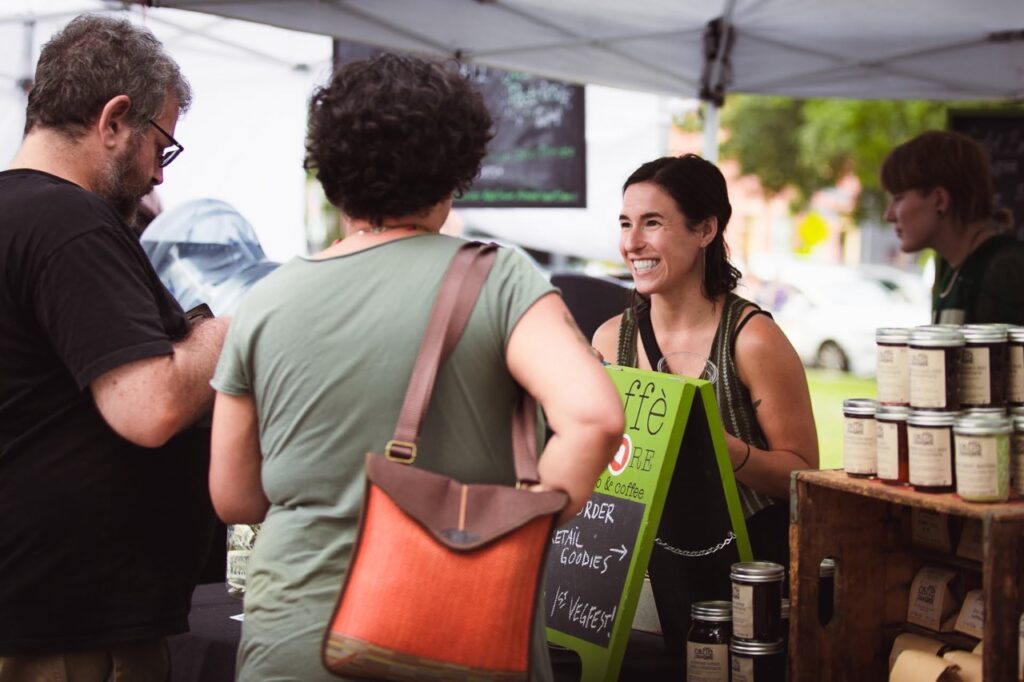
Pittsburgh VegFest 2025 is a vegetable-friendly festival that introduces a wide variety of people to the possibility of a cruelty-free lifestyle. What is actually a worldwide festival only came to Pittsburgh in the last 11 years. Whenever the festival first started, it was a place for advocacy against animal-cruelty. But, now Co-Founders Leila Sleiman and Natalie Fristick have built it up to become a community event that lifts up small businesses around Western Pennsylvania.
Where and When is Pittsburgh VegFest 2025?
On August 16 from 11 a.m. to 5 p.m. at North Side’s Allegheny Commons Park, you can make a difference by supporting a plethora of cruelty-free vendors that also call the city of Pittsburgh home.
Co-Founder of Pittsburgh VegFest, Leila Sleiman speaks highly of the event’s growth. From starting as something that only regularly-involved advocates knew about, to becoming an event that all types of community members look forward to every year, there’s been a lot of change for the better. This 11th year, the growth only continues.
What Can You do at Pittsburgh VegFest 2025?
While you may think that food is the most important and only feature of Pittsburgh VegFest, you would be completely wrong. In fact, there’s a schedule for the entire day that involves healthy activities, fun zones for the kids, and plenty of information for those curious about a cruelty-free lifestyle.
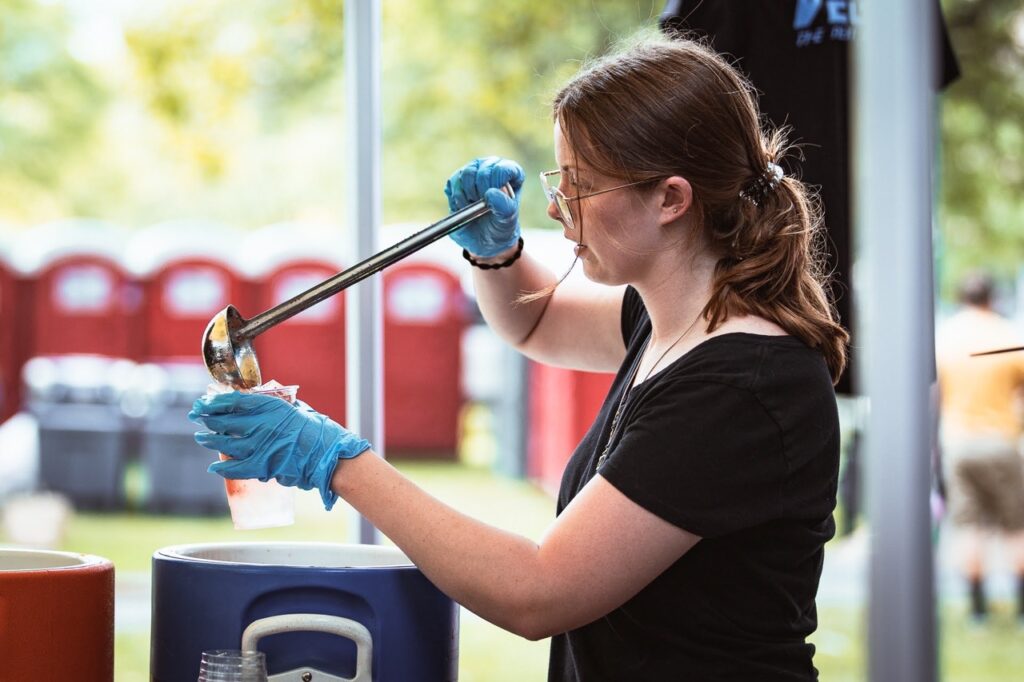
“If I had to pick how to spend the perfect day at VegFest I would take advantage of our VIP hour if you choose, hoard up all your yummy food and grab a juice from our vendors like Shadobeni and 1:11 Juice Stand,” says Sleiman. Then, enjoy the rest of the time with great live musicians, lay out a blanket on the grass, go make a craft, visit the animal nonprofit vendors, and even let your kids play in the bounce house. Really, just make a day of it!”
At the end of the day, each aspect of Pittsburgh VegFest is focused towards maining a happier and healthier you whether that’s through what you eat, what you do, or your own cruelty-free mindset. Sleiman stresses that while you can find all the slaughterhouse videos and shocking facts online, Pittsburgh VegFest is an encouraging environment that’s going to invite you to try new things and think in a different way.
“People can go and watch these videos online and change their lives,” says Sleiman. “But, they can also come to the festival and try food to realize you don’t have to go vegan or plant based, you can just make better choices for your health that affect the environment less. People don’t realize most of the things they’re eating are already vegan or plant-based. We’re here to show if you make those little changes like leaving cheese off your salad or having a dressing without eggs or milk that it can really make a big difference to your body and the environment.“
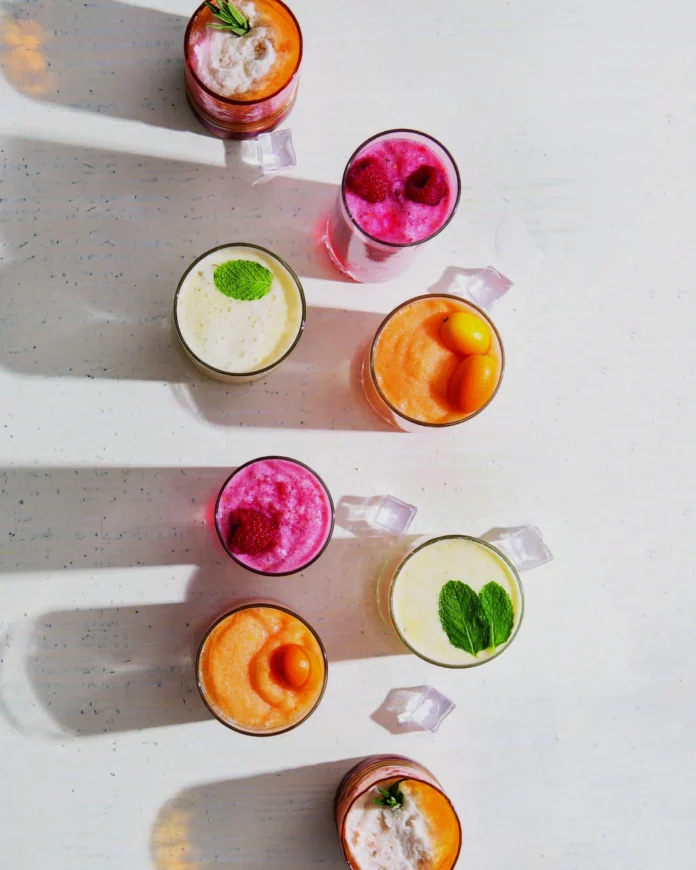
Does the phrase “Let’s go outside” make you break into a sweat? Do you dread sticky seats and sunburned shoulders—but still crave the taste of summer? Don’t worry, we’ve got the perfect solution: frozen cocktails that bring the patio vibes straight to your kitchen.
We tapped a few of Pittsburgh’s most beloved bartenders to share their go-to frozen drink recipes—no fancy equipment or mixology degree required. These icy creations are designed to cool you down and turn any ordinary afternoon into an instant vacation. Think slushy Aperol Spritzes, beach-ready Painkillers, nostalgic daiquiris, and fruit-packed Tangerinis that just might make you forget how humid it is outside.
Now break out your blender and let’s get this frozen cocktail party started.
Equal parts brunch beverage and nightcap material, it’s bitter and sweet, with cold-brew coffee, Coca-Cola, and fernet.
Ingredients
Scale
1 ½ oz Fernet Branca
1 oz cold brew coffee
½ oz simple syrup
1 ½ cups of frozen Coca-Cola ice cubes
Instructions
Add ingredients to a blender. Blend on high until smooth. Serve in frozen rocks glass.
Notes
This recipe is inspired by one of Lehman’s best friends and regulars, who would always ask for a fernet and cold brew cocktail at the bar. Lehman added soda for sweetness and a new drink was born.
Instructions for enjoying this classic tiki cocktail: Find a beach. Apply SPF, hat, and sunglasses. Commence chill mode.
Ingredients
Scale
4 oz gold rum
2 oz spiced rum
4 ½ oz pineapple juice
8 ½ oz fresh-squeezed orange juice
2 oz coconut cream
Ice cubes
Ground nutmeg
Instructions
Add ingredients to a blender. Add ice until it reaches the top of the liquid and blend until smooth. Garnish with nutmeg.
Notes
Aside from a few tweaks, Ashley stayed true to the traditional flavor of this beachy blend. An important piece of advice: “Garnish with LOTS of freshly ground nutmeg—more than you think!”
Move over Frosé. With German Riesling as its base, the drink sings with floral and stone fruit notes. It’s been on the menu at Lorelei since day one.
Ingredients
Scale
½ oz fresh-squeezed lemon juice
½ oz apricot liqueur
¼ oz elderflower liqueur
¼ oz raw agave syrup
2 oz decent Riesling
2 dashes orange bitters
¾ cup ice cubes
Instructions
Combine all ingredients in a blender pitcher. Blend until smooth. Pour into a coupe or other stemmed glass. Garnish with a wildflower or whatever you see fit, and sip.
Notes
This recipe first appeared on Lorelei’s opening menu in the summer of 2018. Here’s atip from the Lorelei team: “If you don’t have apricot or elderflower liqueur—or even if you do!—try substituting other floral and fruit liqueurs.”
A classic daiquiri meets the nostalgic flavor of Orange Julius. Try to sip slowly. The Hidden Harbor team tells us this blend “goes down easily—perhaps too easily.”
Ingredients
Scale
1 ¾ oz light Puerto Rican rum
¼ oz dark Jamaican rum
¾ oz fresh-squeezed lime juice
1 oz fresh-squeezed orange juice
1 oz honey syrup (1:1 mix of honey and water)
¼ oz. orange liqueur
3 drops real vanilla extract
1 cup ice cubes
Instructions
Combine all ingredients in a blender pitcher. Blend until smooth. Pour into a stemmed goblet. Garnish with a mint sprig and orange slice, or whatever tropical garnish you have on hand, and sip through a wide straw.
Notes
The team at Hidden Harbor shares the story of this tropical beauty: “Legendary Mai-Kai barman Mariano Licudine created this orange-y Daiquiri riff for the Florida Derby horse race in 1959, and then used it to win a major cocktail competition sponsored by the Rums of Puerto Rico. We tweaked his original recipe in several ways, which together give it a bit of an Orange Julius kiss. Beware: goes down easily—perhaps too easily.”
Story by Nicole Barley Photography by Laura Petrilla Styling by Justin Matase and Keith Recker
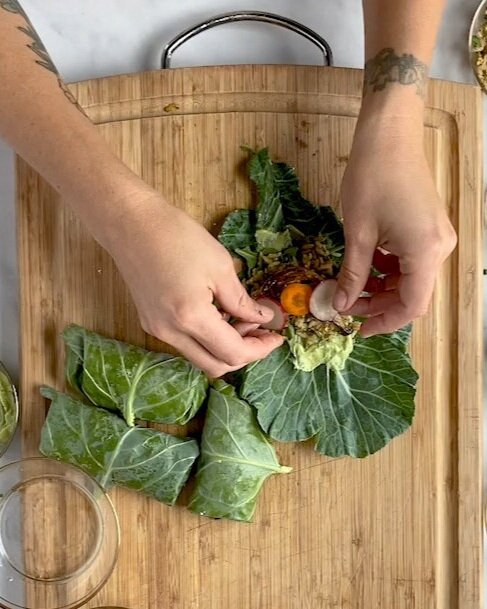
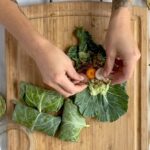
Make use of everyday leftovers by wrapping them up in a freshly-picked, collard green. You can fill these wraps with just about anything, and an avocado crema makes everything taste fresher than fresh!
Wraps like this collard version are a wonderful way to use up whatever leftovers are swimming in your fridge, like cooked grains, shredded chicken, or chopped veggies. We follow this formula: one cooked grain, a cooked vegetable, something raw or pickled, fresh herbs, a few bonus items like cheese, nuts, or seeds, and to finish it off, a drizzle of avocado crema.
Add variety to your table by using collard greens as a wrap!
Ingredients
Scale
Avocado Crema
1 medium avocado, cut in half lengthwise, peel and pit removed
1/2 cup coarsely chopped fresh cilantro
1/4 cup sour cream or greek yogurt
2 tbsp freshly squeezed lime juice (from about 1 medium lime)
1/2 tsp kosher salt
Collard Wrap, Sample Ingredients
Leftover fried rice
Arugula
Roasted fennel bulb, quartered
Roasted baby carrots
Sliced radish and carrots
Green onions
Feta cheese
Instructions
Avocado Crema
Place all ingredients in a food processor (or use a large bowl and an immersion blender) and blend, being sure to scrape down the sides as you go. Because this sauce is avocado-centric, it’s best to make it fresh and use within 3 hours or it may begin to brown.
Collard Wrap
To successfully roll your collard greens, you will need to devein the leaf, by cutting out about half of the rigid stem. (You can also blanch the leaves for very easier rolling.)
On a clean workstation, lay out your de-veined collard with the spliced end facing you. Overlap the cut ends slightly to close the gap and smear a bit of your dipping sauce down the center of the leaf, to help keep things together.
Next, carefully pile your desired fillings in a small pile towards the center of the leaf. The trick to an easy roll? Don’t overfill!
Roll like a burrito, folding the loose end facing you over the filling first, then the sides, then roll. Cut, dip, enjoy!
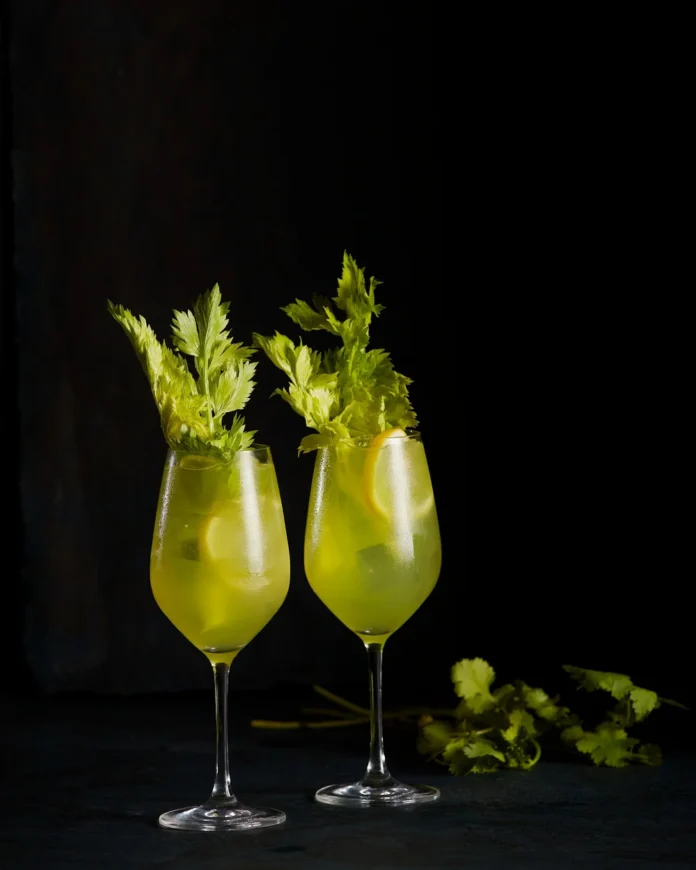
Chelsea McCune of Nemacolin echoes the green, rolling hills surrounding the Laurel Highlands in her cocktail, Birdie. A refreshing, garden-fresh twist on a wine spritzer. Inspired by the rolling hills and breezy afternoons of Western Pennsylvania, this drink is as elegant as it is easy-drinking.
With crisp Tanqueray gin, freshly pressed celery juice, floral elderflower liqueur, and a lively splash of Moscato, the Birdie cocktail is light, bright, and unmistakably green—in the best way. It’s the kind of cocktail that feels just right after a morning on the course, an afternoon by the pool, or a slow, golden-hour stroll. Garnished with celery sprigs and citrus, it’s both visually striking and effortlessly refreshing.
This one’s for those sweet summer days when all you need is something cool in your hand and a little time to enjoy it.
Crafted like a wine spritzer, this cocktail brings a splendor of herbaceous, fresh, and light flavors, making it perfect for a sweet summer day
Ingredients
Scale
2 oz Tanqueray Gin
2 oz freshly juiced celery juice
21/2 oz St. Germaine Elderflower Liqueur
Quarter of a whole lime, juiced
Moscato wine
Instructions
Pour all ingredients except Moscato wine into a shaker and with no ice, shake. Pour over ice in a wine glass and top with Moscato. Garnish with celery sprigs, a lemon wheel, and enjoy!
Recipe by Chelsea McCune Story by Jordan Snowden Photography by Dave Bryce Styling by Keith Recker
Sweet, sticky sauces, slow-smoked meats, and savory sides: there’s nothing like the smell of barbeque in the summer. Aficionados know that “barbeque” is a sweeping term that includes American-regional styles like South Carolina’s vinegar-based sauce or Memphis-style slow-smoked, rubbed ribs, as well as many international traditions. Korea hits the sweet-savory mark with their thinly-sliced, grill-marked meats, and tender pork topped with smoky, hot jerk sauce brings the Caribbean into the grill game. Five of Pittsburgh’s grill masters share their masterpieces, from traditional smoked brisket to bulgogi and the Chipotle Brussels Sprouts below.
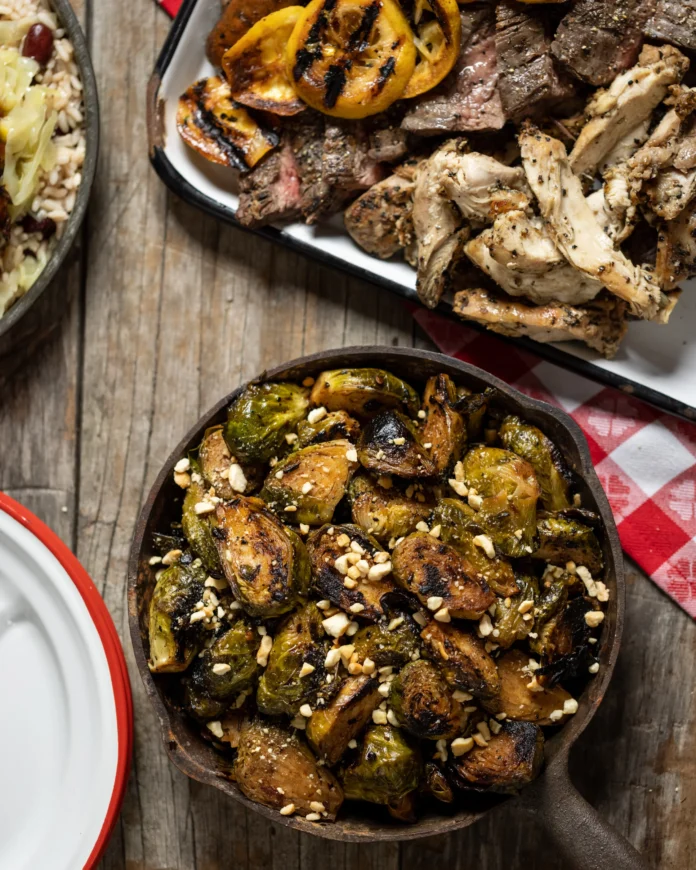
Wood-fired meats are a signature item at Gaucho Parrilla Argentina. The South American-inspired restaurant has it all. There are plates of fatty, grilled rib-eye, roast pork, seafood and chorizo paella, and two-hands-required sandwiches. For an at-home feast this summer, Matthew Neal is pairing honey-and-chipotle-tossed, cashew-topped Brussels sprouts with a mixed grill.
About the mixed grill, Neal advises: “Start with your favorite cut of steak, grilled to your preferred temperature. Pair that with either grilled chicken legs or breast. Lastly and very important: your absolute favorite summer sausage. Whether it’s a hot Italian, a smoked kielbasa, or even something fresh from our friends Parma Sausage in the Strip District. The mixta is a good option for having groups of people over for a cookout.”
6 oz chopped chipotle peppers in adobo (I like to pulse in a food processor)
3 oz honey
1 tbsp paprika
1 tbsp ketchup
¼ cup chopped cashews (I prefer roasted and salted)
Instructions
Start by preheating your oven to 400 degrees. Then, stem and split your sprouts.
In a small bowl, combine the chipotle peppers, honey, paprika, and ketchup, and mix until incorporated. Taste the sauce, then add to your desired amount of heat.
Throw the sprouts in a bowl and coat them in as much or as little of the chipotle sauce as you like. Arrange the sprouts on a baking sheet and place in the oven for about 20 minutes or when you start to see some roasty-toasty-ness on the leaves.
To serve, place in a serving dish and sprinkle with the chopped cashews and a little bit of straight honey.
Recipe Gaucho Parella Argentina Story by Maggie Weaver Photography by Matt Dayak Styling by Quelcey Kogel
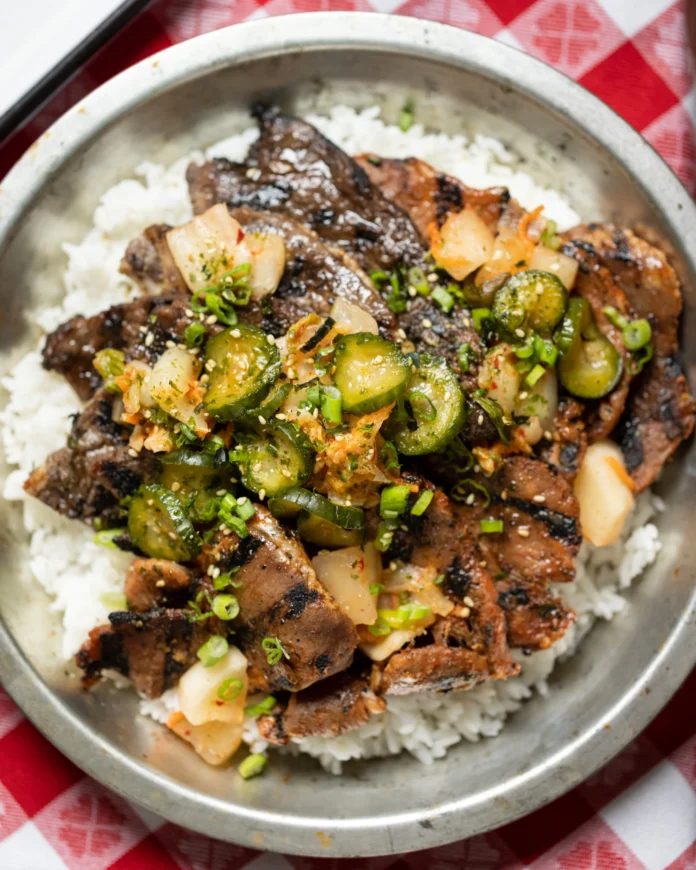
Simon Chough of Soju offers up a Korean BBQ combo featuring bulgogi, dwaejibulgogi, and kalbi.
Sweet, sticky sauces, slow-smoked meats, and savory sides: there’s nothing like the smell of barbeque in the summer. Aficionados know that “barbeque” is a sweeping term that includes American-regional styles like South Carolina’s vinegar-based sauce or Memphis-style slow-smoked, rubbed ribs, as well as many international traditions. Korea hits the sweet-savory mark with their thinly-sliced, grill-marked meats, and tender pork topped with smoky, hot jerk sauce brings the Caribbean into the grill game. Five of Pittsburgh’s grill masters share their masterpieces, from traditional smoked brisket to bulgogi.
Chef Simon Chough of Soju fills his menu with flavor. Find Korean-American dishes such as the Killer Tofu, a crispy tofu tossed in a pineapple glaze, or Kimchi-Chi Nachos, fried wontons topped with nori, mushrooms, and more. Chough’s traditional Korean BBQ Combo, featuring bulgogi, dwaejibulgogi, and kalbi, is not to be missed. Chef Simon describes how it is done: “When I teach people about how to prepare Korean BBQ instead of giving them a recipe, I like to give them guidelines. This allows the cook to observe what each ingredient adds to the dish and develop their own preferences or style; the possibilities are limitless. This way of thinking about Korean BBQ is a gift my grandmother gave me when I was just a boy, a gift that I am proud to pass on.”
Simon Chough’s Korean BBQ Combo: A Guide, Not a Recipe
When I teach people about how to prepare Korean BBQ instead of giving them a recipe, I like to give them guidelines. This allows the cook to observe what each ingredient adds to the dish and develop their own preferences or style; the possibilities are limitless. This way of thinking about Korean BBQ is a gift my grandmother gave me when I was just a boy, a gift that I am proud to pass on.
Step 1: Choose Your Cut of Meat
For the Soju BBQ combination we use beef short rib, beef tri-tip, and pork shoulder, but you can use almost any cut meat depending on what texture you are looking for. Westerners tend to enjoy cuts that are tenderer, like filet or strip steak, while Koreans enjoy the more chewy cuts like short rib. The cuts we use are a good representation of both. Just go to your butcher and tell them to slice it thin (about 1/4 inch).
Step 2: Marinate Your Meat
A good place to start when making a Korean BBQ marinade is soy sauce, sugar, and sesame oil in equal portions. Then you might consider some aromatics like finely chopped onion (green or white), garlic, or ginger. For spice I like to use black pepper and gochujang (Korean red pepper paste) and to add some depth to the sweetness I use Asian pear and mirin (sweet rice wine). With Korean BBQ you have the luxury of having many small pieces of meat so play with different combinations in your marinade and taste often. When you find the right mixture, apply marinade just enough to coat the meat – your meat should not be swimming in marinade. Rest for 4 to 24 hours.
Step 3: Grilling
You can use many cooking methods for Korean BBQ. A cast-iron skillet works fine indoors, or use a charcoal or gas grill outdoors. If you want to get traditional, buy a tabletop grill so you can grill while you eat. No matter what method you choose, high heat is a must. We like to sear our meat on high heat for about 30 to 60 seconds a side and then leave it to rest and render on low heat for about 5 minutes. Then, serve with rice, nori, and kimchi.
Story by Simon Chough and Maggie Weaver Photography by Matt Dayak Styling by Quelcey Kogel
Sweet, sticky sauces, slow-smoked meats, and savory sides: there’s nothing like the smell of barbeque in the summer. Aficionados know that “barbeque” is a sweeping term that includes American-regional styles like South Carolina’s vinegar-based sauce or Memphis-style slow-smoked, rubbed ribs, as well as many international traditions. Korea hits the sweet-savory mark with their thinly-sliced, grill-marked meats, and tender pork topped with smoky, hot jerk sauce brings the Caribbean into the grill game. Five of Pittsburgh’s grill masters share their masterpieces, from traditional smoked brisket and collard greens to bulgogi.
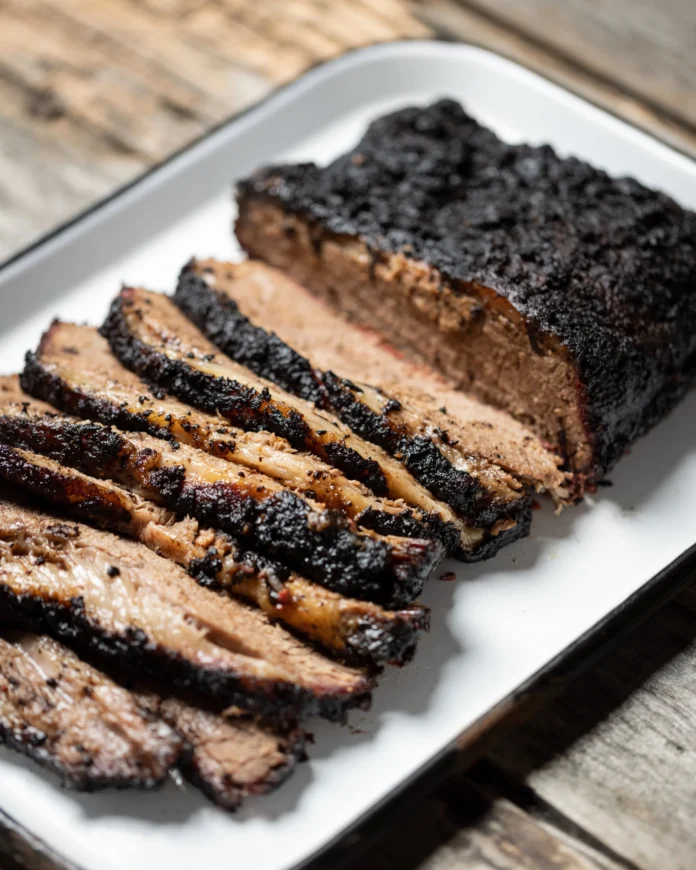
Texas barbeque was the style of choice at Spork Pit, the now-defunct all-BBQ sister to New American eatery Spork. Their menu boasted all the meats – brisket, pulled pork, jerk chicken, sausage, and spare ribs – with savory braised collard greens to match. Fortunately, their signature flavors live on; these shared recipes for brisket and collard greens let you recreate a taste of their craft in your own kitchen. Gather a crowd; you’ll need one to tear through Spork Pit’s massive brisket.
Gather a crowd; you’ll need one to tear through their massive brisket.
Ingredients
Raw, trimmed brisket
Brisket rub (about .0225g per brisket weight)
Instructions
Preparation Instructions
First, trim your brisket. Then, weigh it and apply formula to measure brisket rub. Apply the rub and evenly cover it. Place on a tray and cover in plastic, then chill overnight.
Smoking Instructions
Light your fire and bring the smoker to 250 degrees. Put the brisket on the hot shelf with point toward the firebox. Insert a thermometer and smoke until “bark” develops, usually a 165-degree internal temperature.
Wrap the brisket in butcher’s paper to catch juices, and raise the smoker temp to 295 degrees. Continue cooking until the brisket reaches 208 degrees, and allow to rest until the internal temperature is 150 degrees.
Savory braised collard greens to match your brisket.
Ingredients
Large Spanish onion
Garlic
Bacon
Red pepper flakes
Butter
Water
Chicken base
White wine vinegar
Sugar
Rub concentrate
Instructions
Sauté onion, garlic, bacon, red pepper, and butter until onions are translucent, then add 1 gallon of water, mixed with 1 pound chicken base.
Add 2 quarts of white wine vinegar, 2 cups of sugar, and one cup of rub concentrate, and then bring all ingredients to a boil. Add 1 case of clean, rinsed greens, cover, and boil for 45 minutes.
Reduce heat and simmer for 1 hour and 15 minutes, then remove cover and reduce until greens are tender.
Recipe Spork Pit Story by Maggie Weaver Photography by Matt Dayak Styling by Quelcey Kogel
Sweet, sticky sauces, slow-smoked meats, and savory sides: there’s nothing like the smell of barbeque in the summer. Aficionados know that “barbeque” is a sweeping term that includes American-regional styles like South Carolina’s vinegar-based sauce or Memphis-style slow-smoked, rubbed ribs, as well as many international traditions. Korea hits the sweet-savory mark with their thinly-sliced, grill-marked meats, and tender pork topped with smoky, hot jerk sauce brings the Caribbean into the grill game. Five of Pittsburgh’s grill masters share their masterpieces, from traditional smoked brisket to bulgogi and the below smoked duck recipe.
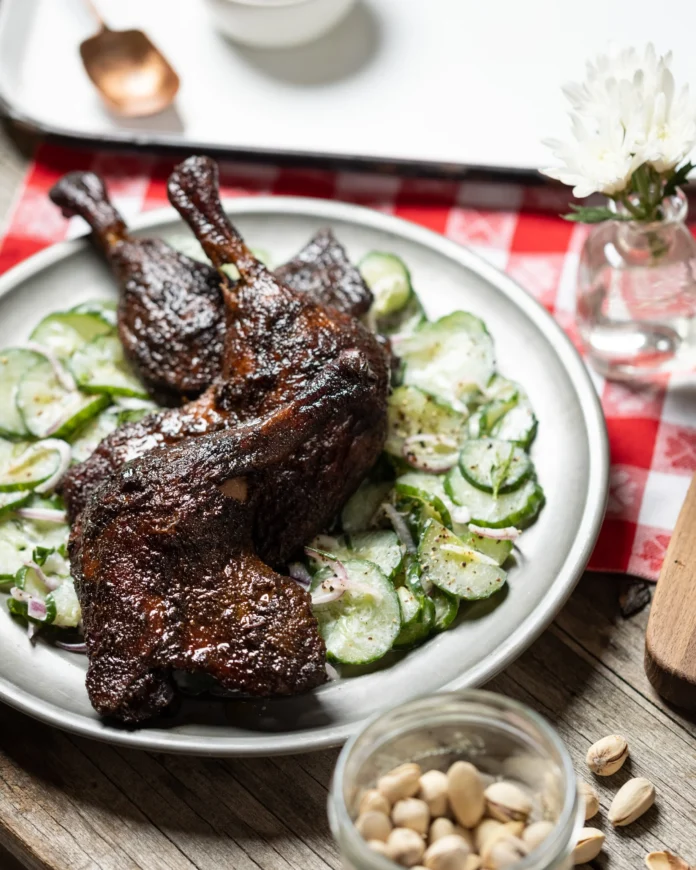
Homestyle classics are menu staples at breakfast-all-day spot, The Speckled Egg. Along with delicious toasts and pancakes, find savory delights such as the diner-classic patty melt or chicken salad. Pull out your smoker for their barbeque of choice, a deeply smoked duck partnered with a refreshingly cool cucumber salad.
Start a fire using the kiln-dried hardwood and old newspaper. Once the fire is burning, mix all dry-rub ingredients together in a medium-size mixing bowl.
Rub duck leg quarters with generous amounts of rub. Once the fire is burnt down to coals, add 1 or 2 more logs to fire. Close the airflow dampers closest to the fire, and open the chimney damper 1⁄4 of the way. This will keep the fire burning, but not flaming, thus creating copious amounts of smoke, and an even temperature throughout the cooking process.
Once the temperature is at 250 degrees, place the duck legs on indirect heat (farthest away from the coals, and smoldering wood). Check the fire once every 30 minutes to see if an additional log is needed to maintain temperature and create more smoke.
The duck is done approximately 2 1⁄2 to 3 hours or when the skin starts to recede from the top of the leg. The meat will firm up in the first half of the cooking process, and will slowly relax and become tender during the last hour.
Slice cucumbers 1⁄4-inch thick, and julienne the red onion 1⁄8 inch thick. Mix in an appropriate-sized mixing bowl and add salt. Put cucumber, red onion, and salt mixture into a colander over a mixing bowl. Cover and place in the refrigerator overnight. This draws the moisture out, and seasons the cucumbers and onion.
The following day, rinse the cucumber and red onion well under running water in the colander. Let drain. Roll out a kitchen towel, and put the cucumber and red onion in the kitchen towel (cheesecloth also works well). Wring out excess moisture in the cucumber and onion and place in a mixing bowl.
In a separate small mixing bowl, whisk together Greek yogurt, coriander, and black pepper until well combined. Mix yogurt mixture into the wrung-out cucumber and onions. Fold together and enjoy.
Recipe Nathan Schoedel Story by Maggie Weaver Photography by Matt Dayak Styling by Quelcey Kogel