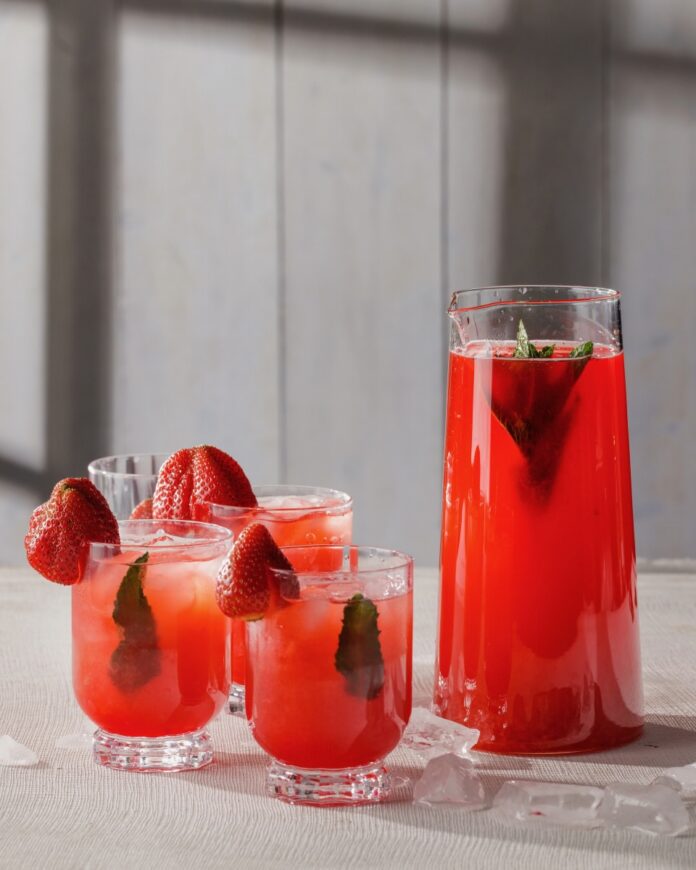
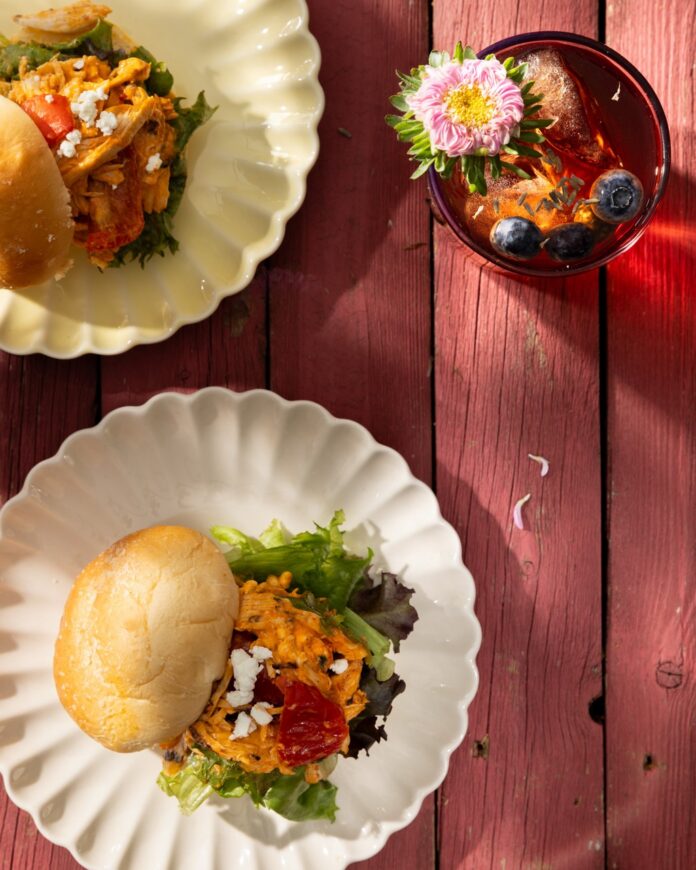
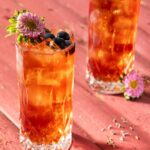
Red punch is a meaningful part of Juneteenth celebrations, symbolizing resilience, strength, and joy. This Berry Peach Lemonade is a fresh, modern take on that tradition. For this recipe we’re using naturally red fruits to create a colorful and also refreshing drink that’s perfect for sharing at summer gatherings. Our Juneteenth Red Punch comes from Cheryl Johnson of Aunt Cheryl’s Café, a café serving up breakfast, lunch, and soul food for dinner. Her Award-Winning Sweet Potato Pie is a must-order, especially if you’re planning on having a Juneteenth celebration. She also takes catering orders for large groups and special occasions. But, if you can’t make it to her restaurant in Pittsburgh, you can at least make her Berry Peach Lemonade at home for a taste of what she’s all about.
Why Do We Serve Red Punch on Juneteenth?
Red drinks like fruit punch are a meaningful part of Juneteenth celebrations dating back to early emancipation gatherings in the late 1800s. The tradition symbolizes resilience, strength, and remembrance as freed slaves celebrate their freedom with food, music, and shared meals.
The color red connects to history and culture of the time. It often represents the bloodshed and sacrifices of enslaved people, while also reflecting their endurance and pride. Just as importantly, red drinks stem from West African culinary traditions where ingredients like hibiscus would create ruby-colored beverages for celebrations and ceremonies.
Even though recipes for red drinks develop through the ages, the significance still stands as a a visual tribute to history, community, and joy.
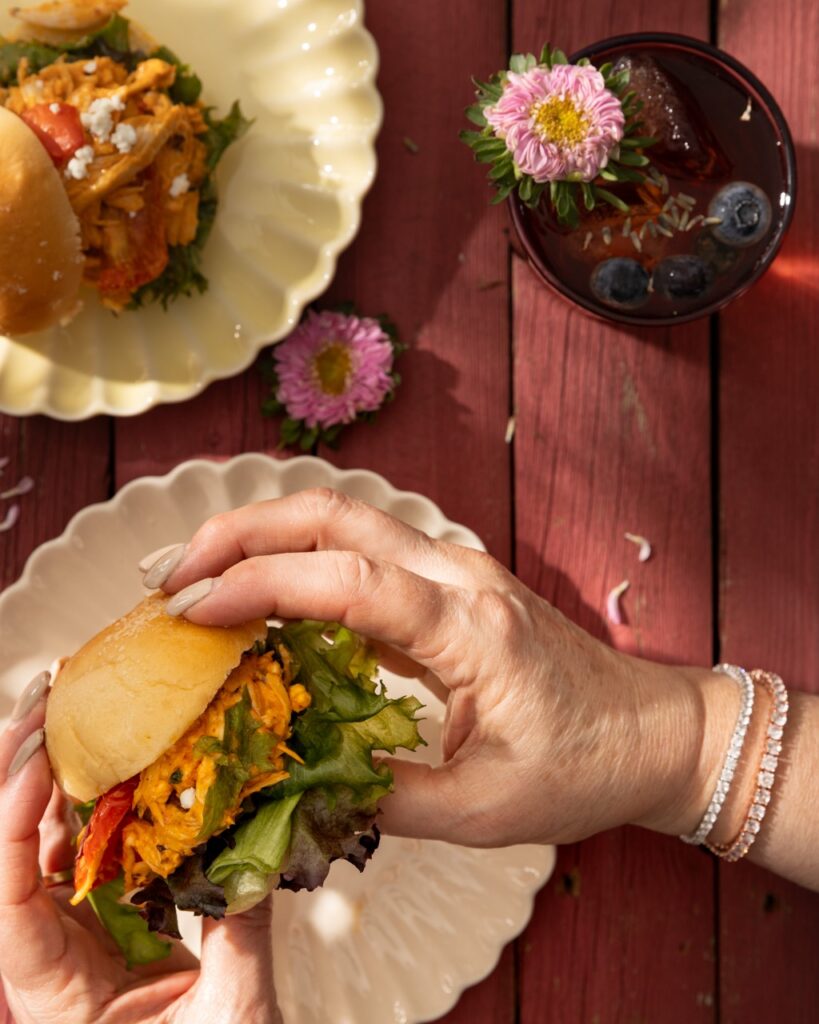
There are so many ways to chow down on chicken but one of the most essential is the Chicken Slider. These Honey Sriracha Chicken Sliders interweave the worlds of sweet, sticky honey and tangy, spicy sriracha. After you make the dressing at home, you’ll load up a bun with shredded roasted chicken, leafy green spinach, crumbles of blue cheese, slow-roasted tomatoes, and finish it off with your dressing. May we suggest serving this stack of a sandwich with Grilled Summer Squash featuring a Lime Crema and Salsa Macha?
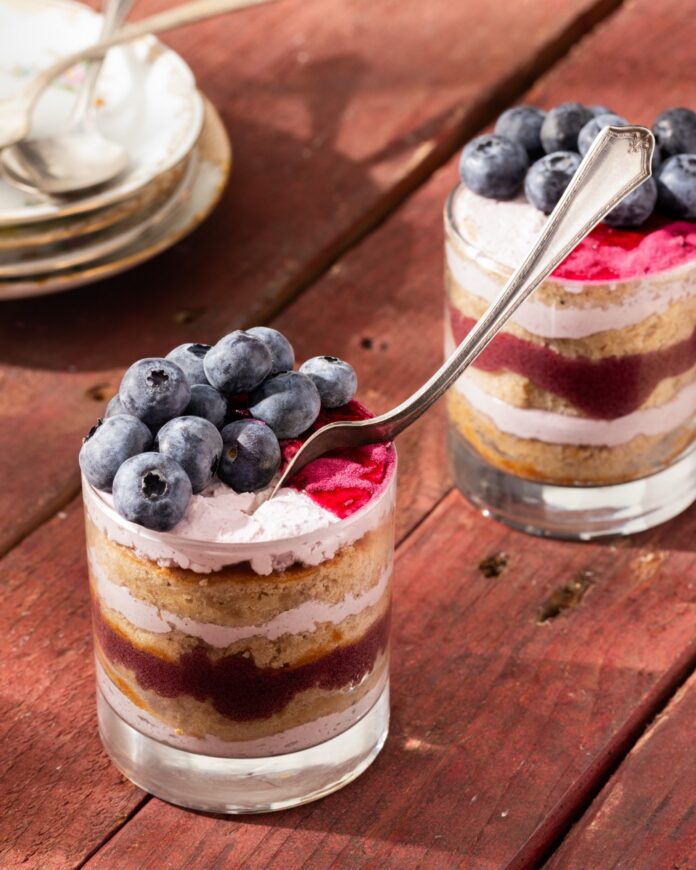
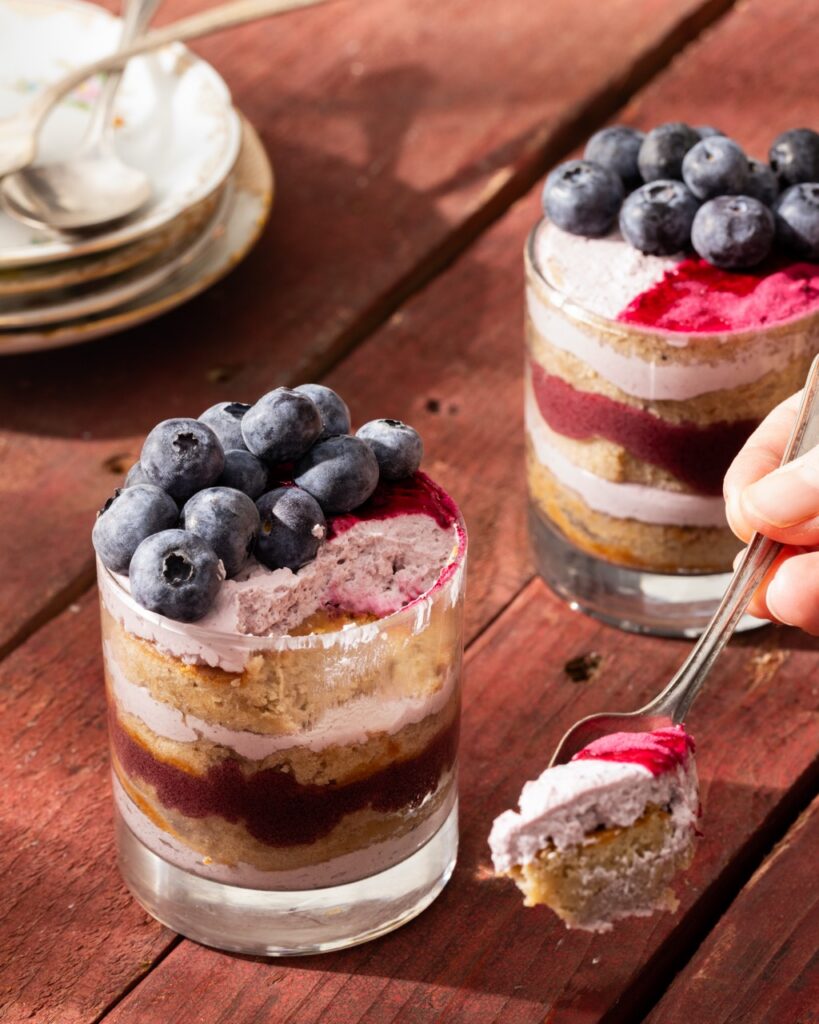
Dessert can be just as much a flavor adventure as dinner thanks to these Chai Tea Cake Cups. Stray away from your usual vanilla or chocolate and see how chai tea bakes up into something unique. Along with the lightly spiced cake are layers of blueberry whipped cream that’s made from freeze-dried blueberry powder.
What is Chai Tea?
Chai tea comes traditionally from India. It’s a black tea that gets brewed with warming spices like cinnamon, cardamom, ginger, cloves, and black pepper. You’ll often see it steamed with milk for a sweeter style. Outside of India, chai tea usually refers specifically to that spiced milk tea, though the word chai just means “tea” in Hindi.
There’s no need for your cake cups to be boring vanilla or chocolate…
Ingredients
Scale
For the chai spice mix:
3 tbsp ground cinnamon
3 tbsp ground ginger
3 tbsp ground black cardamom
1/2 tbsp ground green cardamom
1/4 tbsp ground cloves
For the cake:
1 1/4 cups whole milk
1 chai tea bag
2 3/4 cups cake flour, sifted
2 tsp baking powder
1/2 tsp baking soda
7 tsp chai spice mix (see above)
1 tsp salt
3/4 cup unsalted butter, room temperature
1 2/3 cups sugar
3 large eggs, room temperature
1/2 cup sour cream, room temperature
1 tbsp vanilla extract
For the whipped cream:
4 cups heavy whipping cream
1 cup powdered sugar
1 cup freeze-dried blueberry powder
For plating:
1 cup fresh blueberries
Instructions
Blend chai spice mix. Place in a container with a tight lid.
Warm the milk over low heat just until boiling, stirring frequently to prevent scorching.
Pour the boiling milk into a heat-proof mason jar and add chai tea bag. Steep until mixture reaches room temperature.
Preheat the oven to 350 degrees. Grease and flour the sides and bottom of a half sheet cake pan.
In a mixing bowl, add sifted cake flour, baking powder, baking soda, salt, and 2 tbs of chai spice mix into a bowl. Whisk to combine.
In a stand mixer, cream butter and sugar until fluffy.
Add eggs, vanilla, and sour cream and whip on high until well combined. Remember to scrape the sides of the bowl at least once!
Add dry ingredients and mix until just combined.
Add the chai milk mixture slowly and mix until just incorporated. Scrape the sides of the bowl and check for lumps. Mix until thick but still pourable.
Pour batter evenly into cake pan.
Bake for 30-35 minutes until a wooden skewer emerges clean from the cake.
Let cool in the pan.
Using a highball glass, cut circles of cake.
Place a circle of cake in the glass, press down lightly till it reaches the bottom of the glass.
For whipped cream and plating:
Whip heavy cream until stiff peaks form.
Add powdered sugar and freeze-dried blueberry powder.
Whip until well combined and firm.
Spread blueberry whipped cream over the cake. Wipe the glass down.
Add another layer of cake and blueberry whipped cream.
Wipe glass.
Repeat one more time to get three layers.
Dust with freeze-dried blueberry powder. Garnish with fresh berries. Enjoy!
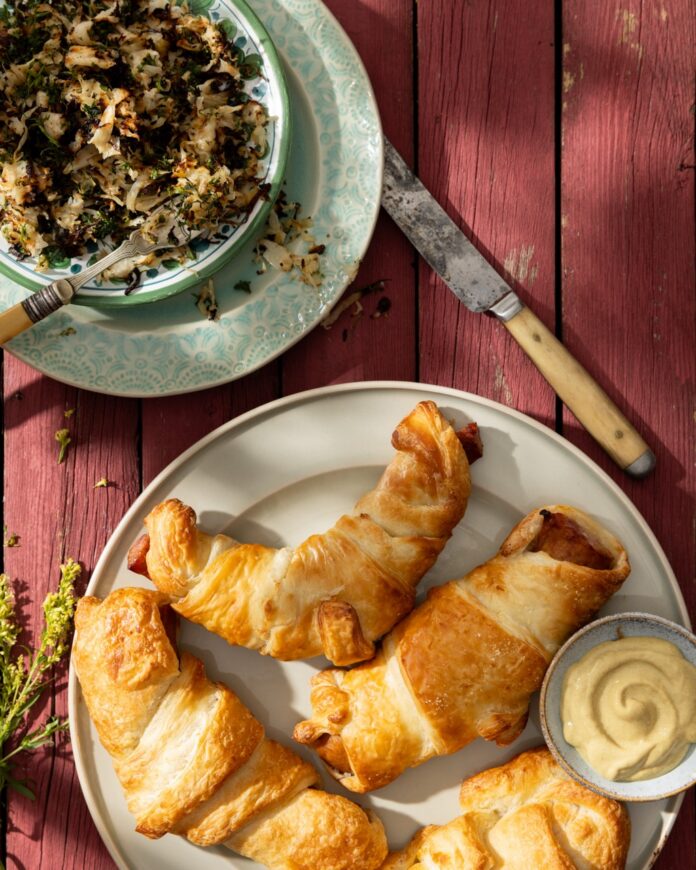
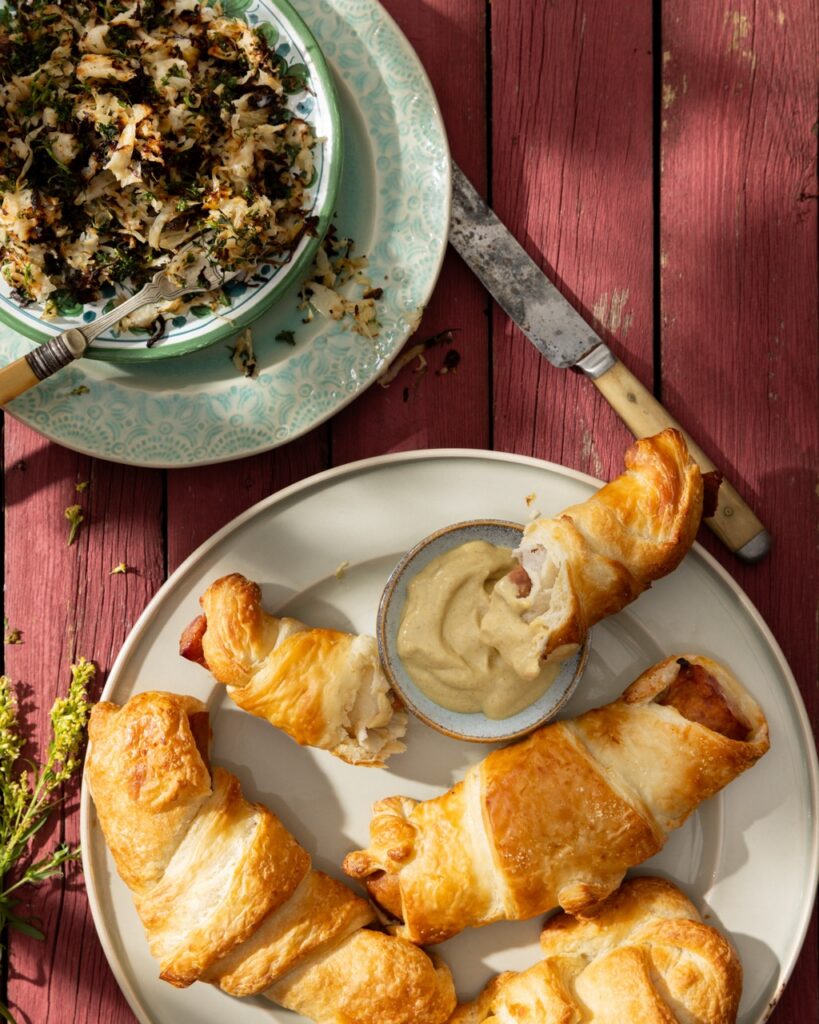
Hot dogs in crescent rolls are a comforting reminder of childhood and the simplicities of life. But, since we’re adults now, let’s kick Pigs in a Blanket up with a Polish twist that utilizes kielbasa. You’ll roll smoked kielbasa and roasted sauerkraut in a delicate and buttery puff pastry. Make sure to have your mustard on hand for dipping.
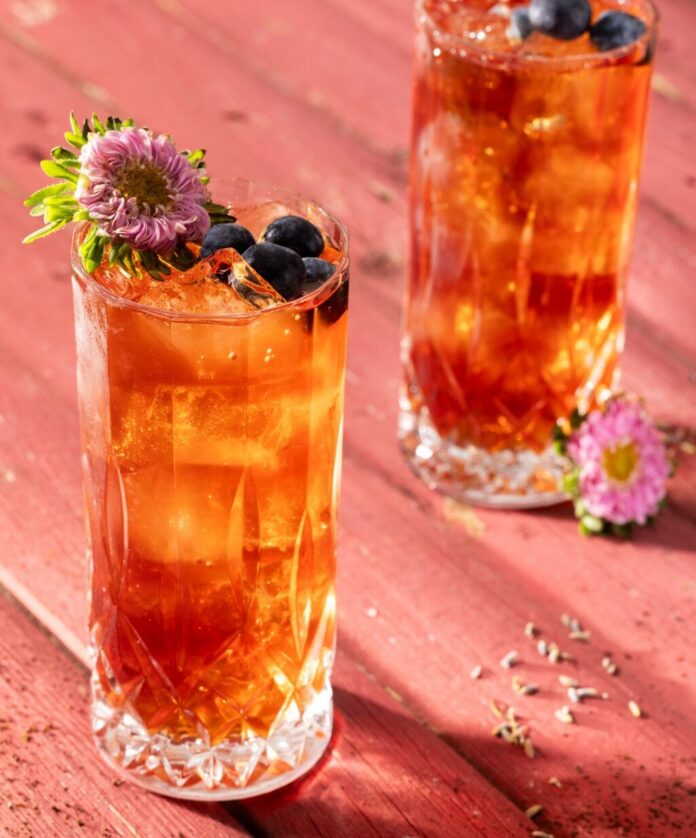
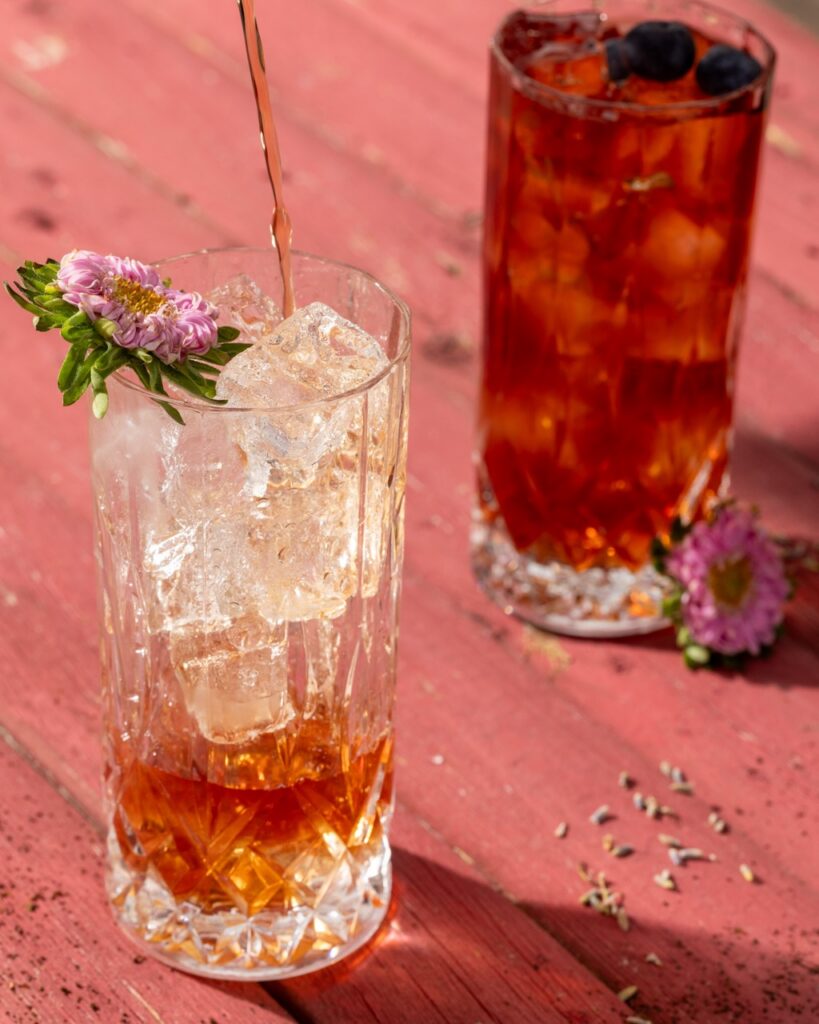
Have you ever been craving Earl Gray tea but it’s a hot summer day and a warm drink would be overwhelming? Get your fix with our Earl Gray and Blueberry Punch. This recipe uses Earl Gray tea bags but it also incorporates smashed blueberries with tart and sweet flavors. In case you prefer your tea more on the Southern side of sweetness, you can add in sugar too. Just make sure you don’t forget the cold brewing process for a crisp, cool finish.
What Makes Our Earl Gray and Blueberry Punch Stand Out?
The cold brew process is what really sets our recipe apart. By using cold water to brew the tea rather than hot, it pulls out tannins (the stuff that makes tea taste sharp or bitter) slower. Blueberries also take longer to infuse so your mix needs to sit longer than it would for hot tea but the end product is full of flavor. You can even taste each part of the recipe rather than your punch turning out like water with a hint of fruit.
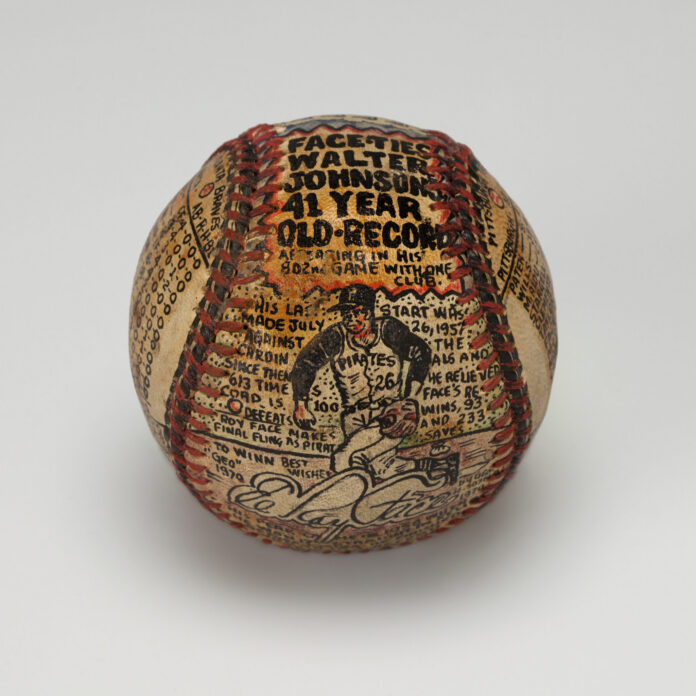
George Sosnak, Elroy Face ties Walter Johnson’s 41 year old Record, 1968, 1970. India ink on manufactured baseball. Courtesy of a private collector, supported by The Chrysler Museum of Art . Photo by Ed Pollard, Chrysler Museum of Art photographer.
Pittsburgh native, self-taught artist, and minor league umpire George Sosnak packed decades of baseball history onto 800 hand-painted baseballs. A new exhibition at the Westmoreland Museum of American Art, Play Ball!, proves he was in a league of his own.
Swing for the Fences With Play Ball! The Art of George Sosnak at the Westmoreland Museum
Every artist needs a canvas. George Sosnak chose one with 108 raised red stitches, almost no flat surface, and a tendency to roll away when you set it down.
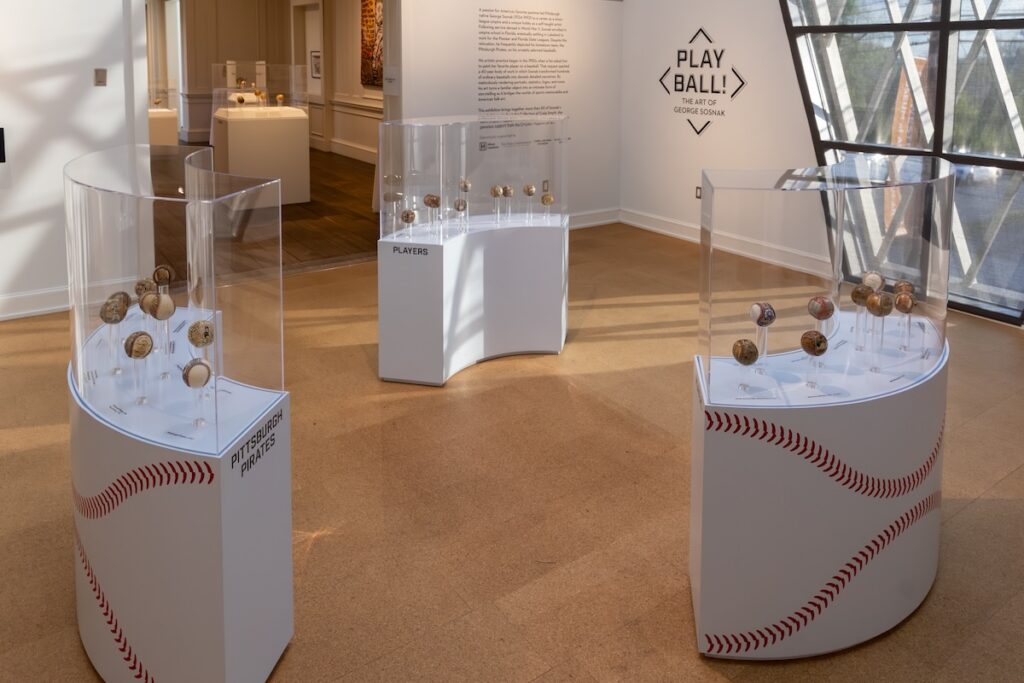
Sosnak spent four decades—from the 1950s until his death in 1992—painting on baseballs. Working on just nine square inches of curved white cowhide, he covered each regulation ball with player portraits, box scores, statistics, logos, and obscure baseball trivia only an obsessive would track down. His baseballs are held by the Smithsonian and the National Baseball Hall of Fame and Museum and are prized by collectors, baseball fans, and folk-art enthusiasts. Now more than 60 are on view at the newly opened Play Ball! exhibition at the Westmoreland Museum of American Art in Greensburg.
“Until you see the baseballs in person, you don’t really understand the level of detail,” says Dr. Erica Nuckles, the museum’s Director of Learning, Engagement, and Partnerships. “It is unbelievable what Sosnak got on these.”
Luckily the museum provides magnifying glasses so visitors can read thread-thin text, decipher tiny hit-run-error grids, and parse miniature figures mid-swing. “It’s almost like he’s putting a baseball card on an actual baseball,” says Nuckles.
History on a Sphere
What Sosnak immortalized ranged from the sport’s biggest moments to its footnotes and forgotten lore. There are balls showing Hall of Famers like Ted Williams, the 1989 World Series earthquake in San Francisco, and the minor league player traded for a candy bar. Pittsburgh fans will find plenty to linger over. The exhibition includes several Pirates-themed baseballs, among them tributes to hometown icons Roberto Clemente and Bill Mazeroski, whose walk-off home run clinched the 1960 World Series.
Born in Pittsburgh in 1924, Sosnak grew up collecting autographs from Pirates players. But the baseball career that would define his life began in Germany, entirely by accident. Serving with the Army after World War II, he was told by his First Sergeant he’d be reporting to “umpire school”—and assumed it had something to do with field maneuvers. It didn’t. He’d stumbled into an enormous military baseball operation: by 1945, more than 200,000 American servicemen were playing organized ball across occupied Europe. Hall of Famers, Negro League stars, and hundreds of minor leaguers filled military rosters. The Army built fields, organized tournaments, shipped in thousands of bats and balls, and trained umpires to manage games that sometimes drew 50,000 spectators. Sosnak was one of those umpires, and he’d found his calling.
Back in the States, he enrolled in umpire school in Florida and worked his way through the minor leagues, making it as far as the Class A Florida State League before stepping back from full-time umpiring in 1964. To supplement his income, he worked as a baker, construction worker, and corrections officer, but baseball was the constant. So was the drawing. Sosnak was an almost compulsive doodler, sketching on envelopes, decorating letters to relatives, and covering any blank surface with illustrations and drawings.
Over 40 Years of Painting
The baseballs began in 1956, while Sosnak was umpiring a game in Idaho. A young fan asked whether he could paint her favorite player on a baseball. He obliged, and word spread. Before long, players, managers, team owners, politicians, batboys, hospitals, churches, charity groups, foreign dignitaries, and fans were seeking out Sosnak baseballs. Sometimes he charged for the work, but “often he was just gifting these to people,” says Nuckles.
To apply the black outlines of his design with India ink, Sosnak’s tool of choice was the crow quill pen, an ultra-sharp, steel-nib instrument traditionally used by comic book inkers and mapmakers to achieve hair-thin lines. A player portrait, historic moment, or actual signature anchored the center of each ball. Around it, he packed in statistics, anecdotes, career highlights, as well as historical notes, all in lettering sometimes too small to read without a lens. “He had an incredibly steady hand,” says Nuckles. Color was added using acrylic and enamel paint. A final coating of shellac sealed everything in a high-shine glaze.
The Collection of a Lifetime
By the end of his life, Sosnak had started on more than 3,000 baseballs and completed around 800. The exhibition includes several unfinished works that let visitors trace the progression from spare black-ink sketches to dense, layered compositions—and understand, in the process, just how much work went into every square millimeter of the ones he did complete.
“His output is astonishing,” says Nuckles. “It just shows how baseball never went away for him, just like it’s never gone away for American culture.”
Play Ball! The Art of George Sosnak runs through April 4, 2027 a the Westmoreland Museum of American Art, 221 North Main Street, Greensburg.
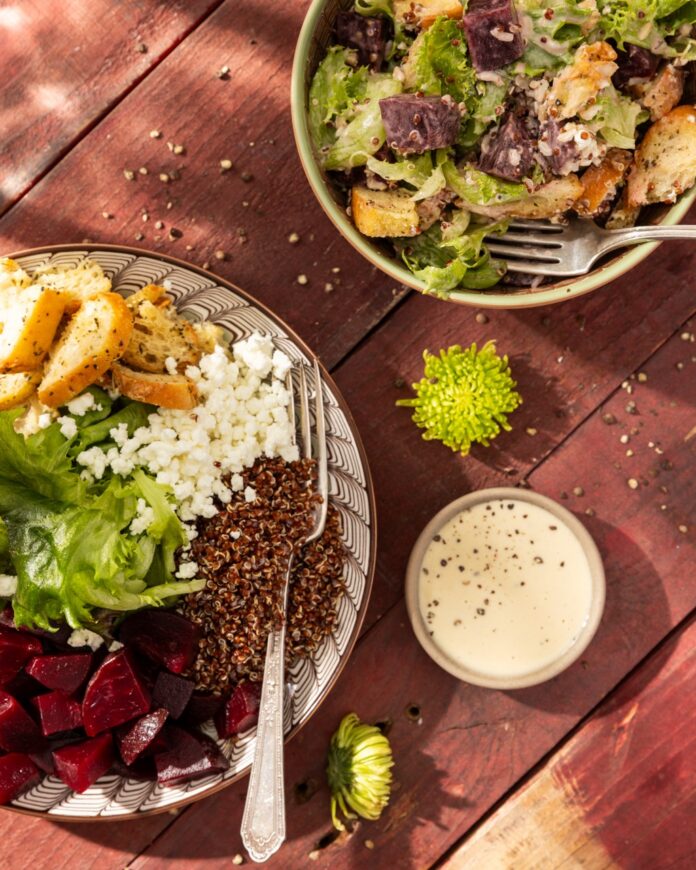
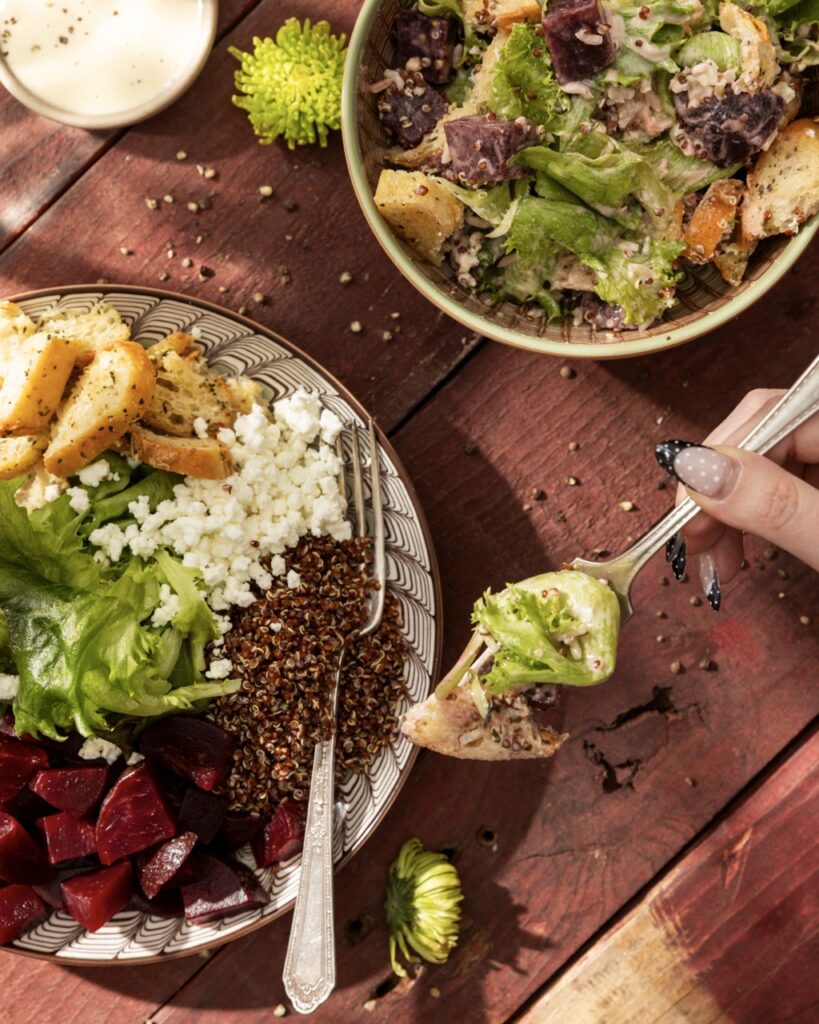
You can’t go wrong with a Grain Bowl since it’s a recipe that tastes delicious and benefits your body too. In this particular Grain Bowl, quinoa and brown rice make the base. These two add a little nuttiness as well as a mix of chewy and soft textures. Plus the two are both whole grains so they can help with blood sugar and provide long-lasting energy rather than a quick sugar crash-out. Next, you sprinkle roasted beets and baby greens (spinach or arugula) for boosts of antioxidants, a variety of vitamins, and fiber. Lastly, the White Balsamic Dressing is mostly for your tasting pleasure but it does use heart-healthy extra-virgin olive oil and antioxidant-abundant honey.
1 cup quinoa, cooked according to instructions and cooled
1 cup cooked and cooled brown rice
1 cup baby greens such as spinach or arugula
Toasted bread
For the dressing:
1/2 cup shallots, chopped fine
1 tbsp chopped garlic
1/2 cup white balsamic
1/4 cup white vinegar
½ cup honey
2 and 2/3 cup extra-virgin olive oil
Instructions
Roast about a cup of cubed beets. Cook quinoa according to package directions. Same for brown rice. Wash and dry a cup of dark baby greens like spinach and arugula.
Make the dressing in a blender. First, mix onion, garlic, and vinegars until smooth.
Add honey and blend until smooth.
With blender running, slowly add olive oil to allow for emulsification.
Into a shallow bowl, spoon portions of brown rice and quinoa.
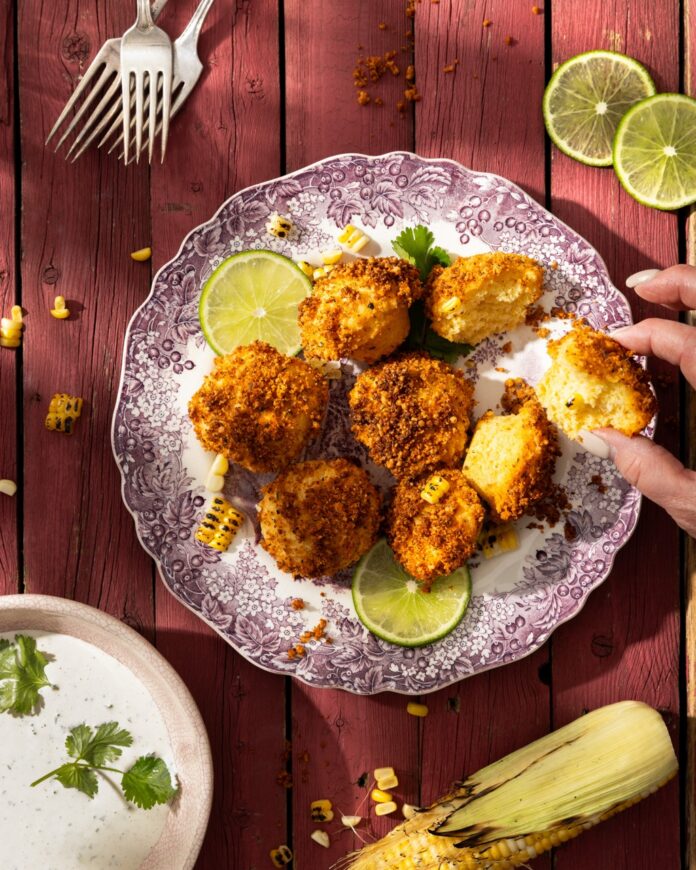
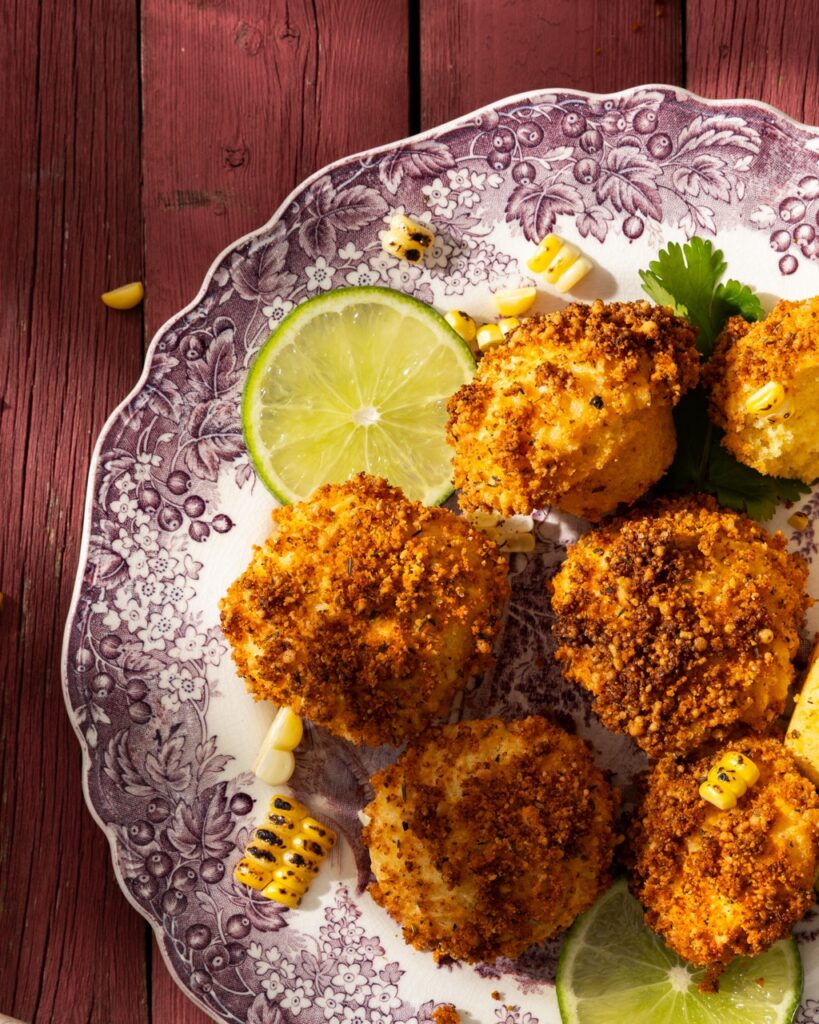
Chef Kenny Cumberland uses his fave store-bought cornbread mix for this Mexican Street Cornbread. As food icon Ina Garten frequently says, “Store-bought is fine.” Just start by following the recipe on the box. Go the extra mile by adding Kenny’s topper of cotija cheese, paprika, and two types of chili powder prior to baking and then his lime crema after to elevate the whole thing.
What’s the Difference Between Ancho Chilis and Guajillo Chilis?
Ancho and guajillo aren’t types of chilis you can pick off a plant, instead they’re simply dried versions of poblano and mirasol peppers. This means that ancho chilis are more mild than guajillo while also showcasing depth and a slight smokiness. Guajillo chilis on the other hand are brighter and have more of a tang to them. When incorporated into this Mexican Street Cornbread, the ancho chilis add a burst of flavor and then the heat comes from the guajillo chilis for a delicious balance.
Solve That Summer Sweet-Tooth at the Annual Burtner House Strawberry Festival
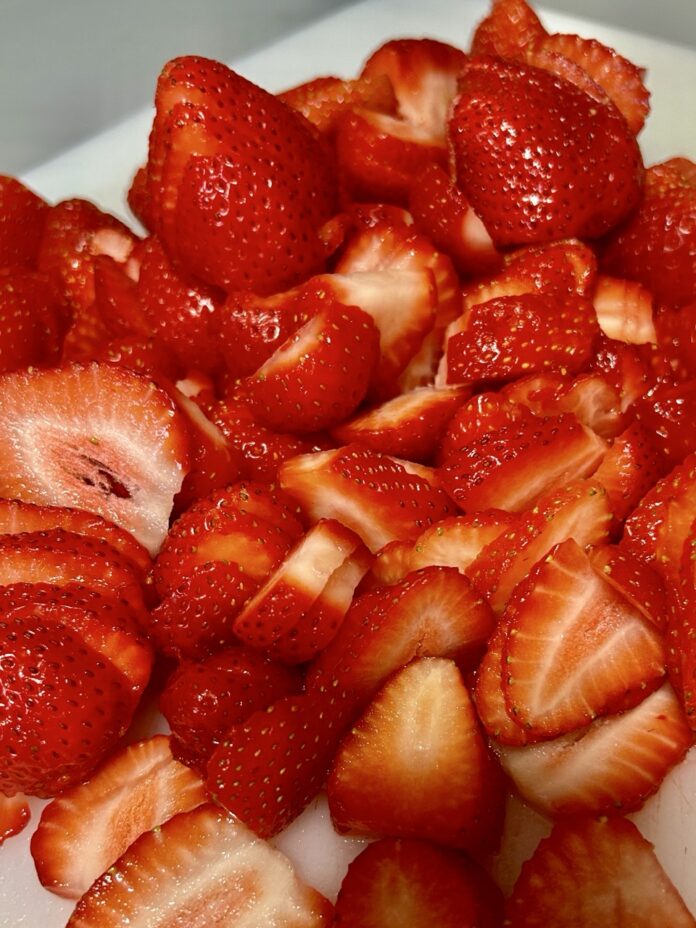
In the weeks leading up to the festival on June 20, Seguin has been washing, hulling, slicing, bagging, and freezing berries by the pound. On Saturday morning, bakers layer the fruit with pound cake, ice cream, and whipped topping, transforming it into 384 servings of strawberry shortcake, the signature dessert that’s been headlining this Natrona Heights summer festival for the last half century.
“The shortcake is our claim to fame,” says Seguin of the dessert, priced at $5. “We sell out every year.”
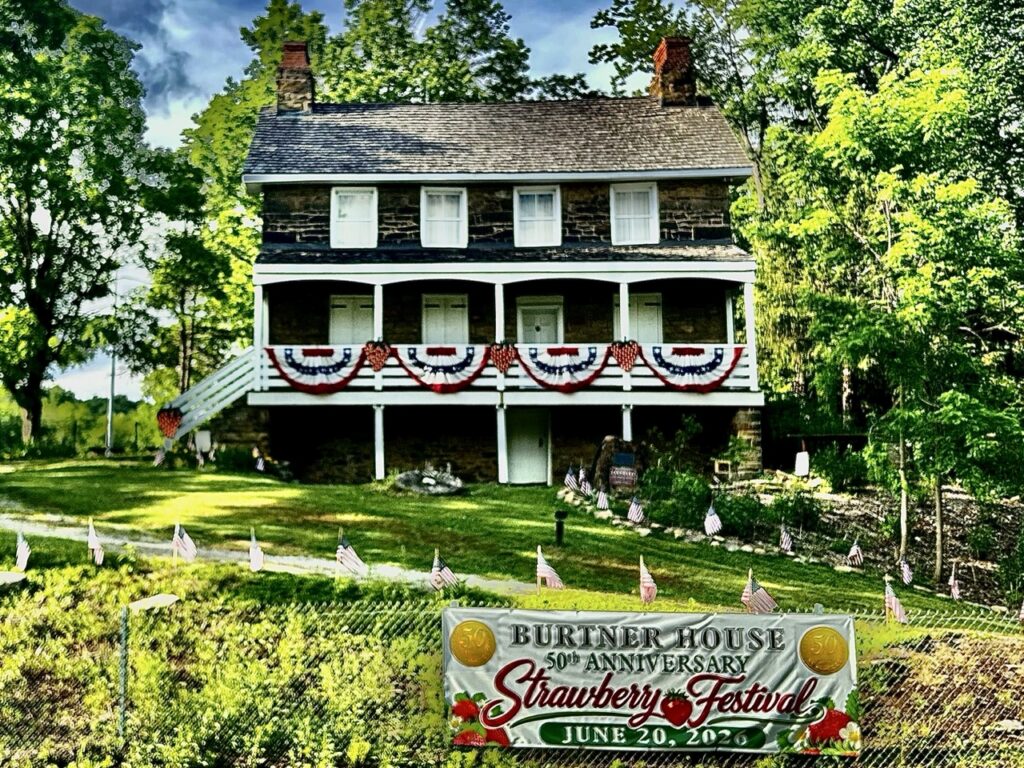
Seguin is vice president of the Burtner House Restoration Society, a group of 10 volunteers—mostly women in their 60s, 70s, and 80s—dedicated to preserving the historic house built by farmer Philip Burtner and his wife Margaret in 1821. The society also organizes the annual festival, which is its primary fundraiser for maintaining the landmarked, three-story fieldstone home.
A Festival for Families to Gather
While the signature shortcake gets top billing, the festival’s family-friendly activities also draw hundreds of visitors. This year’s lineup includes a blacksmith demonstration, face painting, a craft market spread across two meadows, Civil War re-enactors, a bluegrass band, and archaeology exhibits, along with food trucks serving up everything from strawberry mead to waffle cones filled with fresh berries.
Festival-goers who come for the shortcake often stay for the house. Built over three years beginning in 1818, the Burtner House was once one of the largest homes in Allegheny County, boasting eight rooms, four fireplaces, and 20 windows. Philip and Margaret were prominent civic leaders—Margaret hailed from early Pittsburgh’s dynastic Negley family—and their home served as a community gathering place, meeting hall, and voting site for early settlers. The last election held there was in 1864, when Abraham Lincoln won a second term. “That’s why the festival includes a President Lincoln re-enactor,” says Seguin.
Volunteers will lead house tours throughout the day, sharing stories behind the furnishings and artifacts connected to the four generations of Burtners who lived on the property. Highlights include the restored summer kitchen, where meals were once cooked over an open hearth, and the attic where voters arriving by horse and buggy sometimes spent the night before heading home after election day.
How the Strawberry Festival Came to Be
Despite the festival’s longstanding fruit focus, the Burtner family never grew strawberries. Their 250-acre working farm instead housed dairy cows and apple orchards. But in the 1970s, society volunteers looking for a way to raise funds—and lean into the summer season’s peak produce—landed on the idea of a strawberry celebration.
The shortcakes have changed over the decades to reflect the realities of a Restoration Society with a shrinking, aging membership. Volunteers once baked the cakes from scratch, the strawberries came from local farms whenever weather and harvest conditions cooperated, and the ice cream was often sourced from Isaly’s. These days, practicality wins out over nostalgia: the cakes are purchased, the berries bought in bulk at whatever supermarket has the best prices, and the work divided among a dwindling group of helpers.
Not that the festival-goers will notice. On Saturday, they’ll enjoy the shortcake, meander through the festivities, and tour the historic house. At 4 p.m., when the festival ends, volunteers will start packing everything away and take a well-deserved break.
“The week after the festival, I don’t do anything Burtner,” Seguin says. “But then we’re right back at it. A 200-year-old house is always falling apart.”
The Burtner House 50th Annual Strawberry Festival takes place at 1650 Burtner Road, Natrona Heights. Admission is $5 and children under five years are free. Note that there is no parking on-site: A shuttle bus will run from the former Big Lots store parking lot on Freeport Road to the Burtner House.
For the first time, my family purchased Kennywood season tickets. For my kids, the very idea that we could go to Kennywood anytime they want has been thrilling — and we live close enough to the park that we can pop over for a couple of hours when we don’t have anything else planned. Here’s what Kennywood tips I’ve learned so far…
Tips for a Family’s First Trip to Kennywood
Spring for Parking
Ordinarily, I try to take advantage of any free parking option — a habit born in my broke college days. But on a recent trip to Kennywood, my family got caught in driving rain and high winds, prompting a run for the car … which was parked in the uppermost lot. On prior trips, it’s worked out very well for one parent to wait with the kids at the end of the day while the other climbs the mountain for the car. But in a cloudburst, no one wanted to wait — we all ran together. I would prefer for that run to be a shorter distance next time.
Take a Picture… For Safety
Yes, you’re going to Kennywood, not Disney World, so the chance of your child disappearing into a huge crowd is slim. But on our last trip, my oldest two kids sprinted ahead for Spinvasion; by the time my husband and I arrived at the ride with our younger two in the stroller, there was no sight of them. In the panic-stricken two minutes it took them to circle around the Kangaroo and appear in front of us, I found myself trying to remember what color shirts they were wearing. My children hate me for this, but every time we enter the park, I make them stop in front of the entrance carousel horse and take a family photo, just for peace of mind. Which brings me to …
Be Aware of Kennywood’s New Rules
This summer, no child under the age of 15 can roam the park without a way to contact their chaperone, who must remain in the park at all times. My tweens don’t have cell phones, so I remind them they’re risking real consequences when they bolt ahead of me for a ride and take a wrong turn.
Pack Snacks and Water
This is obvious from a money-saving perspective — but more importantly, having your own snacks and drinks on hand means you’re not wasting time in long lines because one kid decided they were starving (even though they weren’t hungry when you passed that snack booth with no line 20 minutes ago). Having the cooler is a must. On a hot day, no one wants the lukewarm water in the bottle you typically carry around — they want something that’s cold in ice. My husband and I swear we will never venture into Kennywood with our kids without their stroller, if only because it becomes a holding spot for the cooler. (Potato Patch fries are obviously an exception. Worth the wait.)
Go on a Weekday
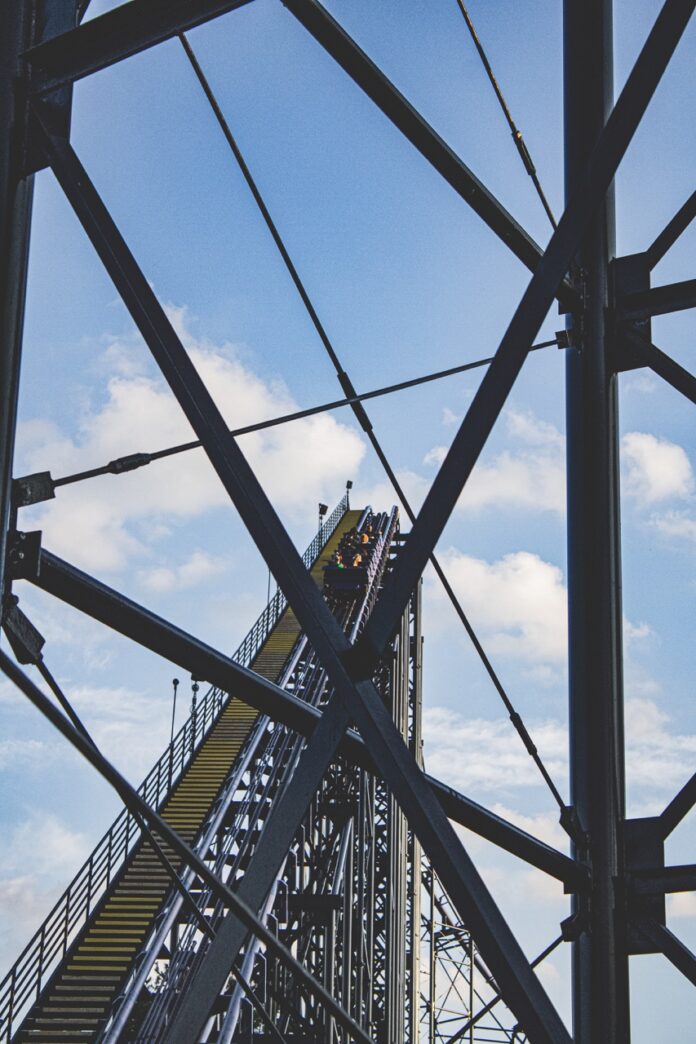
Better yet, go on a weekday where there’s a rain forecast. The cloudy, weekday trips we’ve taken so far this summer have been packed with thrill rides — because the Phantom’s Revenge, the Thunderbolt and even Raging Rapids had minimal lines. And with Kennywood’s rain policy, if bad weather does close the park, you have the possibility of getting a rainy day pass to come back on another overcast day and do it all over again.